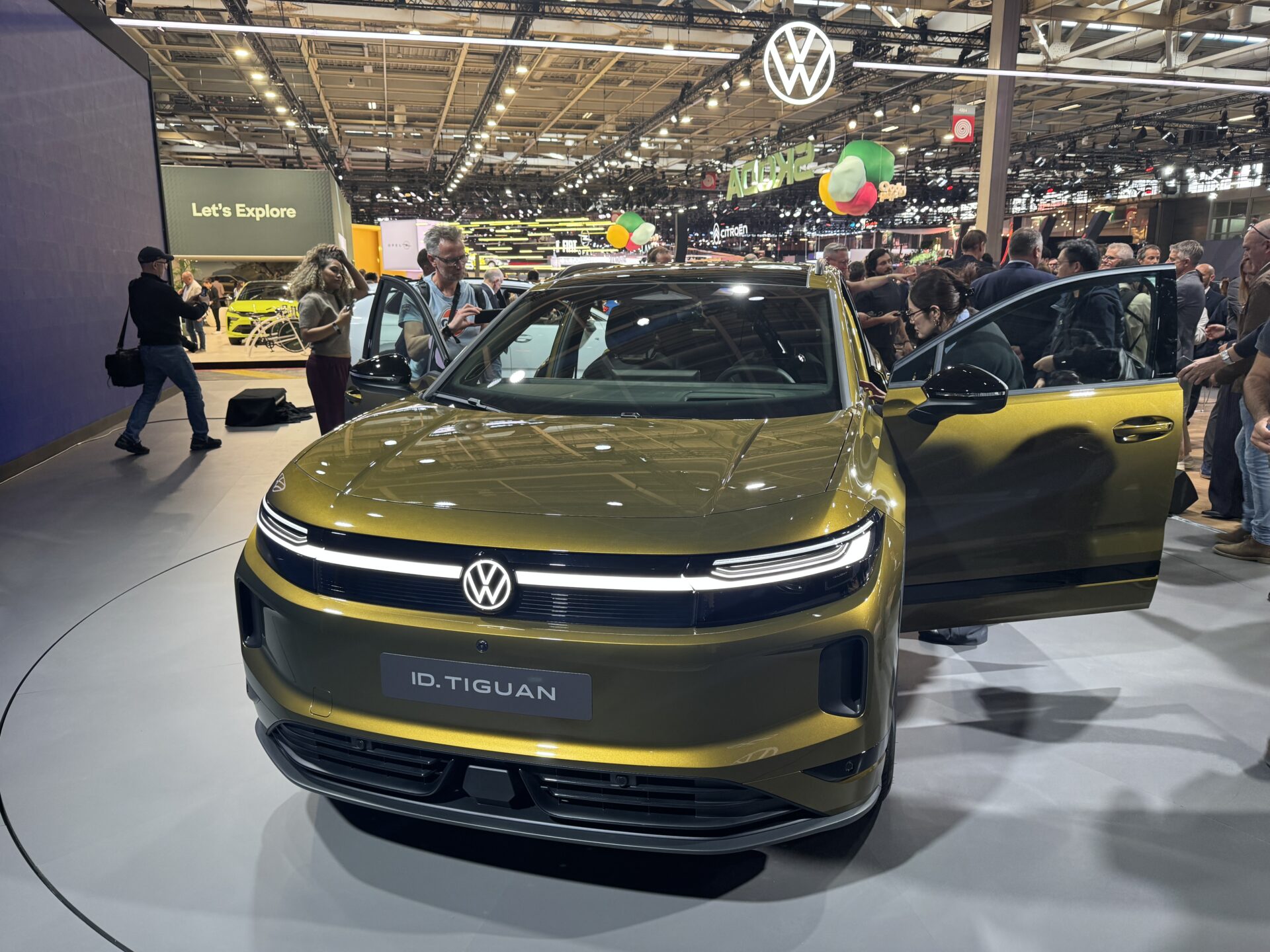
After introducing the electric ID. Polo, a facelift of the ID. 3, the ID. Cross, and GTI variants earlier this year, Volkswagen is continuing to expand its ID family. This time, it’s an addition in the SUV segment: the ID. Tiguan.
Volkswagen is continuing on its march towards electrified mobility. The German carmaker’s newest addition to its electric ID family – the ID. Tiguan, which enjoyed its world premiere ahead of the Paris Motor Show – serves as the successor to the brand’s ID. 4 and ID. 5.
The idea, as spokesperson Sina Kaufman explained, is to take all the advantages of the MEB platform, such as the spacious interiors, range, and the latest ID software, and to match them with the familiar qualities of the Tiguan. And for the first time, Volkswagen is introducing an R-line version to its ID family.
Premium comfort for daily use
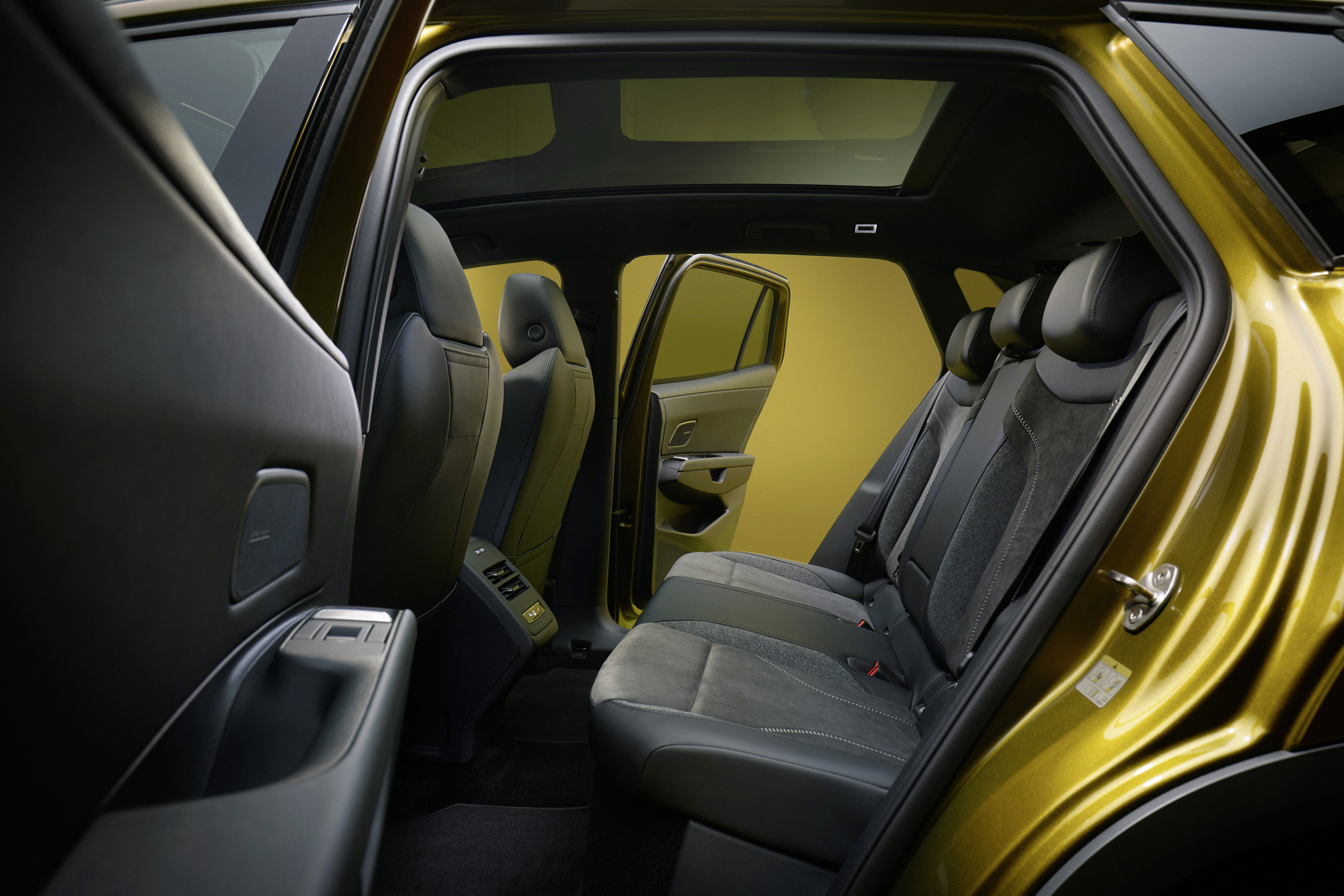
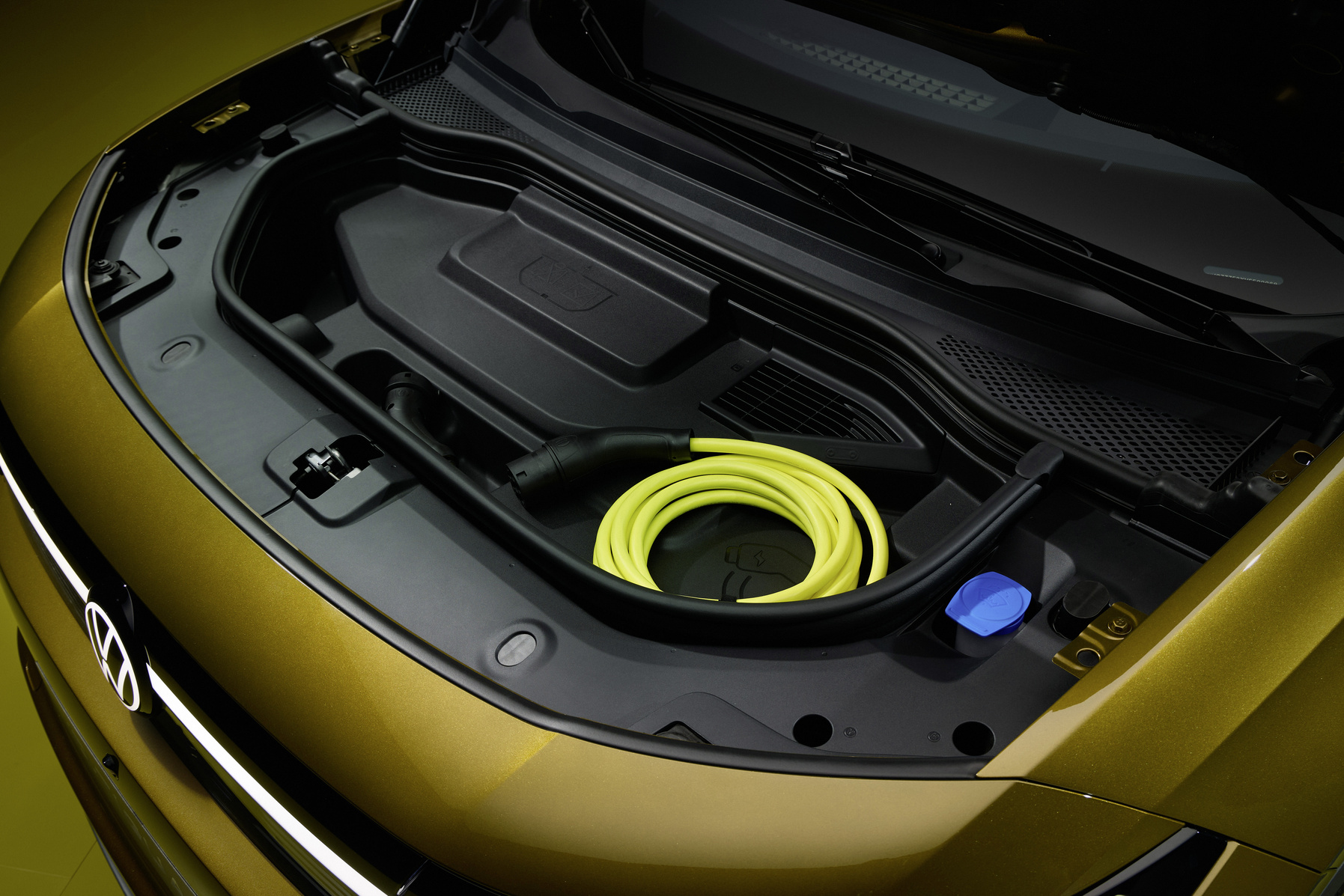
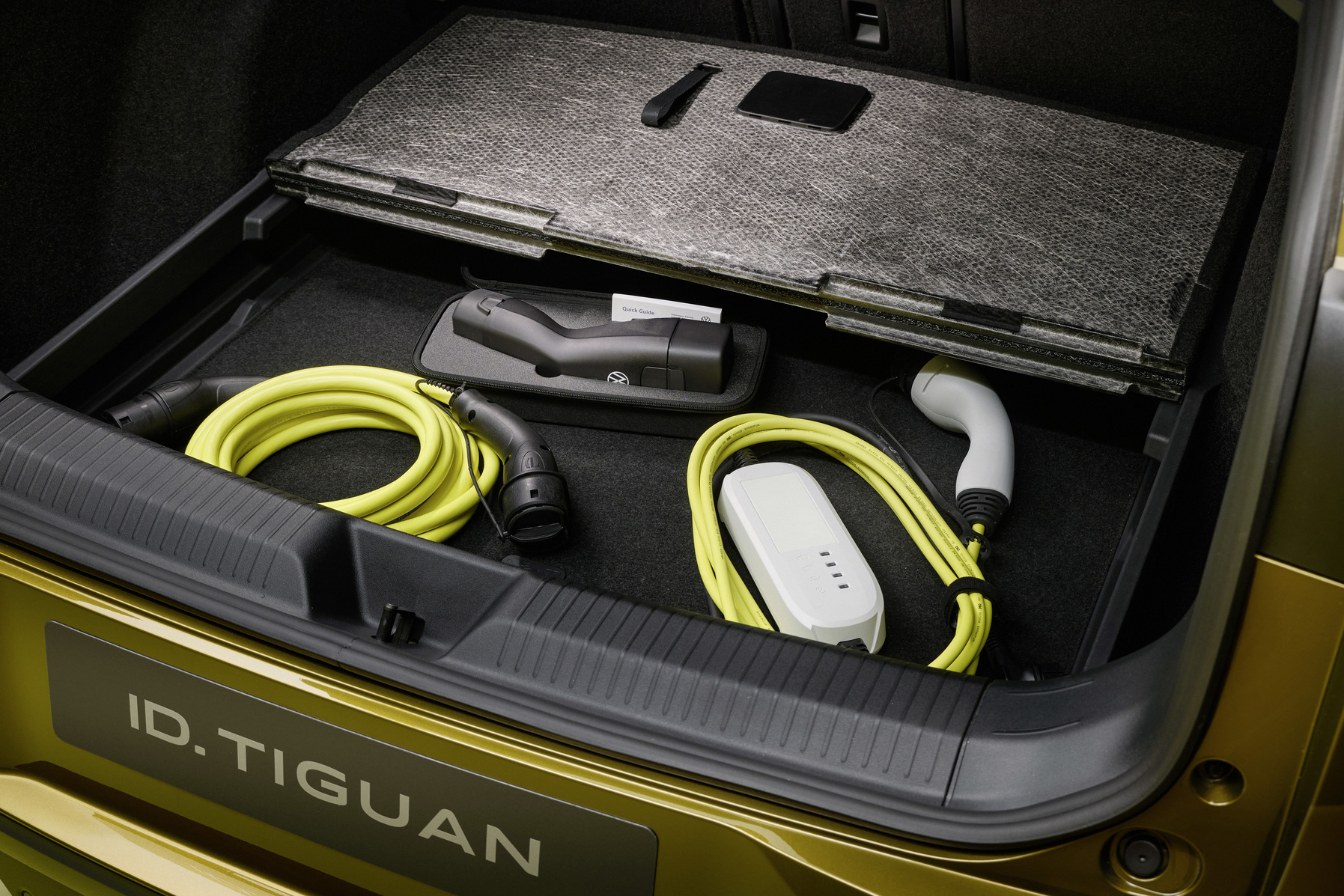
The new ID. Tiguan is an all-around SUV that aims to meet the needs of a family, from daily errands to holiday road trips, combining practicality with premium comfort features. It has a towing capacity of up to 2,000 kg (up from 1.8 tonnes in previous models), a 534-litre boot, and a 32-litre frunk. Thanks to a vehicle-to-load capability, the car can also be used to power or charge electrical devices.
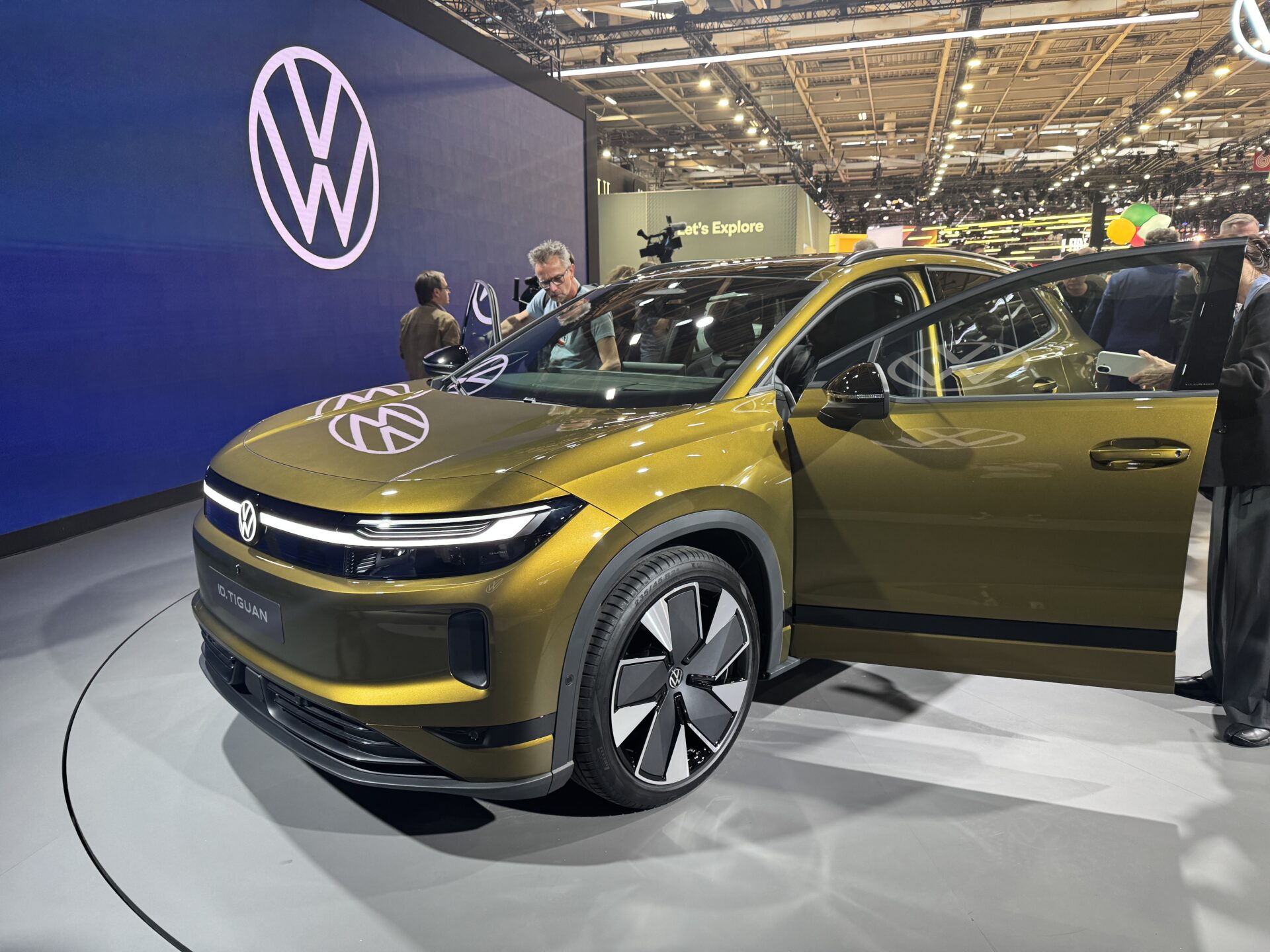
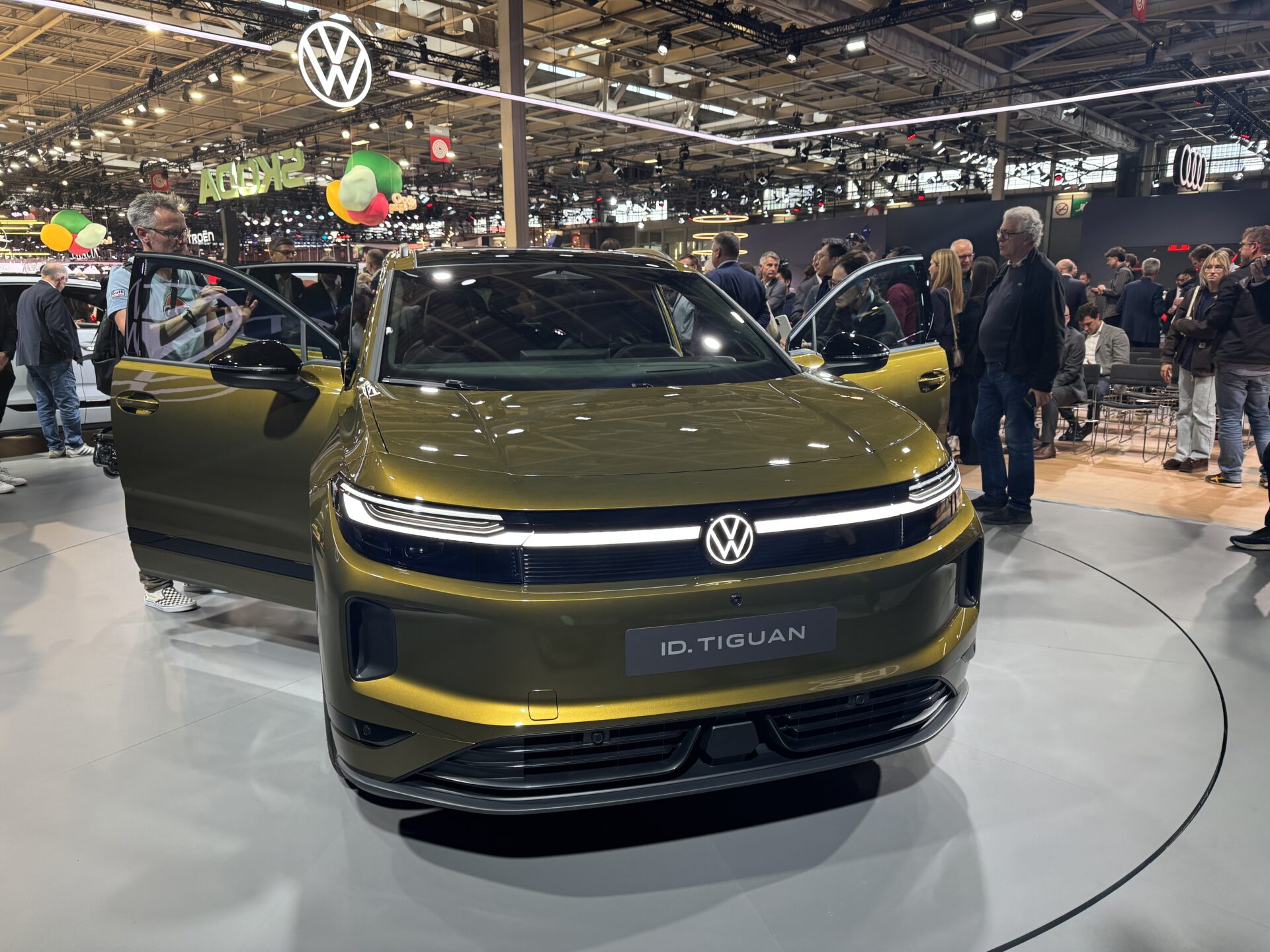
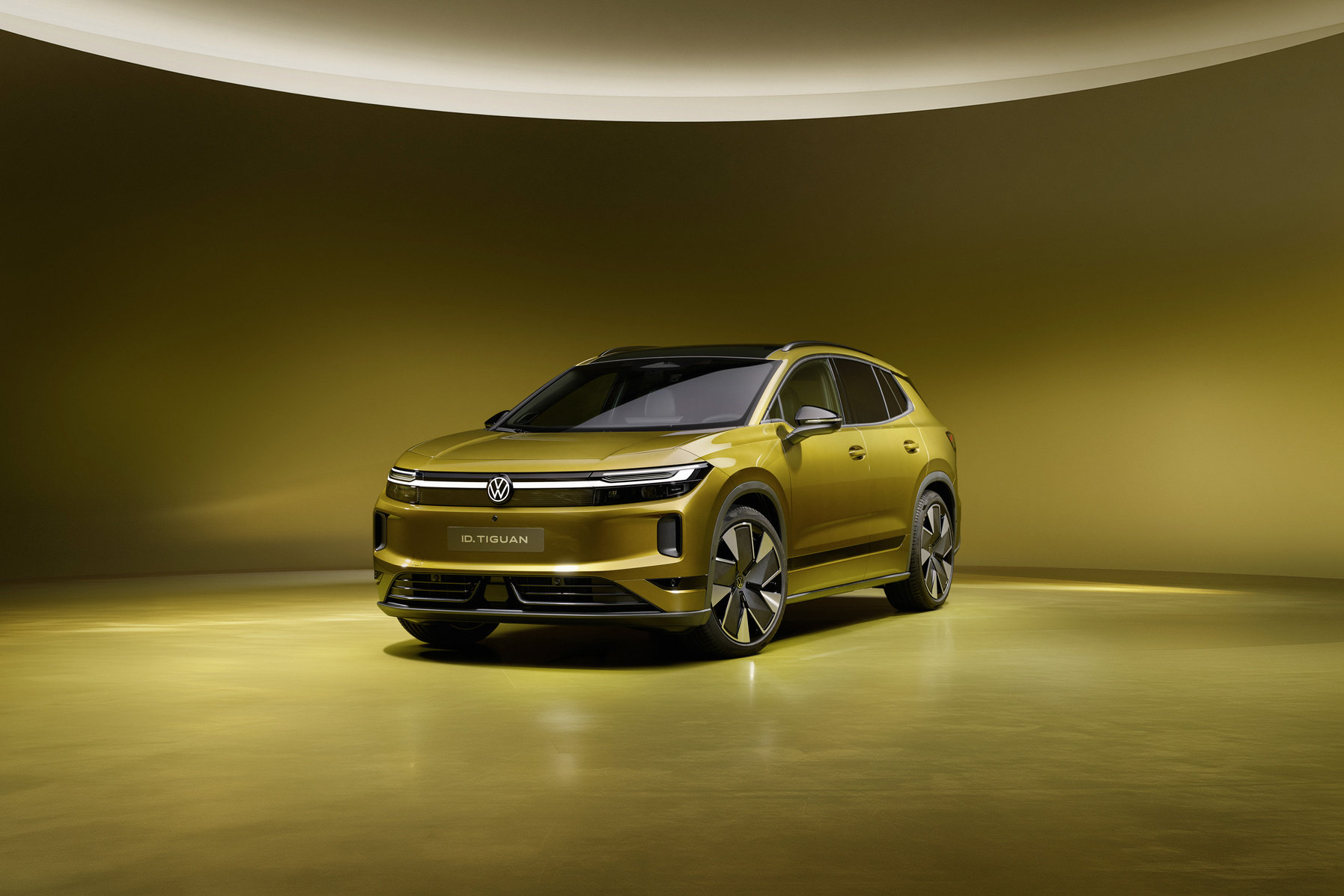
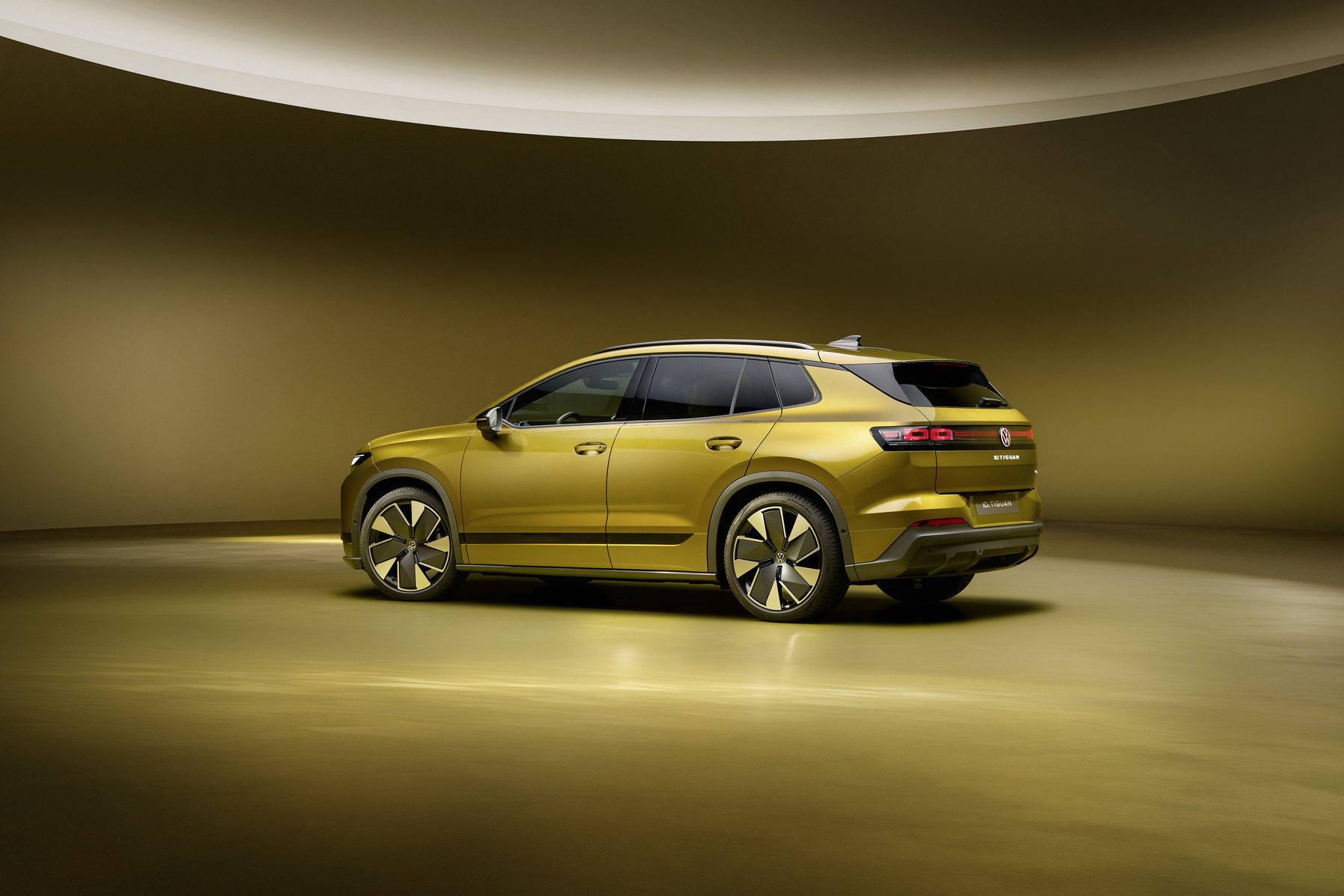
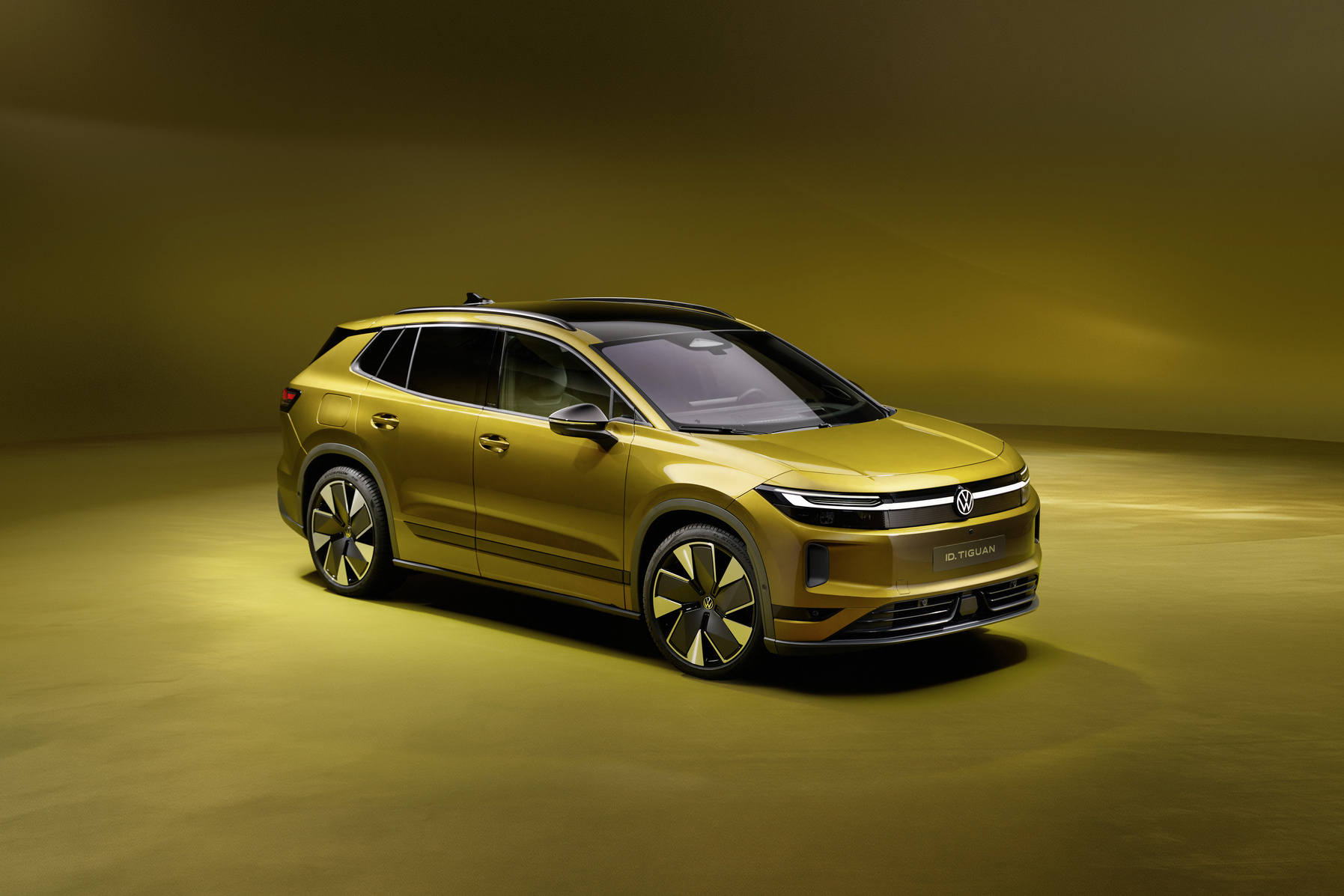
The silhouette features straight horizontal lines and improved aerodynamics, whilst more exterior elements are now painted in the body colour (rather than black). This gives the SUV a stronger, more imposing look, even though it’s only three centimetres longer than the current ID. 4, pointed out Kaufman. The ID. Tiguan’s body, she added, sits slightly lower and looks a bit more “coupé-like” compared to its boxier, combustion-engine cousin.
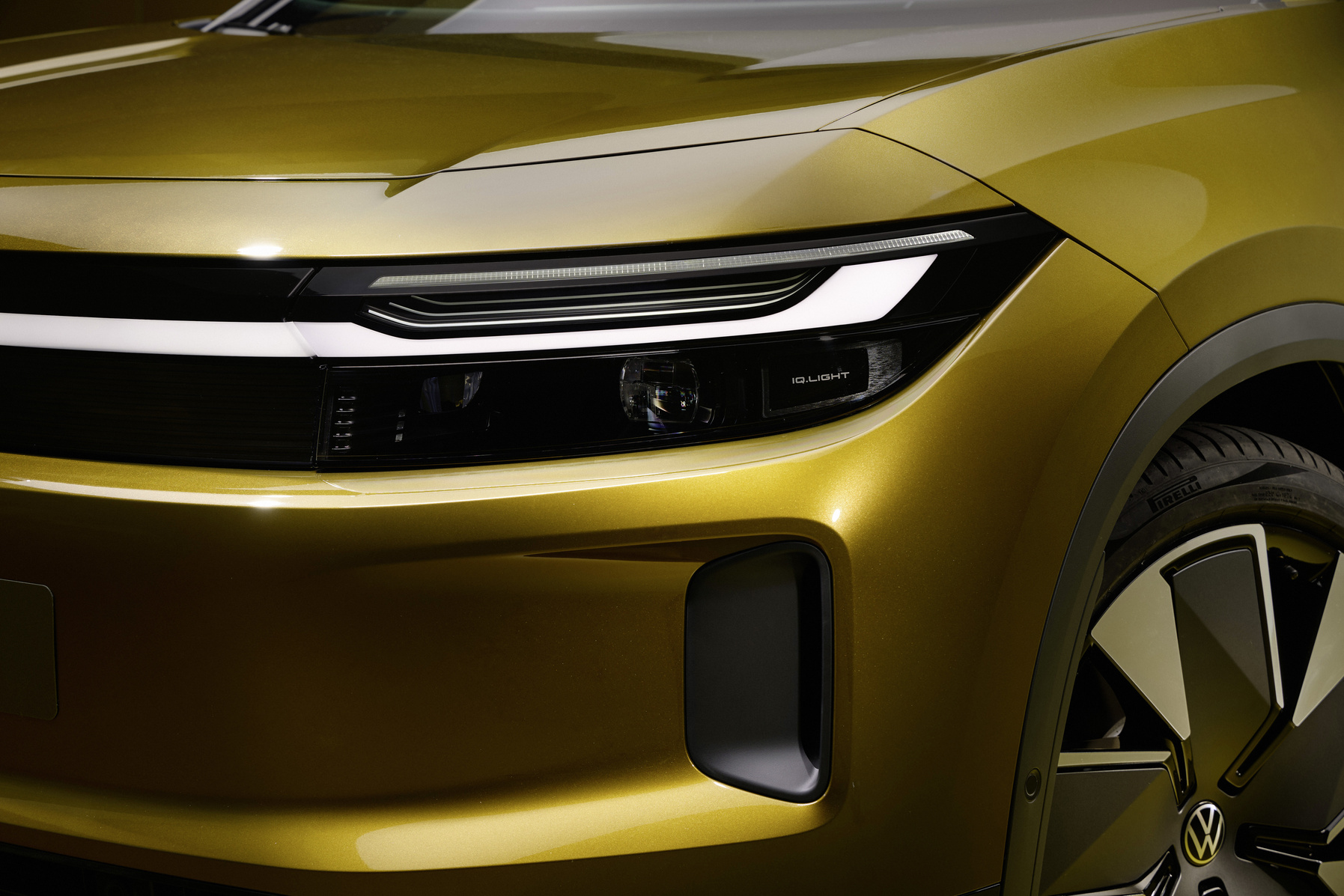
Volkswagen’s “pure positive” design language is also evident in the ID. Tiguan, thanks to the horizontal light bar and illuminated logo on the front and rear faces, the narrow whiskey glass rear lights, and the spoiler and bumper on the rear. The doors feature “classic” grip handles, something customers “really appreciate,” noted Kaufman, whilst the rims have new designs.
Cohesive and harmonious
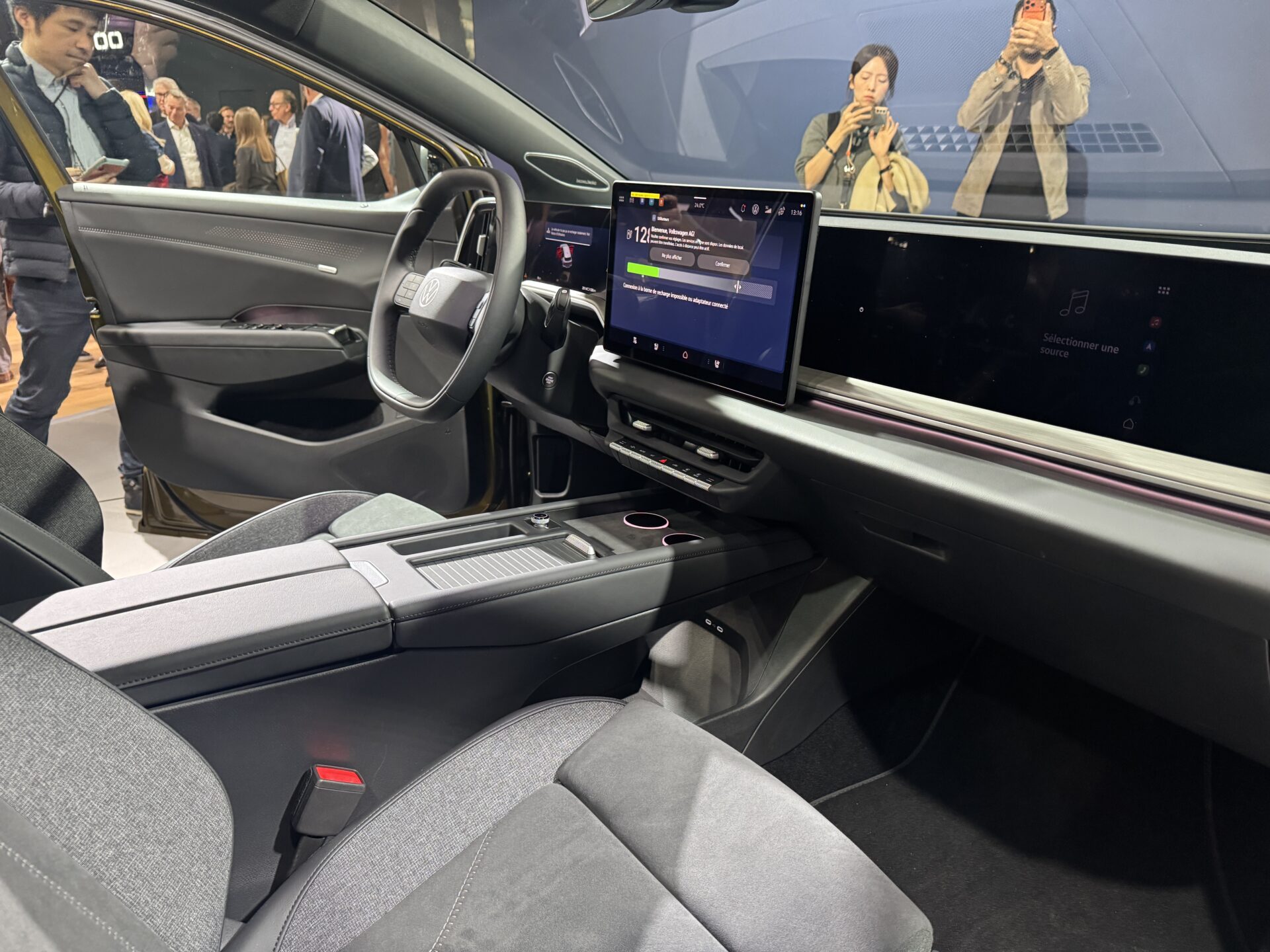
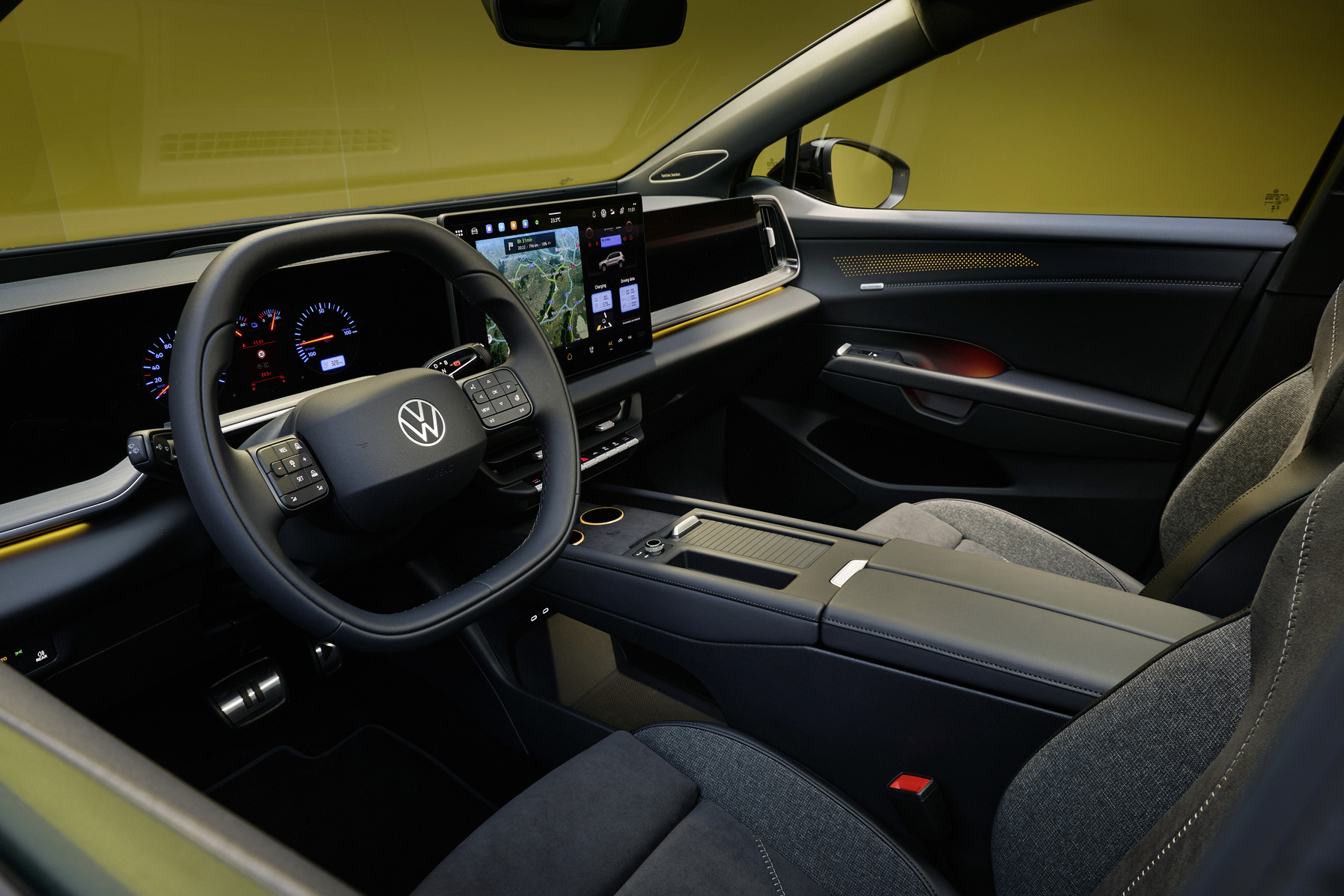
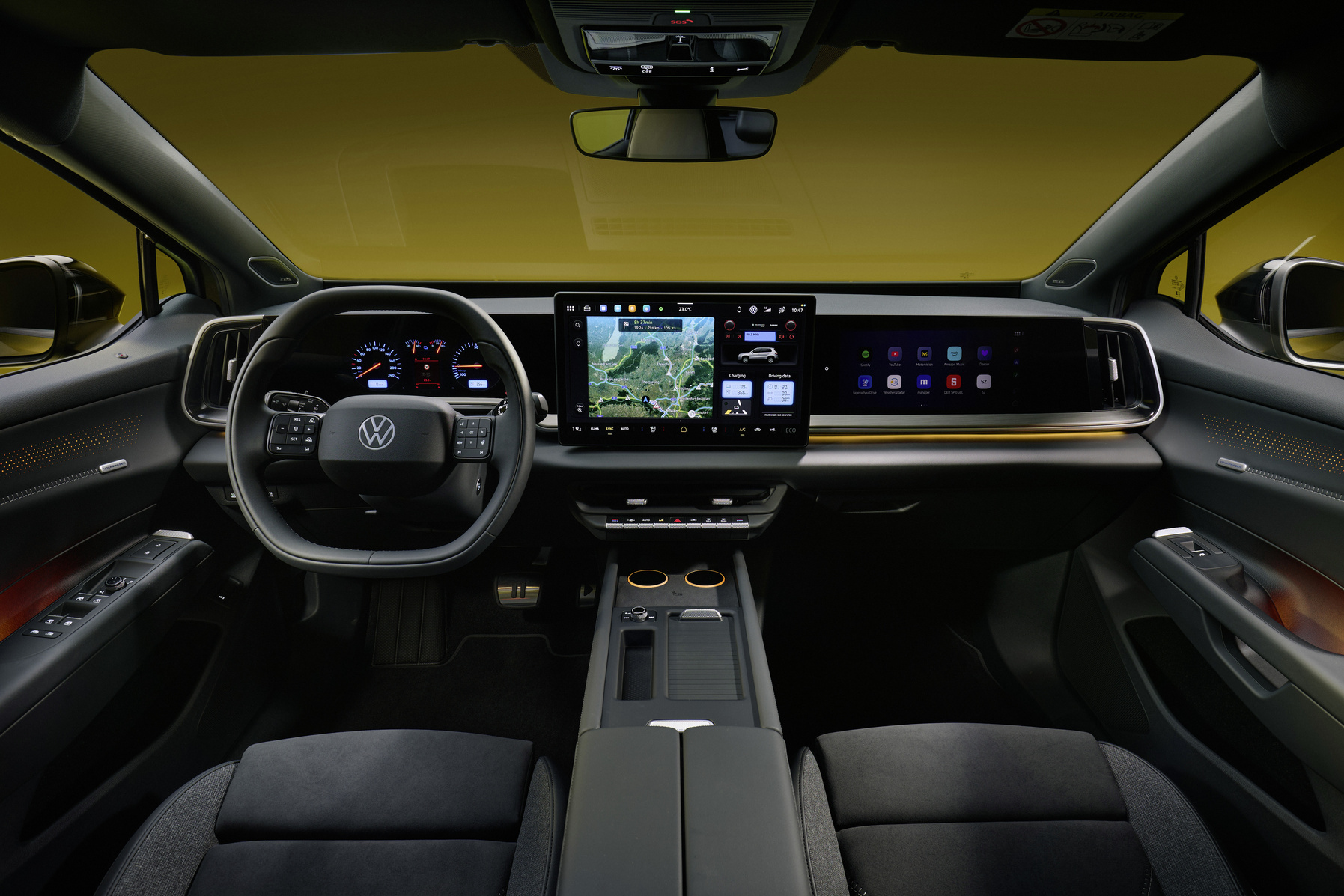
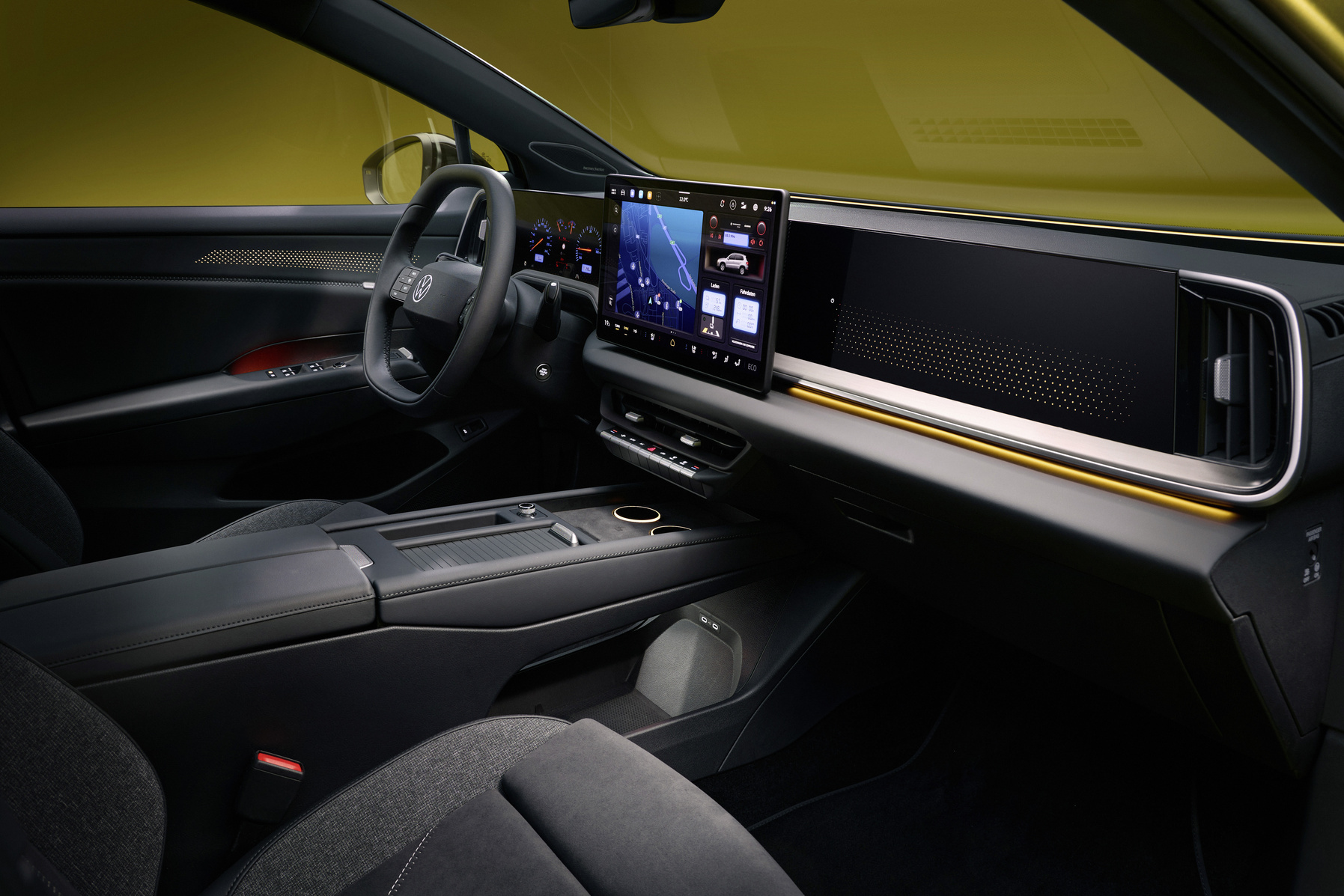
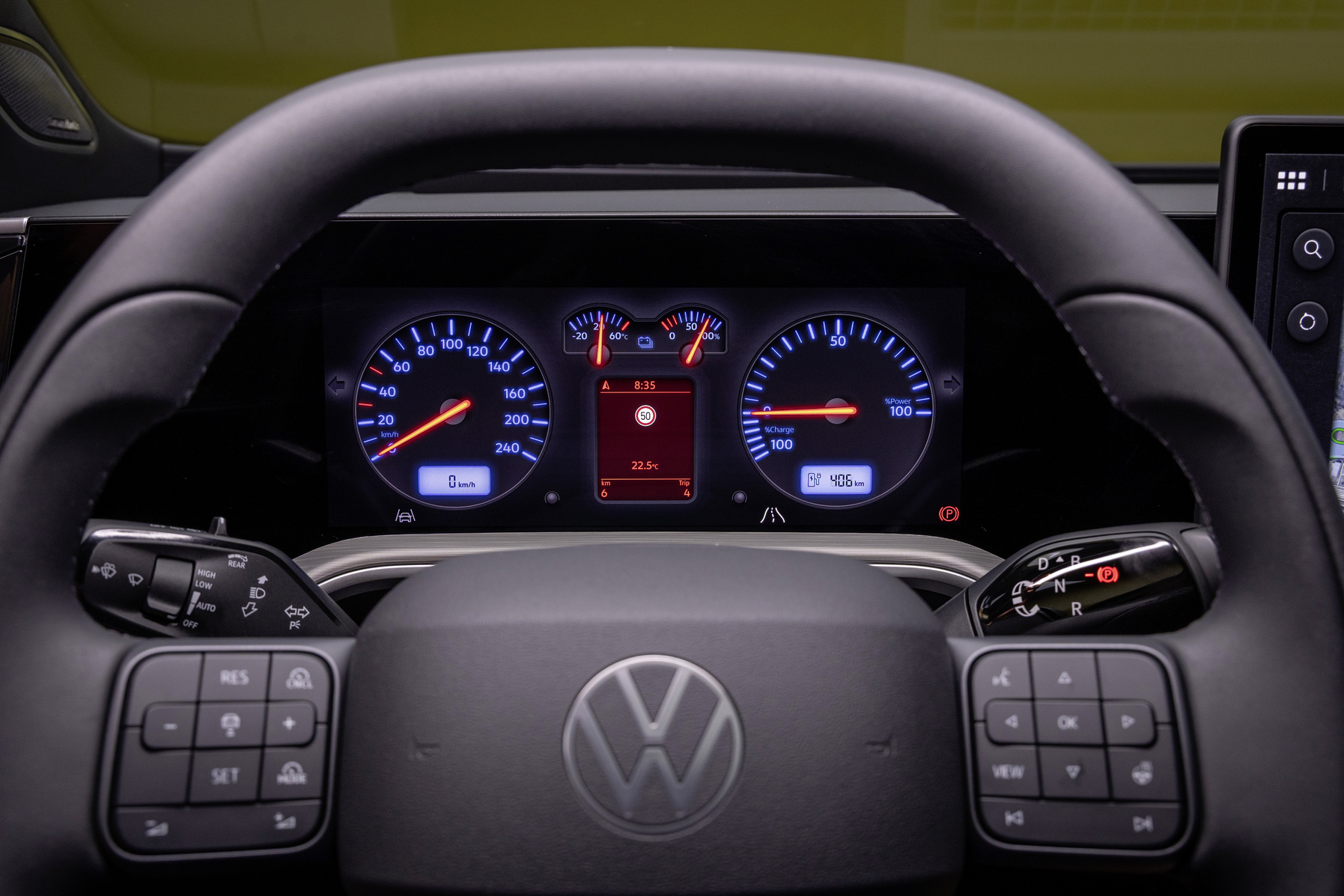
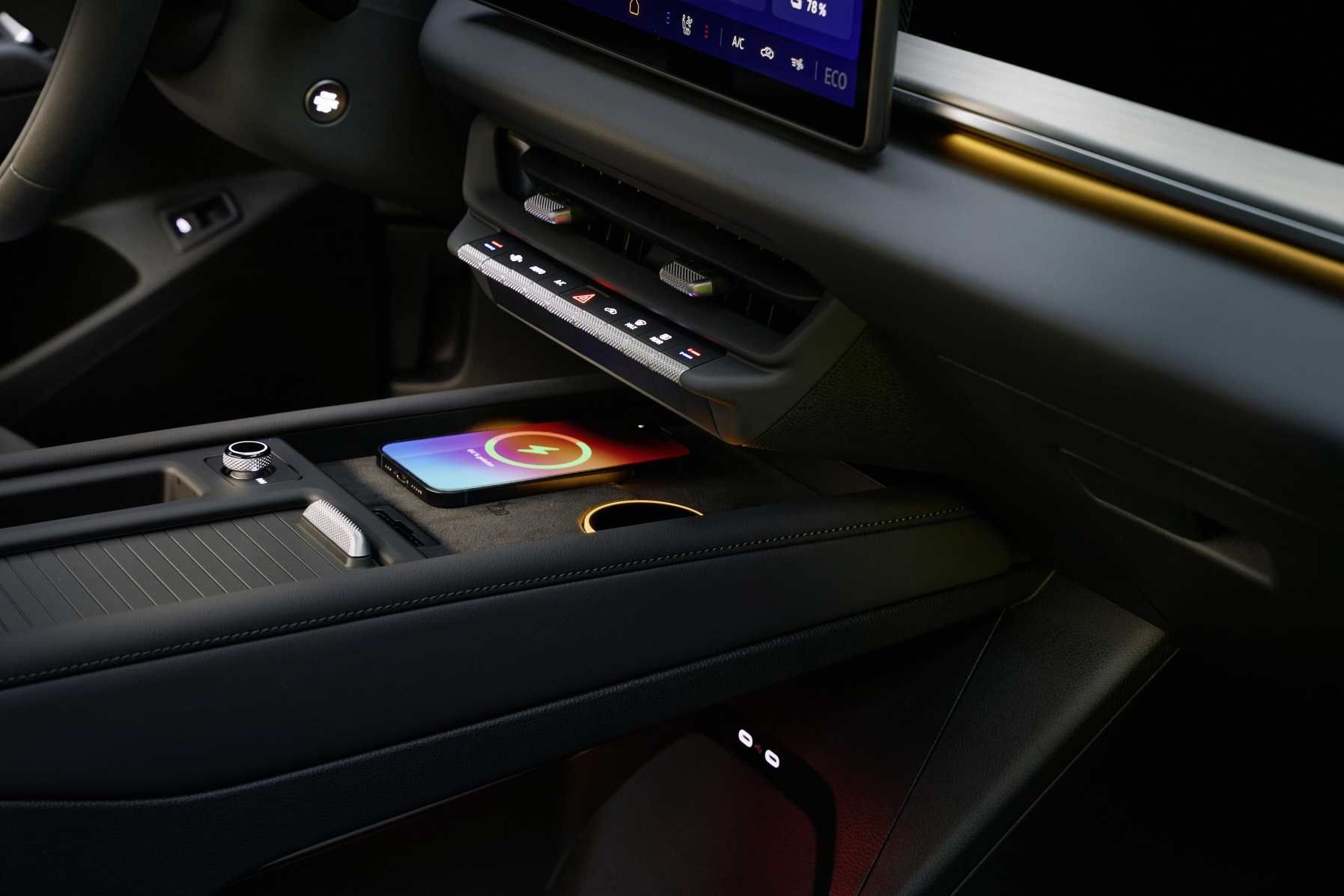
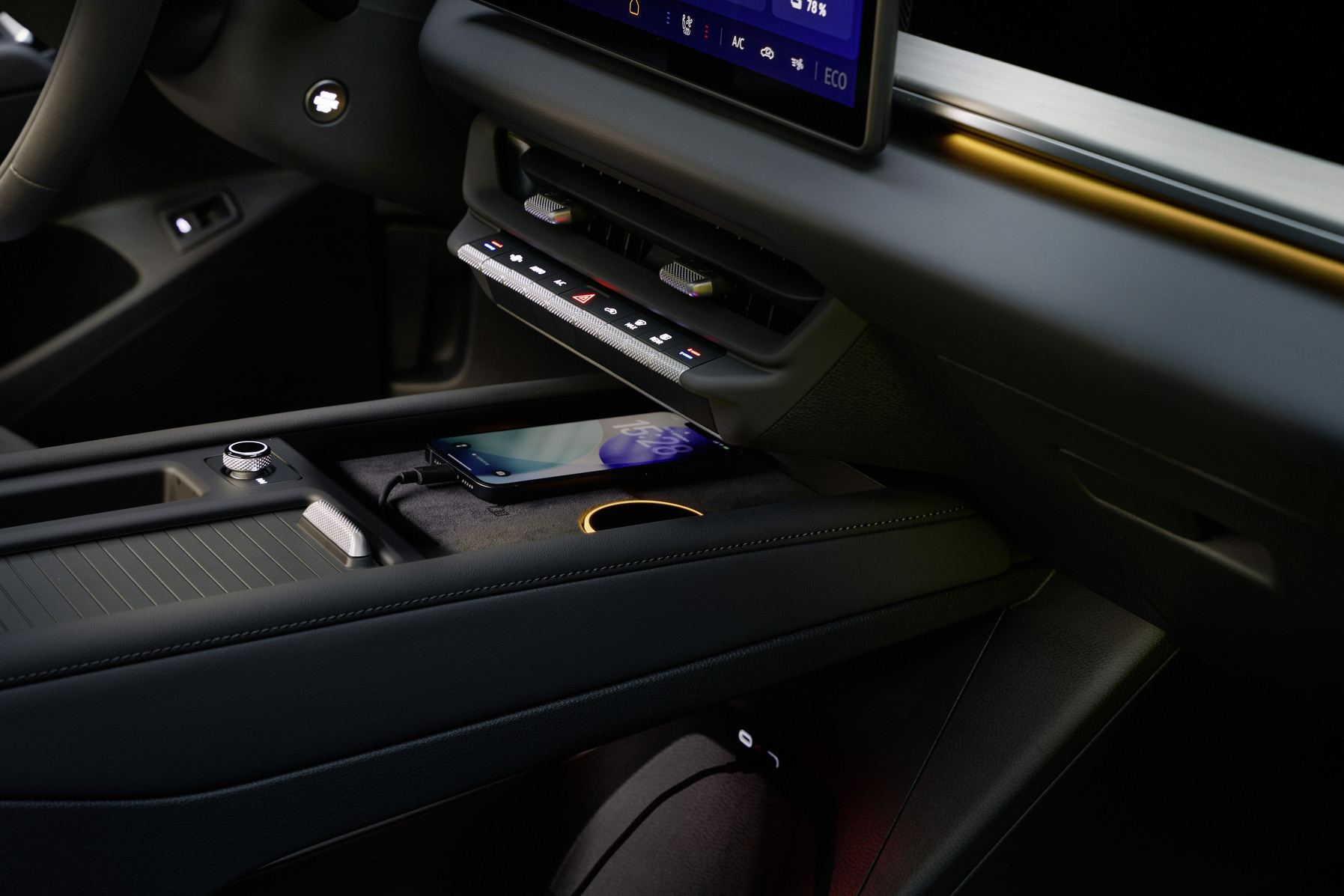
The interior is roomy, with soft materials used for the inner door panels and seats, as well as premium features such as a massage function for the driver and front-passenger seats. Intuitiveness is a key part of the design. The large, squared-off steering wheel – designed to allow a driver to easily see the display – has buttons to facilitate easy control of certain functions using just the thumbs. Haptic buttons to control the temperature are also found on the centre console, which has a small, round knob for the volume, and an additional storage compartment underneath. A new feature is the integrated, butterfly-style armrest.
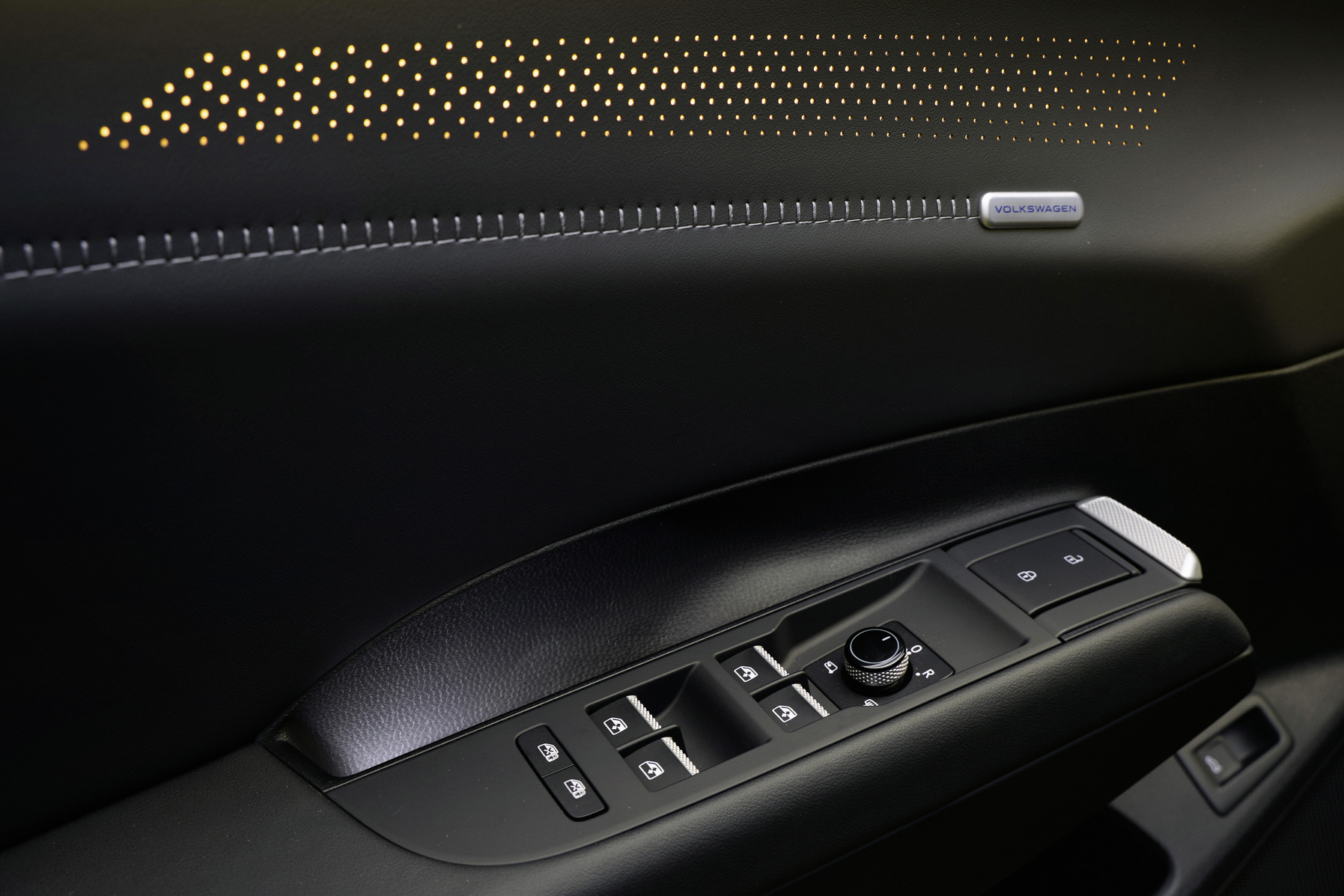
Various teams worked on the update of the interior, explained Simon Schustereit, a designer in Volkswagen’s CMF department. Schustereit himself was focused on the “graining” of the hard material that covers the upper part of the doors, for instance. It’s not leather, he pointed out. Instead, the hundreds of tiny polymer triangles only give it the impression. The brushed gradient along the dashboard also serves as a soft transition between the elements. All of these details work together discretely to offer the passenger compartment the feeling of a cohesive, harmonious whole.
R-line details that can be personalised
The performance-focused version of the ID. Tiguan – the R-line – has a rim design that is more open and sporty, a glossy black rear bumper and roof rails, and graphite-coloured “Night Chrome” badges, door sills, and mirror caps. Emblems in the wheels and interior door panels can also be personalised, explained Kaufman, whilst the stitching underlines the car’s sporty character.
Sport seats in the R-line model have integrated headrests, as well as seats made of perforated microfibre that allow ventilation and heating. The rear seats, too, benefit from heating.
Brand new feature: co-driver display
The ID. Tiguan’s updated “digital cockpit” has a large touchscreen for navigation and features like the audio system or driver assistance functions. A “retro skin” is also available, and neat little details like the range of models for the visual of the car on the screen – from the Golf I to the Beetle – add a sense of playfulness. The headlights of this miniature representation of the car even turn on and off, highlighted designer Alexandra Lumpe, depending on if you’re in night or day mode.
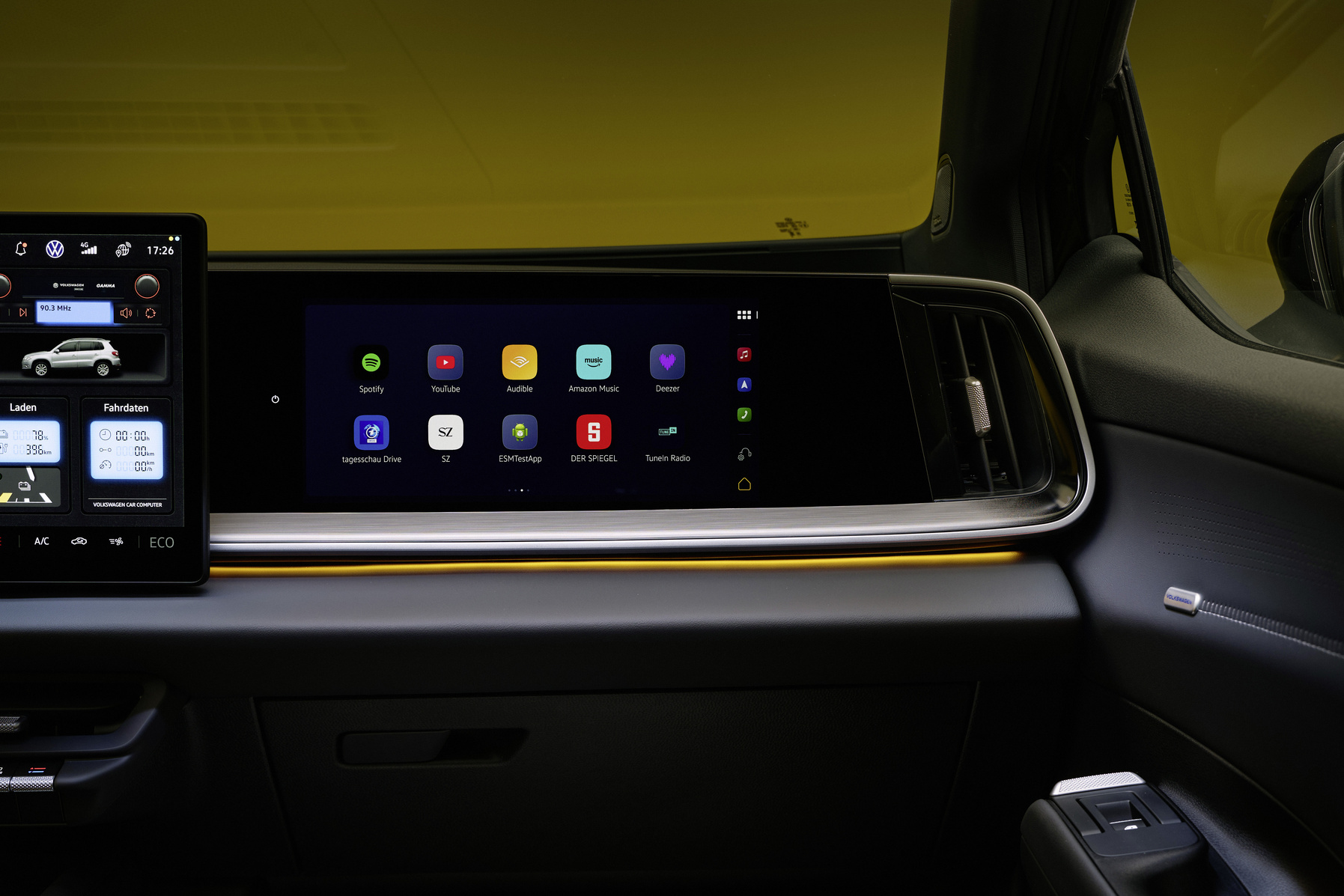
This SUV is the first member of Volkswagen’s ID family to have a co-driver display: this touchscreen sits on the dashboard in front of the passenger, allowing them to access vehicle information, gaming, videos, navigation, vehicle information, and more – and thanks to a privacy mode, the driver is not distracted by anything that appears on this display.
Battery and range
The usual driver assistance functions are available in the ID. Tiguan, with new features like the “Connected Travel Assistance,” which offers assisted lane changes or traffic light detection.
Finally, and perhaps the most important element: Volkswagen’s ID Tiguan will come with two battery options, a 58-kWh battery and a 77-kWh battery. With the larger battery option, drivers will benefit from a range of up to 600 km.
The verdict
A quick covered test drive illustrated the dynamism of the ID. Tiguan – despite its weight – thanks in part to its chassis and progressive steering. The battery range, spaciousness, and comfortable seats open up the use of the car to extended holidays, whilst remaining useful for daily life.
Tags