Thirty-five years after its launch, the Clio is back with a sixth generation that claims to be a step up in class and as a B-segment city car.
Orders opened in October for the model that aims to ‘redefine standards’ with a more expressive design, efficient engines and technology worthy of the higher segment. Since 1990, six generations have followed one another; nearly 17 million units have been sold in 120 countries, making the Clio the best-selling French car of all time. The target market? Drivers who want the compactness of a city car and the comfort/technology of a higher-class car, with a 160 hp E-Tech full hybrid engine spearheading the drive to combine performance and fuel efficiency.
Under the direction of Gilles Vidal, Renault’s design director, the new Clio pushes all boundaries, with highly sculpted lines, high-tech details and more stately proportions. The dimensions have changed significantly: the new Clio is now 4.116 m long, 1.768 m wide and 1.451 m high, with a wheelbase of 2.591 m. Compared to the previous generation, the silhouette has gained in presence: +67 mm in length and +39 mm in width, while the front overhang has been extended by 26 mm. The wider track, 39 mm at the front and 10 mm at the rear, reinforces its visual presence.
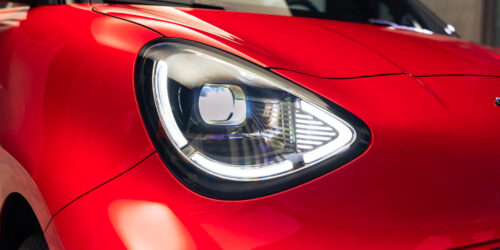
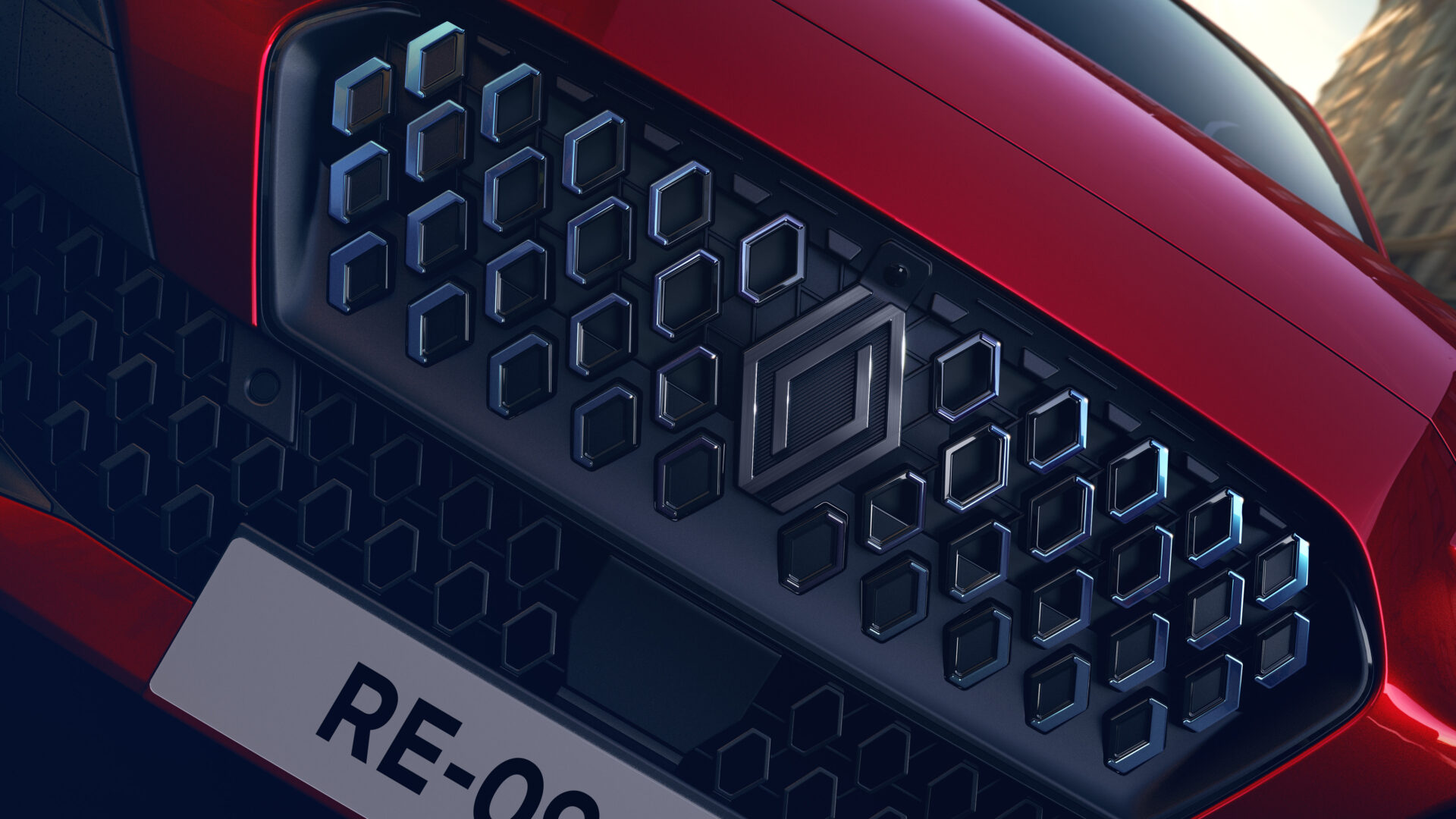
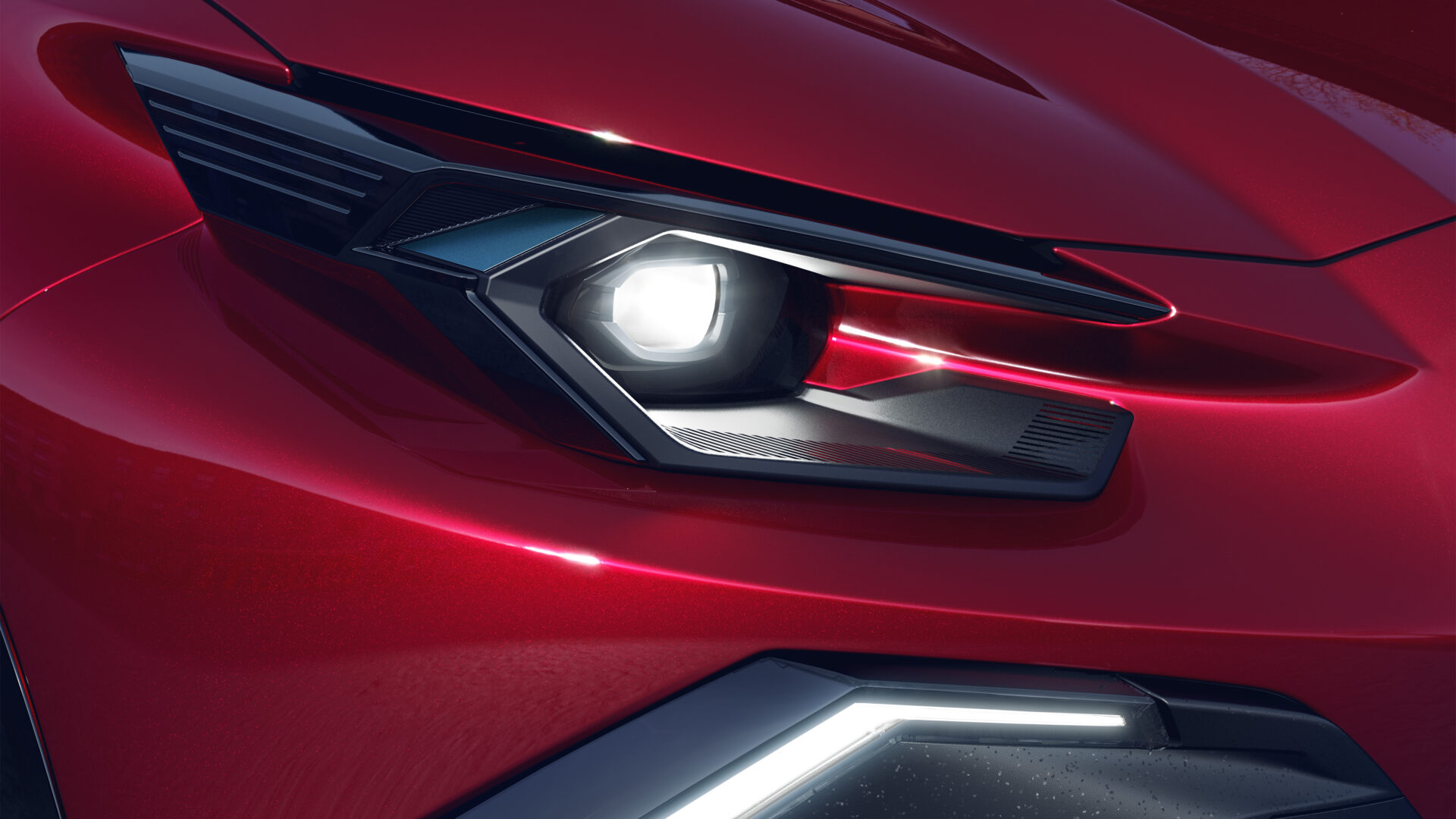
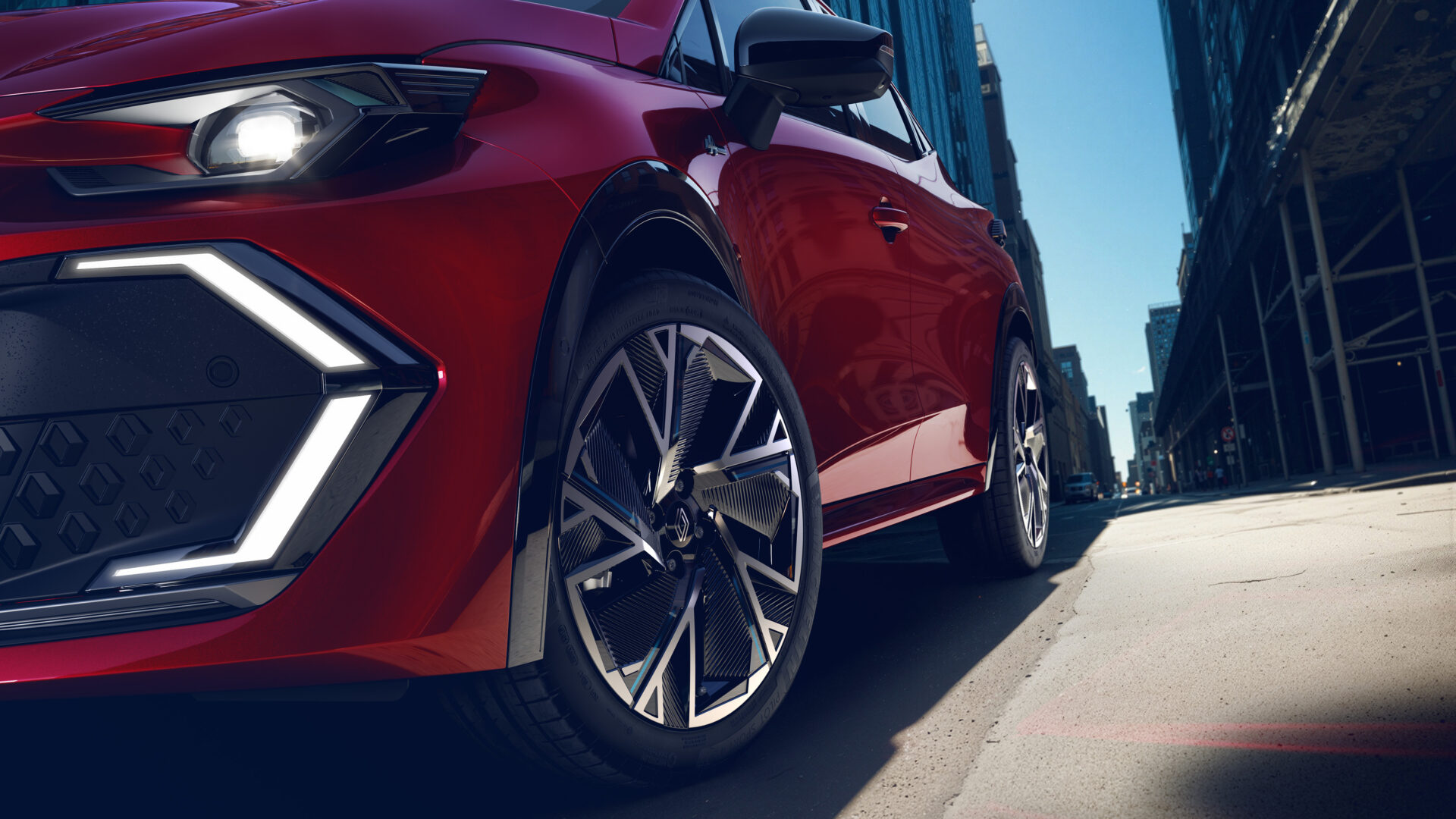
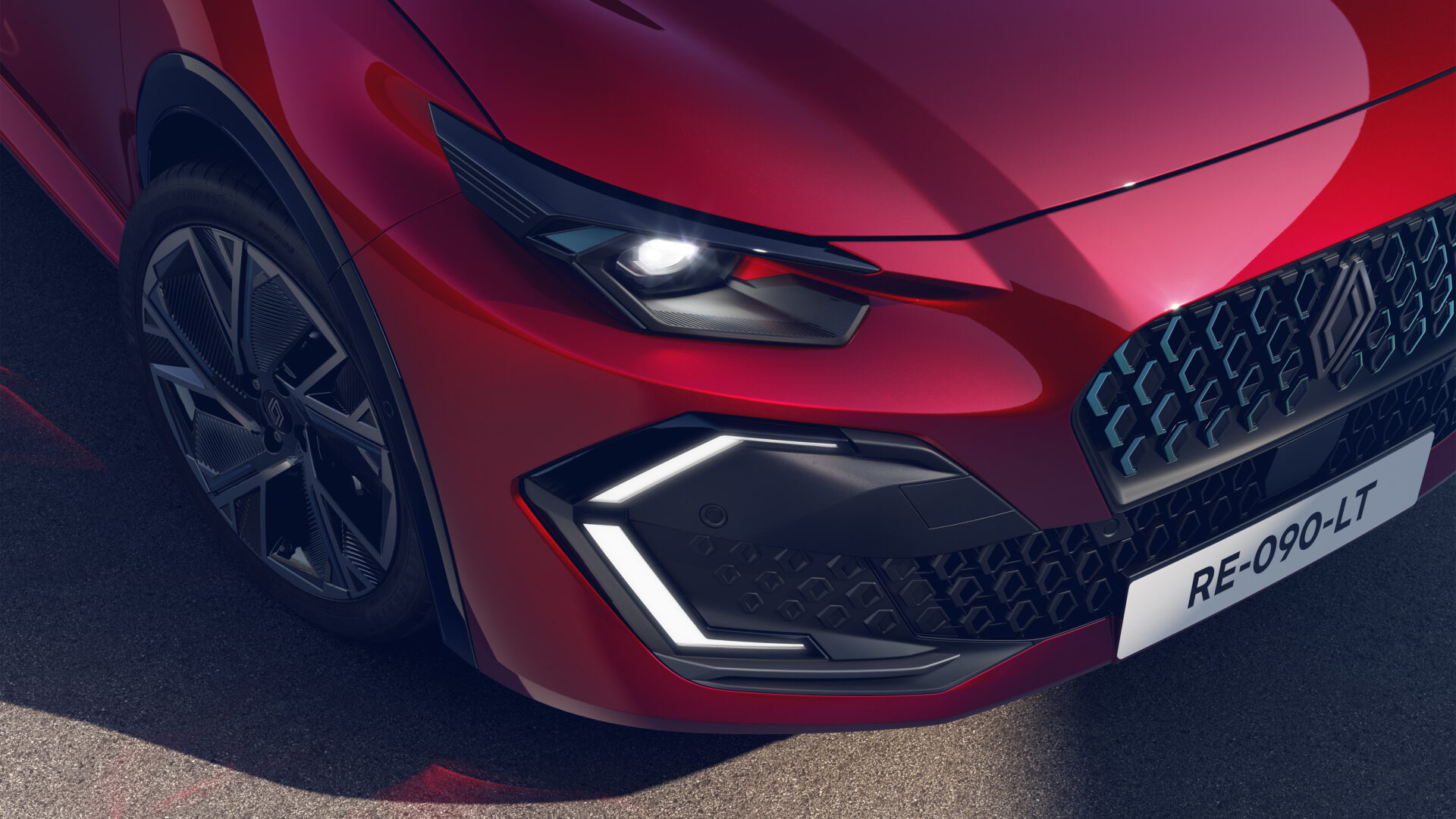
The front end is distinguished by a prominent grille adorned with a diamond pattern, combined with a bold light signature featuring large diamond-inspired daytime running lights. The up to 18″ wheels and black wheel arches (matt on the entry-level model, glossy on the higher trim levels) accentuate the model’s athletic character. Seven colours are available, including two new shades: Rouge Absolu (with coloured varnish) and Vert Absolu. These are in addition to the classic Blanc Glacier, Gris Rafale, Gris Schiste, Noir Étoilé and Bleu Iron.
A more aggressive look
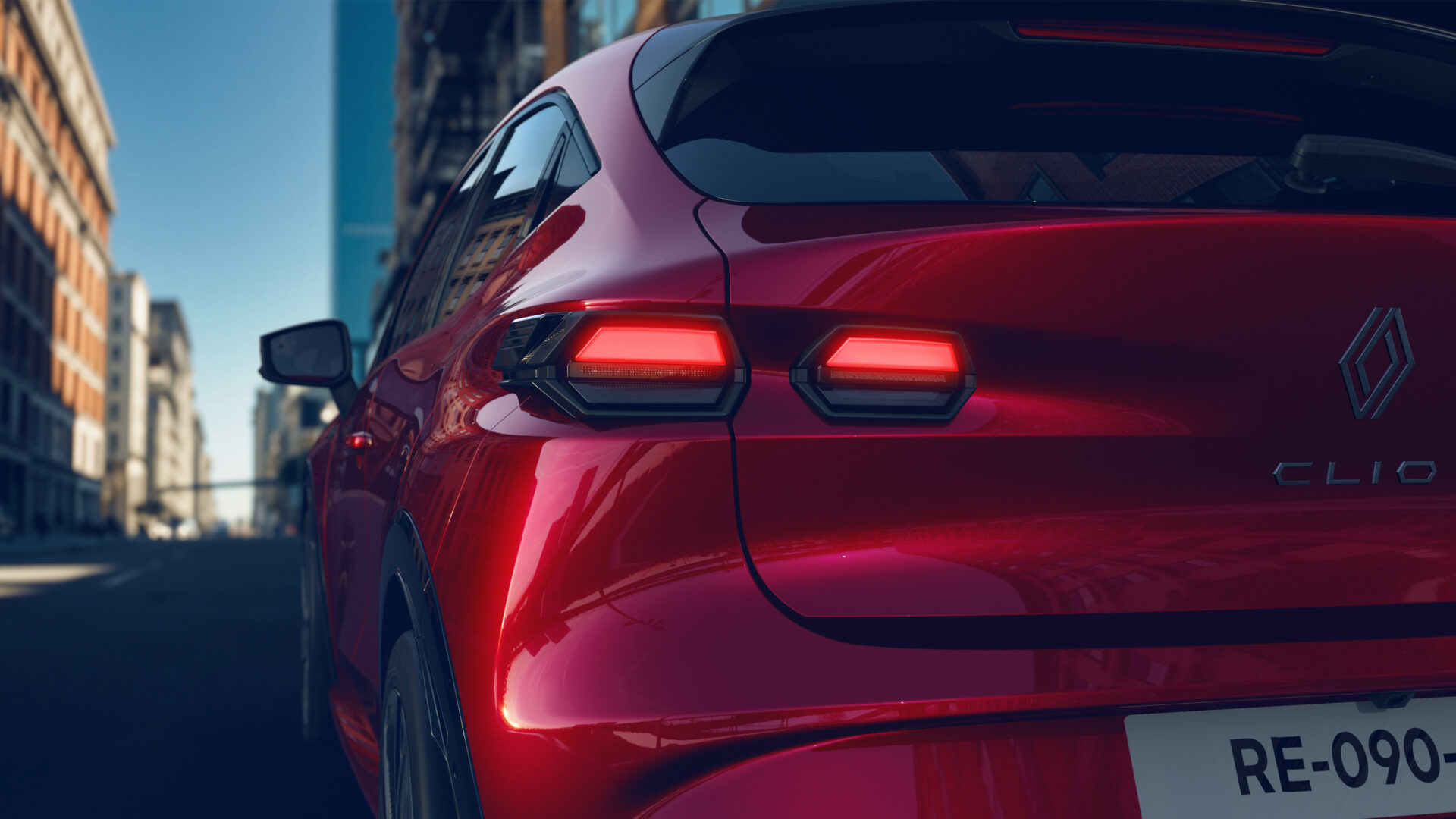
The overall impression is that of a sporty car, with a streamlined roofline reminiscent of an ultra-compact coupé and a steeply raked rear window, giving the Clio an almost propulsive dynamism.
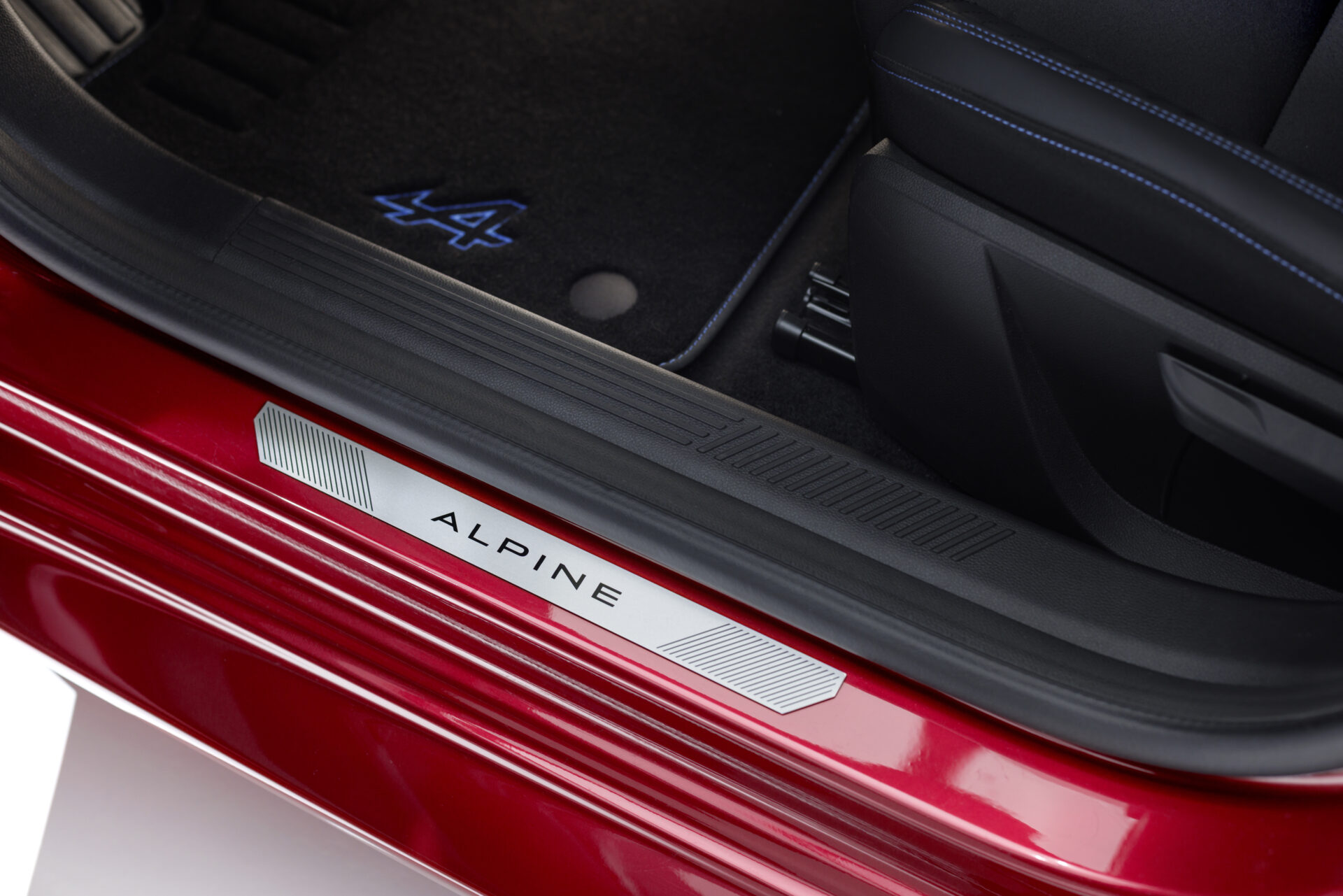
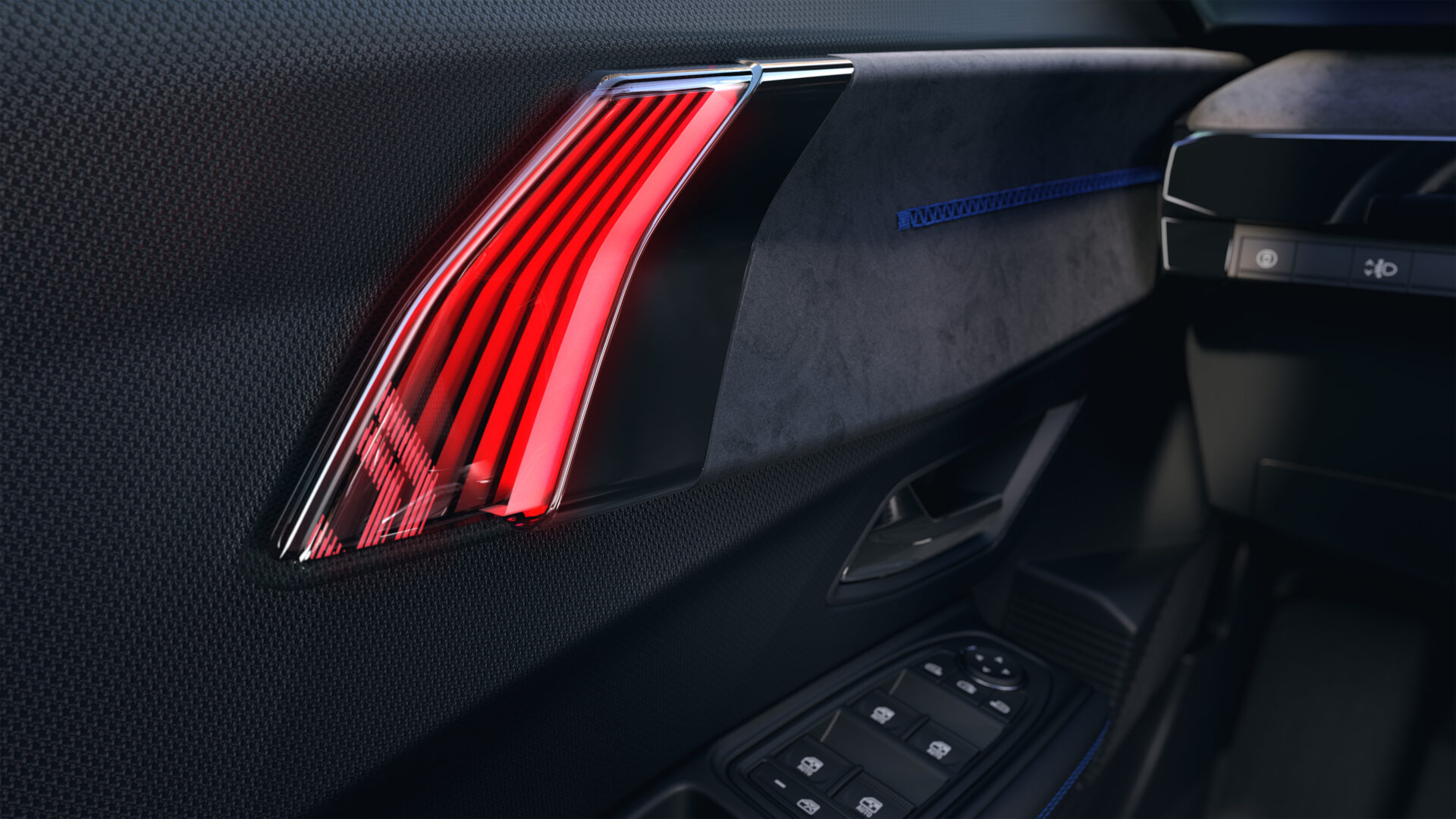
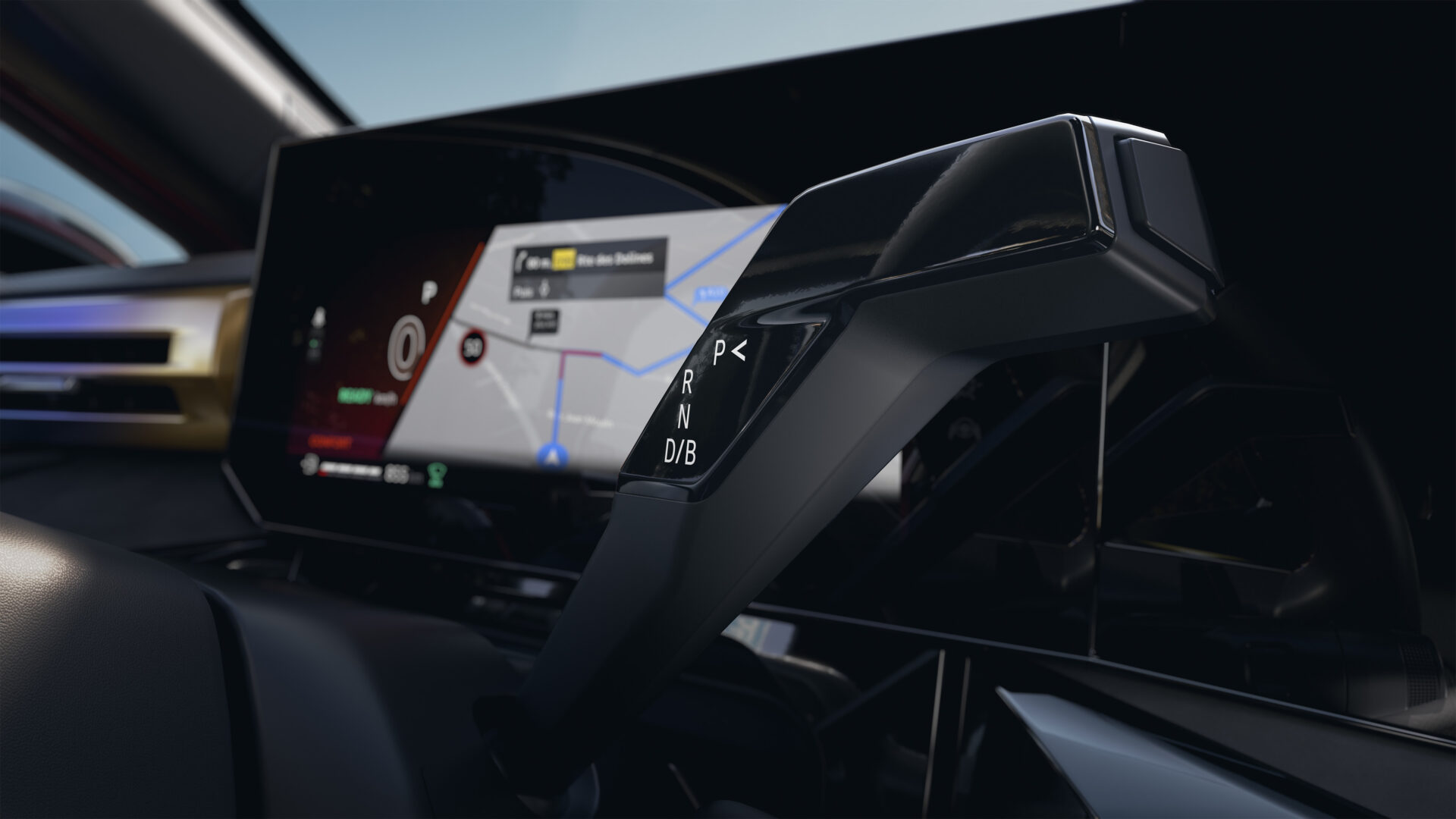
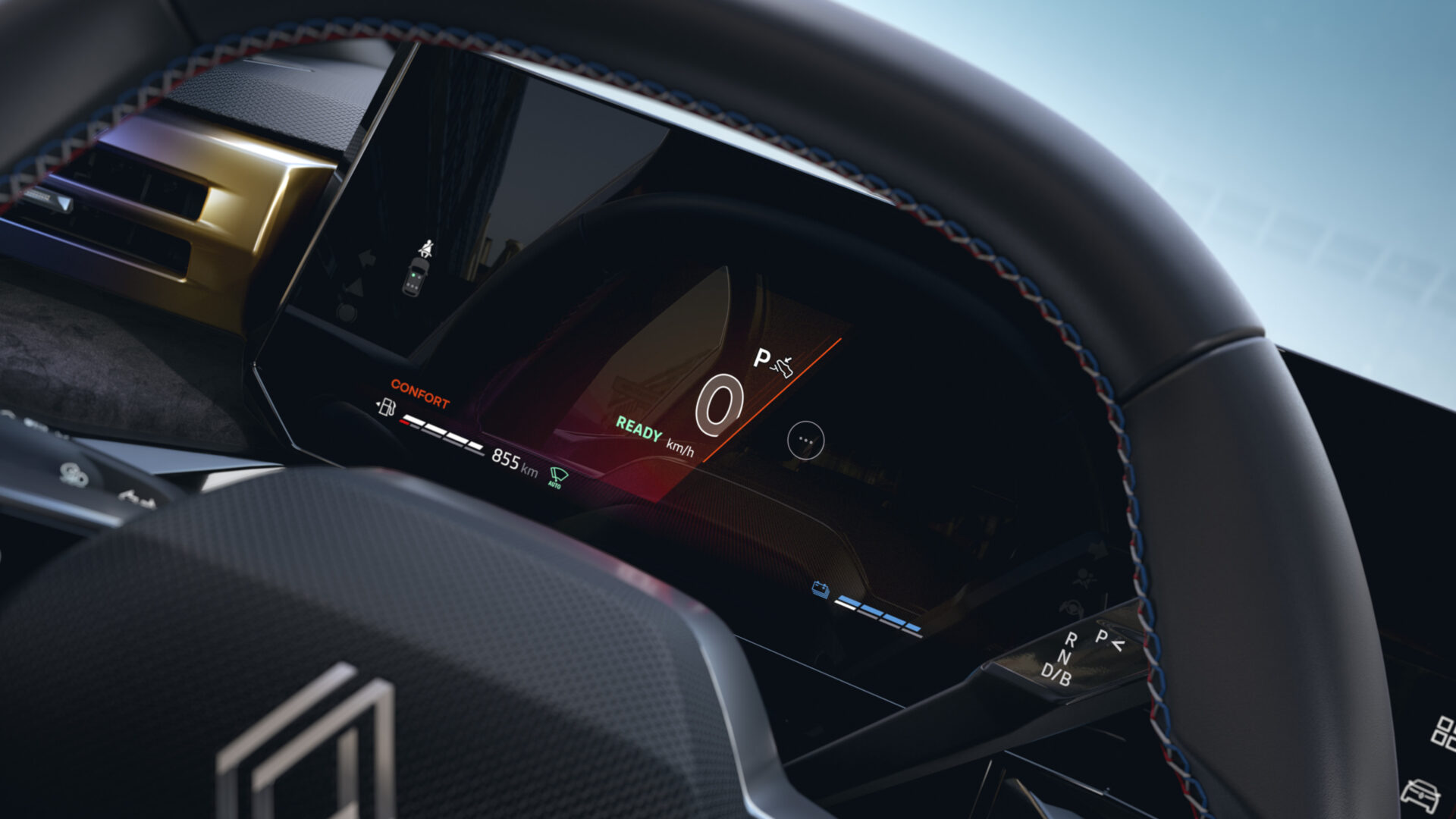
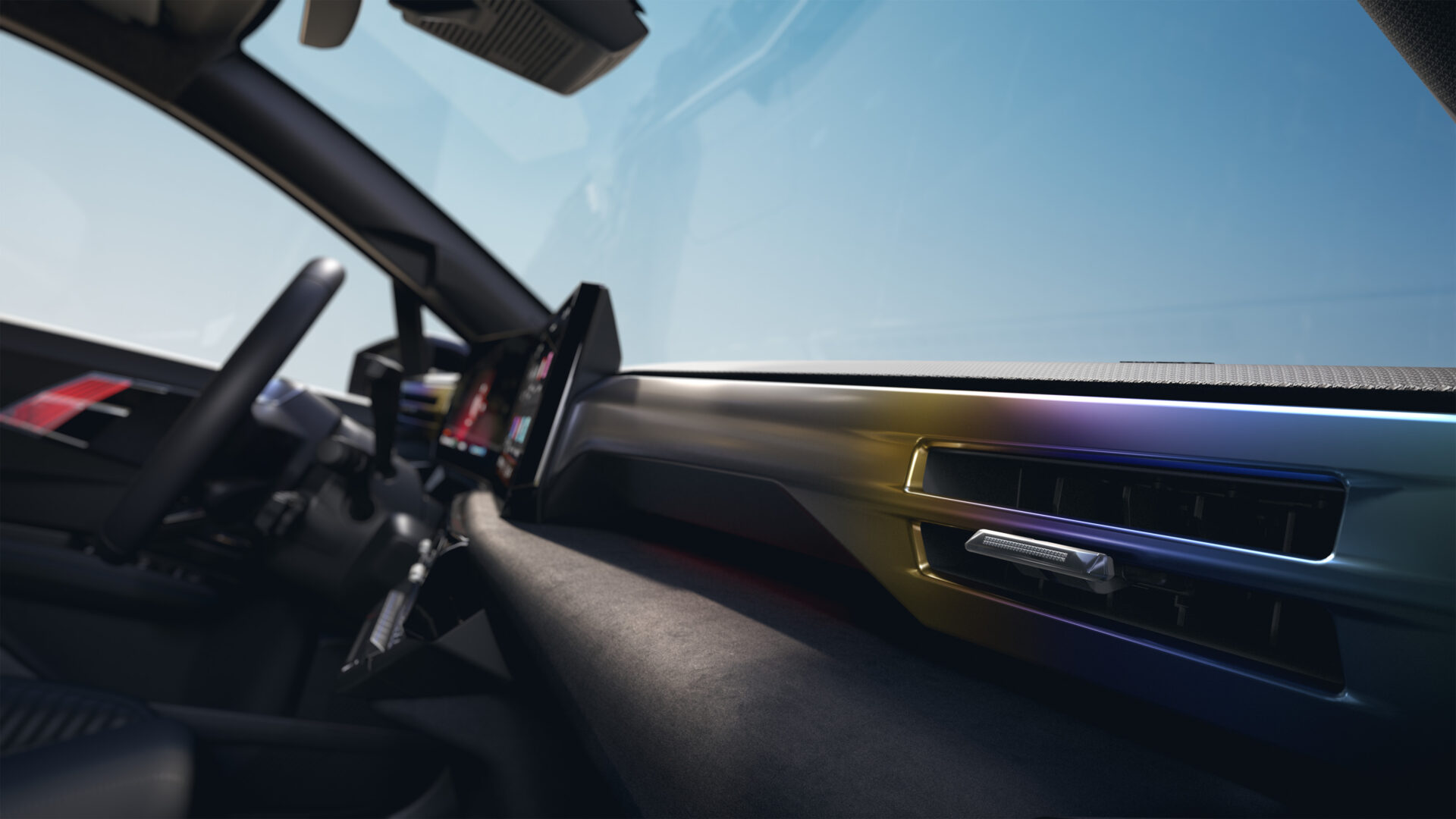
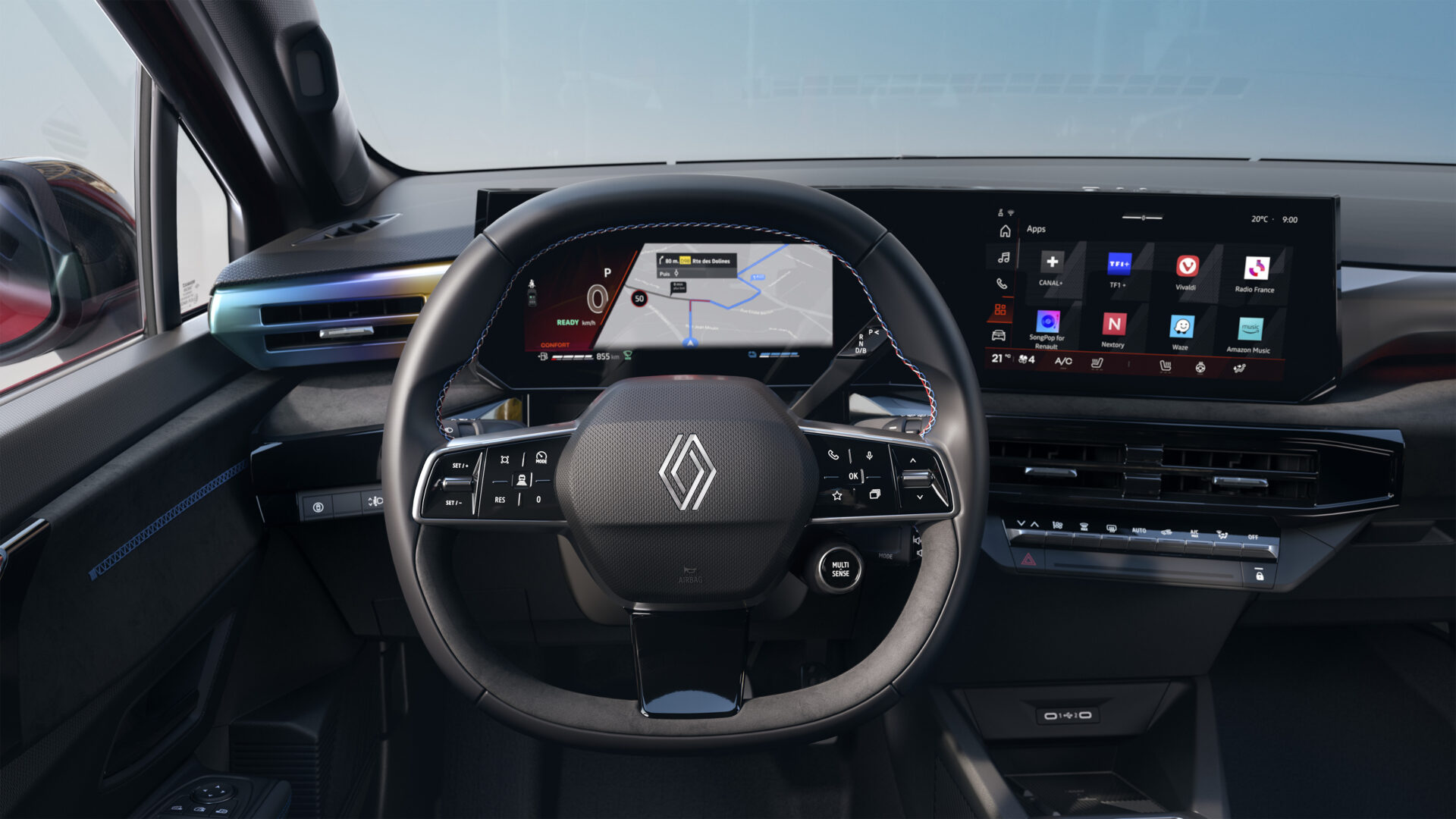
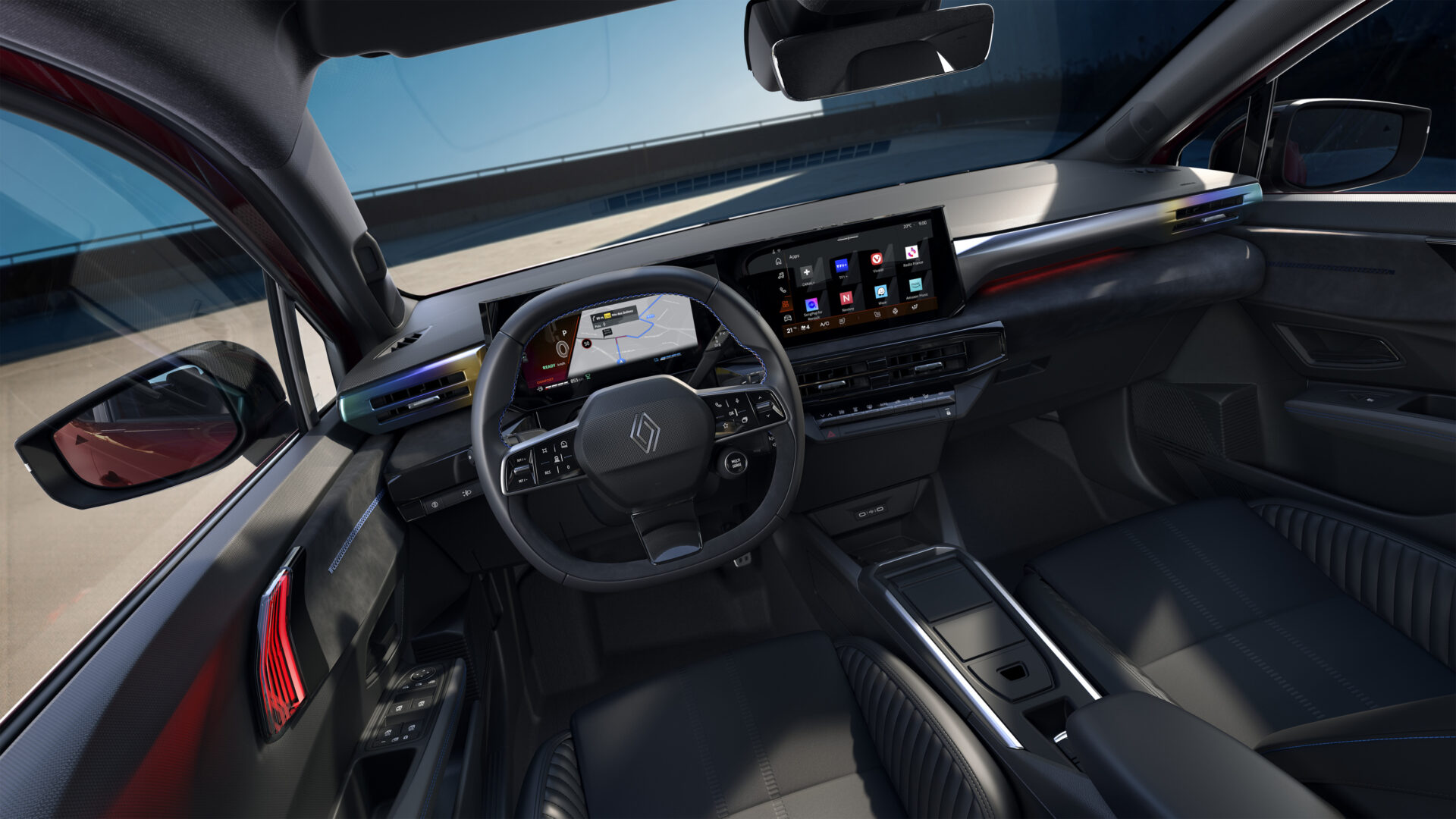
The interior of the new Clio exudes modernity and technical sophistication. It features a dual screen measuring up to 10.1 inches and the OpenR Link multimedia system with integrated Google, offering Google Maps, voice assistant and access to Google Play. The lighting atmosphere can be customised with 48 colours, reinforcing the premium character of the interior. The materials are high-quality: a backlit textile area on the passenger side (depending on version), Alcantara finishes for the Esprit Alpine version, and ‘spectral titanium’ inserts inspired by racing car exhausts.
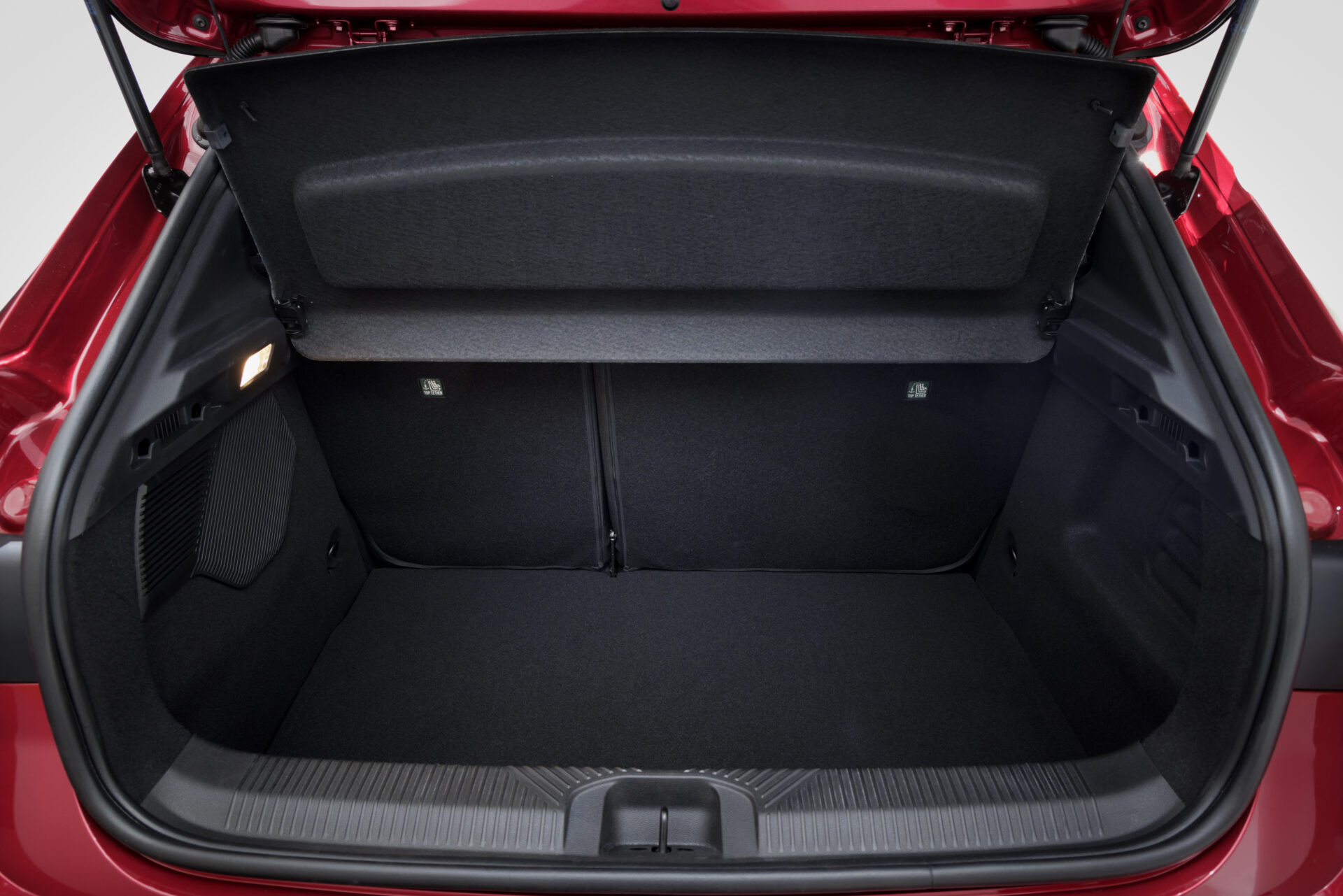
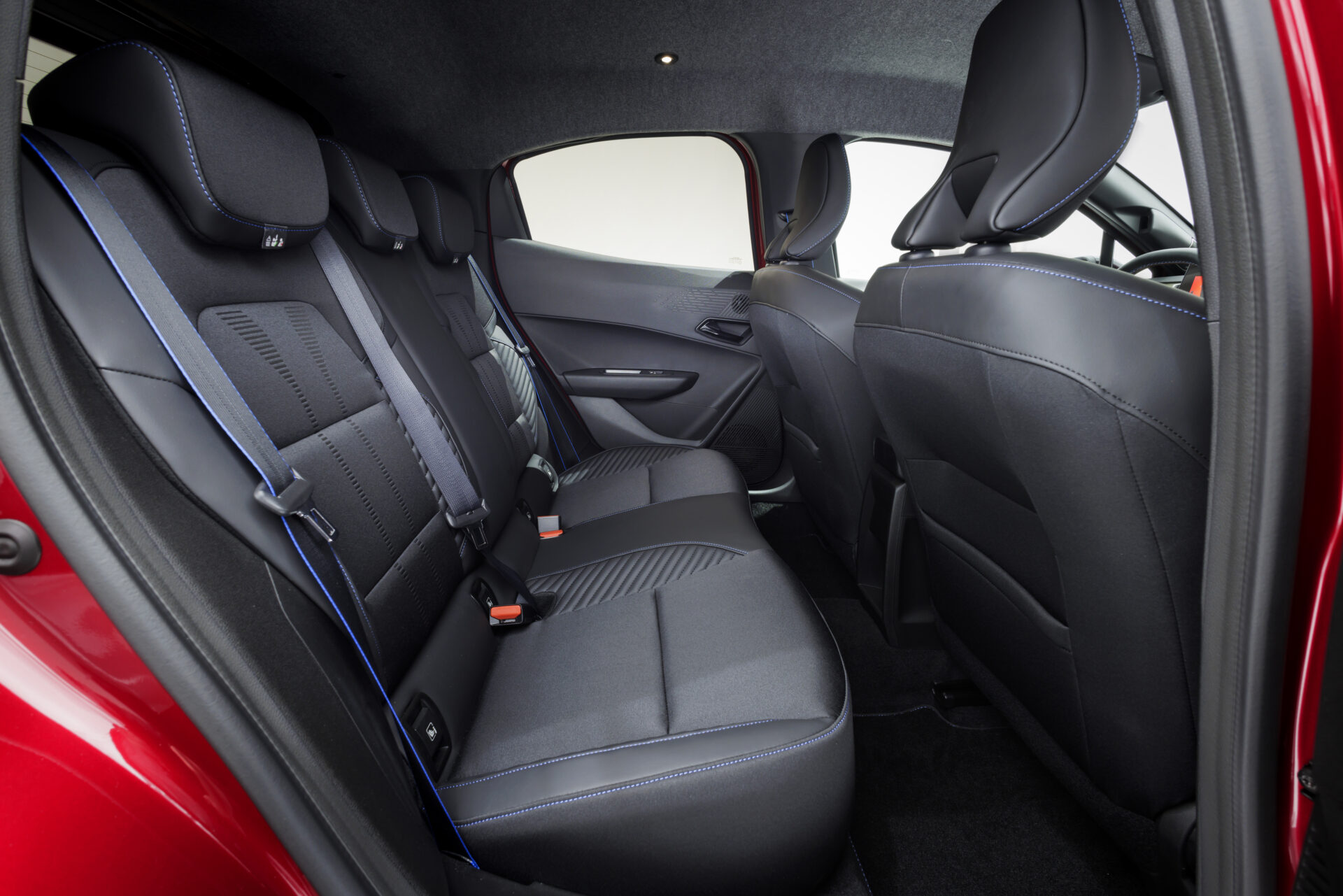
In terms of ergonomics and comfort, the front seats offer optimised lateral support thanks to a steel wire integrated into the bolsters, while the rear seats benefit from improved space thanks to the recessed backrests. However, adults and tall people will quickly feel cramped in the back. The interior offers some storage space, including a centre console with a soft cover, as well as practical features: USB-C ports in the front, an induction charger (depending on the version) and a 12V socket in the rear for powering accessories. The boot, with a volume of 391 litres, is more accessible with a loading sill that is 40 mm lower than the previous generation and can now be opened via a button integrated into the tailgate.
Finally, for sound enthusiasts, the Clio offers an optional 410 W Harman Kardon audio system with 10 channels, offering five sound modes (Studio, Podcast, Concert, Immersion, Club) developed in collaboration with Jean-Michel Jarre.
1,000 km range
On the road, first impressions are positive. This ‘Clio VI’ offers good road holding while remaining dynamic. The full hybrid E-Tech 160 hp version introduces a new 1.8-litre HR18 direct injection engine with Atkinson cycle, combined with a 1.4 kWh battery and a multimode gearbox with 15 modes.
The result: 0-100 km/h in 8.3 seconds and combined fuel consumption of 3.9 l/100 km on paper. During our test drive, we achieved around 4.9 l/100 km. The French manufacturer claims that it is possible to drive up to 80% of the time in electric mode in the city or suburbs. This means that the total range can reach 1,000 km.
It should be noted that in the petrol version, the TCe 115 hp (1.2 l) is very versatile with a 6-speed manual gearbox or a dual-clutch EDC (with paddles). It promises responsiveness and linearity, while reducing fuel consumption by 12% compared to the old CVT.
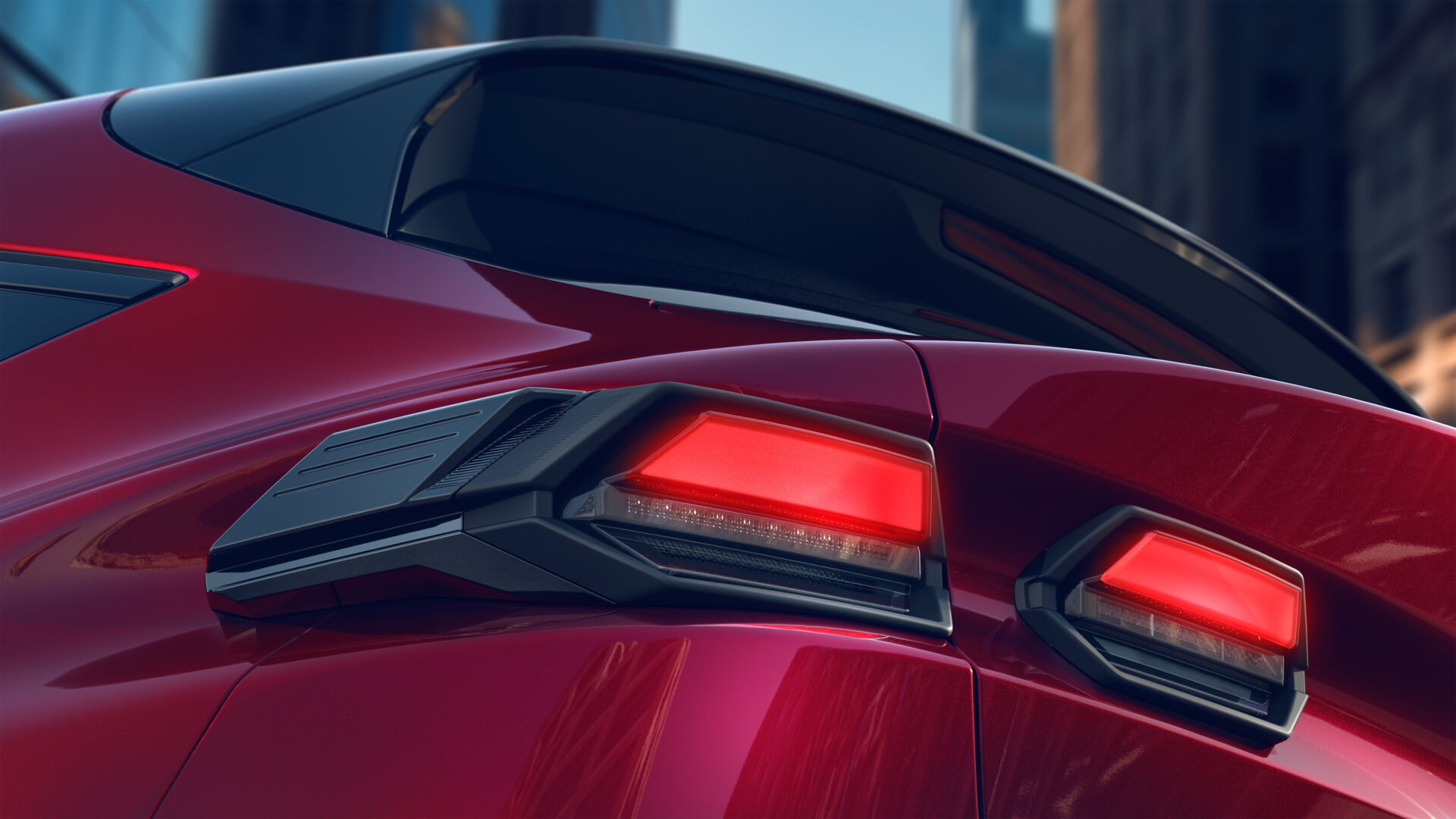
Finally, Renault has improved the aerodynamics, with a Cx reduced from 0.32 to 0.30, thanks to work on the rear-view mirrors, flat bottom, rims, spoiler and rear lights. A movable flap in the front air intake further optimises air penetration. In terms of acoustics, Renault claims to have made efforts to reduce noise.
The Clio VI is establishing itself as the city car that blurs the lines between the B segment and the segment above. Its athletic styling, modernised interior and high level of technological equipment, as well as its impressive hybrid engine, are all assets that could extend the longevity of this model. Prices start at €18,323 for the TCe 115 hp version and €22,771 for the E-Tech full hybrid 160 version. Add around €4,500 for the Esprit Alpine version.
We like / We don't like
We like
– Its more aggressive styling
– Its finish
– Its equipment
We don’t like
– Its high price for a popular car
– Little space in the back for adults
Technical specifications:
Wheelbase: 2,591 mm
Maximum power: 160 hp (116 kW) at 5,250 rpm
Maximum torque: 172 Nm (combustion engine) + 270 Nm (electric motor)
WLTP combined fuel consumption: 3.9 to 4.1 l/100 km
WLTP CO₂ emissions: 89 to 93 g/km
Base model price: from €22,771.49 including VAT (Évolution version)