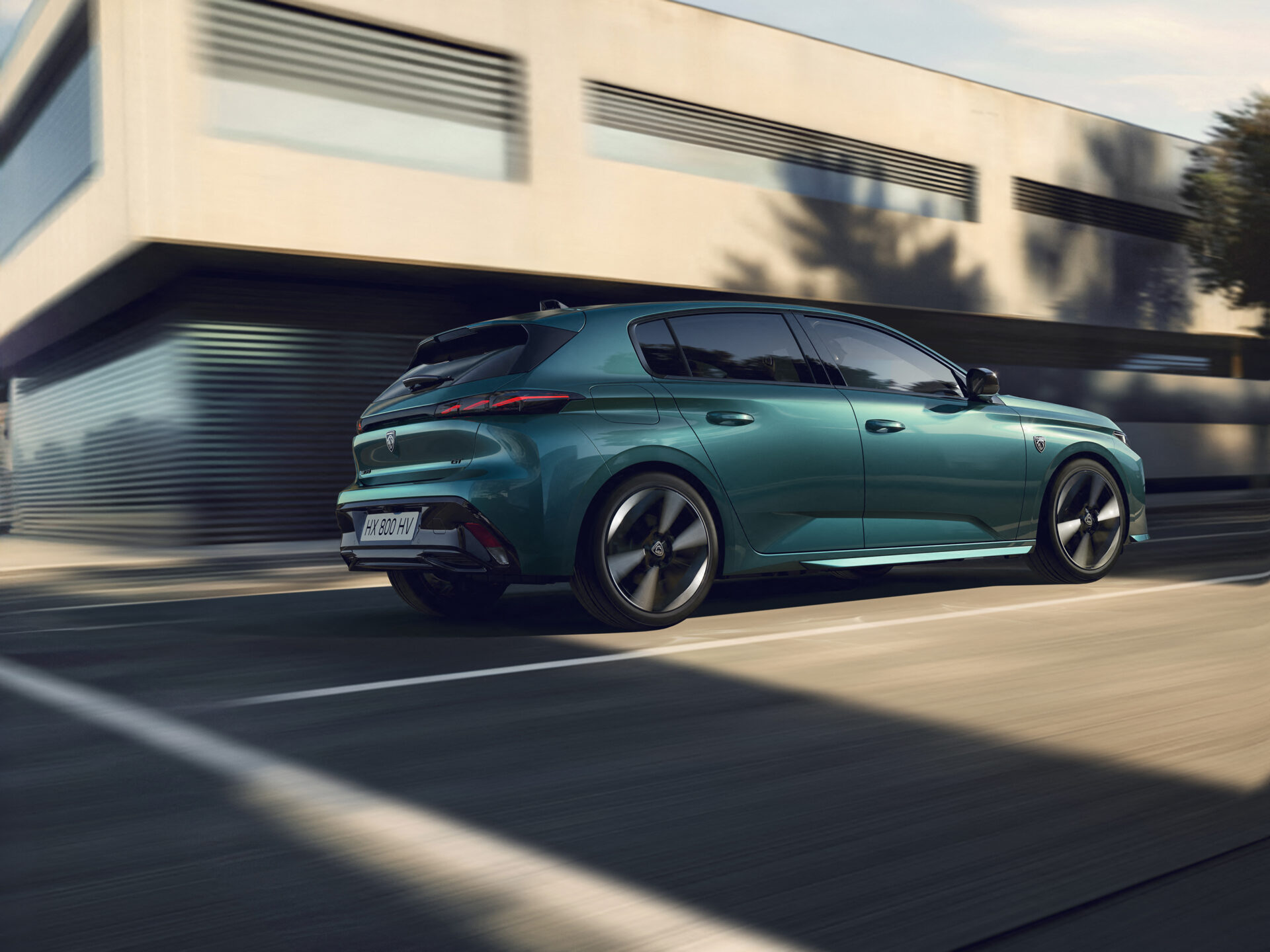
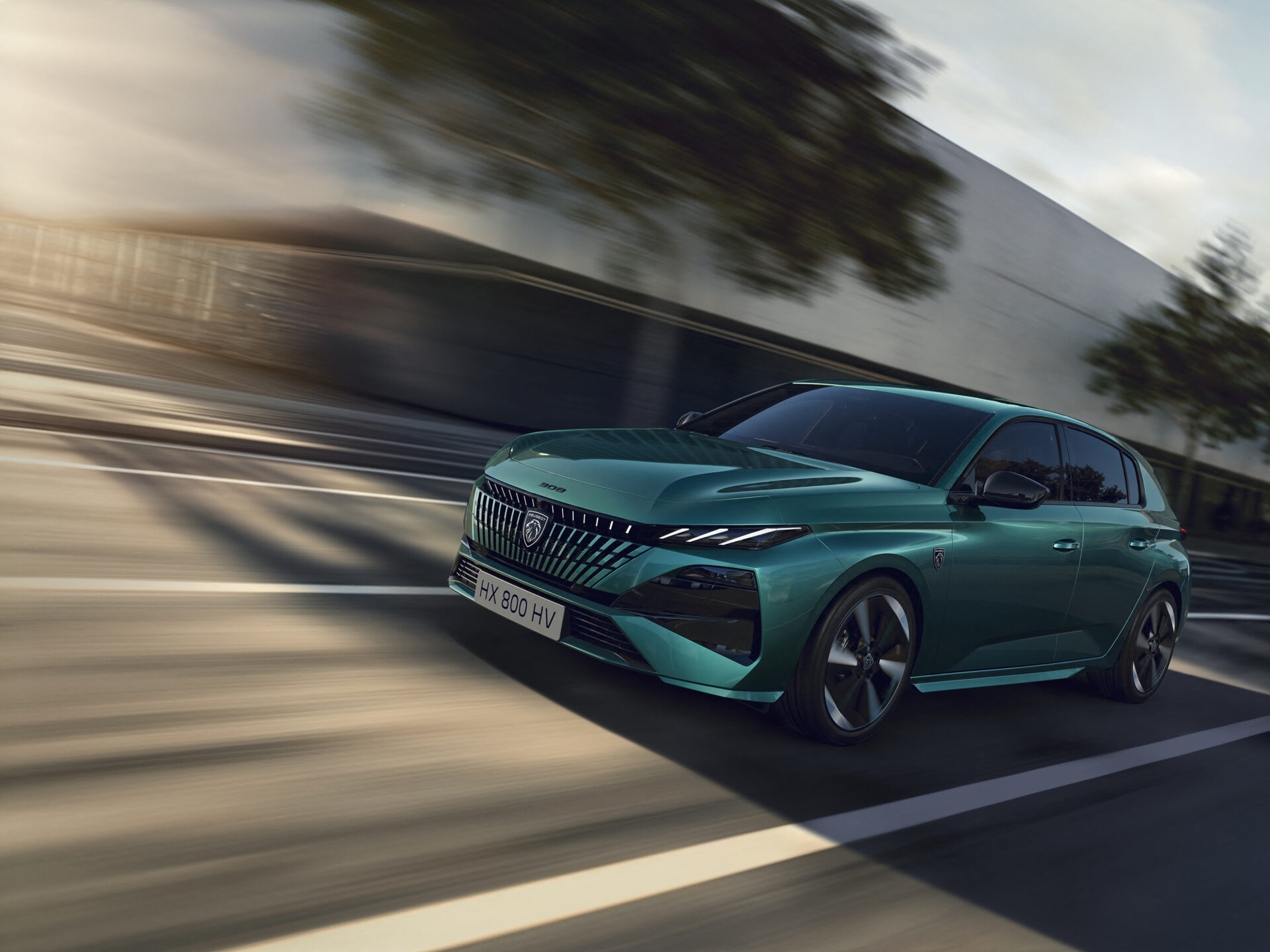
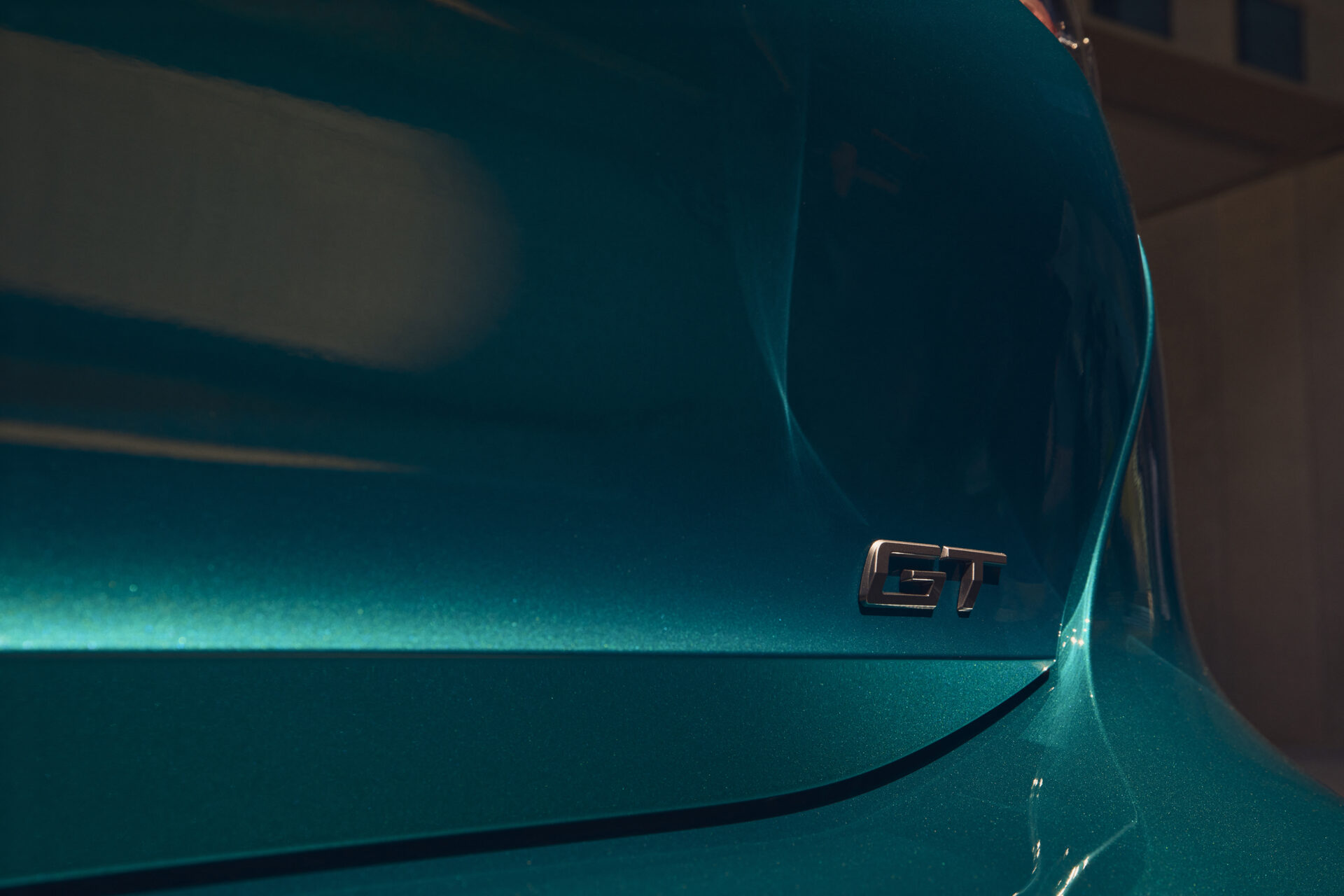
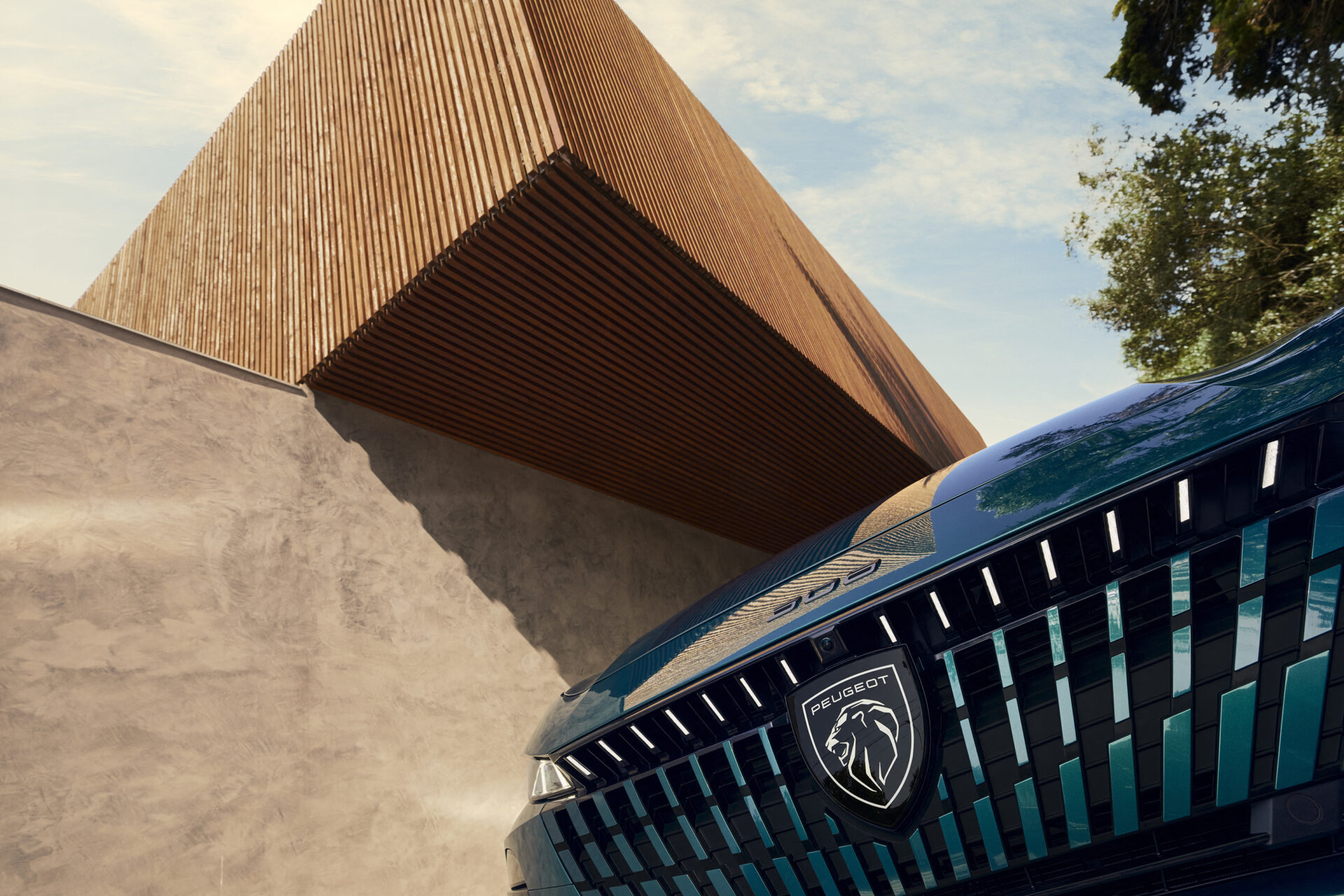
For its 2025 model year, the Peugeot 308 – and its estate variant, the 308 SW – is evolving while retaining the features that have made it so successful: striking design and pleasant handling. Peugeot is adding a wide range of electrified powertrains.
Positioned at the heart of the C segment, it is aimed at a diverse audience, from family drivers to motorists looking for a versatile, elegant and electrified compact car. Peugeot intends to consolidate its European position in the compact saloon market by offering a technically comprehensive range, from diesel to electric, including simple hybrid and plug-in hybrid models.
Manufactured in Mulhouse
Since its launch, the Peugeot 308 has established itself as one of the benchmarks in the C-segment. Succeeding the 307, it has distinguished itself with a lively design and an emphasis on driving pleasure, values that are specific to the brand. The current generation introduced the new Peugeot badge, a symbol of stylistic renewal. In 2025, the 308 will take a new step forward by being the first Peugeot to feature an illuminated front end, signalling a more premium and technological positioning. Manufactured in Mulhouse, it is part of Peugeot’s ‘Allure – Emotion – Excellence’ strategy, which aims to offer high-performance electrified vehicles without compromising on comfort.
A redesigned front end
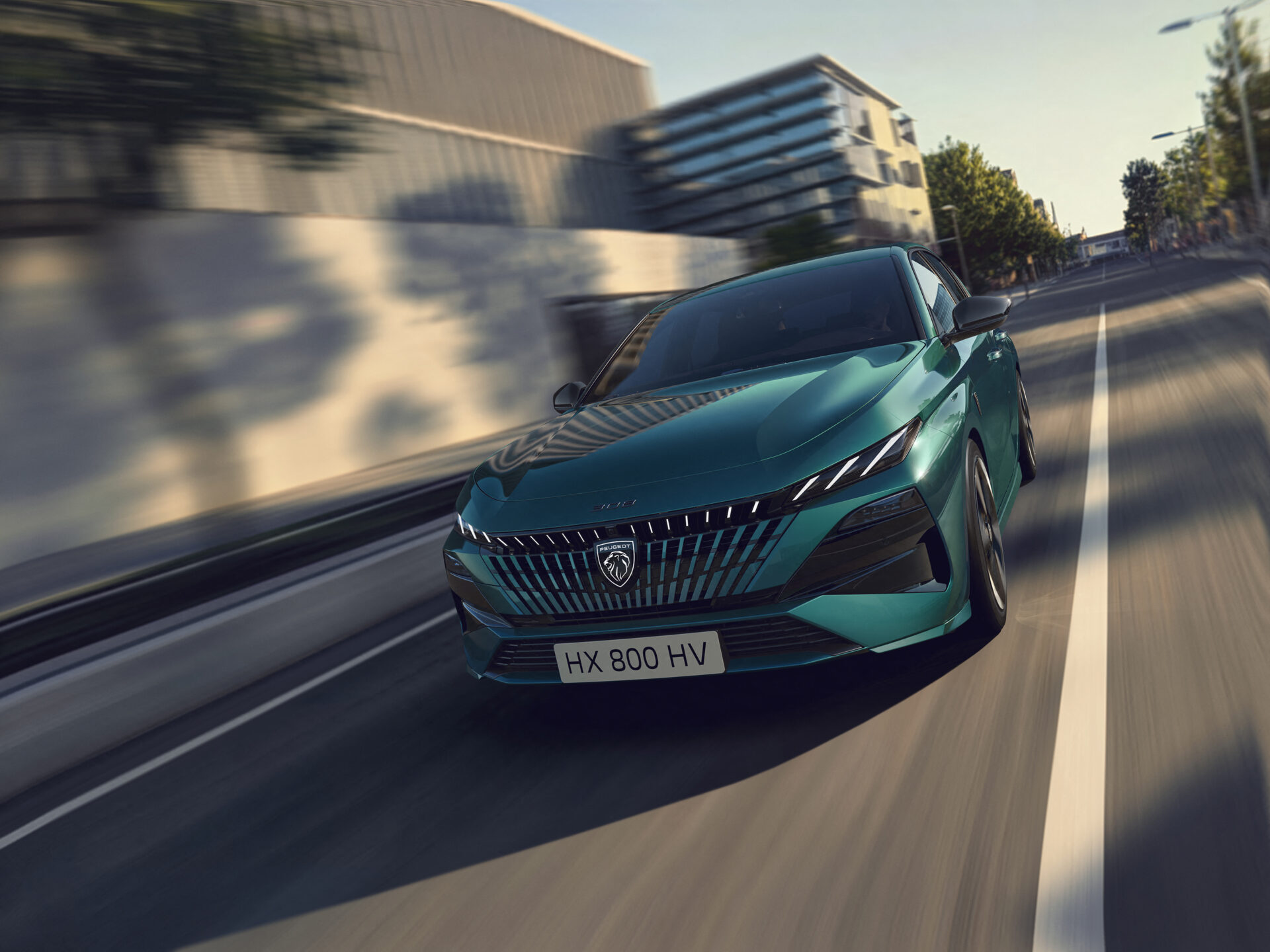
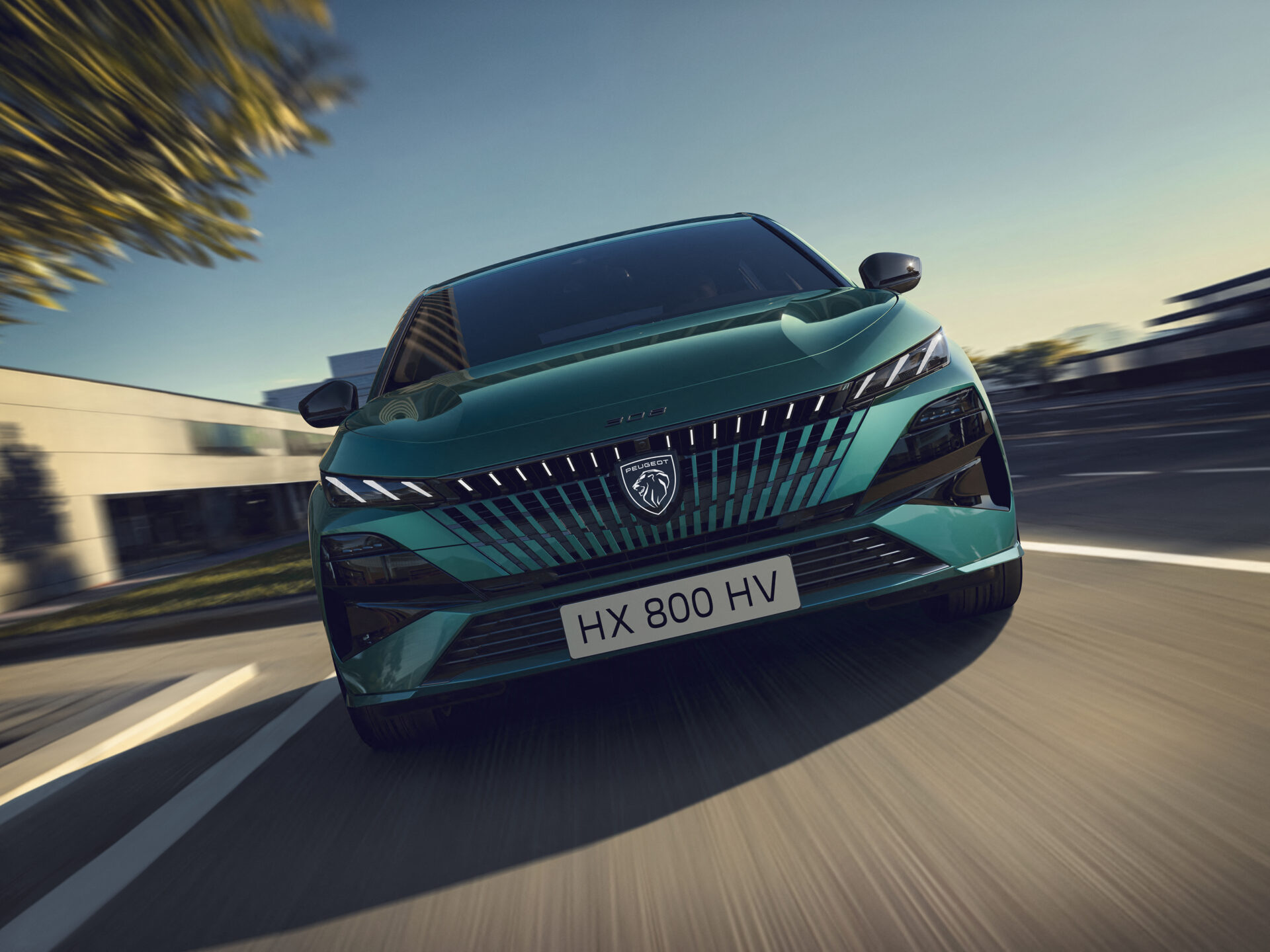
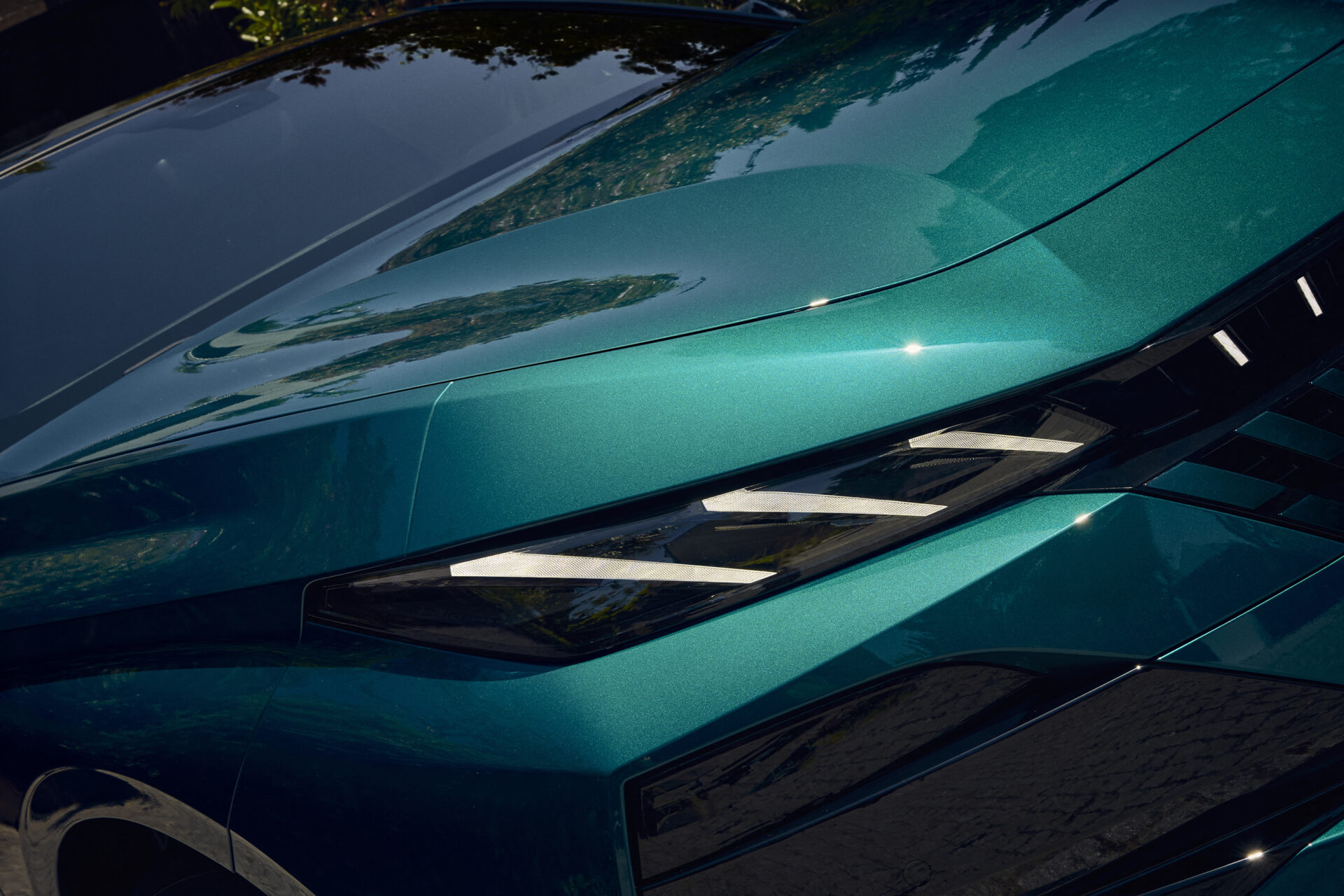
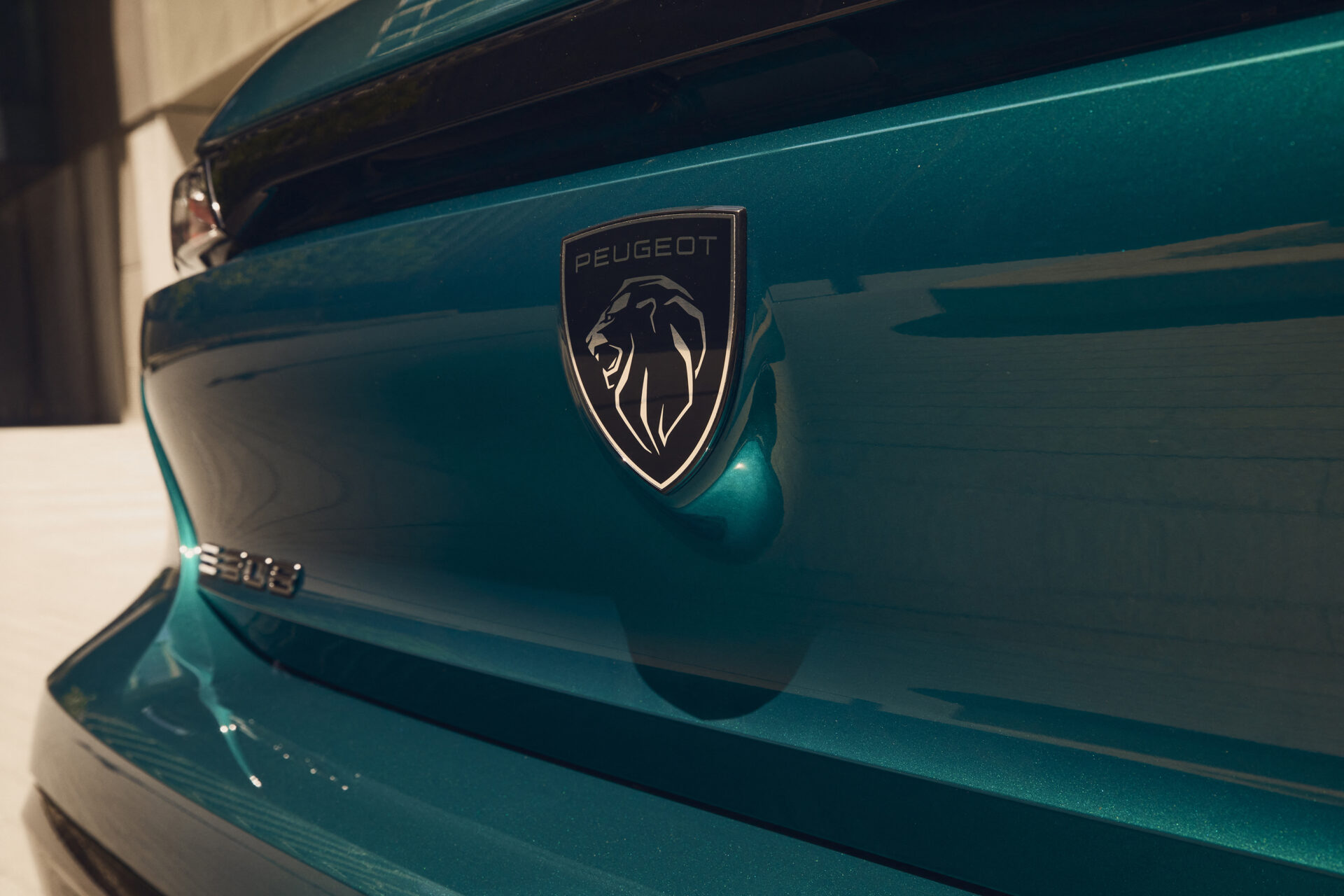
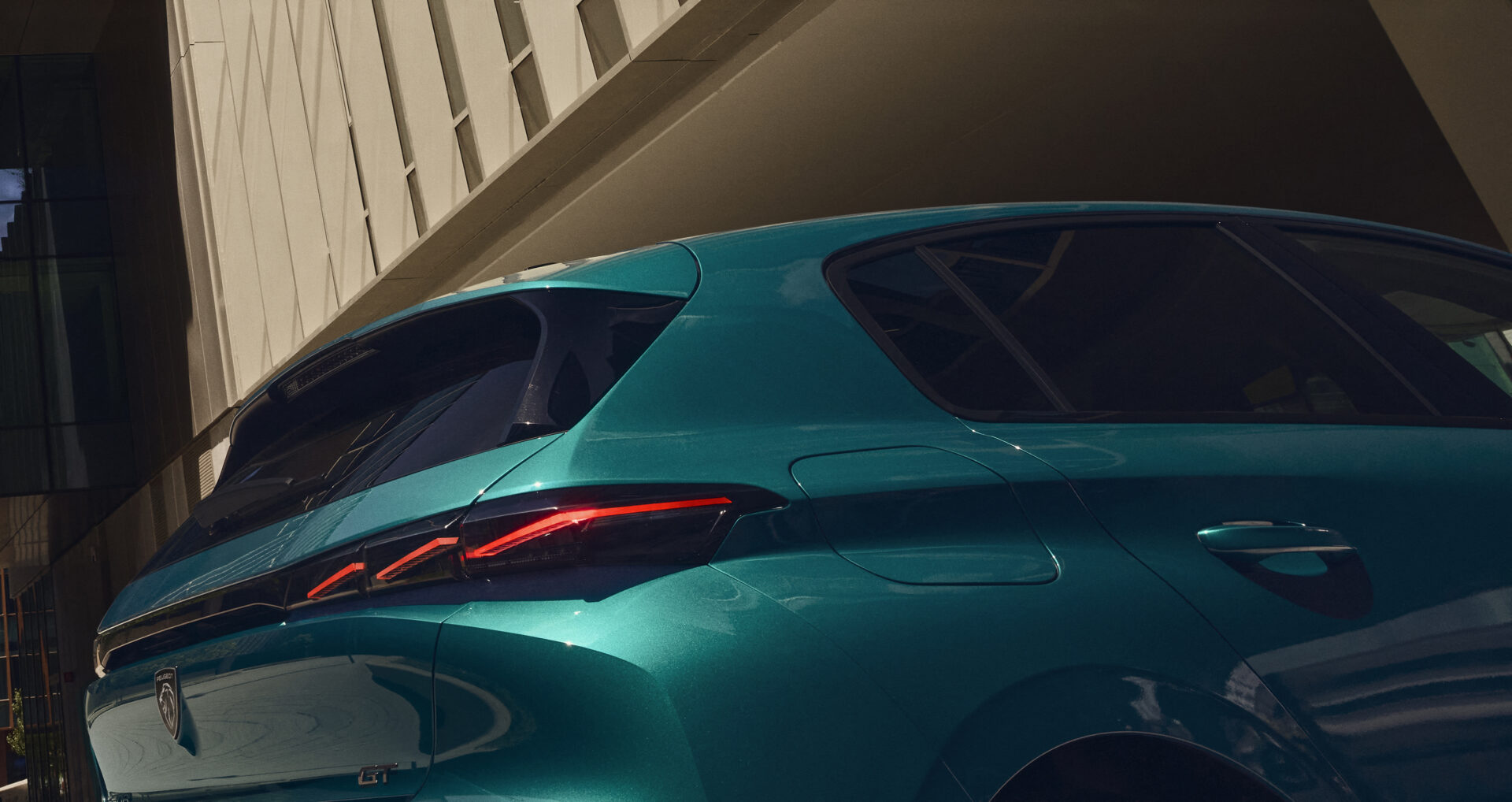
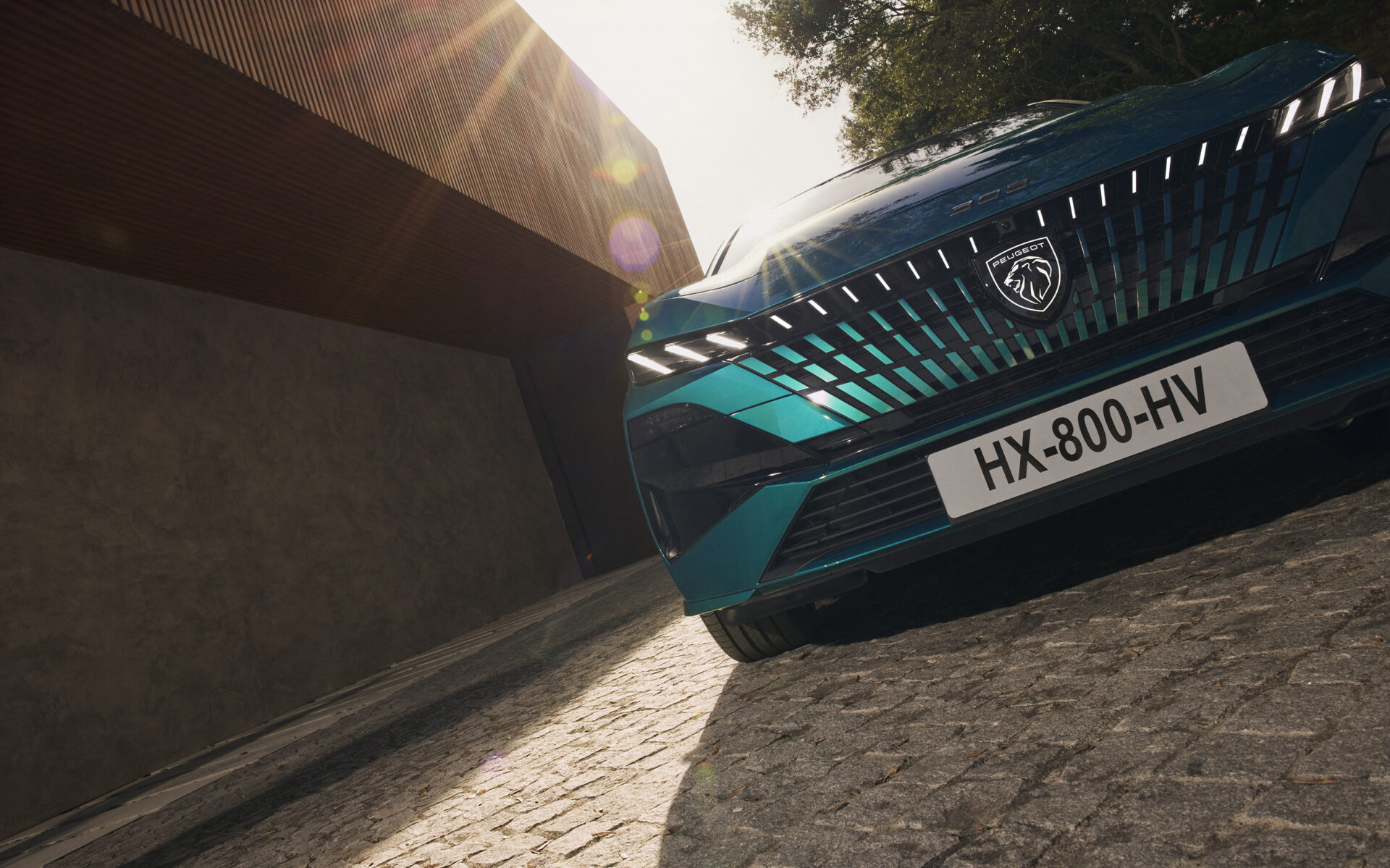
The style of the new 308 is immediately distinguishable by its thoroughly redesigned front end. The grille is now integrated into a unique light signature, with the Peugeot badge, now illuminated, as the focal point. Three thin LED claws accentuate the vehicle’s look, while the side air intakes enhance both aerodynamic efficiency and visual presence. The saloon has a taut, muscular profile, while the 308 SW has a more elongated style, with a sophisticated rear end that combines elegance and practicality.
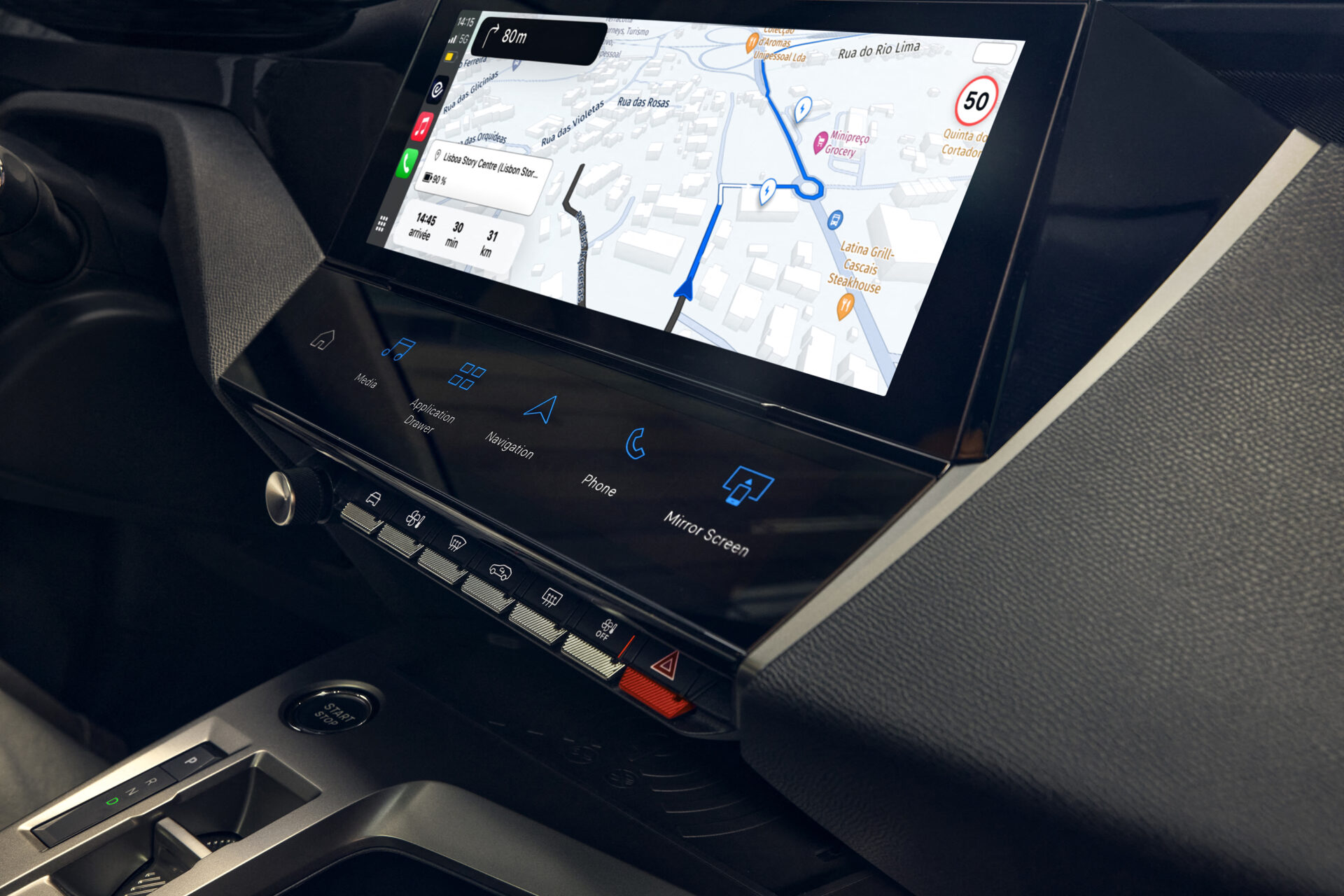
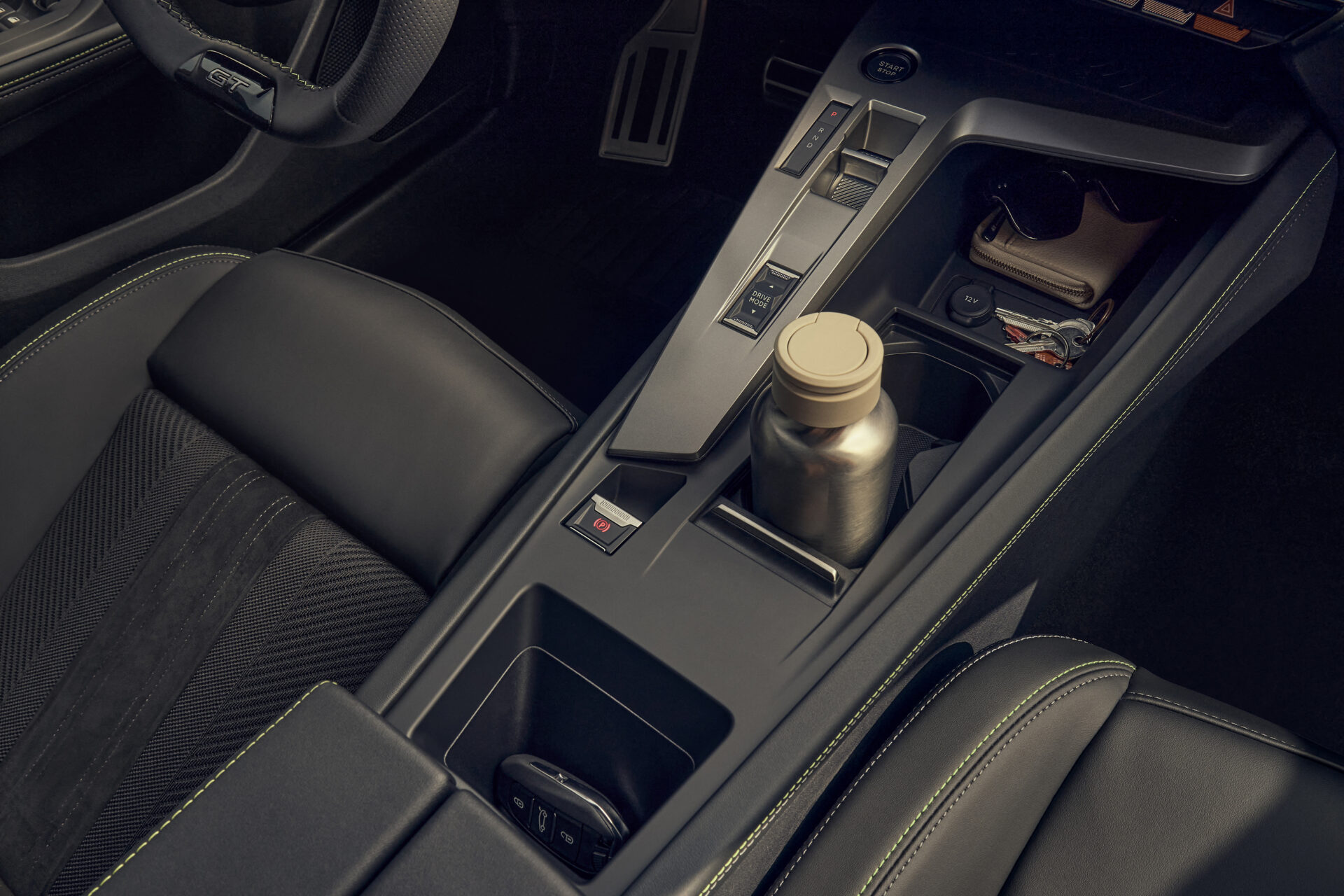
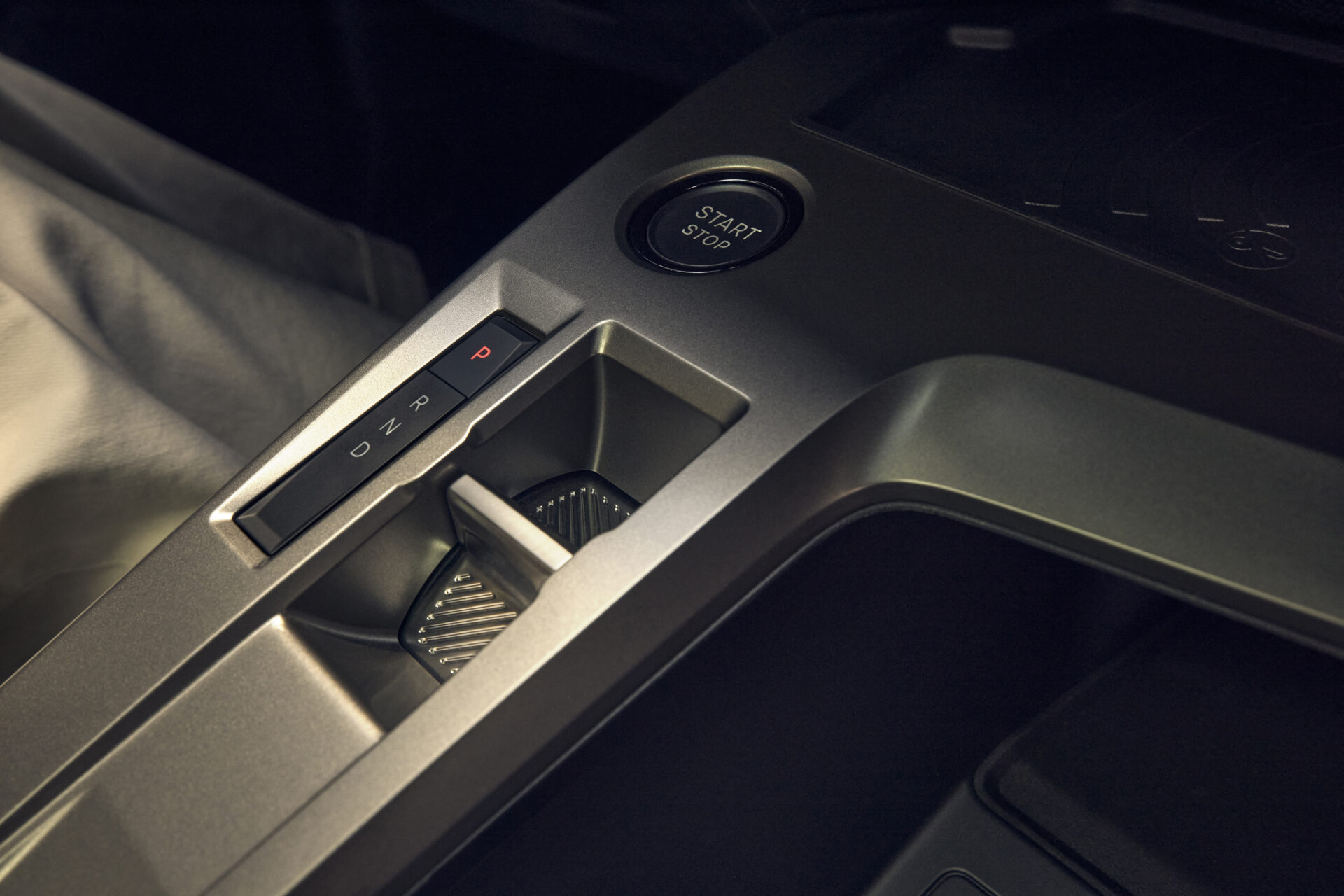
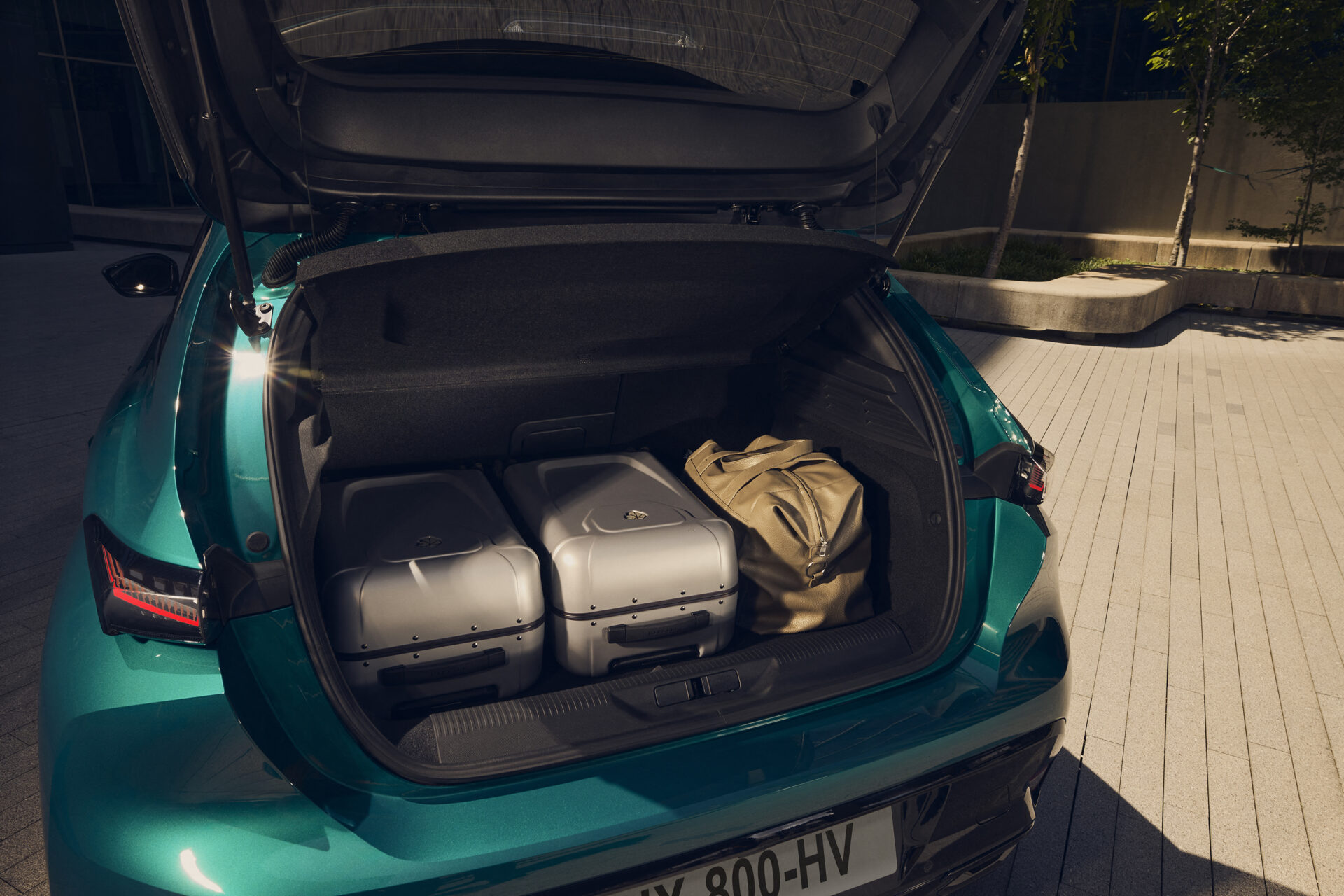
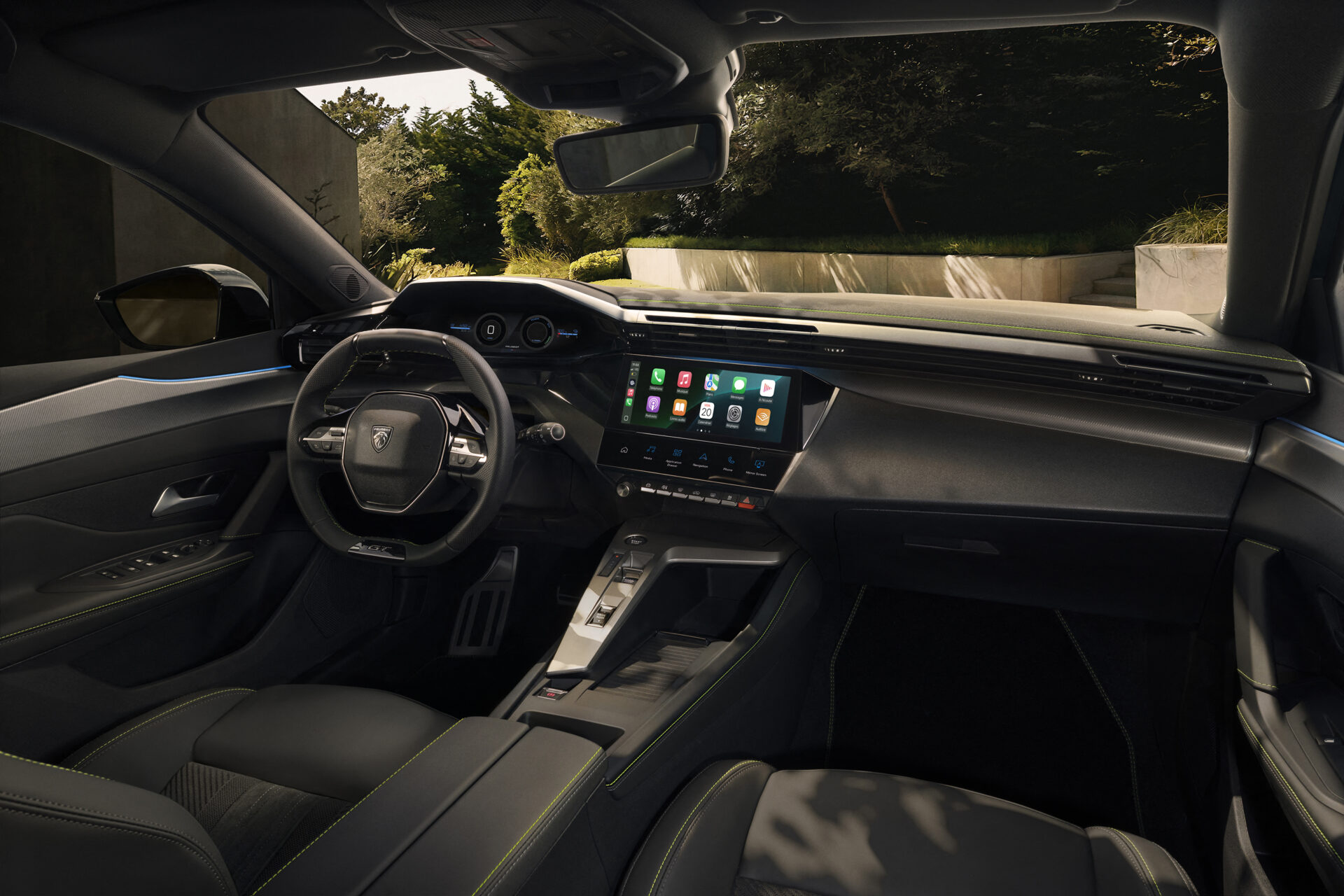
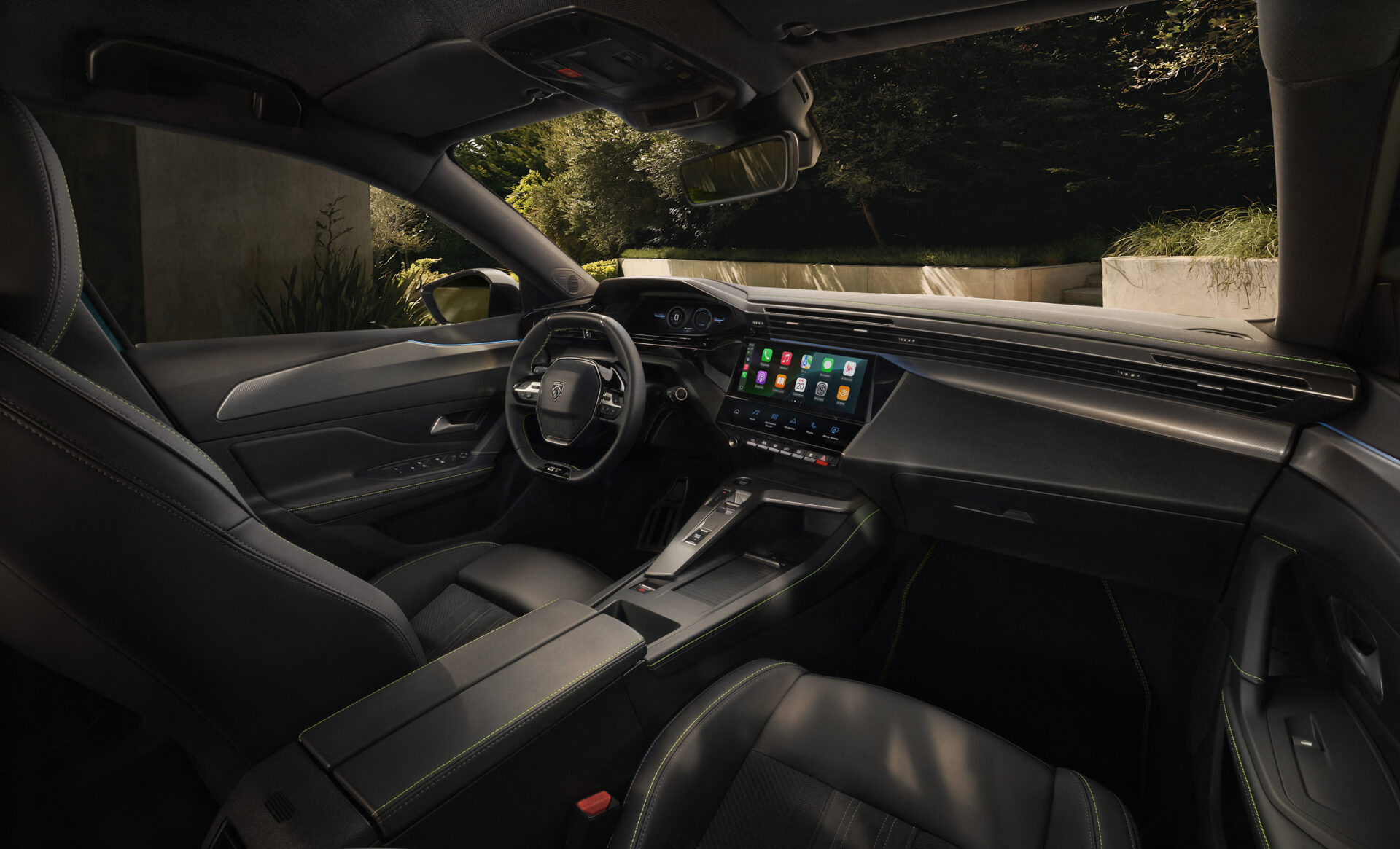
On board, materials such as genuine aluminium and Alcantara reinforce the feeling of a move upmarket. However, it is still a long way from ‘German premium’. The digital instrument cluster features modernised graphics, sometimes in 3D depending on the finish, and a 10-inch central screen. The ambient lighting, which extends to the door panels, adds a little extra charm. The SW variant further emphasises practicality with a three-part split bench seat and generous boot space of up to 1,487 litres, depending on the configuration.
Four engines
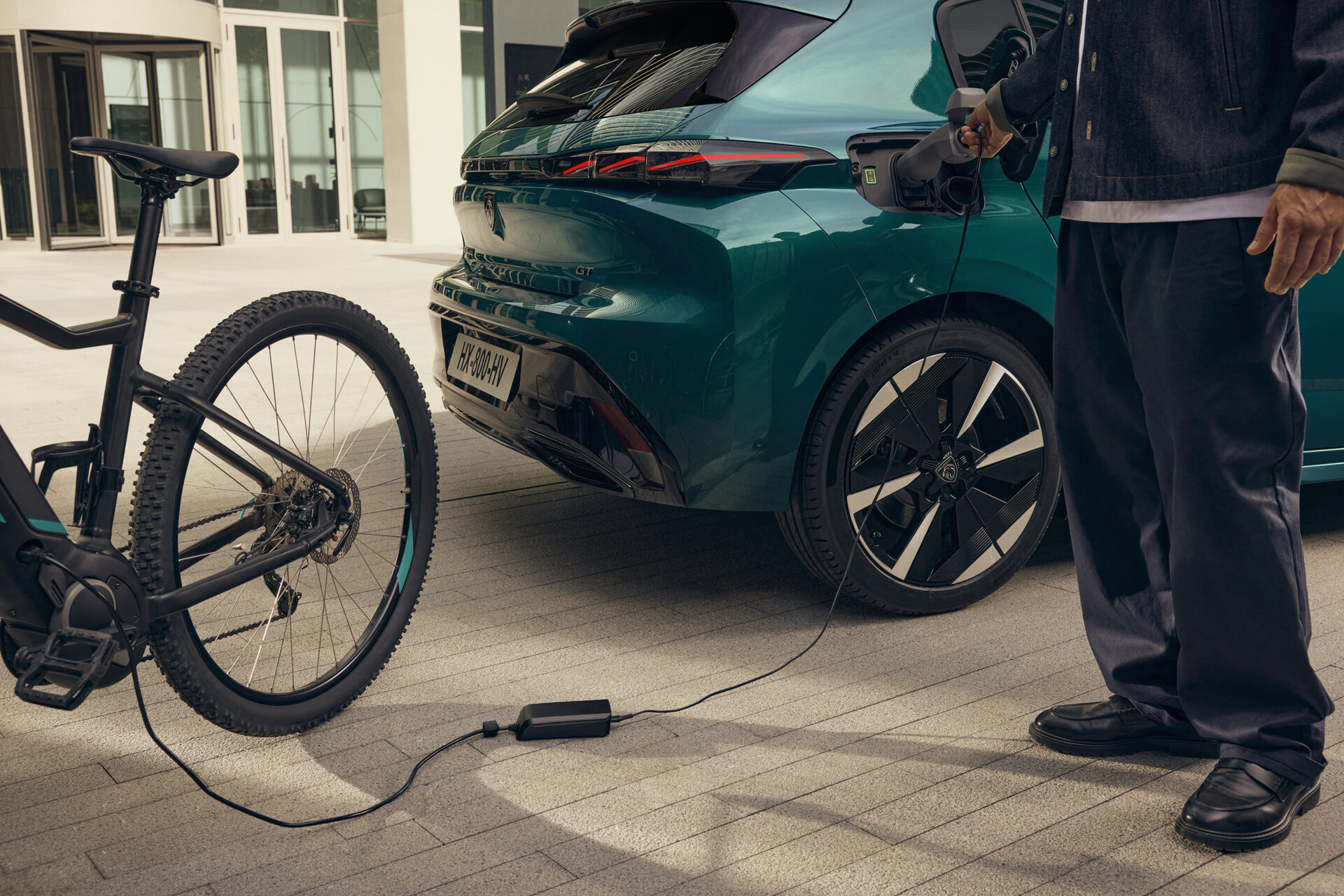
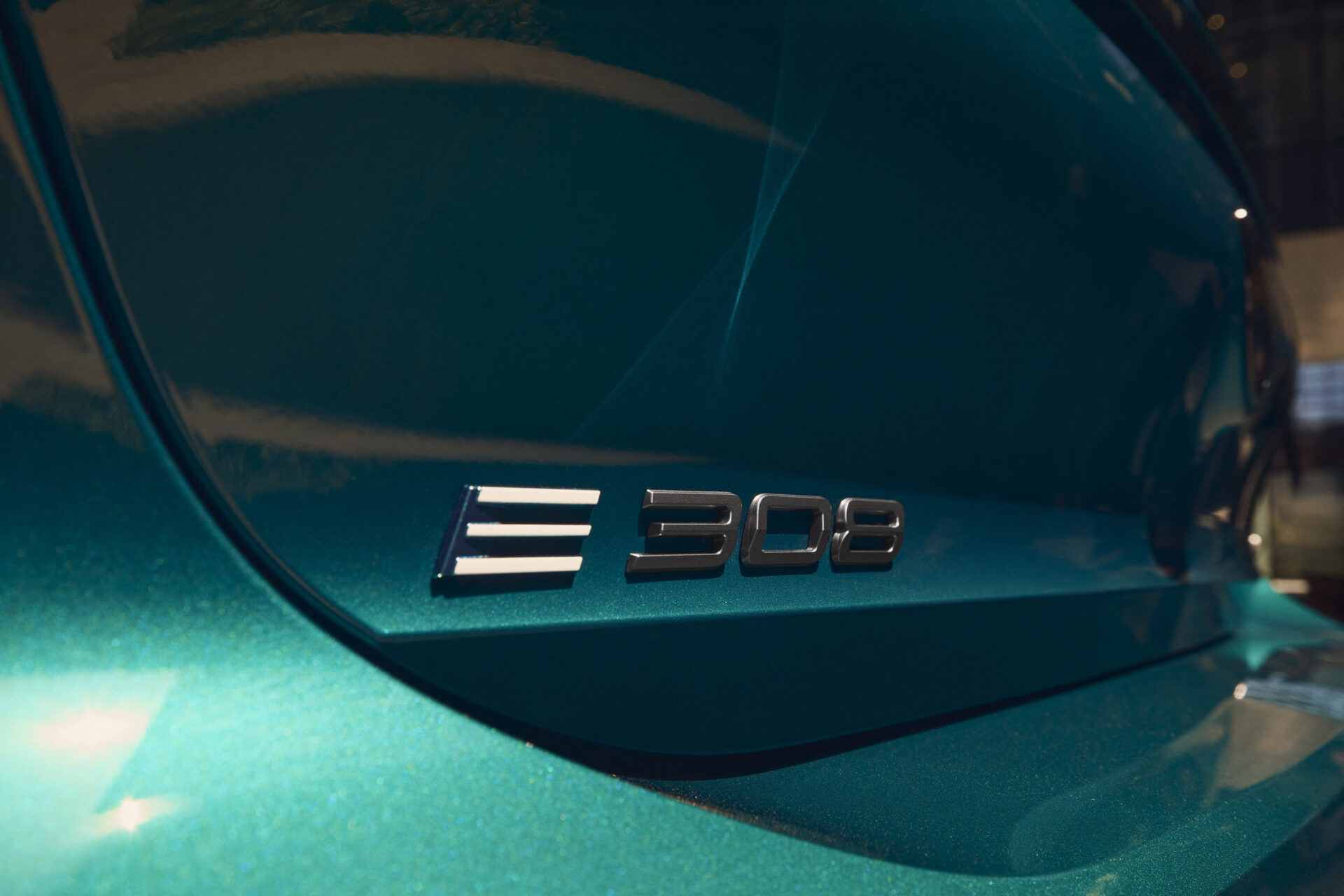
The range is structured around four engines. The 100% electric E-308 is powered by a 156 hp, 270 Nm motor, fed by a 58.4 kWh battery, capable of delivering up to 450 km of WLTP range. Recharging is versatile thanks to the standard 11 kW three-phase charger and fast DC charging, which can charge from 20% to 80% in 32 minutes.
The plug-in hybrid develops 195 hp, combining a petrol engine and a 92 kW electric motor. Its 17.2 kWh battery now provides up to 85 km of electric range, a rare feature in this segment. The 145 hp non-rechargeable hybrid engine is aimed more at drivers looking for accessible electrification without charging constraints, while still allowing them to drive in electric mode up to half the time in the city. Finally, a 130 hp BlueHDi version, combined with the EAT8 automatic gearbox, will complete the range for frequent drivers.
Feline on the road
True to Peugeot’s reputation, the 308 offers sharp and engaging handling. The chassis combines agility and stability, with precise steering and suspension that filters out irregularities while maintaining road holding. The driving position, characteristic of the i-Cockpit, contributes to the car’s almost sporty feel, thanks to the small steering wheel and the instrument panel positioned above it. The E-308 impresses with its immediate torque availability and three-level regenerative braking, controlled by paddles behind the steering wheel, allowing the driver to adjust deceleration according to their preferences. The hybrid versions benefit from electric support to boost acceleration.
The electric version comes with a comprehensive set of services designed to simplify everyday use. The Trip Planner optimises journeys by taking into account predicted consumption and available charging points. The Plug & Charge function allows you to connect to a compatible charging point without a card or app, with authentication and billing taking place automatically. The option to limit charging to 80% with alternating current helps preserve the battery, while V2L compatibility allows external devices to be powered up to 3.5 kW. The MyPeugeot app centralises charge management, thermal preconditioning and numerous remote control functions.
Despite its qualities, the new-generation 308 does have a few drawbacks. Its move upmarket could lead to higher prices than some of its direct competitors, particularly for the higher trim levels. The ergonomics of the i-Cockpit, although appreciated by most drivers, may require a period of adjustment and is not suitable for all body types. The fast charging capacity, limited to 100 kW, also puts the E-308 behind some of the newer electric compact cars. Finally, the boot space in the plug-in hybrid versions is logically reduced by the integration of the battery.
Nevertheless, the new 308 stands out first and foremost for its revamped, assertive design, enhanced by lighting signatures that are unique in the segment. It also impresses with its significantly improved perceived quality, consistently pleasant handling and an exceptionally wide range of engines to suit all uses. The electric version is among the most efficient in its category, while the on-board technologies – whether Matrix LED, i-Connect Advanced or smart charging services – demonstrate Peugeot’s commitment to the transition to electrified mobility.
A successful evolution
With this update, Peugeot has succeeded in enhancing an already highly appreciated formula. The 308 now combines a more expressive design, a more attractive interior and more sophisticated technology, without compromising on the driving pleasure for which the brand is renowned. Faced with particularly fierce competition, it maintains a consistent positioning, focusing on versatility and emotion rather than raw power or technological extravagance. It thus appears to be a mature, reliable and elegant choice.
We like / We dislike
We like:
– Increased electric range and reduced fuel consumption
– Chassis and steering comfort
– Front grille
We don’t like:
– Slightly less boot space
– Transmission can be noisy at times
Technical specifications – Peugeot 308 / 308 SW – Hybrid 145 hp (MHEV)
Power and engine: This mild hybrid version combines a 1.2-litre turbocharged 3-cylinder engine producing 136 bhp (100 kW) with 21 bhp of electric assistance, for a combined power output of 145 bhp. Transmission via an e-DCS6 electrified gearbox (dual clutch).
Battery capacity: 48 V lithium-ion battery: 0.876 kWh.
Fuel consumption/emissions (WLTP):
- Fuel consumption: 4.7 to 5.0 l/100 km (saloon) / 4.8 to 5.1 l/100 km (estate)
- CO₂ emissions: 107 to 113 g/km (saloon) / 109 to 115 g/km (SW)
Performance: 0–100 km/h: 8.8 s (saloon) / 9.0 s (SW)
Top speed: 210 km/h
Price: From £29,179