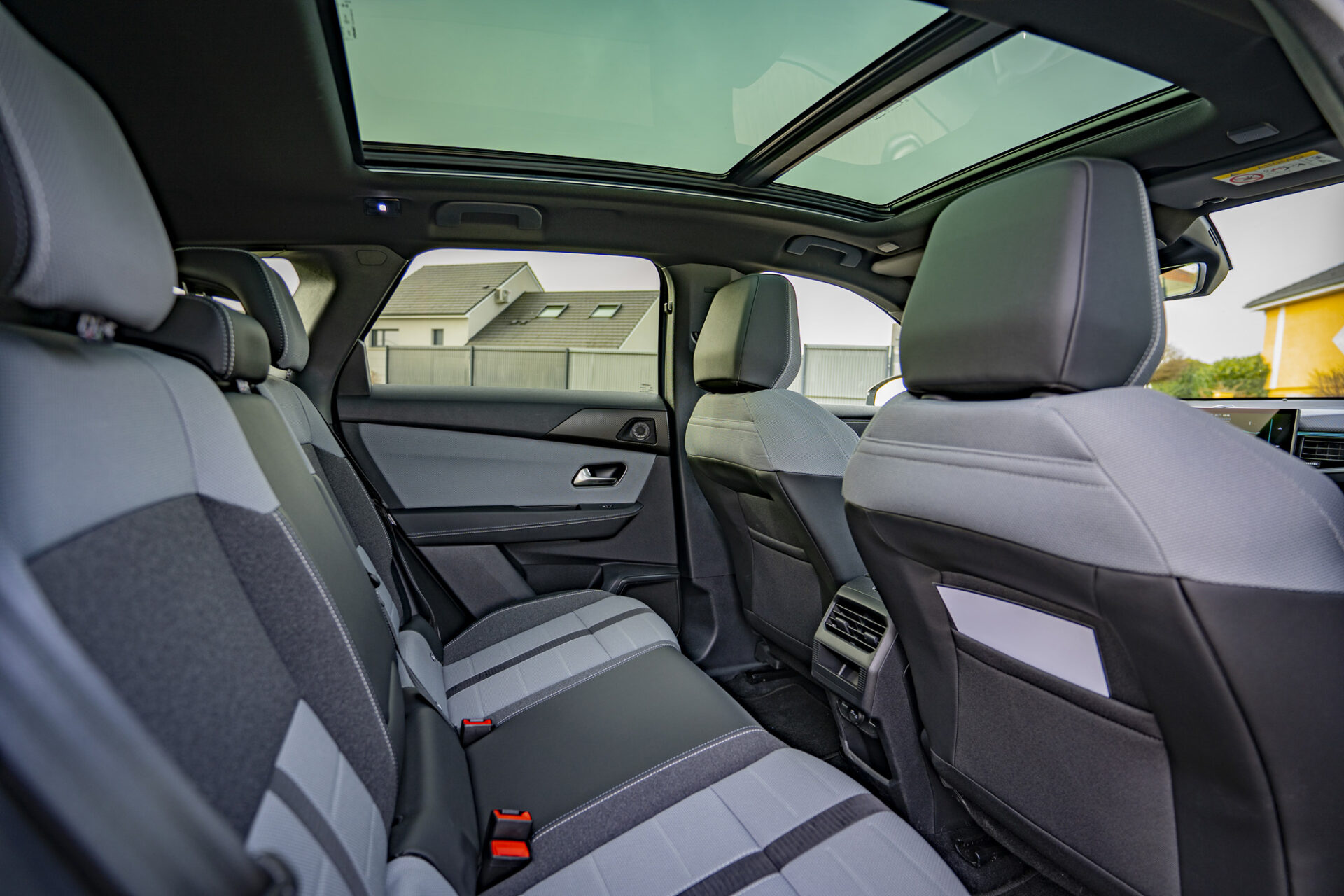
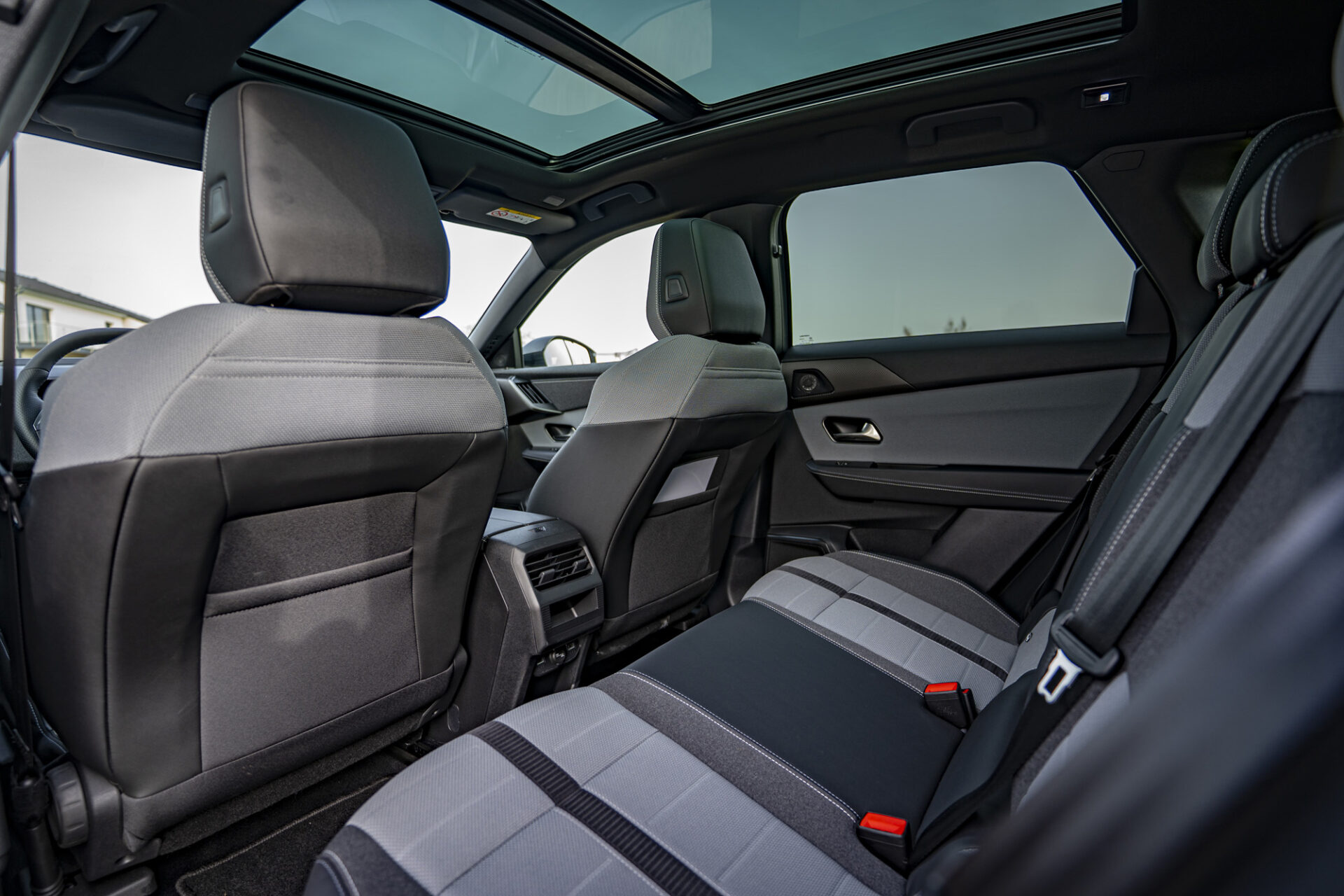
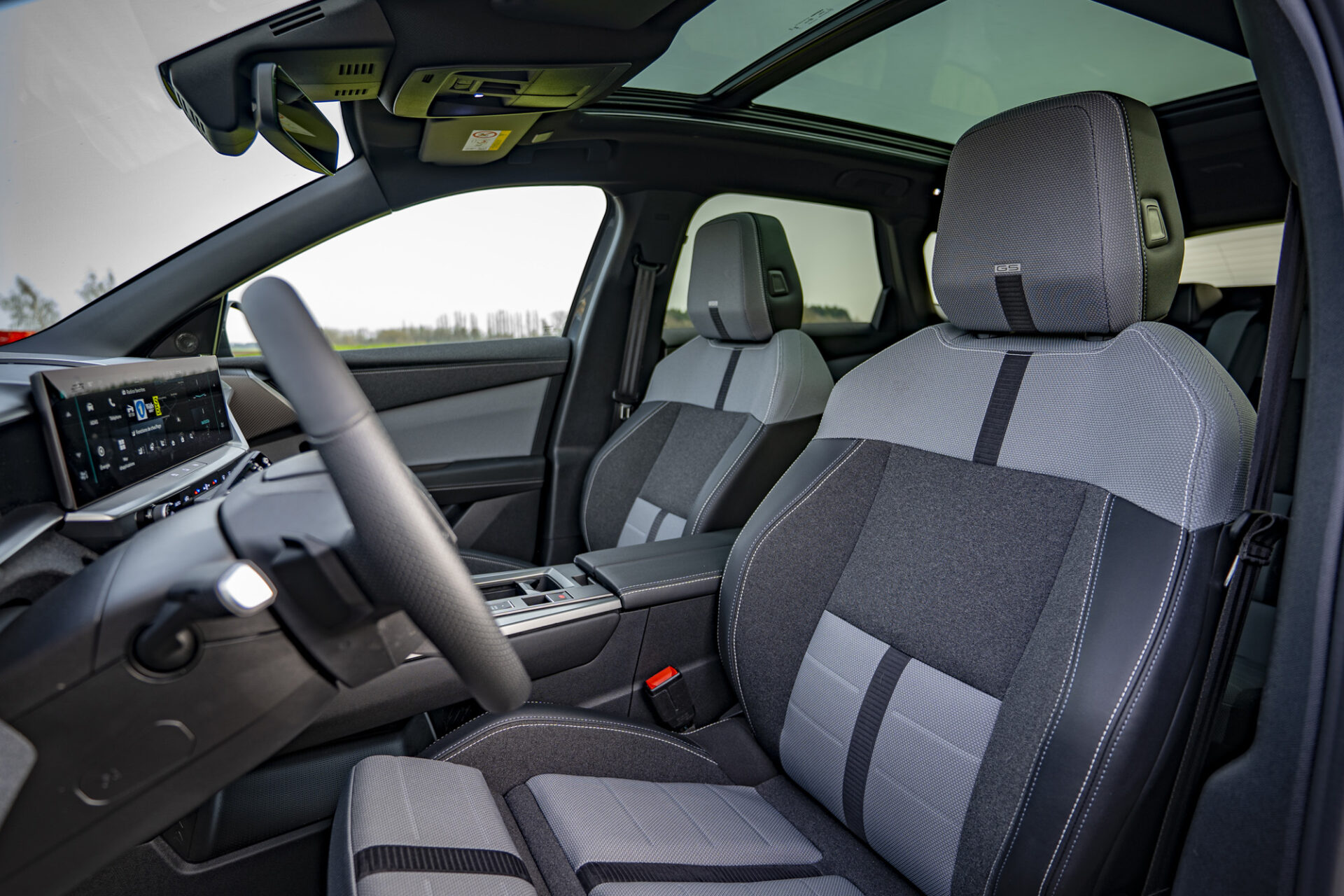
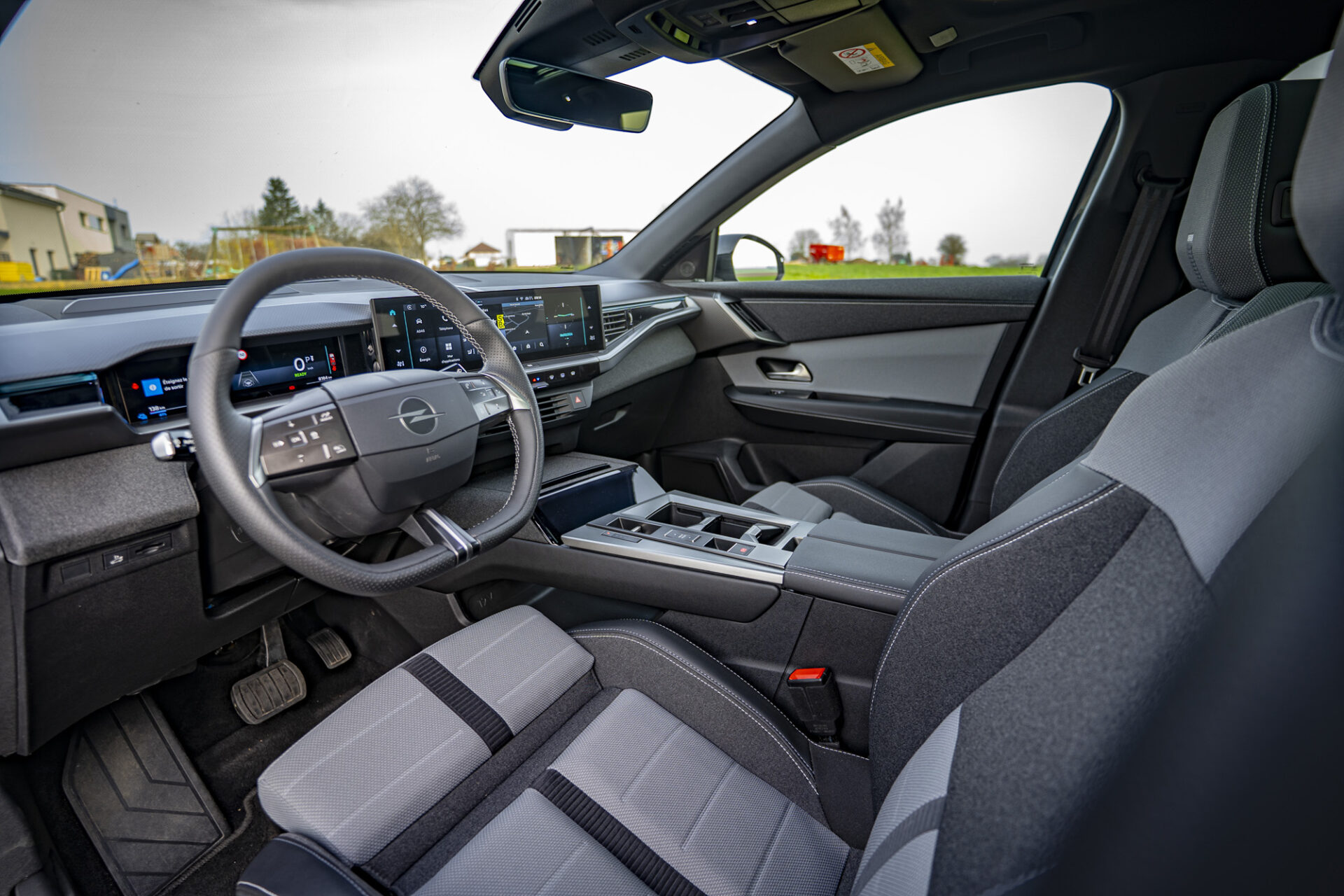
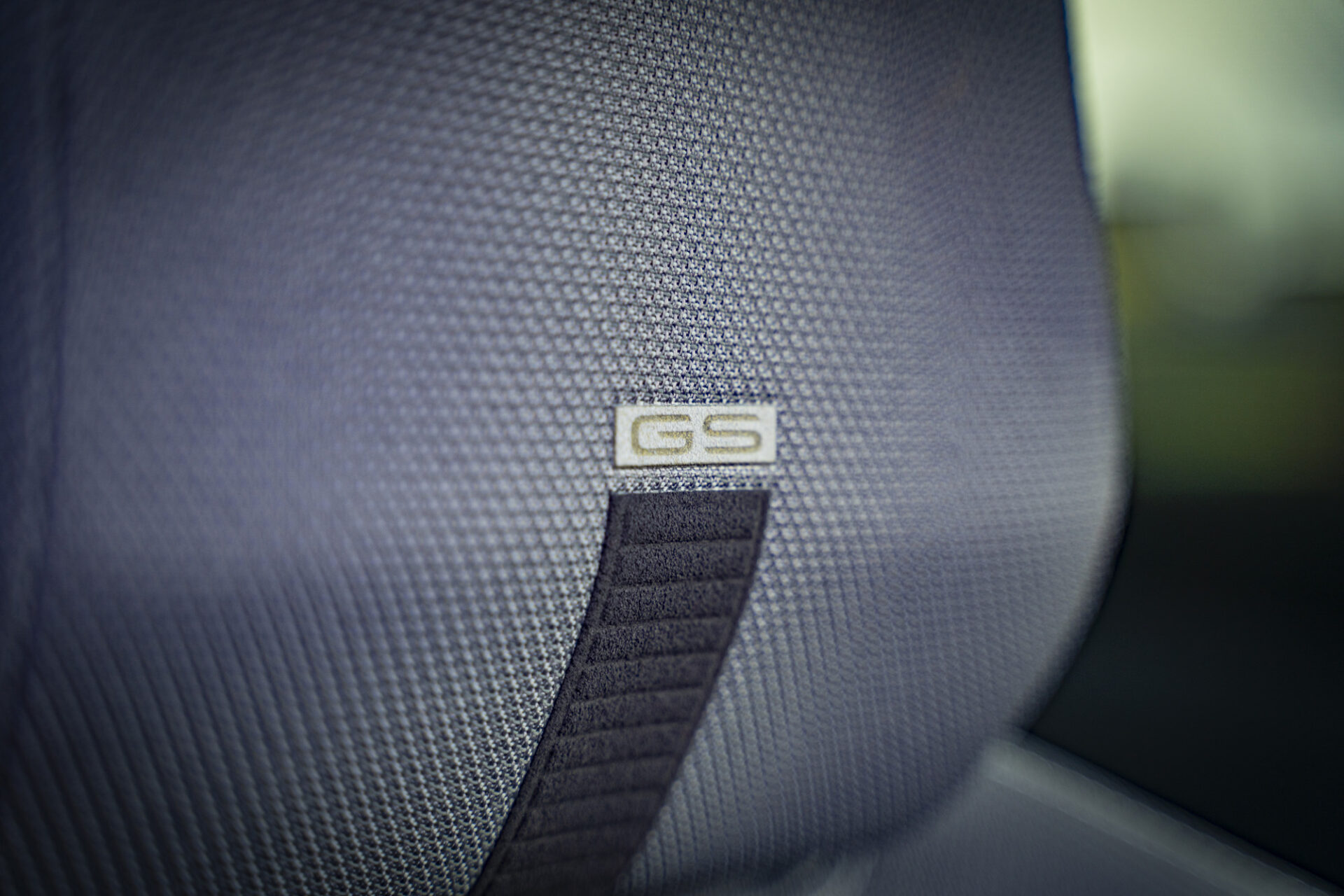
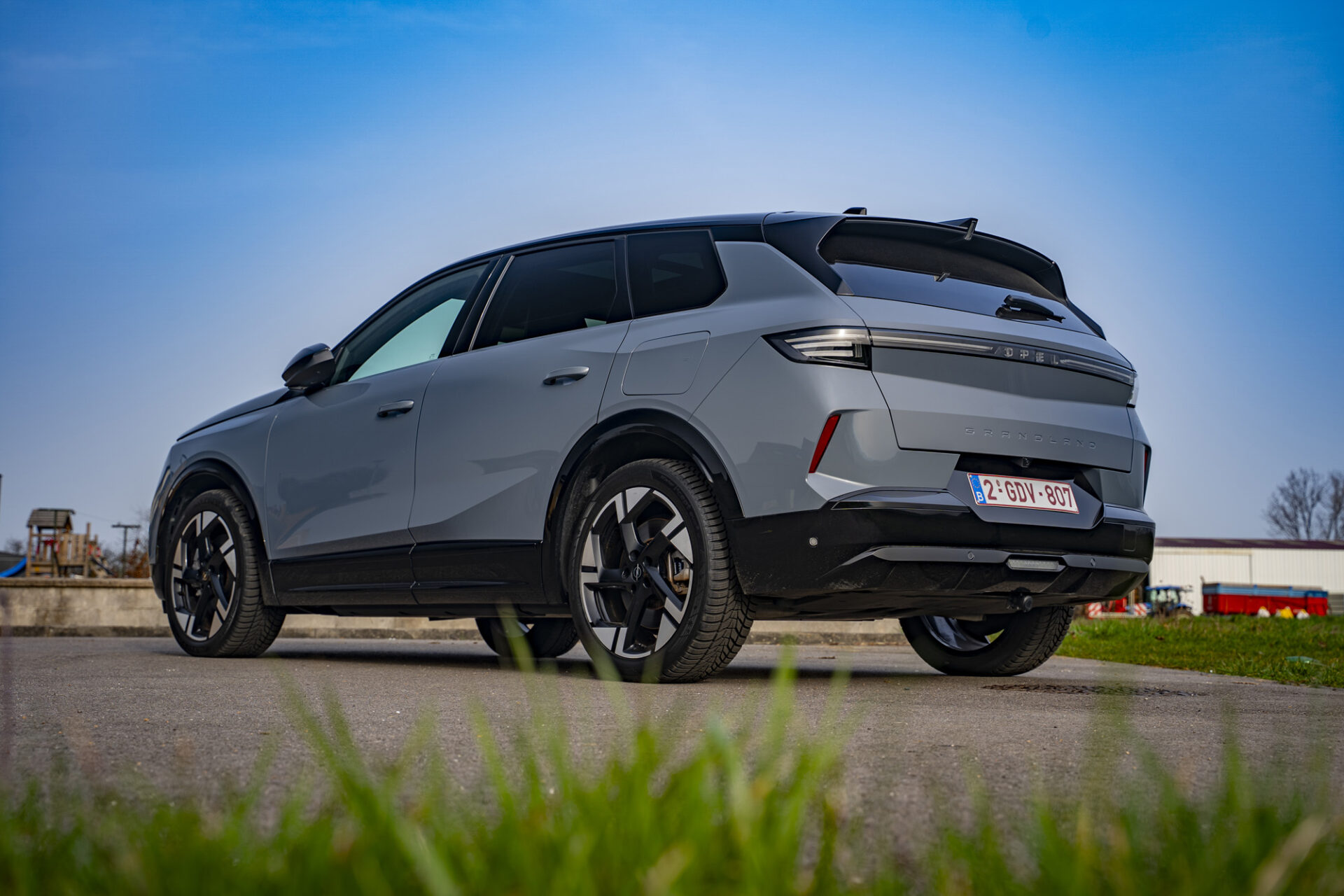
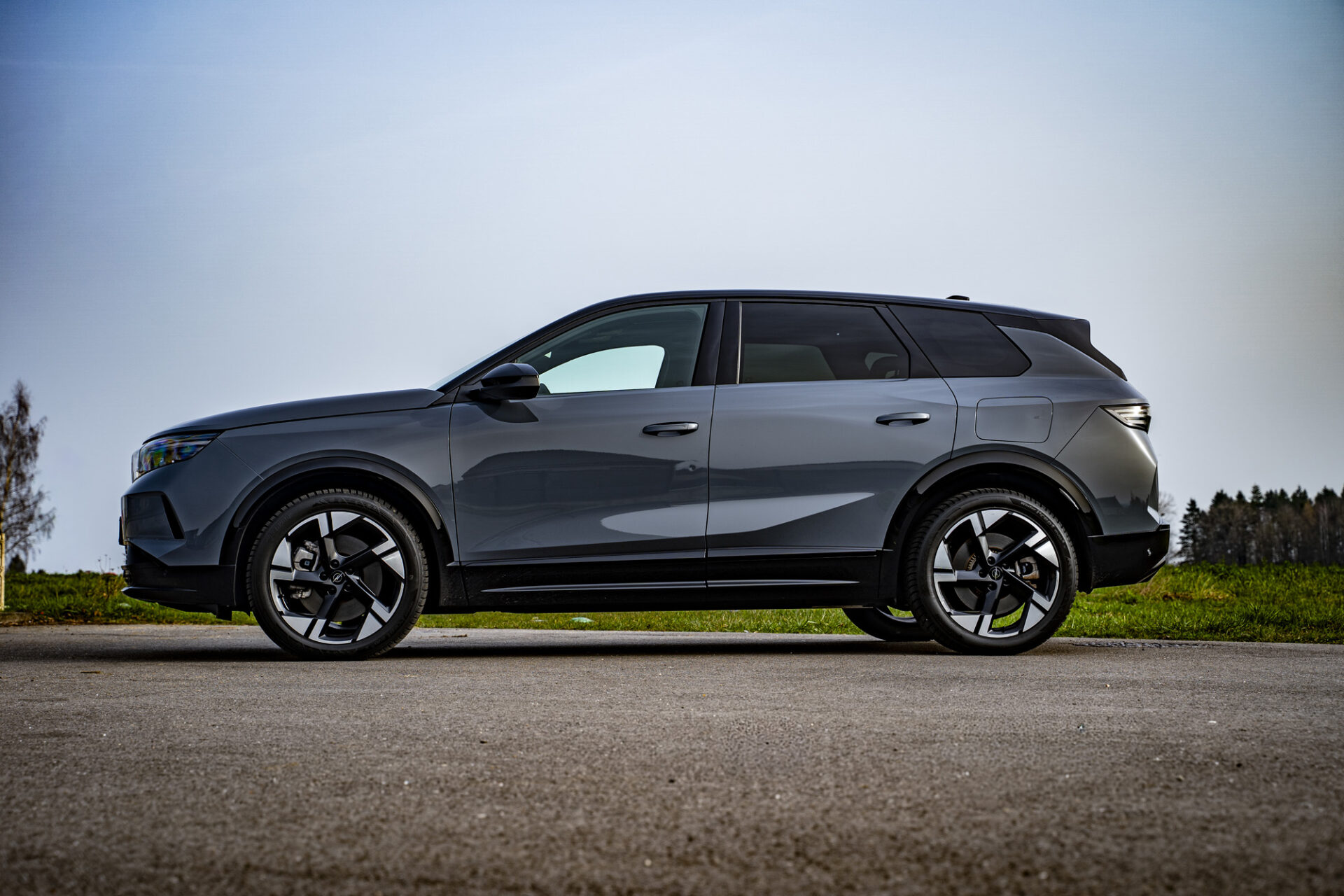
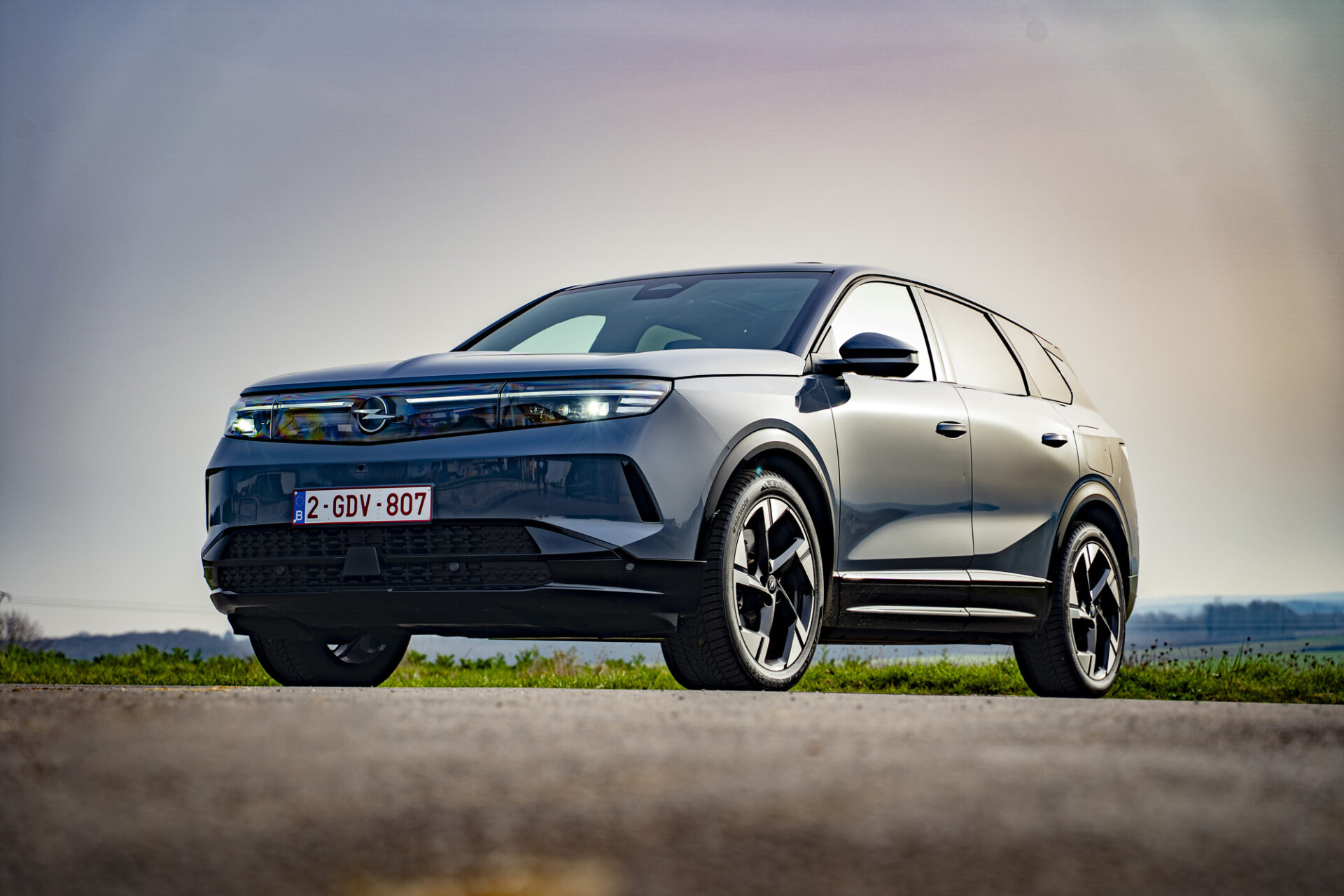
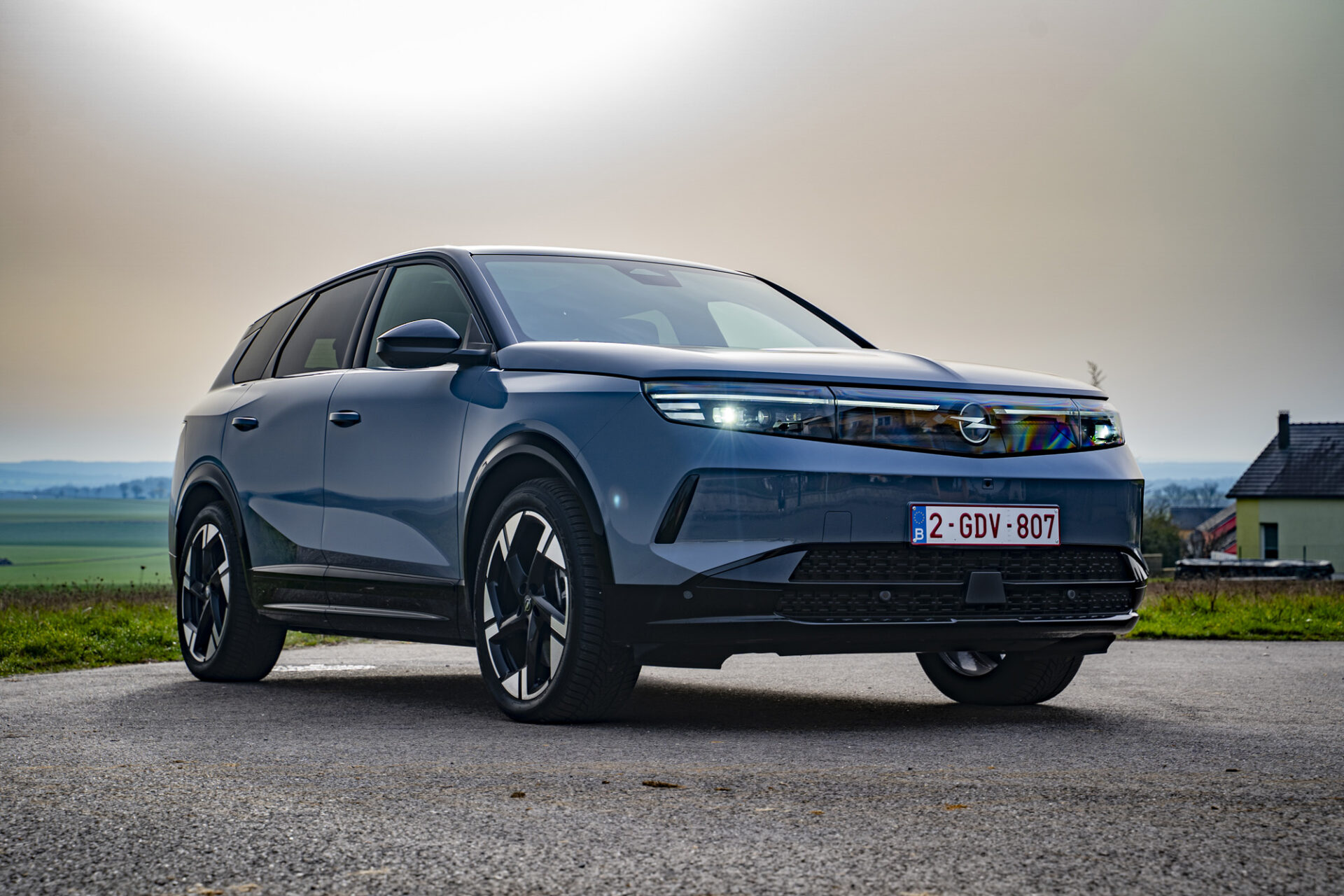
With this new generation, the Opel Grandland Electric takes a strategic leap forward. Opel’s family SUV enters the electric era with significantly higher ambitions than before. Designed, developed and produced in Germany, it is built on the STLA Medium platform from the Stellantis group – an architecture dedicated to electric vehicles. In this GS version equipped with the 73 kWh battery and 213 hp electric motor, the Grandland clearly targets the heart of the family electric SUV market. It promises up to 521 kilometres of WLTP range and aims to win over families seeking a versatile, technological and efficient vehicle.
A bold exterior design
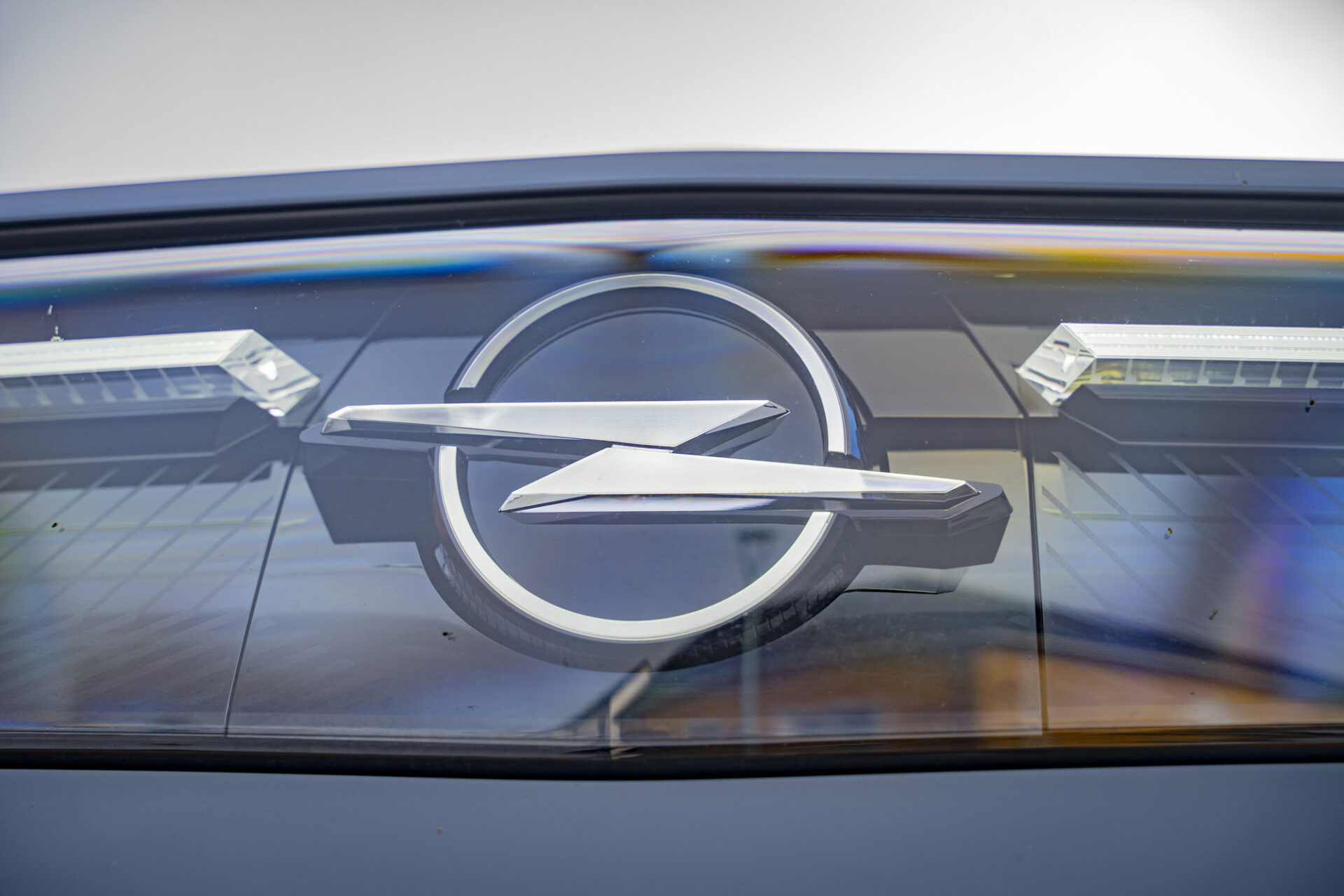
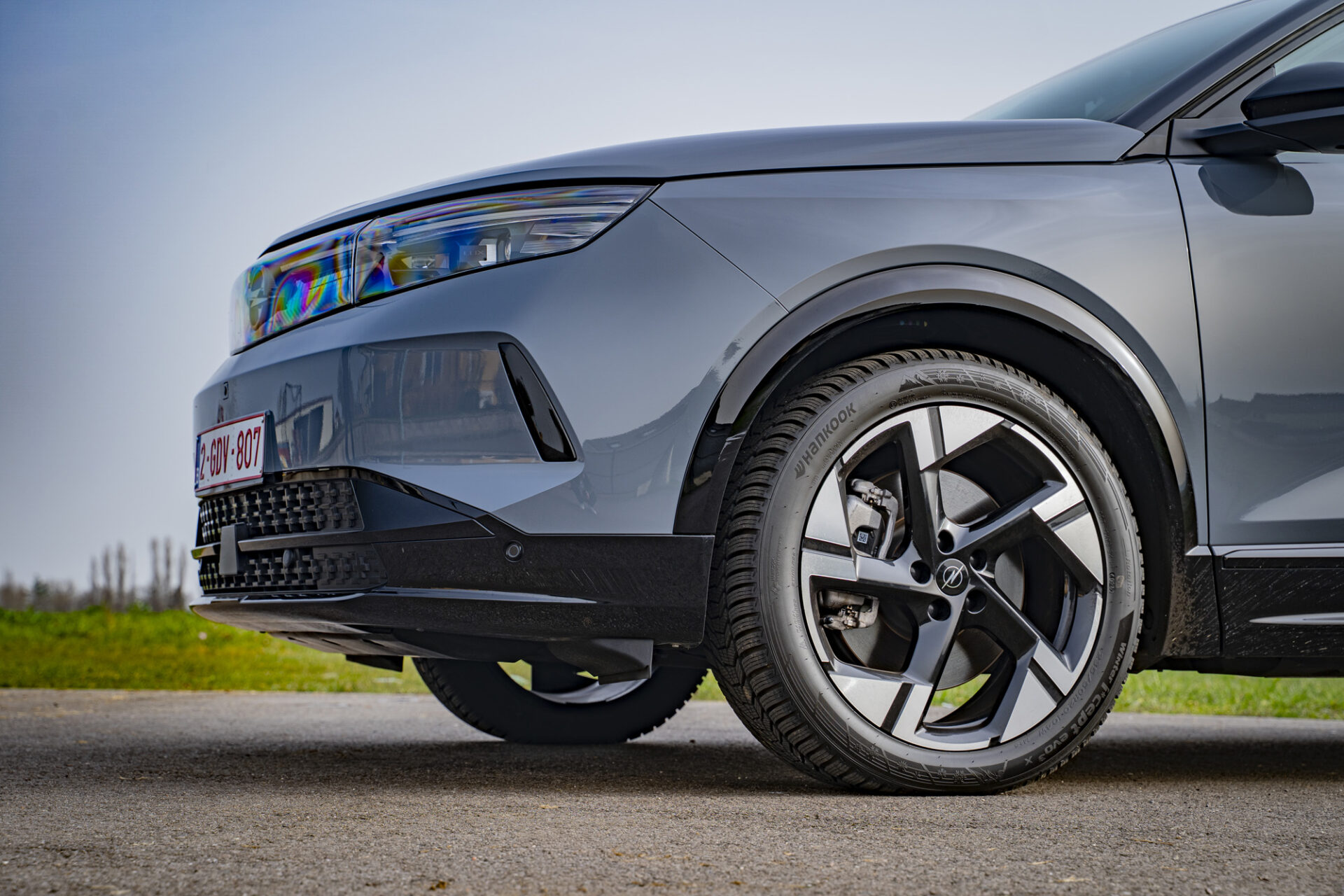
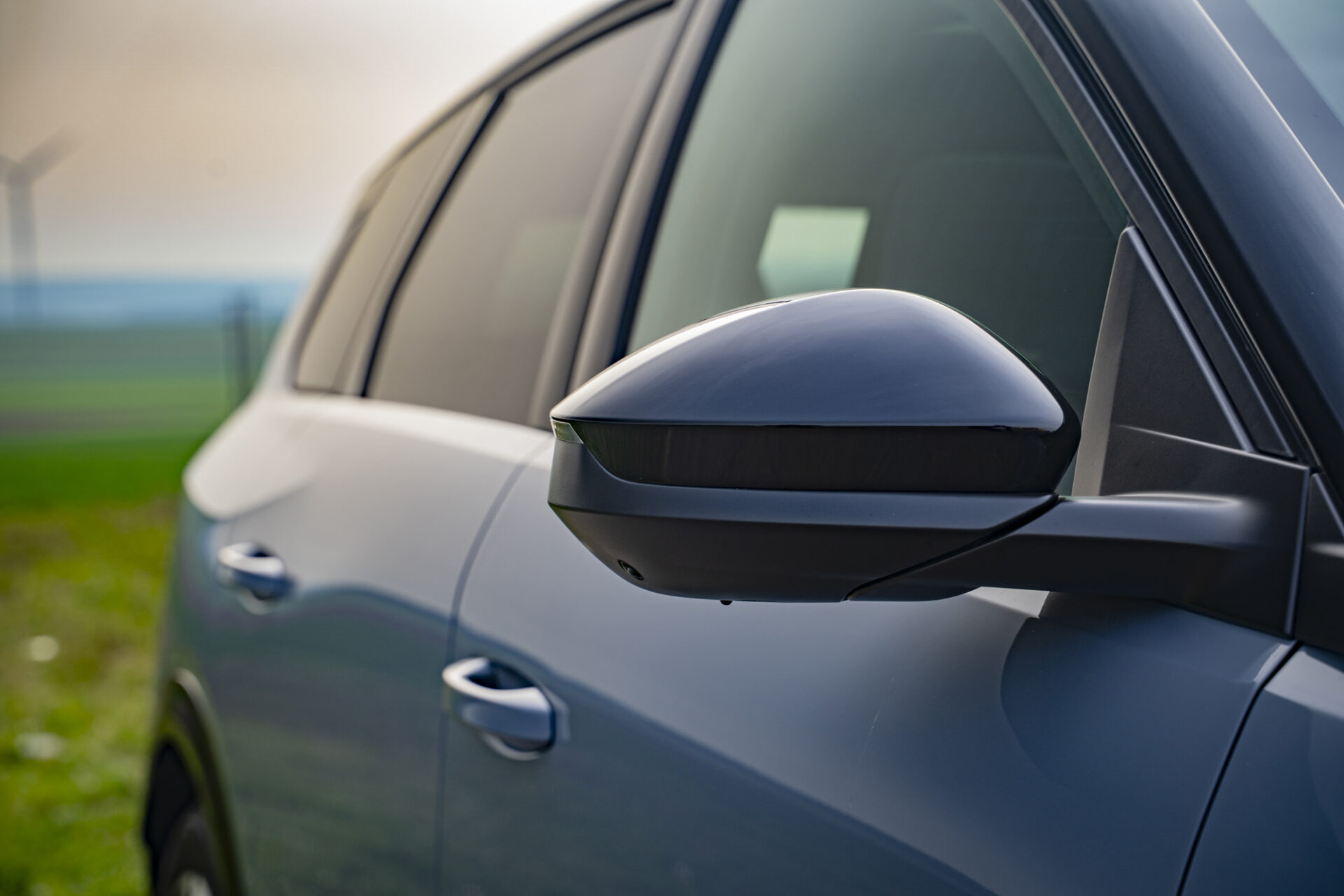
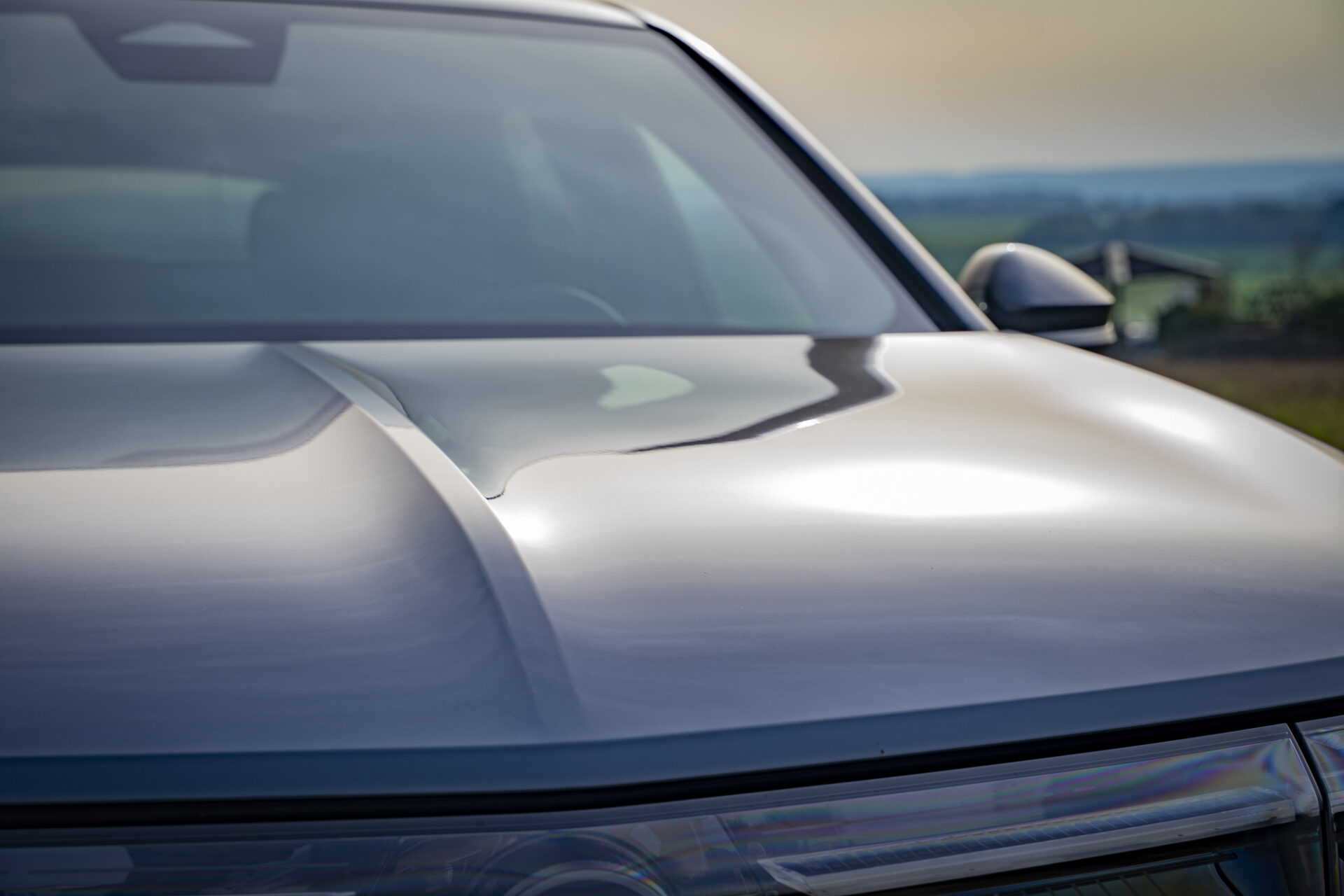
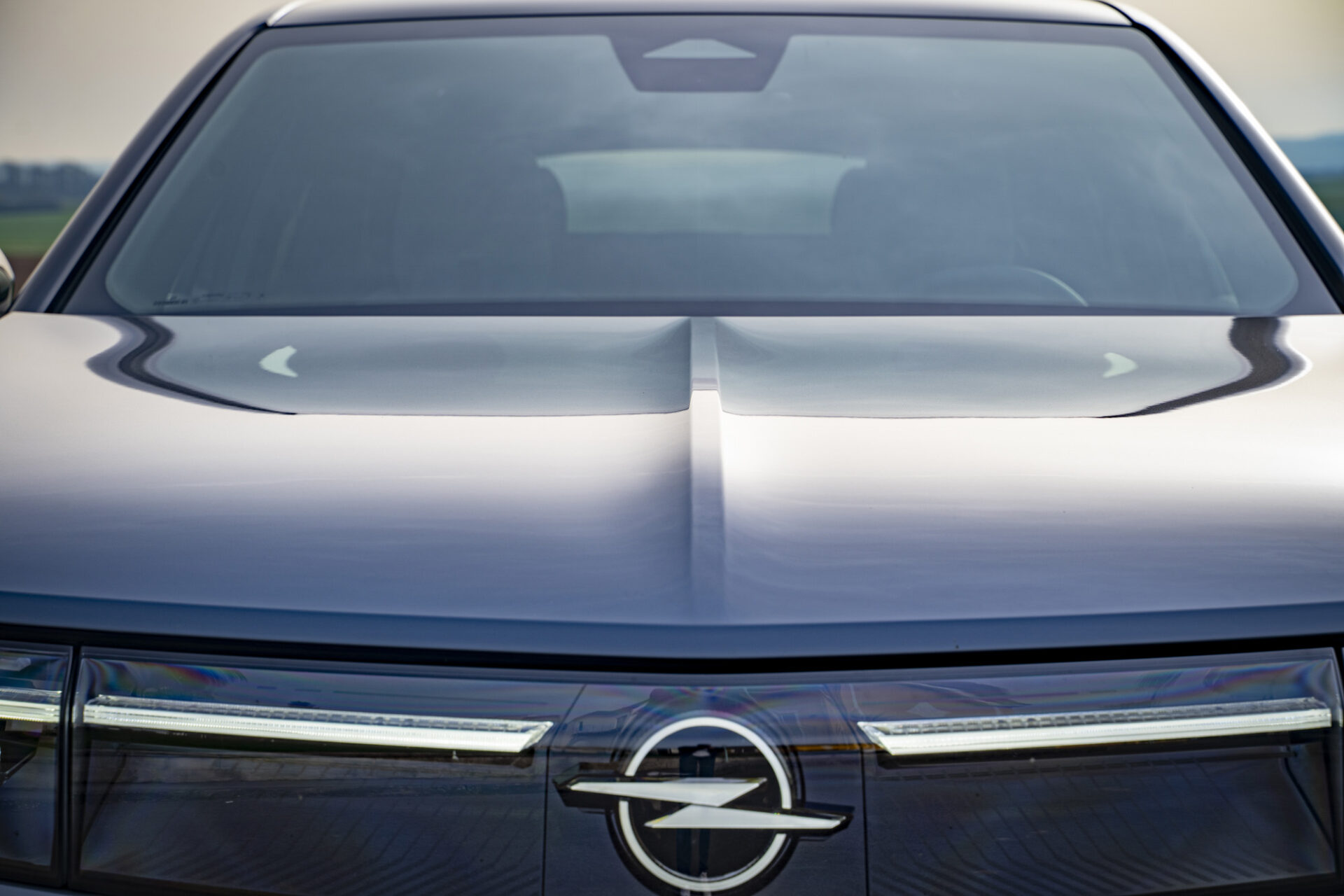
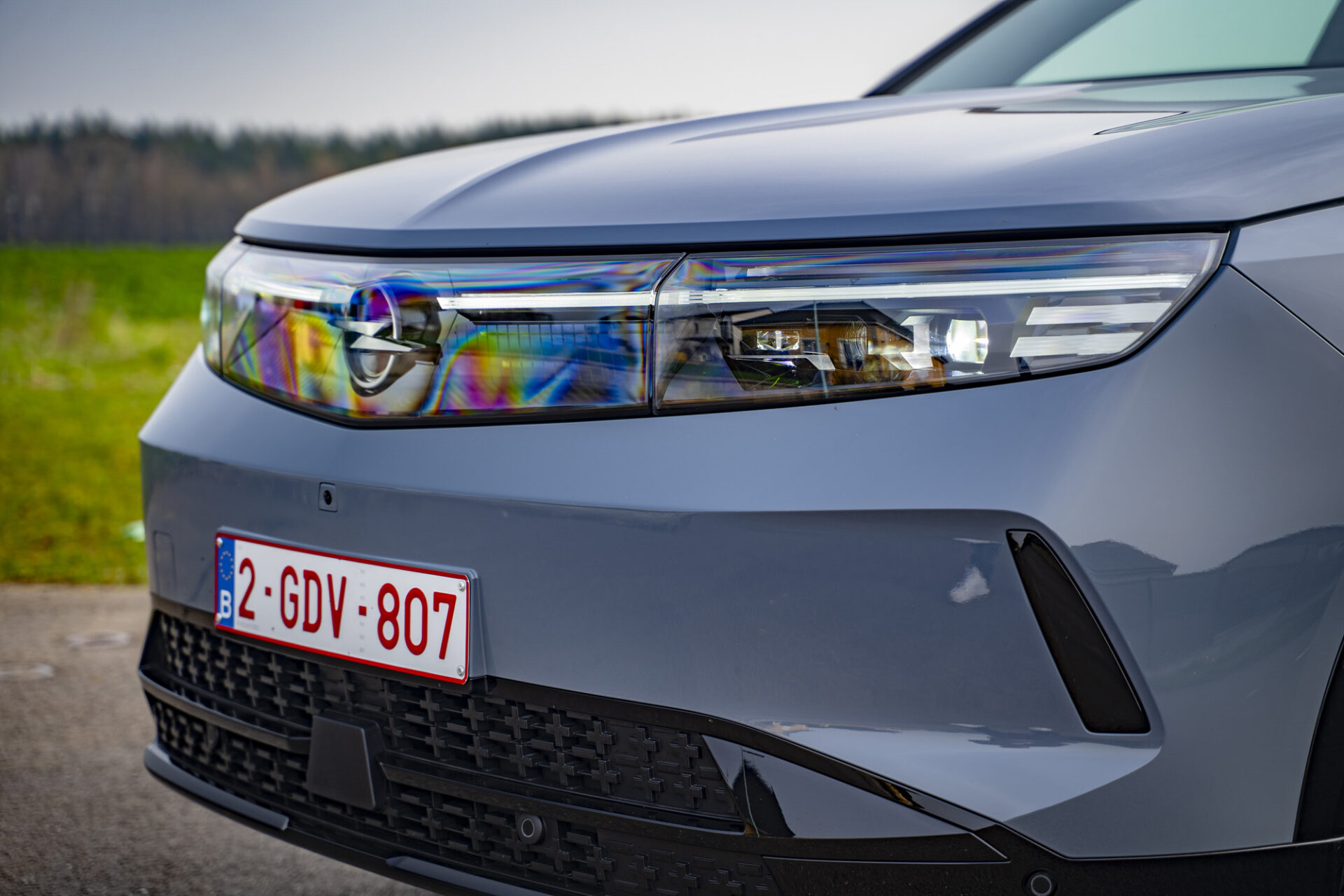
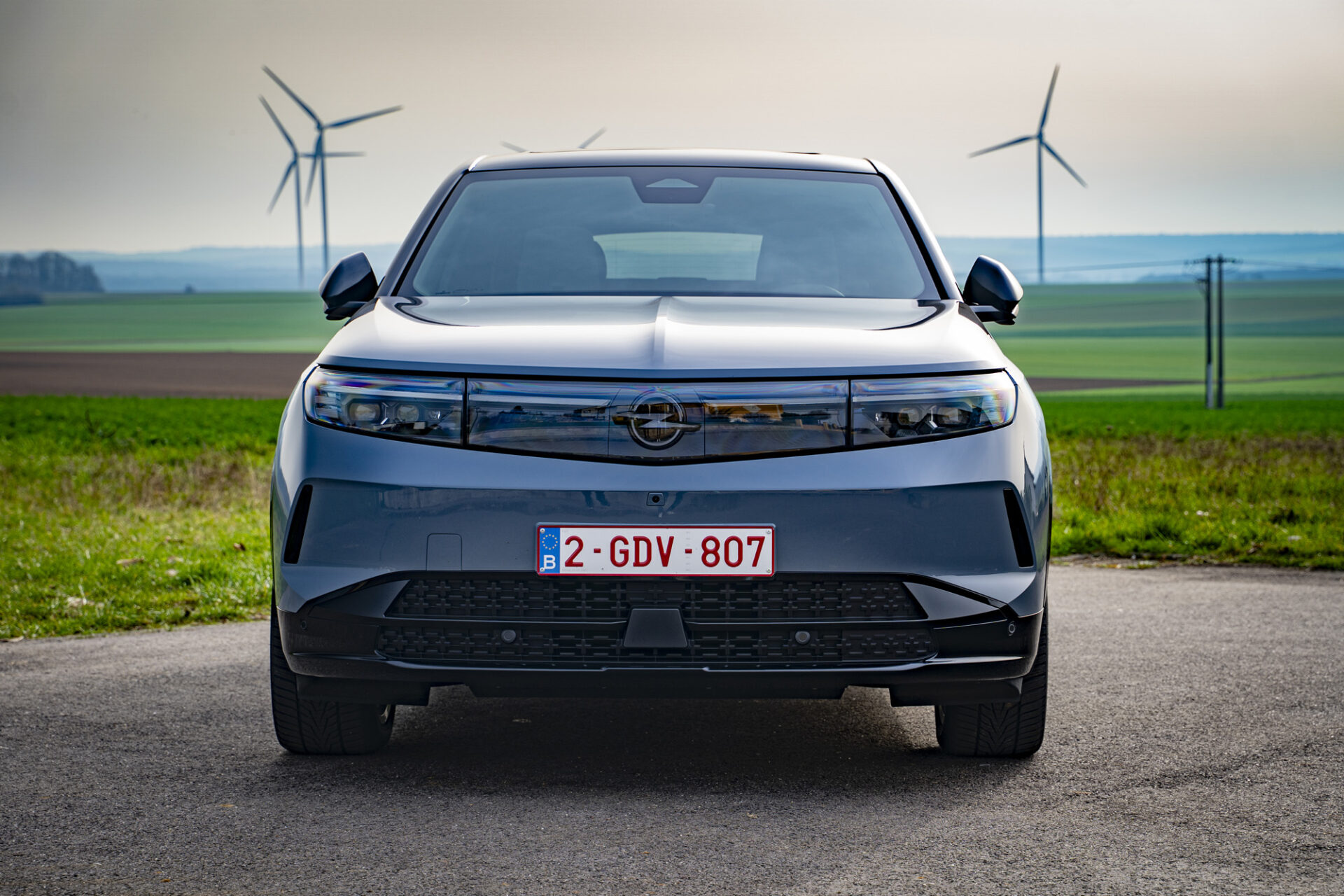
The Grandland asserts its identity with the new Opel light signature and the 3D Vizor at the front. The illuminated Opel “Blitz” logo reinforces the vehicle’s modernity, particularly at night, and contributes to an instantly recognisable visual signature. The lines are taut and muscular. The bonnet is sharply defined, the wings are well sculpted, and the whole conveys an impression of solidity and dynamism. This new generation has grown: at 4.65 metres long, 2.10 metres wide, 1.66 metres tall and with a 2.78-metre wheelbase, the Grandland adopts a more imposing stature and gains road presence.
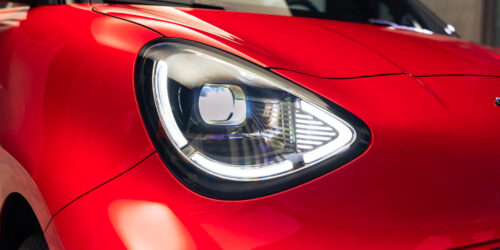
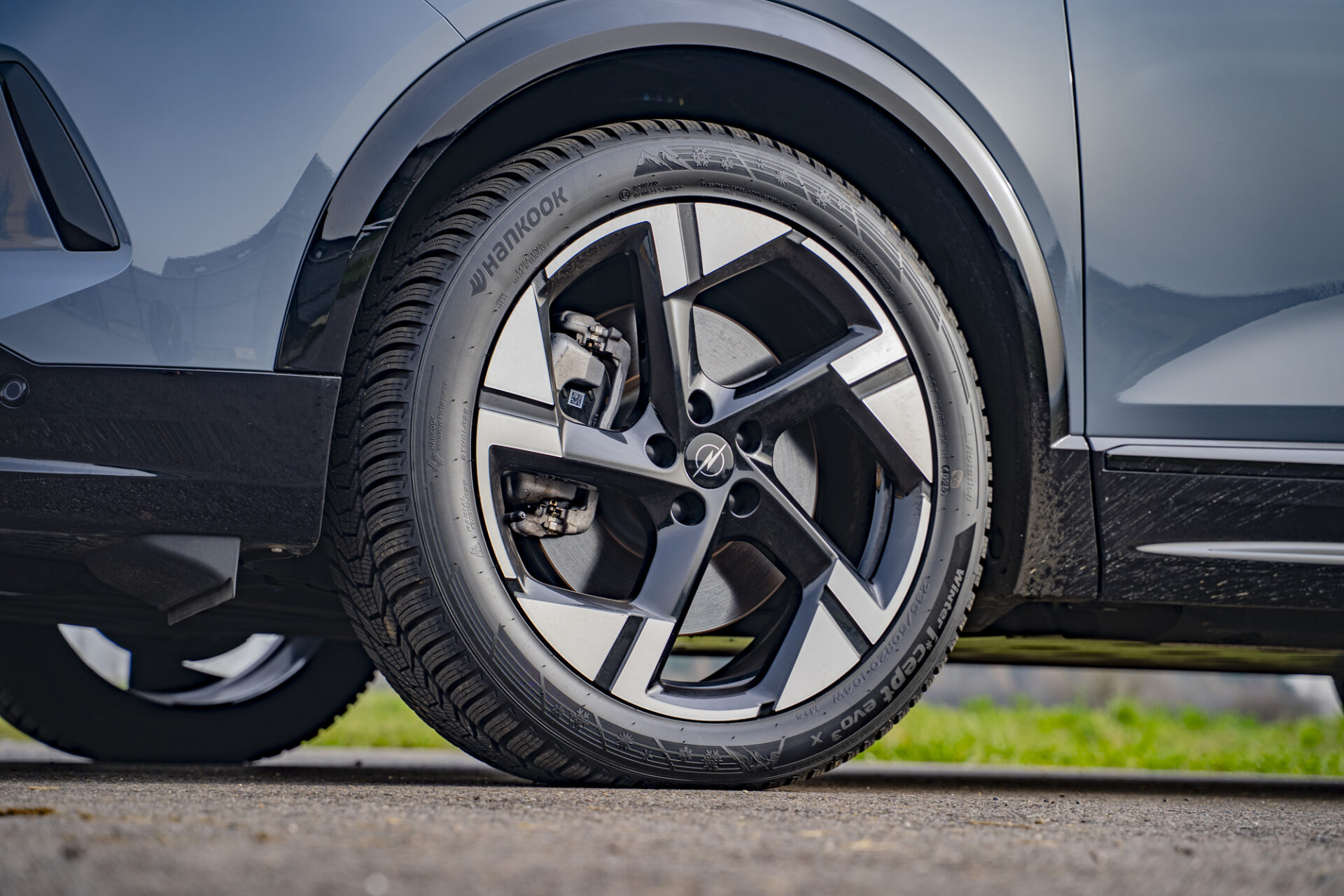
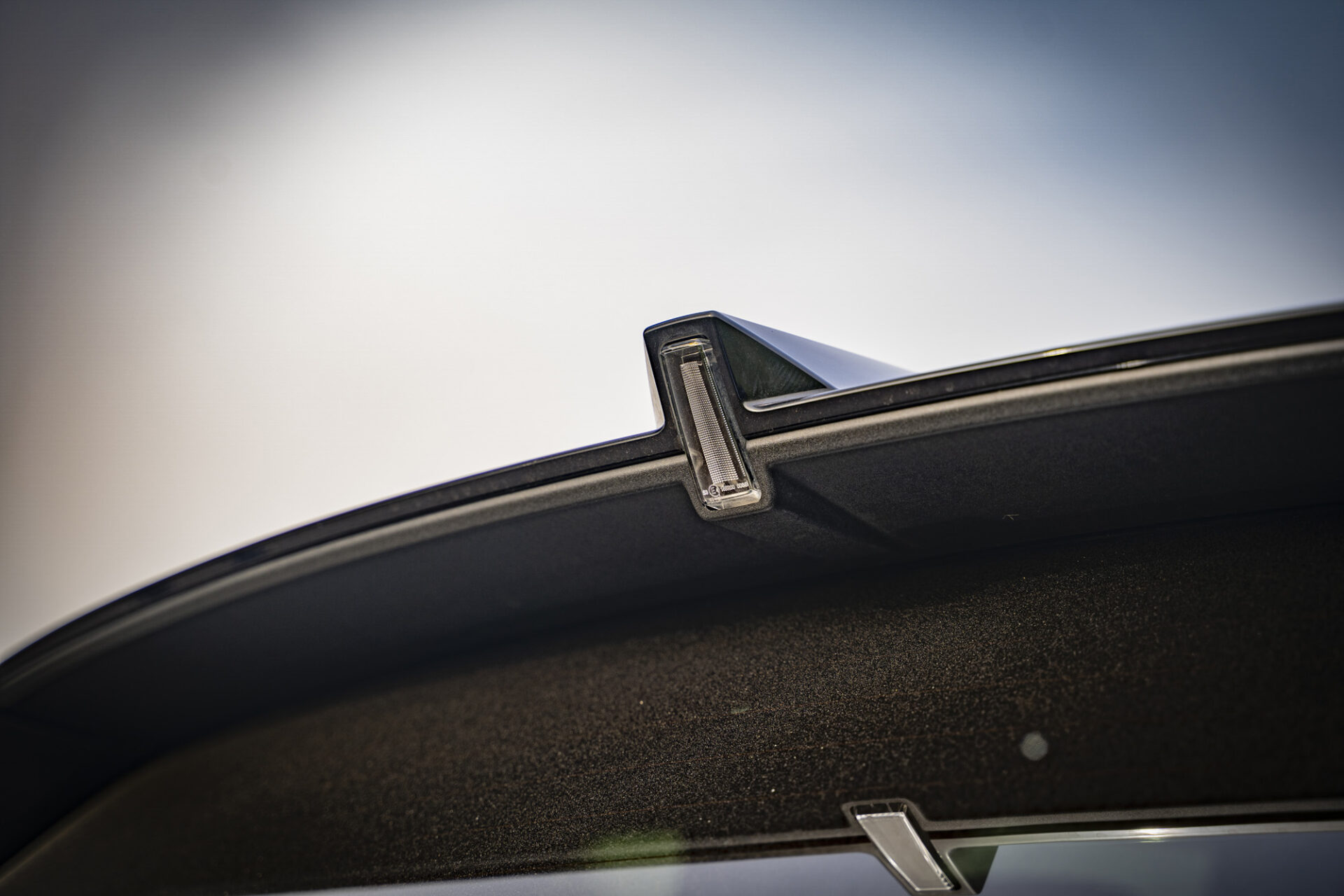
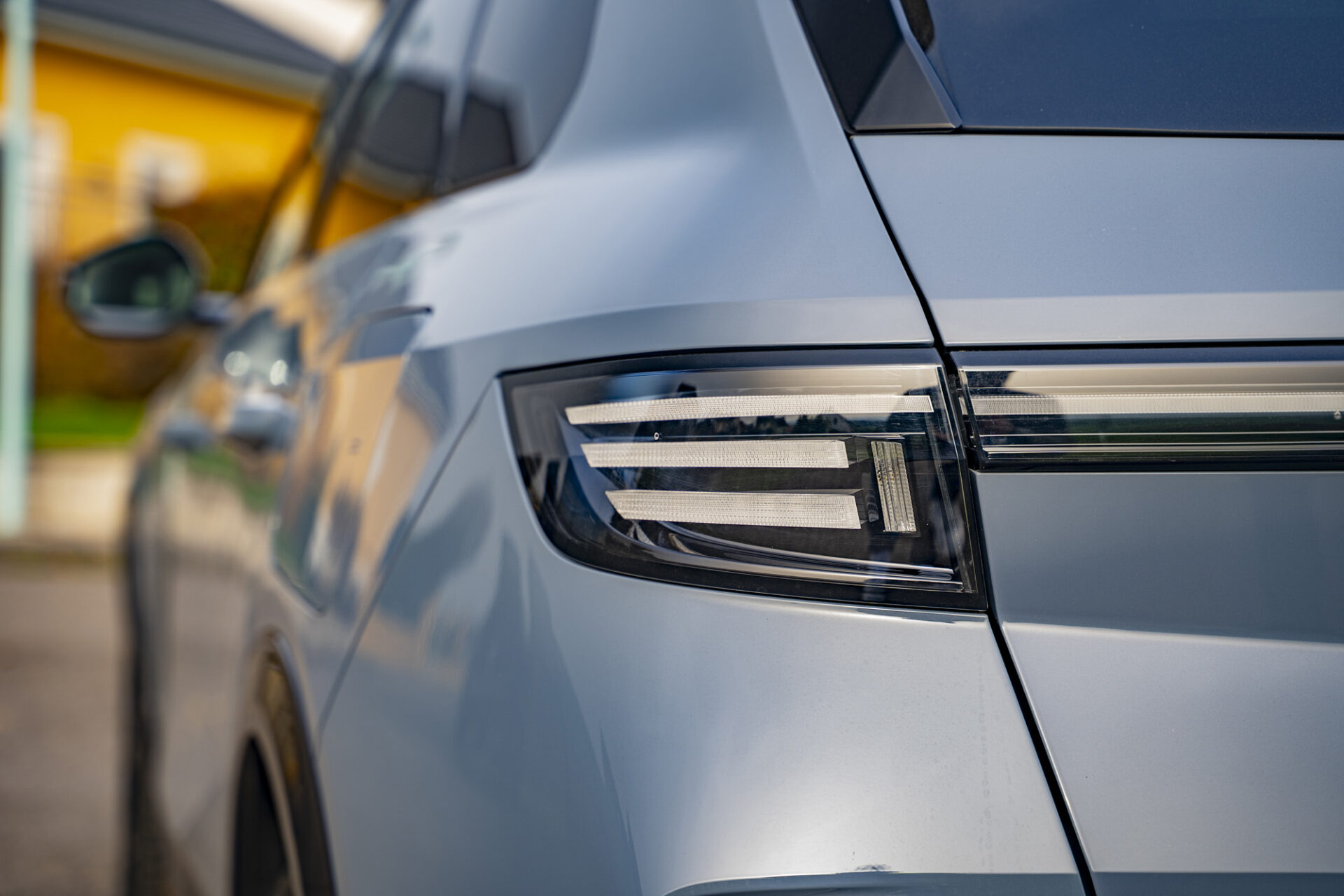
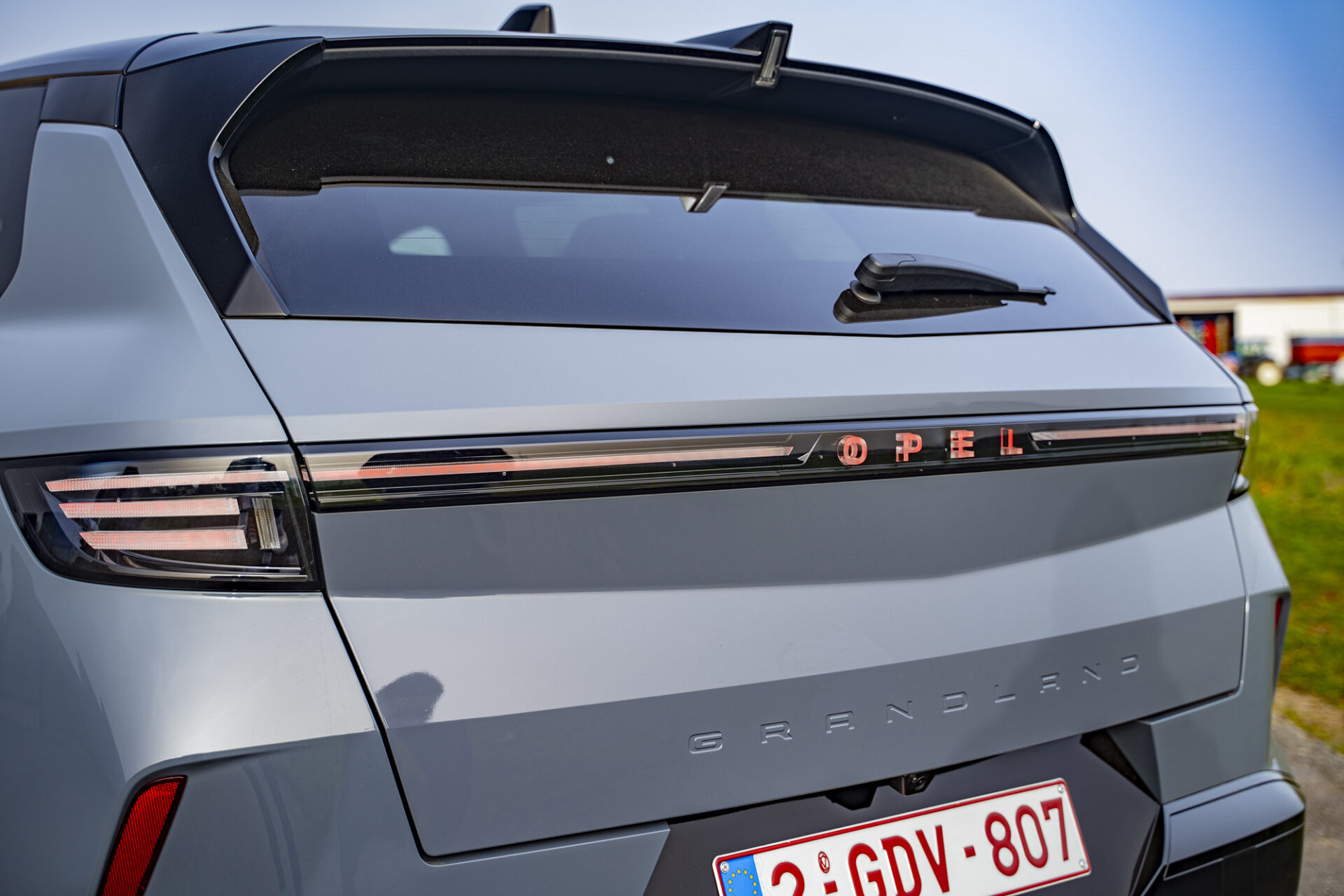
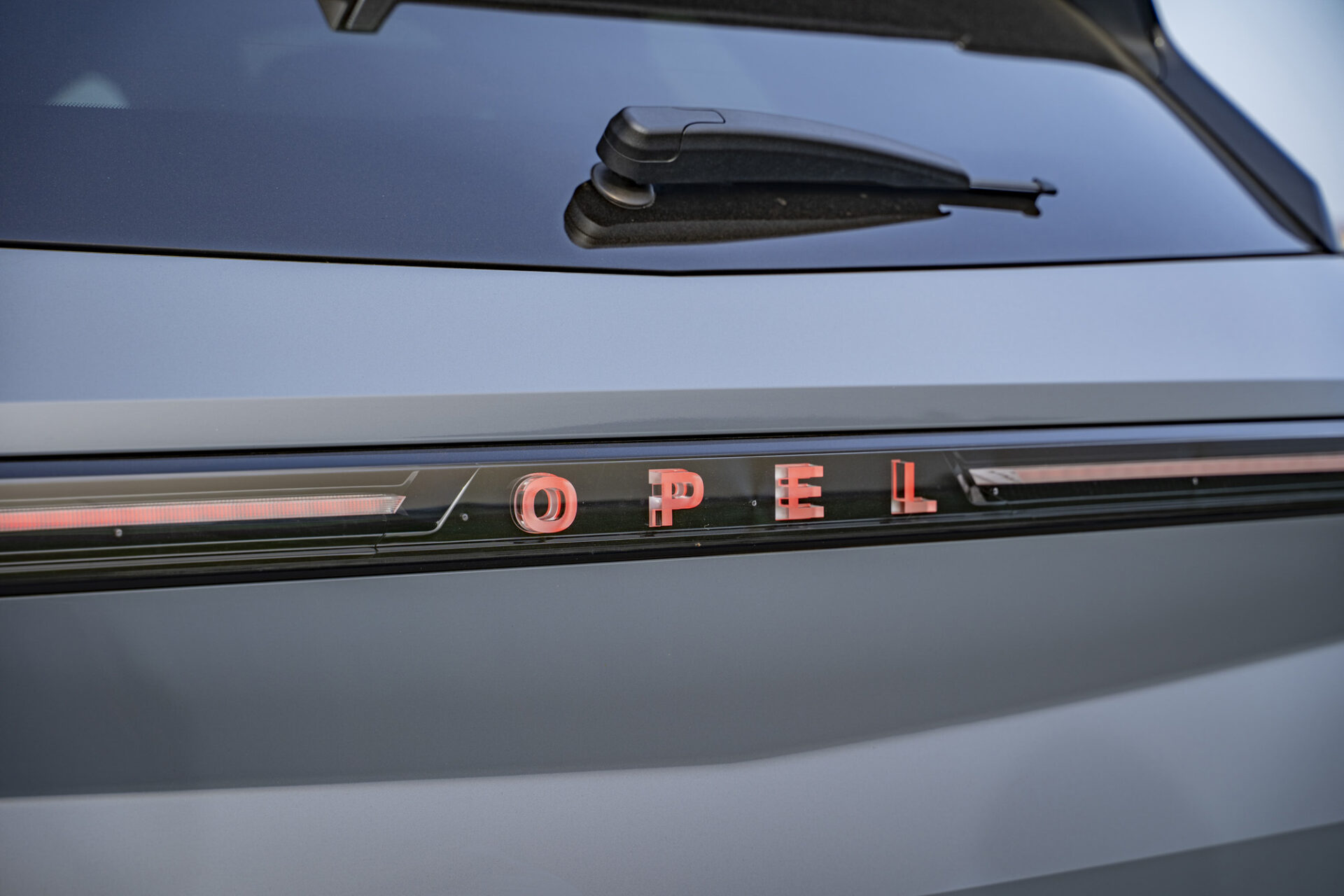
In GS trim, the intricately designed 20-inch wheels reinforce the model’s character. The two-tone roof and high waistline further accentuate its dynamic appearance. At the rear, a horizontal light bar and the Opel lettering visually underline the vehicle’s width. Another standout technological feature: the Intelli-Lux Pixel HD headlights. Comprising more than 50,000 light elements, they continuously adapt the beam to optimise visibility while avoiding dazzling other road users. A piece of equipment that clearly positions the Grandland in a technological sphere.
A modern and spacious cabin
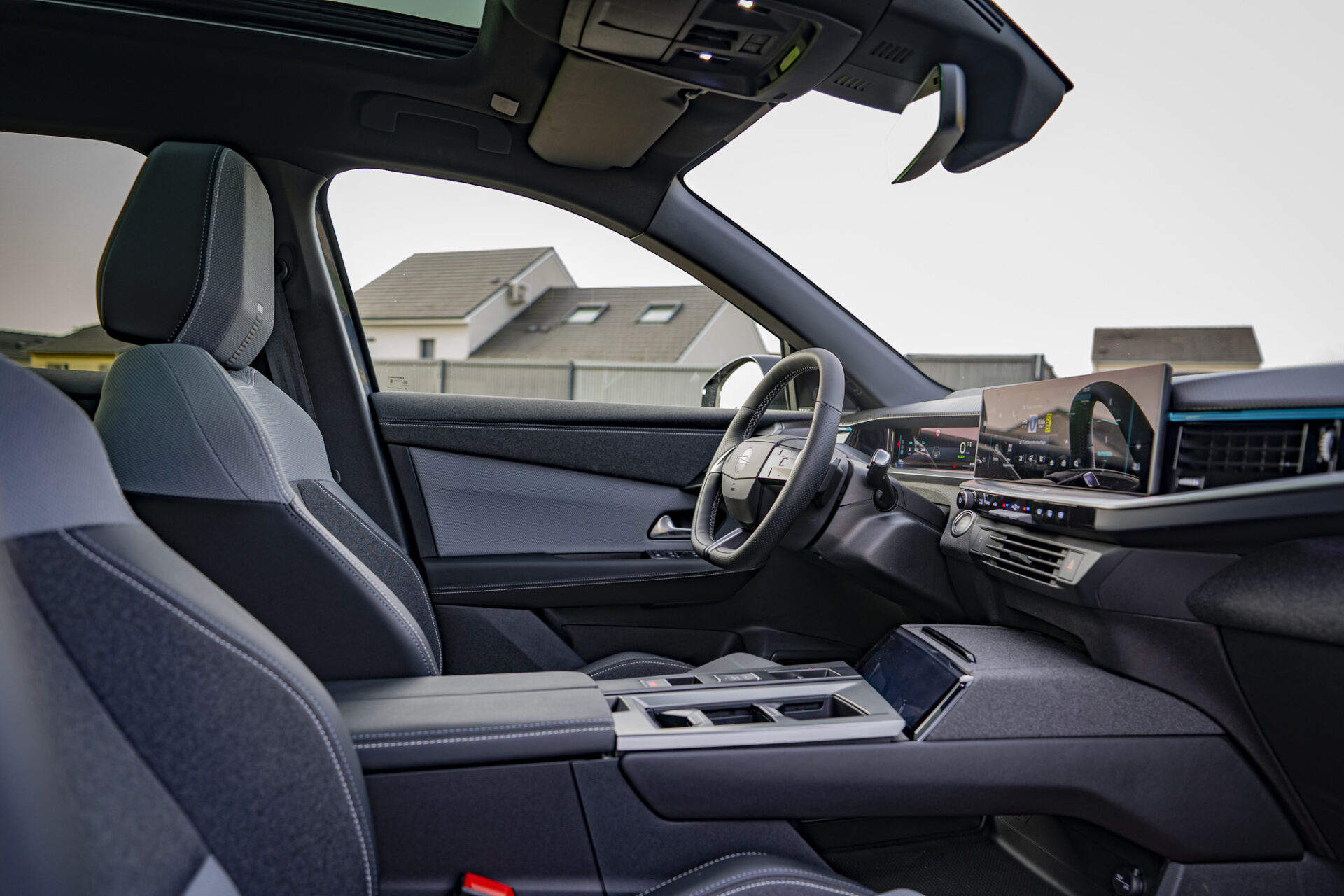
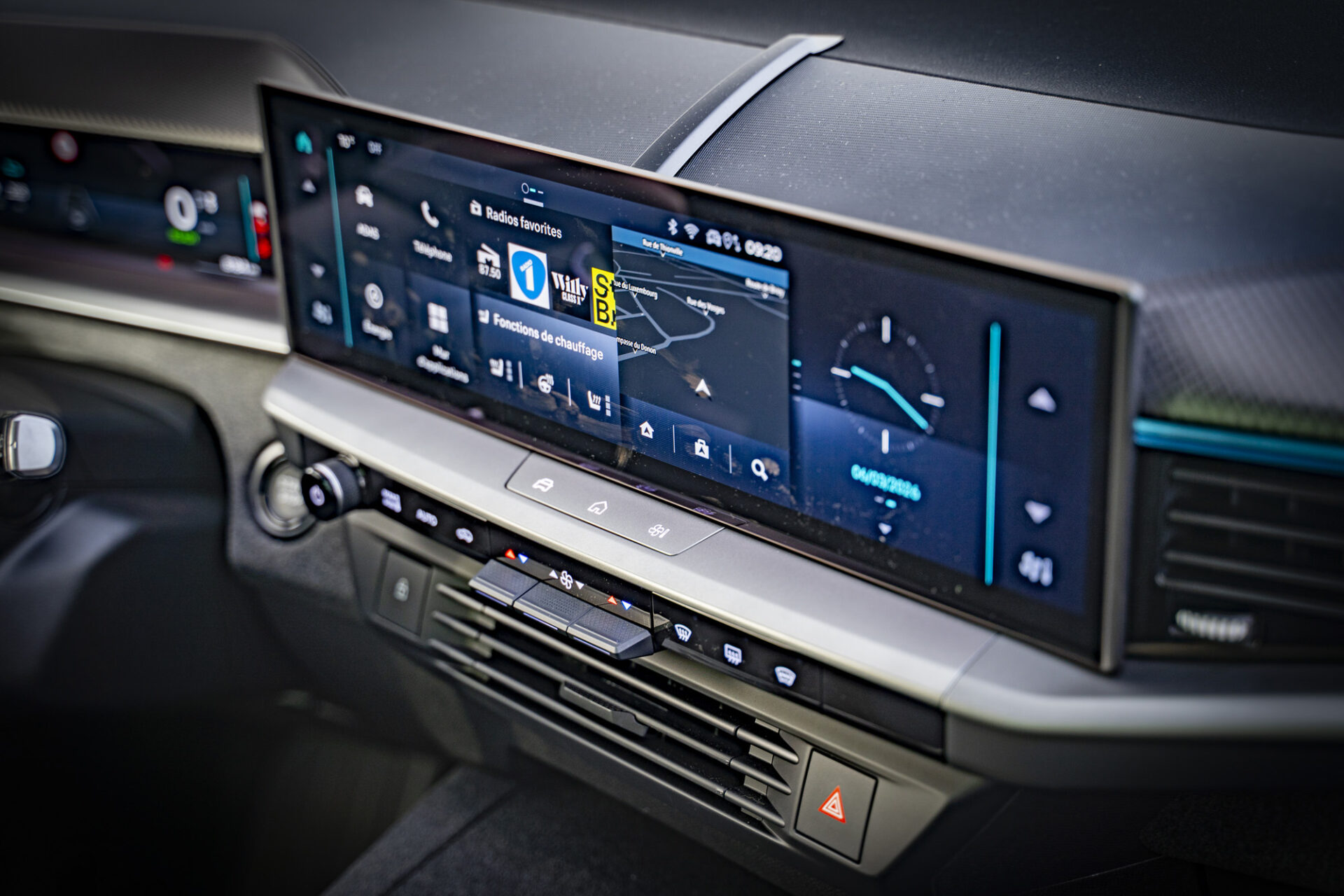
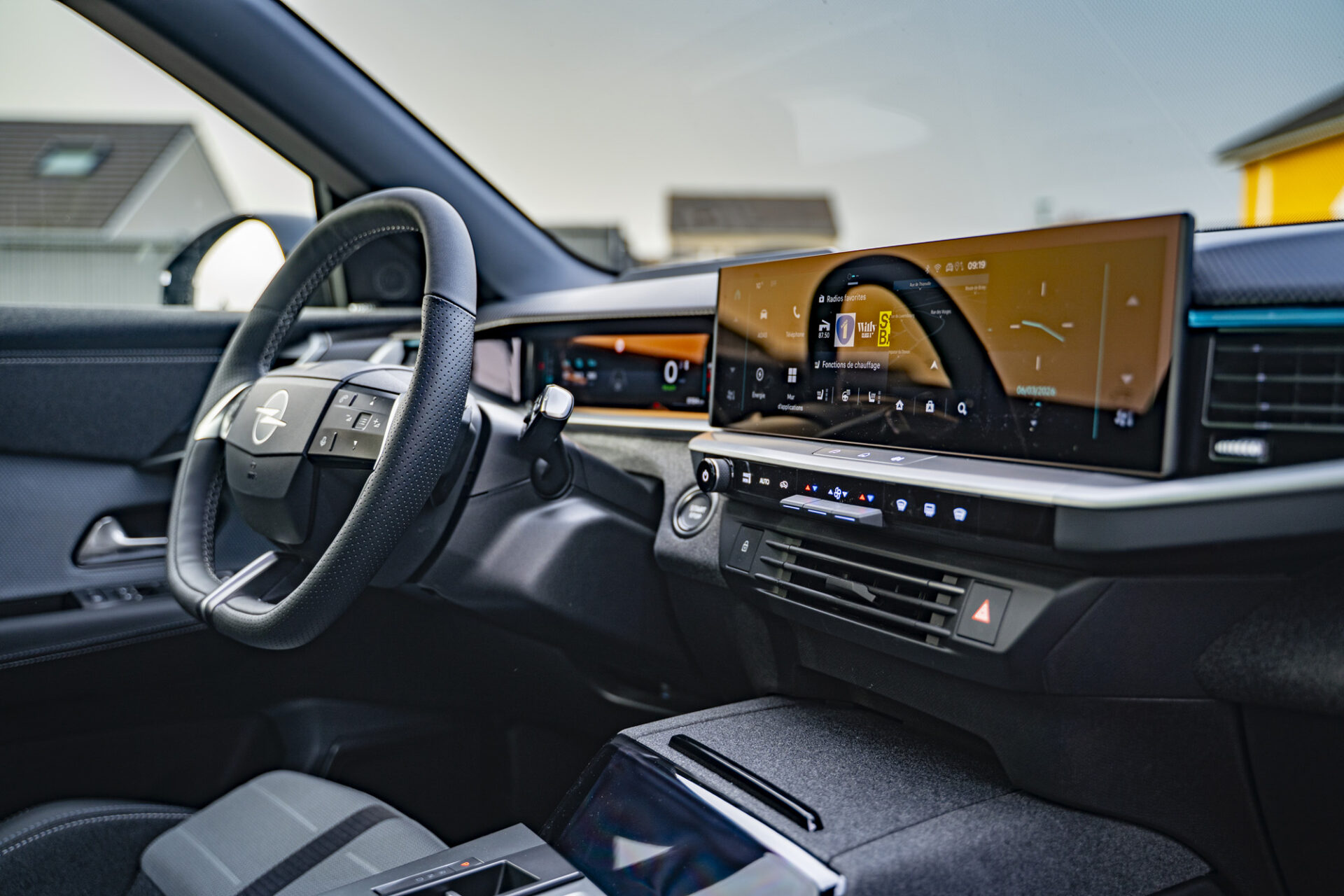
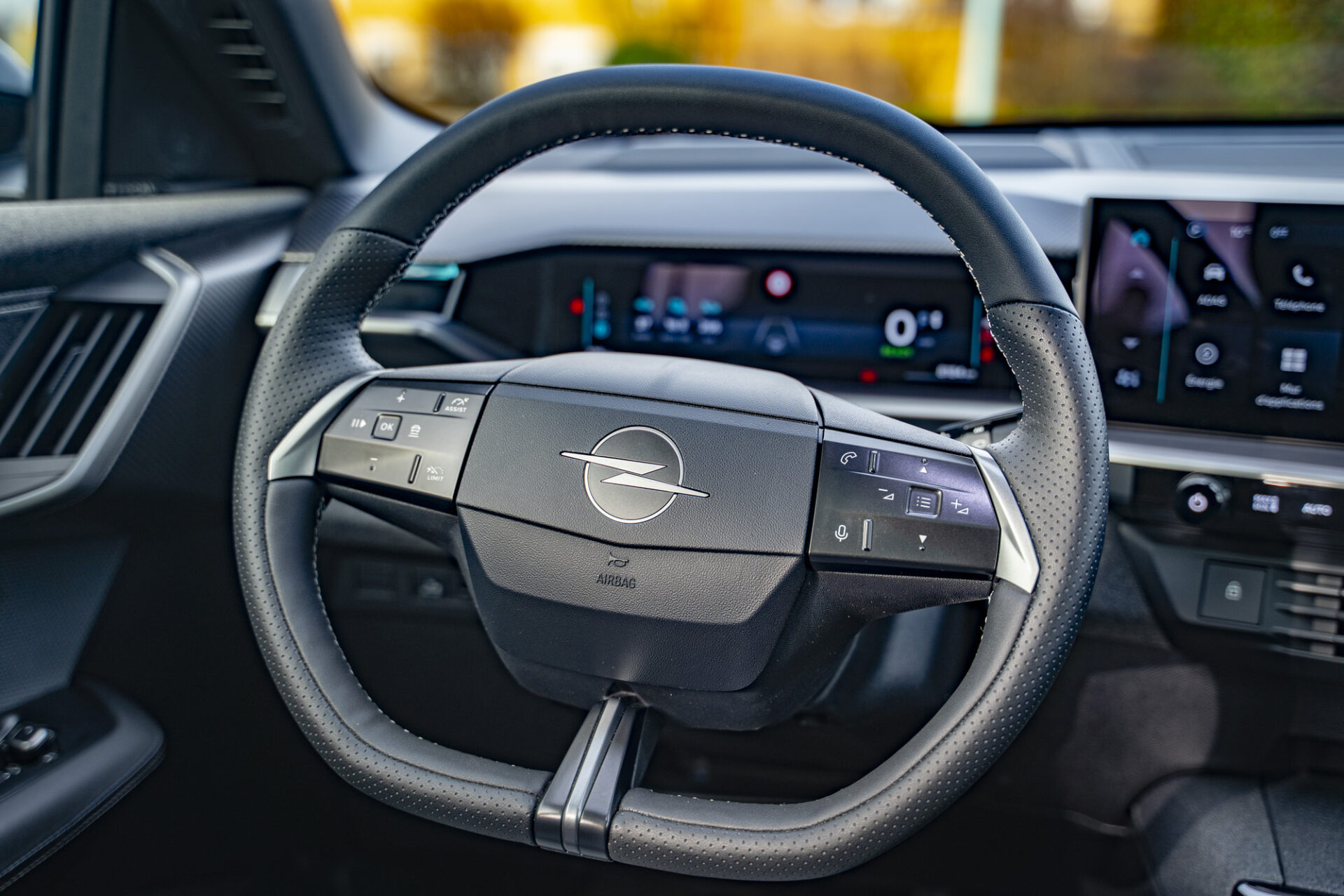
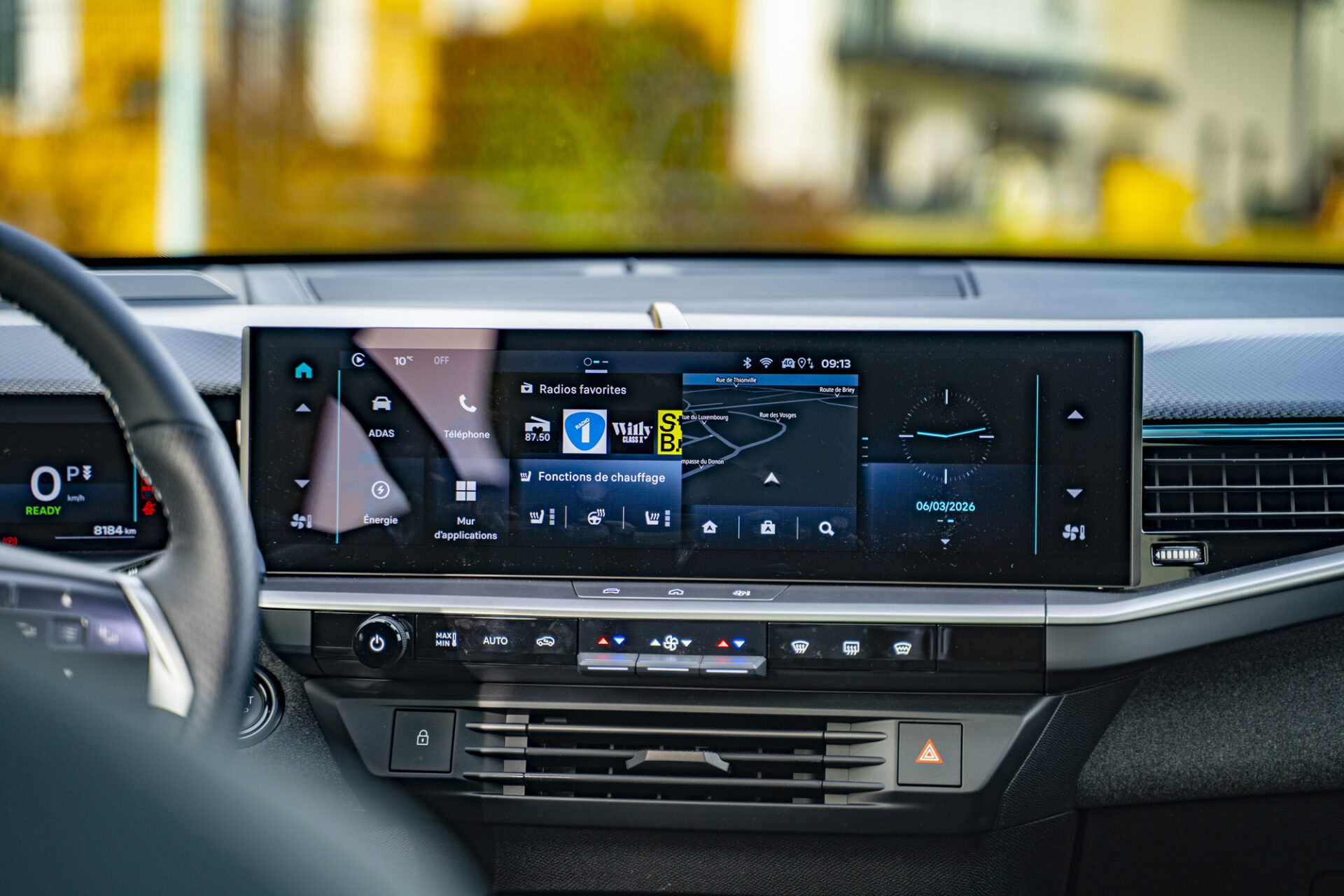
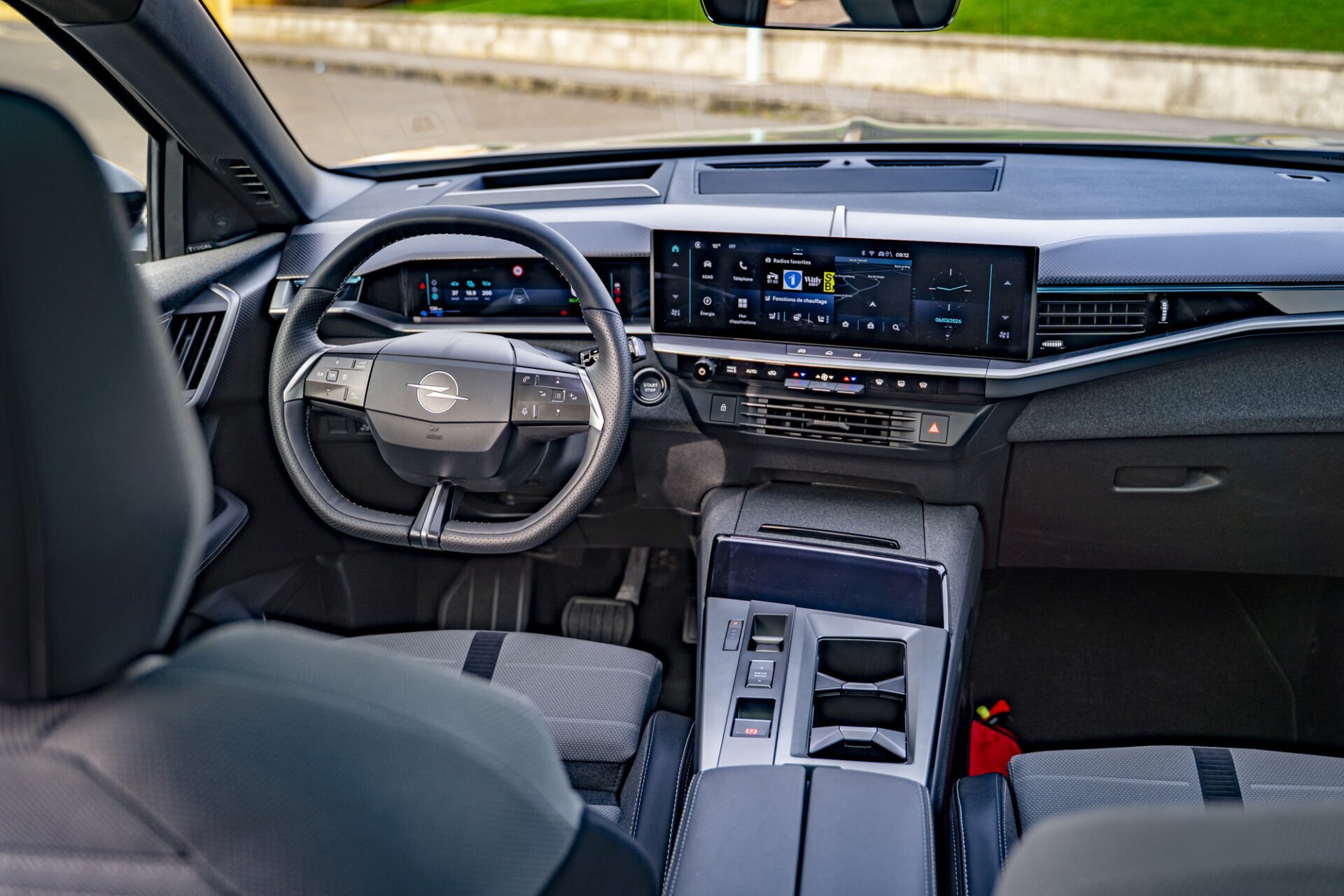
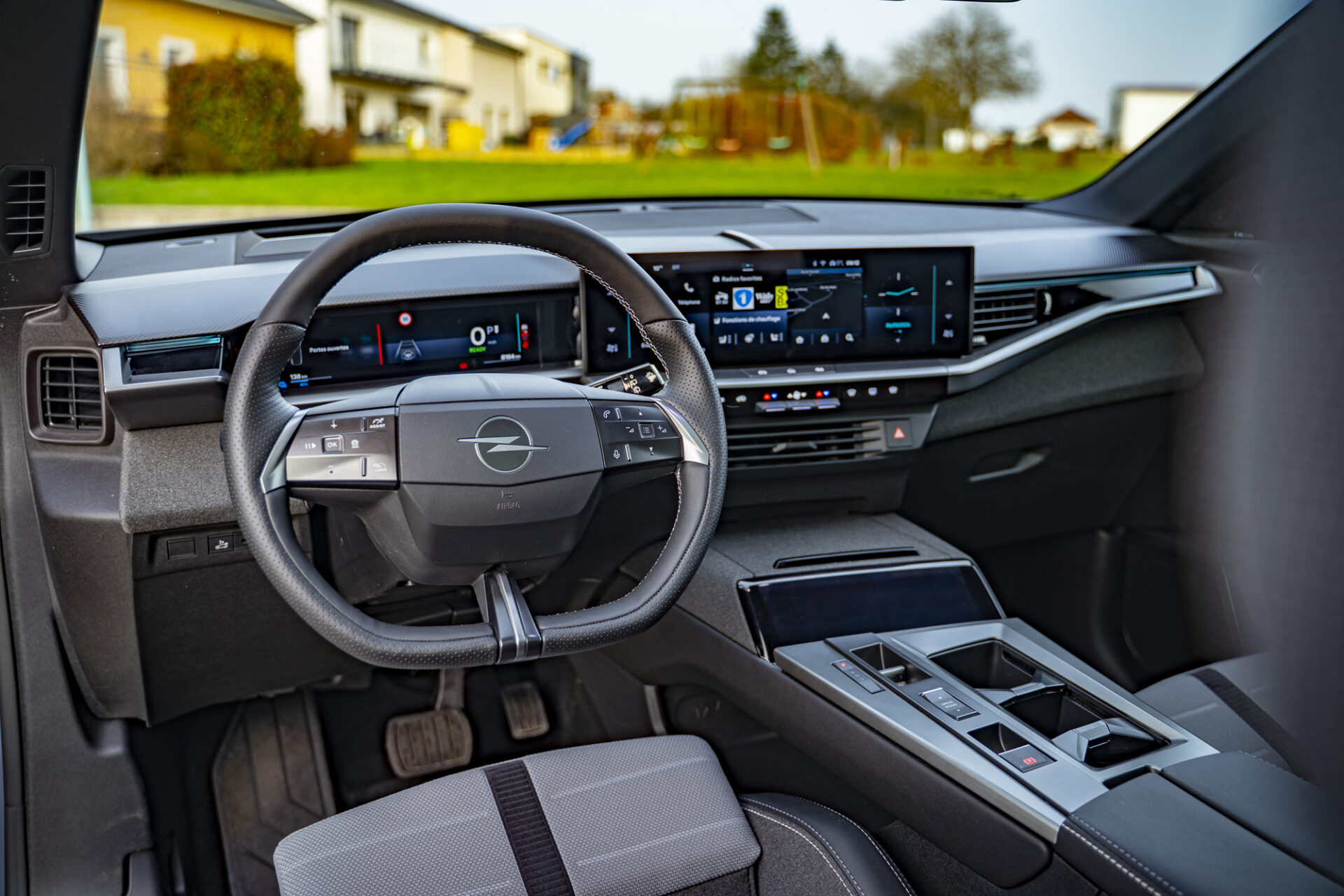
On board, the evolution is significant. Facing the driver, a 10-inch digital screen brings together the main driving information. In the centre, a large 16-inch touchscreen, slightly angled towards the driver, manages the infotainment. It is compatible with Apple CarPlay and Android Auto and stands out for its legibility and fluidity.
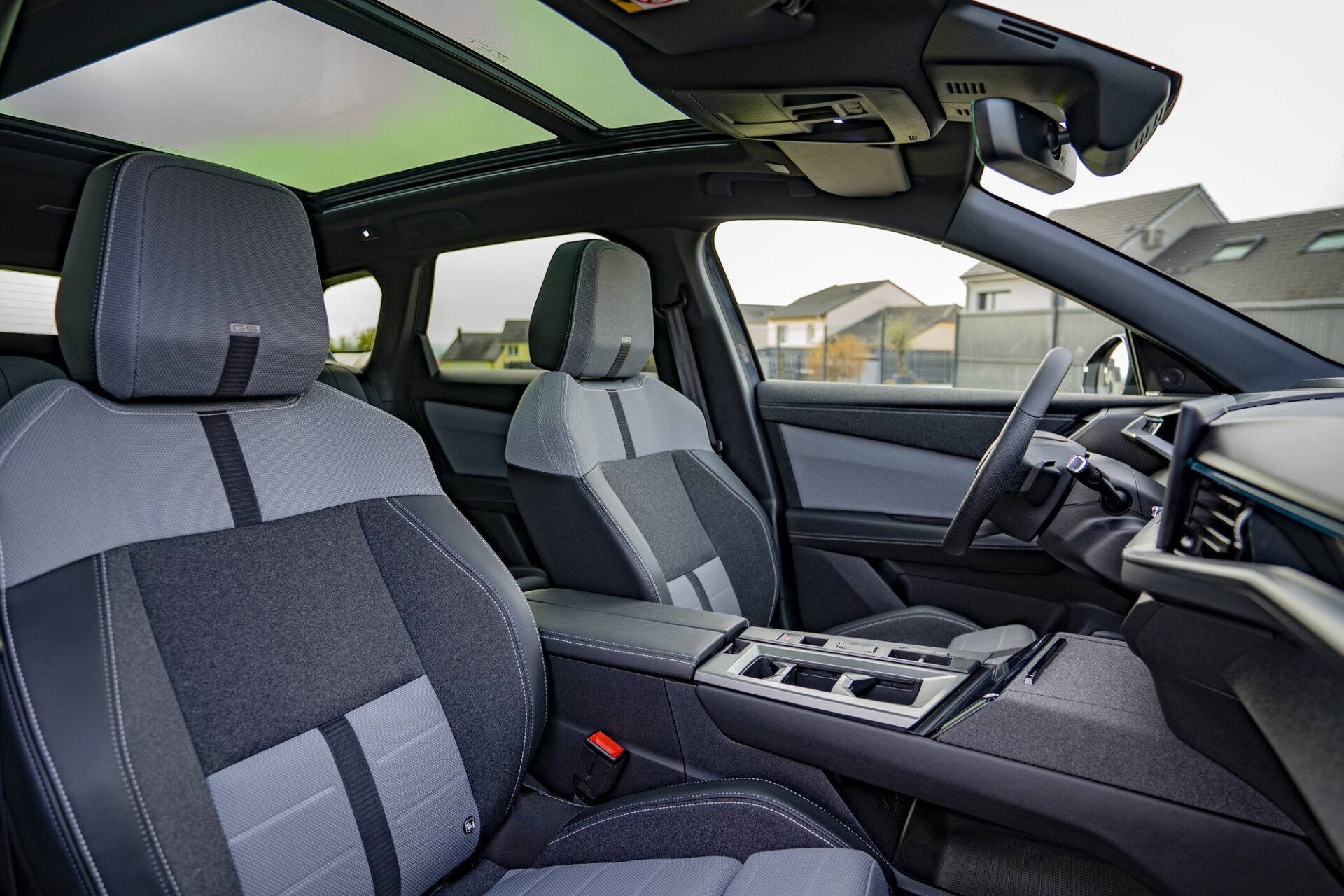
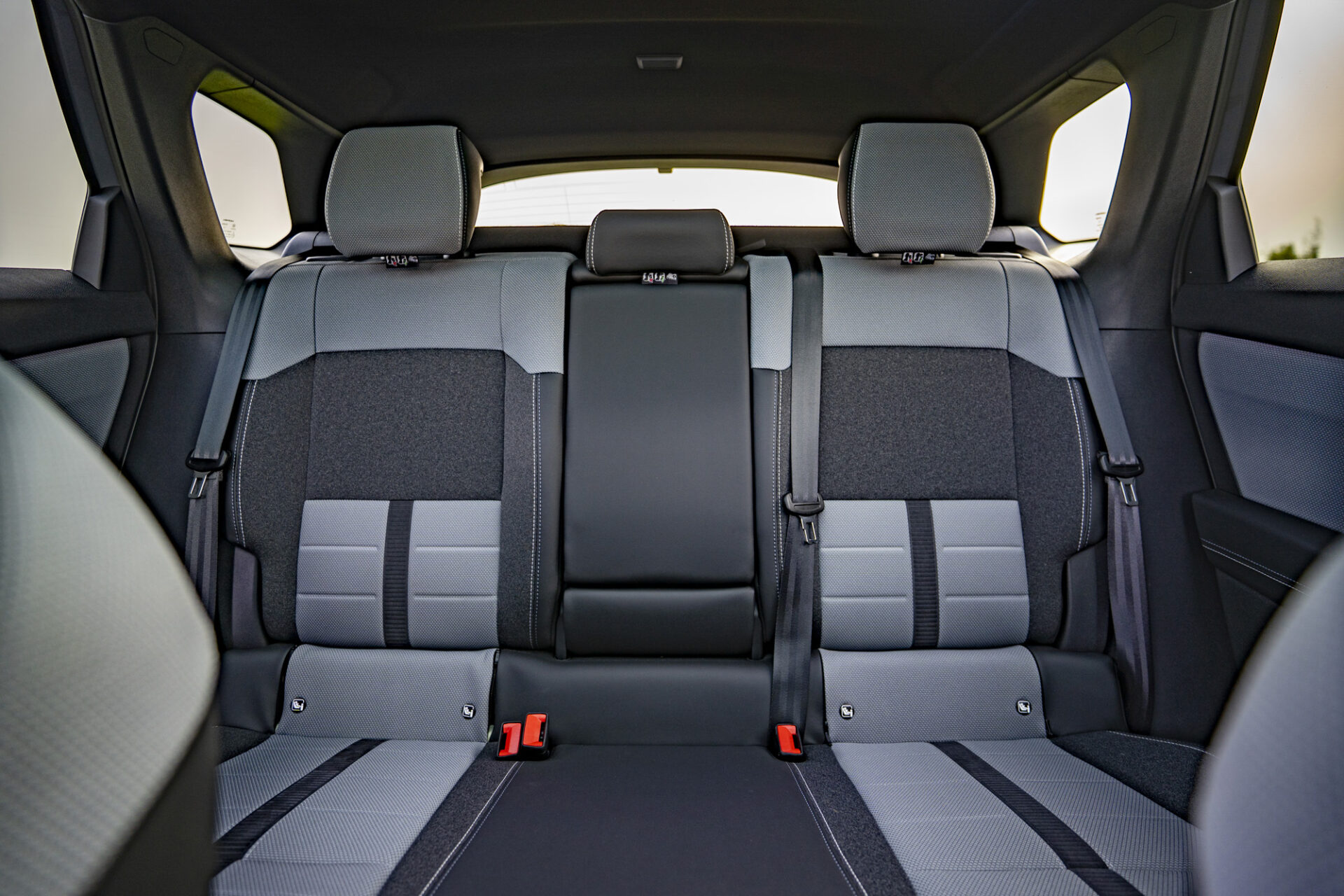
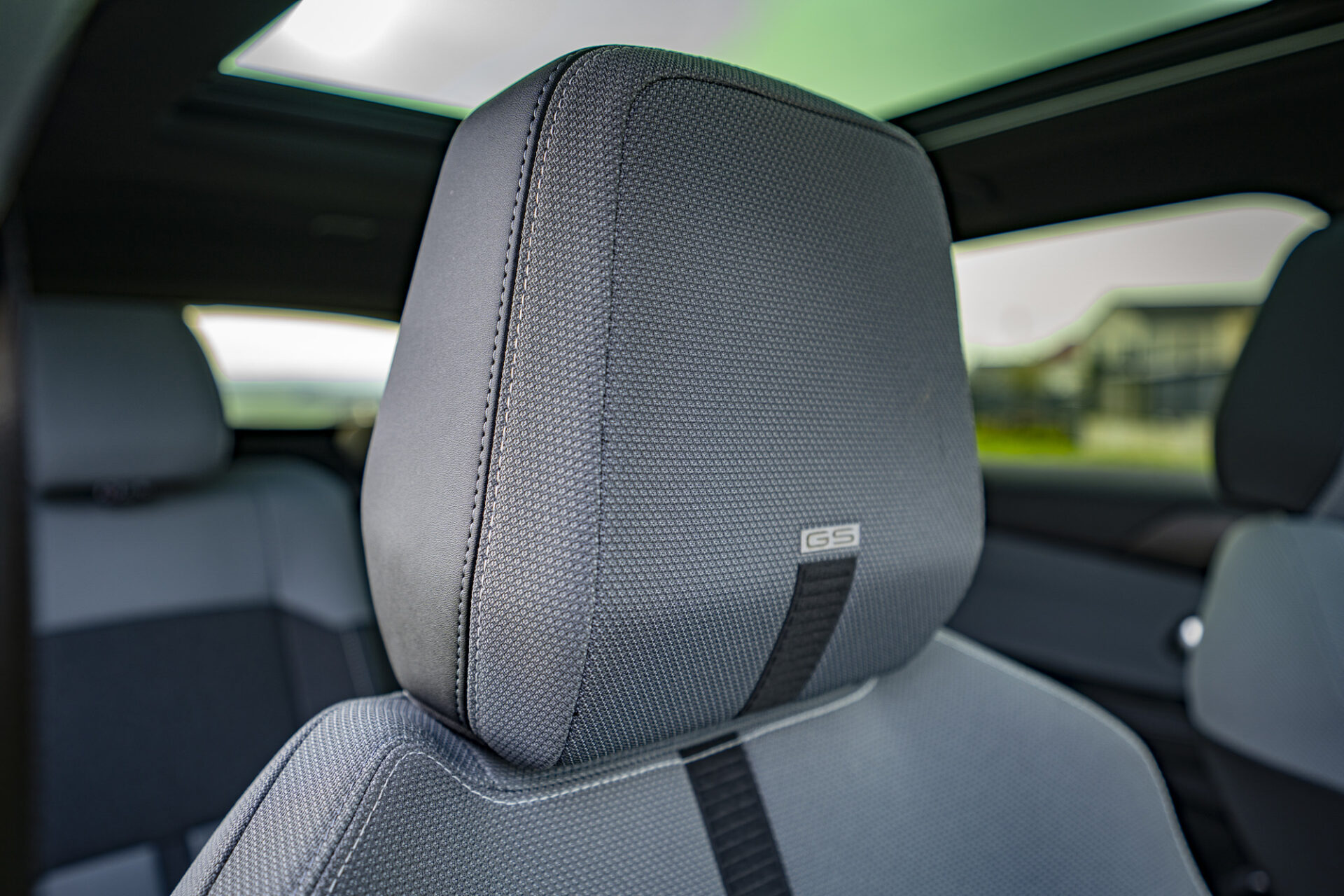
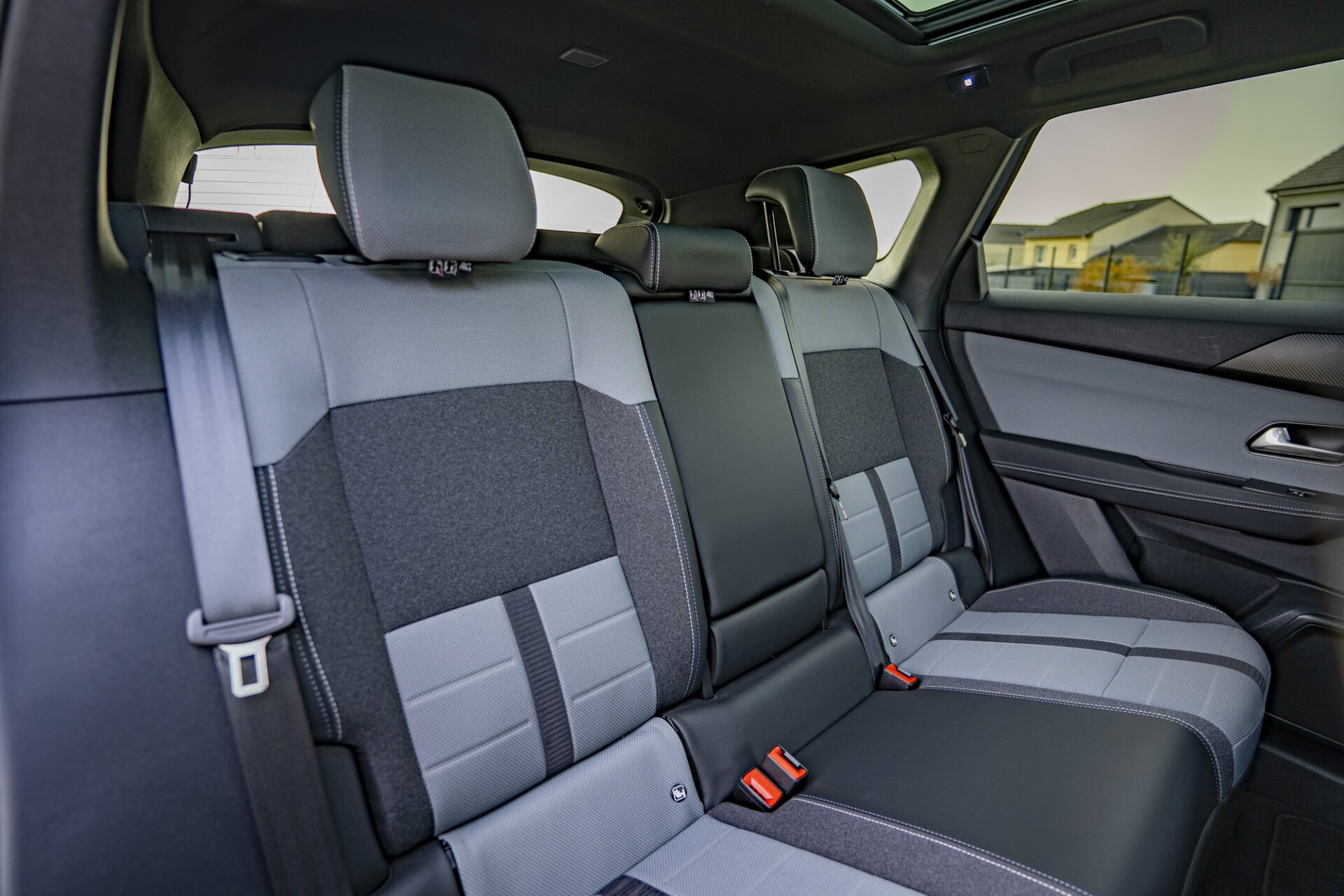
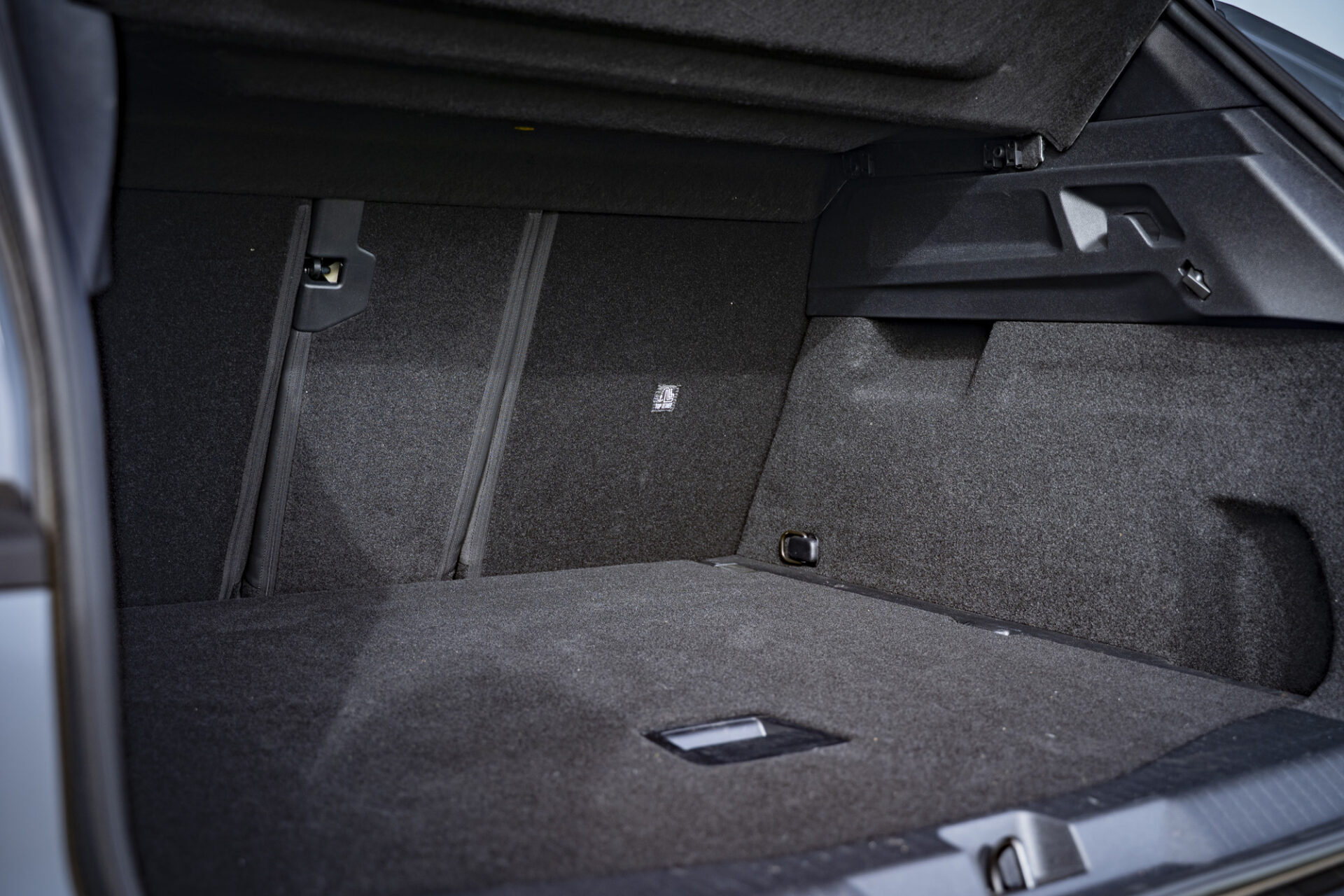
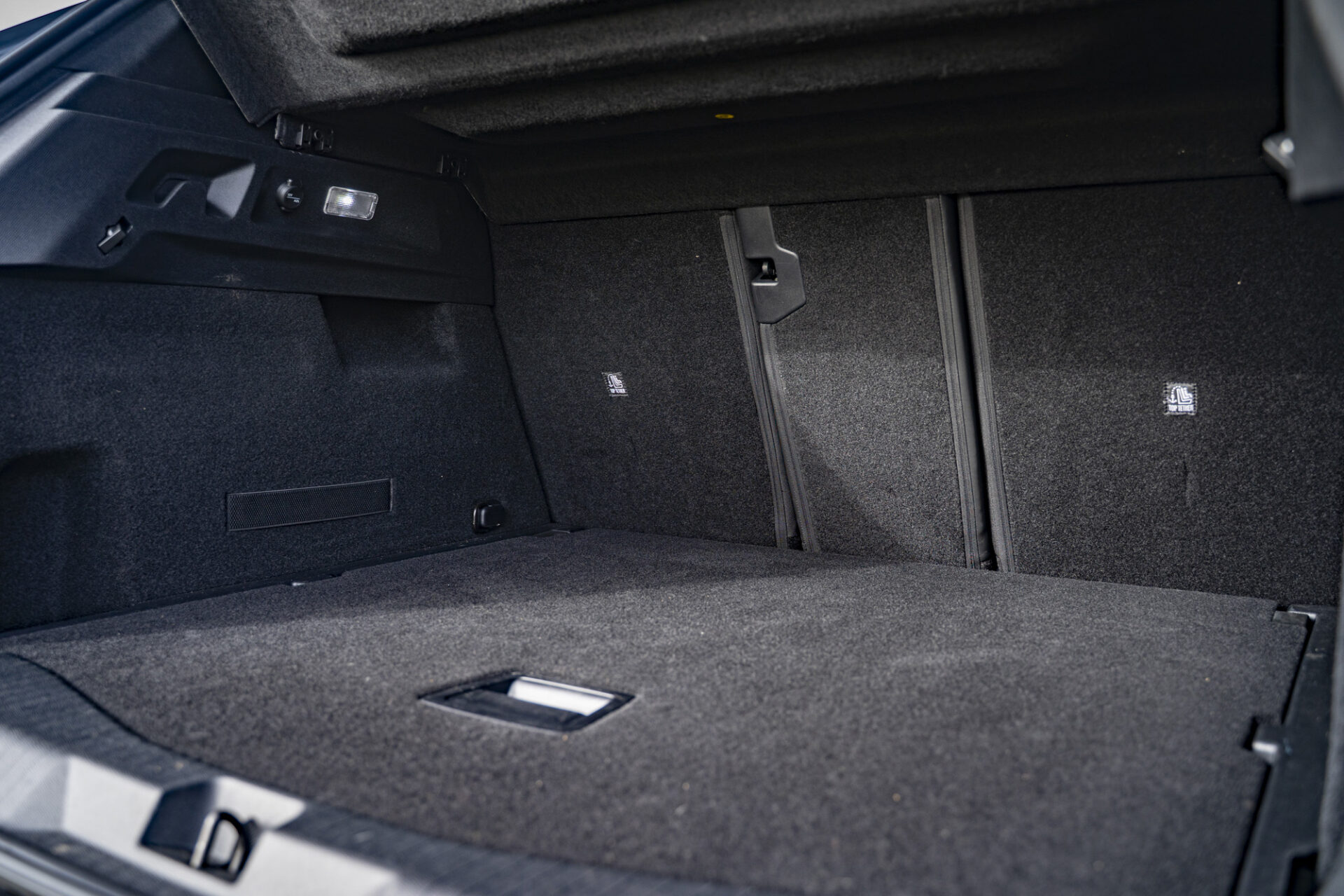
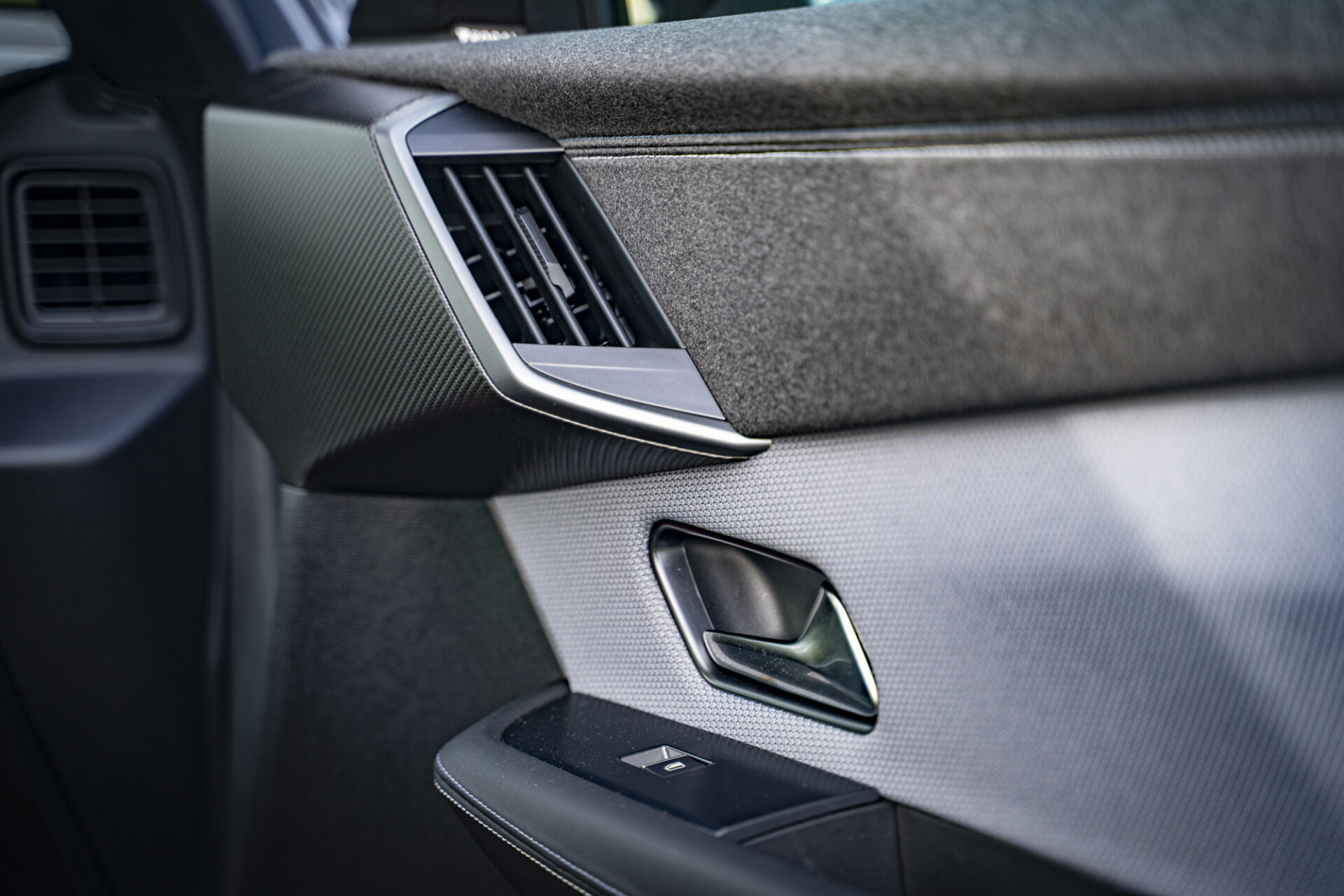
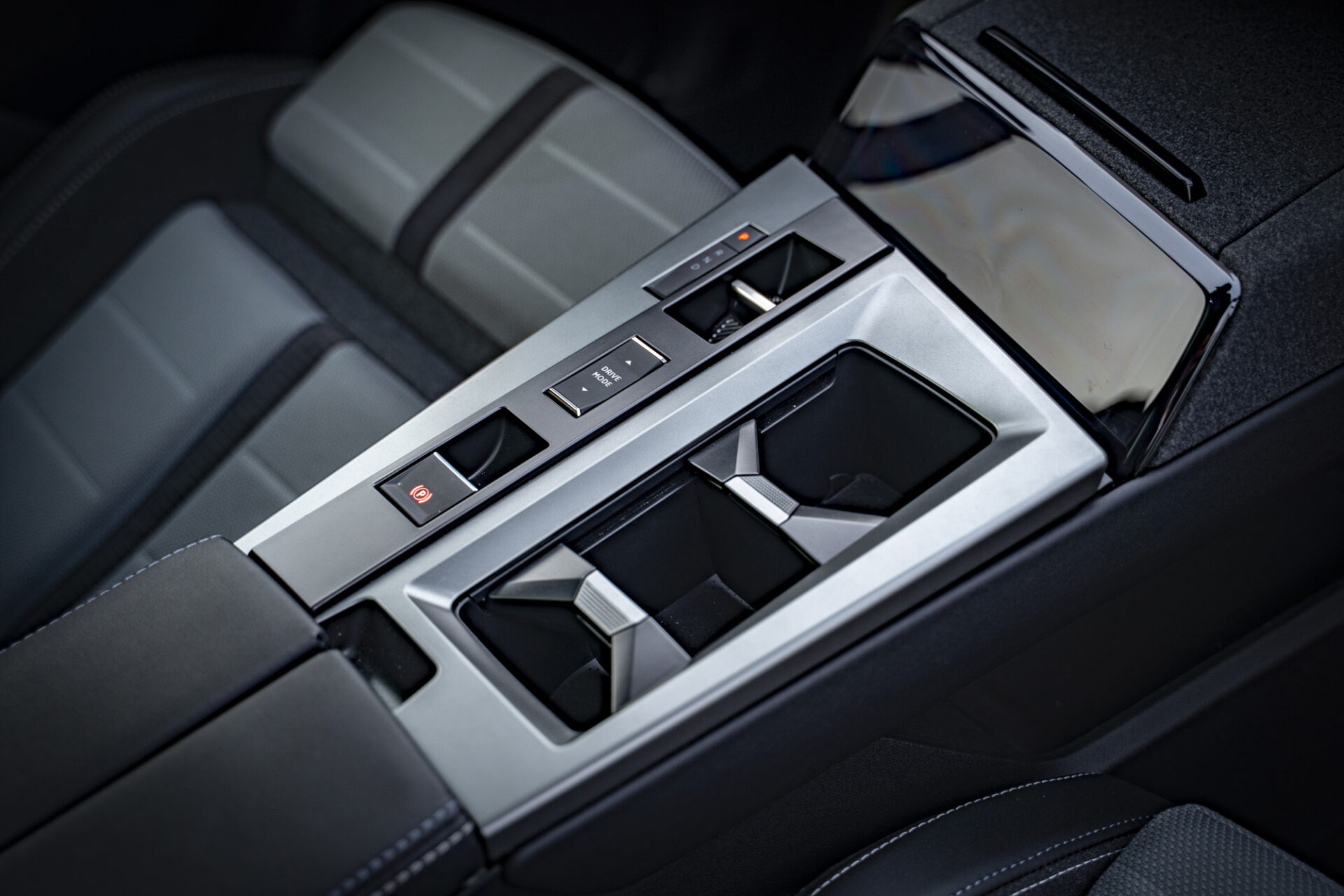
The ergonomics have been designed to remain intuitive, with certain physical controls retained for essential functions, notably the climate control. The fully digital instrumentation can be complemented by a head-up display, enhancing safety and driving comfort. The materials are pleasant to the touch and the assembly is neat, even though some hard plastics can still be found on the dashboard and centre console. The seats offer good support and comfort suited to long journeys. Thanks to the extended wheelbase, rear-seat space is generous, with ample headroom and convincing legroom. This trim level features a panoramic sunroof, which enhances the sense of space and light on board. The Focal sound system delivers a fully immersive experience, much to the delight of music enthusiasts. On the practicality front, the boot offers a volume of 550 litres, expandable to 1,645 litres with the rear bench folded down. For a family electric SUV, this is a compelling argument.
Powertrain, battery and charging
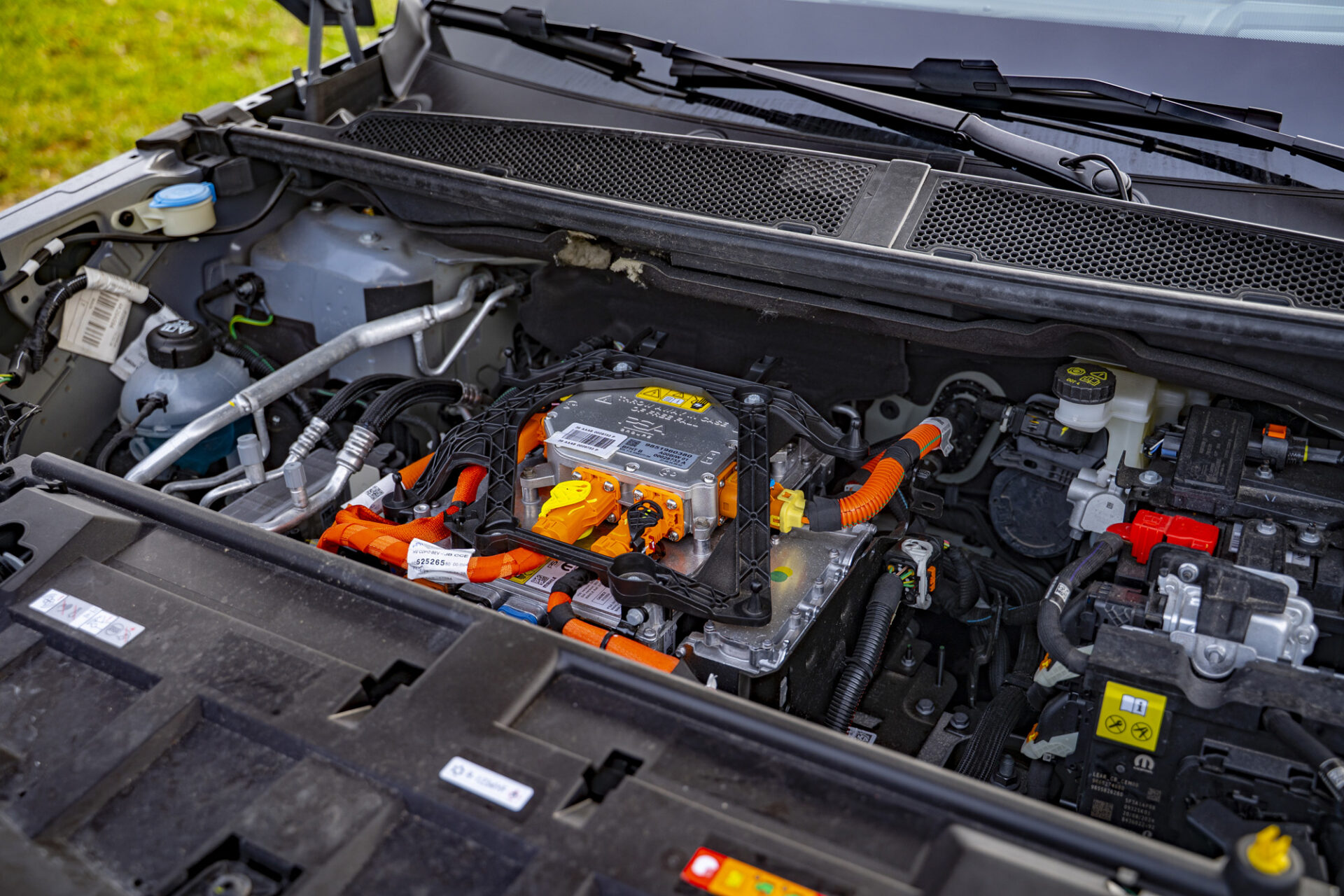
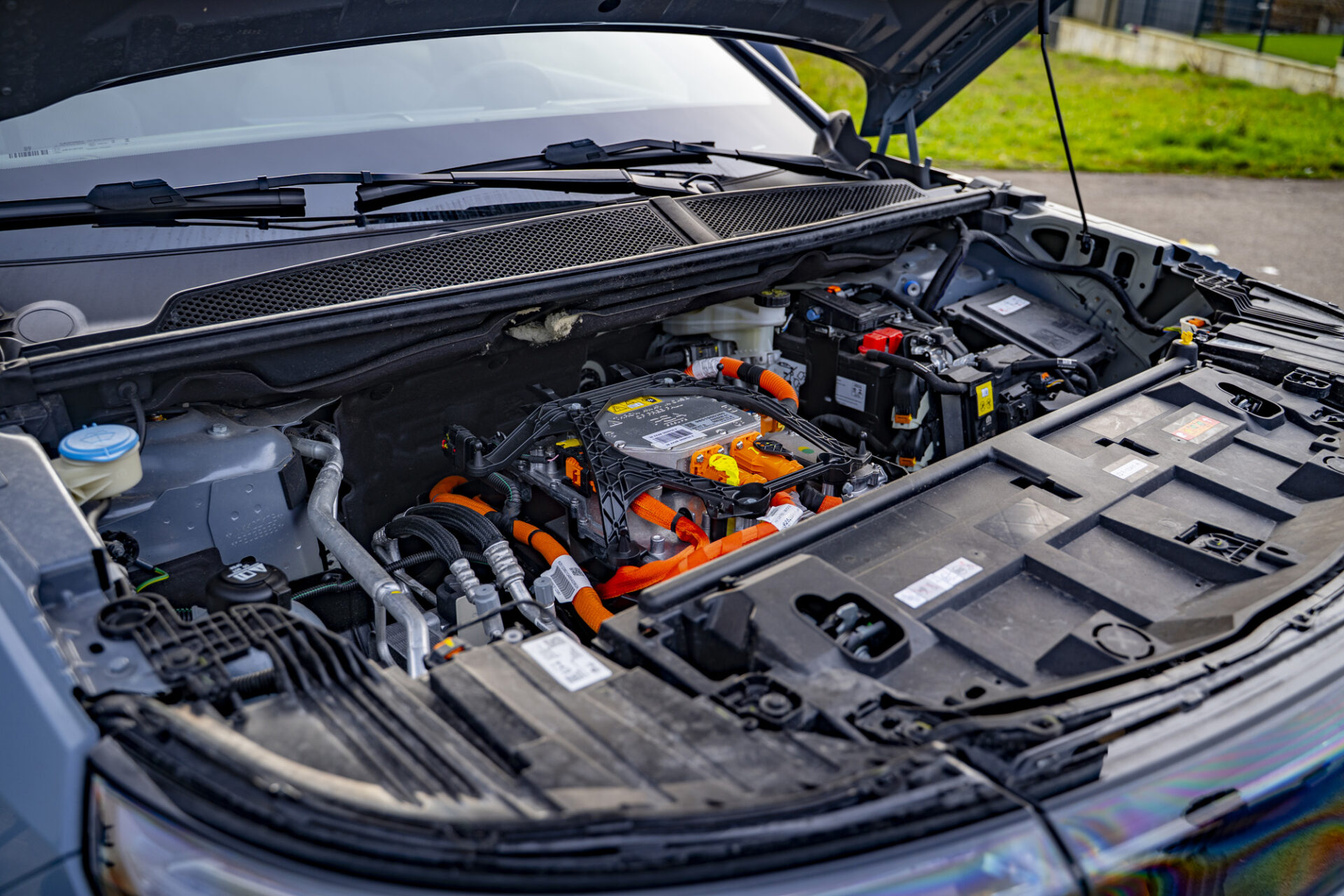
This electric version features a motor producing 213 hp and 345 Nm of torque. The electric powertrain is manufactured not far from the Luxembourg border, at the Emotors plant in Trémery, Moselle. In everyday use, the throttle response is linear, smooth and progressive, as is often the case with electric powertrains. The driving experience proves comfortable and gentle, without any particular harshness. Only Sport mode changes the equation: it adjusts the throttle curve and makes the Opel noticeably livelier.
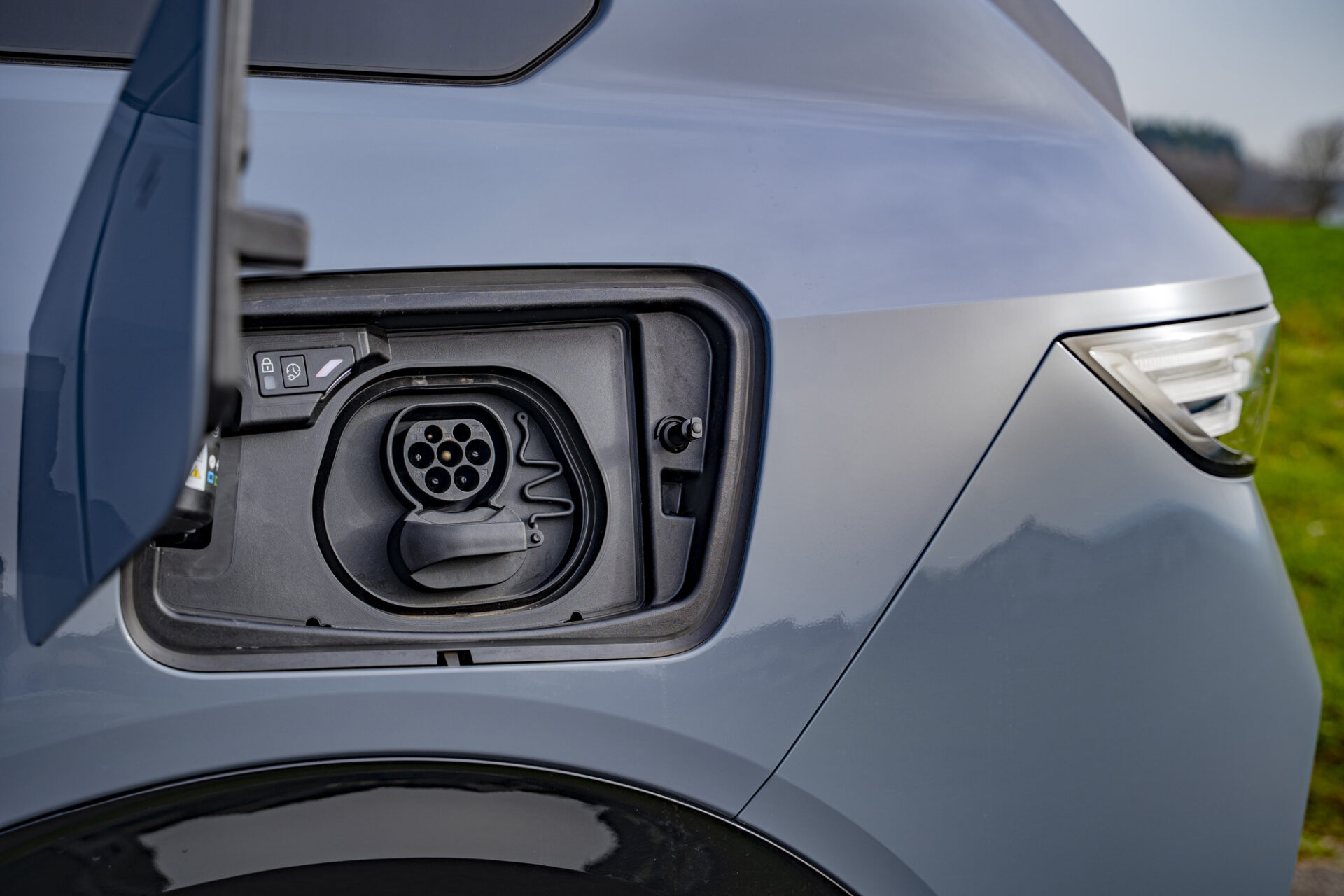
The 400 V NMC battery with a usable capacity of 73 kWh promises a range of between 501 and 521 kilometres according to the WLTP cycle. Under real-world conditions, particularly on the motorway, one should however expect to lose approximately 80 to 100 kilometres, depending on driving style and weather conditions. The considerable weight of approximately 2.2 tonnes predictably influences consumption at high speeds, as does its drag coefficient (Cd) of 0.75, which is relatively high for this type of vehicle. On the charging front, the Grandland can accept up to 160 kW of direct current (DC). Under optimal conditions, it is possible to go from 20 to 80% battery in around thirty minutes, facilitating long journeys. On alternating current (AC), the on-board 11 kW charger allows a full charge overnight on a suitable charging point. Several driving modes – Eco, Normal and Sport – allow the driver to adjust throttle sensitivity and energy regeneration management, in order to optimise either range or dynamism.
Road behaviour
On the road, the Grandland surprises with its overall balance. The lowered centre of gravity, thanks to the battery, improves stability and limits body roll. The steering is precise and sufficiently light for everyday use. Manoeuvrability is truly excellent for a vehicle of this size, with a turning circle of 11.4 metres – ideal in urban areas. High speed is not its preferred territory: at a brisk pace, the vehicle tends to move around slightly. However, this behaviour remains consistent with its vocation as a family SUV, geared more towards comfort and driving serenity than sporty performance. Comfort is very convincing, particularly thanks to the work carried out on sound insulation. The quietness of operation reinforces the impression of travelling in a more upmarket vehicle. Even at sustained speeds, the Grandland maintains good stability. Driver assistance systems are plentiful: adaptive cruise control, lane keeping assist, 360-degree cameras, automatic emergency braking… They all contribute to making driving safer, particularly on long motorway journeys. The vehicle also offers three levels of regeneration, adjustable directly using the paddles behind the steering wheel. However, the system does not allow for full One Pedal Driving.
Conclusion
With this new electric generation, Opel takes an important step in its positioning. Larger, more technological and more ambitious, the Grandland Electric combines range, comfort and versatility. Its 213 horsepower, stated range of over 500 kilometres WLTP and rapid charging capability at 160 kW make it a modern SUV perfectly suited to the needs of today’s families. For high-mileage drivers, there is also the option of choosing the Long Range version, equipped with a 97 kWh battery, which promises a range of up to 694 km according to the WLTP cycle. Available from €42,130, it positions itself as a serious alternative in the family electric SUV market, combining European manufacturing, advanced technologies and well-rounded performance.
Our verdict:
Pros:
Interior space – roominess
European manufacturing / design
Boot space
Manoeuvrability
Cons:
Hard plastic on the upper dashboard
Weight
Electric seat adjustment only as an option
No automatic brake hold without cruise control
Range
Technical specifications:
Power: 213 hp (157 kW)
Torque: 345 Nm
Battery capacity: 77 kWh
WLTP consumption: 17.6 kWh/100 km
WLTP electric range: 519 km
Top speed: 170 km/h Weight: 2,207 kg
Max AC charging power: 11 kW
Max DC charging power: 160 kW
Starting price: from €42,130