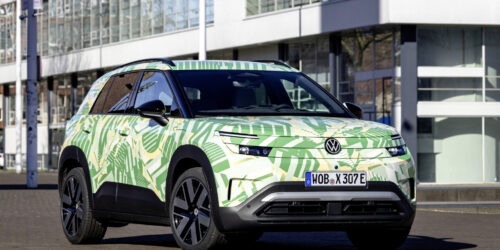
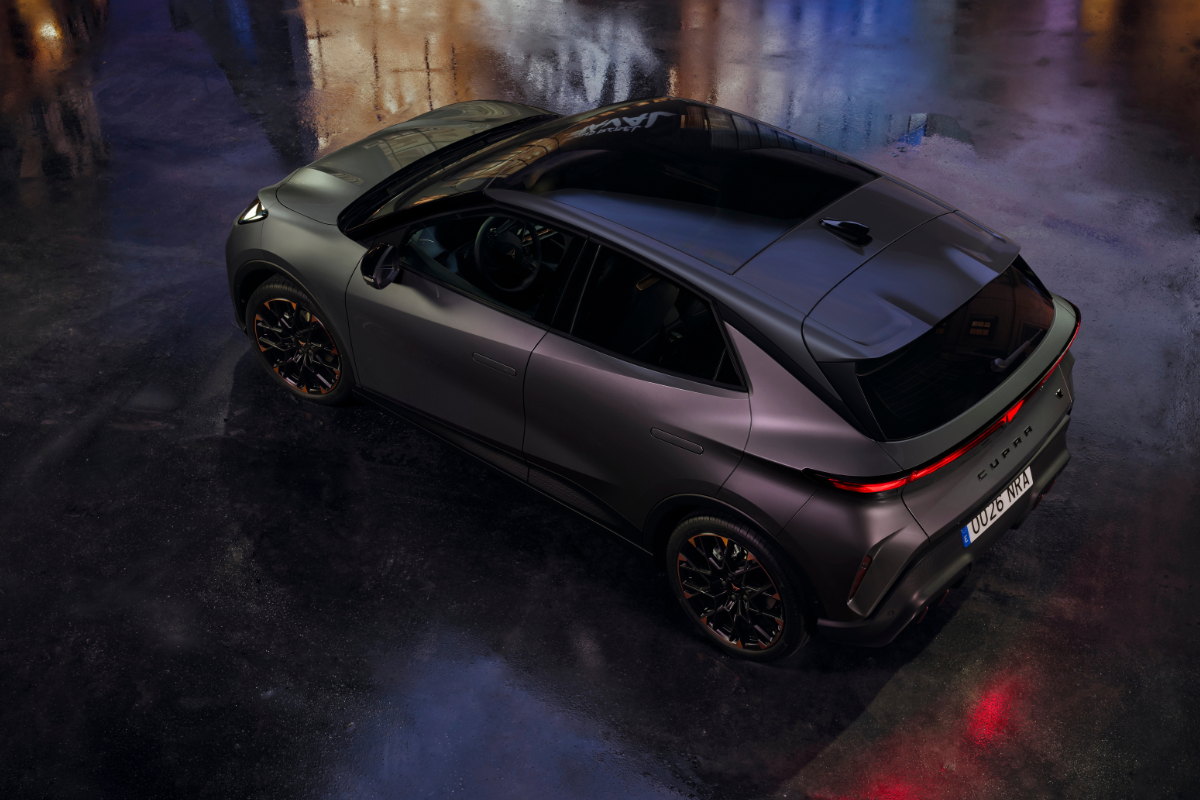
With the Raval, Cupra lays the first stone of its offensive in the electric city car segment. Unveiled in early May 2026 in Barcelona, the car entered production at Martorell (Spain) in May, ahead of a summer market launch. It becomes the brand’s electric entry point, positioned below the Born, and introduces Cupra to the Volkswagen Group’s new MEB+ platform, shared with the forthcoming Volkswagen ID. Polo and Škoda Epiq.
The positioning is clear: to offer a 4-metre urban compact with a pronounced character, in a segment that usually favours rationality. The target audience is young, urban customers drawn to design and driving sensations. Cupra points out that its customers’ average age is around 47, roughly seven years younger than the market average. Our test covers the range-topping VZ version, which concentrates most of the model’s dynamic argument.
Model history
Cupra was born in 2018 from Seat’s sporting division, with the ambition of standing as a brand in its own right, built around design and performance. In seven years, it has launched seven models and passed the million-unit mark worldwide, built on the Leon, Formentor, Born, Tavascan and Terramar.
The Raval extends this logic. Its name is borrowed from a Barcelona district known for its energy and non-conformist spirit. The model stems directly from the UrbanRebel concept unveiled in 2021: almost five years on, the production version retains its muscular silhouette and compact proportions. Within Cupra’s strategy, the Raval is a key building block in the stated aim of becoming a reference player in urban electric mobility, opening the brand to a wider audience without giving up its image.
Design and ergonomics
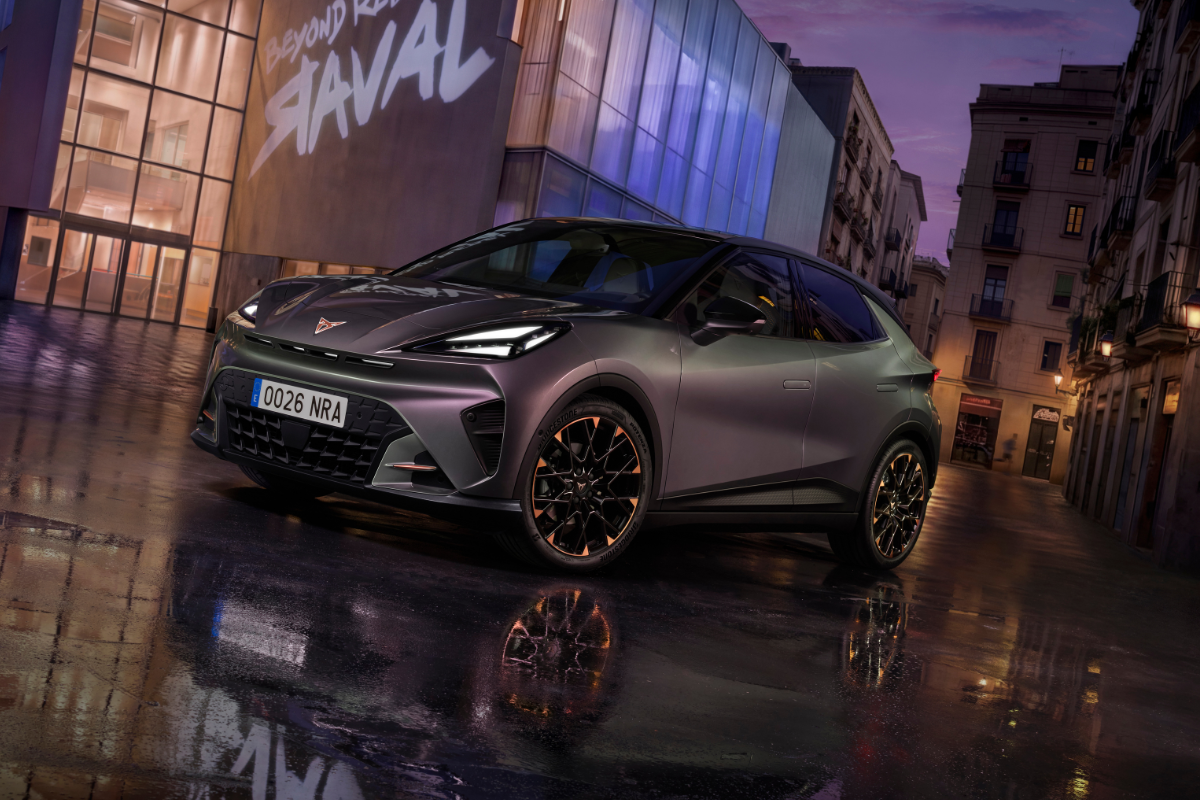
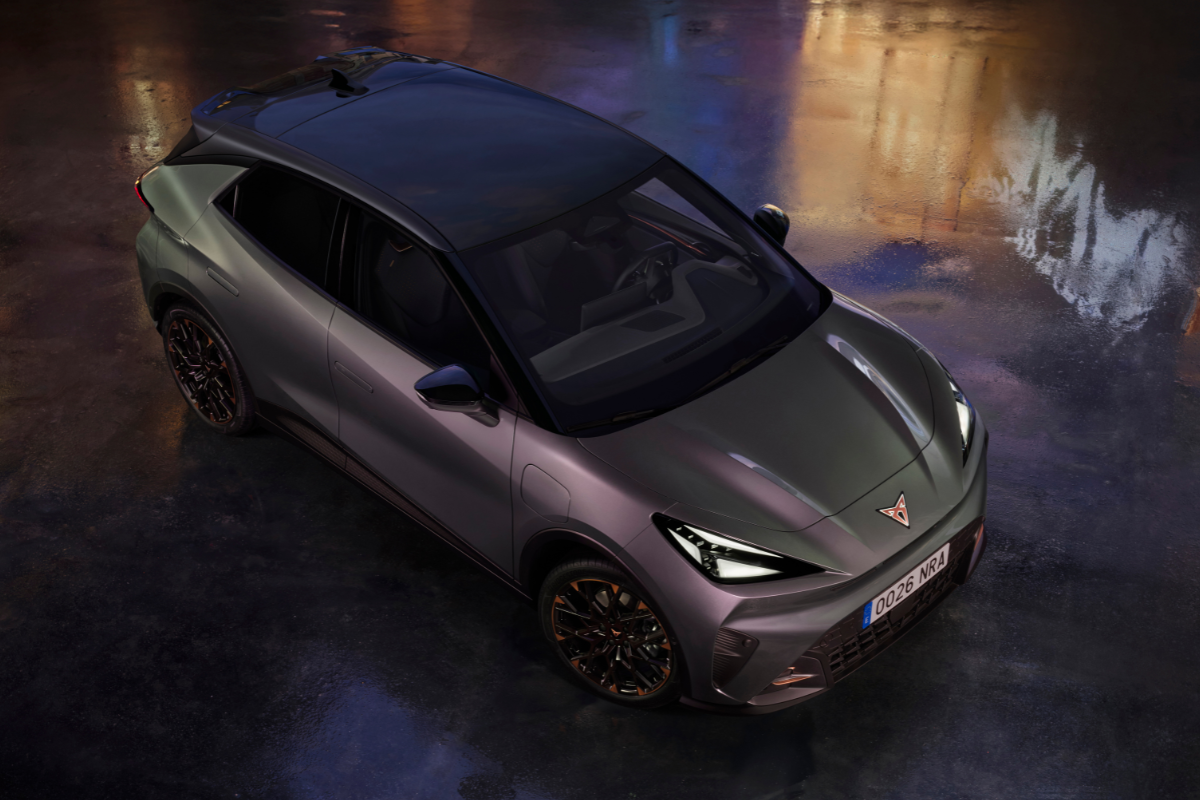
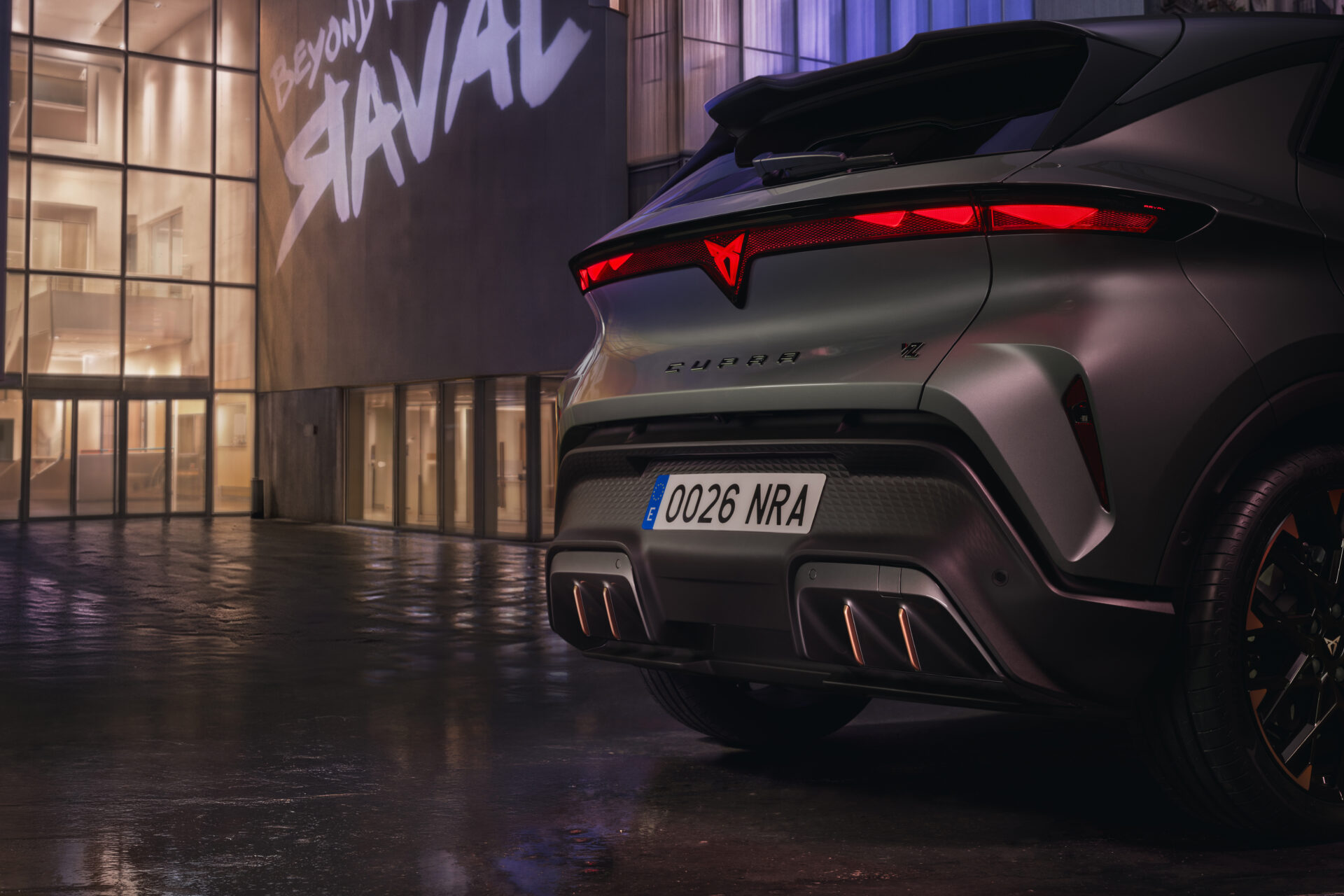
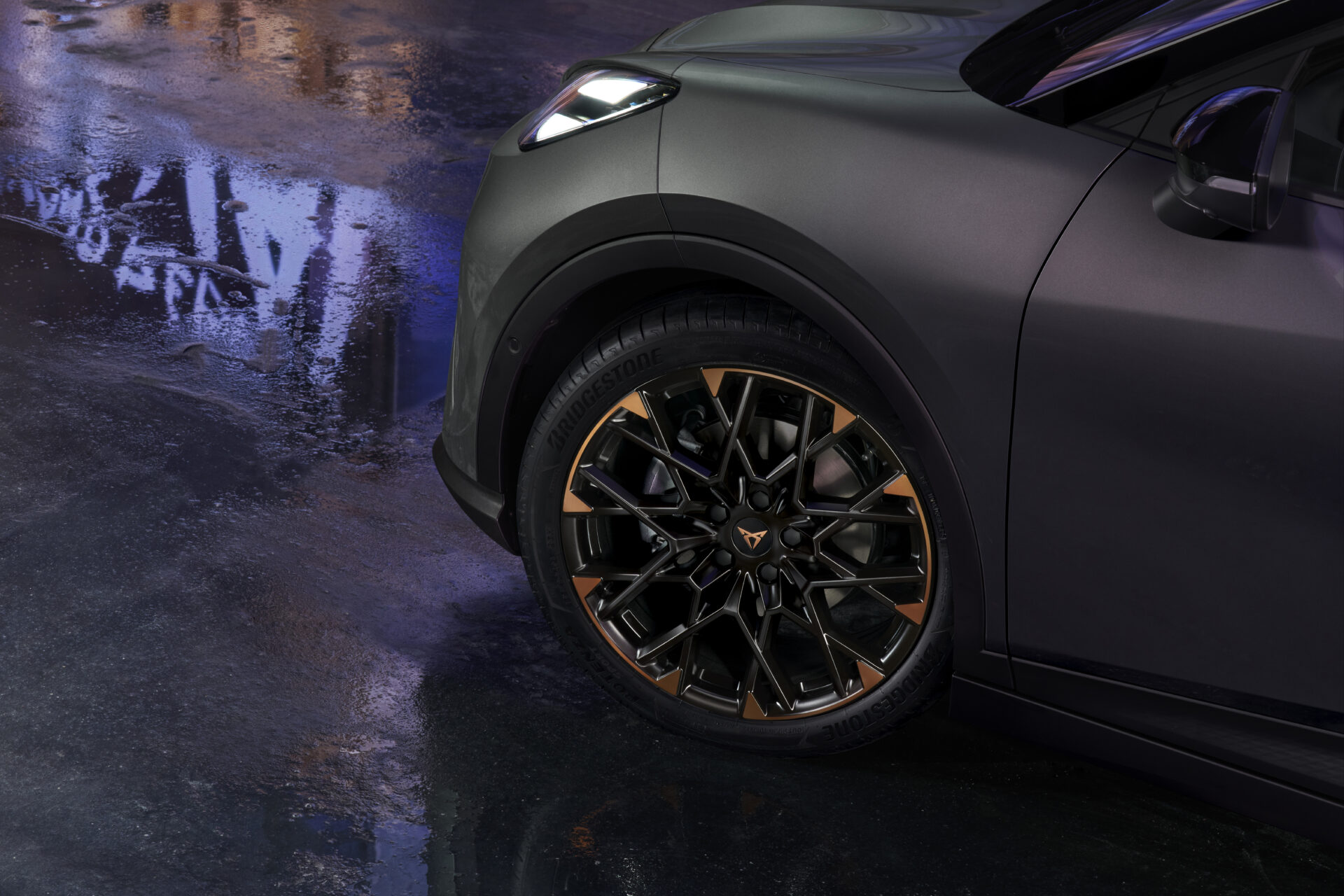
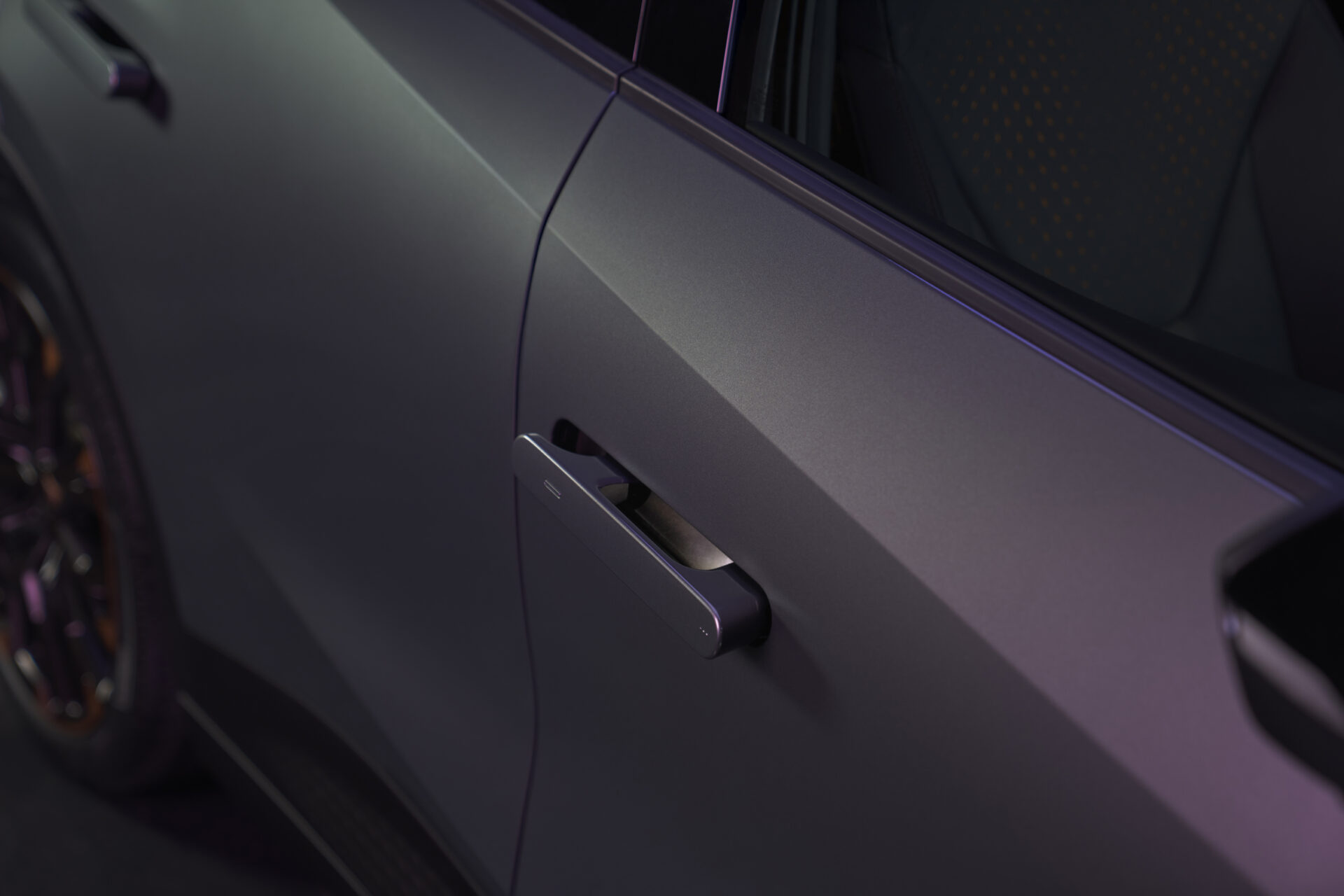
At 4,046 mm long, 1,784 mm wide and 1,514 mm tall, with a 2,599 mm wheelbase, the Raval features a “shark nose” front end and taut lines that give it a strong presence. Matrix LED headlights, flush, illuminated and retractable door handles, and a three-dimensional rear light bar reinforce its visual identity. The illuminated Cupra logo, meanwhile, remains tied to an enhanced Matrix LED pack offered at a later date. The brand claims the best aerodynamic coefficient in its range, thanks in particular to front air curtains, optimised wheels and active shutters.
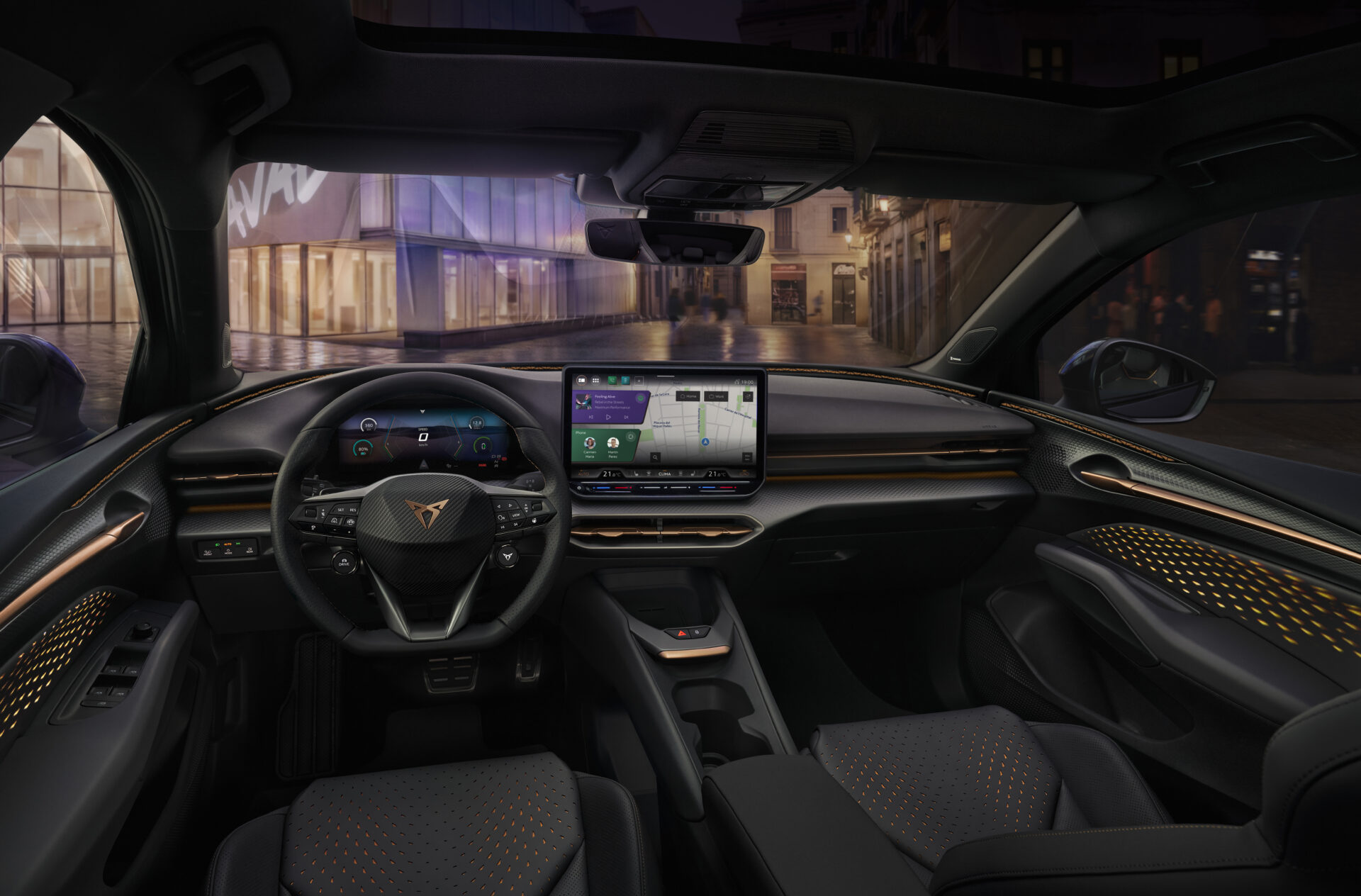
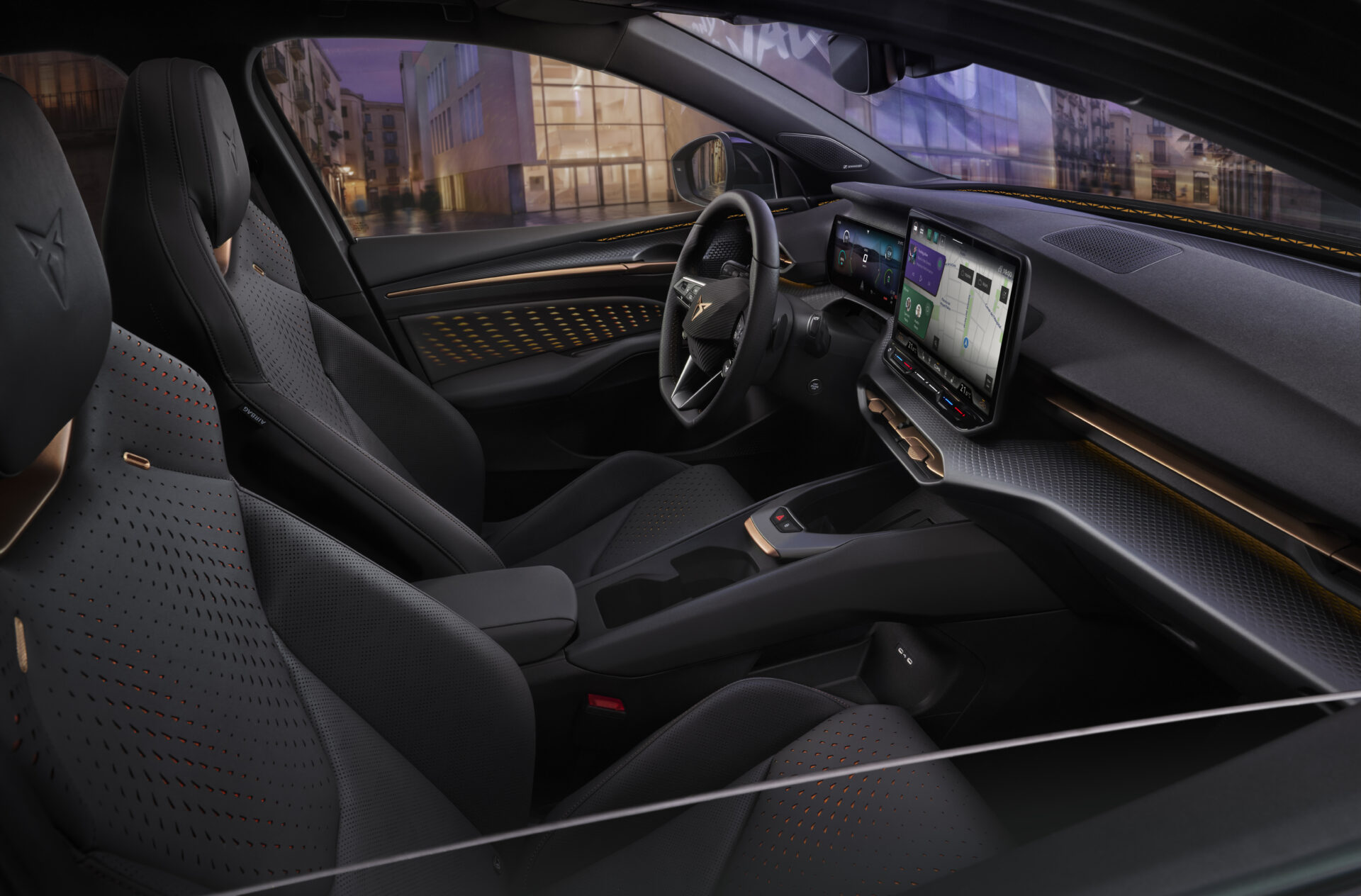
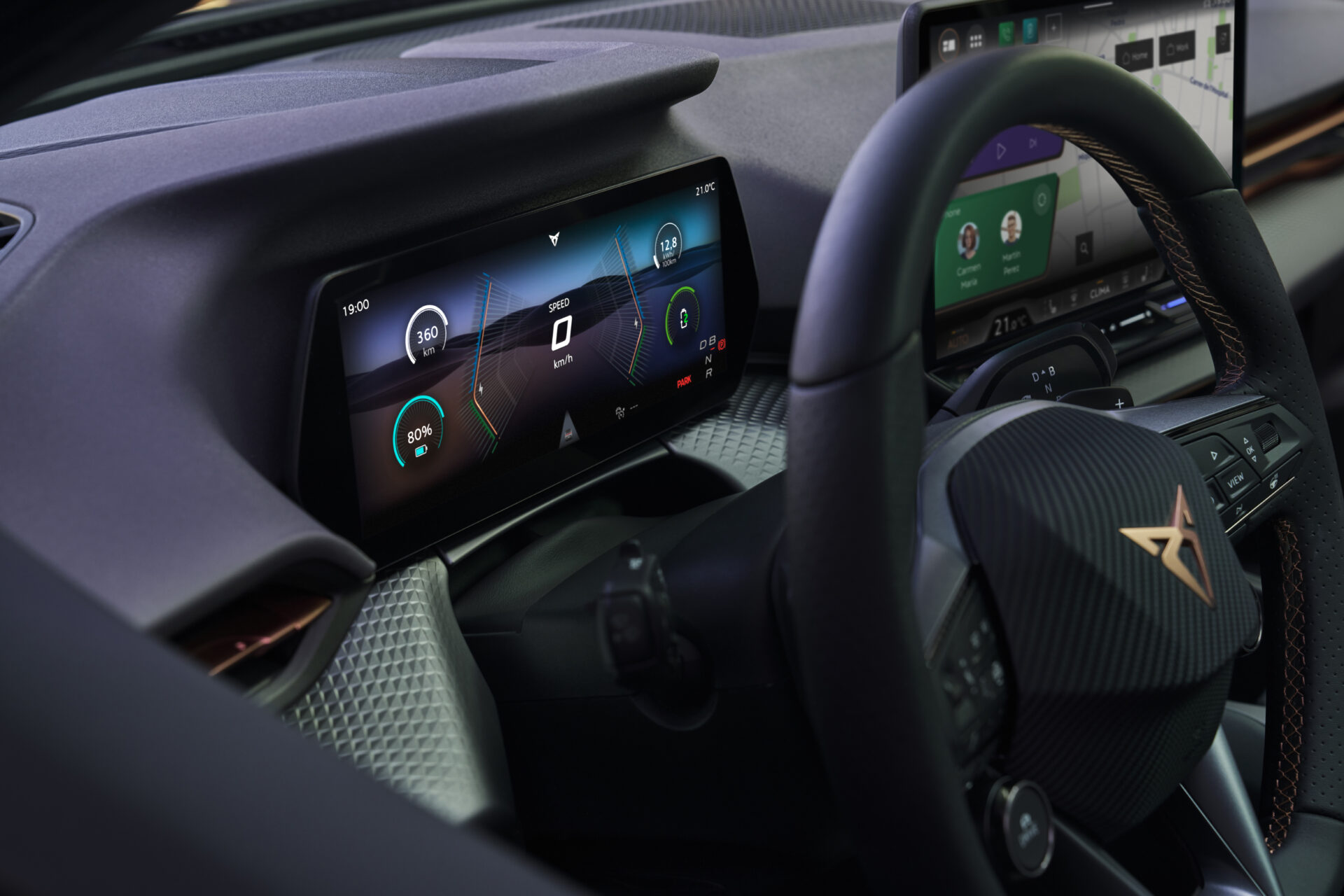
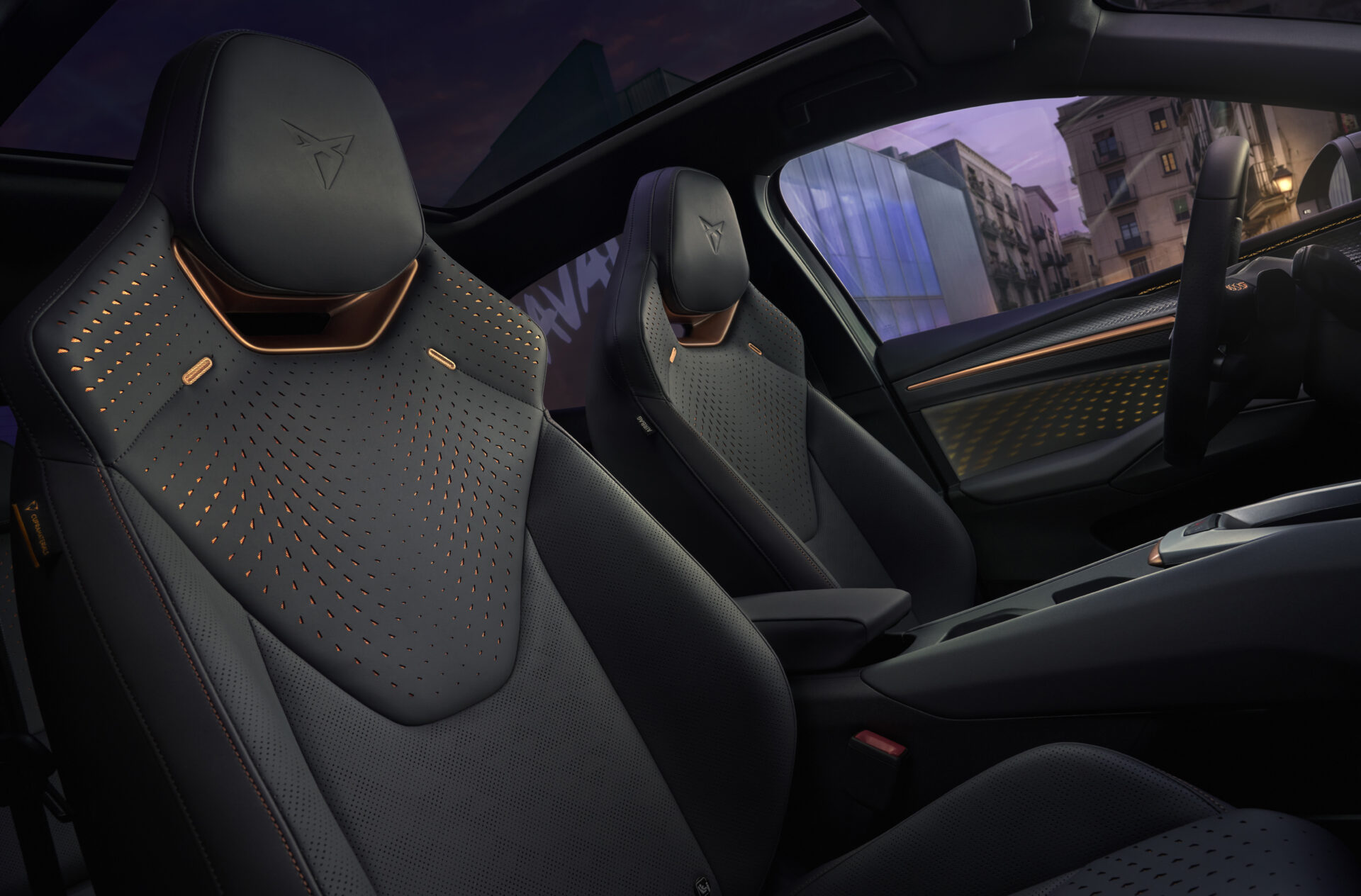
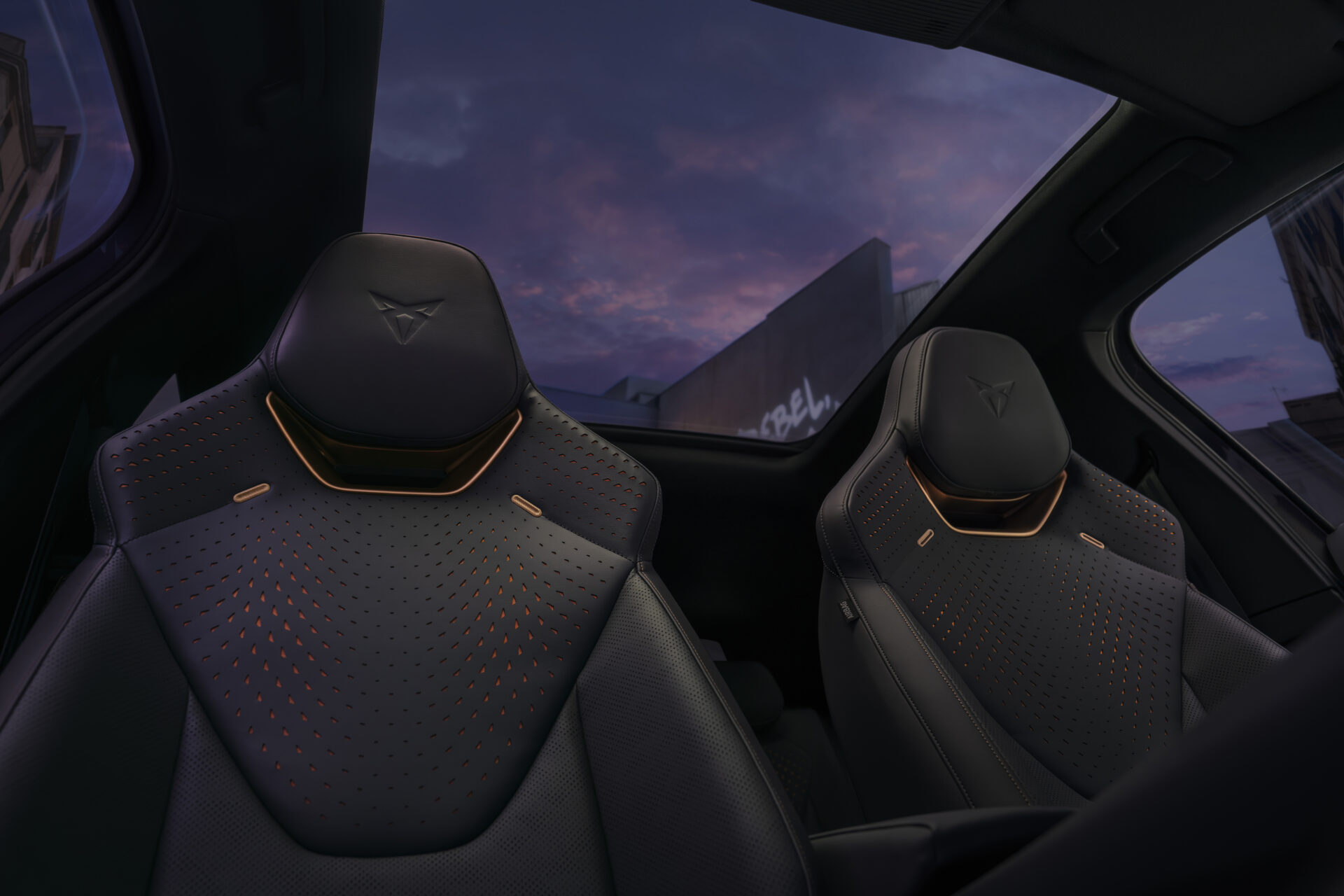
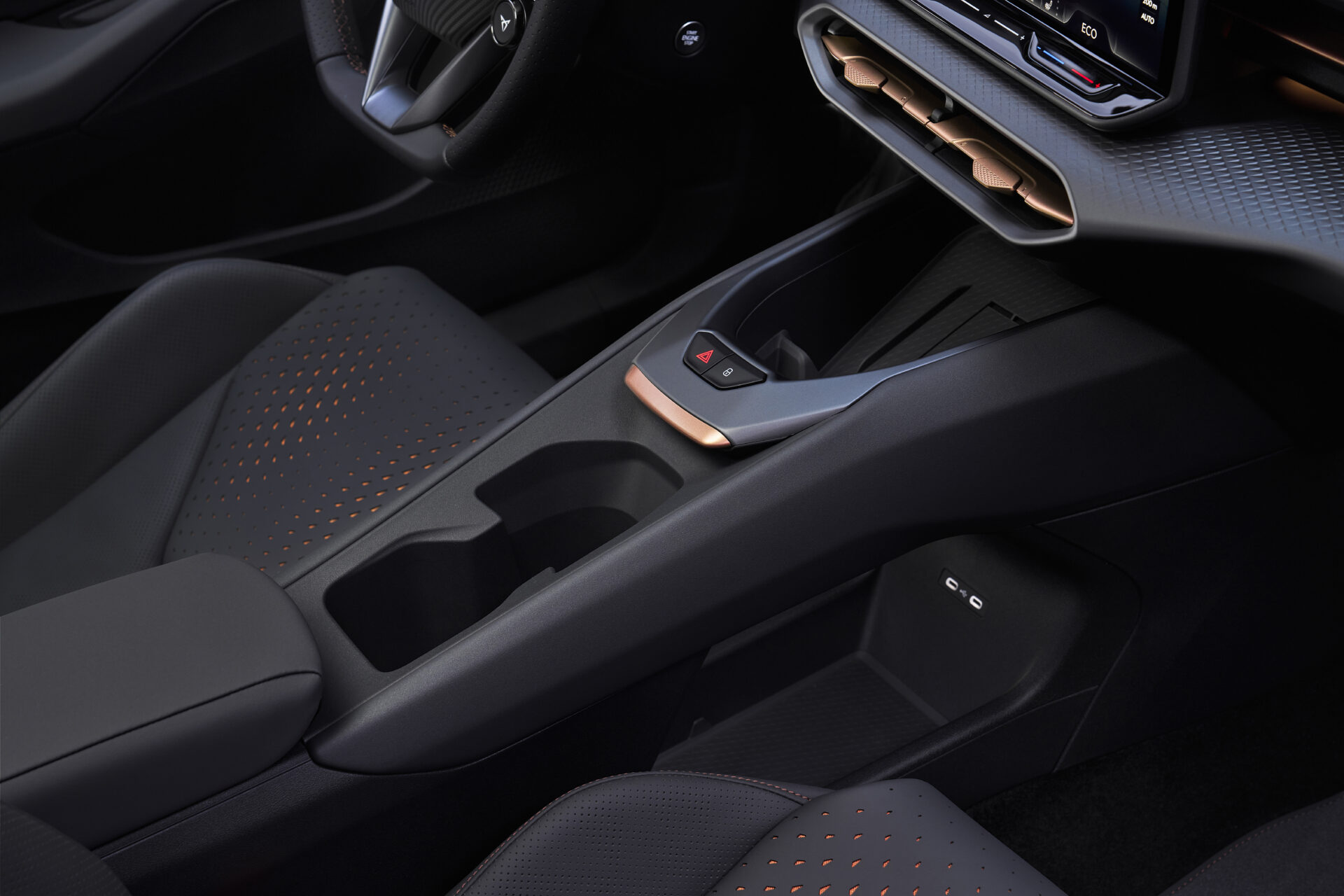
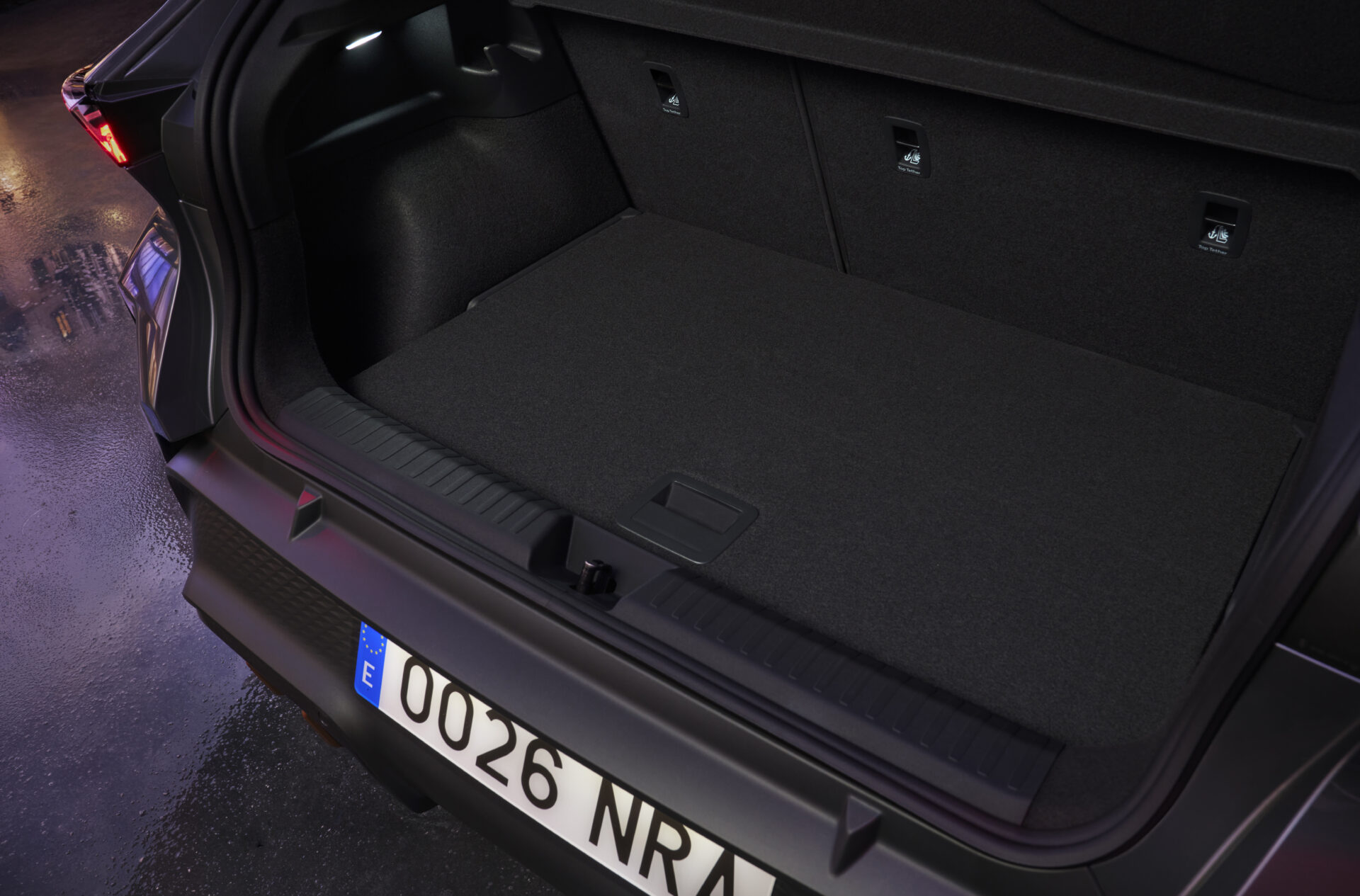
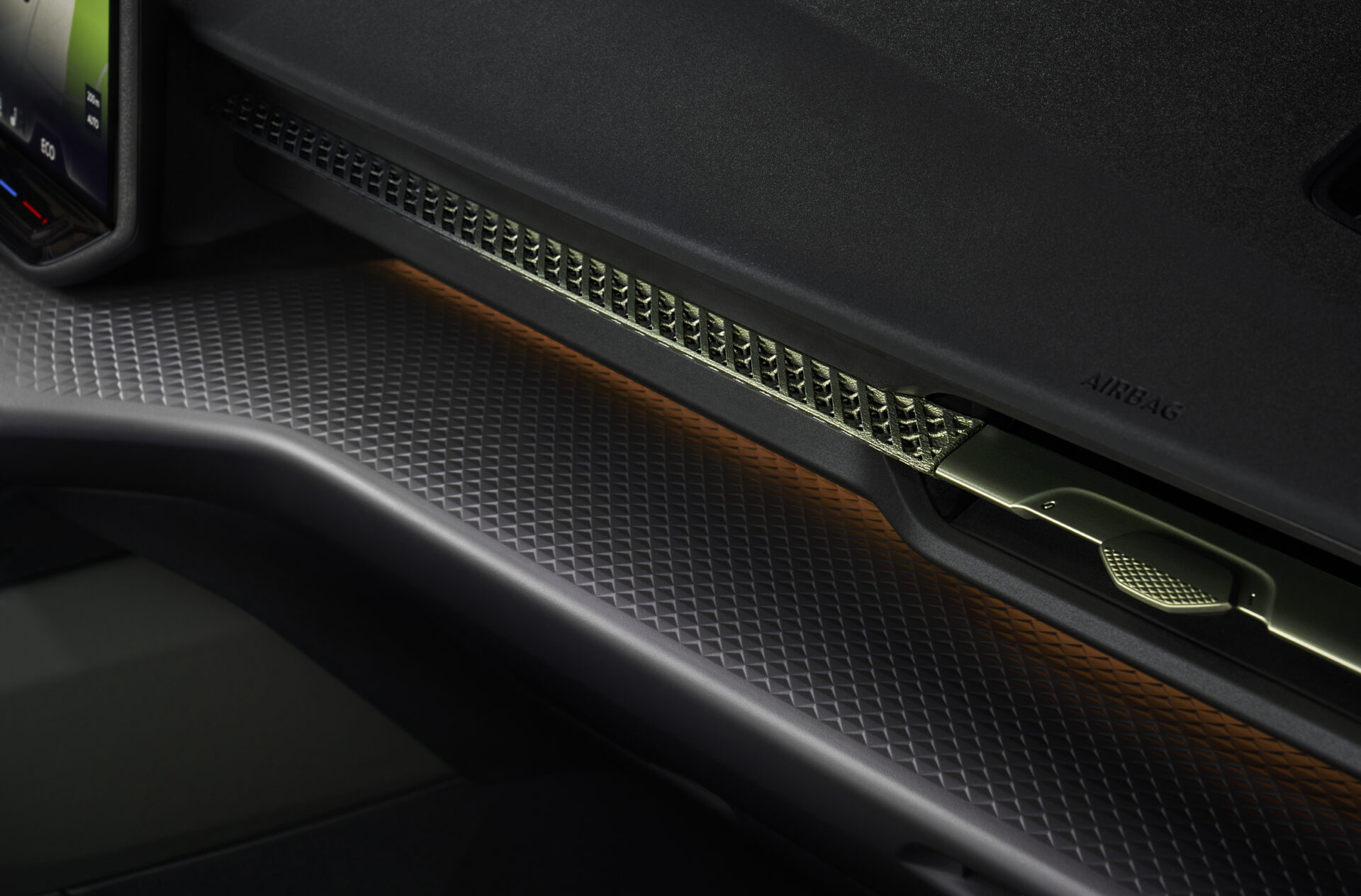
Inside, the cabin is firmly driver-focused. The suspended centre console frees up storage space, and physical steering wheel controls make for easy handling. The presentation is modern and sporty, even if the dashboard, however textured, remains largely plastic. Four interior ambiences are offered, from the entry-level PULSE to the range-topping AHEAD pack, which introduces CUP-Bucket seats upholstered in 3D mesh, a technique unprecedented in the category. The bucket seats prove enveloping and comfortable, with good support for the back and legs. Rear space remains reasonable for the car’s size, though knee room is slightly reduced by the bulk of the bucket seats. The boot offers 441 litres, a generous figure for a city car.
Technical specifications
The Raval is built on the MEB+ platform and uses front-wheel drive. At its heart, the APP290 permanent-magnet synchronous electric motor delivers 290 Nm of torque. The range spans four power outputs: 85 kW (116 hp), 99 kW (135 hp), 155 kW (211 hp) and 166 kW (226 hp). Two batteries are offered: a 37 kWh net lithium iron phosphate unit for entry-level versions, and a 52 kWh net nickel manganese cobalt battery, using PowerCo’s cell-to-pack technology and a 240 to 408-volt architecture, for the Endurance and VZ versions.
WLTP range spans from 446 to 413 km on the Endurance and from 440 to 379 km on the VZ depending on configuration and equipment, with homologated consumption of between 13.8 and 16.2 kWh/100 km for the latter. AC charging is rated at 11 kW, around five hours thirty minutes for a full charge, while DC fast charging tops out at 50 kW on the Raval, 88 kW on the Plus and 105 kW on the larger-battery versions, allowing a 10 to 80 per cent charge in 24 minutes.
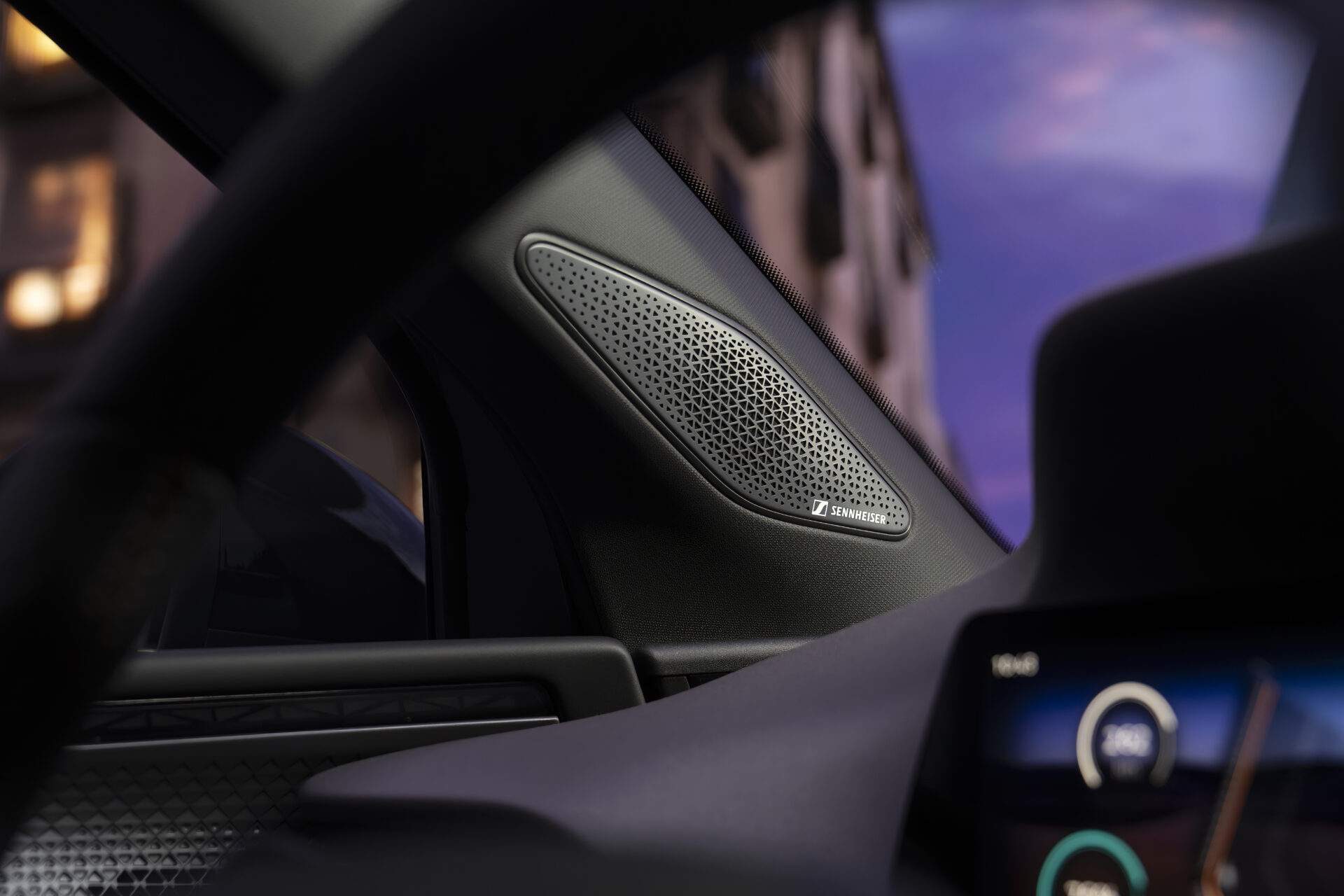
The VZ version claims 166 kW (226 hp), 290 Nm, 0 to 100 km/h in 6.8 seconds, 80 to 120 km/h in 4.1 seconds and a top speed of 175 km/h, for a kerb weight of 1,615 kg. It receives DCC Sport adaptive damping, an electronic limited-slip differential, tracks widened by 10 mm, a body lowered by 15 mm and an ESC Sport mode. Braking combines 306 mm ventilated front discs and 300 mm solid rear discs, managed by a “one-box” electronic system that merges the brake booster and ESC module. The chassis combines a MacPherson front axle and a semi-independent rear axle, with progressive electric power steering and an 11-metre turning circle. Available equipment includes a 12-speaker, 475 W Sennheiser AMBEO sound system, Vehicle-to-Load function, a digital key in beta, Travel Assist and Emergency Assist aids powered by 360-degree sensors, seven airbags and a surround-view camera. Prices announced: from €25,995 for the entry-level version, then €34,870 for the Dynamic launch edition, €38,960 for the Dynamic Plus, €40,460 for the France-only AVNIER limited series and €45,520 for the VZ Extreme.
Road behaviour
It is on the road that the Raval VZ is most convincing. The chassis stands out as a genuine strength: the DCC Sport adaptive damping, with stiffness increased by 5 per cent, effectively contains body movement and gives the car surprising composure through fast sequences of bends, without ever locking the suspension solid. The electronic limited-slip differential, exclusive to the VZ, manages front-axle traction with an efficiency that makes the city car remarkably lively on winding roads, to the point of rivalling dynamic benchmarks such as the Alpine A290 or the Abarth 600e.
Performance is strong. Acceleration is brisk and free of lag, with energetic pick-up, yet the accelerator pedal remains precise and progressive, pleasant both in traffic and on secondary roads. The steering, sharp and progressive, inspires confidence from the first few turns of the wheel, and sound insulation proves remarkable for the category.
Two reservations stand out, however. The first concerns the brakes: the very sharp bite at the first touch of the pedal makes modulation tricky, and the urban emergency braking aid proves excessively cautious and vocal. The second concerns the theatrics. Cupra mode feels contrived, with an unconvincing artificial soundtrack and an all-or-nothing throttle response: the Comfort, Performance or Individual settings prove more usable day to day. On ride comfort, the picture is mixed: the VZ remains enjoyable in spirited driving, but its very firm damping is felt in town, on poor surfaces, where it can eventually become tiring.
Electric-specific features
The Raval relies on a lightened architecture. The unified battery, using cell-to-pack technology and mounted flat in the floor, increases energy density by around 10 per cent compared with the previous generation. On the VZ, fitted with a 408-volt, 52 kWh net battery, fast charging reaches 105 kW, giving a 10 to 80 per cent charge in 24 minutes, and the standard onboard charger is rated at 11 kW.
In use, recorded consumption remains moderate: between 13 and 14 kWh/100 km in town, favouring the softer mode and one-pedal driving, between 17 and 18 kWh on motorways at 120-130 km/h, and up to around 19.5 kWh in spirited driving on mountain roads. It should be noted, however, that real-world range depends heavily on tyre choice: fitted with the grippiest performance tyres, the VZ’s WLTP figure drops noticeably, to as low as 379 km.
Energy management runs through three regeneration levels selectable via paddles, including a One Pedal mode, complemented by an automatic setting that adapts recuperation to the environment in Comfort mode. The Vehicle-to-Load function turns the car into an auxiliary power source. For public charging, Cupra highlights the e-Route Planner, the Plug & Charge function and access to more than one million charge points across 28 European countries, along with a dedicated Wallbox for home charging.
Technical Specifications
Power: 226 hp (166 kW)
Torque: 290 Nm
Battery capacity: 52 kWh
WLTP consumption: 13.8 to 16.2 kWh/100 km
Electric WLTP range: 440 km
Acceleration 0-100 km/h: 6.8 seconds
Top speed: 175 km/h
Weight: 1,615 kg
Starting price: from €45,520 (VZ Extreme)
Weaknesses
The main complaint concerns the brakes, whose modulation takes time to get used to, compounded by an overly sensitive urban emergency braking aid. Next come the sound and light gimmicks, particularly Cupra mode, which fail to convince and add nothing to real driving enjoyment. The firmness of the damping in town, on the sportiest version, can become wearing on longer urban journeys. On perceived quality, the plastic dashboard sits at odds with the premium positioning sought, as do the touch-sensitive climate controls, less practical than proper buttons. Finally, usable range falls short of the maximum figures as soon as the sportiest tyres are fitted.
Strengths
Conversely, the Raval VZ stands out for a rare balance in the category between dynamic rigour and comfort, underpinned by a well-sorted chassis and an effective limited-slip differential. Performance and accelerator calibration deliver driving enjoyment that is genuine yet controlled. Sound insulation flatters the premium positioning, as does the specification: Sennheiser system, comprehensive driver assistance, Vehicle-to-Load, digital key. The Android Automotive interface proves smoother than the group’s previous generations, and retaining physical steering wheel controls is welcome. Finally, practicality is not sacrificed, with a generous boot and reasonable habitability given the car’s size.
Conclusion
The Cupra Raval VZ delivers on its promise: bringing character to a segment usually dominated by reason, without giving up everyday versatility. It positions itself as a more expressive alternative to its technical cousin, the ID. Polo, and as a credible rival to sporty electric compacts such as the Alpine A290 and the Abarth 600e, while remaining more versatile day to day. The announced entry price of €25,995 is attractive, but the launch range is currently concentrated on much more expensive versions, from €34,870 to €45,520, which puts the price argument into perspective until the entry-level variants become available. For a buyer seeking design and driving sensations, the Raval is a solid proposition; the Endurance or Dynamic Plus versions, less extreme than the VZ Extreme, appear to offer the best compromise, provided one can overlook the sound gimmicks.