The Dacia Sandero has been the best-selling car to private buyers in Europe since 2017. In 2024, it crossed the threshold of 300,000 units sold annually. These figures speak for themselves regarding its positioning.
This new model year adjusts the recipe in terms of design, powertrains and equipment, without seeking to reinvent it. The target remains the same — first-time buyers, families, pragmatic drivers — and so does the strategy: the essentials done well, not sophistication. Since Dacia was relaunched by Renault Group in 2004, the Sandero has embodied the brand’s DNA better than any other model. Today it accounts for more than two-thirds of combined sales with the Stepway. This 2026 update also debuts the brand’s new face — a new light signature, new powertrains — and it is the Sandero that takes on this trailblazer role within the range.
A clarified identity
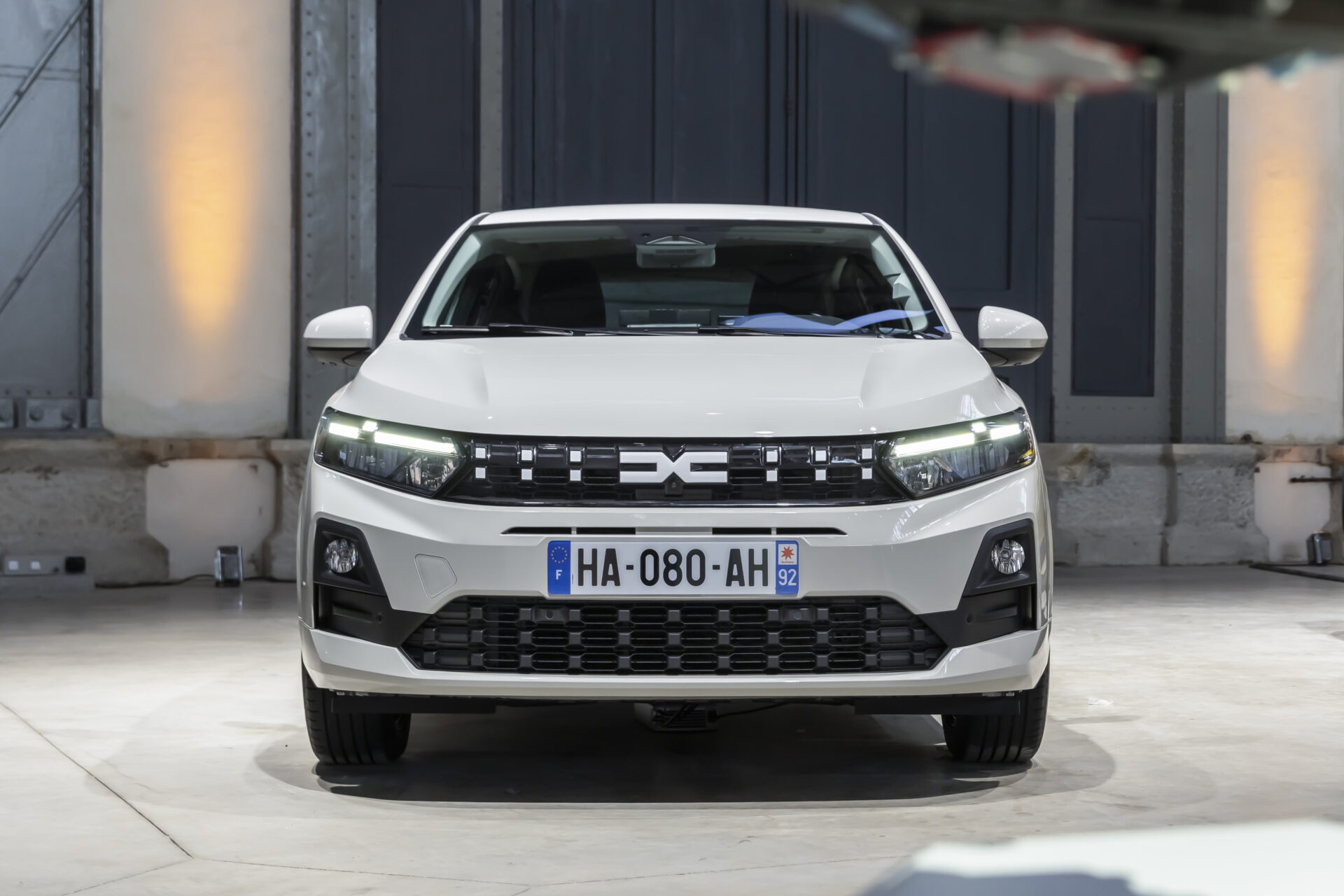
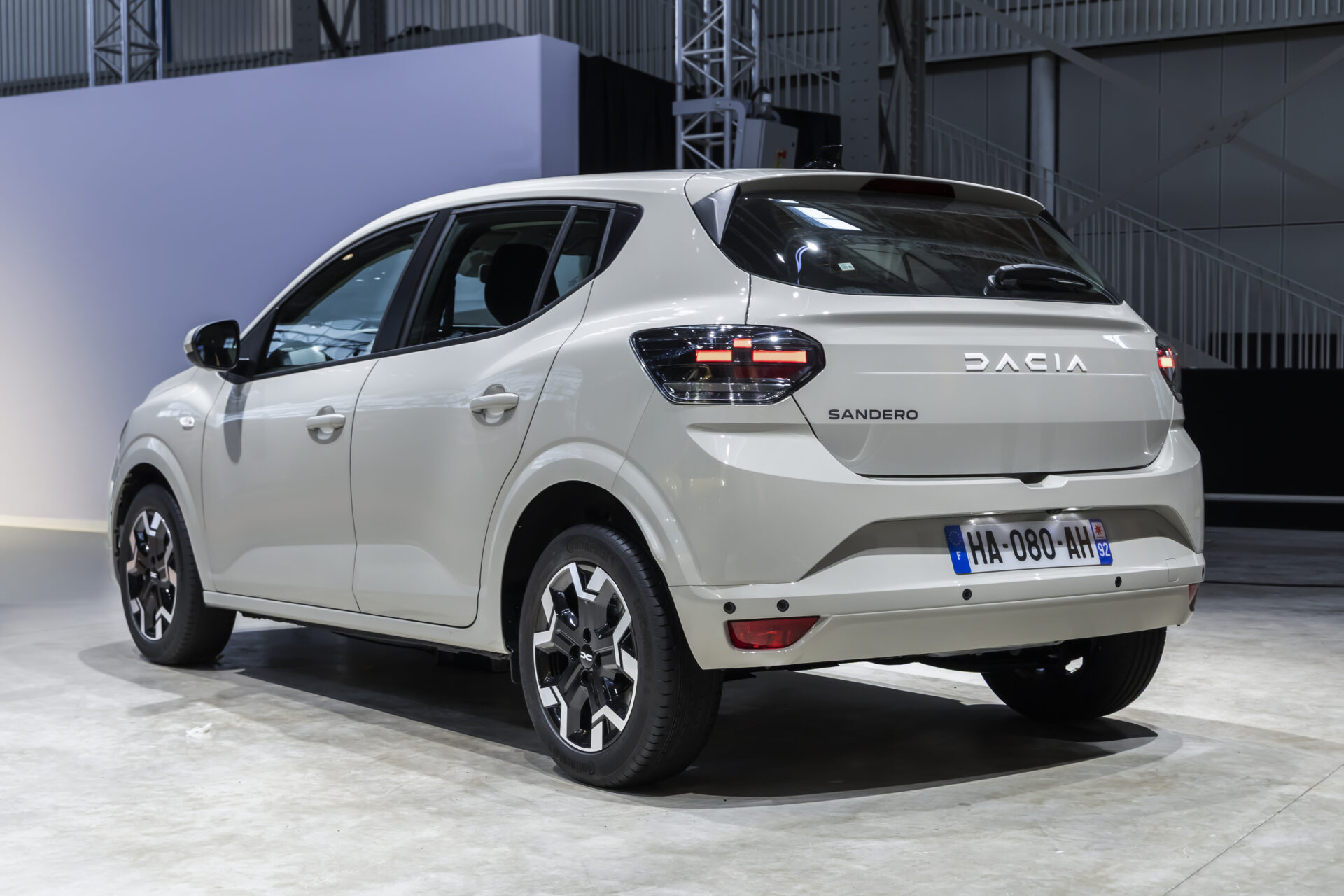
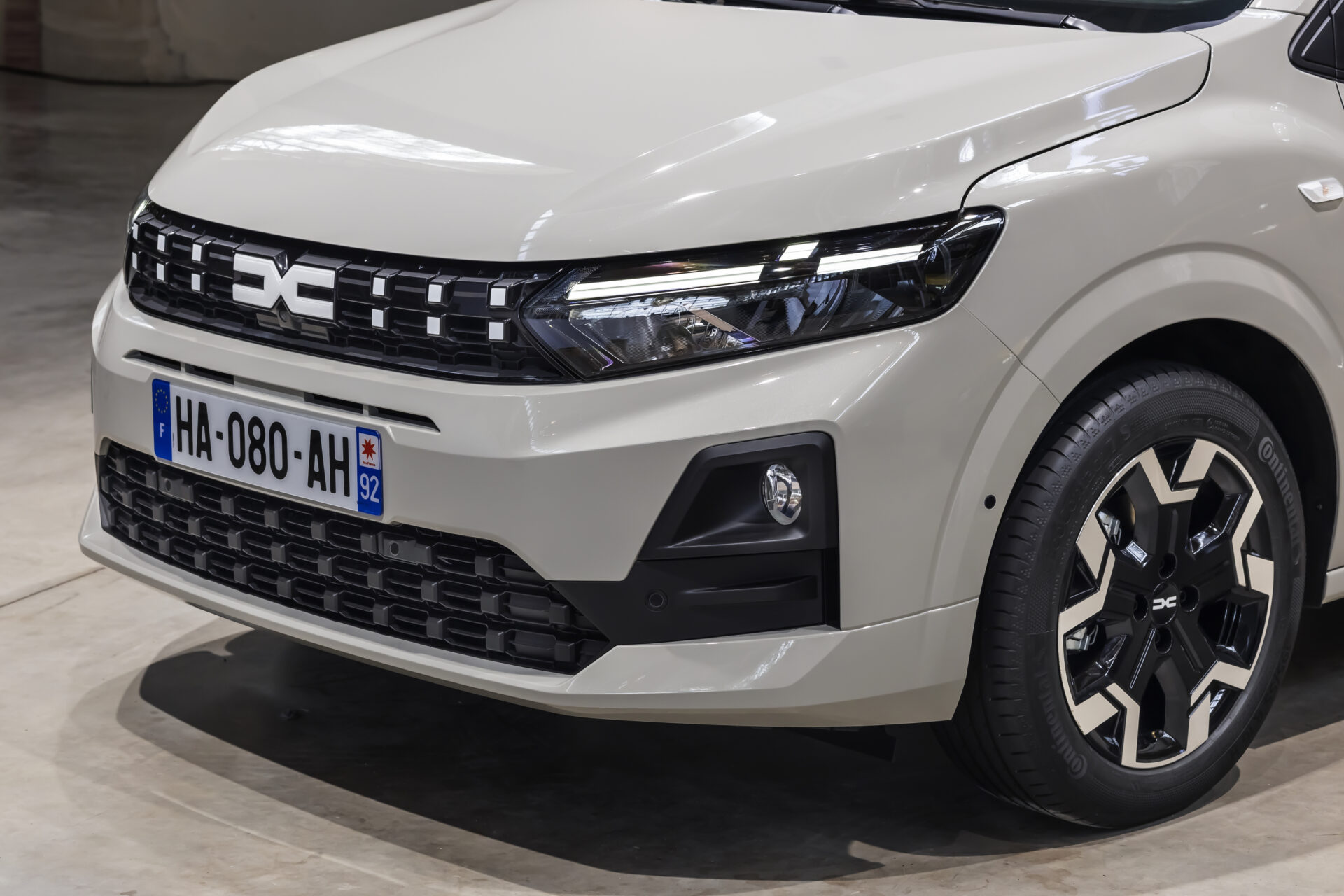
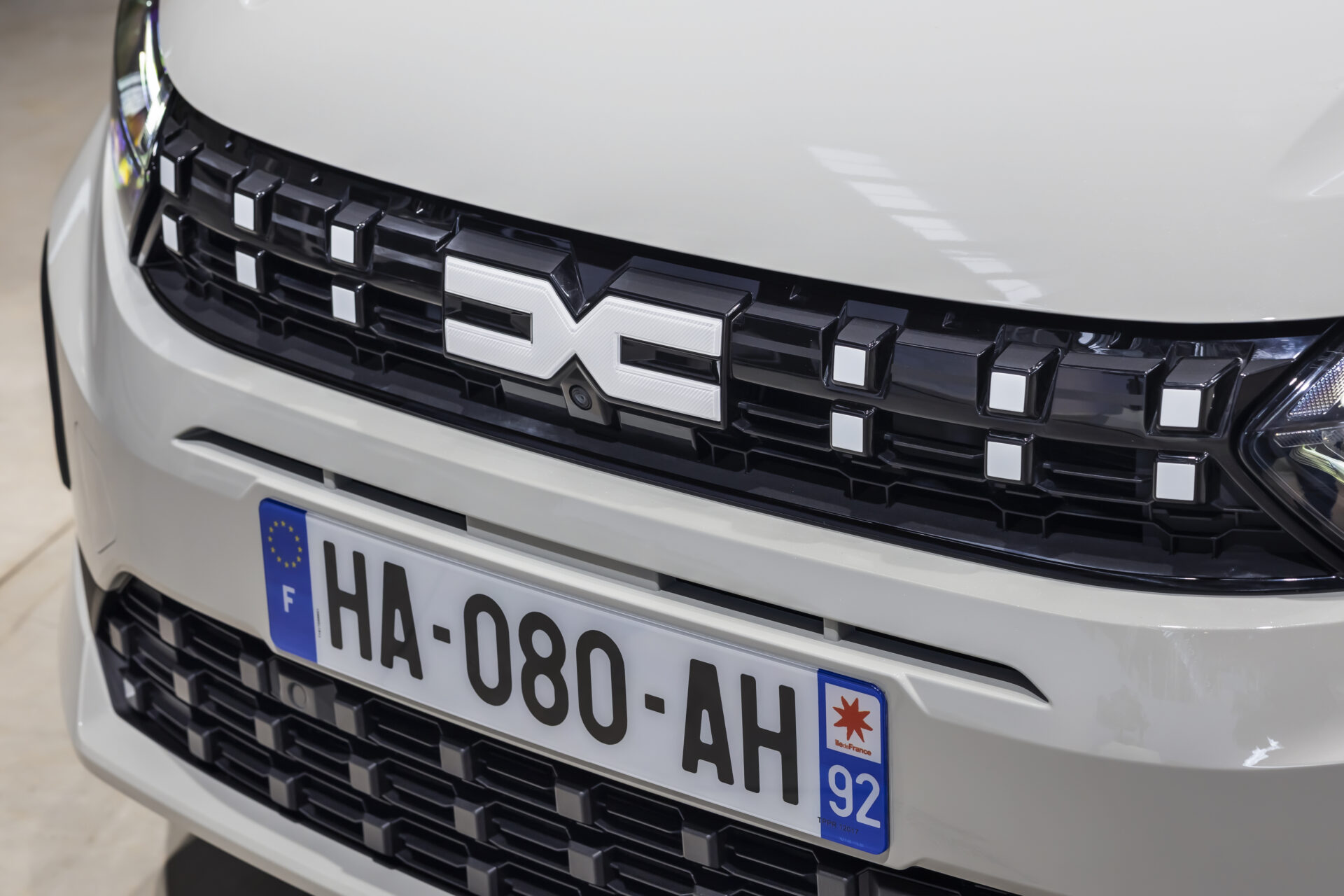
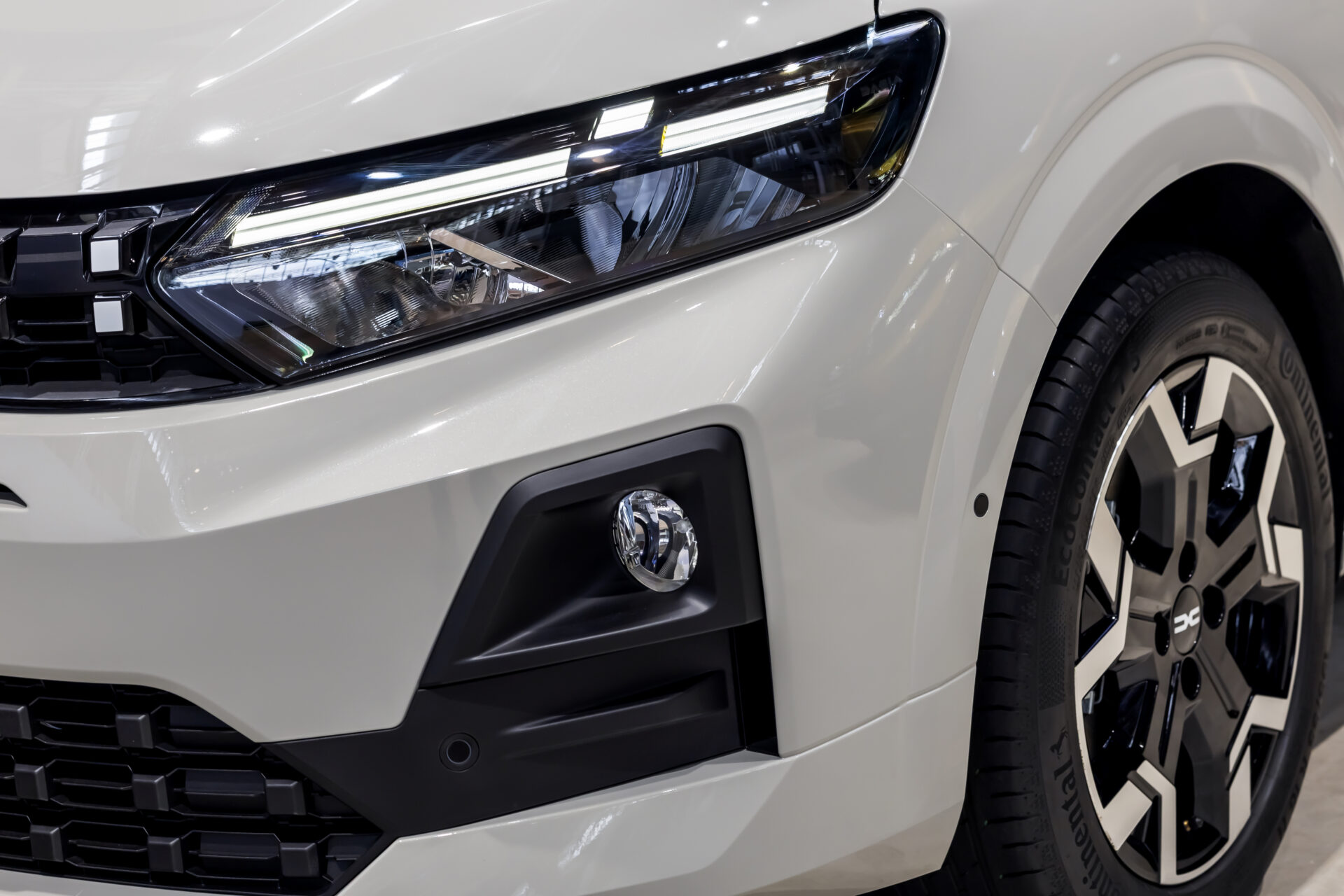
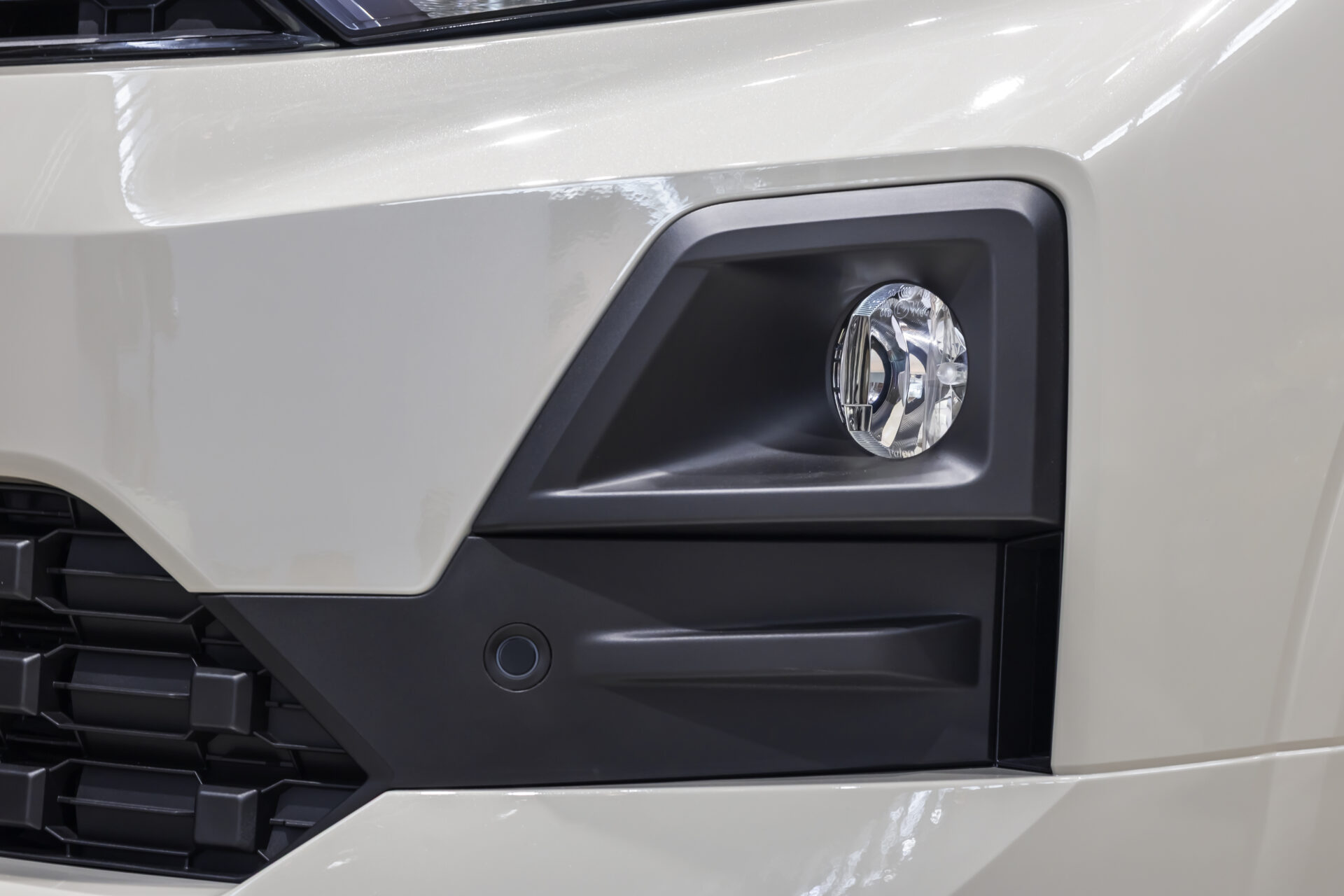
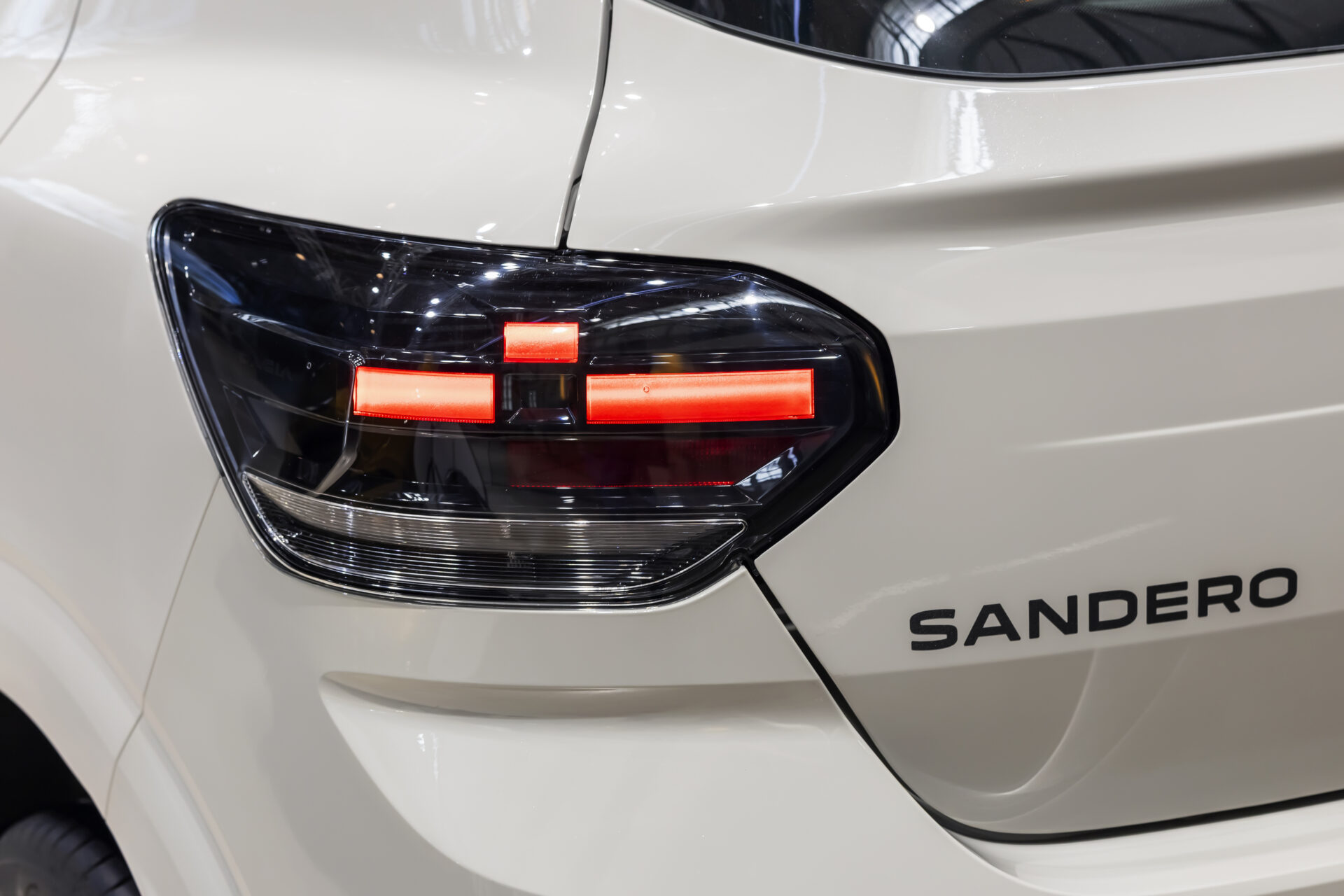
The main visual novelty of this generation is the inverted “T” light signature, positioned above the new headlights and connected to a redesigned grille by a line of white pixels. It is more legible than the previous generation, without being spectacular. At the rear, the LED pixel lights extend the tailgate glass and visually reinforce the model’s stance. The Stepway receives a matt black ribbed strip between the lights and Starkle® protective trim — an unpainted material incorporating 20% recycled plastic, resistant to everyday scratches.
A functional interior, improved
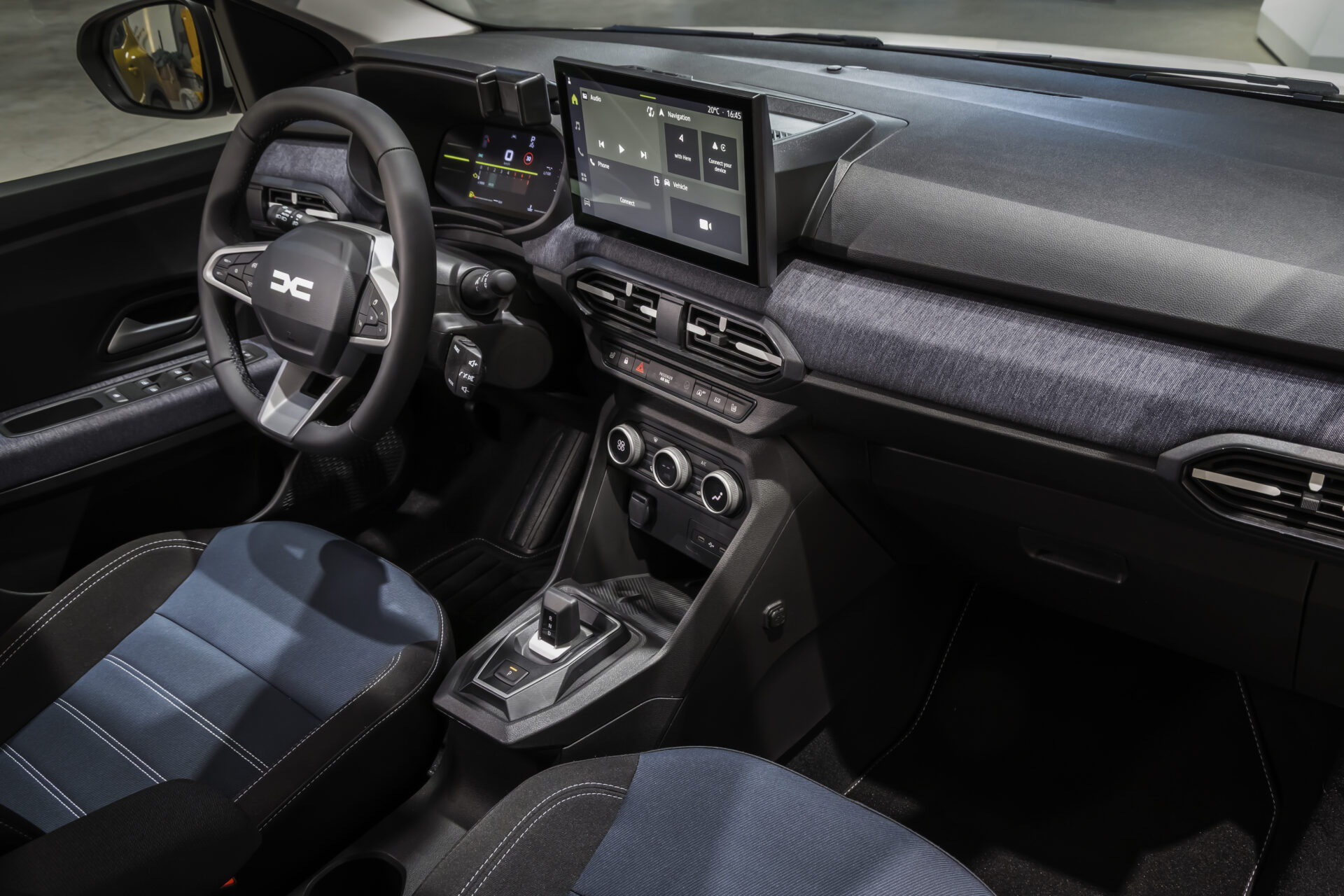
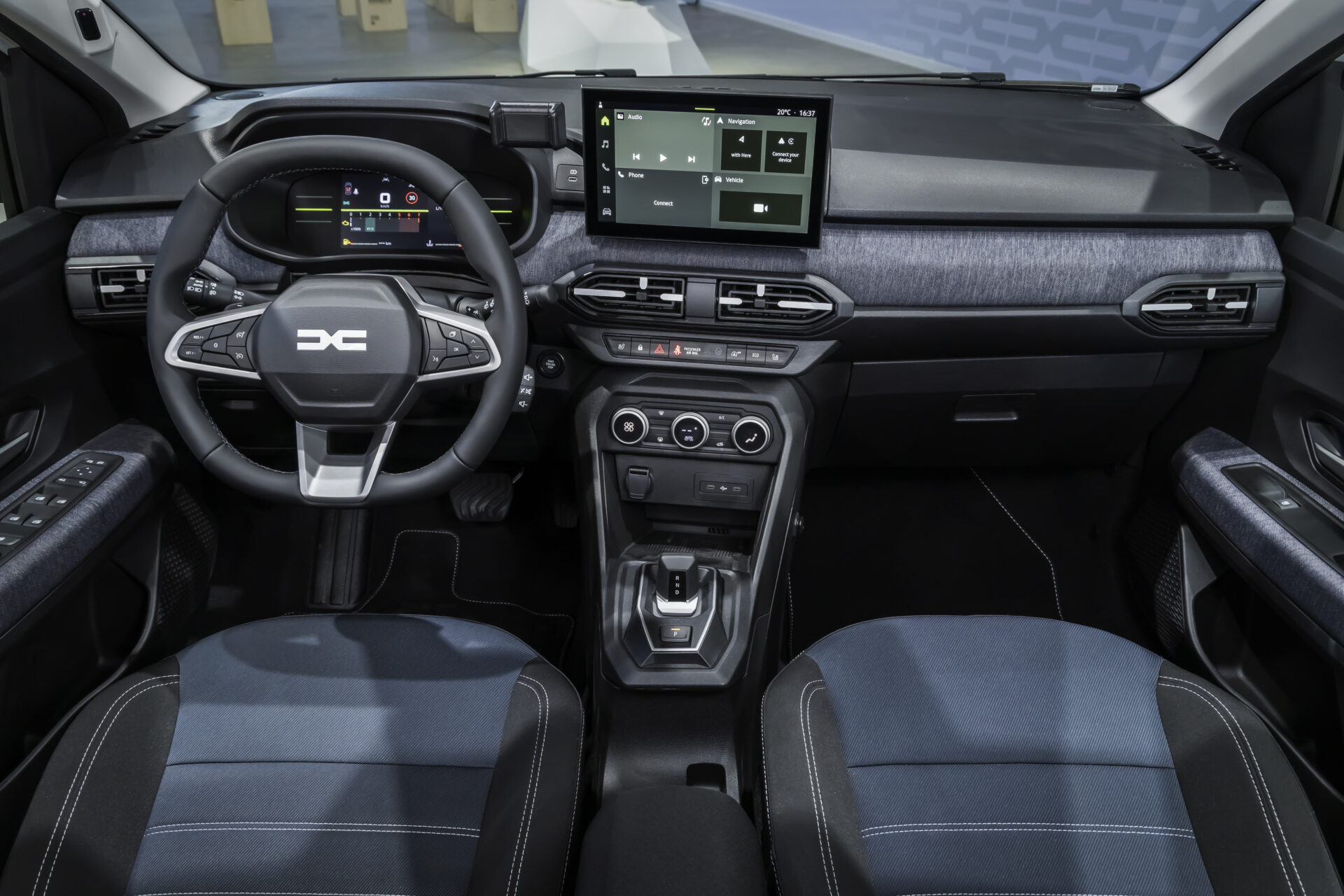
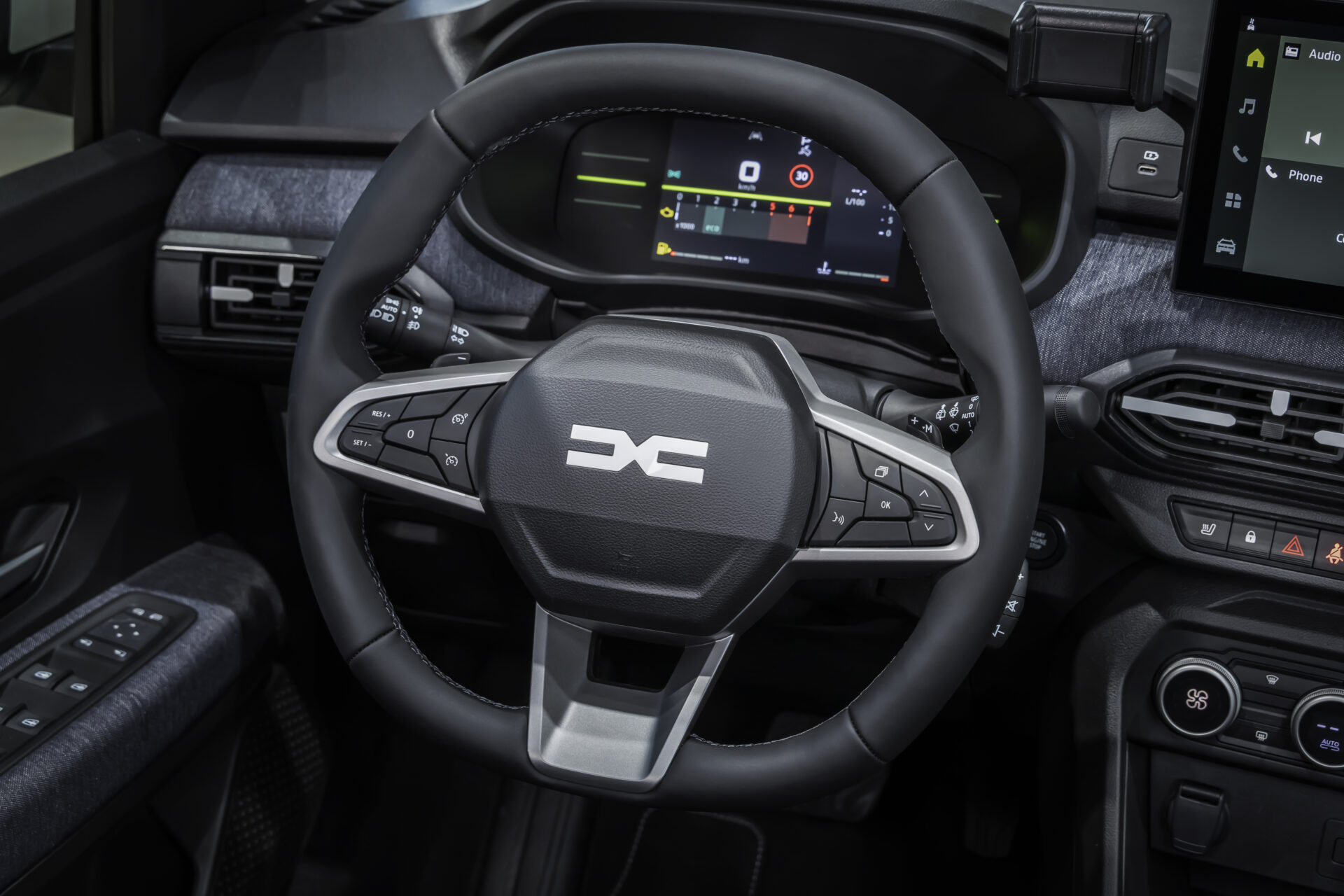
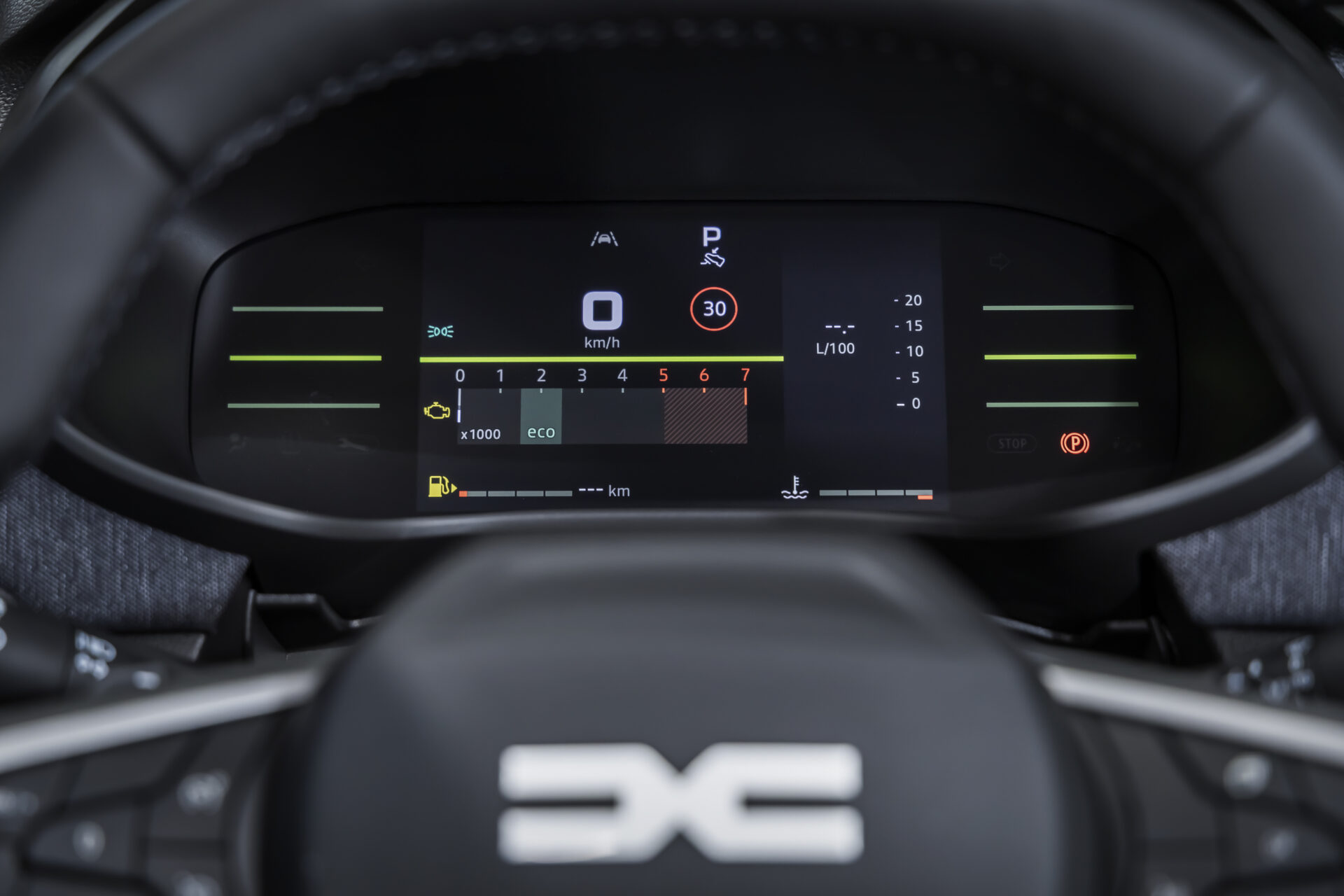
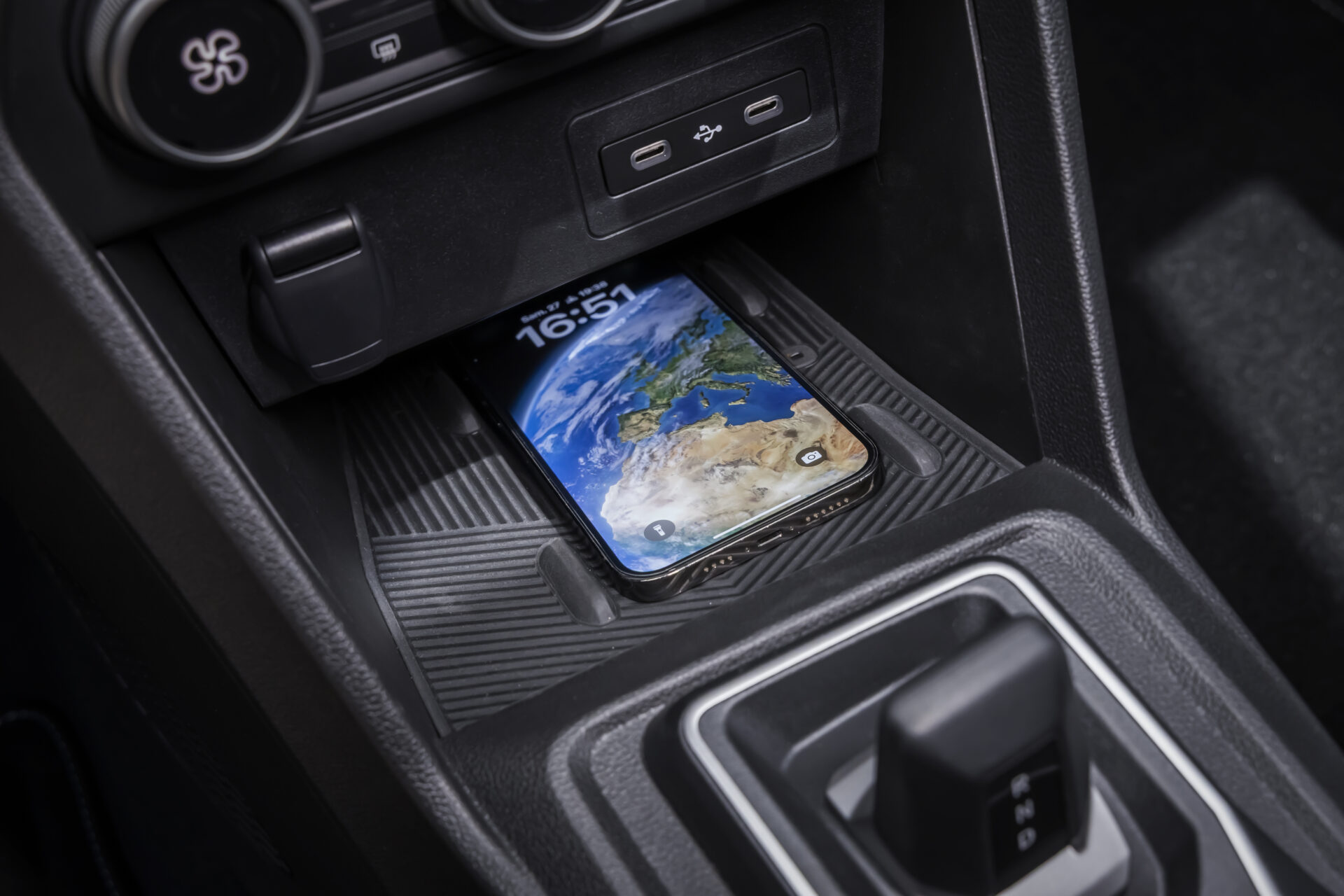
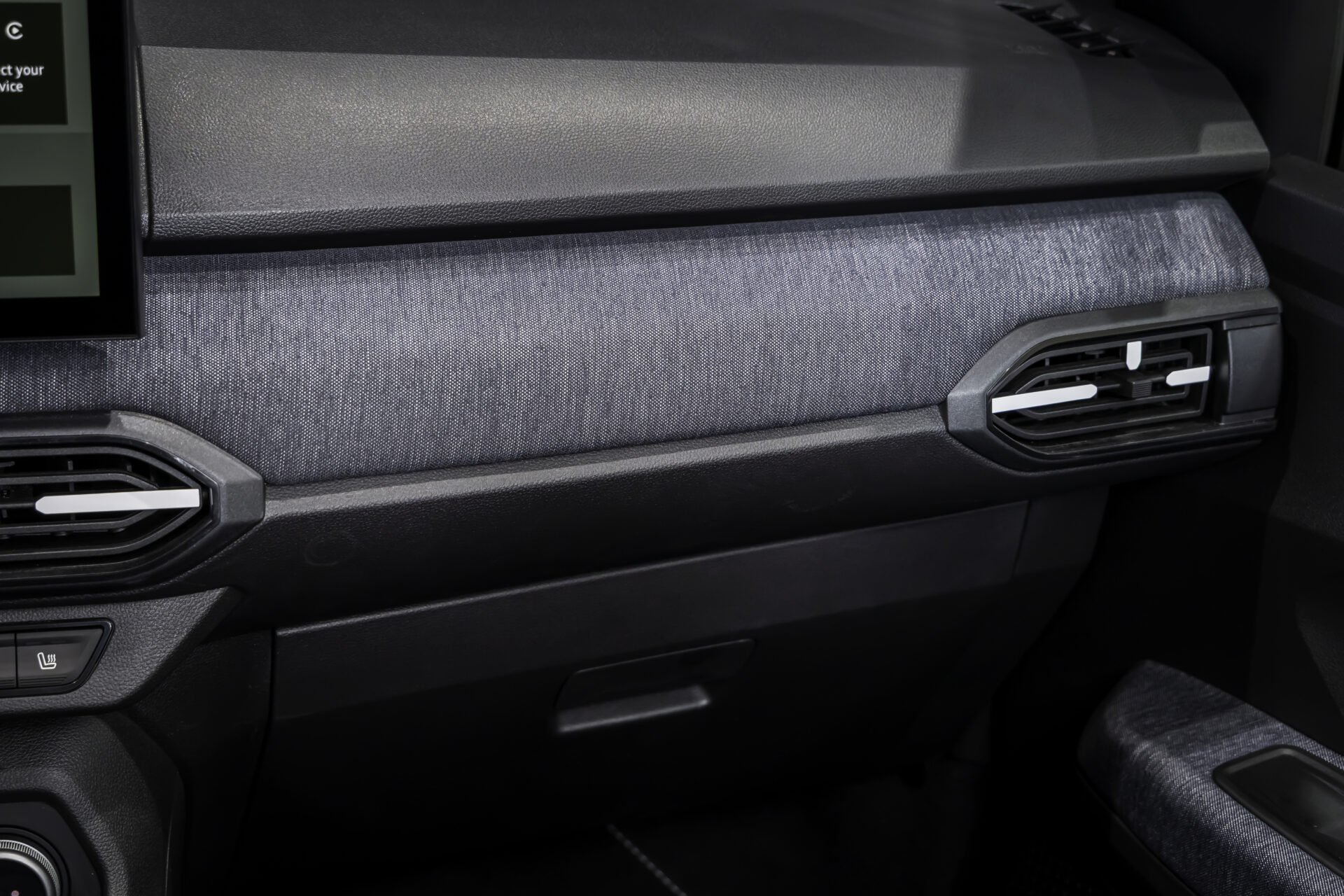
The cabin echoes the “T” motif inside. Materials evolve depending on the trim level, without entirely eliminating the prevalence of hard plastics. The new steering wheel feels better in hand, the central screen grows to 10 inches with connected navigation, and the 7-inch digital instrument cluster has been redesigned. Wireless charging makes its debut. The YouClip system, with up to 5 mounting points, allows practical supports and accessories to be attached. The Sandero measures 4,102 mm in length, with a boot of 372 to 1,152 litres. The Stepway, at 4,099 mm and 201 mm of ground clearance, offers 328 to 1,108 litres.
LPG dual-fuel gets an automatic gearbox
The SCe 65 petrol engine (65 hp, 5-speed manual gearbox, 5.4 l/100 km WLTP) remains the entry-level option. Above it, the new TCe 100 replaces the TCe 90: 100 hp, 6-speed manual gearbox, 5.3 l/100 km, 0 to 100 km/h in 9.7 seconds. On the Stepway, the TCe 110 (110 hp, 200 Nm, 6-speed manual gearbox) achieves 0 to 100 km/h in 10 seconds with consumption of 5.5 to 5.6 l/100 km.
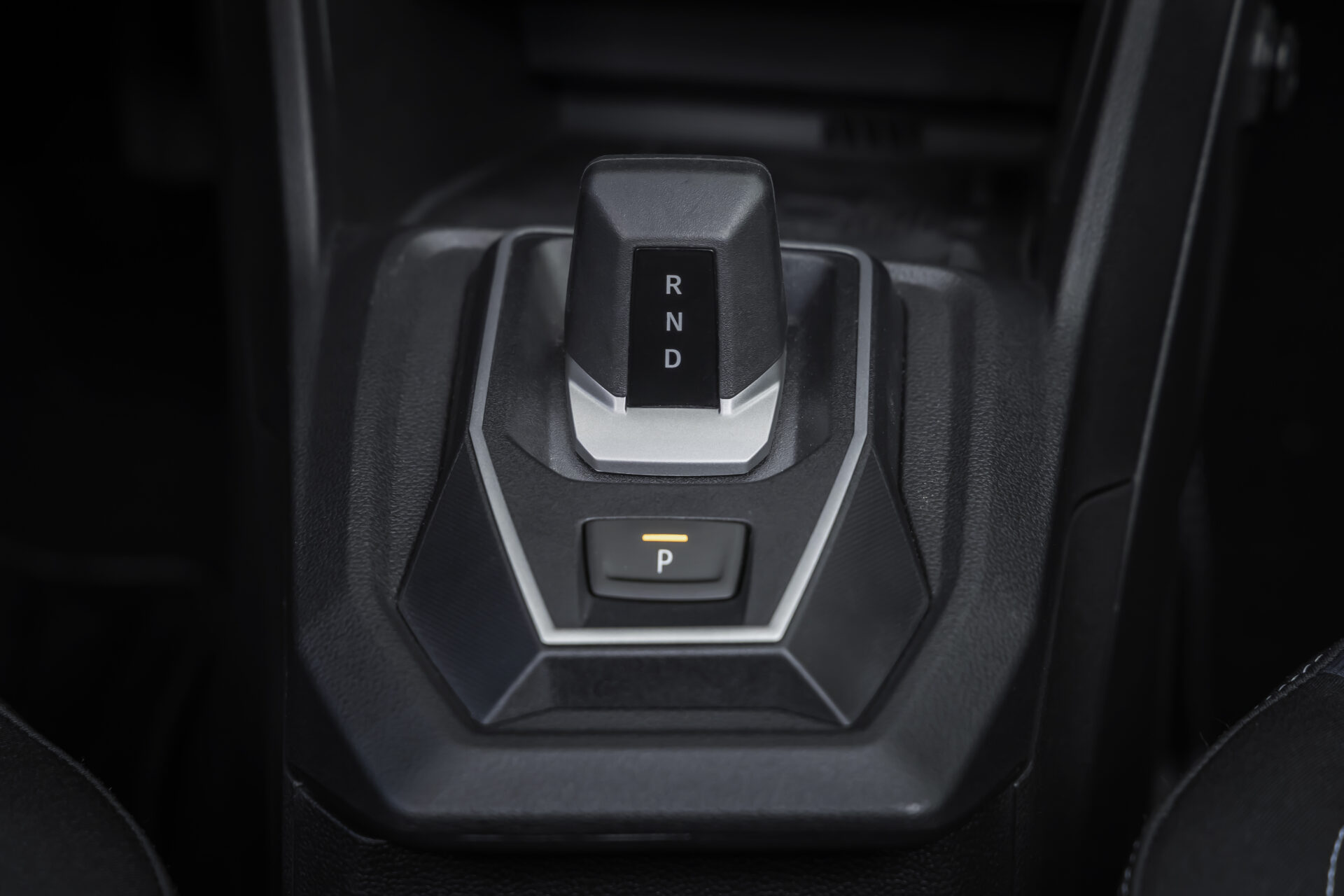
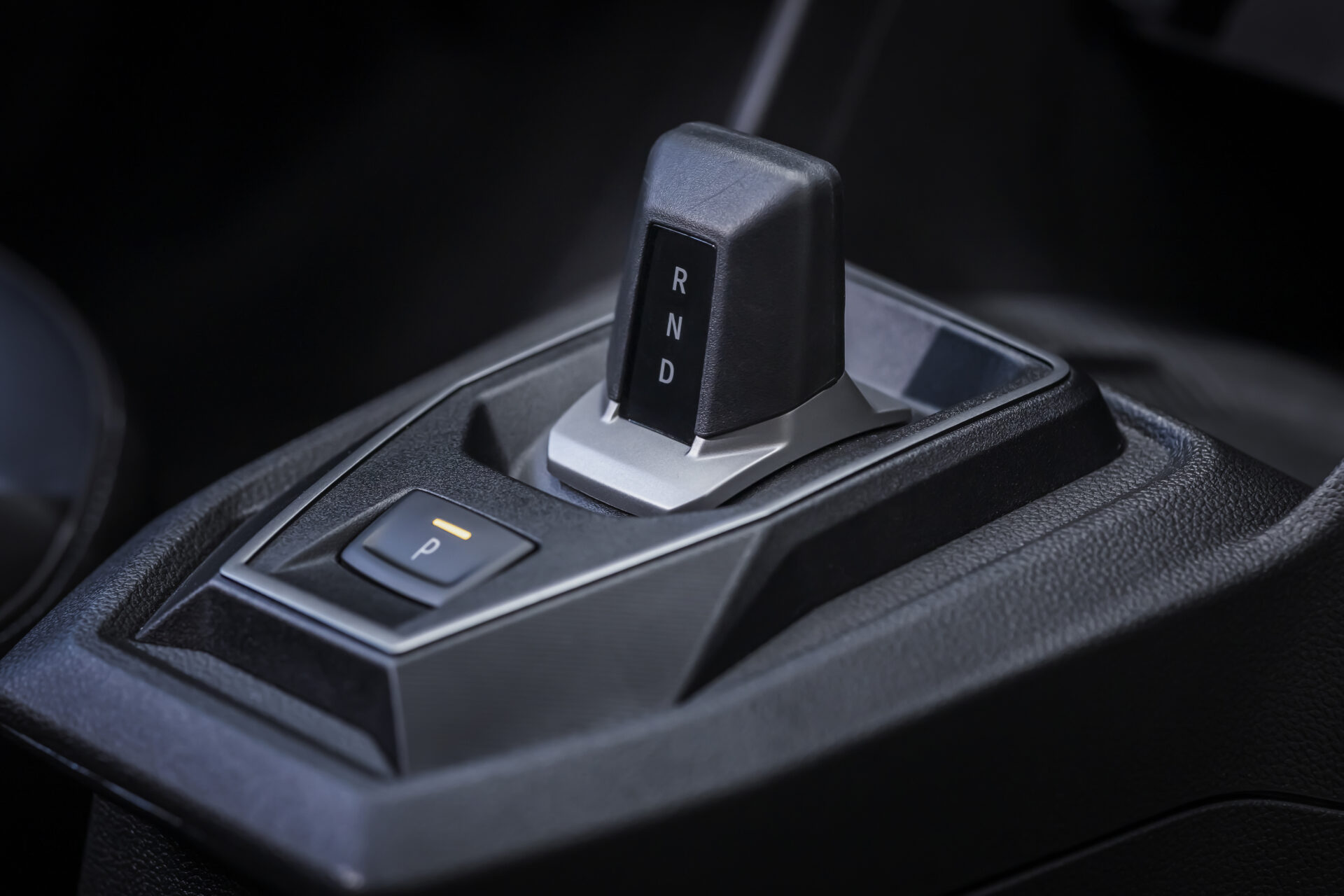
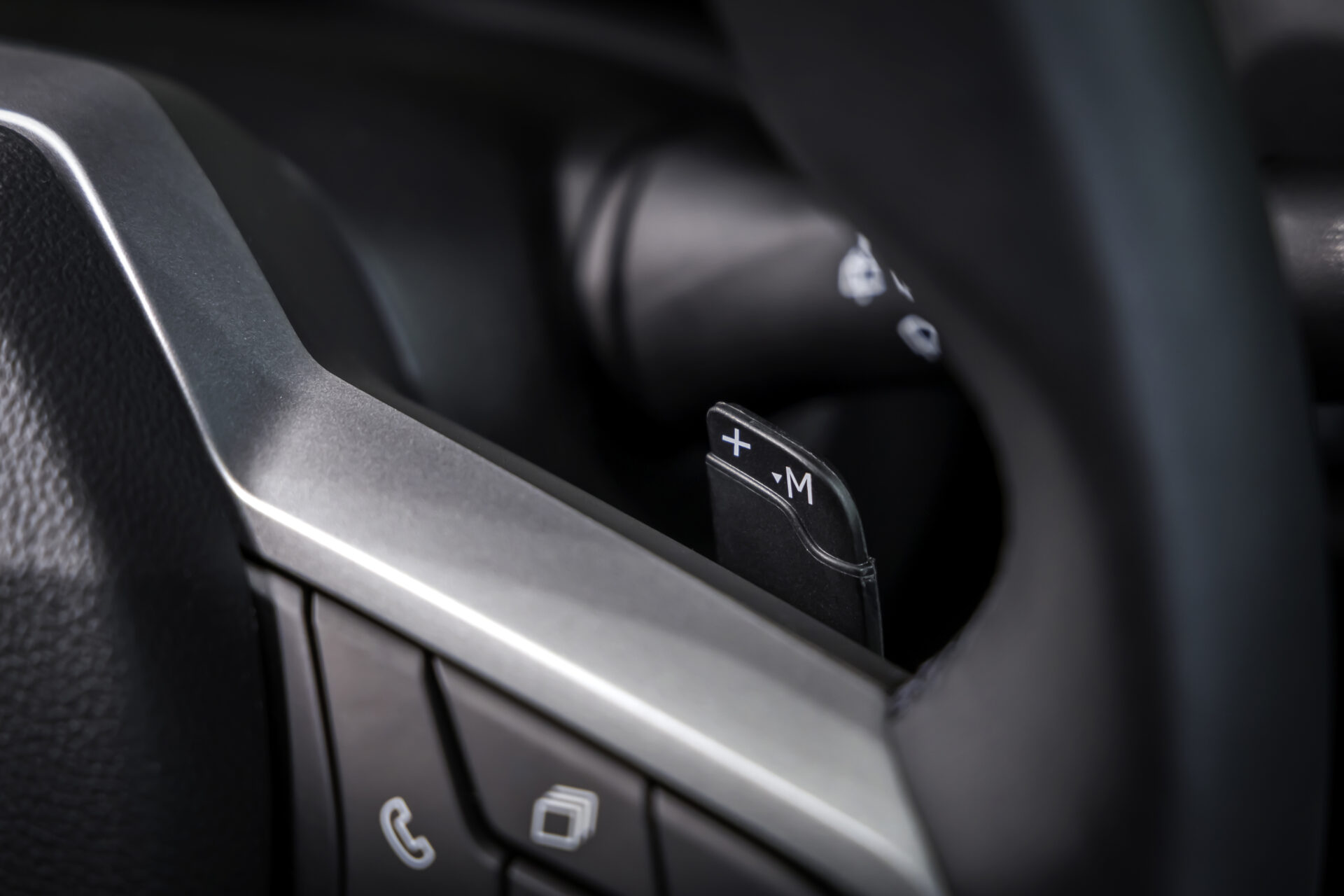
Then comes the Eco-G 120 engine, where LPG dual-fuel gets an automatic gearbox. This is the main technical novelty of this generation. The new Eco-G 120 is a 1.2-litre turbocharged 3-cylinder dual-fuel unit (petrol and LPG) whose output rises from 100 to 120 hp. For the first time, it can be paired with a 6-speed dual-clutch gearbox with steering wheel paddles — a world first for an LPG powertrain. In LPG mode, consumption is announced at 7.2 l/100 km with emissions of 115 g/km of CO₂. Dacia has simultaneously enlarged the LPG tank to 49.6 litres (up from 40 litres previously), increasing range in LPG mode by 20% and bringing the total LPG plus petrol range to 1,590 km. At €0.97 per litre in France for LPG at the end of 2025, the running cost is objectively low. The manual gearbox version remains available alongside.
Finally, the Hybrid 155 engine (109 hp internal combustion + two electric motors, 1.4 kWh battery, 80% electric driving in the city announced, 4.6 l/100 km, 104 g CO₂/km) will not arrive on the Sandero until the end of 2026, exclusively on the Stepway. The Sandero range therefore remains entirely combustion-powered at this stage.
Road behaviour: no surprises, in the best sense
On the road, the Sandero is exactly what it claims to be: manoeuvrable, free of irritation, suited to both city driving and A-roads. The steering is light, the dimensions are easy to place, and noise levels are acceptable on dual carriageways. Nothing remarkable in dynamic terms, but nothing frustrating either. The Eco-G 120 with automatic gearbox brings a fluidity that the manual LPG gearbox could not offer. The switch from LPG to petrol mode occurs without any perceptible jolt. The Stepway, with its 201 mm ground clearance, absorbs poor road surfaces better. It makes no claim to serious off-road capability, but manages basic tracks honestly. Braking is adequate, cornering behaviour predictable.
Driver assistance: the regulatory minimum, plus a few useful options
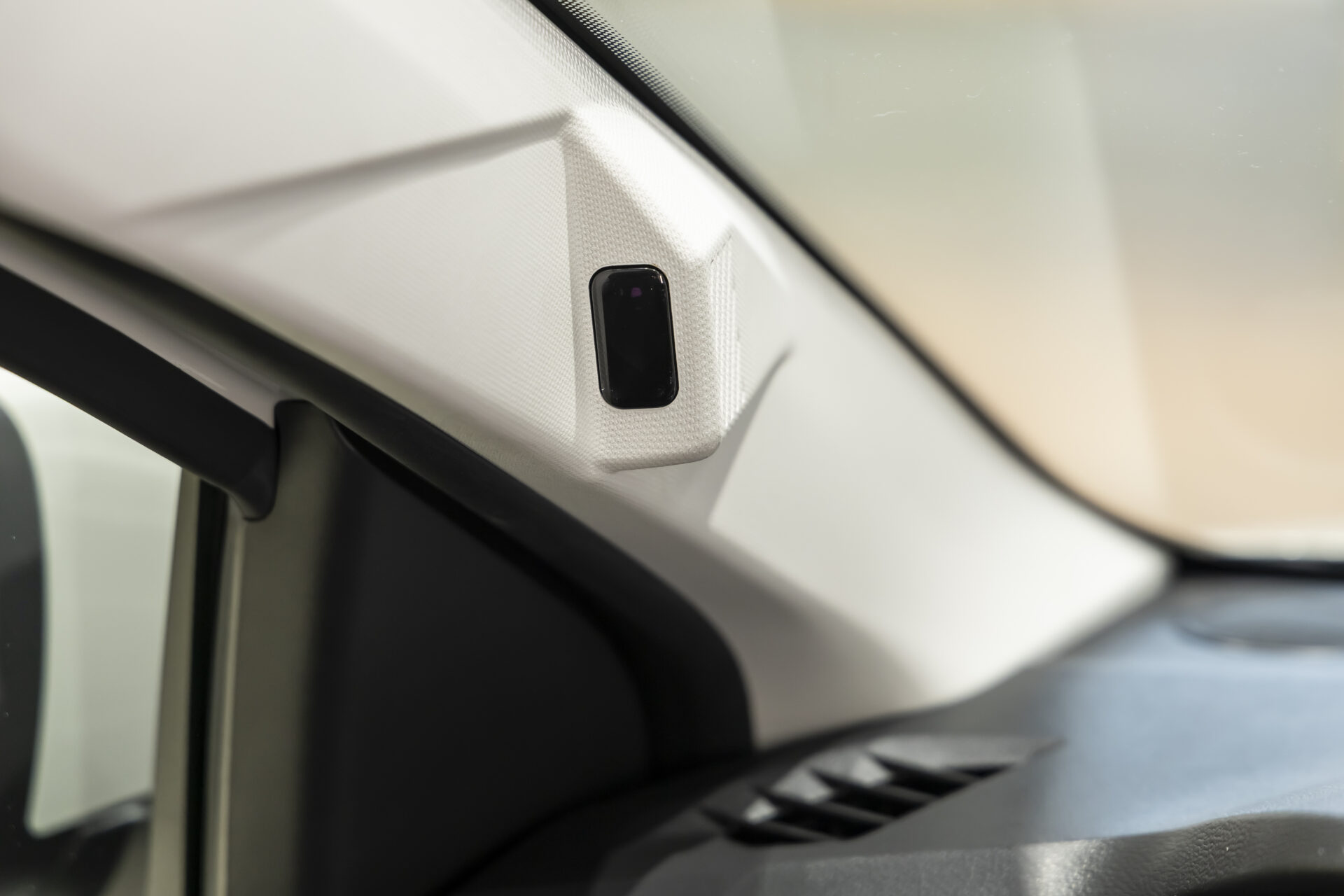
The update incorporates the aids now mandatory in Europe: automatic emergency braking (detecting vehicles, pedestrians, cyclists, motorcycles in urban areas) and driver attention monitoring. As options: automatic headlights, multi-view camera, electrically folding mirrors. These features are not new in other segments — their presence at this price level is more noteworthy.
No 100% electric version
The absence of a 100% electric version of the Sandero is a genuine blind spot. The Spring covers this need within the Dacia range, but not with the same dimensions or versatility. For drivers in restricted traffic zones or those simply convinced by fully electric motoring, the Sandero does not answer. Perceived interior quality is improving, but hard plastics remain omnipresent. Compared with a Volkswagen Polo or certain entry-level Korean models, the gap in finish is noticeable. The technological specification is deliberately limited — no semi-autonomous driving, no head-up display — which is consistent with the positioning but may disappoint. Lastly, the automatic gearbox is reserved exclusively for the Eco-G 120 version; buyers of the TCe 100 do not have access to it.
A strong financial argument
The price-to-feature ratio remains the central argument, and it holds: starting from €12,561 (SCe 65), €13,900 (TCe 100) and €17,105 (Eco-G 120 auto), Dacia offers interior space, boot volume and safety equipment that the direct competition struggles to match at an equivalent budget. The Eco-G 120 with automatic gearbox is technically unprecedented in the category — a world first for the dual-clutch gearbox on LPG, an enlarged tank and 1,590 km of total range. For high-mileage drivers, the economic argument is hard to ignore. The Stepway also benefits from a credible outdoor identity.
Conclusion
This new Sandero does what was expected of it: it improves what already worked. The design is more coherent, the powertrains better calibrated, and the equipment brought in line with new European standards. The Eco-G 120 with automatic gearbox is the real novelty of this generation — a rational proposition with no direct equivalent in the category. Beyond that, Dacia has not taken any risks. No electric version, no technological leap, no repositioning. This is deliberate. Faced with competition that is rising in price and complexity, the Sandero retains its advantage by remaining simple and affordable. It should be noted that the Stepway is set to evolve further in late 2026 with the arrival of the Hybrid 155: to be reassessed at that point.
3 strengths / 3 weaknesses
Strengths:
- The price
- 1,590 km of total range
- LPG engine. The fuel is less widely available in Luxembourg but accessible in France — a good alternative for cross-border commuters.
Weaknesses:
- No 100% electric version
- Perceived interior quality still too focused on ruggedness: hard plastics omnipresent
- Automatic gearbox reserved exclusively for the Eco-G 120 version
Technical specifications:
Eco-G 120 (LPG/petrol dual-fuel, 6-speed DCT automatic)
- Power: 88 kW / 120 hp — Torque: 200 Nm
- Consumption: 7.2 l/100 km LPG (WLTP) | ~5.4 l/100 km petrol
- CO₂: 115 g/km (LPG, WLTP) | ~123 g/km (petrol)
- Total LPG + petrol range: 1,590 km (49.6 L LPG tank + petrol)
- Starting price: from €17,105