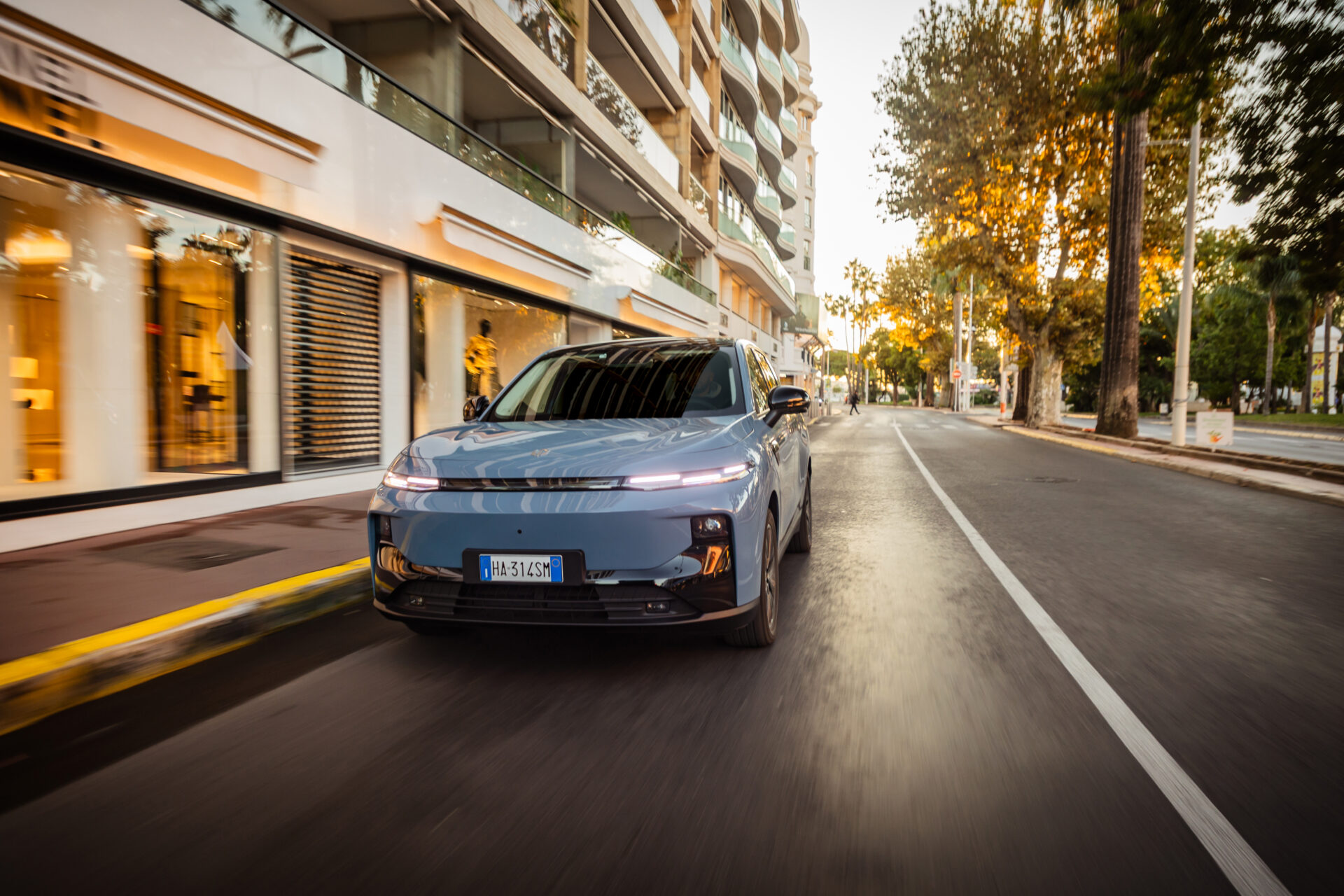
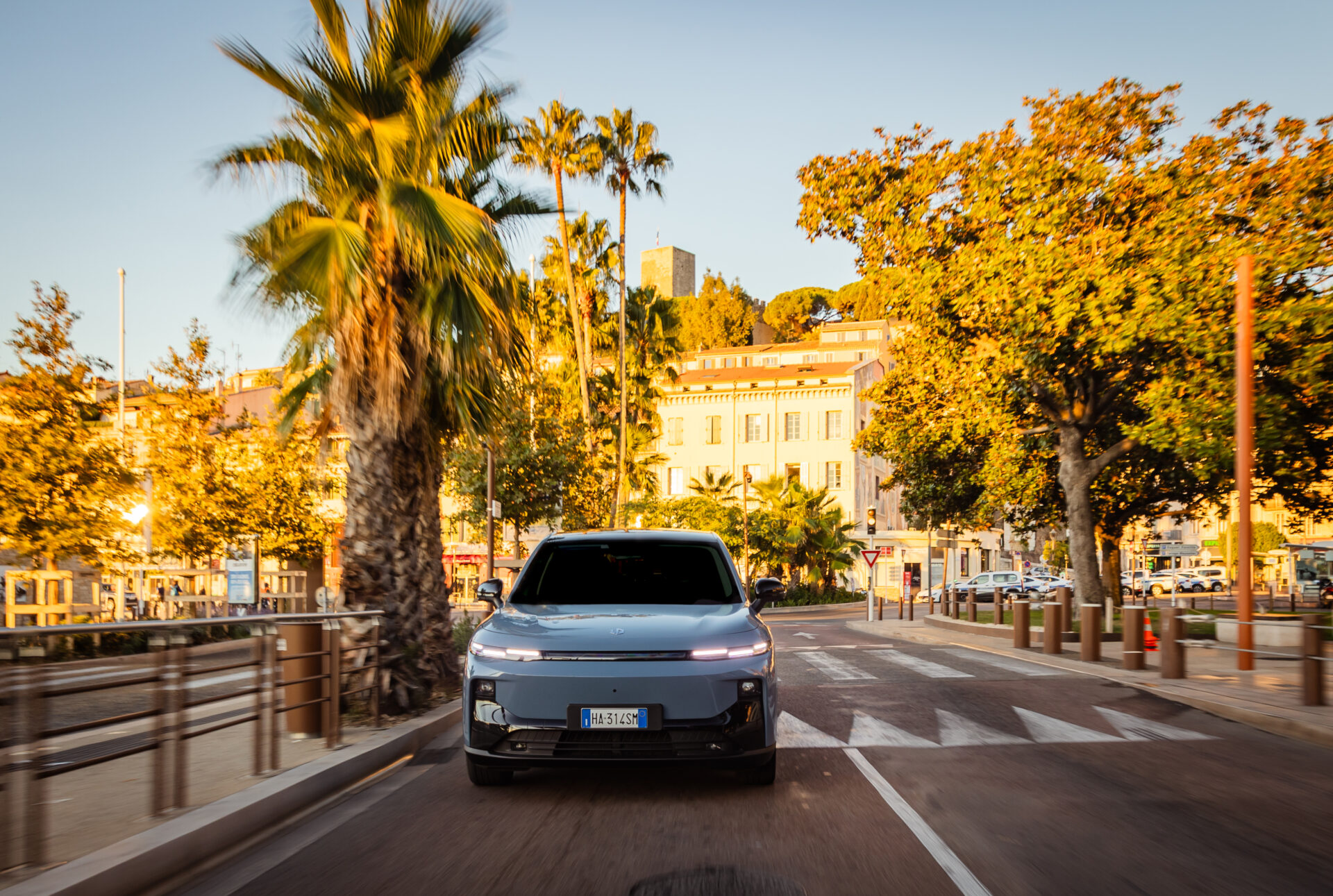
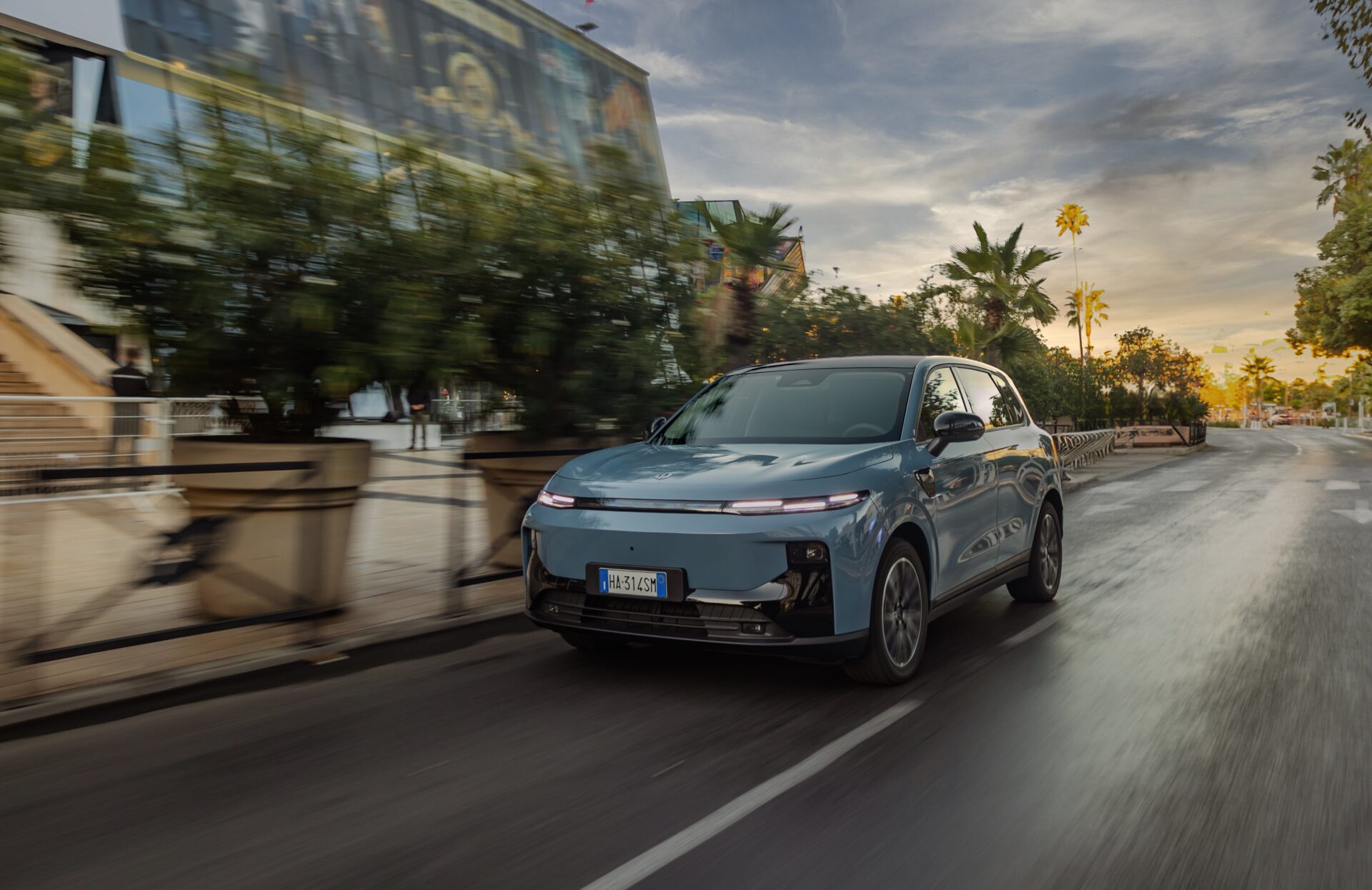
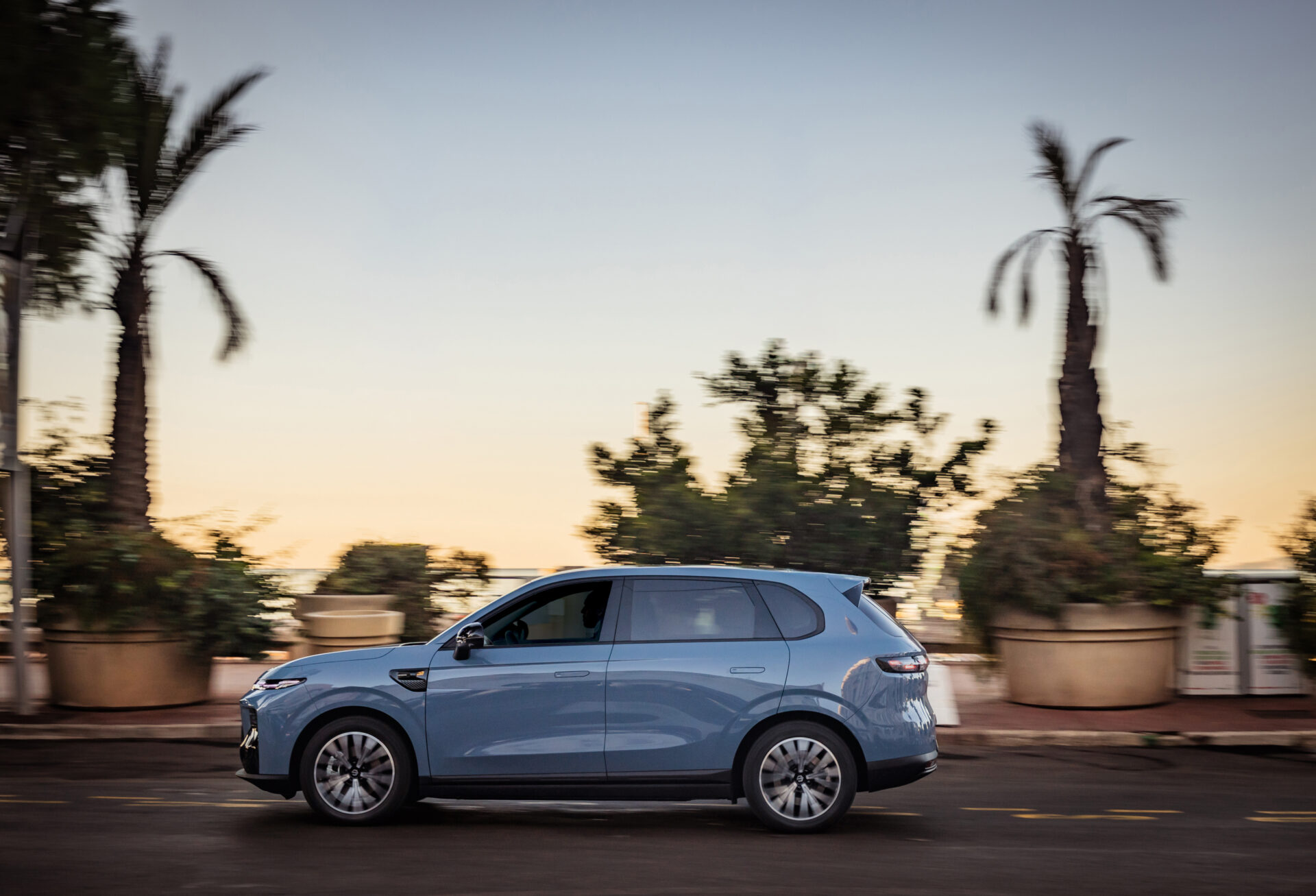
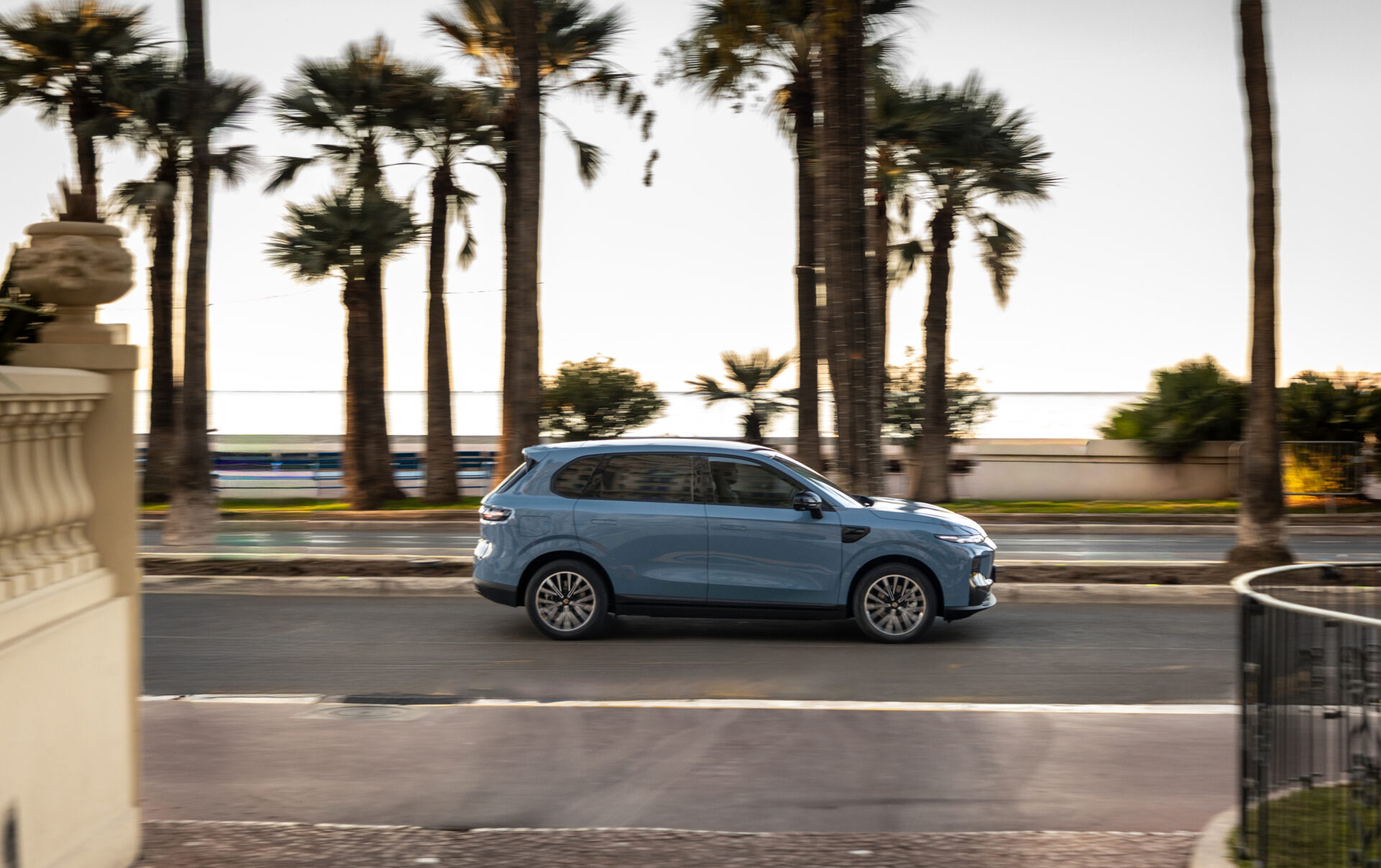
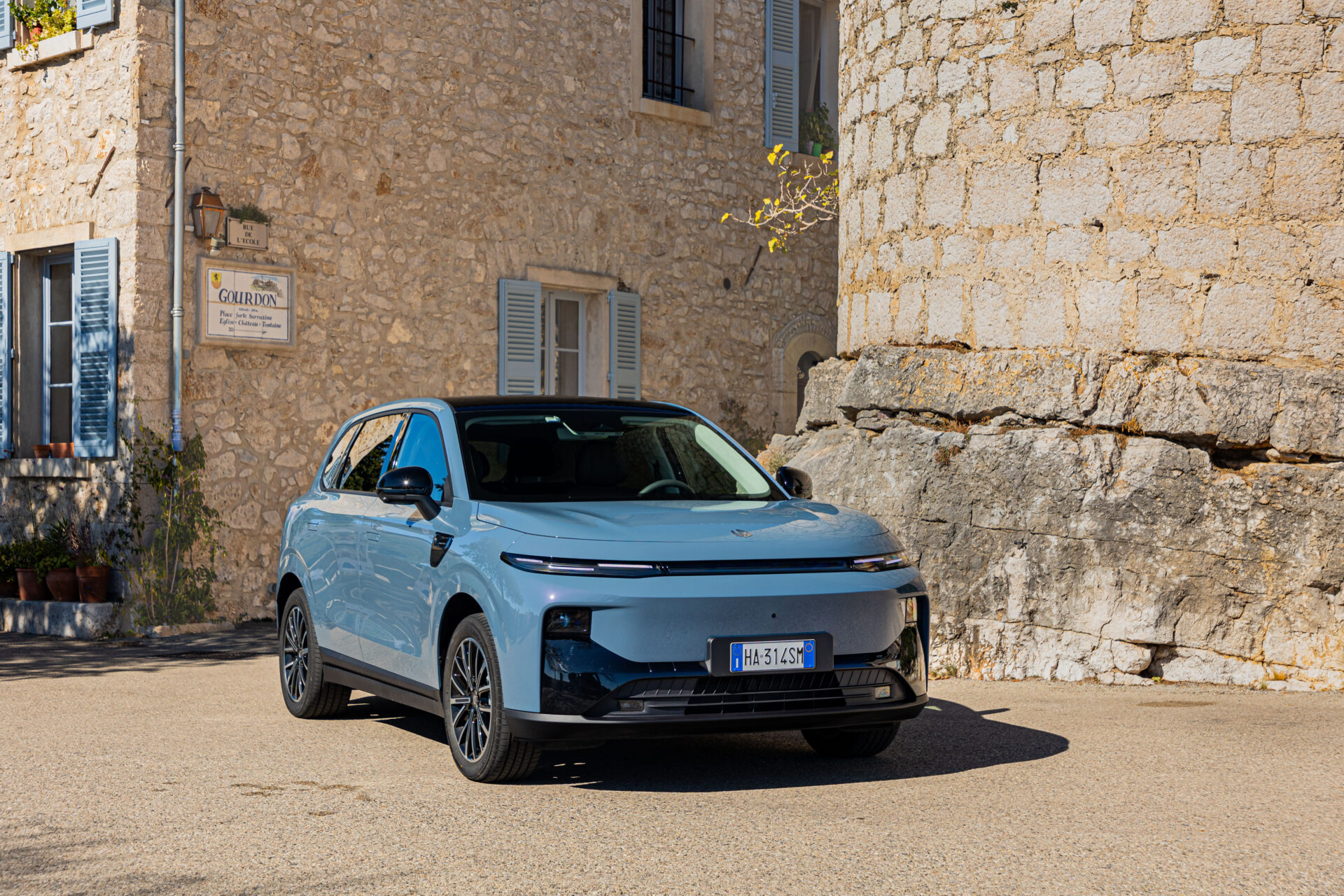
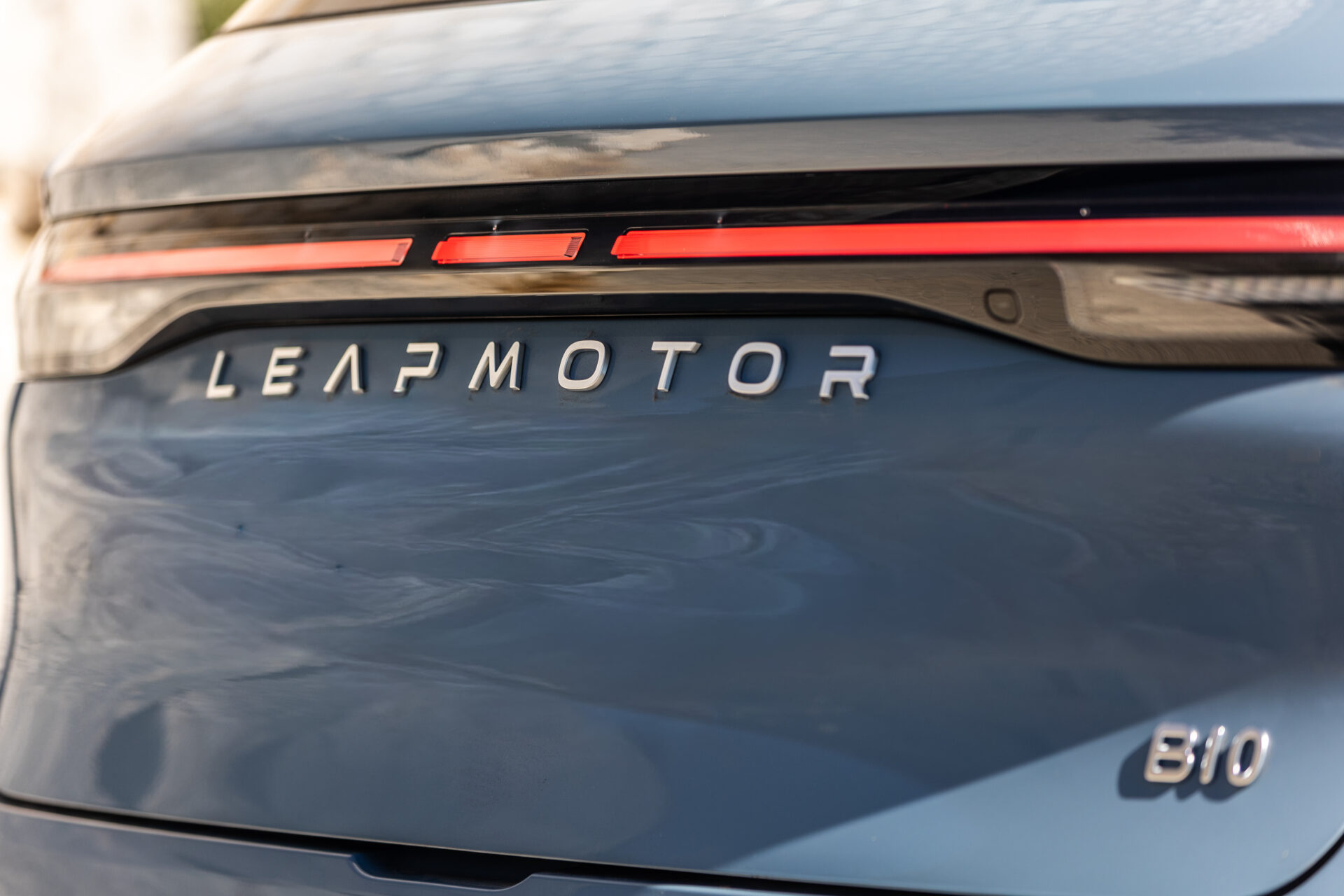
The Chinese electric vehicle startup company Leapmotor has just launched its B10: an electric, affordable, tech-packed, mid-sized SUV.
Meet the B10, Leapmotor’s foray into the C-segment. Representatives of Leapmotor International – a joint venture between the automaker Stellantis and the Chinese electric vehicle startup Leapmotor – have described the B10 as the “most European” of Chinese SUVs. It’s been thought of and conceived for the European market, with Chinese and European teams collaborating together on its design.
Visual identity
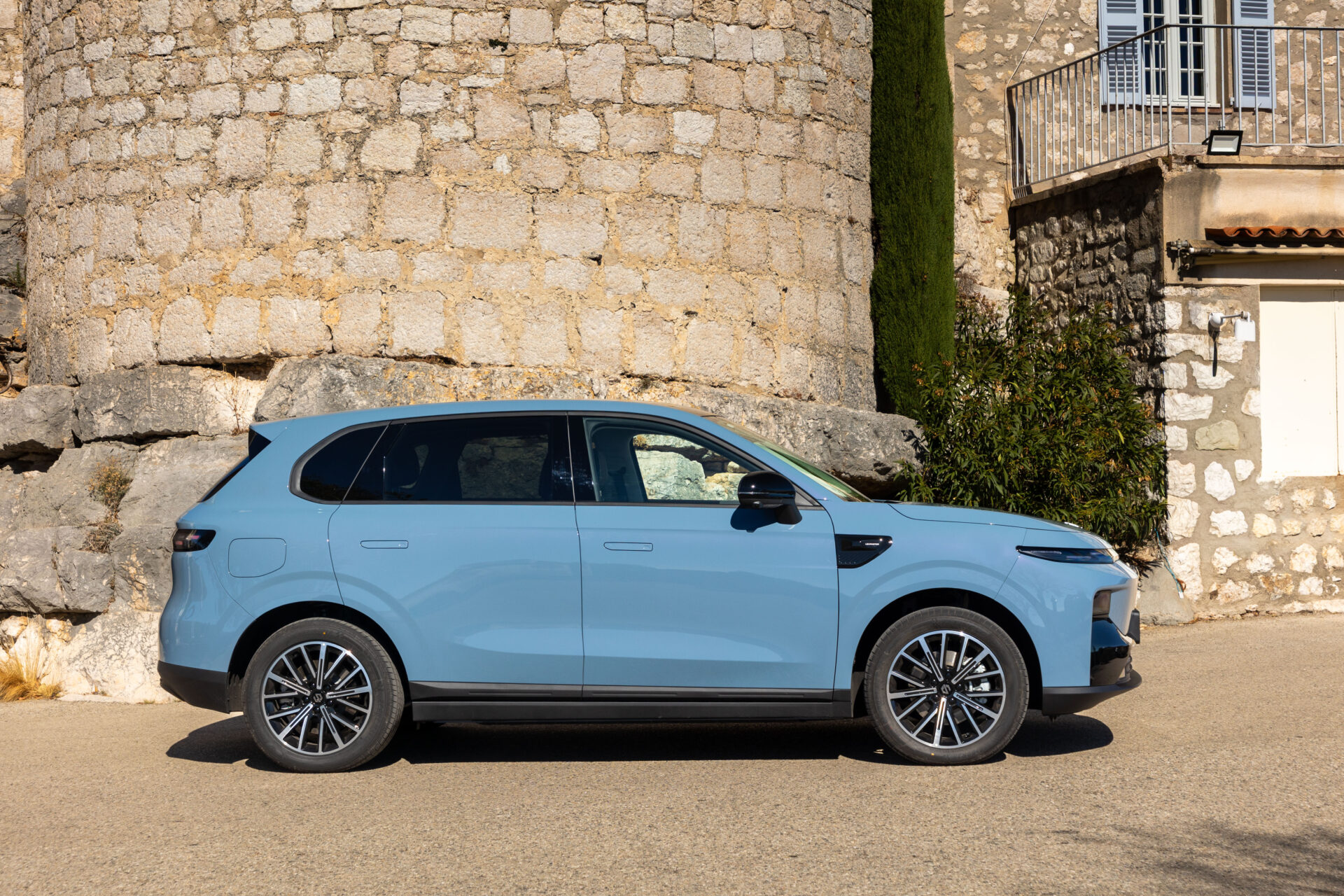
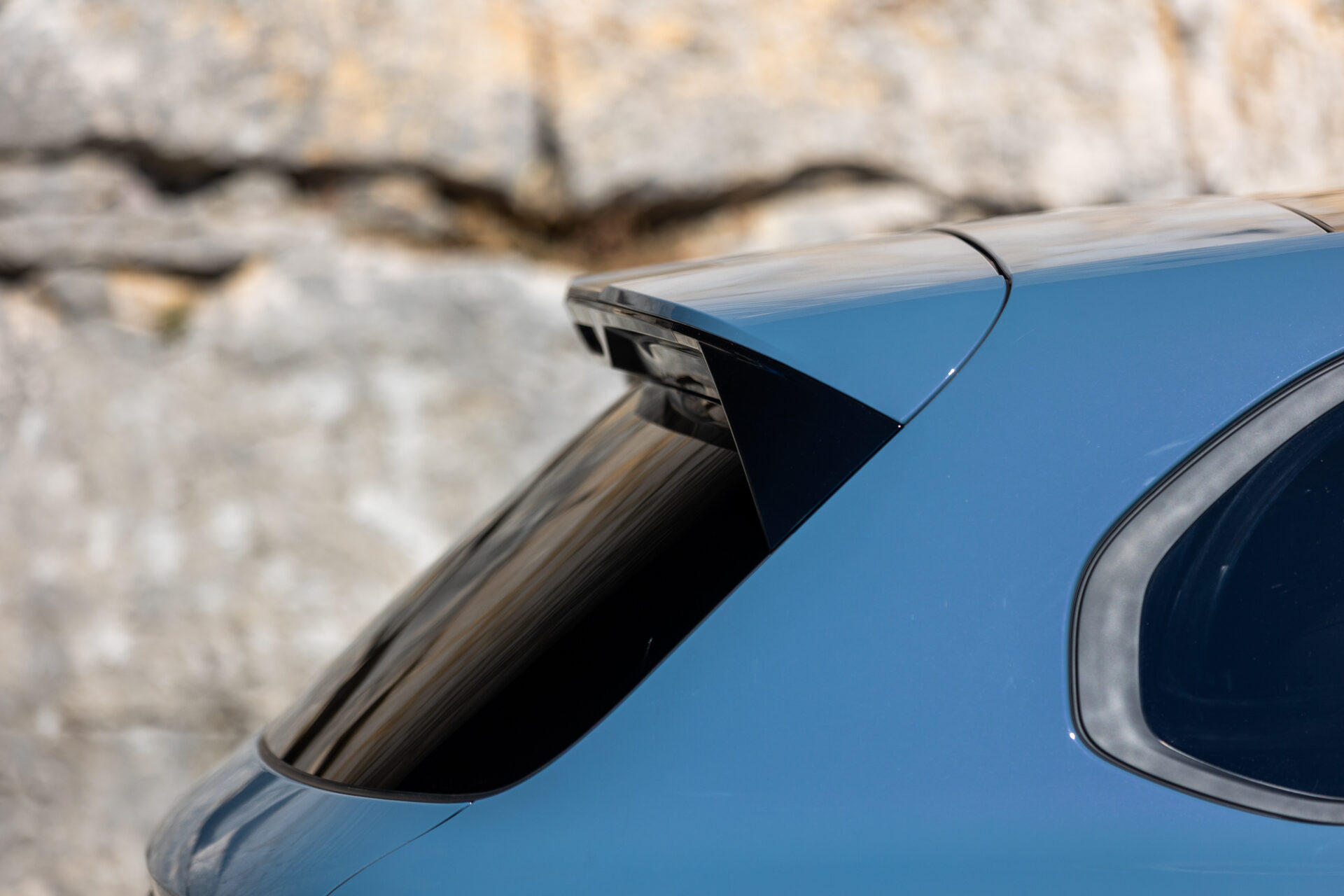
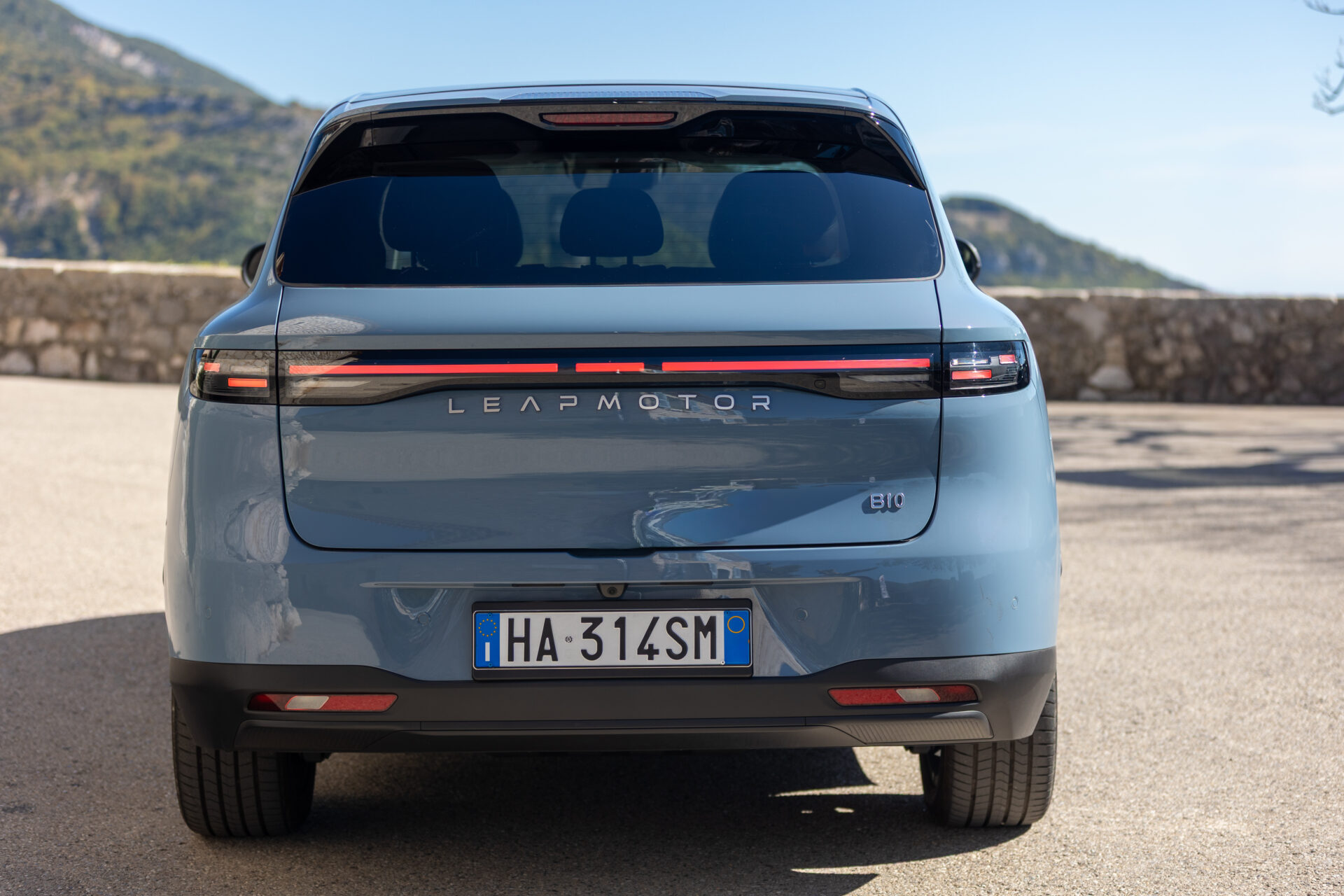
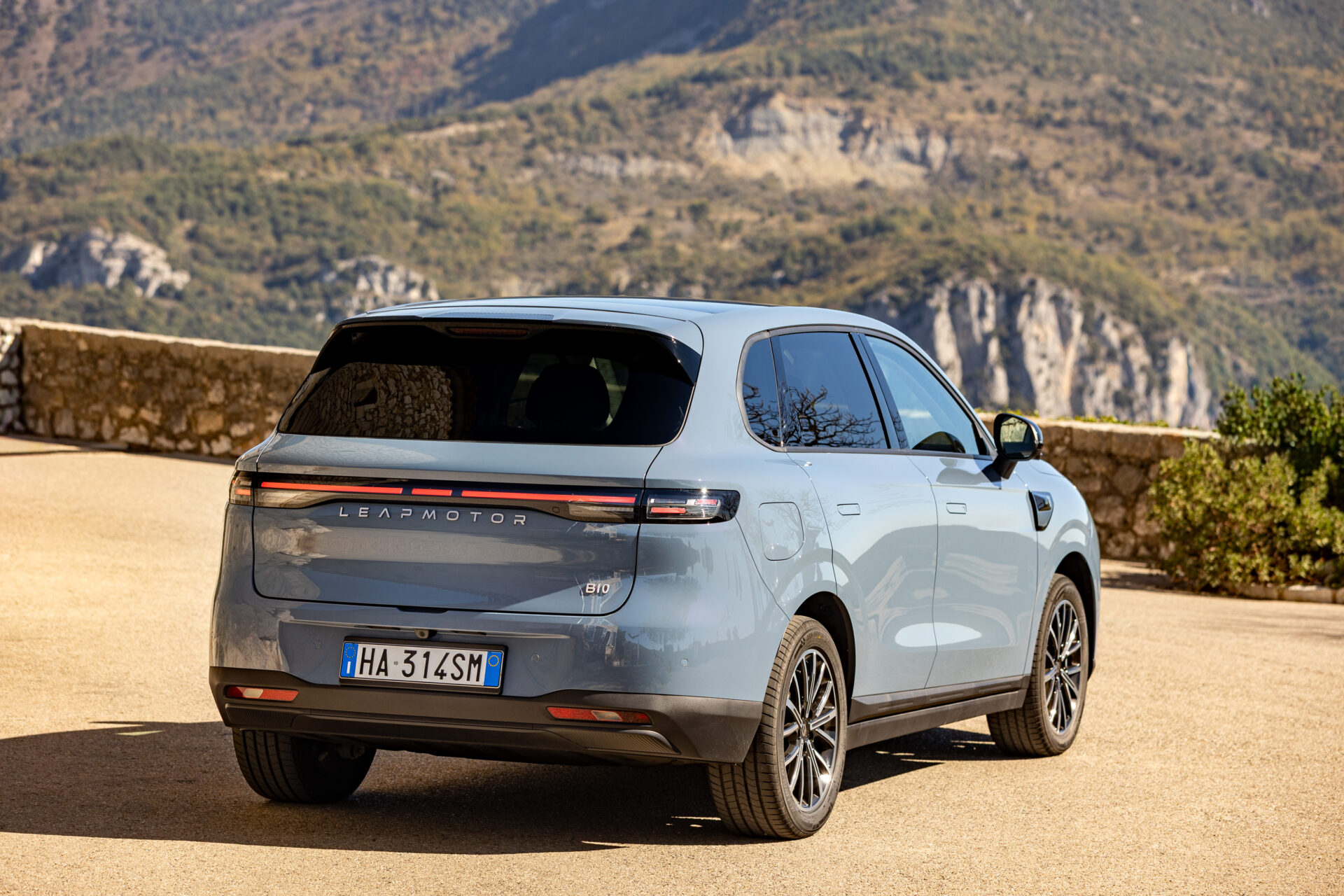
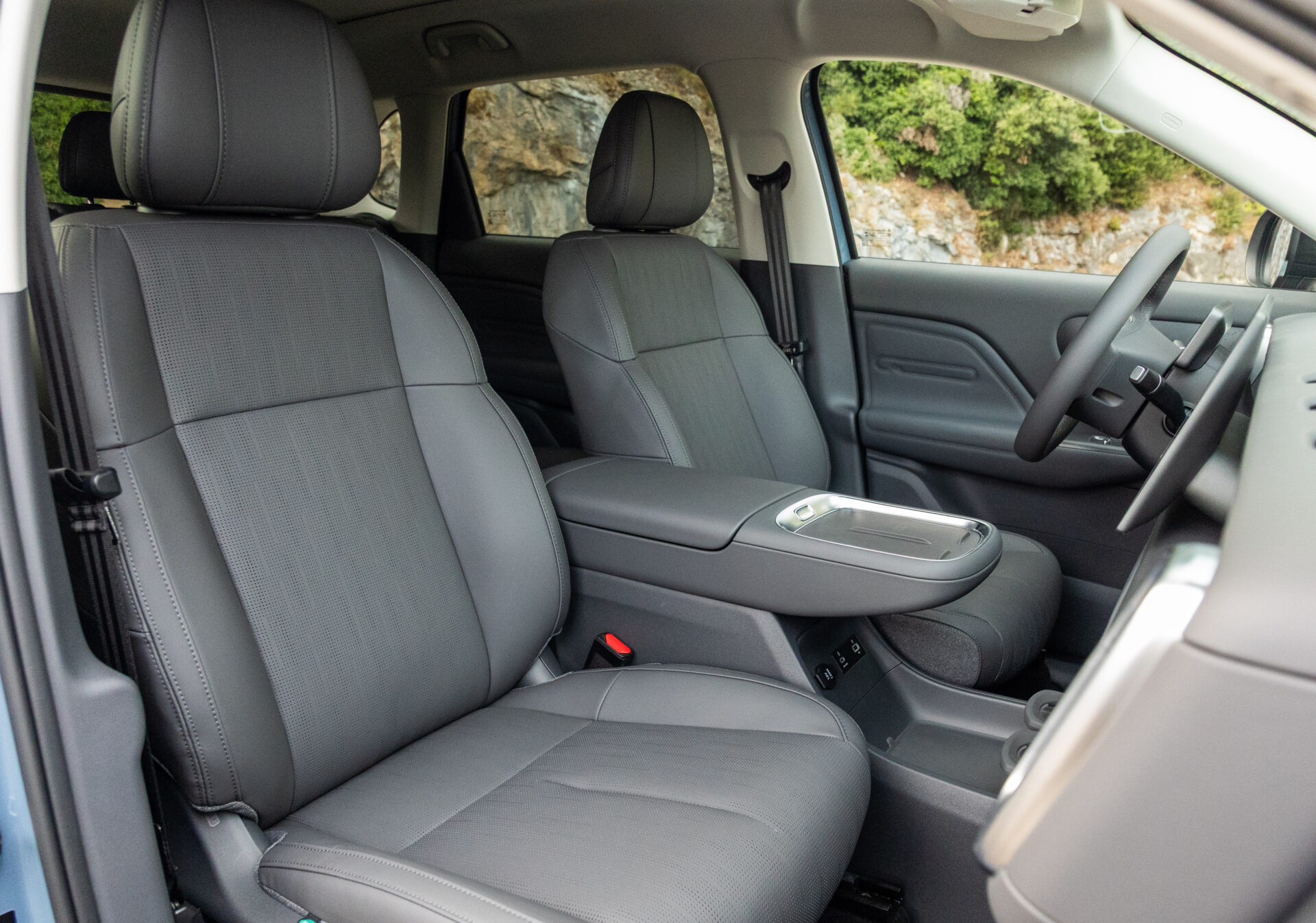
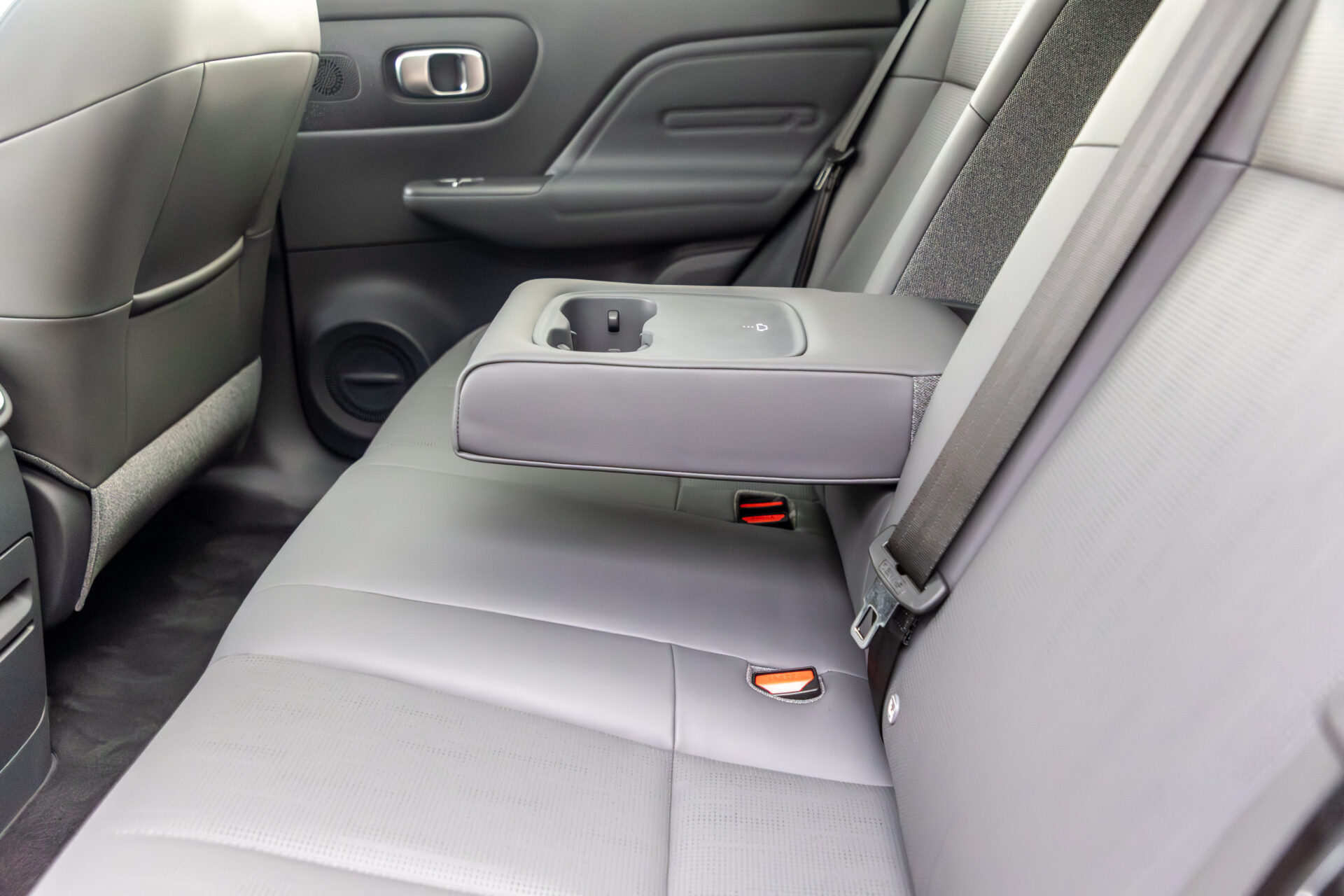
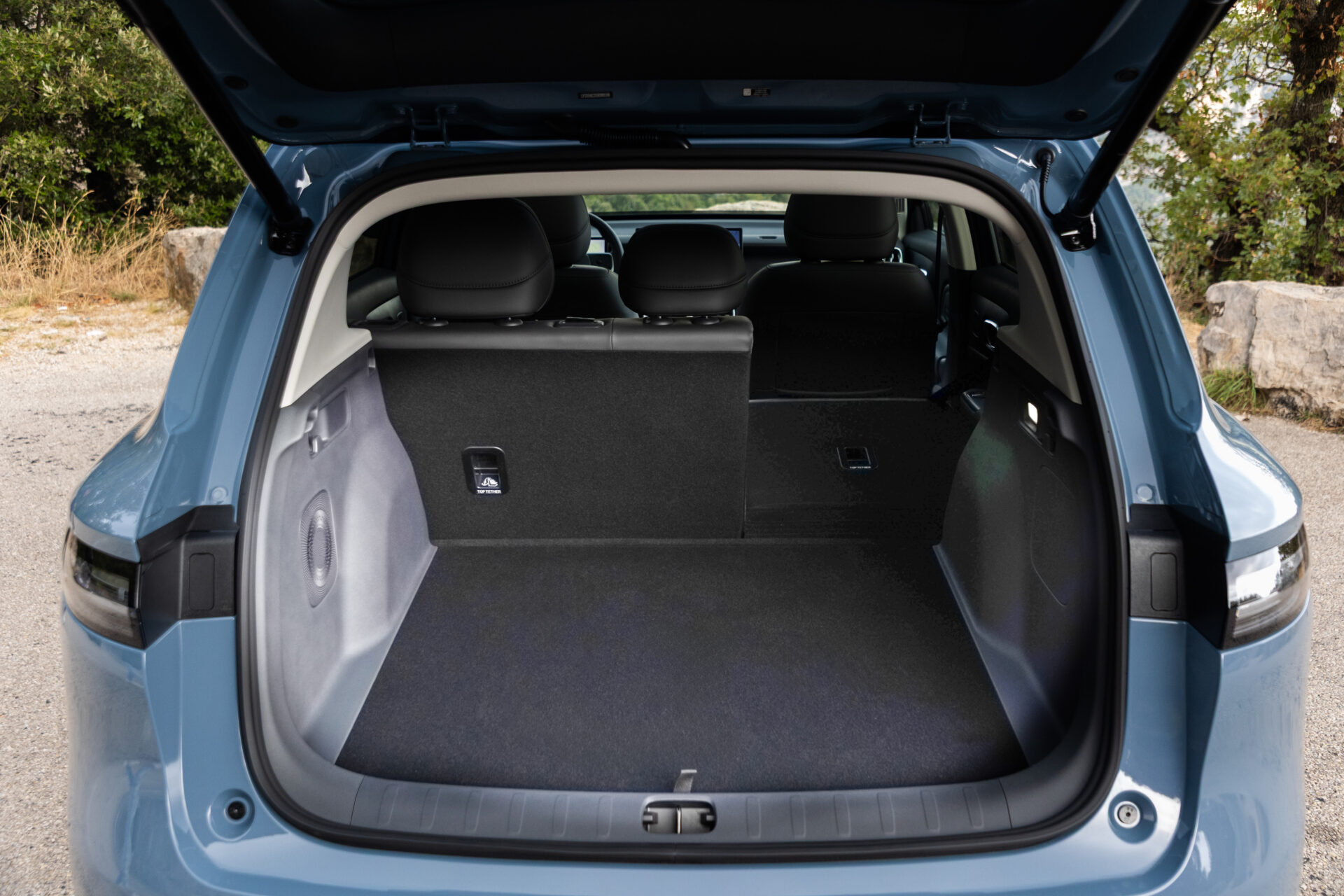
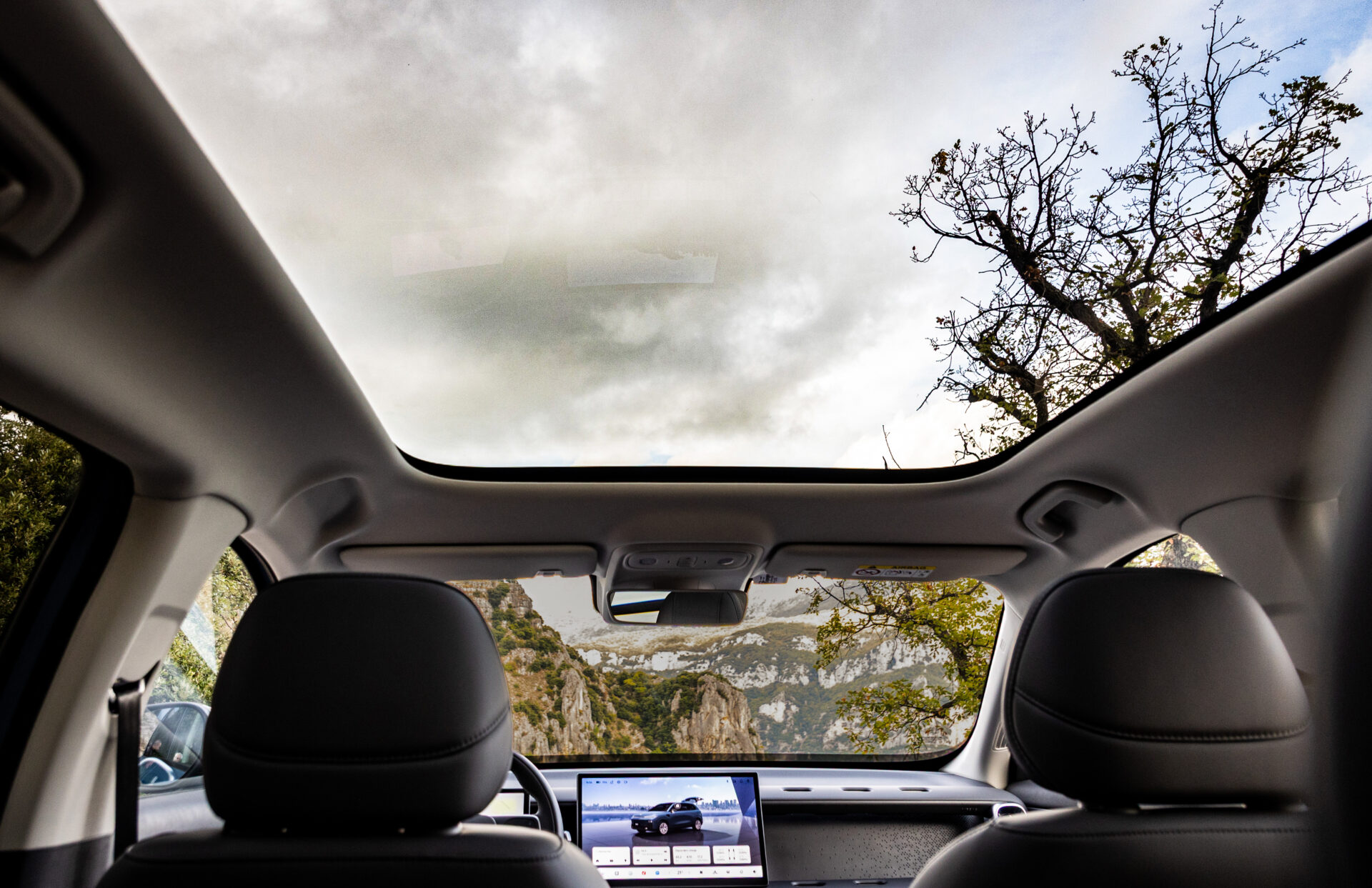
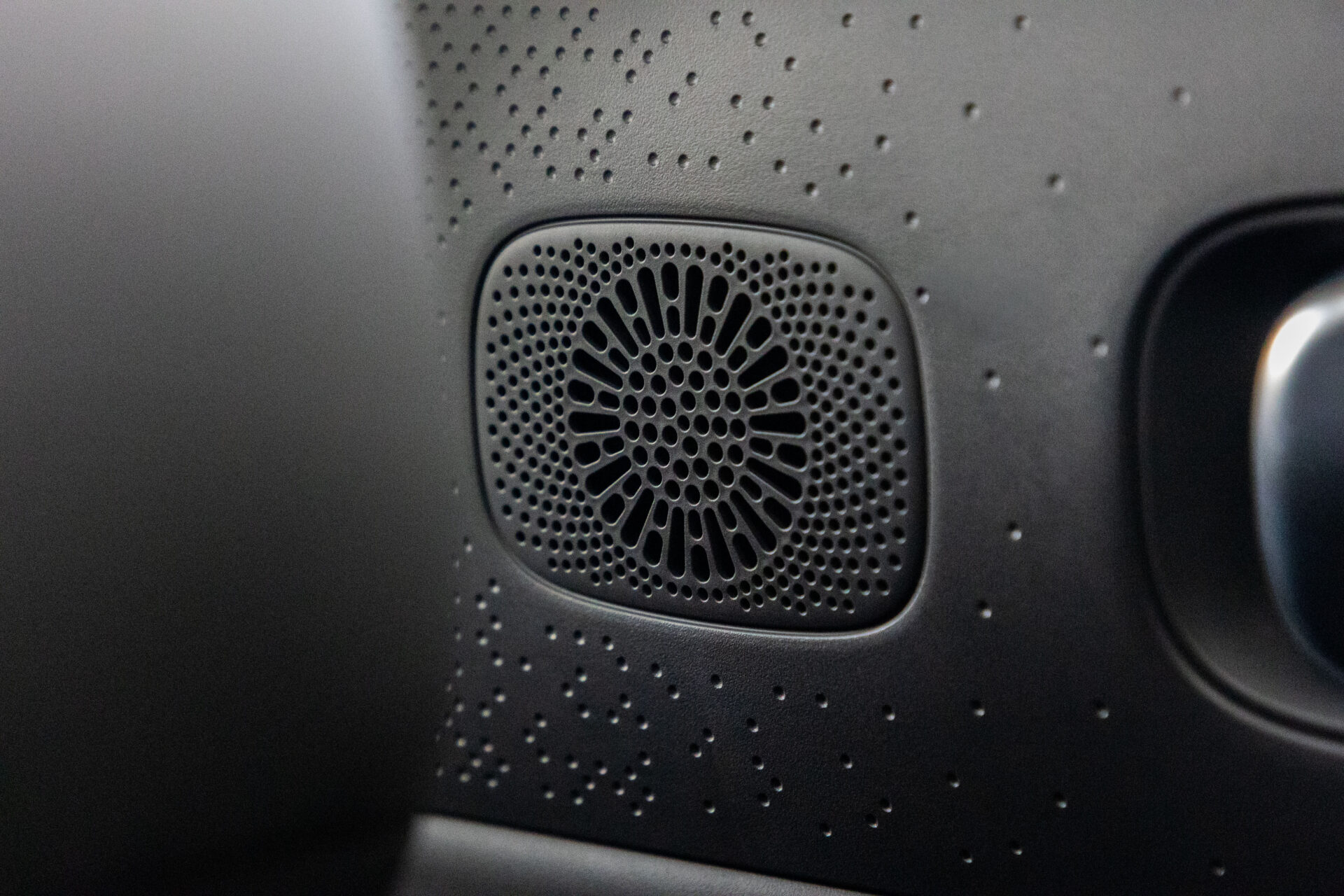
The exterior of the B10 is fresh and modern, with simple lines and hidden door handles that lend to the overall smooth feel. The passenger compartment is bright and roomy, thanks in part to a massive panoramic roof that stretches across most of the roof of the car (though cannot be opened). The wheelbase comes to 2735 mm. There’s plenty of head and leg space, both for the front and rear passengers, and it’s easy to fold down the seat backs and expand the already roomy trunk space. That brings the capacity of the boot from 430 L to 1700 L. A small frunk in the front of the car offers 25 L of extra storage space. The seats in the test model, which are quite comfy, are made of eco-leather, can be heated or ventilated, and can even be lowered to a fully horizontal position.
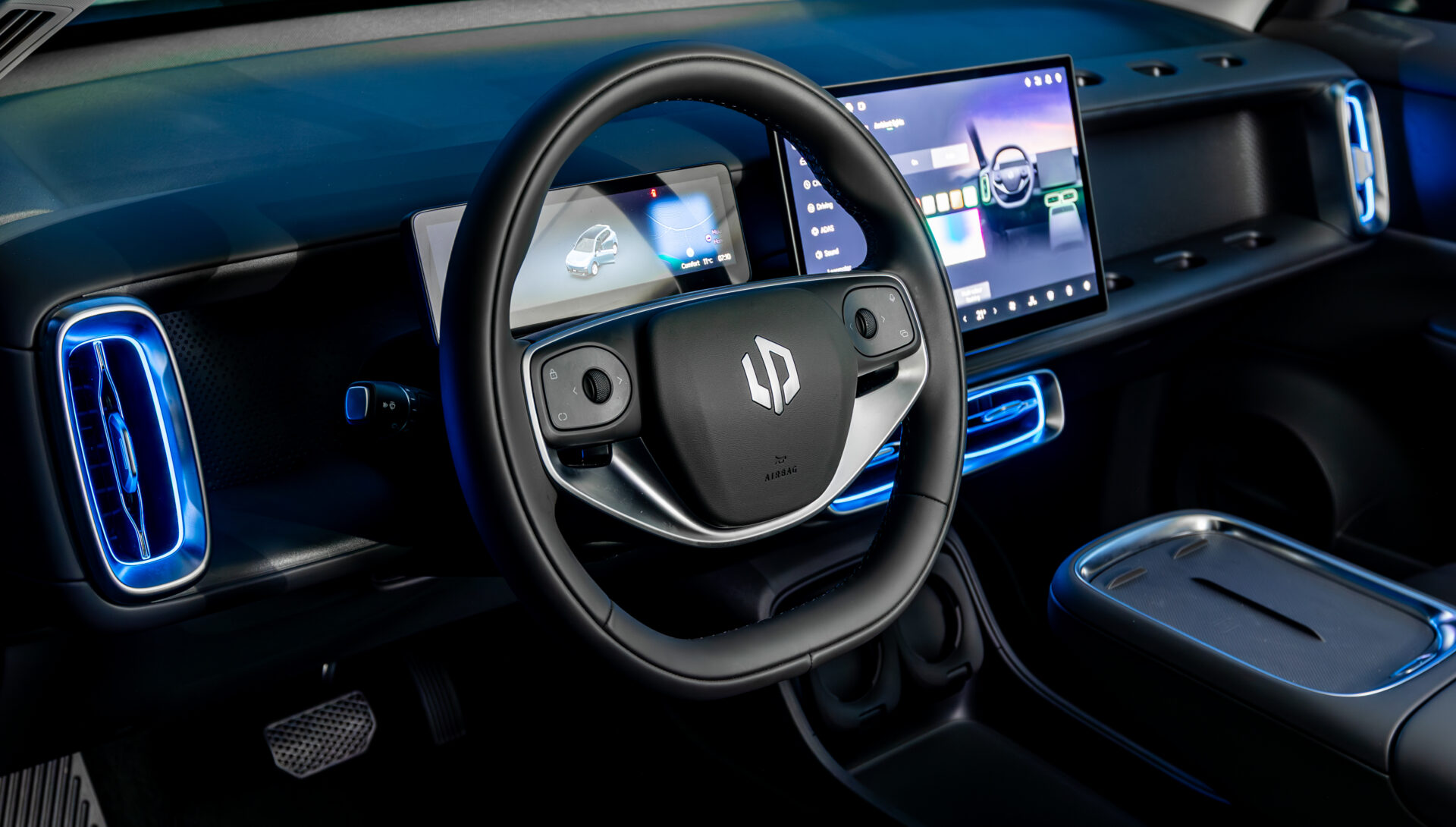
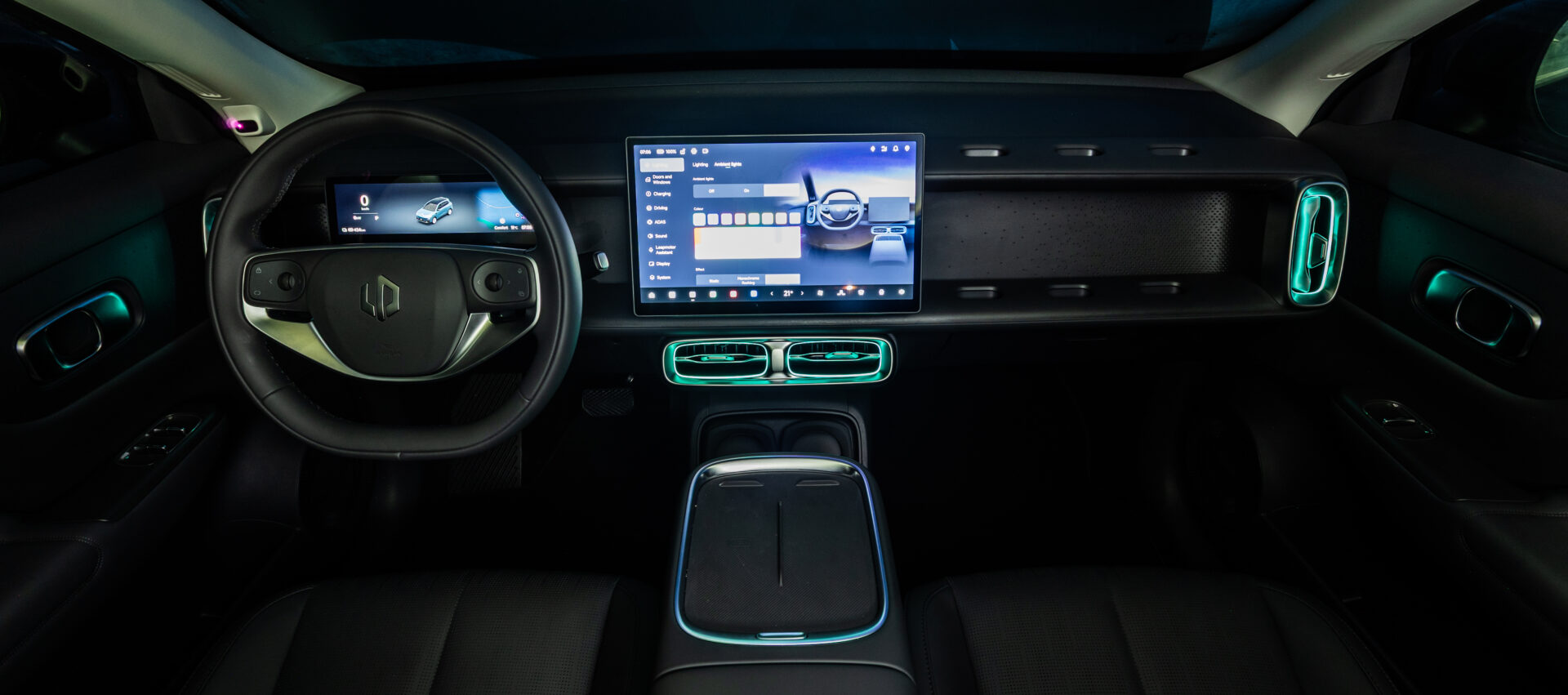
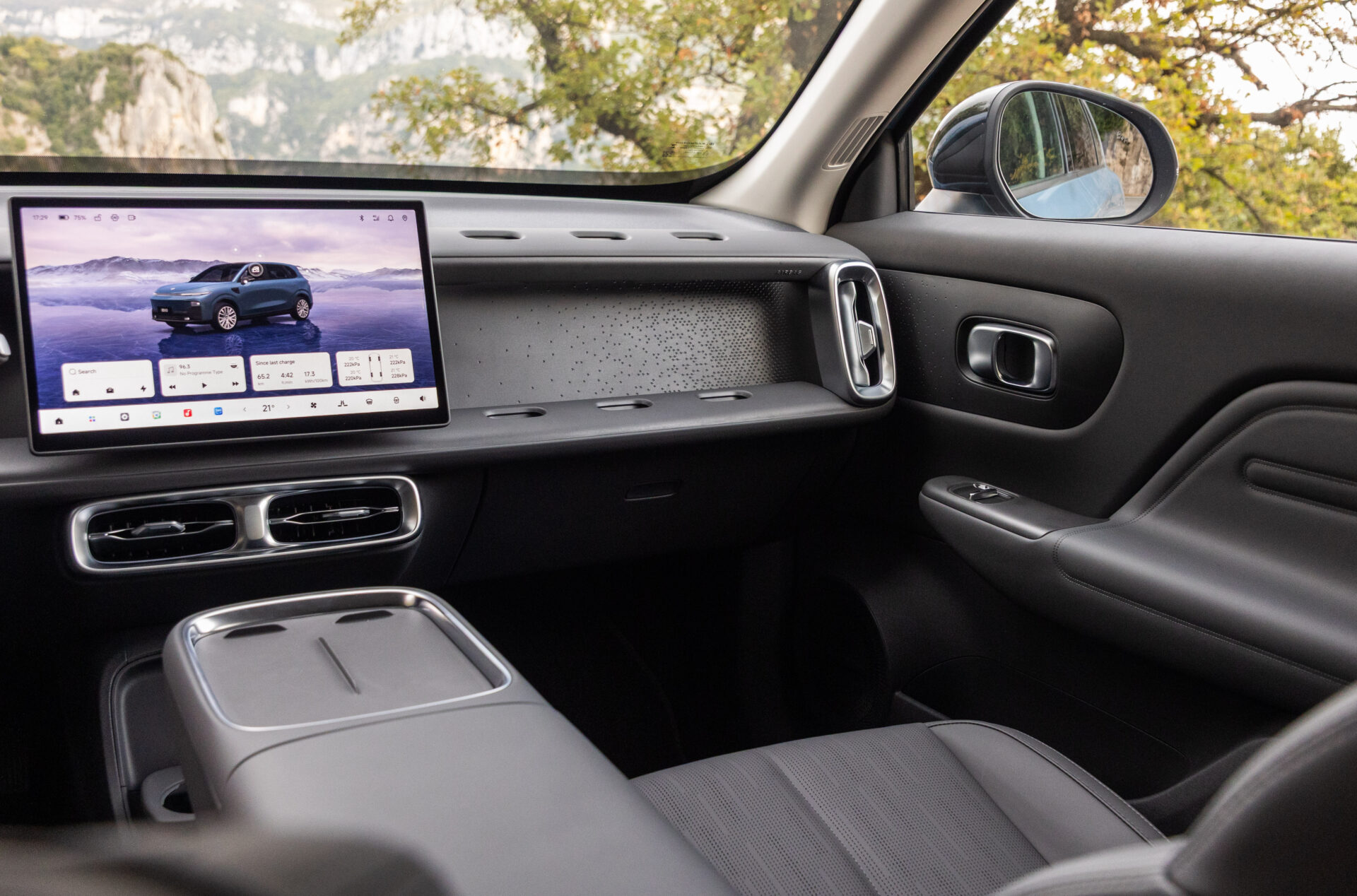
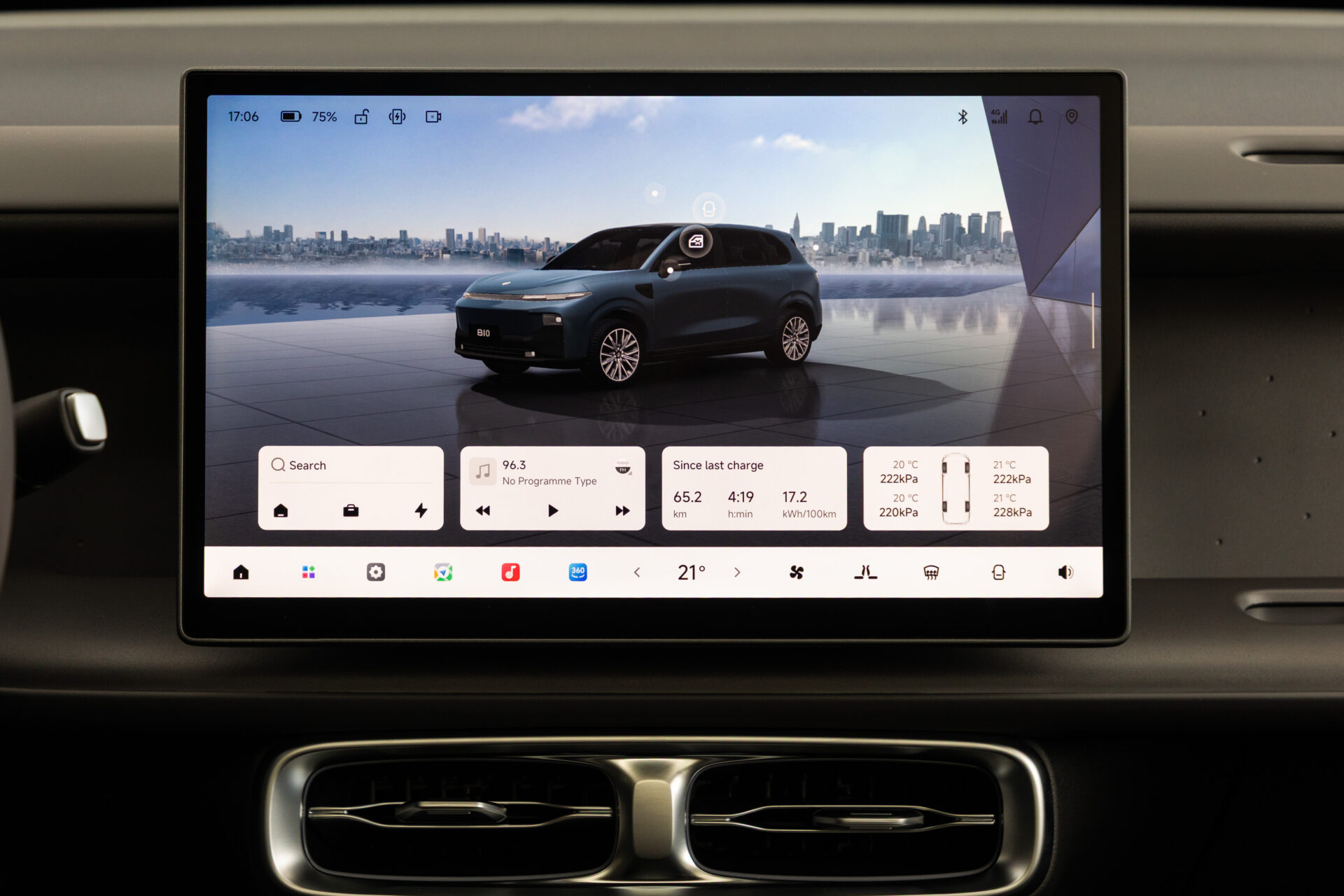
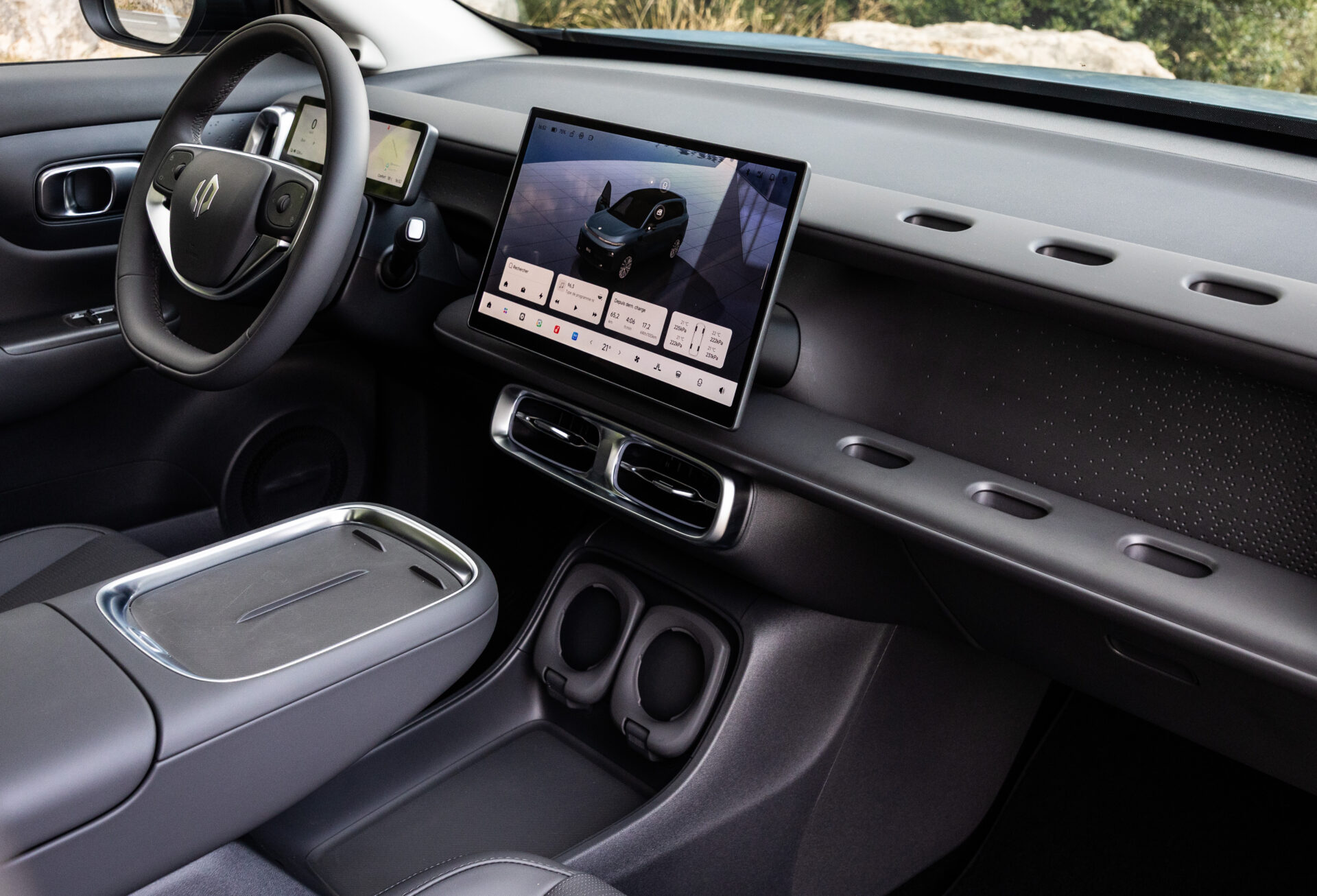
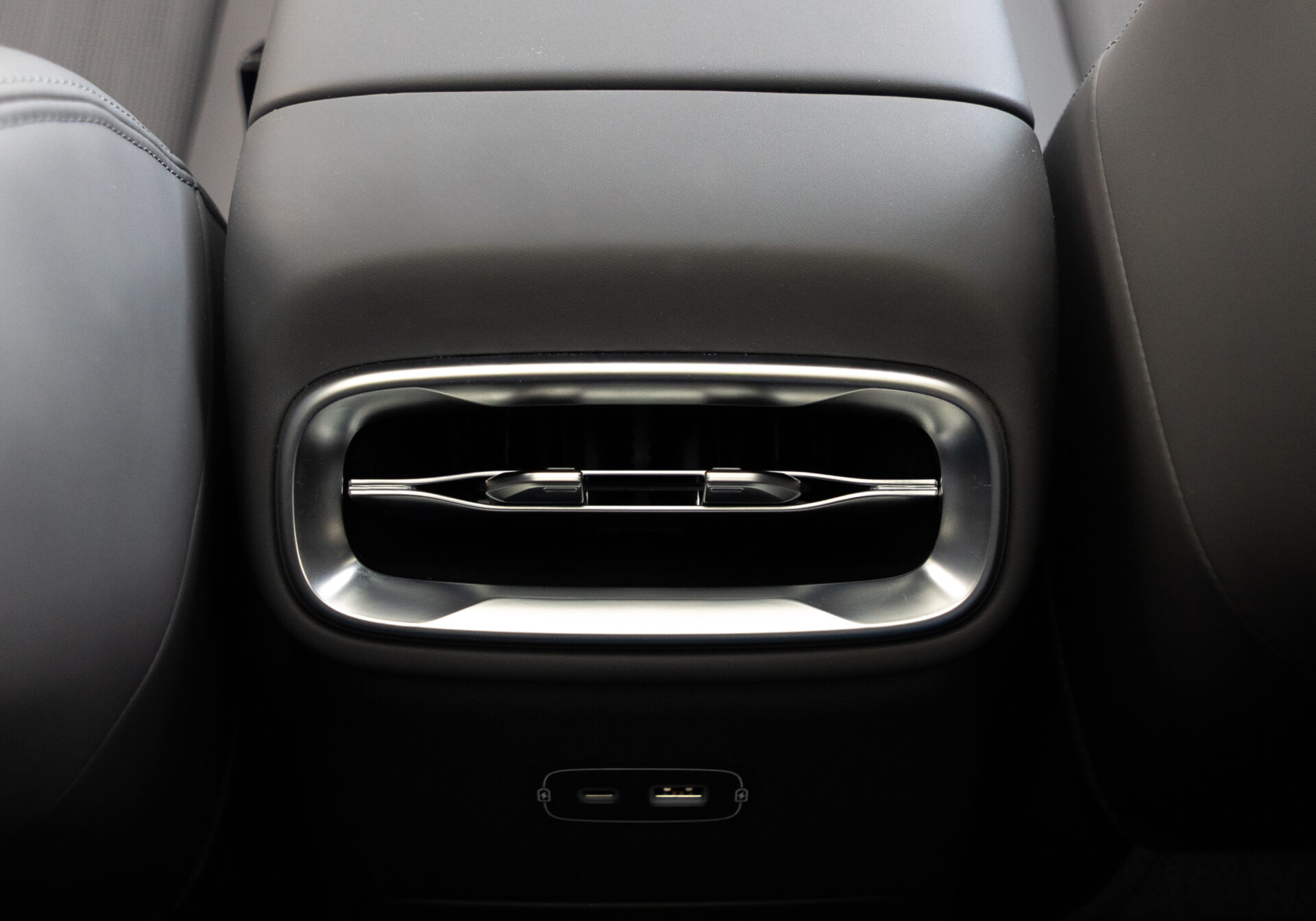
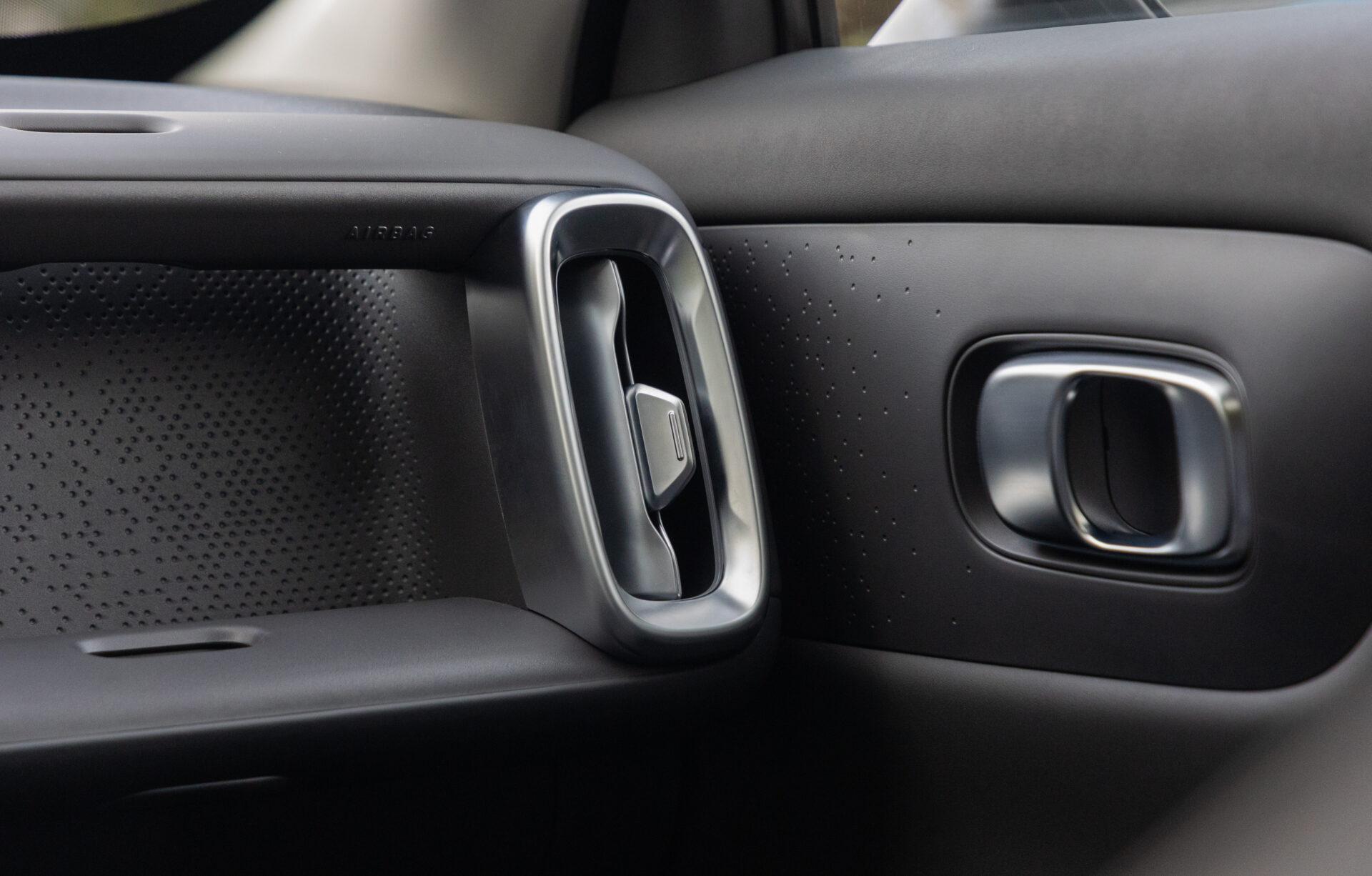
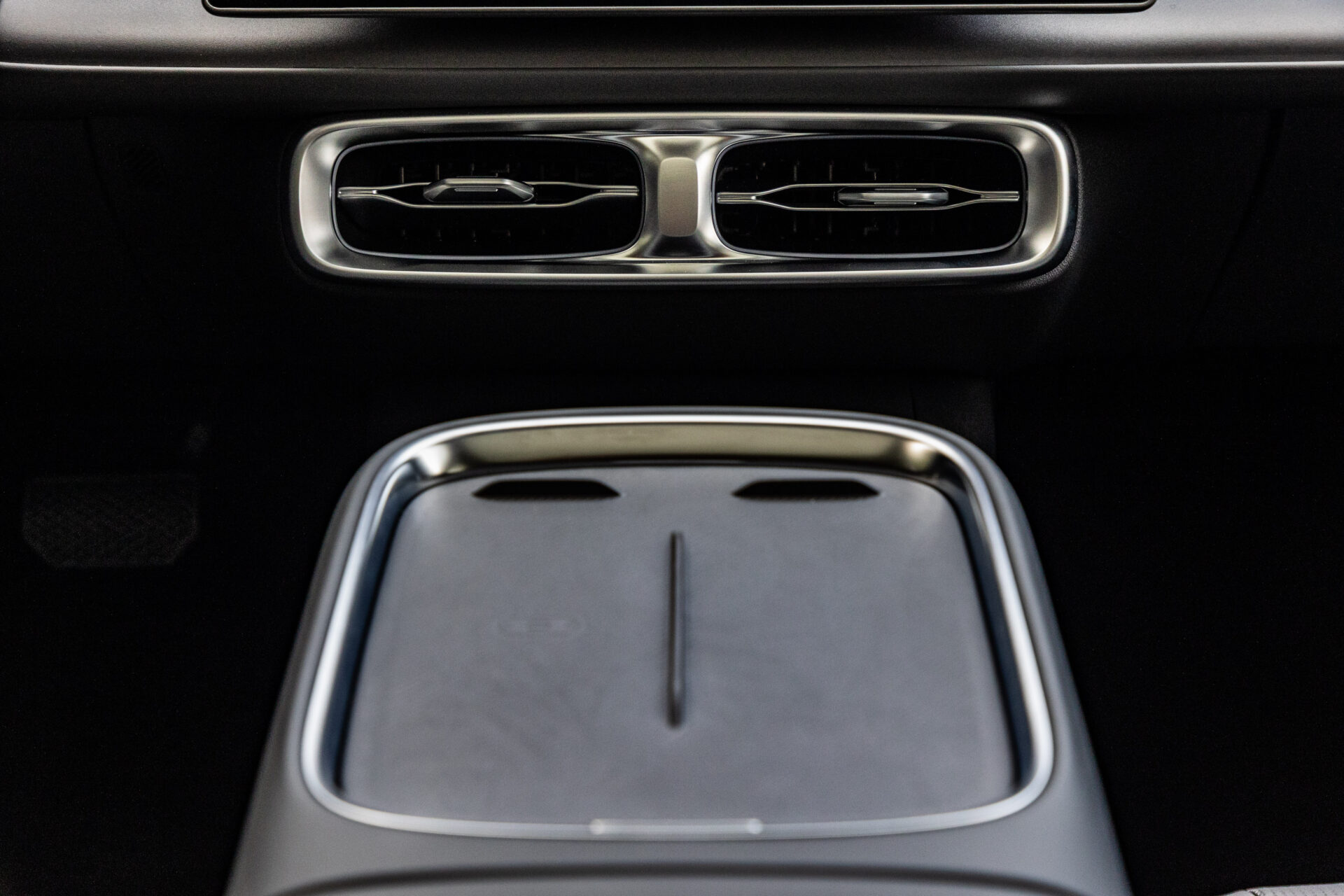
The dashboard is minimalistic and made of hard plastic, with two air vents on the sides and two additional air vents and a large touchscreen in the centre from which almost everything – from the interior temperature to the navigation to the opening of the trunk – is controlled. The centre console features an induction charger for mobile phones and USB ports to connect electronic devices. You might also notice six curious, oval-shaped holes in the dash just in front of the passenger seat: these are holdovers from the Chinese design that are meant to allow passengers to attach a variety of accessories, be it a miniature table for a laptop or a stuffed animal.
Driving experience
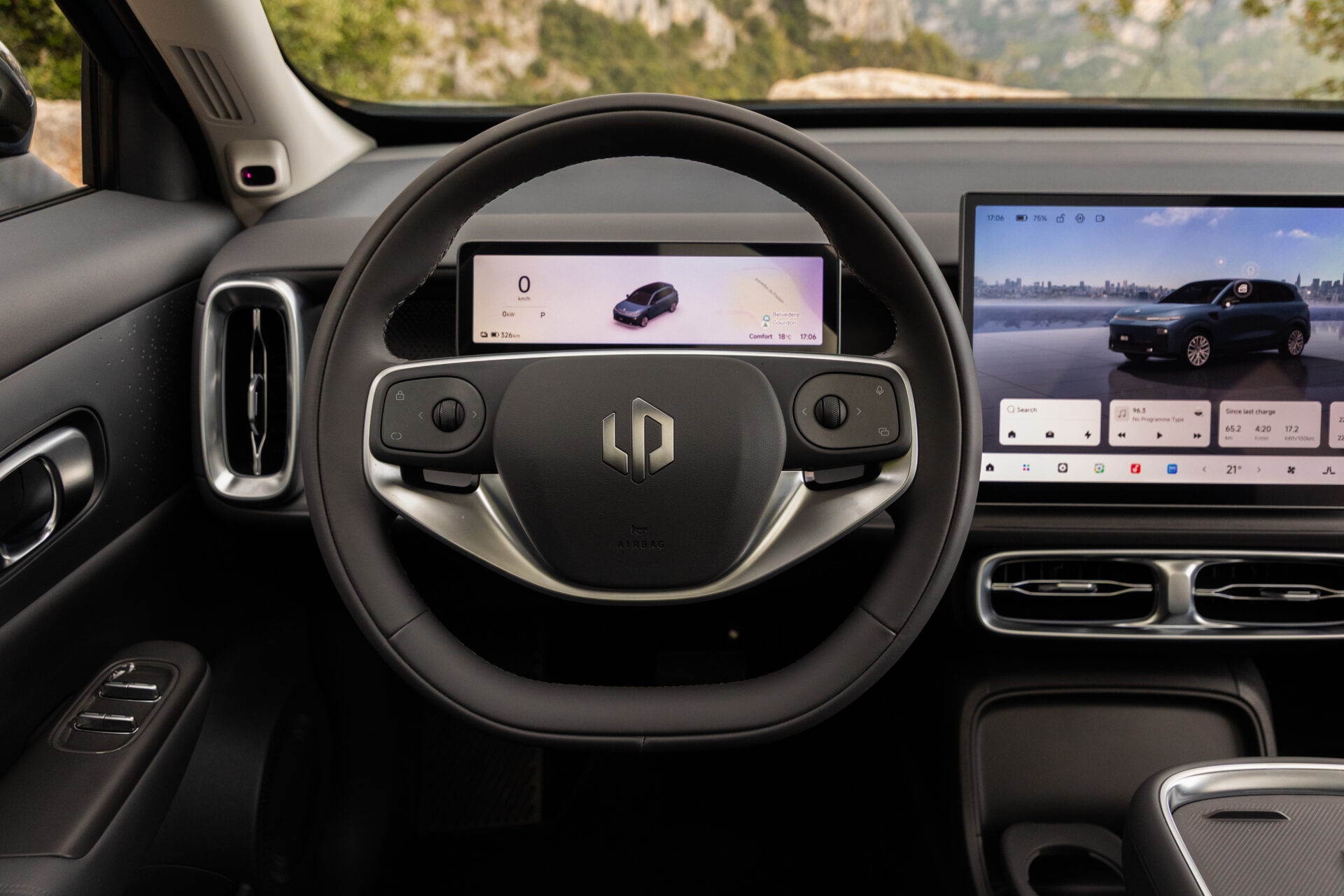
Once you slide behind into the driver’s seat, that minimalistic, space-age feeling continues. The steering wheel only has a few buttons but once again, almost everything is controlled through the main touchscreen. The steering wheel is comfortable and thanks to a 0.1 degree response angle, the car responds quickly to even minor movements. A small screen behind the wheel provides information like speed and remaining battery charge, but the display is often obscured by your hands while you’re driving.
We tested the B10 in a variety of environments, including stop-and-go traffic in the city, higher speeds on the motorway, and on some winding highways along the coast and in the mountains. The car does what you expect it to do: it’s responsive, with an acceleration of 0 to 100 kph in less than eight seconds and a max of 218 hp, and grips the roads when you take it through some sharp turns.
As it’s an electric car, you don’t hear the motor, and the car overall is quiet and well-insulated from the sounds of the road. There are 17 Advanced Driver Assistance Systems (ADAS) functions, like adaptive cruise control, blind spot detection, lane centering, speed limit reminders, and front collision warnings, which are fairly subtle and not overly intrusive. They’re also relatively easy to deactivate through the main touchscreen, should you wish to do so. We were surprised, however, by the messages urging caution around “sharp turns ahead” and warnings that said to “watch out for large animals”!
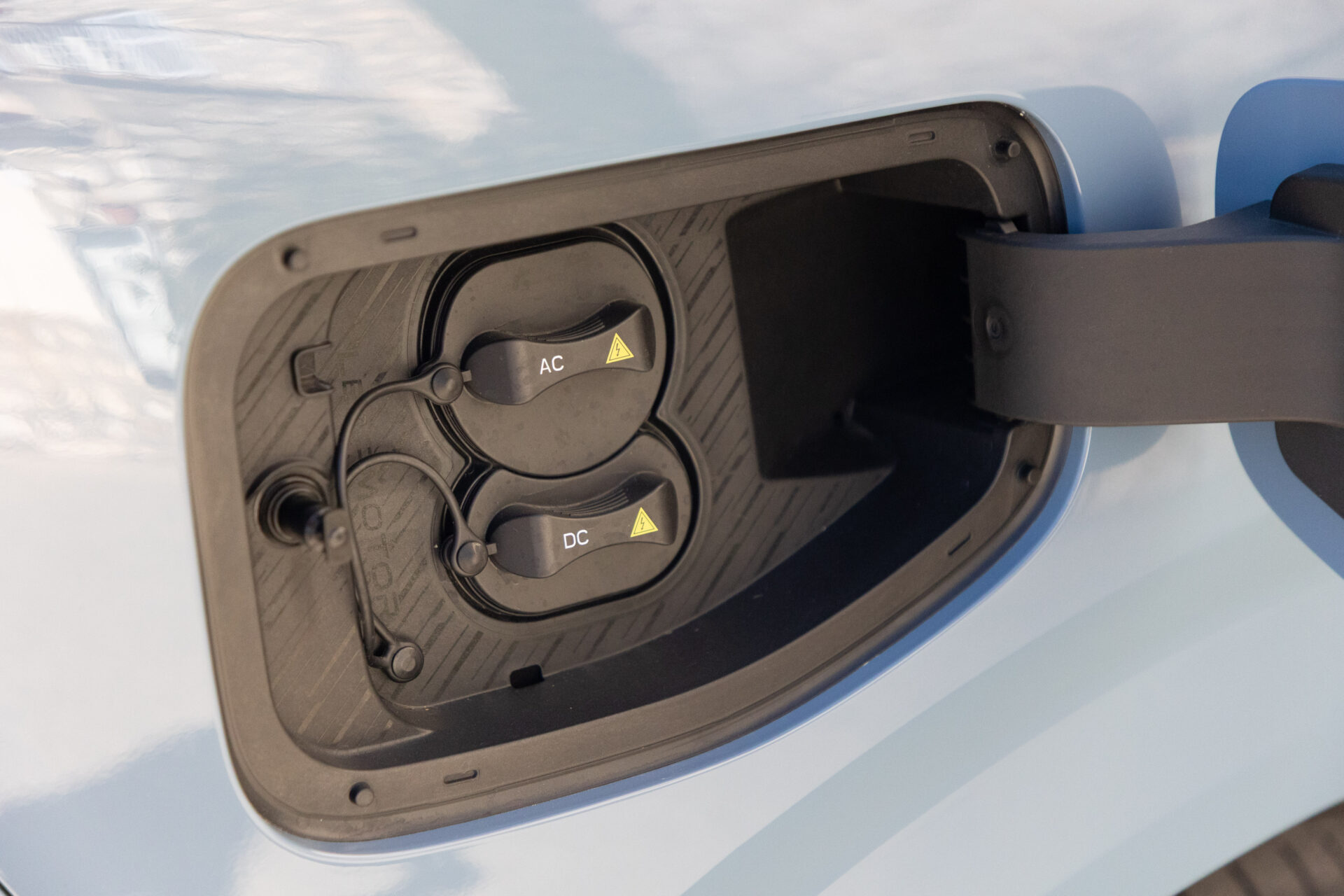
Electric cars are often accompanied by concerns around autonomy and worries related to charging. The B10 offers two battery options: the Pro (361 km WLTP) and the ProMax (434 km WLTP). Equipped with the ProMax battery, our test drive began with 428 km of range and we ended with 299 km: a difference of 129 km. The actual number of kilometres driven, however, was 115 km. While not perfect, the efficiency is pretty good, and our consumption came to 13.1 kWh per 100 km. There are two charging options: AC for home charging, with an 11 kW on-board charger; and DC, with peak charging power of 168 kW. This allows the car to recover half of its autonomy in 20 minutes.
Technology, technology, and more technology
The B10 is built on Leapmotor’s LEAP 3.5 architecture. Its battery is directly integrated into the chassis, giving it more rigidity, lowering the centre of gravity, and allowing for more space. The electronic architecture has also been simplified and is highly integrated, with the central domain controller responsible for coordinating all functions, from the powertrain to the infotainment system. In fact, there are only 22 electronic control units (ECUs), connected by a wiring harness that measures 996 metres. The AI-driven thermal management system, which weighs eight kilograms, also monitors the electric drive system in real-time.
There’s no question about it: the car is jam-packed with technology – and maybe even a little too much. Technology is a major part of the driving experience, starting from the moment you open the car with the digital key. If you’re like us, you might struggle with this digital key the first few times, but according to company representatives, the possibility of a physical key is also being explored. The Leapmotor app also allows you to remotely unlock doors, prepare your vehicle remotely (like starting the air conditioner), manage scheduled charging, or view your trip and consumption history.
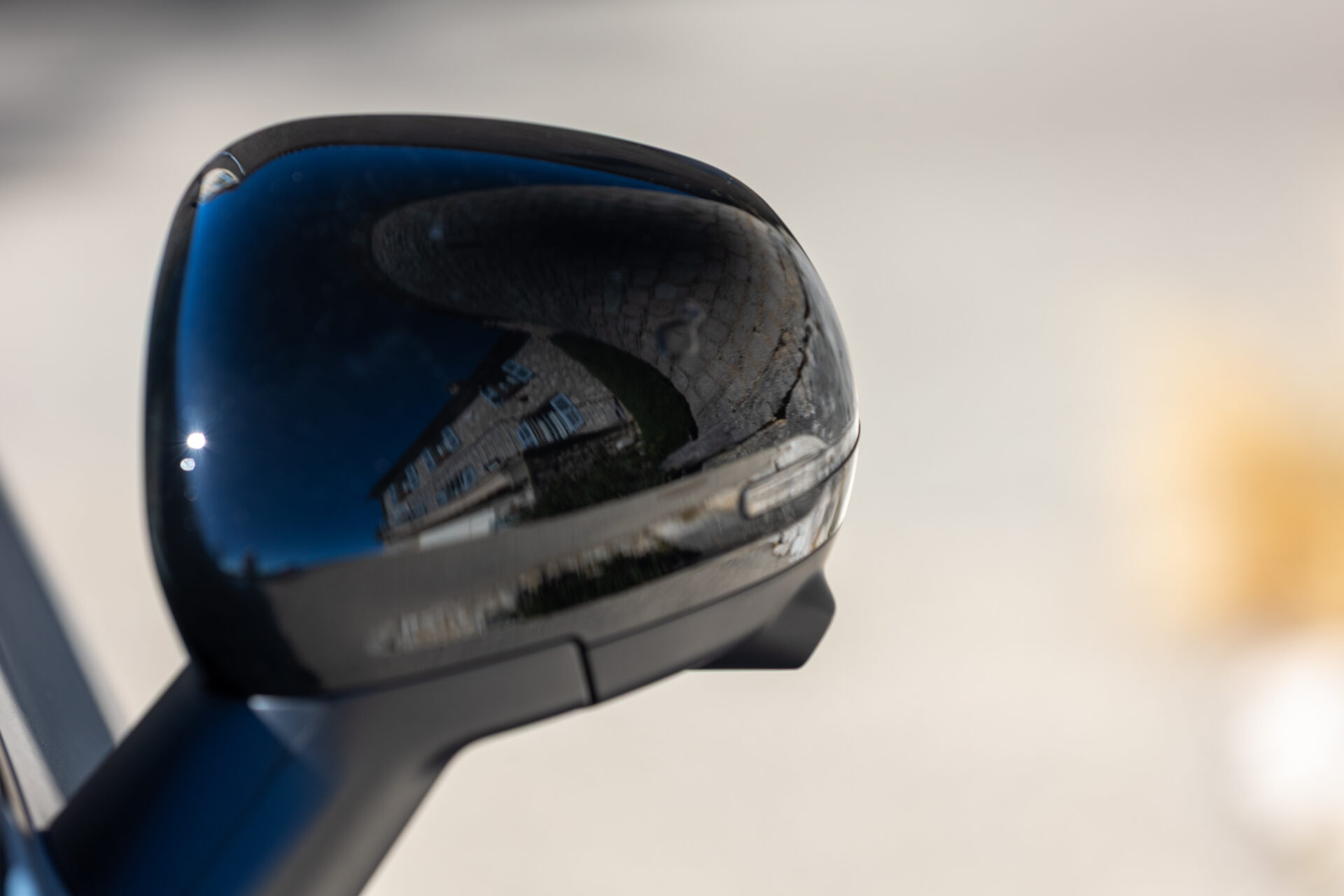
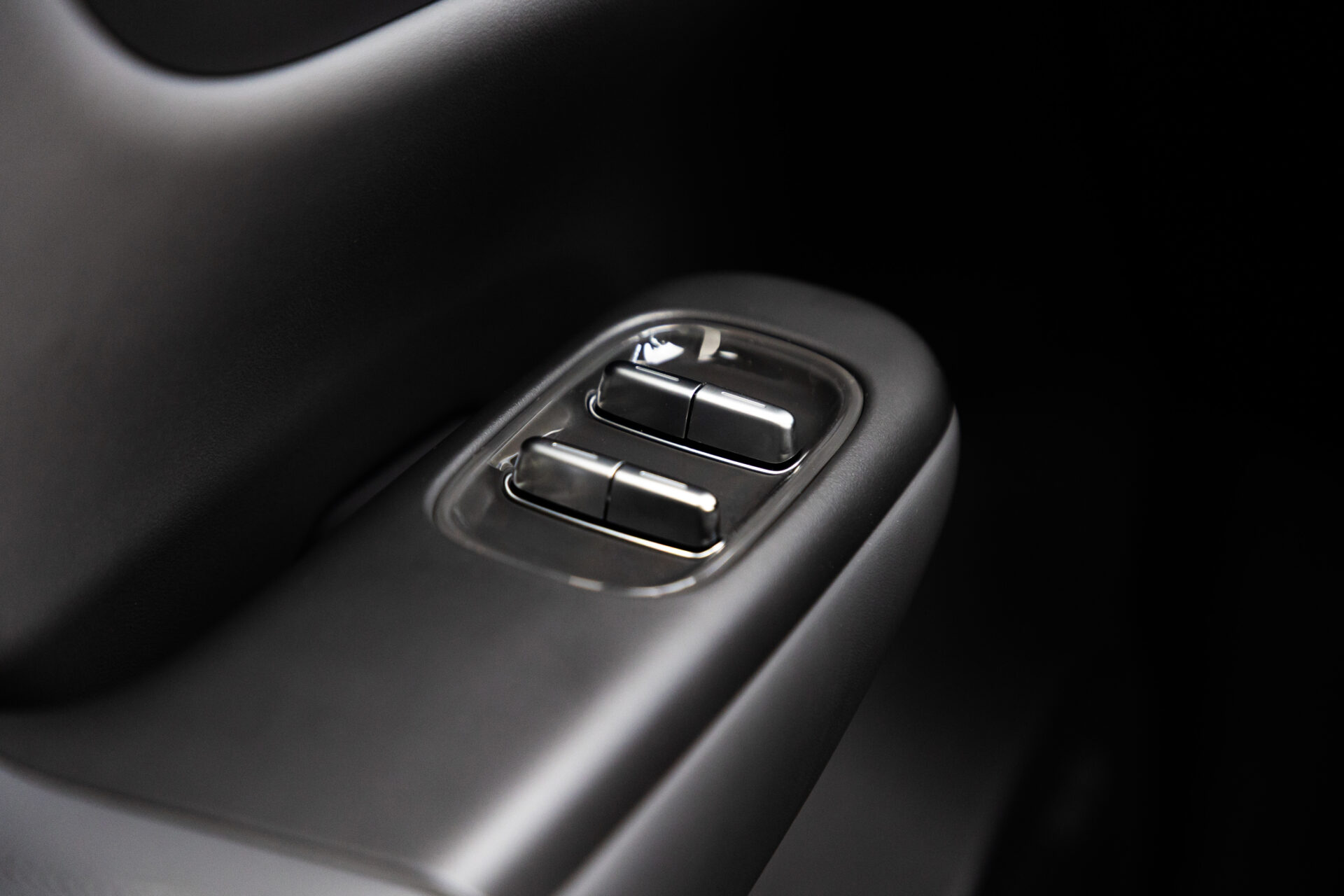
The large touchscreen is designed to be intuitive and to work like a smartphone, with apps and widgets that you can move around and customise. The LEAP 4.0 Plus system offers a 3D rendering of the car in real-time, so you can see, for instance, which doors are open. There are plenty of digital features, like the navigational system that allows you to find restaurants, points-of-interest, or electric car charging stations and help plan your route. The entire car is controlled through this screen – even the adjustment of the side-view mirrors or the temperature – which can be frustrating for those who are used to manual controls for these kinds of functions. It is, however, possible to personalise the screen with “shortcuts” so that your preferred apps are easily accessible.
And there’s no shortage of apps. Want to listen to music? There’s Spotify. Want to watch a video? TikTok is available. Need to catch a meeting? Open the Zoom app. Just don’t forget: distracted driving is dangerous driving!
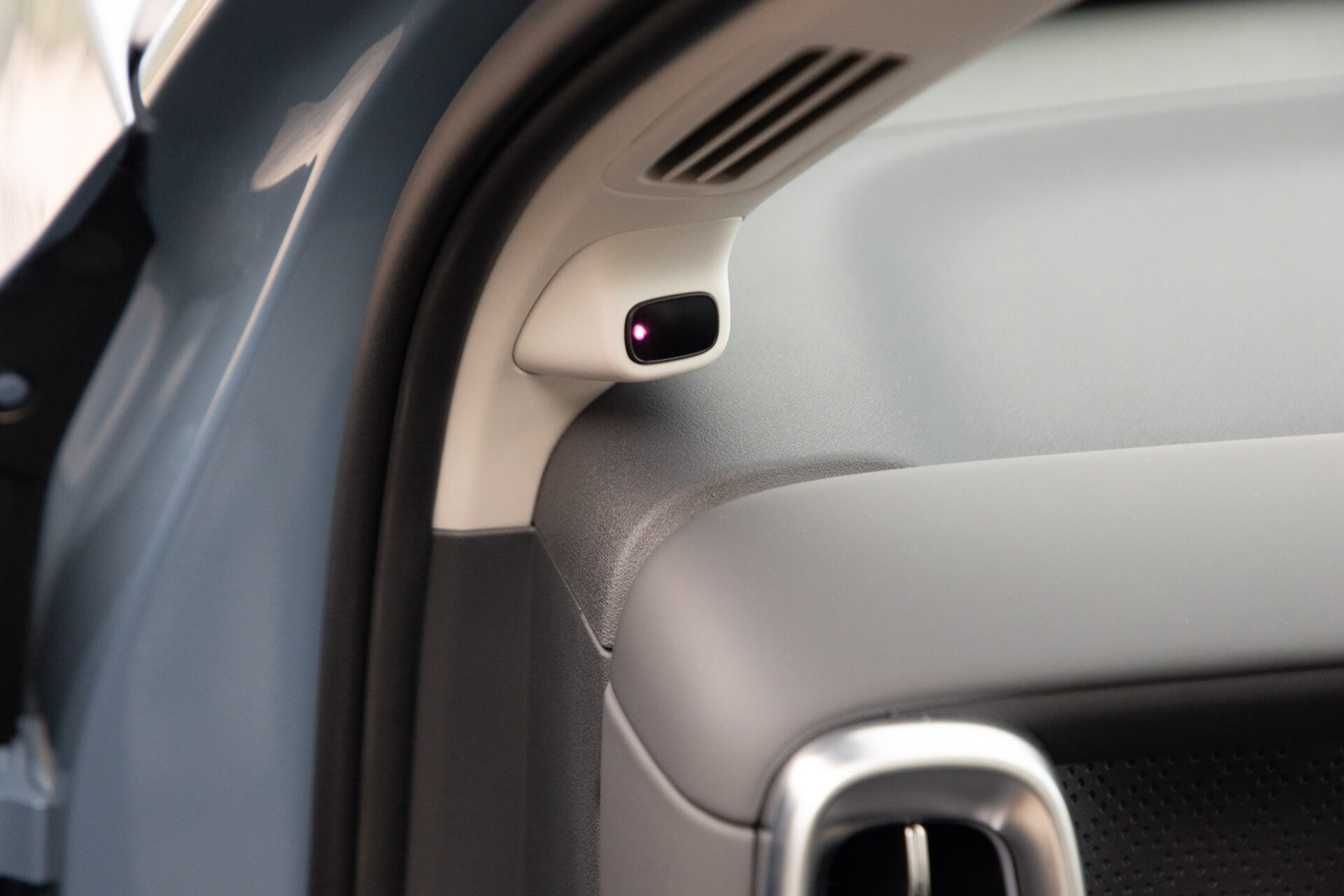
High-res cameras assist with backing up, but can also double as dash cams, with video footage saved to a USB stick. The company can push updates over-the-air, while Android and Apple CarPlay capabilities should be rolled out soon.
Conclusion
The Leapmotor B10 is a bit like the tale of Goldilocks and the three bears: the SUV is not too big, it’s not too small, it’s not too hard, it’s not too soft, it’s not overly sporty but it handles the curves of a sinuous mountain road when asked to do so. It offers exactly what it says on the label: a modern, affordable, all-electric, family-friendly, technology-packed crossover.
Technical specs (basic Life Pro model):
Dimensions (mm): 4515 x 1855 x 1655
Maximum power (kW): 160
Maximum torque (Nm): 240
Consumption (kWh/100km): 17.2
CO2 emissions (g/km): 0
Charging max power (kW AC/kW DC): 11 / 140
Autonomy (km): 361
Acceleration (sec 0-100 km/h): 7.5
Price for basic model (€): 29,900
We like / we don't like
We like:
Plenty of space
Price
Range
We don’t like:
Made in China
Digital key
Display behind steering wheel
Tags