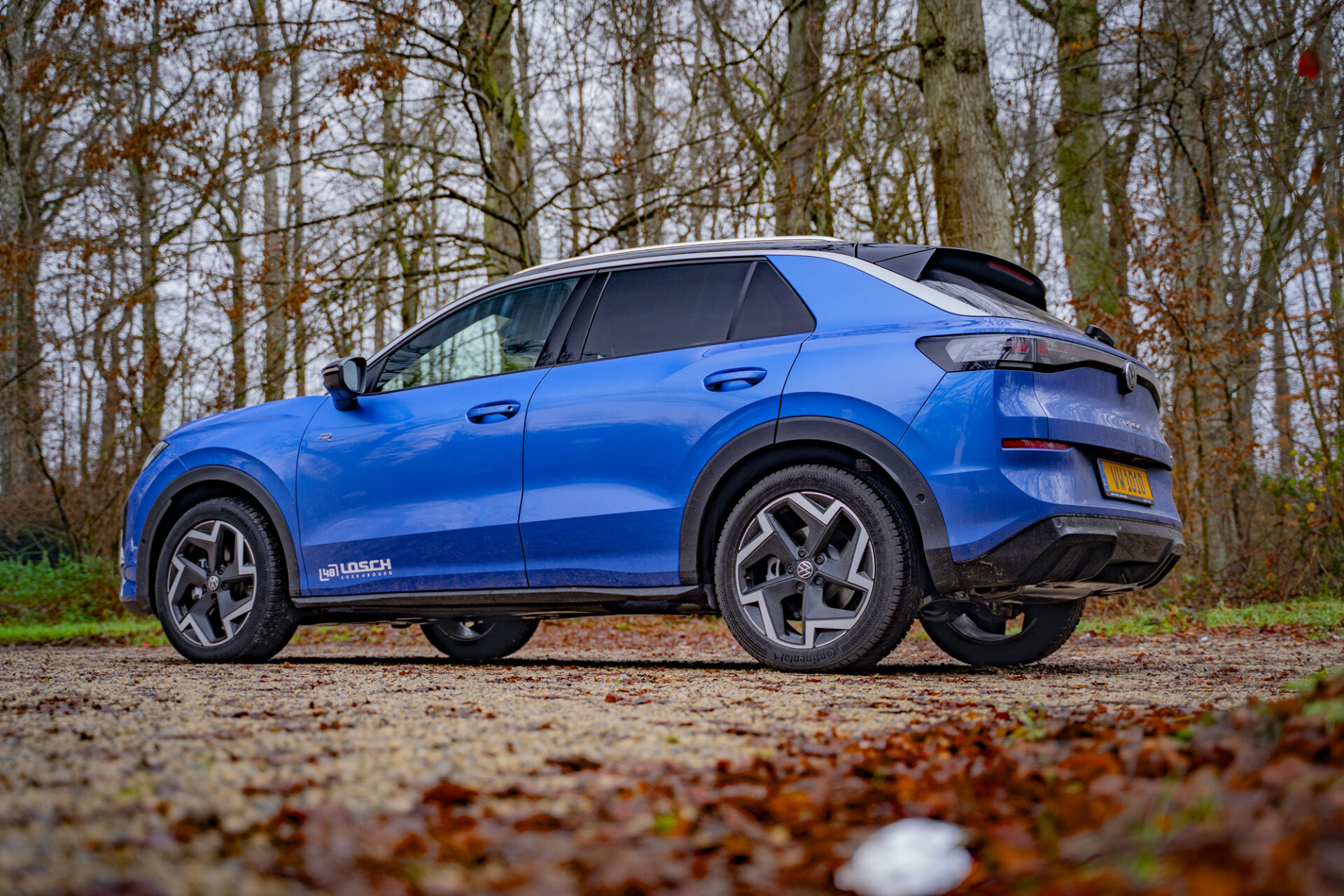
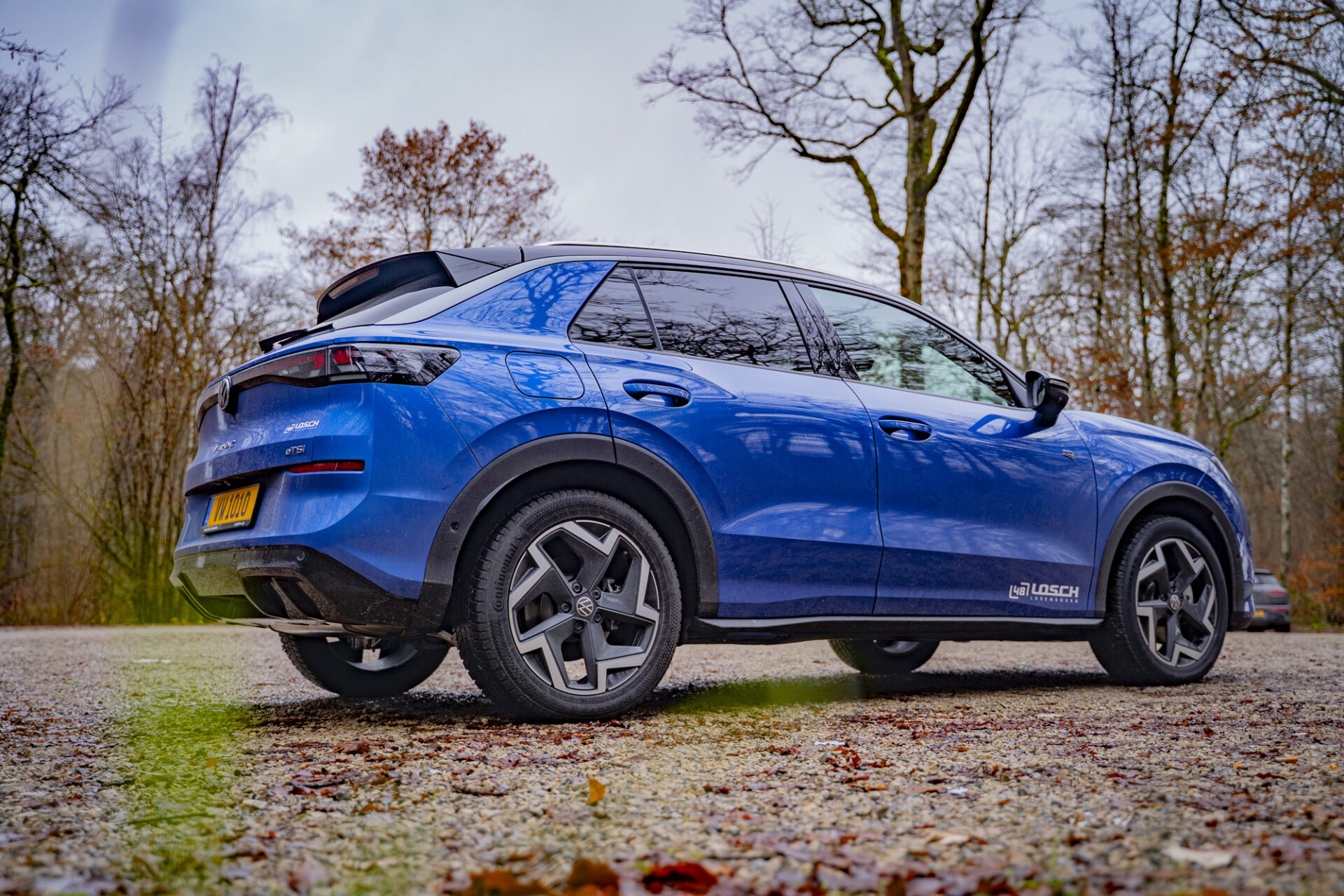
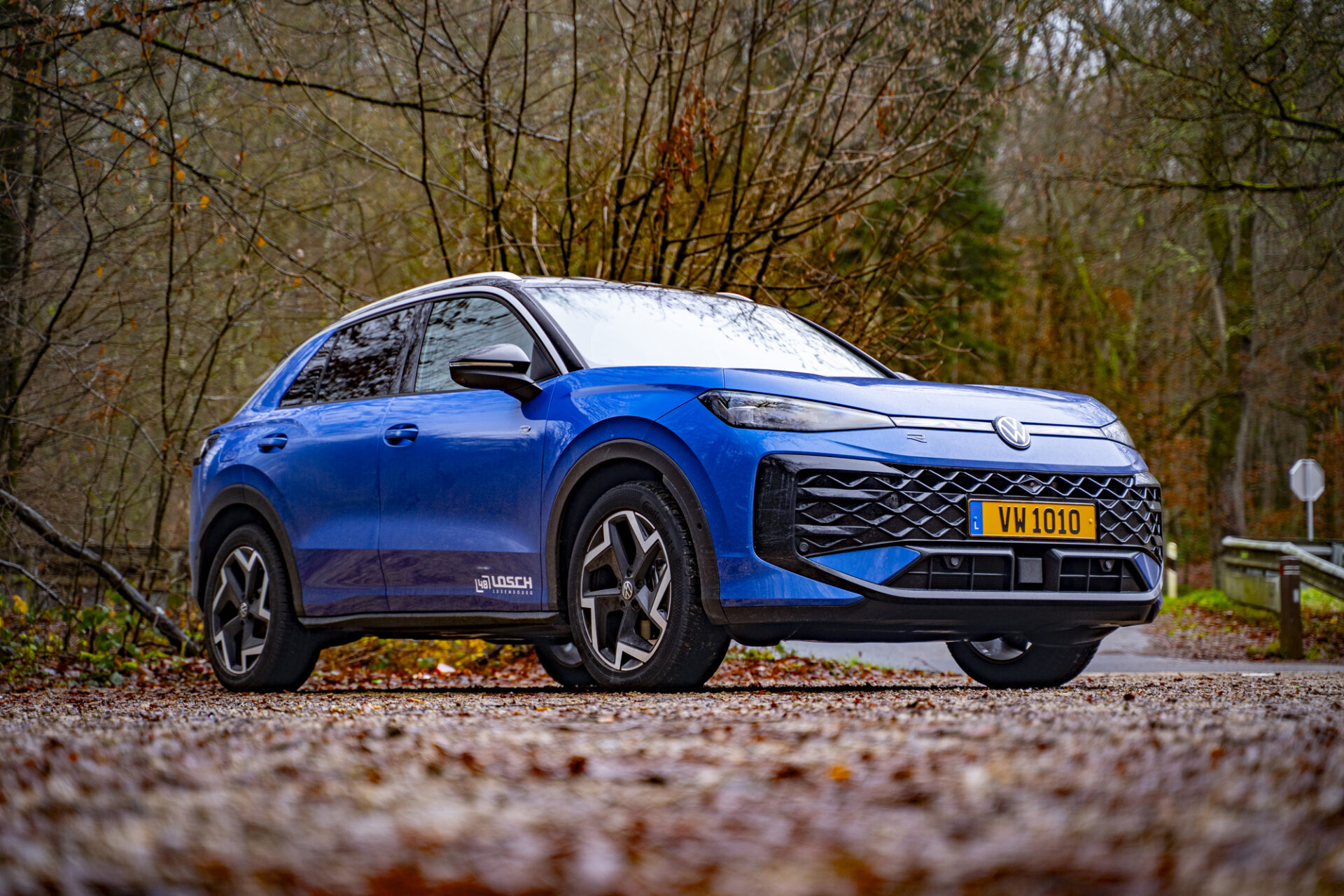
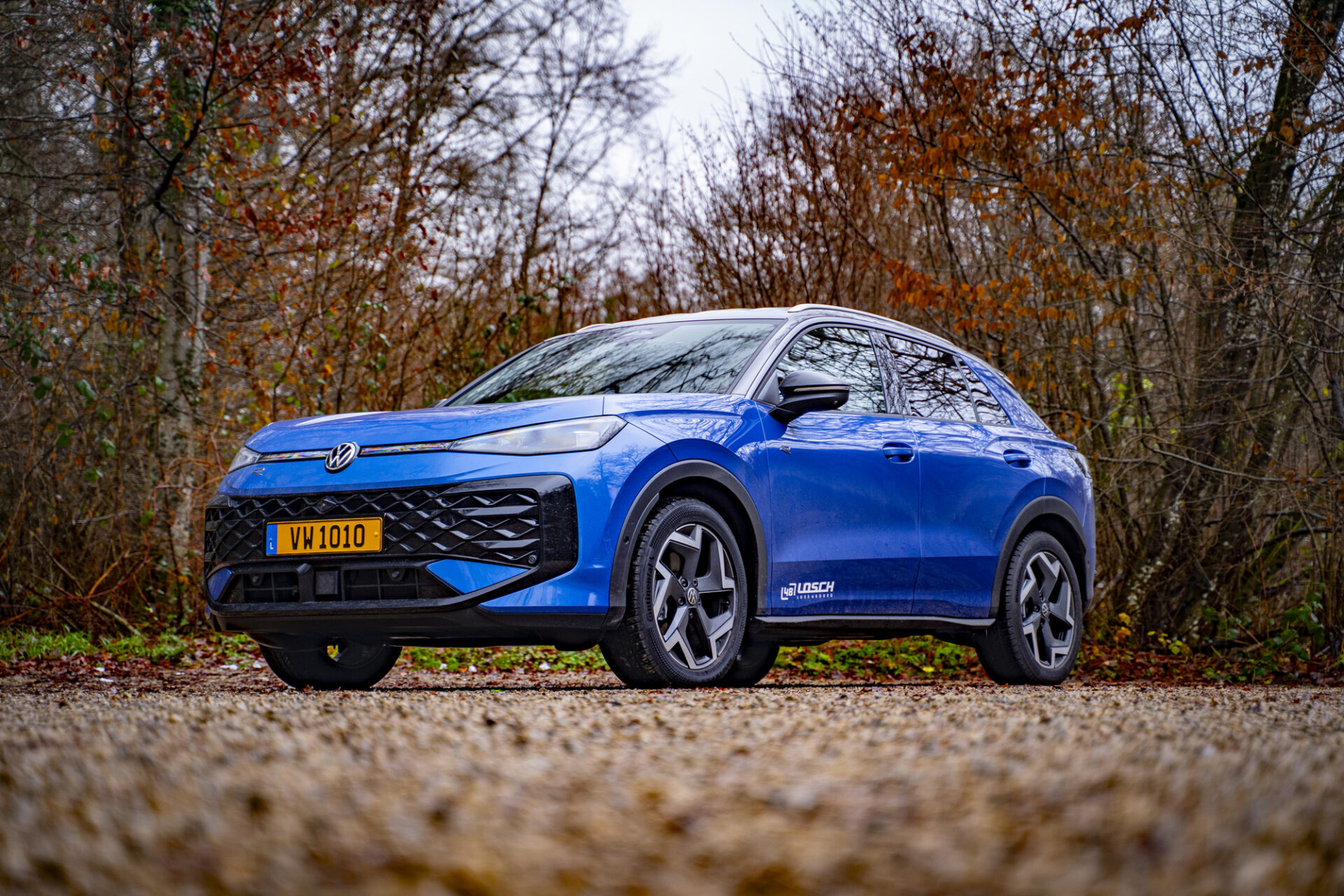
The German brand unveils a completely redesigned second generation with a clear ambition: to consolidate its leading position in an ultra-competitive market.
Launched in 2017, the T-Roc quickly established itself as a benchmark in the compact SUV market, becoming the best-selling model in Europe with more than two million units sold. Manufactured in Palmela, near Lisbon, it is now one of Volkswagen’s cornerstones. The Autoeuropa factory, which produces the T-Roc, is a major player in the Portuguese economy: with more than 200,000 vehicles per year and nearly 5,000 direct jobs, it accounts for more than 1% of the national GDP and around 5% of the country’s exports. This industrial performance illustrates the strategic importance of the model in Volkswagen’s SUV offensive. The second generation aims to reach a new milestone with a range that is now 100% hybrid, signalling a measured but determined transition towards electrification.
True to its DNA
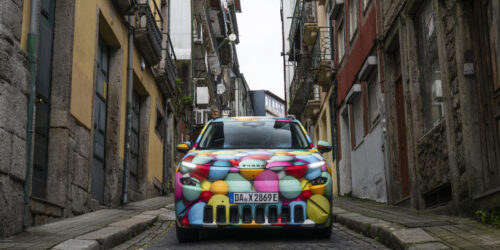
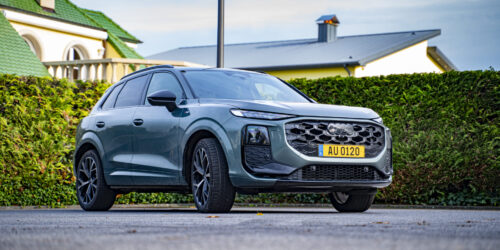
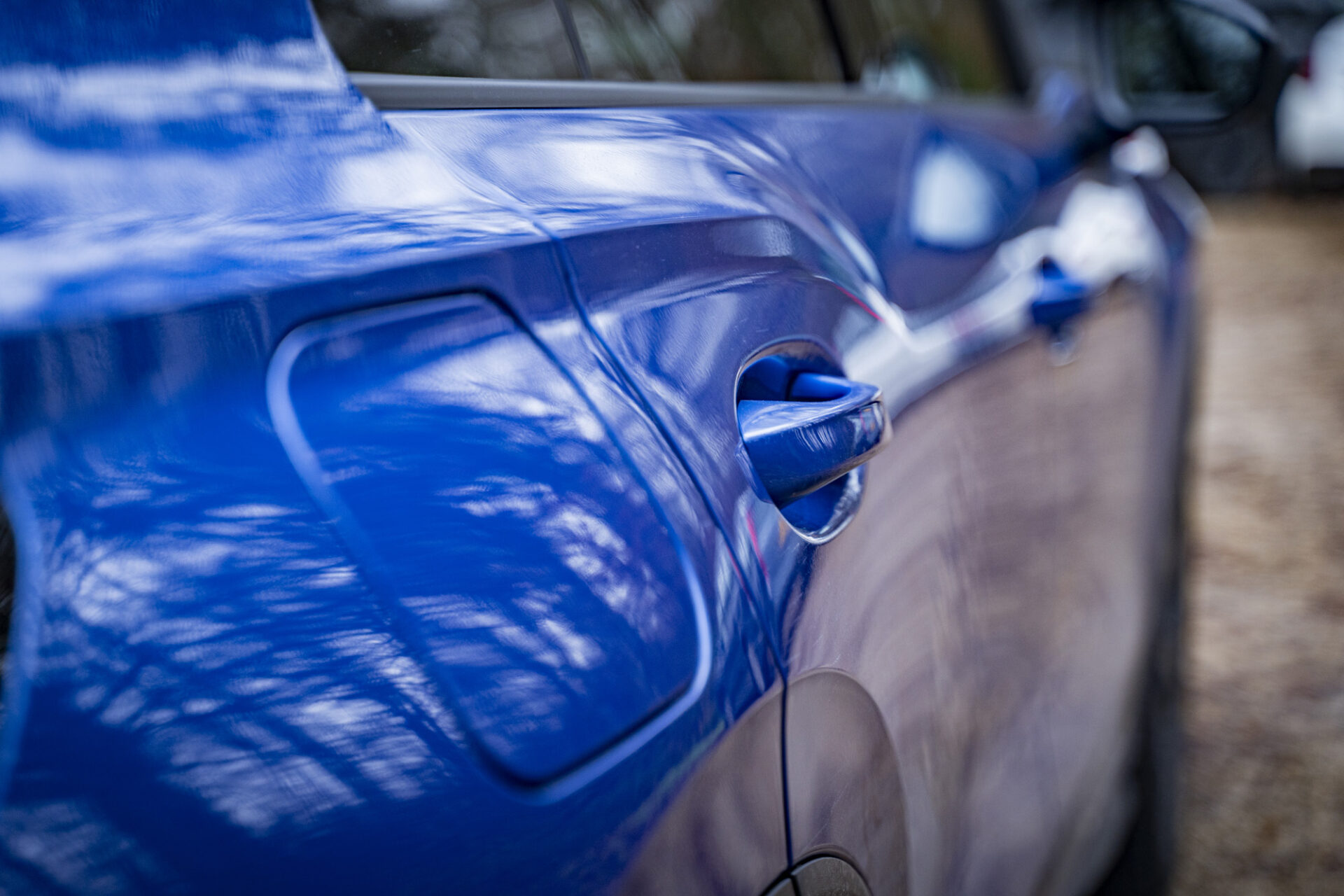
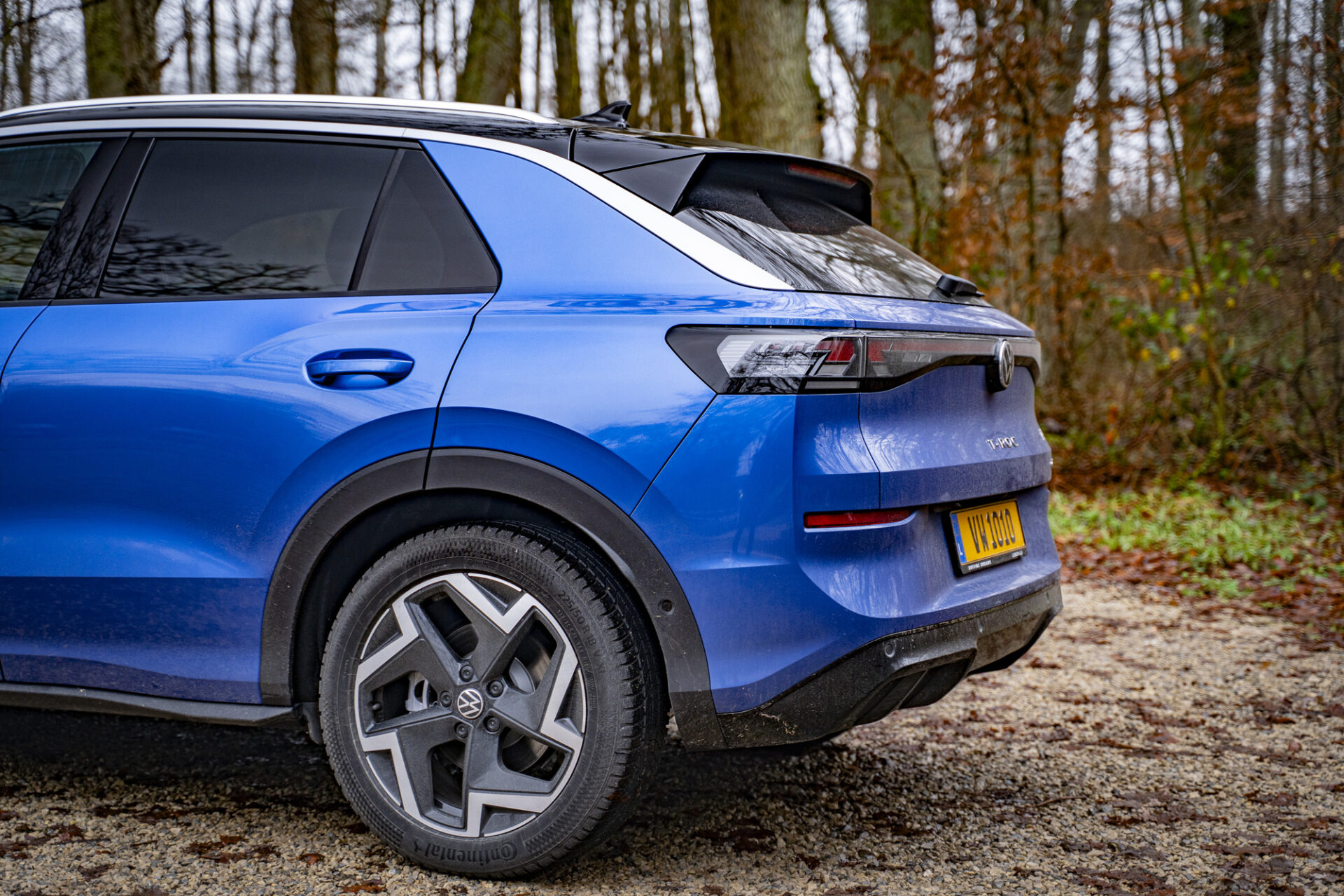
The new T-Roc retains the stylistic codes that made it so successful, while modernising them to assert its character. The famous chrome ‘hockey stick’, a visual signature that emphasises the roof line and elongates the silhouette, is still present, accompanied by muscular shoulders above the rear wheel arches to reinforce the dynamic stance. The proportions remain those of a compact SUV, but the styling is more precise: sharper surfaces, tauter lines and chrome details that accentuate the sophistication.
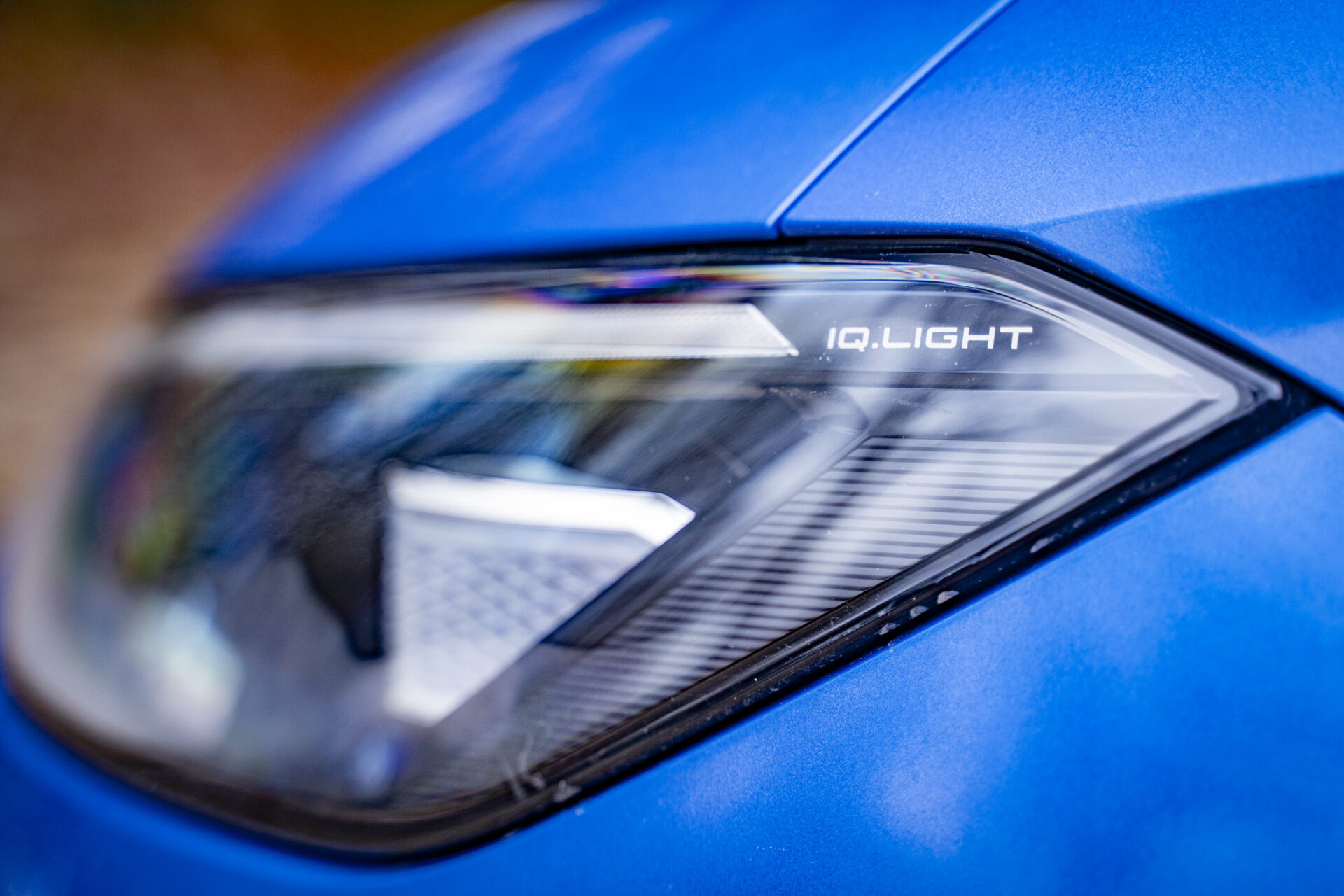
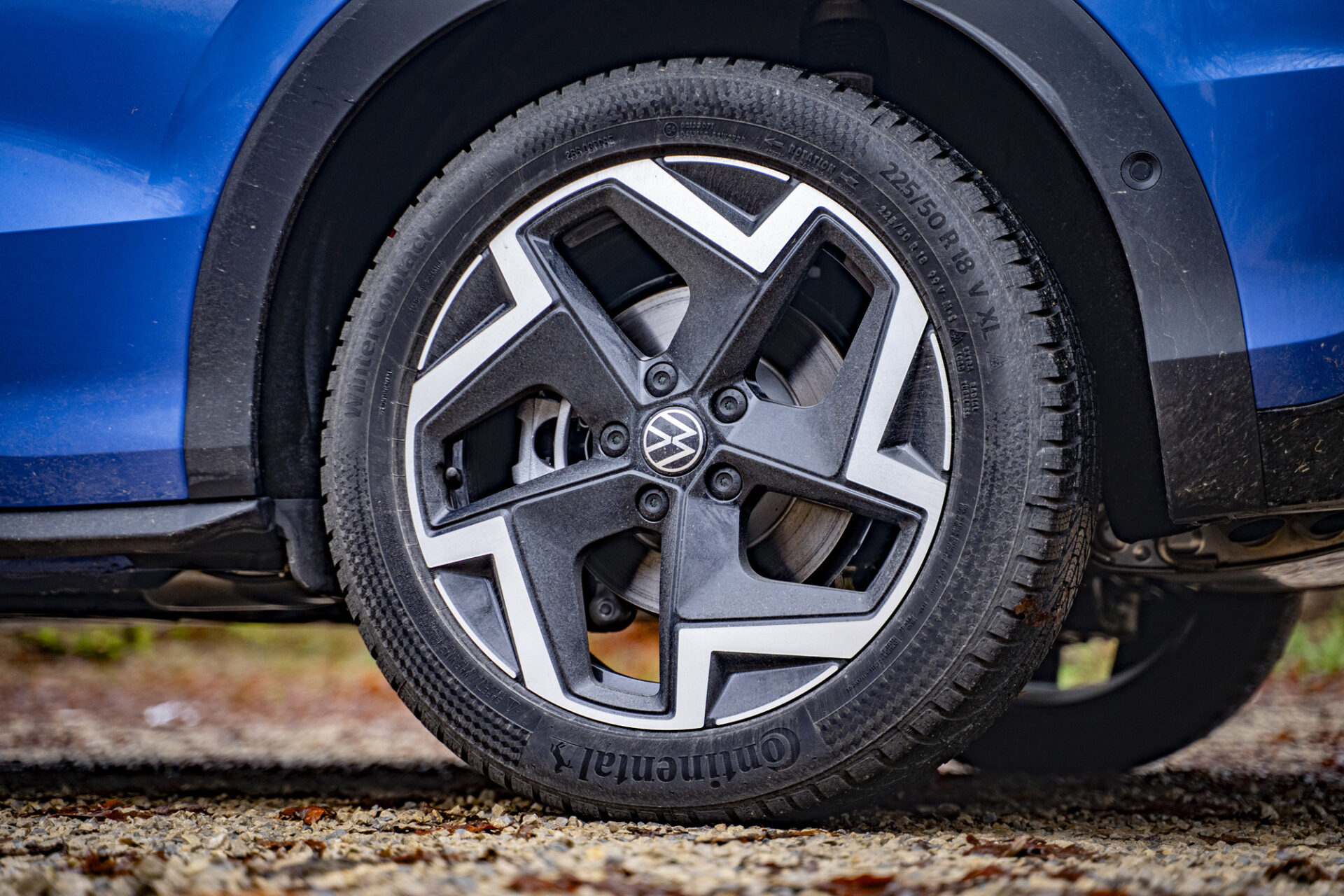
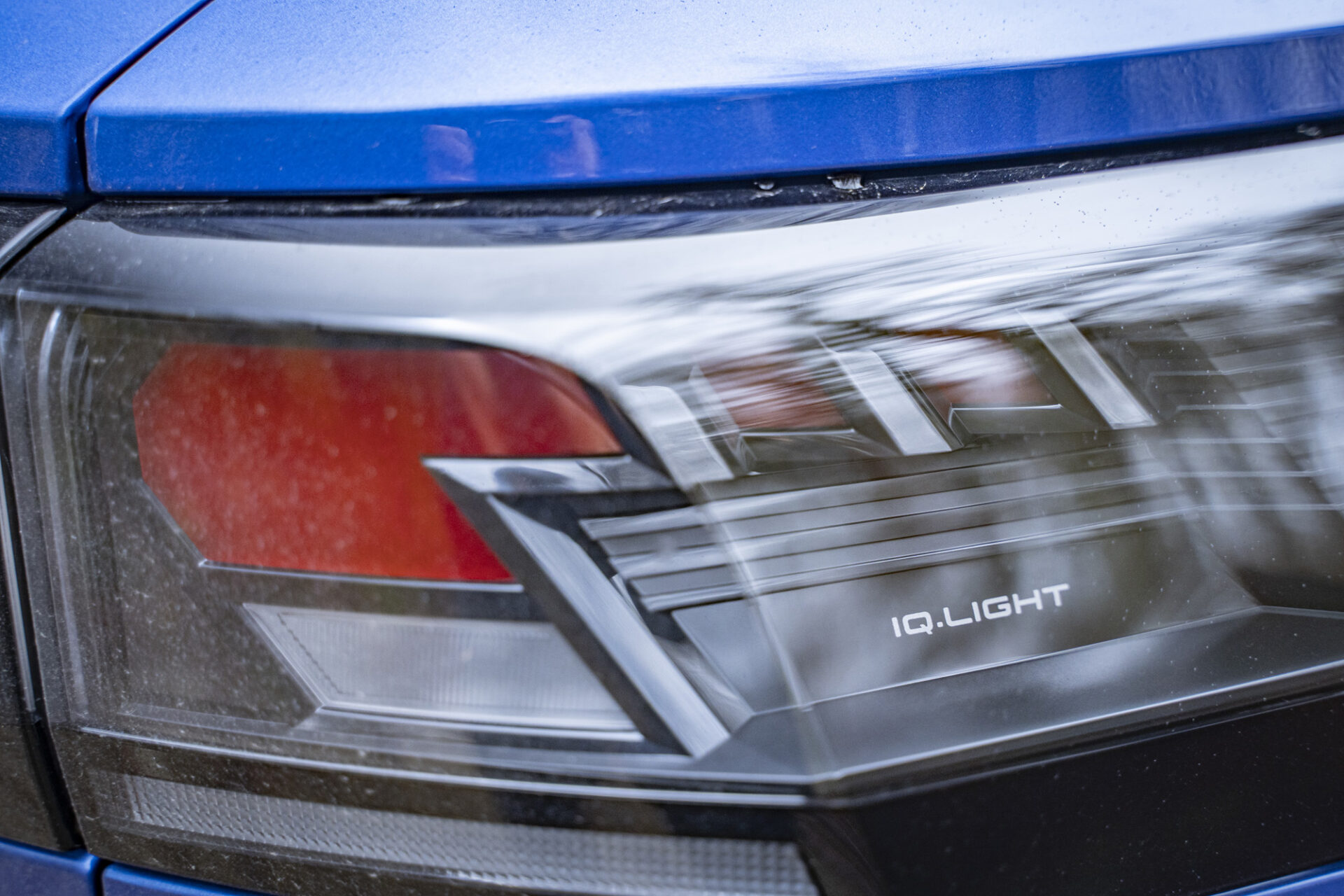
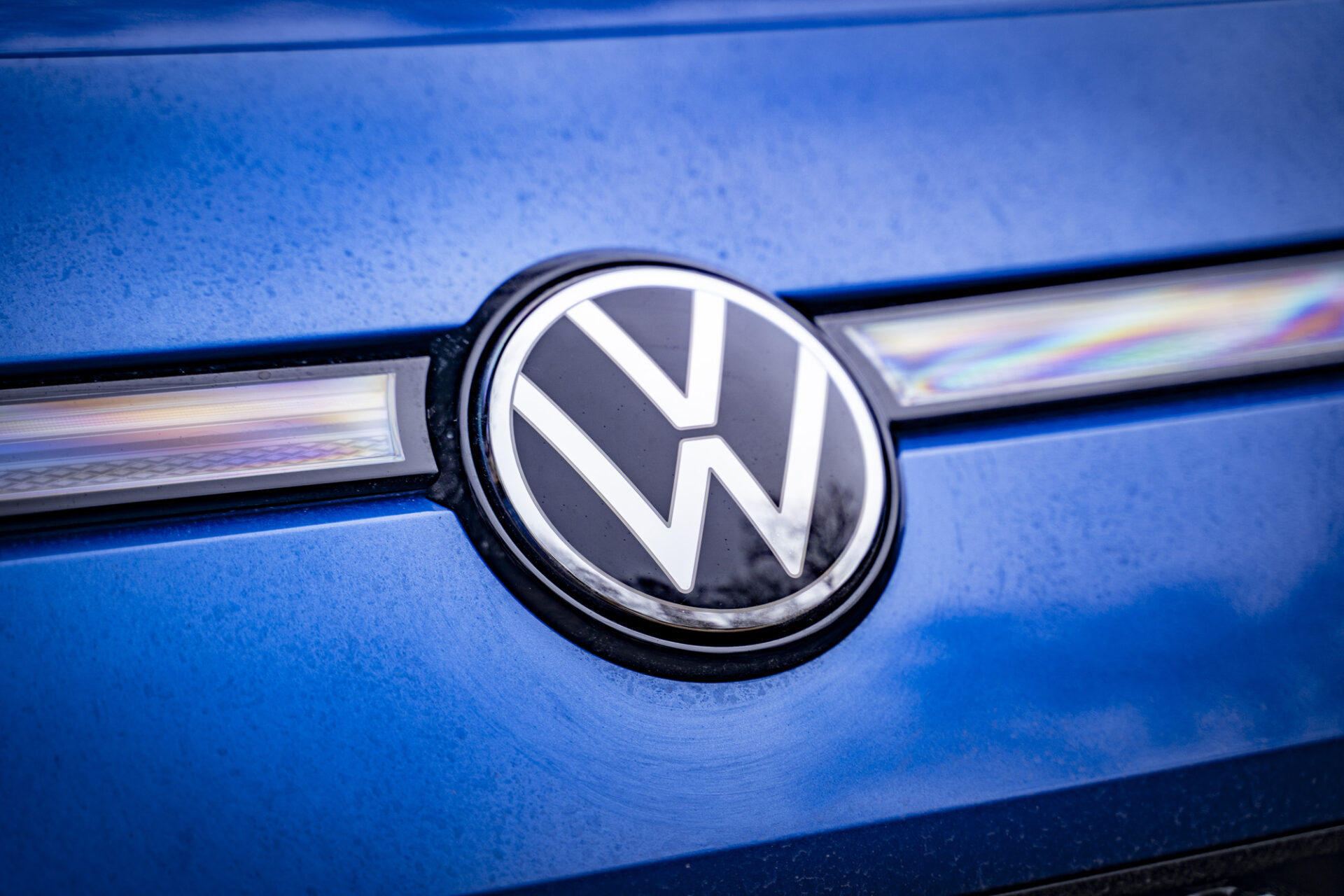
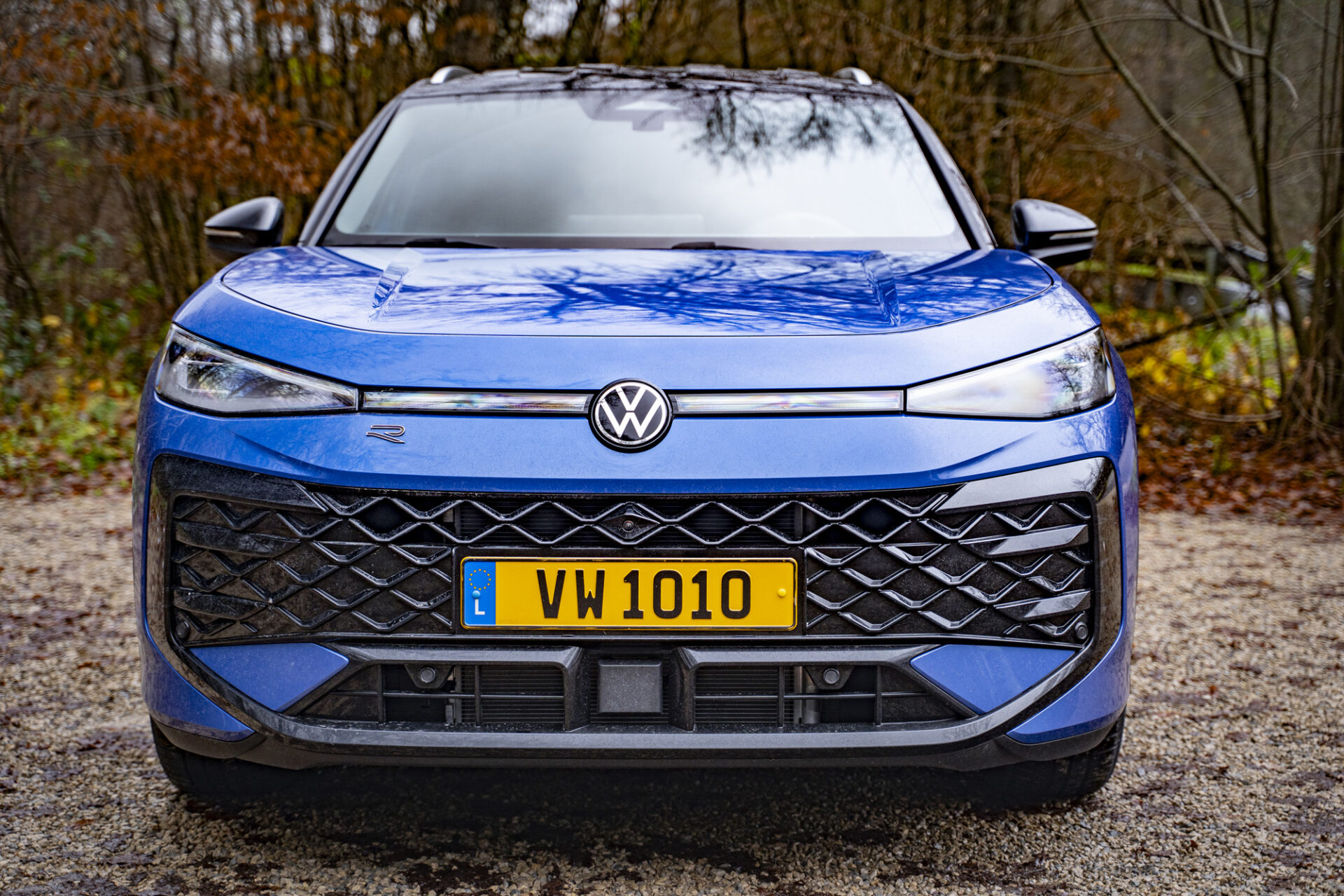
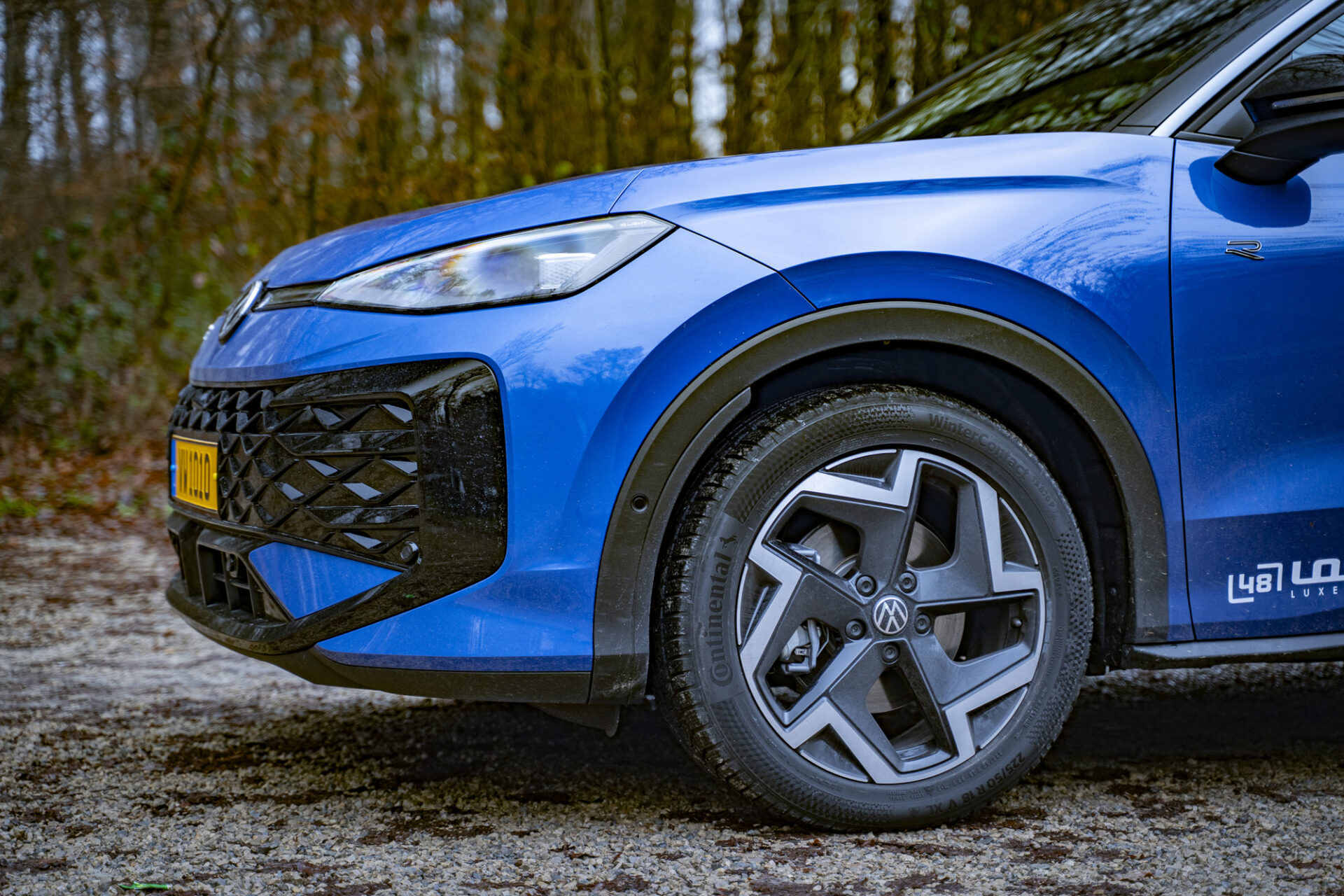
The front end has been completely redesigned to reflect Volkswagen’s new identity. The enlarged grille now features a horizontal light strip connecting the headlights, while the light signature adds a distinctive technological touch. The backlit Volkswagen logo, present at the front and rear, completes this lighting display. At the rear, the lights have been given a modernised design with dynamic indicators and a tinted finish. Also noteworthy is the engineers’ work on aerodynamics, with a drag coefficient (Cx) reduced to 0.29, an improvement of around 10%, contributing to overall efficiency. Finally, the colour palette has been expanded with new shades and two-tone combinations, while redesigned wheels (up to 19 inches) reinforce the model’s personality.
Sustainable and well equipped
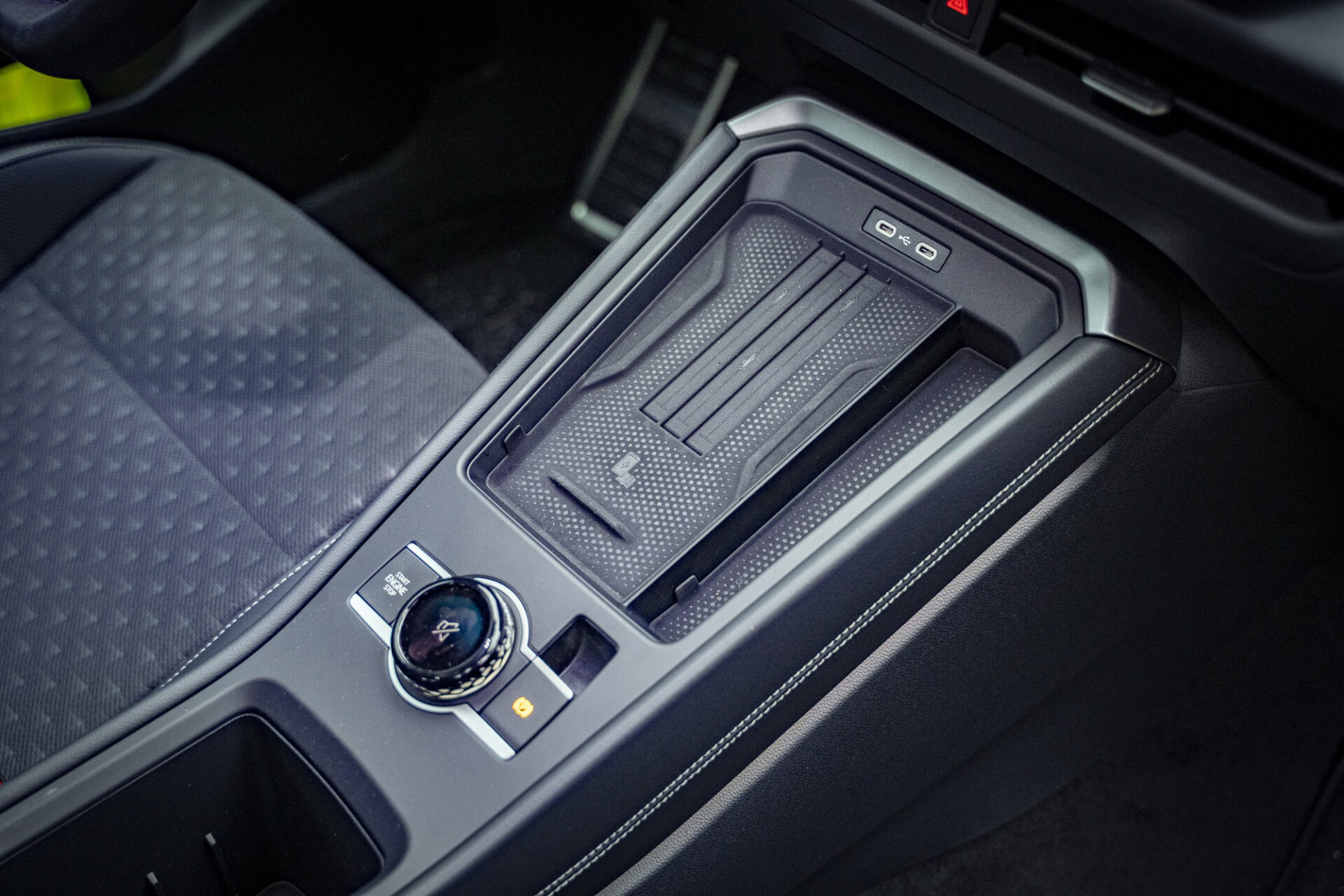
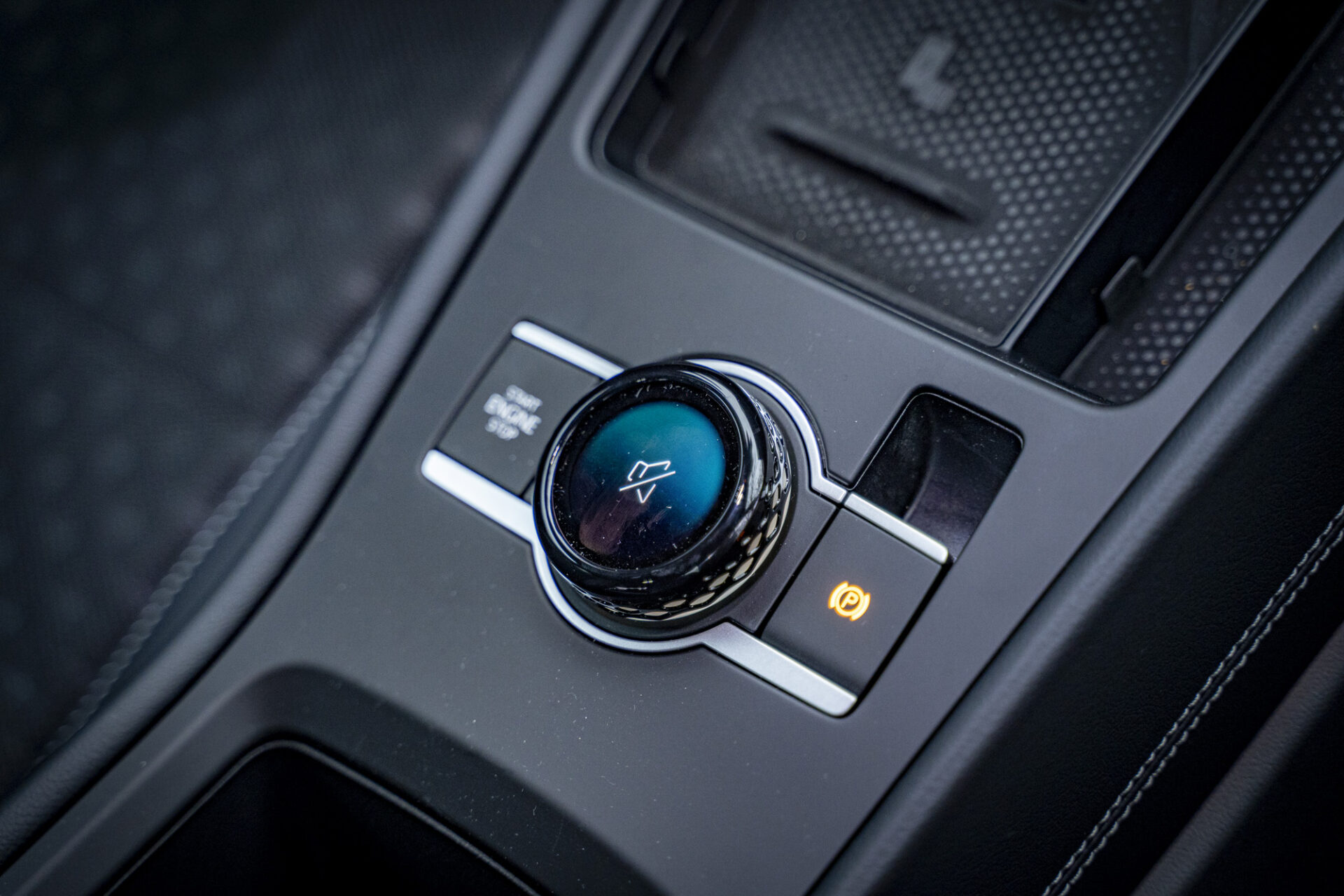
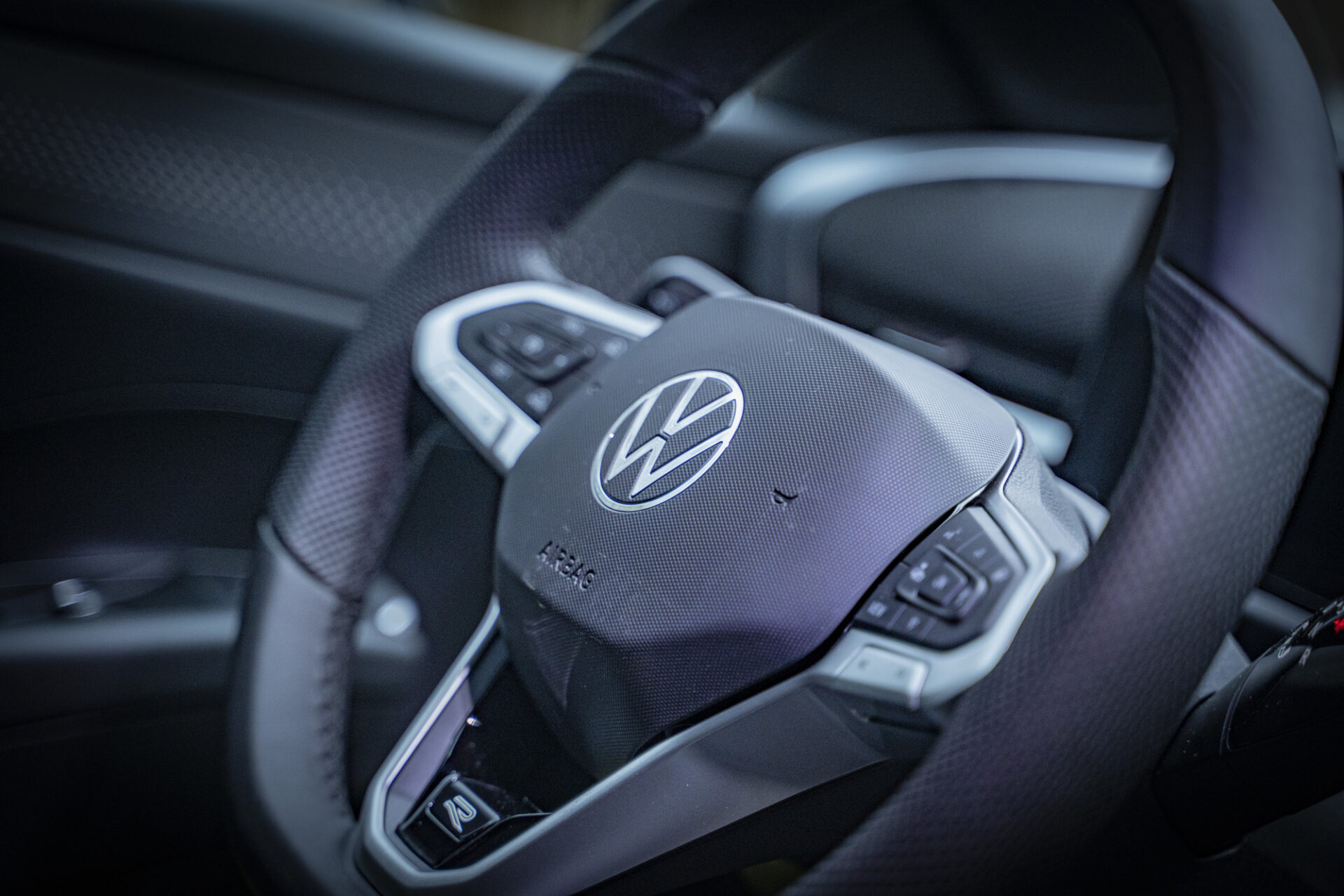
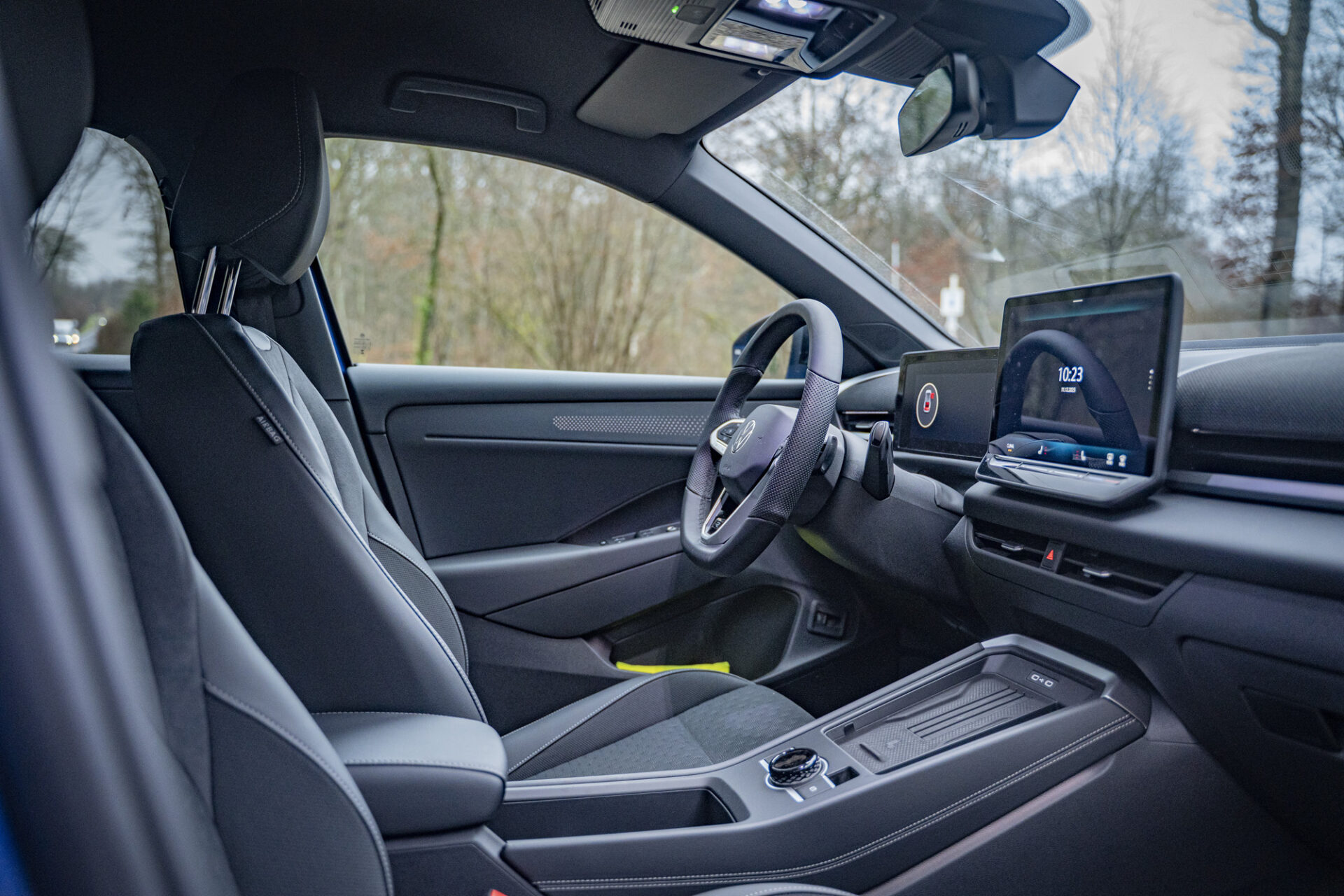
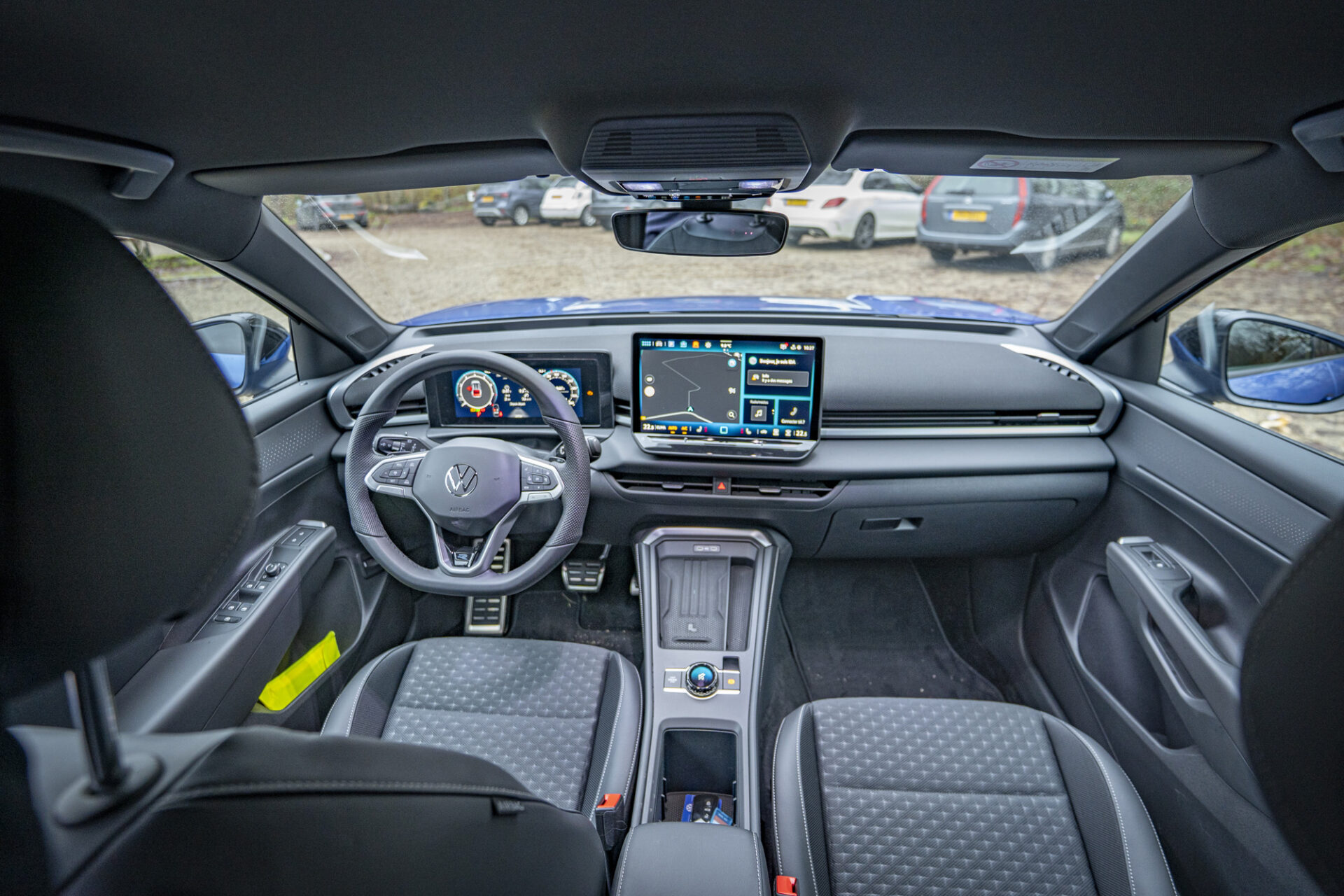
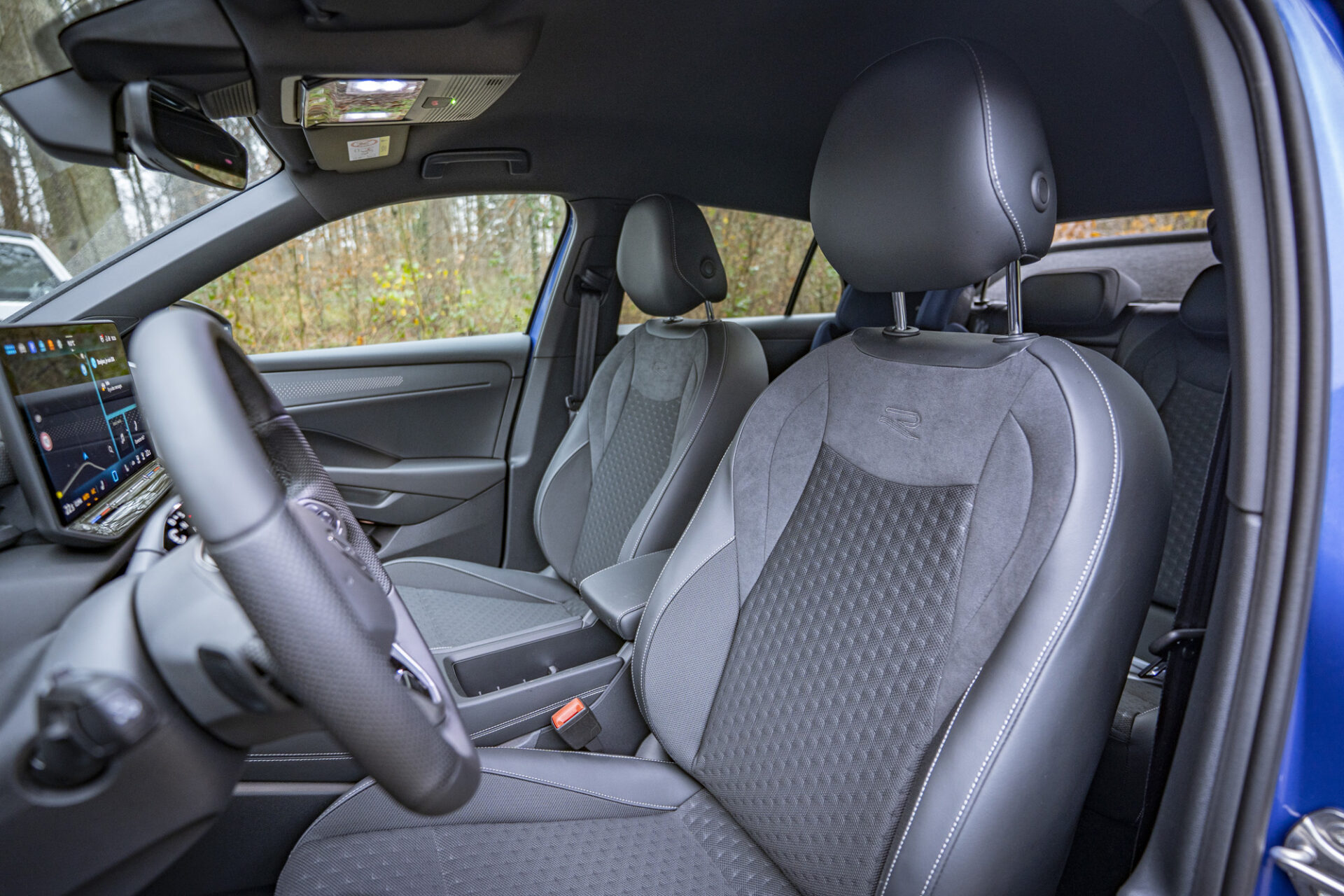
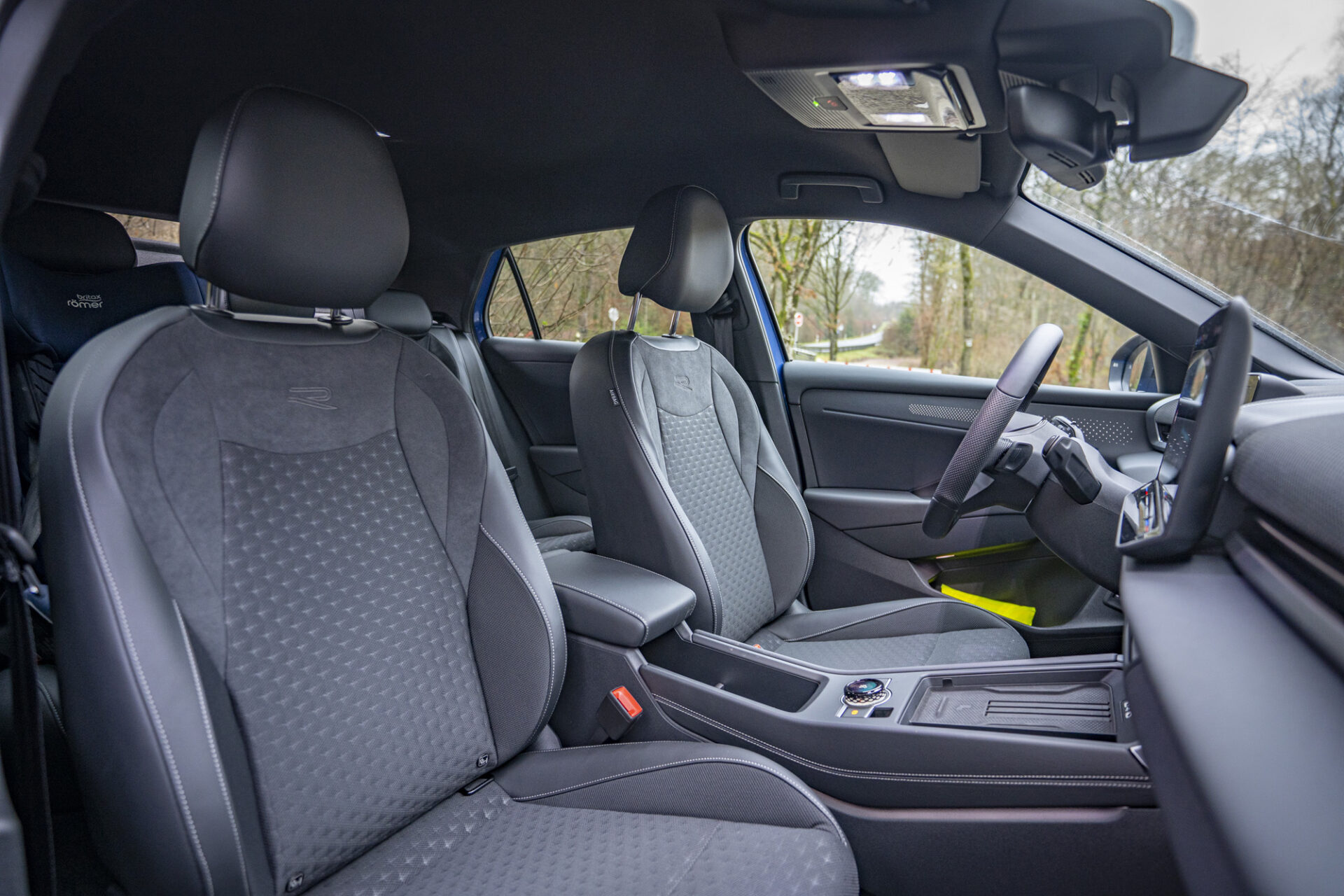
Inside, the new T-Roc sets new standards in terms of quality and sustainability. The dashboard, now horizontally structured, features foam surfaces and elegant stitching, while the door trim is made from soft-touch materials. Volkswagen is committed to environmental responsibility: up to 140 components are partially or fully recycled, and the seats and some of the trim use PET fabric made from plastic bottles, making the T-Roc the most sustainable model ever produced by the brand.
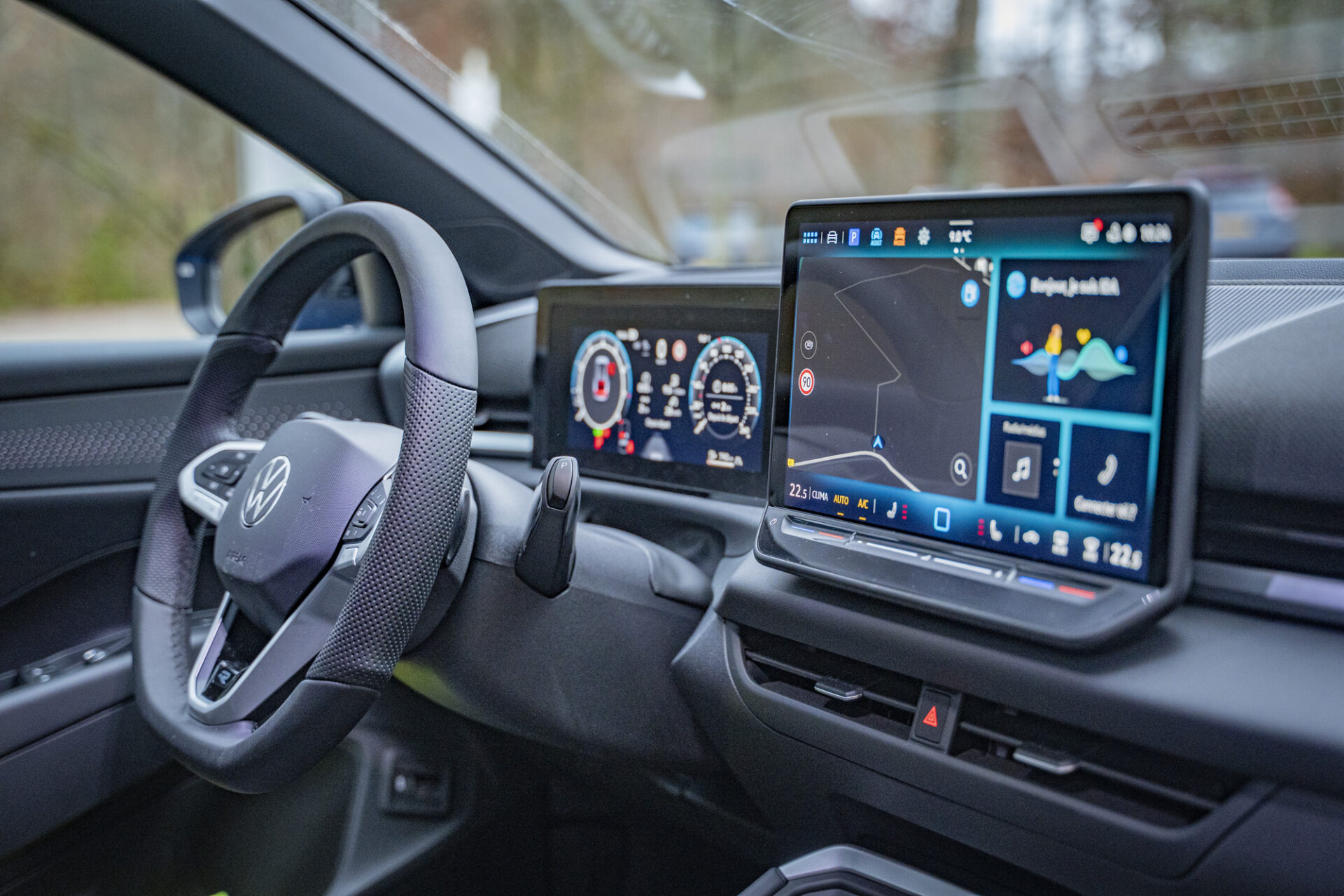
The interior ambience is resolutely modern: Digital Cockpit as standard, floating central screen up to 9.2 inches, touch controls for air conditioning and ambient lighting that can be customised depending on the trim level. The higher trim levels (Style, R-Line) add premium decorative inserts and comfortable ArtVelours seats, while options include Nappa leather and ergoActive seats with massage function.
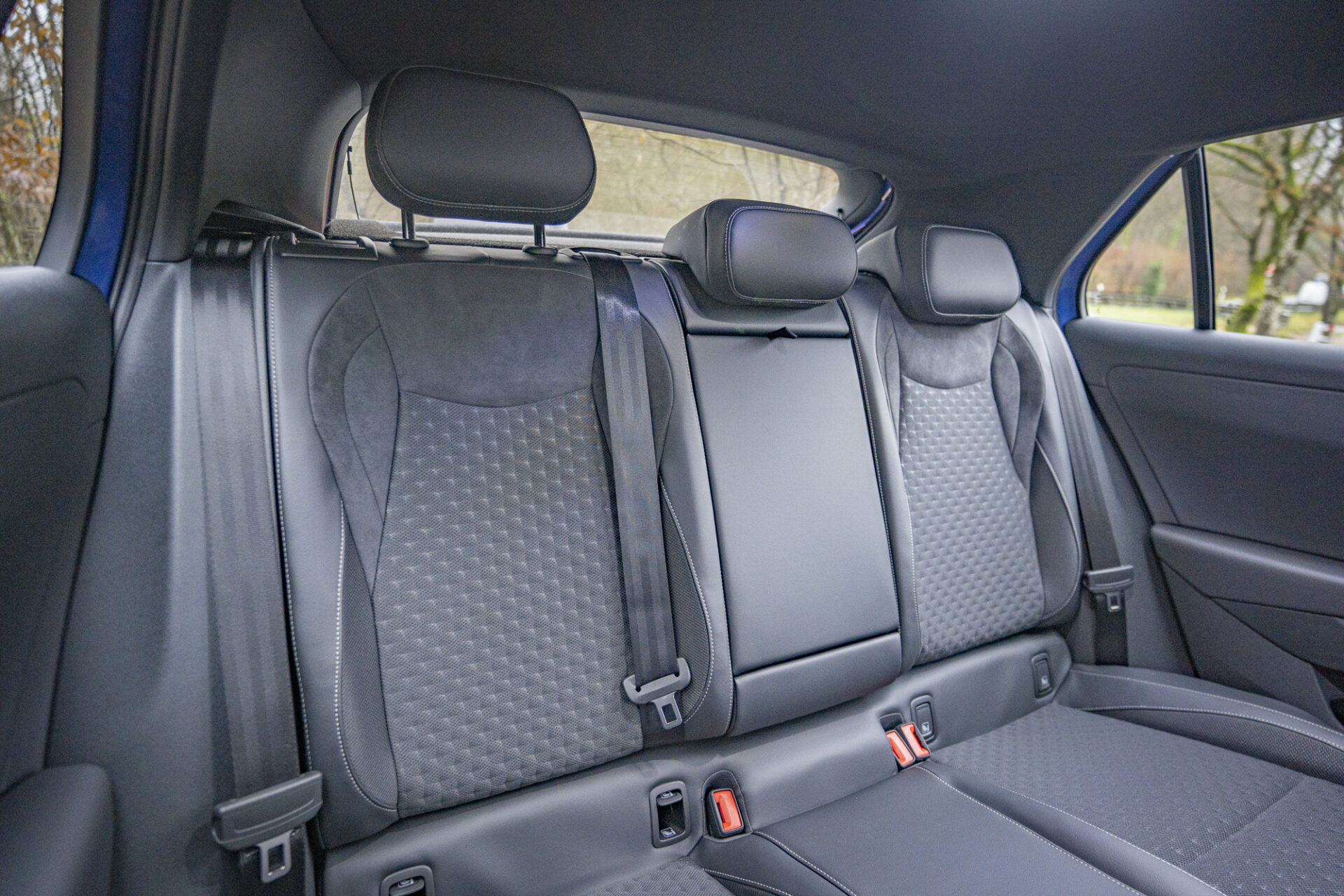
In terms of interior space, the improvement is tangible. Thanks to increased length (+122 mm), rear passengers enjoy generous knee room, even with adults in the front. The boot gains 30 litres, reaching 475 litres, and modularity is a given: there are a folding passenger seat backrest, a split rear bench seat and a centre armrest with ski hatch for winter getaways. An optional electric tailgate with Easy Open & Close function makes loading easier.
Controlled fuel consumption
Under the hood, the new T-Roc introduces a fully electrified range, but without external charging. Volkswagen is focusing on mild hybrid engines and a future full hybrid system to combine fuel efficiency and driving pleasure.
The core of the range is the 1.5 eTSI, a petrol engine combined with 48 V hybridisation, available in two power levels: 85 kW (116 bhp) and 110 kW (150 bhp). This technology enables intelligent functions such as coasting mode, cylinder deactivation and brake energy recovery, helping to reduce fuel consumption without sacrificing flexibility.
In 2026, the range will expand with the 2.0 eTSI 4MOTION, delivering 150 kW (204 bhp) and all-wheel drive, for those seeking more power and traction. In addition, there will be a new full hybrid, available in two variants: 100 kW (136 hp) and 125 kW (170 hp), offering an even more efficient alternative.
All engines are paired with a seven-speed DSG automatic gearbox, ensuring comfort and responsiveness. The electric boost is noticeable from the very first few metres: the additional torque (up to 56 Nm) when starting off provides smoother acceleration and a fluid driving experience, particularly in urban environments. The result is an SUV that retains its dynamic character while embracing the principles of modern efficiency.
In terms of fuel consumption, the new T-Roc appears to be quite economical. The 48V mild hybrid and 1.5 eTSI engines offer low fuel consumption: between 5.5 and 6.0 l/100 km in the WLTP cycle, depending on the power output selected.
Balance and driving comfort
The new T-Roc is based on the MQB evo platform, which ensures balanced handling and good comfort. From the moment you get behind the wheel, you’ll notice the typical robustness of Volkswagen SUVs, with a high driving position and optimal visibility. The steering is precise, and the suspension absorbs bumps well, thanks to the adaptive chassis control available on the 150 bhp version. This system adjusts the firmness of the shock absorbers to prioritise ride comfort depending on the conditions.
As usual, Volkswagen’s driver assistance systems are well designed and fairly comprehensive. The new T-Roc embodies the intelligent evolution of the compact SUV: more sustainable, more technological, more comfortable. It retains its DNA while meeting current expectations, with a noticeable upgrade and sensible electrification.
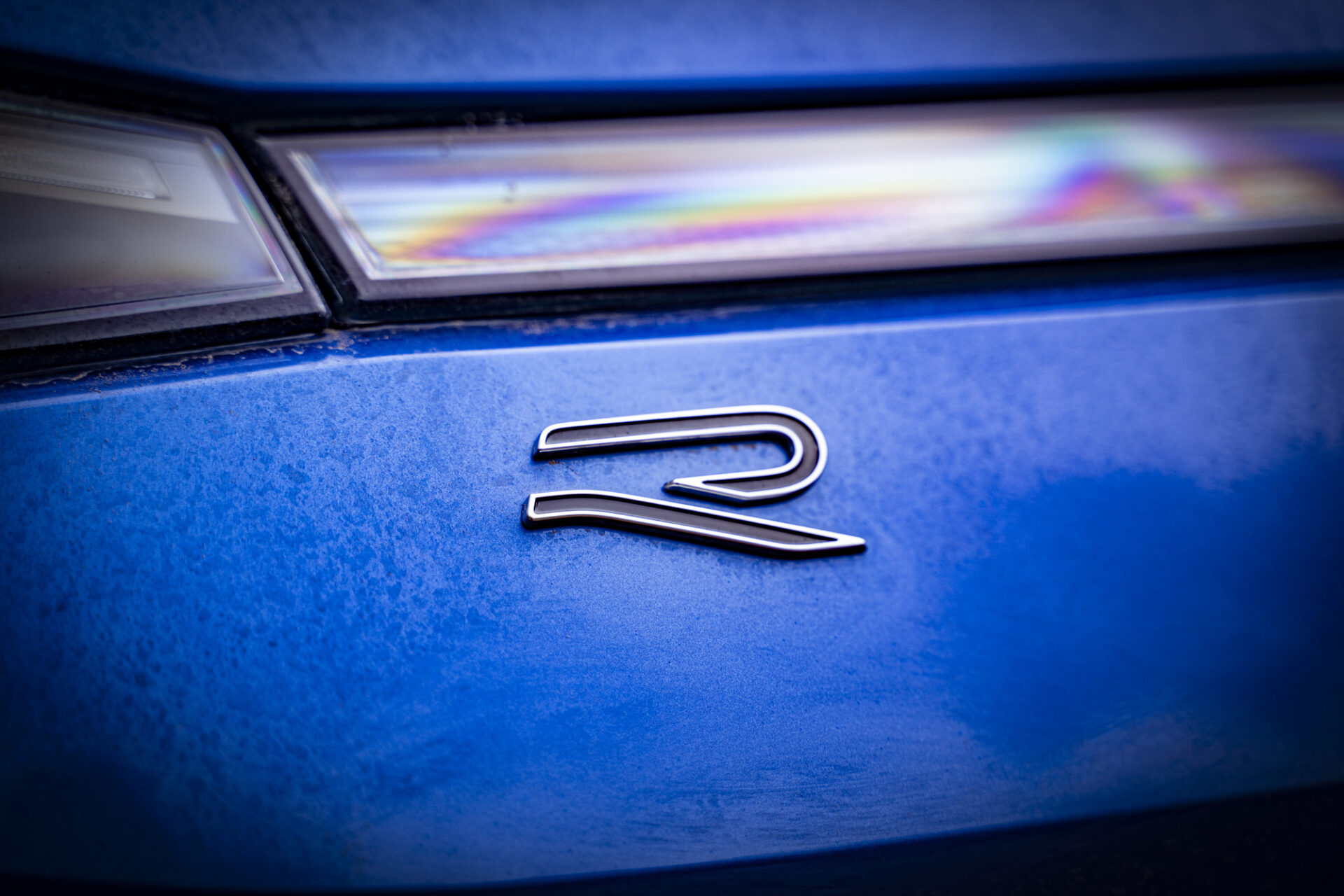
Its sharp design, modernised interior and driver assistance features from higher segments make it a comprehensive model, designed for versatility. In terms of price, the base model starts at €34,200 but can quickly rise to over €40,000 in its R-Line version. The T-Roc remains a solid choice for those looking for a modern, connected and efficient compact SUV without the constraints of recharging.
We like / We don't like
We like
– The new front design
– The illuminated logo
– The versatility
We don’t like
– The price, which rises quickly with the finishes
– No plug-in hybrid or 100% electric version
Technical specifications
Length: 4,373 mm
Width: 1,828 mm (excluding mirrors)
Height: 1,573 mm
Wheelbase: 2,629 mm
Maximum power (kW): 85 kW (116 bhp) and 110 kW (150 bhp)
Maximum torque (Nm): Up to 250 Nm for the 1.5 eTSI
Fuel consumption (L/100 km) WLTP combined: 5.5 to 6.0 L/100 km depending on engine
CO₂ emissions (g/km) WLTP: 113 to 136 g/km
Base model price: Starting at around €34,200