To mark its 35th anniversary, Opel has rejuvenated its Astra model with a brand new light signature, stylish wheel design and comfortable ‘smart seats’. In line with its goal of offering customers greater flexibility in their choice of engine, the car manufacturer has also improved the battery in the electric version.
The year 2026 will mark the 90th anniversary of Opel compact cars, with the Kadett first being manufactured in 1936. Several generations later, the company changed the model name from Kadett to Astra for standardisation reasons, and the first Astra was launched in 1991. The model will therefore celebrate its 35th anniversary next year. Today, the current generation of the Astra and Astra Sports Tourer is designed, developed and manufactured at Opel’s plant in Rüsselsheim, Germany.
And the car manufacturer has just unveiled a new design for this compact car. According to Frank Starz, assistant chief designer at Opel, the new Astra is much more than just an update. ‘It’s a bold evolution of the Astra’s character and our commitment to innovation, precision and emotional appeal.’
Lit up day and night: an industry first
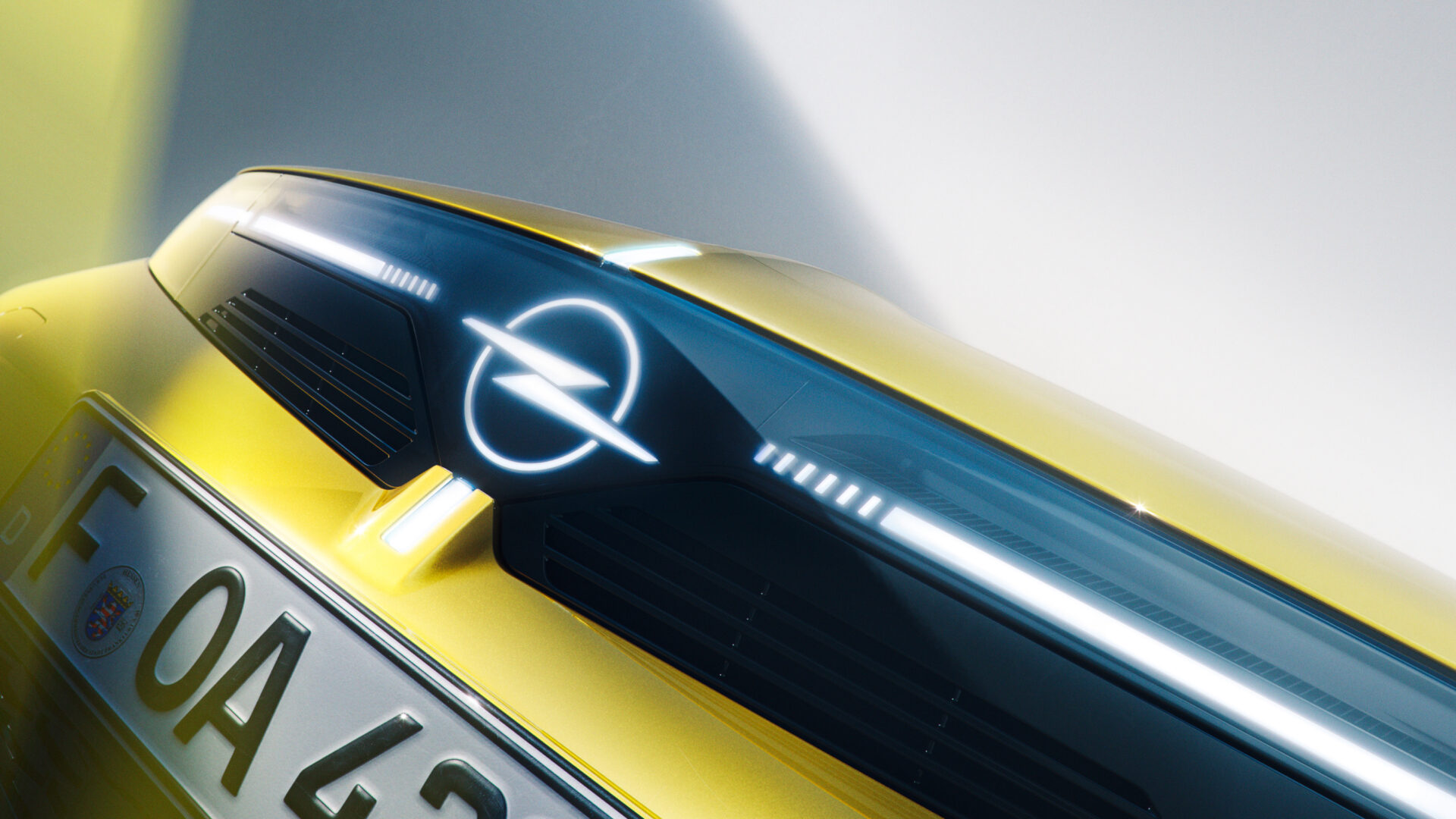
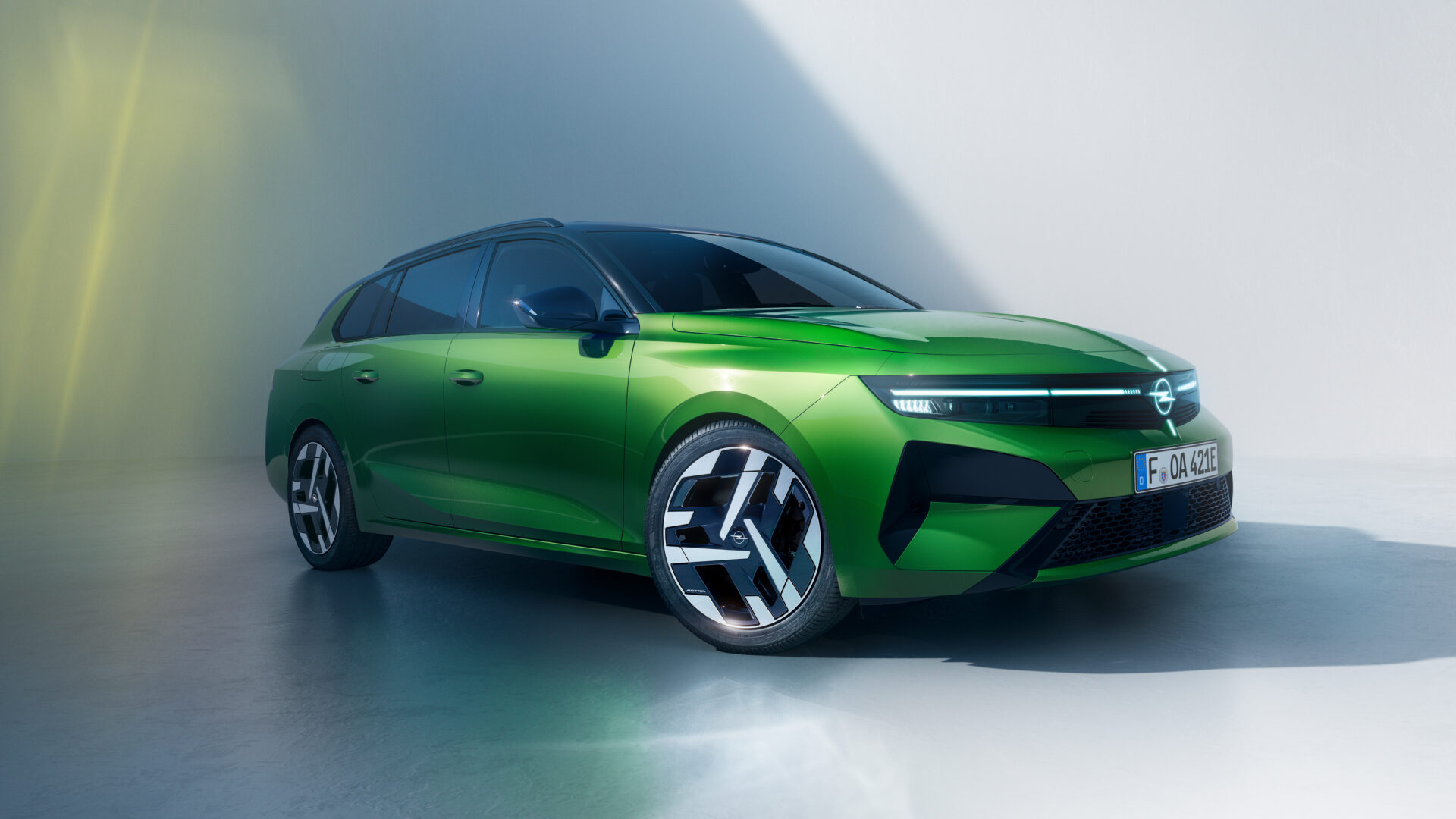
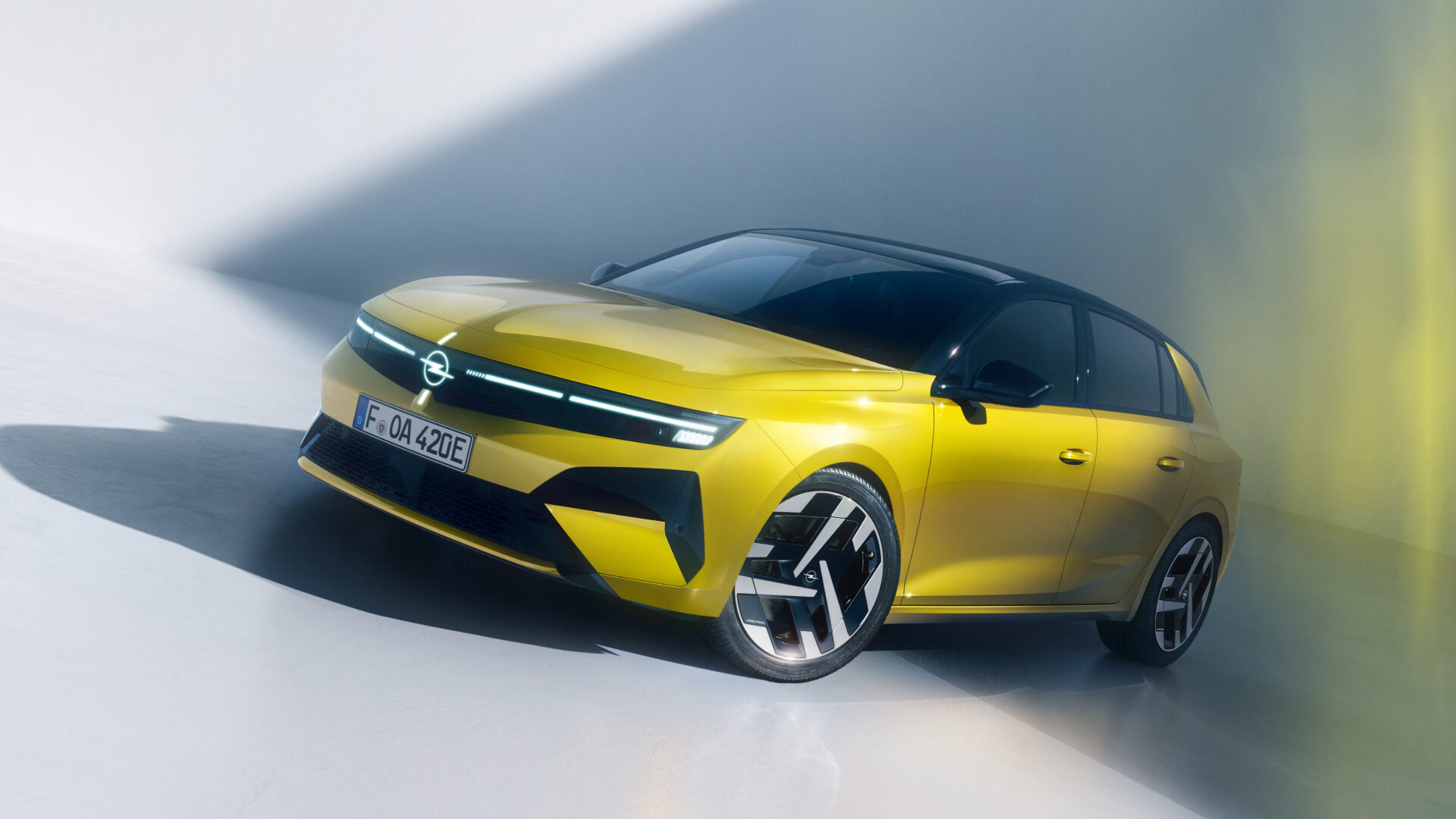
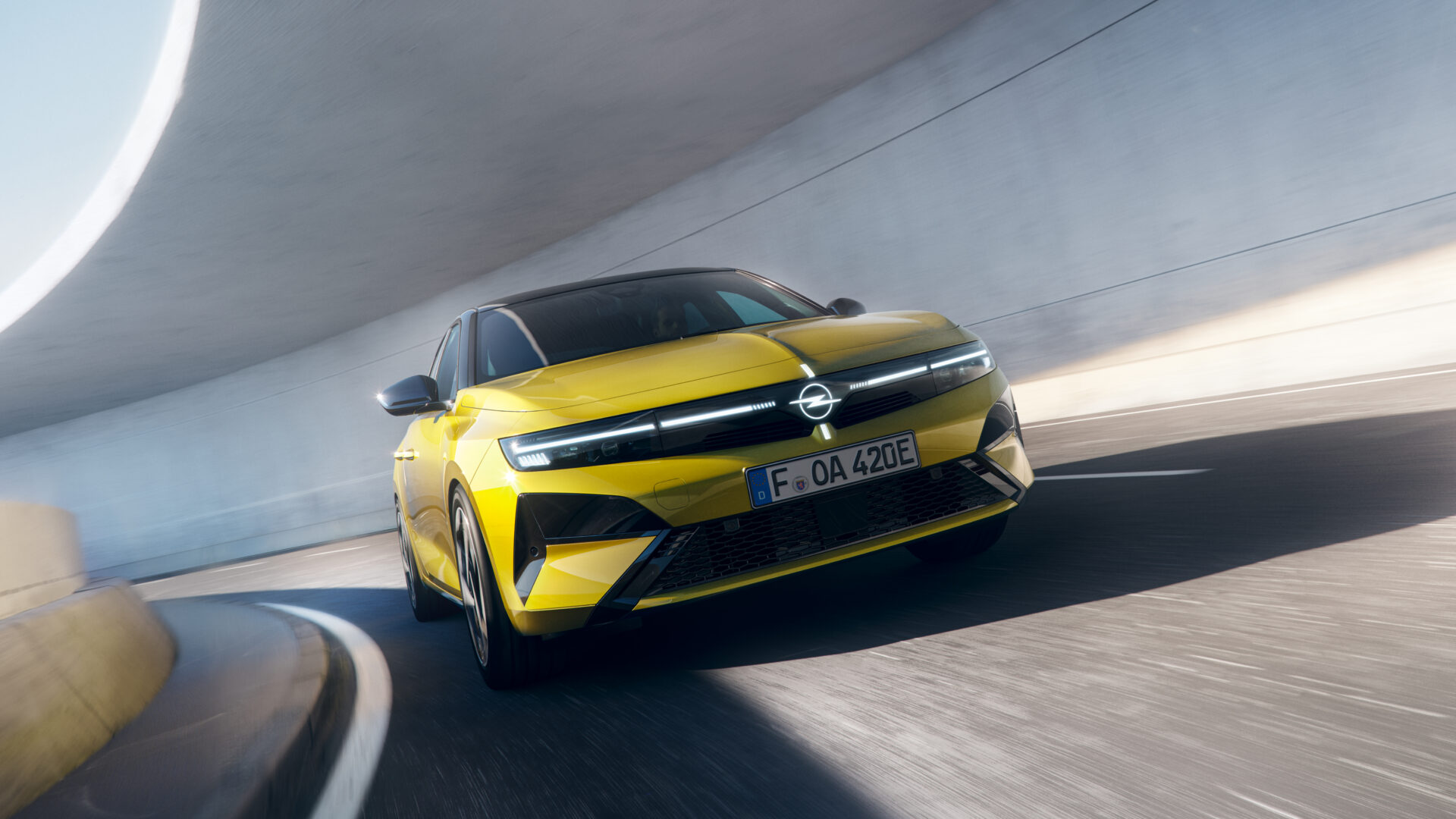
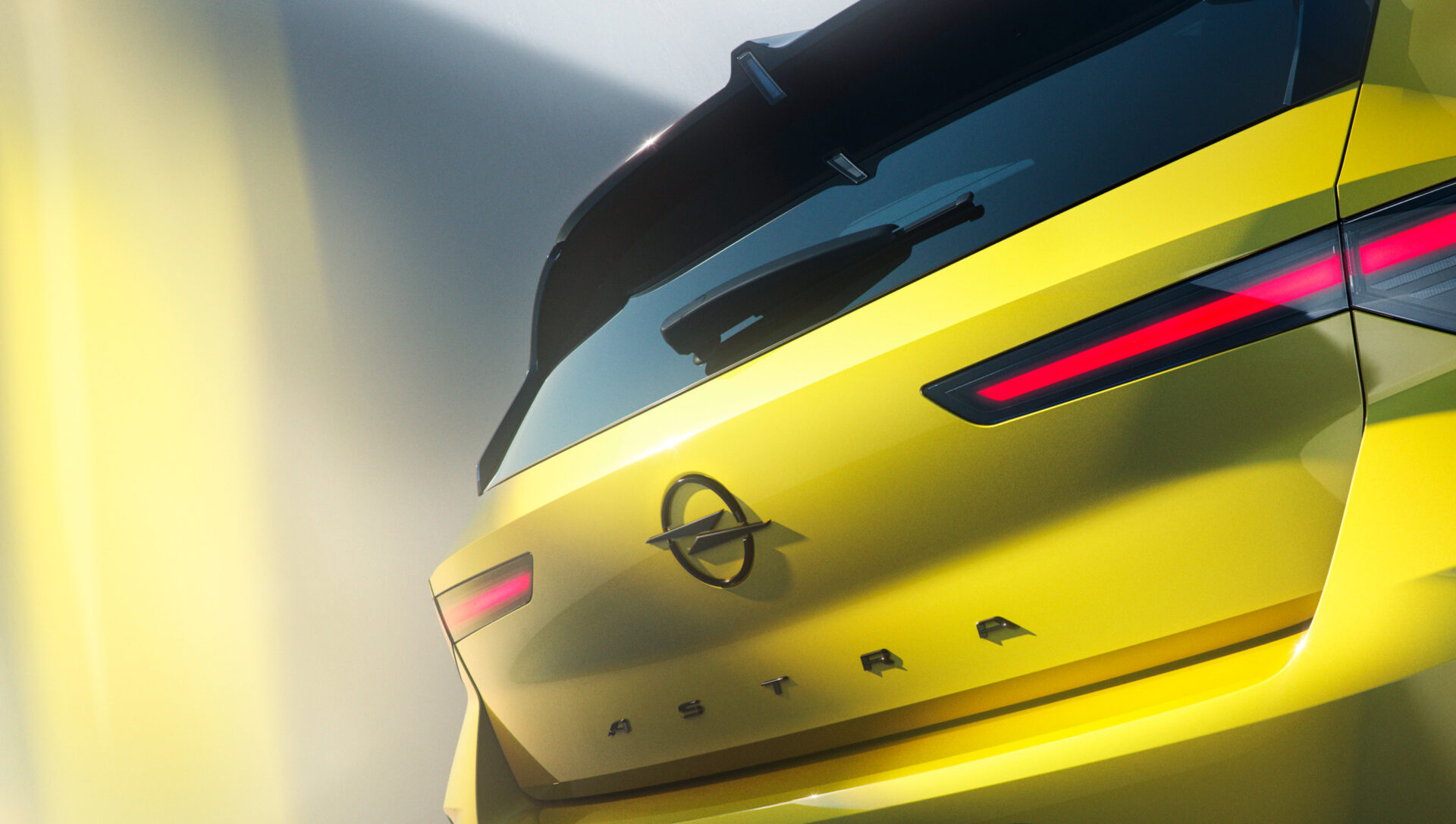
Inspired by the Corsa Vision concept car, the new Astra has a fresh, modern look. The Opel Blitz logo, representing a flattened lightning bolt, is featured on the front and rear of the vehicle, as well as in the centre of each wheel. The front end is sharper and bolder. But the ‘star of the day,’ as Mr. Starz puts it, is the front light signature.
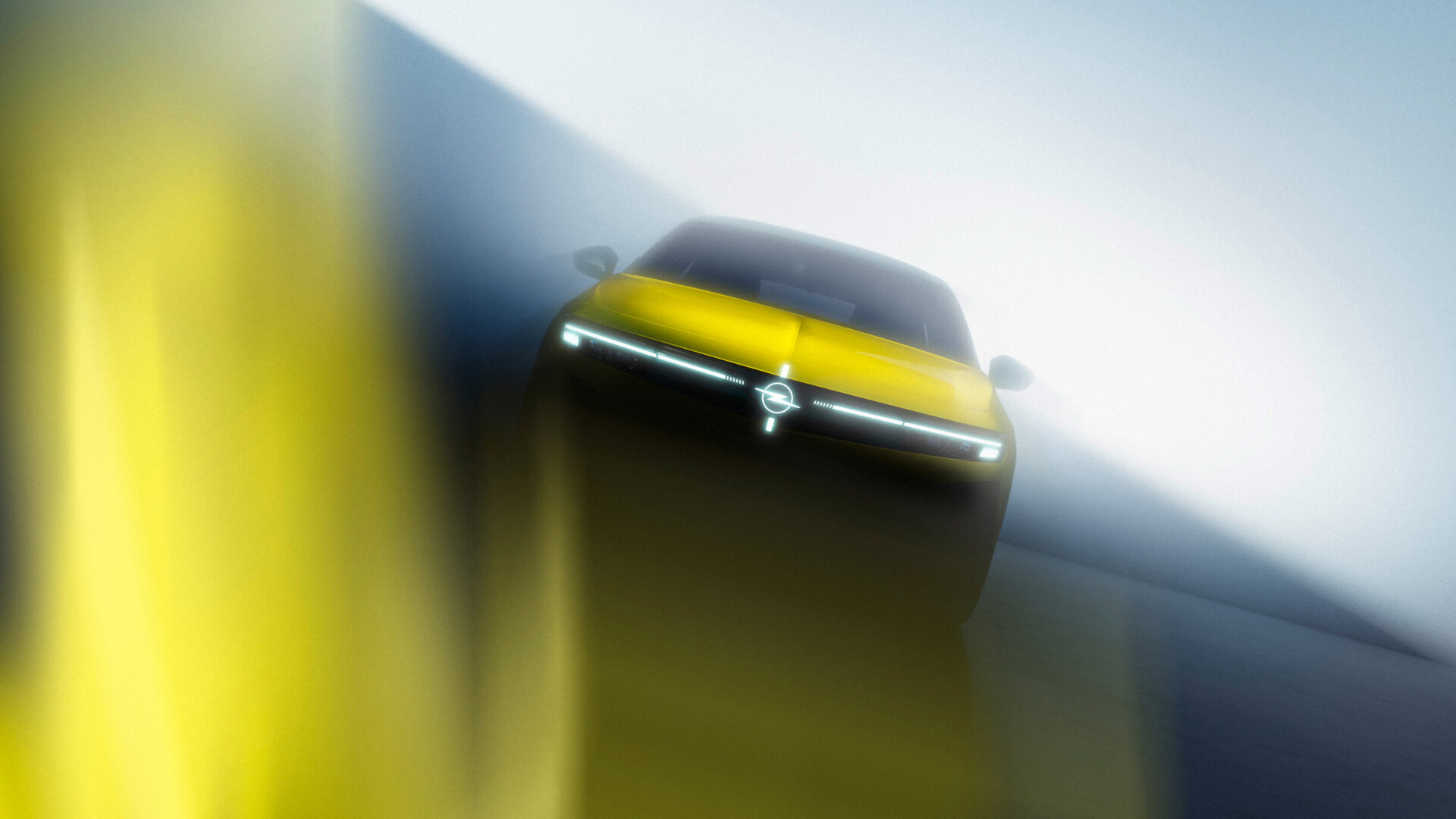
The brand’s illuminated emblem, featuring the north and south arms of a compass, is located in the centre of the front end, creating a line that extends across the bonnet and ends at the rear of the vehicle, where the vertical brake light visually echoes the north and south arms of the compass. Company representatives pointed out that it is an ‘industry first’ for the light signature to be illuminated during the day and in all driving conditions. In addition, the new front end has no exterior chrome trim.
But creating the new light signature was not easy, noted assistant chief designer Starz. ‘What helped us from the beginning was this really small module that you see on the base lamp,’ he said. “Before, I had to work with reflectors that were 40 mm high. That was fine. But now, on these modules, the height is only 20 mm. That’s half. So that gives us a completely new package. You also have to consider the depth, which is completely different from that of reflectors. Reflectors are quite deep; these modules can be placed closer to the front. That’s why we were so pleased with these modules right from the start.”
The new ‘Intelli-Lux HD’ lighting design comprises more than 51,200 individual pixels, or more than 25,000 elements per headlight. Initially introduced in the Opel Grandland, this technology is now available in the Astra. It works in conjunction with a camera located in the windscreen to ensure optimal road illumination for the driver. The new ultra-flat LED module offers more than 30% greater brightness than the previous LED reflector system.
A more aerodynamic wheel design
The wheels of the new Astra also feature a new, elegant and striking design. Previous versions of the Astra had wheels divided into five distinct zones; thanks to straight, clean lines, the new design divides the wheels into three zones. Technically, this helps to improve the vehicle’s aerodynamics, explains Mr Starz.
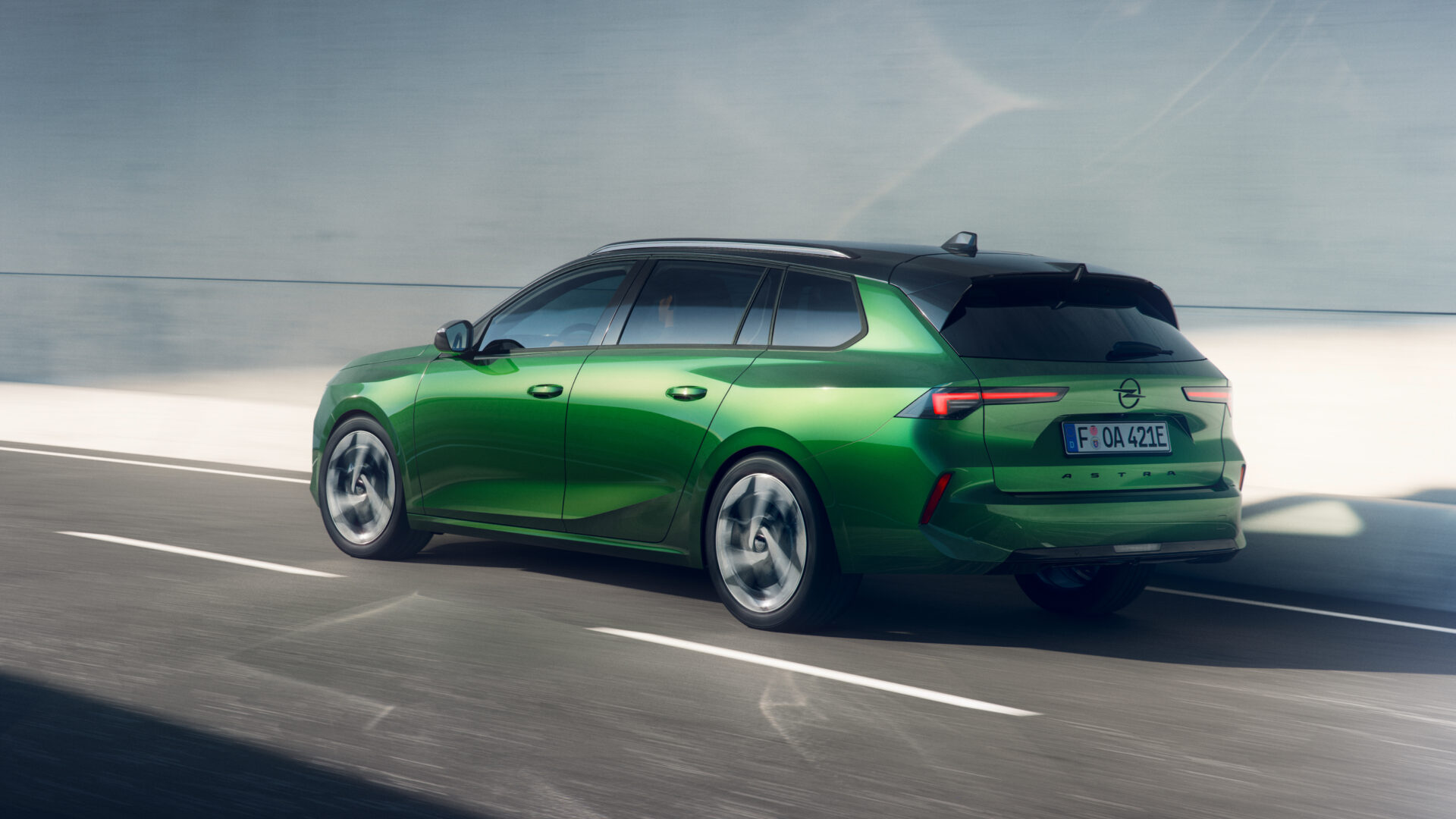
The clean, straight lines of the triangular element just behind the rear passenger windows are also reminiscent of the 1979 Kadett. The 1979 model had seven of these horizontal bands; the new Astra has only two, which are much more elegant and blend in with the rest of the design, but this element remains a nod to Opel’s history.
Comfortable “smart seats”
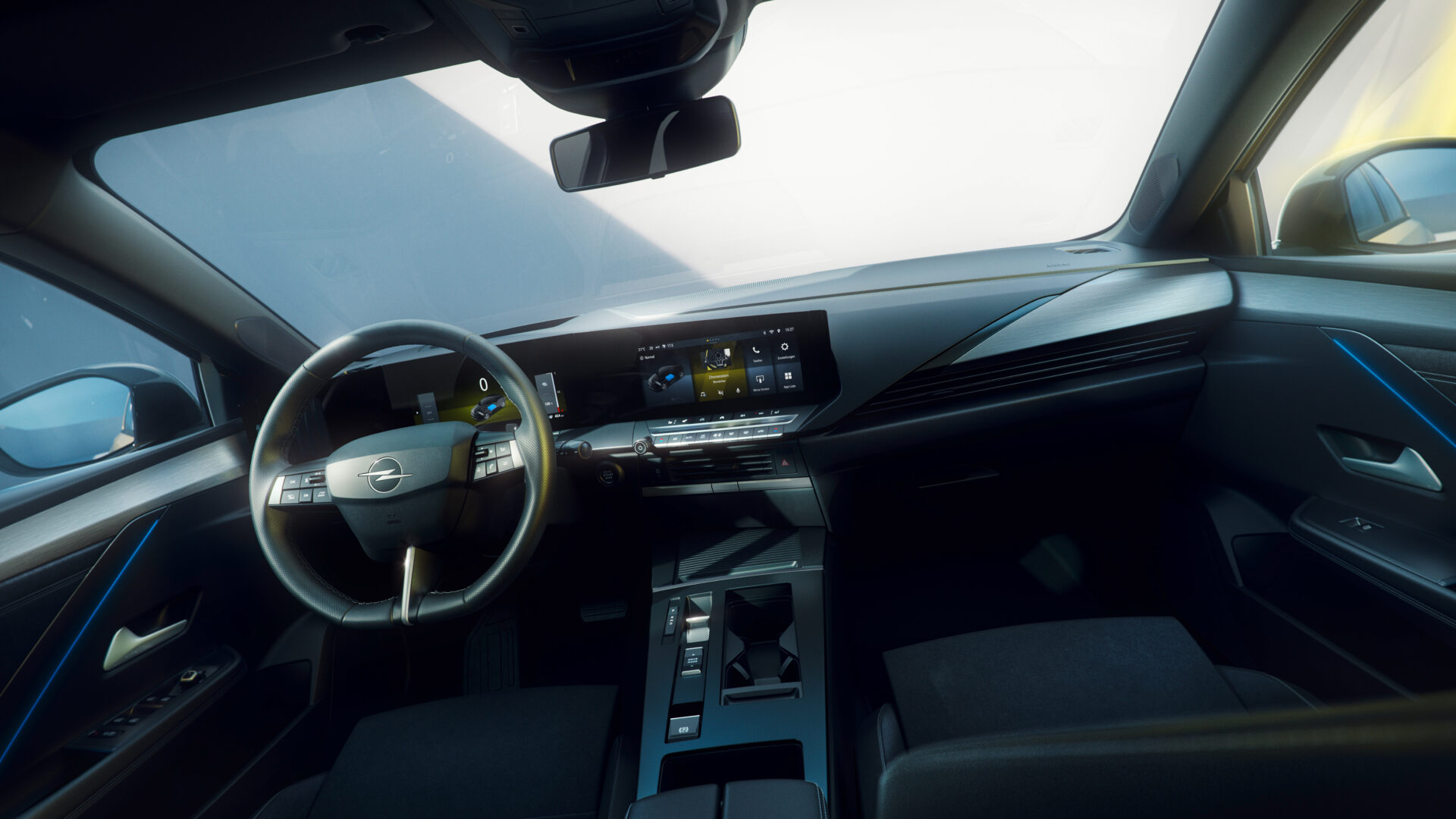
The Astra’s ‘smart seats’ feature a ‘cut-out’ in the lower part of the seat which, like a bicycle saddle, relieves pressure on the lower body, providing increased comfort for the driver and front passenger. The ergonomic seats are even certified by Aktion Gesunder Rücken (AGR), an independent organisation that promotes back health. ‘This feature is now standard,’ explains Martin Golka, Director of Product Communications at Opel. A massage function is also available as an option. The seat covers are made from 100% recycled fabric; and the steering wheel is also made from vegan materials.
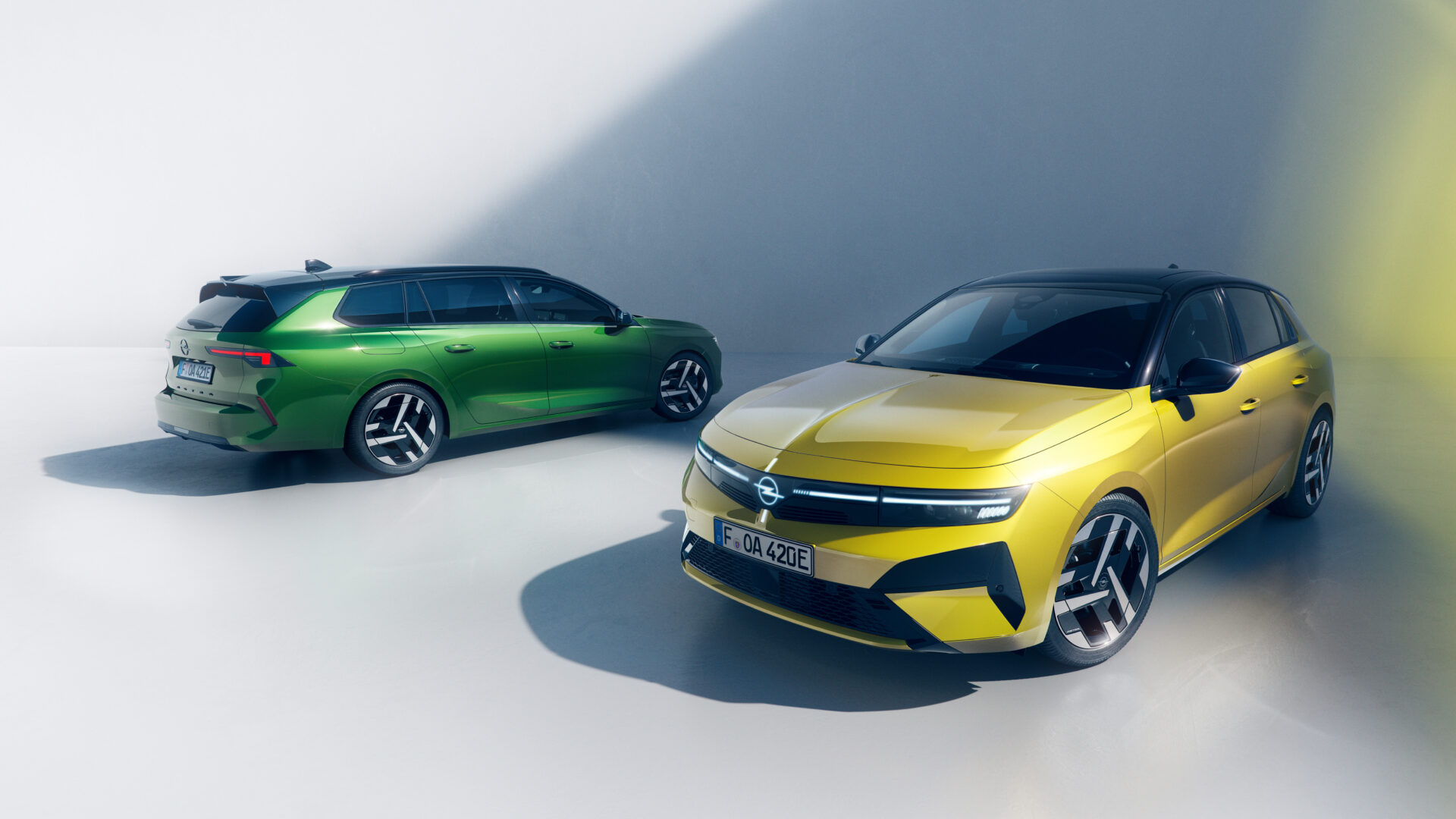
As for the cockpit, the screen graphics have been updated to make them more modern. In order to comply with new requirements, a camera has been installed in the car’s A-pillar and is part of the driver alert system. New colour options – ‘Klover Green’ and ‘Kontur White’ – are also available for the exterior.
But despite these improvements, the essence of the Astra has not changed, Golka emphasised. Its overall length and wheelbase remain unchanged. The boot is spacious enough to accommodate a washing machine, he said: the Astra Sports Tourer offers a maximum volume of 1,634 litres.
Opel continues to offer a range of engine options
Finally, trends in electric mobility vary across Europe. To meet the different needs of customers and offer ‘freedom of choice’, the car manufacturer is taking advantage of Stellantis’ ‘multi-energy platform’, which allows it to produce all powertrains on the same line, Mr Golka said. The car manufacturer continues to offer a ‘multi-energy range’, meaning that the new Astra will be available with diesel, hybrid, plug-in hybrid and electric powertrains.
The all-electric Astra now features a 58 kWh battery, which offers a range of up to 454 kilometres WLTP. This is due not only to the larger battery, Golka said, but also to the battery’s ‘preconditioning,’ which optimises charging performance. Paddles behind the steering wheel now allow the driver to select the level of energy recovery during regenerative braking, replacing the ‘B mode’ button on the centre console. It will also offer a ‘vehicle-to-load’ function, which will allow external devices to be charged.
Opel’s new Astra will make its world debut at the Brussels Motor Show in early January.
Tags