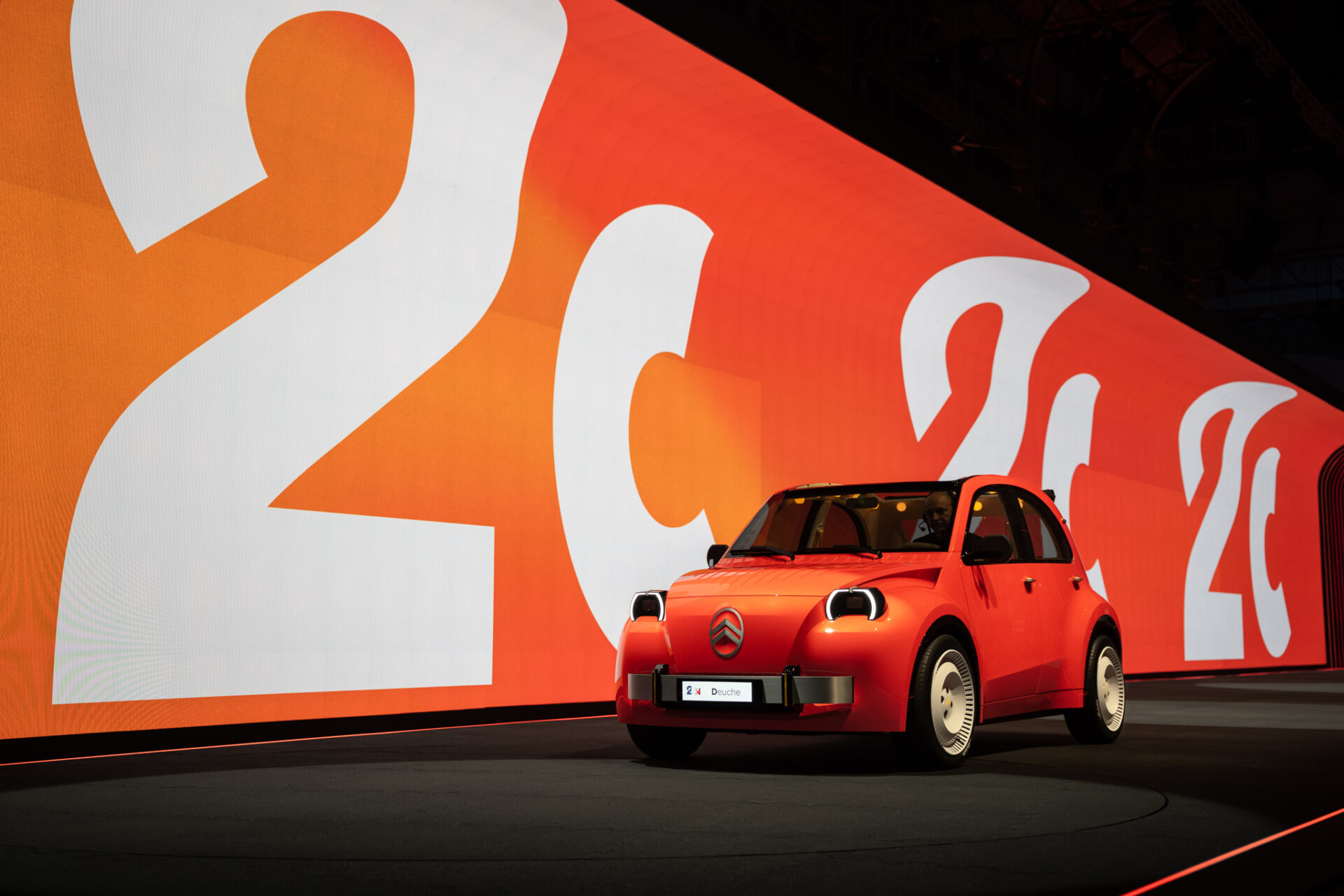
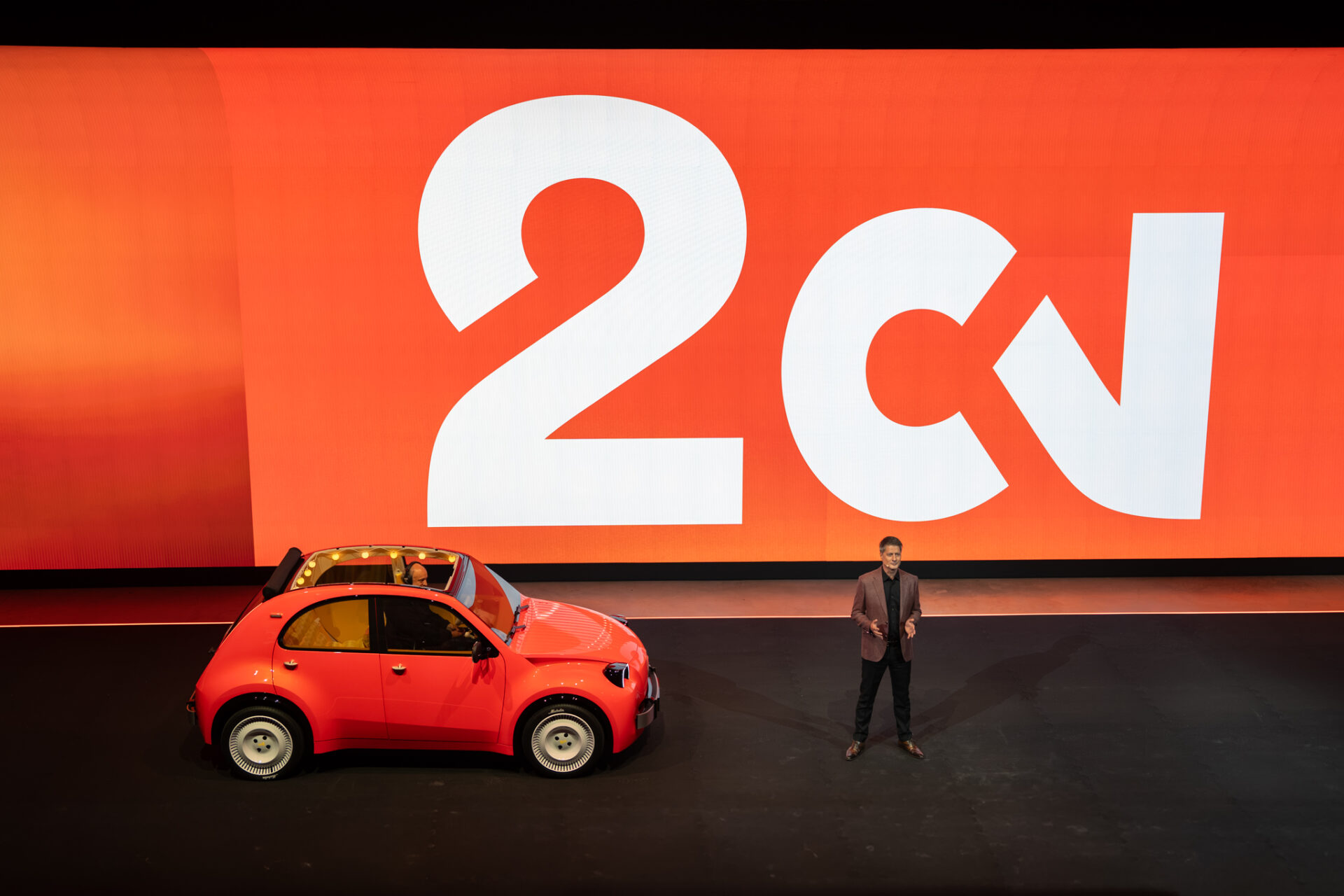
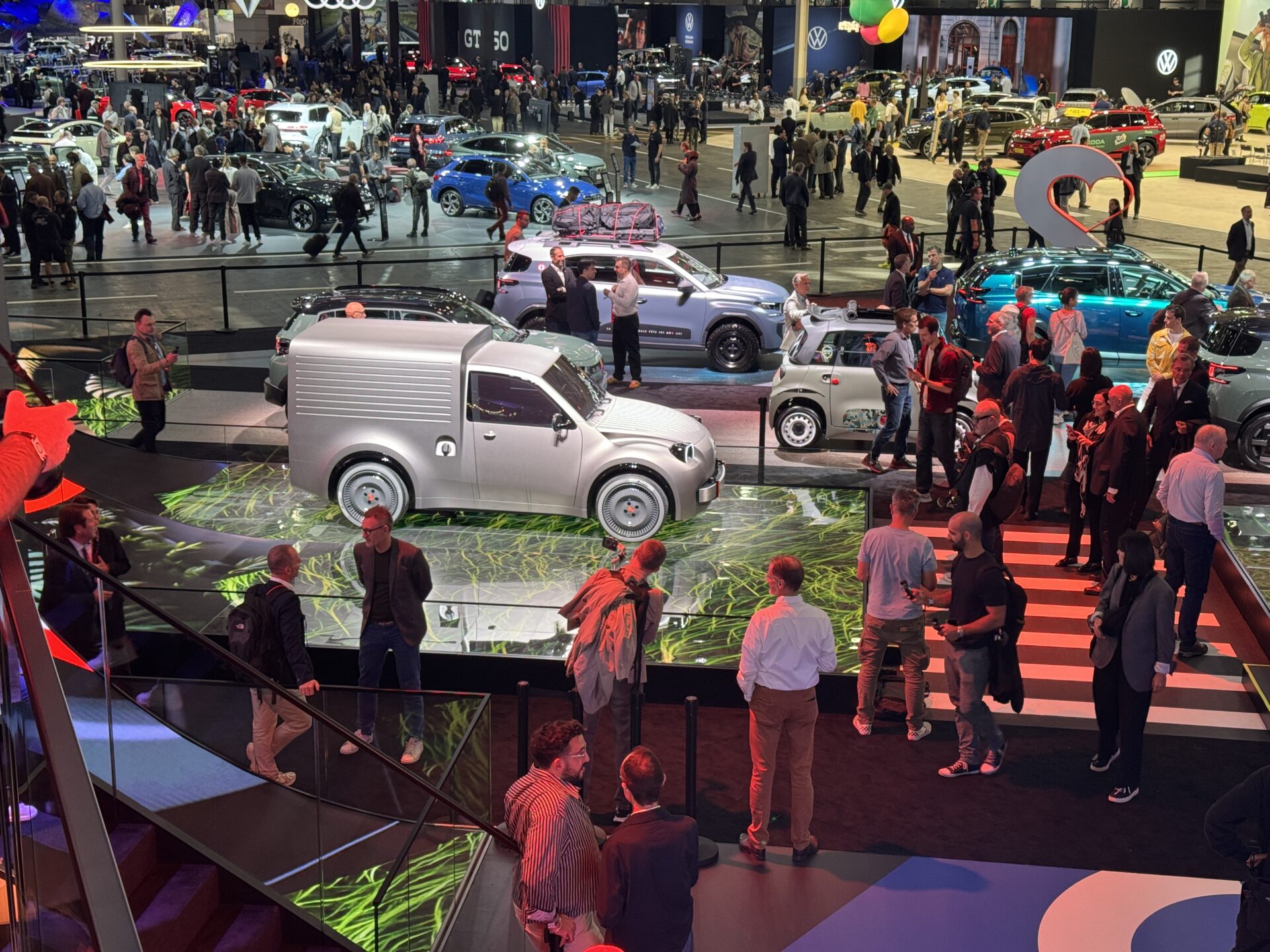
Citroën unveiled the 2 CV Concept at the Paris motor show on 11 October, a 3.76-metre electric supermini due to reach production around 2028 at roughly €15,000.
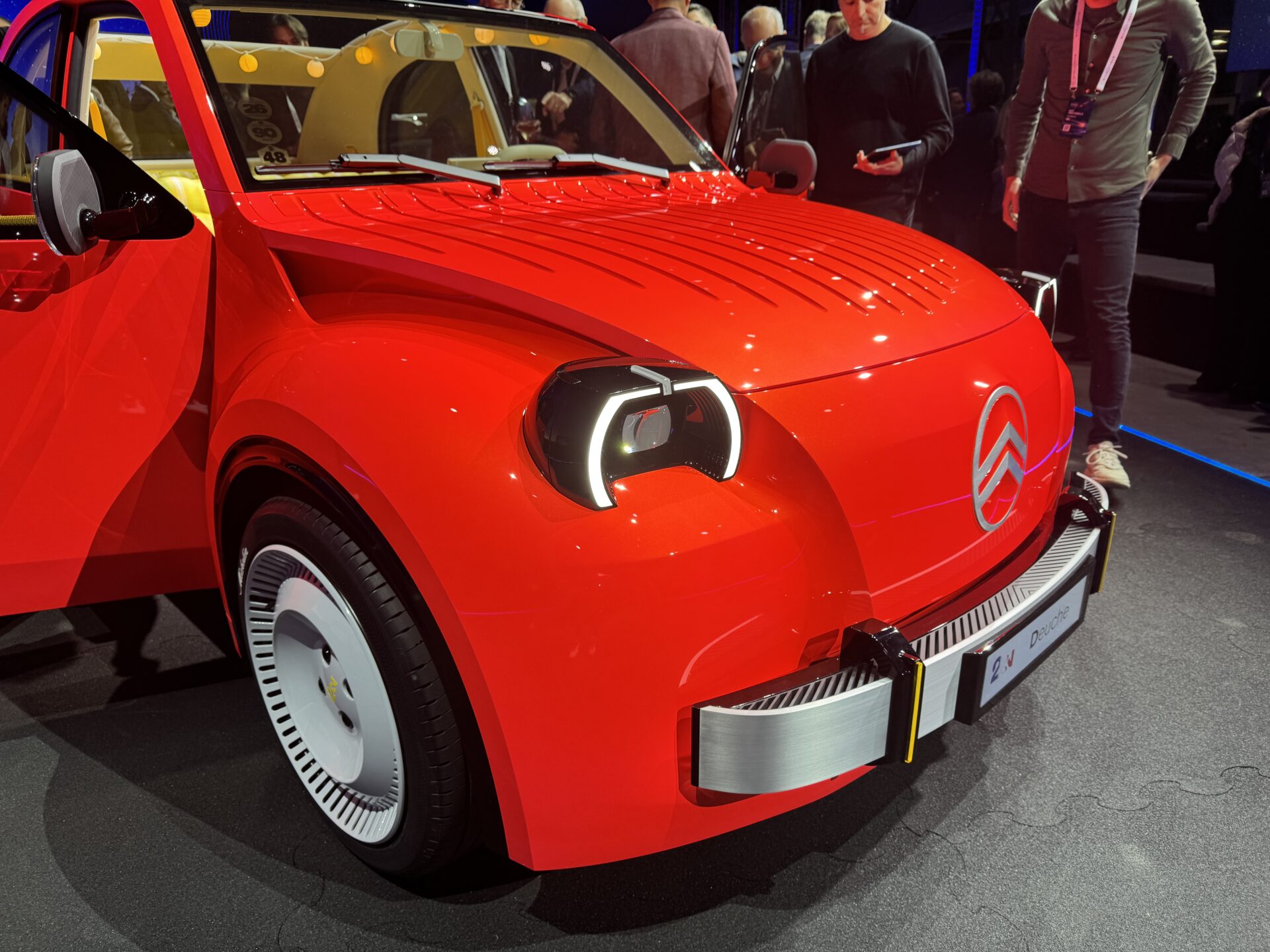
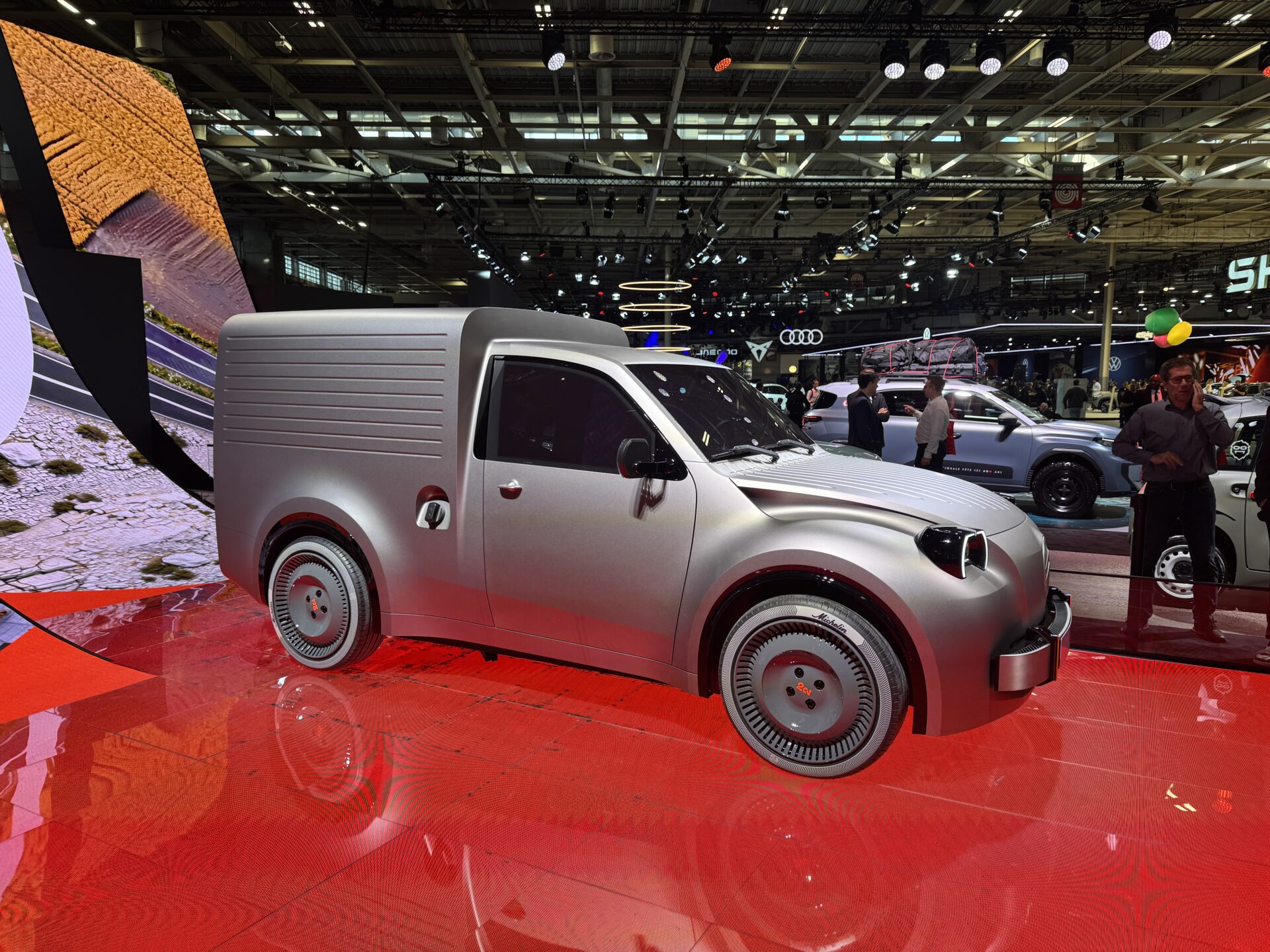
The manufacturer is insistent on one point. This is not a styling exercise. “The production model will be very close to the concept car shown at the Mondial de l’Auto,” the brand says. A 2 CV Fourgonnette sits alongside the supermini on the stand. The figures 48, 90 and 26 on the windscreen sum up the intention, 1948 for the original’s launch, 1990 for the end of production, 2026 for this return.
An icon born of a design brief
Unveiled at the Paris show in 1948, the 2 CV answered a strictly utilitarian brief and was never meant to become a legend. Conceived as early as 1937 under the name TPV, for Toute Petite Voiture, its specification ran to a few lines, carry four people and 50 kilos of potatoes, reach 60 km/h, stay easy to drive, simple to maintain and cheap to run. The basket of eggs that had to cross a ploughed field intact was added later by legend. More than 5.1 million were built before production ended in 1990.
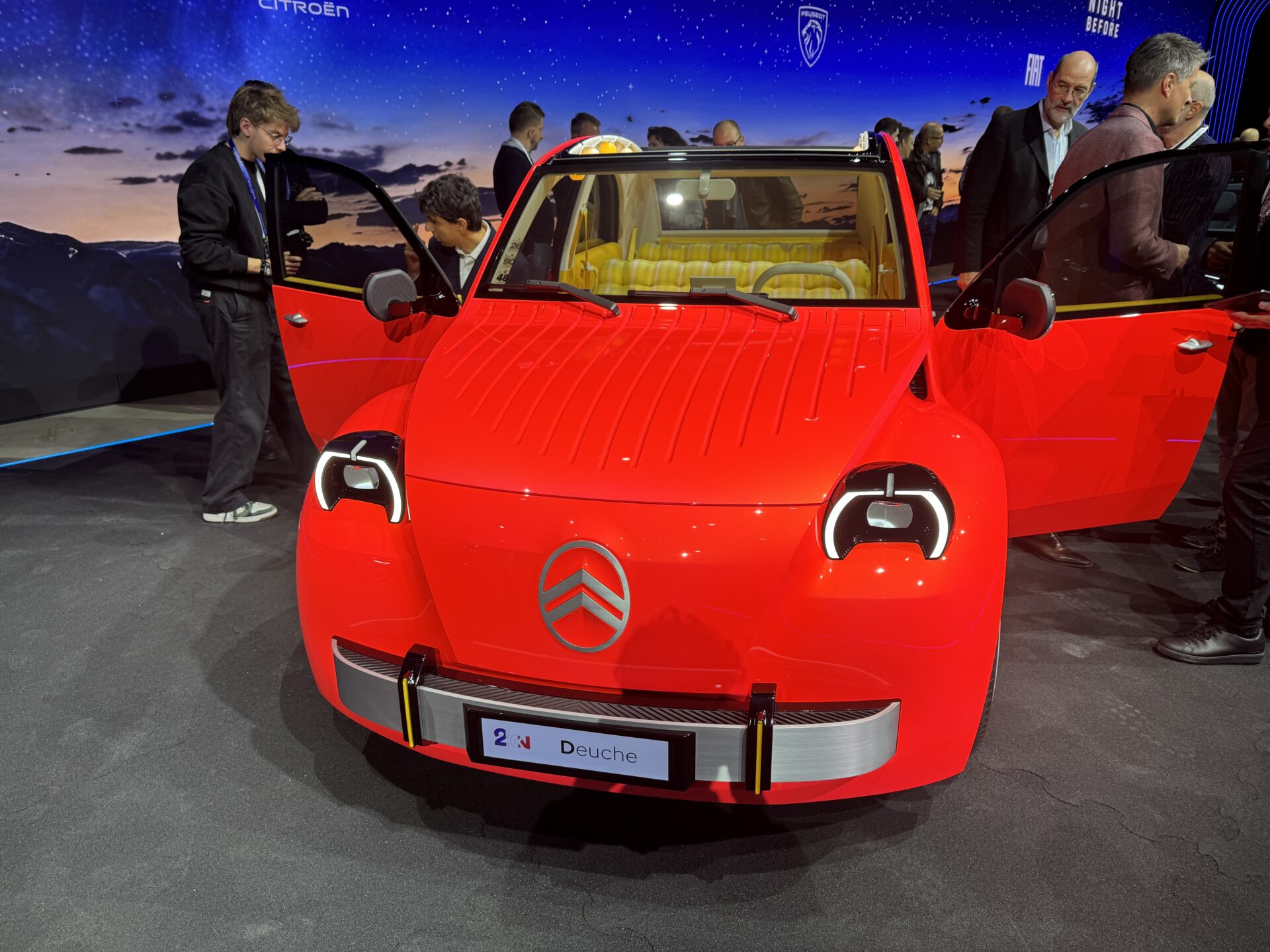
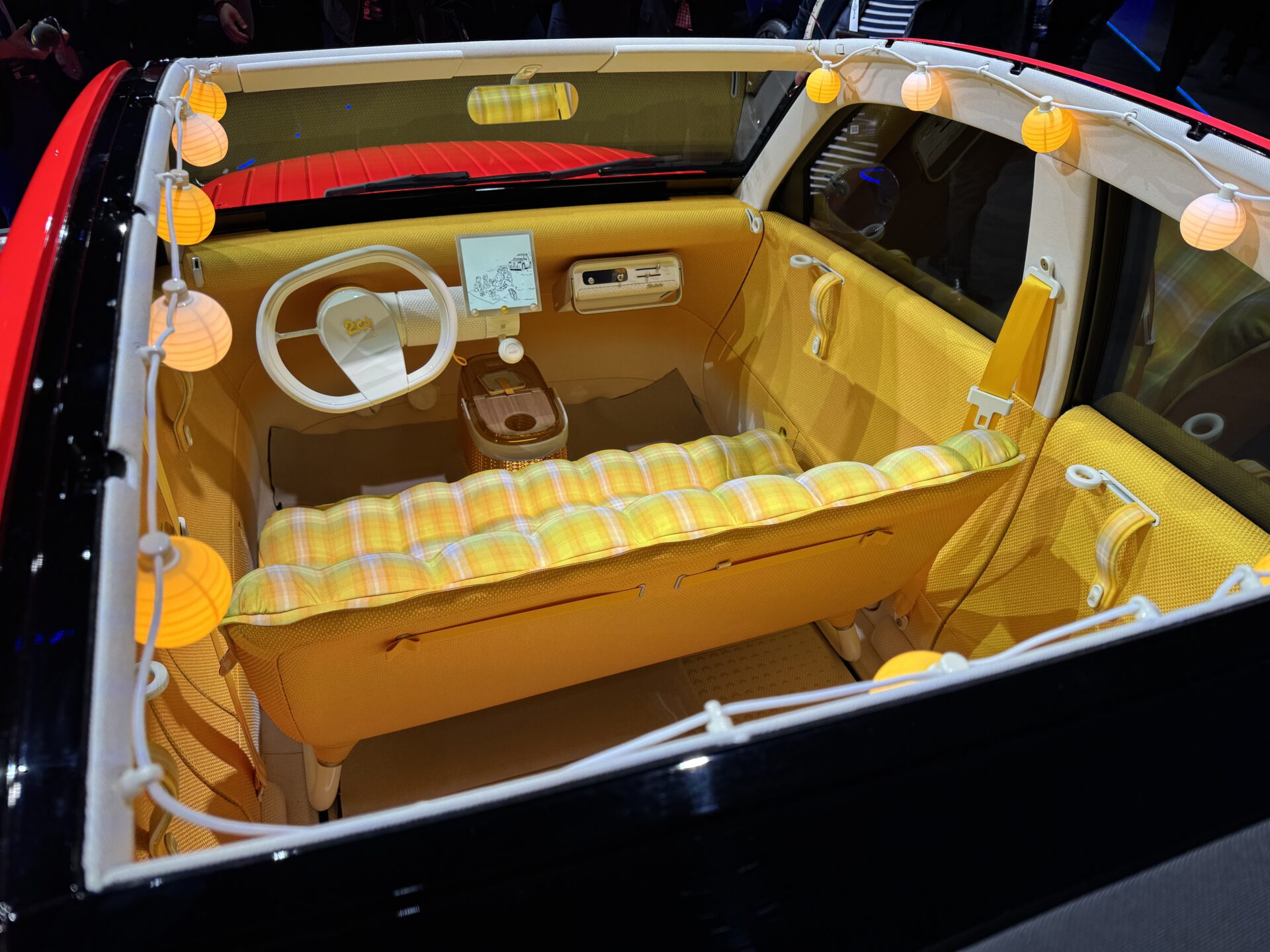
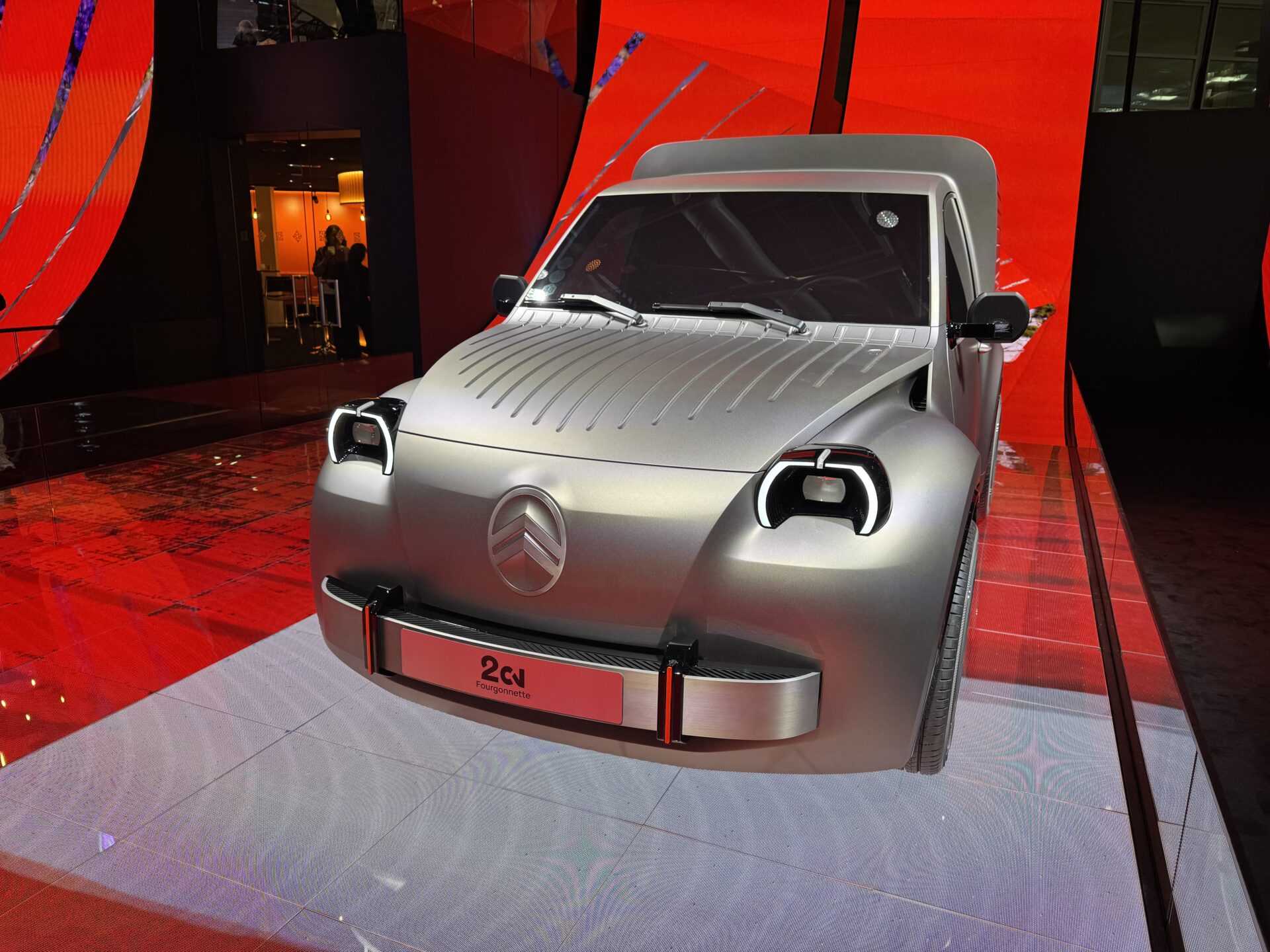
The concept is full of references. Round headlamps standing clear of the bodywork, an upright windscreen, steel wheels, a black tailgate running down to the bumper, and a horn and start-up sound lifted from the original. Even the door bins are shaped to hold eggs. Above all, the canvas sunroof is back. As much a signature of the Deuche as its silhouette, it brings the light and the sense of escape that built the car’s reputation.
“You do not copy an icon”
Xavier Chardon, chief executive of Citroën, summed up the approach on stage. “How do you reinvent an icon? Simply, you cannot copy it. You make it relevant again. Today cars are getting bigger, heavier, more complex, more expensive. We believe there is another way. Simple. Clever. Joyful.” He points to three deliberate choices, all-electric, built in Europe, and priced at €15,000.
Gilles Vidal, design director at Stellantis, confirms how close this is to production. The 2 CV is among the concepts he describes as very close to reality and almost ready to build, and he says the showroom version will look better still than the concept.
Pierre Leclercq, design director at Citroën, highlights what makes the exercise unusual. “This is the first time a revival has been shorter than the original. The front end had to be desirable without turning into a toy.”
What Citroën will say about the car
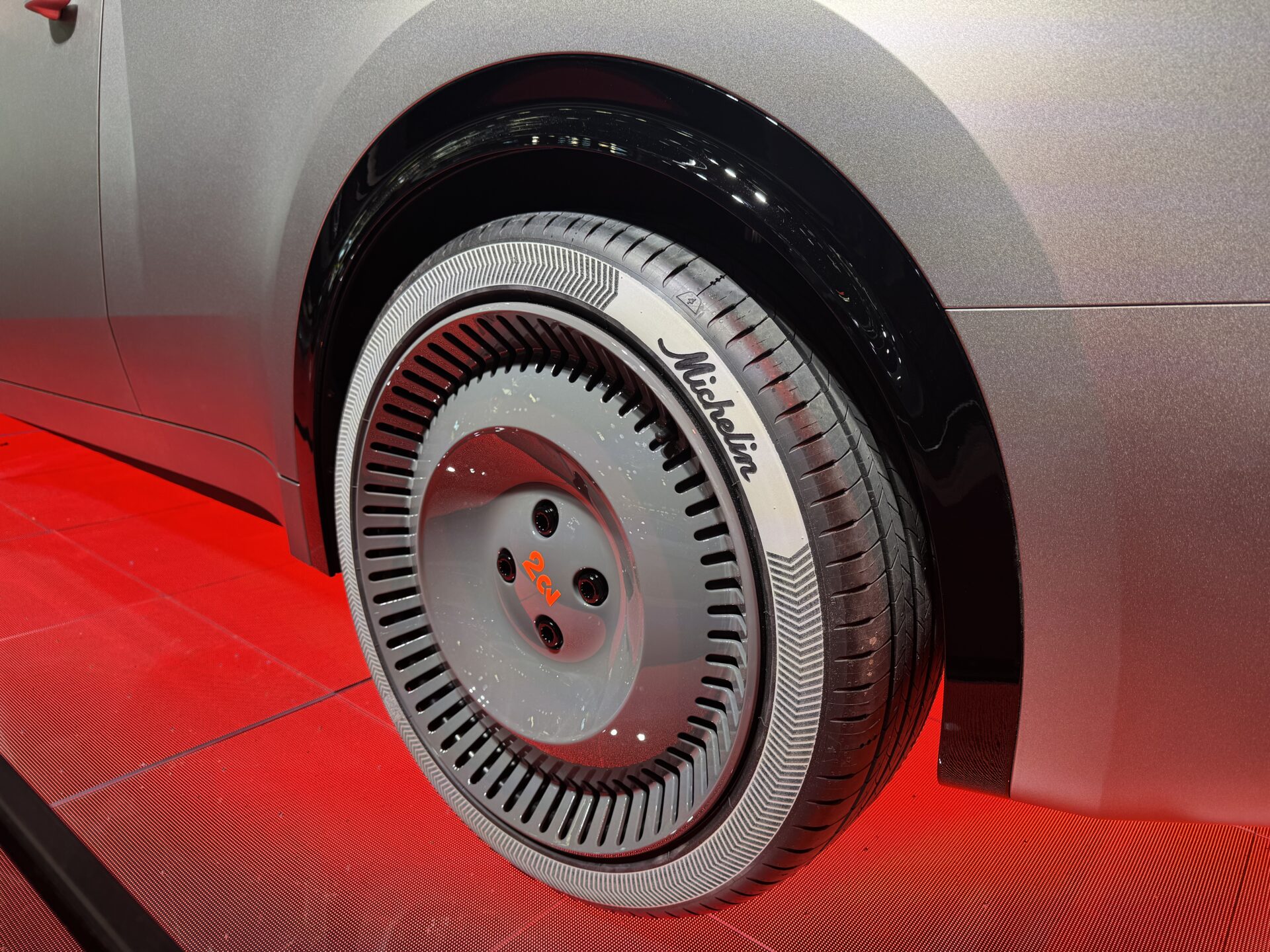
Citroën is still keeping the technical detail to itself. The brand quotes a length of 3.76 metres and a target weight of around a tonne, but discloses neither battery capacity, nor power, nor range. It refers only to a range calibrated for everyday journeys, consistent with the pursuit of lightness that cuts the size and cost of the pack. The 18-inch steel wheels carry Michelin tyres with a chevron tread pattern.
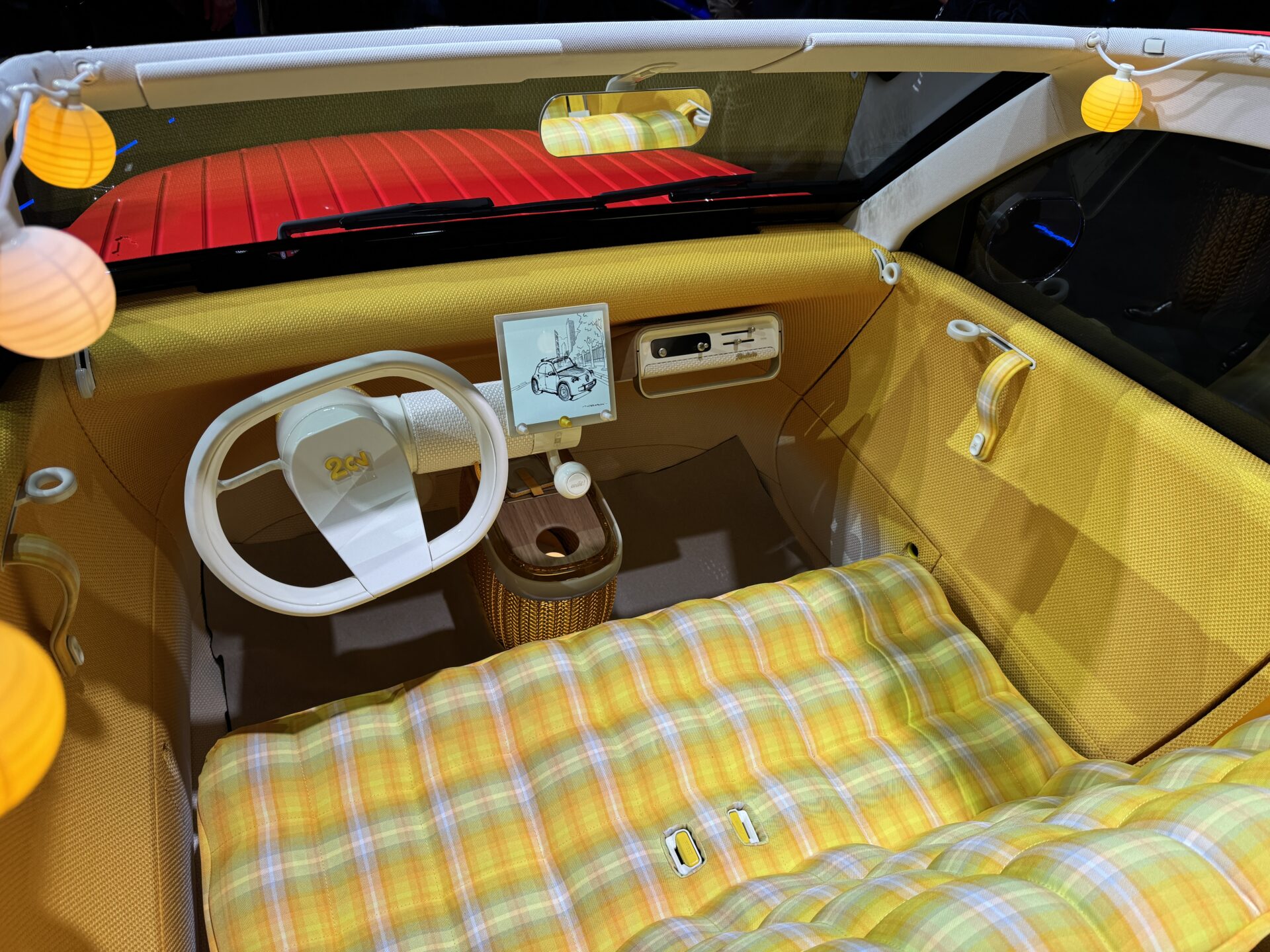
Inside, the conventional dashboard gives way to a transverse cylinder carrying a single-spoke steering wheel, one stalk, an impulse gear selector and a Citroën Smart Vision display strip. A square 8-inch touchscreen completes the layout. The bench seats use Citroën Advanced Comfort technology, and the front one lifts out. A removable radio called Radioën doubles as a speaker.
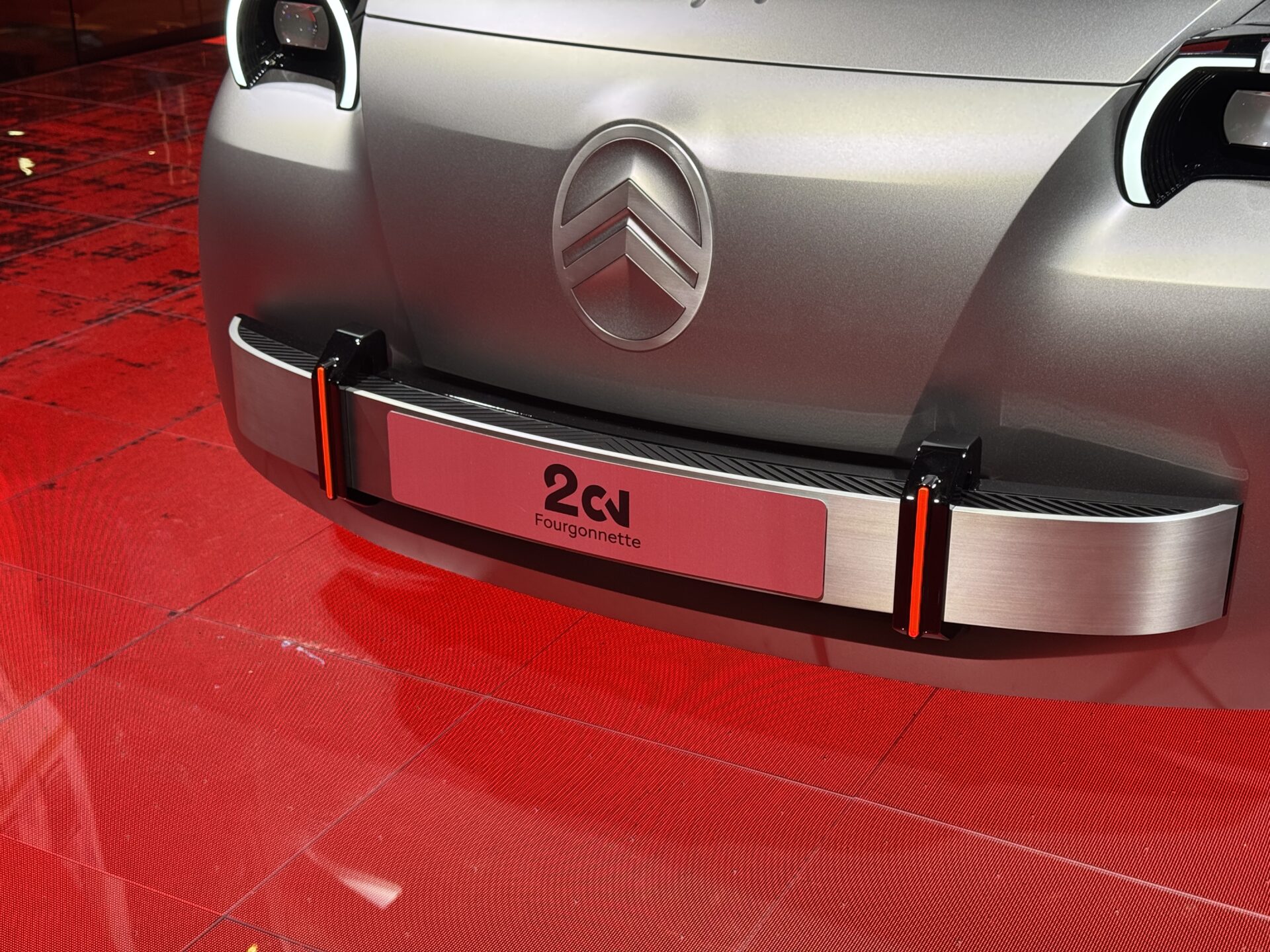
Several decisions are aimed at repairability. The bumpers stand clear of the bodywork and can be replaced on their own after an impact, the surfaces are flat, and the air intakes sit at the base of the windscreen as they did on the original. Citroën has also developed a tyre digital twin with Michelin, which assesses grip, wear, pressure and load in real time from data already on board, with no sensor in the rubber.
The €15,000 gamble
The production car will slot between the Ami and the C3, in a segment Citroën wants to revive. At 3.76 metres the concept is ten centimetres shorter than the original 2 CV, against the grain of the market. The target weight approaches a tonne, which cuts battery size and therefore cost.
Everything rests, however, on legislation that does not yet exist. The future European sub-category M1E, known as the e-car, would grant lighter requirements to electric models under 4.20 metres built in Europe, but it is still under negotiation. Stellantis showed a platform of the same name at the show. Without that framework, the announced price looks hard to hold. The electric ë-C3 currently starts at €20,390.
In Luxembourg the bill would fall further still. With the €6,000 Klimabonus Mobilitéit, a 2 CV listed at €15,000 would come down to €9,000, provided the scheme, now extended to June 2030, keeps that figure until 2028.
The Fourgonnette too
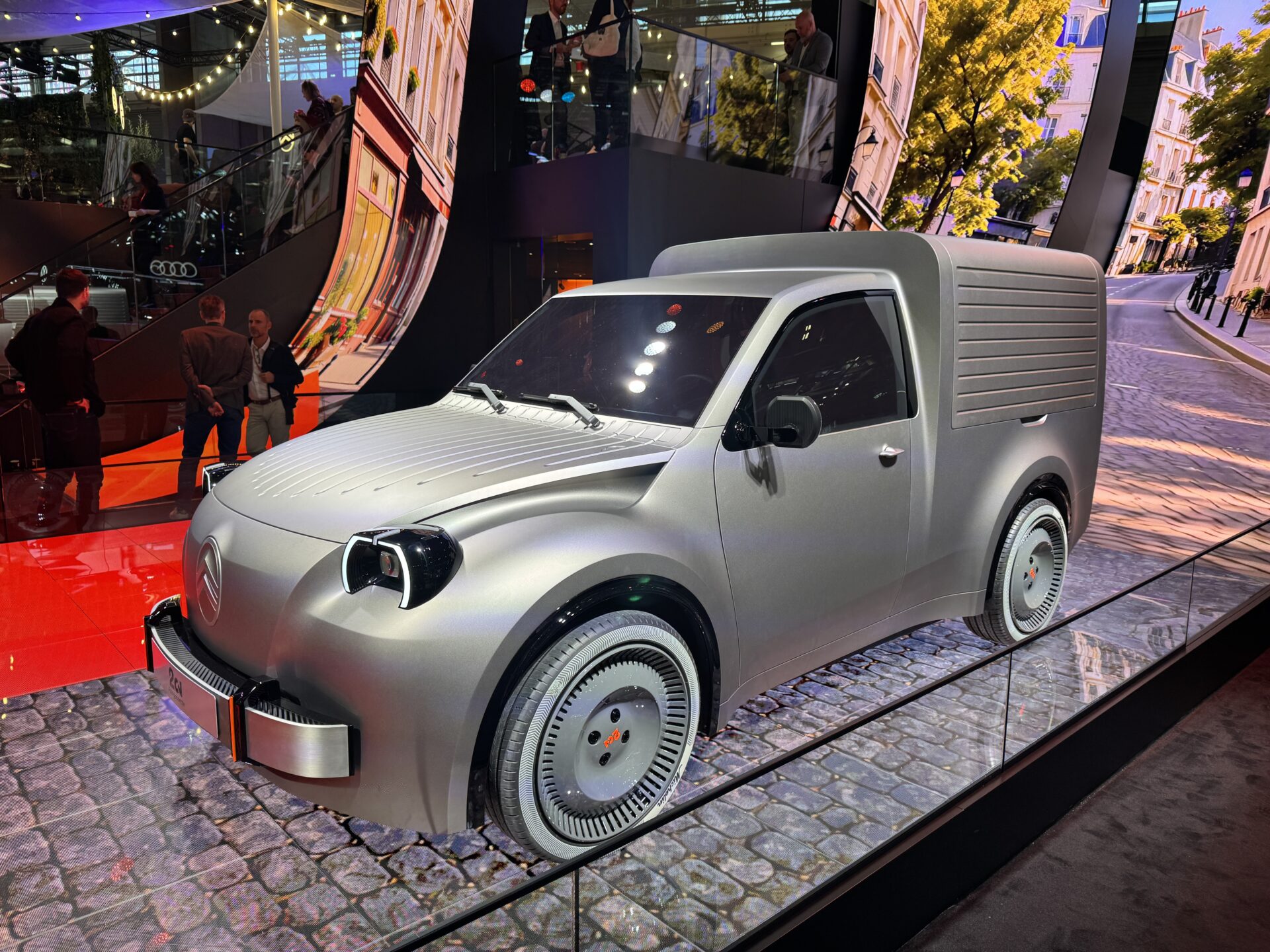
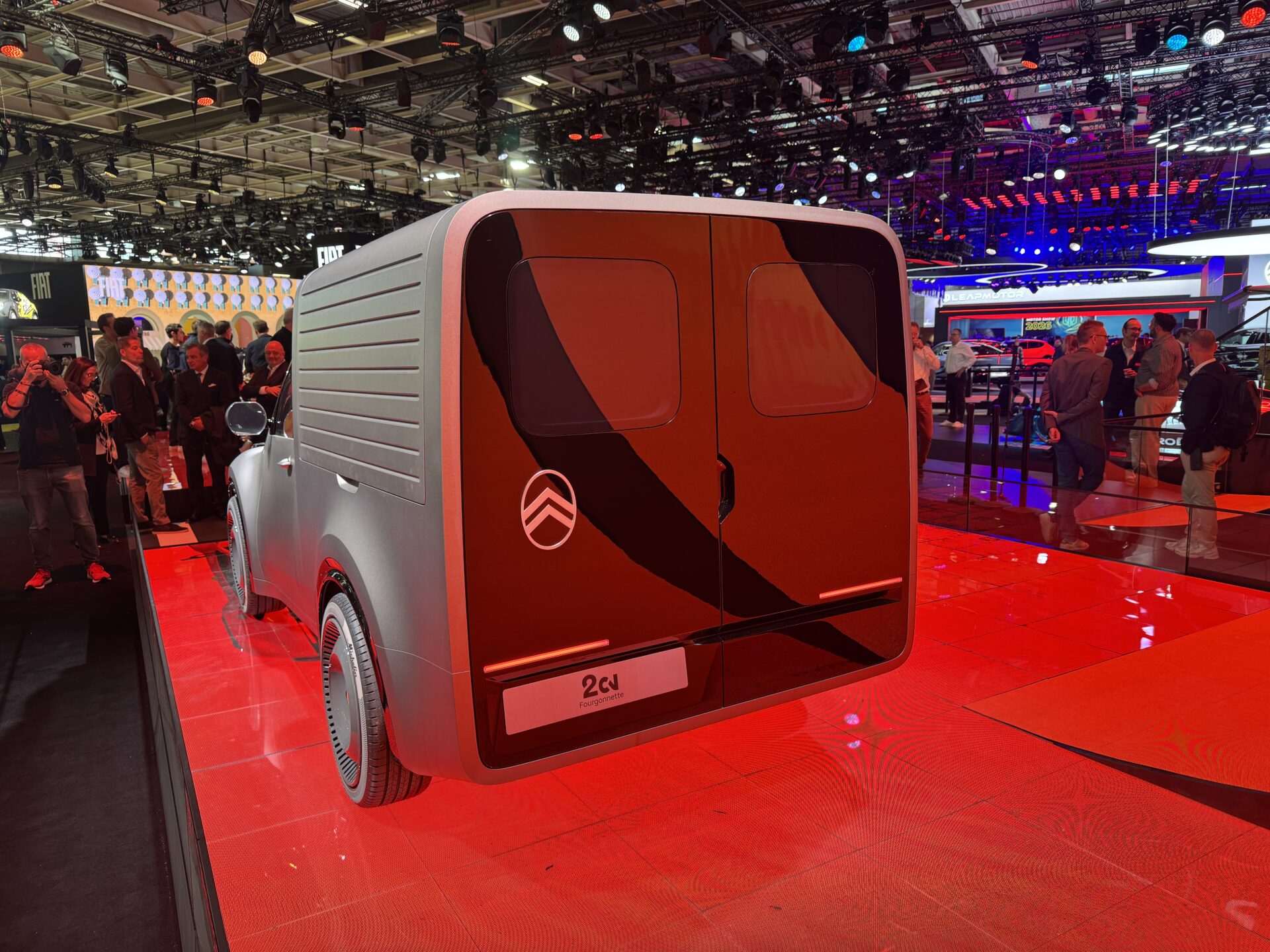
Citroën unveiled a second concept car the following day, the 2 CV Fourgonnette Concept. A tribute to the small van that accompanied generations of tradespeople, shopkeepers and delivery drivers. The brand calls it a free styling exercise, a labour of love by its designers, and makes clear that it previews no production model in the near term. No technical figures have been released, neither battery capacity, nor range, nor payload.
Tags