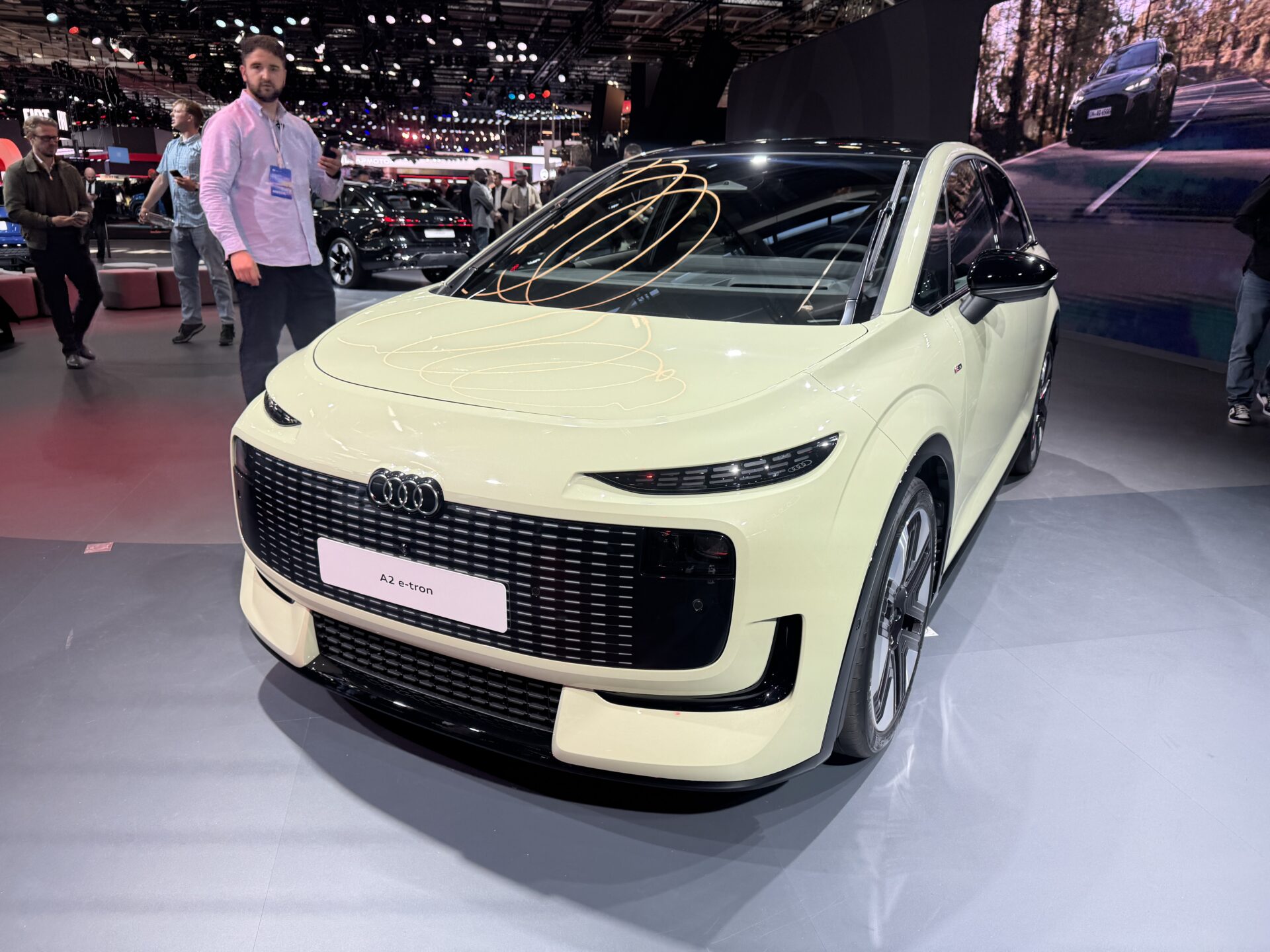
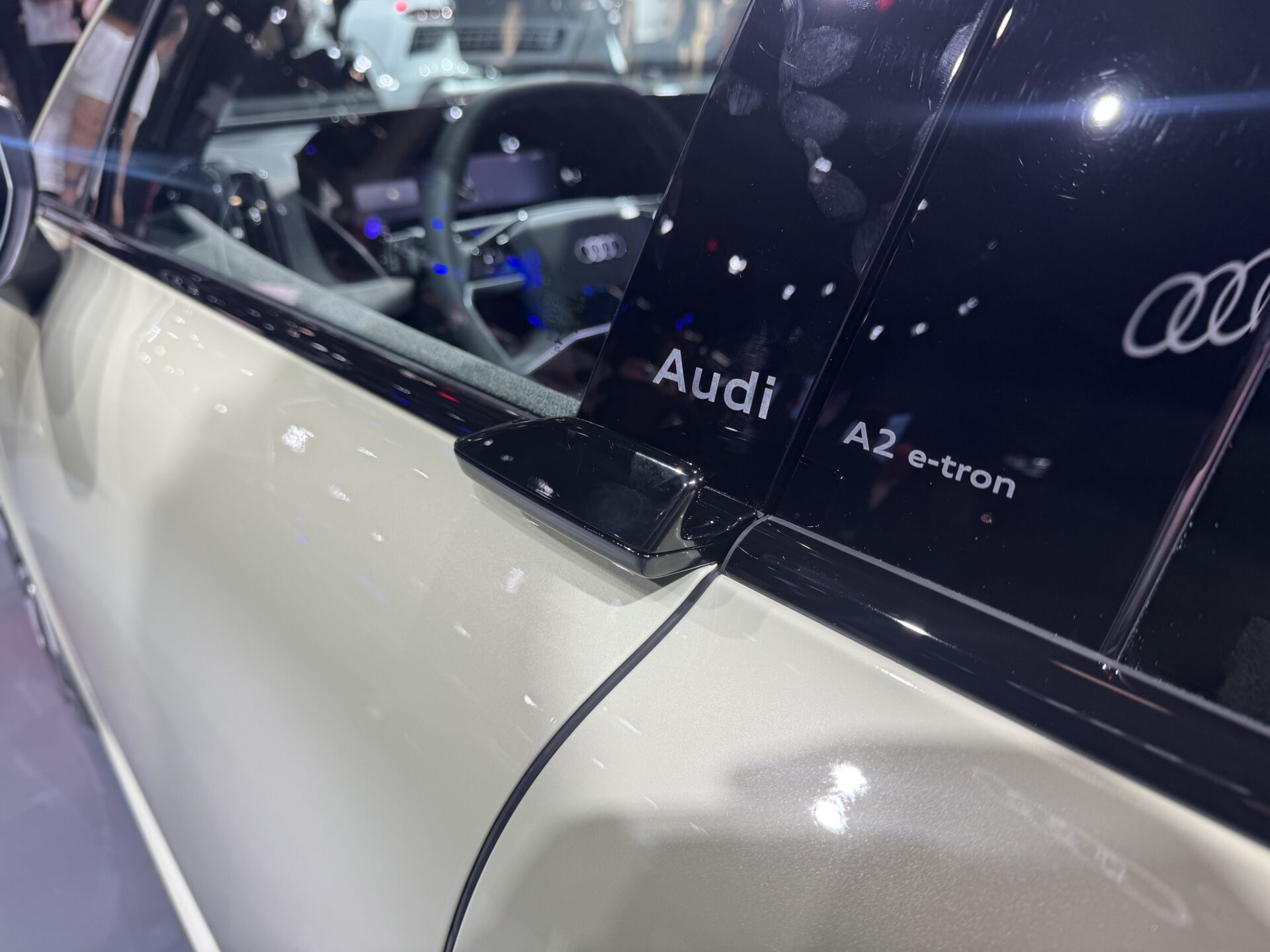
Twenty-one years after the last A2, Audi has unveiled its new model in Paris, with two figures as its argument, 12.8 kWh per 100 kilometres and up to 646 kilometres of range.
The world premiere took place on 7 September, and the Paris Motor Show, from 12 to 18 October, is the first time the public gets to see the A2 e-tron. Audi calls it the most frugal model it has ever built. In 140 kW form with the efficiency pack, official consumption falls to 12.8 kWh per 100 kilometres, and the drag coefficient of 0.24 is the best in the brand’s compact range.
The range spans four power levels, from 125 to 240 kW, and three batteries of 52, 61 and 84 kWh gross. Range runs from 423 to 646 kilometres depending on the combination, and every version drives the rear wheels. Order books opened on 10 September and the first deliveries are due in December. German prices start at 38,200 euros and top out at 51,200 euros.
Audi chief executive Gernot Döllner sees it as more than another model in the catalogue. « The A2 e-tron is more than a new model, it stands for Audi’s new beginning », he said at the launch. The car is engineered in Germany and assembled in Ingolstadt, two arguments the brand pushes hard against its Asian rivals in the segment.
The shadow of the 1999 A2
The original A2 appeared in Frankfurt in September 1999 and was built in Neckarsulm until July 2005. It used an all-aluminium Audi Space Frame whose bodyshell weighed just 153 kilos, almost 40 per cent less than a comparable steel structure. With a drag coefficient of 0.25, a 61 hp three-cylinder engine and a kerb weight of 855 kilos, the 1.2 TDI became in March 2001 the first four-door car certified below three litres per 100 kilometres.
Commercial success never followed. Aluminium and a dedicated production line pushed the A2 above the price level of its segment, and production stopped after 176,377 cars, only 6,555 of them the celebrated three-litre version. Reviving the name is therefore no small decision, since it stands as much for technical daring as for industrial failure.
Cousins within the group
The A2 e-tron’s closest relatives are the Volkswagen ID.3 Neo and the Cupra Born, which share the same platform variant, the same rear-drive layout and an almost identical choice of batteries. The Audi Q4 e-tron and the Škoda Enyaq belong to the same MEB family but to a taller, wider derivative.
A clear distinction has to be drawn with the group’s new wave of small electric cars, the Volkswagen ID. Polo, the Cupra Raval, the Škoda Epiq and the Volkswagen ID. Cross. Those use the front-wheel-drive MEB+ platform, for shorter and far cheaper cars. The A2 e-tron plays in another league, whatever its city-car name suggests, and sits closer to an A3 in size.
That positioning also settles a question Audi left open for years, whether to build an electric A1 or a larger compact. The brand chose the latter, and the A2 e-tron indirectly replaces both the A1 and the Q2, now gone from the catalogue.
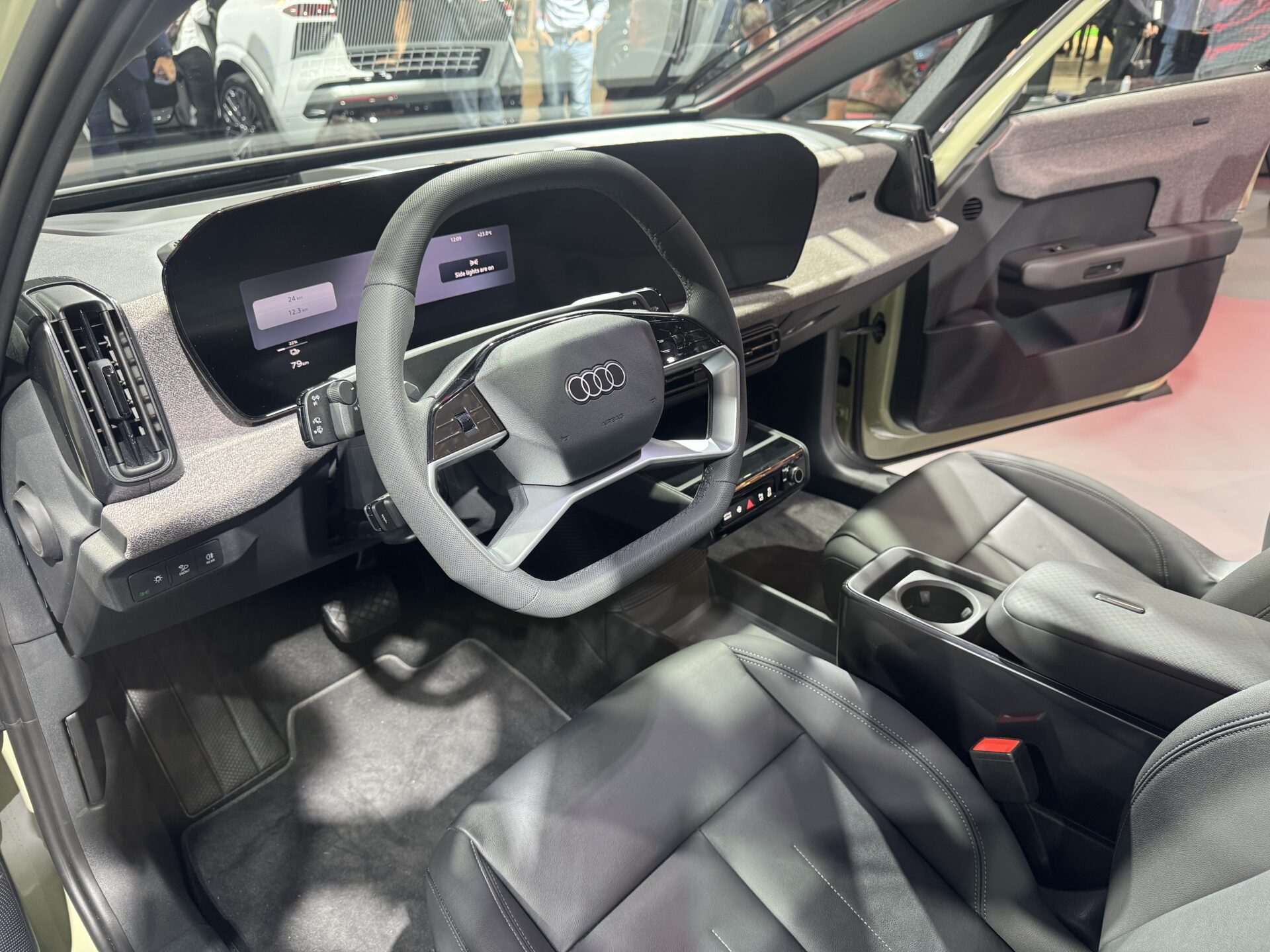
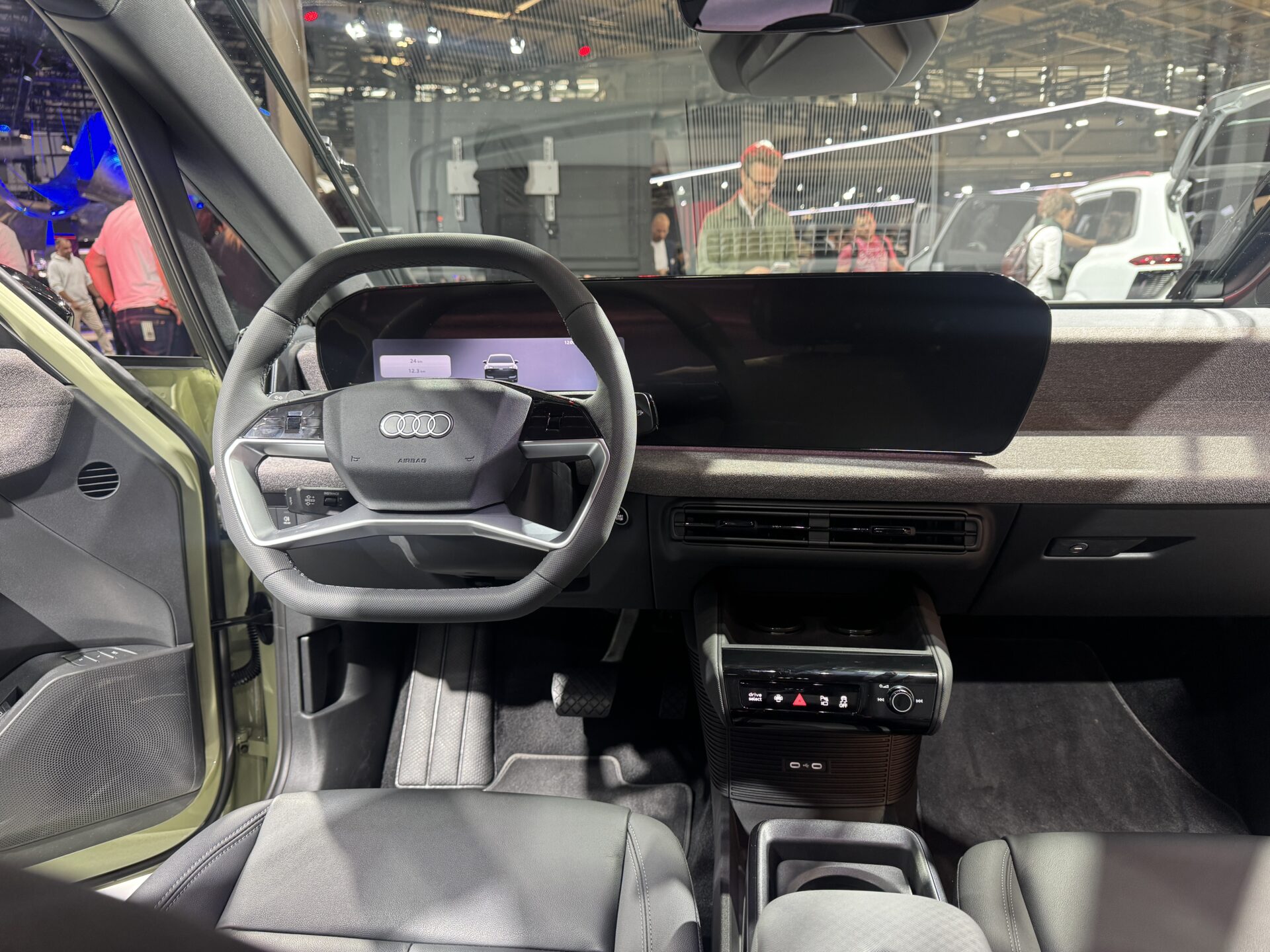
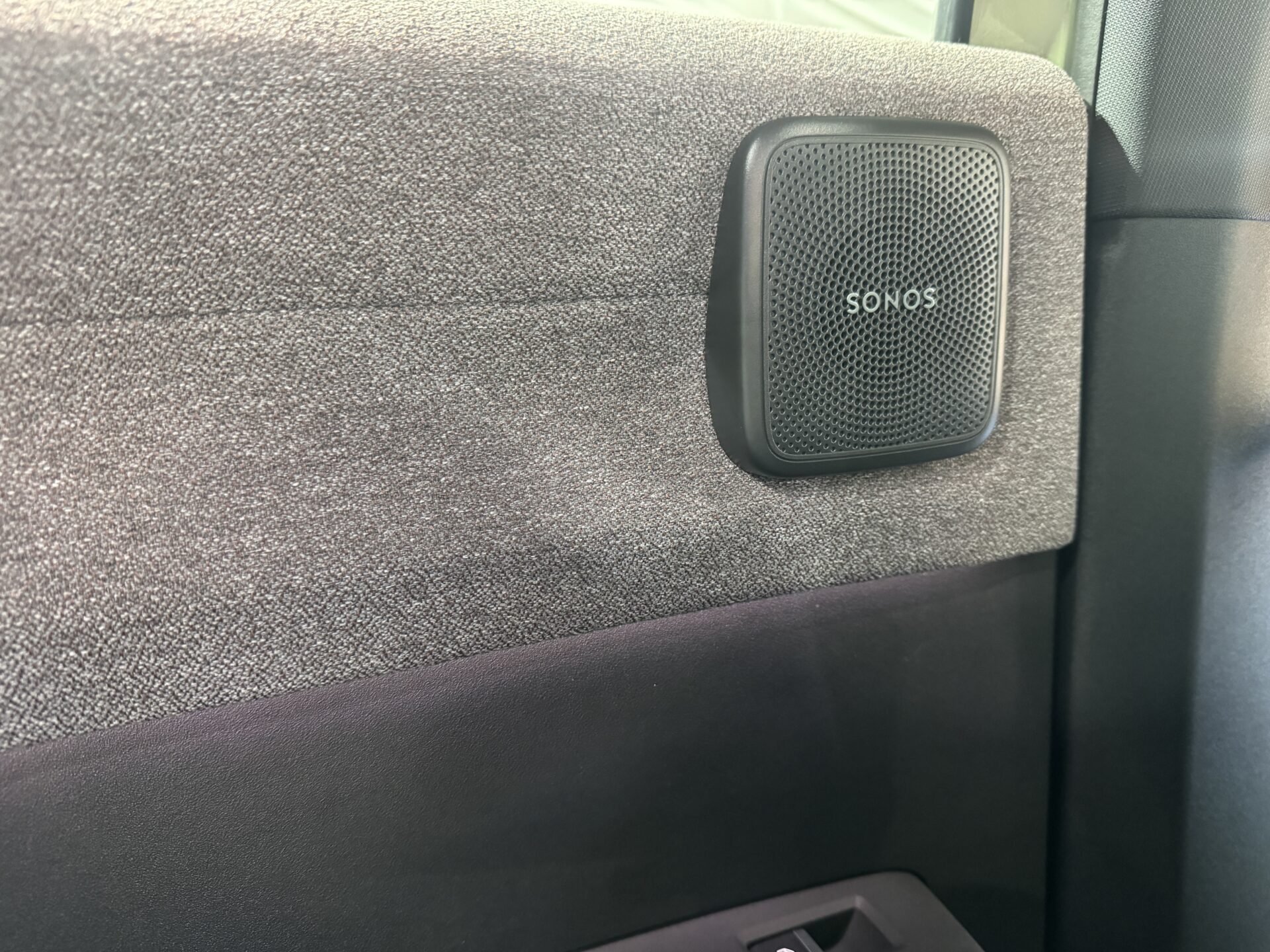
What sets it apart from its cousins is mainly the efficiency work and the equipment. The 0.24 drag coefficient undercuts the ID.3 Neo, and standard kit is generous, with autonomous emergency braking, evasive steering assist, adaptive cruise control, a reversing camera and parking sensors. Fidlock, a magnetic mounting system borrowed from cycling, makes its debut in a production premium car.
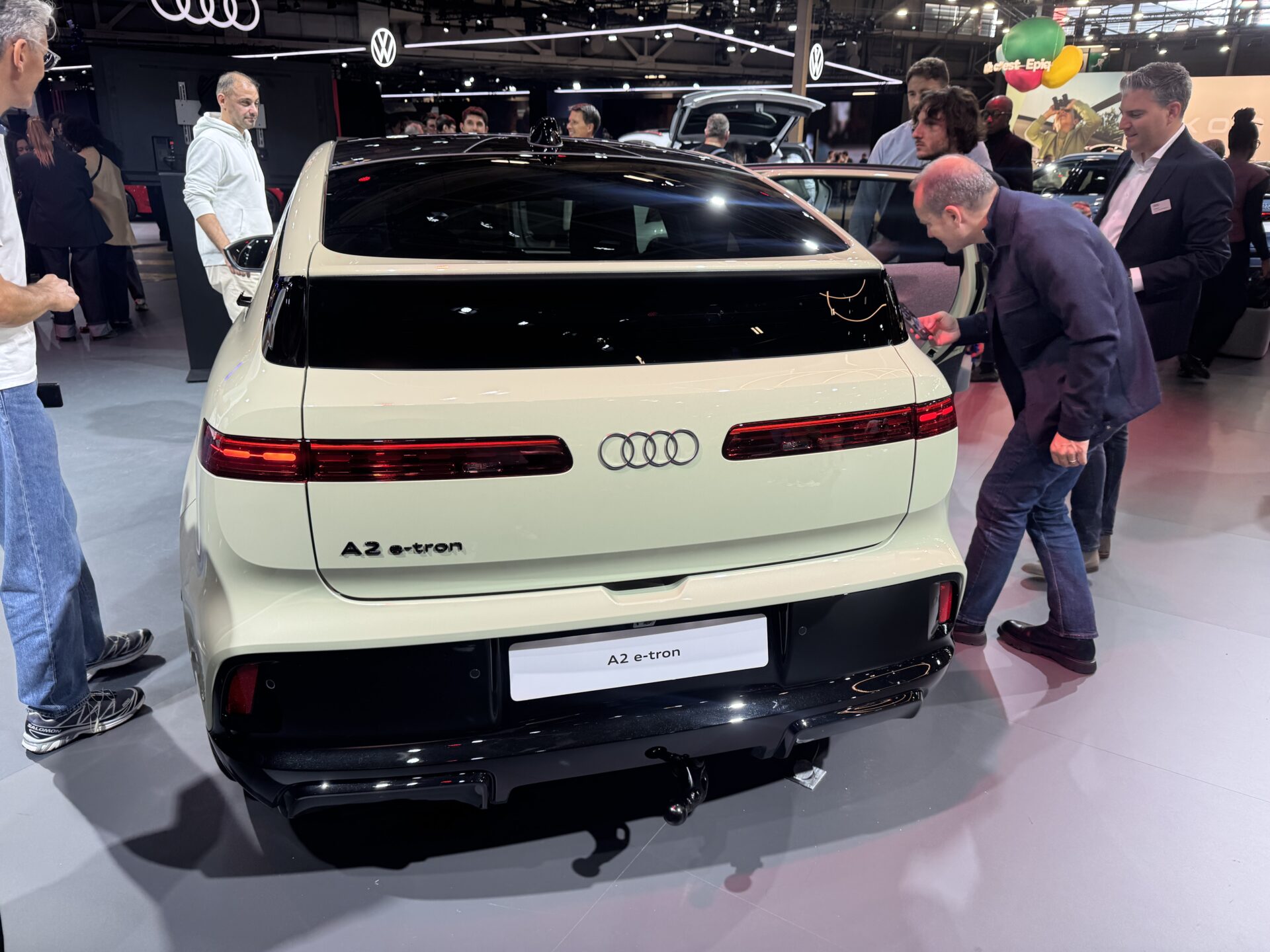
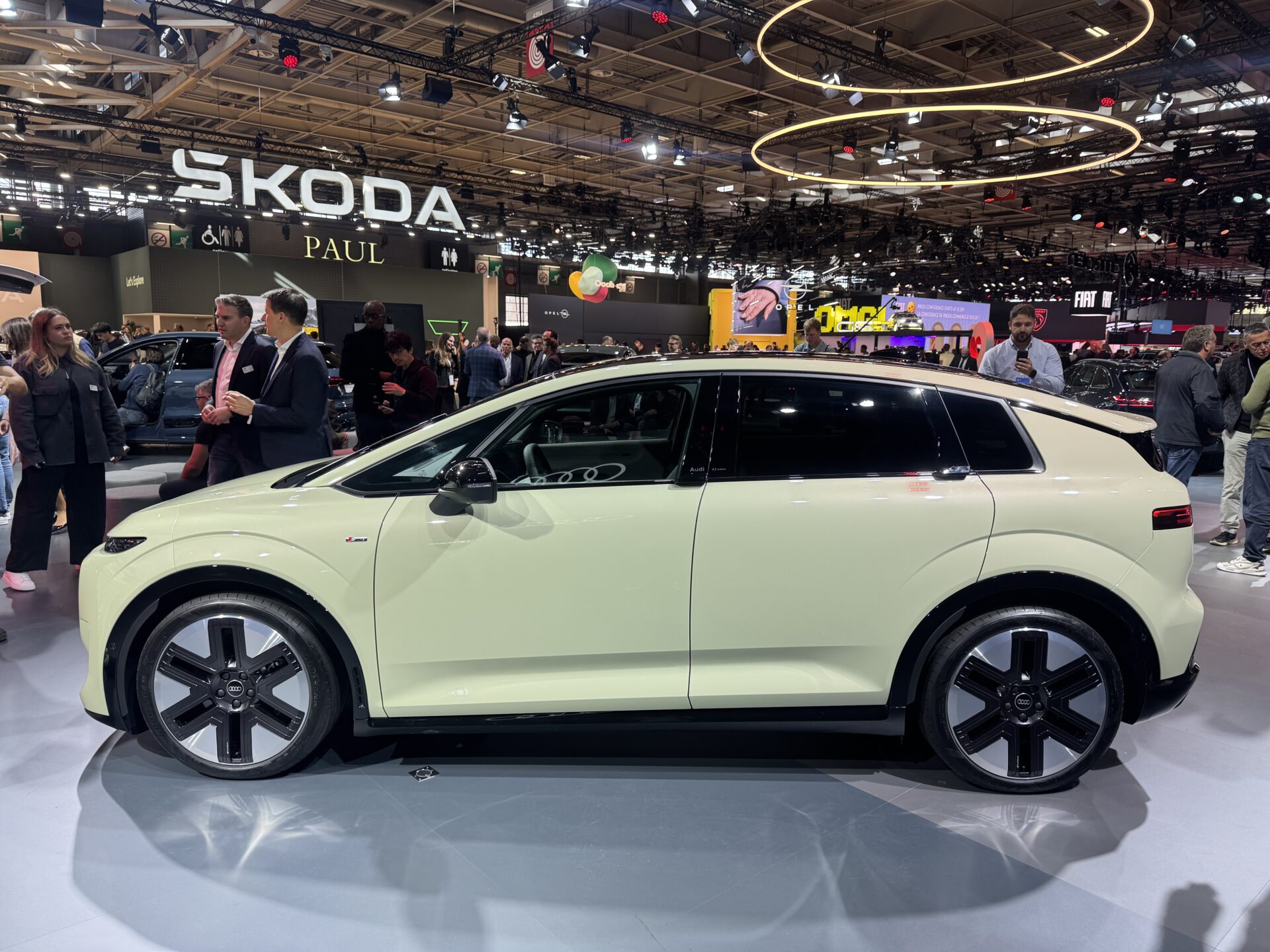
Then there is the styling, and this is where it falls short. The A2 e-tron is no rebadged ID.4, it sits far lower and looks sleeker, and a few nods to the original are deliberate, the falling roofline, the split rear screen, the spoiler at the same height as on the 1999 car. But chase every last thousandth of drag and you end up with a smooth, almost anonymous silhouette. You have to walk up close to tell it from an A3. The 1999 A2 was recognisable at a hundred metres, often because people found it odd. This one takes no risks at all, and that is the main charge against it.
An MEB base, but not the small-car one
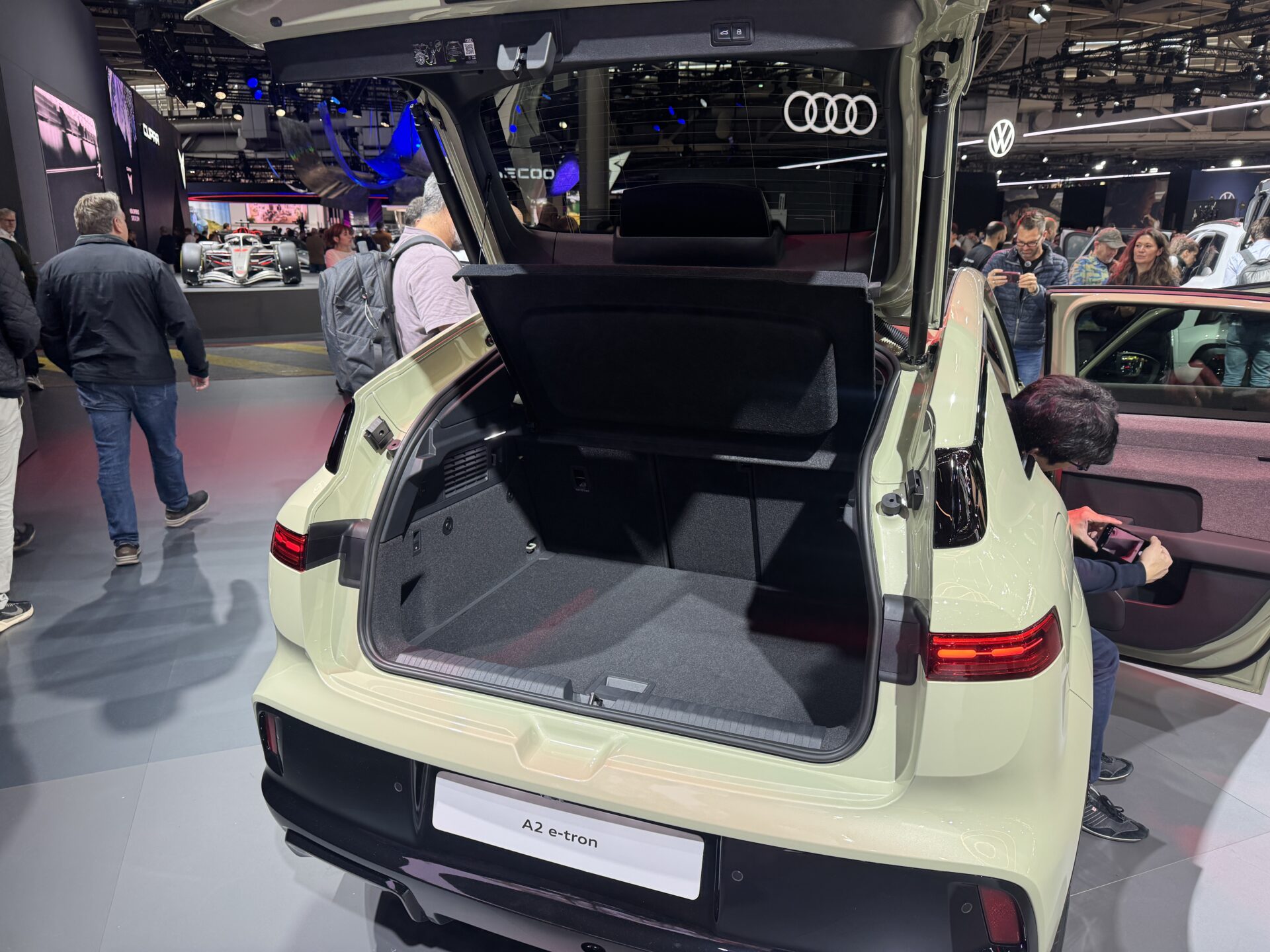
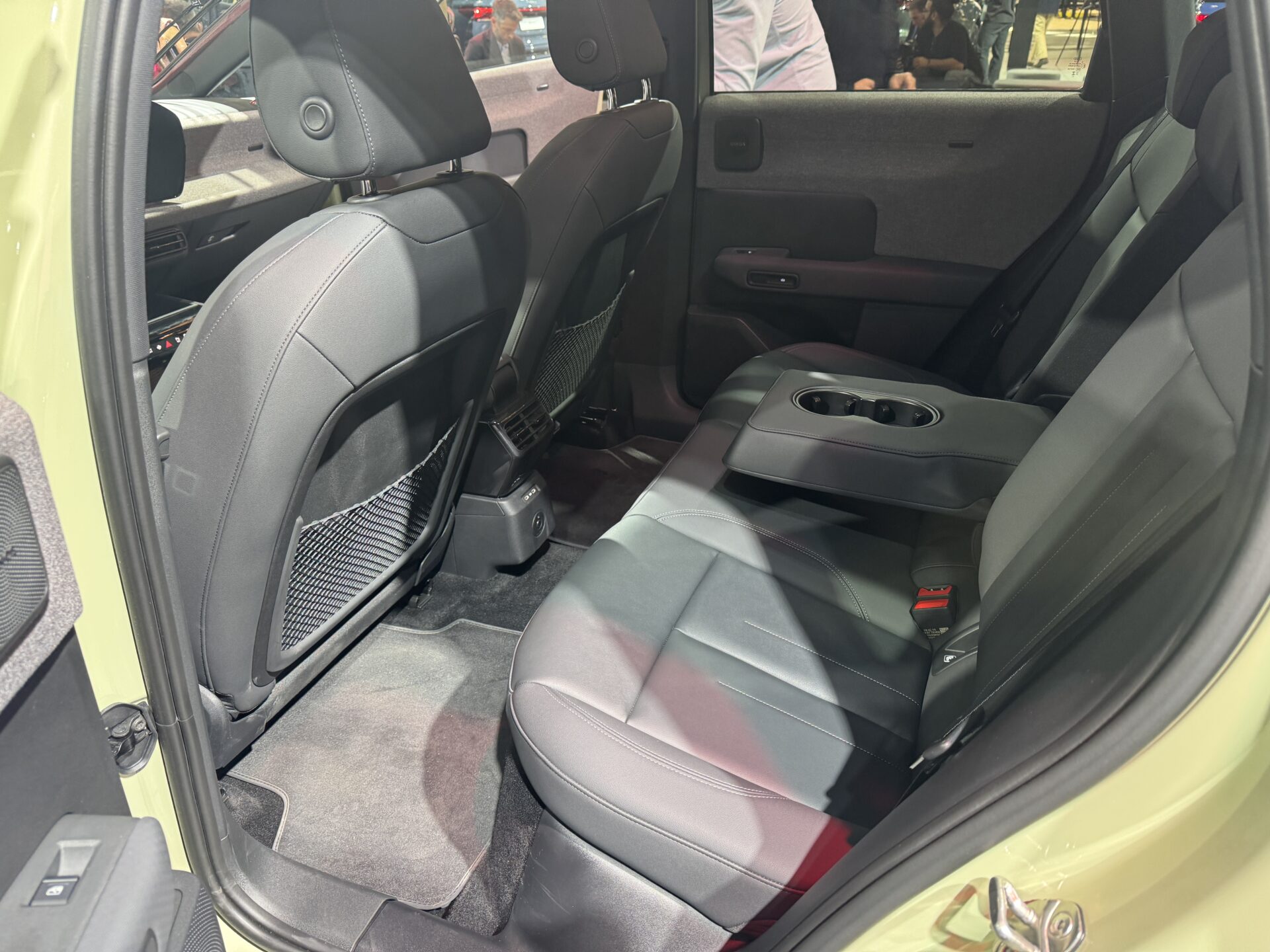
Underneath that cautious bodywork, the engineering is no more adventurous. The A2 e-tron uses the Volkswagen group’s updated MEB platform, the rear-motor version, rather than the front-wheel-drive MEB+ derivative reserved for the group’s city cars. Hence a car 4.32 metres long, with a 2.77-metre wheelbase and a 396-litre boot that extends to 1,336 litres. The 170 and 240 kW versions add a 13-litre front compartment.
Rear-wheel drive is therefore standard across the range, using APP350 or APP550 permanent-magnet synchronous motors depending on output, with silicon-carbide power electronics. The two smaller batteries use LFP chemistry in a cell-to-pack layout, with the cells bonded straight into the housing. The largest, at 84 kWh, is a modular NMC design. Audi says the higher energy density reduces the height of the pack, which benefits the seating position.
The rest of the efficiency comes from aerodynamics. Audi claims a drag coefficient of 0.24, achieved with an extensively panelled underbody, active grille shutters, aero wheels and gap covers in the wheel arches. Bidirectional charging is on the options list, as Vehicle-to-Load for powering devices from the boot and as Vehicle-to-Home with a suitable wallbox, the latter still limited to Germany, Austria and Switzerland.
The other efficiency sought here is industrial. The A2 e-tron is assembled in Ingolstadt, on the lines that already produce A3 bodies, using more than 1,200 pieces of equipment and around 250 robots already running for other models. Audi says development was completed 21 months faster than on comparable cars. Twenty-five years after the dedicated Neckarsulm line, the lesson appears to have been learnt.
Prices and the Luxembourg case
Order books opened on 10 September and the first deliveries are expected in December. In Luxembourg the launch offer starts at 34,826 euros, or 211 euros a month. The Klimabonus Mobilitéit, extended to 30 June 2030, takes 6,000 euros off that figure as long as official consumption stays below 16 kWh per 100 kilometres, a threshold that large wheels and certain options can push a car over.
With the grant deducted, the entry model drops below 29,000 euros. For a premium compact of 4.32 metres, that is a pleasant surprise. The 1999 A2 was a piece of engineering sold at a loss, the 2026 car is an accountant’s calculation. Less romantic, and a good deal more likely to last. The road test will answer the rest, handling, real-world consumption and how the LFP batteries hold their charge in cold weather.
Range and technical data
Audi A2 e-tron 125 kW
Range and technical data
Audi A2 e-tron 140 kW
Range and technical data
Audi A2 e-tron 170 kW
Range and technical data
Audi A2 e-tron 1240 kW