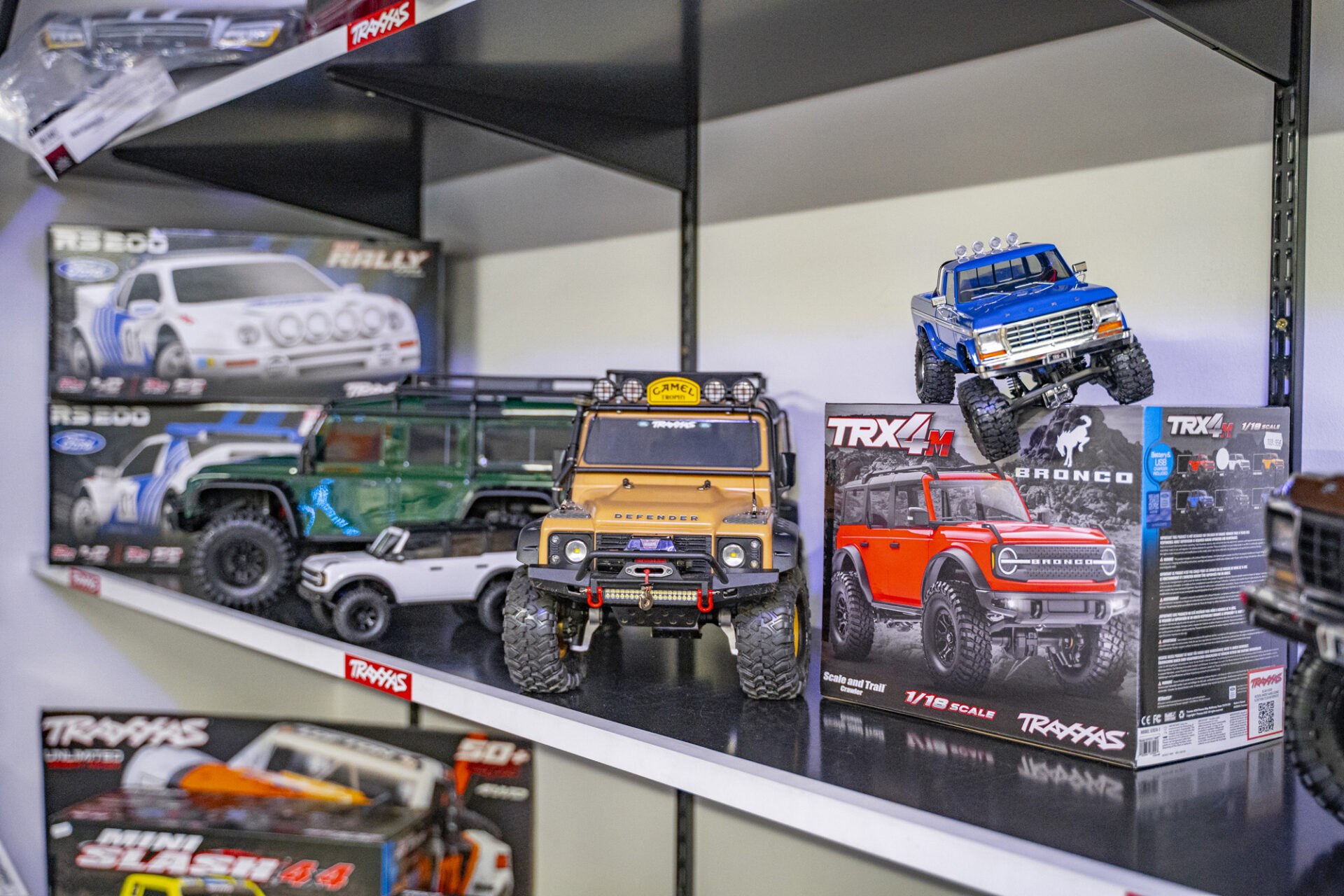
On the track, in the mud or even in water, remote-controlled cars offer thrills at your fingertips. Combining fun, performance and customisation, immerse yourself in a world where precision is key.
Choosing a good remote-controlled car can sometimes seem as important as choosing a real car. Just a stone’s throw from the ACL karting track in Mondercange is a surprising site: a track dedicated to radio-controlled cars and a pond reserved for remote-controlled boats. Pol Goedert, president of the Schëffsmodellbau Monnerech (SMBM) club, founded in 1981, is the driving force behind it. “My passion has brought me here for over 40 years. Today, we have 150 members who use our facilities to drive crawlers, trucks and boats. We are currently finalising the construction of our clubhouse, scheduled for completion in May 2026. We built the clubhouse ourselves, and it includes a refreshment bar, a workshop and, above all, a space where members can chat and give each other advice. Today, we have a site that I am very proud of,” he says.
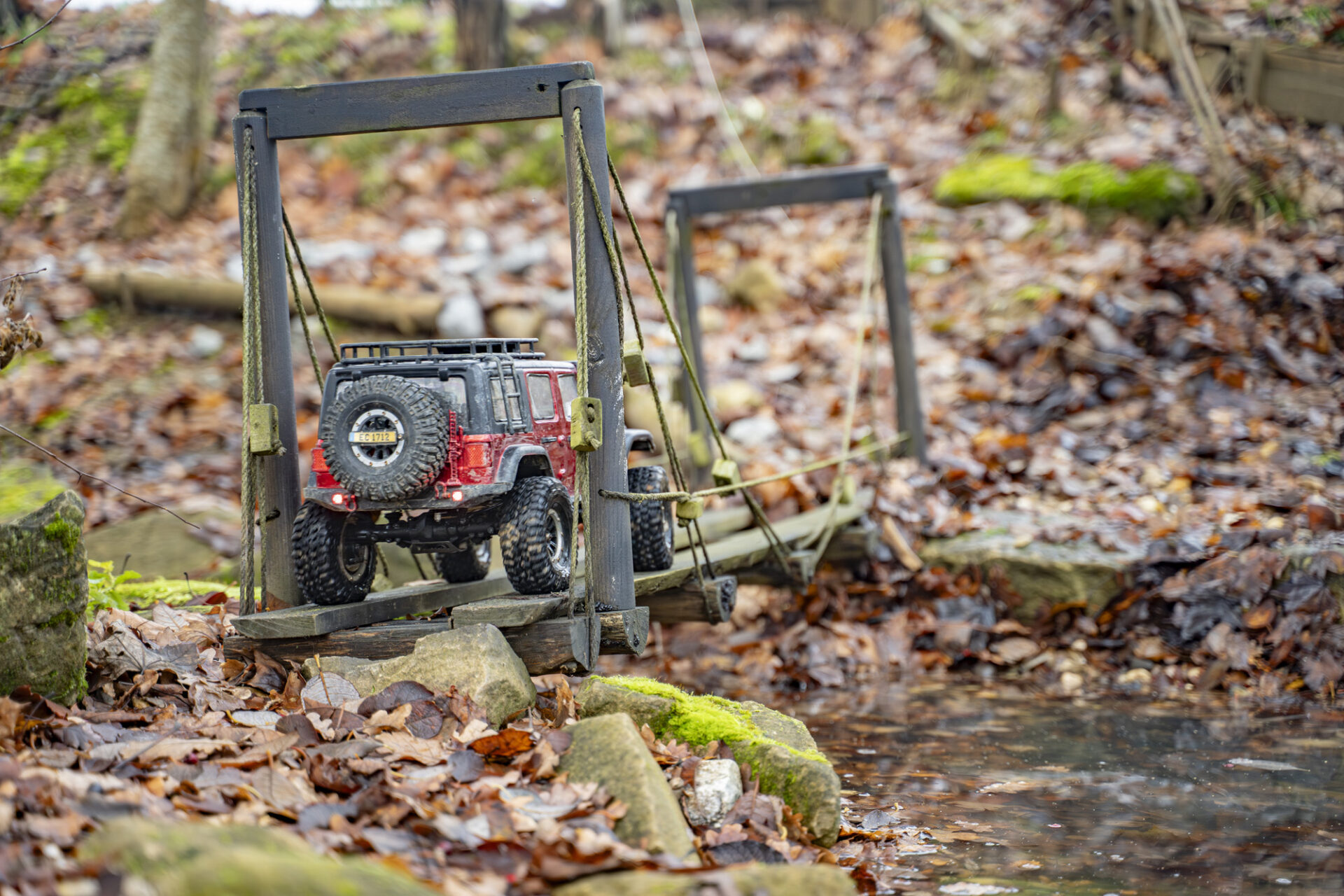
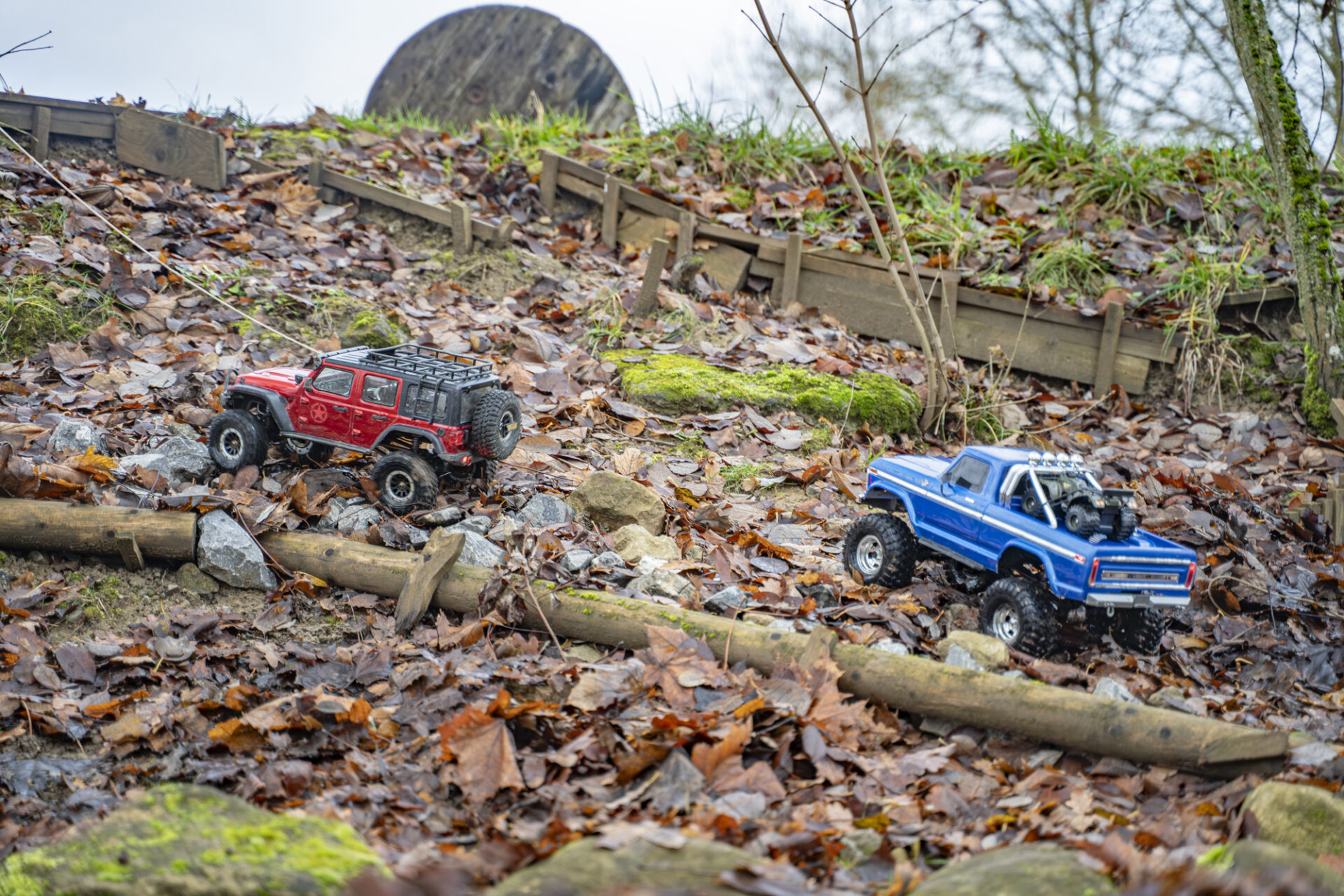
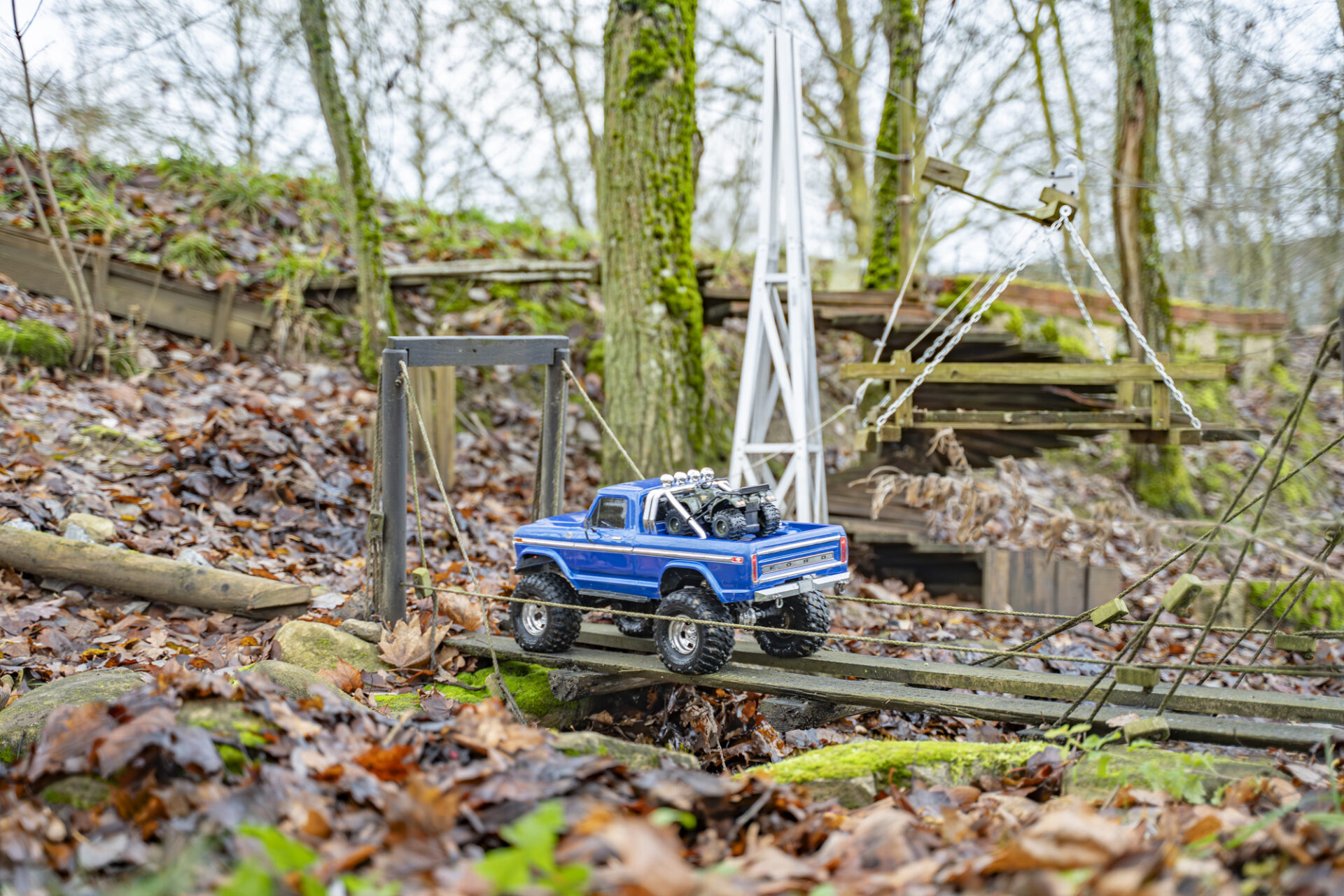
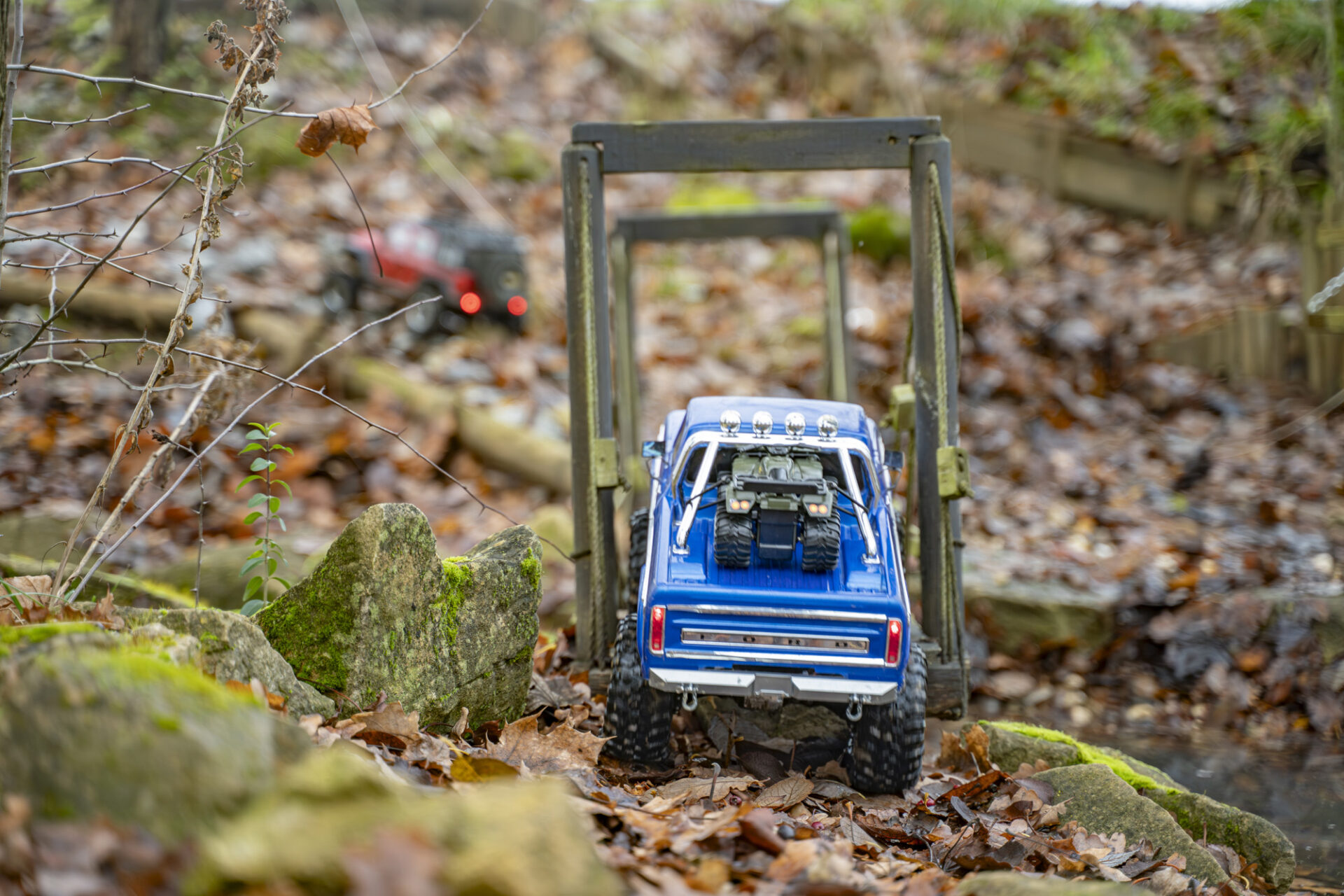
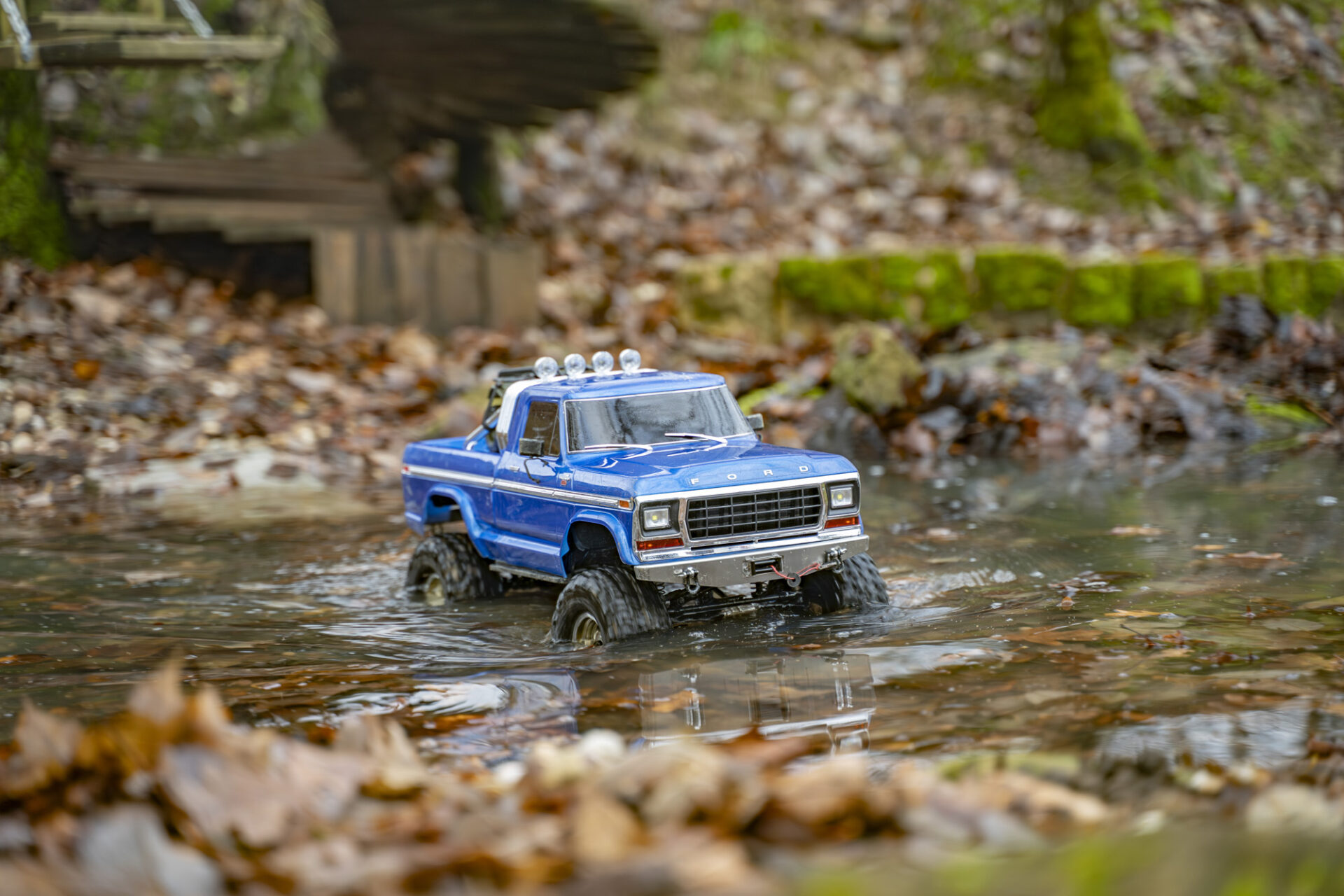
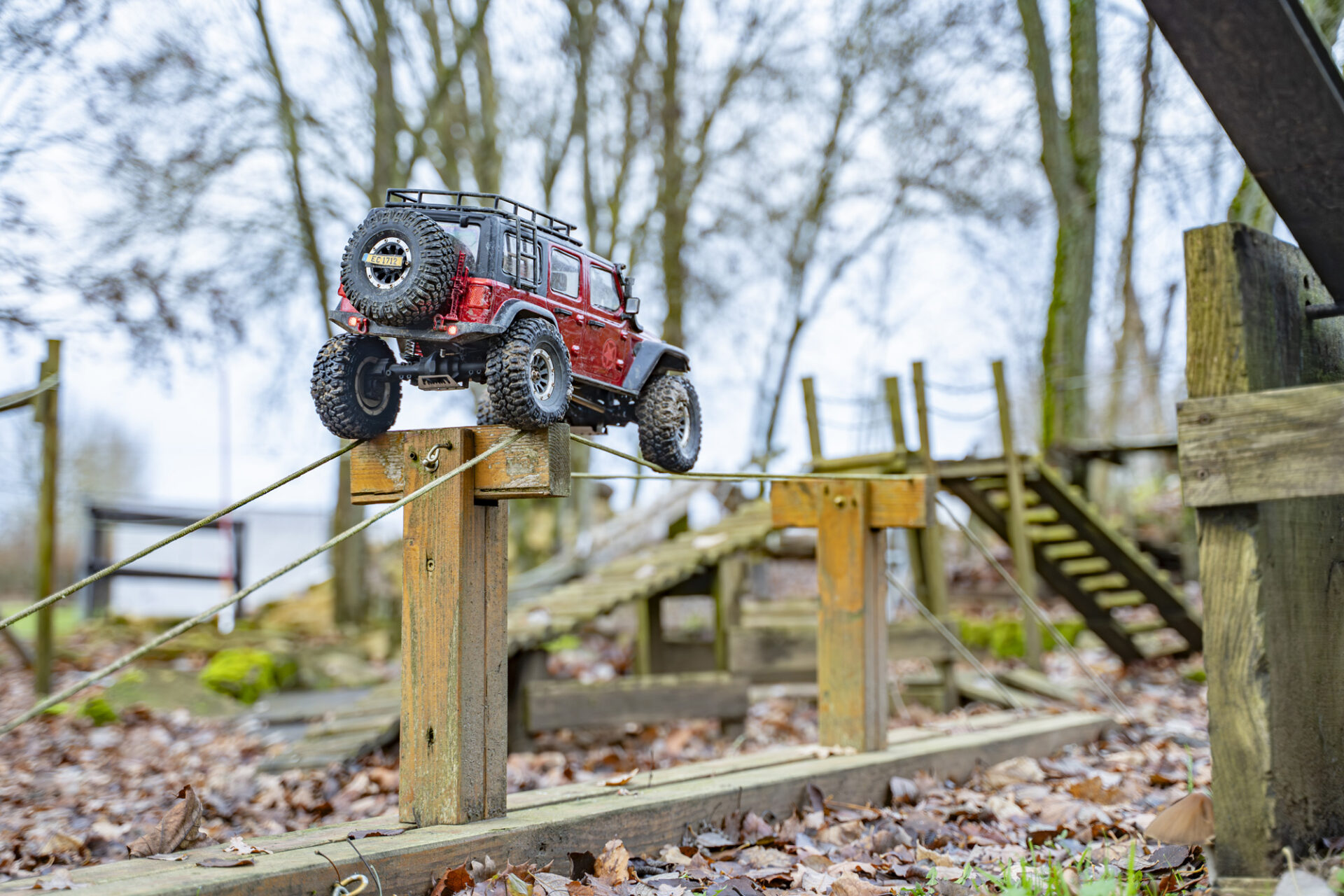
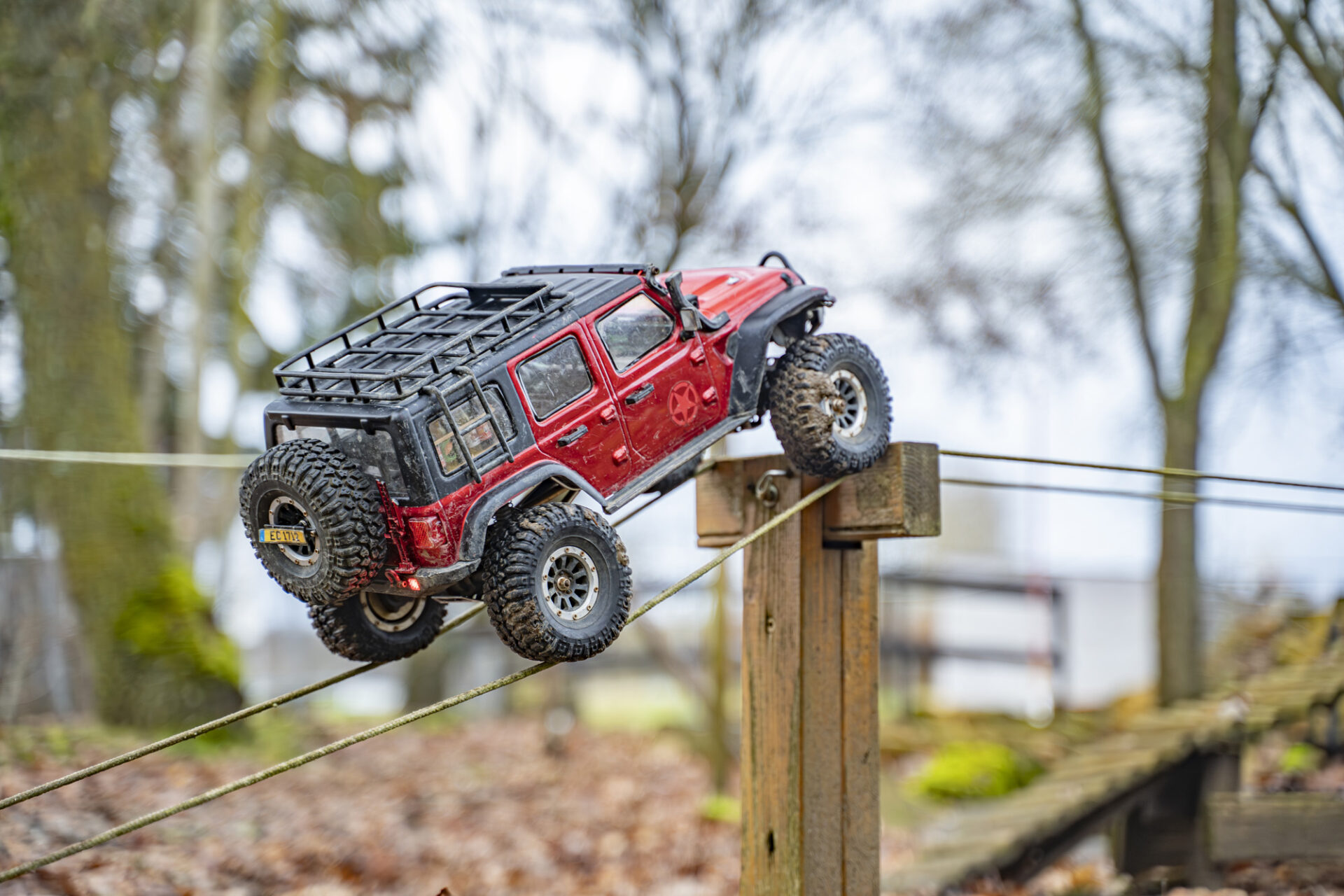
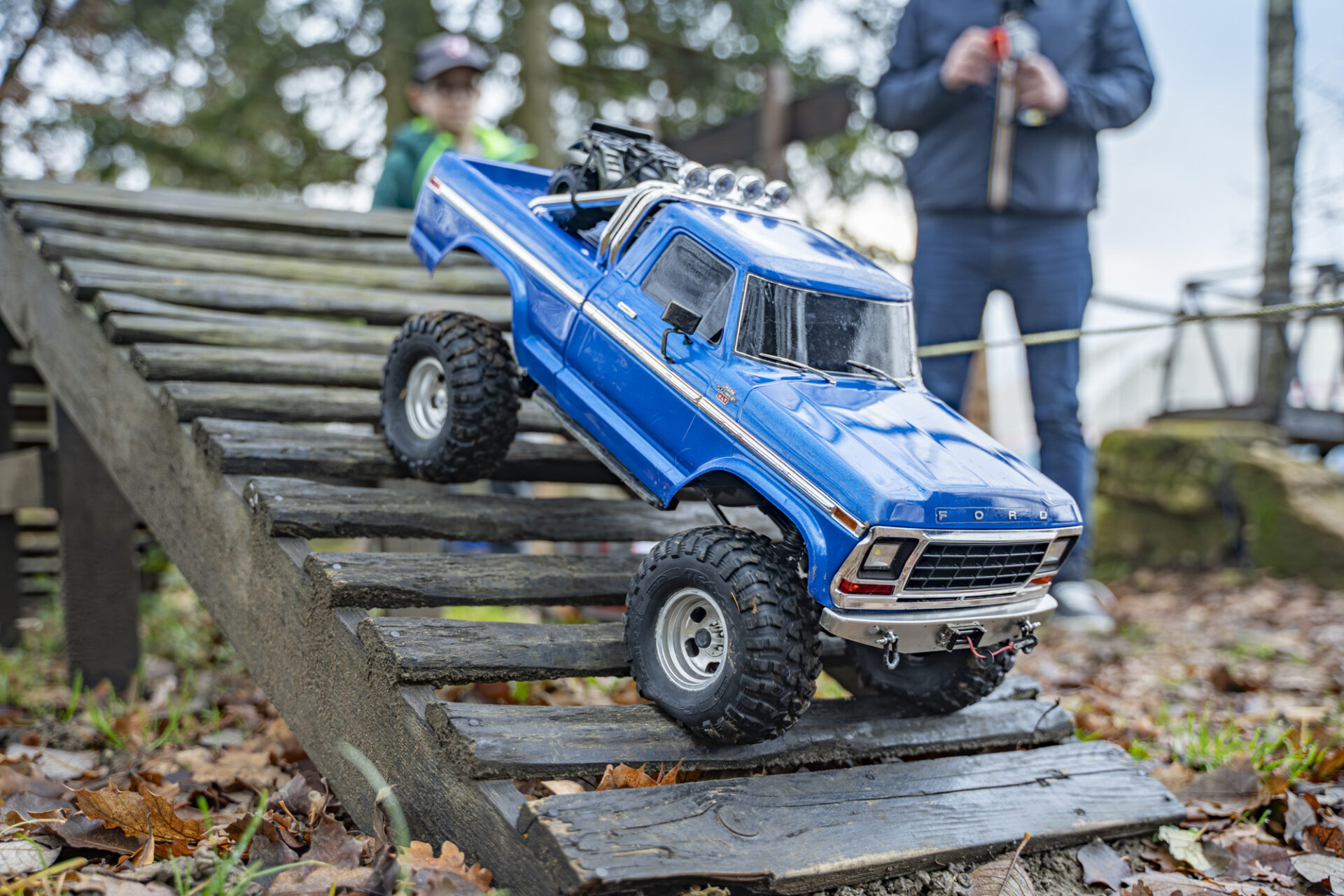
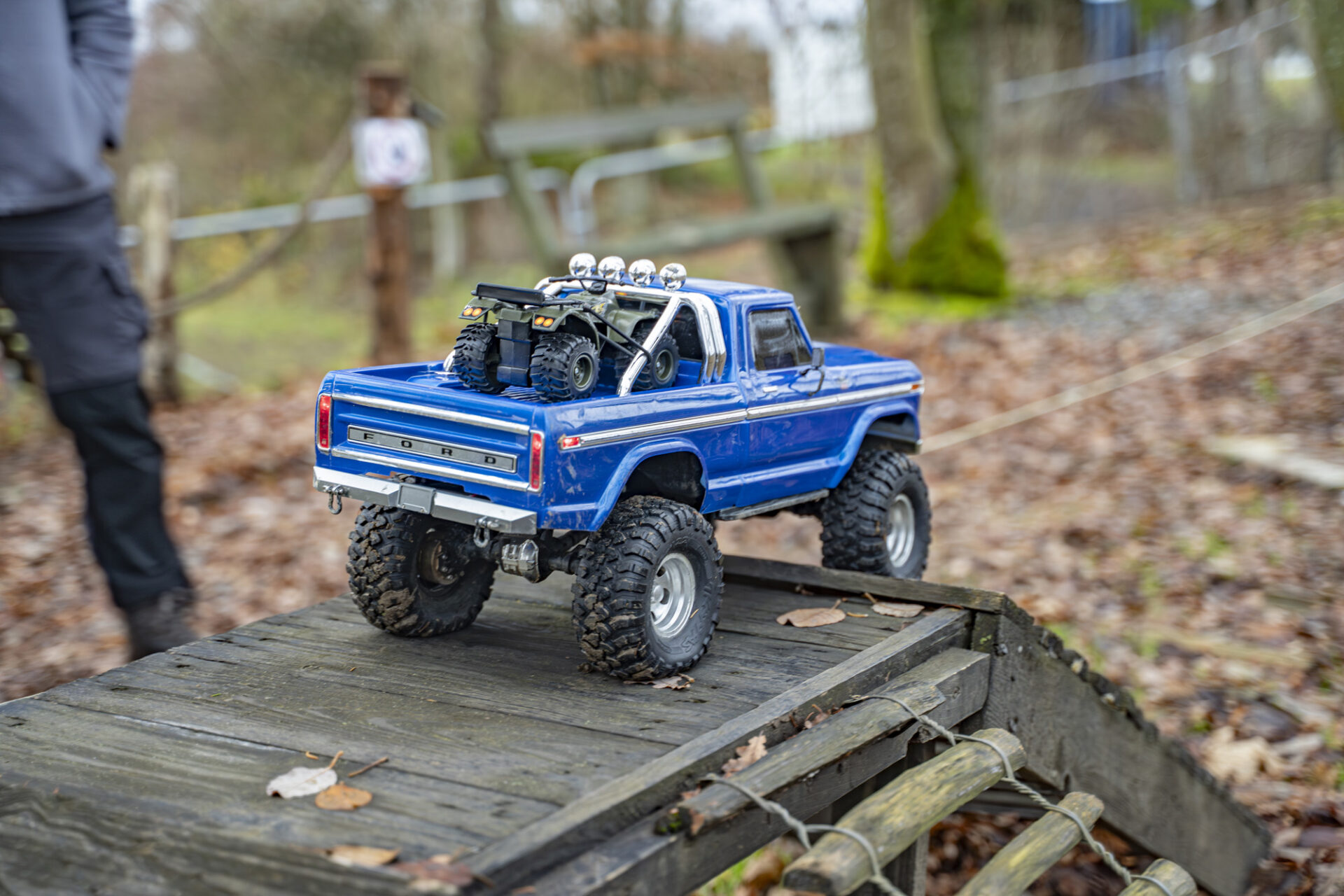
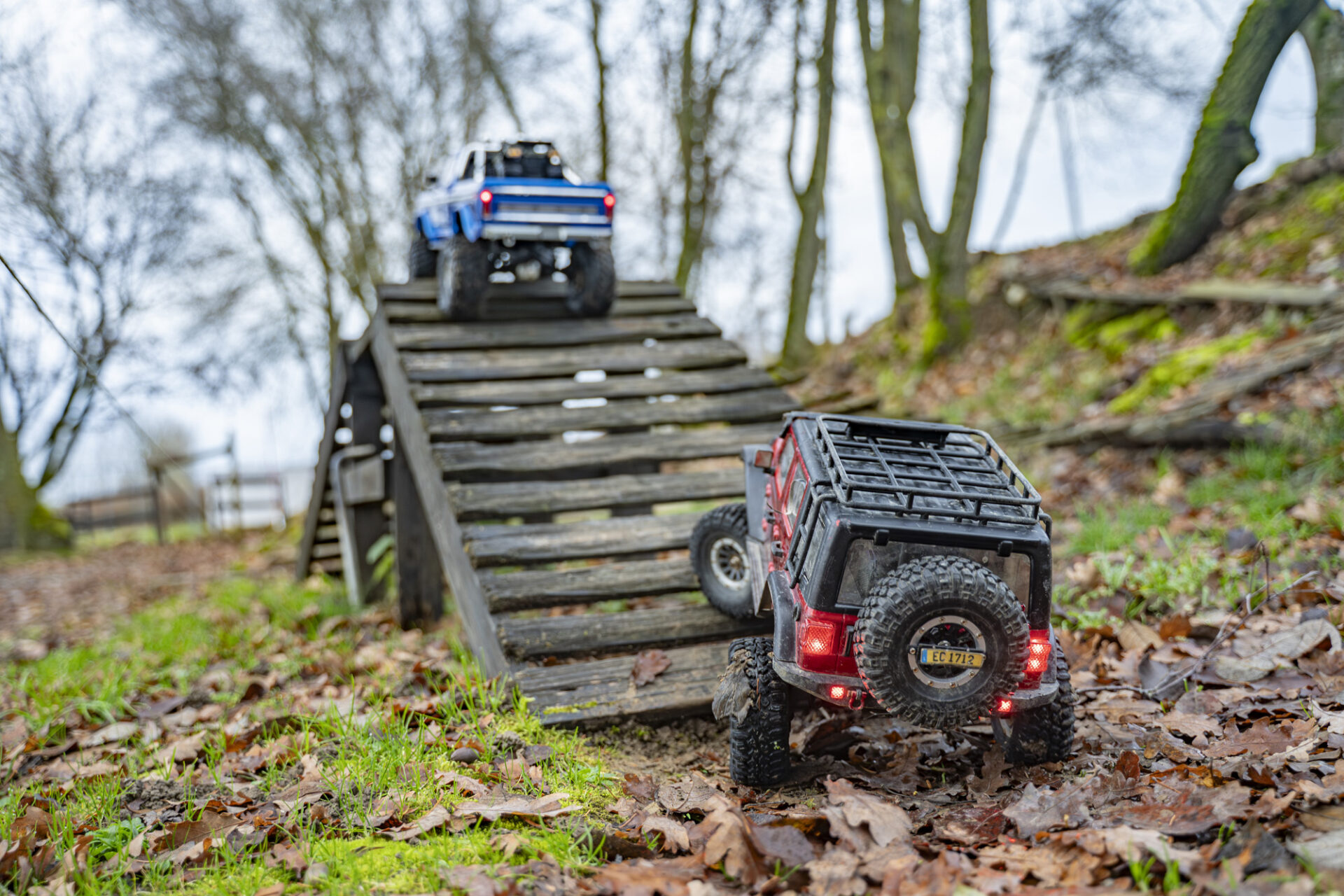
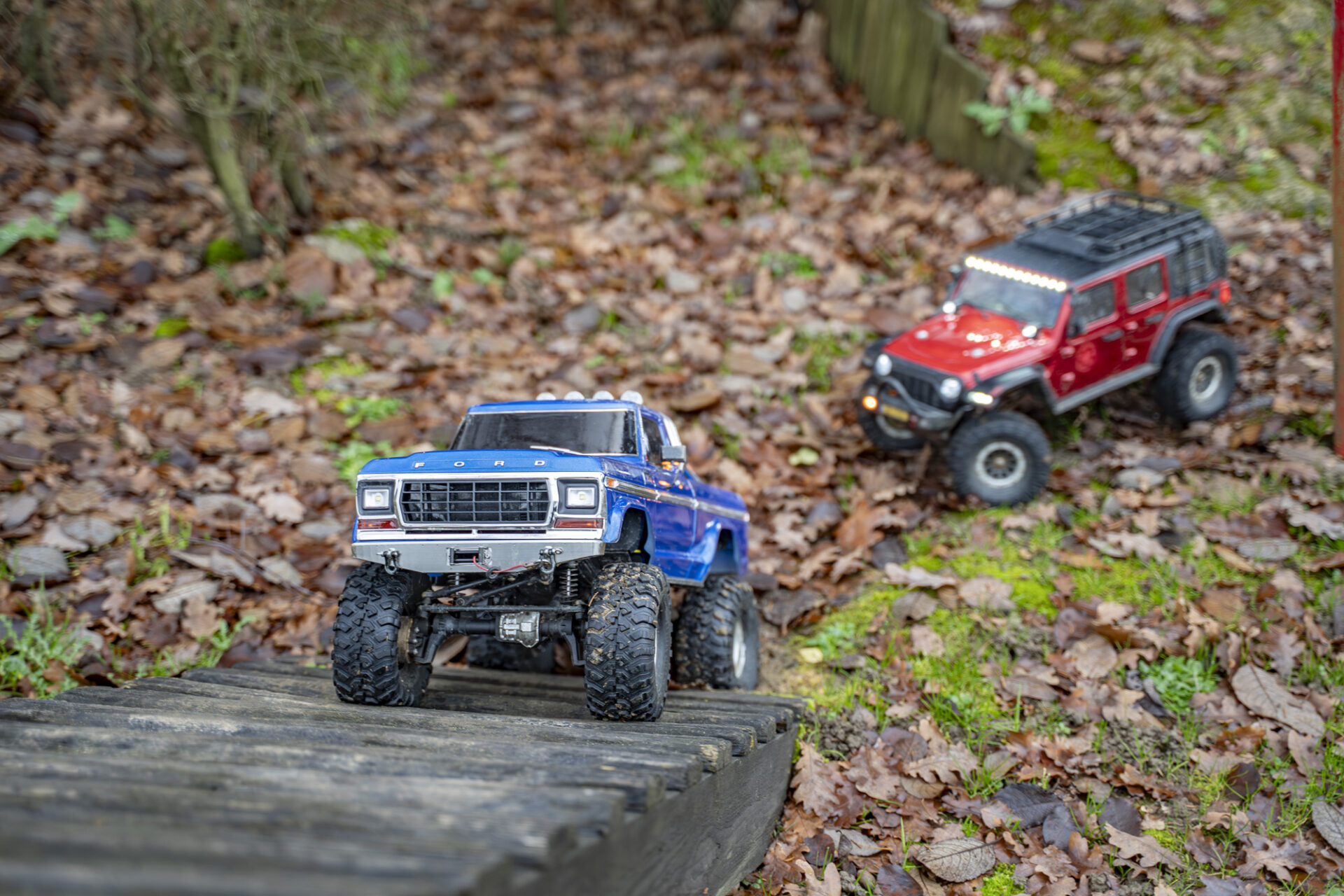
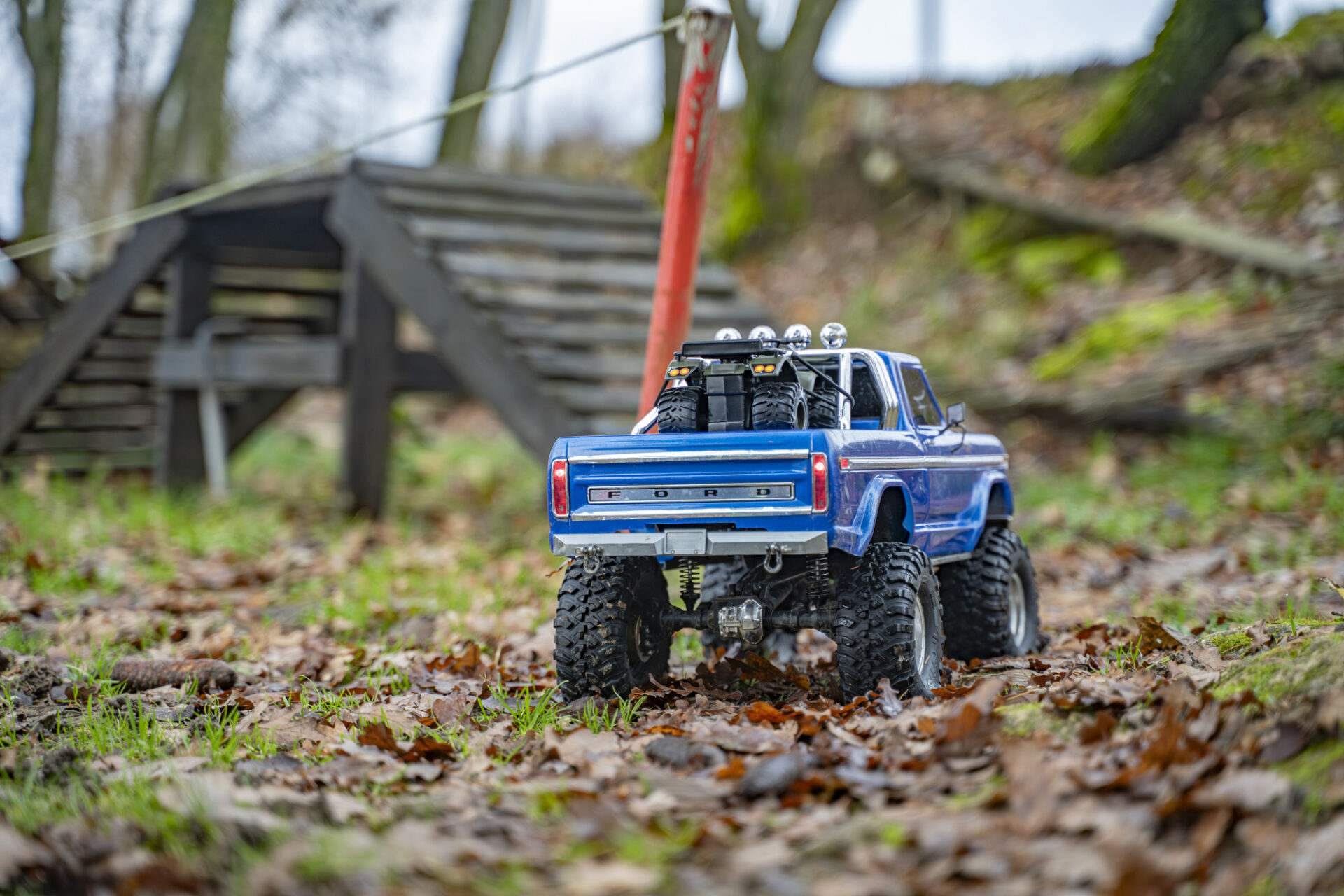
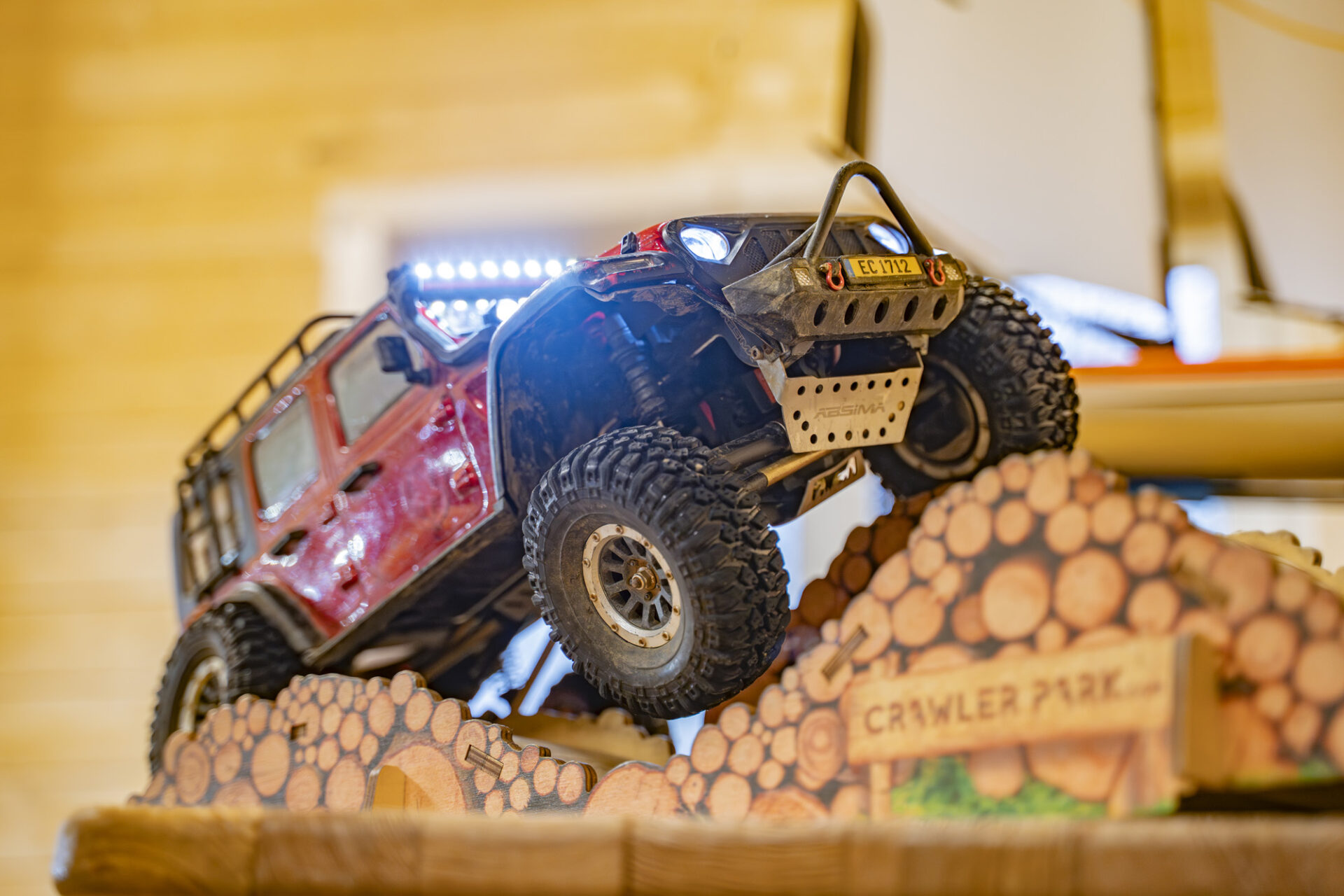
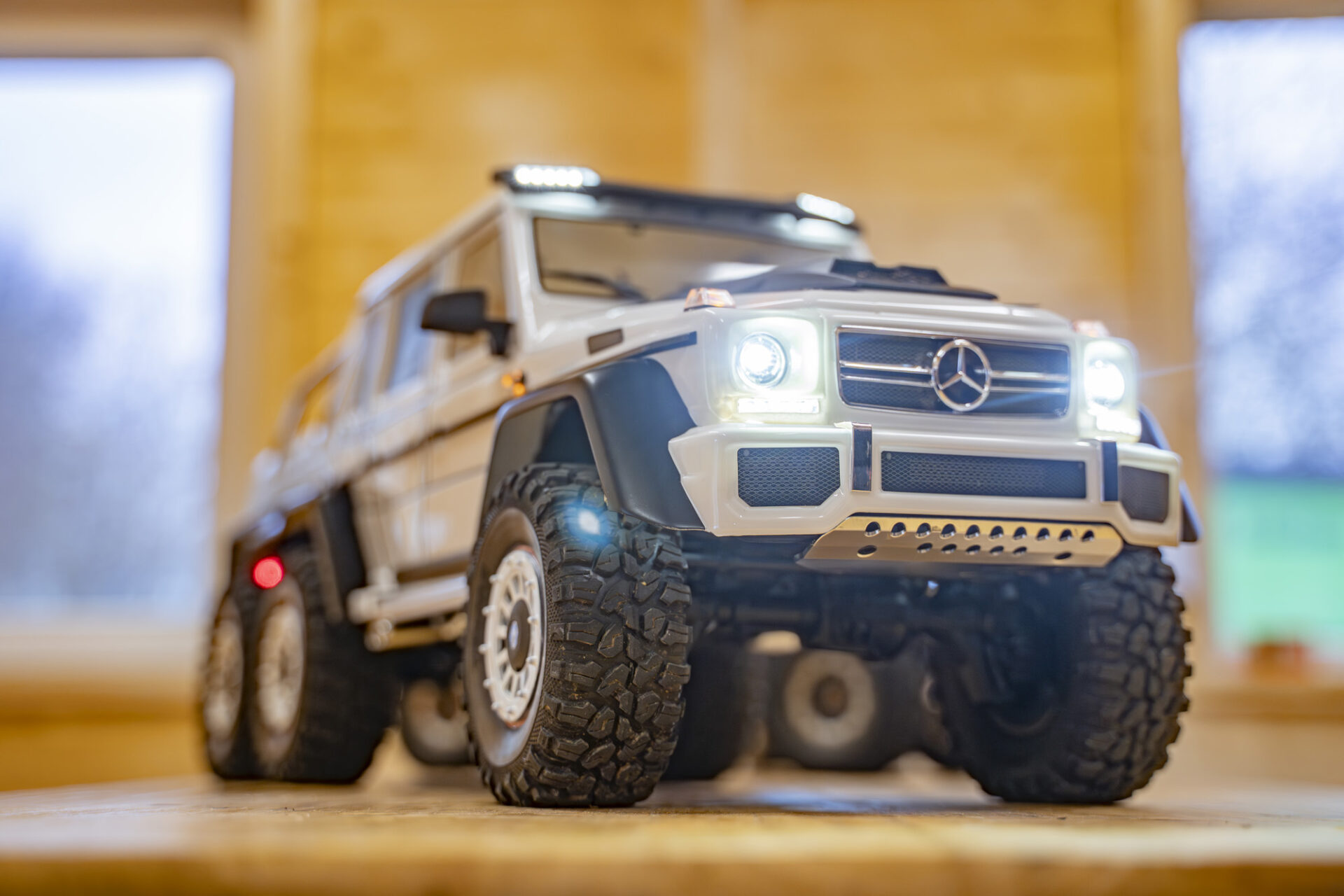
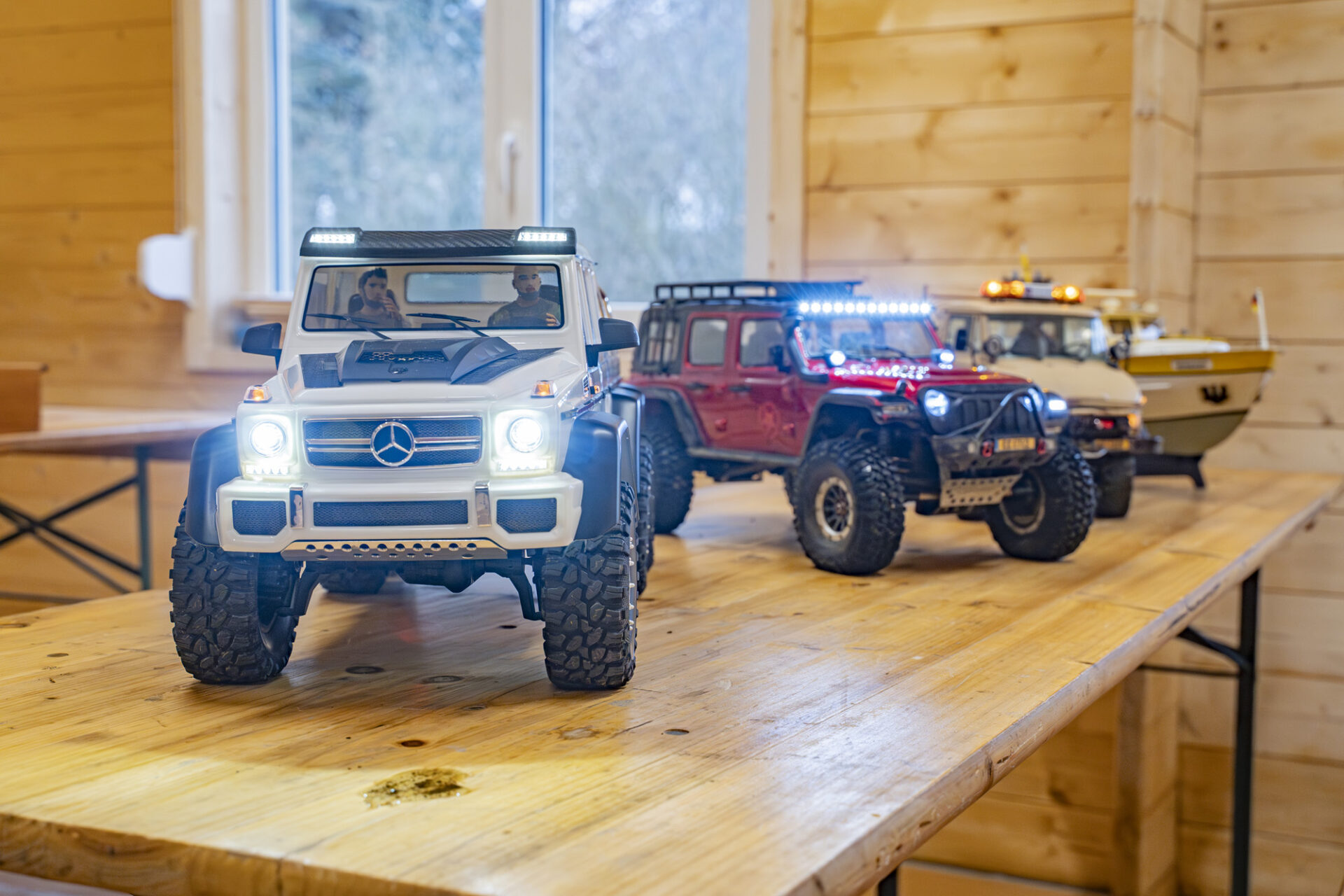
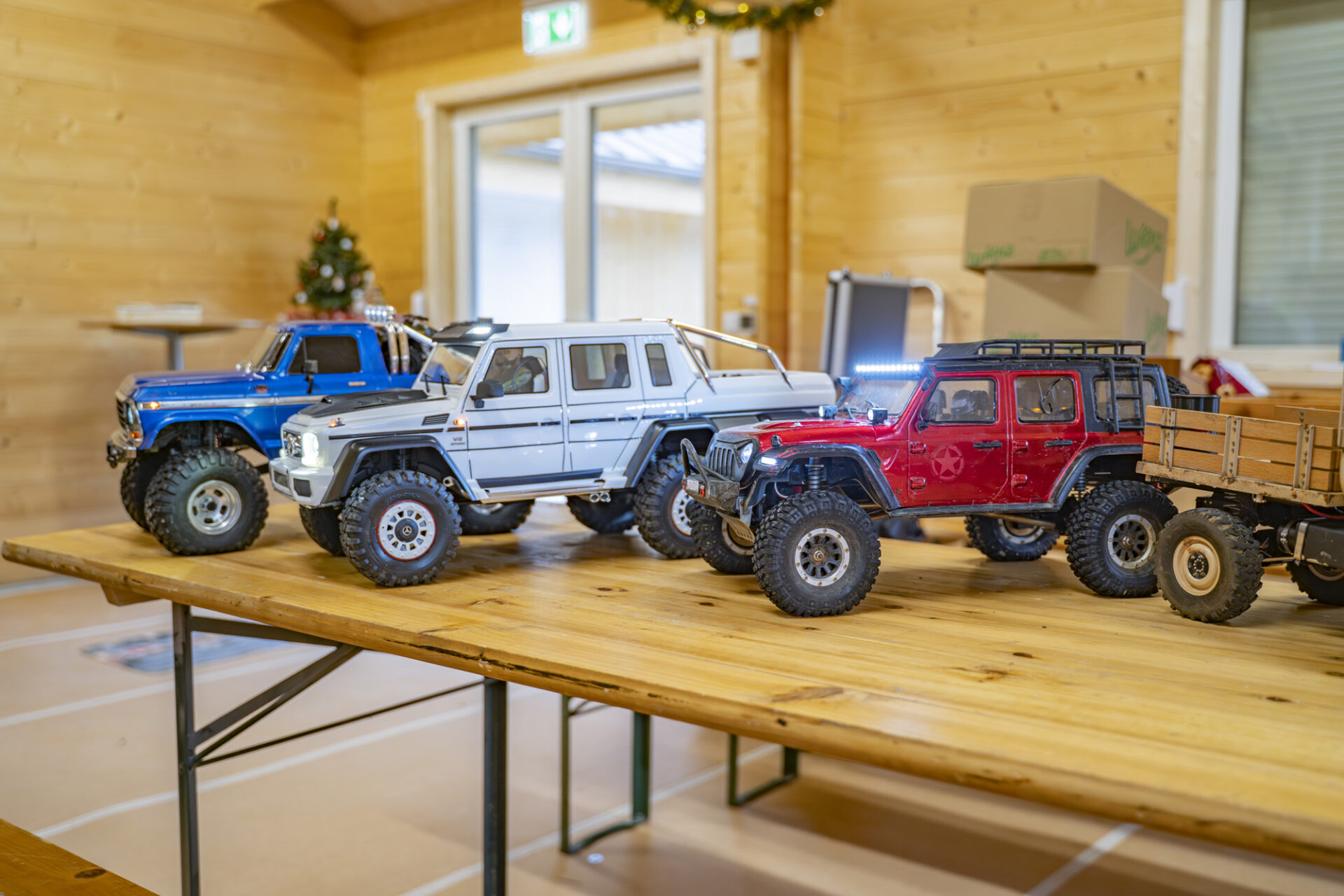
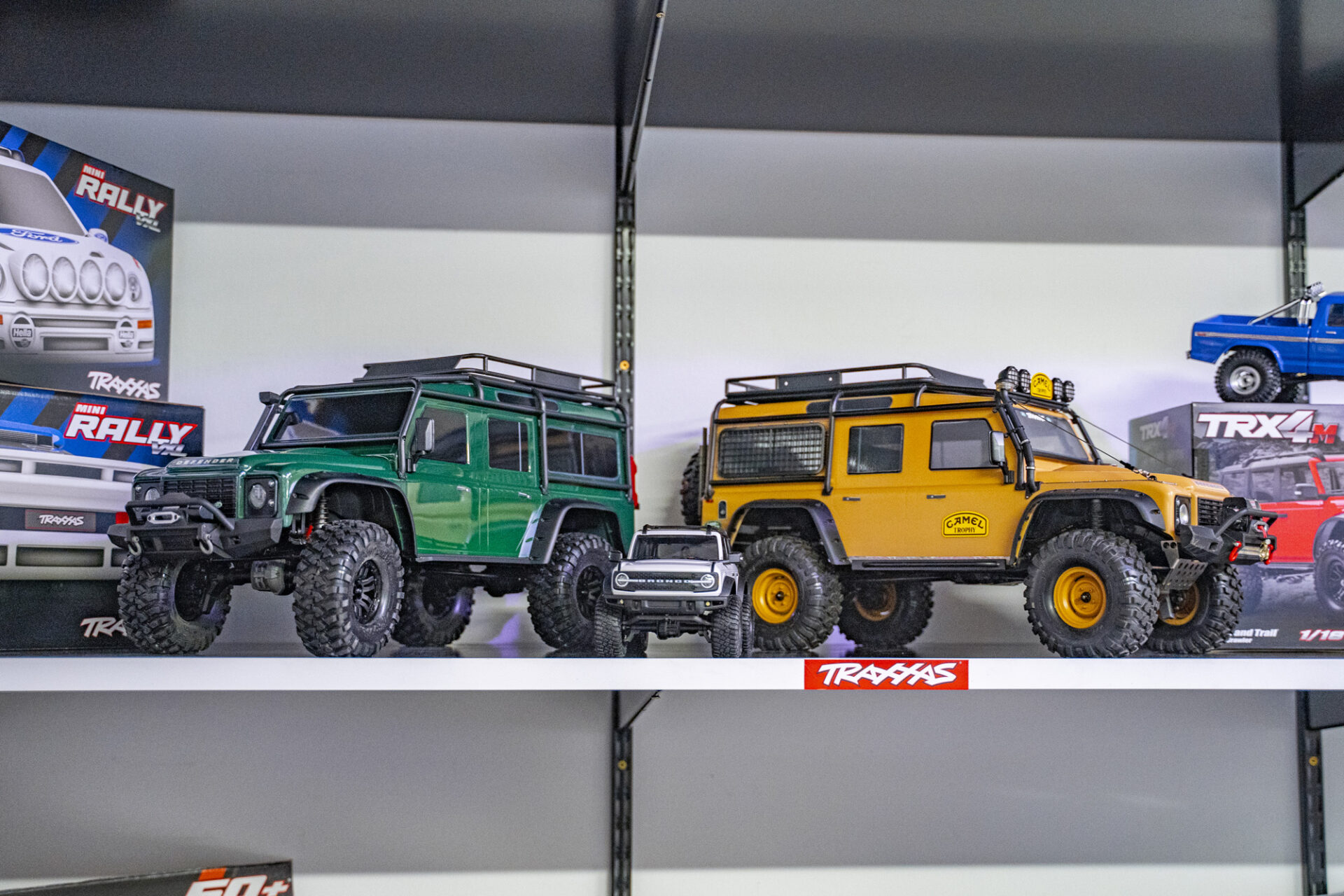
The SMBM track is a real playground: wooden and rope bridges, rocks, steep slopes and even a water crossing. Some obstacles can only be negotiated with remote-controlled three-axle 4×4 cars designed for off-roading. The setting is impressive and promises hours of fun.
Faced with such obstacles, the question arises as to whether it is accessible to beginners: ‘The youngest driver is called Anna, she’s five years old,’ smiles Tom, a member of the SMBM board of directors and himself an enthusiast. “To start with, I always advise parents or novices to choose a basic model costing around £100. It won’t overcome every obstacle, but it’s perfect for having fun and learning. If the child shows a real interest, you can then move up the range and increase the technical complexity,” he explains, alongside his 10-year-old son Elias, who handles his 4×4 with remarkable ease. ‘You can start with a car bought in a supermarket, but the problem is that if one part breaks, you have to throw the whole car away,’ adds Tom. The hardest thing for children? Managing speed. ‘At first, they want to go fast and put their foot down. But on the course, you have to go slowly. They try one obstacle, then another, and when it works, they get caught up in the game. It’s also an excellent way to work on their concentration,’ he continues.
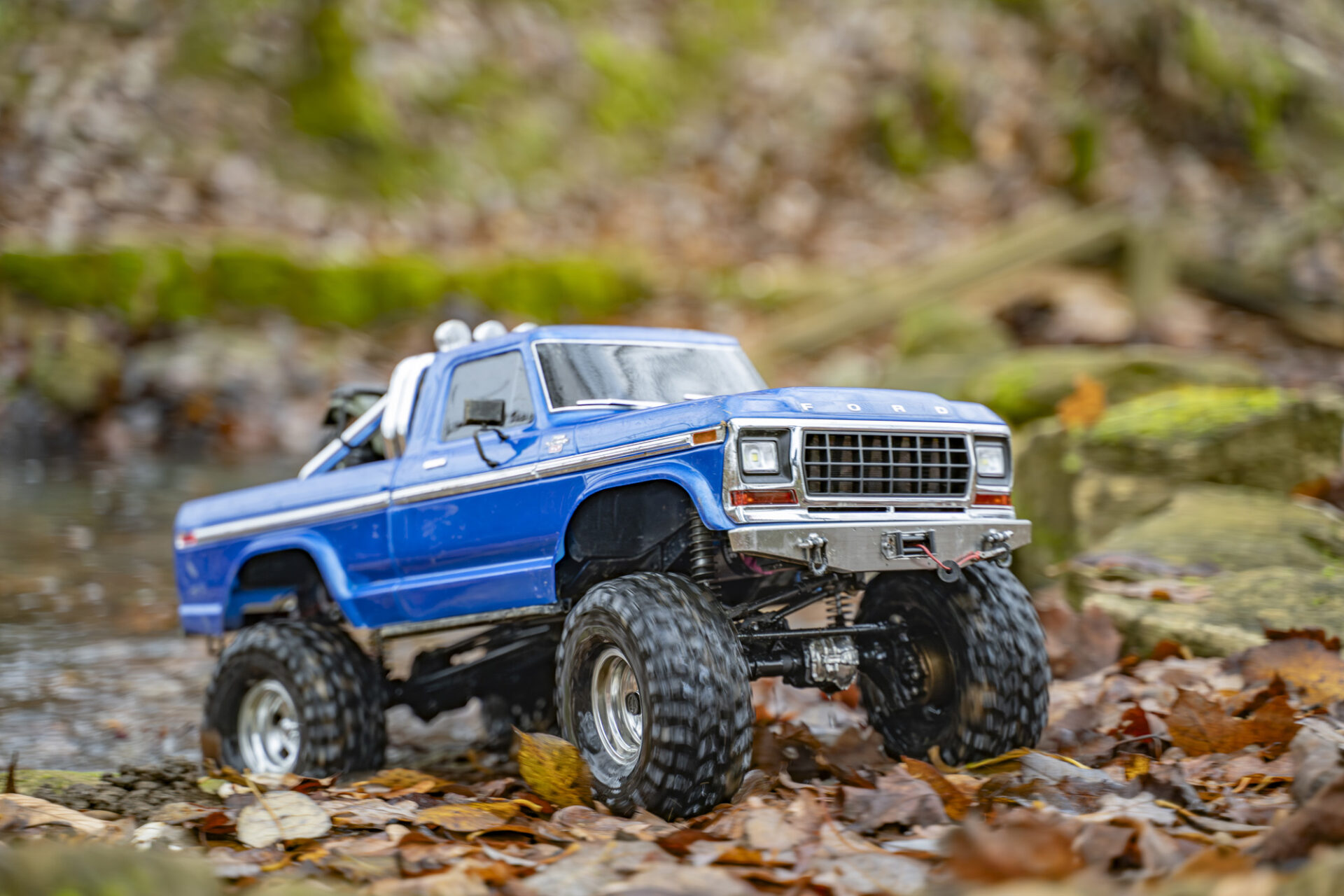
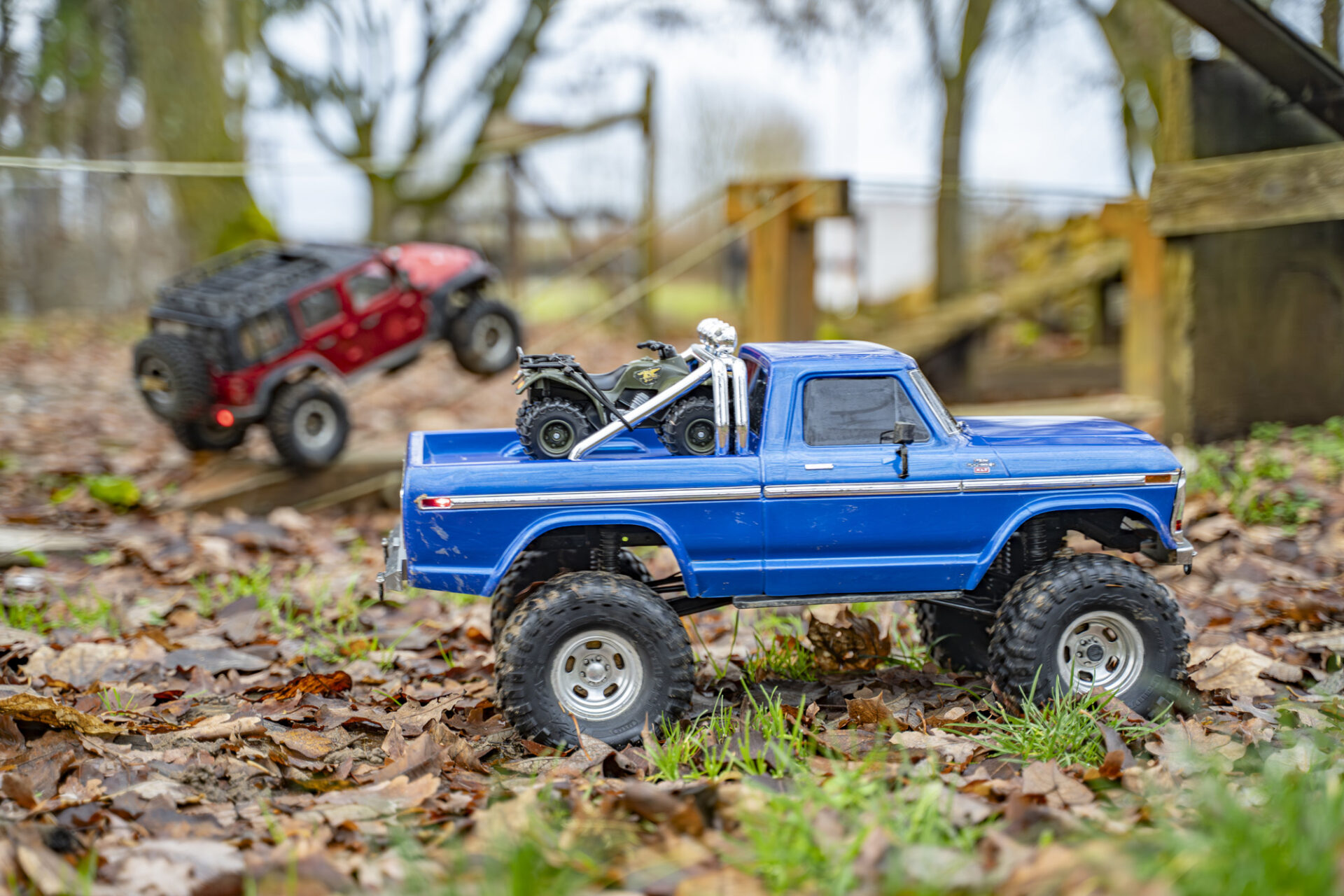
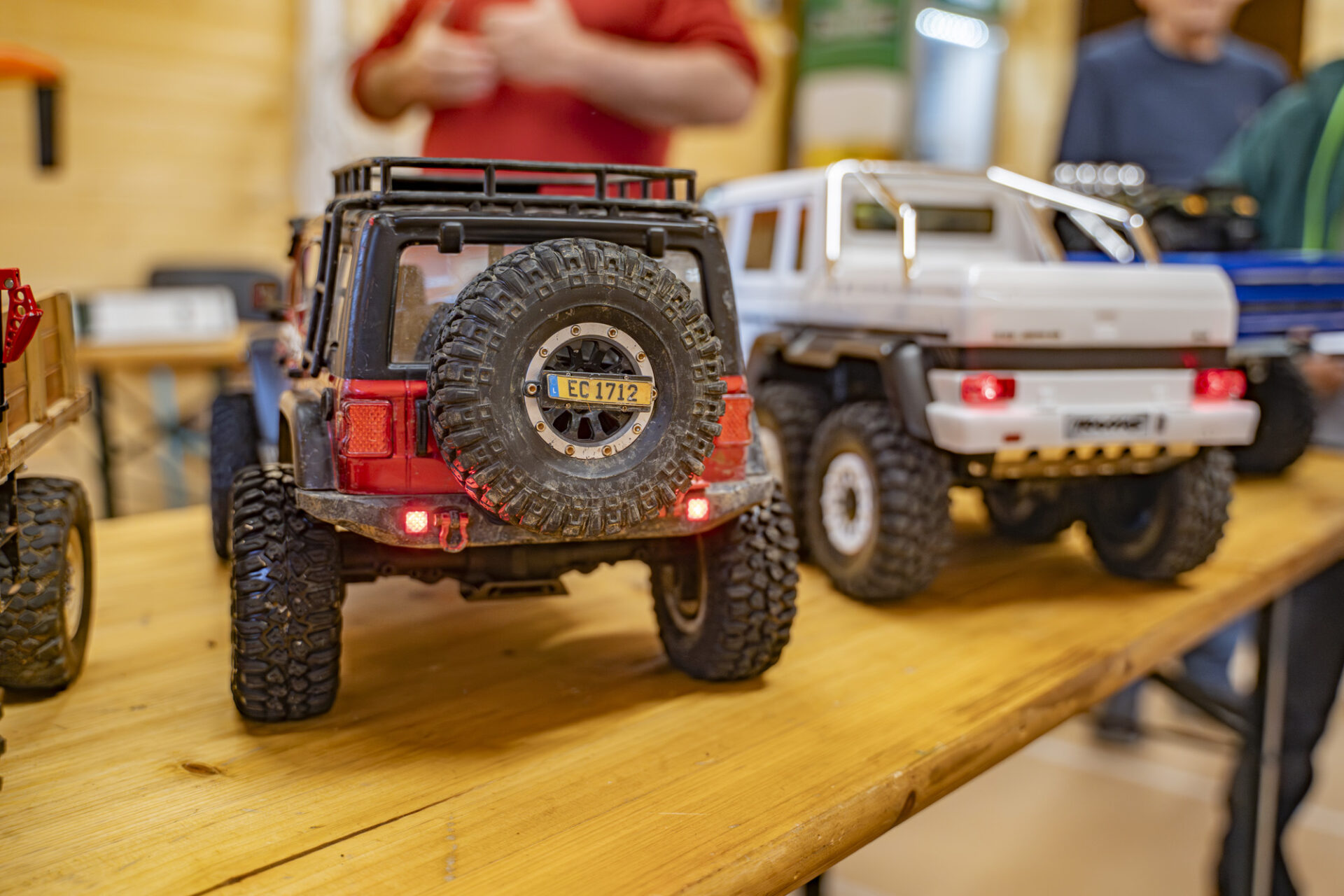
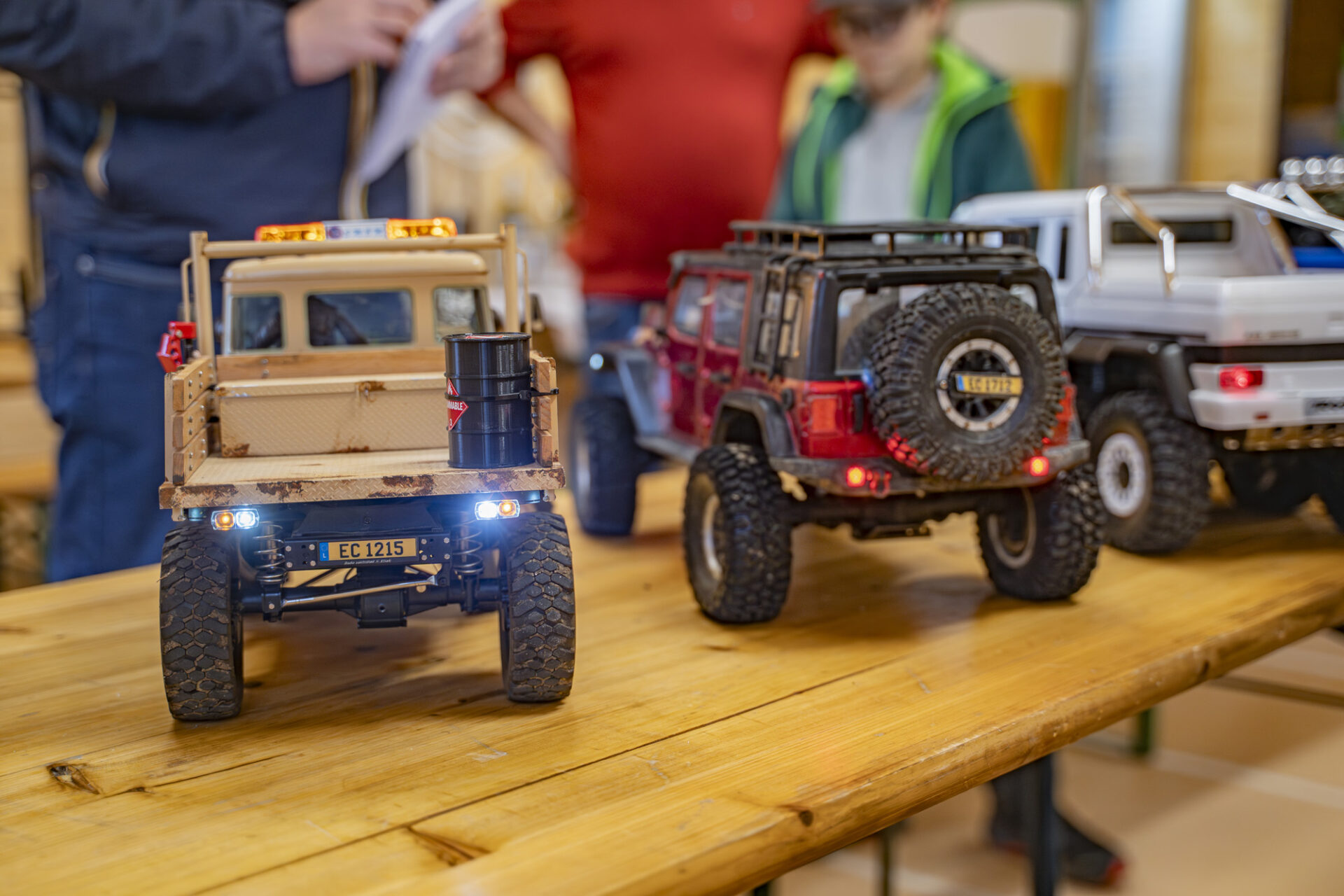
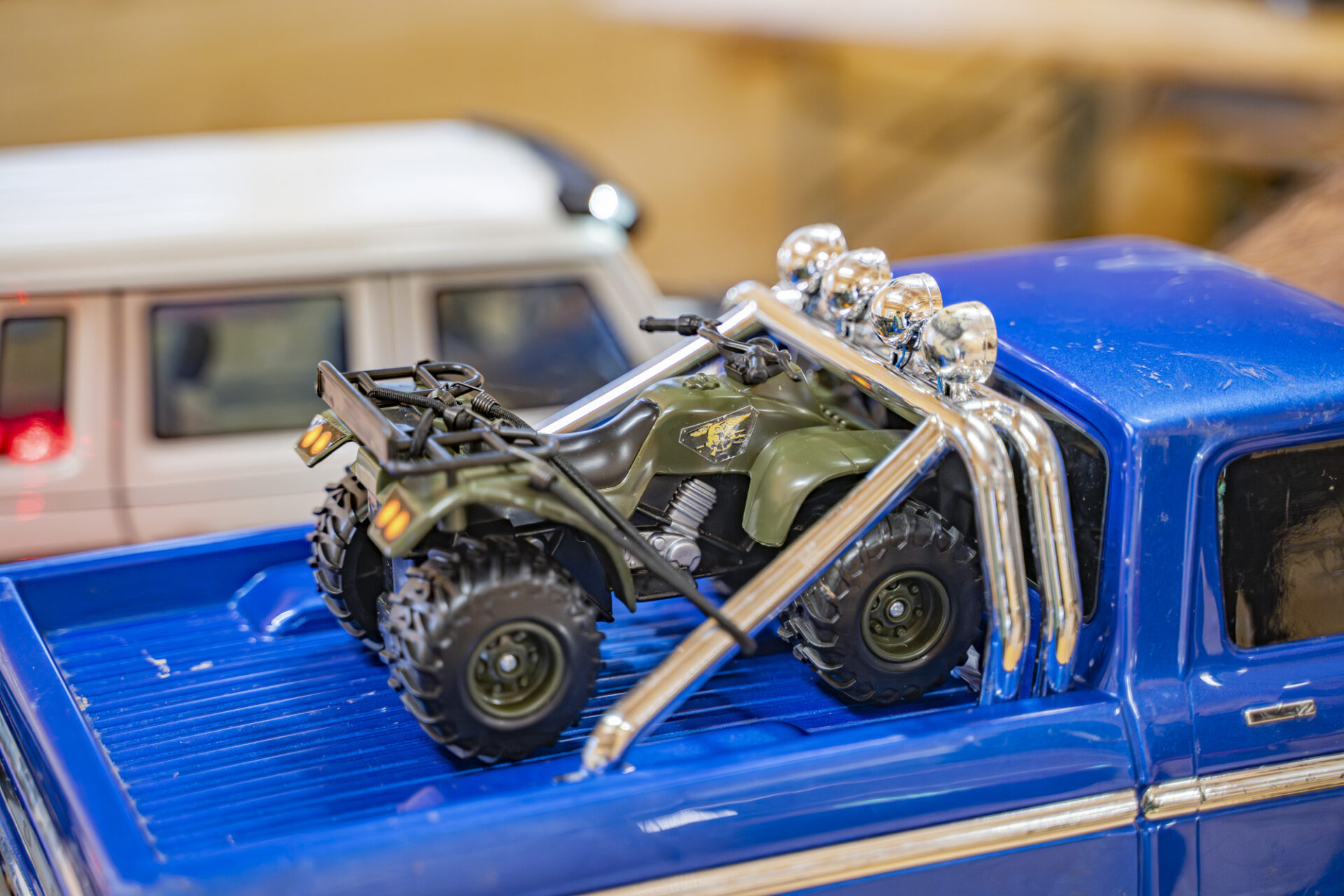
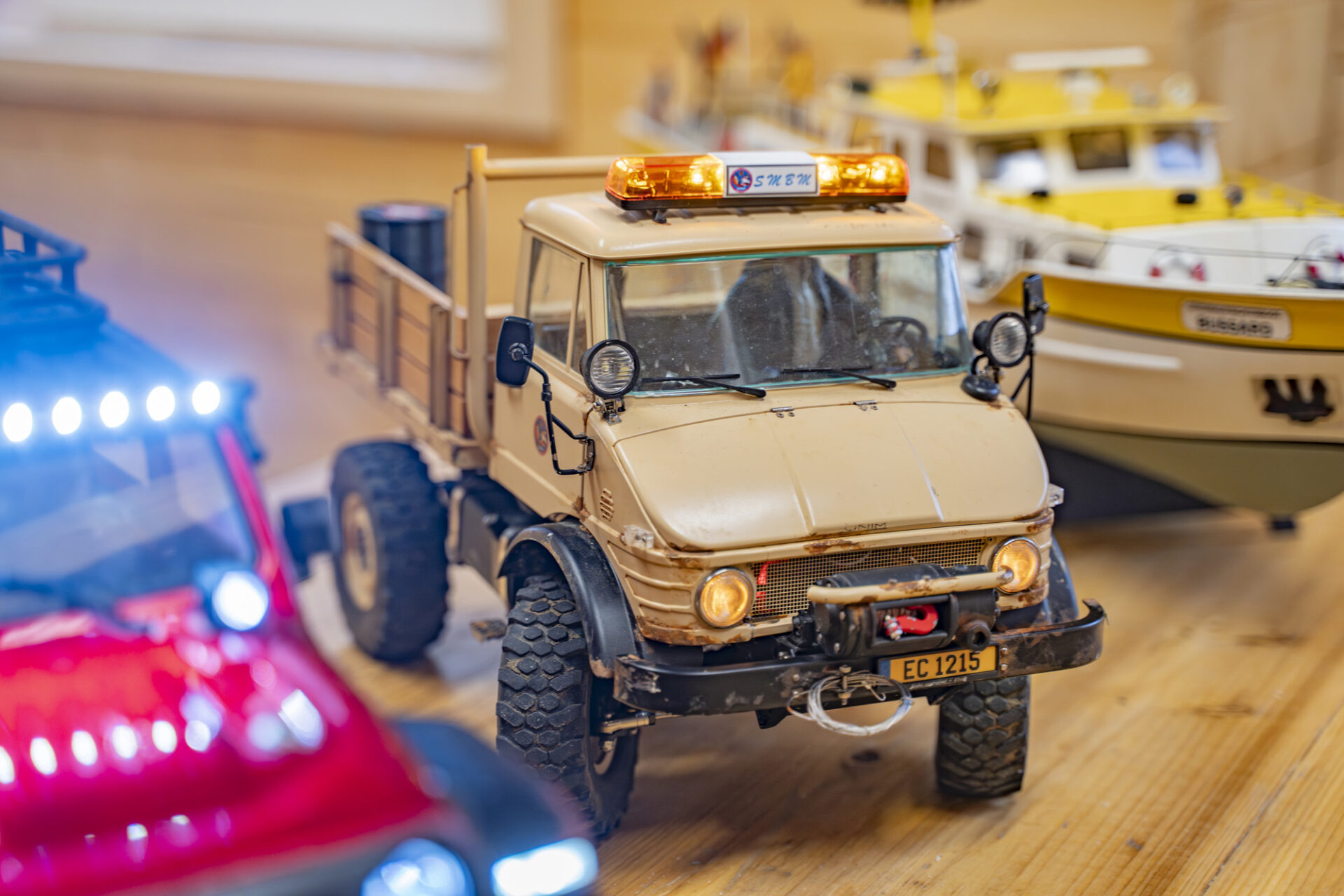
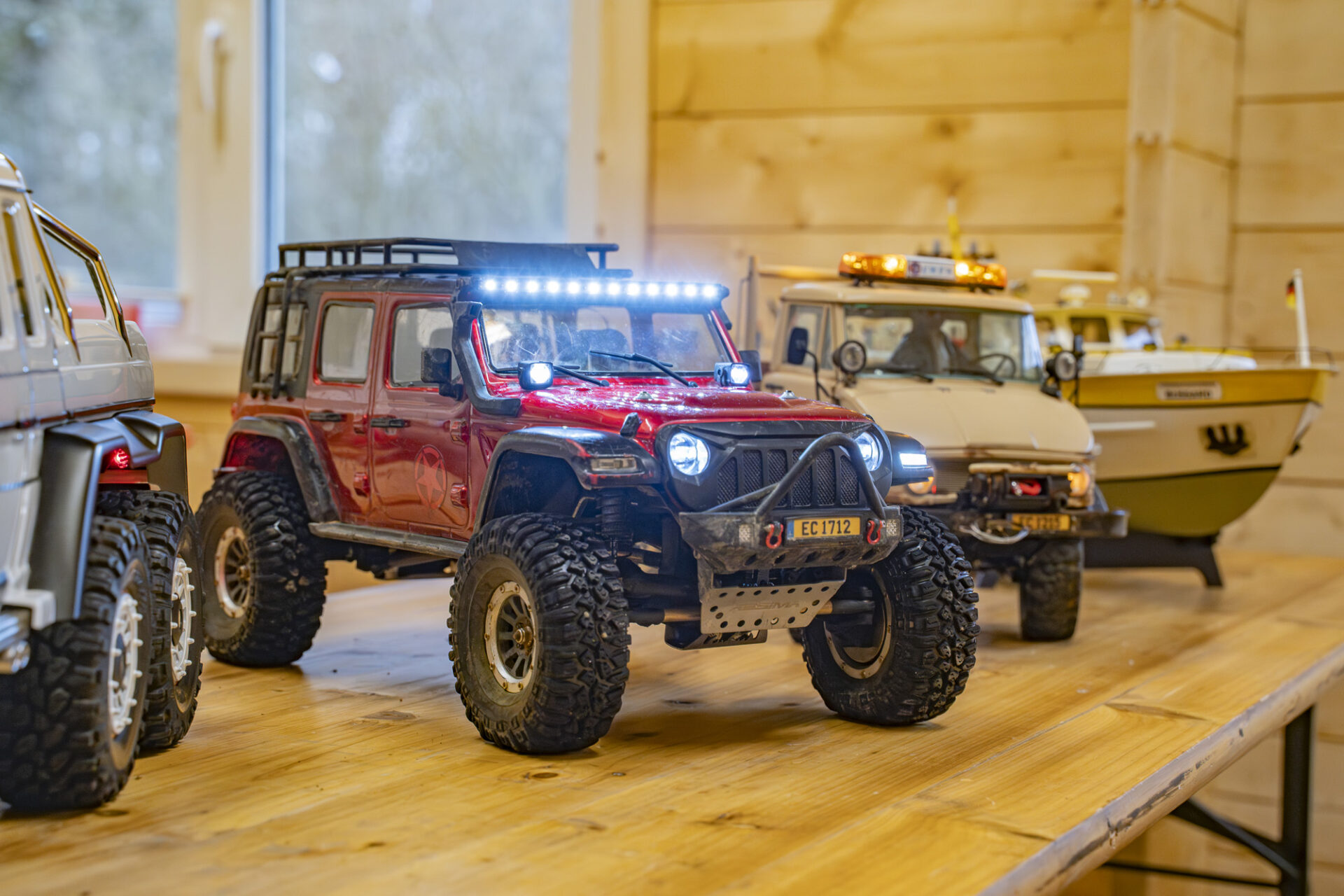
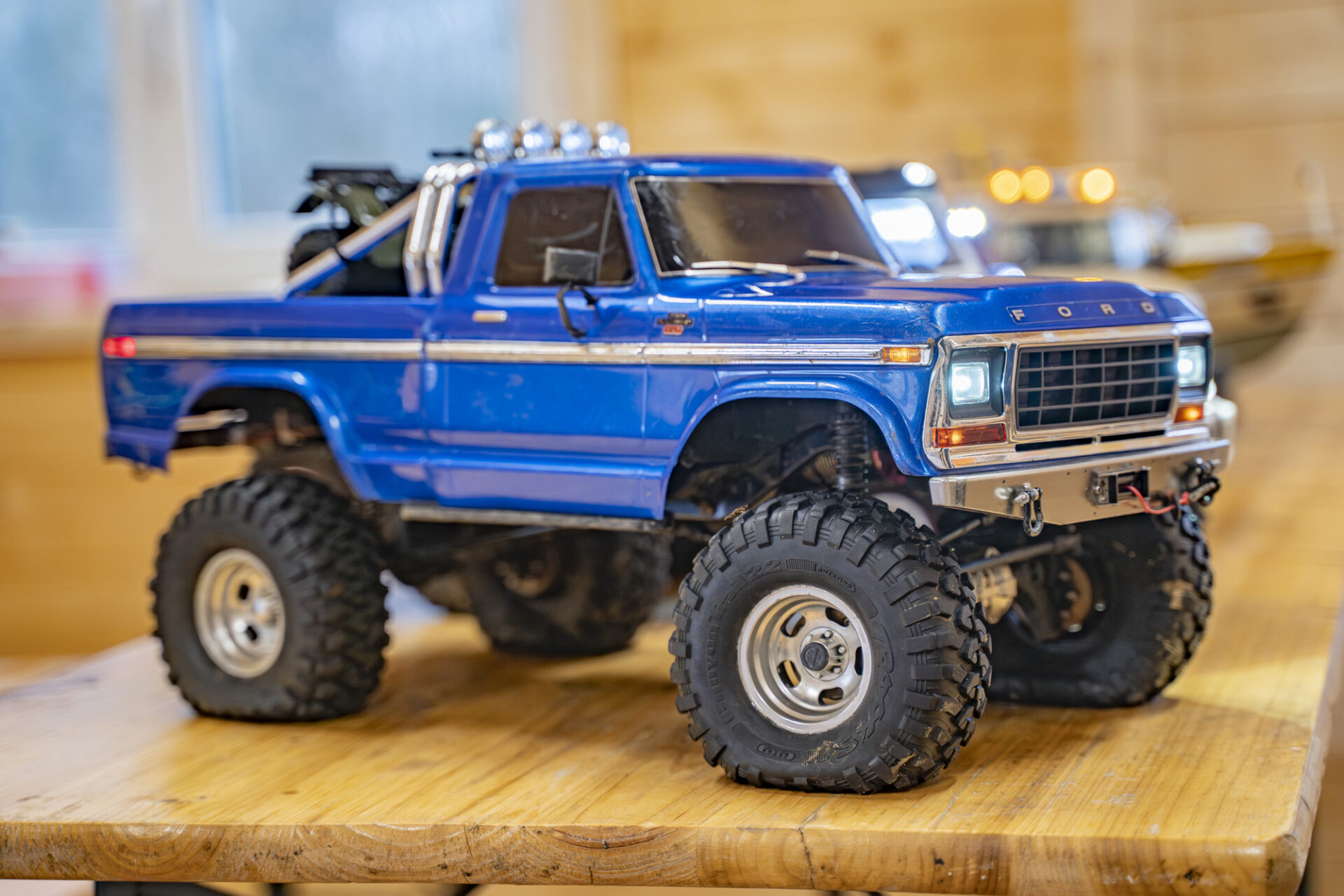
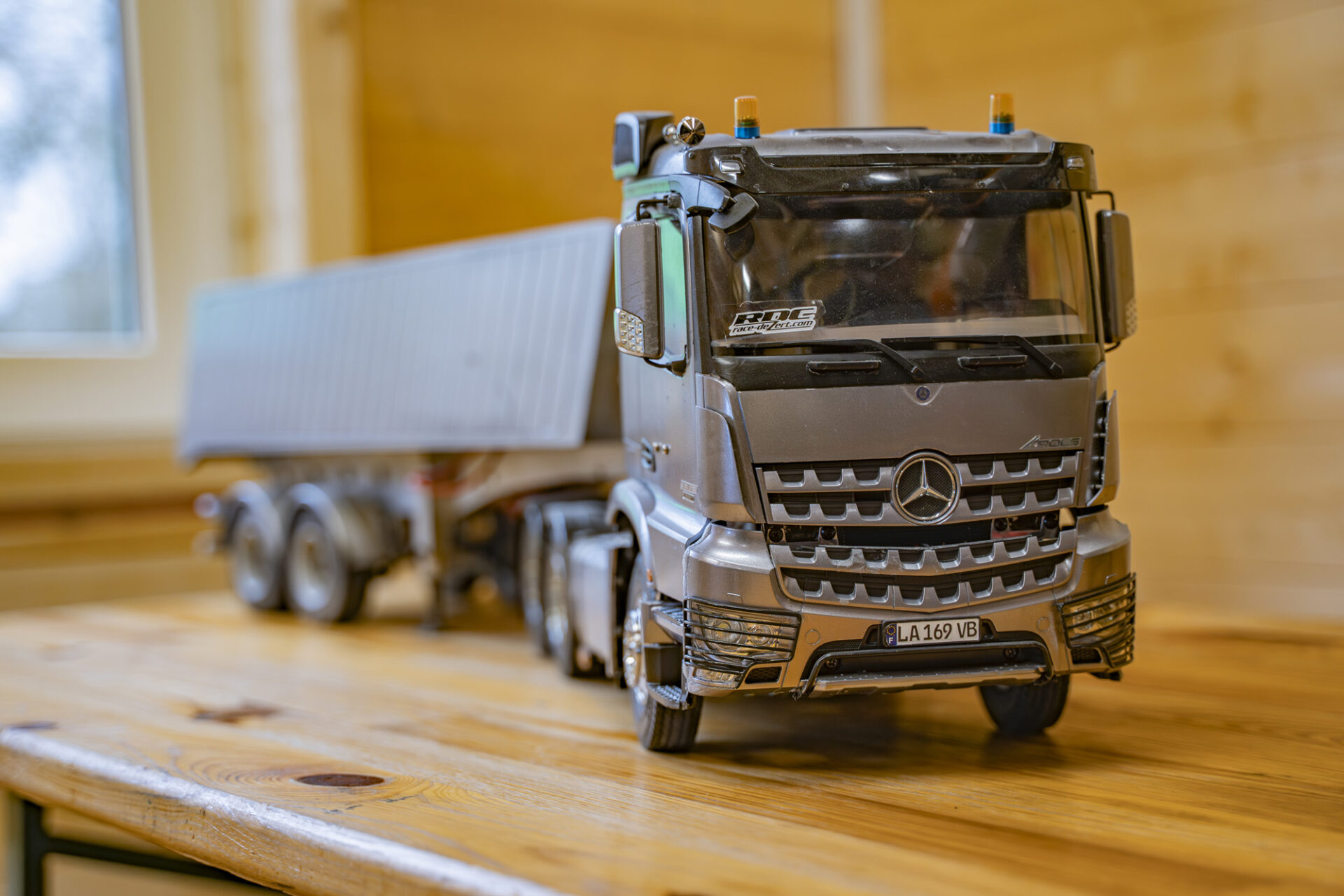
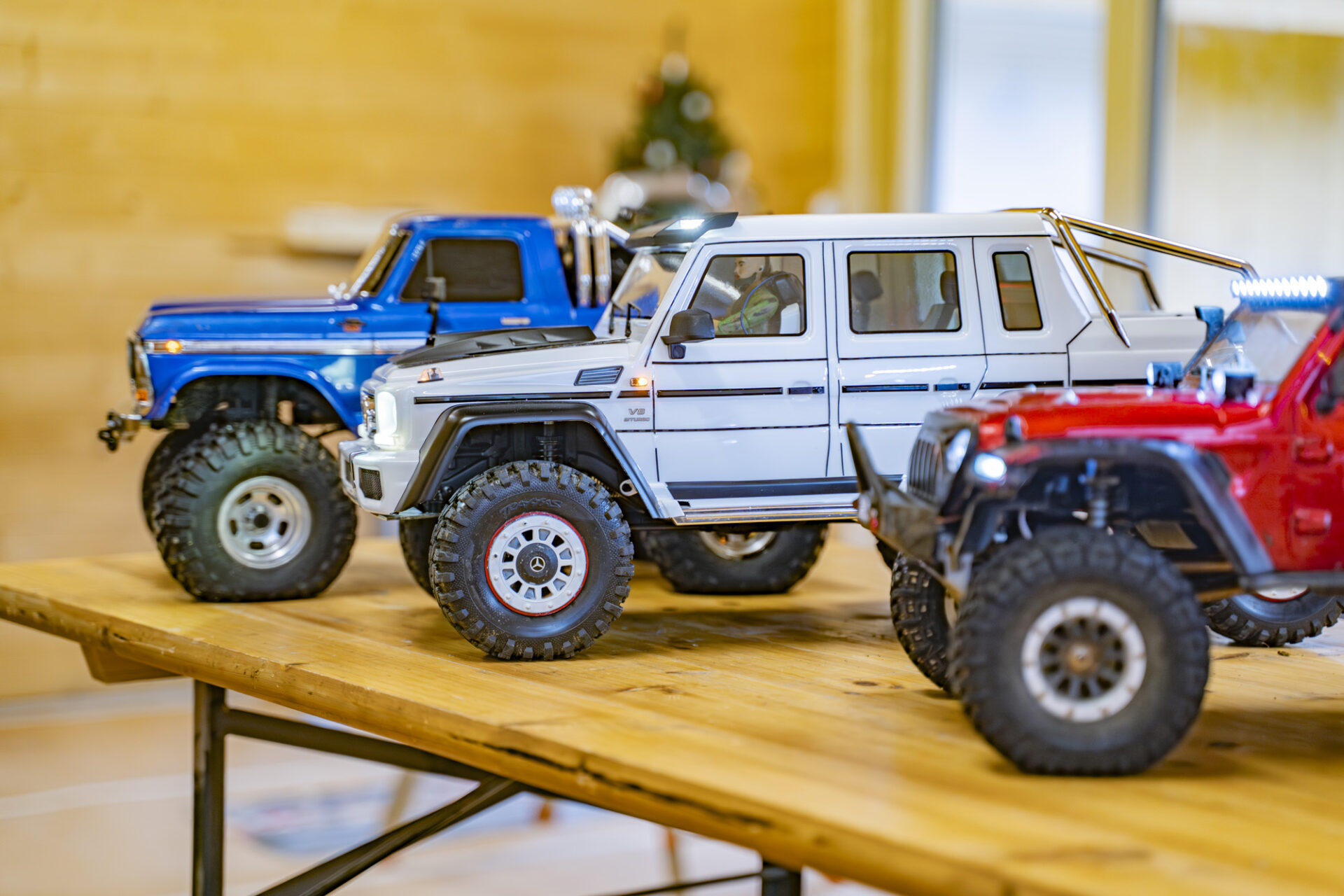
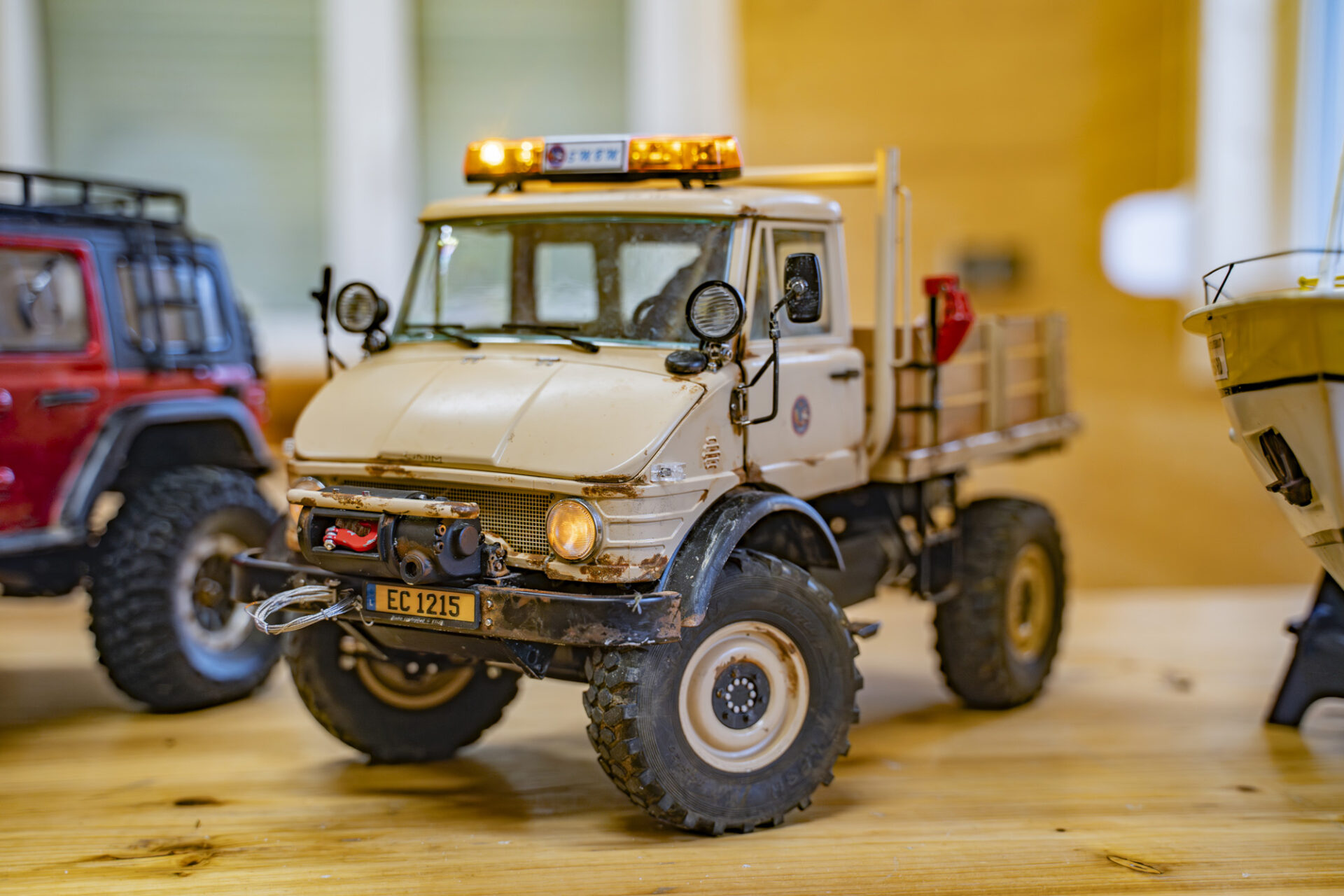
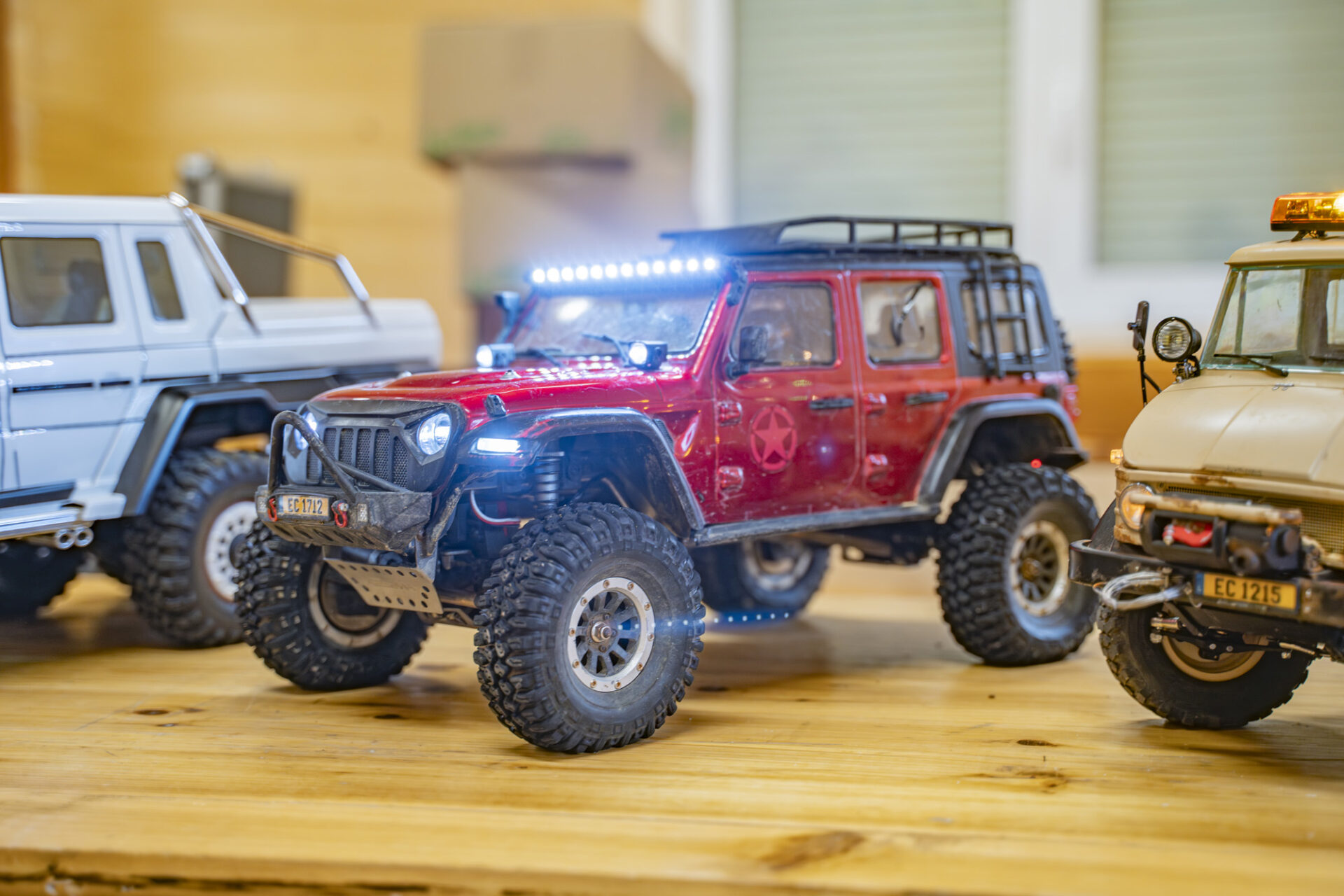
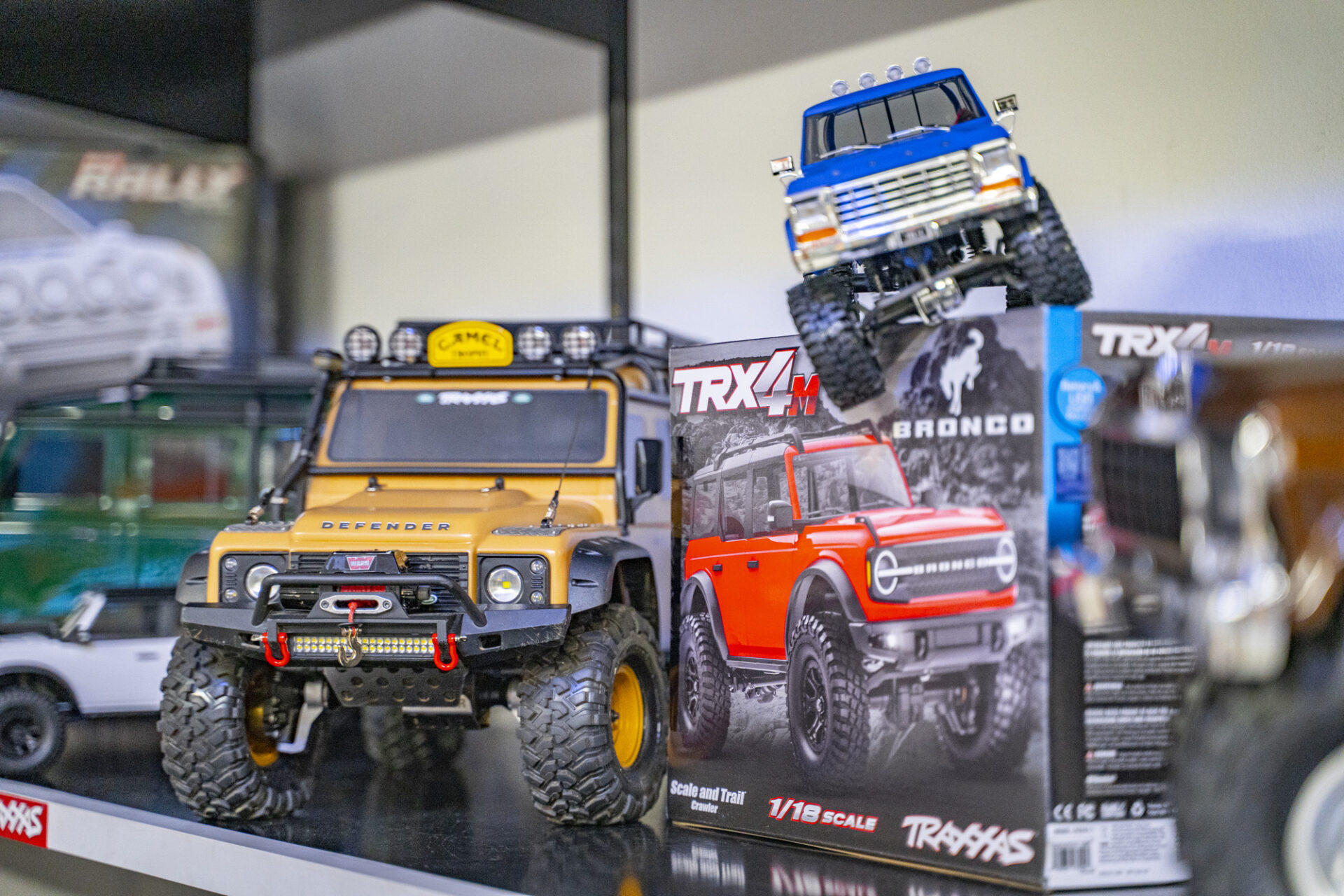
Tom shows us several vehicles, each one more impressive than the last. ‘We go into such detail that we even have a real miniature number plate. If you touch it, you can feel the relief of the letters,’ he explains. The vehicles are fitted with different tyres depending on the obstacles they need to overcome. Some are more ‘flexible’ than others to provide better grip. Some cars are weighted down to lower the centre of gravity as much as possible and prevent the car from overturning. “Adding heavier parts to the wheels is necessary for certain obstacles, otherwise the car overturns too often. Then we look at other people’s cars, see interesting parts and want to put the same ones on our car. These are small parts that cost £10 or even less. But you can add 300 parts to a car, so I’ll let you do the maths,” smiles Tom.
How do you choose the right car?
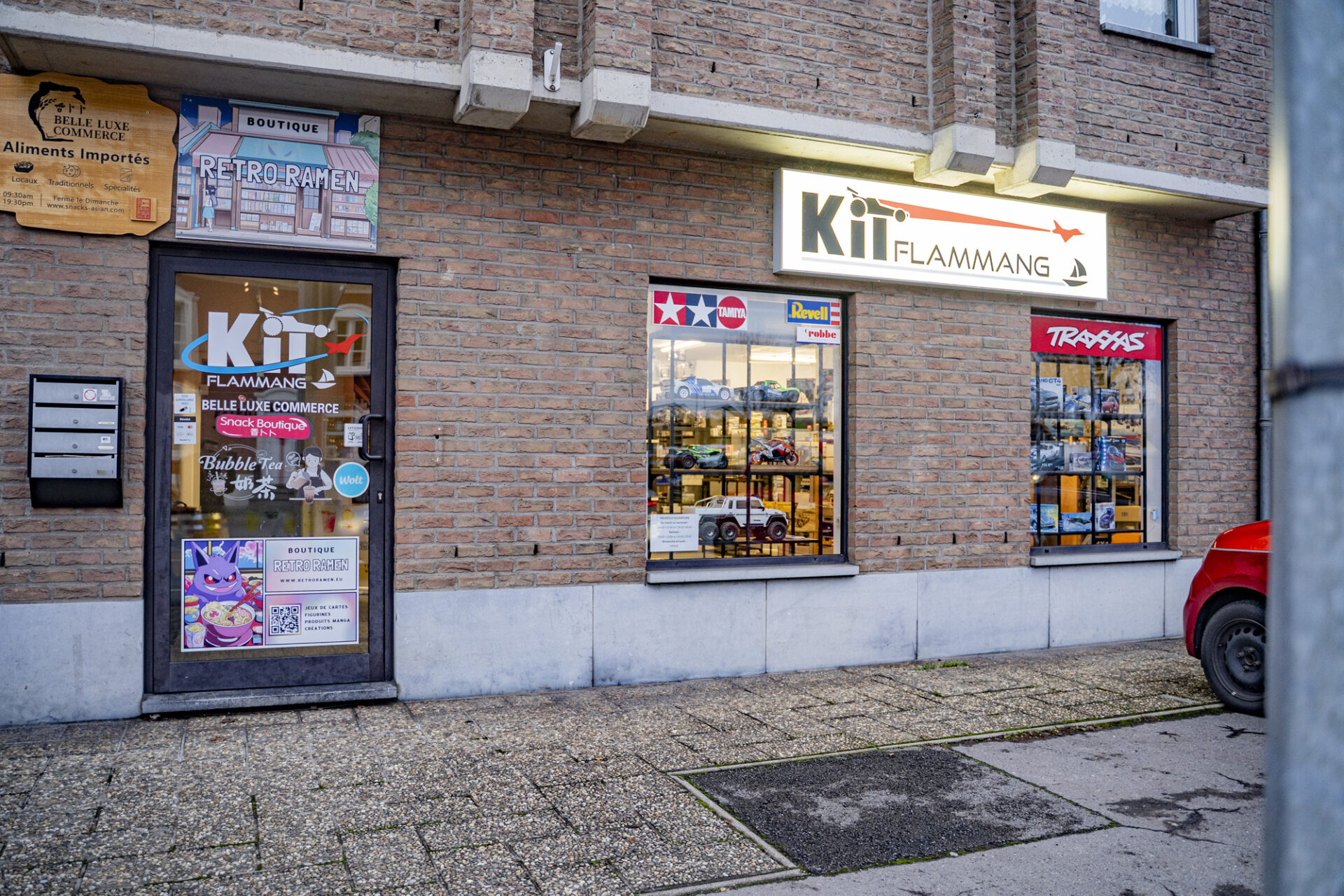
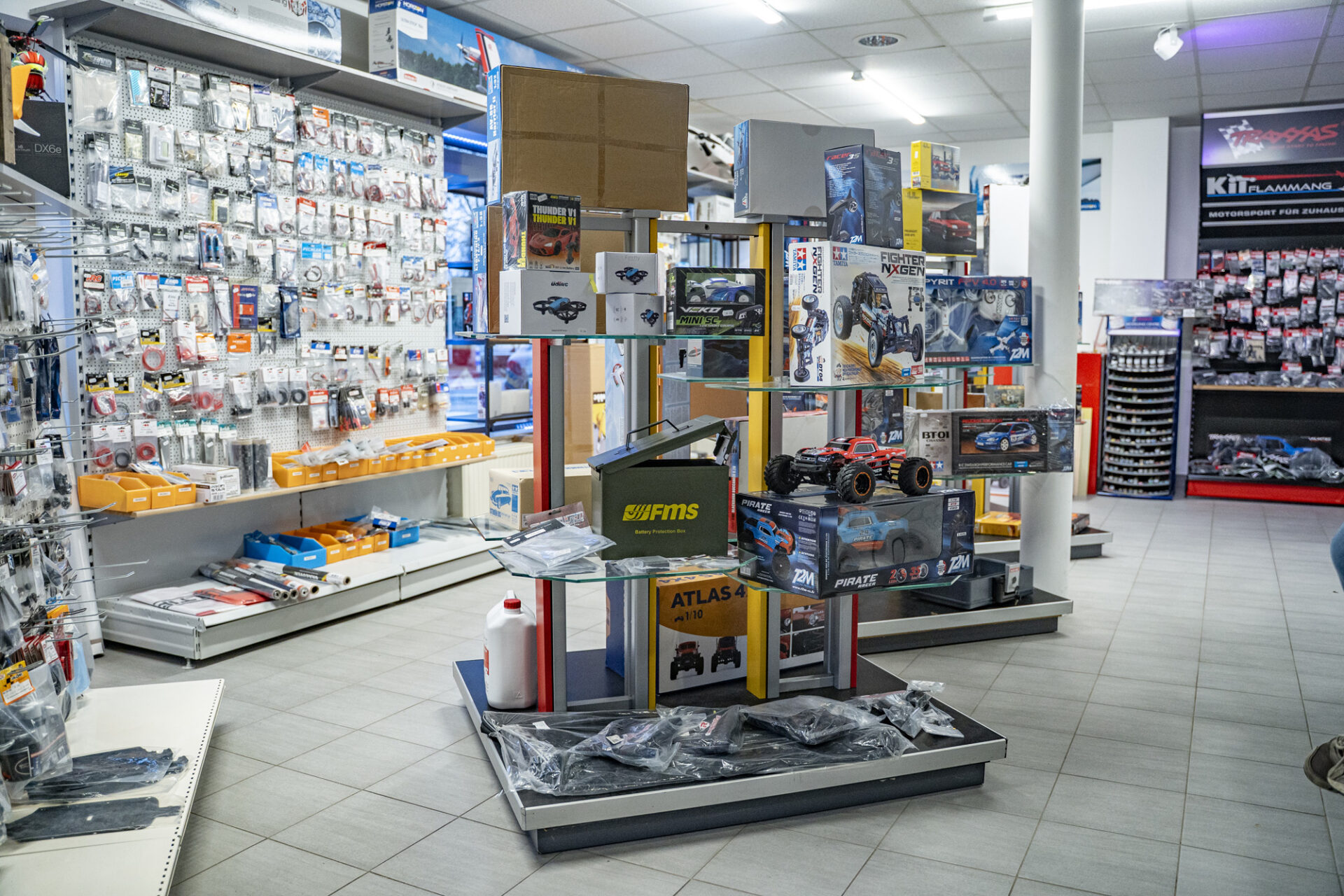
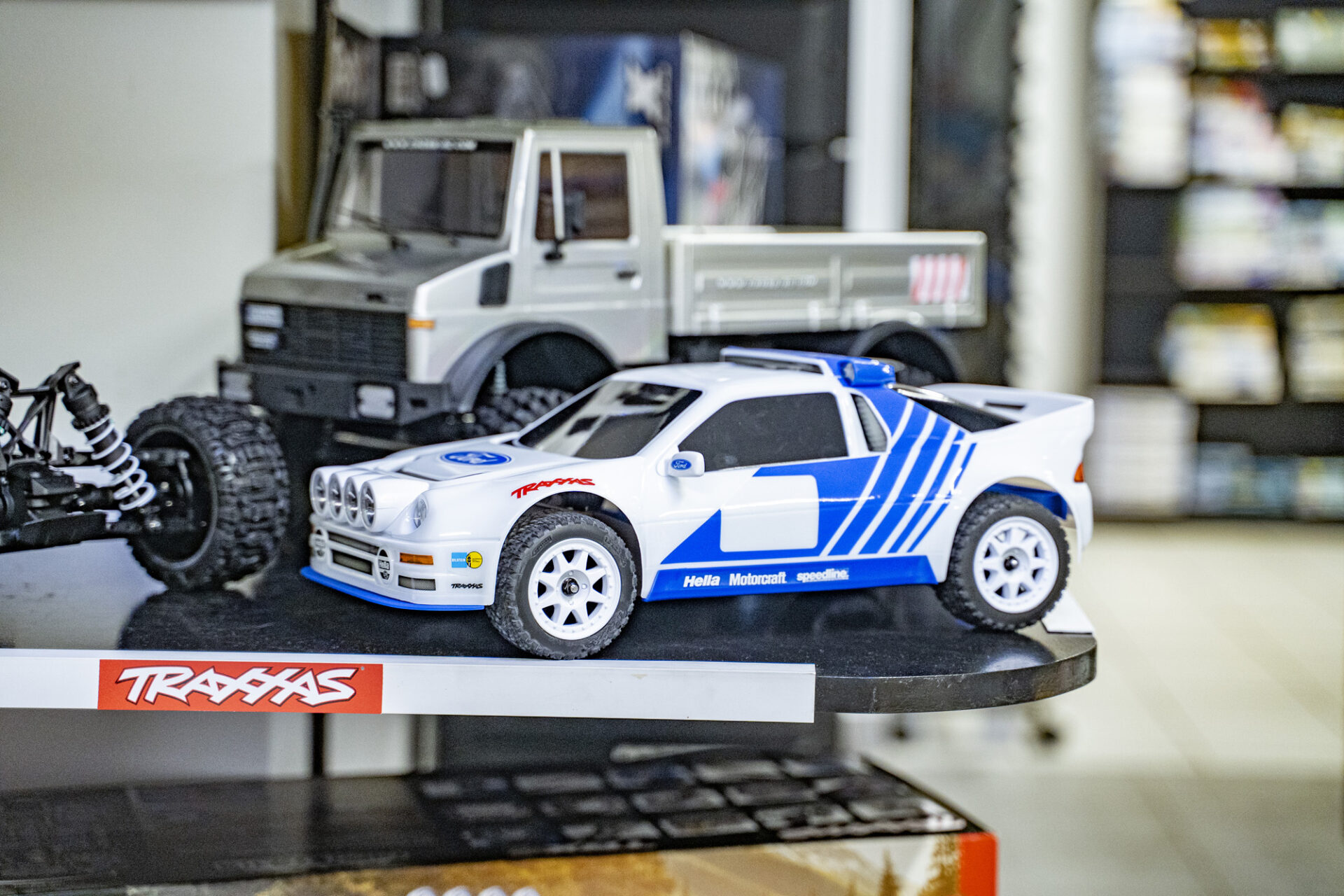
We head to Bascharage and the Kit Flammang shop owned by Jean-Christophe Furst, the shop manager. “First and foremost, you need to know who it’s for. For a five- or six-year-old child, it’s best to opt for a simple, sturdy model that’s not too fast, such as a small Jeep or a crawler. These vehicles can go anywhere, indoors or outdoors, and are easy to control. For an adult beginner, a versatile buggy is ideal: it can be driven on grass or dirt without aiming for extreme speed. As for enthusiasts, they prefer upgradeable models with powerful engines, adjustable suspension and customisation options.”
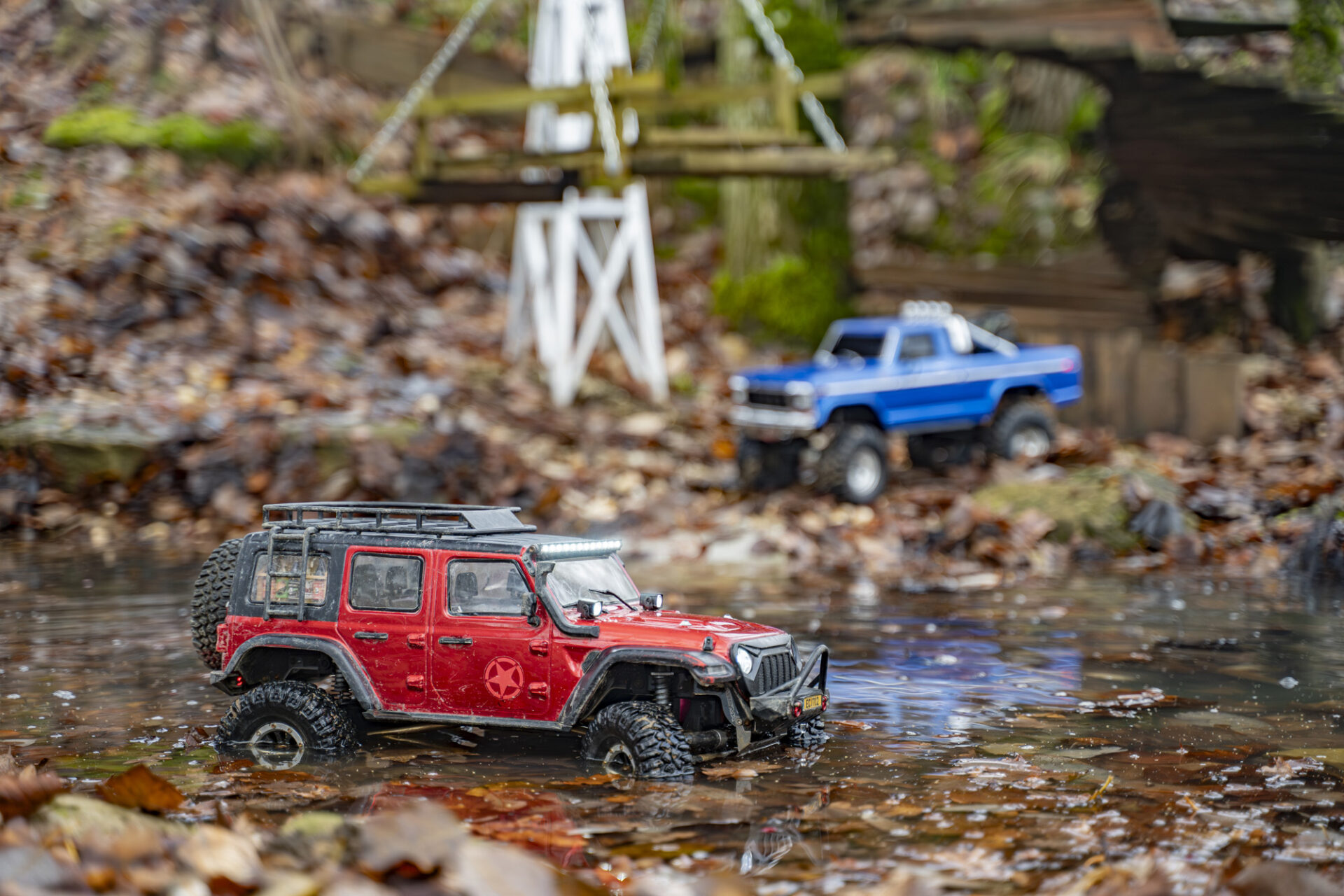
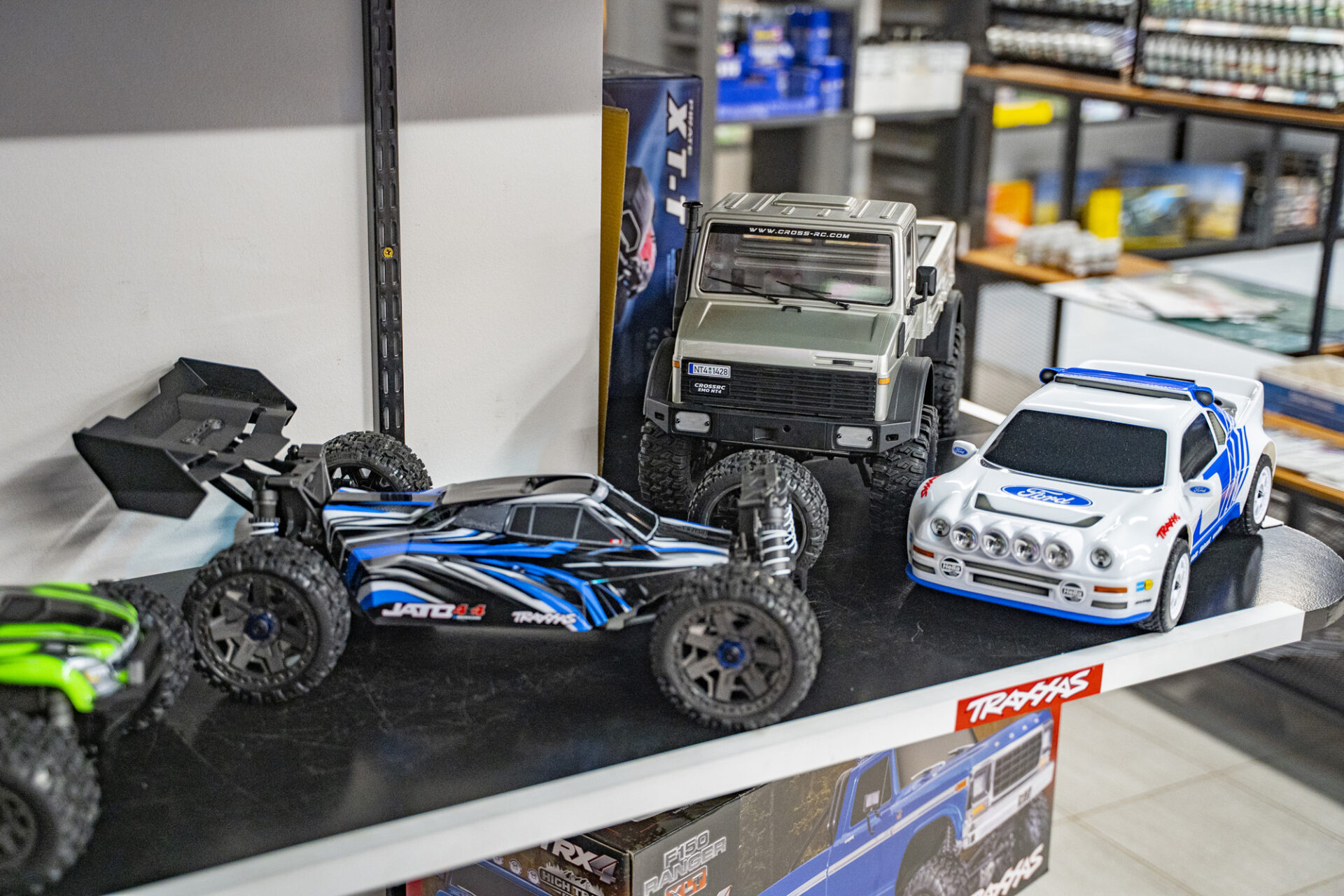
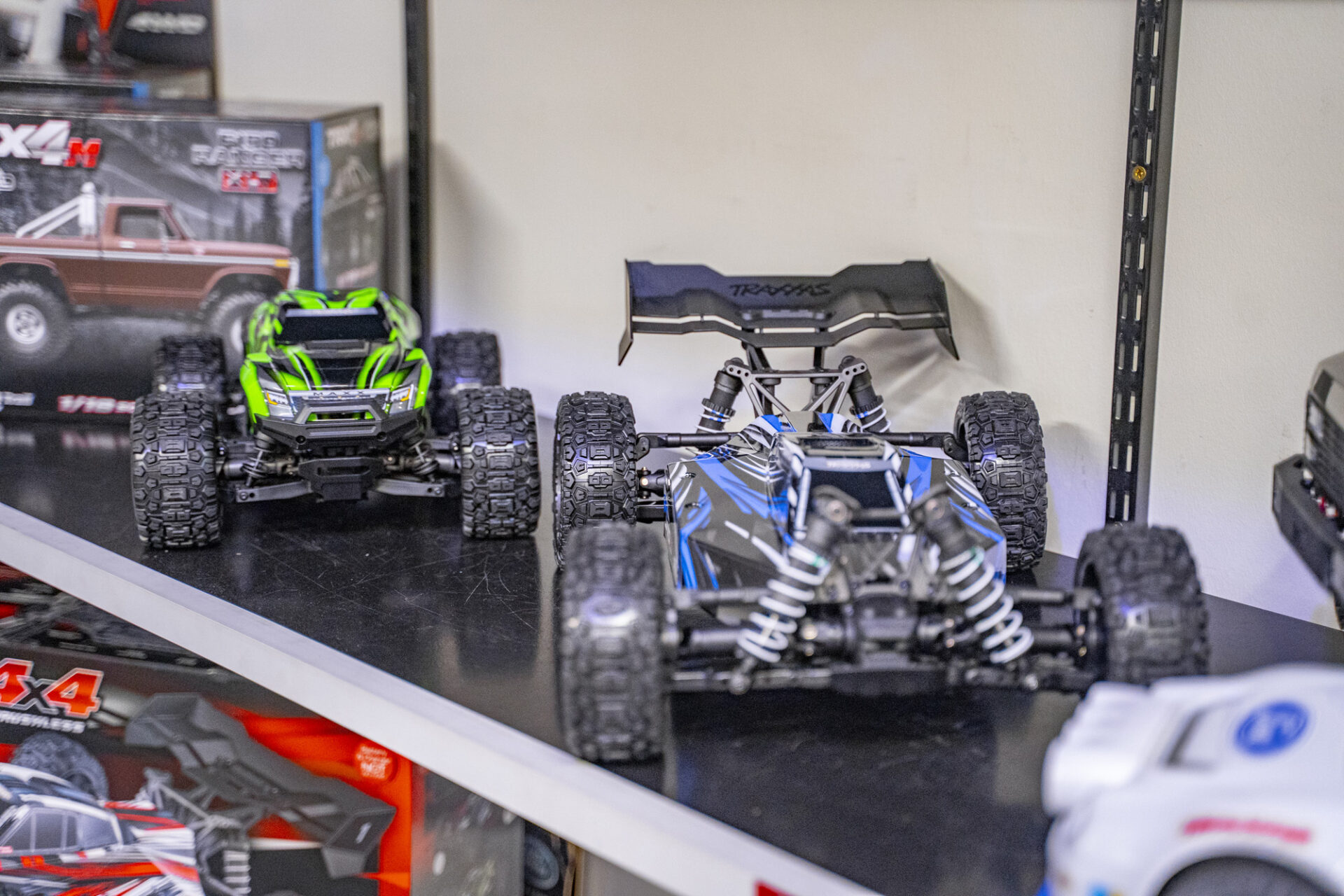
There are many different types of cars. Jeeps and crawlers are perfect for off-roading: they move slowly but precisely, ideal for rough terrain. Buggies are faster and better suited to open spaces. On the other hand, track and drift cars appeal to fans of sliding. Drift models often incorporate a gyroscope to automatically correct the trajectory, offering an experience close to sports driving.
In terms of budget, there is something for everyone: between £140 and £160 for a simple buggy, £170 to £220 for more robust models, and up to £1,000 for monsters like the Traxxas X-Maxx. Very high-end models can reach €1,750, particularly those designed for competition. “As the models are upgradeable, you can add parts to weigh down the wheels and lower the centre of gravity, install more powerful servos for the differentials, protective guards, remote-controlled headlights or even a sound module coupled to the motor. Some people spend a fortune on their cars; there’s no limit,” smiles Jean-Christophe Furst. Batteries cost between £35 and £75 depending on capacity, for a battery life of 15 to 30 minutes.
What are the brands in this sector?
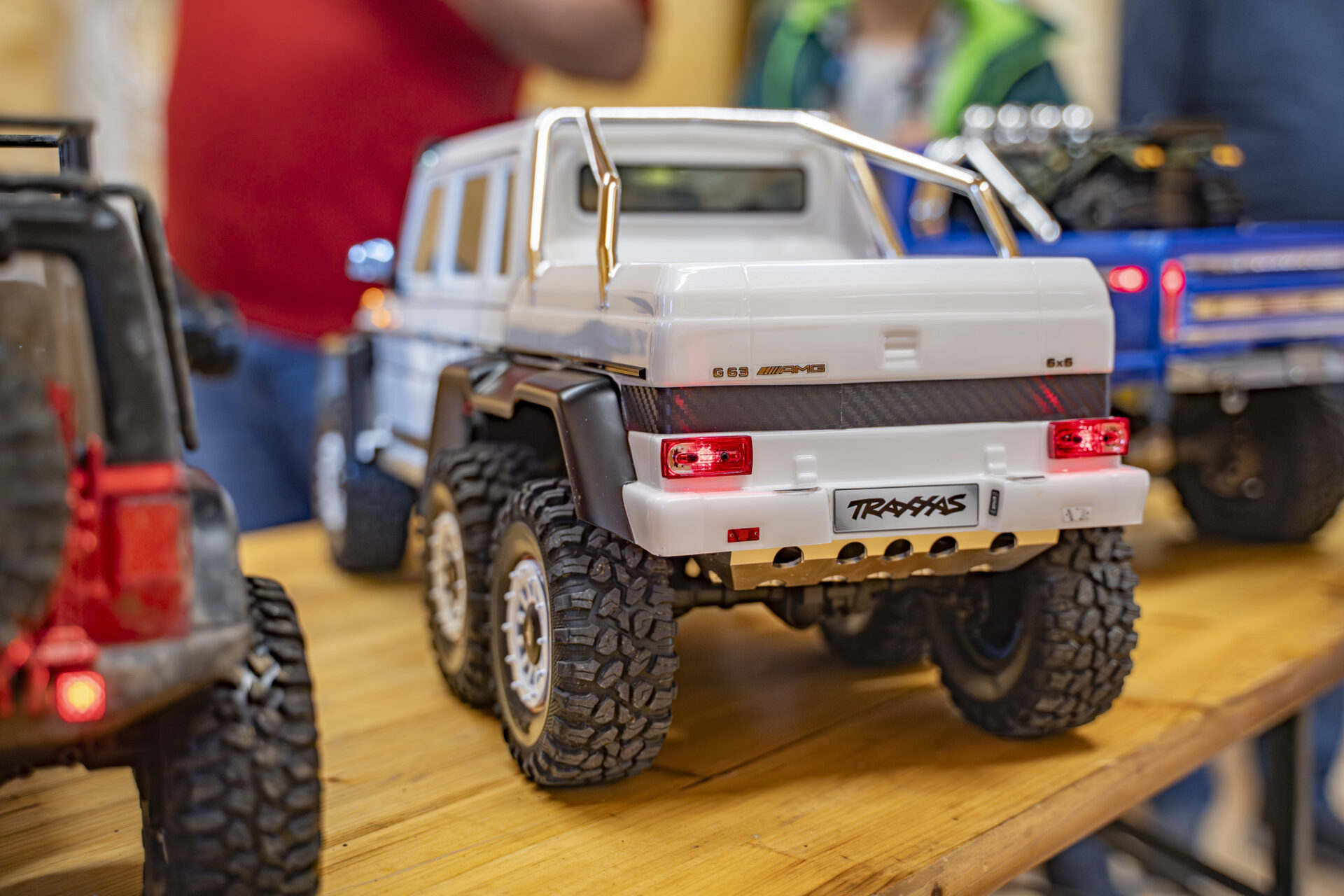
Traxxas is one of the market leaders, but there are also Kyosho, Absima and Tamiya. “Everyone has their own preferences. Some will like Traxxas, while others, like me, will prefer Absima,” says Tom. Enthusiasts love to customise their models: brushless motors for more power and less wear, reinforced servos for difficult terrain, functional winches, protective guards, weights in the wheels to improve cross-country performance, LED lighting and simulated engine noise for realism. ‘You can find parts on the Internet, but personally, I prefer to go through a German supplier that we know well at the club. He travels up to 600 kilometres to see us, and if we’re looking for a specific part, he goes out of his way to find it and advise us,’ says Tom.
What about cars sold in supermarkets?
Much cheaper, sometimes less than £100, they are attractive because of their price, but their robustness and repairability are limited. “At a specialist retailer, you’ll find standardised and replaceable parts, oil shock absorbers, ball bearings and metal pinions. A supermarket car for £40 is attractive, but it’s disposable: it can’t be repaired, it has basic components and a limited lifespan. It’s better to invest in a durable model than to buy the same toy three times over,” insists Jean-Christophe Furst.
For those who want to try before they commit, the SMBM club opens its doors every Sunday. ‘If a parent and their child want to try it out, they can come and have a few goes. We have cars available. We also organise events every year to introduce the public to the sport, as well as international gatherings, such as the one on 27 and 28 June, where drivers will come from several countries,’ explains Pol Goedert.
In Luxembourg, there are two tracks available: the one in Mondercange at the SMBM and the one in Lasauvage with the Modell Truck Frënn Déifferdeng (MTFD) club. There is also an outdoor track in Howald, which is more dedicated to speed. As for the SMBM, an annual membership fee costs around €50 and gives access to the facilities throughout the week and at weekends. ‘It’s a community of enthusiasts. Everyone helps and advises each other. And we have a specialist who can make almost anything work and will always be able to get your car started again,’ smiles Pol Goedert.
In conclusion, unlike the automotive market, remote-controlled electric cars have largely prevailed over combustion engines. Simple, reliable and quiet, electric cars are winning out over combustion engines, which are reserved for experts. ‘Petrol engines require complex adjustments, vary according to temperature and can quickly become a source of frustration,’ points out Jean-Christophe Furst, who no longer sells them. The SMBM echoes this sentiment.
From four wheels to boats
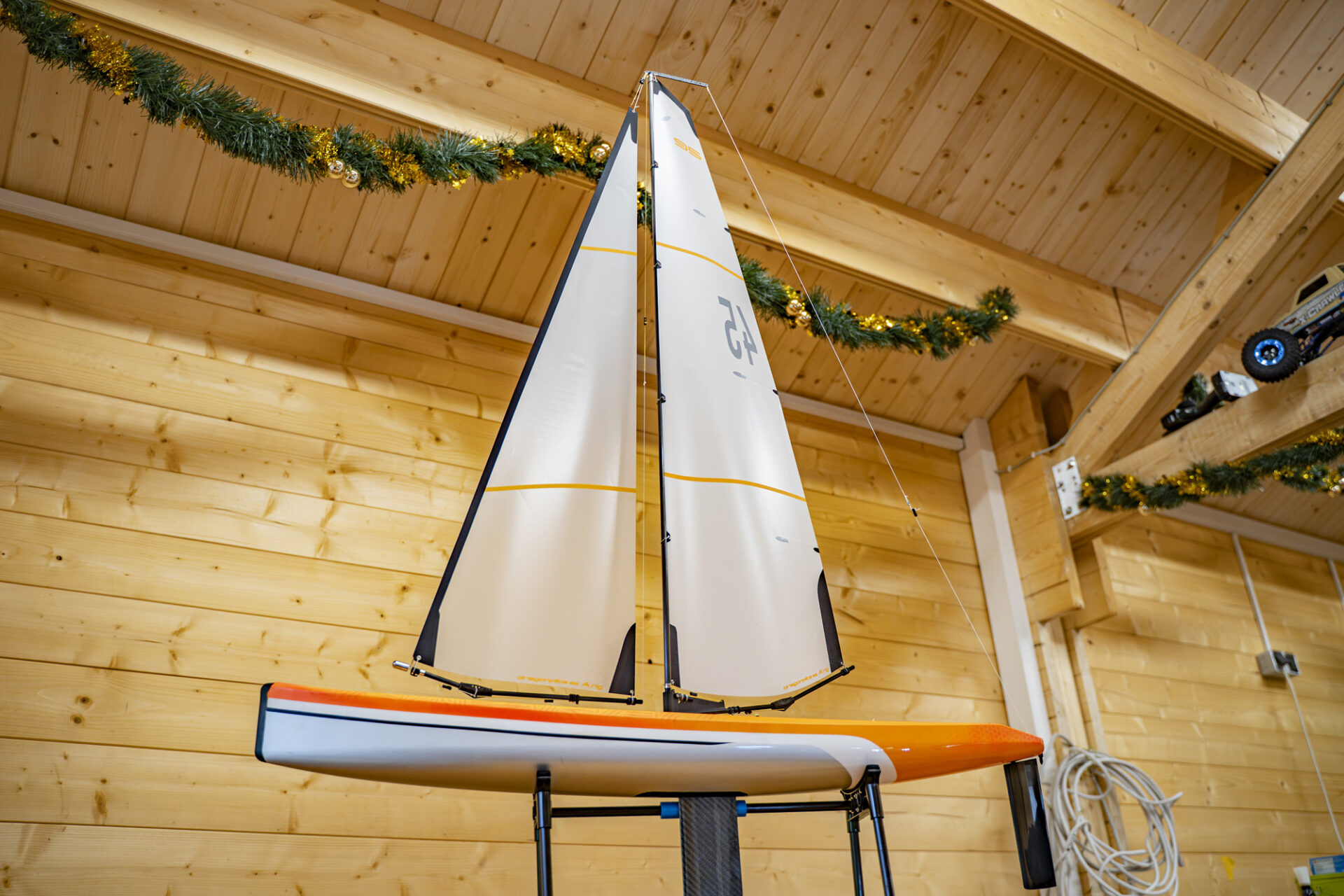
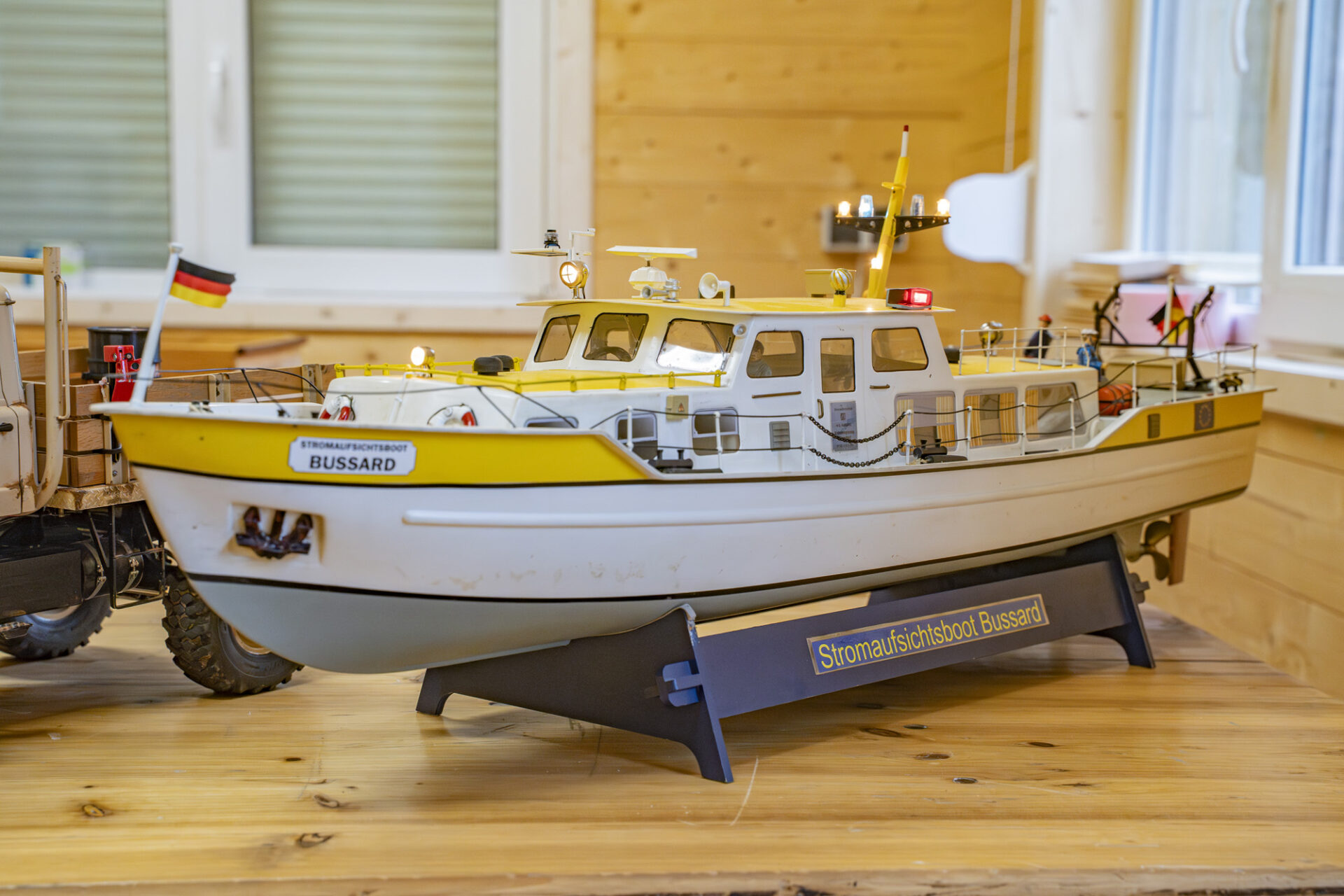
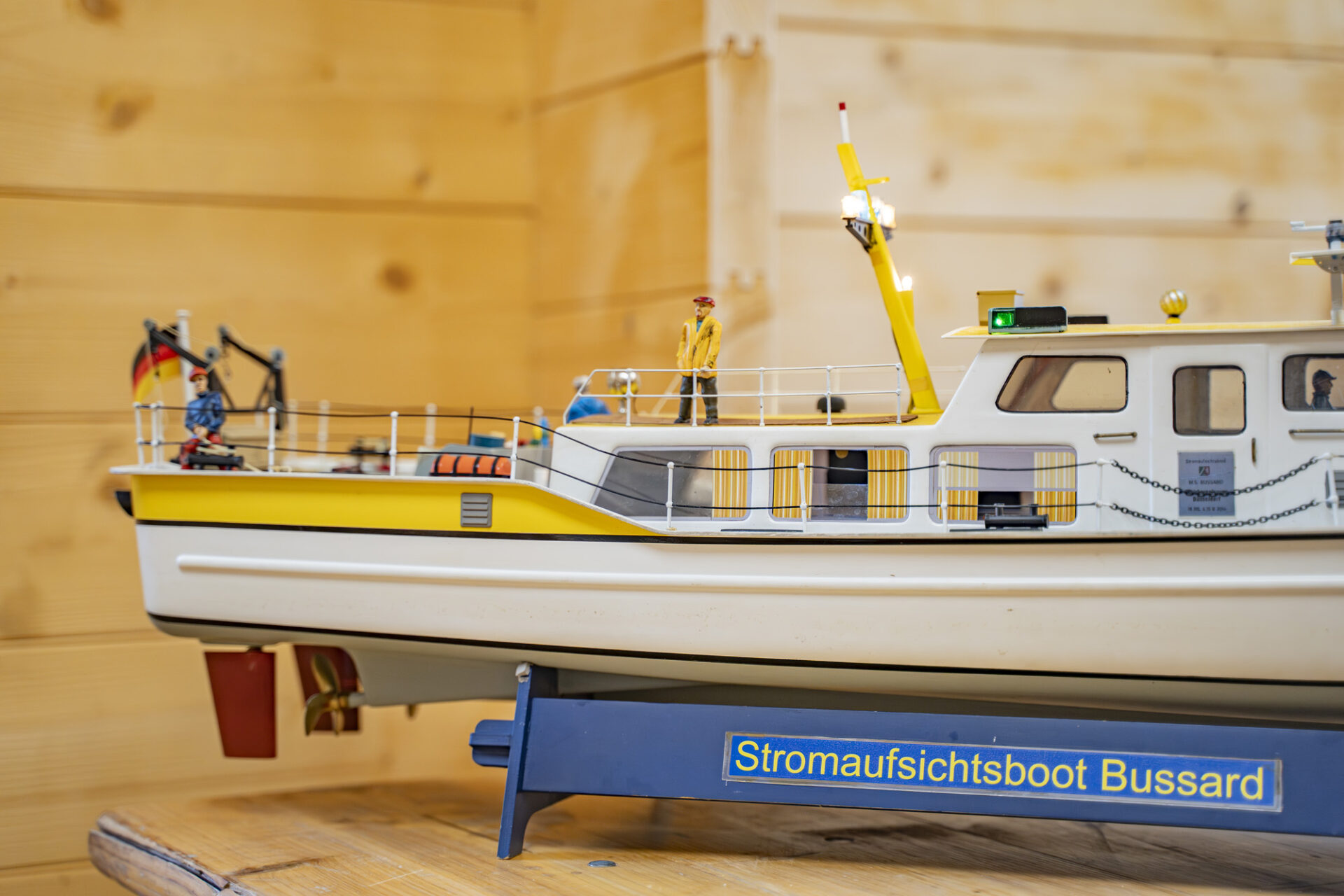
Next to the remote-controlled cars, in the SMBM chalet, there is a sailing boat measuring almost a metre in length. ‘It is powered by the wind. The motor is only used to manoeuvre the sail,’ explains Norbert, also a member of the SMBM club. “It’s completely different from cars. You manoeuvre it by feel, depending on the wind and your settings. And then you have several hours of autonomy,” he smiles.
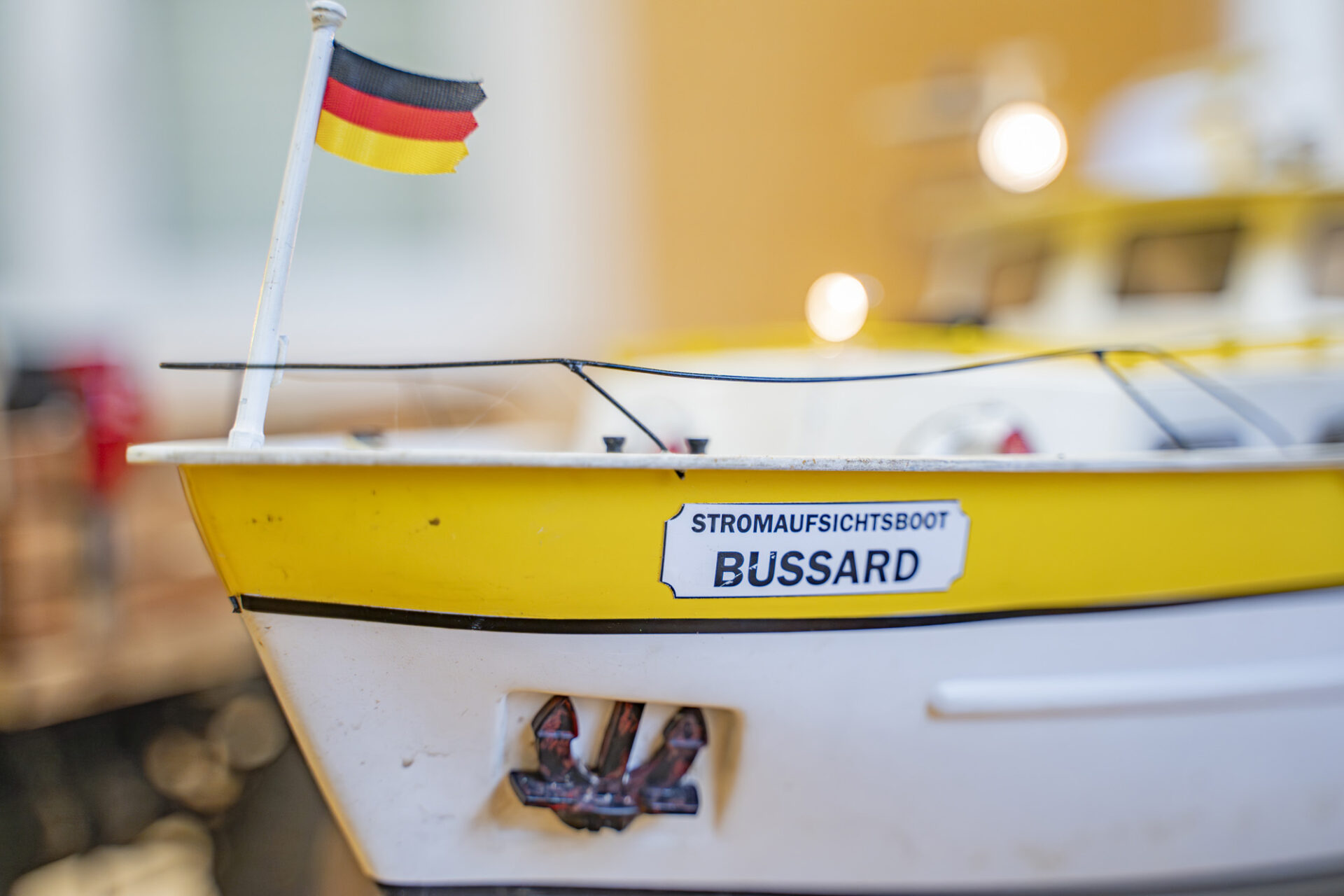
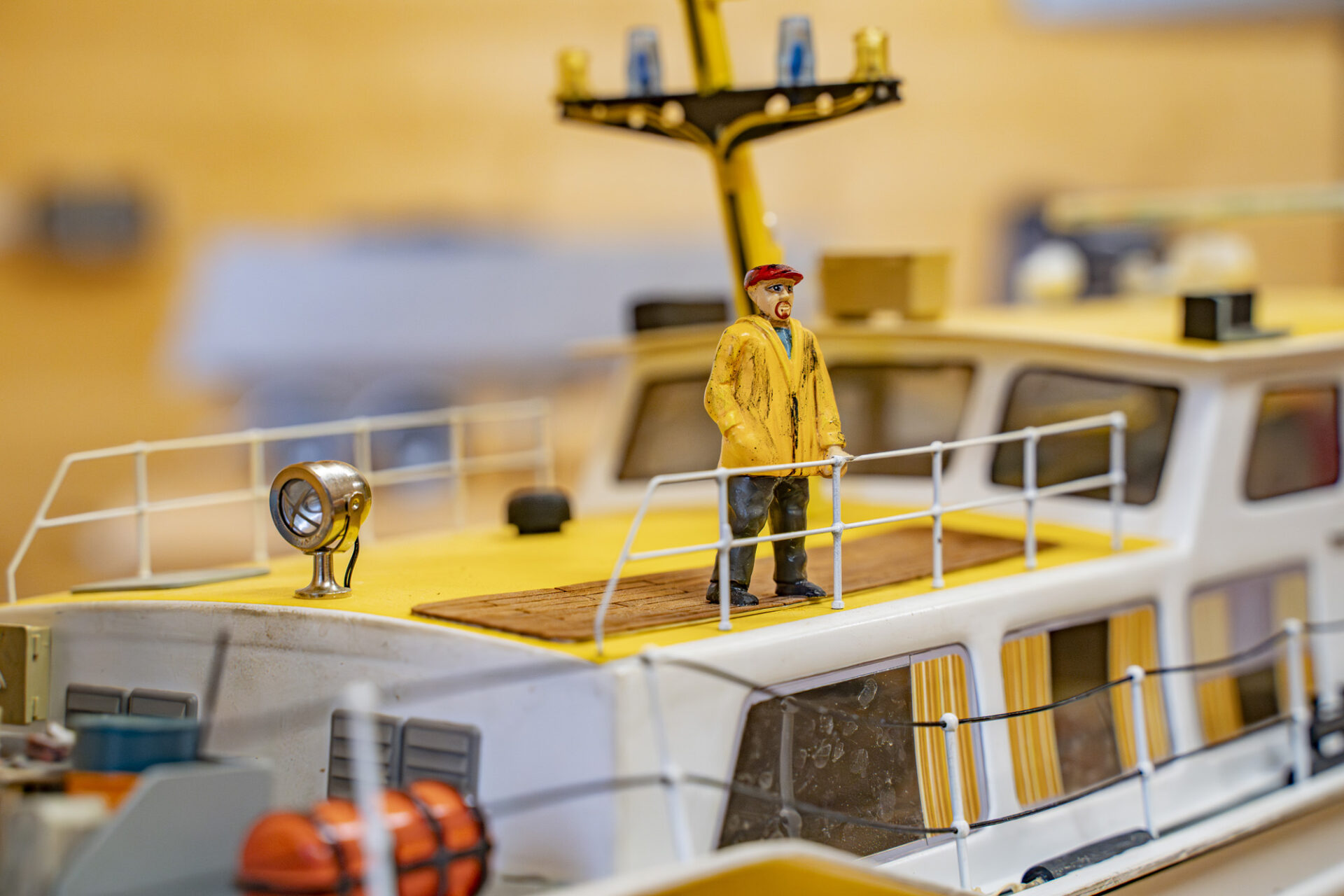
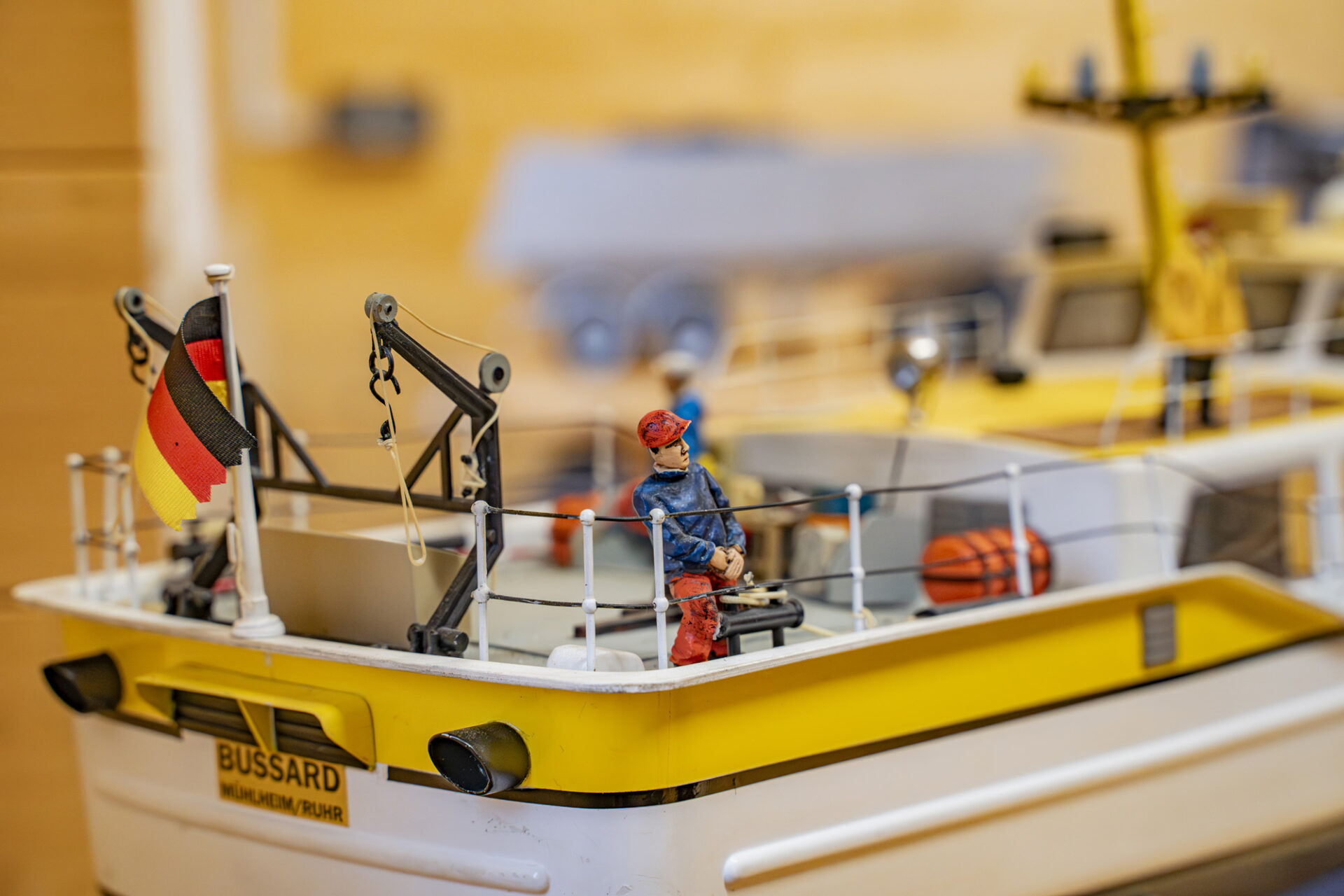
Enthusiasts often build their own boats, some of which can exceed one metre in length. ‘We’ve already had a four-metre remote-controlled boat with two people on board,’ says Tom. ‘And we have a member with a steam boat. He makes his own parts, but that’s not for amateurs,’ concludes Norbert.