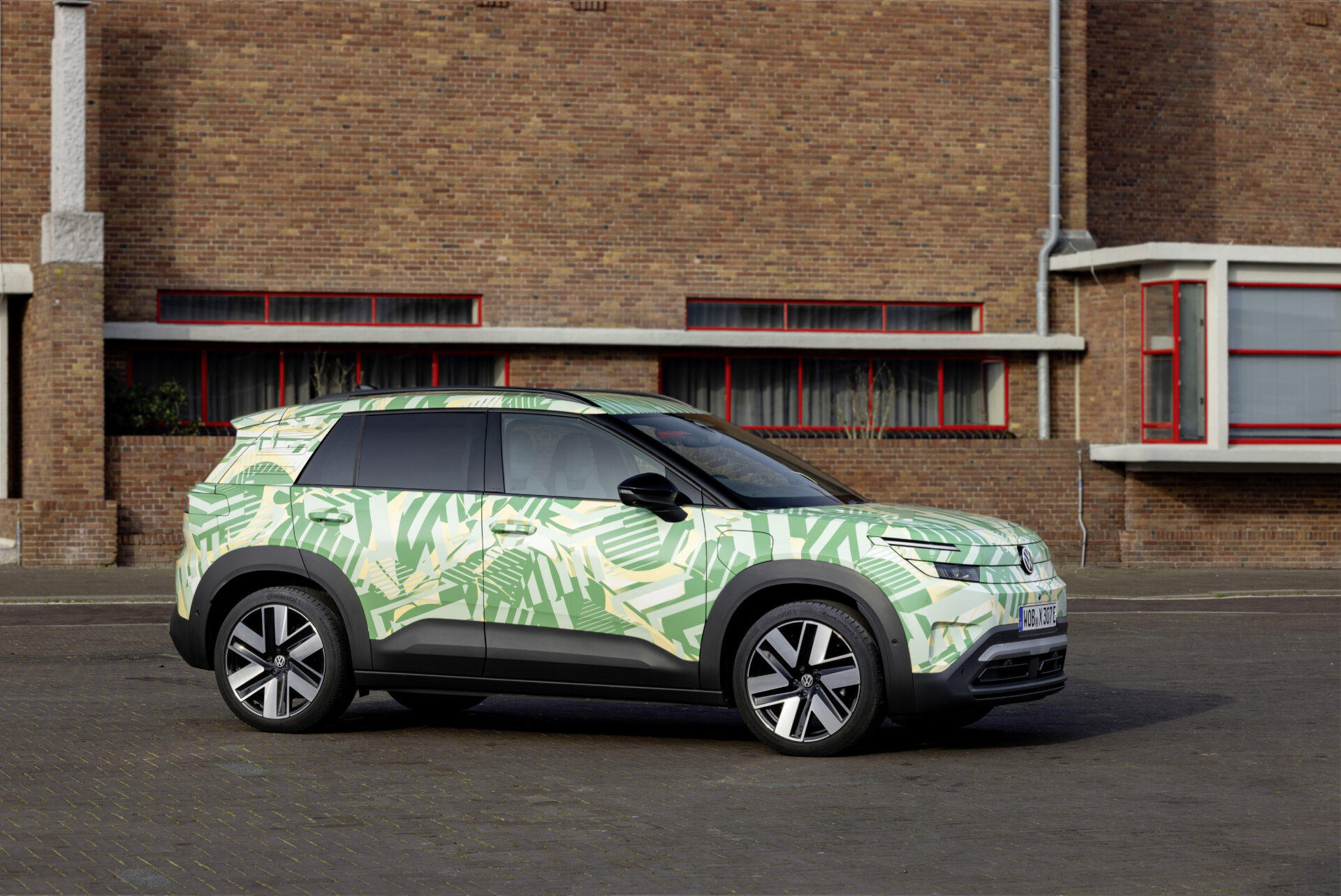
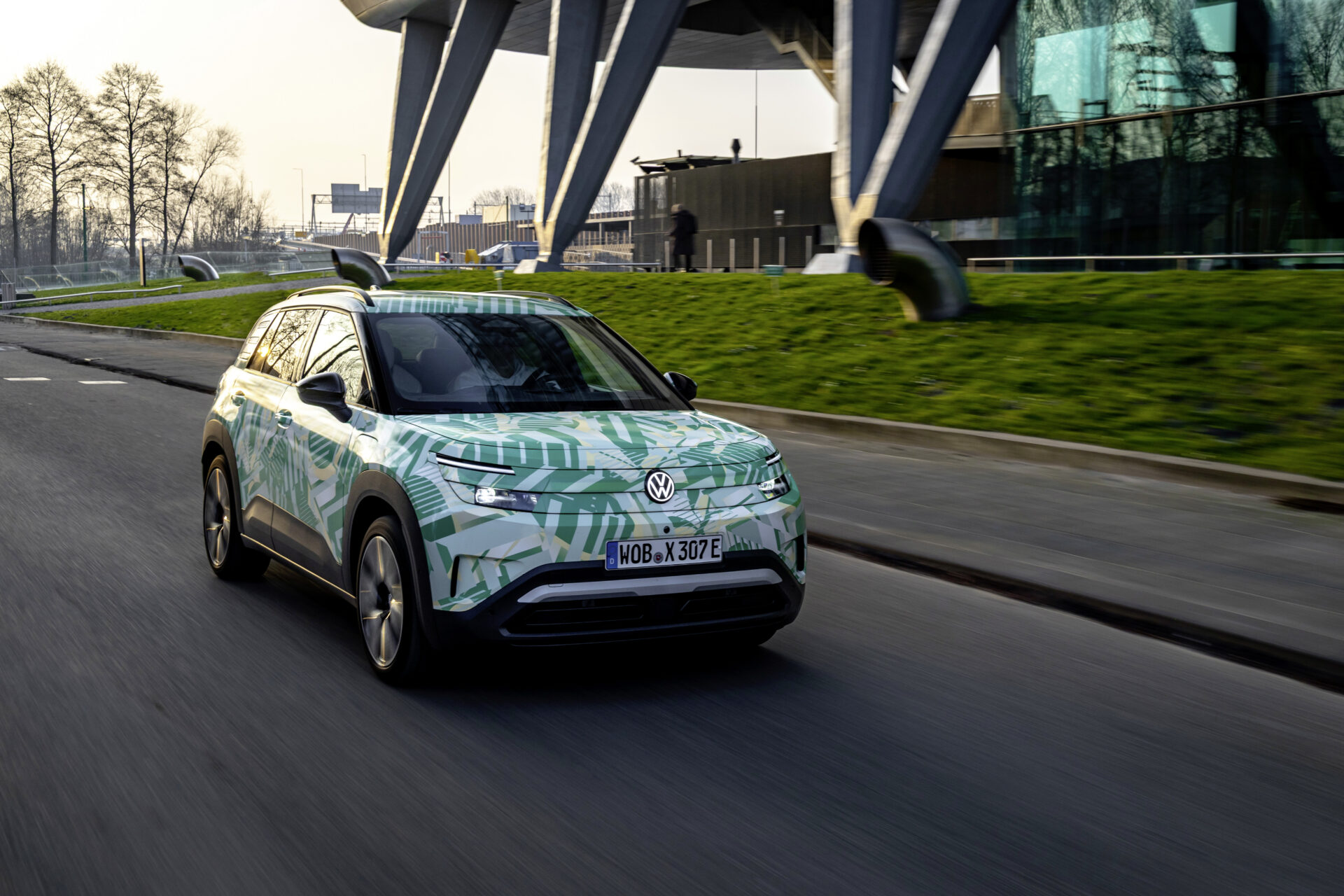
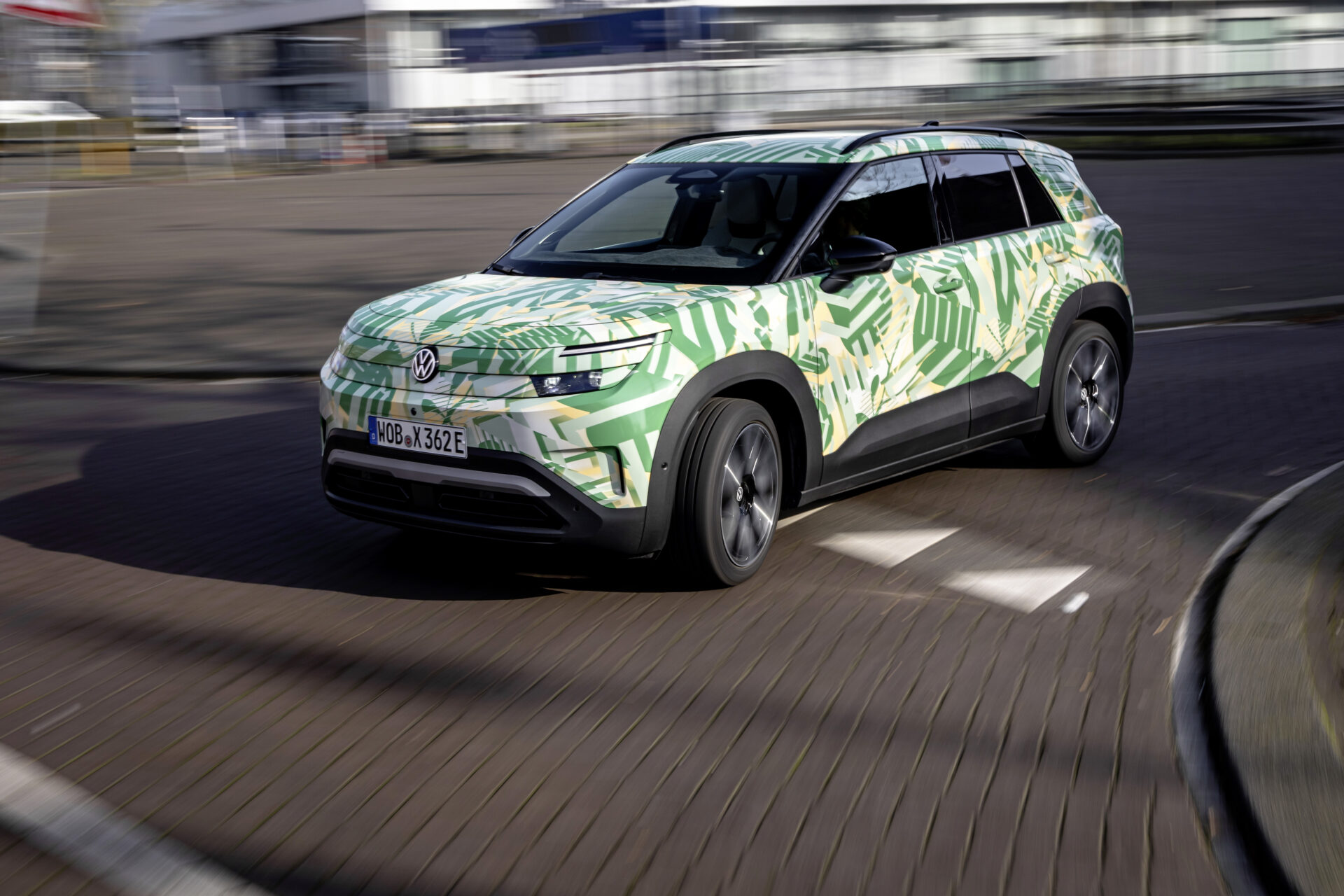
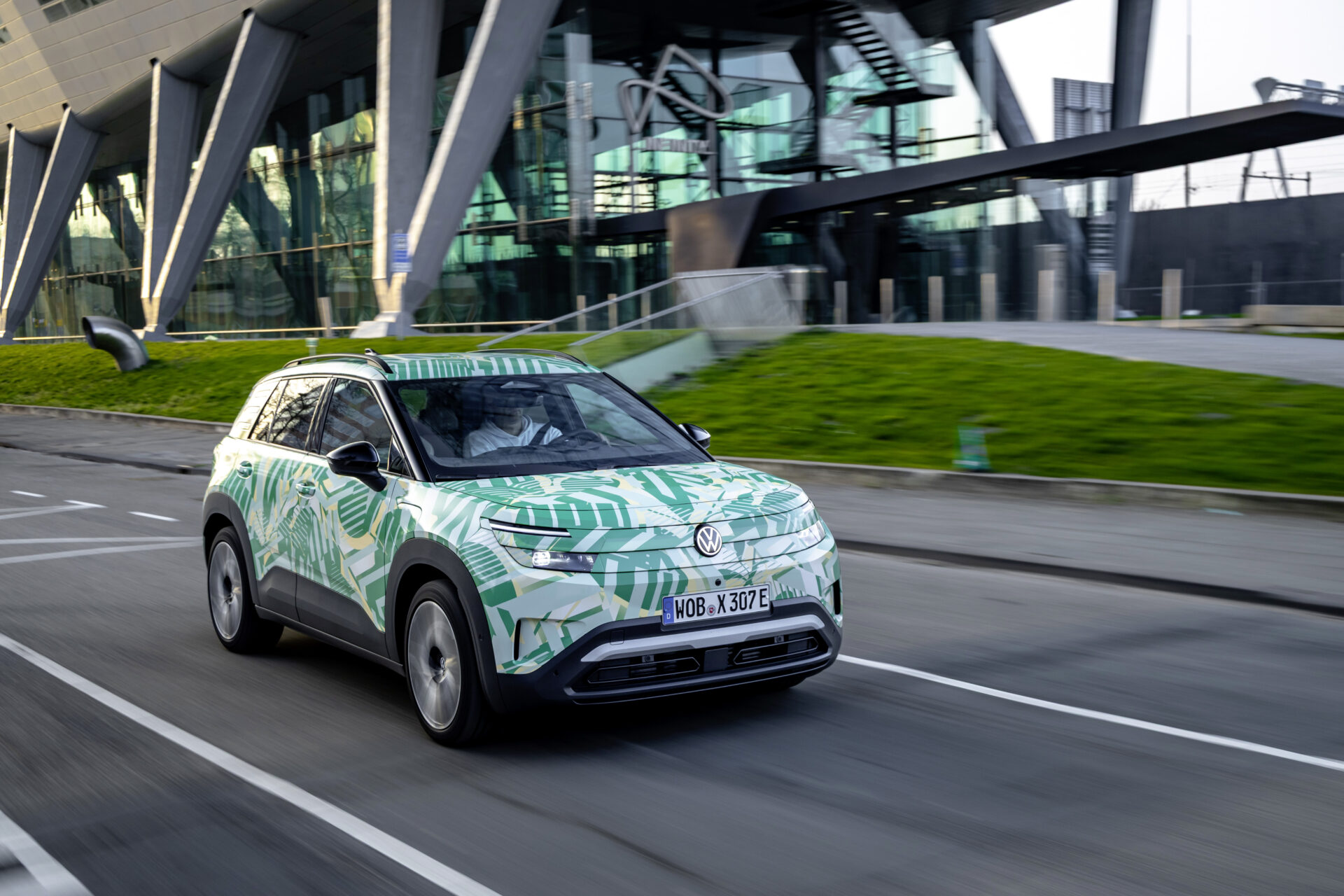
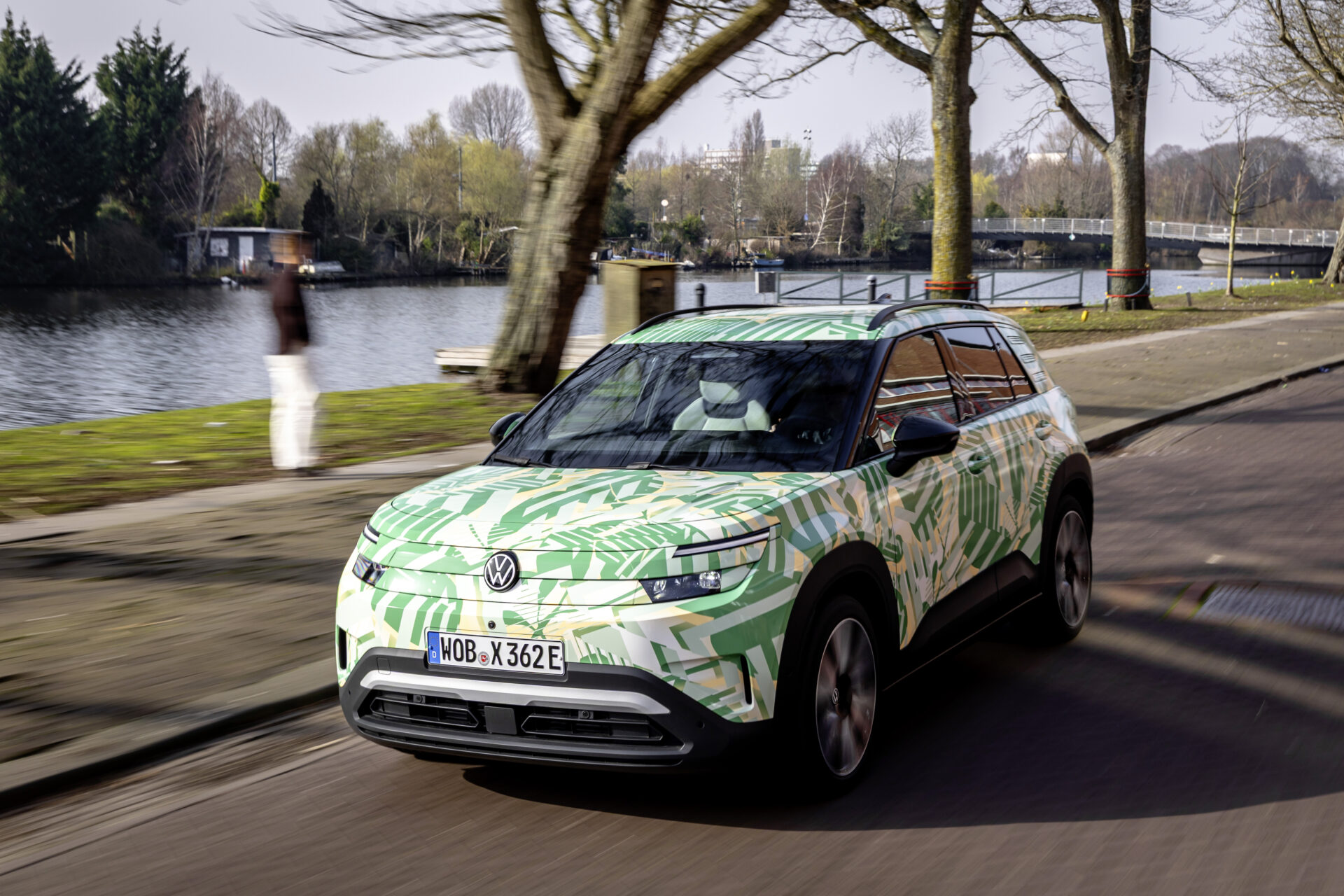
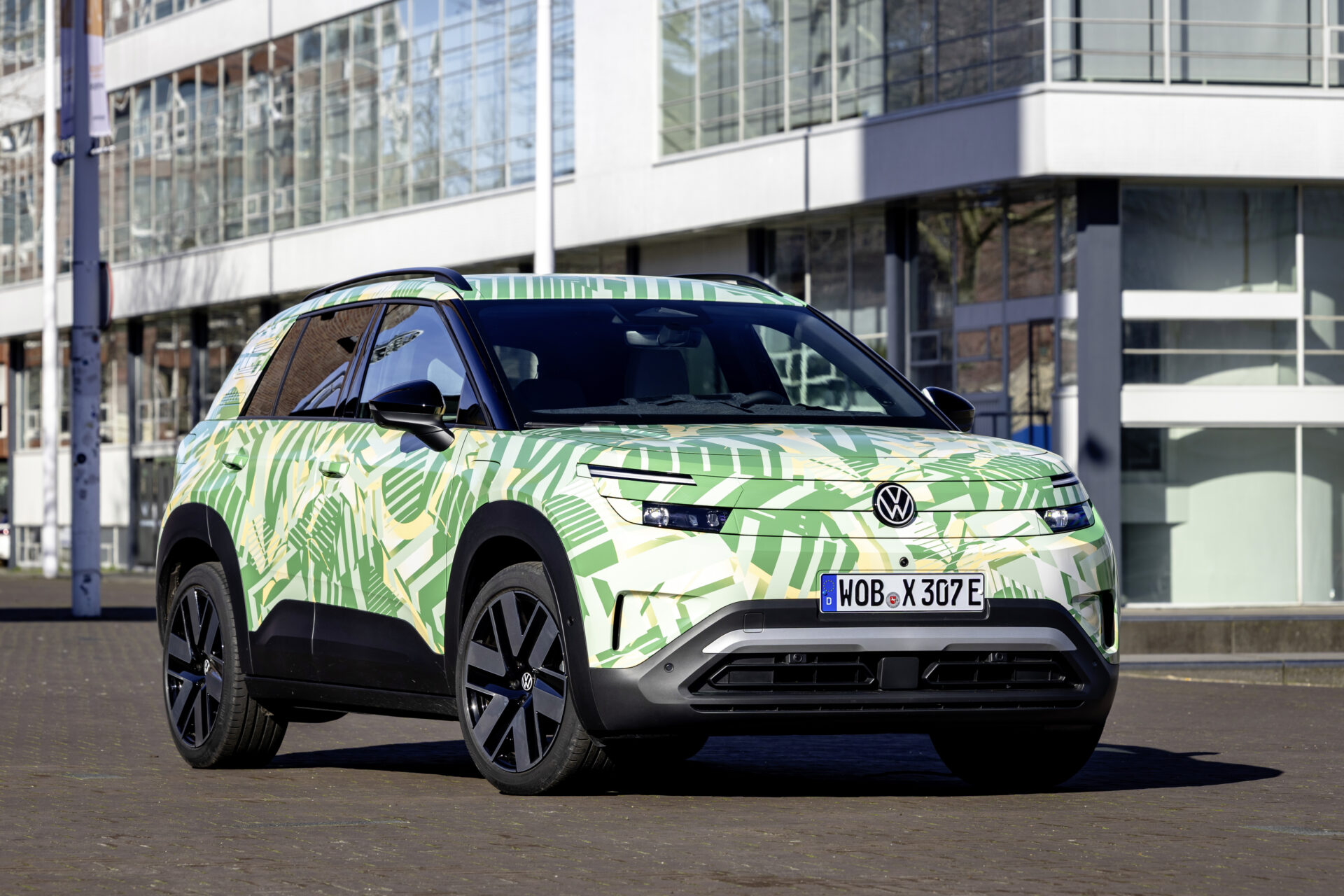
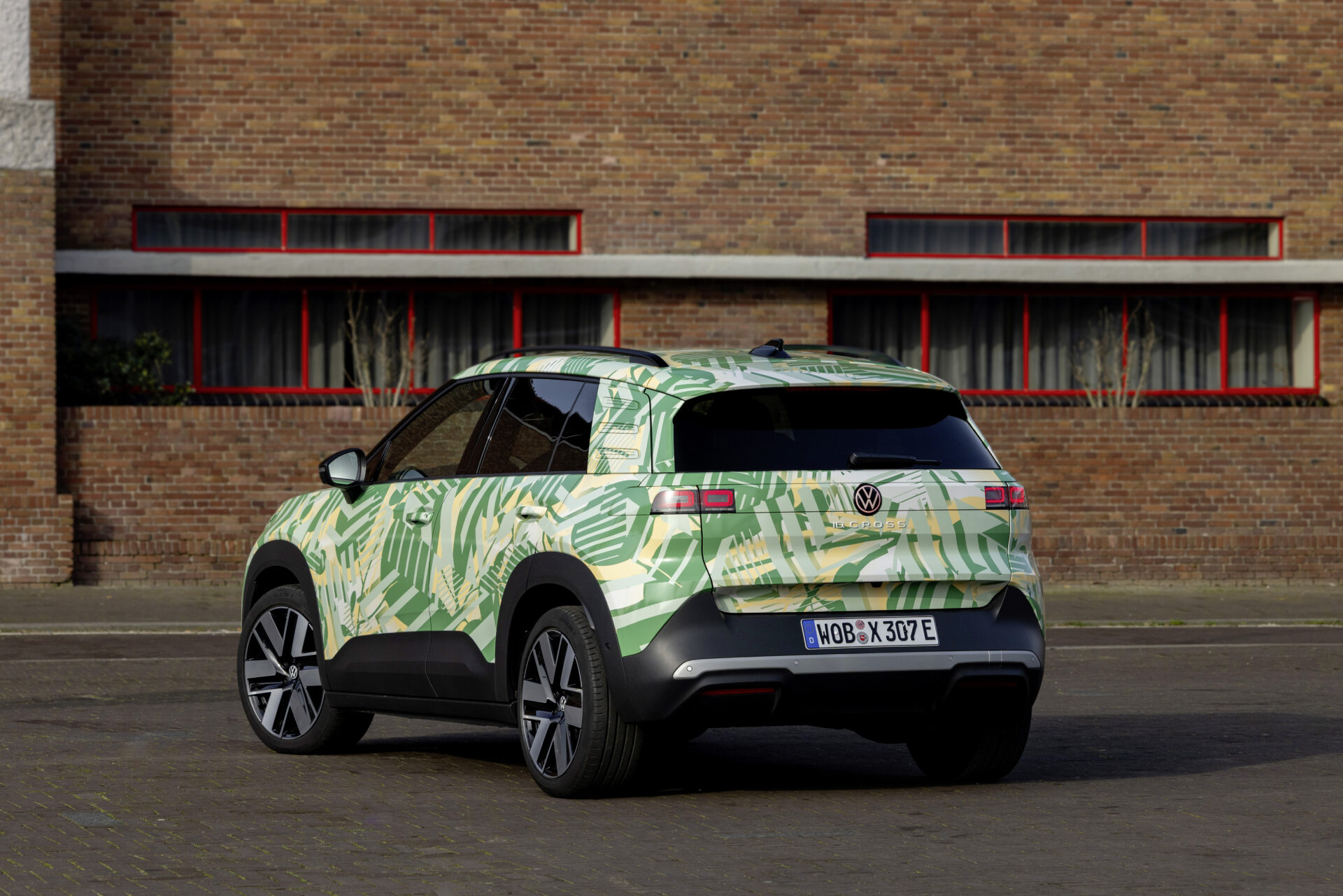
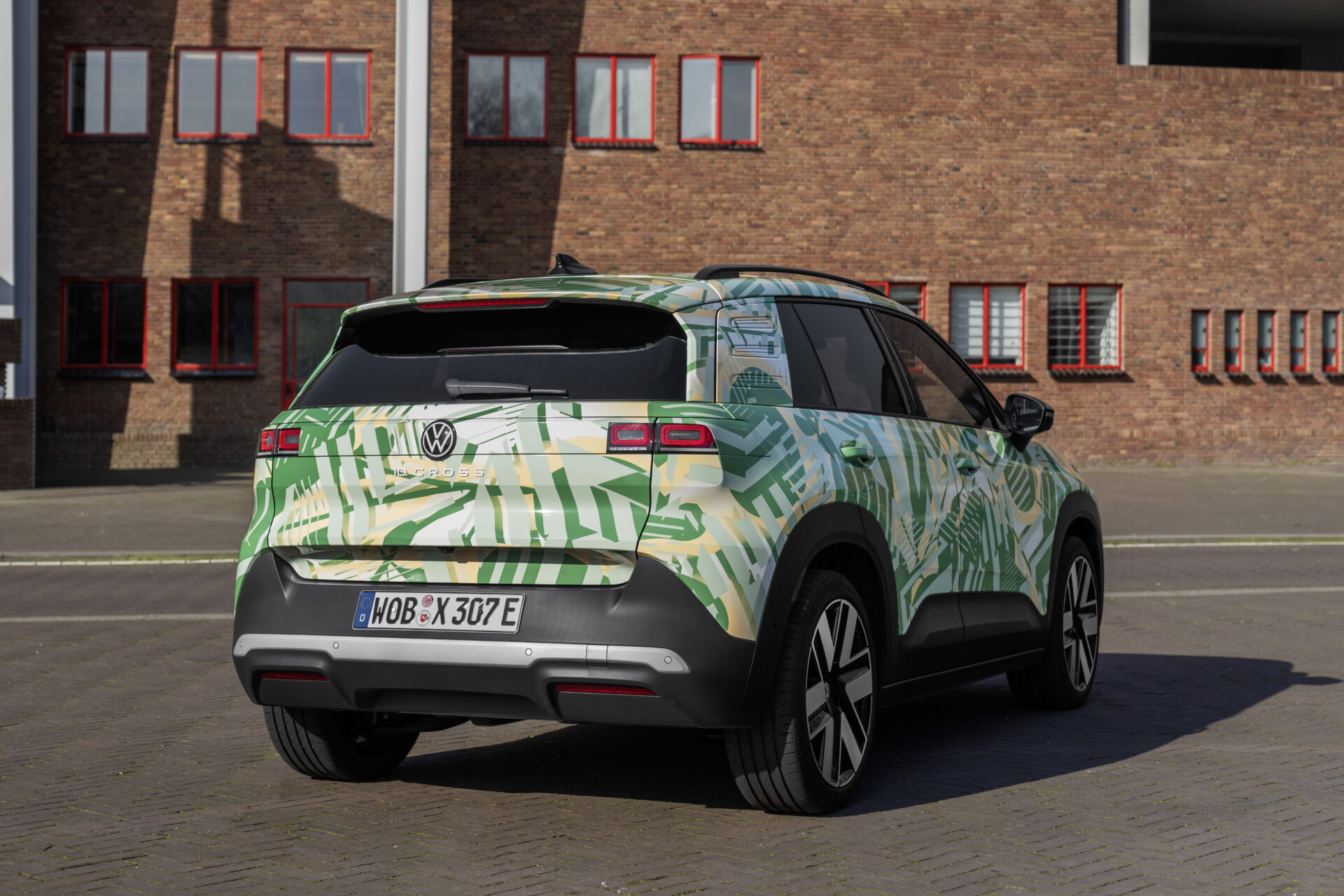
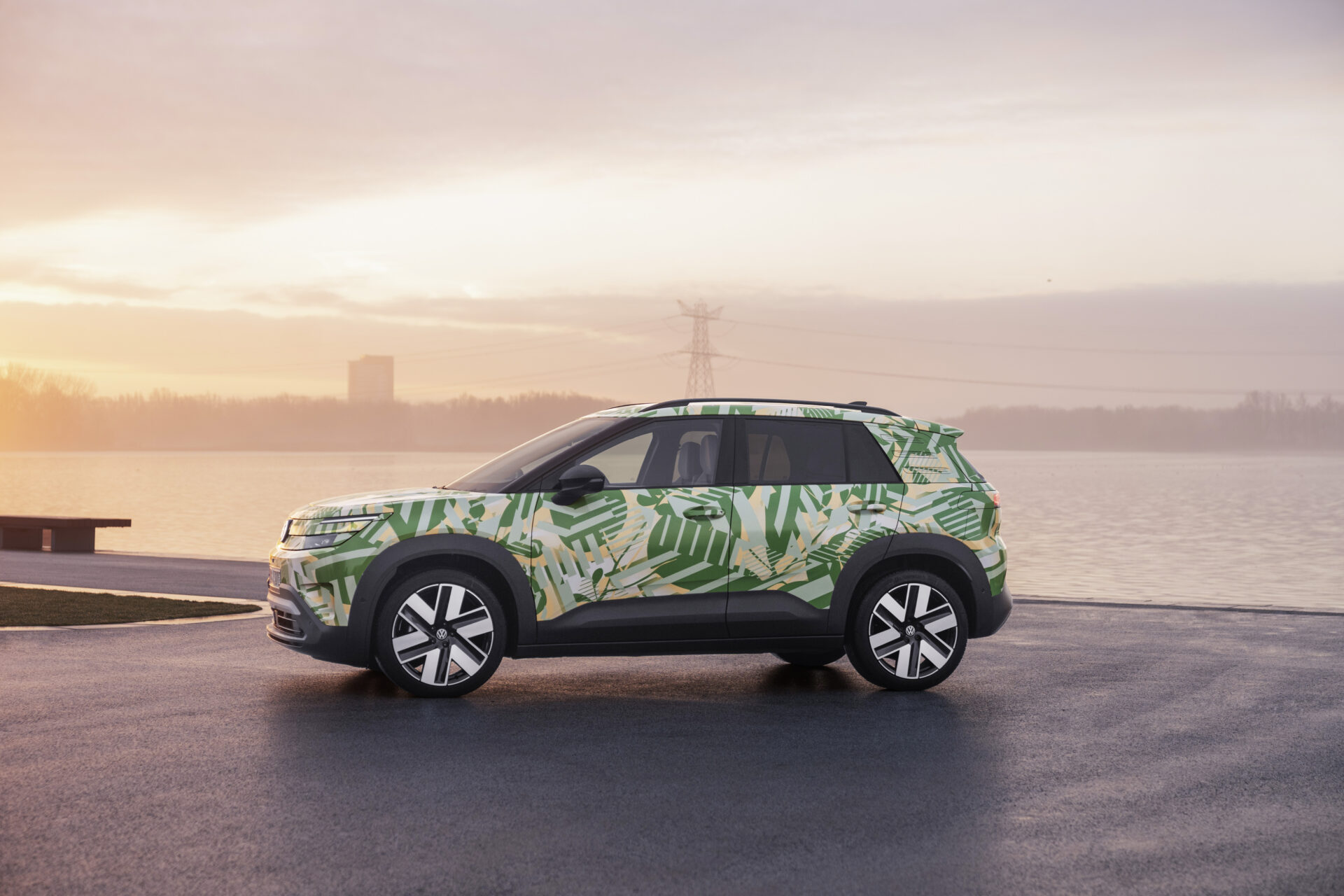
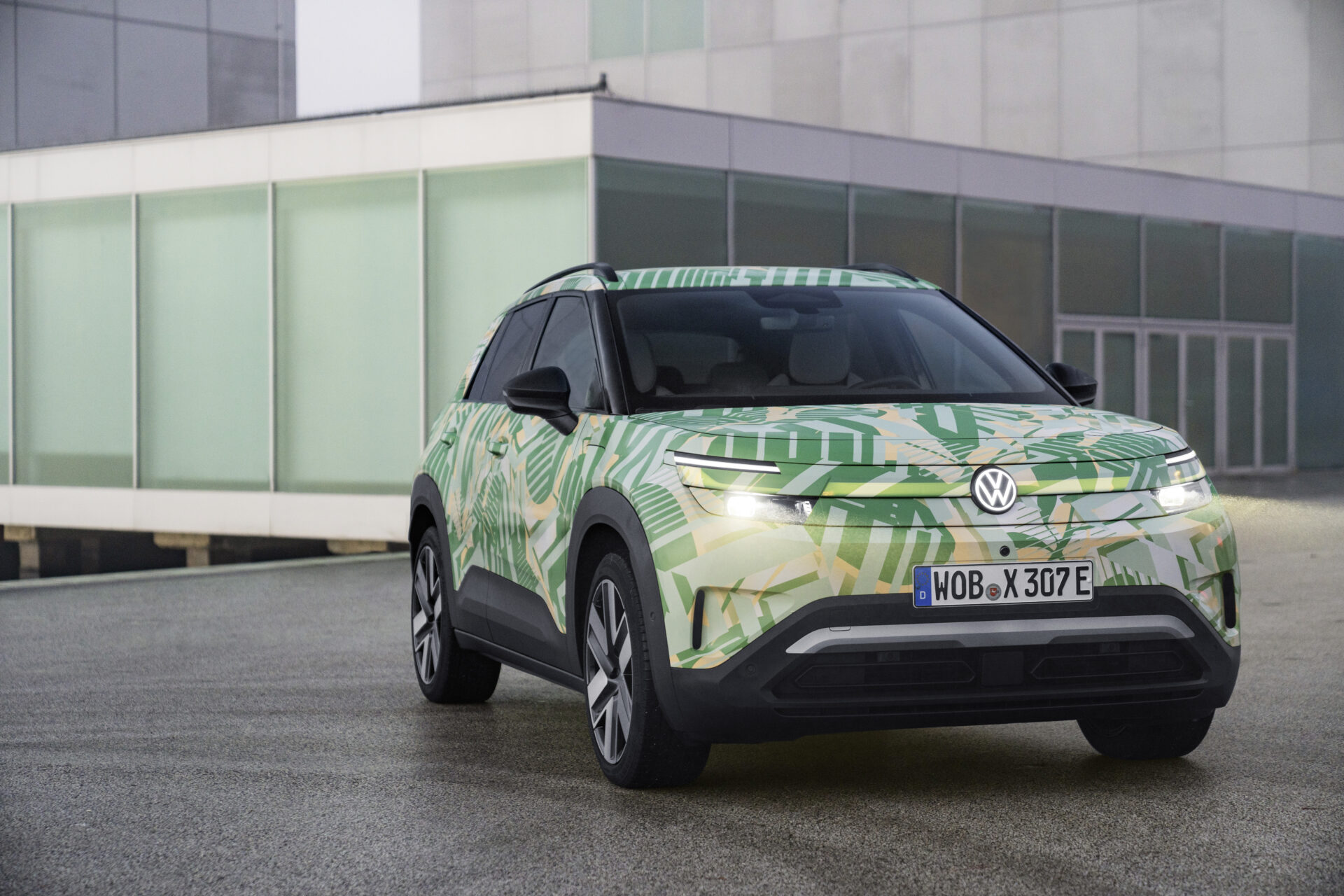
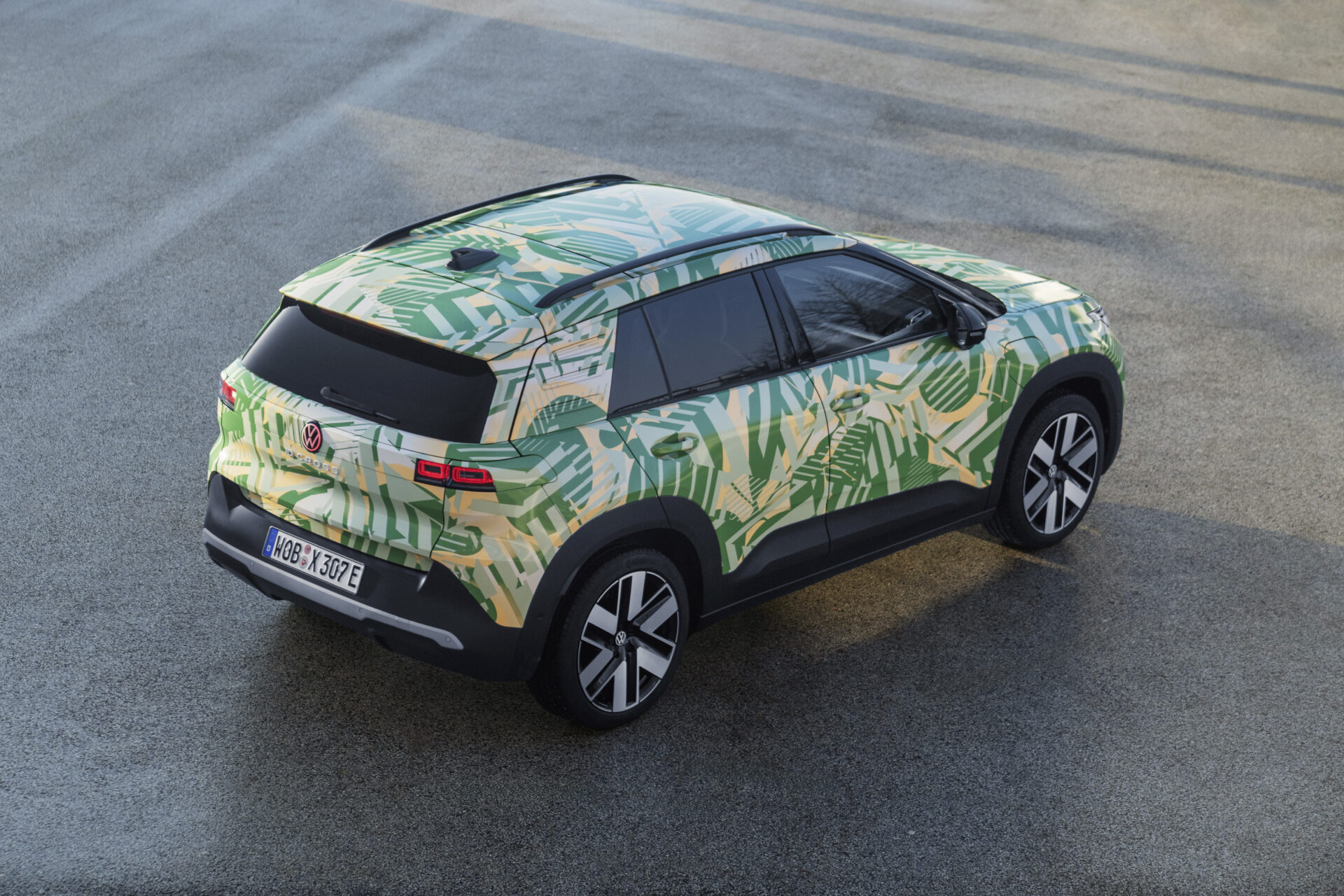
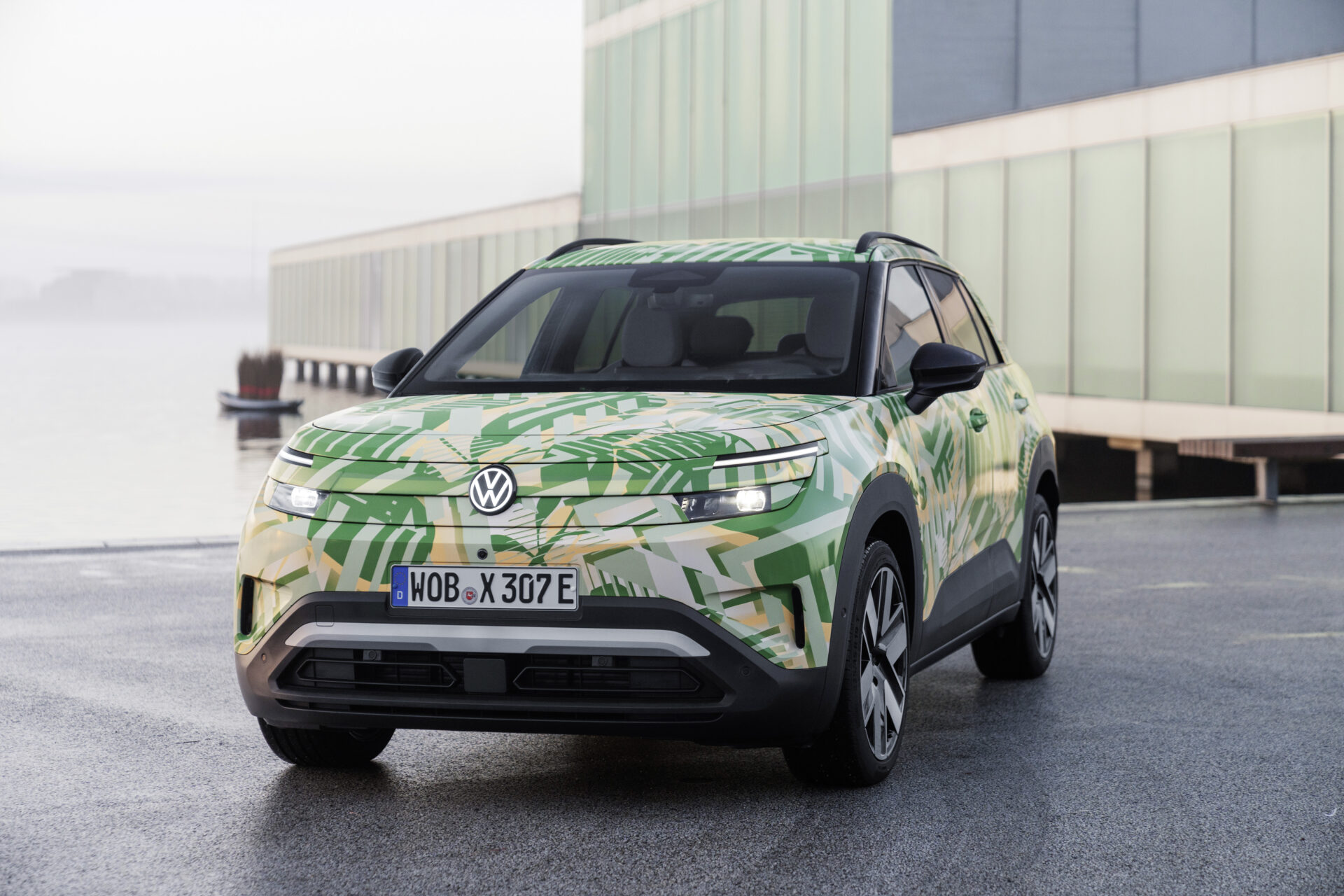
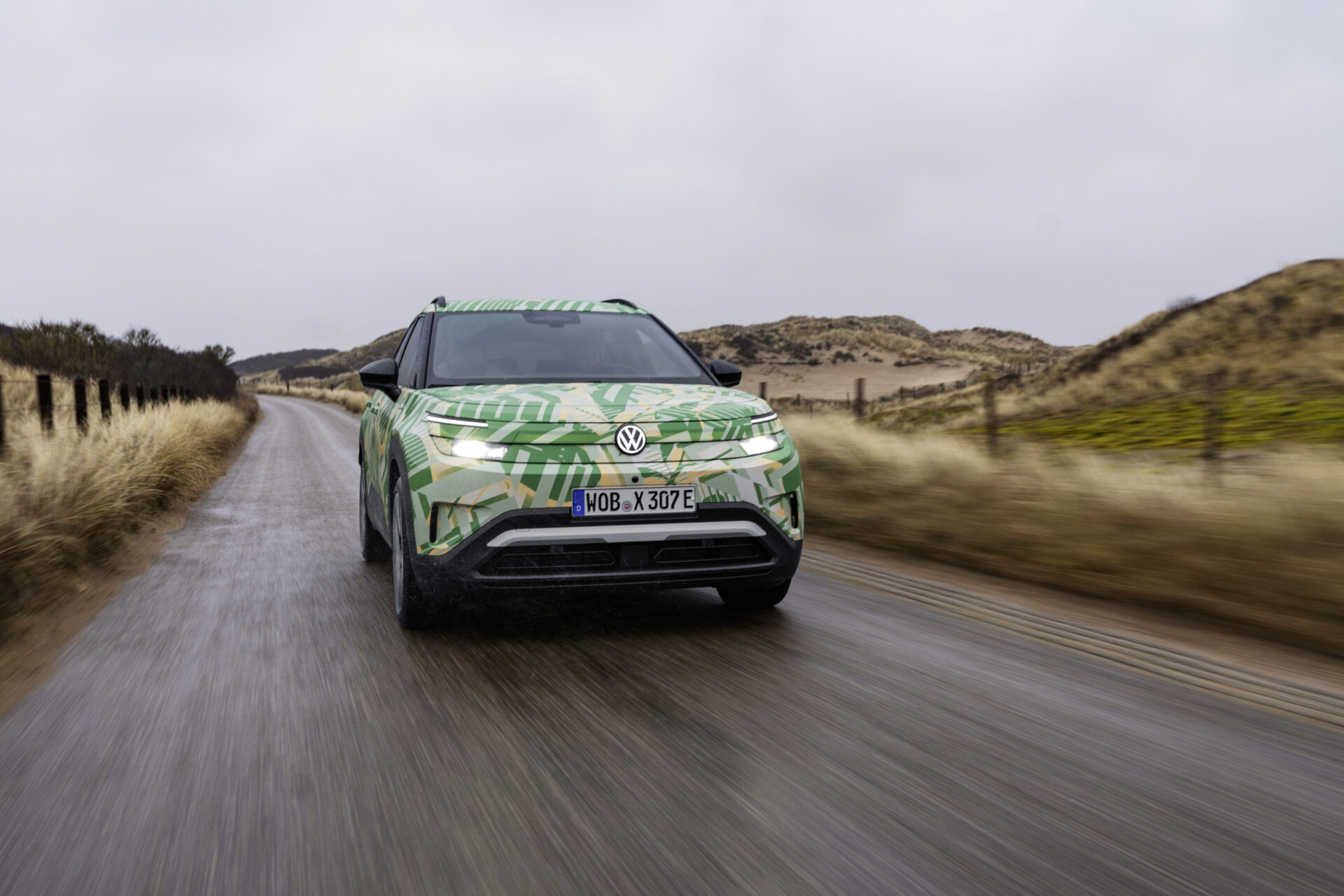
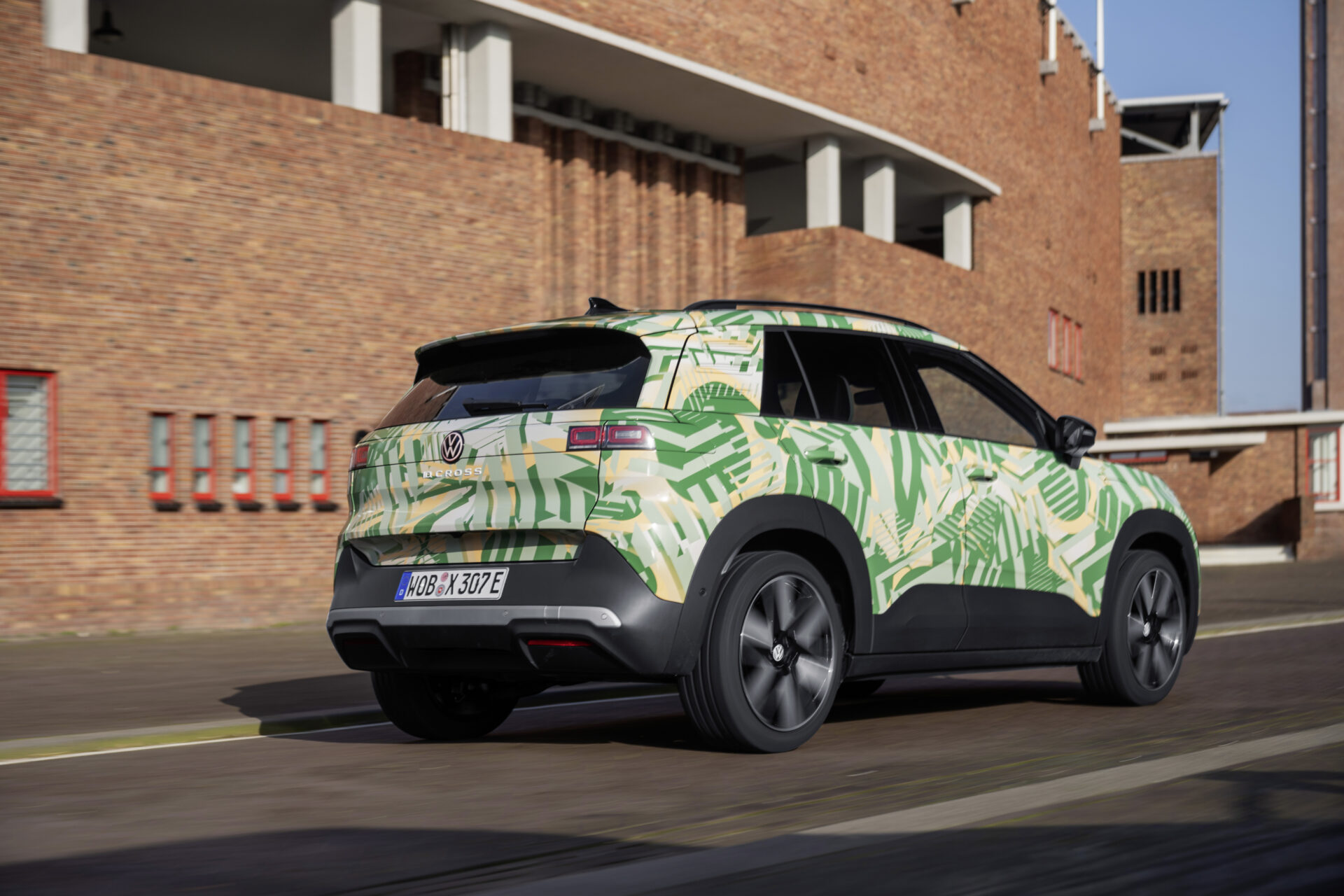
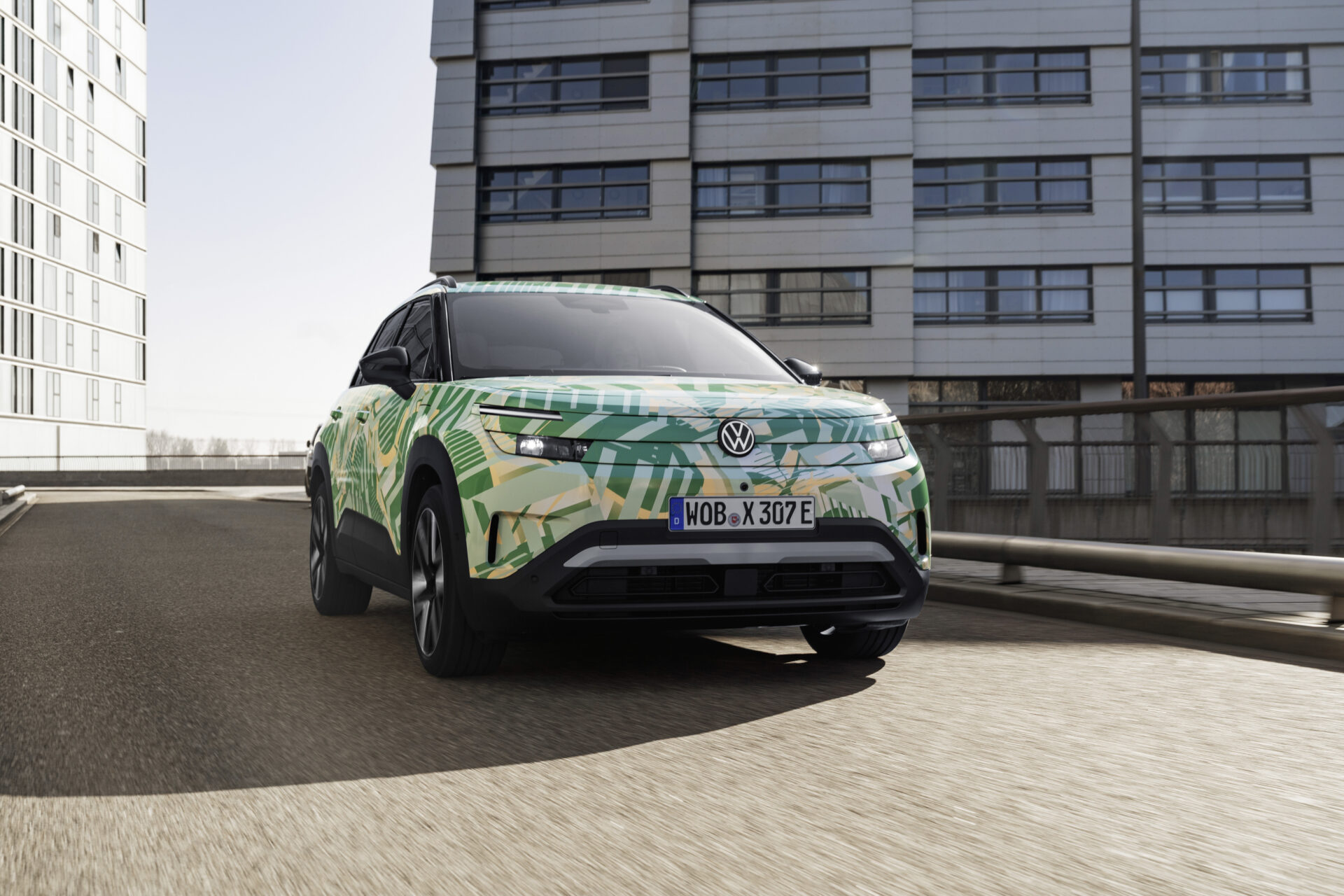
A compact electric SUV that plays it straight, without trying to dazzle. Expected in autumn 2026 with an entry price announced at under €28,000, the Volkswagen ID. Cross is positioned as the entry-level compact electric SUV in the ID range — above the future ID. Polo, below the more premium models. The target audience is broad: families, young professionals, drivers looking for space and simplicity in their daily lives. We took the wheel of a partially camouflaged pre-production model. The Wolfsburg engineers are still reserving the possibility of making adjustments before final production.
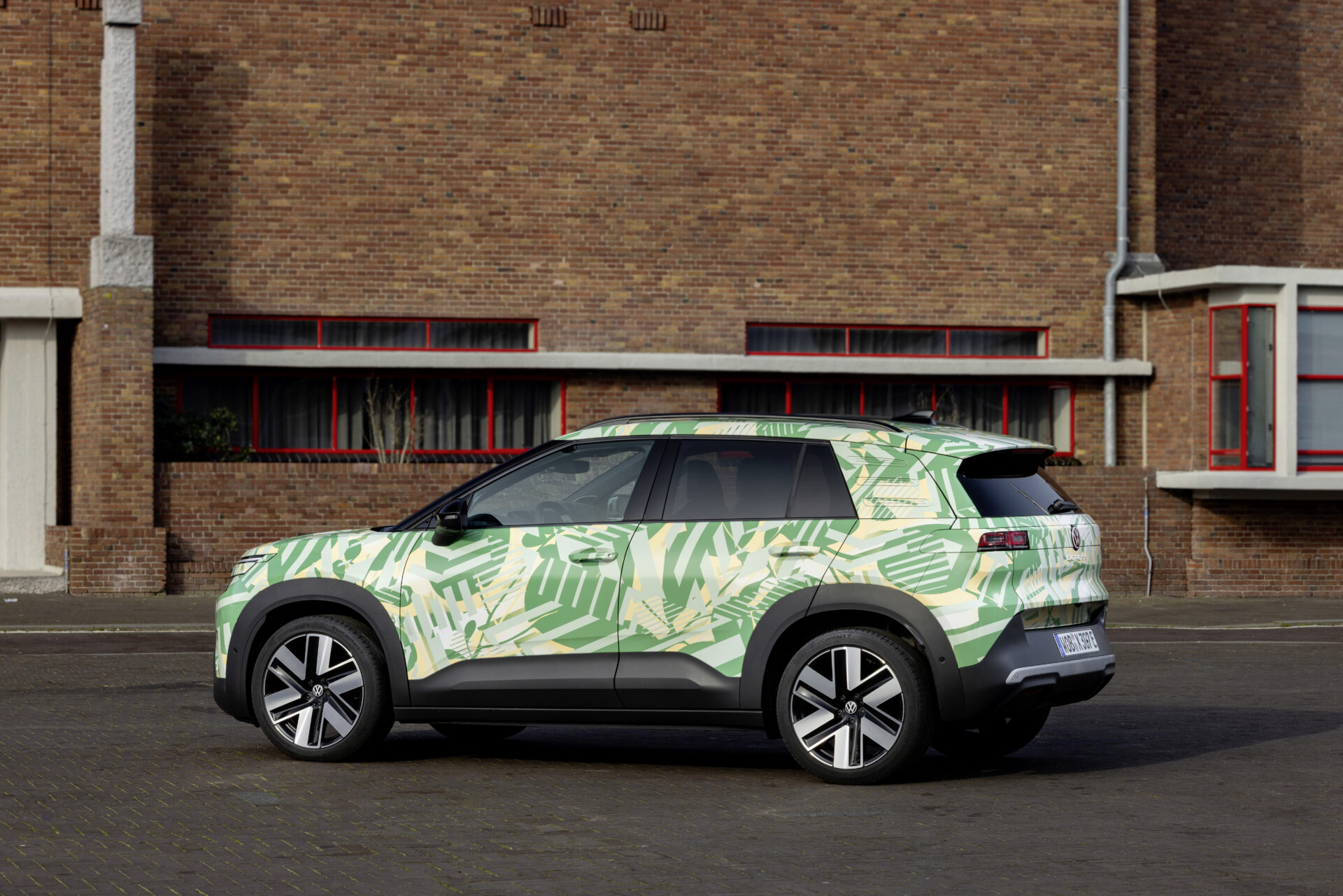
In terms of design, the ID. Cross applies the “Pure Positive” formula defined by Andreas Mindt: horizontal lines, pared-back surfaces, a continuous light signature running across both front and rear. It is coherent and legible, with no notable surprises. The profile introduces a floating roof and a C-pillar reminiscent of certain historic models from the brand — a discreet nod, not a styling gimmick. On board, the dashboard integrates two screens (10.25 and 12.9 inches) and, on a positive note, physical controls for essential functions — a welcome correction after the criticism levelled at previous ID generations. The cabin gains space compared with the T-Cross, with a boot announced at 475 litres and an additional 22 litres under the front bonnet. On higher-end trims, massage seats and a Harman Kardon audio system will be available.
10 to 80% in under 30 minutes
Three power levels are available: 85, 99 and 155 kW, paired with batteries of 37 or 52 kWh. Range varies between 312 and 436 kilometres depending on the configuration. Rapid charging peaks at 105 kW for the larger battery, with a 10 to 80% charge announced in under 27 minutes. In real-world use during our test drive, consumption was between 12 and 14 kWh per 100 km — a figure in line with the norm for this size of vehicle. The model also features a Vehicle-to-Load function and can tow up to 1,200 kg with the larger battery.
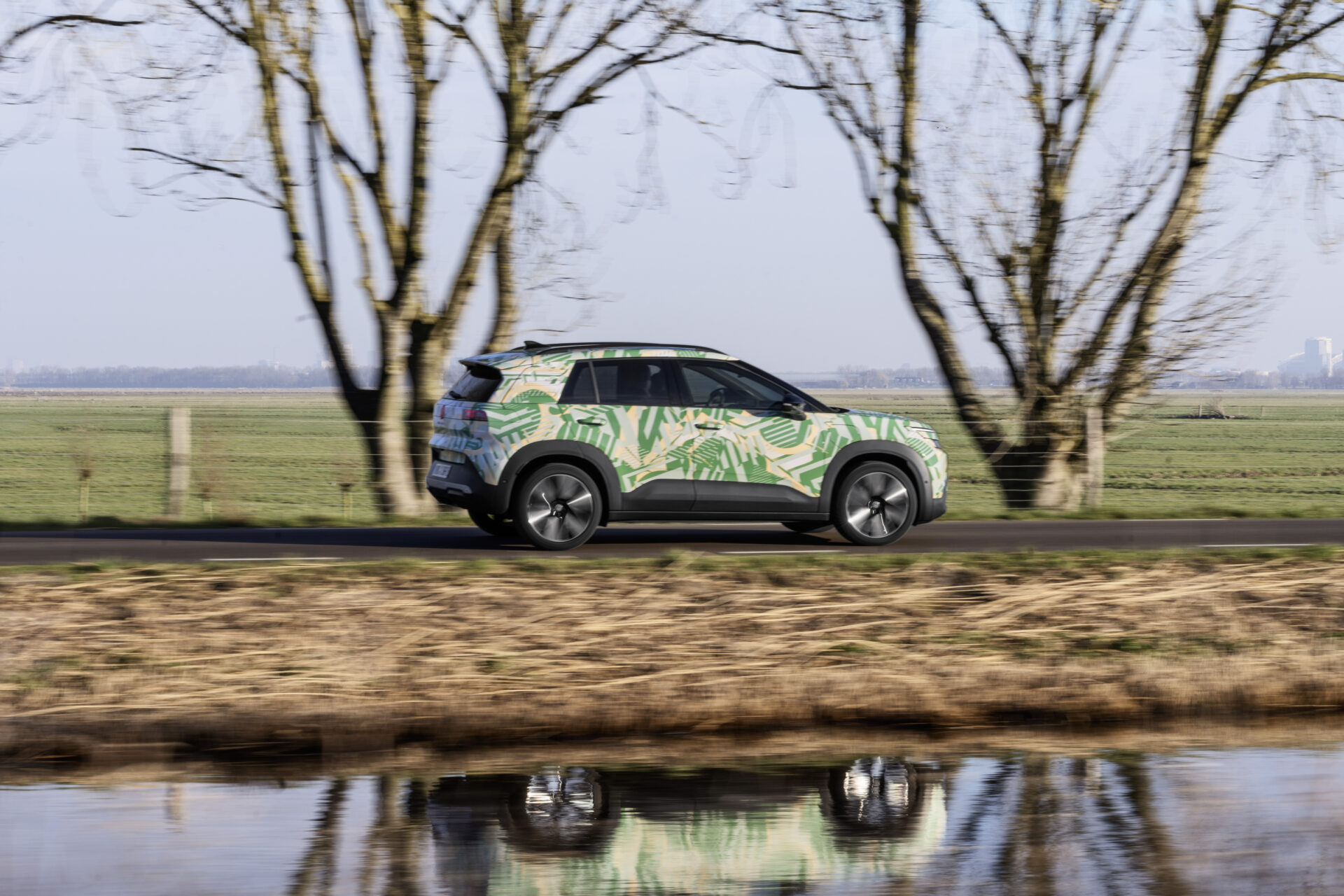
On the road, the ID. Cross drives without difficulty: stable, quiet, manoeuvrable in the city. The new “one box” braking system improves modulation and energy recovery. However, the front-wheel drive — the only option at launch — and a steering that communicates little limit the enjoyment for anyone seeking a touch of dynamism. The top speed, capped at 150 or 160 km/h depending on the version, is suitable for daily use without standing out on long motorway journeys.
Up against the Renault Scenic E-Tech, the Peugeot E-3008 and the Chinese offerings gaining ground, the ID. Cross has no margin for error. Its level of equipment is competitive for the category. Its main strength remains the brand, which is reassuring for many European buyers. If the finish and standard settings confirm the promises of the pre-production model, the vehicle has a solid foundation to establish itself in a fiercely contested segment. See you in autumn 2026.
Strengths - Weaknesses
Strengths:
- A coherent exterior design and noticeably improved interior quality
- A generous footprint for the category (475-litre boot)
- Pleasant road behaviour and controlled consumption
Weaknesses:
- Exterior reversing camera
- Isofix with pull strap
Technical specifications:
- Power (kW): 85 kW / 99 kW / 155 kW (116 / 135 / 211 hp)
- Consumption (kWh/100 km): 12–14 kWh/100 km (recorded during our test drive)
- Charging (kW AC / kW DC): AC: 11 kW / DC: 90 kW (37 kWh battery) — 130 kW (52 kWh battery)
- Range (km): up to ~312 km (37 kWh) — up to ~420–436 km (52 kWh) WLTP cycle
- Starting price (€): from €28,000 (final pricing to be confirmed at the official presentation planned for summer 2026)
Tags