‘40 more models to be launched by 2027’
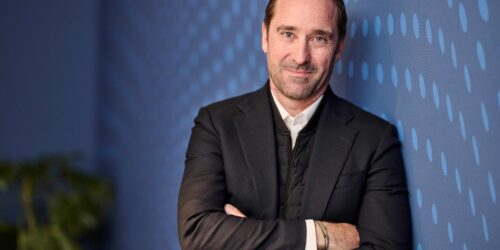
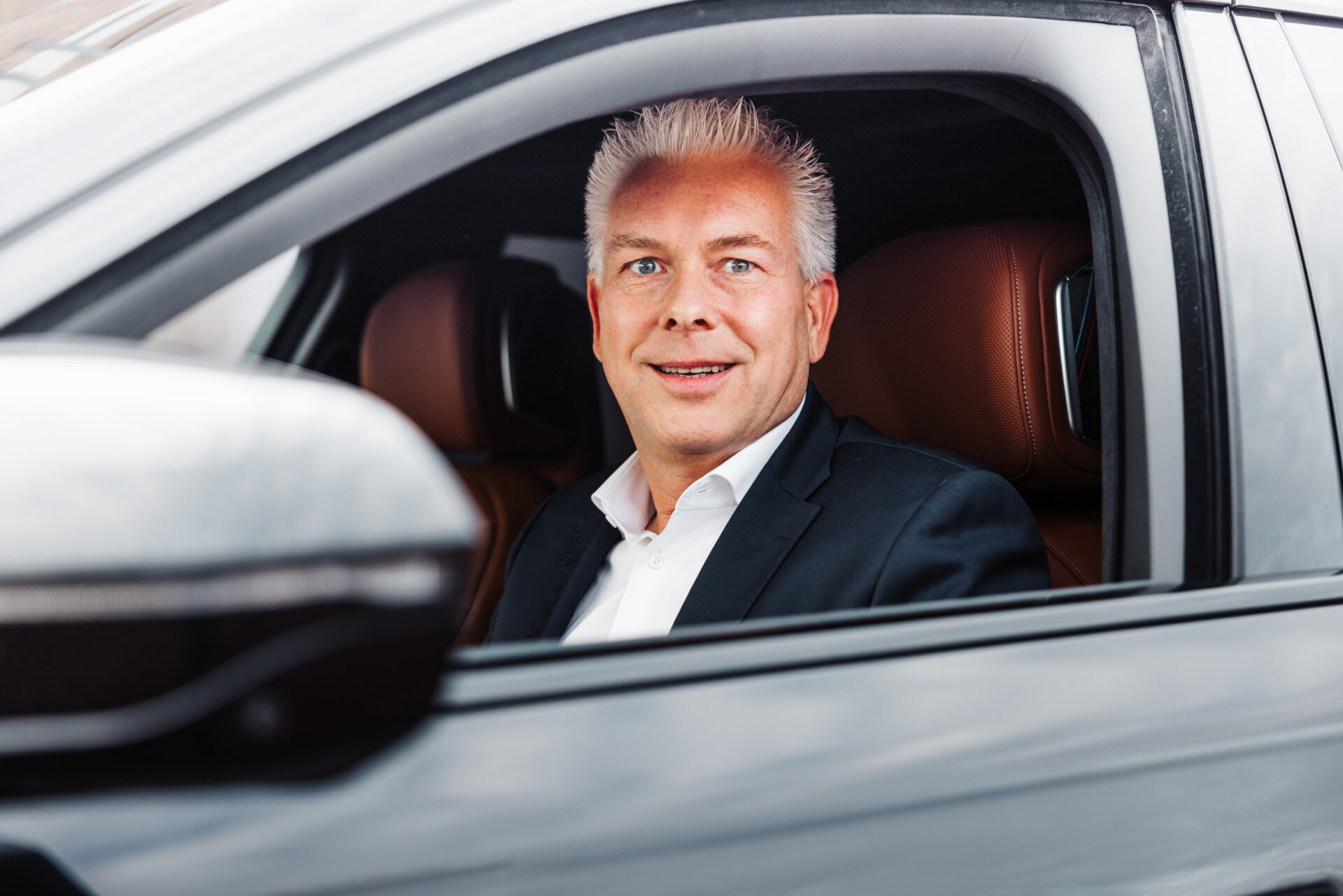
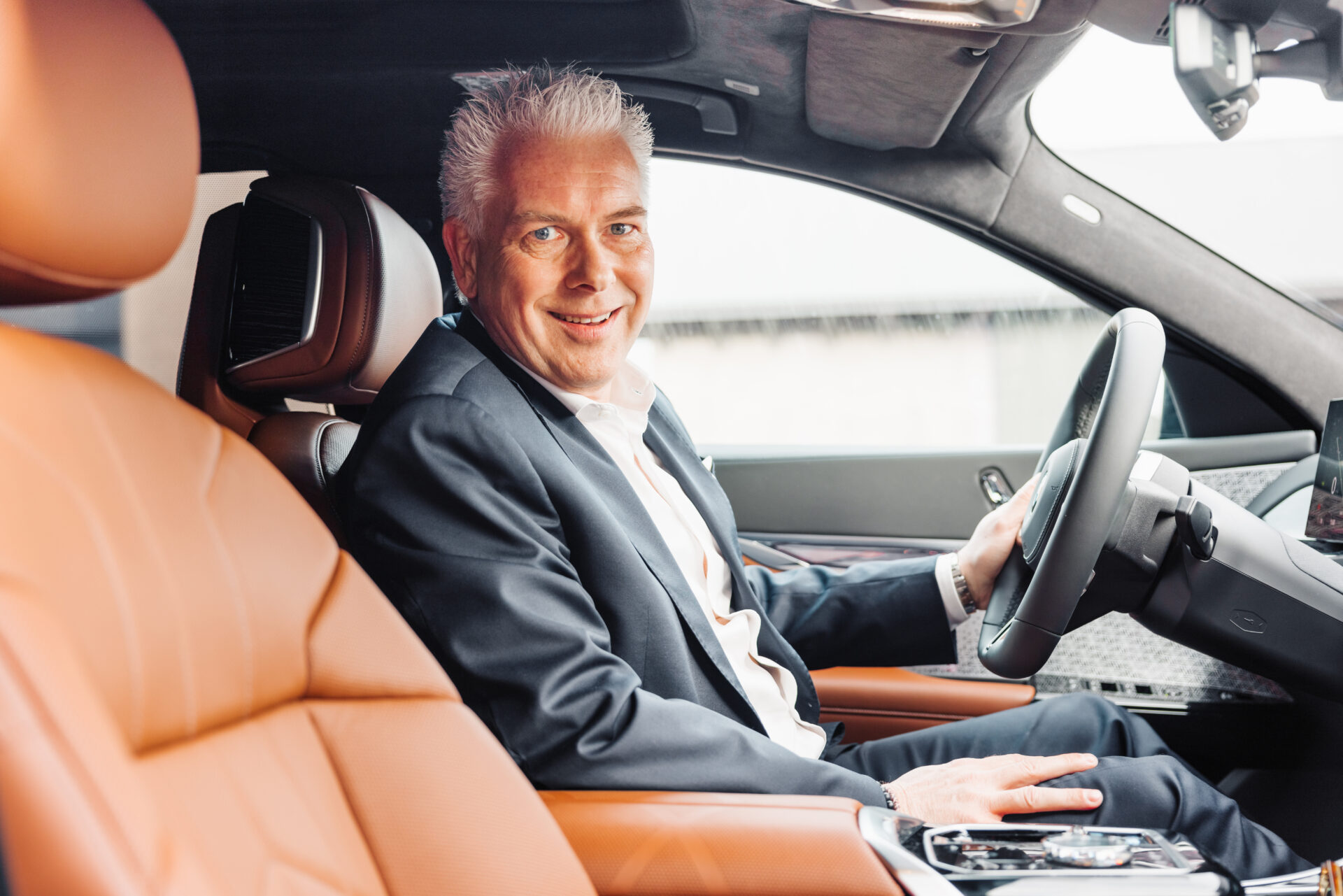
In recent years, BMW has consistently ranked among the most popular brands in terms of new car registrations in Luxembourg. Alexander Wehr, Chief Executive Officer of BMW Group Belux, discusses the manufacturer’s position in the Grand Duchy, electrification and the brand’s new ‘Neue Klasse’ era.
The BMW Group will have a new Chairman of the Board of Management from mid-May: Milan Nedeljkovic. His appointment follows the retirement of current Chairman Oliver Zipse, who has spent a total of 35 years with the BMW Group. ‘Milan Nedeljkovic is very, very experienced,’ said Alexander Wehr in an interview at the Brussels Motor Show for Autotouring magazine. Alexander Wehr, who is currently Chairman and CEO of BMW Group Belux, has worked for the BMW Group for more than 28 years, where he has held positions such as Vice President of Sales and Marketing and Chairman and CEO of BMW Group Latin America.
Like Alexander Wehr, Mila Nedeljkovic has spent his entire career with the German car manufacturer. Milan Nedeljkovic joined BMW as an intern in 1993 and was most recently responsible for the manufacturer’s production sites. ‘It’s 100% continuity with what the group has already prepared and is about to launch, particularly with the “Neue Klasse”,’ said Alexander Wehr. ‘It’s the best decision to make; he was involved in the development and launched the new fully integrated factory, or i-factory, as we call it.’ The car manufacturer officially opened its brand new production facility in Debrecen, Hungary, in September 2025.
The ‘Neue Klasse’: a new philosophy illustrated by the iX3
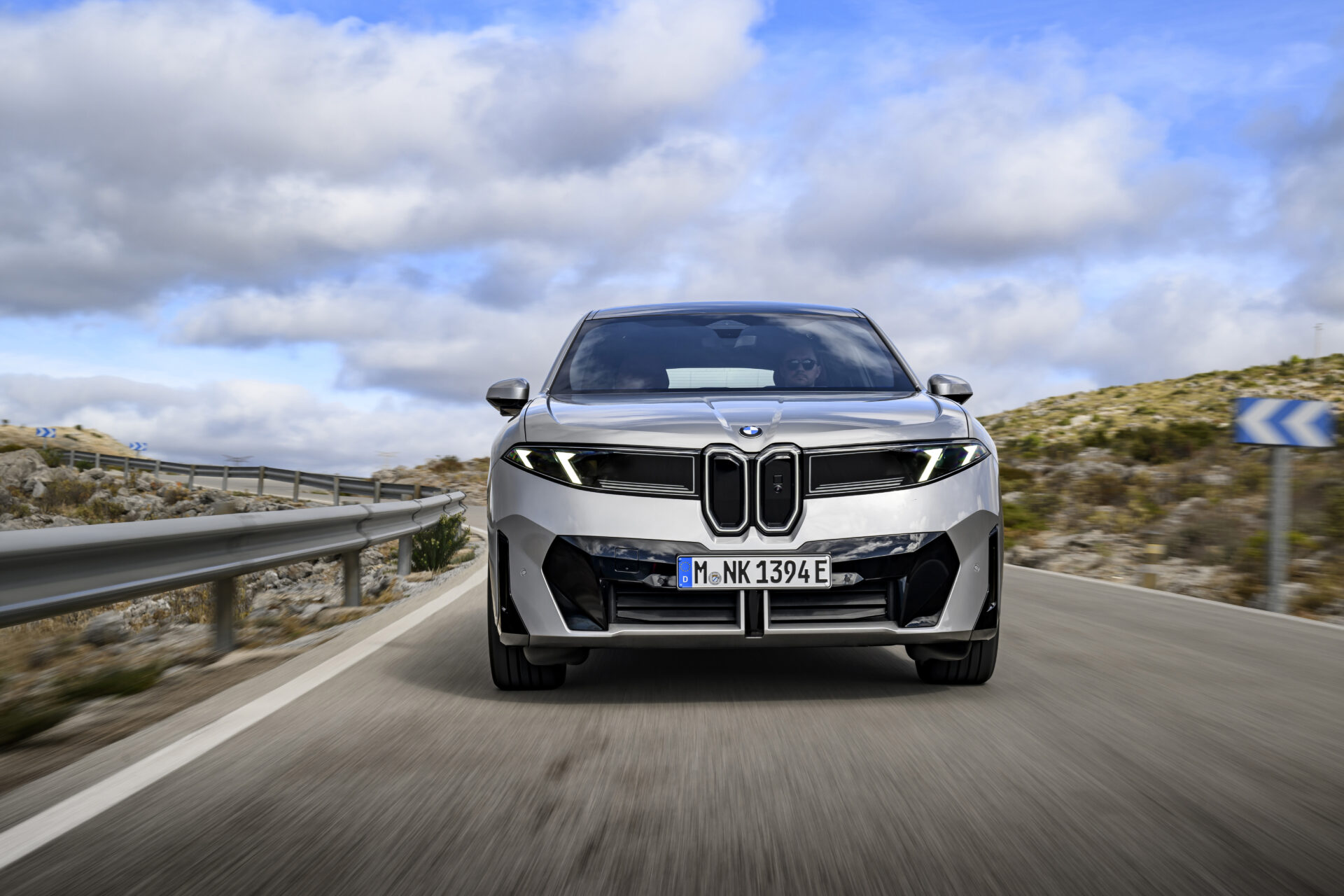
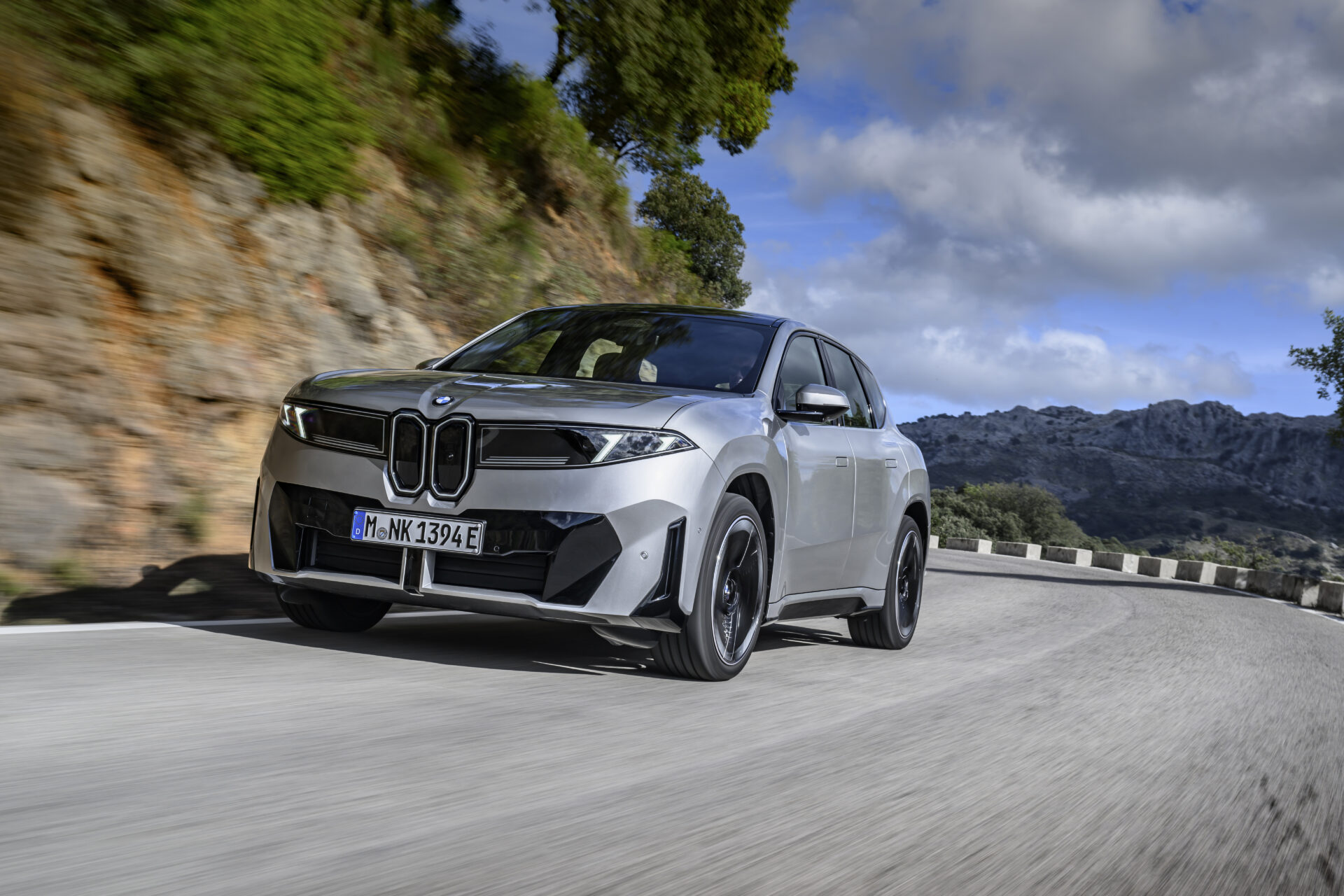
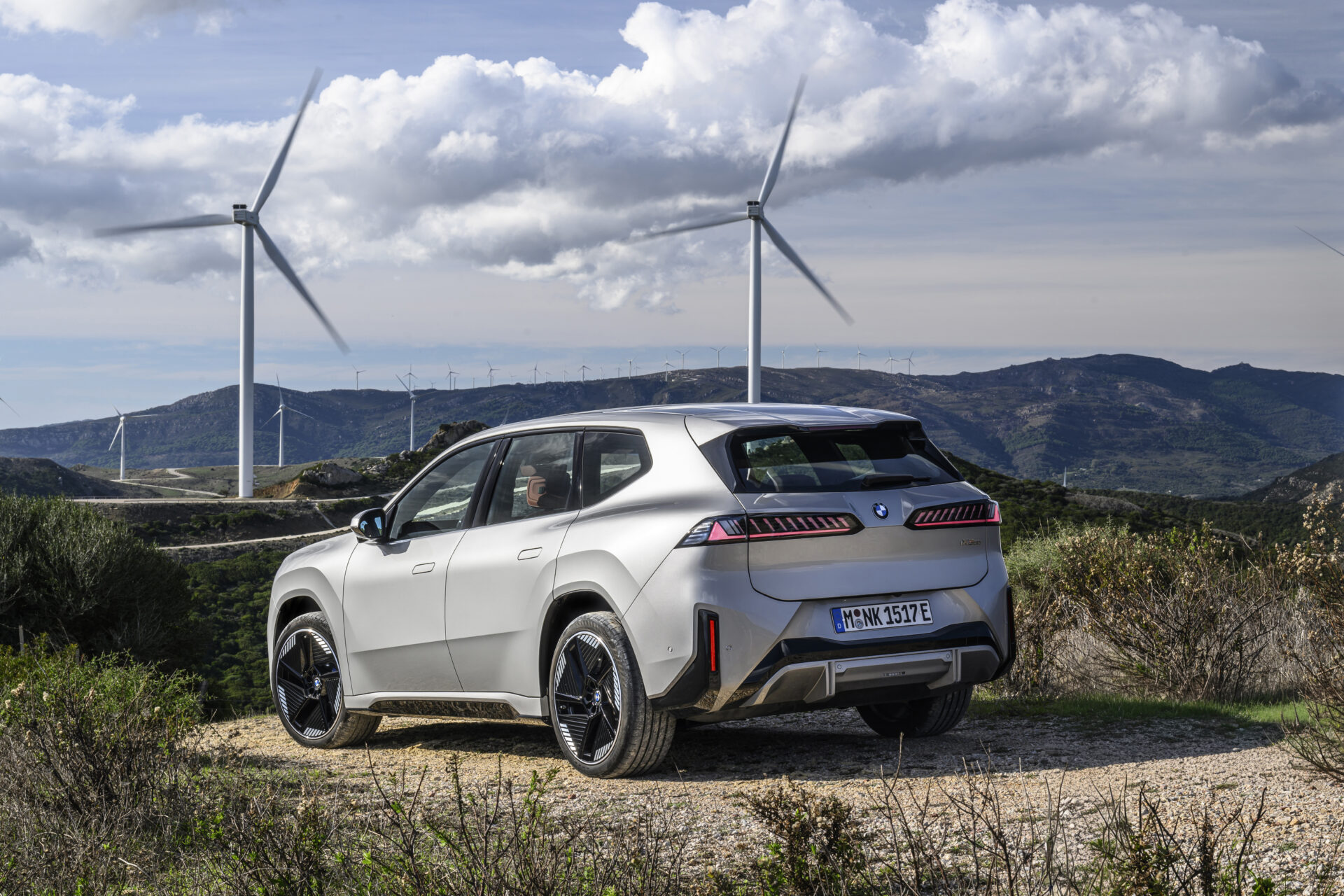
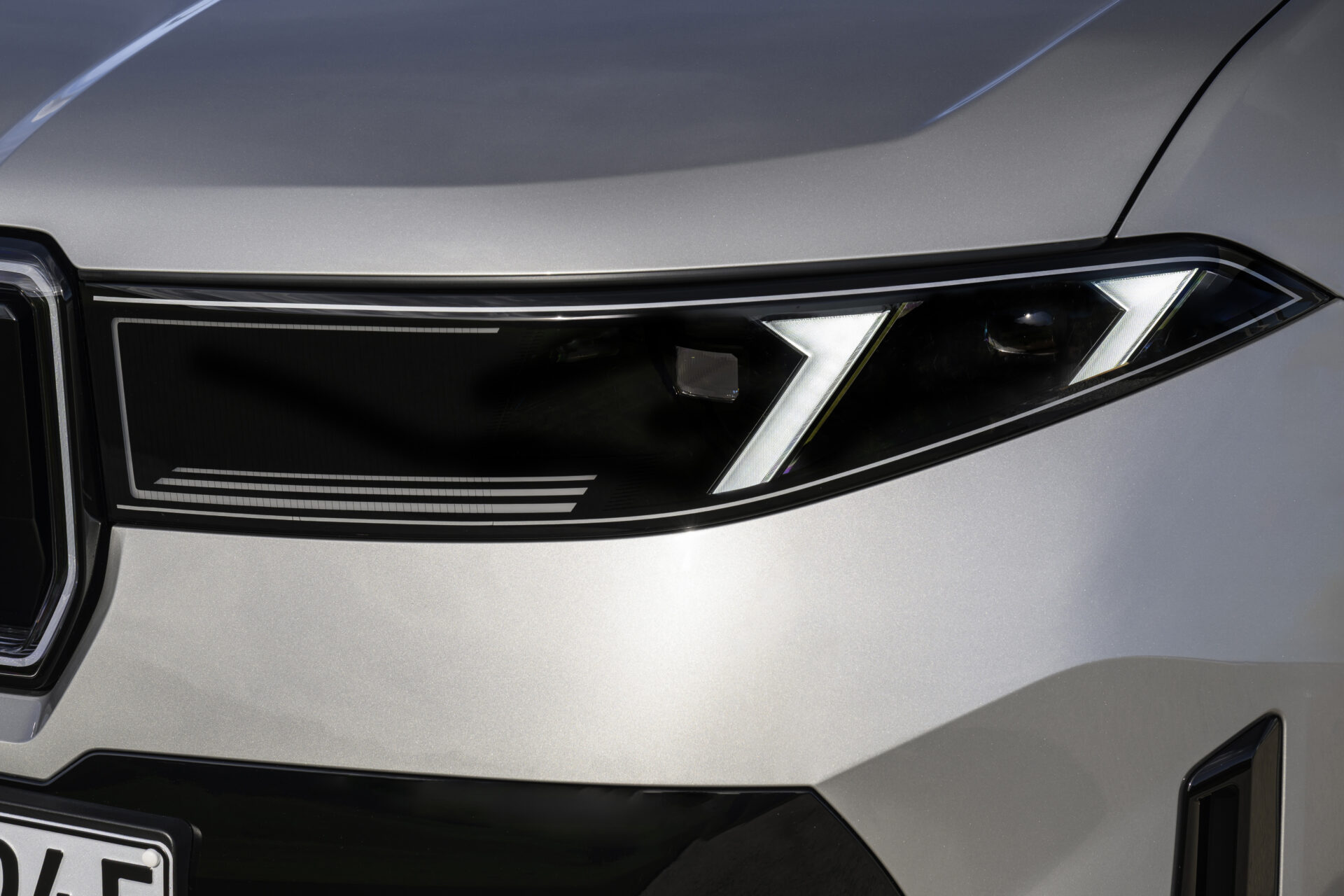
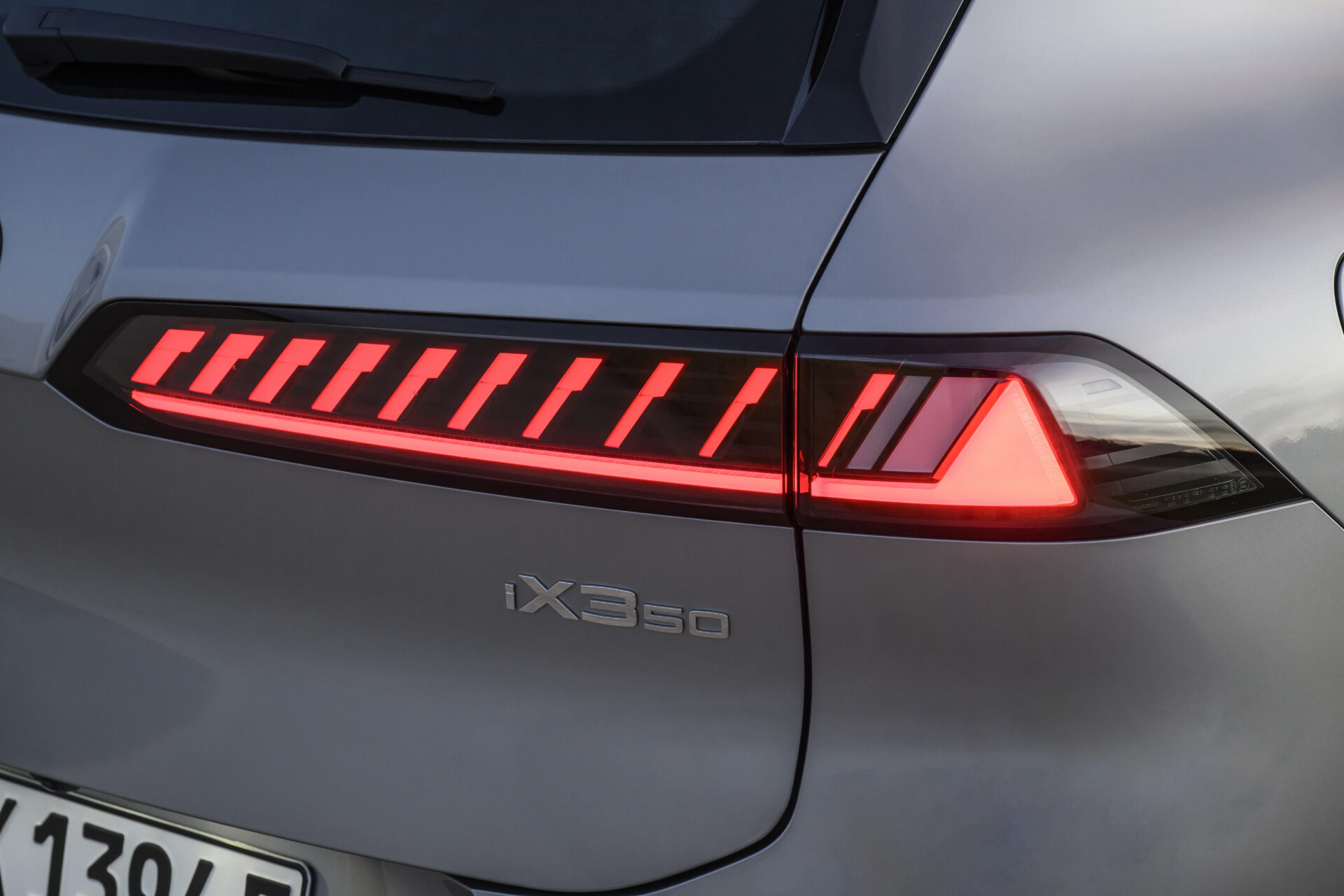
BMW’s new iX3, first unveiled at the Mobility Summit in Munich in September 2025 and on display at the BMW stand at the Brussels Motor Show, went into series production at the Debrecen plant in October. And this is just the beginning of the ‘Neue Klasse’ or ‘new class’ era.
‘There are 40 more models to be launched by 2027,’ explained Alexander Wehr. “The “Neue Klasse” is not a car. The “Neue Klasse” is a new philosophy. ‘ This involves a ’holistic view‘ of the research and development process, but also aims to optimise vehicle production, ensuring that it is electric, digital and circular from the outset.
Although the new iX3 is an electric vehicle, no compromises have been made, said Alexander Wehr. ’This car is optimised to the maximum. It offers a range of 800 km, innovations such as the driver-oriented Panoramic iDrive and a “Symbiotic Drive” function, which allows drivers to interact more seamlessly with driver assistance functions. ‘It is generating strong customer demand, which, for me, is always the best proof there is,’ said Alexander Wehr. ‘Customer demand shows us that this is the right product in the right place, especially for our Belgian and Luxembourg market, which is very B2B-oriented.’
Significant investment in Luxembourg
Figures from the national statistics institute STATEC show that BMW registered 5,451 new cars in 2025, making it one of the most popular brands in the country. ‘Luxembourg is an extremely important market,’ said Alexander Wehr, who attributes BMW’s success to a ‘very strong, consistent and committed dealer network in Luxembourg’. He added that long-lasting customer relationships are essential for the brand. ‘For us, sales are not just numbers. Above all, they are faces.’
BMW has also made significant investments in Luxembourg, notably with Bilia at Cloche d’Or, and the brand is currently working on its site in Mersch. ‘We are placing a clear emphasis on customer processes and creating a welcoming atmosphere: we call this “retail next”, the next level of car showrooms,’ said Alexander Wehr. Finally, BMW continues to offer flexibility and ‘technological openness’ by allowing customers to choose their preferred transmission, whether electric or not.
‘The transition to electric vehicles is underway’
At the end of last year, the European Commission abandoned its plan to ban new cars with internal combustion engines from 2035, allowing for greater flexibility while continuing to support the transition to electrification. Under the new proposal, from 2035 onwards, car manufacturers will have to comply with a 90% (instead of 100%) reduction target for exhaust emissions. This means that hybrid and internal combustion engine vehicles will continue to play a role after 2035.
So what is BMW’s electrification strategy? The German car manufacturer has a ‘long history’ of electrification, Alexander Wehr pointed out. The company produced prototypes of electric cars in the 1970s; the i3 was its first mass-produced electric car, which went on sale in 2013. ‘Today, if I include Mini, we have more than 10 electric models in our range; I could even include the Rolls-Royce Spectre,’ said Alexander Wehr. ‘This is not a marketing gimmick; it is something the group has been doing for a long time, out of deep conviction, and which it applies to all its brands and segments.’
‘The transition to electric vehicles is underway. The direction is clear. It’s the most efficient mode of propulsion,’ said Alexander Wehr. But the transition is happening differently from country to country and from customer group to customer group, he added. “If you drive an electric car, you know it’s a lifestyle change. It’s not like switching from a red car to a blue car, or from an SUV to a saloon car.‘ ’There is no one-size-fits-all solution,‘ said Alexander Wehr, and some people still prefer combustion engine cars. ’So it doesn’t make sense to set a date for phasing out a highly efficient technology like today’s combustion engines… The industry and stakeholders should decide for themselves how best to achieve the goal.‘
Alexander Wehr is in favour of incorporating flexibility into policy and regulatory frameworks. In addition, ’we clearly advocate moving away from this exclusive, very singular, obsolete and outdated measure of tailpipe emissions. Why? Because it is possible to have a CO2-neutral electric vehicle that has produced a lot of emissions throughout the value chain. That is why I think it is high time, as in other industries, to implement a holistic vision that looks at everything we do, from the initial extraction of raw materials and materials to the entire value chain.”
Tags