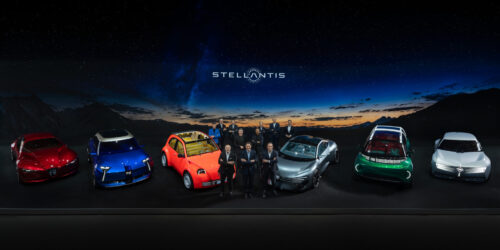
Six brands, six concept cars revealed on the same evening. None will be sold as it stands, yet all of them signal what Stellantis is preparing for the years ahead, in some cases very closely.
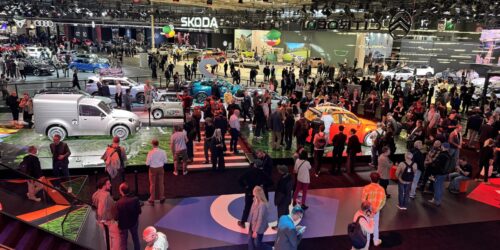
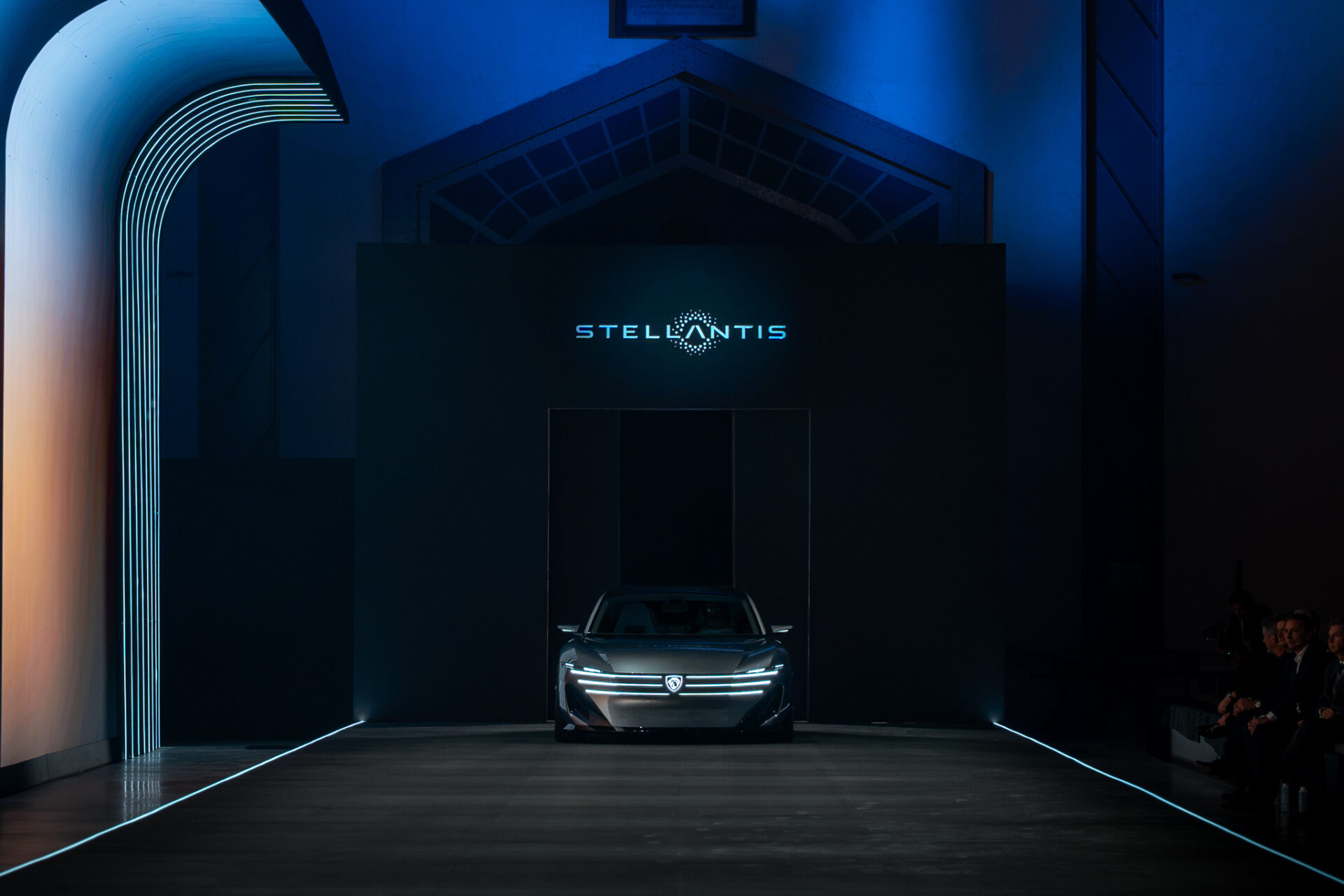
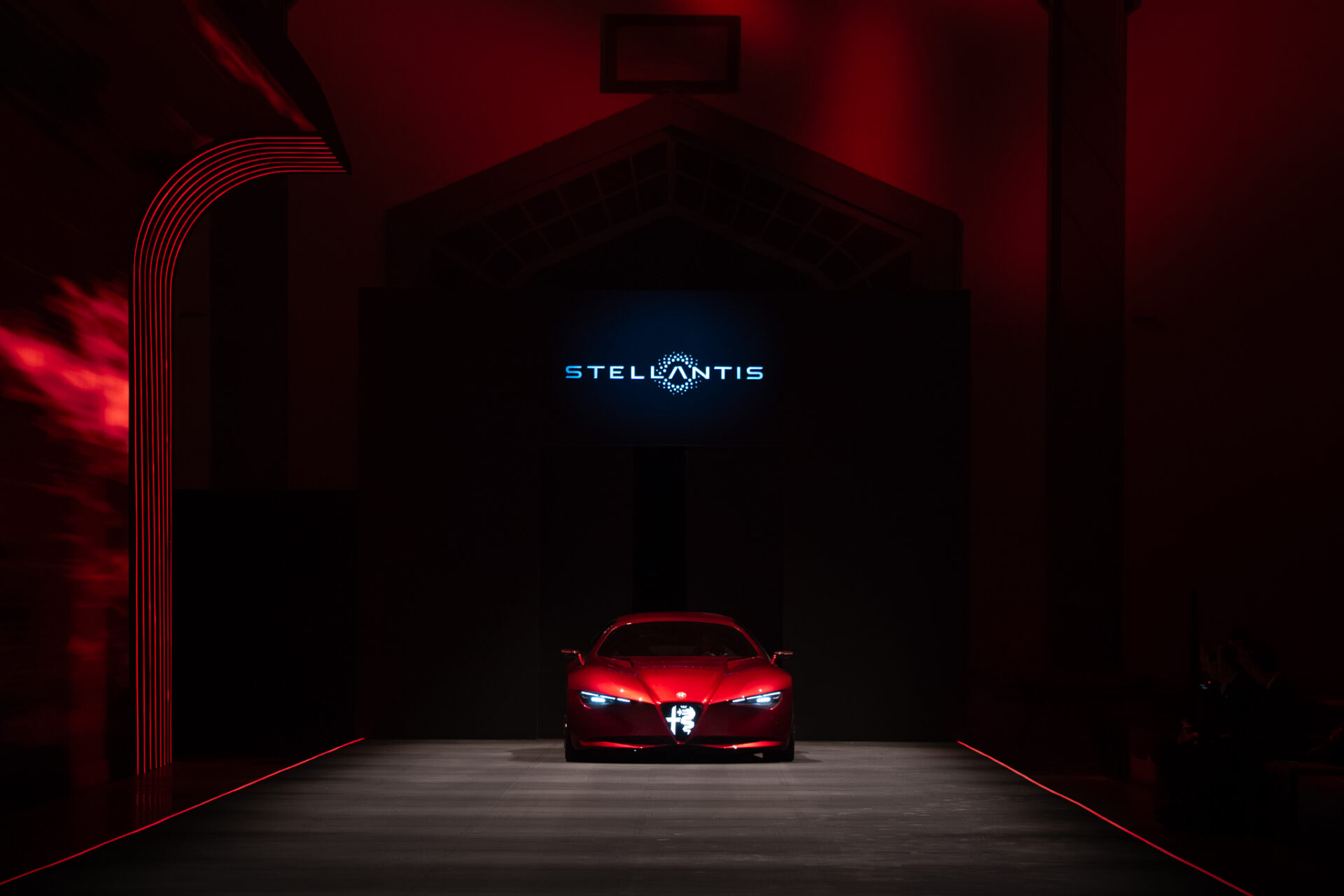
Stellantis gathered the international press at the Hangar Y in Meudon, near Paris, on the evening of 11 October for its “The Night Before” event. Six concept cars had their world premiere there, out of the nine the group is showing at the Porte de Versailles until 18 October for the Paris Motor Show. Here is the tour.
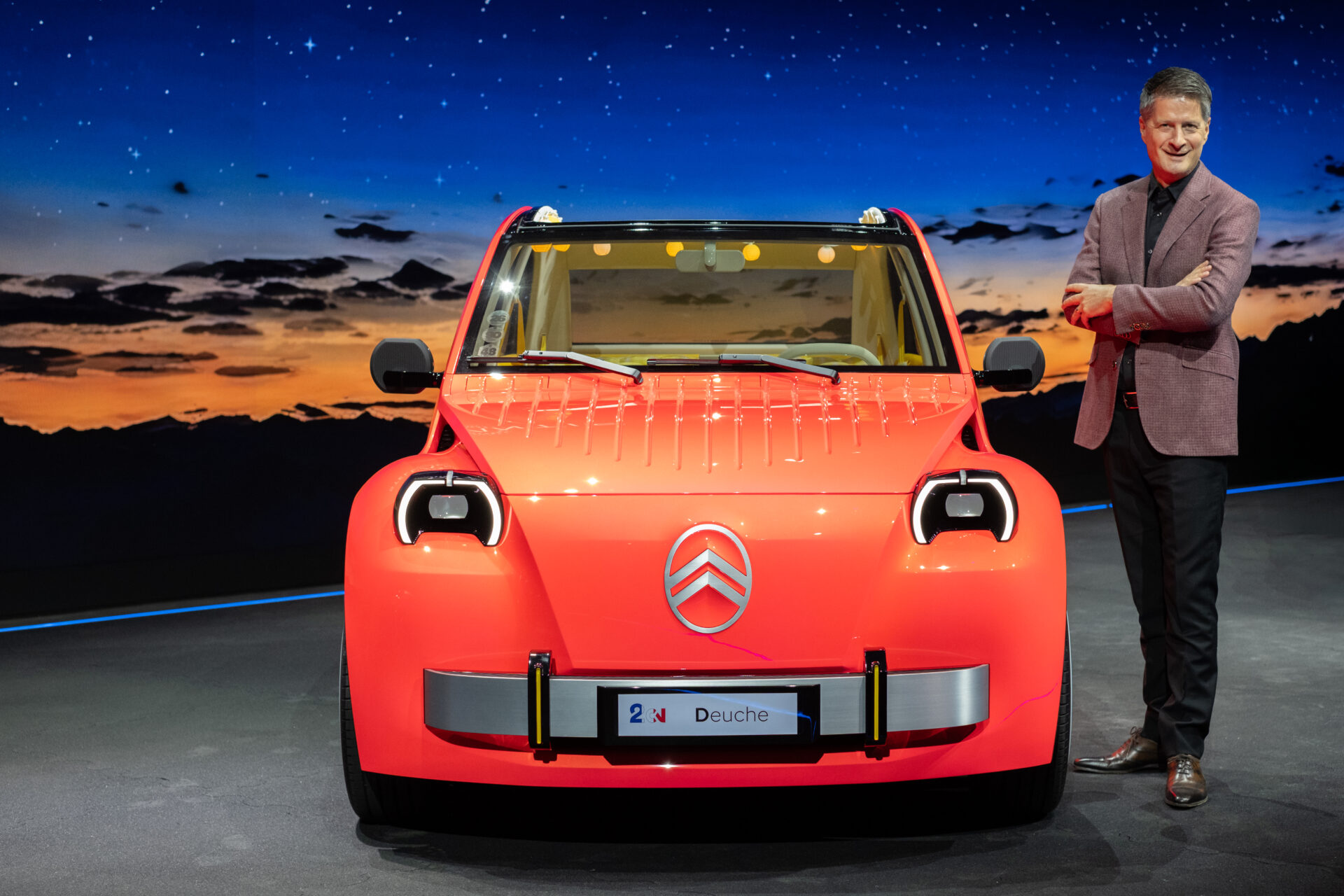
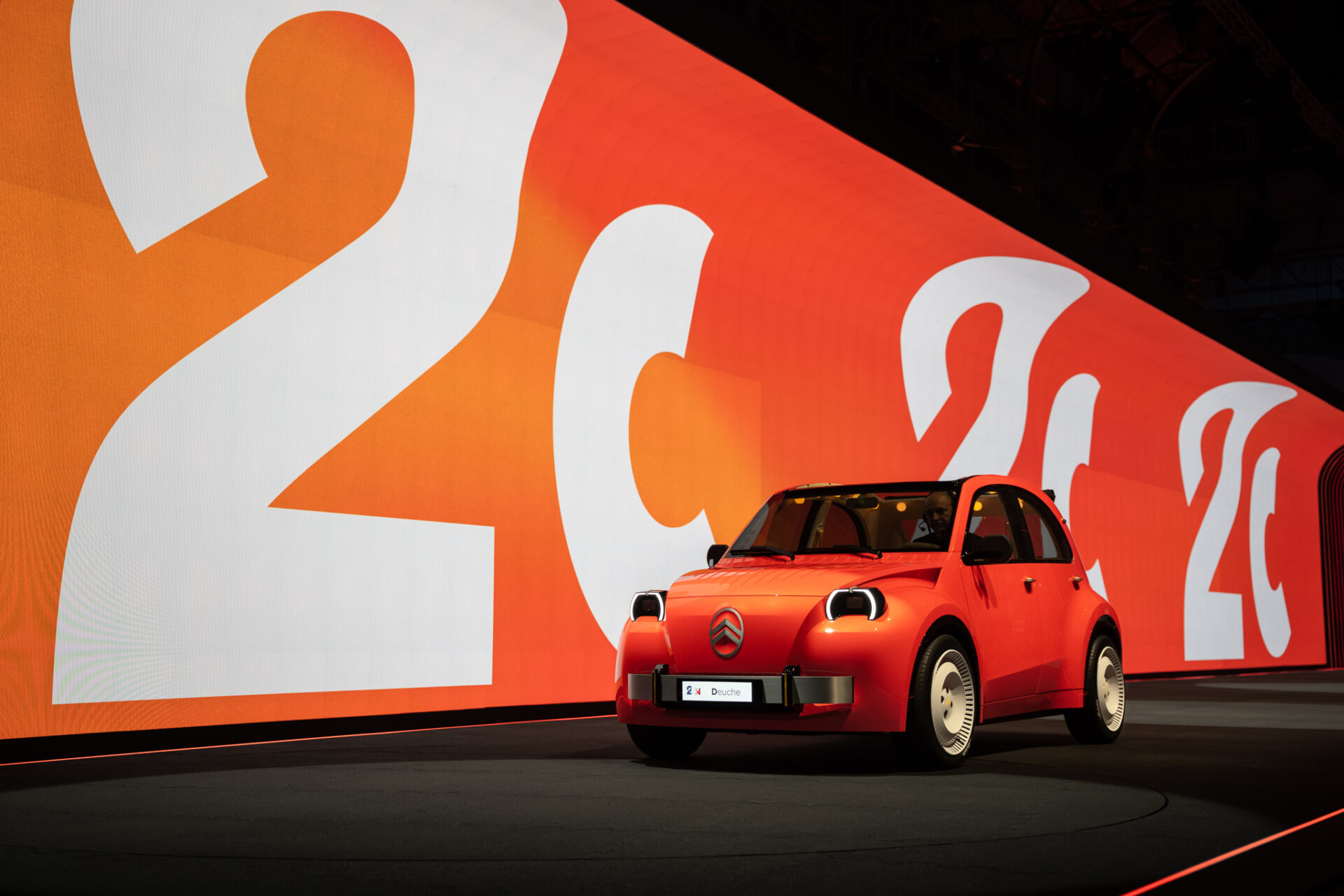
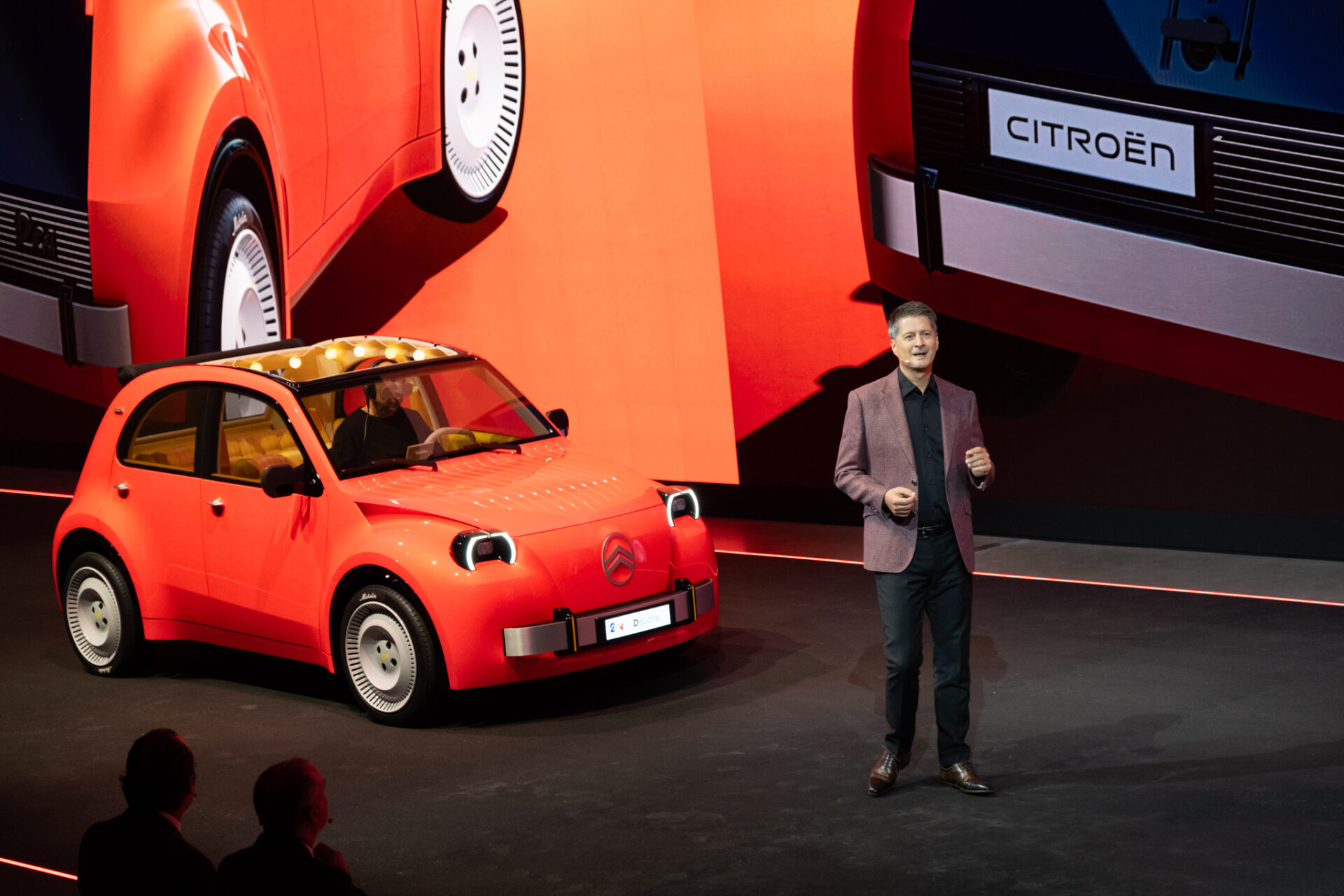
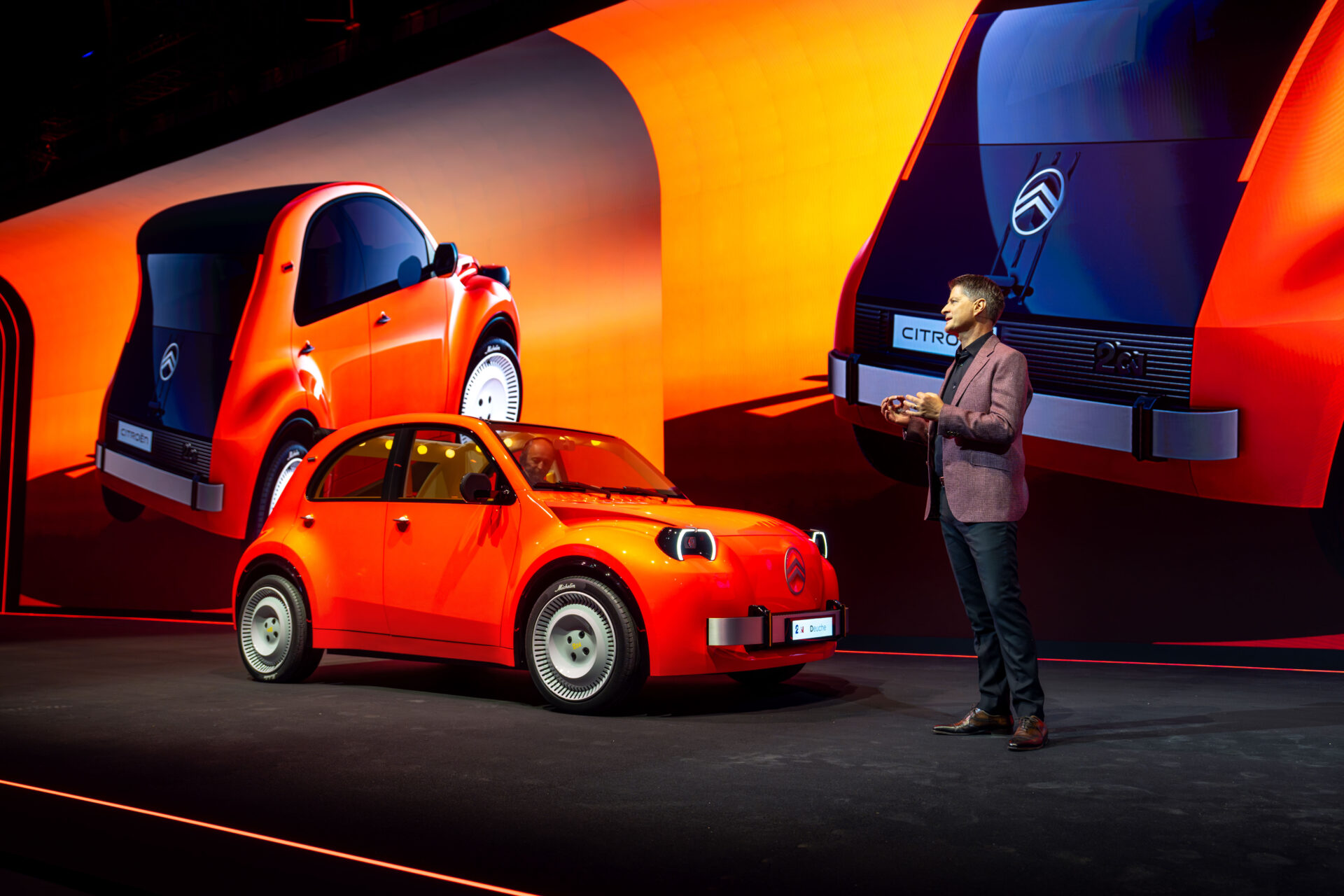
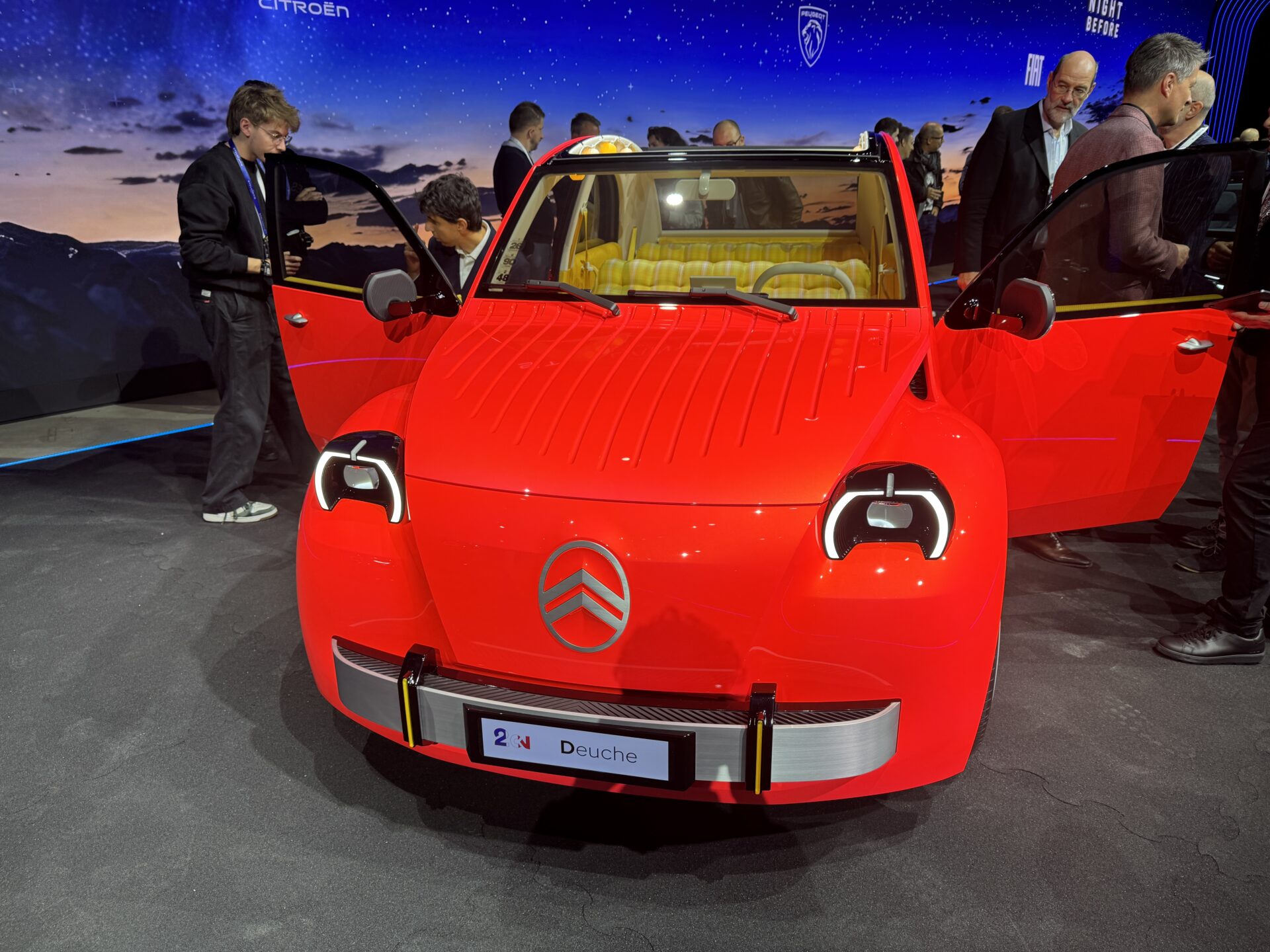
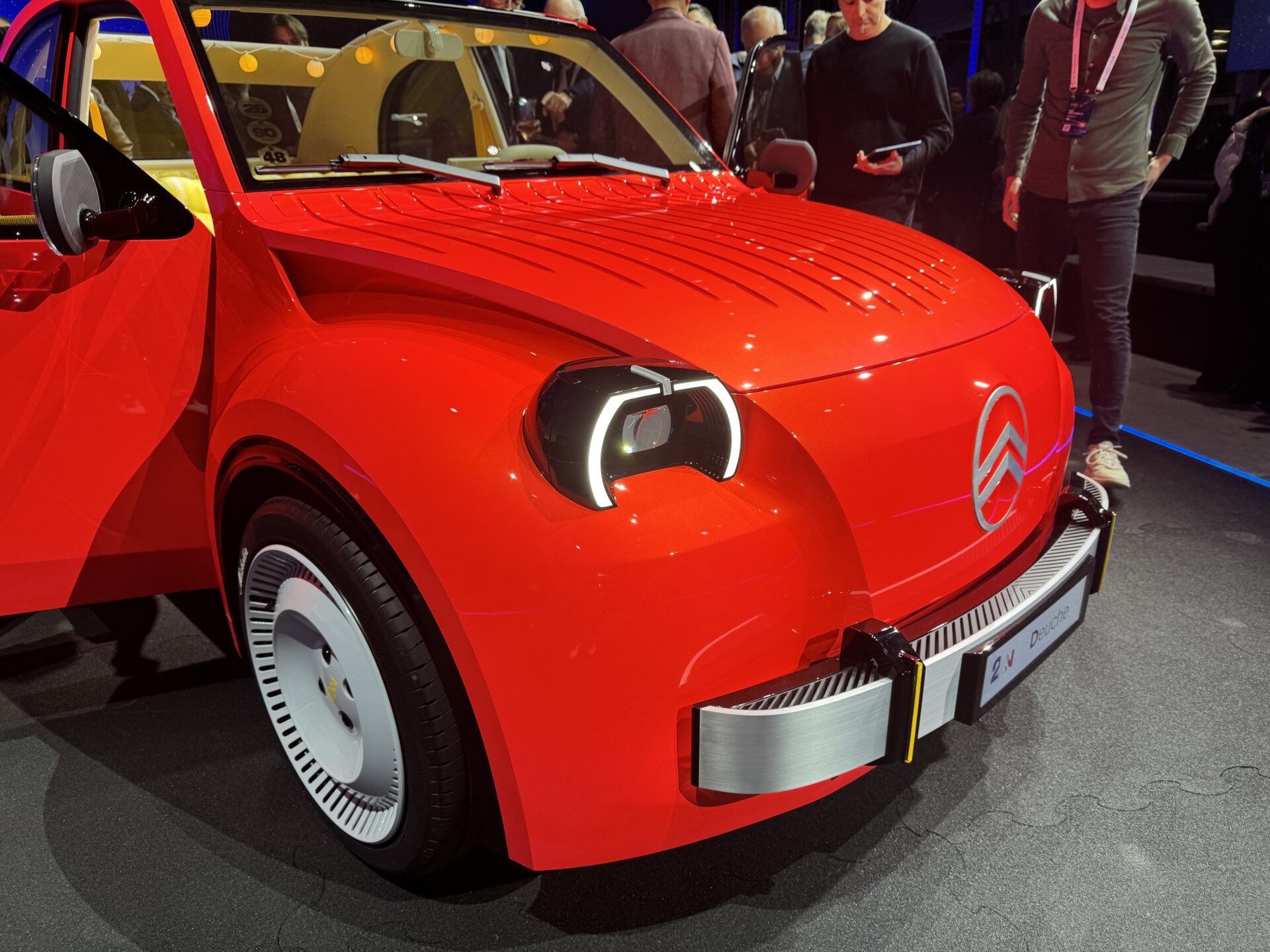
Citroën 2 CV Concept, the closest to production
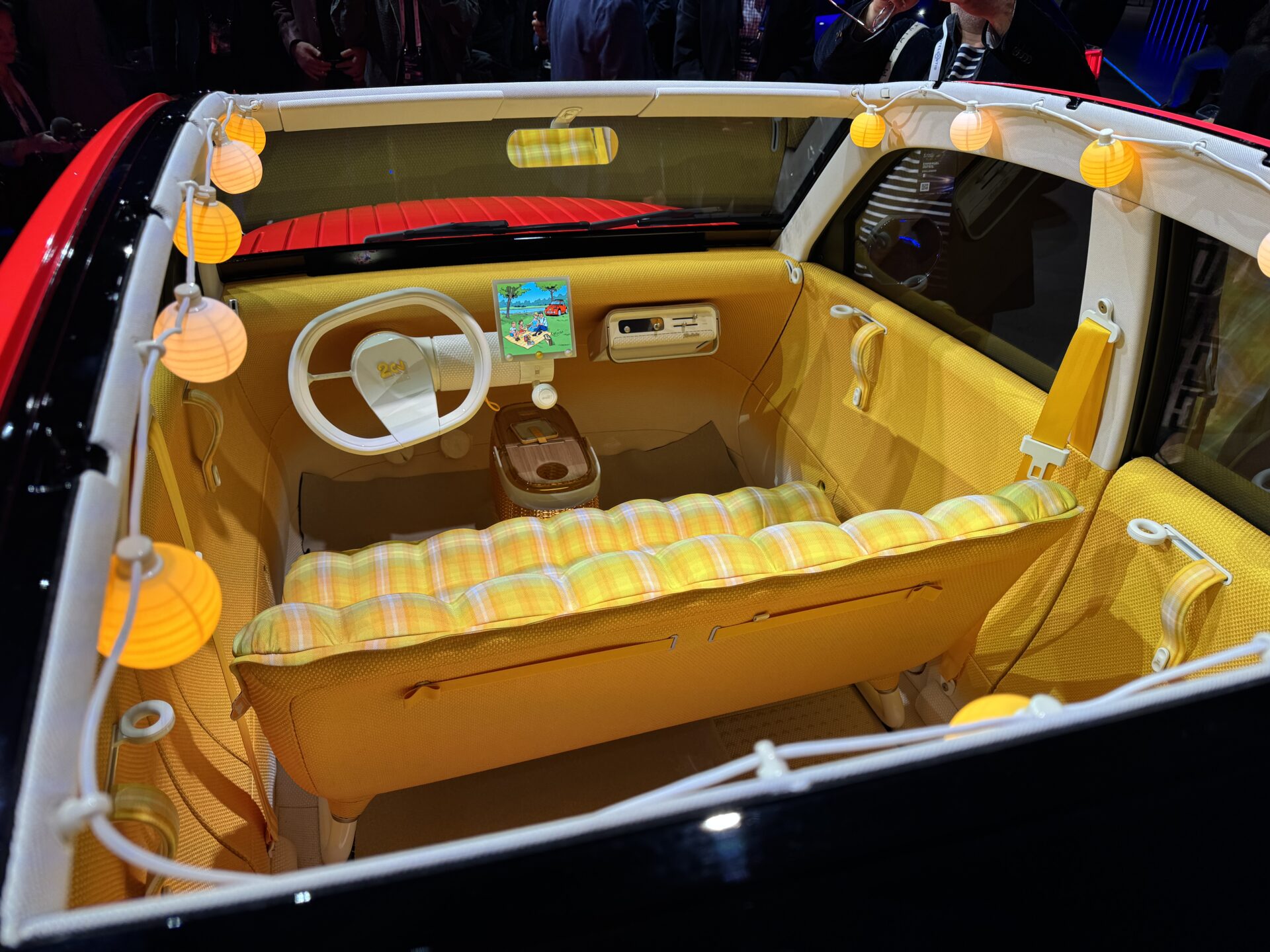
These concepts are not all equally close to the factory, and Gilles Vidal, design director for enlarged Europe, makes no secret of it. “Some of them, like the 2 CV, are very close to reality, almost ready for production,” he explains, before adding that the production model “will be even better looking than the concept car”. At 3.76m long, around ten centimetres shorter than the original, this 2 CV is aiming for a kerb weight of one tonne. Roll-back fabric roof, removable front bench, square eight-inch screen, 18-inch steel wheels, door bins sized for eggs, the nods to the past come thick and fast. What matters lies elsewhere. The definitive model arrives in 2028, built in Europe, with a target entry price of around €15,000, and it will have to meet the forthcoming European E-Car regulation intended to create a category of affordable small electric cars. It will slot in between the Ami and the C3. “Reinventing the 2 CV does not mean reproducing a car from the past, it means reinventing what made it unique,” says Xavier Chardon, chief executive of Citroën.
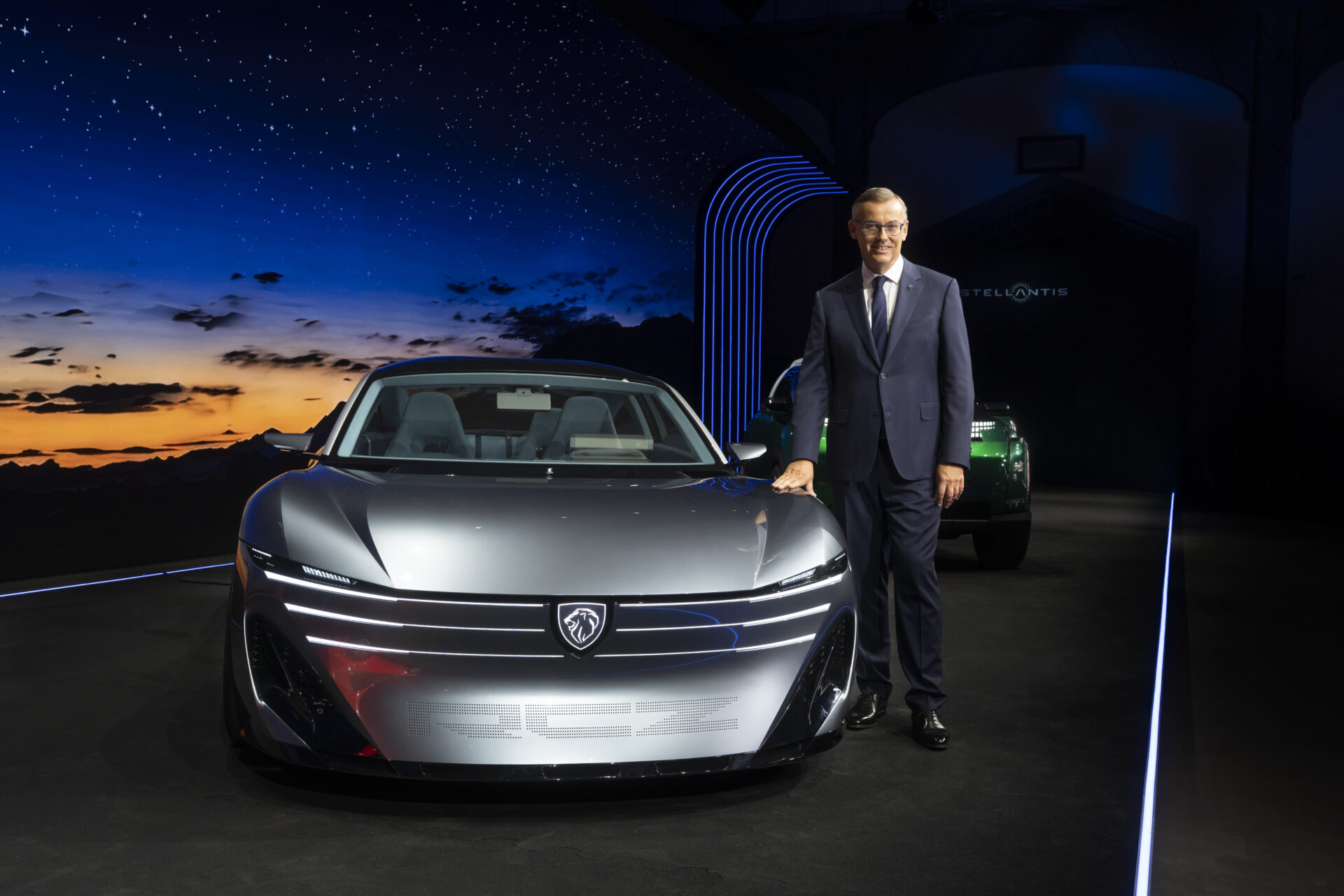
Peugeot RCZ Vision, the technology showcase
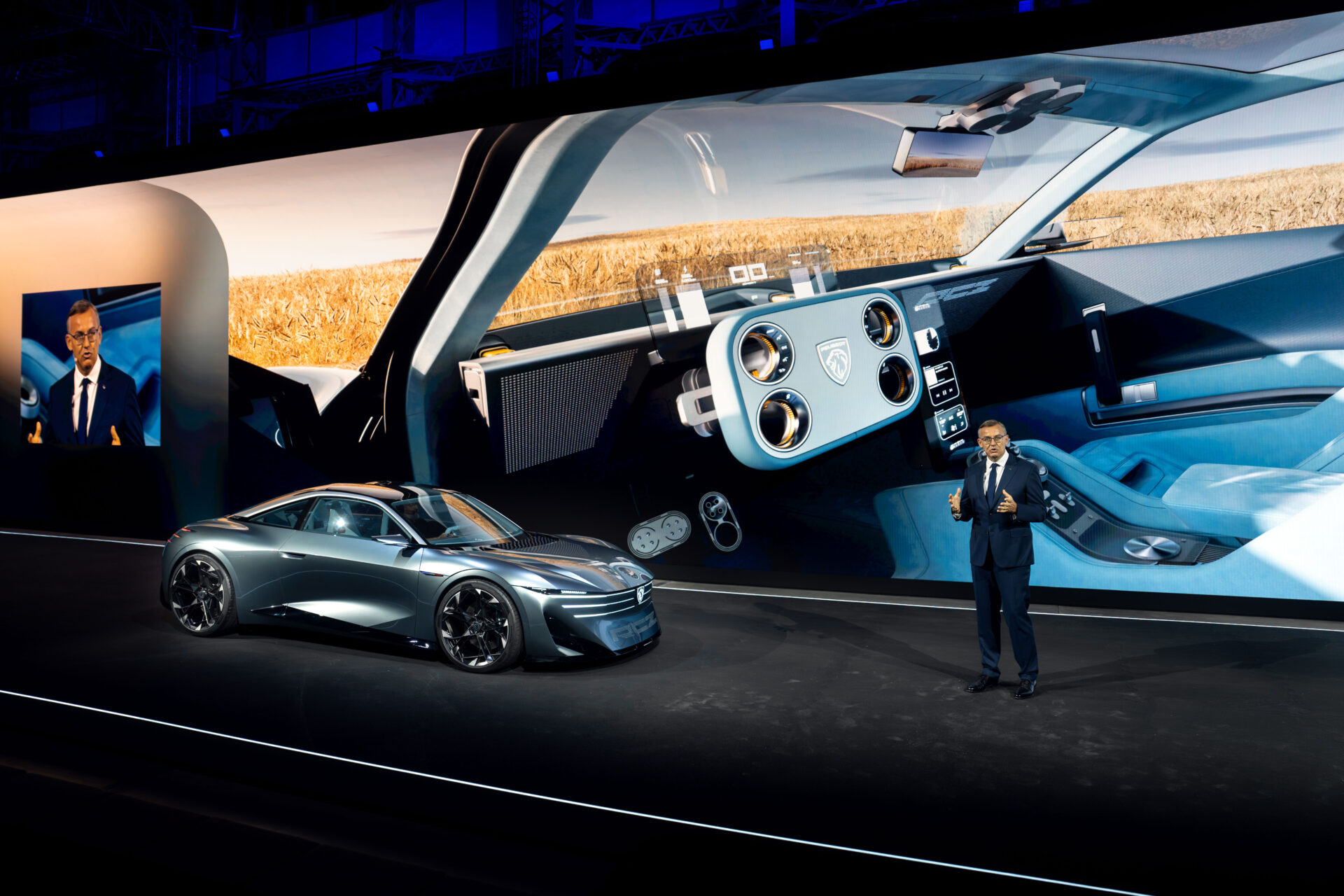
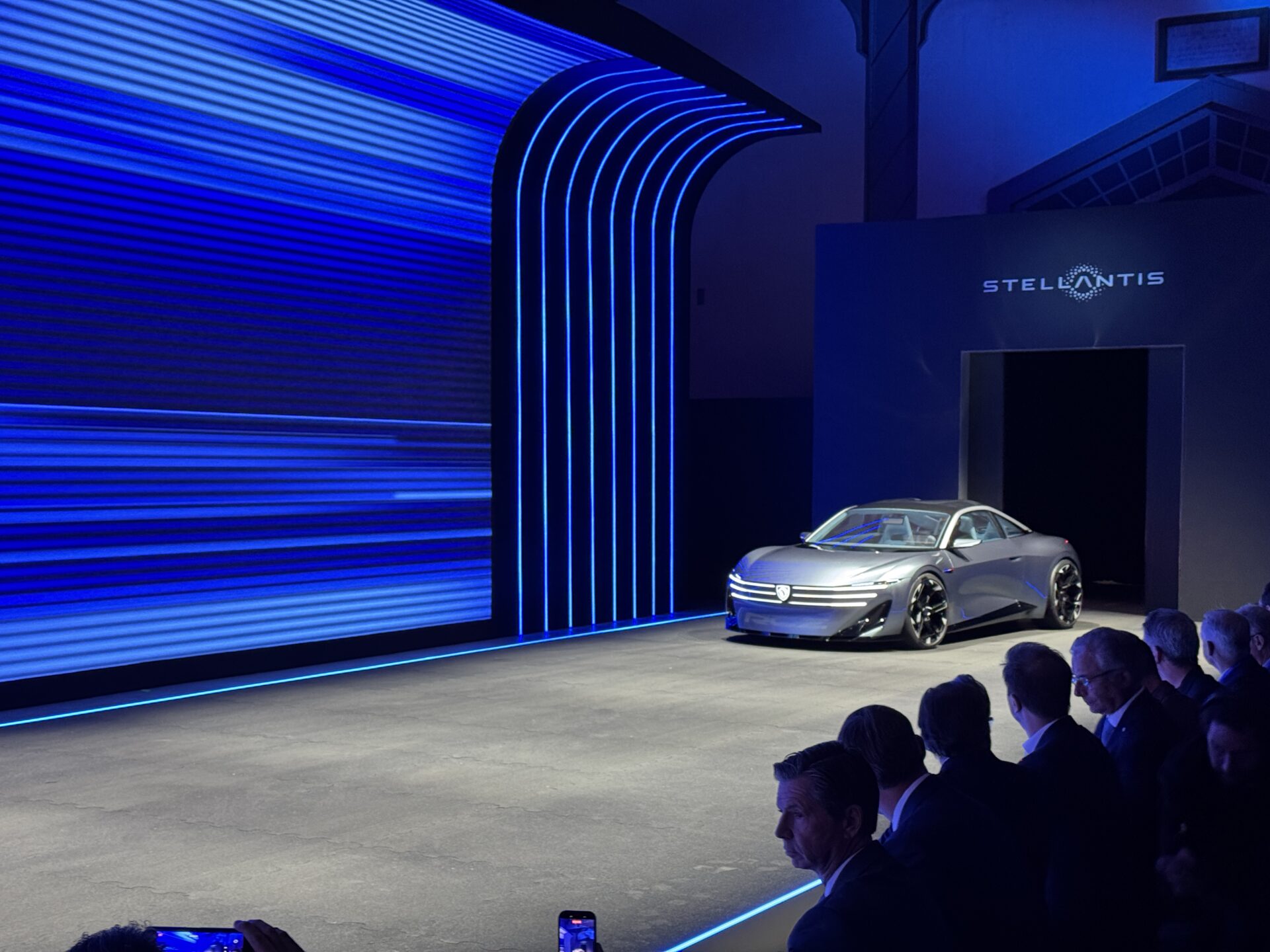
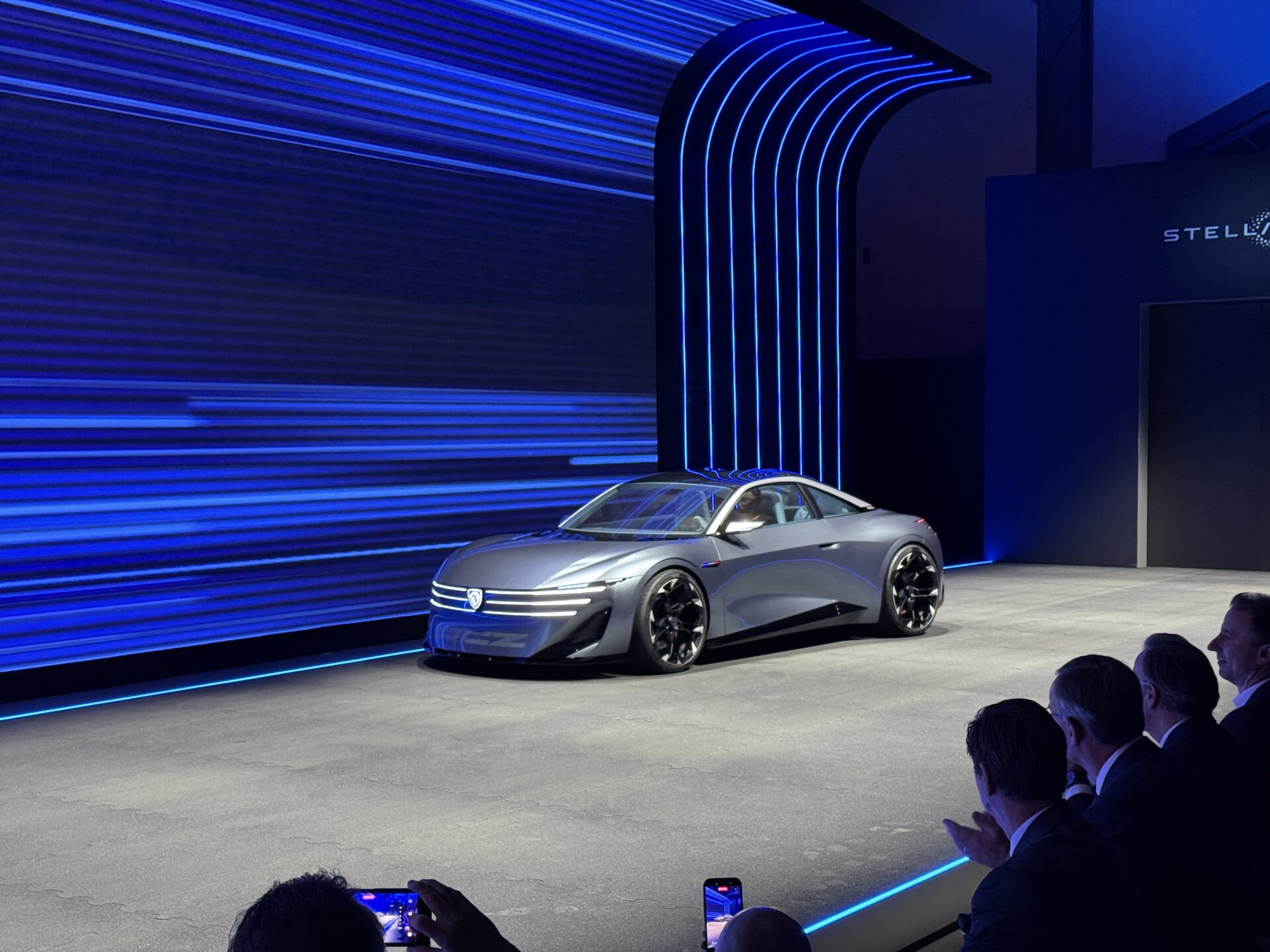
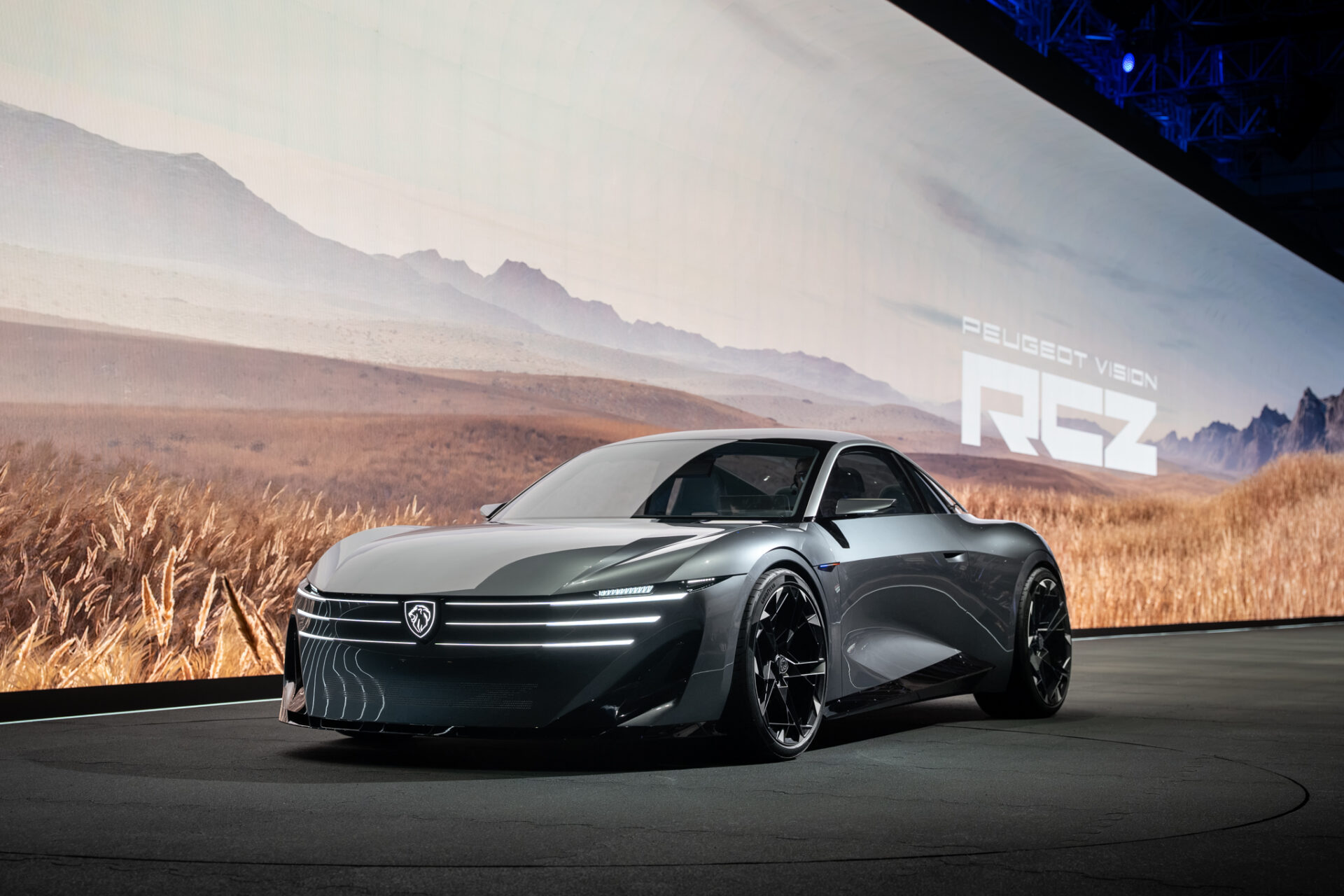
Heir to the RCZ coupé sold between 2009 and 2015, the concept from the lion brand serves above all as a carrier for the technology Peugeot is preparing. It sits on the STLA One platform and introduces a solid-state battery just 110mm thick, developed with Factorial Energy and paired with a 1,000V architecture. Peugeot quotes 500hp, 600km of range, consumption of 11.5kWh/100km and a 10 to 80 per cent charge in ten minutes. Steering and braking are controlled entirely electronically, a first for the brand on braking, with a ratio that varies with speed. Inside, the i-Cockpit swaps conventional panels for transparent MicroLED screens that the driver can switch off to clear the field of vision completely. One concrete detail for buyers, the Hypersquare steering wheel shown here is the production version that will equip the next generation of e-208. “Design and technology can come together harmoniously to create an instinctive, refined and intensely desirable experience,” argues Alain Favey, chief executive of Peugeot.
DS F3VER, the styling laboratory
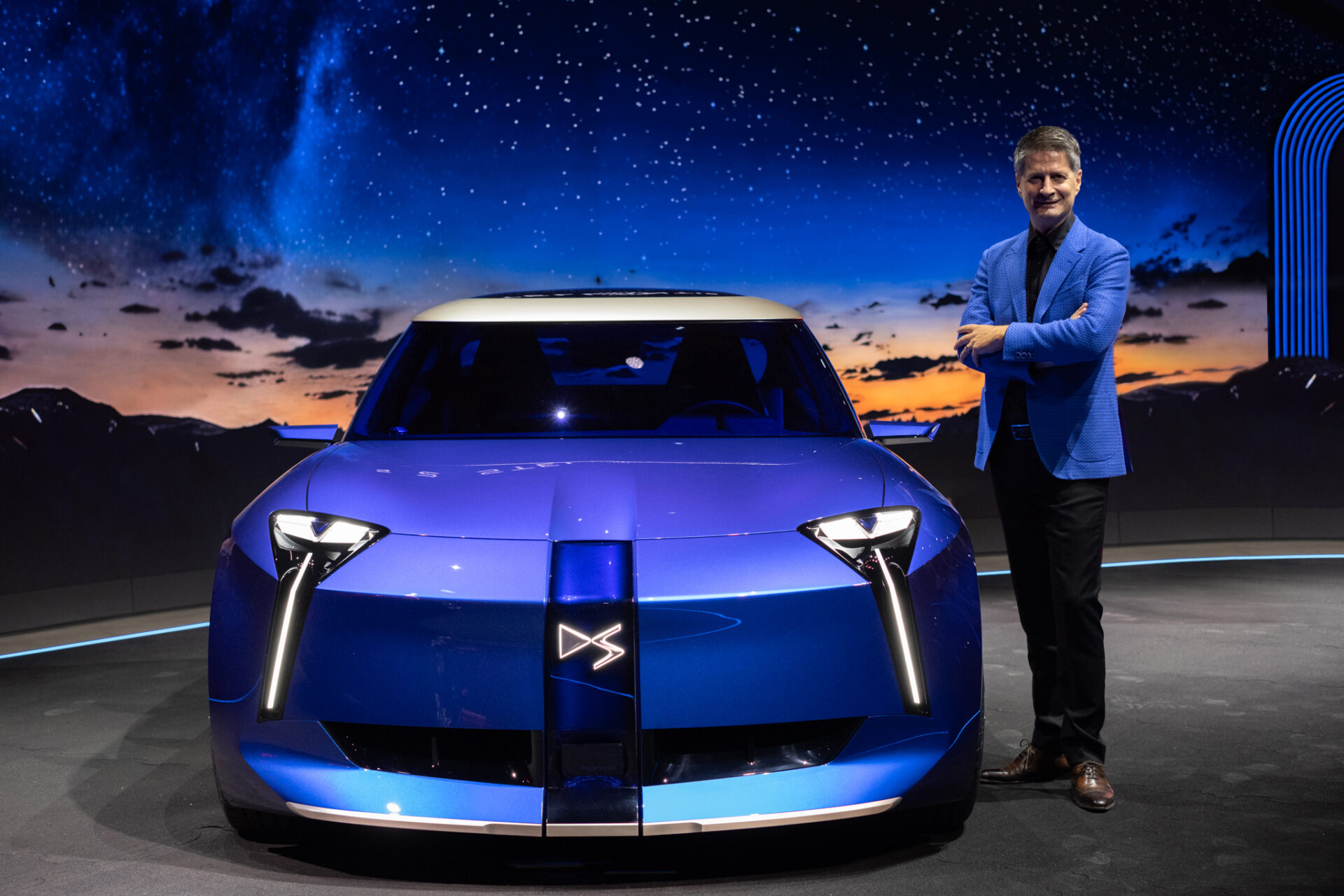
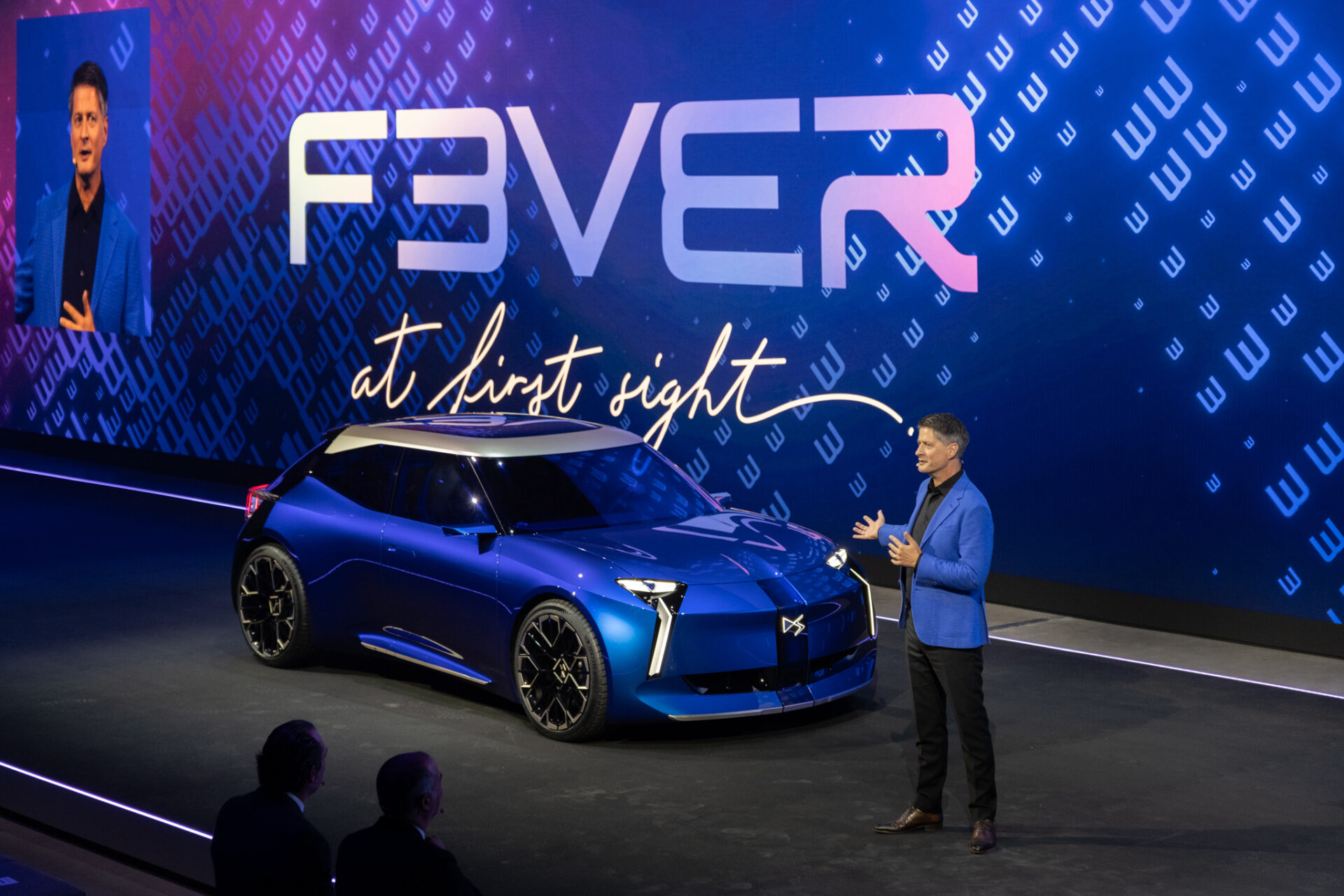
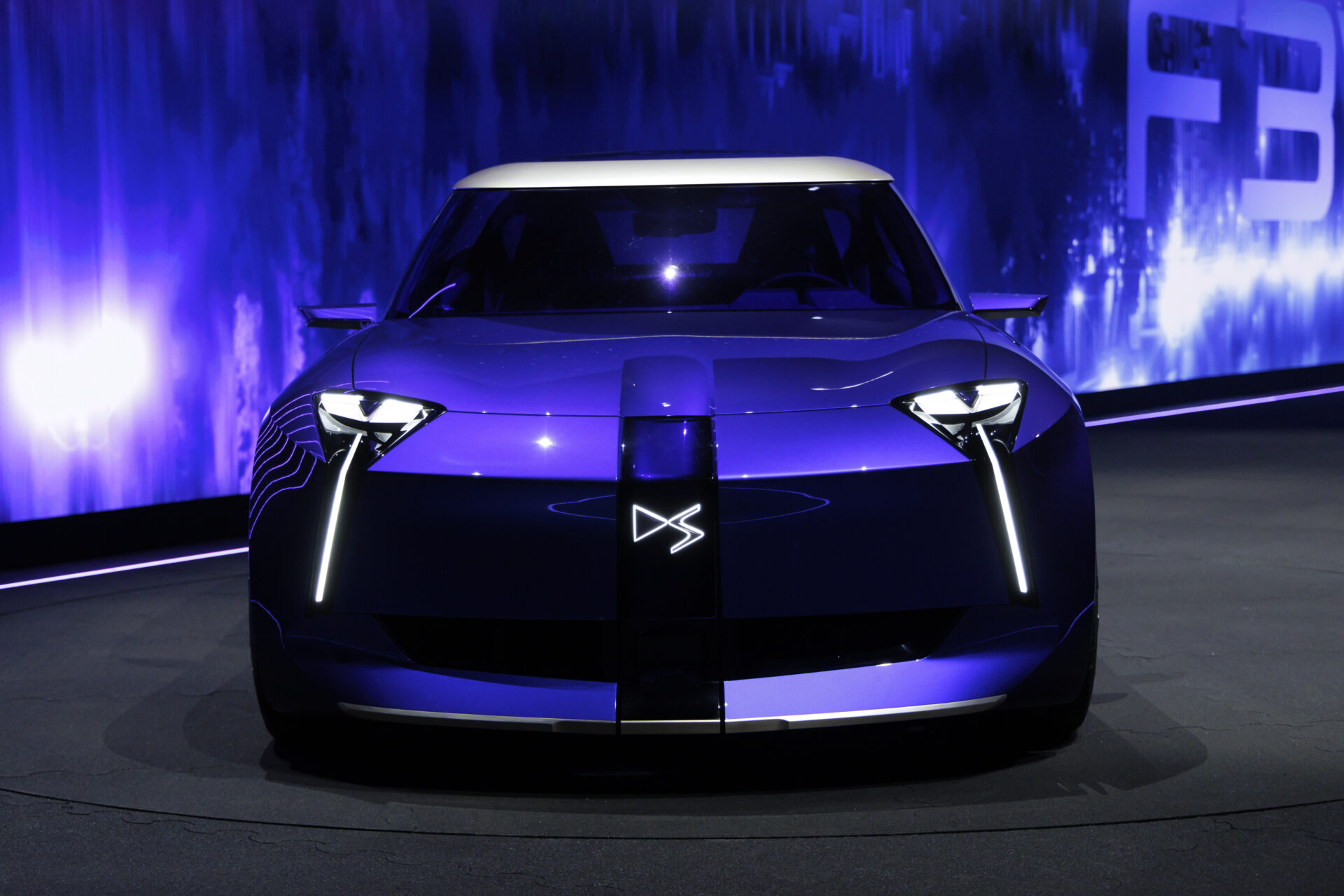
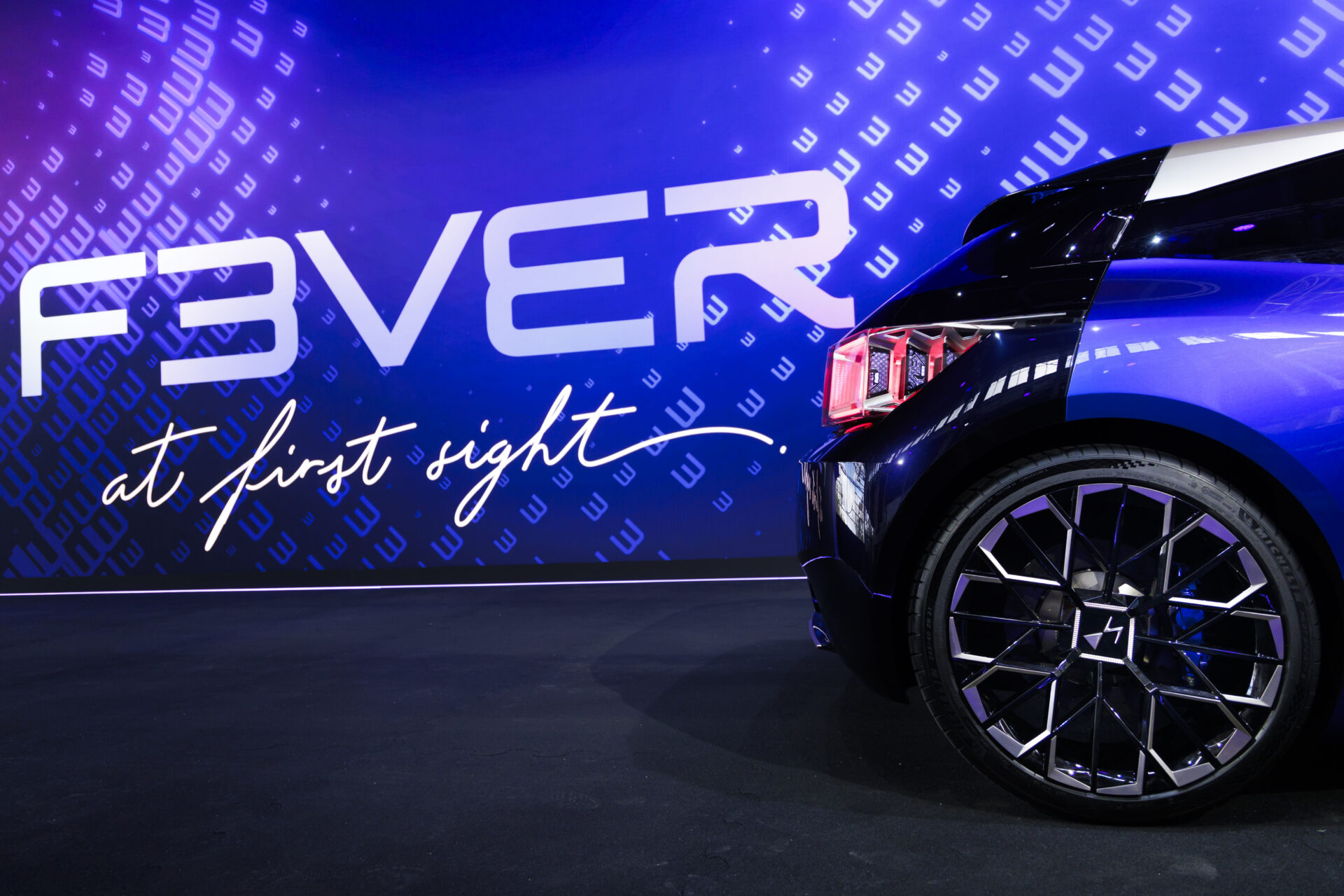
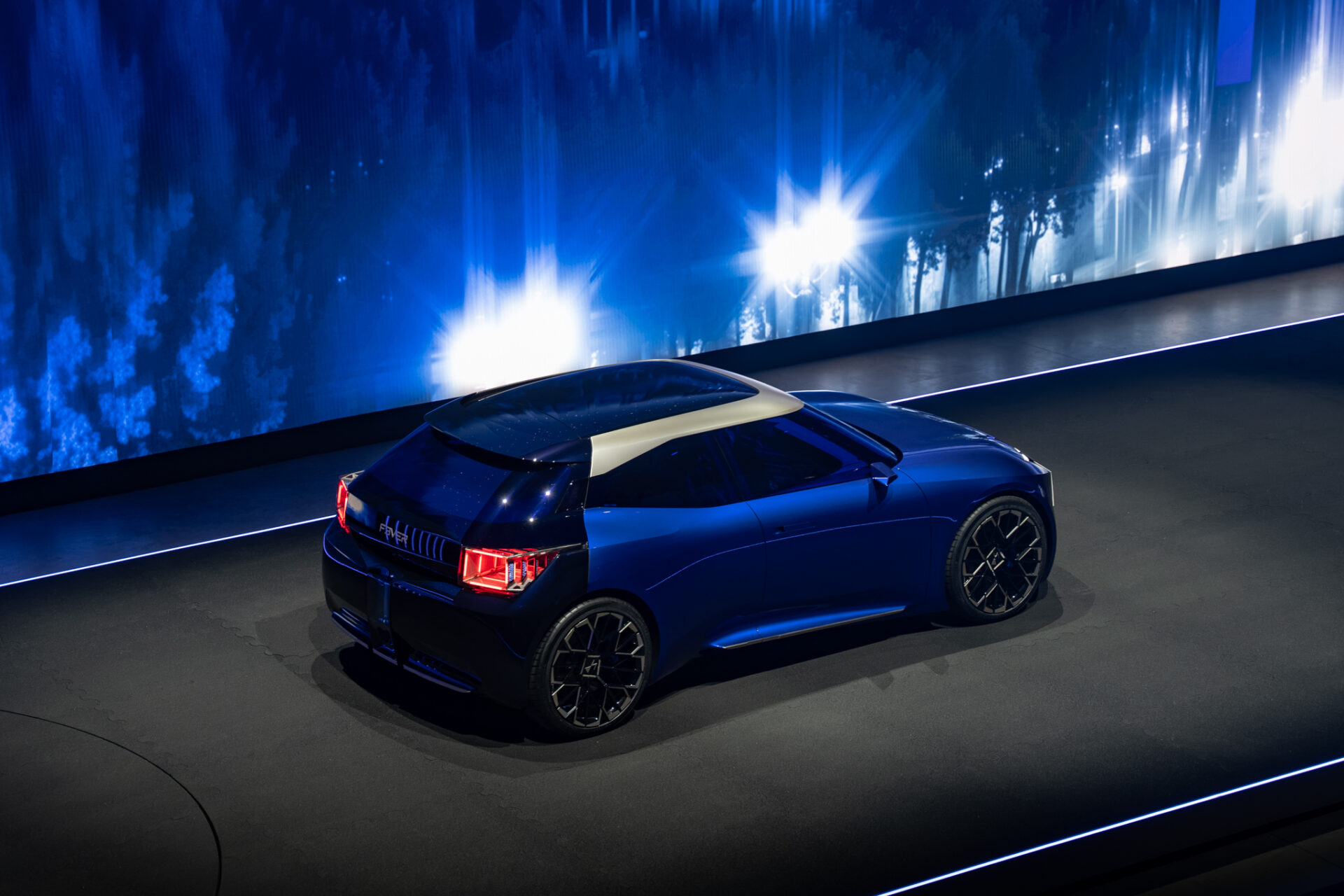
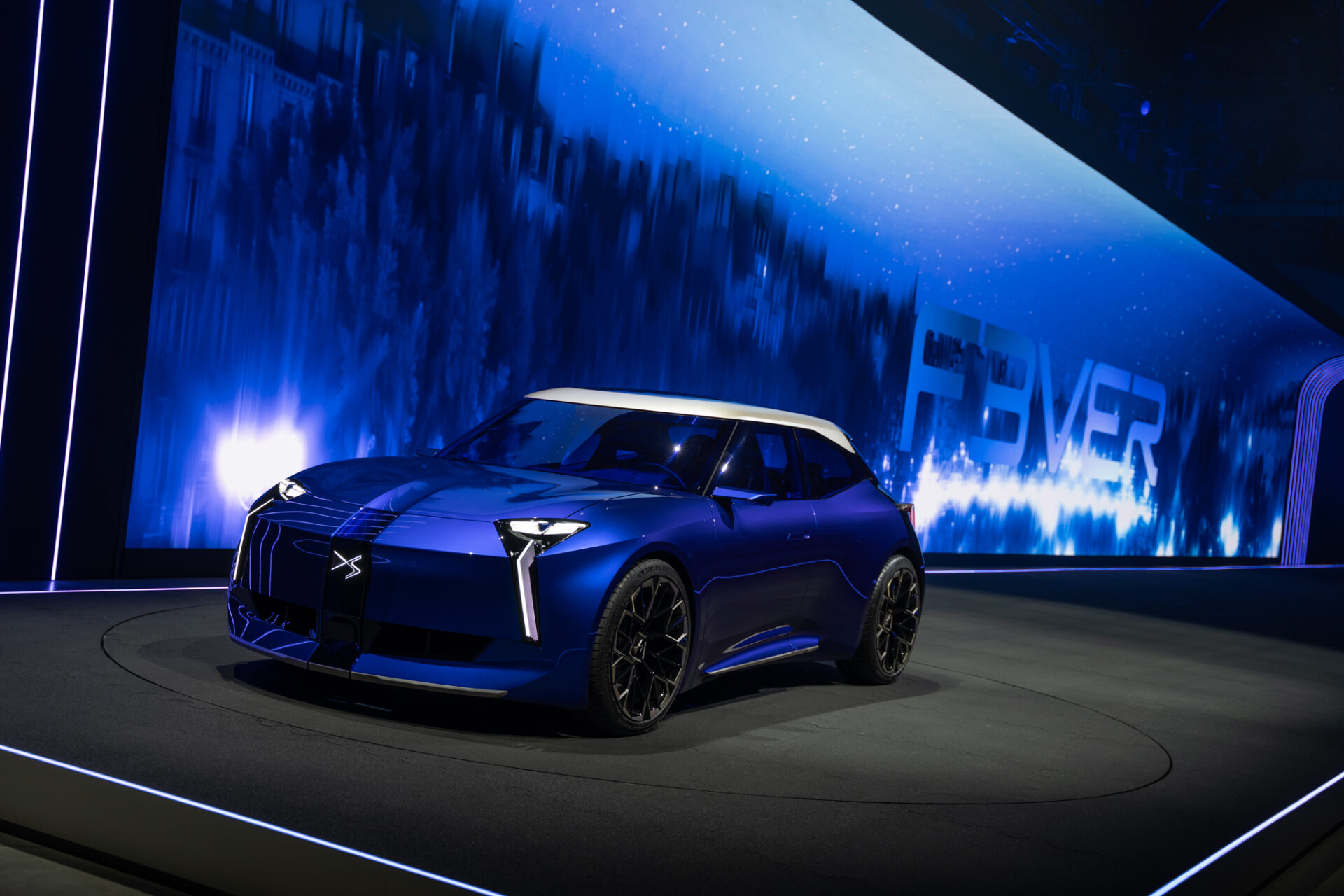
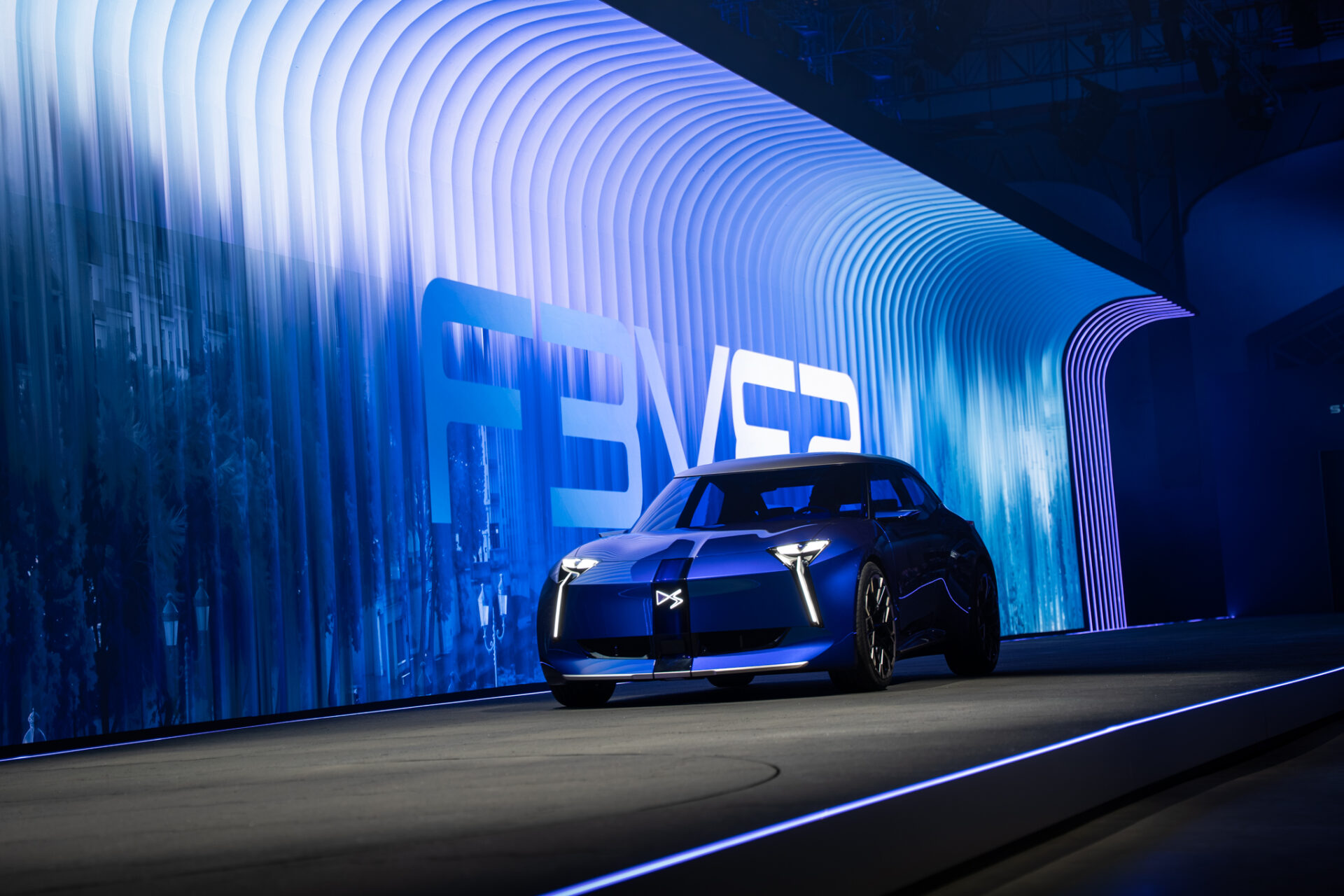
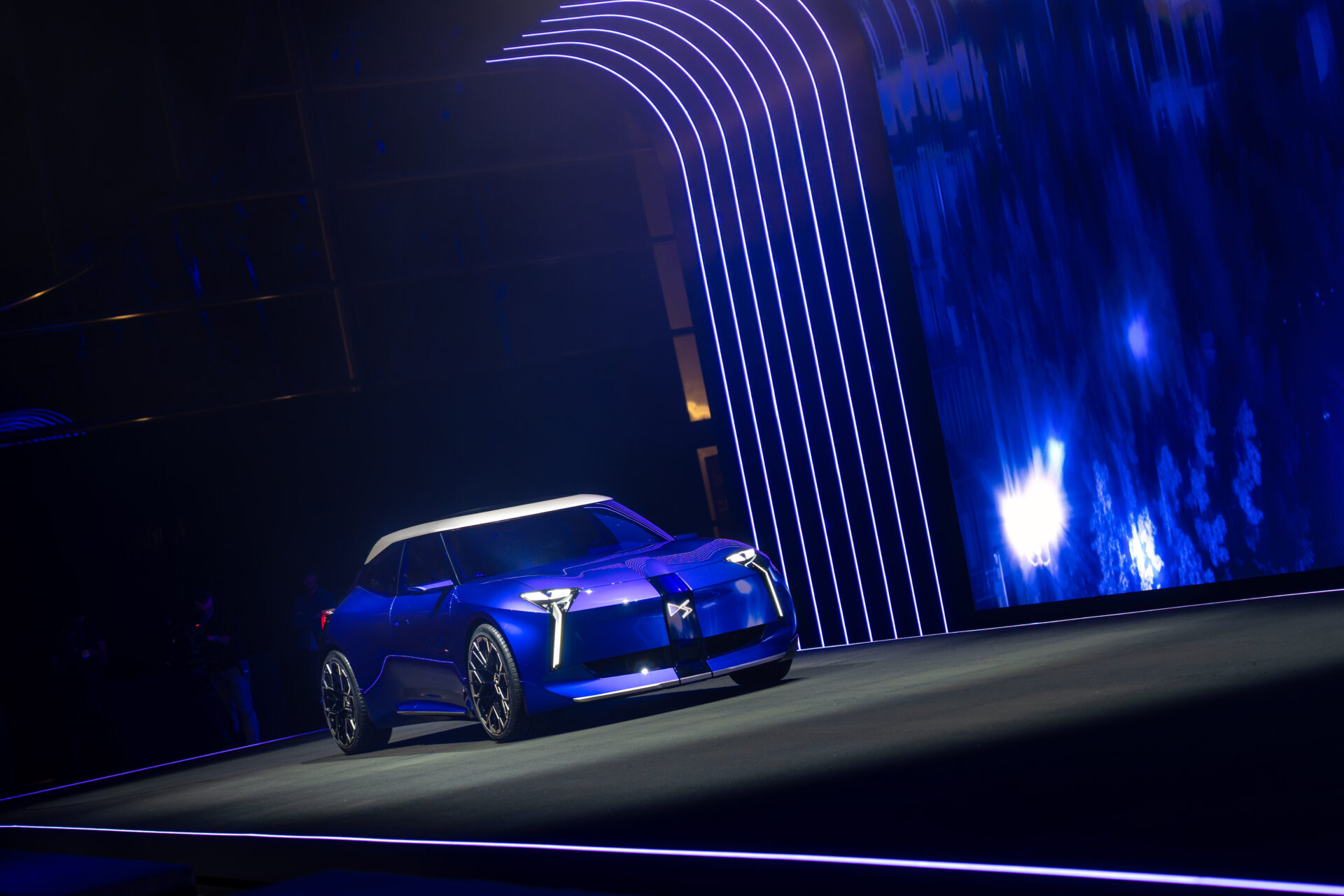
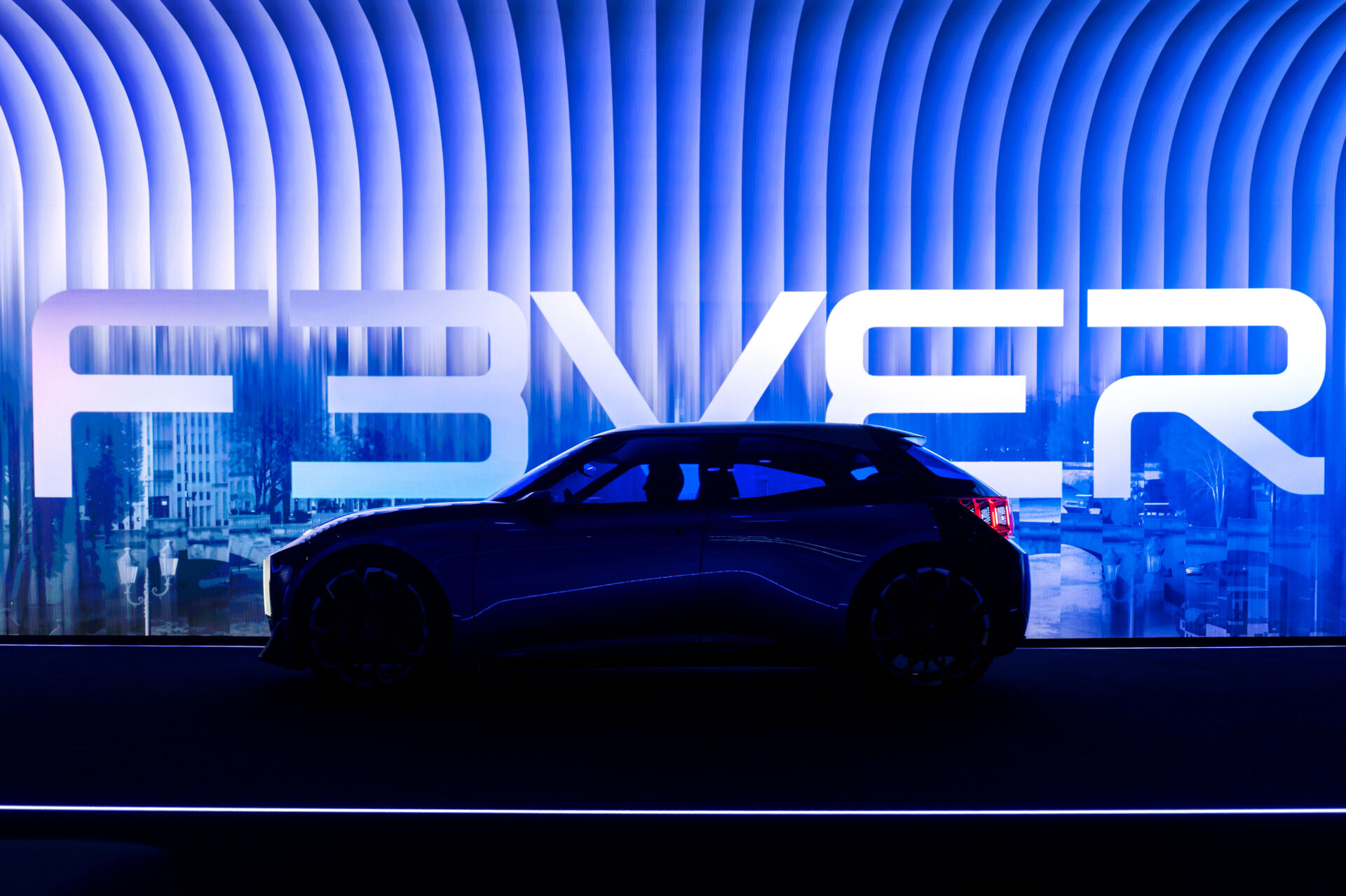
Measuring 4.19m long and 1.84m wide, the DS Automobiles concept conceals a 2.70m wheelbase and a 400-litre boot, figures from the class above. Produced entirely in house, it acts as a styling manifesto for the brand. “With F3VER, we wanted to push three of the pillars of DS Automobiles further still, desirability, personalisation and freedom. The result is a concept that refuses to fit into conventional categories,” explains Xavier Chardon, chief executive of DS Automobiles, who also heads Citroën. The front is built around a vertical totem carrying the emblem, extended by a Y-shaped light signature. The rear follows the same logic with 16 LED panels held by a magnesium structure inspired by the vault of the Grand Palais. To that are added a Bleu Cosmique dichroic paint that shifts from blue to purple depending on the light, and a customisable roof ring. Behind the styling exercise lies a working method called “Design Intelligence”. “It aims to reduce the number of components, which simplifies and speeds up development while strengthening perceived quality and the purity of the lines,” explains Thierry Metroz, design director. One-piece bumpers and the disappearance of add-on plastic trim are its first results.
Fiat Multiplay, three cars in one
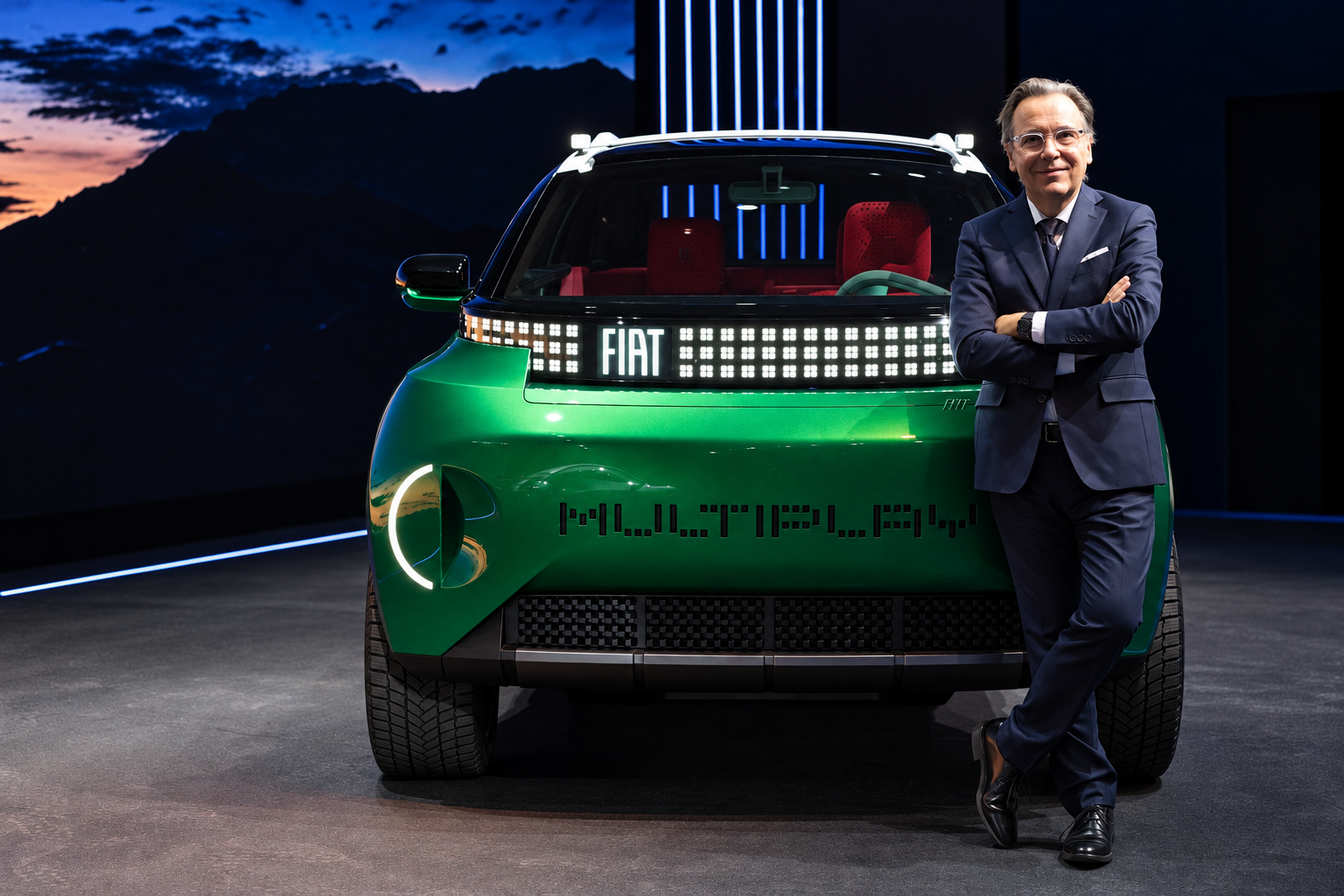
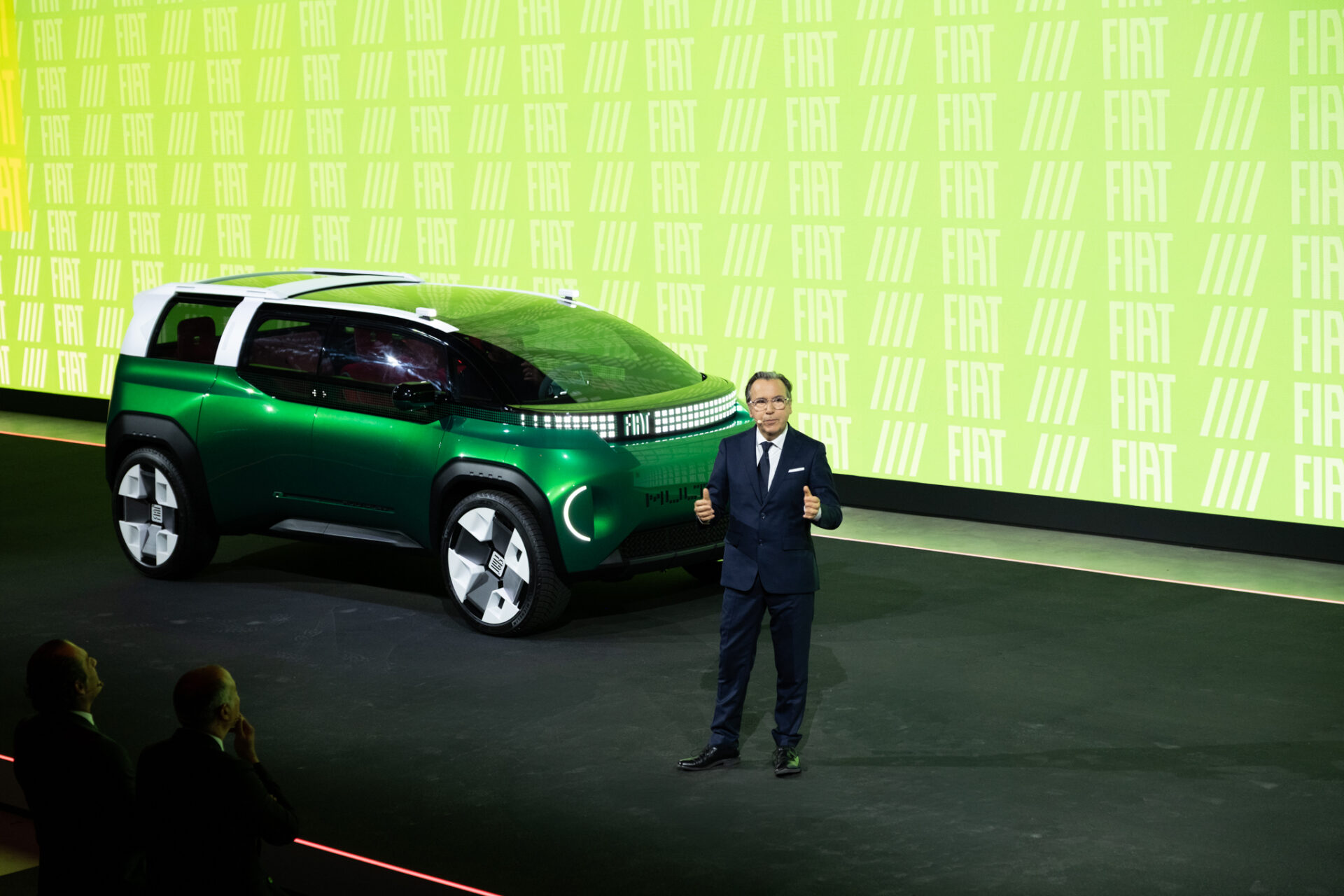
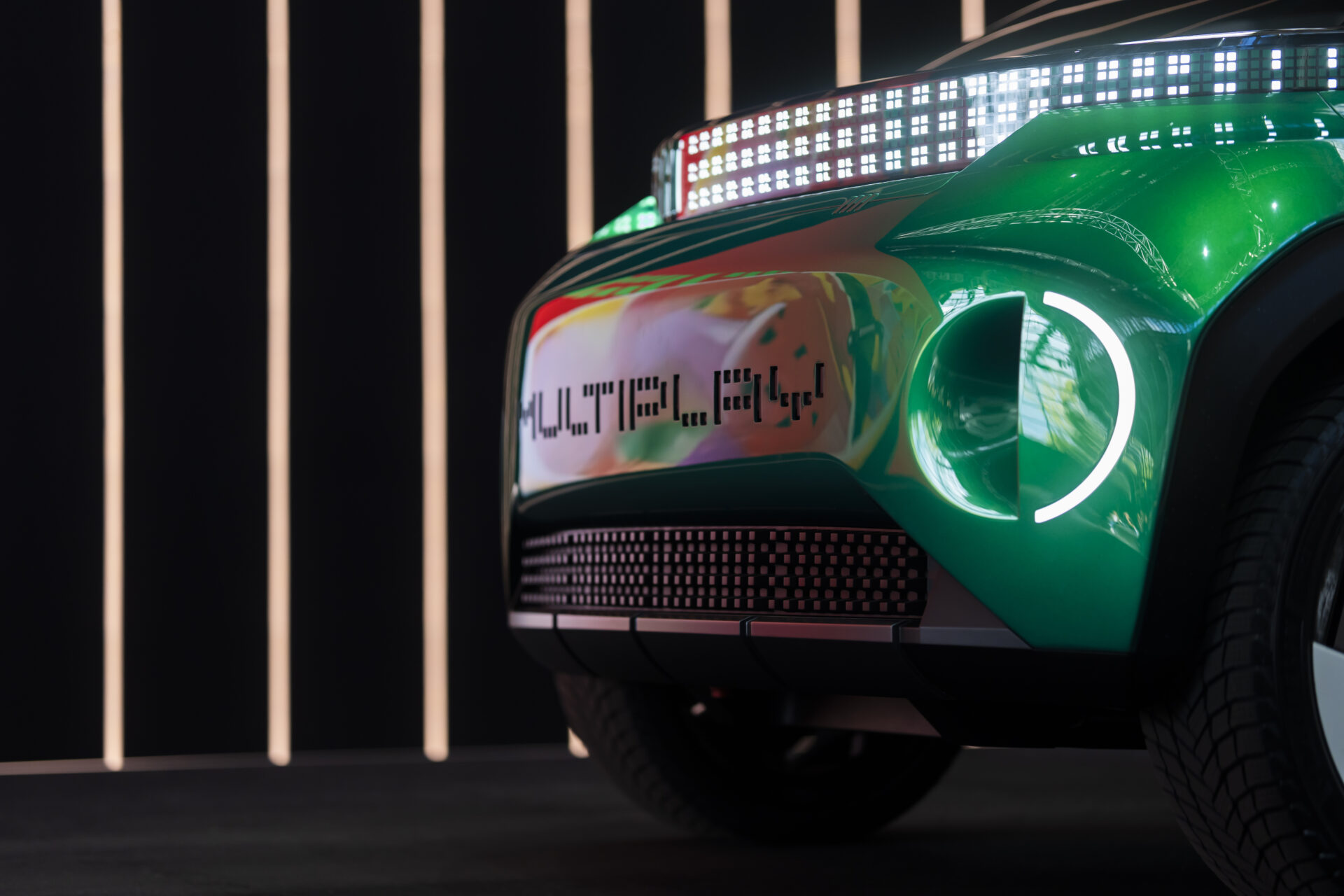
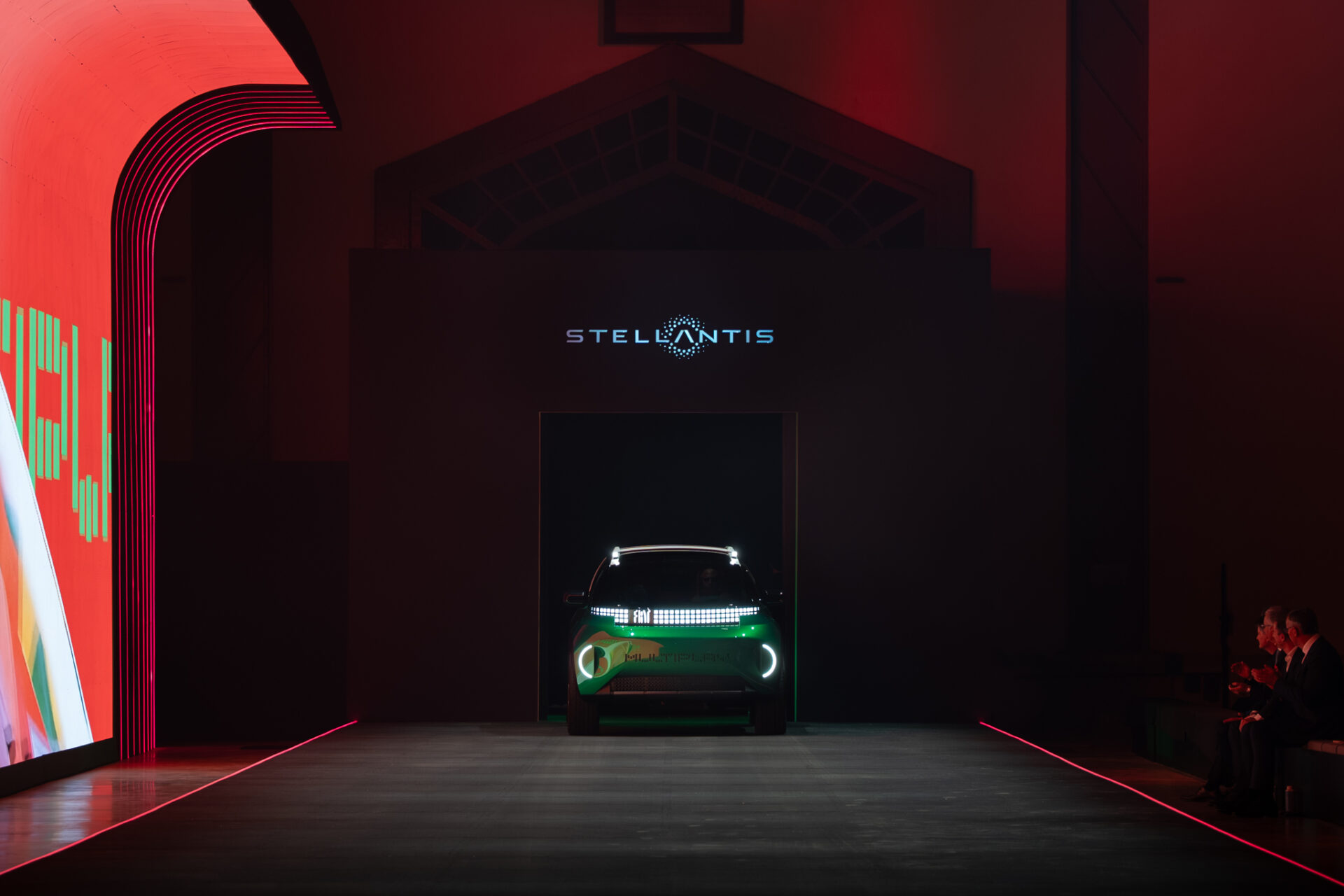
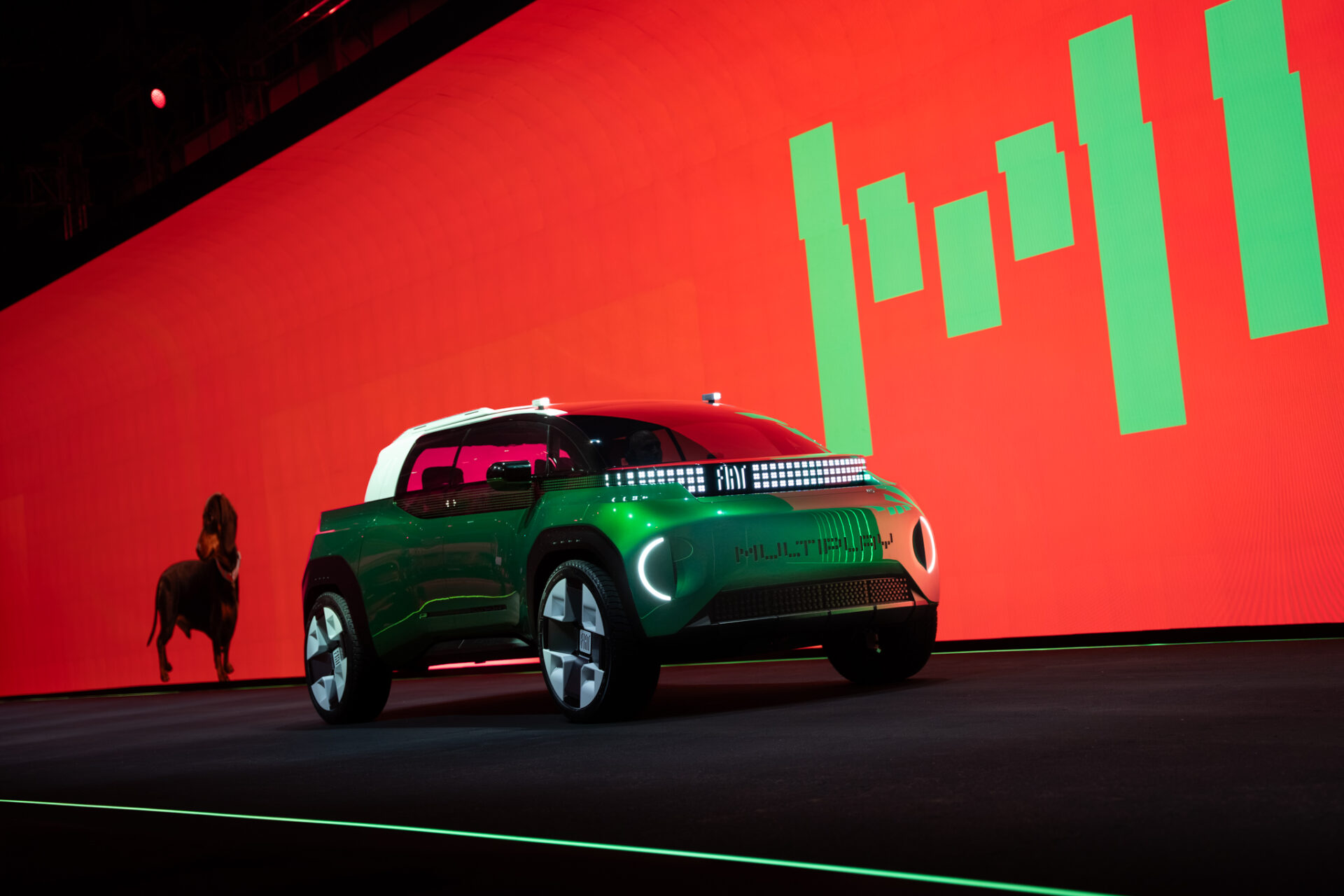
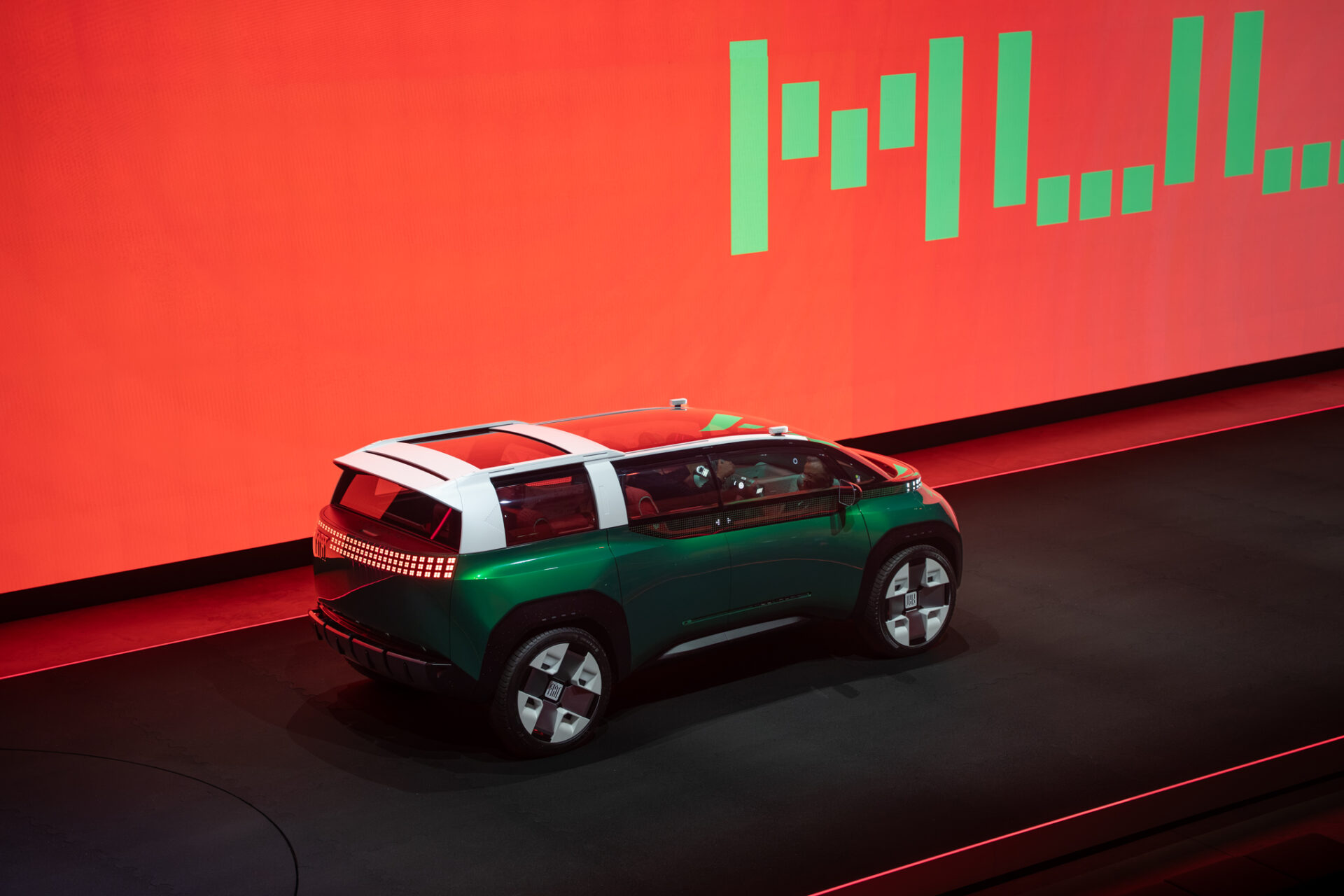
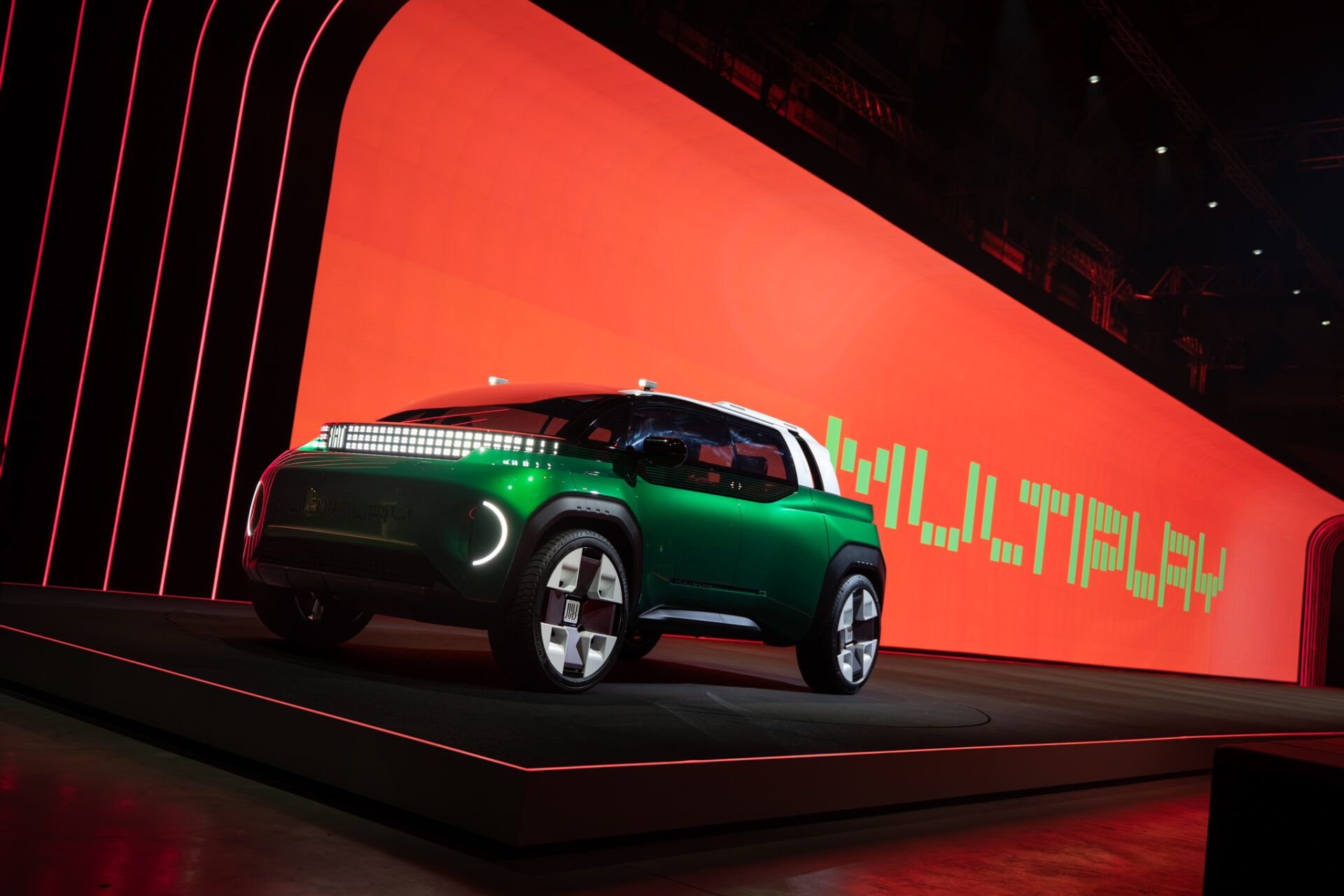
At 4.45m, the Italian concept claims descent from the 600 Multipla of 1956 and the Multipla of 1998, two models that rethought the relationship between external footprint and interior space. Its C-pillar architecture, named “Metamorfosi”, allows the rear module to slide along rails, turning a six-seat family car into a four-seat pick-up with an open bed in a few movements. The spoiler pivots to become a bike carrier. Inside, the “Petsenger” seat serves in turn as a child-seat mount, a space for an animal, a table or a storage bin, with a folding bowl housed in the door. The front passenger seat rotates into a lounger beneath the panoramic roof. Fiat points out that this laboratory of ideas does not preview any specific production model. “Families’ needs are changing, and this concept lets us explore solutions that adapt to those changes,” comments Arnaud Belloni, the brand’s new boss.
Alfa Romeo Cuorerosso, the manifesto
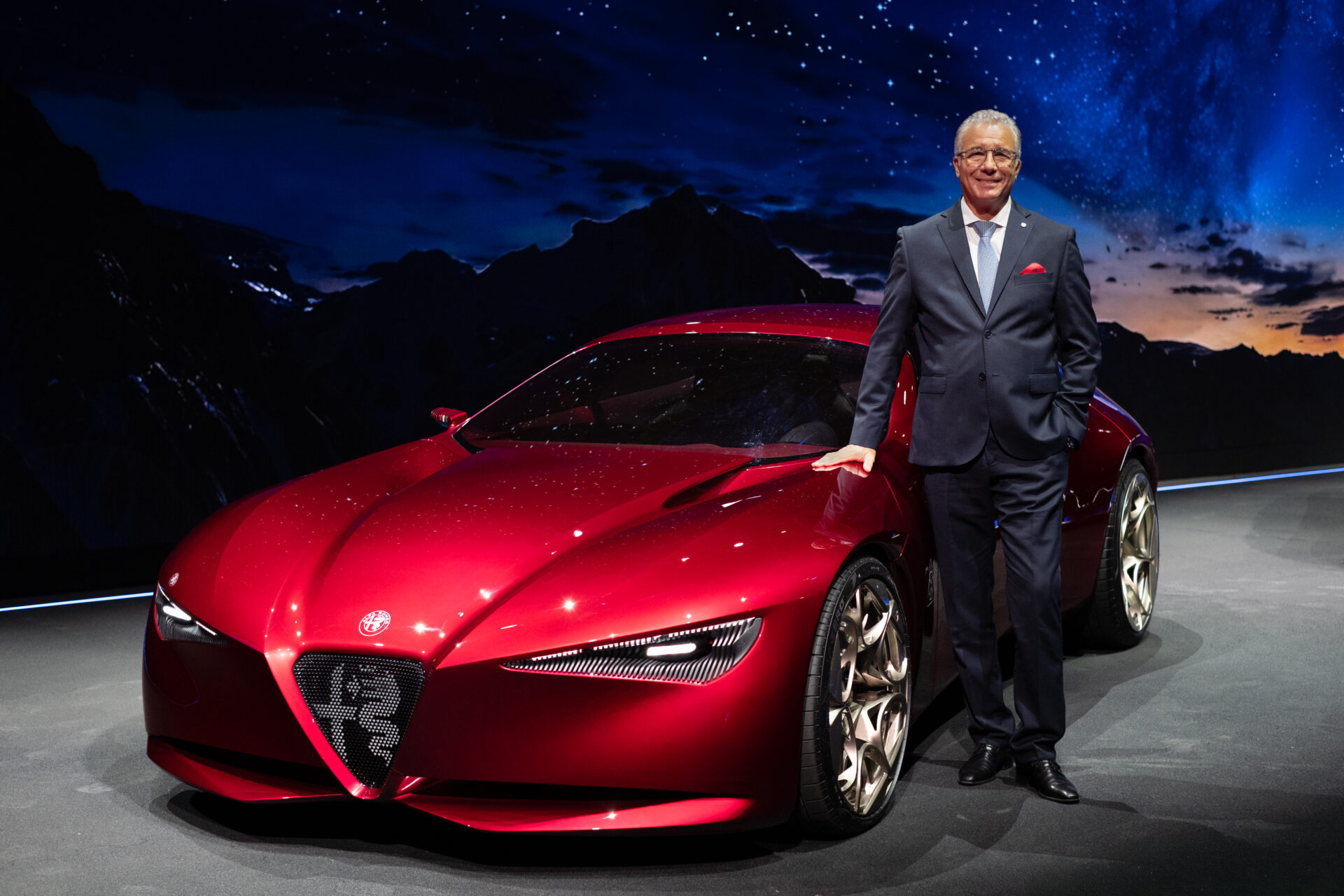
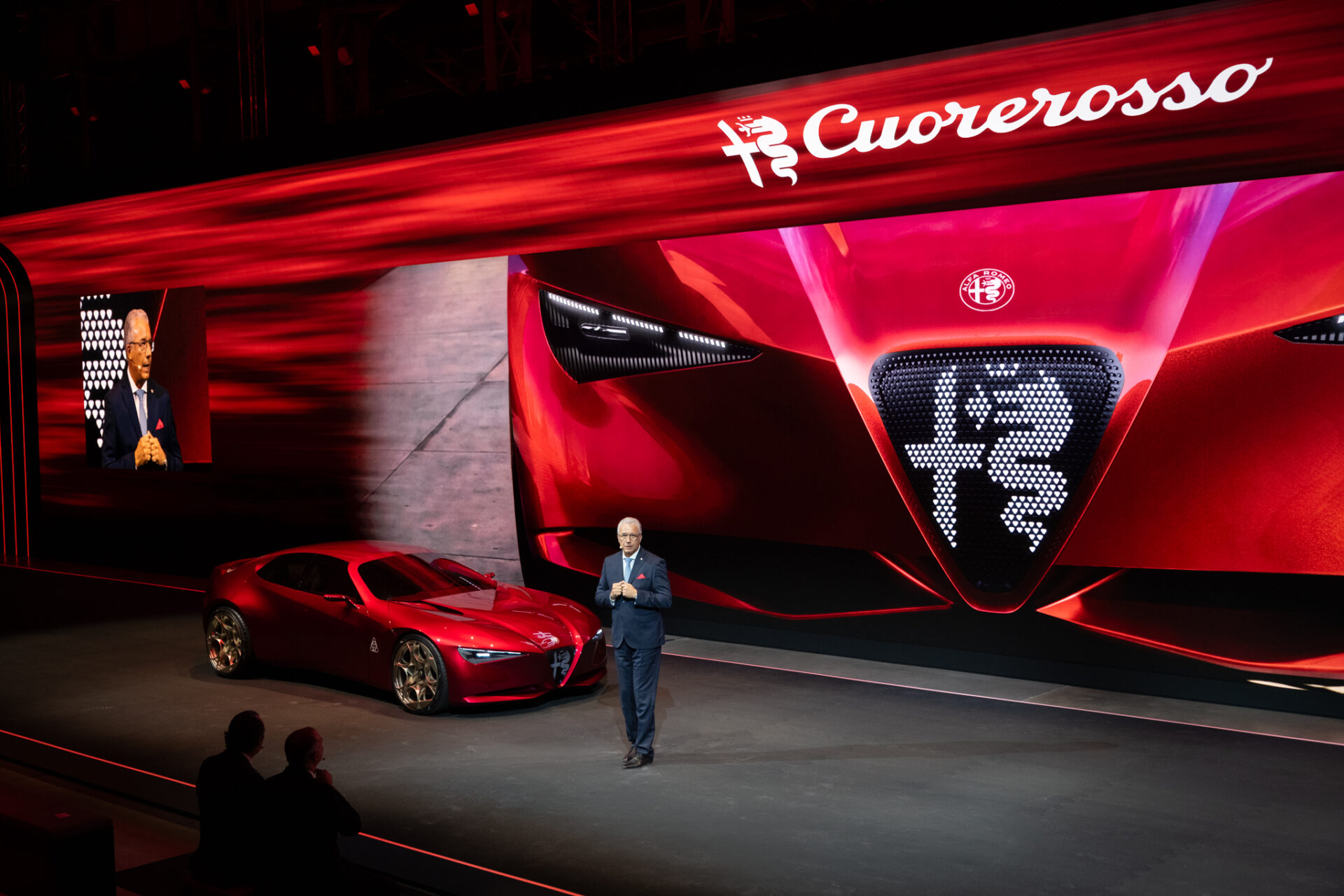
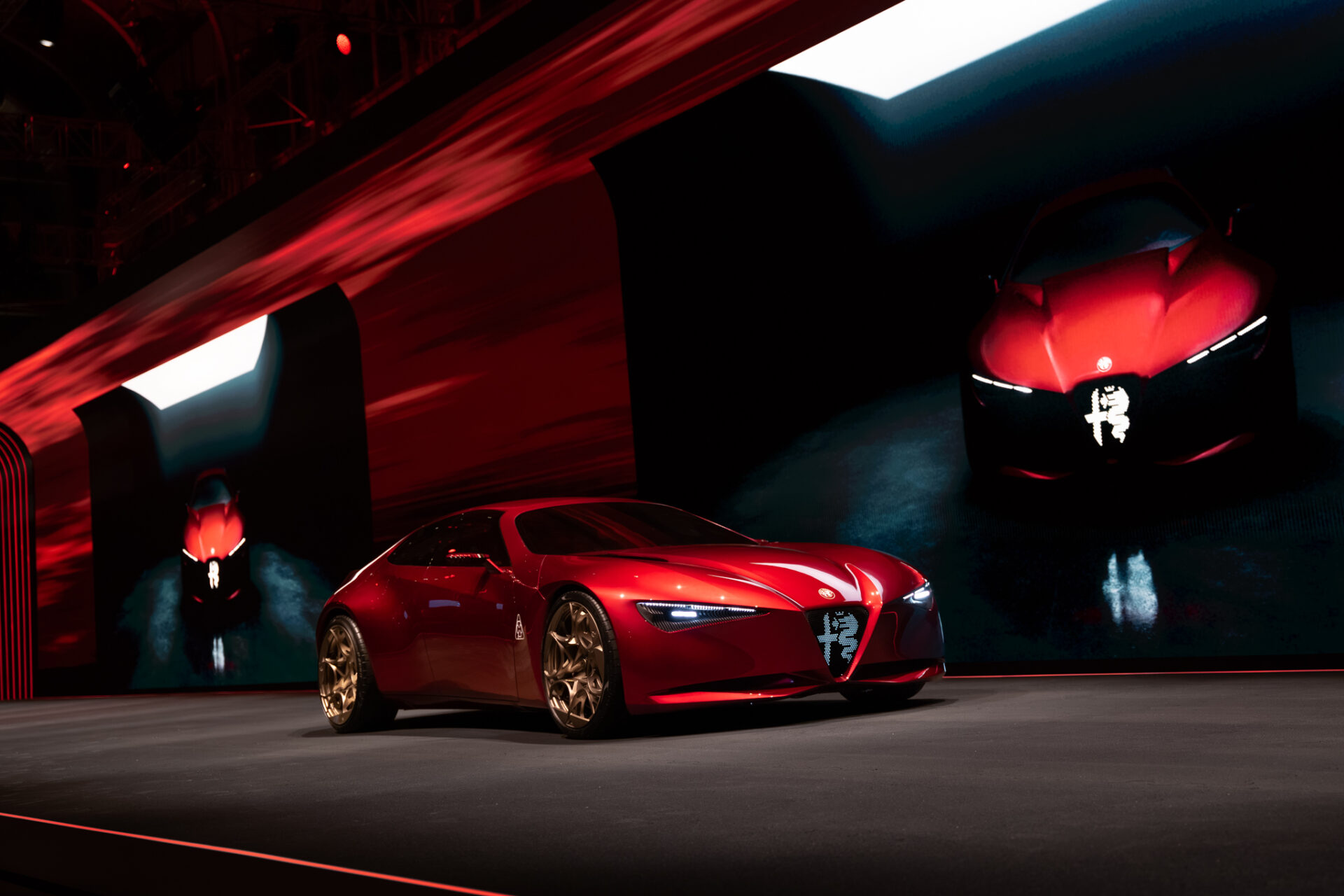
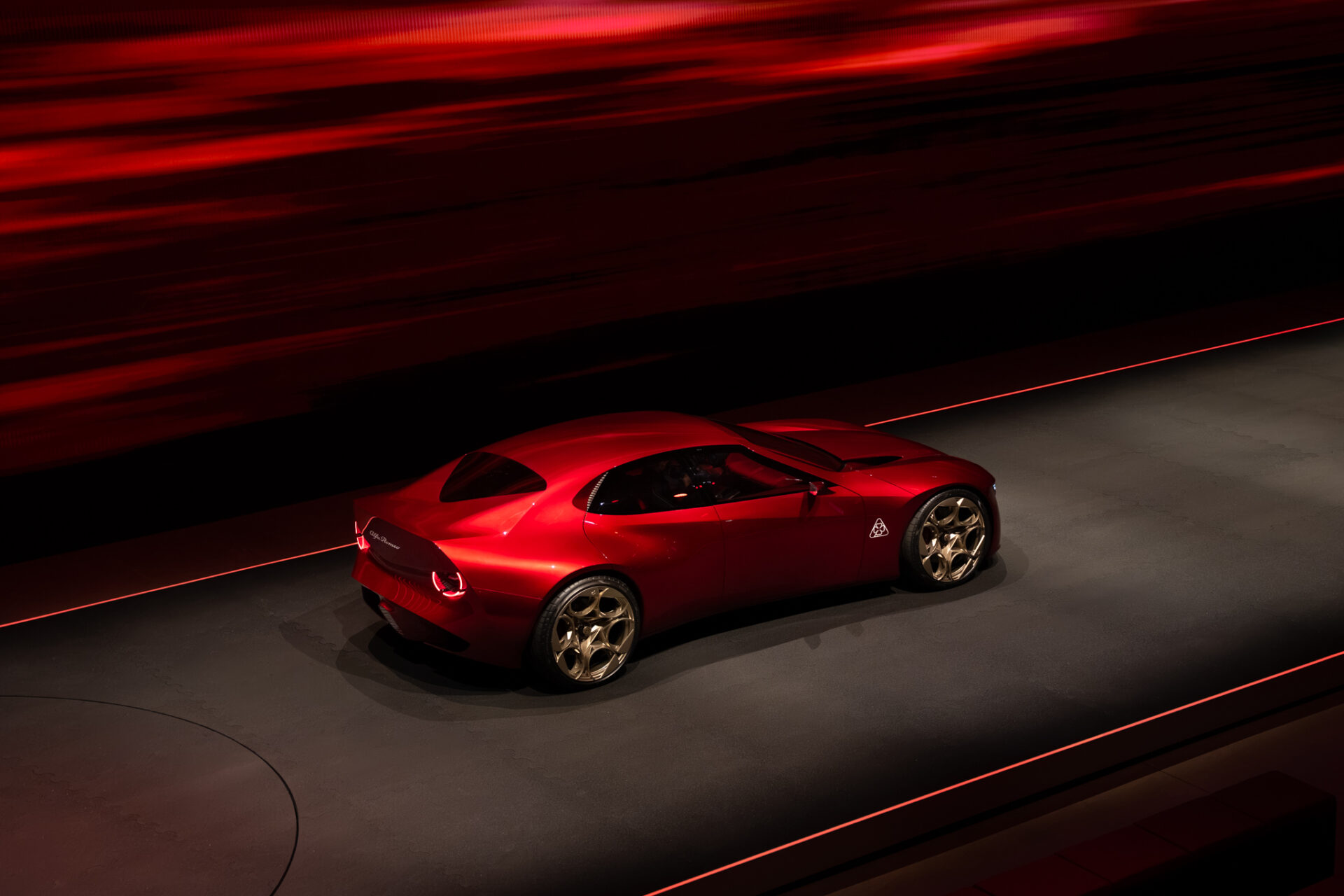
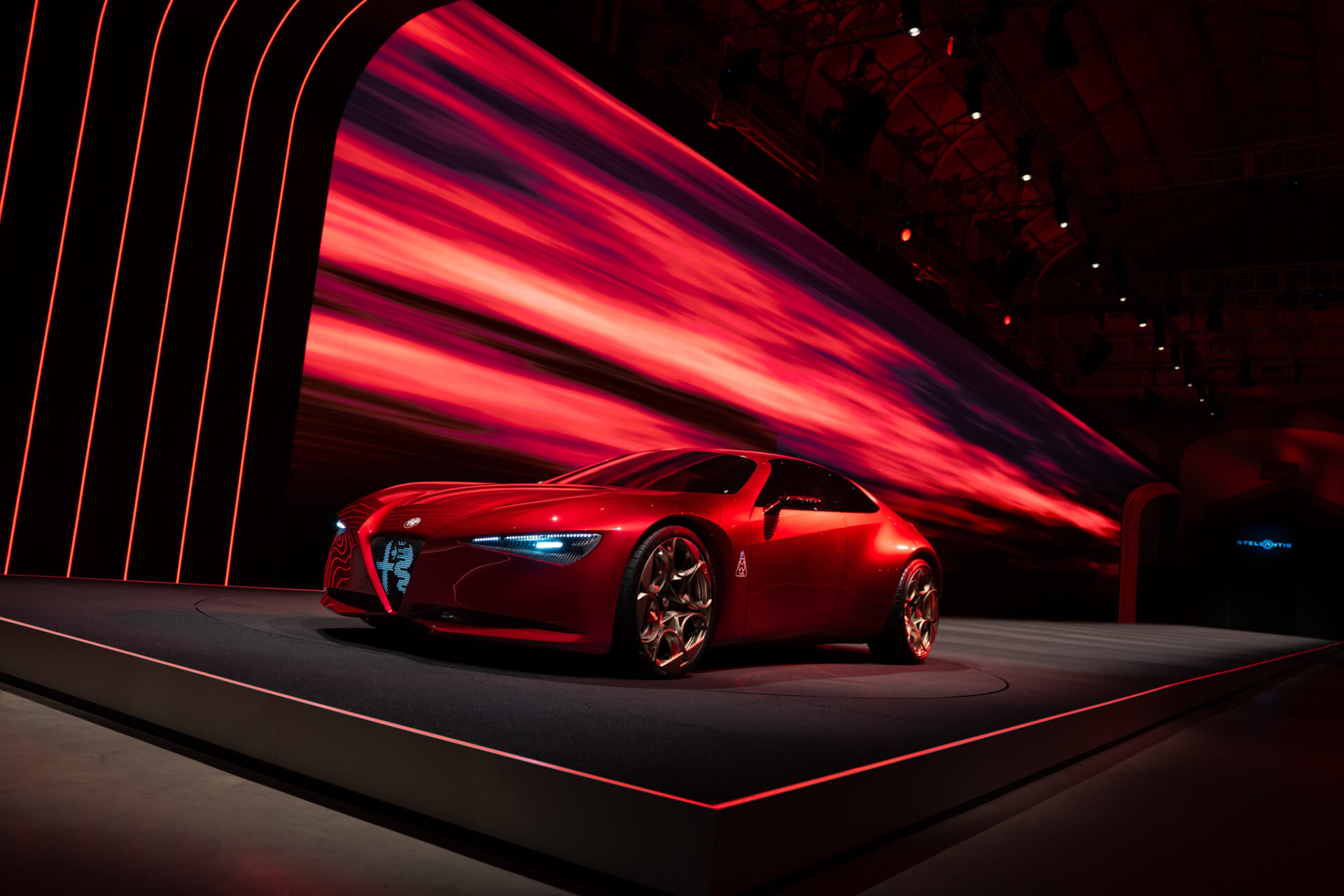
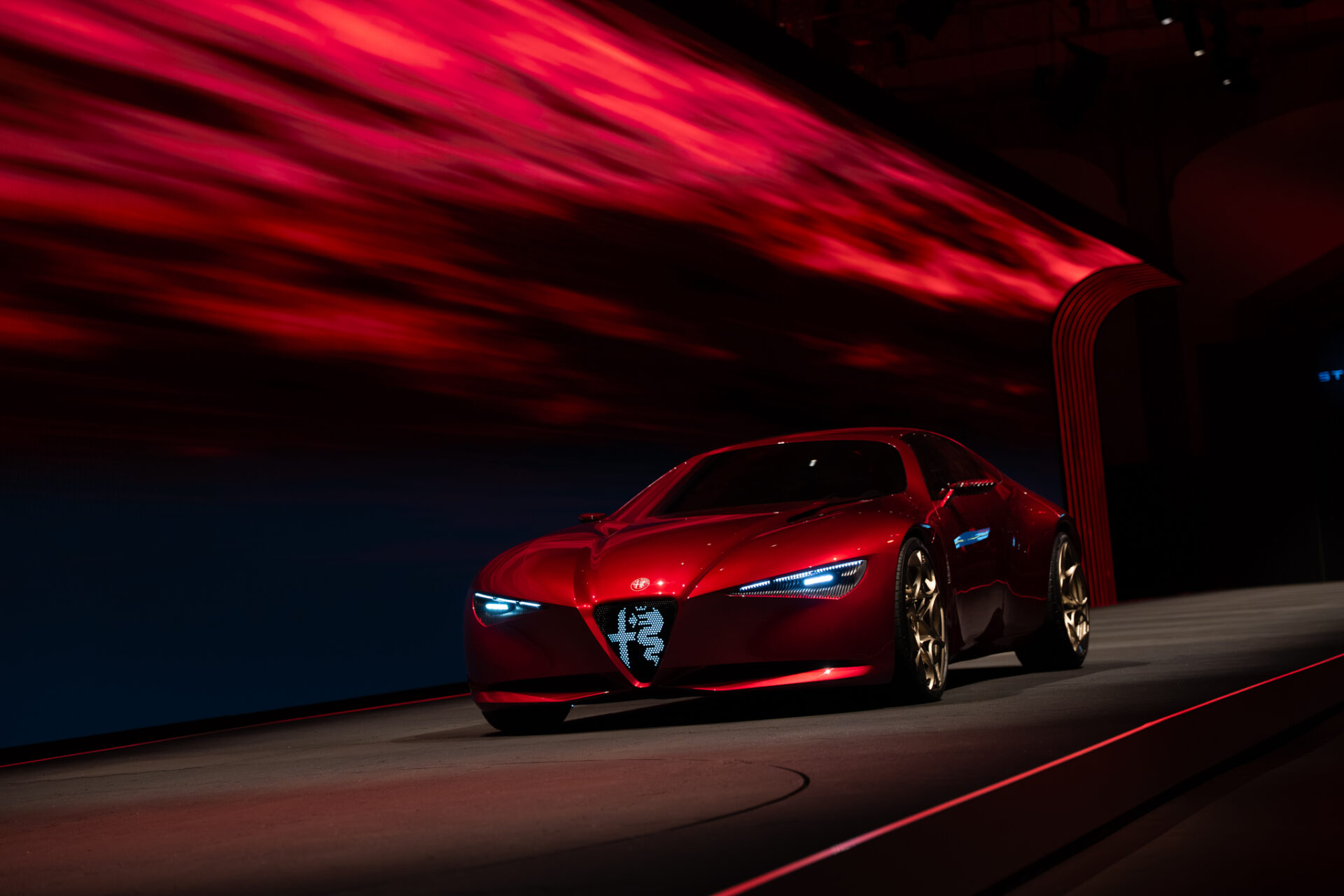
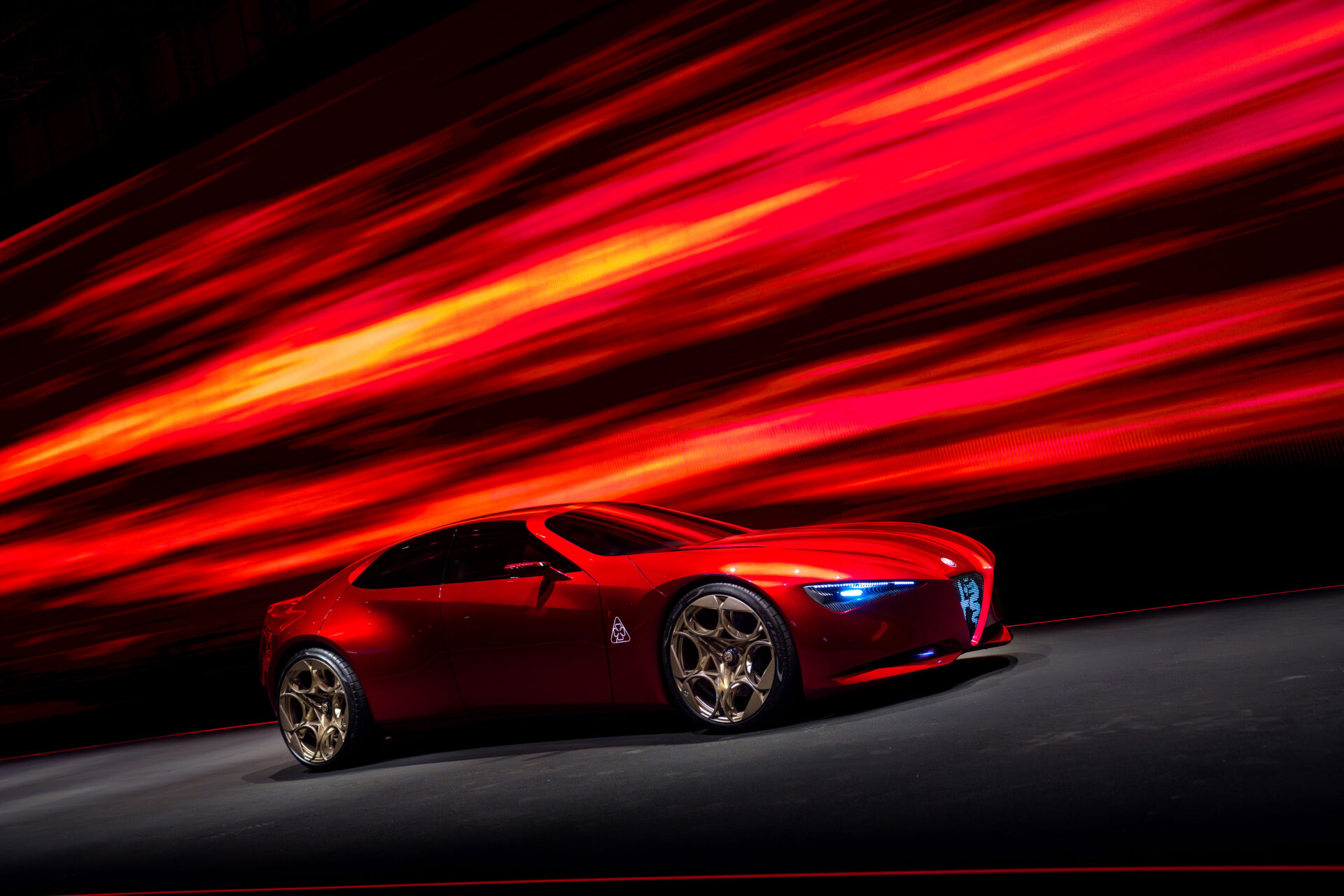
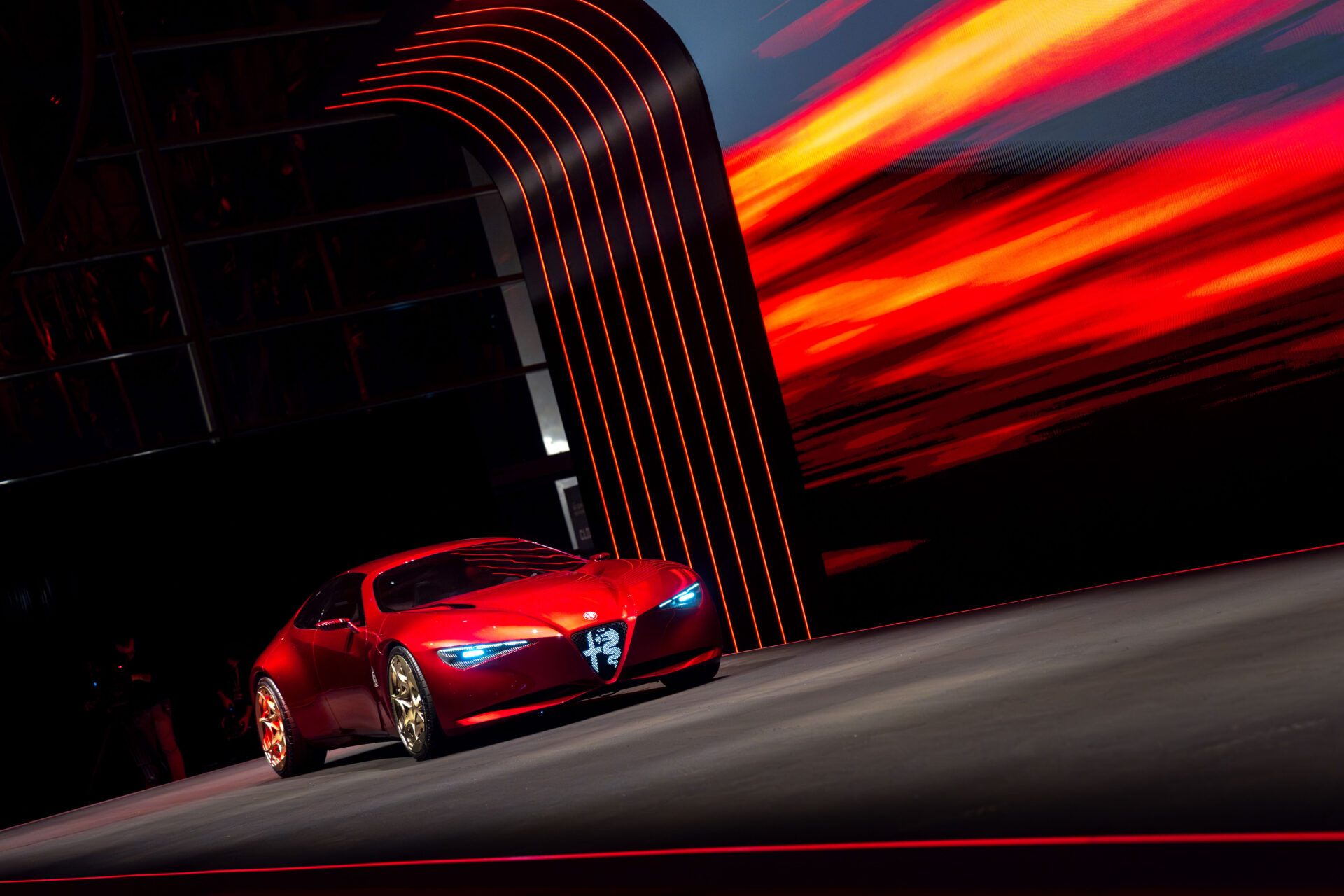
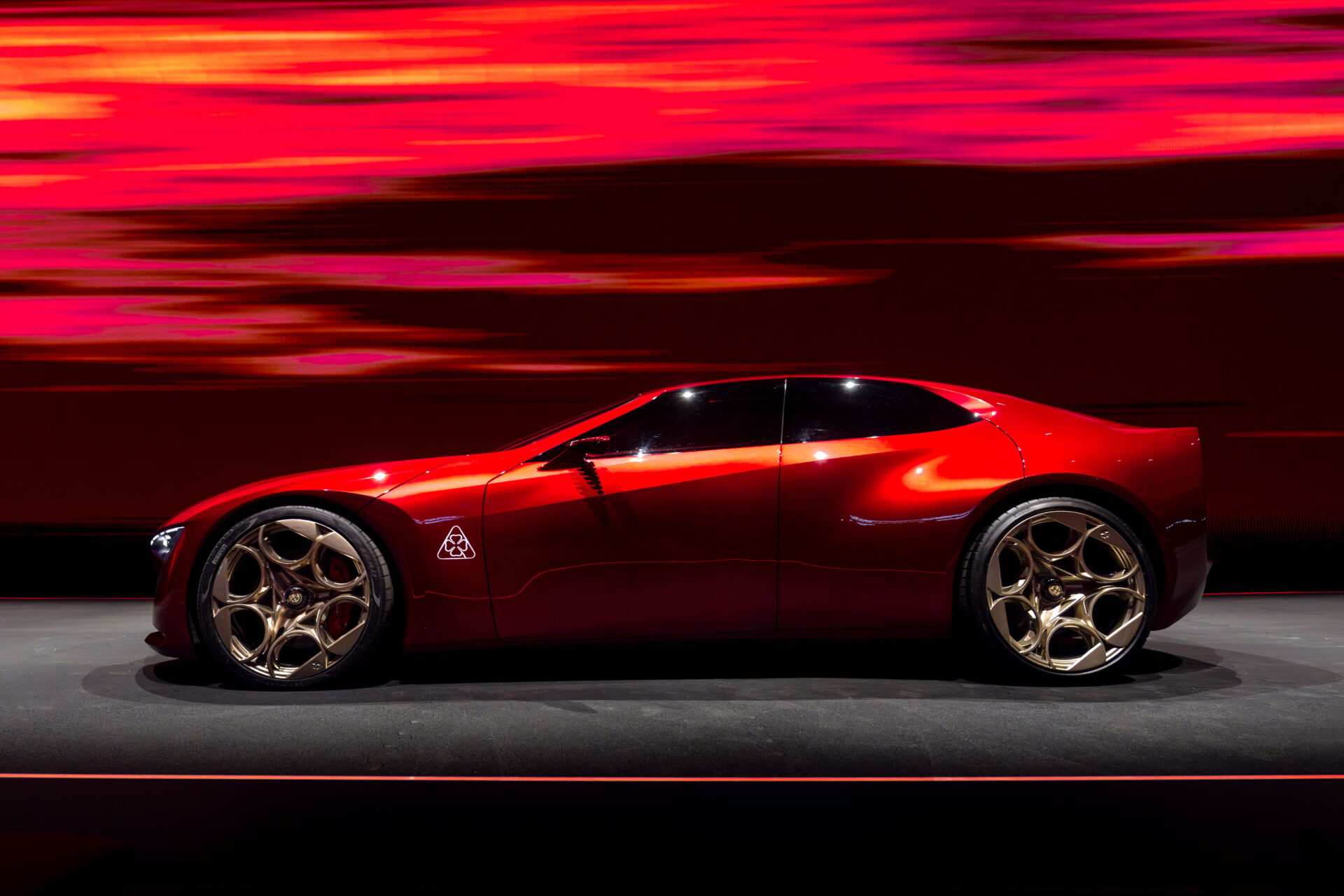
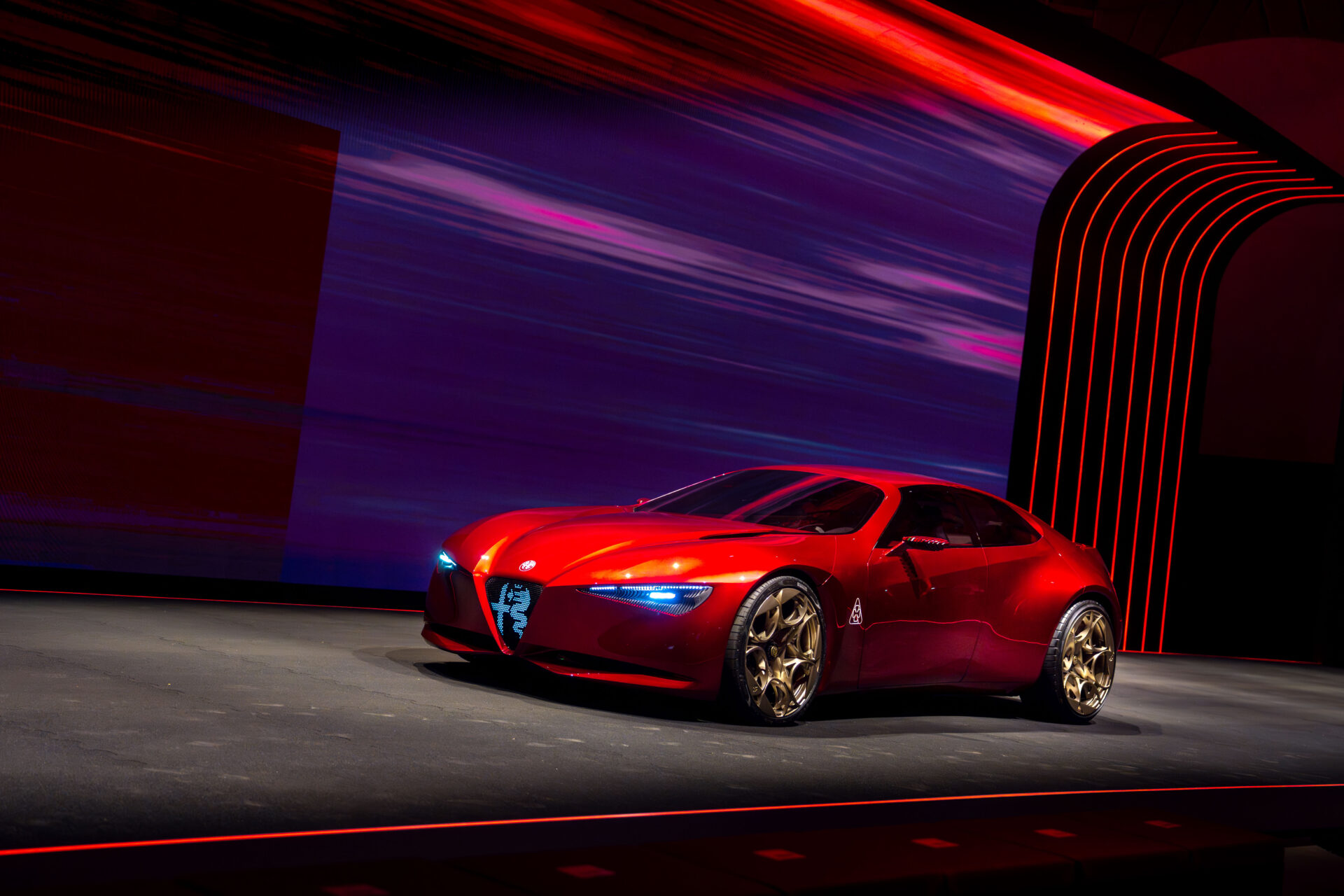
A 2+2 coupé 4.70m long, 1,331mm tall and weighing 1,750kg, the Cuorerosso has a 2,930mm wheelbase and a Cd of 0.28, achieved through an unbroken body, a coda tronca tail and an integrated diffuser. The designers at the Centro Stile attacked the project as a block to be sculpted, without wheels or glazing, keeping only the essentials. That is the principle of “Bellezza Necessaria”. The Scudetto rises out of the bonnet, the handles give way to a touch control on the roof and the doors open rearwards. In the cabin, the “Cannocchiale Vivente” merges its two dials into one as the driver picks up the pace. Above all, the concept announces a multi-energy range, from fully electric to mild hybrid, with models up to 4.70m long and Quadrifoglio versions. “Technology, functionality and quality are always at the service of emotion and driving pleasure,” says Santo Ficili, head of Alfa Romeo and Maserati.
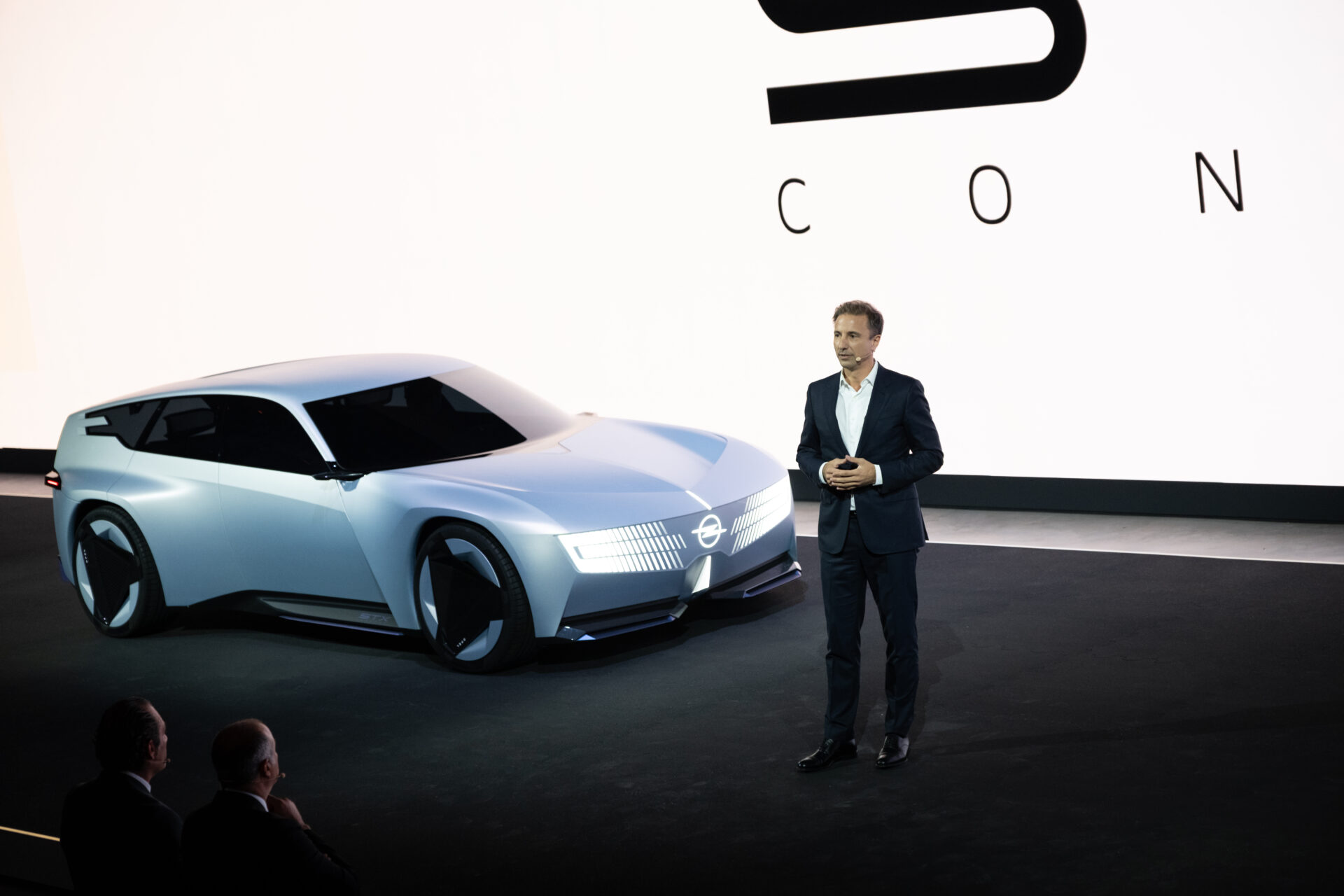
Opel STX Concept, the estate of tomorrow
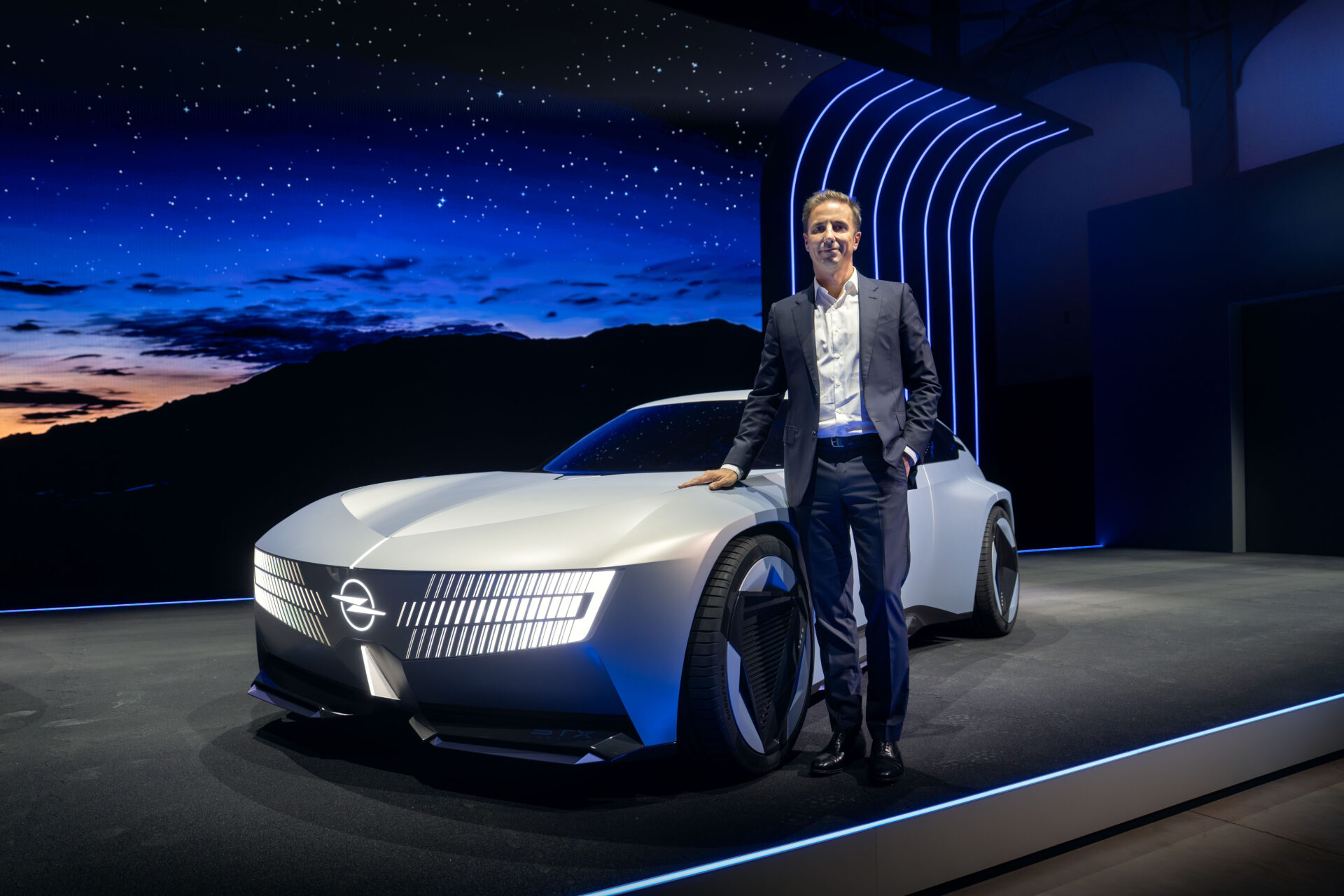
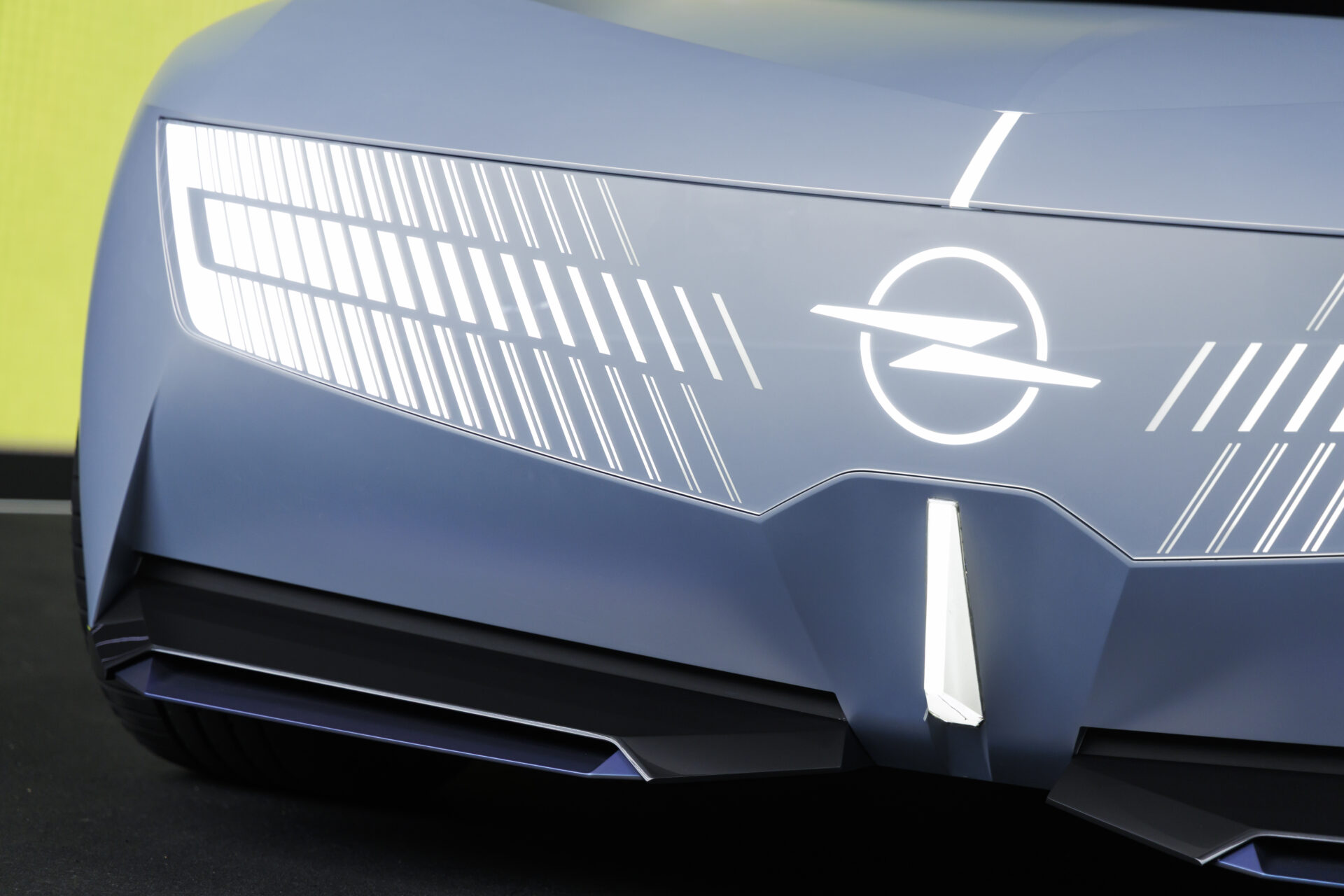
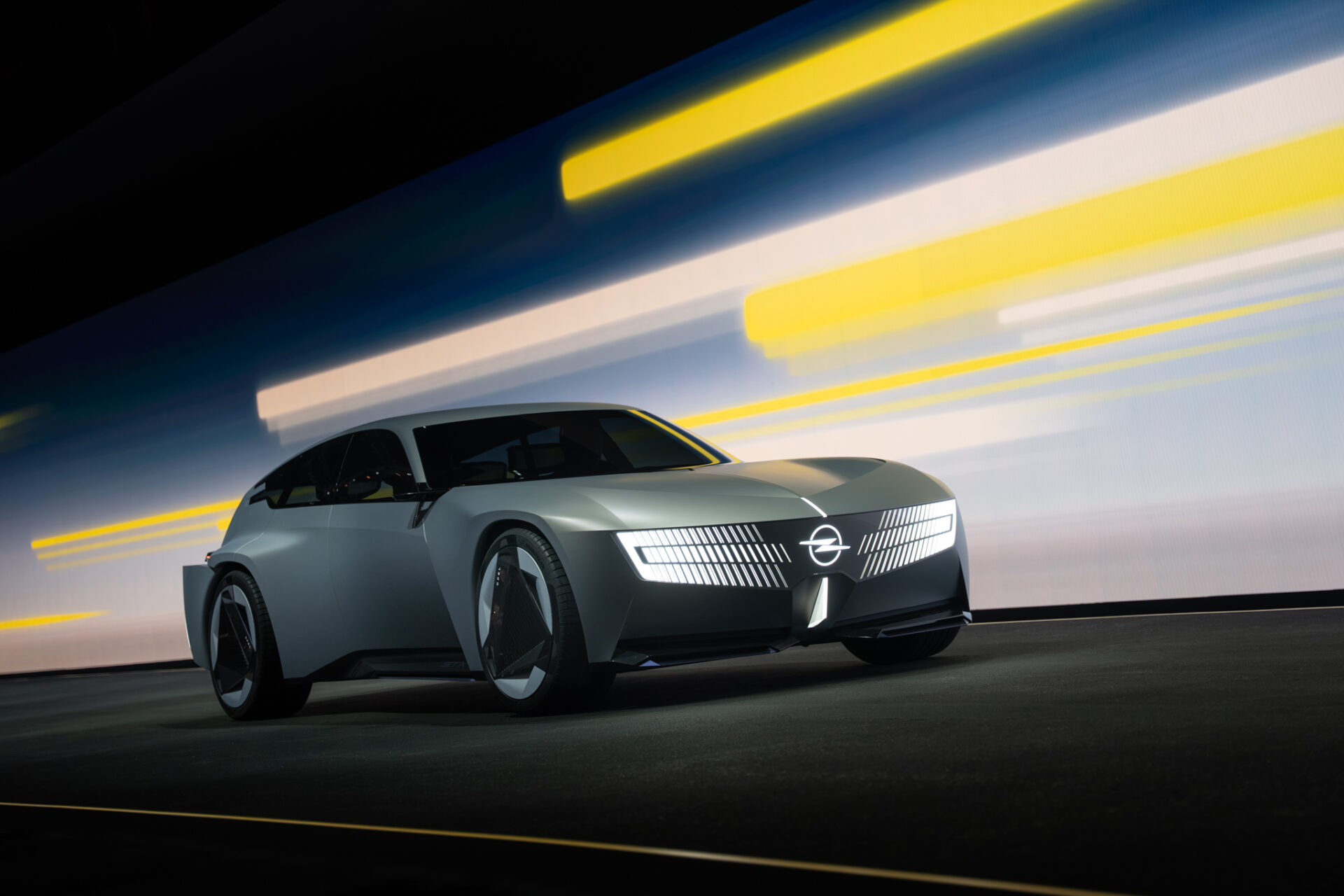
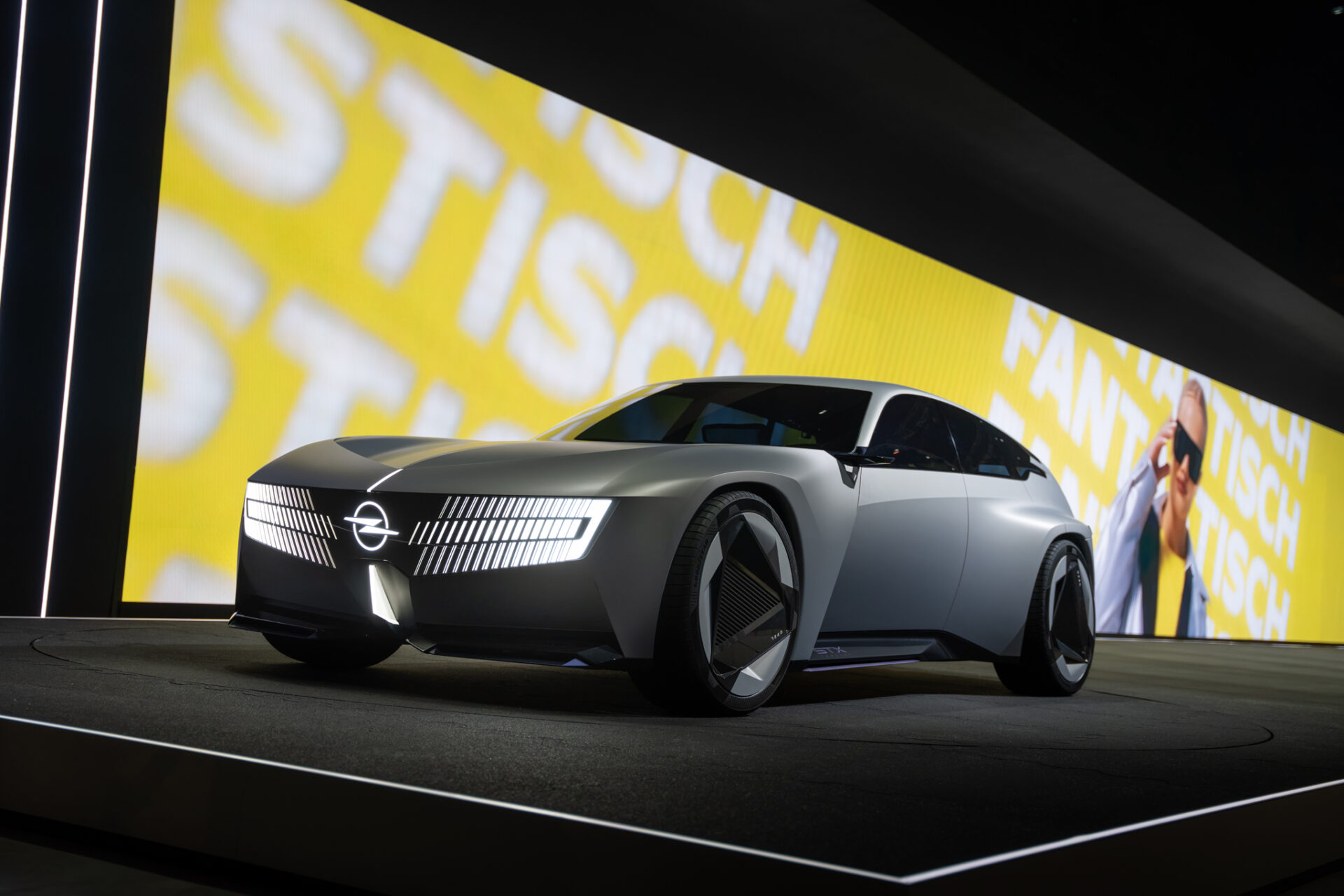
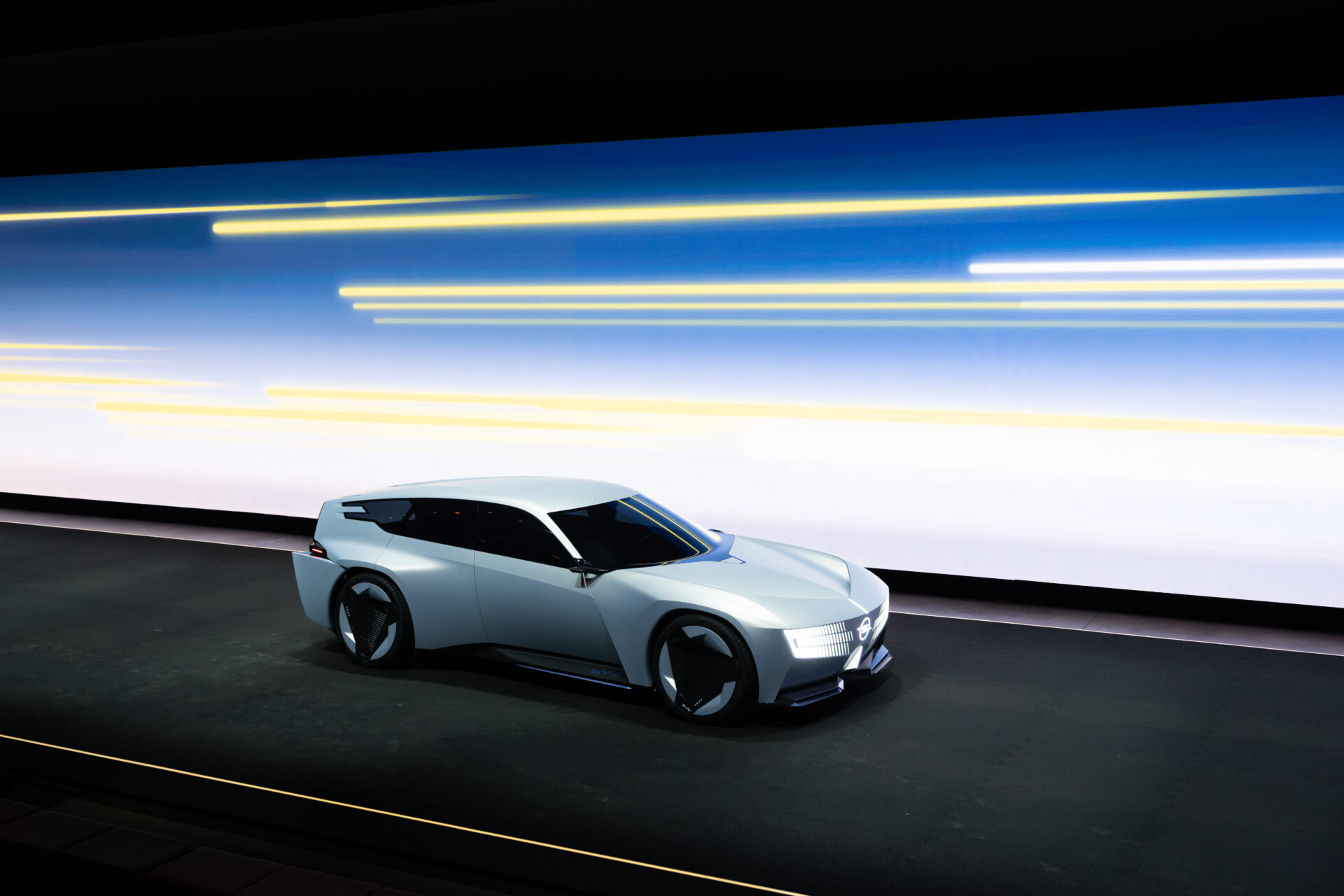
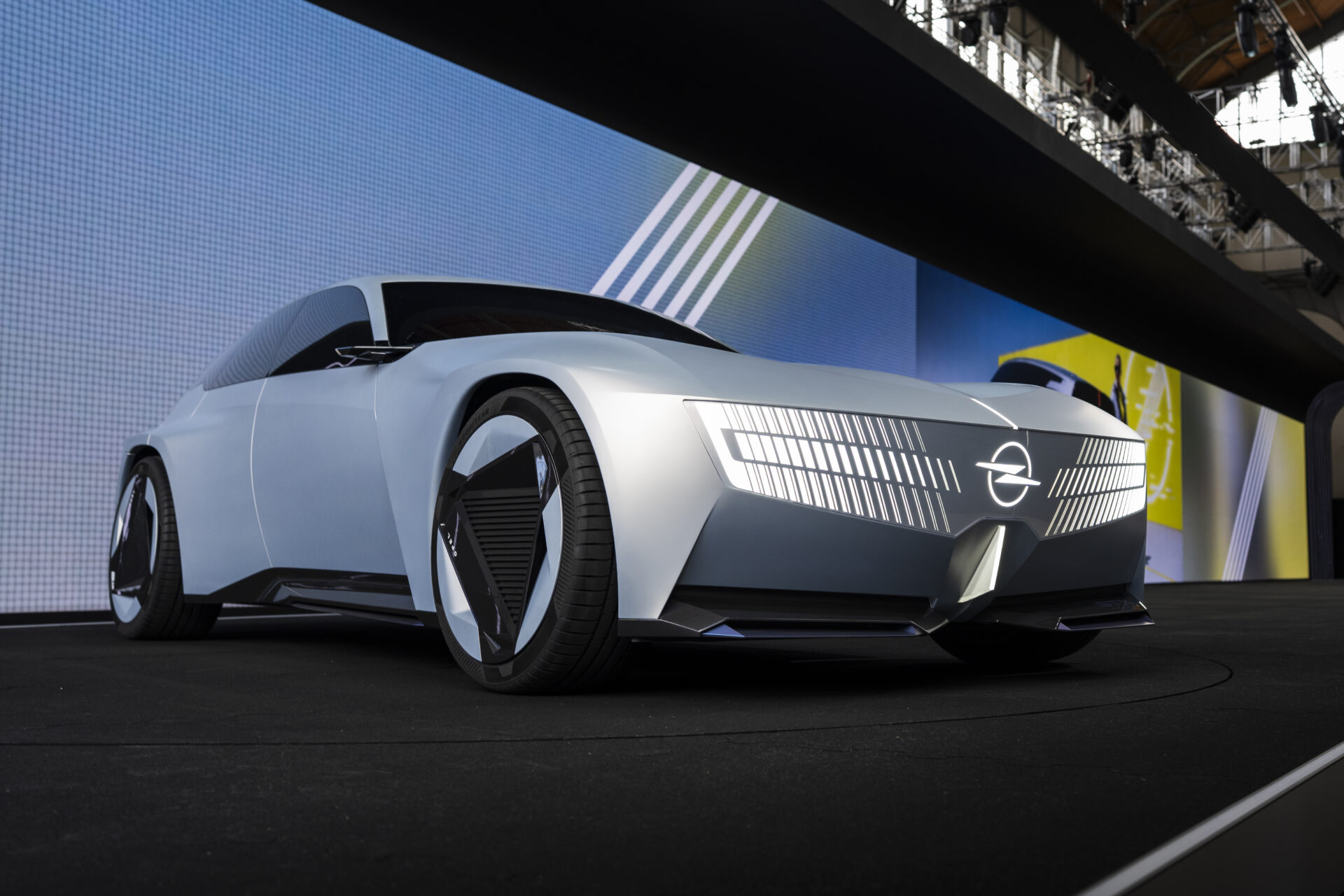
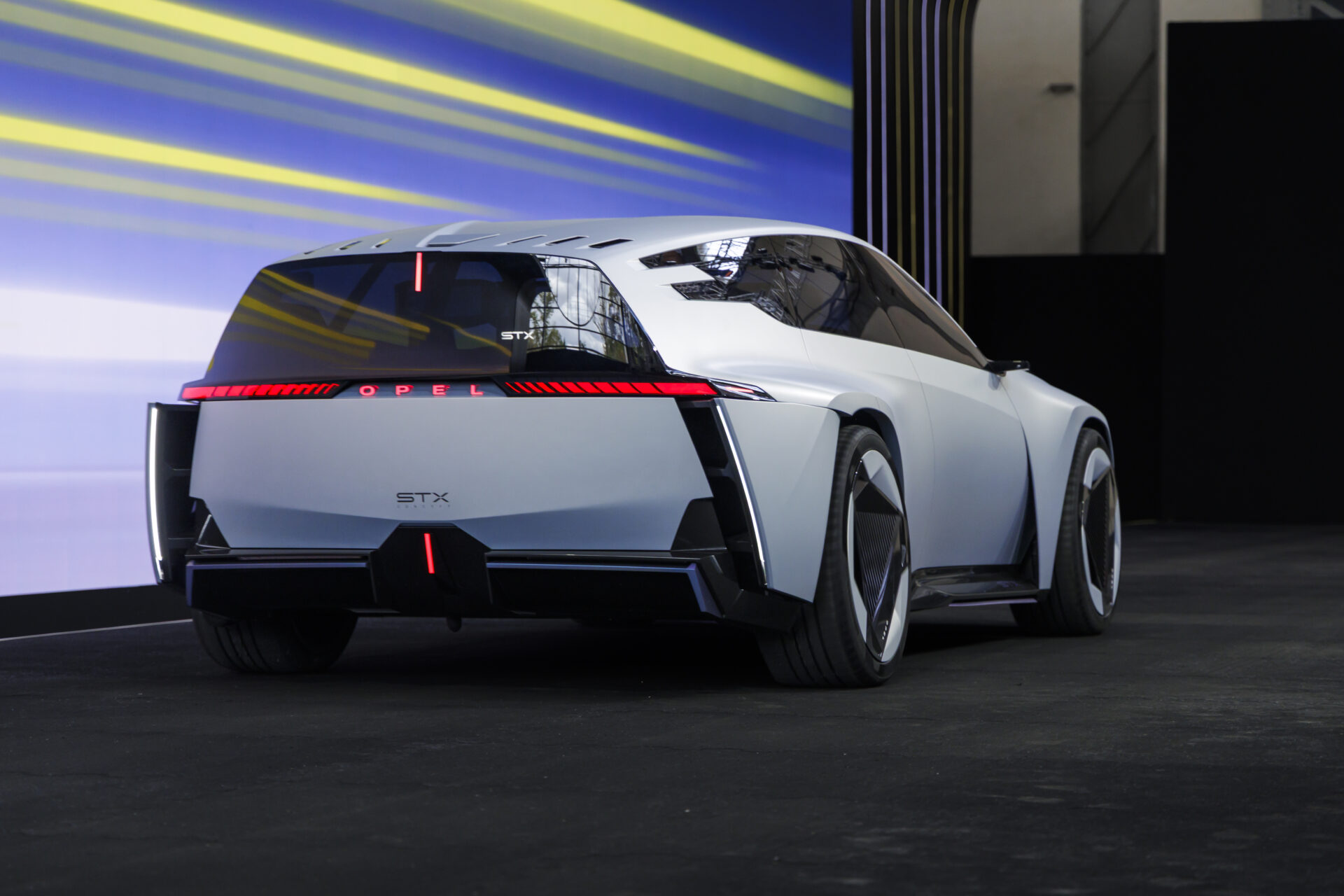
Behind the badge lies the Sports Tourer eXperimental, Rüsselsheim’s vision of the electric estate. Opel takes the opportunity to recall its standing in the segment, from the Olympia Rekord Caravan of 1953 to today’s Astra Sports Tourer. The concept hardens the front end with an Opel Vizor that is taller and more prominent than on current models, animated by illuminated vertical blades, the lit Blitz forming the centre of the Opel Compass. Cameras replace the door mirrors, the C-pillars carry glass light bands and the roofline drops sharply towards the rear. The aerodynamics are active, with blue diffusers that deploy beneath the tail above a certain speed. Four-wheel drive and more than 200km/h are quoted. “This study shows features that will be found on future Opel models,” says Florian Huettl, chief executive of the brand.