“The motorcycle helmet is definitely not yet fully developed”
With its motorcycle helmets, the German manufacturer Schuberth positions itself in the premium segment. Head of development Andreas Krüger reveals how a new helmet comes into being, what sets it apart from inexpensive models, and which technologies could arrive in the future.
ANDREAS KRÜGER
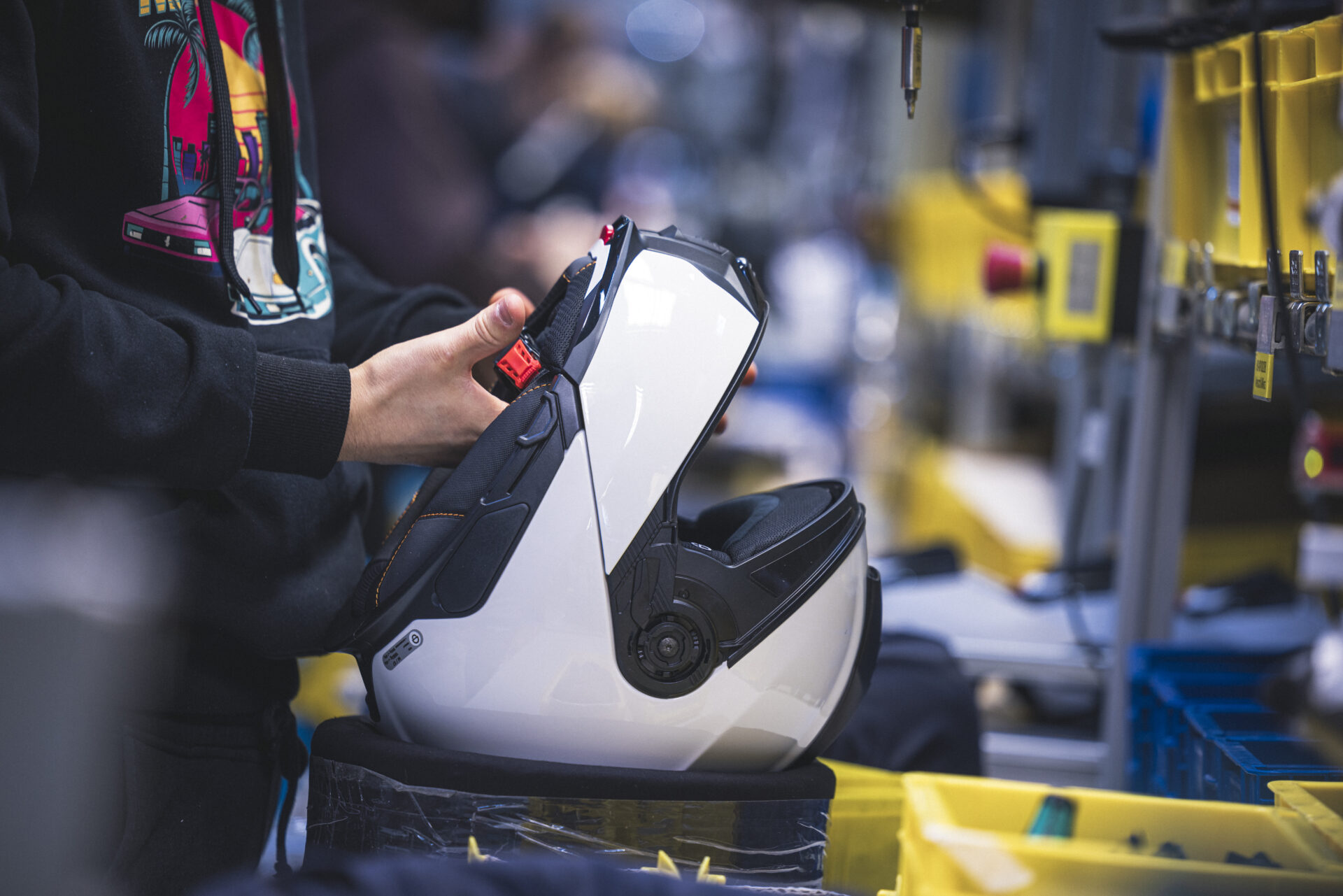
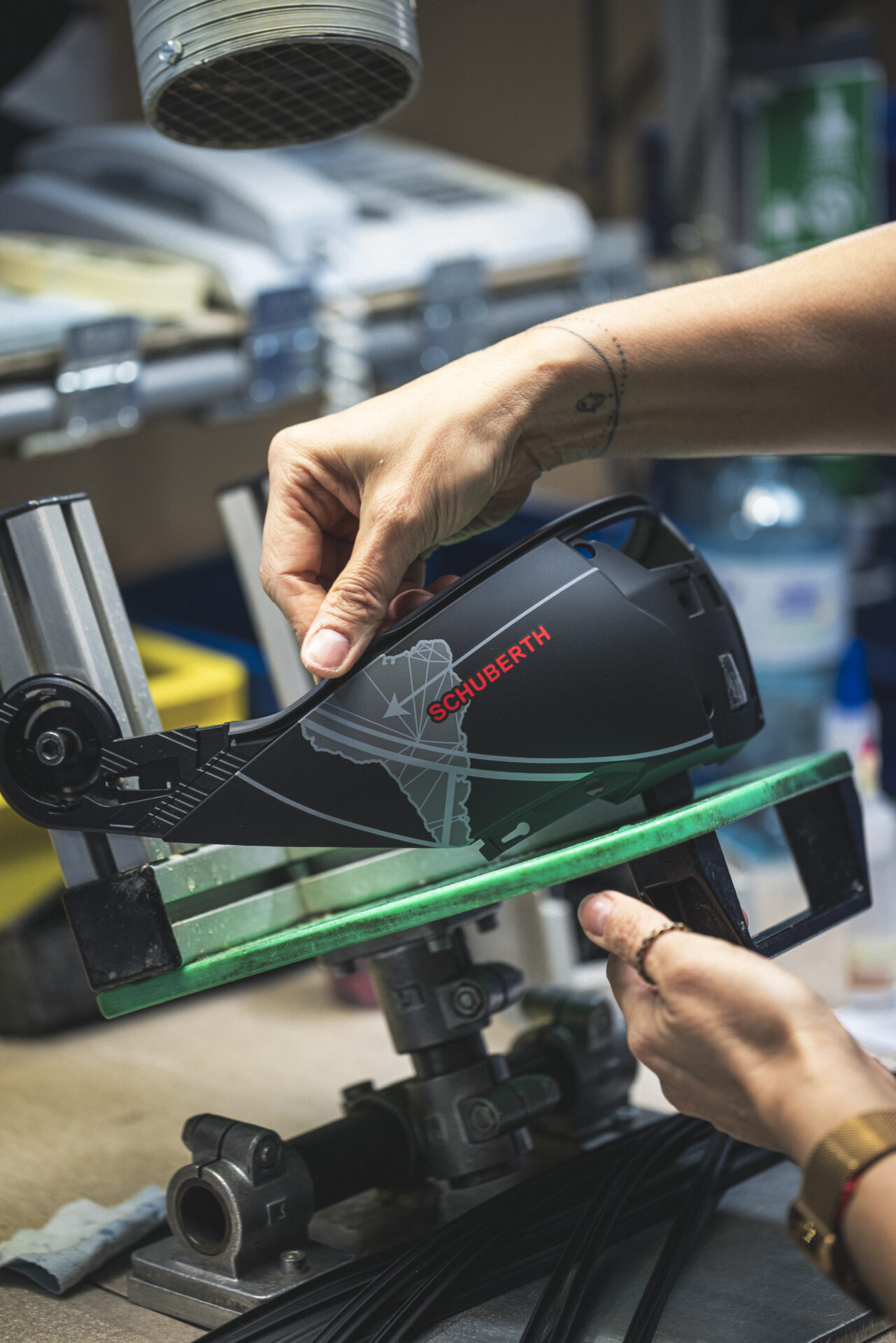
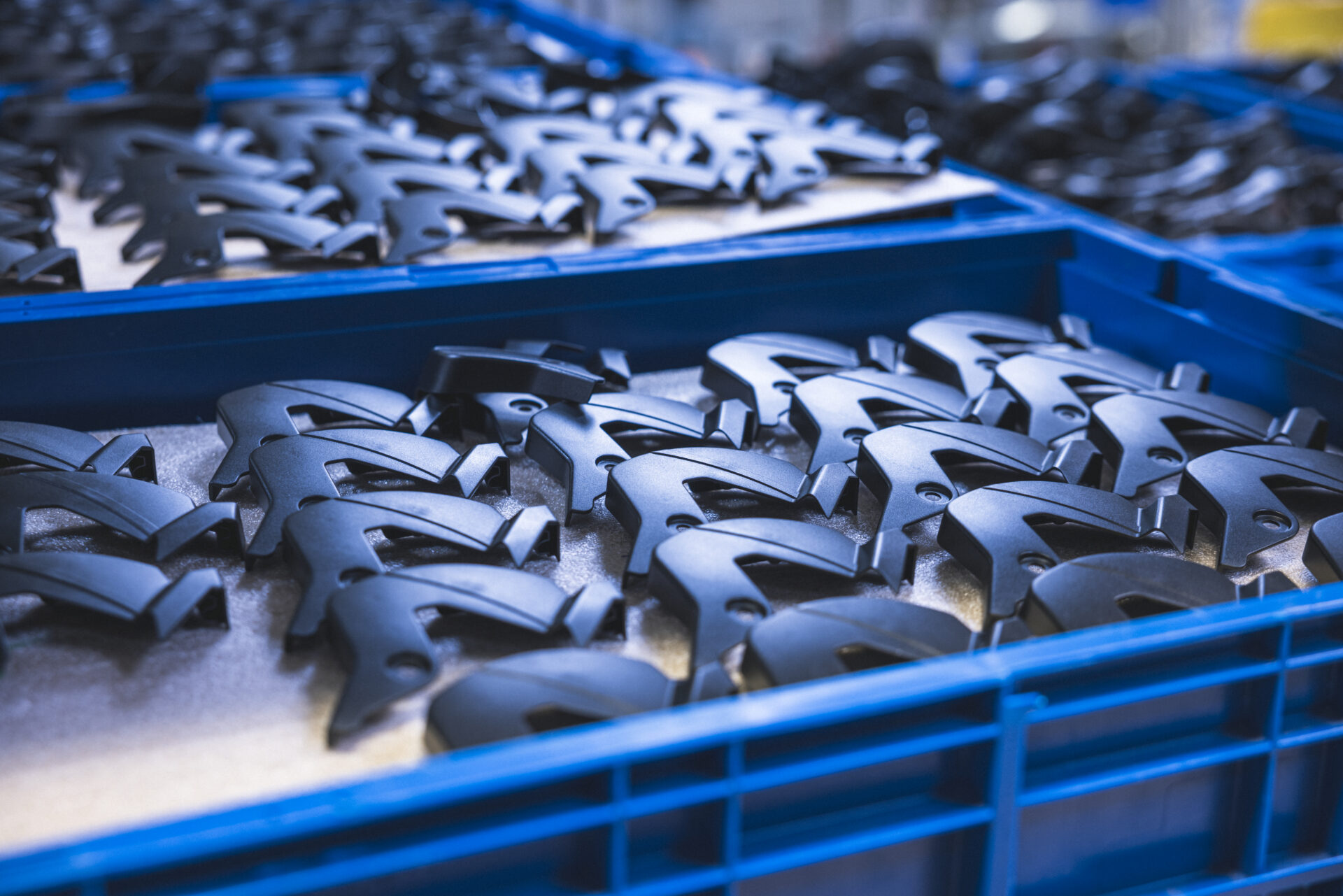
Development begins with a design based on drawings. From these drawings we produce clay models, that is, 1:1 models made of a modelling material that show us the helmet’s first lines and its proportions. As soon as we are satisfied with the shape and the proportions, the engineering work begins and we create the first functional prototype. In parallel, together with our production team, we check whether the planned elements can actually be manufactured. We then prepare the helmet for series production. Depending on complexity, the development process can take between 12 and 30 months.
ANDREAS KRÜGER
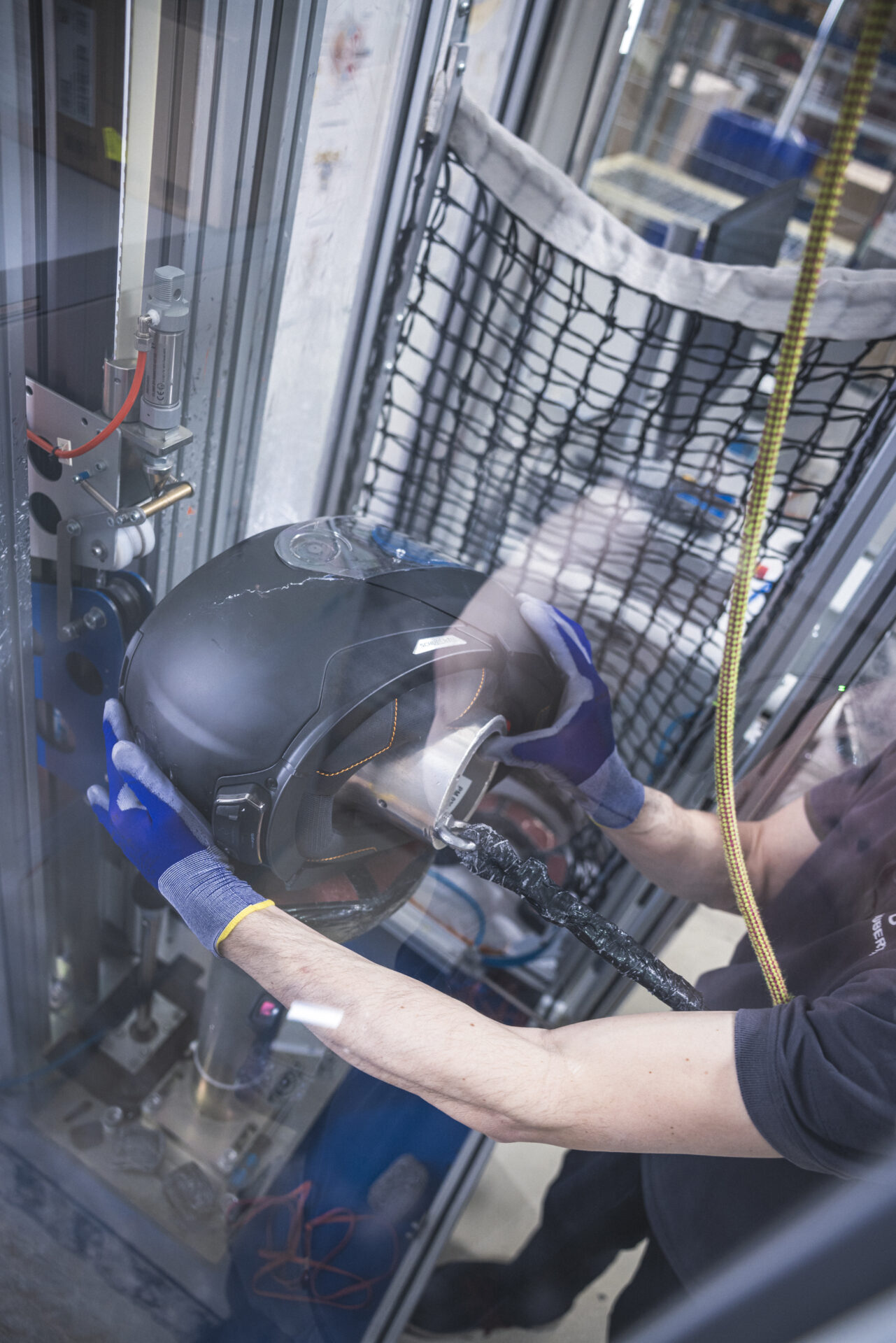
We carry out initial tests as early as the first clay model. Early aerodynamic studies allow us to validate and refine the helmet’s shape long before tooling is produced. Based on the results, we optimise prototypes until the requirements, for example for aerodynamics, acoustics and wearing comfort, are met. In parallel, our in-house test laboratory at the plant carries out the required ECE homologation tests as well as a comprehensive test programme to Schuberth’s internal standard. In this way we ensure that we not only meet the legal requirements, but also our own, higher quality, safety and performance requirements throughout the entire development process.
ANDREAS KRÜGER
We distinguish between active and passive safety. Passive safety is governed by the helmet standard, that is, how the helmet protects the rider in the event of a crash. Active safety is just as important. These are all the properties that help prevent an accident from happening in the first place: effective ventilation of the helmet, which increases comfort and prevents fatigue, as well as low noise levels, which reduce distraction. These properties are very important to us in development. The customer should ideally never end up in a situation where the helmet has to deploy its shock-absorbing properties at all.
ANDREAS KRÜGER
Inexpensive helmets are also homologated for the European market under the ECE 22.06 standard and therefore meet the passive safety requirements. The main differences lie in active safety, that is, in comfort, fit, noise levels and aerodynamics. For short rides, cheap helmets are usually sufficient. Frequent riders, on the other hand, quickly notice that they reach their limits with them. High-quality helmets offer noticeable advantages in ventilation, noise, fit and aerodynamics, as well as optional comfort and communication functions. These advantages are particularly apparent when commuting or on regular tours.
ANDREAS KRÜGER
We recommend replacement after five years, although a helmet can remain usable for longer, depending on how intensively it has been used and how strongly it has been exposed to the weather. The inner lining can be renewed on most helmets. What is decisive for protection, however, is the EPS inner shell. This must show neither cracks nor brittleness. After an accident, a helmet must never be reused, as its protective function is no longer guaranteed.
ANDREAS KRÜGER
With the new ECE 22.06 standard, a great deal has changed in the area of accessories. The big difference is that today it is no longer only the helmet itself that has to be homologated, but also the accessories attached to it. As a result, the requirements have risen significantly. Important for customers: in Europe, a homologated motorcycle helmet may only be used with approved accessories, otherwise the approval can lapse. This can become relevant in the event of an accident or during police checks. It is precisely for this reason that more and more manufacturers are moving towards integrating communication systems directly into their helmets and homologating them accordingly.
ANDREAS KRÜGER
One important trend is smartification. Features such as communication systems, rear lights or crash-detection solutions are being integrated into helmets. We ourselves are currently launching, with our partner Cardo, a new helmet with active noise cancellation. The interest is overwhelming and we are eager to see how customers take to the helmet. All in all, then, quite a lot is happening. The motorcycle helmet is definitely not yet fully developed.
More safety for motorcyclists
Since 2024, only motorcycle helmets that comply with the current ECE 22.06 standard may be sold in the EU. The test procedures have been significantly tightened in order to further increase the protection of motorcyclists. Compared with the previous standard, more impact points on the helmet are now tested. In addition, a rotational test has been introduced, simulating the rotational movements of the head during an impact. Integrated sun visors are now also included in the tests. The visor’s resistance is tested more intensively as well.
Tags