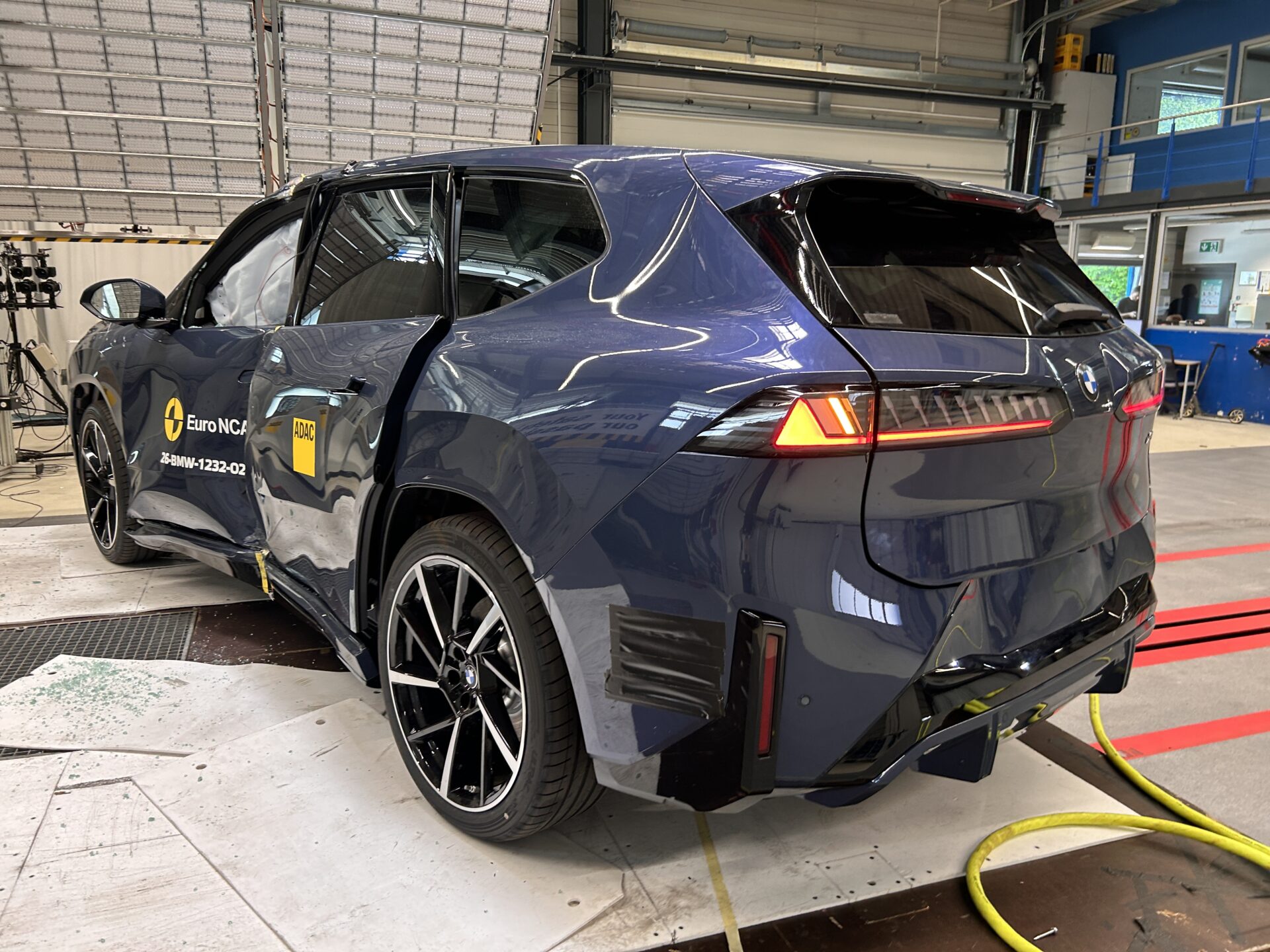
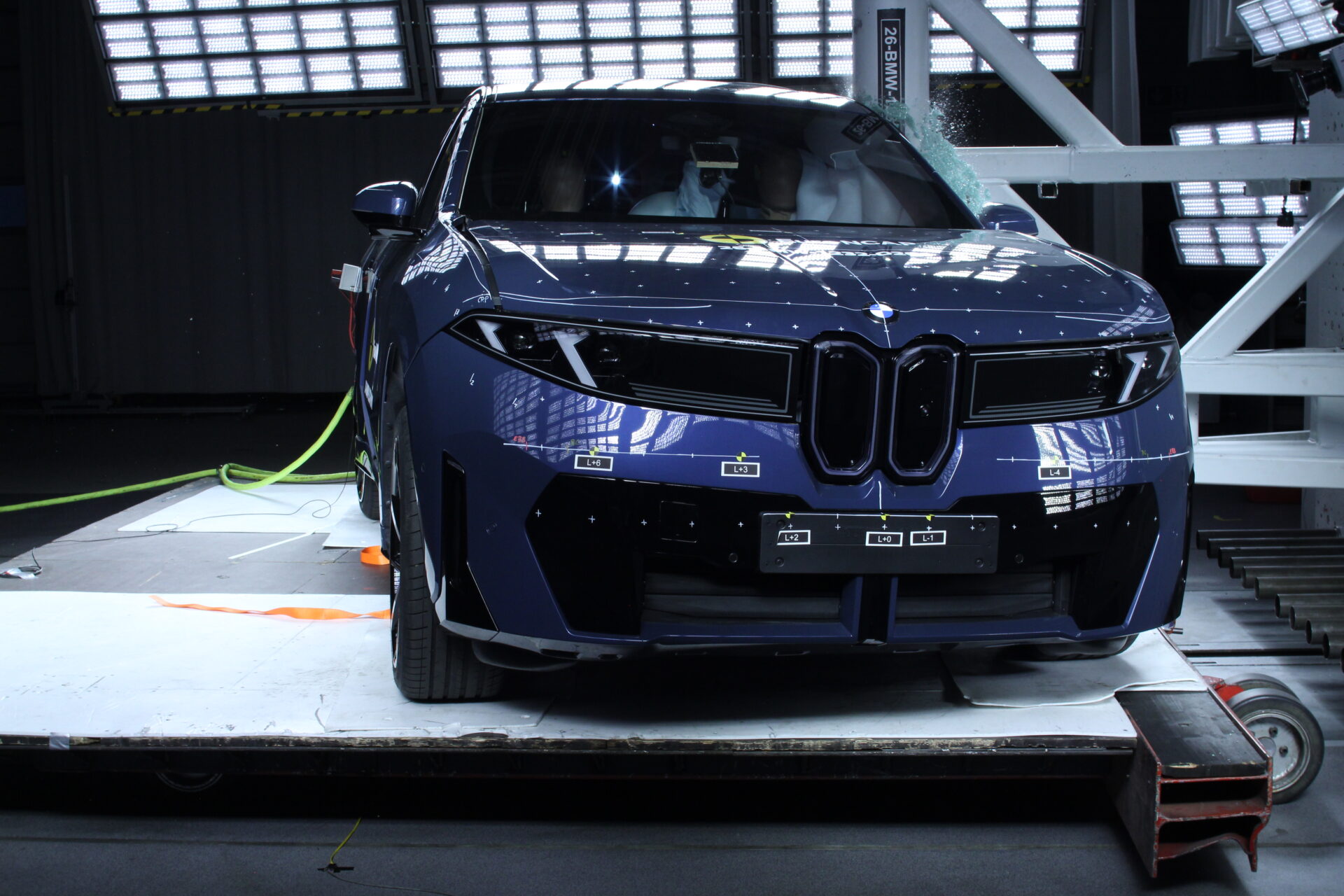
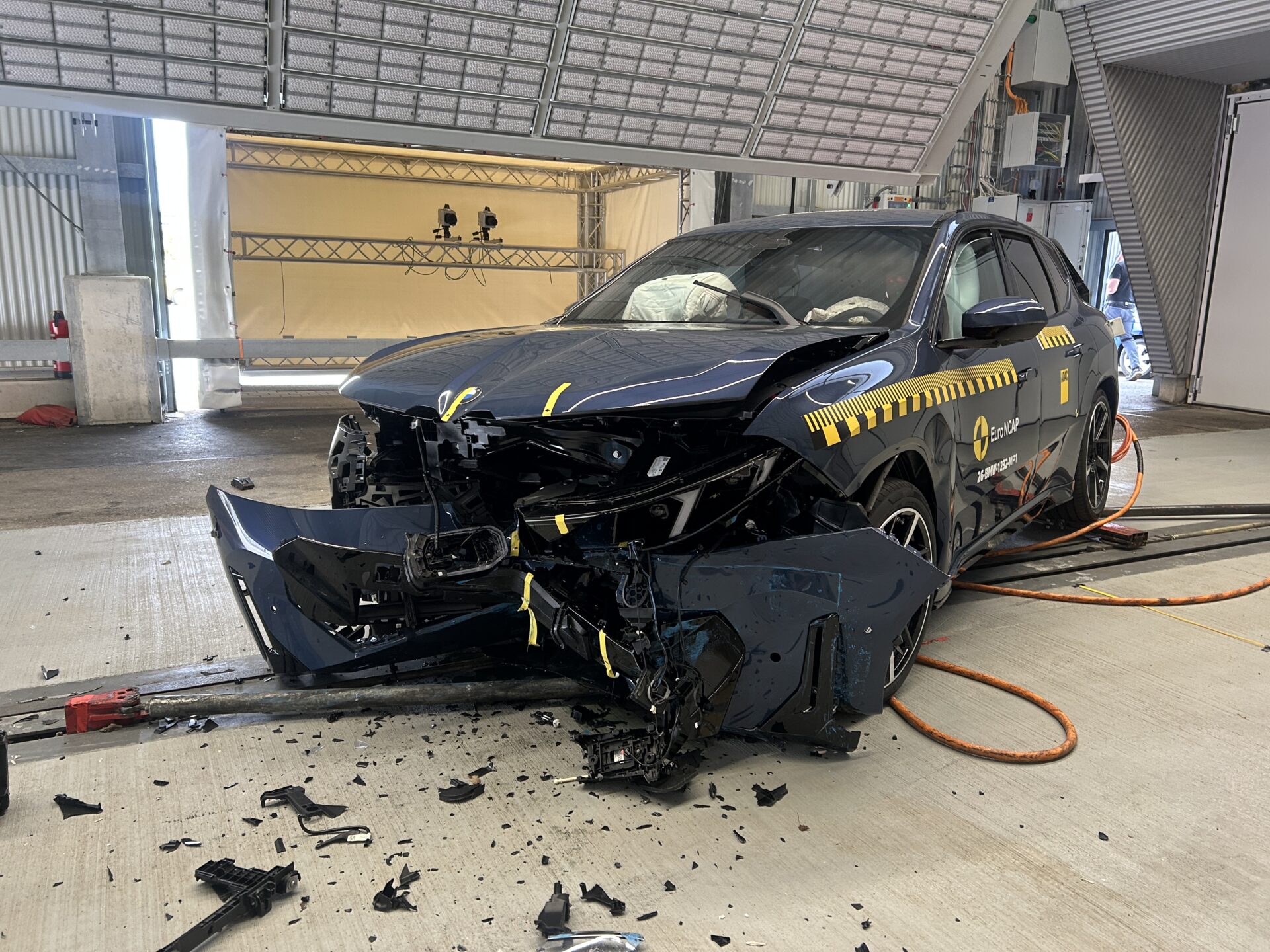
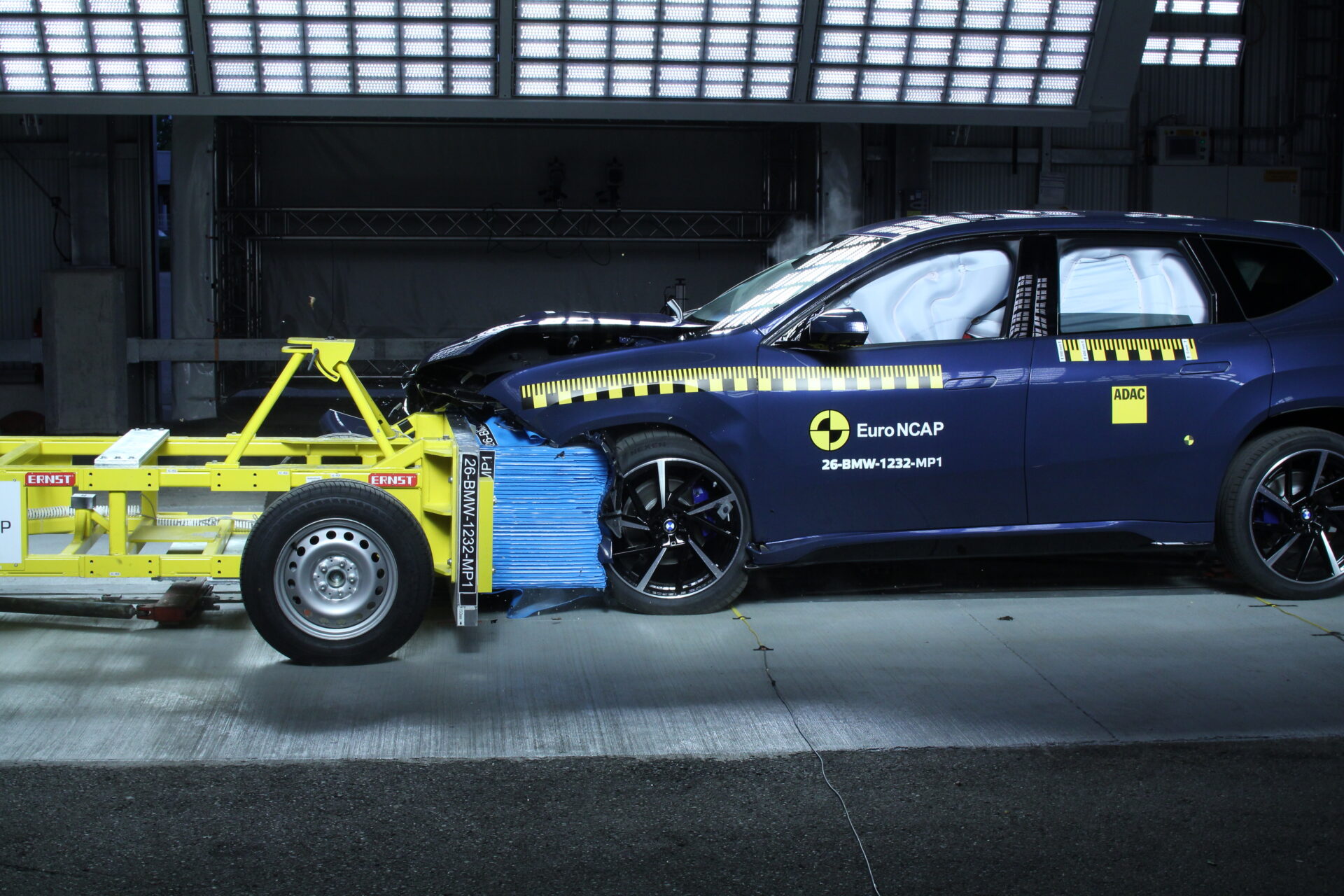
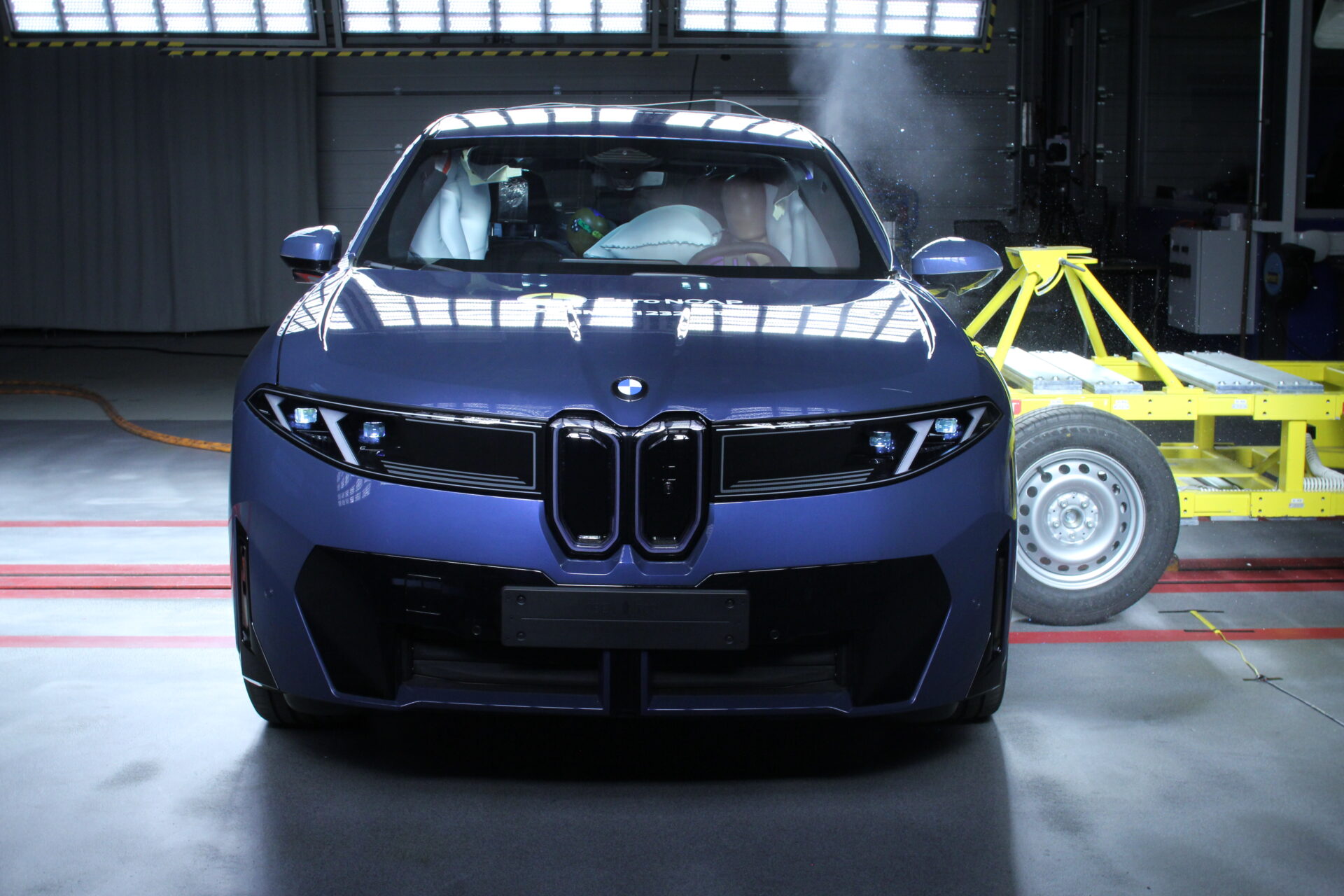
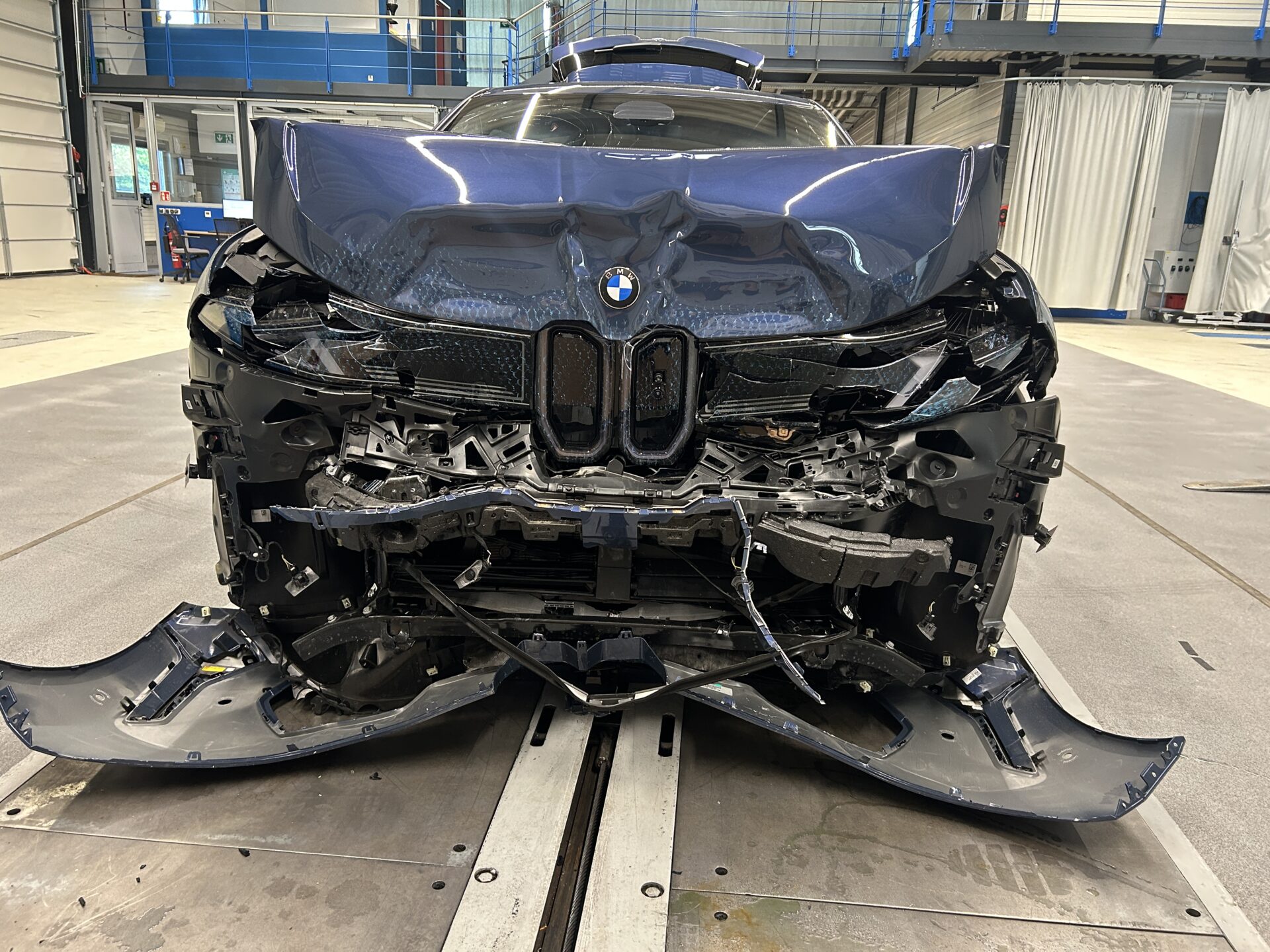
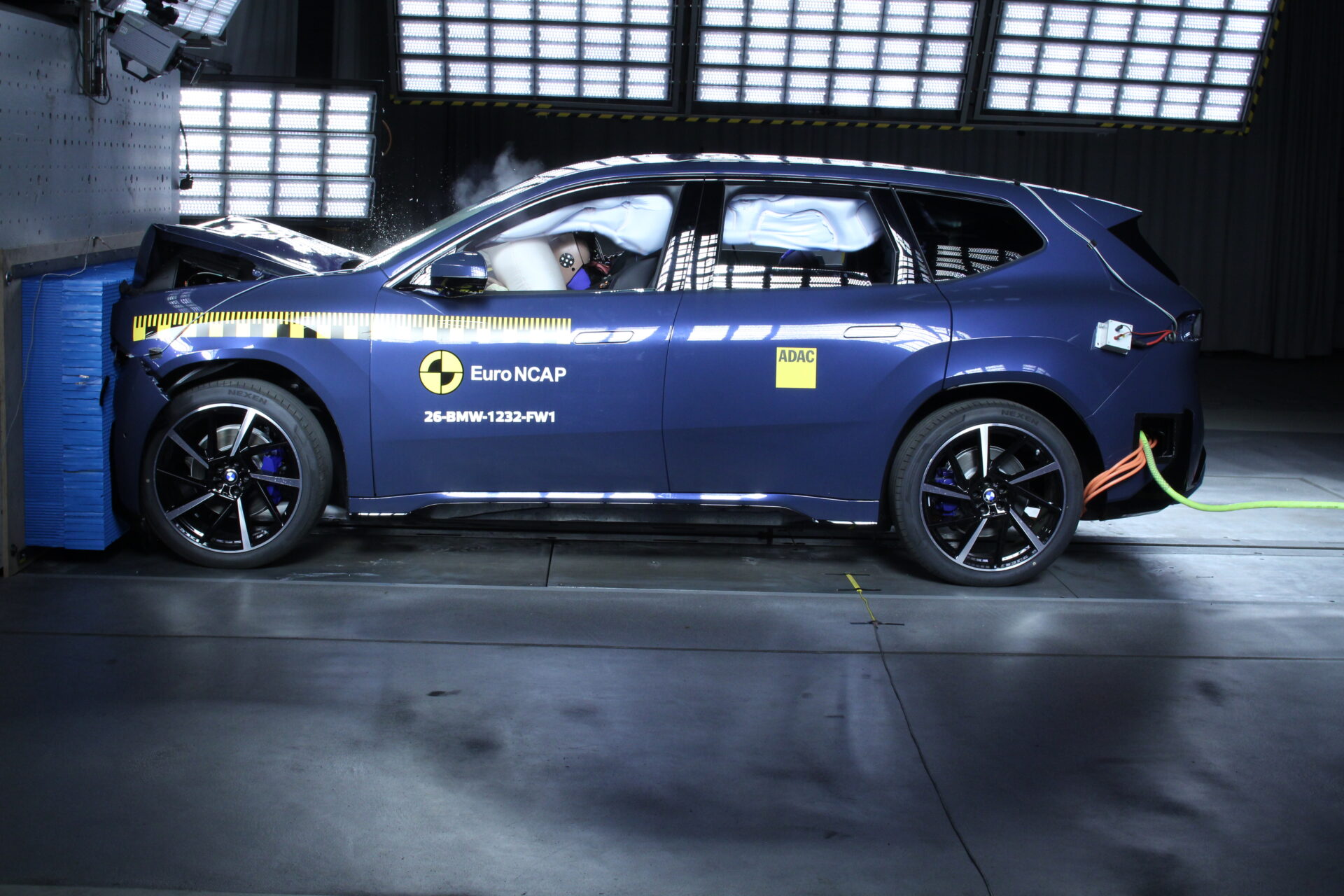
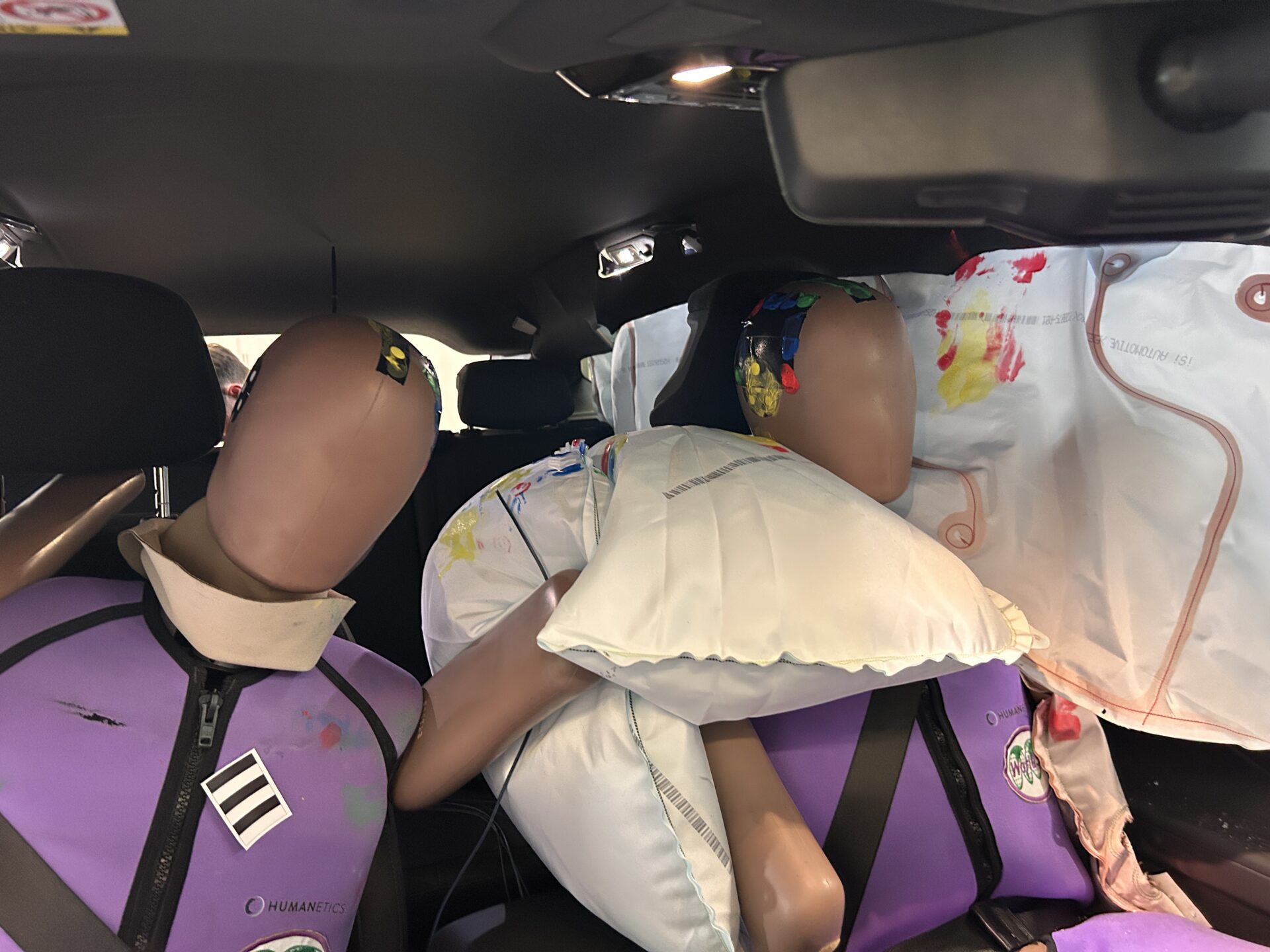
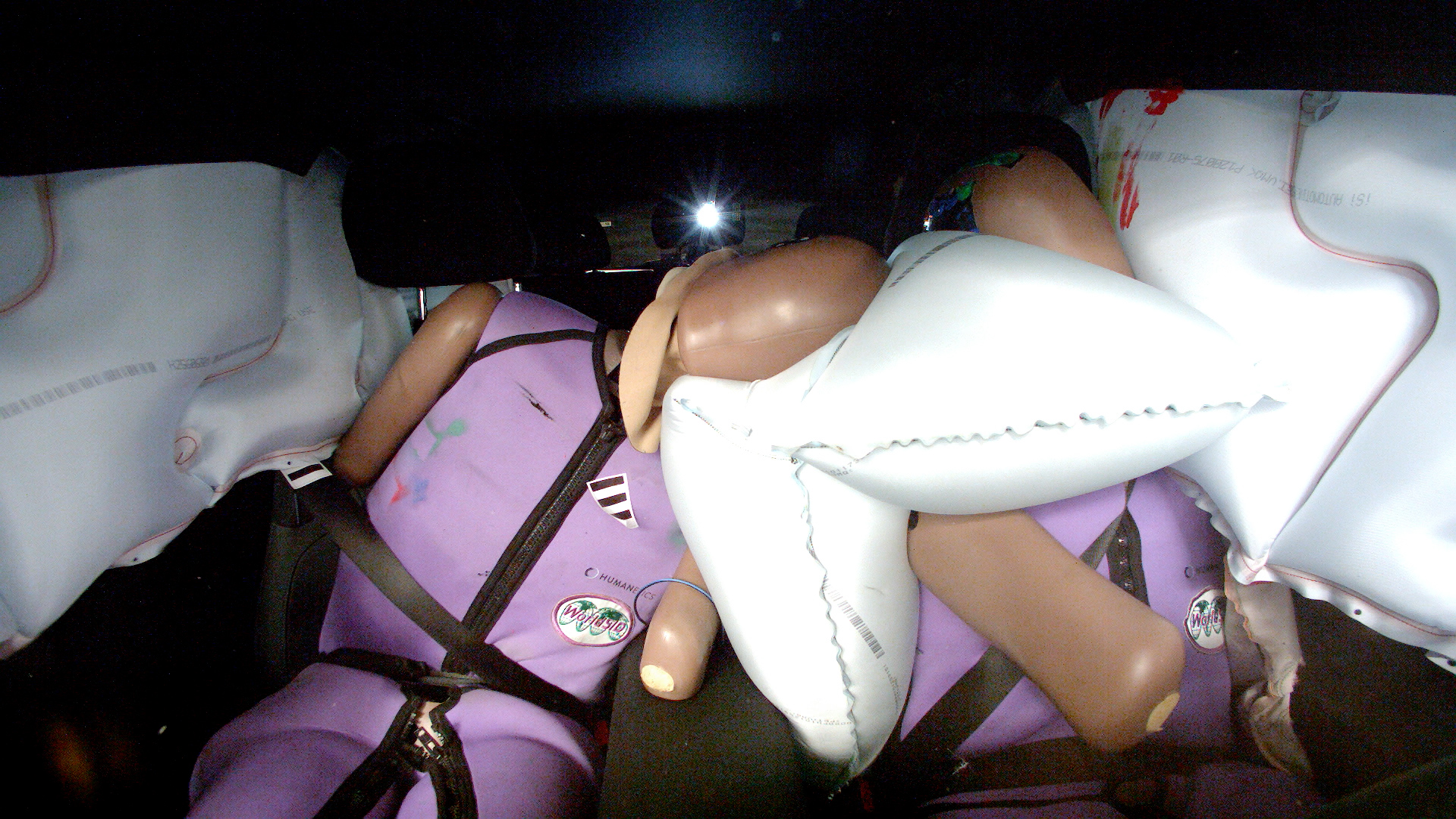
Five stars today doesn’t guarantee five stars tomorrow. To understand the rating overhaul Euro NCAP rolled out at the start of the year, take the BMW iX3: it has just been awarded five stars, but would have missed out under the scoring rules set to apply from 2028.
Since January 2026, scoring full marks in Euro NCAP crash tests no longer works quite the same way. The European road safety body has carried out its biggest methodology overhaul since 2009. To illustrate the change, we look at the recent test of the BMW iX3, which earned five stars, to see in concrete terms what this shift means today, and where it is heading in the years ahead.
Four boxes, one target threshold: 80%
The new Euro NCAP scheme is built around four Safety Boxes, each scored out of 100 points: Safe Driving, Crash Avoidance, Crash Protection, and Post-Crash Safety. Combined, these four scores determine the final star rating, and the underlying rule is straightforward: to qualify for five stars, a car must reach at least 80% in every one of the four boxes, with no exceptions.
That across-the-board 80% requirement isn’t fully in force yet, though. Speaking to Autotouring, Euro NCAP confirmed a transition period is currently under way, but it only applies to two of the four boxes: “We apply a soft landing for 2026 and 2027. In 2026, we use a 60% threshold for Safe Driving and 70% for Crash Avoidance. In 2027, these move to 70% for Safe Driving and 80% for Crash Avoidance. From 2028 onwards, the threshold is 80% across all boxes.”
In other words, Crash Protection and Post-Crash Safety already require the full 80% today, with no leeway. Only Safe Driving and Crash Avoidance benefit from a reduced bar while manufacturers bring their line-ups up to speed, ahead of the common rule kicking back in for 2028.
What the iX3 example reveals about the shift
The BMW iX3 50 xDrive’s test, published this year, shows the system in action. The car scores 73% in Safe Driving, 82% in Crash Avoidance, 86% in Crash Protection, and 95% in Post-Crash Safety.
Under the 2026 scheme, all four scores clear the threshold that applies this year, 60%, 70%, 80% and 80% respectively. The result: five stars, the maximum rating. Look closer, though, and the 86% Crash Protection score hides a weak spot: protection for vulnerable road users, pedestrians and cyclists, tops out at 64%, with just 17% for pelvis protection. Euro NCAP puts this comparatively high overall score down to an internal compensation mechanism within the box: “The lower score for VRU impact had to be compensated by other elements within Crash Protection to end up with a Crash Protection score that meets the 5-star requirement of 80%.” The car’s near-flawless side-impact result, together with a solid frontal-impact score, offsets the weakness identified in pedestrian protection.
It’s worth noting the BMW iX3 was never tested under the previous scheme, in place until the end of 2025, so there’s no way to know for certain whether its overall rating would have come out differently. Euro NCAP maintains the transition hasn’t retroactively penalised strong performers: “We do not [make that comparison], but we did the other way around when developing the new rating scheme. I dare to state that a 5-star vehicle in 2026 will most certainly also be a 5-star vehicle when using the 2025 rating scheme.”
Under the final 2028 scheme, however, the outcome would look very different. The iX3’s 73% Safe Driving score comfortably clears the 60% threshold in place today, but would fall short of the 80% bar that will apply uniformly in two years’ time. Asked directly about this, Euro NCAP was unambiguous: “In 2028, the vehicle would not have received a 5-star rating, unless they would make their optional Steering Assistance system a standard equipment.”
The iX3’s case highlights two distinct principles behind the new rating system. On one hand, a compensation mechanism that lets a specific weak point, here, pedestrian protection, go unnoticed in the final score as long as the rest of the box holds up. On the other, a step-by-step tightening of requirements around driver monitoring and driving-assistance features, with a clear aim: pushing manufacturers to fit as standard the assistance systems that today are often reserved for higher trims or sold as options.
A warning sign, not a penalty
It would nonetheless be excessive to read this as calling existing ratings into question. This gradual tightening isn’t meant to retroactively penalise cars already on the market, but to give manufacturers a clear roadmap and enough lead time to adapt. That’s precisely the point of the “soft landing”: easing carmakers into the change rather than imposing it overnight.
For drivers, the overall star rating remains a reliable benchmark today. But it’s set to become more demanding year by year, until the definitive scheme lands in 2028. Until then, two cars carrying the same number of stars could have noticeably different safety profiles depending on when they were tested. A useful habit in the meantime is to check the breakdown of the four box scores behind the headline rating, not just the number of stars on the label.
What does each box actually measure?
Safe Driving: before the crash, inside the car
This box involves no crash testing at all. It checks whether the car properly monitors its driver and passengers day to day: correct seatbelt use, detection of a child left on board, detection of driver fatigue or distraction, the presence of physical controls, buttons and stalks, rather than touchscreen-only controls for key functions, and the proper functioning of driving aids such as speed-limit recognition, adaptive cruise control, or lane-centring assistance.
Crash Avoidance: can the car avoid the accident?
This box measures how effectively the car can avoid a collision before it happens. It covers automatic emergency braking against another car, a motorcyclist, a pedestrian or a cyclist, lane-departure prevention systems, low-speed collision avoidance during manoeuvring, and the anti-dooring system, which prevents a door being opened into the path of an oncoming cyclist.
Crash Protection: what happens at the moment of impact?
This is the traditional core of the crash test. It measures how well occupants are physically protected in a frontal, side, or rear impact, as well as protection for a pedestrian or cyclist struck by the car, head, pelvis, and legs. It also checks that child seats can be properly secured.
Post-Crash Safety: what happens after the accident?
Once a collision has occurred, this box assesses whether the car helps emergency responders: automatic emergency calling (eCall), a rescue sheet transmitted to firefighters, automatic hazard-light activation, and how easily occupants can be extricated, including automatic high-voltage shutdown on electric vehicles.