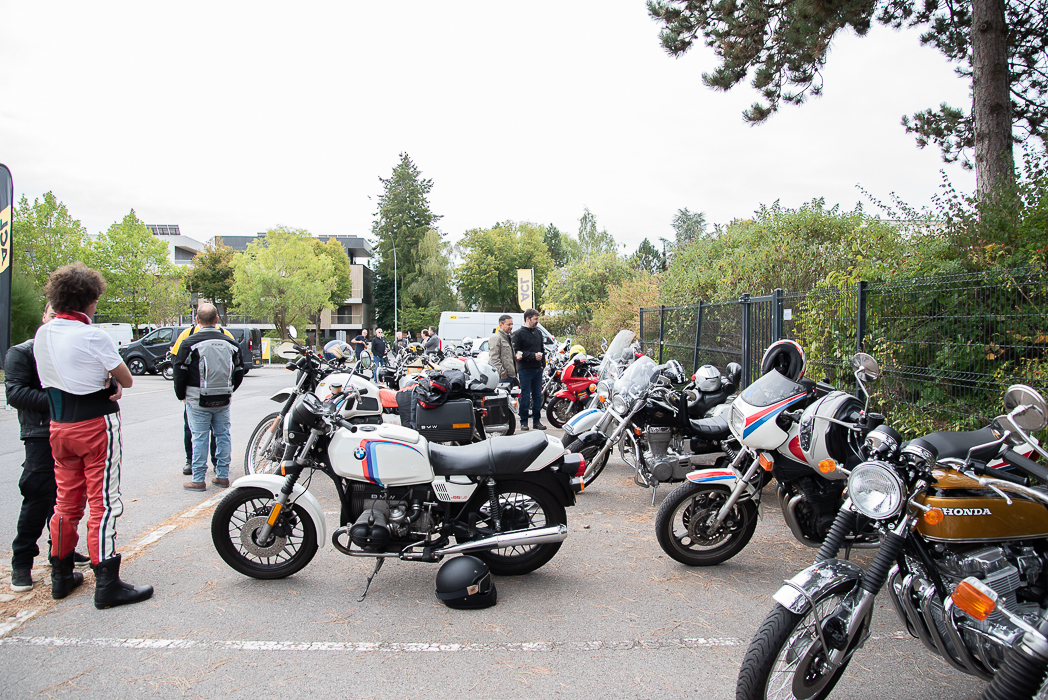
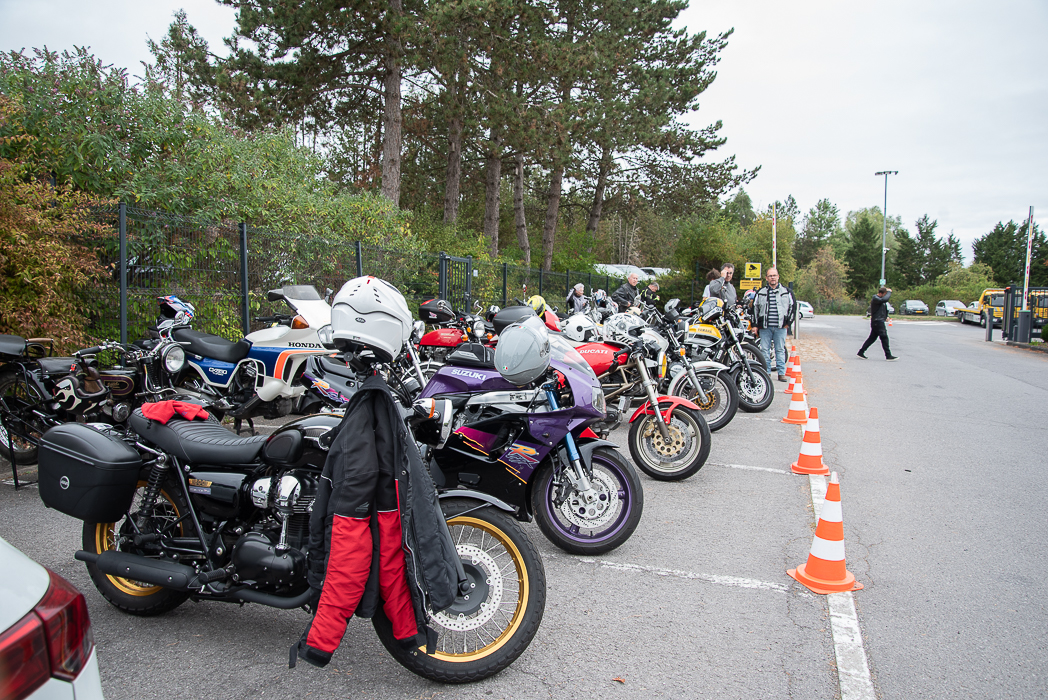
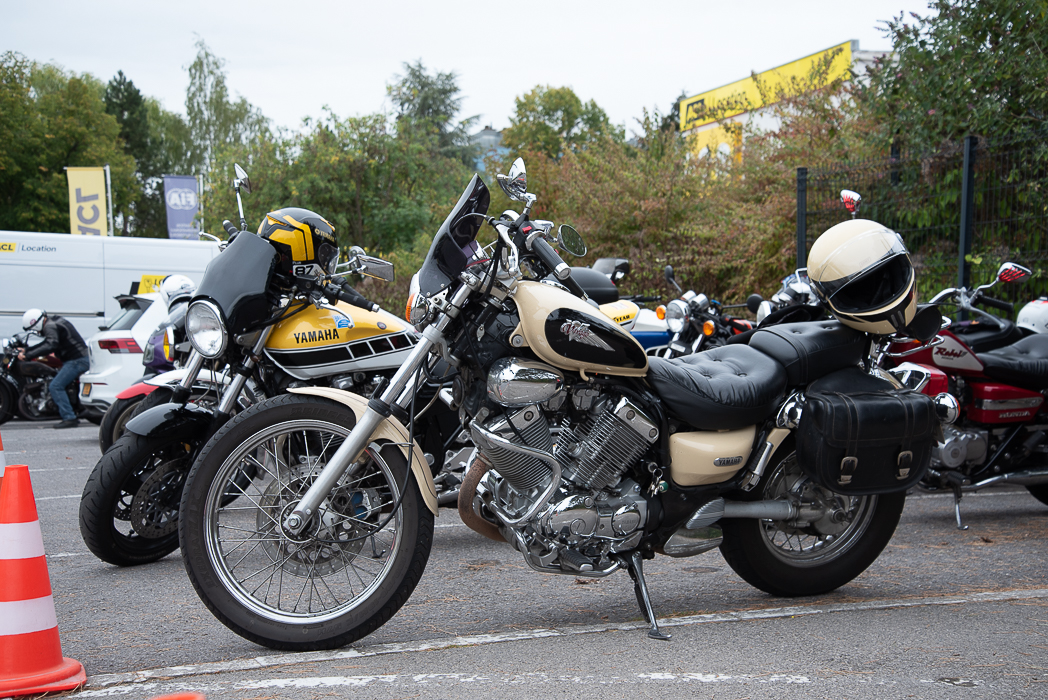
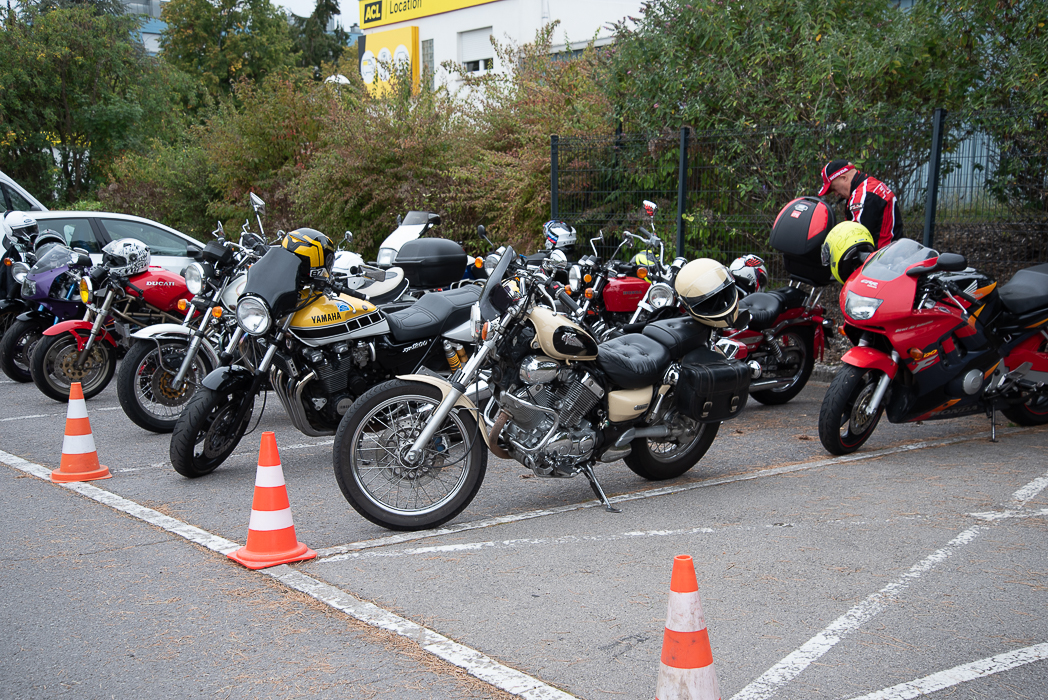
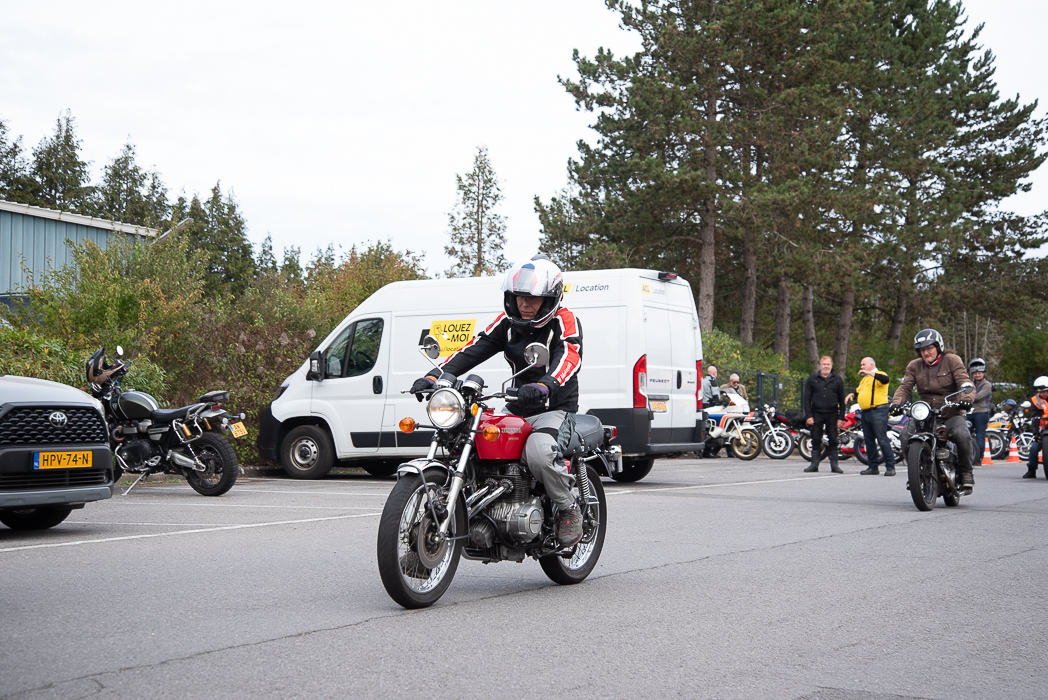
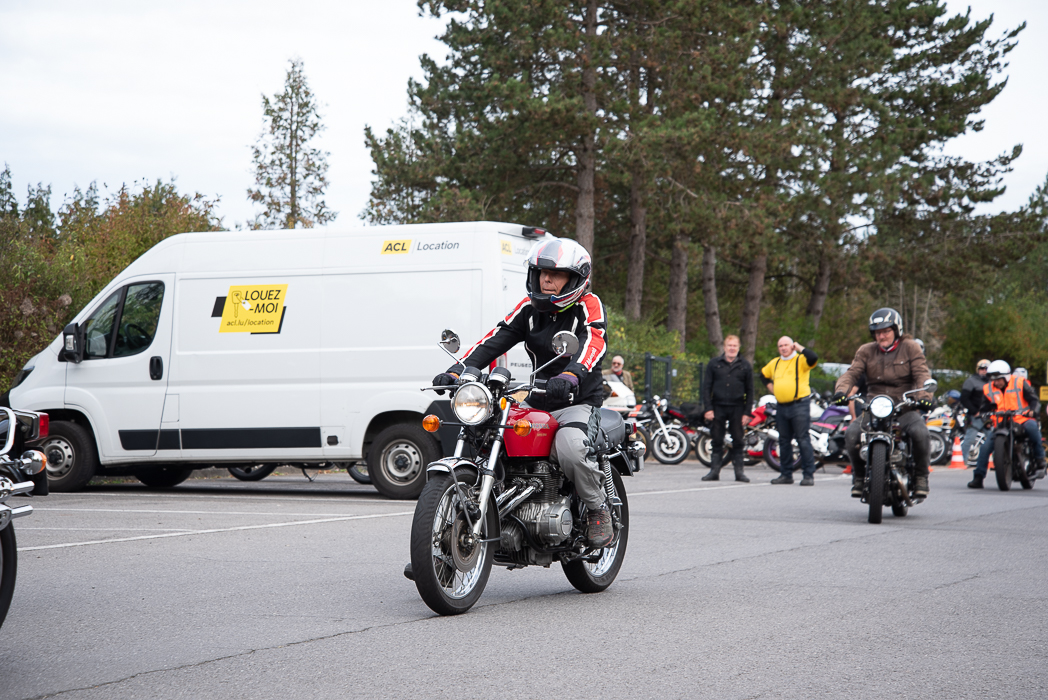
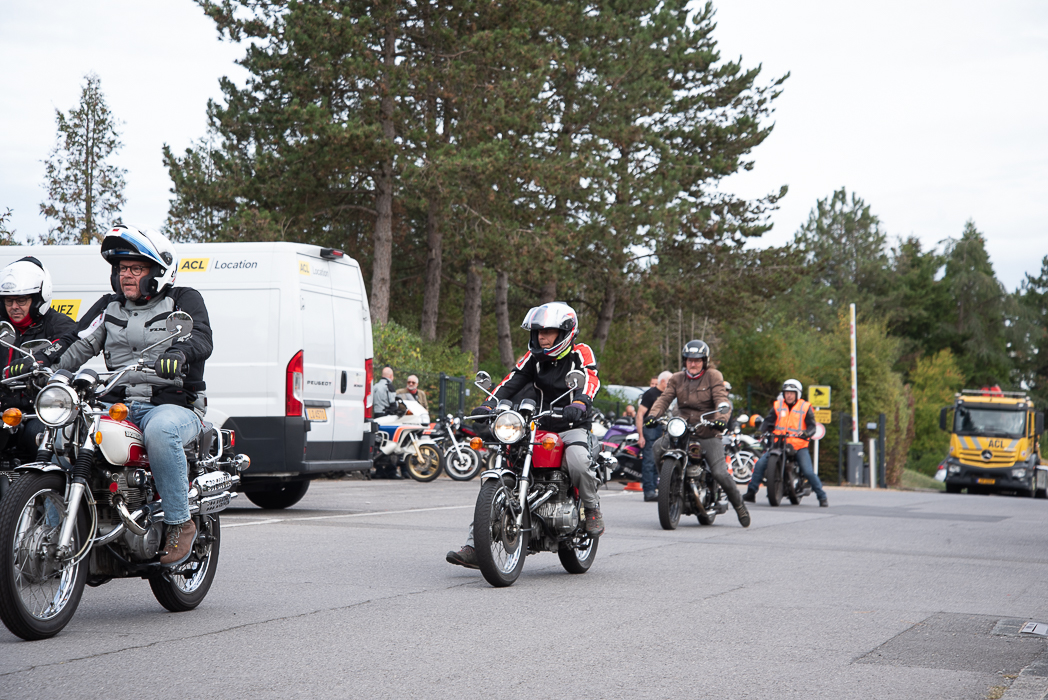
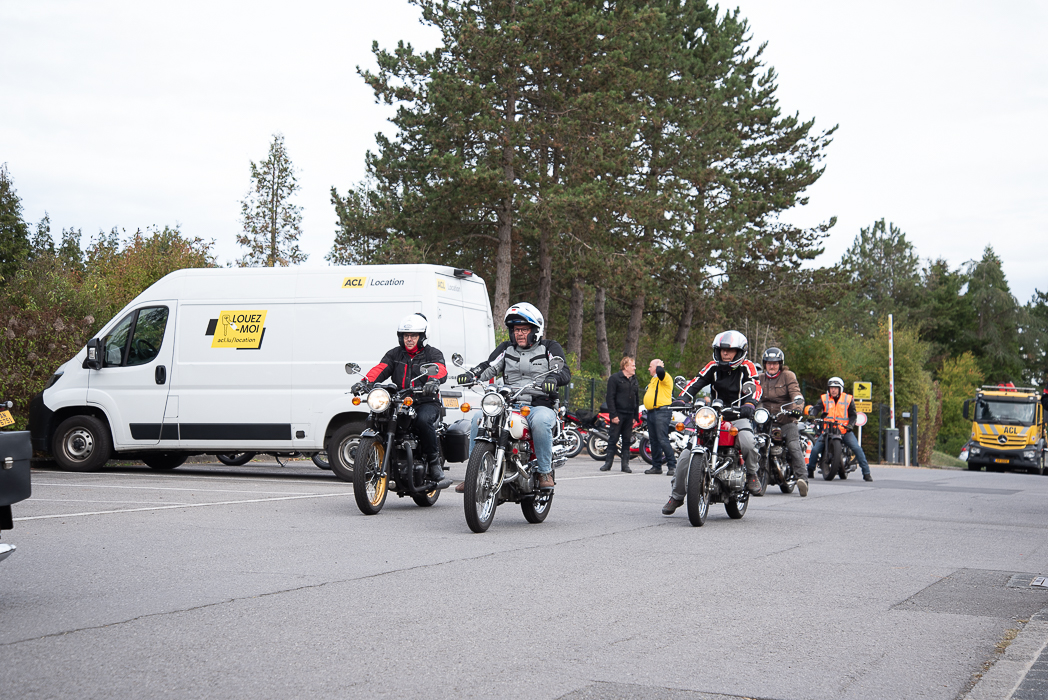
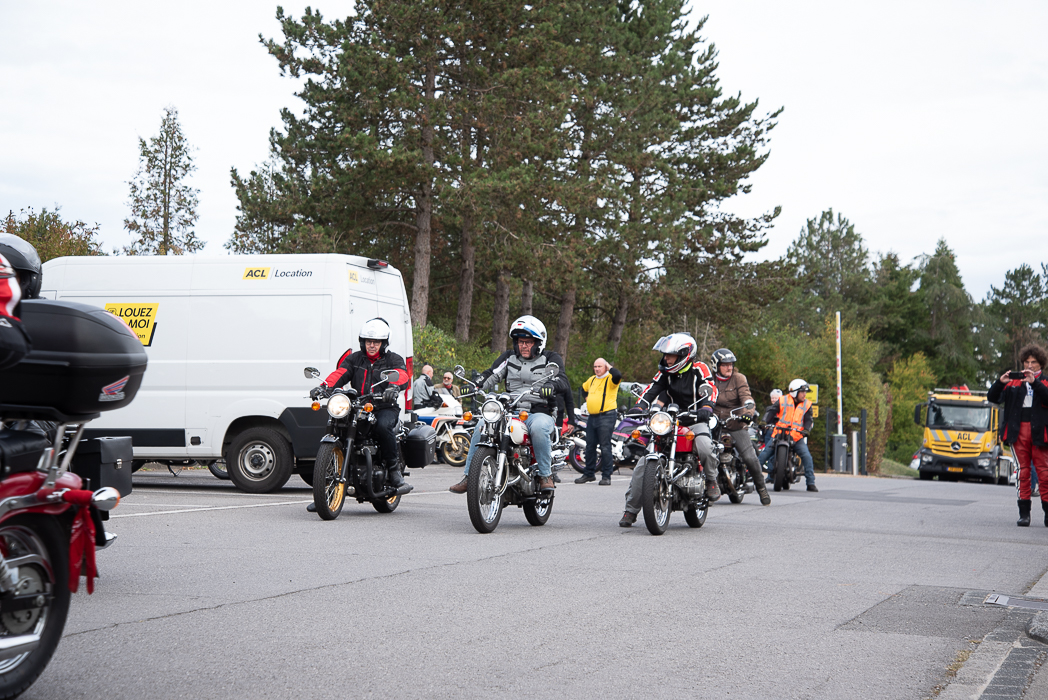
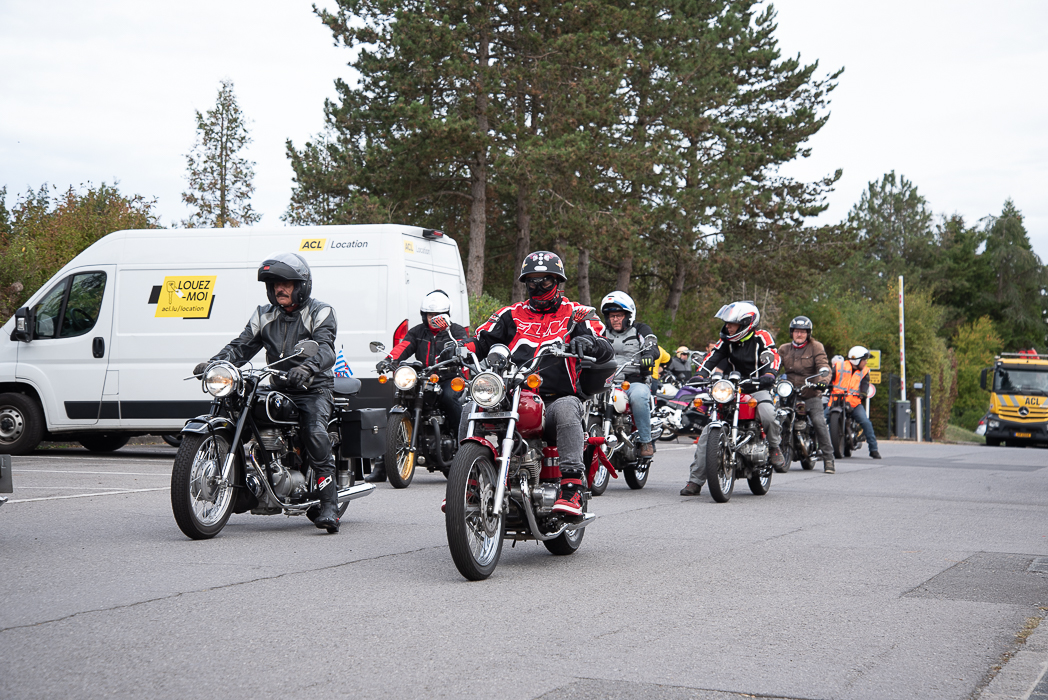
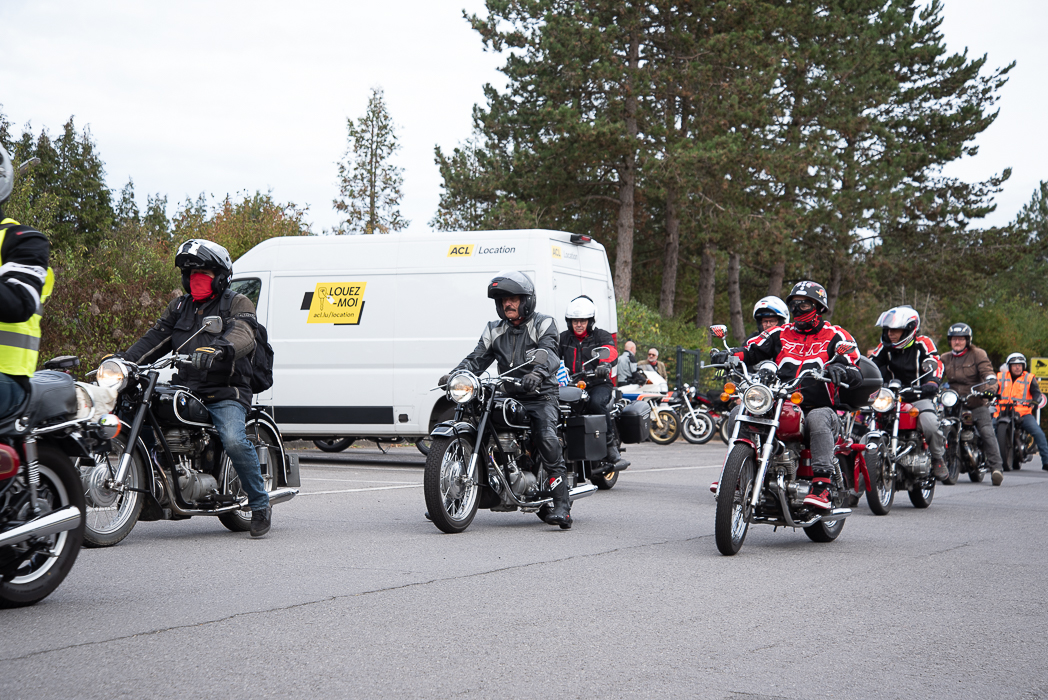
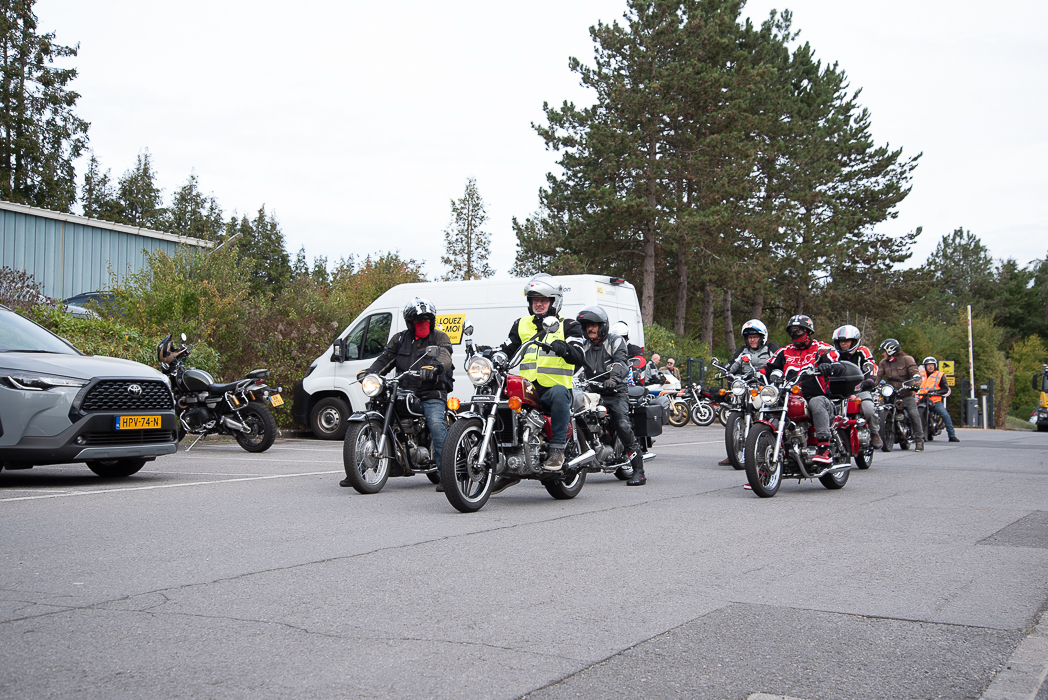
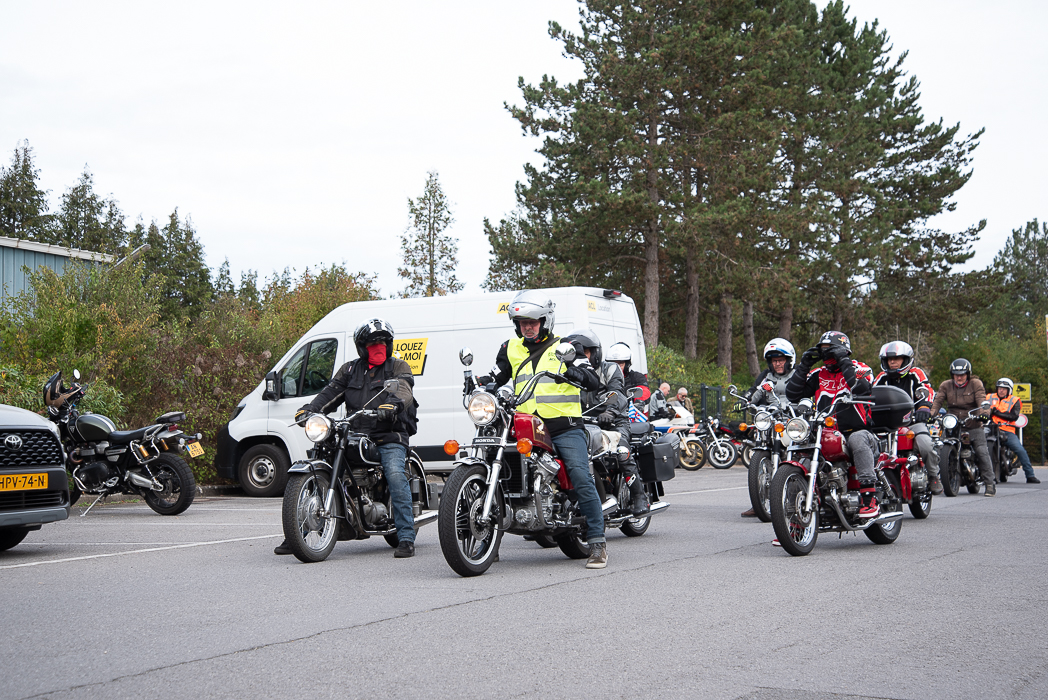
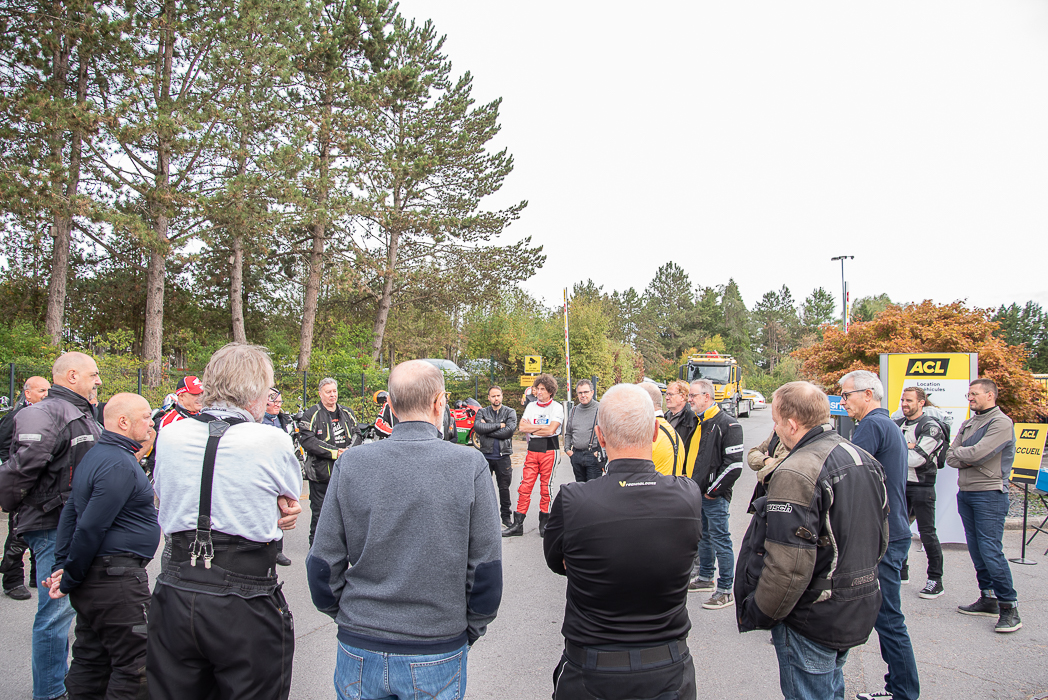
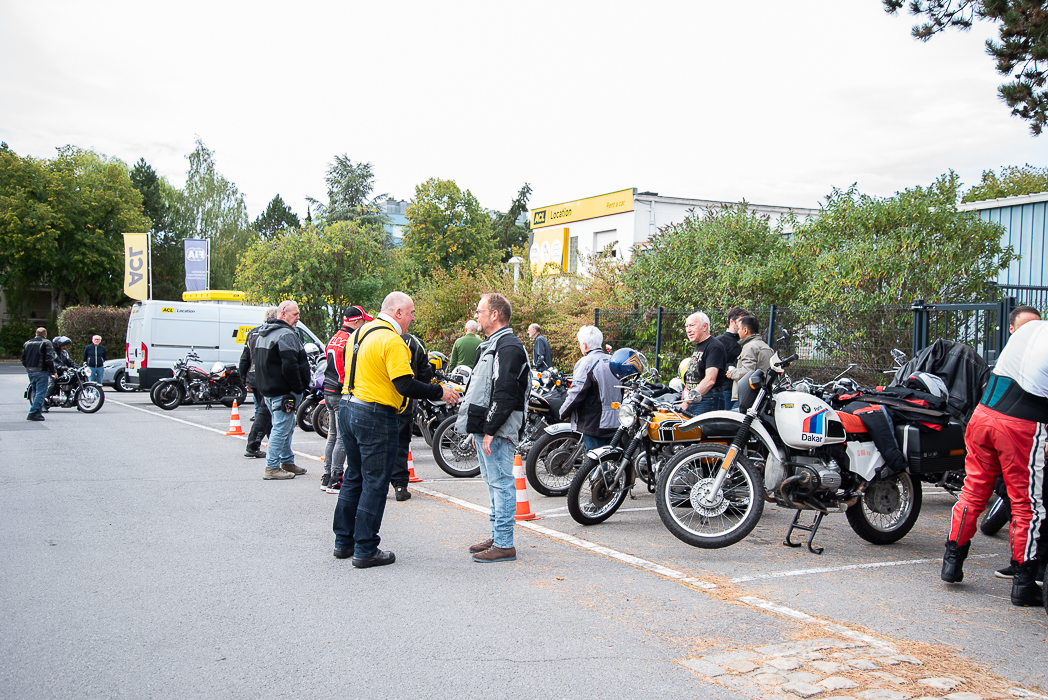
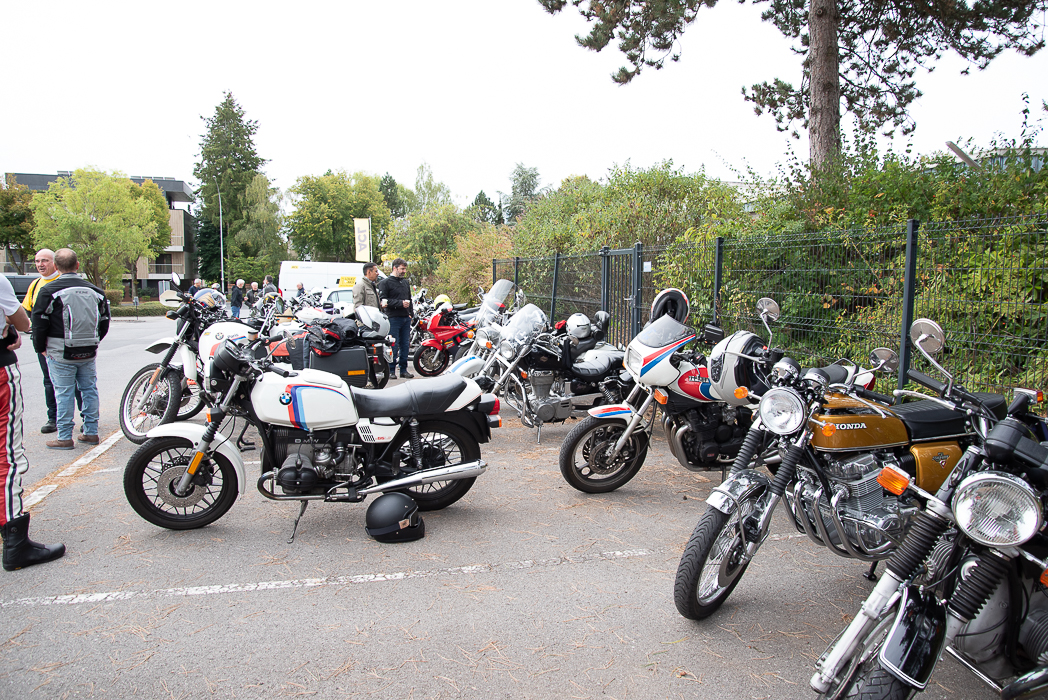
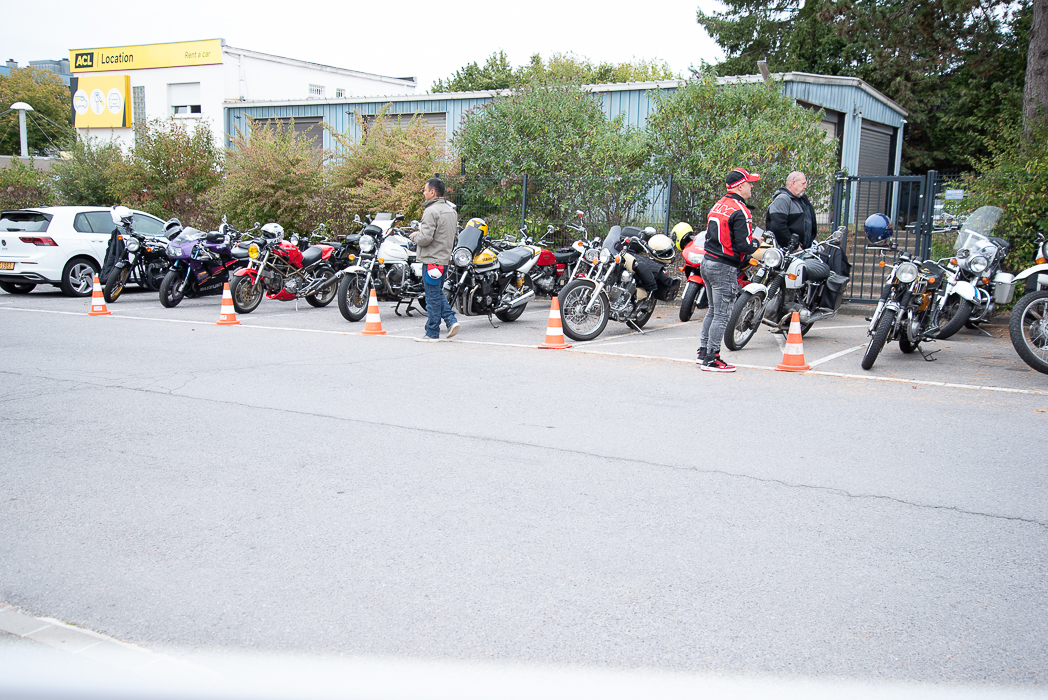
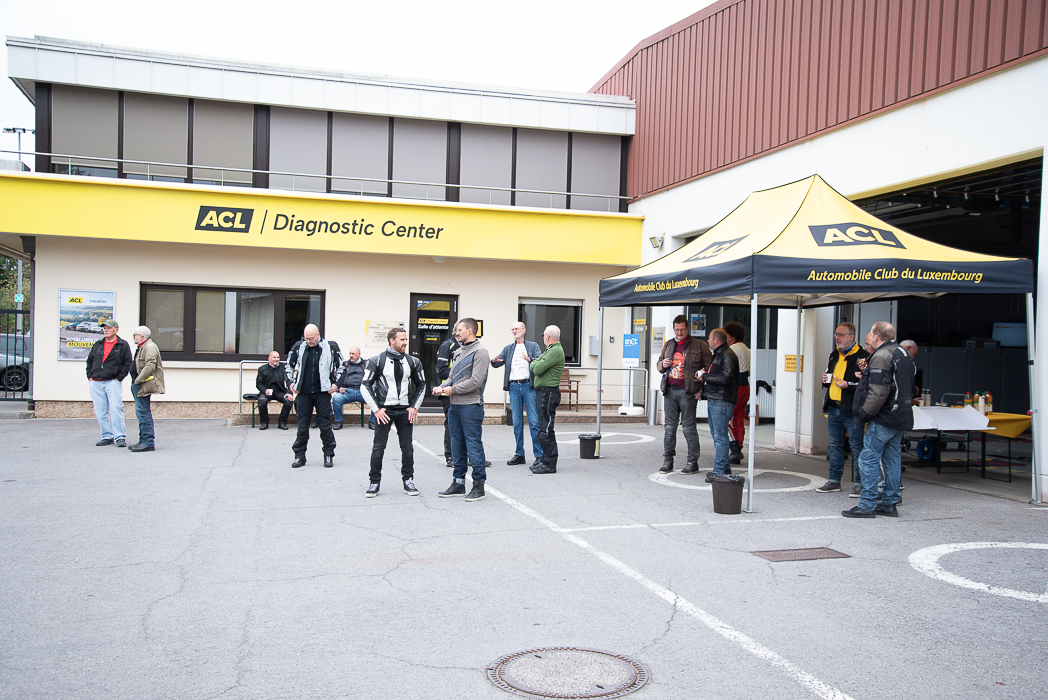
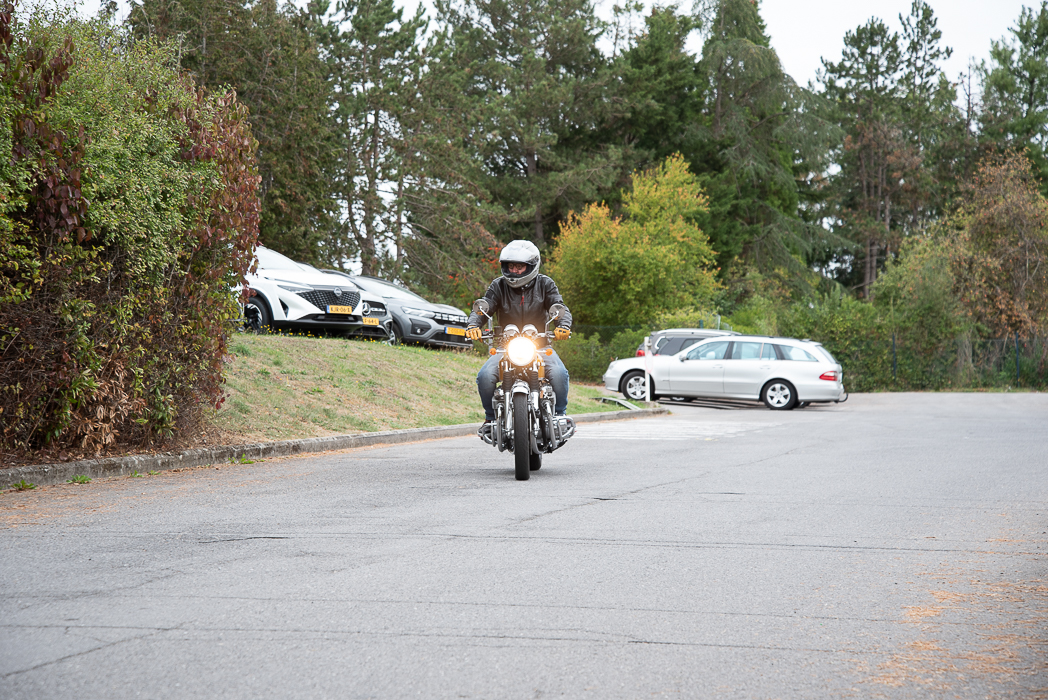
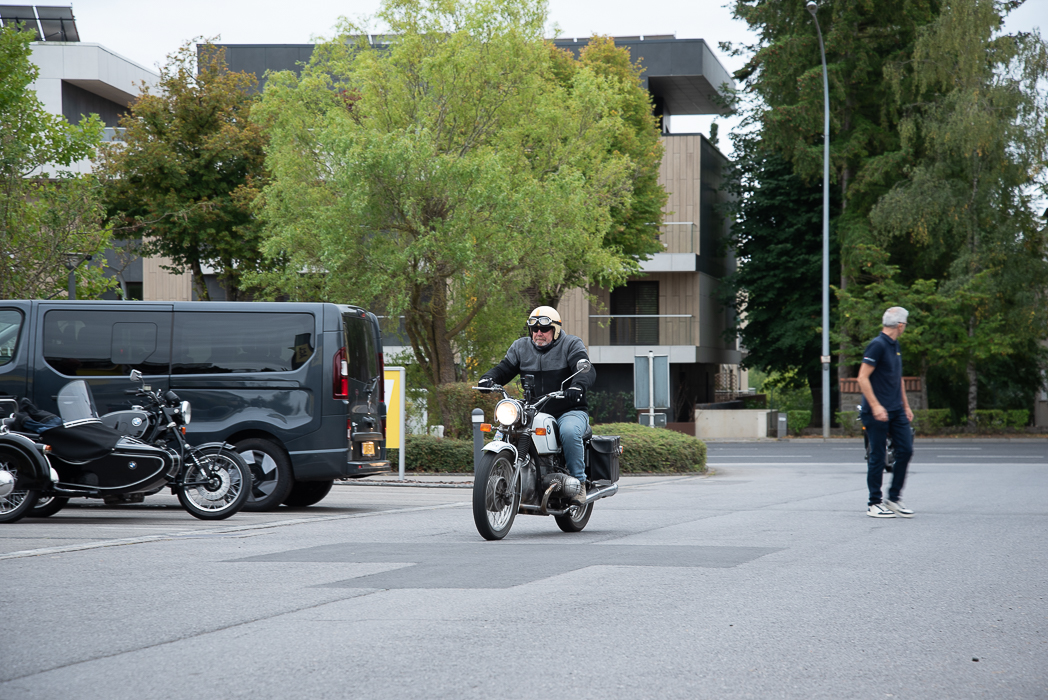
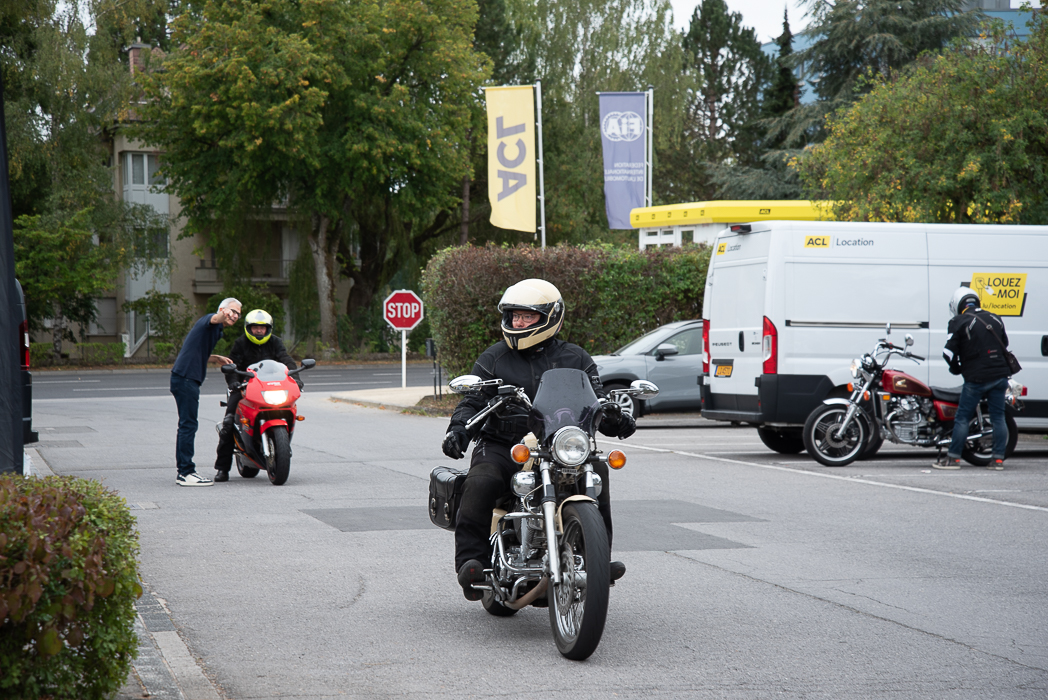
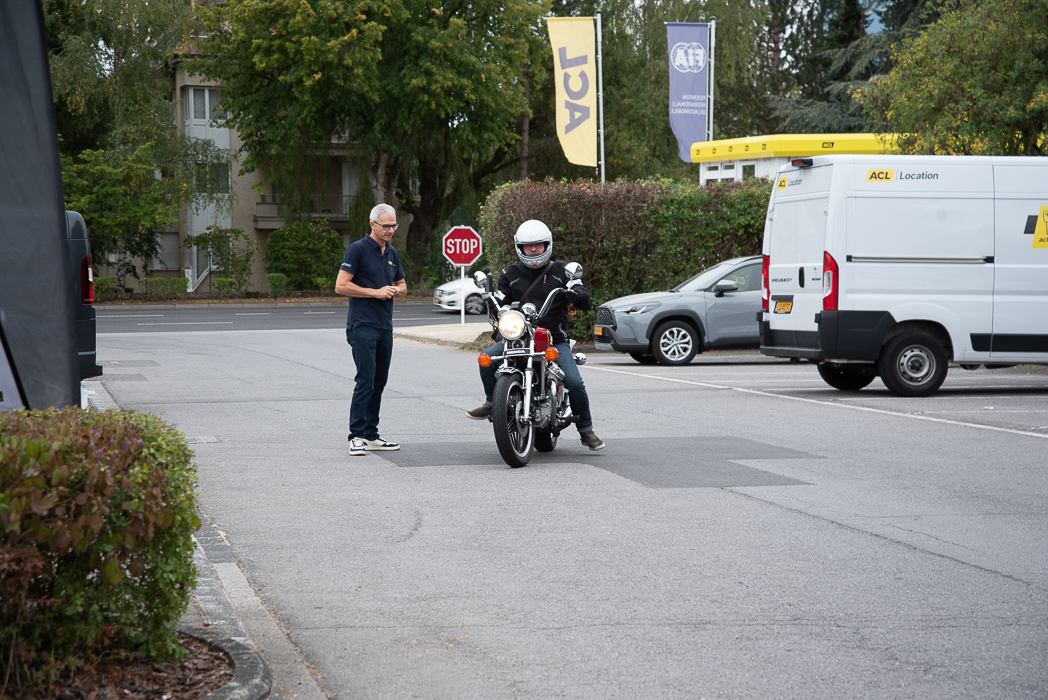
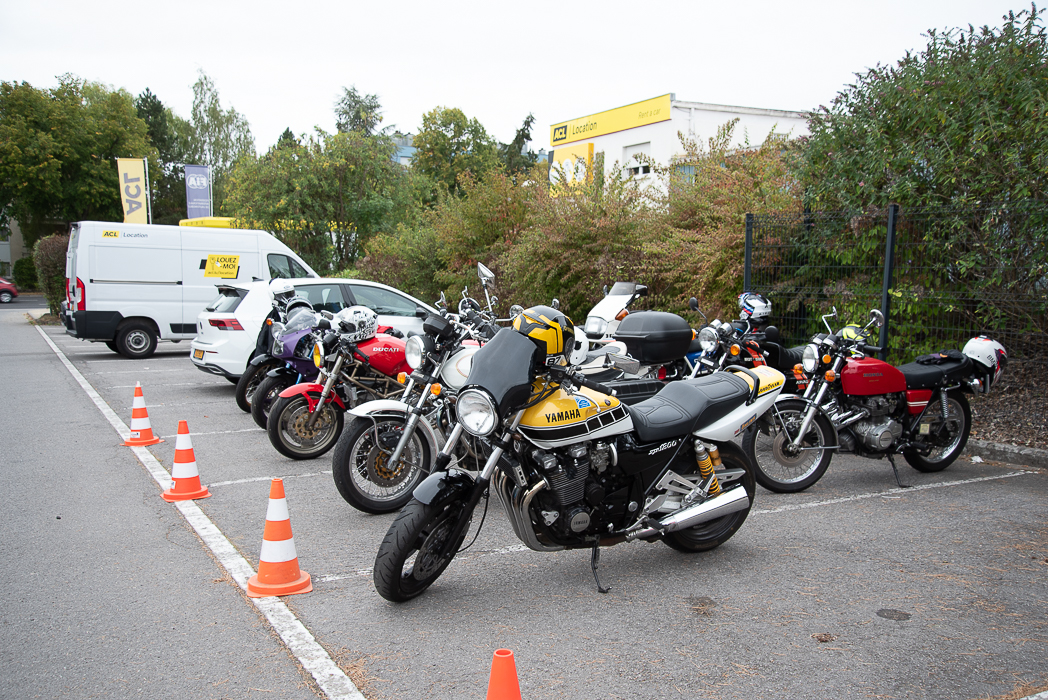
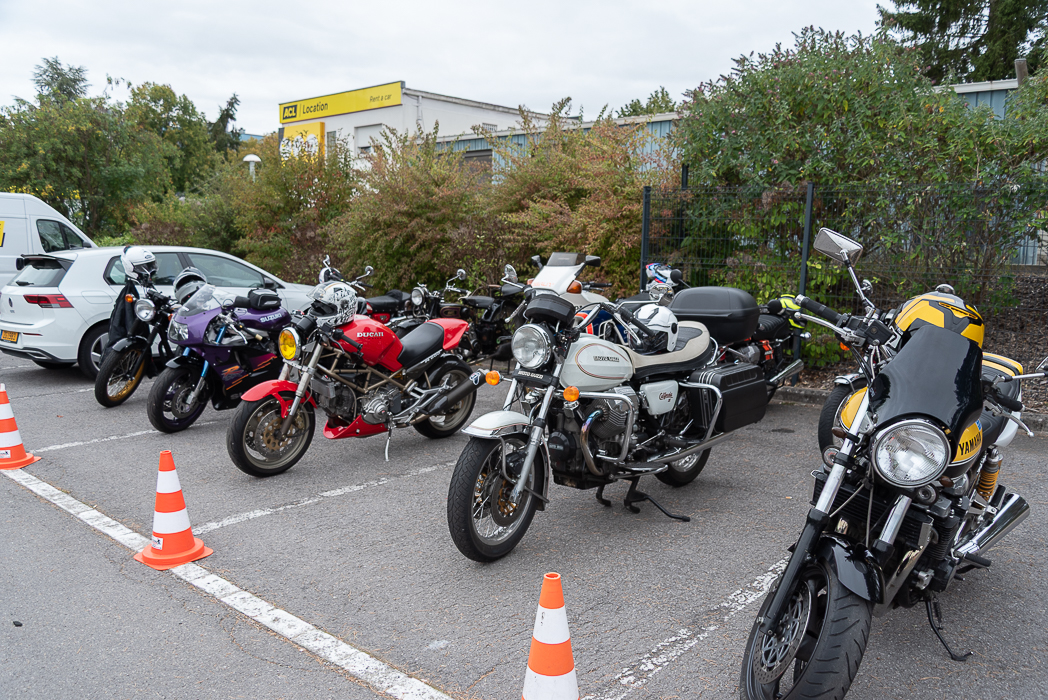
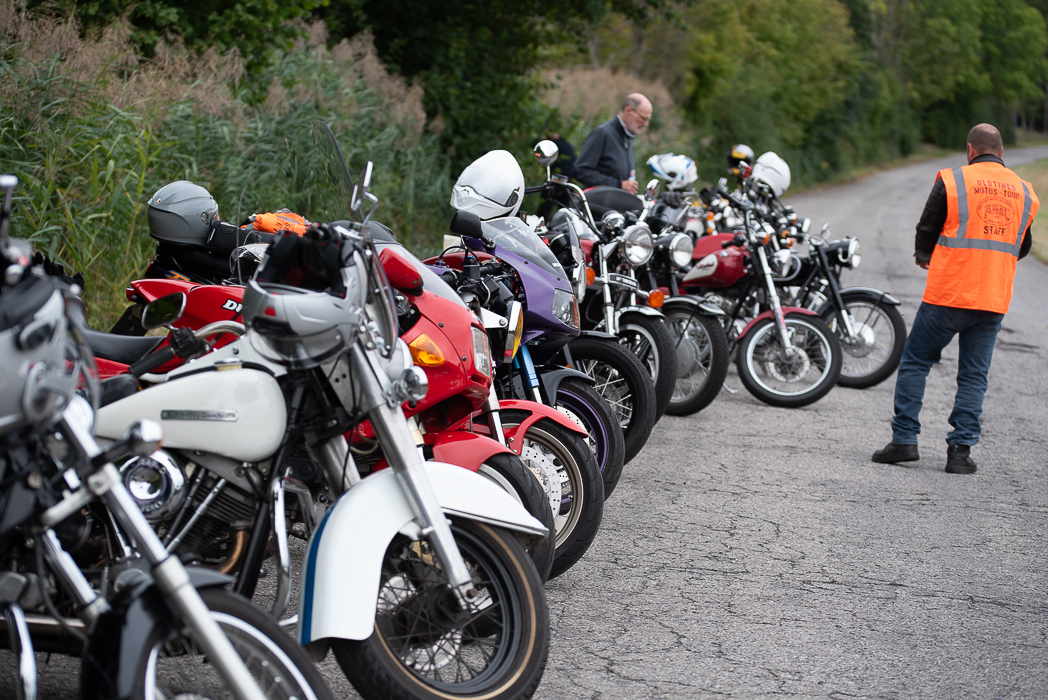
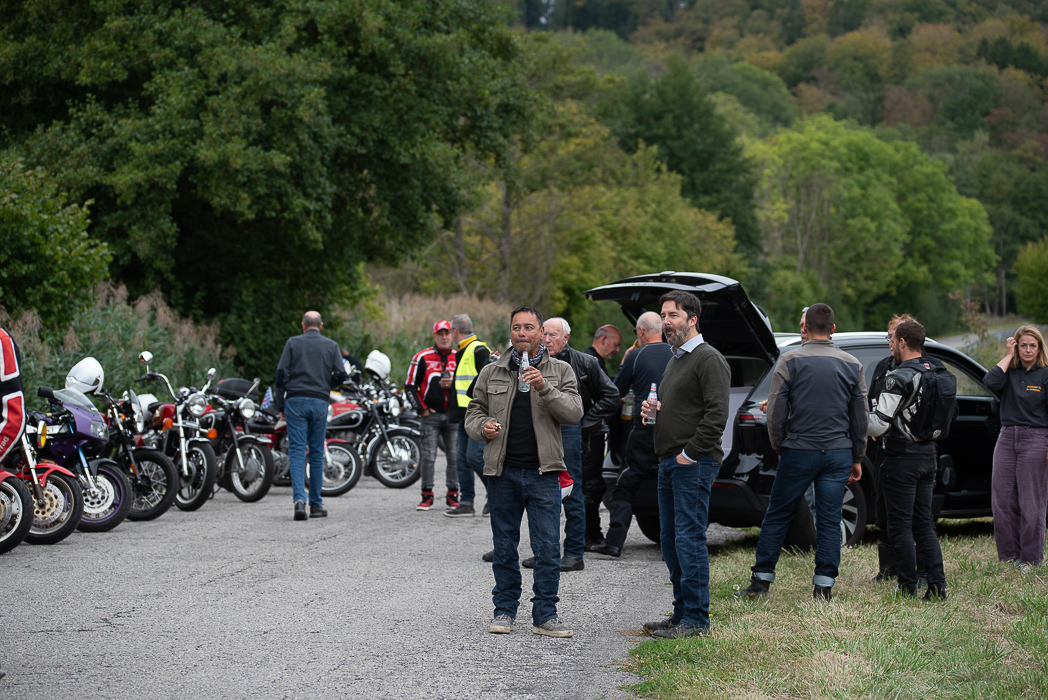
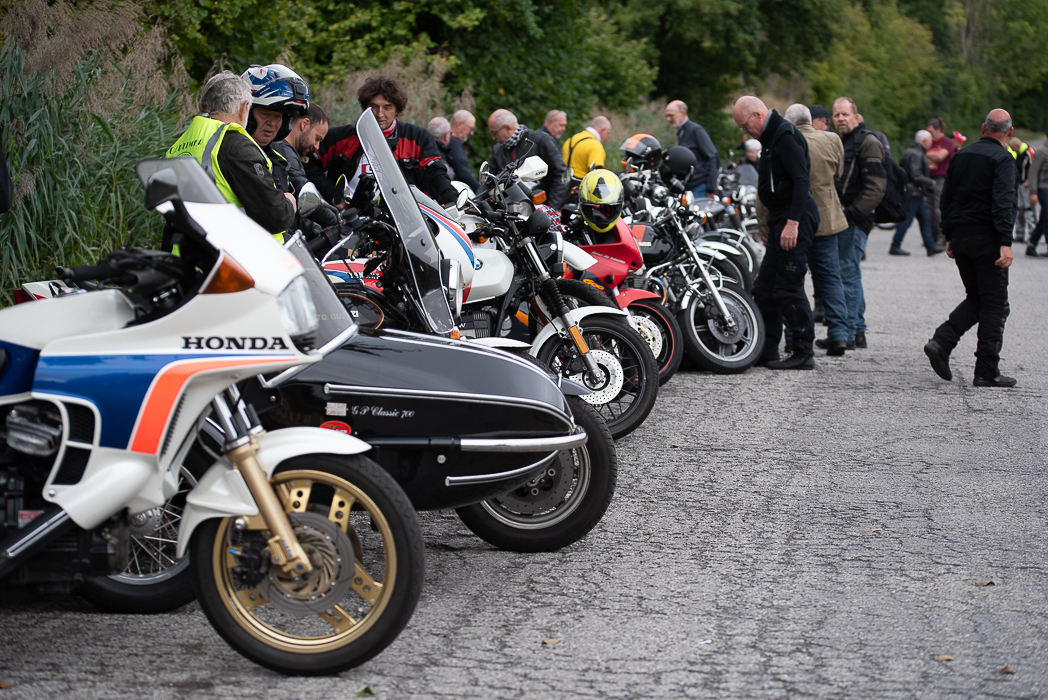
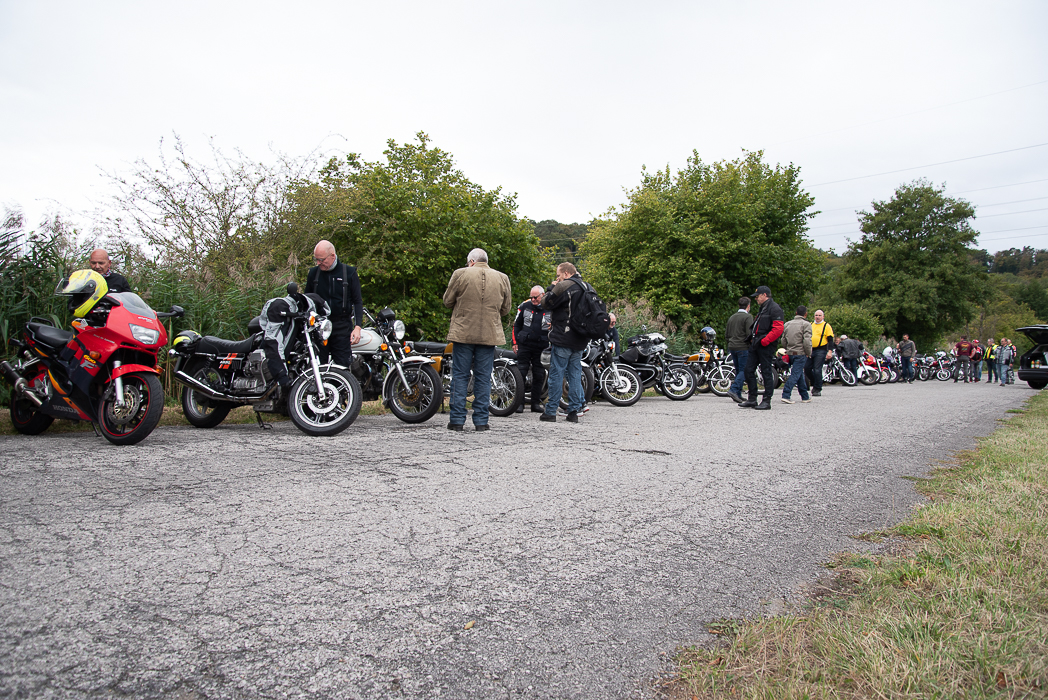
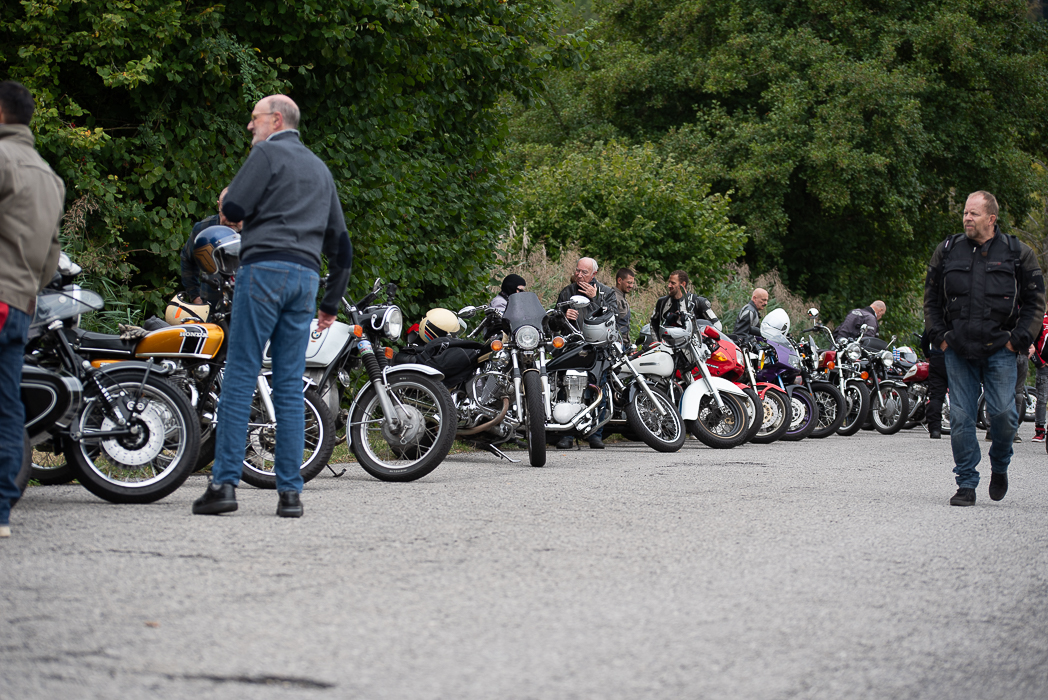
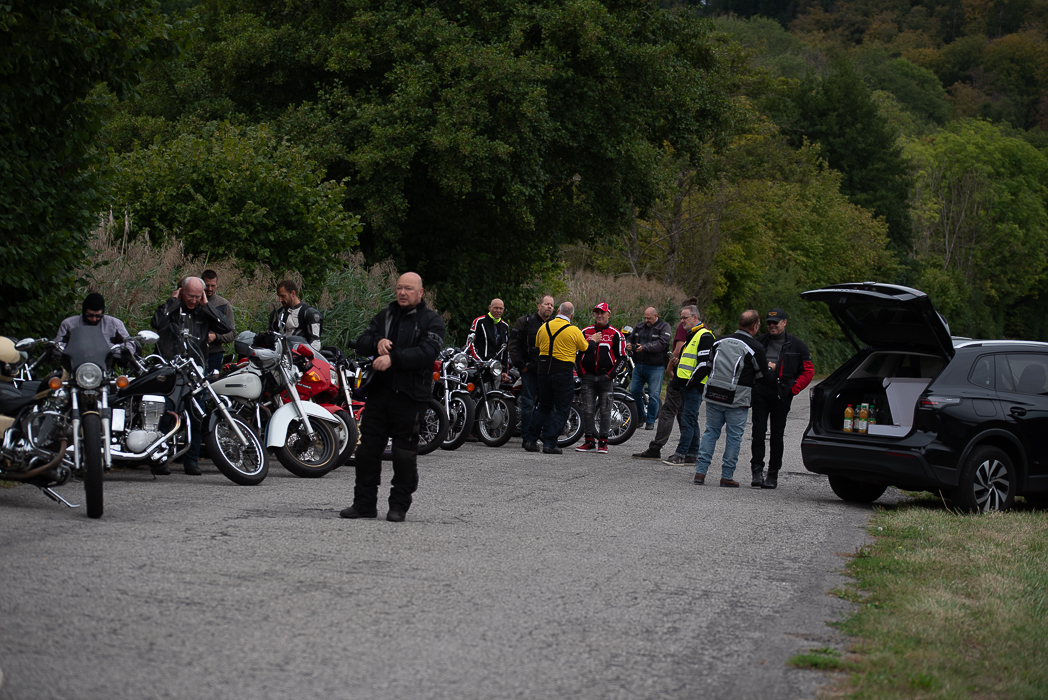
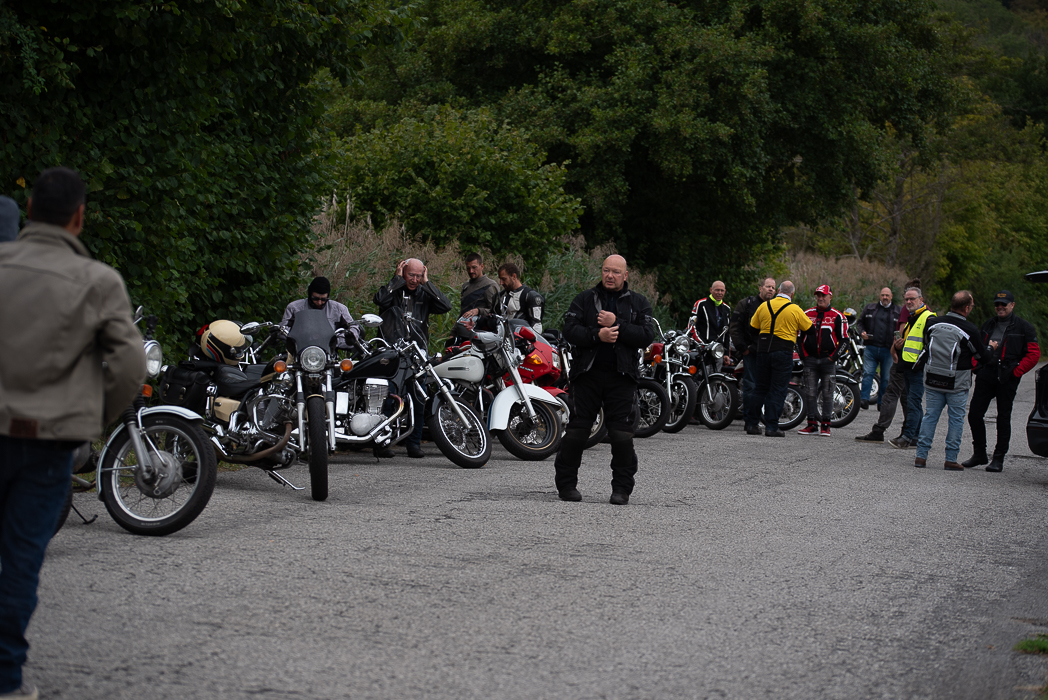
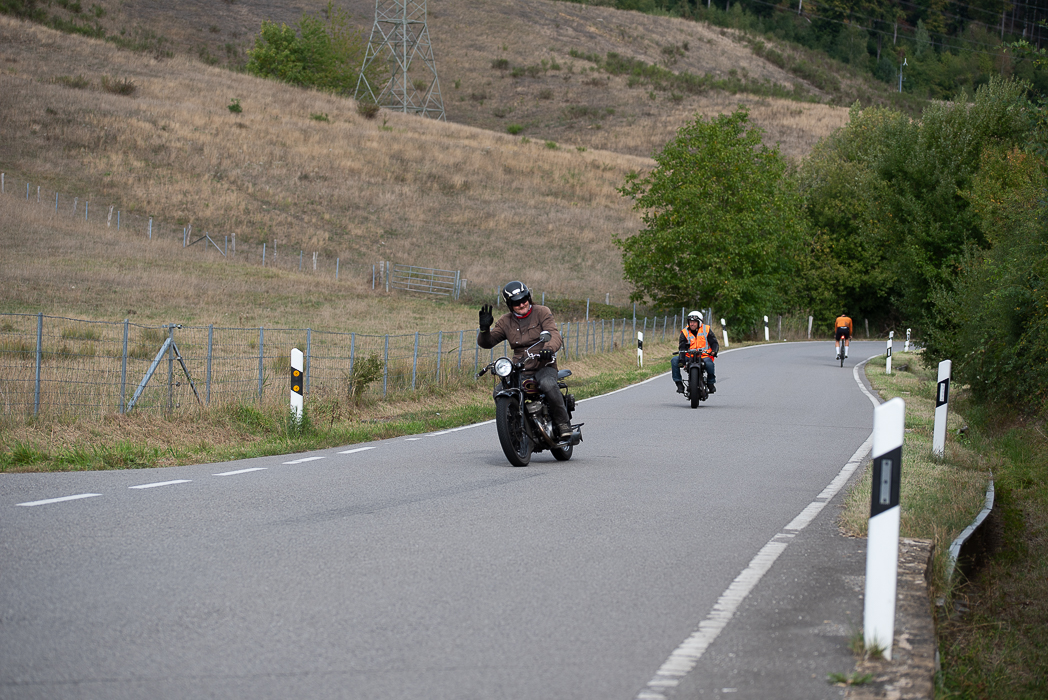
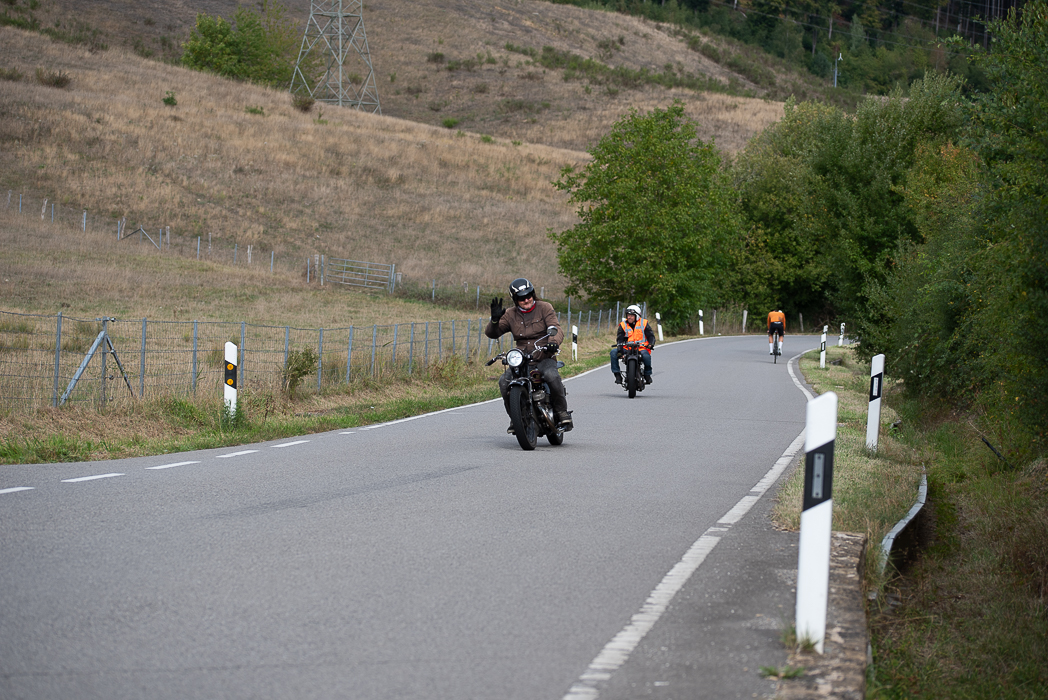
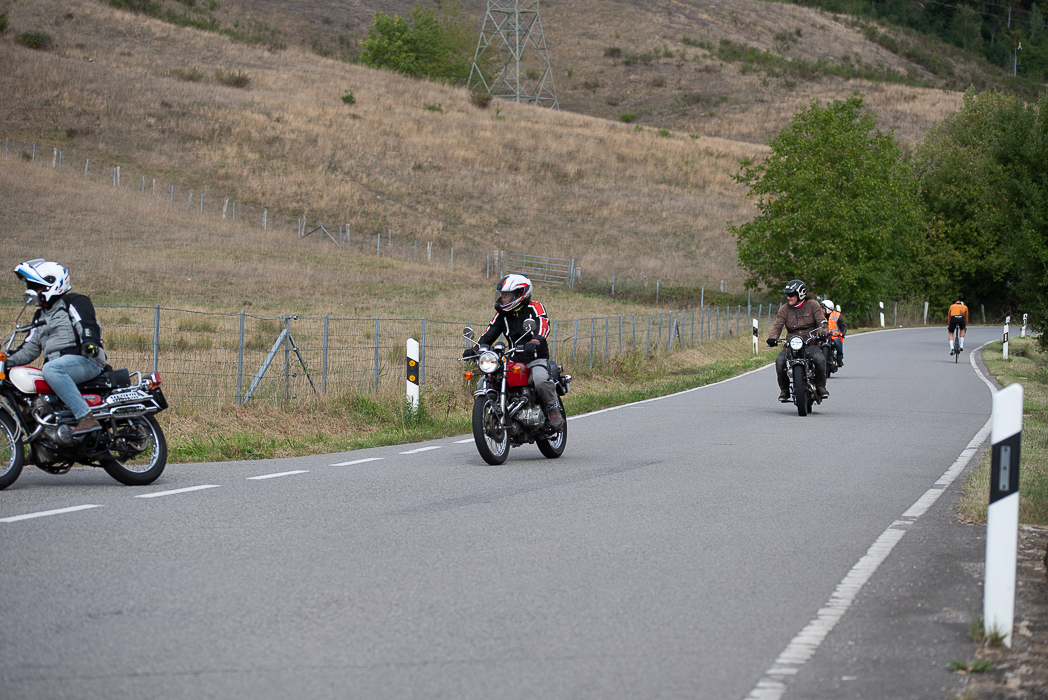
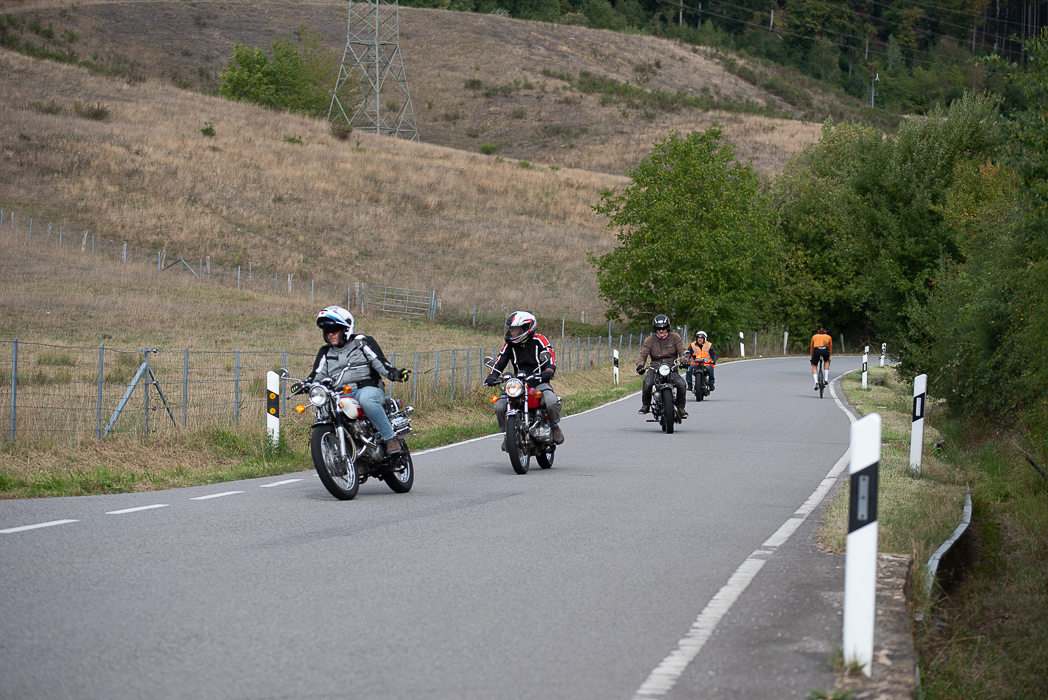
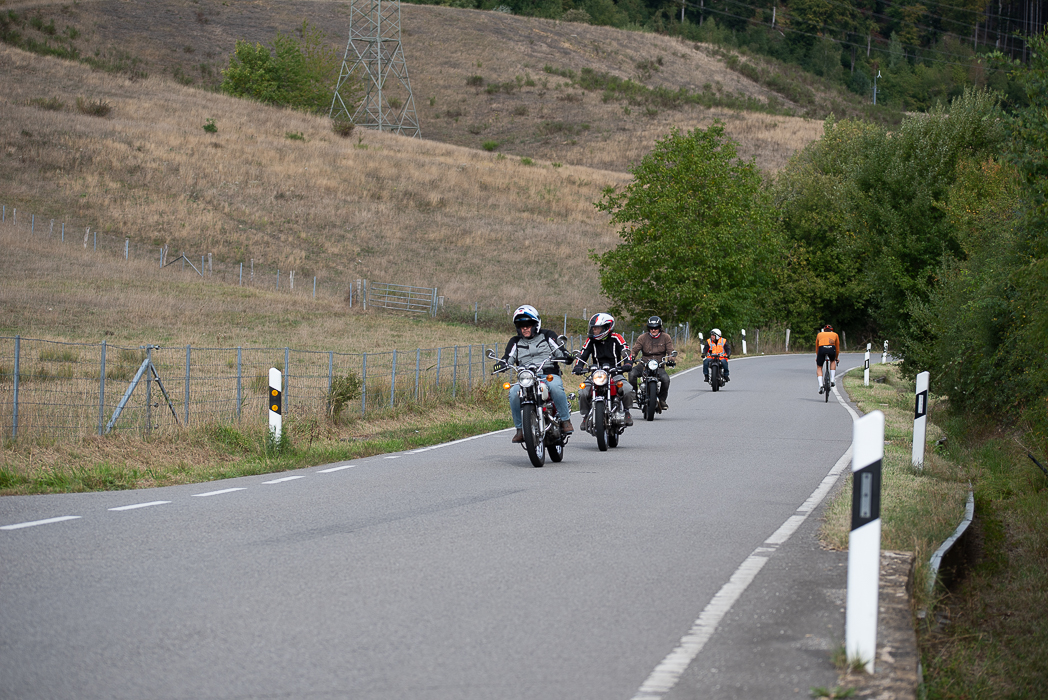
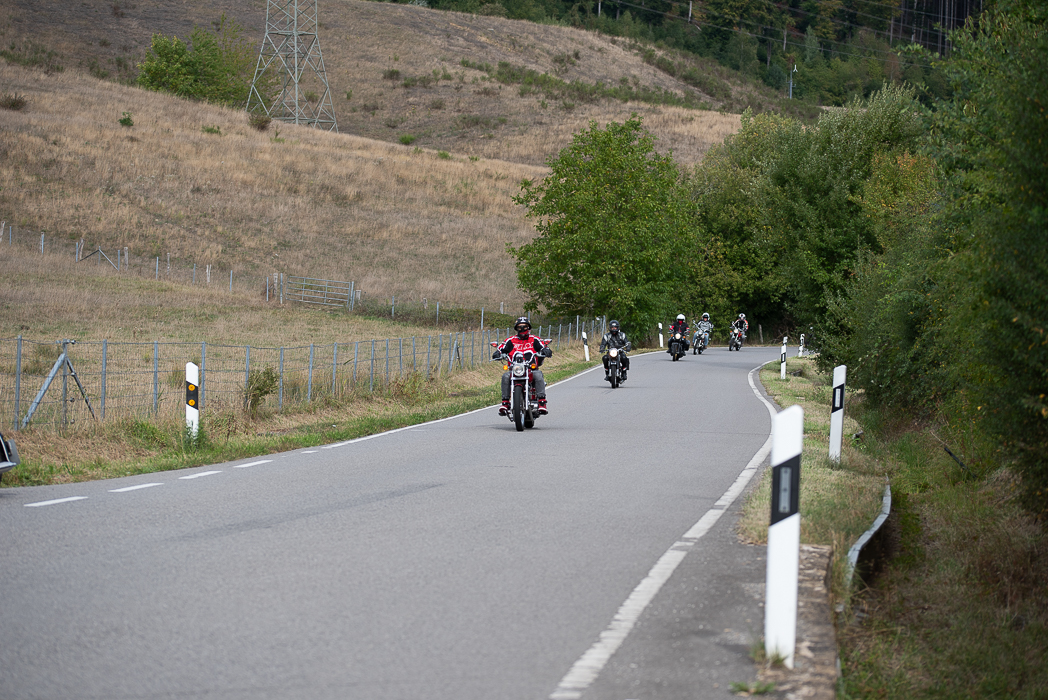
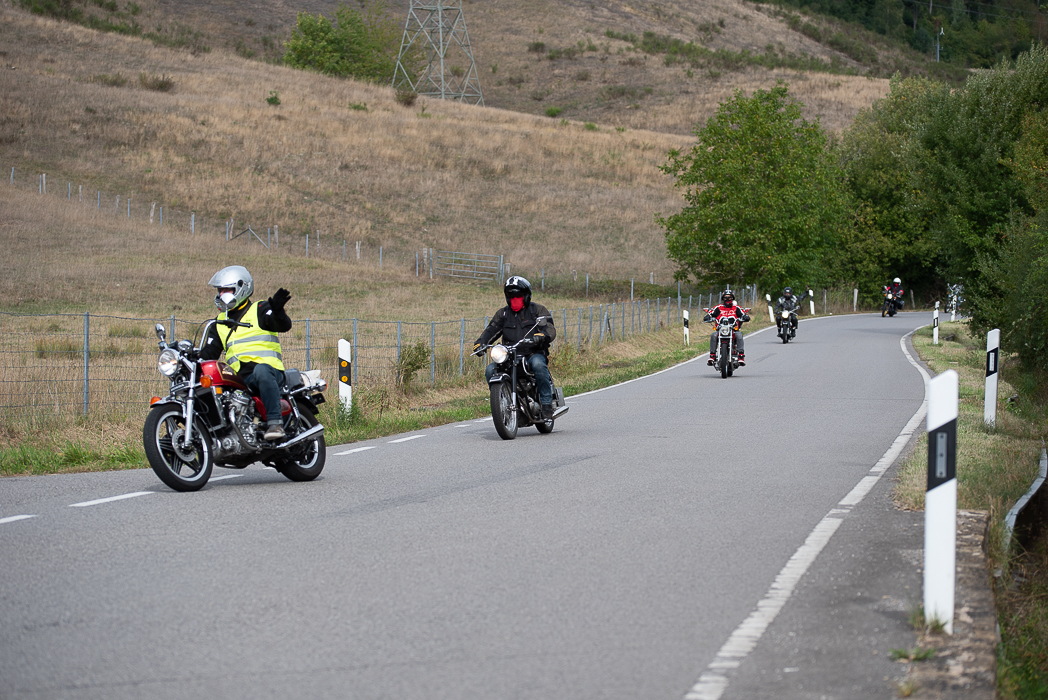
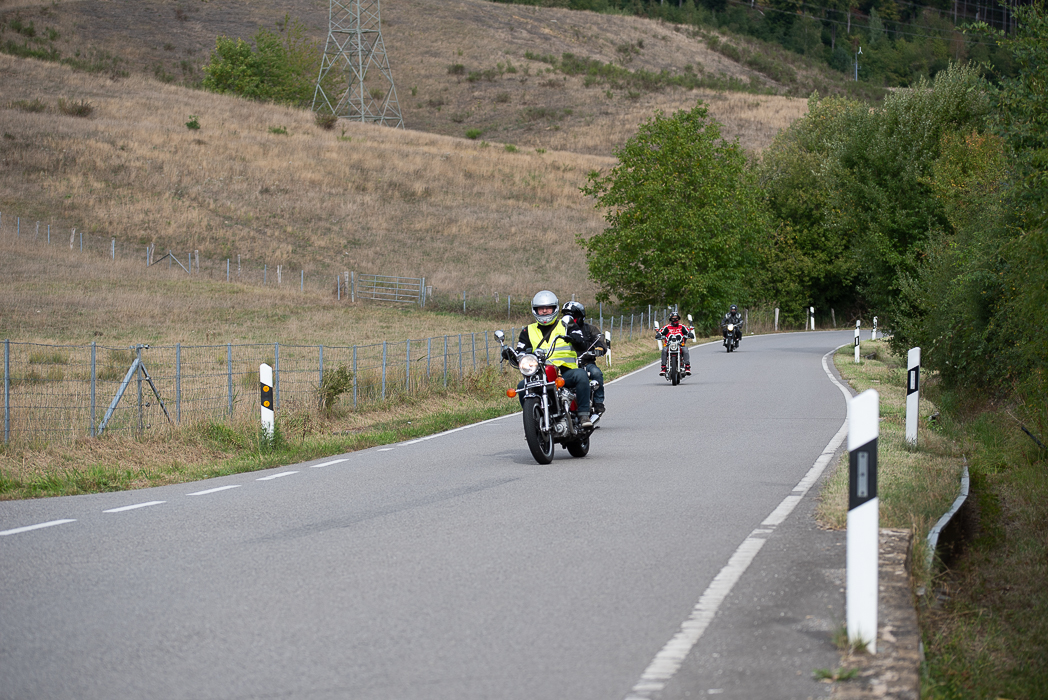
The first ACL Moto Classic Tour, open to motorcycles aged 30 and over, proved a resounding success. Some 35 machines turned out, from a 1933 Gillet Herstal to Japanese sports bikes of the late 1990s, bringing more than six decades of motorcycling history together in one place.
The line-up read like a life-size timeline, with a 1948 Ariel Red Hunter predating a 1994 Suzuki GSX-R 750 by almost half a century. German, Japanese, Italian, British, American and Belgian, all the great schools of motorcycle engineering were represented.
The oldest came from Belgium
At 93, the 1933 Gillet Herstal was the oldest machine on show. Founded in 1919 by Léon Gillet in Herstal, near Liège, the marque shared the town with FN and Saroléa. Between them, the three made the Liège area one of the great centres of the European motorcycle industry between the wars. Gillet Herstal built its reputation on tough single-cylinder engines and on a highly publicised feat, the round-the-world journey completed in 1926 by Robert Sexé and Henri Andrieux aboard two of the firm’s 350s. Like other European manufacturers, it struggled as affordable cars took hold, and the factory stopped making motorcycles in the late 1950s. Roadworthy examples are rare today.
The 1948 Ariel Red Hunter belongs to the same family of overhead-valve singles, in British form. Launched in the early 1930s, this 350 remained in the catalogue until the late 1950s.
BMW out in force
BMW provided the largest contingent at this first edition, and its line-up told several chapters of the Munich firm’s story on its own. Two R25/3s from 1954 and 1955 recall the role this 250 cc single played in getting post-war Germany back on the move. The 1973 R60/5 and 1974 R90/6 show how the flat-twin was modernised in the early 1970s, followed by a 1982 R65. A 1977 R100RS, fitted with a sidecar, represents a model that in 1976 became the first production motorcycle with a full fairing developed in a wind tunnel. Finally, the 1986 R80 G/S embodies the birth of the big adventure bike, popularised by BMW’s victories in the Paris–Dakar Rally.
The CB750 Four, Japan’s game-changer
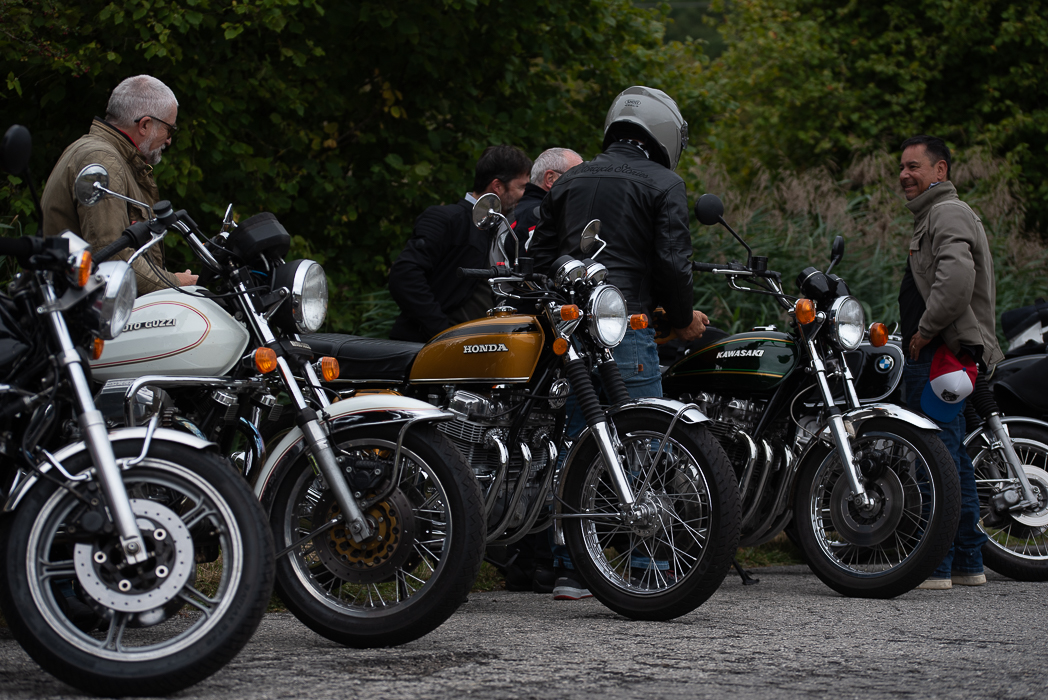
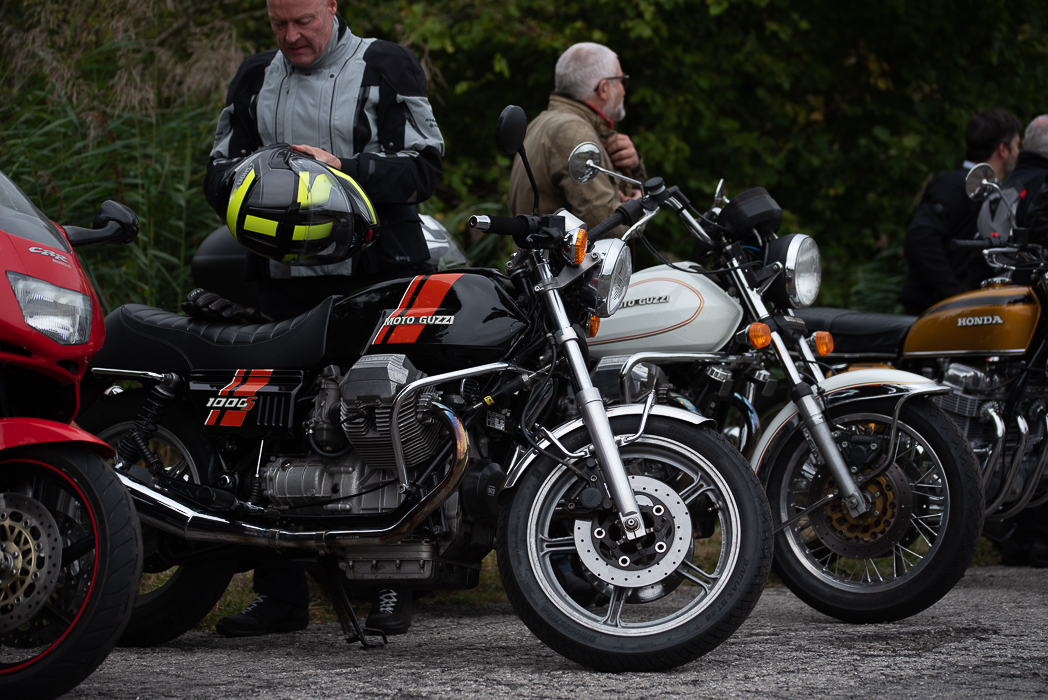
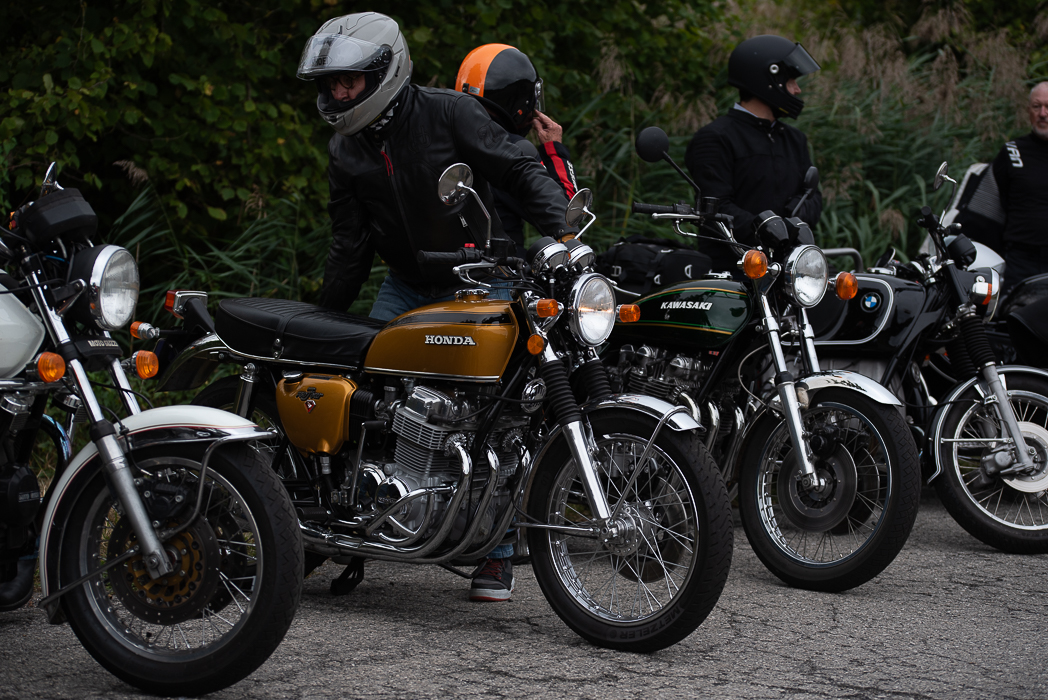
Among the dozen or so Japanese machines, the 1972 Honda CB750 Four K2 held a special place. Unveiled at the 1968 Tokyo Motor Show and on sale the following year, the CB750 turned the market upside down. Its 736 cc transverse inline four, four silencers and front disc brake, a rarity on a mass-produced motorcycle at the time, gave it performance previously reserved for exclusive machines, with the reliability and price of mass production. It is often credited with coining the term ‘superbike’. The 1972 K2 differs only in detail.
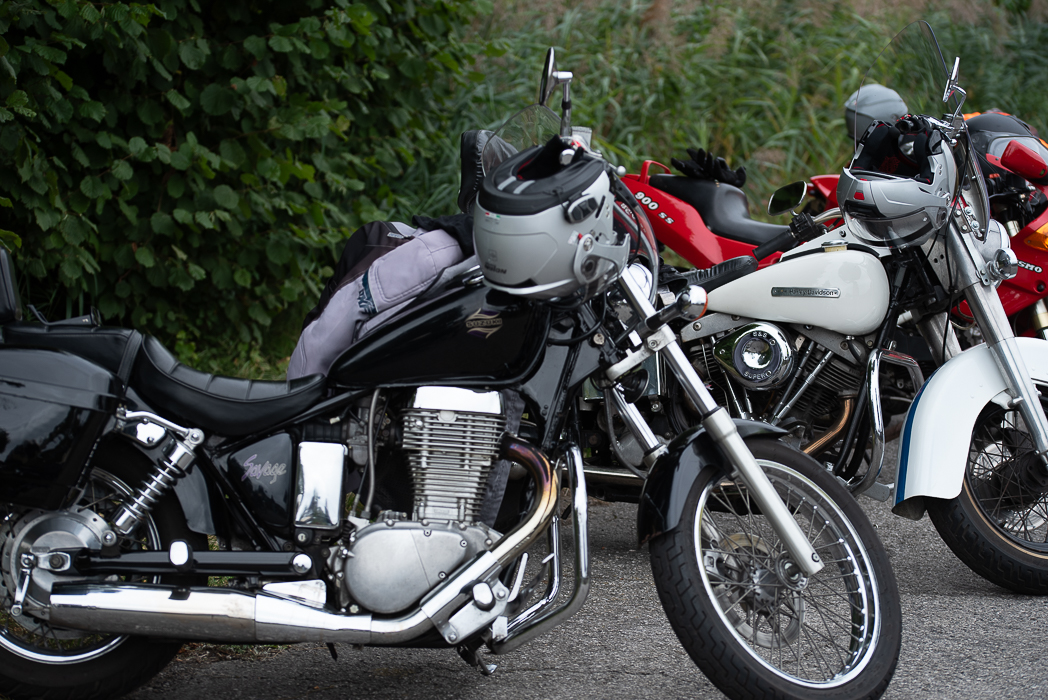
The other Japanese bikes continue the story. The 1976 Kawasaki Z900 descends directly from the 1972 Z1, Kawasaki’s double-overhead-cam answer to Honda. The 1976 Honda CB400 Four is recognisable by its four-into-one exhaust, while the 1983 Yamaha XJ900 represents the generation of half-faired tourers. The 1990s were represented by a 1994 Suzuki GSX-R 750, a 1995 Honda CBR600F and a 1997 Yamaha XJR1200SP, a deliberately retro-styled roadster. More modest machines completed the picture, including a 1974 Honda CB250, a 1973 CL350, a 1998 Rebel 125, a Suzuki Savage and a Yamaha Virago 535.
Italian and American additions
Italy was represented by two Moto Guzzis, a 1986 California II and a 1990 1000S inspired by the brand’s 1970s sports bikes, as well as two Ducatis. The 1991 900SS marked the revival of the Supersport range with its air-cooled L-twin, while the 1997 Monster M900 recalls the success of a stripped-back roadster designed by Miguel Galluzzi, which became one of the marque’s best-selling models. A 1978 Harley-Davidson and a Honda CX650 Turbo rounded off the line-up.
Beyond the variety of models, the event showed that these machines are very much alive. Maintained, restored or simply preserved by their owners, they reflect skills and enthusiasm handed down over time. The idea of the classic is therefore not limited to cars. With the 30-year rule, new models become eligible every year, and the sports bikes of the early 2000s will soon join the field.