The ACL is organising an exceptional exhibition bringing together some of the finest icons in automotive history. From 24 April to 4 May, around fifteen cars will be on display at City Concorde for the Classic Car Expo by ACL.
From the timeless charm of the Alfa Touring Spider to the raw power of the Dodge Viper, by way of the legendary Ford Escort RS 2000, the sculptural Fiat Dino Spider and the formidable Porsche 930 Turbo, each model tells the story of an era, a style… and a different way of loving the road. Enthusiasts will also find the Volvo Amazon, the elegant Opel Kapitän, the daring Citroën CX 25 GTI, the sporty BMW Z3 M, not forgetting two names that are enough to make anyone dream: Corvette and Lotus.
Whether you are an enthusiast, a curious visitor, a nostalgic soul or simply passing by, this unique selection is well worth a visit. Come and discover these exceptional machines, take the time to admire their lines, their stories… and perhaps rediscover a little piece of your youth.
Here is a preview of the models that will be on display
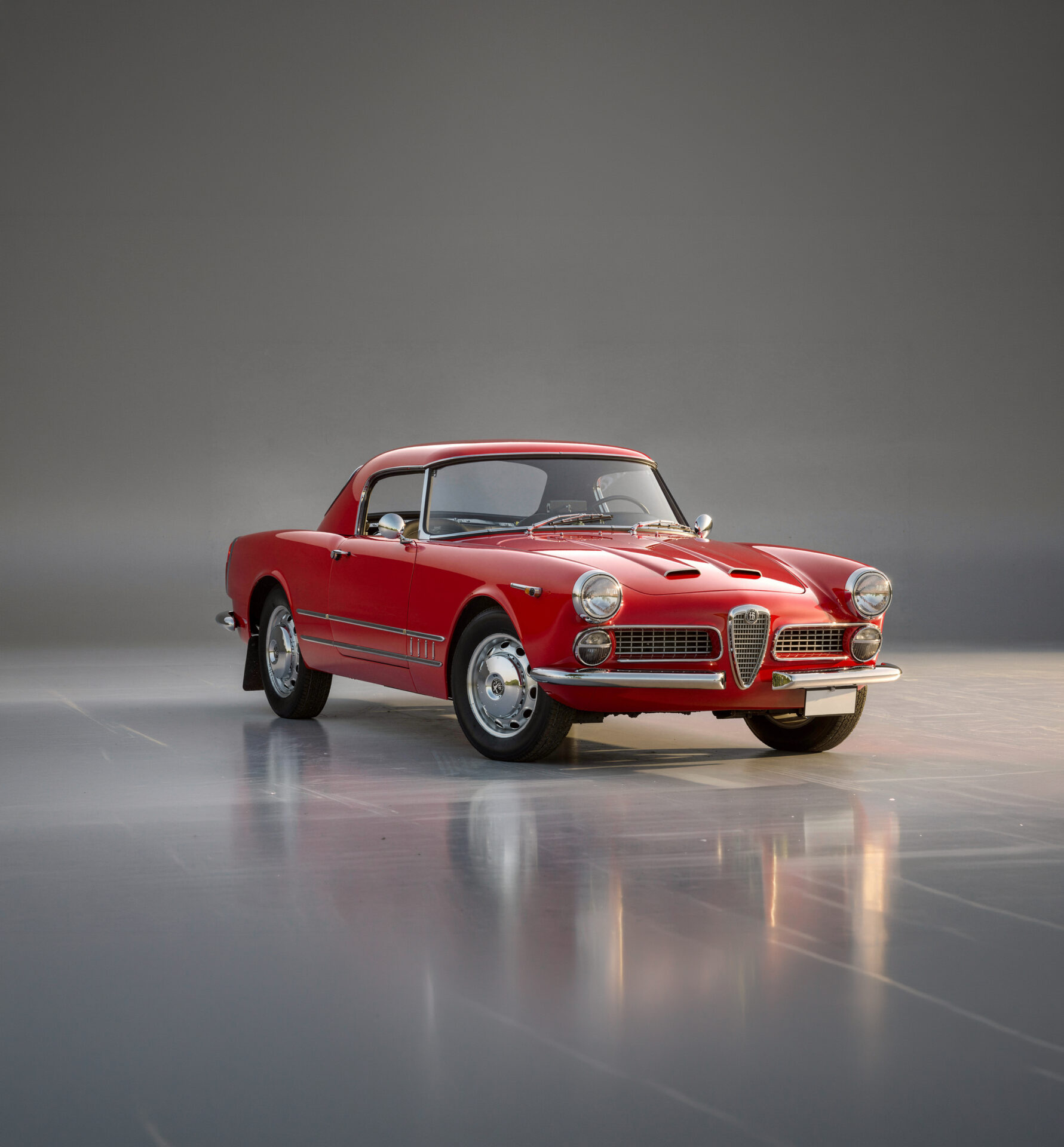
Alfa Romeo 2000 Spider Touring – 1958
Born in 1958, this Alfa Romeo 2000 Spider is one of the finest expressions of Italian post-war craftsmanship. Its body, of rare elegance, was designed and built by Touring, the prestigious Milanese coachbuilder renowned for its Superleggera technique, which combines structural lightness with purity of line. The result is a silhouette that is both sleek and airy, typical of the golden age of Italian automotive design.
Under the bonnet, a four-cylinder engine with a displacement of 2,000 cc develops 112 horsepower, transmitted to the rear wheels through a five-speed gearbox — a remarkable mechanical refinement for the time. The manual steering offers a direct and unfiltered feel, placing the driver at the heart of the driving experience. This is the pure tradition of Italian spiders: pleasure, lightness and character.
This European version spent its first life in Portugal before being imported to Luxembourg, where it has been registered for around ten years. It bears witness to an era when Alfa Romeo combined performance and beauty with natural ease, making each model a work of art in its own right.
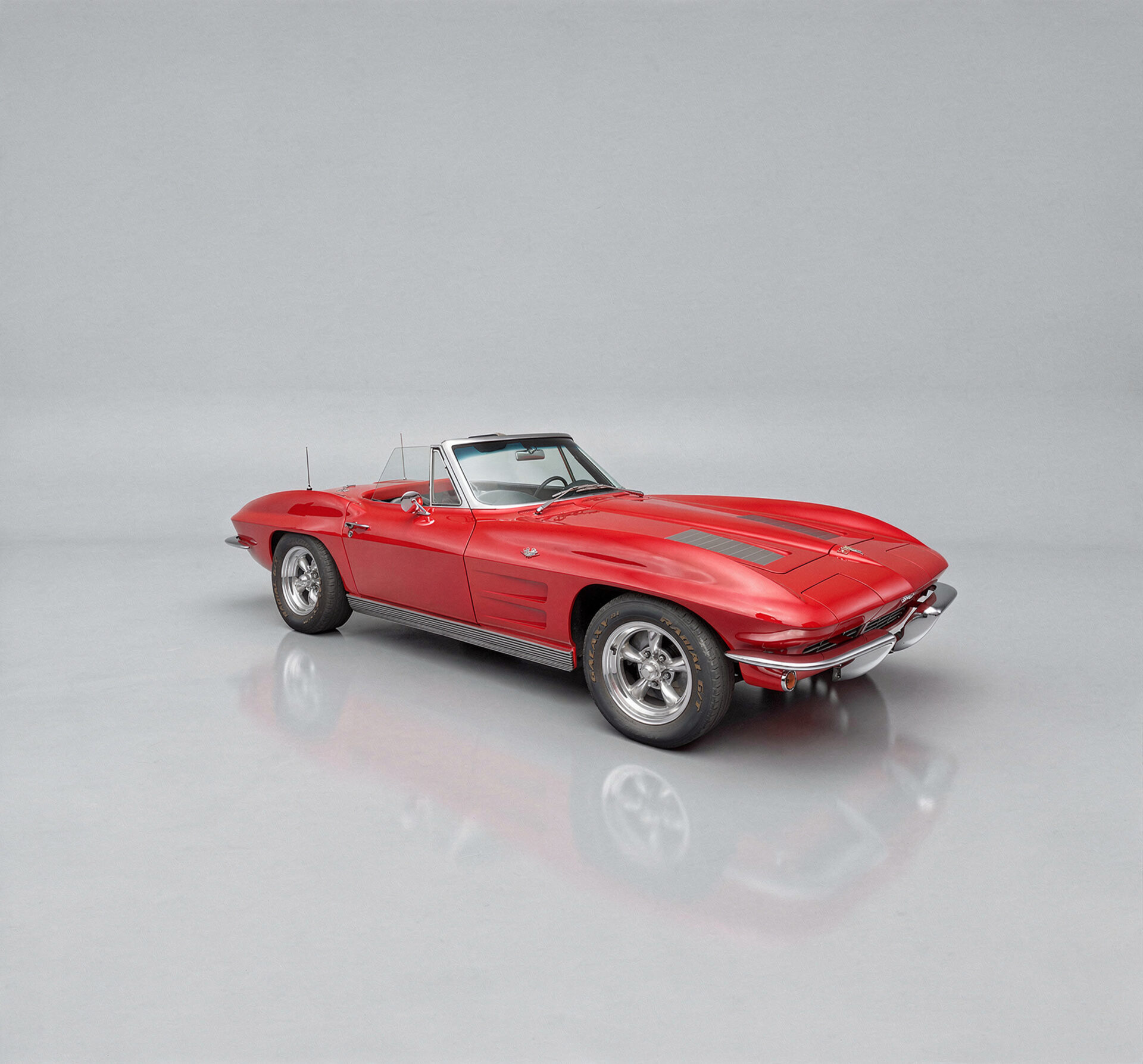
Chevrolet Corvette C2 “Sting Ray” – 1963
An absolute icon of American motoring, the Corvette C2 Sting Ray marked an aesthetic and technical breakthrough in Chevrolet’s history in 1963. Its sculpted, taut and aggressive lines, inspired by a 1959 concept car, make it one of the most recognisable sports cars of all time. The body, made entirely of fibreglass, combines lightness with formal boldness.
Under the bonnet, a 5.3-litre V8 develops 360 horsepower, fed by a Rochester fuel injection system. Enough to reach a top speed of 217 km/h and sprint from 0 to 100 km/h in around six seconds — impressive figures for the time. The rear-wheel drive and four-speed gearbox complete a package firmly focused on performance, while power steering provides welcome comfort.
This particular example was first registered in Florida in June 1963, before being acquired from a private owner in the Grand Duchy. The brakes, steering and suspension were overhauled by previous owners. It is worth noting that this car has taken part in the ACL Classic Tour.
Dodge Viper RT/10 – 1994
The first-generation Dodge Viper RT/10 is an uncompromising American sports car. No ABS, no traction control, no power steering: this 410-horsepower machine demands total commitment from the driver. Its nearly eight-litre V10 produces a phenomenal 630 Nm of torque, transmitted to the rear wheels via a six-speed manual gearbox. It is a raw machine, designed for purists who love to feel every vibration of the engine.
This example is a European-spec model, making it a rarity. Delivered in Switzerland in 1994, it made its way to Luxembourg a few years later. A notable detail: Vipers destined for the European market were sold under the Chrysler brand rather than Dodge — hence the “Chrysler Viper” inscription on the registration document. Originally, the exhaust exited through the rear, as side-exit exhausts (sidepipes) were banned in Europe at the time. When regulations changed, sidepipes were fitted, leaving a visible rectangular cut-out in the rear bumper. The car has remained original throughout, with the exception of the interior, which has been refurbished. In 2026, this will be the Viper’s first participation in the ACL Classic Tour.
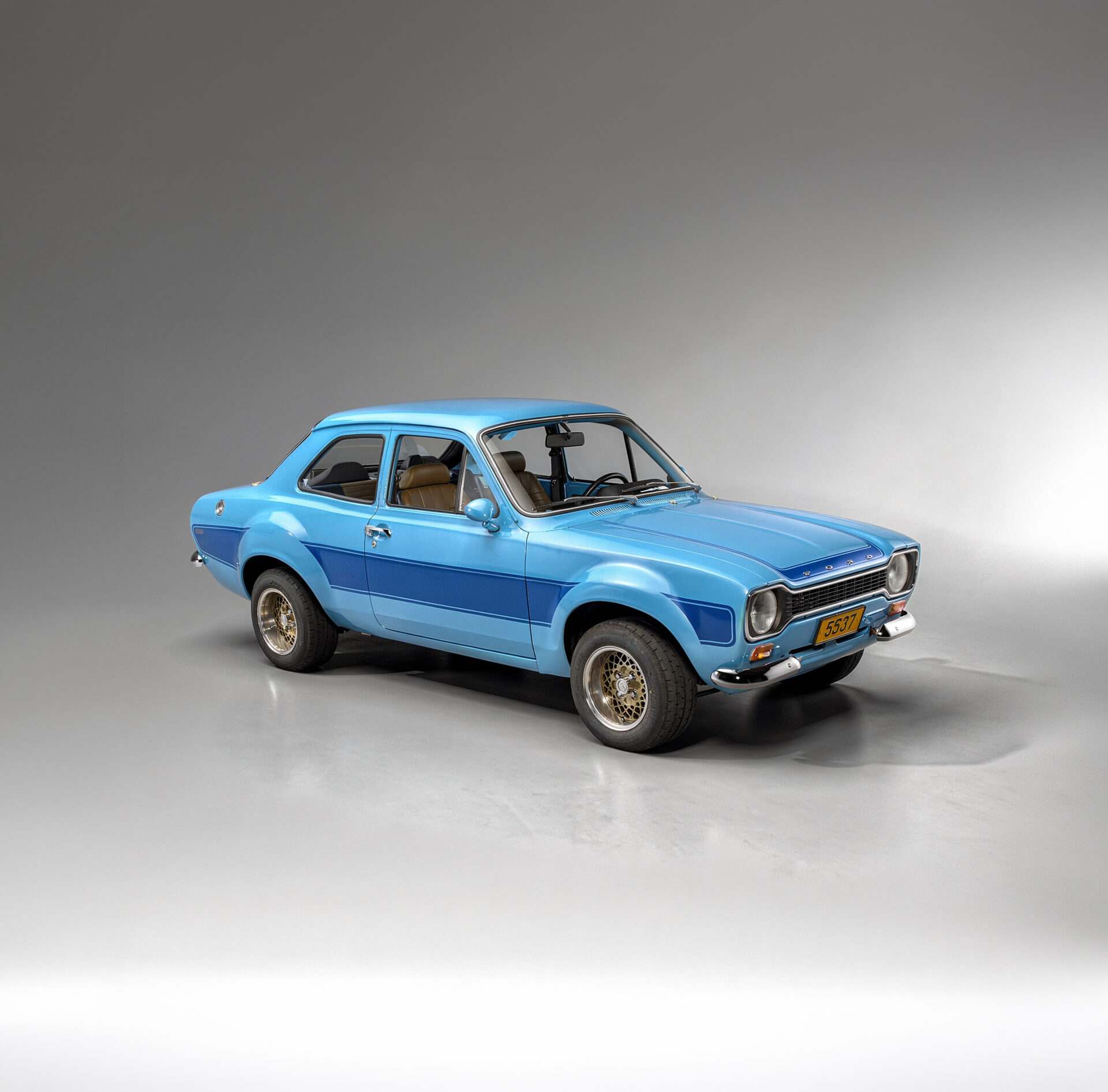
Ford Escort RS 2000 – 1974
The Ford Escort RS 2000 holds a special place in motorsport history. A high-performance derivative of the popular Escort, it was designed to shine on both race circuits and rally stages — and it did so brilliantly, racking up victories throughout the 1970s. Under the bonnet, a four-cylinder engine of nearly two litres develops 132 horsepower, transmitted to the rear wheels via a four-speed manual gearbox. The direct steering and sharp chassis deliver lively, precise handling, true to the philosophy of Ford’s sports cars of that era.
This example was acquired in Germany in 2024, in the condition it presents today. It underwent a careful restoration between 2010 and 2013 by a previous owner: welding work was carried out on the body and the entire car was repainted. Its current owner is no stranger to the ACL Classic Tour — this is his third participation in total, following two editions at the wheel of a Ford Escort RS 2000 MK2.
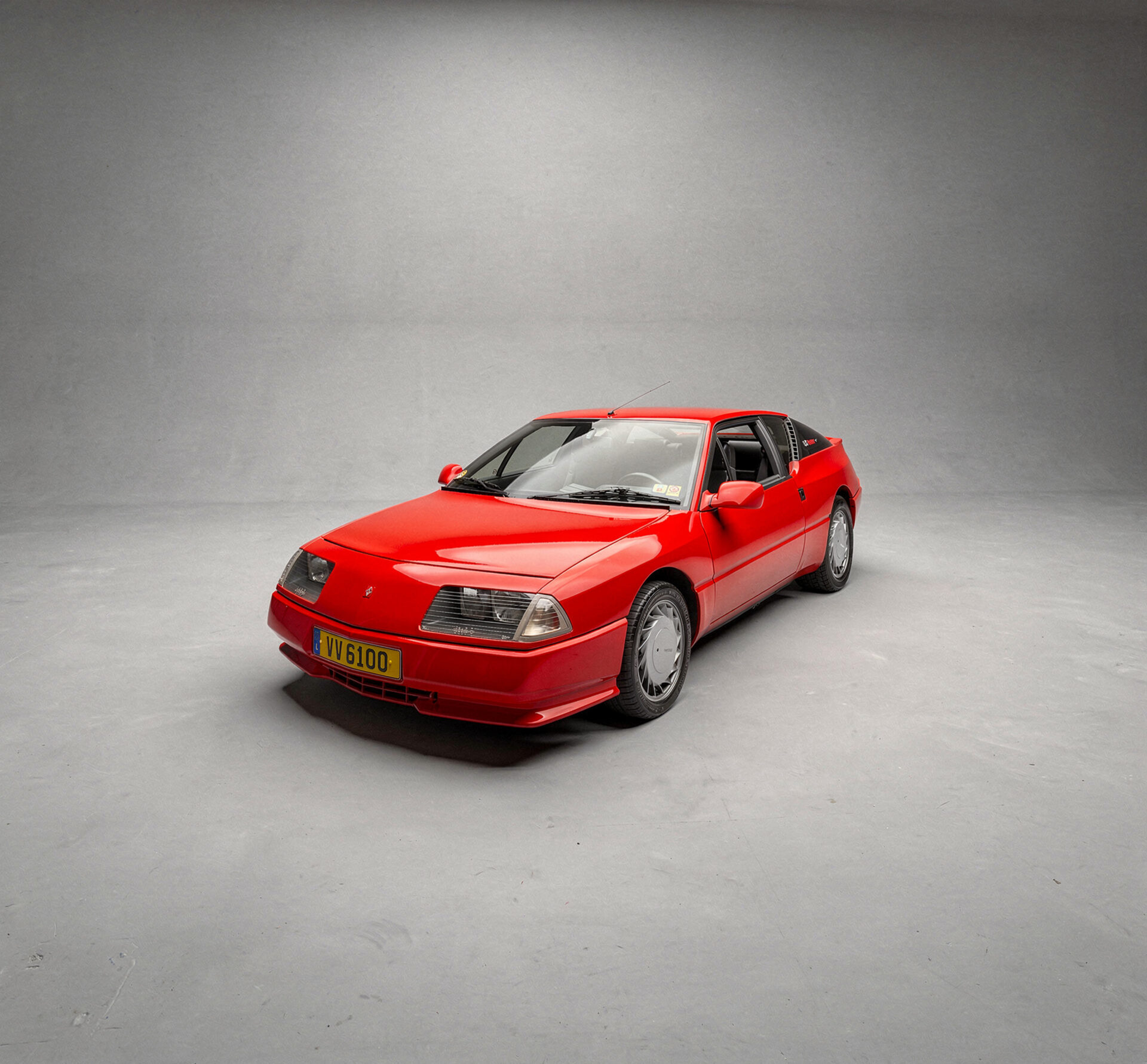
Renault Alpine GTA V6 Turbo – 1986
A direct heir to the legendary A310, the Alpine GTA V6 Turbo represents the revival of the Dieppe-based brand in the mid-1980s. Beneath its streamlined composite body, it houses a turbocharged V6 with a displacement of 2,458 cc, developing 200 horsepower. The six-speed manual gearbox and rear-mounted engine give this French GT a lively temperament and a strong-willed character. Elegant and powerful, the GTA won over demanding driving enthusiasts while remaining a comfortable grand tourer for everyday use.
This example has a family history: it belonged to the uncle of its current owner, a great admirer of the Alpine brand. Taken off the road in 2003, the car was carefully stored in a garage, sheltered from sunlight and humidity for nearly twenty years. In 2022, it received a complete mechanical overhaul at Schäfer Tuning in Germany, a workshop specialising in the preparation and restoration of classic Alpines. Since then, it has been back on the roads of the Greater Region and now shows just over 95,000 km on the odometer.
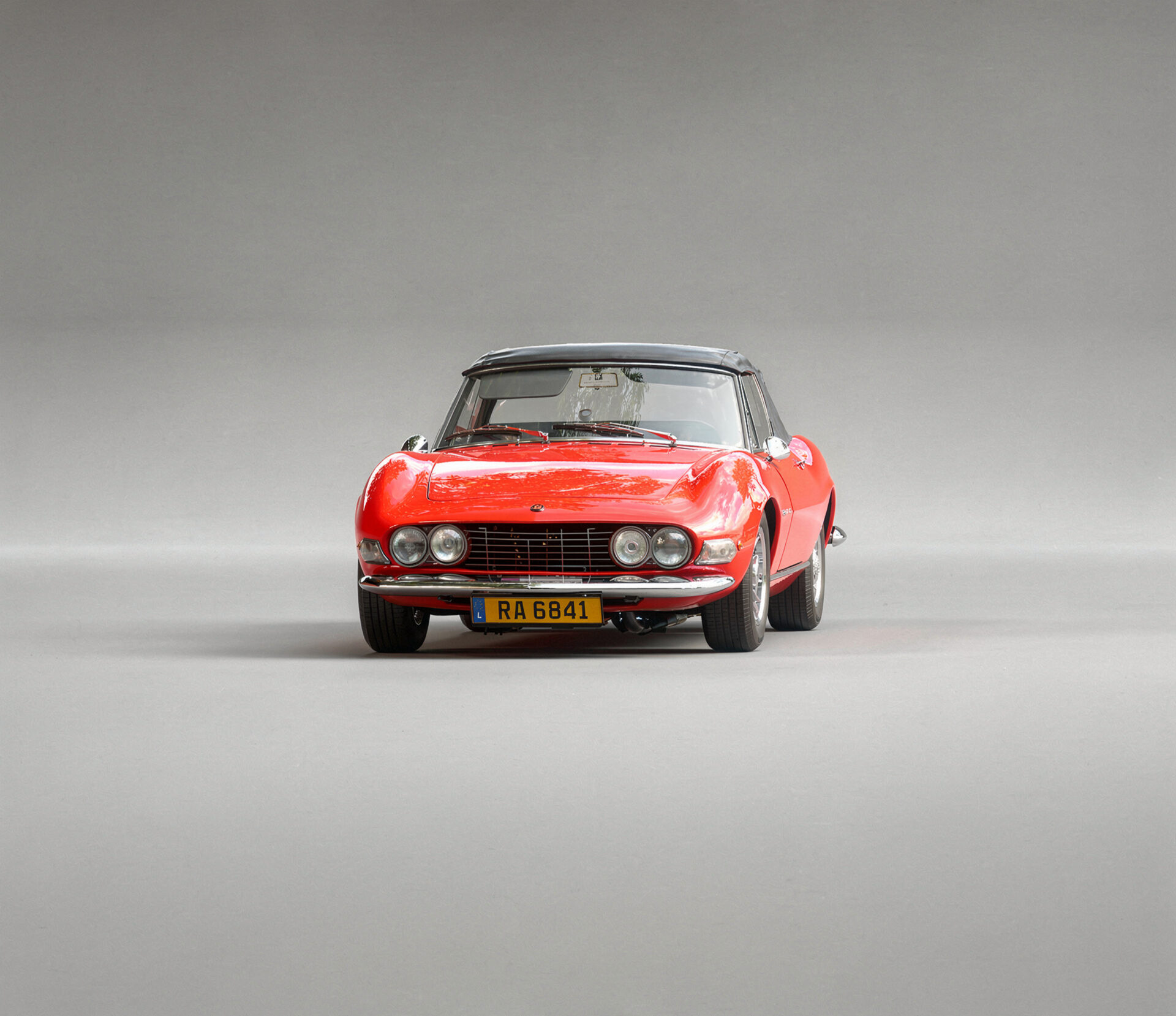
Fiat Dino Spider 2000 – 1967
The Fiat Dino Spider is the fruit of a historic alliance between Fiat and Ferrari. In the 1960s, Ferrari needed to produce 500 units of a V6 engine to homologate it for competition, but lacked the means to do so. Fiat took up the challenge: in return, the Turin giant secured the right to use this noble engine in its own models. Thus was born the Fiat Dino, unveiled in 1966 to mark the centenary of Giovanni Agnelli’s birth. The name “Dino” pays tribute to Alfredo Ferrari, Enzo’s son, who passed away at the age of 24 and had suggested the development of this V6.
The Spider version, designed by Pininfarina, features curvaceous lines and a distinctive front end with four round headlights. Under the bonnet, the 1,987 cc V6 develops 160 horsepower, transmitted to the rear wheels via a five-speed manual gearbox. It reaches 205 km/h and covers the 0 to 100 km/h sprint in 8.9 seconds. The typically Italian interior blends wood trim, circular gauges, chrome and leather. With only 1,163 examples of the 2.0-litre version produced between 1966 and 1969, the Fiat Dino Spider is a rarity today — a sports car powered by a genuine Ferrari engine.
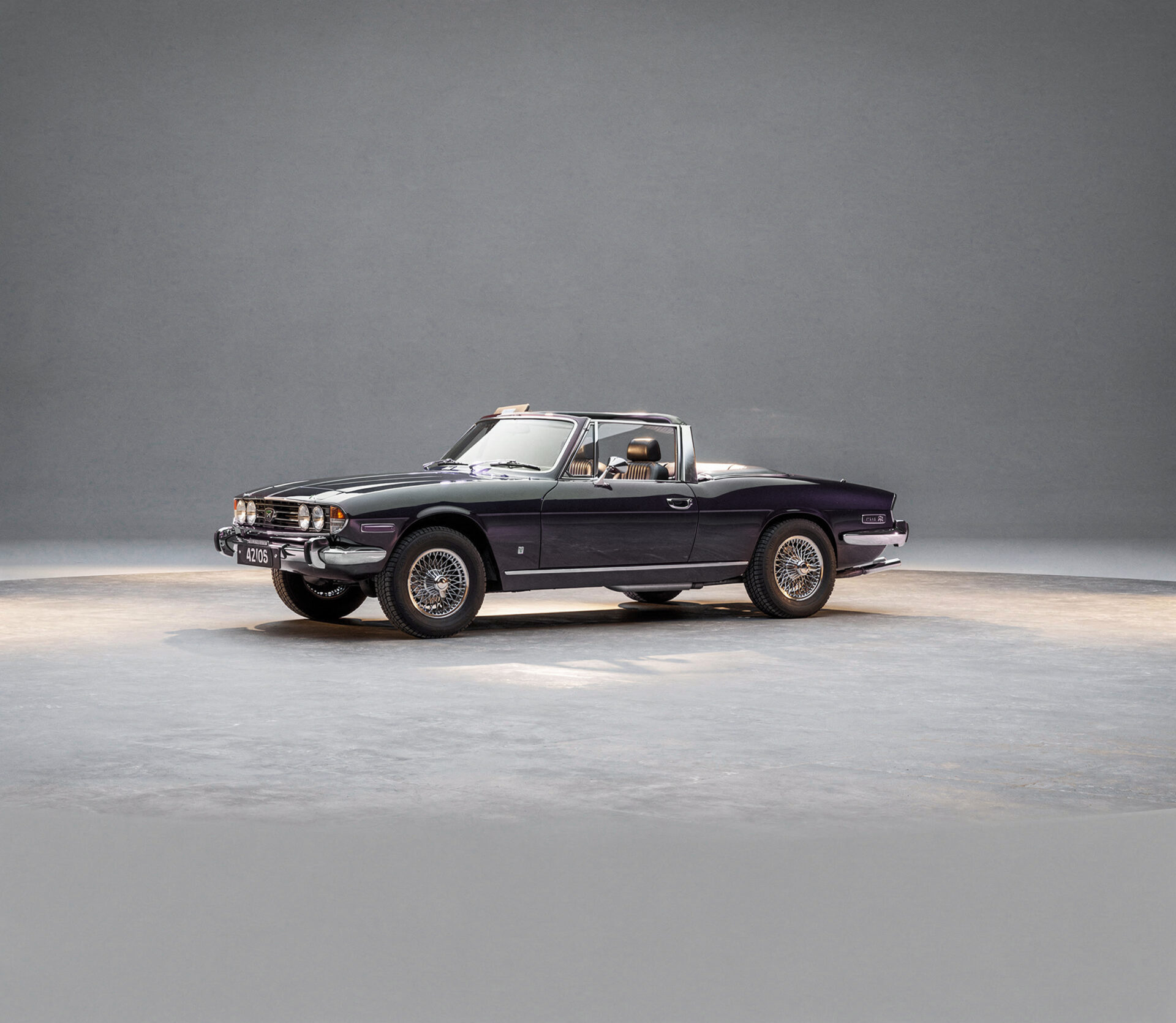
Triumph Stag MK1 – 1973
The Triumph Stag embodies all the charm of British motoring in the 1970s, that distinctive balance between elegance, sportiness and the English art of living. Under the bonnet sits a 2,997 cc V8 developing 109 kW, coupled to a four-speed manual gearbox and power steering. Its grand touring convertible silhouette, with its characteristic roll bar, gives it an instantly recognisable appearance. The model gained particular fame through an appearance in a James Bond film, reinforcing its image as a glamorous and desirable car.
This example, of English origin, underwent a complete restoration — body and engine — carried out in the Netherlands in 1994. It was subsequently acquired by The Cartell in Luxembourg, a private motoring club offering its members the privilege of driving exceptional classic and sports cars, before being sold on in 2018 to enthusiasts. Its current owner acquired it on impulse, from a friend. The car has remained original, with the exception of the cooling system, which was entirely overhauled to address this model’s well-known weak point. This year will be its first participation in the ACL Classic Tour.
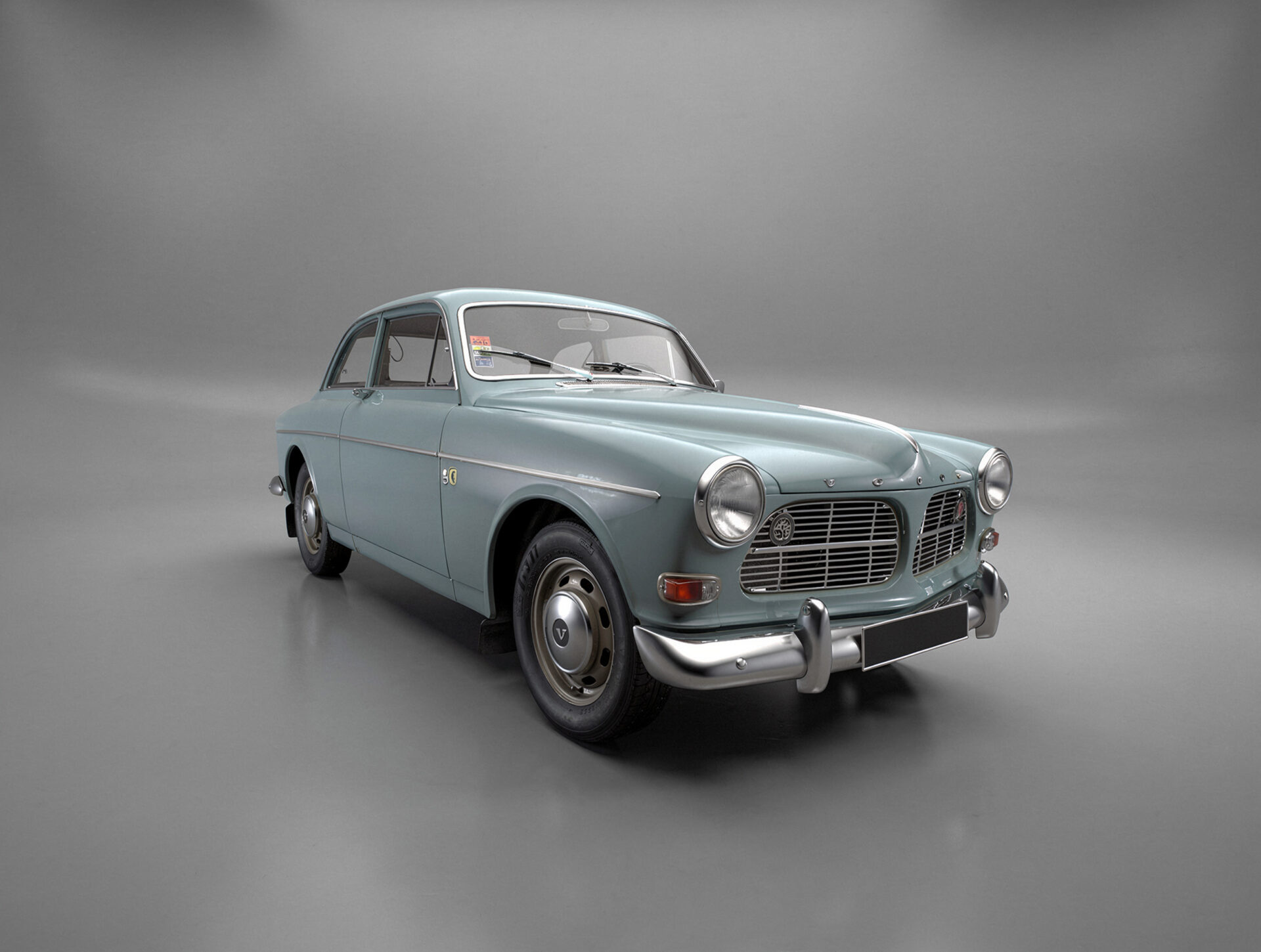
Volvo Amazon (P120) – 1965
The Volvo Amazon is one of 667,332 units produced between 1956 and 1970, a model that made automotive history in more ways than one. It was Volvo that, as early as 1958, became the first manufacturer in the world to fit its Amazon with three-point seatbelts as standard. Initially marketed under the name “Amazone” in Sweden, the designation was prohibited for export due to a trademark dispute with a German motorcycle manufacturer. Despite the sometimes confusing alternative designations (121, 122, 131…), it is under the name Amazon that it has endured in memory.
This example, fitted with a four-cylinder engine producing 90 hp and a four-speed manual gearbox with no power steering, was purchased new in Östersund, Sweden, in May 1965, then registered in Boden in the north of the country, 2,500 km from Luxembourg. Designed for the Nordic climate, it came with a supplementary engine heater that plugged into the domestic 220V mains. Imported to the Grand Duchy in 1992, it was acquired by its current owner in 1994, through a charmingly old-fashioned classified ad. The original B18A engine has since been replaced by a B20A, and the body has undergone restoration work to combat corrosion, without seeking to improve upon the original. Today, this Amazon celebrates its 60th birthday and is preparing to take part in the ACL Classic Tour for the eighth time.
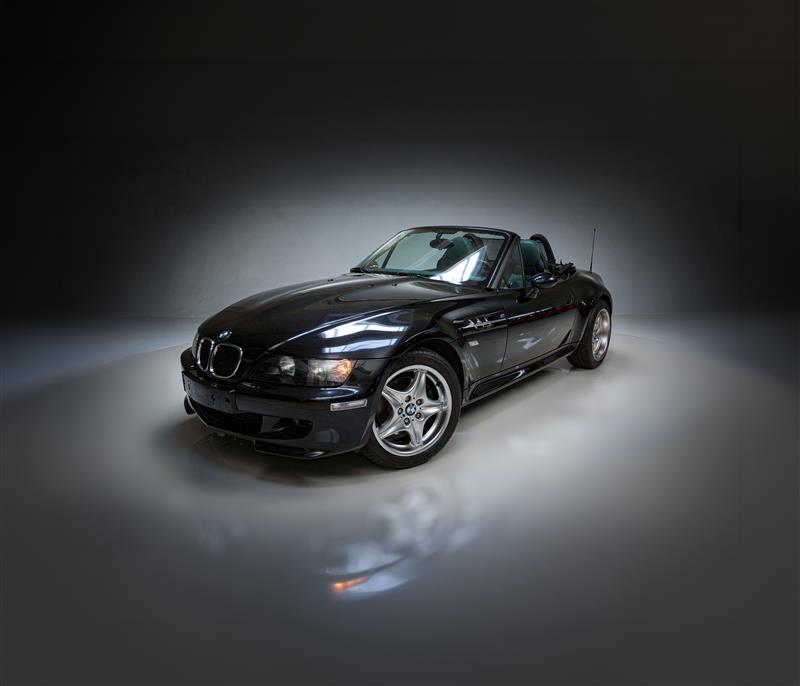
BMW Z3M Roadster (E36/7) – 1998
Popularised as early as 1995 by the James Bond film “GoldenEye”, the BMW Z3 Roadster achieved worldwide success with nearly 279,000 units sold up to 2002. Some see it as the descendant of the legendary BMW 507 from the 1950s, others as the direct heir to the Z1 — “Z” standing for “Zukunft”, the German word for future. The M Roadster version, introduced in 1997, represents the pinnacle of the range: under the bonnet, the S50B32 inline six-cylinder engine with a displacement of 3,201 cc develops 321 horsepower and 350 Nm of torque, transmitted to the rear wheels via a ZF five-speed manual gearbox. With only 15,000 units produced up to 2000, the Z3M never received the facelift applied to other models from 1999 onwards, giving it a distinctive visual identity. All Z3s were assembled in South Carolina, USA.
The example presented here shows just 70,000 km in 27 years and boasts an exceptionally rare configuration: Cosmos Black Metallic with two-tone Walknappa Evergreen leather, a combination that exists in only 52 examples outside the United States. Entirely original and meticulously maintained at BMW dealerships, it was imported from Germany in 2025 by an enthusiast who, after owning a Z3 1.9 and then a Z3 2.8, took the step up to the ultimate version. This year will be its first participation in the ACL Classic Tour.
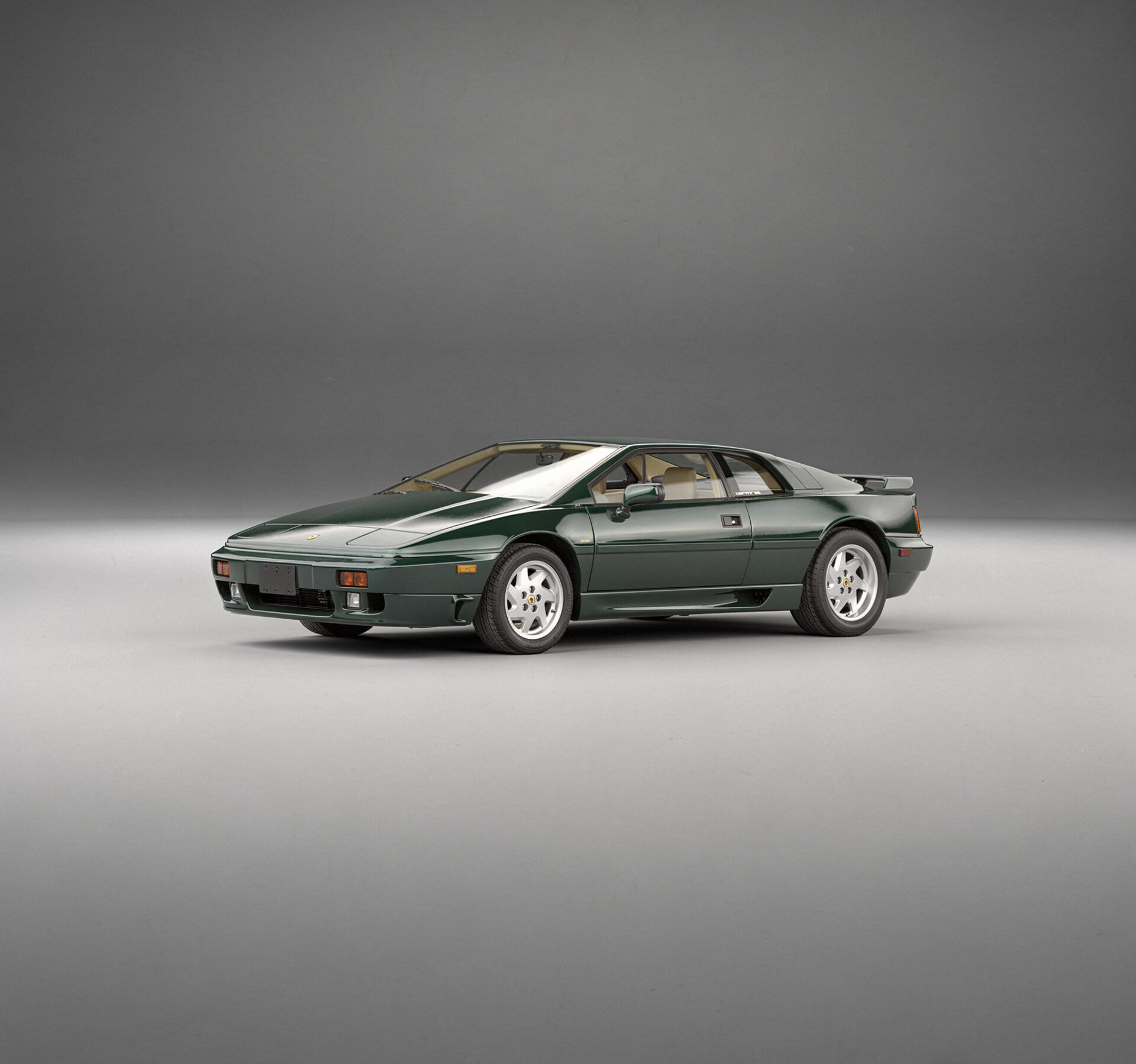
Lotus Esprit Turbo S/E (Type 82) – 1989
The Lotus Esprit Turbo S/E marks a decisive milestone in the history of the British marque: its first step into the world of supercars. Redesigned by Peter Stevens’ team, it adopted more generous proportions than its predecessor, with a view to greater comfort, while retaining the angular and spectacular appearance that is the hallmark of the Esprit. Mechanically, the Chrysler-derived 2.2-litre four-cylinder, topped with a Lotus 16-valve cylinder head, received an air/water intercooler and electronic fuel injection. The result is remarkable: 263 horsepower in standard configuration, 285 in overboost, with a specific output of 121.4 hp/l that would long remain among the best in series production. The transmission is provided by a five-speed gearbox sourced from the Renault 25.
True to Colin Chapman’s creed — “light is right” — the Lotus combines an ultra-light steel chassis with a polyester body, delivering a formidable power-to-weight ratio for the era. The cabin, trimmed in Connolly leather and enhanced with fine wood, set new standards of luxury within the Lotus range, proving that a radical sports car can also be a haven of refinement.
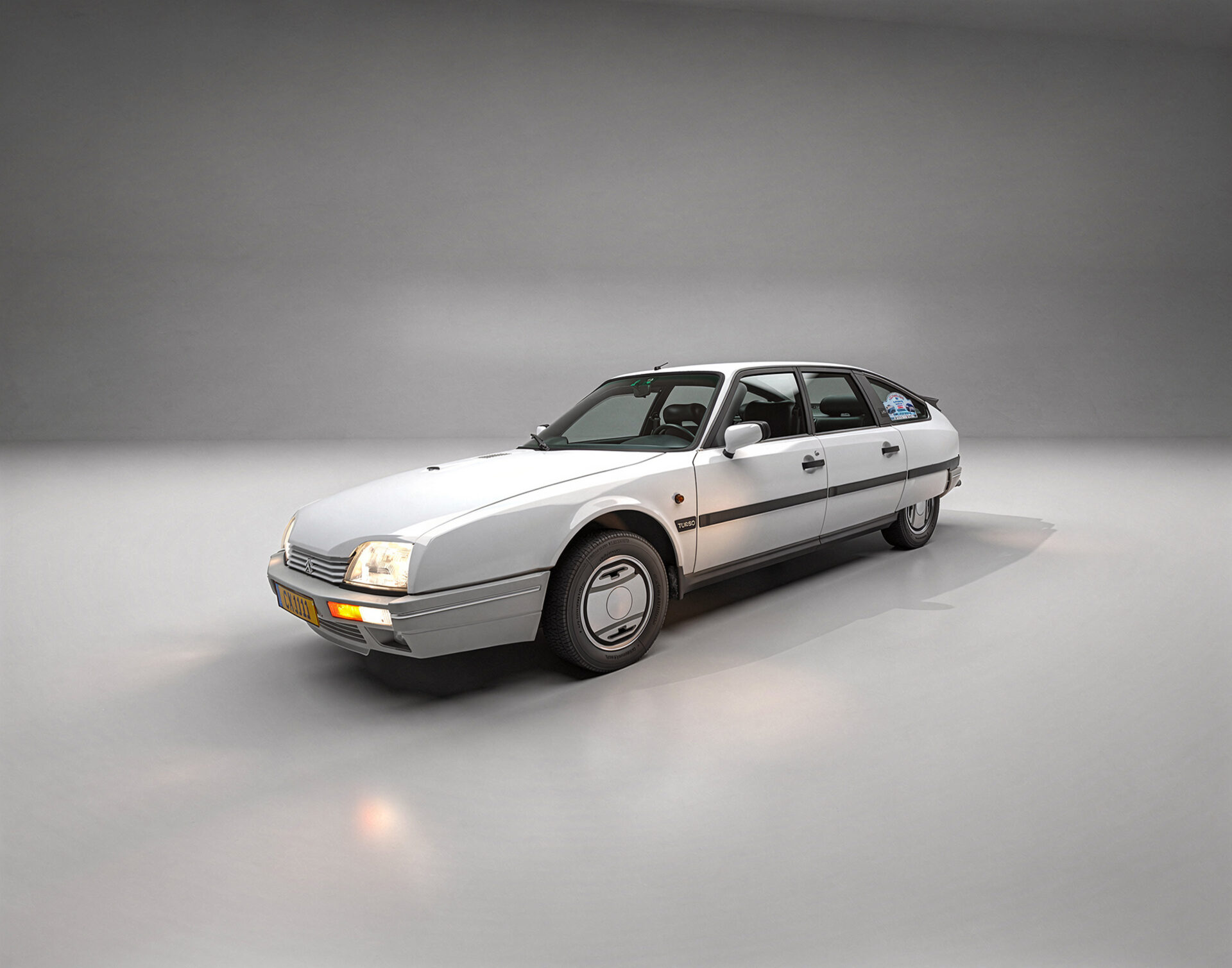
Citroën CX 25 GTI Turbo 2 – 1988
The Citroën CX 25 GTI Turbo 2 represents the ultimate culmination of the CX range, the swan song of a saloon that never ceased to push boundaries. Launched in 1974, the CX had already made a lasting impression with its streamlined silhouette penned by Robert Opron, its hydropneumatic suspension offering legendary comfort, and its DIRAVI steering with an incomparable feel. With the Turbo 2 version, introduced in 1986, Citroën took the experience a step further: the turbocharged 2,500 cc four-cylinder, fitted with an intercooler, develops 168 horsepower. Enough to propel this grand tourer beyond 220 km/h, while preserving the cruising comfort that made the CX legendary.
The cabin, with its crescent-shaped dashboard and futuristic satellite controls, reflects an ergonomic vision ahead of its time. The CX Turbo 2 is not simply fast — it devours kilometres with supreme ease, carried by a suspension that smooths out road imperfections like no other.
This example, dated 15 July 1988, is a German-origin version that underwent a complete restoration before being sold on in the south of France, where its current owner collected it in 2024. It will make its first appearance at the ACL Classic Tour in 2026.
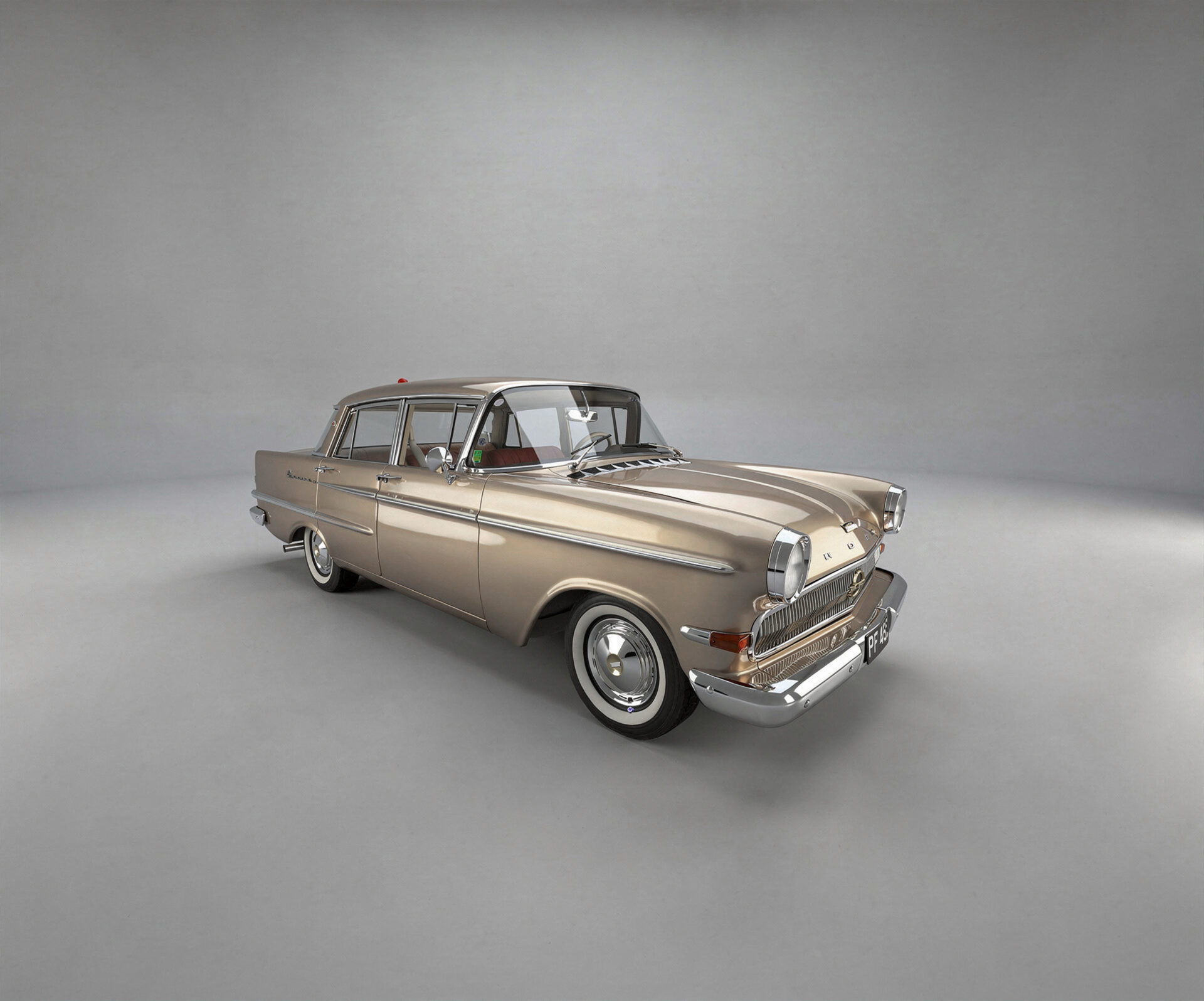
Opel Kapitän – 1963
The Opel Kapitän holds a singular place in German automotive history. First introduced in 1938, it embodied Opel’s ambition to offer an accessible prestige saloon at a time when this segment was largely dominated by Mercedes-Benz. After the war, the Kapitän became one of the symbols of the German economic miracle, winning over families and businessmen alike with its understated elegance, spacious interior and remarkably smooth inline six-cylinder engines. Over its successive generations, the model evolved with the times, moving from the sober lines of the post-war years to more generous forms in the 1950s and 1960s, influenced by American styling — abundant chrome, panoramic windscreen and imposing silhouette.
This example has had an eventful history. Originally owned by a resident of Steinsel, it was found by its current owner in the outskirts of Paris, after more than twenty years of standing idle. Brought back to Luxembourg, the Kapitän underwent a comprehensive renovation — body, mechanicals and paintwork — restoring it to its former glory. Thus revived, it has already taken part in the ACL Classic Tour four times, proof that this grand German saloon has found a second lease of life on the roads of the Grand Duchy.
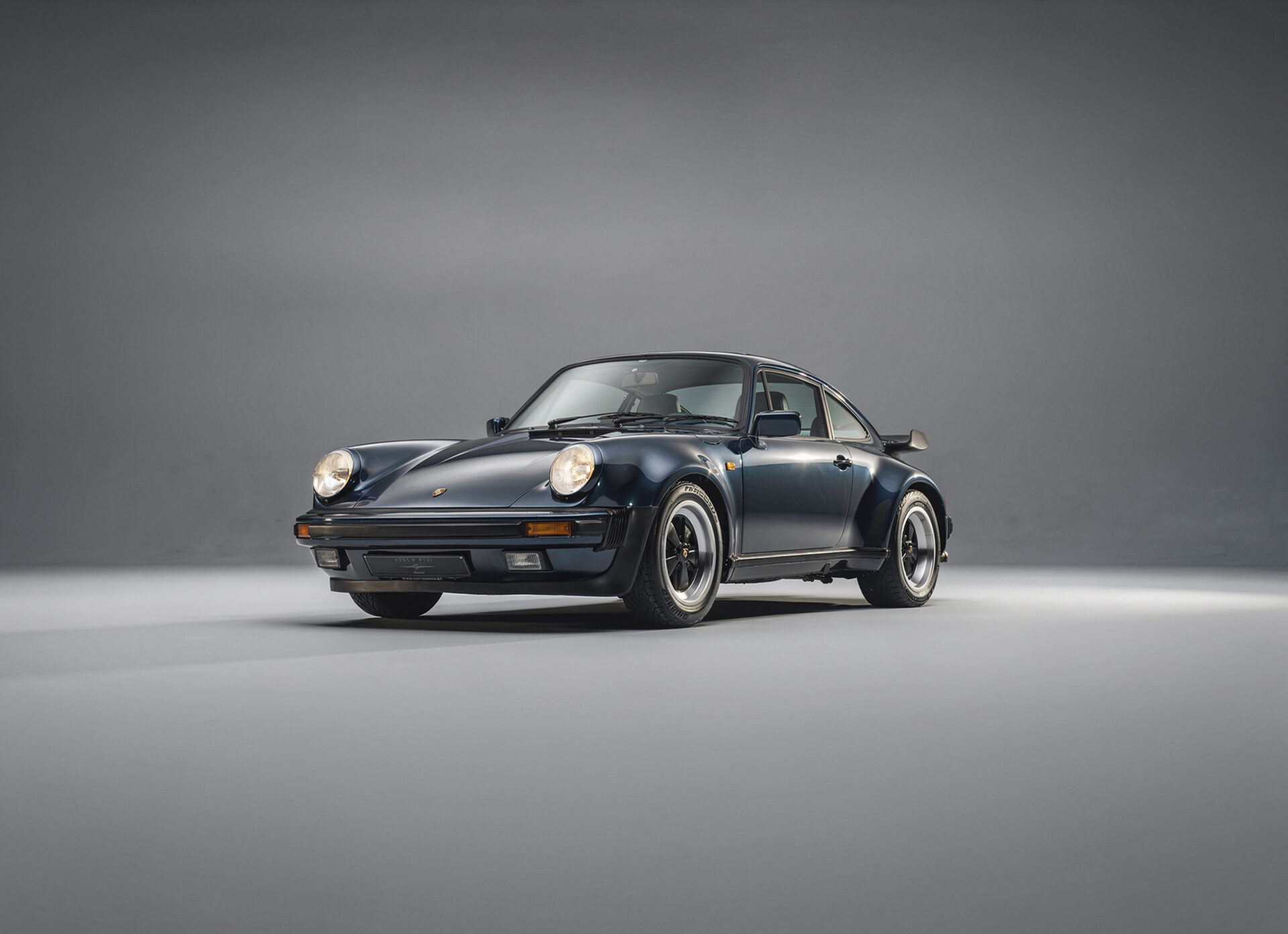
Porsche 911 Turbo (Type 930)
When Porsche unveiled the 911 Turbo in 1975, it sent shockwaves through the automotive world. The first European production car fitted with a turbocharger, the Type 930 redefined performance standards with its 3.3-litre flat-six developing up to 300 horsepower. Its generously flared rear wings and whale-tail spoiler have become design icons. Behind the wheel, the rear-overhung engine and the sudden onset of turbo boost make it a car of uncompromising character, reserved for experienced drivers — it is precisely this untamed nature that forged its legend.
This example is a true love affair for its owner, who had a poster of a 930 Turbo on his bedroom wall since his teenage years, alongside a Countach and a Testarossa. Acquired three years ago from a specialist in Belgium, this 930 wears a rare Prussian Blue configuration with matching interior. Delivered new in Germany, it passed through Italy and then Belgium. Kept in original condition, it has benefited from a major mechanical overhaul — gearbox, clutch, engine service, fuel tank and electronics — carried out by a Porsche specialist, respecting its authenticity. It will make its first appearance at the ACL Classic Tour in 2026.
Tags