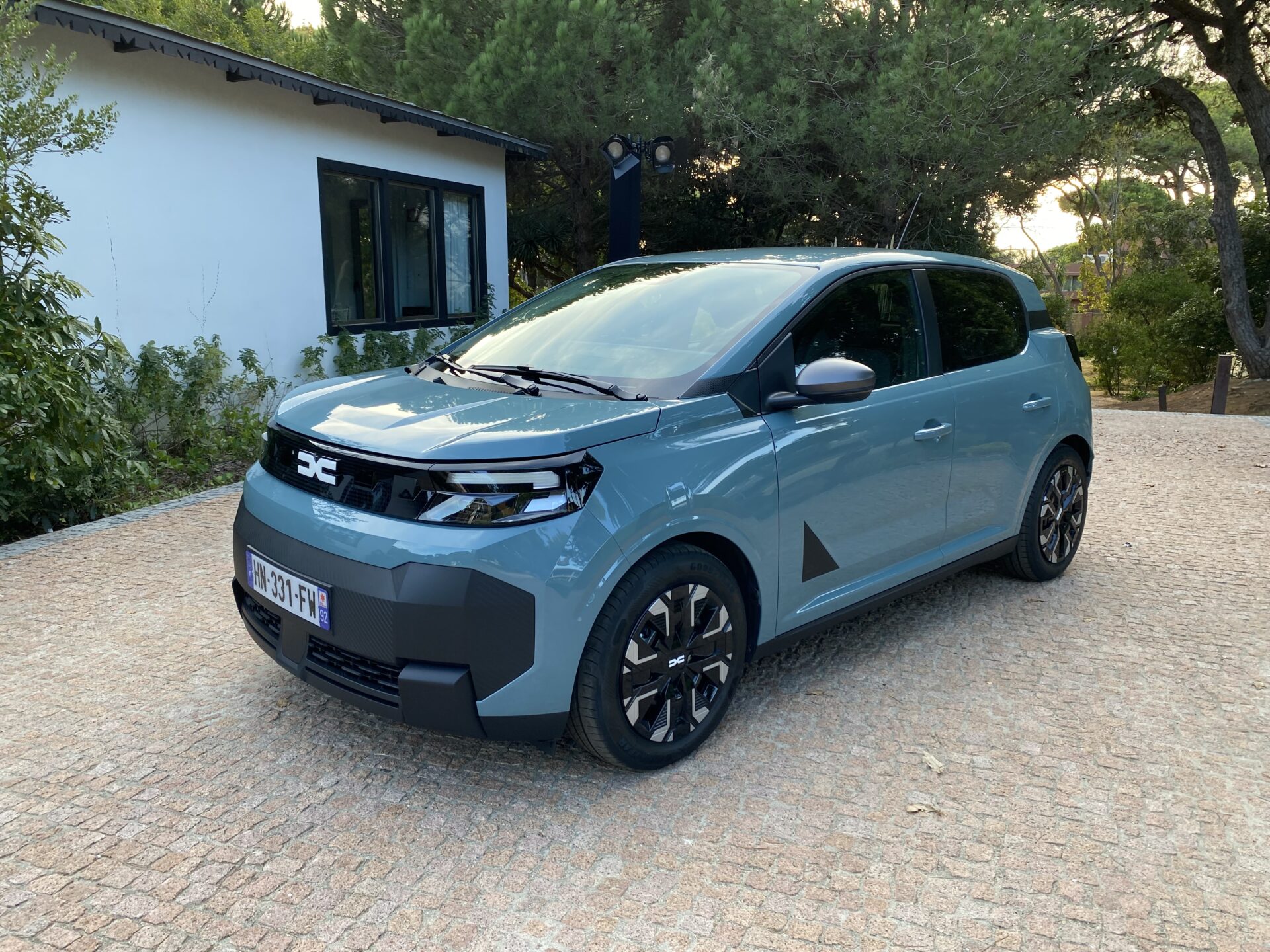
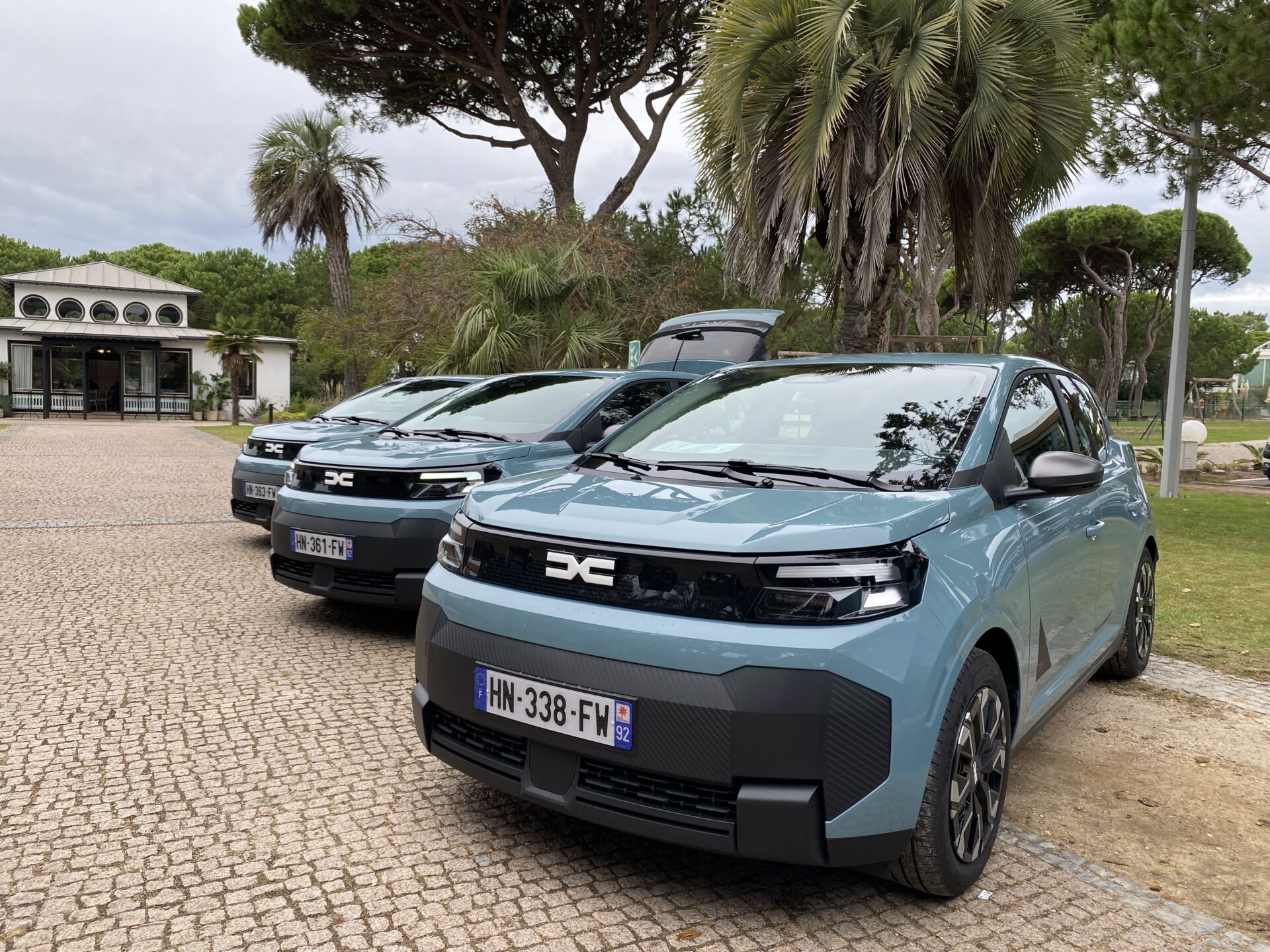
Simple, pragmatic, and robust, the all-electric Spring has been completely redesigned but retains the Dacia character. It combines the compact maneuverability of a compact car whilst offering both spaciousness and a range of up to 250 km.
First launched in 2021, more than 210,000 Dacia Springs have been sold around the world. But the affordable, all-electric city car has just gotten a makeover.
Developed over a period of just 18 months, the new Dacia Spring is built on the Renault Group’s RGEV Small platform. This is the same platform used for the Twingo, allowing the group to speed up development and keep costs low. The Spring is the first installment of the carmaker’s strategy to launch four electric vehicles by 2030, according to Grégoire Vitry, Dacia’s director of product communication, and aims to make electric mobility more accessible. It will be produced in Novo Mesto, Slovenia.
The basics: what customers really need
Available in two trims – the entry-level Expression and the more sophisticated Journey – the new Spring is tailored to meet customer needs.
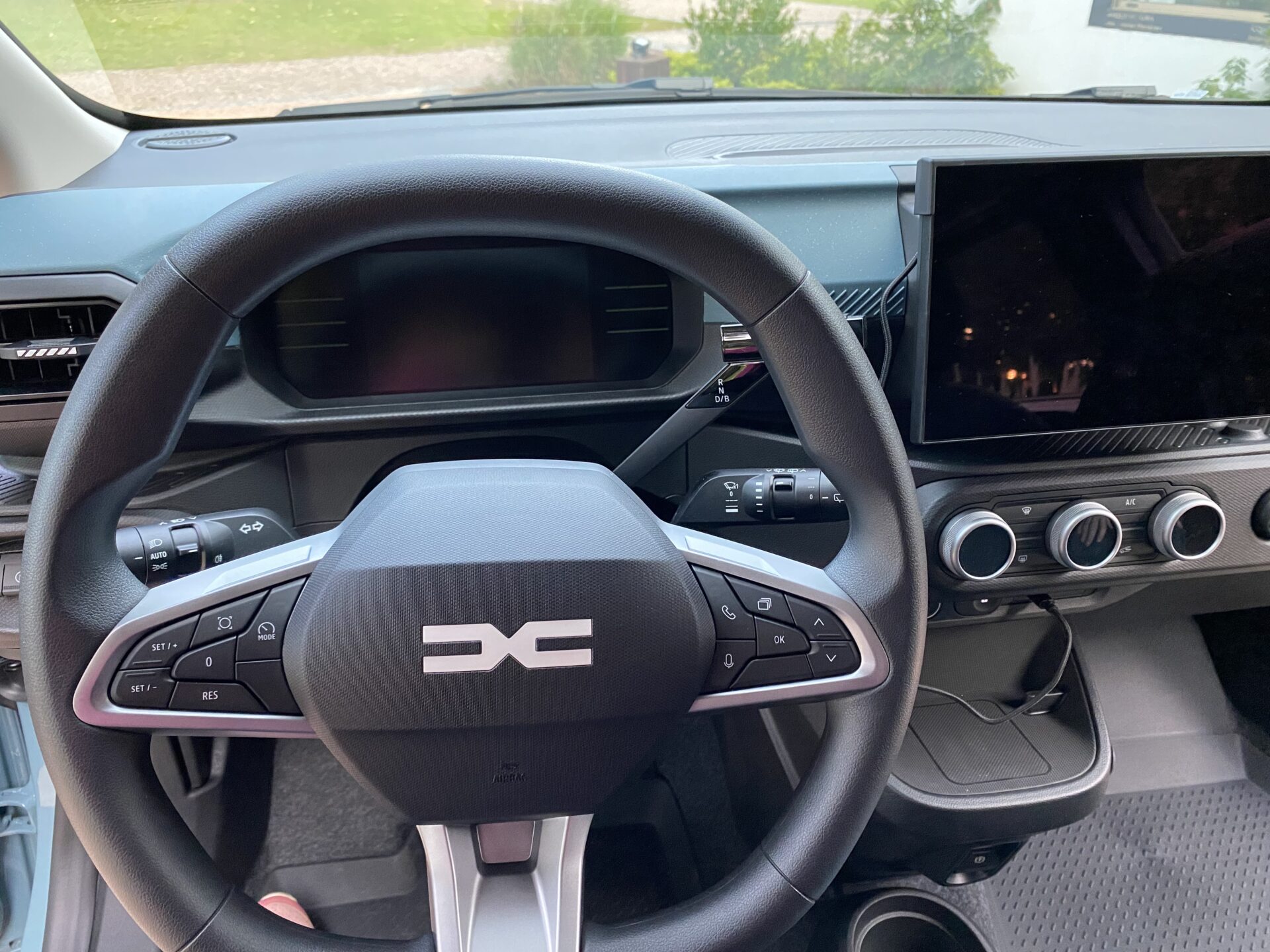
Designed to offer the basics, the simplicity of the Expression is obvious as soon as you sit in the front seat. This version has been designed with the “bring-your-own-device” principle in mind. Although there’s a 7-inch digital cluster behind the steering wheel, there is no central screen. Instead, drivers can place their own mobile phone in the smartphone holder to provide music and navigation.
“The Expression has the essentials that a customer will need for daily use,” explained Clément Arié, Dacia’s product and revenue director. “The purpose of this version is to really have the most affordable version of an electric vehicle in Europe.” The Expression version of the Spring, therefore, is perfectly suited to those who need a simple, comfortable car to get from one place to another.
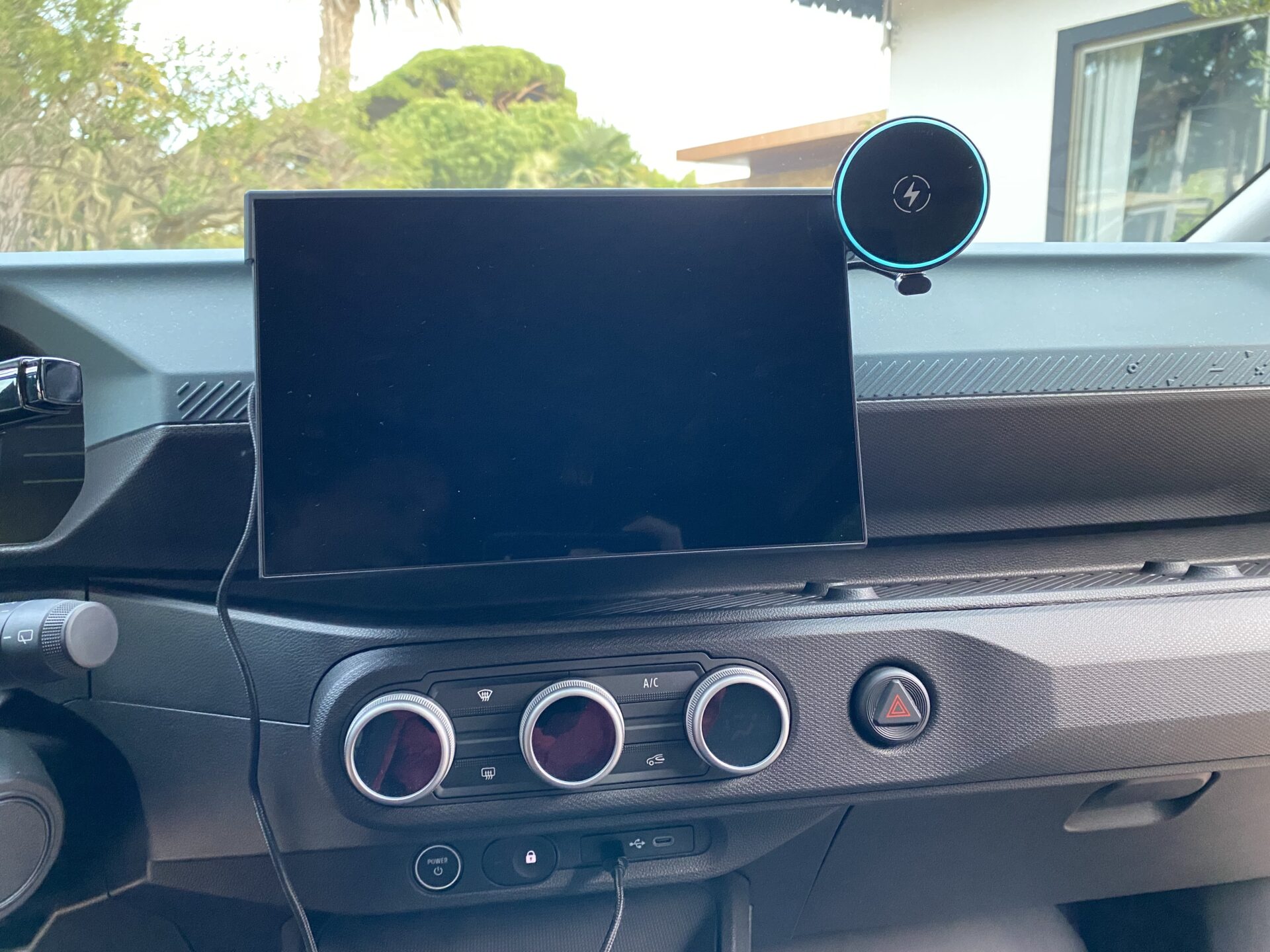
The Journey trim – which we took for a spin during our test drive – features more technology, such as a 10-inch central touchscreen, a rear camera, and a keyless option.
Compact car, roomy interior
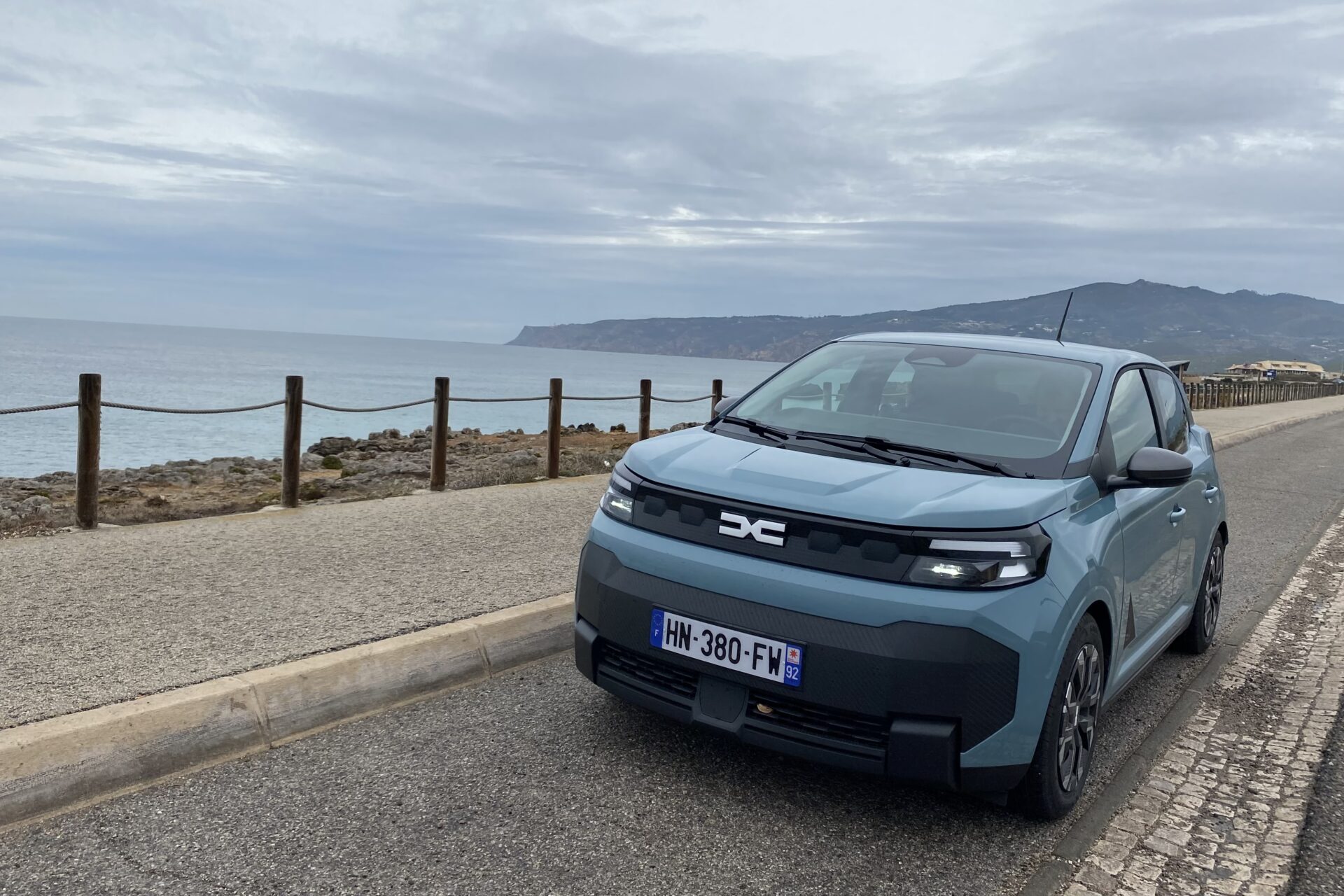
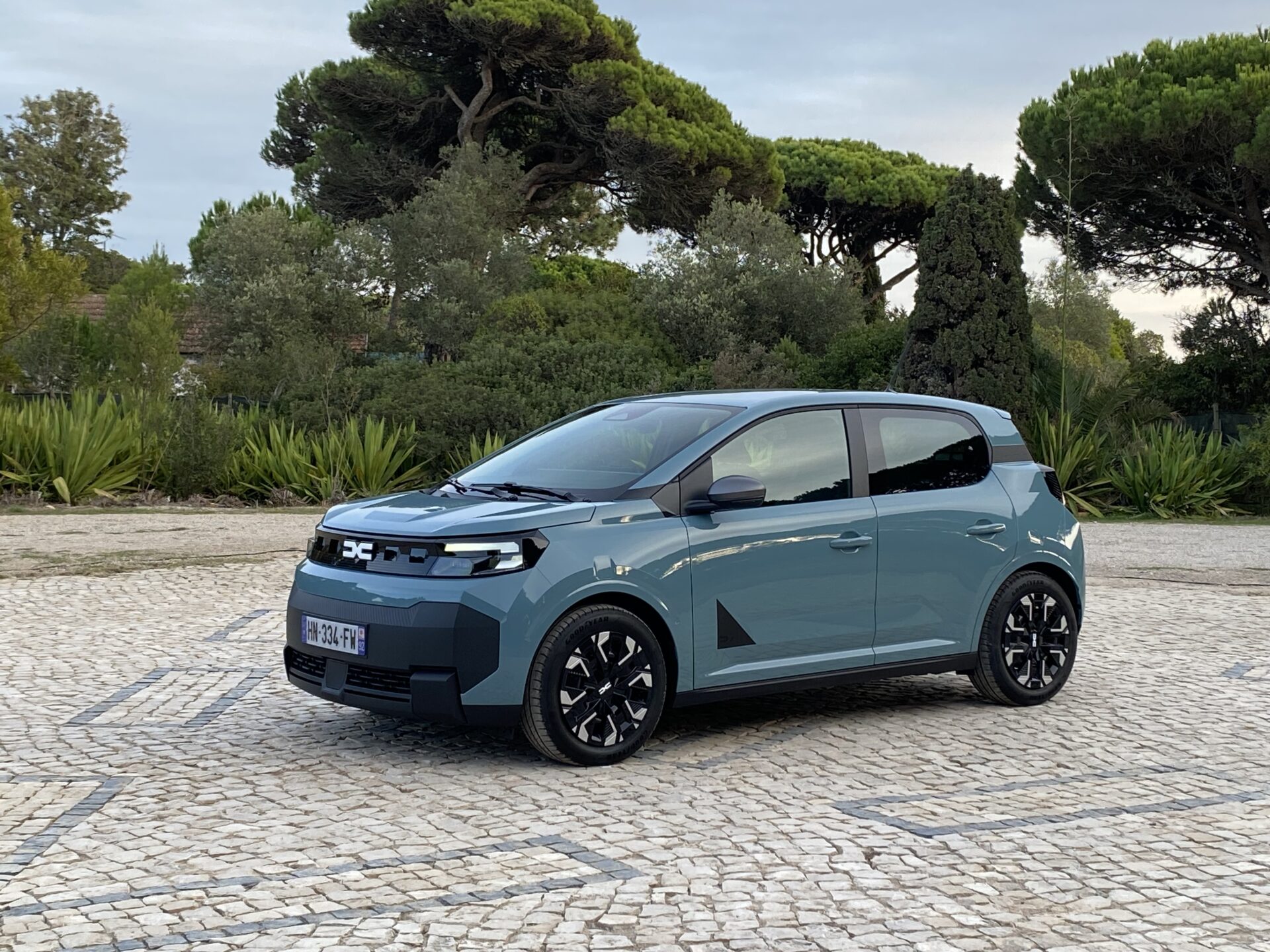
With a length of 3.85 metres and a width of 1.74 metres, the new Dacia Spring is slightly longer (15 centimetres) and slightly wider (18 centimetres) than the previous generation. Its hood is very short and the windscreen is more sloped and streamlined. The car’s 27.5kWh LFP battery, which weighs 210 kg, is located in the centre of the vehicle for optimal weight distribution. The entire vehicle only weighs 1,212 kg, which is amongst the lightest of its segment. The classic grip handles are easy to use.
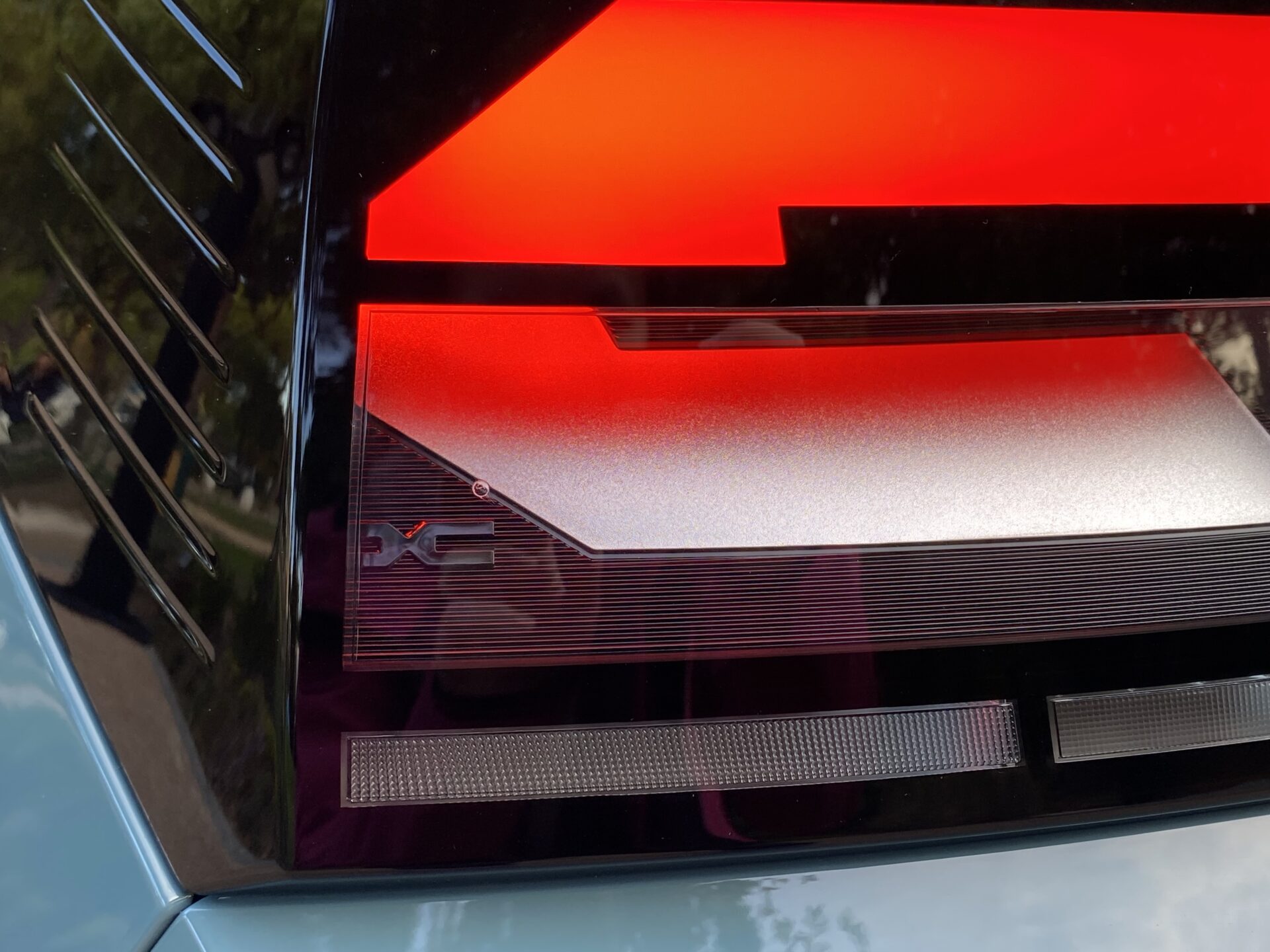
Thanks to its simple, clean lines, the Spring has a robust, boxy appearance, echoed by the flattened geometric design of its headlights and taillights. But this durability goes further than mere looks, said Arié. The front and rear bumpers, for instance, have been made more resistant to scratches. The Dacia logo is integrated into the glossy black horizontal panel on the back, contributing to a smooth look for the rear face.
Another new feature that identifies the Spring is its rear light signature. Inspired by the Dacia “Link,” an emblem shaped like the links of a chain, only the upper part of the taillight is illuminated with LEDs. The lower line of the “link” is simply a reflection of the lights that make up the upper tine, an efficient and economic solution presented by the brand.
Inside, buttons for volume and climate control are located in the centre console. A “YouClip” system allows accessories like charging ports or cupholders to be snapped on, and there are plenty of storage compartments.
Though a compact car, the interior is spacious. The Spring is a four-seater, with two seats that make up the rear bench. The seats are covered with fabric, with the cushion and backrest accentuated by geometric, textured, green patches and two parallel lines in white that delineate the seat bolsters.
Due to the high floor, a passenger’s knees would be quite high up, but there’s enough room for two adults. The rear passenger windows do not roll down; they can only “pop out.” There are some elements that appear unfinished, namely the uncovered screw in the panels where the inner door pull handles are located.
The driver’s seat can be manually adjusted, both vertically and horizontally, whilst a telescopic steering wheel allows drivers of different heights to find the most comfortable position. Our test involved one very short driver and one very tall driver, and both found the available adjustments to be satisfactory.
What did present an issue, however, was the height of the dashboard. The dashboard is made up of several layers: a small “shelf” where a charging mobile phone could rest, followed by a “roof” of black plastic and teal plastic. This extra layer was excessively bulky and, we found, took up too much space.
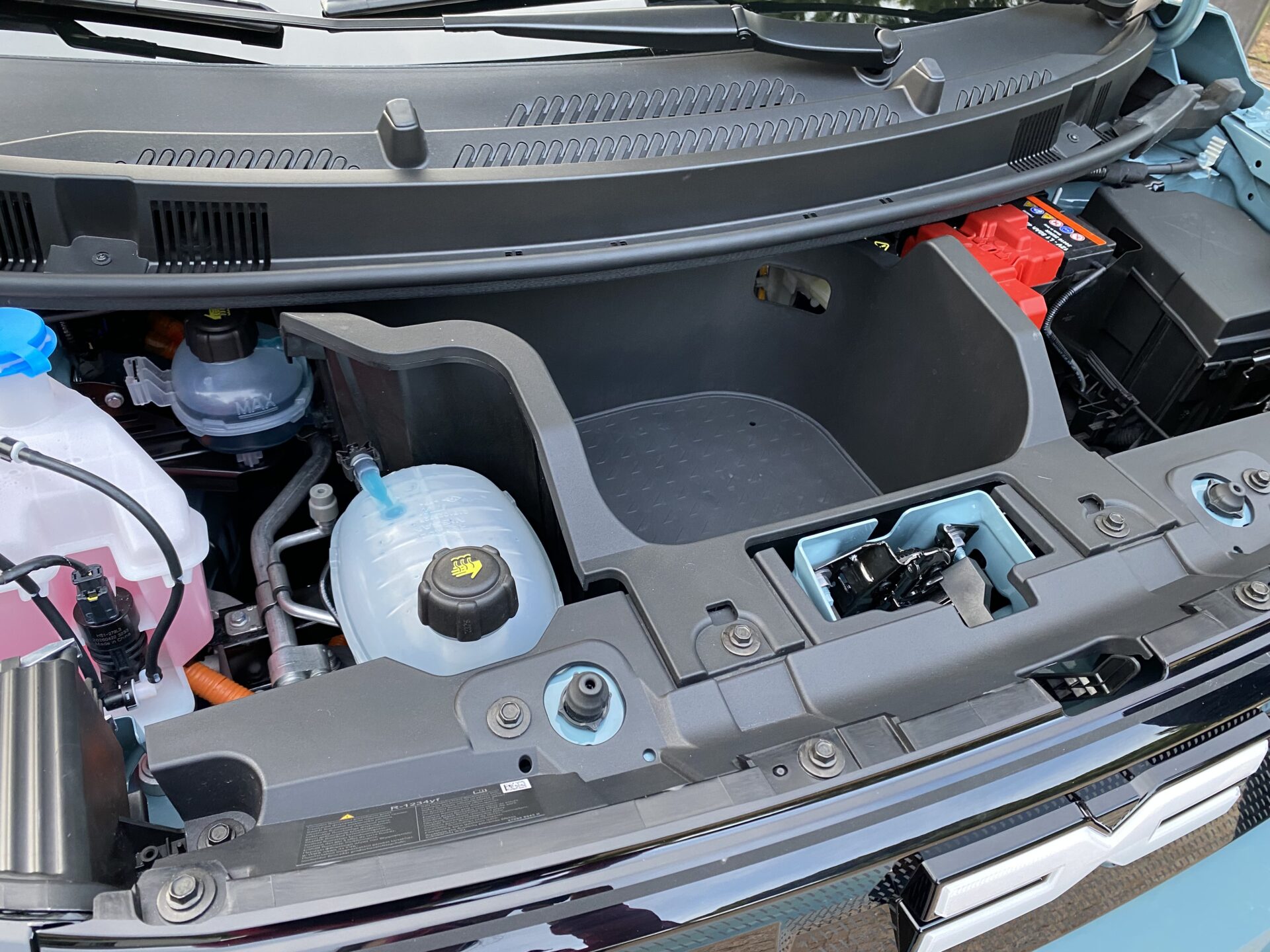
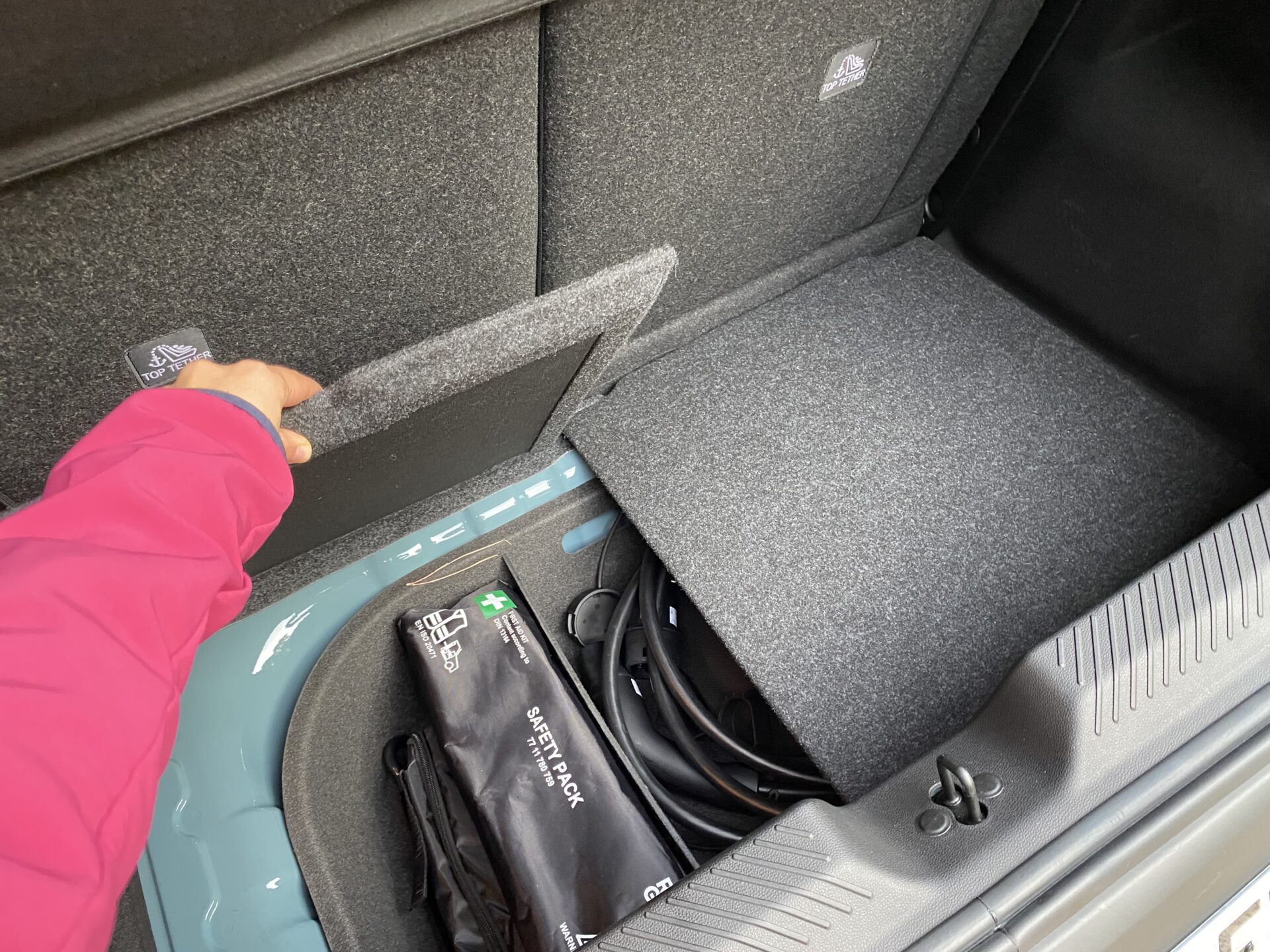
The trunk has a capacity of 337 litres; the “floor” of the boot can also be removed for additional space. The rear bench, which offers a 50-50 split, can also be folded down to expand the storage space to 1,283 litres. An 18-litre frunk comes as an option and can be used to store the charging cable or other accessories. Heated seats and a rapid charging pack are also available as extra options.
Smooth driving experience
Our test drive took us through a series of roundabouts, the highway, and rural roads, allowing us to put the Spring through its paces in a variety of environments. With its small size, it’s particularly well-suited for city traffic; a B mode that boosts regenerative braking is also available. The “My Safety” button allows a driver to personalise ADAS notifications, whilst the simple dashboard puts the focus on driving rather than screens.
The acceleration is not the most powerful on the market (0-100 km/hr takes 12.1 seconds), but it does the job. The sound insulation is good and the drive is comfortable, thanks to the soft suspension.
The new Spring has a range of up to 250 km WLTP. This may not seem like a lot, but according to data collected by Dacia, drivers of the first generation of Spring drive, on average, 34 km per day. That makes the Spring an ideal car for everyday use, and the range is sufficient for these kinds of short urban trips.
On a household power outlet (2.3 kW), it would take 9 hours to charge the car from 15 to 80%; on a “Green Up” socket / wallbox (3.7 kW), it would take 5hr 40min. A DC fast charger would charge the car from 15 to 80% in 28 minutes.
Consumption was excellent. After our test drive of 110 km, average speed was 39.9 km/hr and energy consumption came to 12.0 kWh/100km. The remaining charge of the battery was 47%.
Conclusion
The bells and whistles are minimal; the visuals are straightforward. This is a practical car for everyday use, not a spaceship crammed with tech that flies itself to the Moon. The Dacia Spring is a maneuverable, compact city car that’s also versatile.
The Spring offers good value for money, and an especially strong point is its affordable price. In Luxembourg, the Expression version is available from €17,299.
Points forts
- Simplicity
- Affordability
- Produced in Europe
Points faibles
- High dashboard
- Uncovered screws in the door panels
- Rear windows that only pop out
We translate our articles into German and English. This article is an automated translation of the original French version. It will then be reviewed by a proofreader within a few days. During this time, the automated translation may contain errors or inaccuracies. Only the original French version is authoritative.