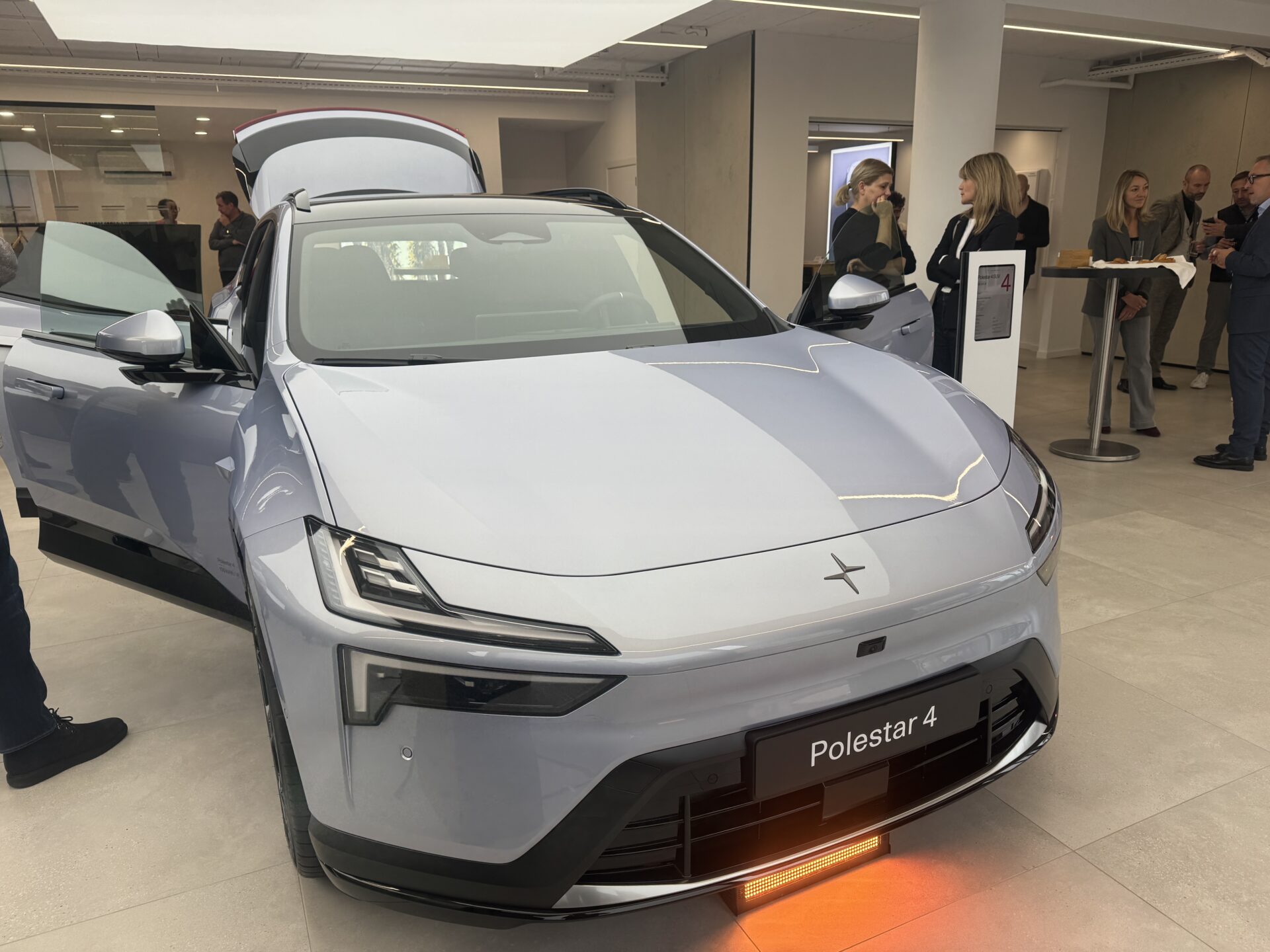
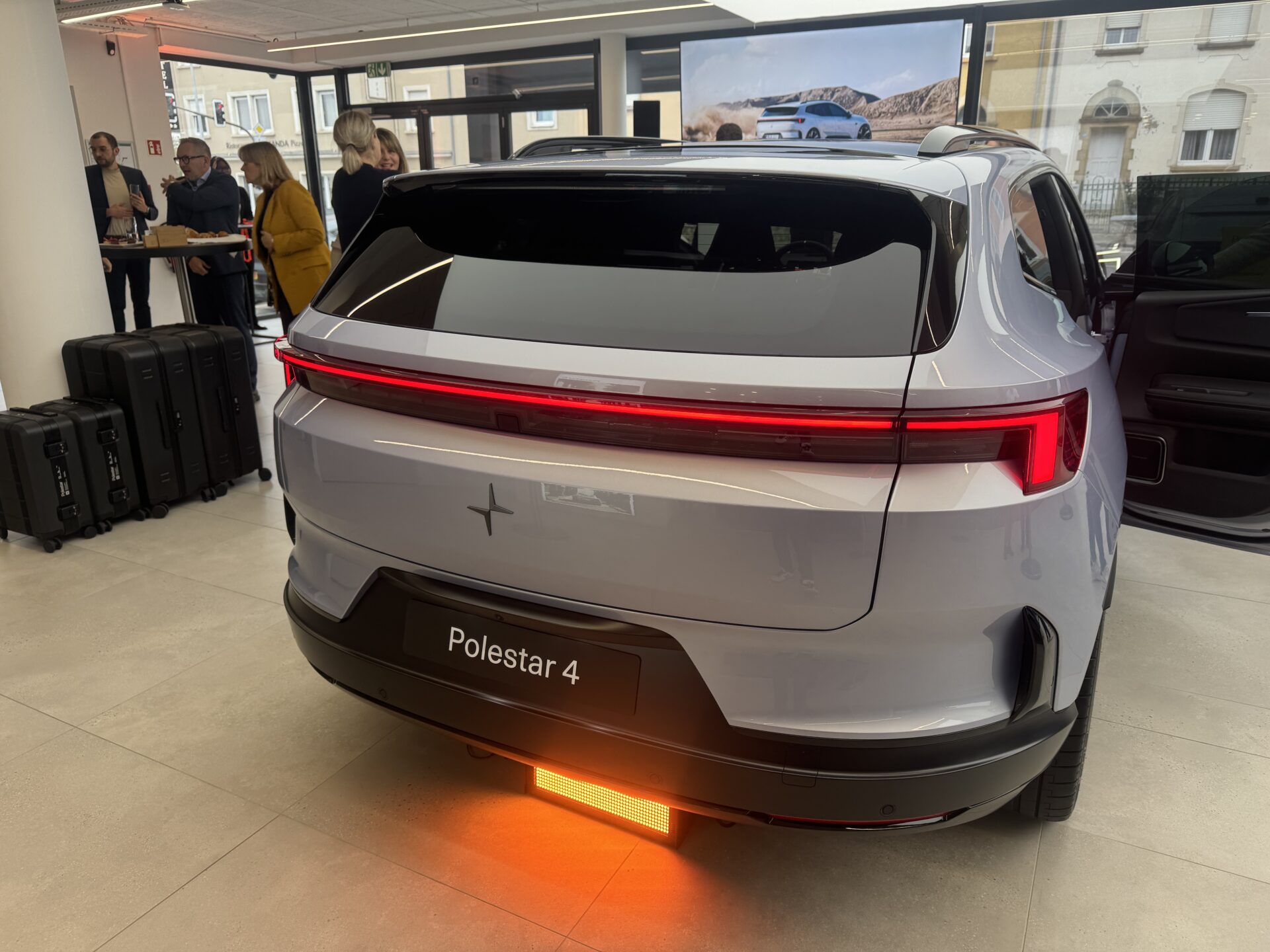
Polestar has presented the 4 SUV at its Luxembourg Space, with prices starting at €58,000. Considerably more practical for families than the coupé it is derived from, it arrives in a local market where the brand’s registrations have halved in a year. Polestar insists its ambitions for 2027 remain intact.
To understand the move, one has to go back to the launch of the Polestar 4. In 2023, the Swedish brand unveiled a four-door coupé saloon with no rear window. In its place, a roof-mounted camera feeds a digital rear-view mirror, which allowed the roofline to be lowered while keeping headroom for rear passengers. The bold choice generated plenty of debate and firmly established Polestar as a design brand. It also became the best-selling model in the range.
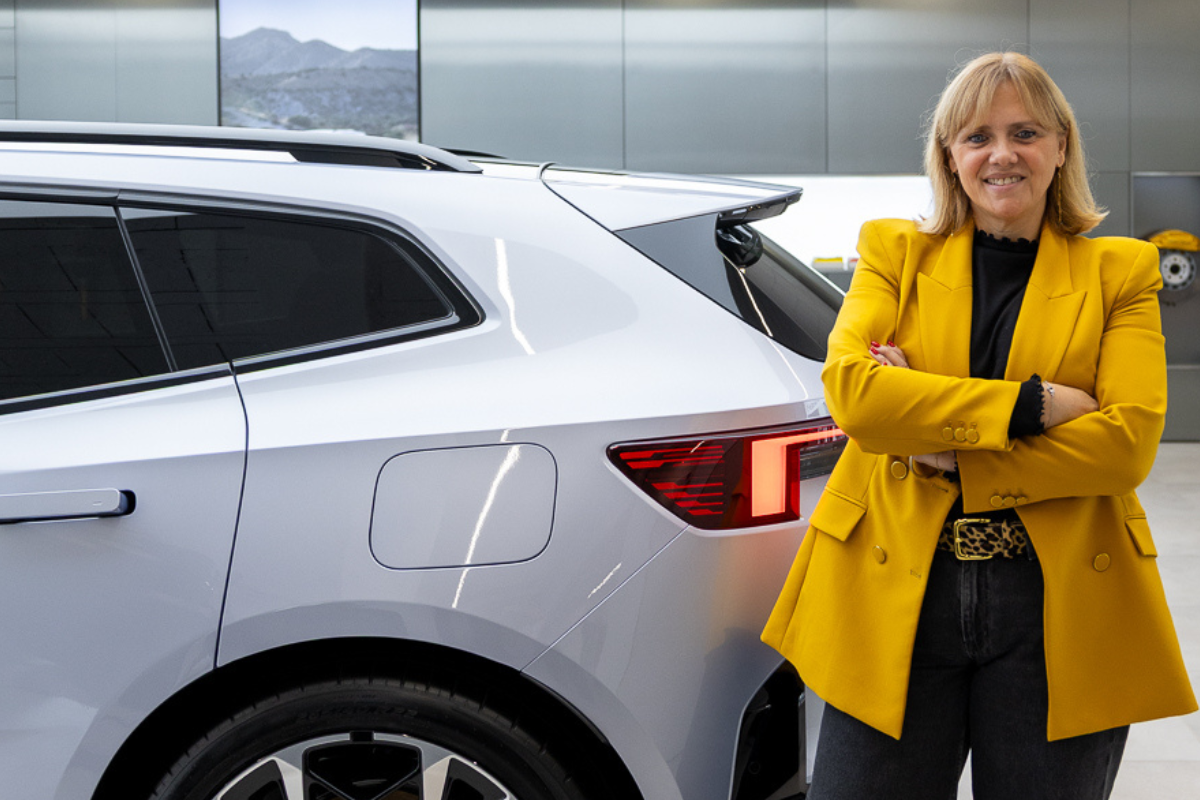
But some customers struggled with the missing rear window. ‘We always say, take the car for a day and you will get used to it. After two hours, your brain no longer knows you are looking at a camera,’ says Lies Eeckmann, Polestar’s Benelux regional director. ‘We are very customer-driven, so we decided to broaden the line-up with a more functional, more practical model.’ Hence the new body with a proper rear window, and hence a change of name too. The model known until now as the Polestar 4 becomes the Polestar 4 Coupé, making way for the Polestar 4 SUV. Both will stay in the catalogue.
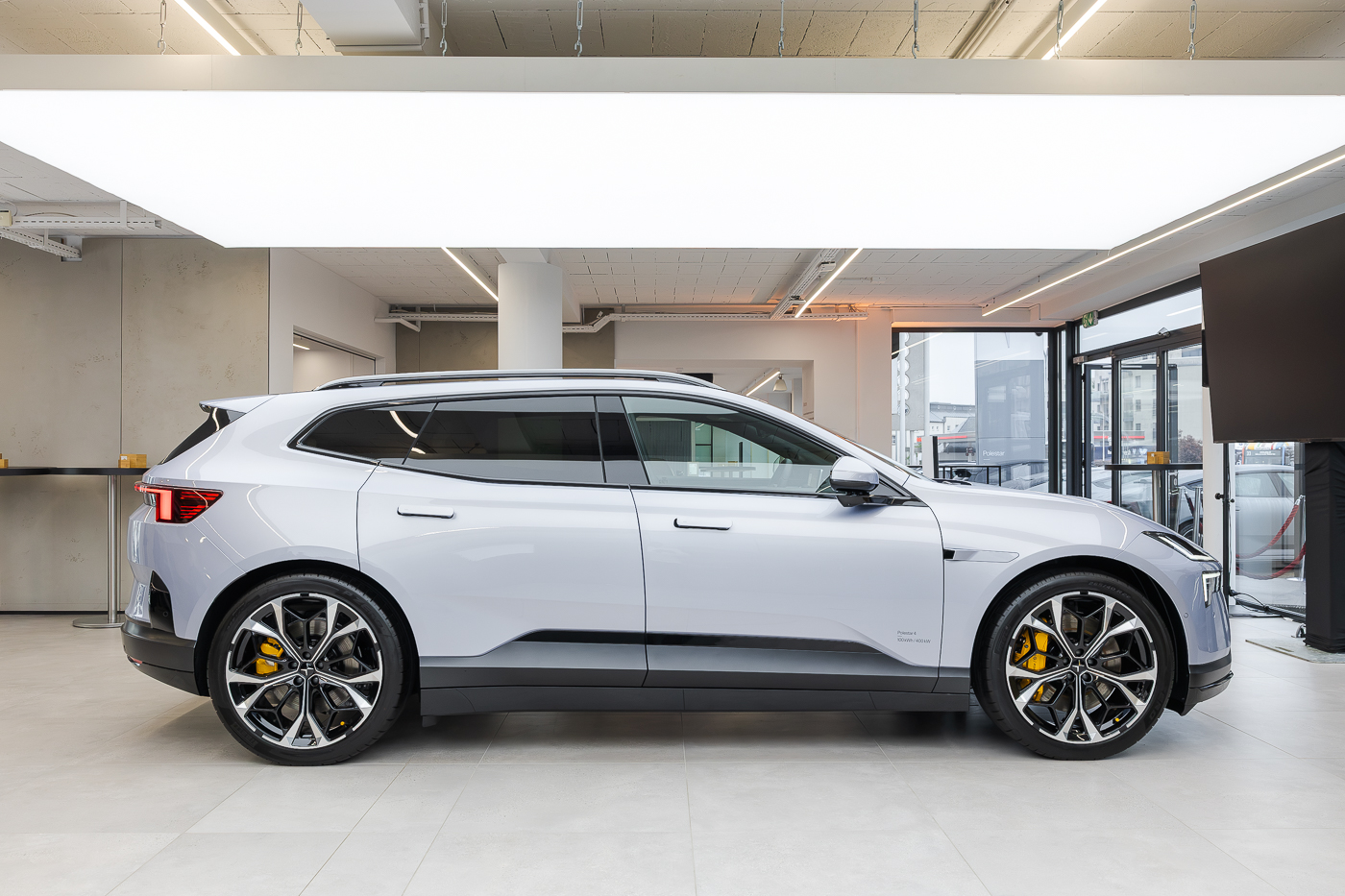
At 4,840 mm long and 1,556 mm tall, the newcomer looks more like a raised estate than an off-roader. The brand embraces the mismatch. ‘SUV stands for sport utility vehicle, a very functional and very sporty car,’ argues Eeckmann. ‘The really big SUVs do not deliver the best range. We are going back to the strict meaning of the term, even if people in the street will call it an estate.’
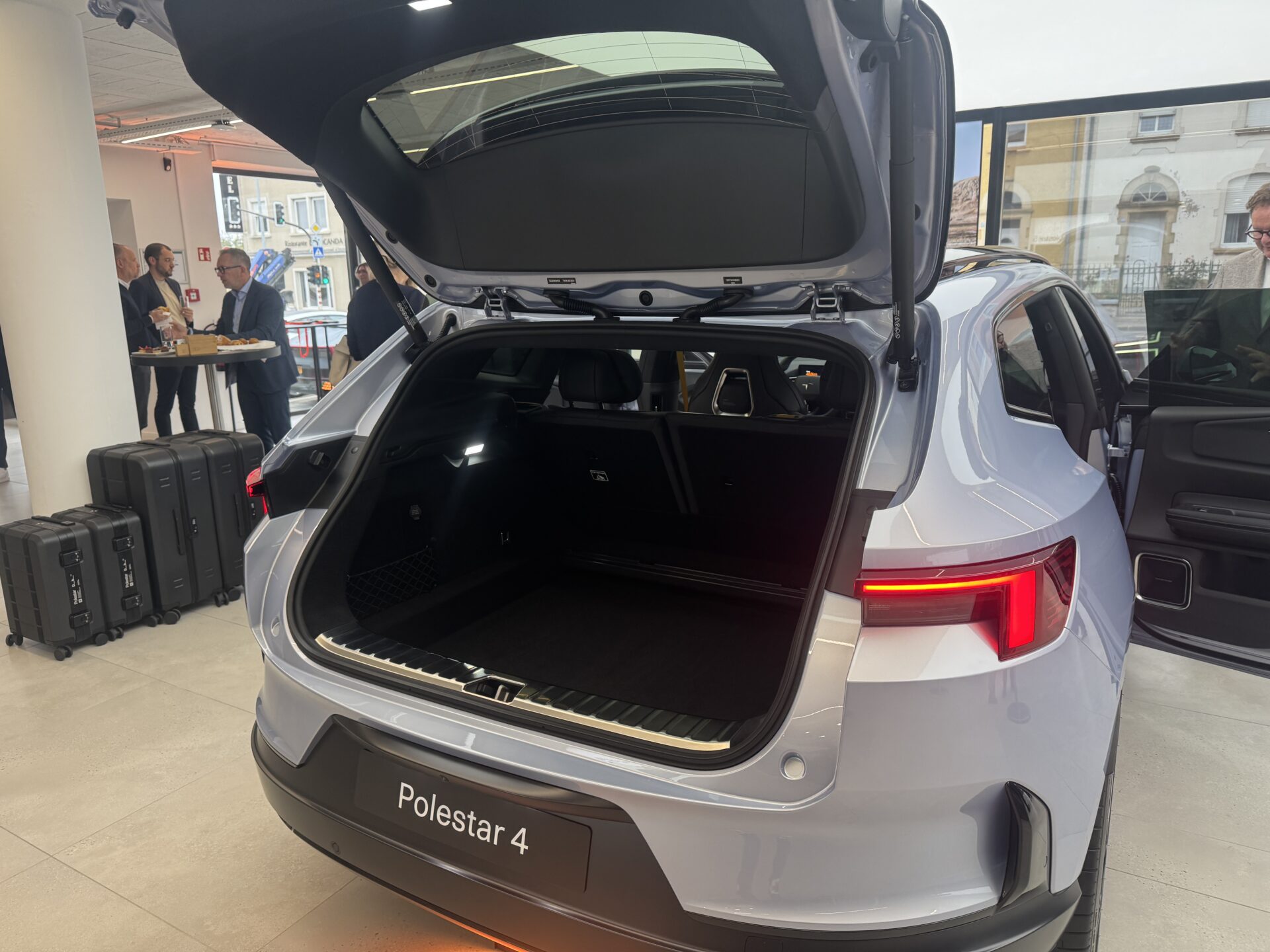
Up to 1,665 litres of boot space
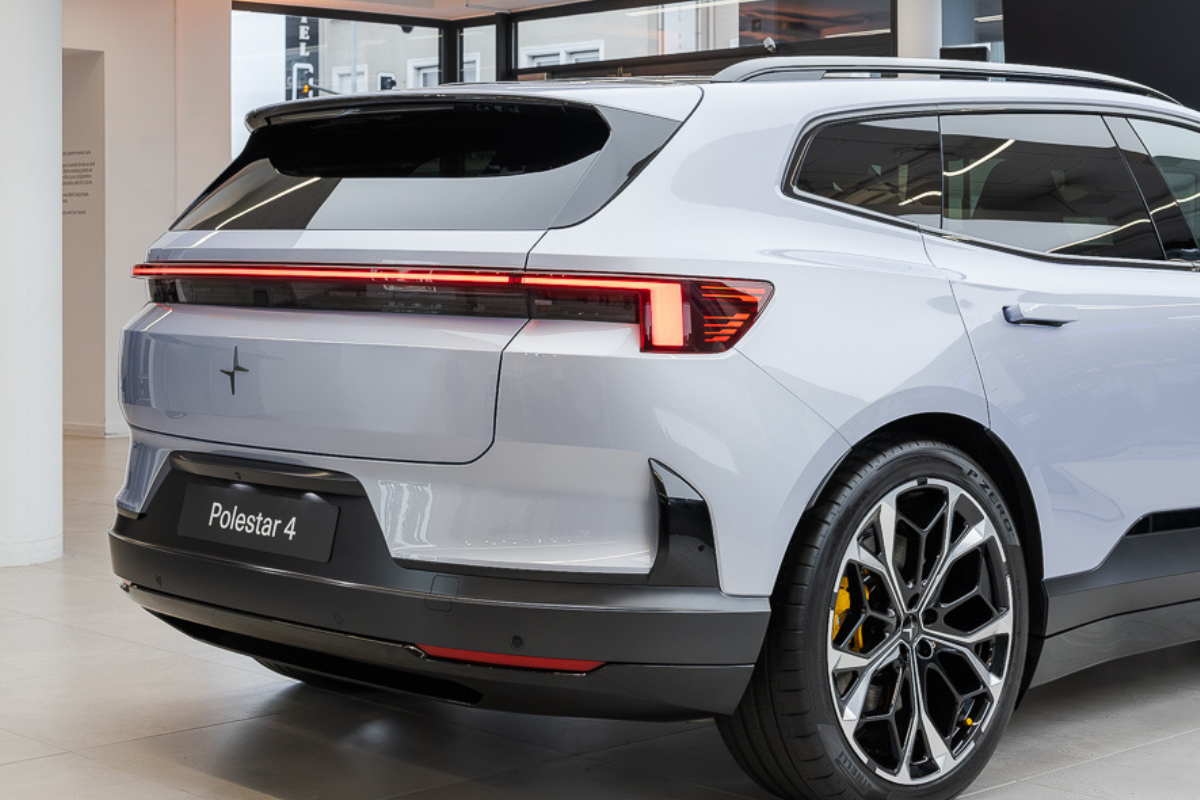
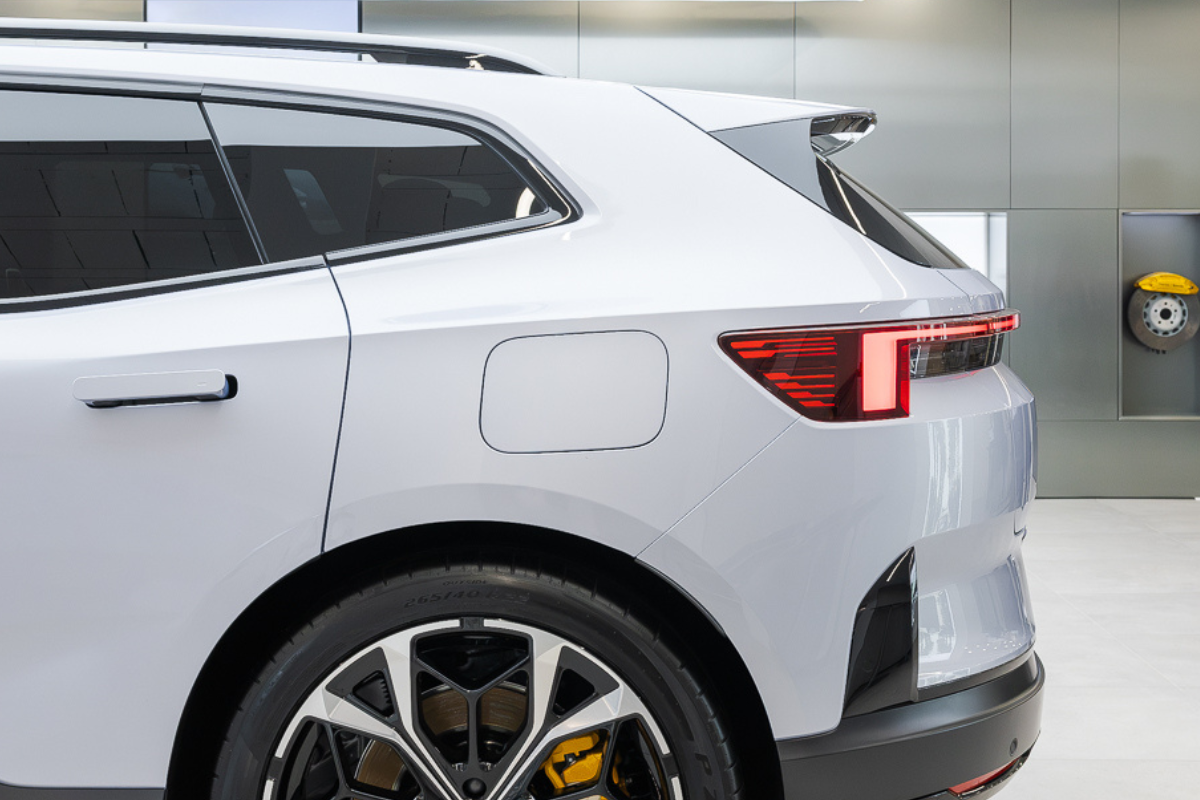
From the front, the two cars are impossible to tell apart. Length and width are unchanged, and only the roofline extends further back and rises by 22 mm. The result shows at the rear, with 530 litres up to the seatbacks, 655 litres up to the roof (129 more than the coupé) and 1,665 litres with the rear seats folded. The tailgate opening is wider and more upright, a deliberate selling point for families and dog owners, an audience the brand readily mentions.
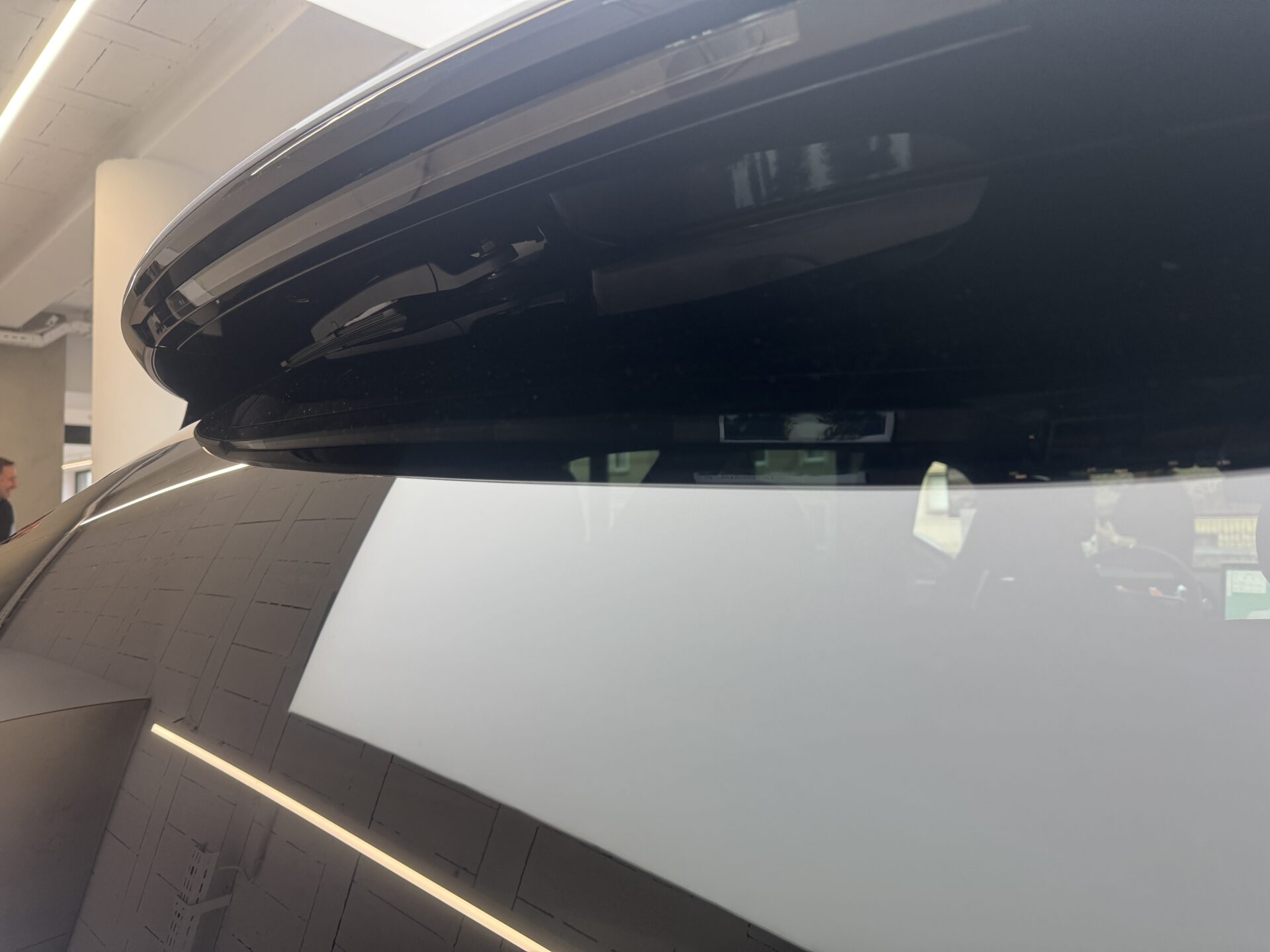
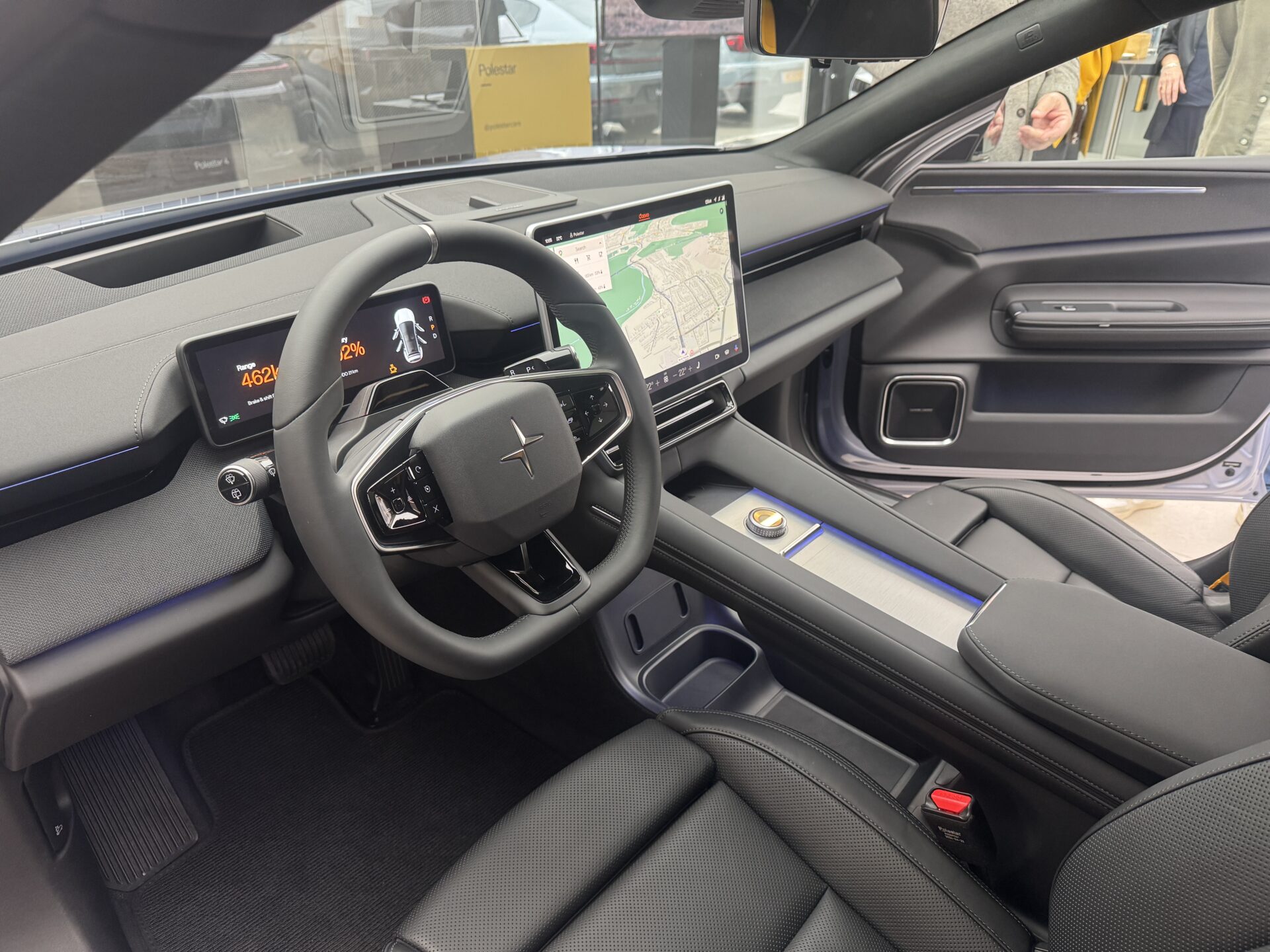
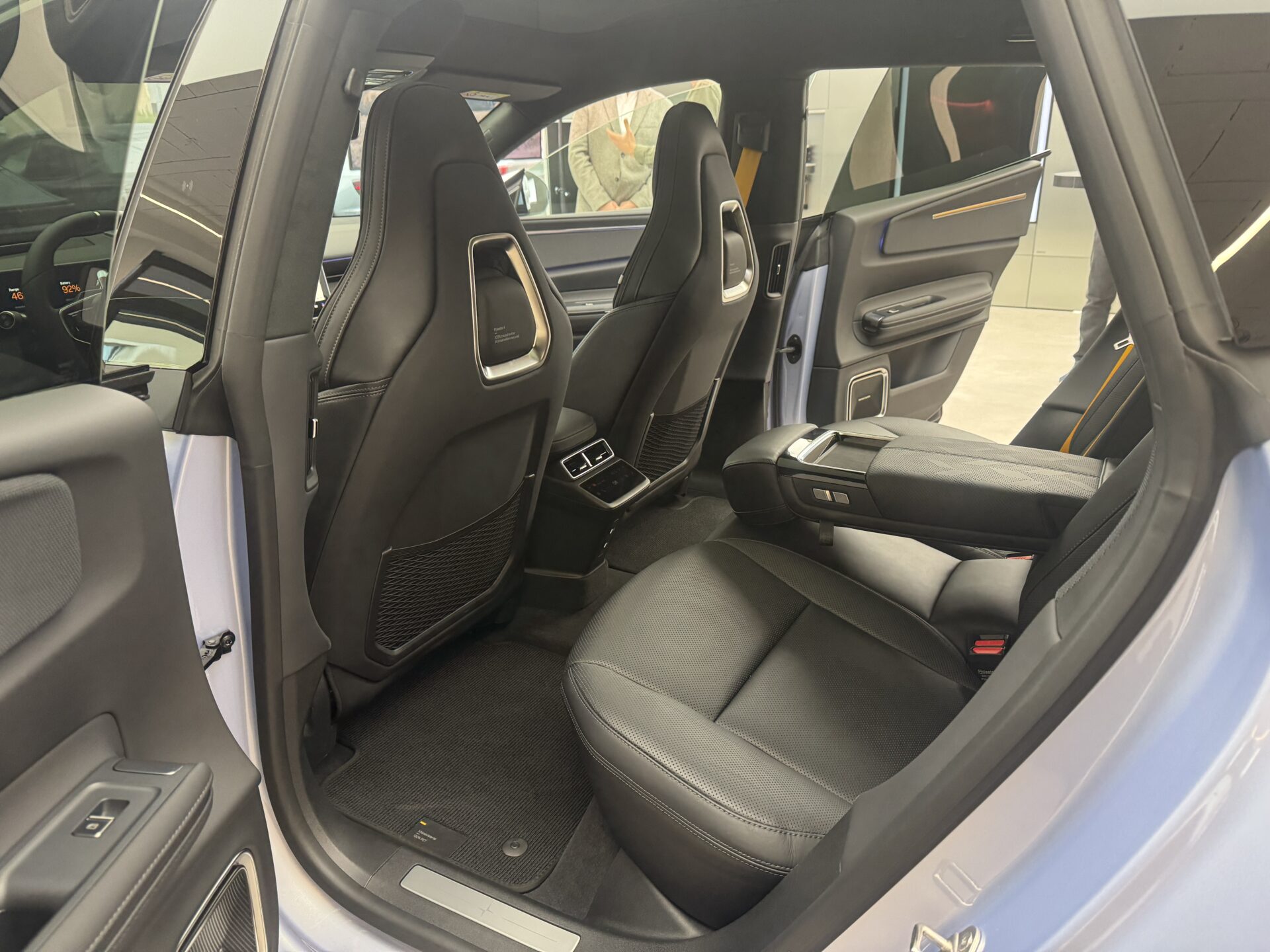
Roof rails are standard and take 100 kg while driving, enough for a roof box or a tent. The rear wiper is hidden under the spoiler to keep the tailgate clean. The longer panoramic roof can be darkened in zones, so children can sleep in the back without plunging the whole cabin into gloom. The digital rear-view mirror, no longer essential now that a rear window exists, remains optional for those who have grown fond of it or who load up to the roof. Inside, nothing changes. The dashboard, materials and presentation are carried over unchanged from the coupé.
Mechanically, both bodies share the same 100 kWh battery, which charges at up to 200 kW DC and 22 kW AC. The rear-wheel-drive version produces 272 hp, covers 0 to 100 km/h in 7.3 seconds and offers 630 km of range. The all-wheel-drive model rises to 544 hp, 3.9 seconds and 600 km. Curiously, the taller body is also the more efficient, with ten extra kilometres of range over the coupé, and fifteen on the Performance version.
Aggressive pricing
In Luxembourg, the Polestar 4 SUV starts at €58,000 including VAT, rising to €62,800 for the dual-motor version and €72,430 for the Performance trim, with its 22-inch wheels and gold Brembo calipers. The business offer begins at €45,150 excluding VAT, and private leasing at €499 a month. The entry price is no accident. ‘The Luxembourg market is atypical, either very premium or very low-cost,’ says Eeckmann. ‘We were missing an offer in the price ranges that suit the market.’
The figures bear out her analysis. According to SNCA data, Polestar registered 115 cars in the Grand Duchy over the first nine months of 2026, against 243 a year earlier. ‘No, I am not happy with 2026,’ the director admits, describing a pivotal year while the nearly sold-out Polestar 2 makes way for a new generation expected in 2027. Since November 2024, the brand has sold 483 cars in Luxembourg, 279 of them Polestar 4s, its most popular model. It has three after-sales service points here, 38 for Belgium and Luxembourg combined, and claims 91% customer satisfaction. Polestar nonetheless expects a strong fourth quarter in 2026 and a good start to 2027, not least thanks to a stronger commercial offer.
Four new models in three years
The Luxembourg dip contrasts with the group’s trajectory. Polestar delivered 60,119 cars worldwide in 2025, 34% more than in 2024, and 44,790 in the first nine months of 2026. Europe now accounts for almost 80% of its volumes, and the network has passed 235 sales outlets, up 39% year on year. In Germany, the brand’s largest market on the continent, registrations are up 16% since January, nearly two-thirds of them for the Polestar 4 family alone.
Above all, the brand has launched the densest product offensive of its short history, with four new models in three years. The Polestar 5, a GT saloon whose first Luxembourg deliveries are imminent, opened the batting. The Polestar 4 SUV follows now. A new-generation Polestar 2 is announced for 2027, then a compact SUV called the Polestar 7 in 2028. A roadster, the Polestar 6, remains on the programme.
Heading for European production
The Polestar 7 will also carry an anticipated industrial shift. Until now, the brand’s cars have come out of Chinese, Korean and American plants, with the Polestar 4 SUV assembled in Busan, South Korea. The Polestar 7 will be built in Košice, Slovakia, in Volvo Cars’ new factory, with a launch planned for 2028. ‘Geopolitics is so intense that we are already reducing the risks in our production,’ explains Eeckmann, who points out that Polestar favours an industrial model with no plants of its own, relying on various manufacturing partners, notably Volvo Cars, Geely and Renault in South Korea. This approach brings flexibility while limiting the risks tied to industrial investment.
The carmaker calls this pooling approach its ‘one platform strategy’. It draws on Geely Group’s technical architectures rather than developing bespoke ones, cutting production costs and adding industrial flexibility. ‘Sustainability also means profitability,’ sums up the regional director, who stresses what will not be shared. ‘Engineering and driving dynamics remain Polestar, with our headquarters and management in Sweden.’ Once the Polestar 7 is launched, the rest of the range is due to follow on these common foundations, which would open the way to further European production.
A shrinking carbon footprint
That leaves the argument that forms the backbone of the brand’s message. Polestar has published a life-cycle assessment for each of its models since 2020, a practice still rare in the industry. The figures show a steady decline. The Polestar 2 recorded 26.1 tonnes of CO2 equivalent from raw material to factory gate in 2021, against 20.3 tonnes for the 2026 model-year Polestar 4, the best score in the range. Per car sold, greenhouse gas emissions have fallen by 30.9% since 2020.
The work focuses mainly on batteries, the heaviest item in the balance sheet, with at least 50% recycled cobalt in those of the Polestar 2 and 3. The brand, which remains the only European manufacturer to sell nothing but electric cars, also runs a charging ecosystem, Polestar Energy, which claims more than 20,000 users. ‘Many companies do not know how to start their sustainability strategy,’ says Eeckmann. ‘With us, progress happens every day.’