The Chery group’s large plug-in hybrid SUV takes direct aim at the segment’s German and Swedish benchmarks. It remains to be seen what the promise is worth behind the wheel.
After the Omoda 5 and the Jaecoo 7, the Chinese Chery group continues to roll out its brands on the European market with a model that moves up a category. The Omoda 9 is a large 4.77-metre SUV, available exclusively as a plug-in hybrid, aimed at families looking for a premium, versatile vehicle. The manufacturer openly claims to compete with the Volvo XC60, BMW X3, Audi Q5 and Mercedes GLC, while pursuing a pricing policy that positions it rather against the Skoda Kodiaq, Hyundai Tucson or Peugeot 5008 plug-in hybrids. The commercial target is clear: to offer a higher level of equipment without paying the price for it, in a segment where buyers are sensitive both to status and to total cost of ownership.
Exterior design: restraint rather than a signature
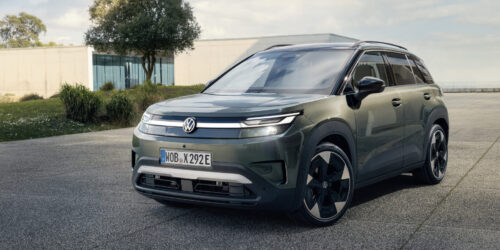
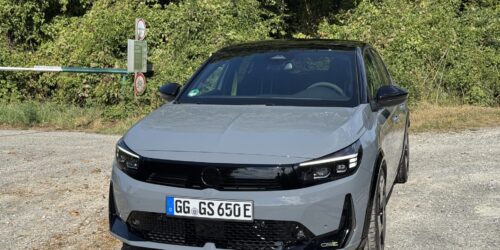
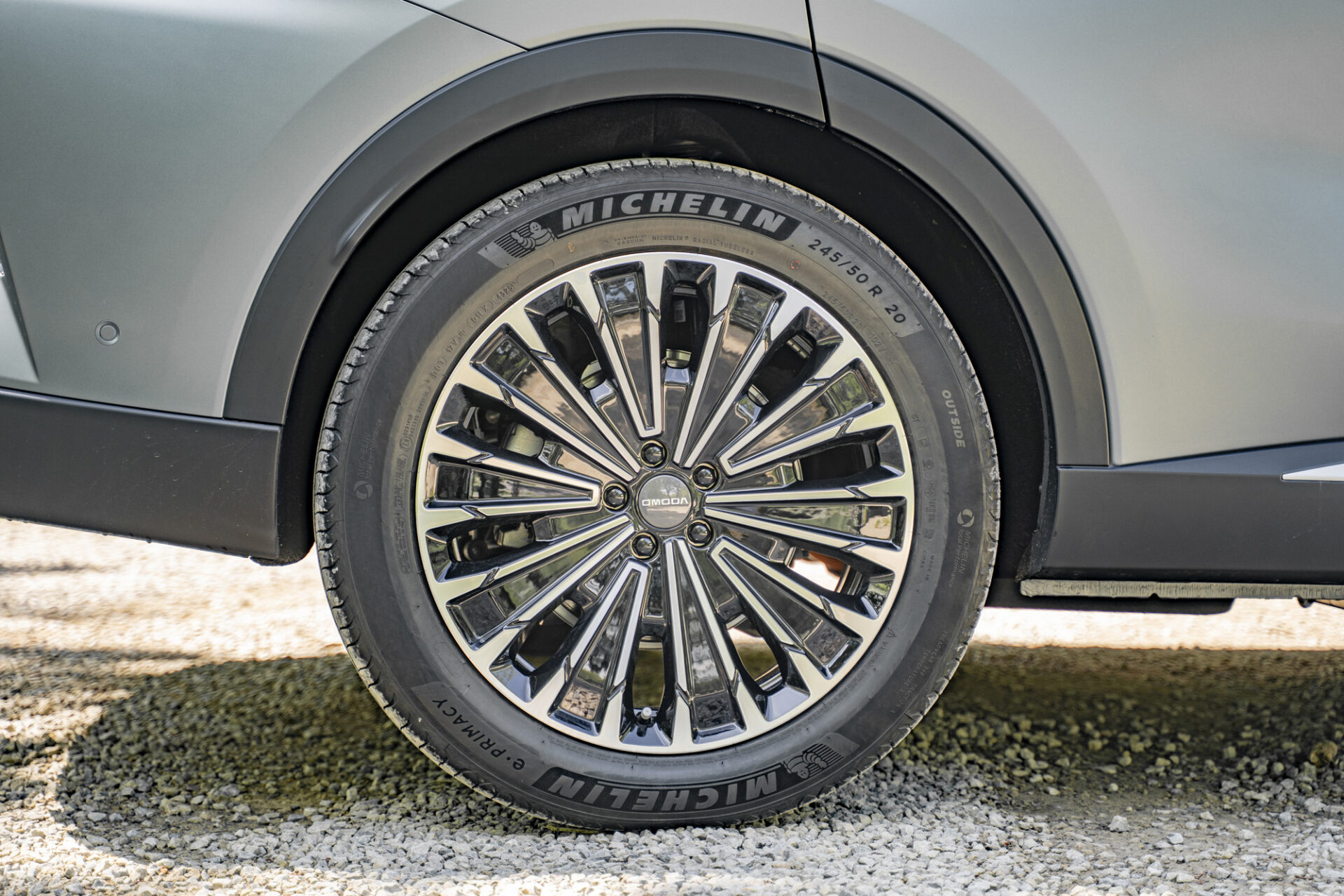
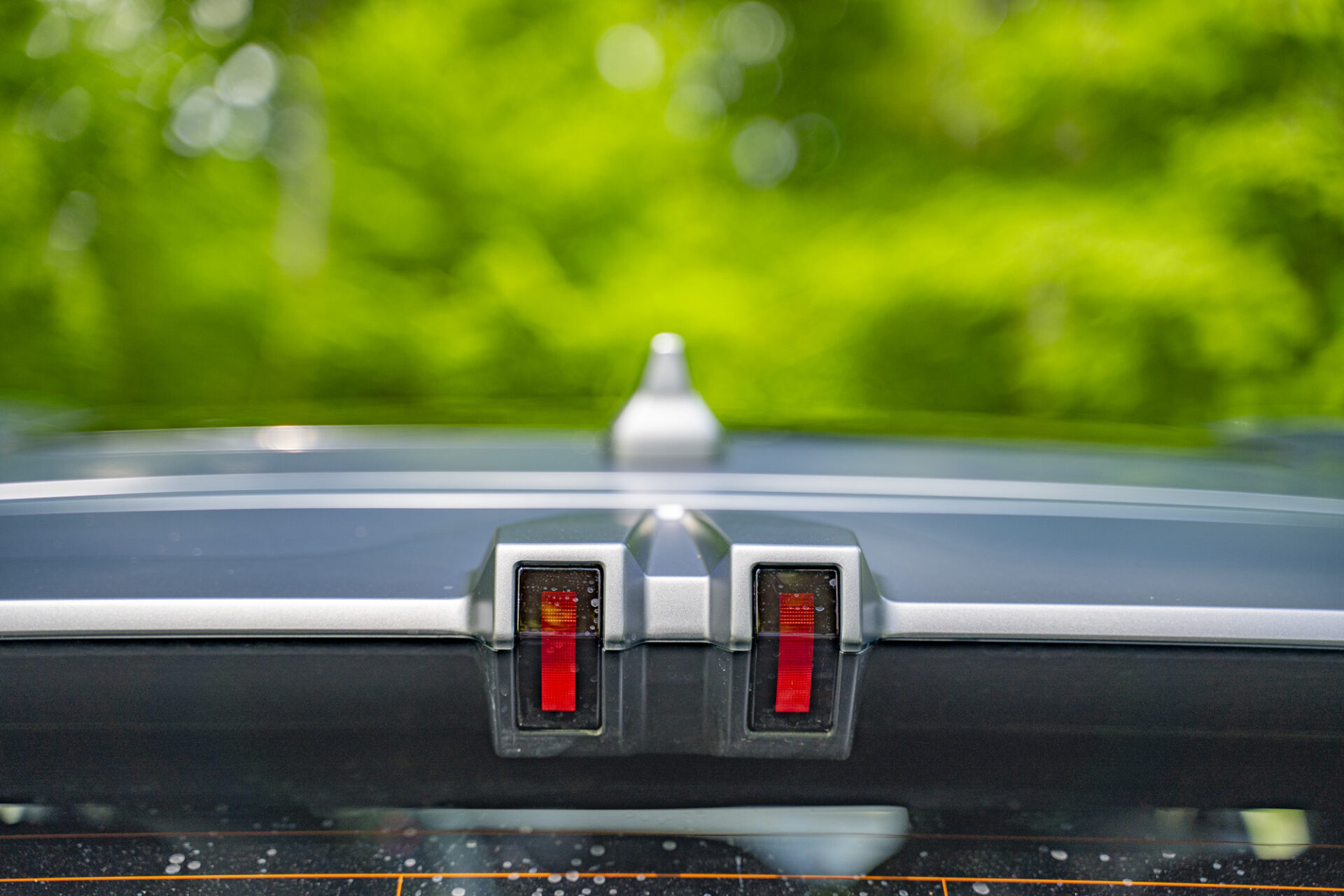
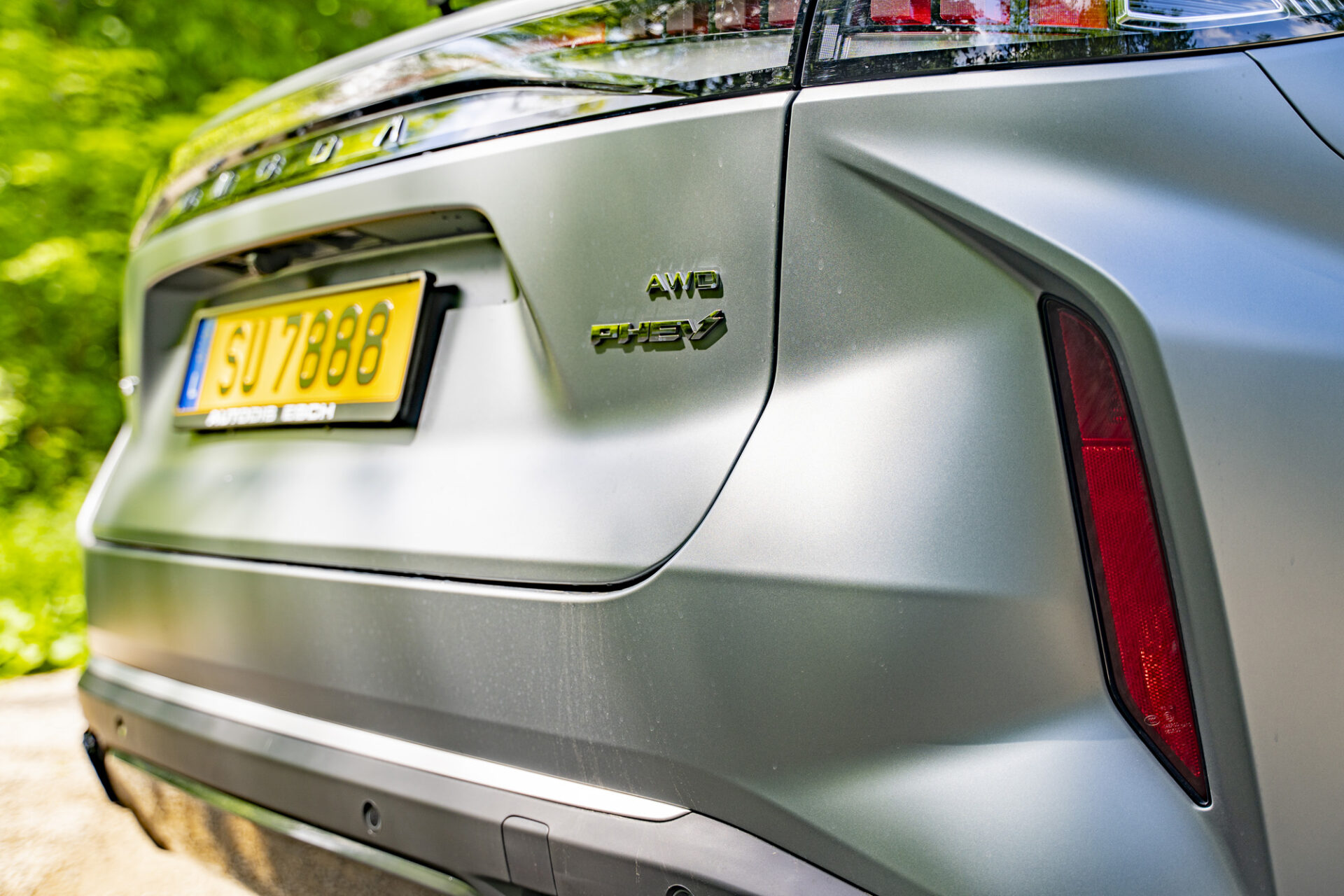
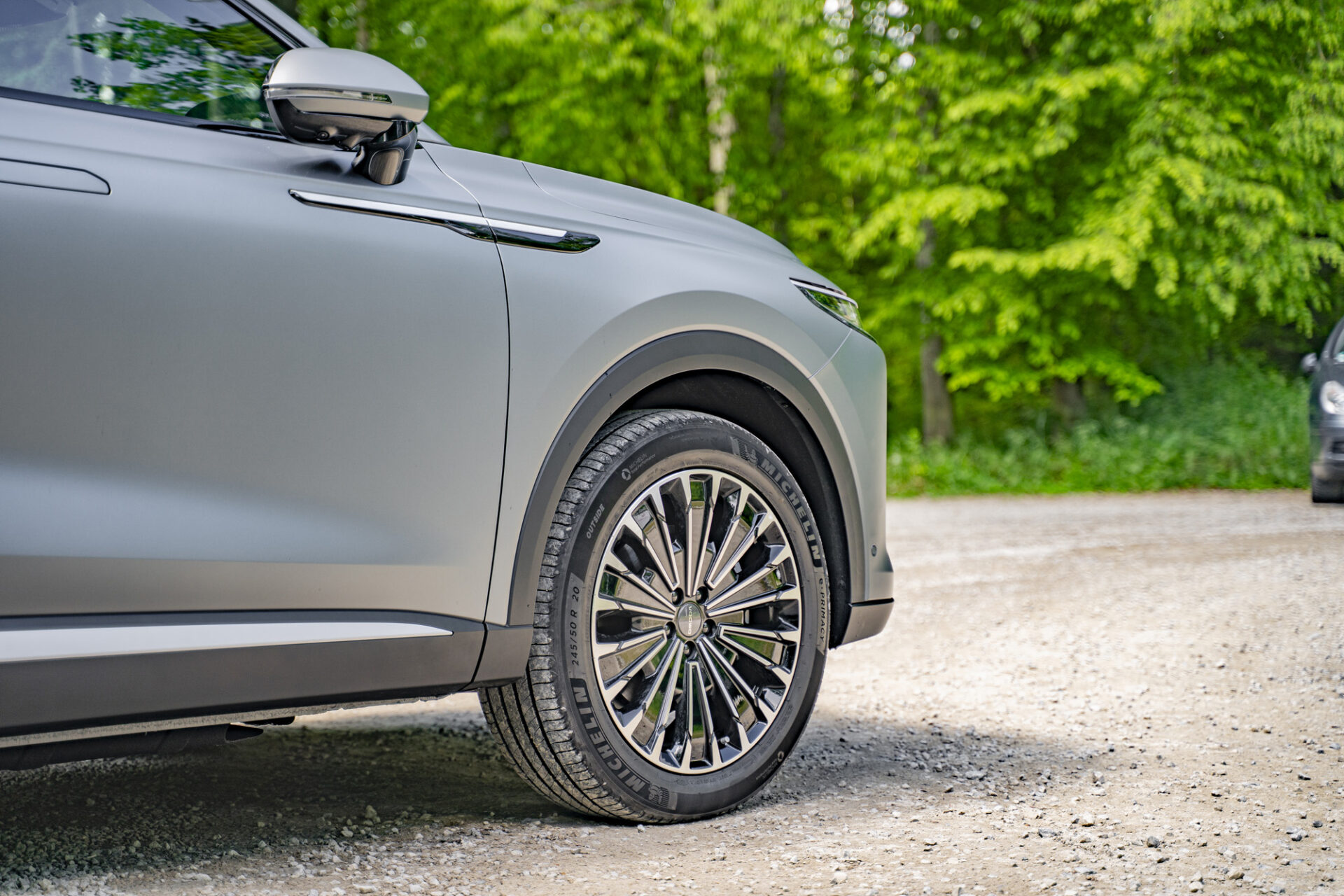
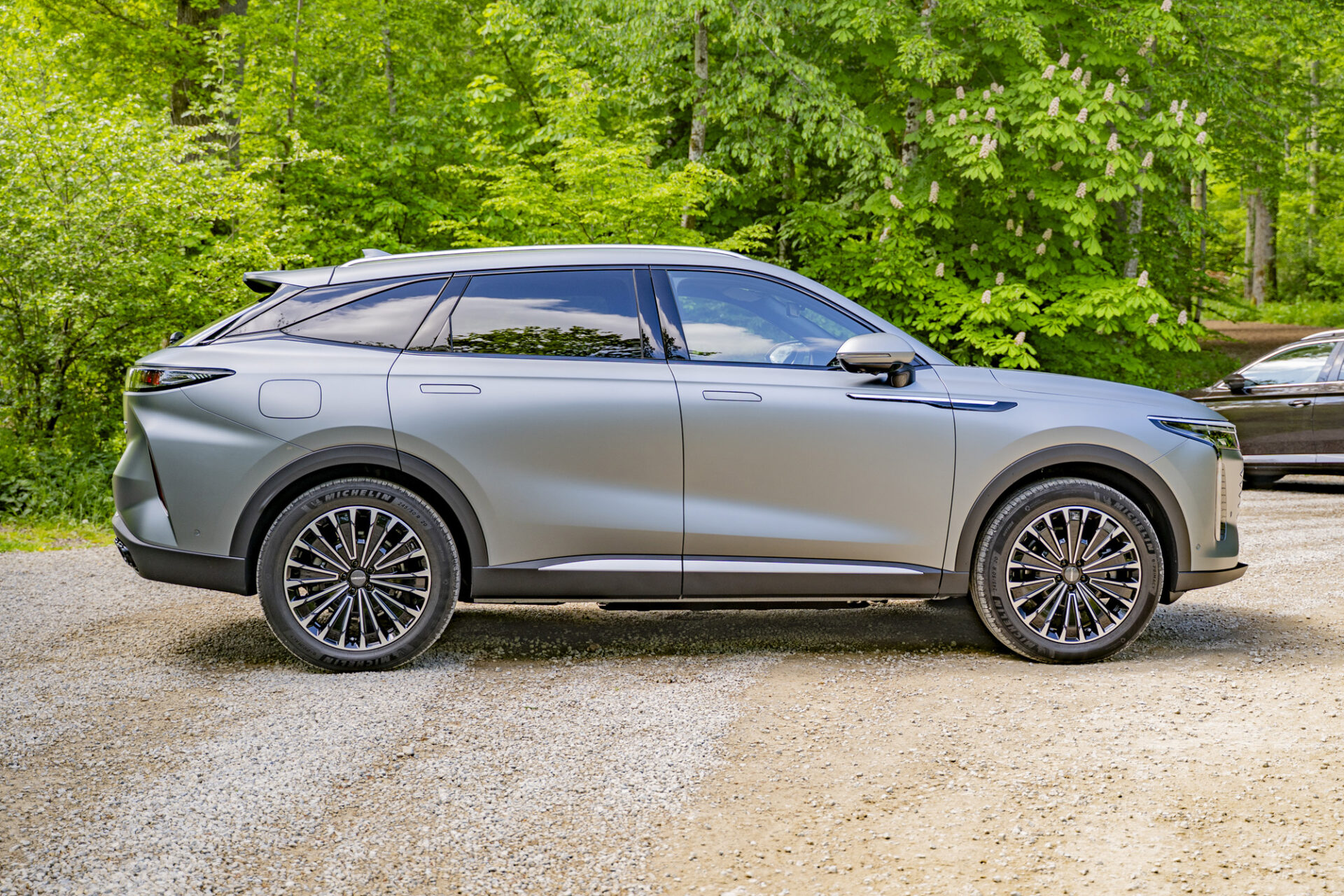
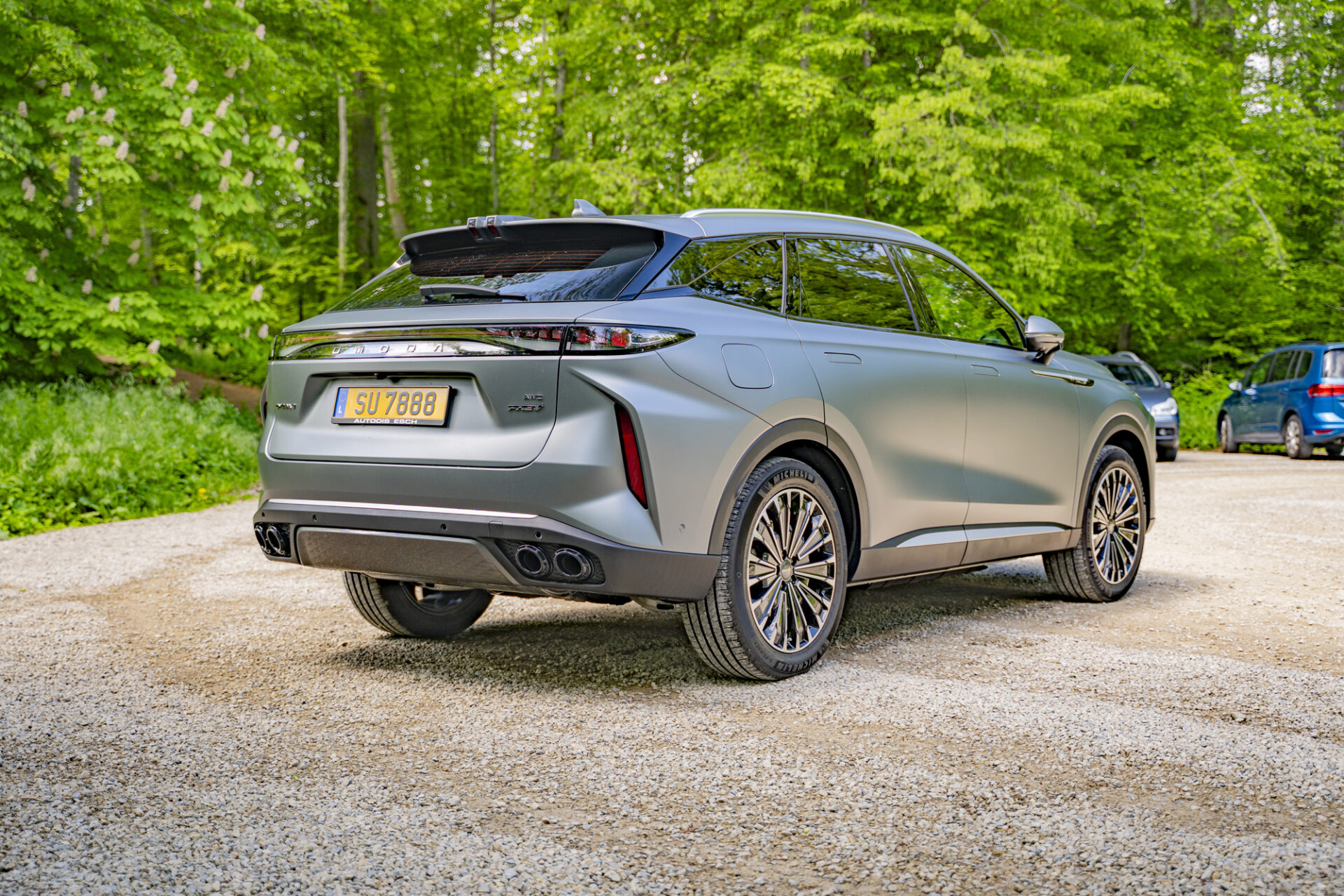
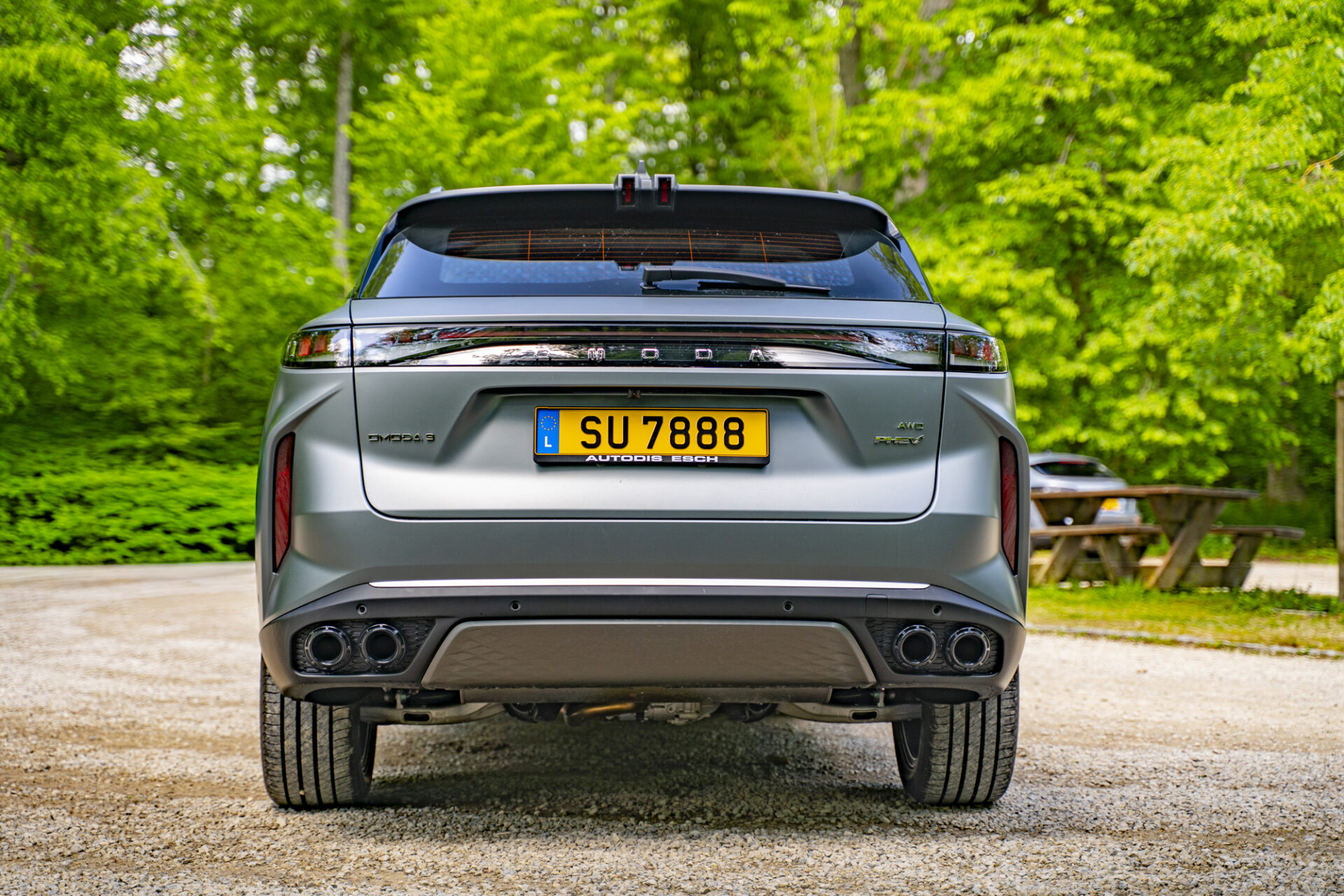
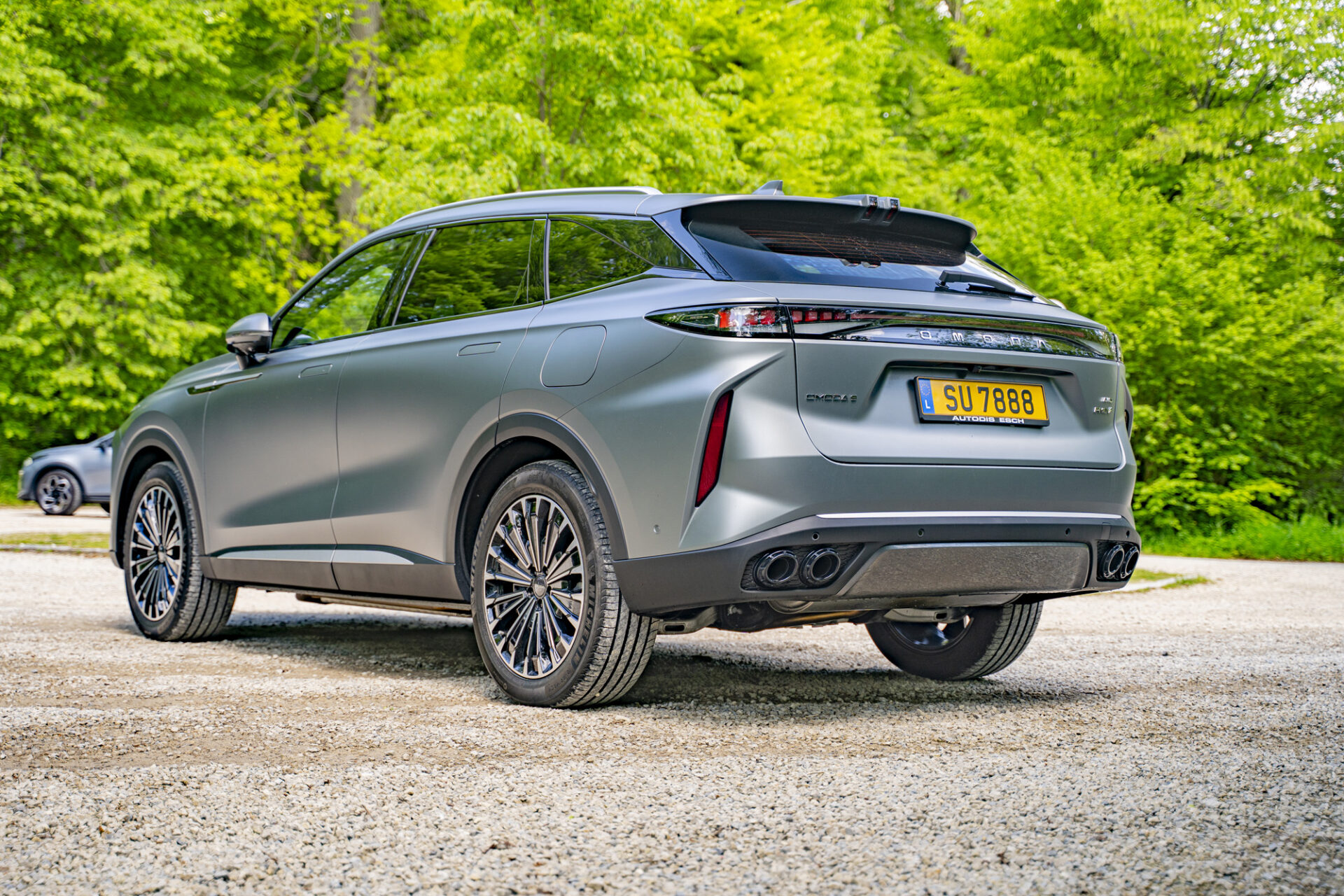
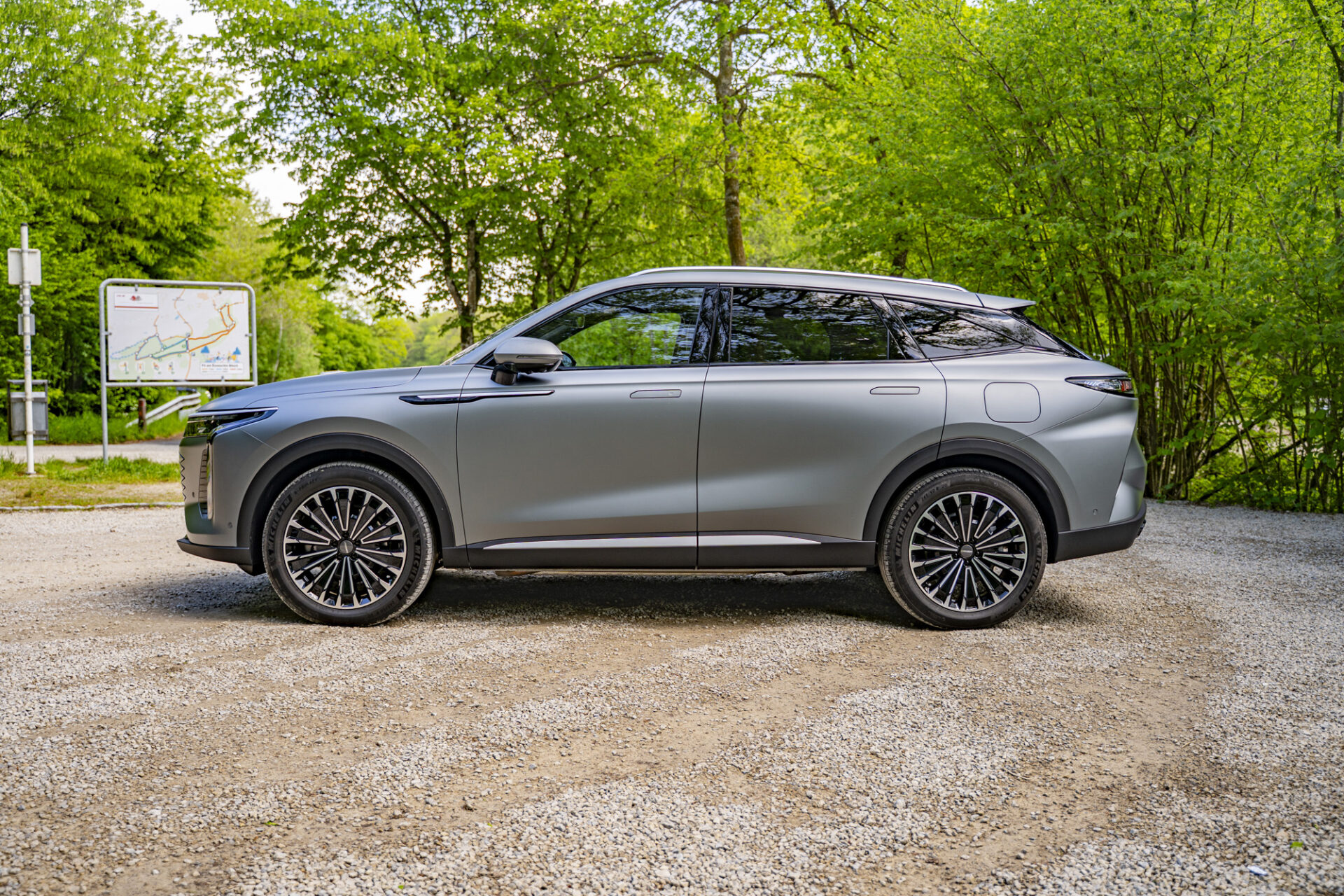
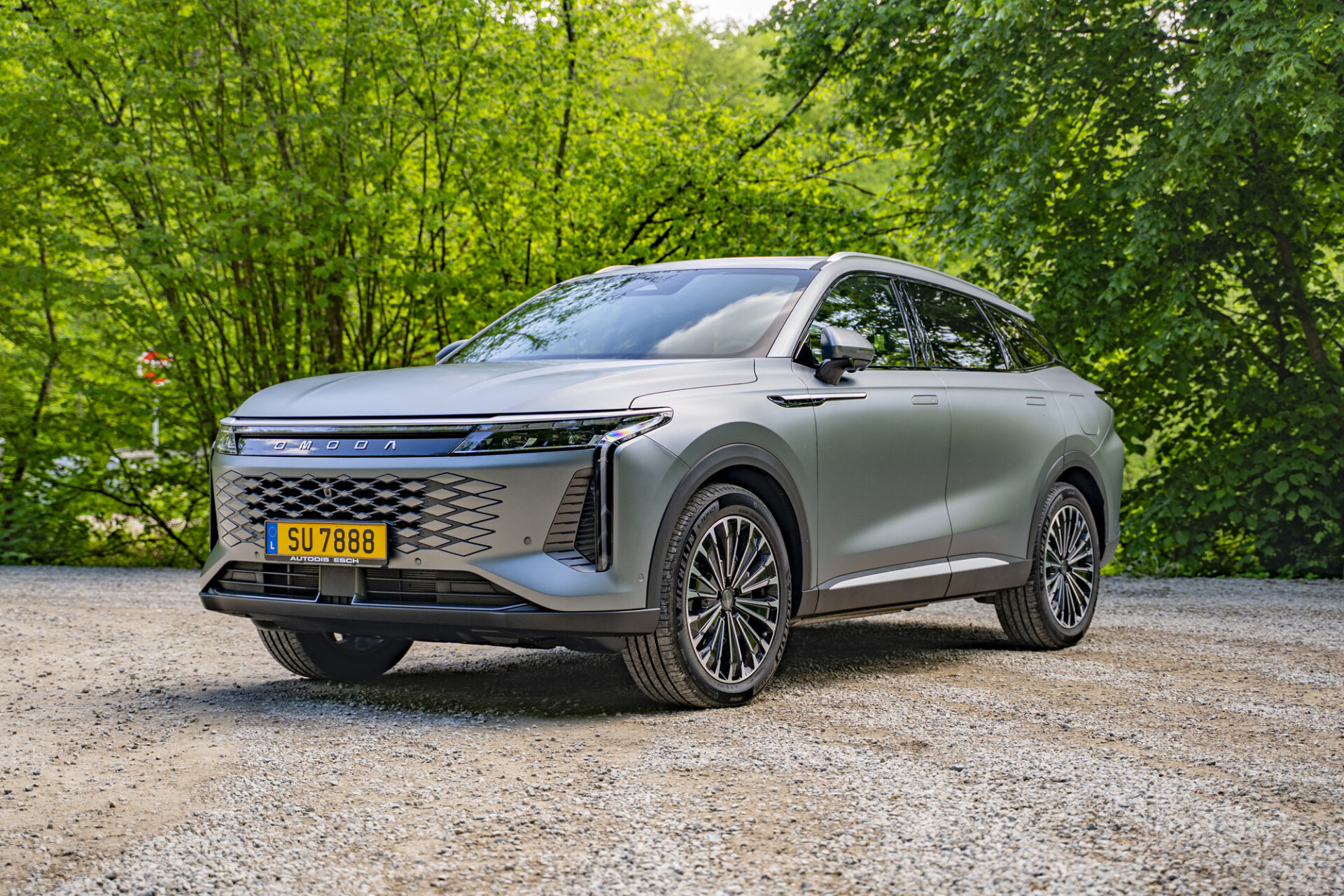
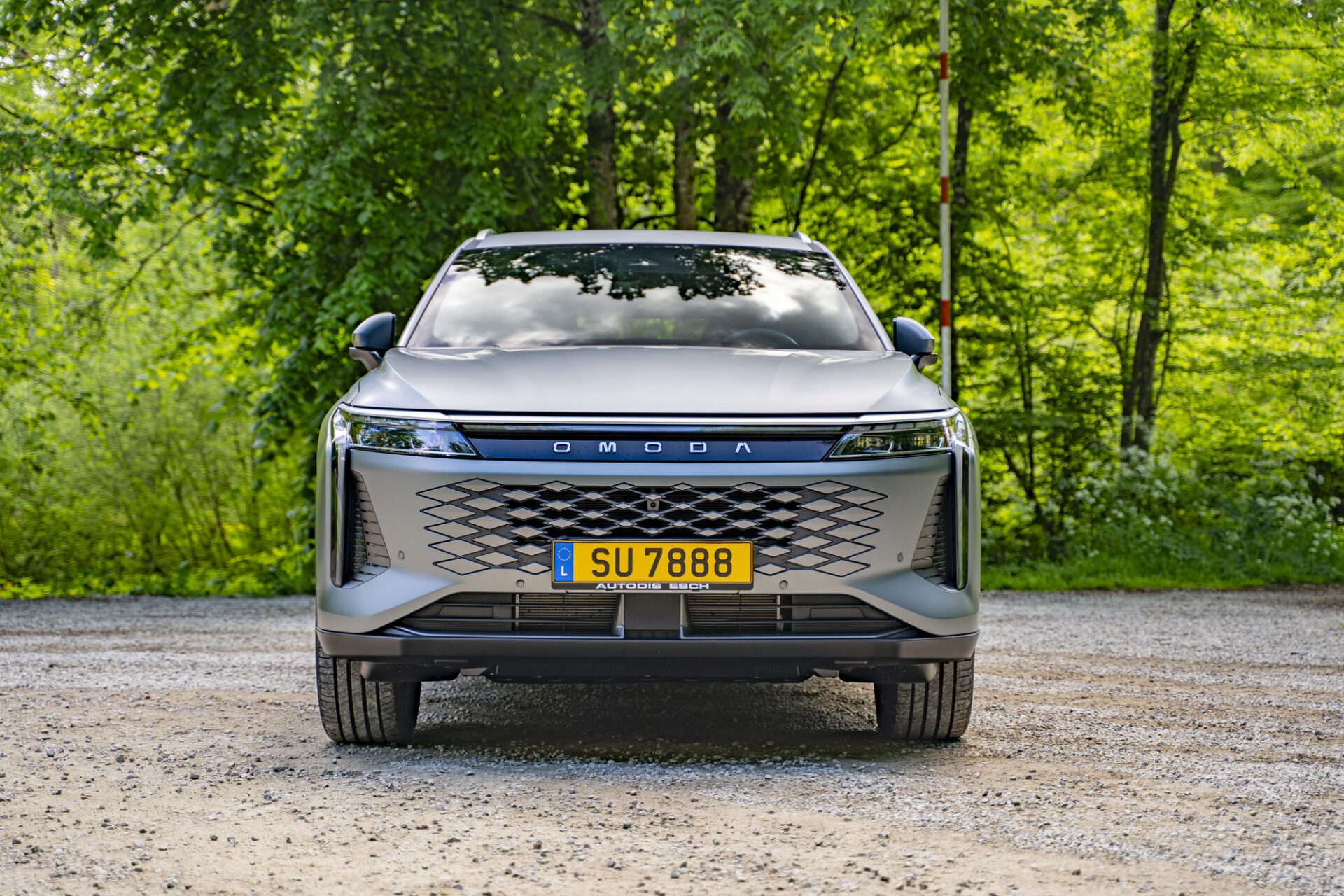
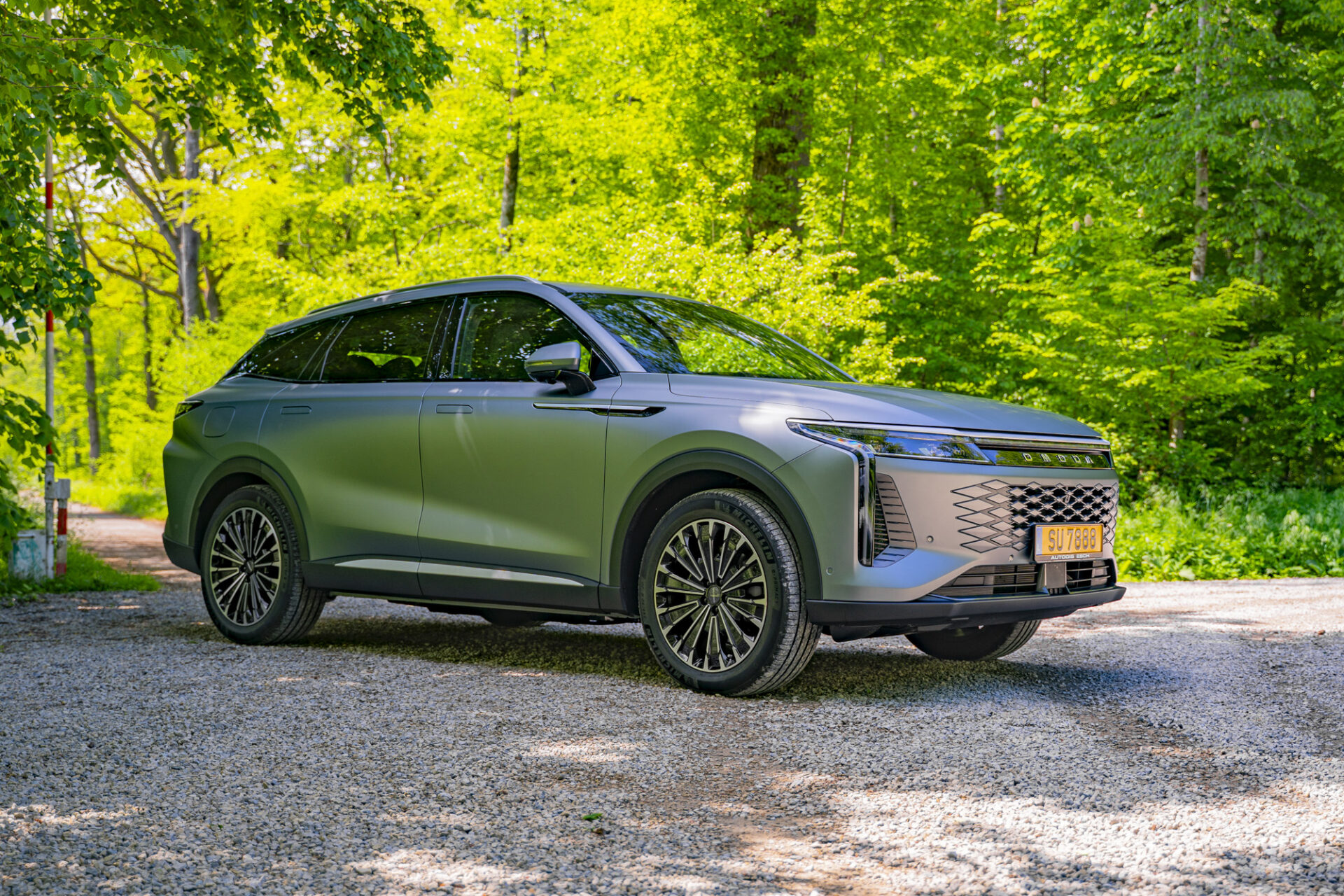
The Omoda 9 displays balanced proportions, with a width of 1.92 metres and a height of 1.67 metres that give it a fairly low silhouette for a vehicle of this category. The 20-inch alloy wheels, shod with Michelin tyres, and the retractable door handles are in keeping with the current trend. The light signature runs across the entire front and rear, in line with the visual code now widespread on new models. The styling remains consensual, without any real stylistic stance, and certain angles openly evoke other European and Japanese models. What it lacks in originality, it makes up for in care of presentation: the body fit is correct, the chrome is not overdone, and the five colours on offer, including two matte finishes, play in a restrained register. A small aesthetic wink: the four exhaust outlets integrated into the rear bumper are entirely fake, the real opening being located under the car.
Interior design: a deliberate move upmarket
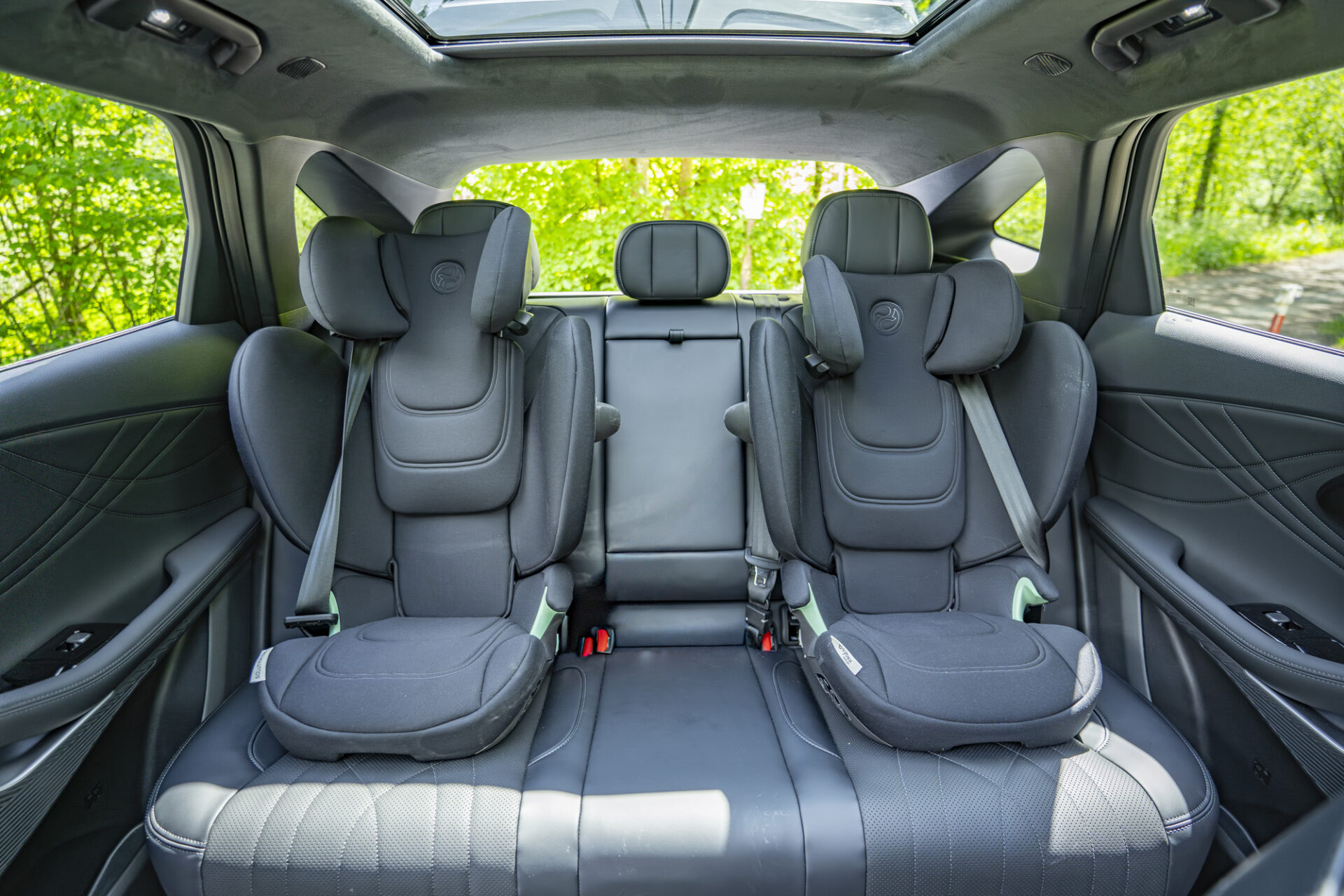
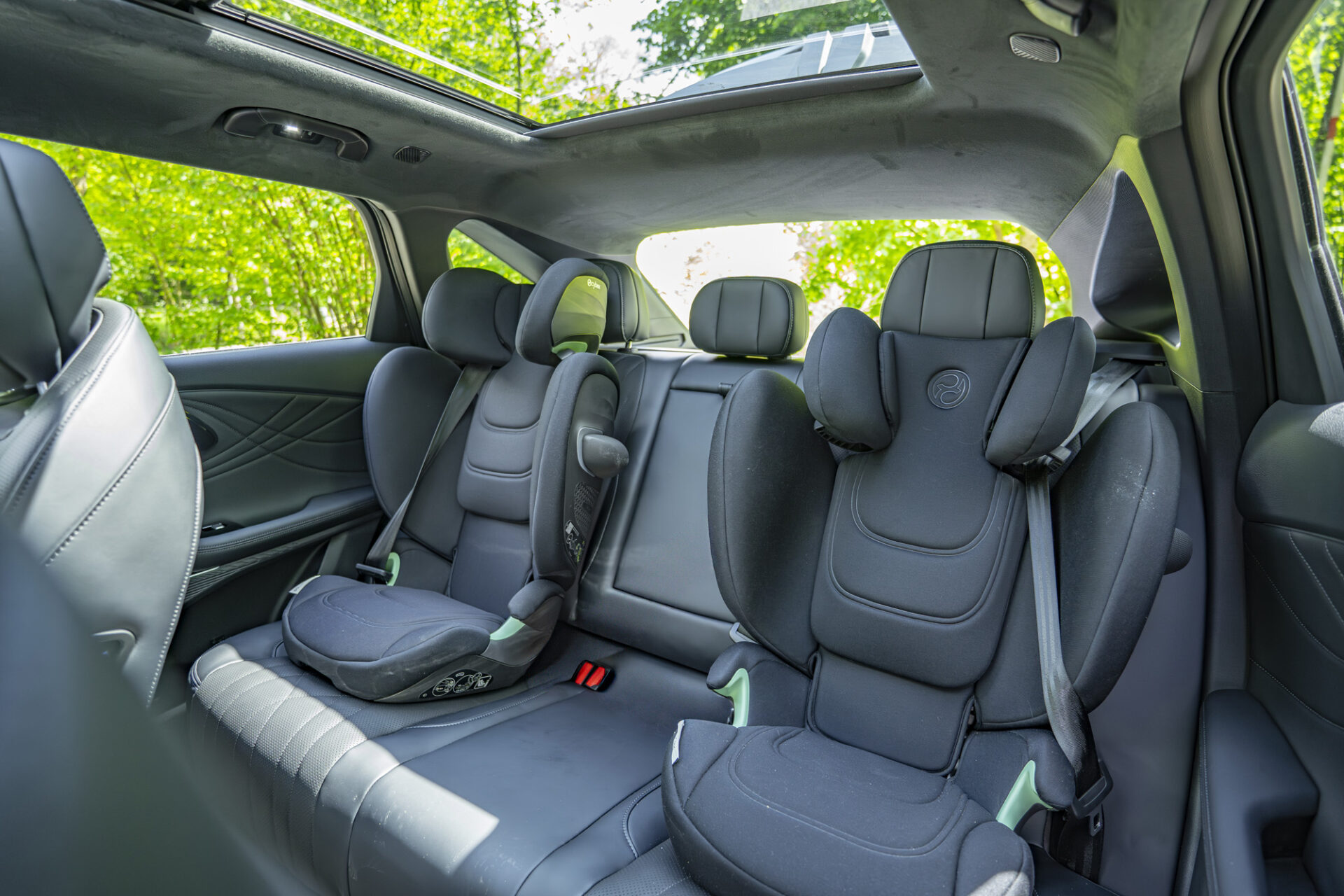
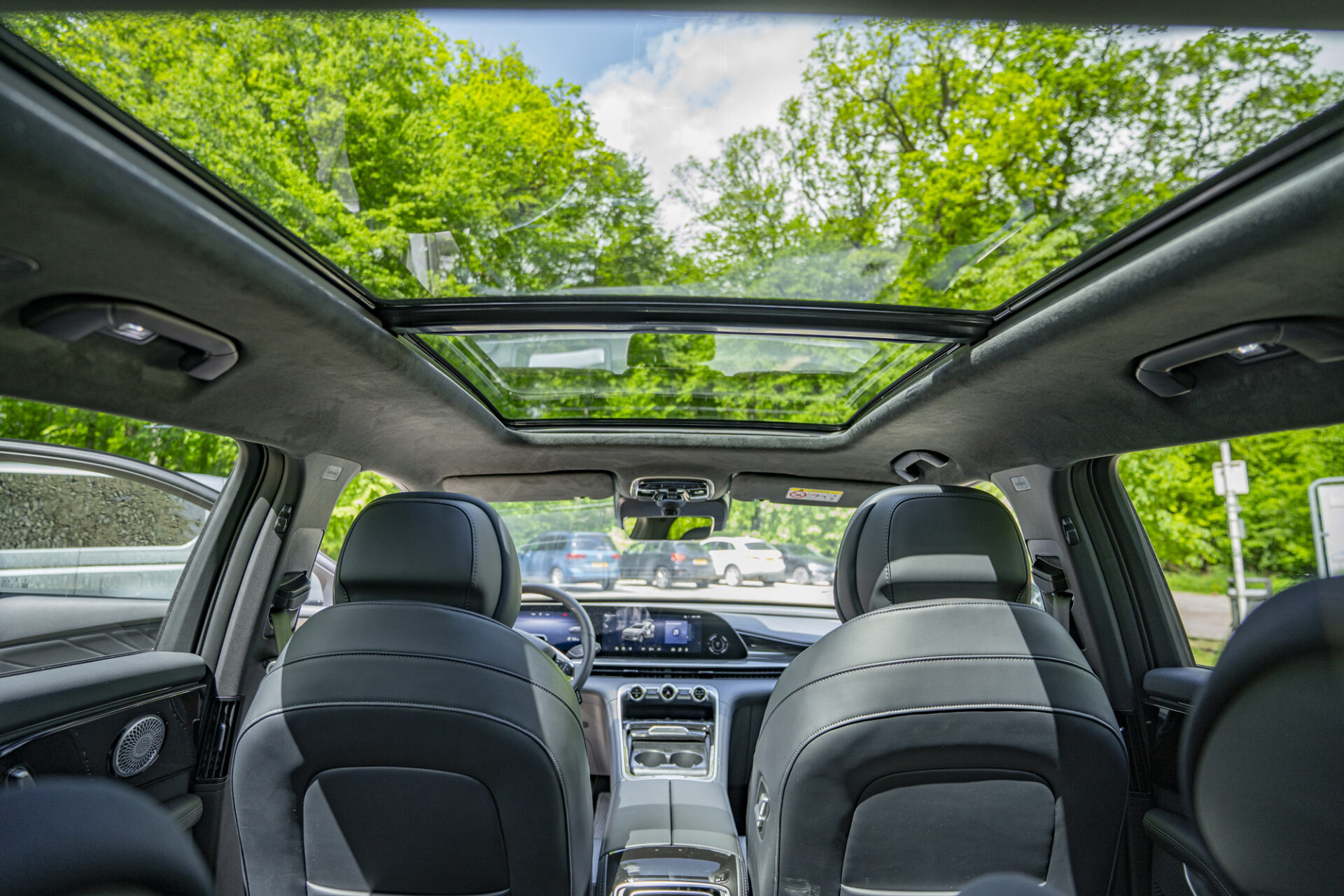
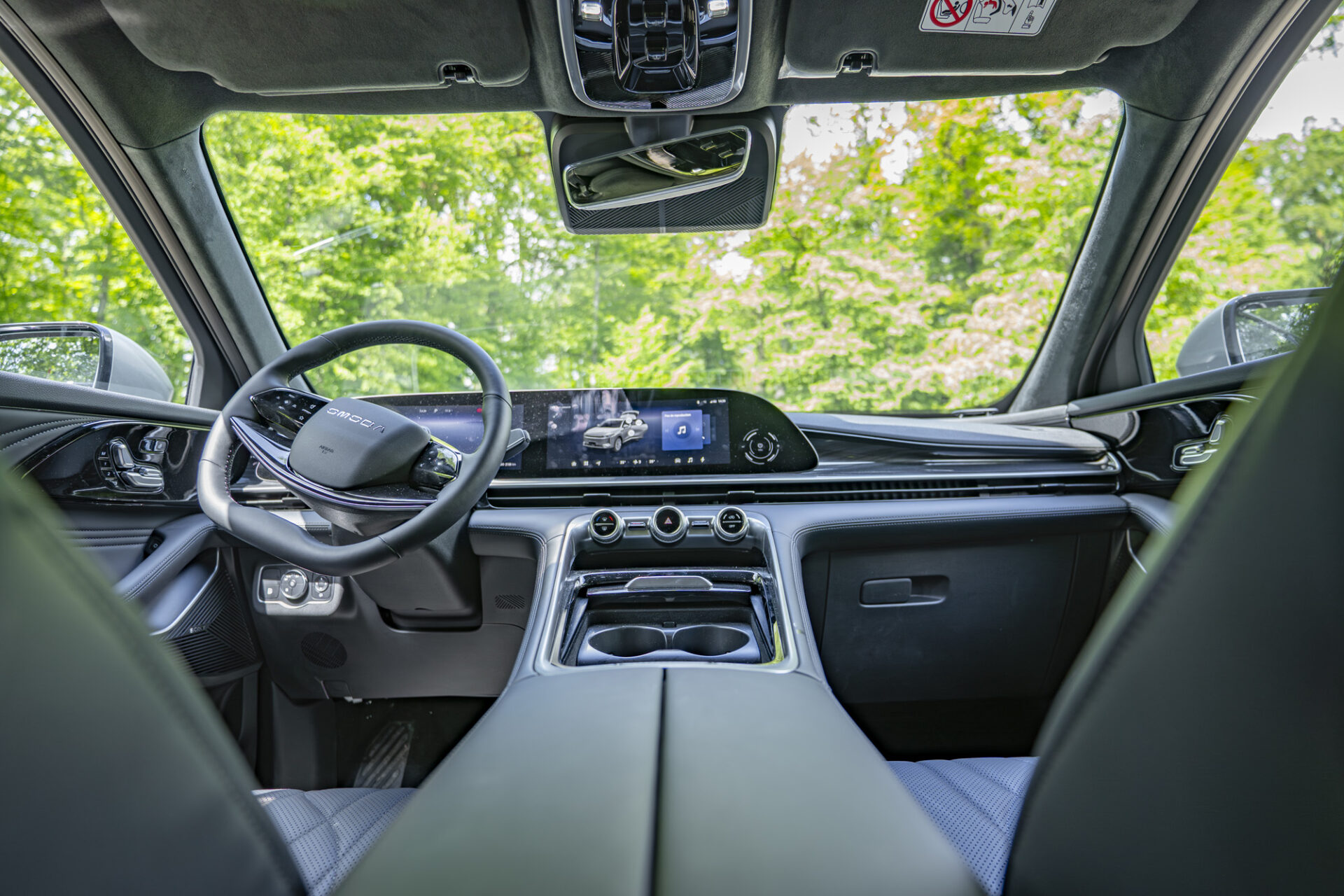
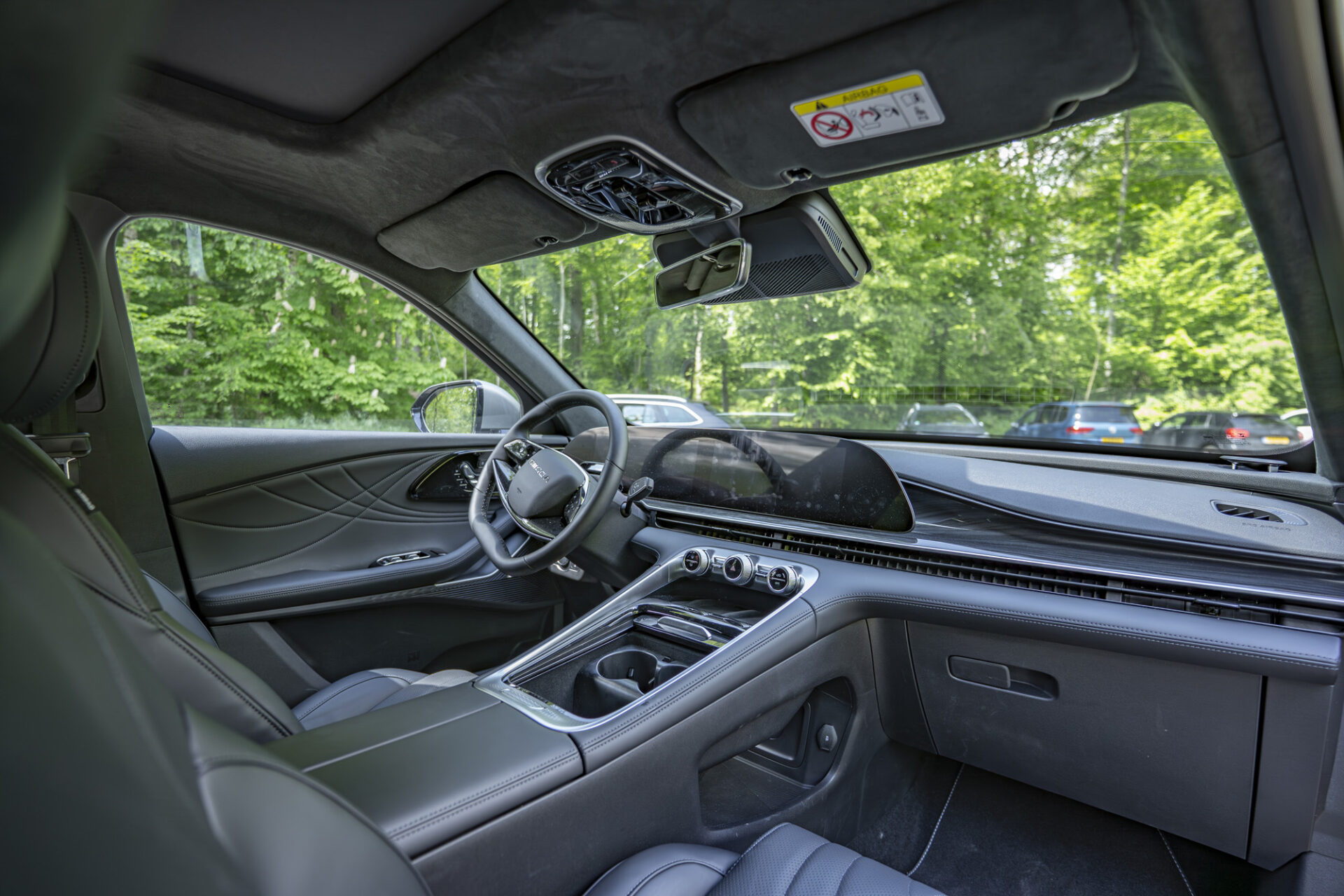
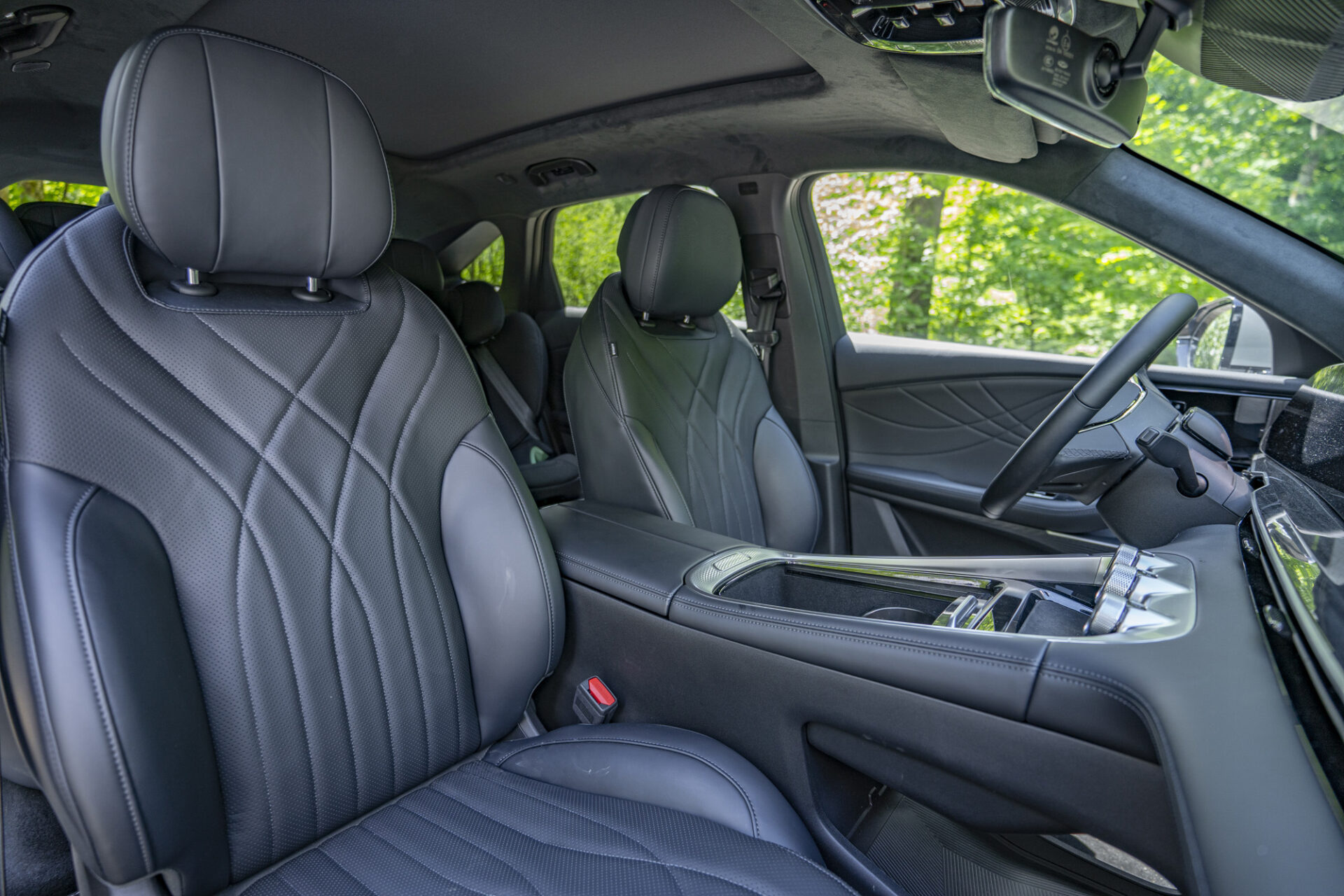
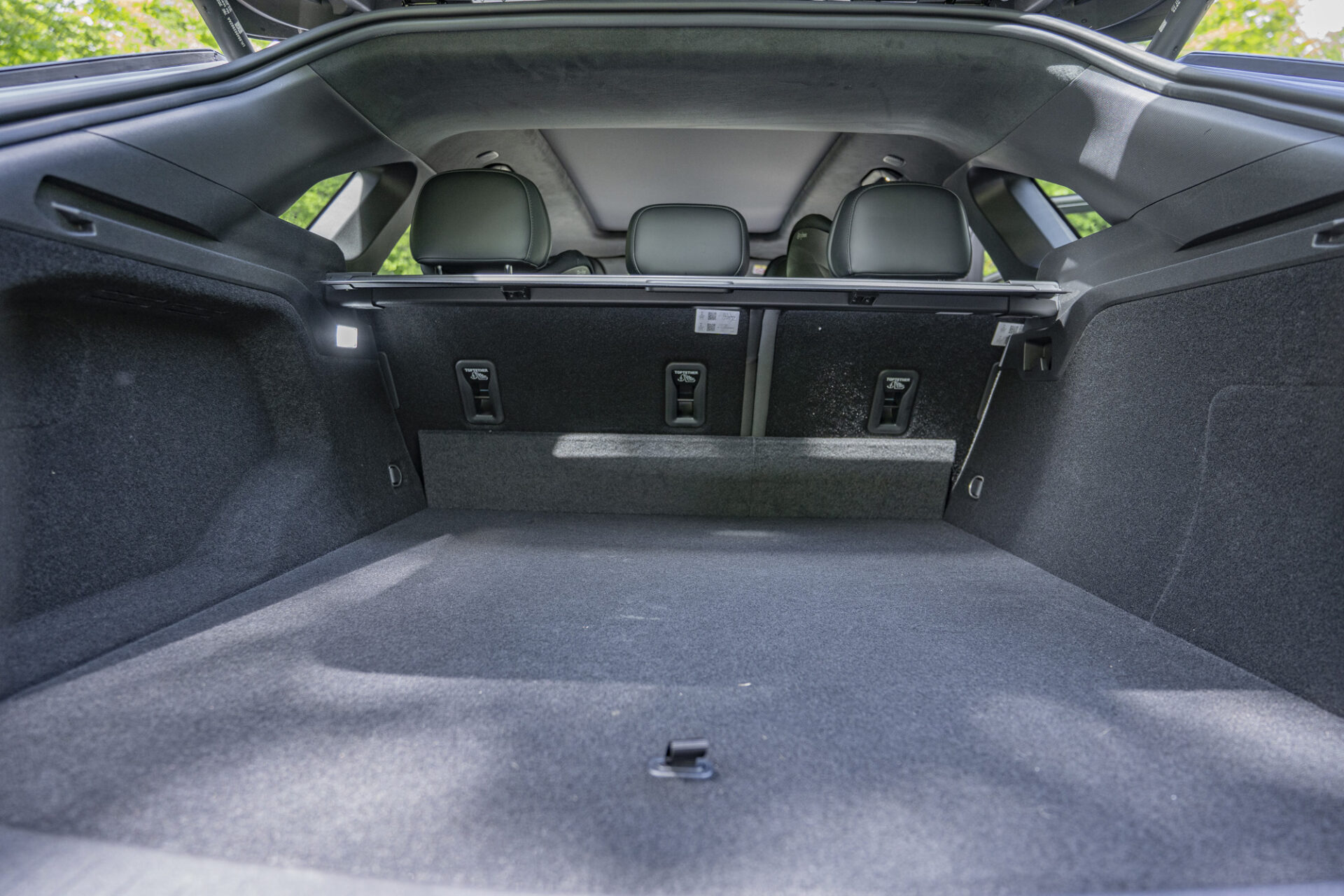
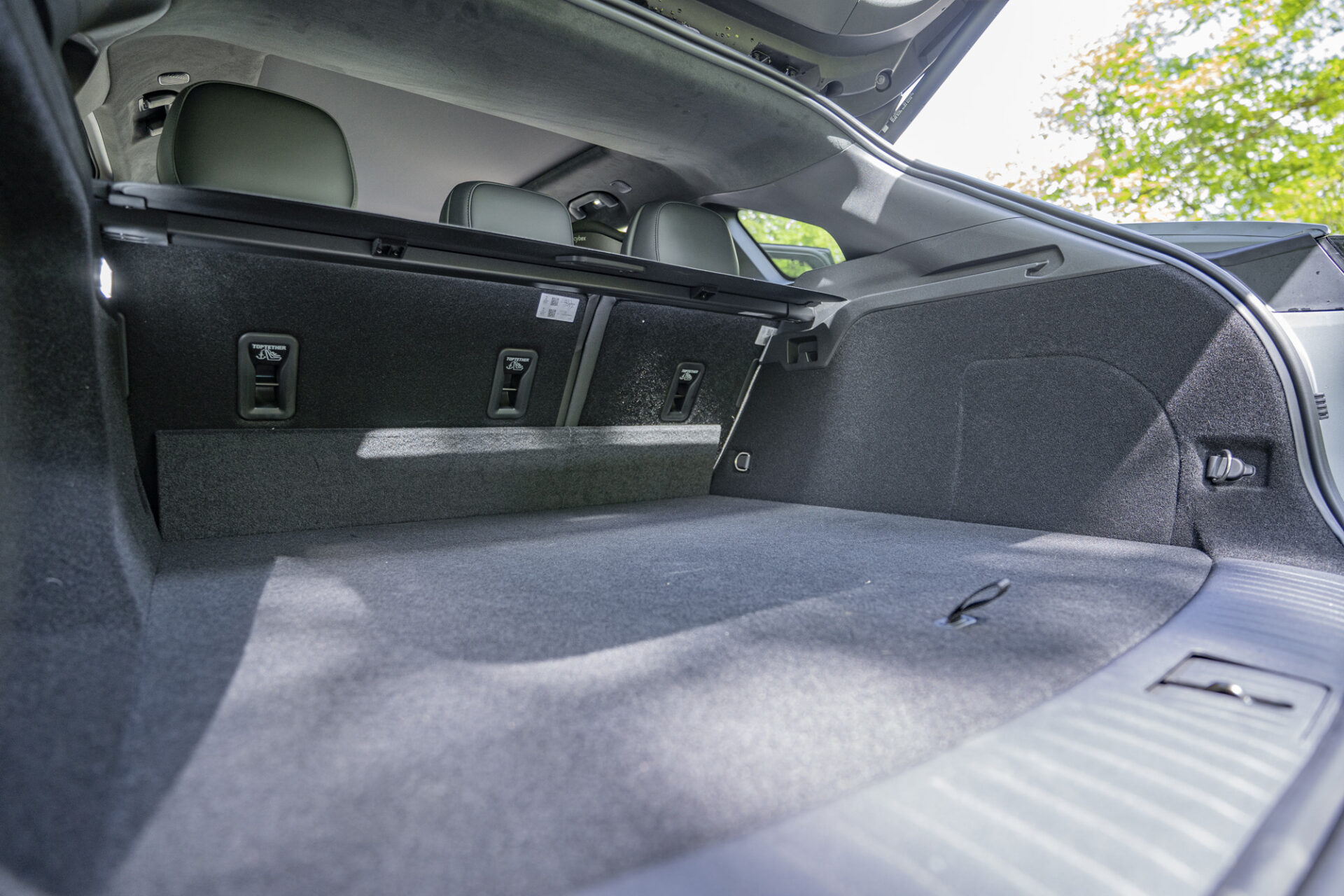
It is no doubt on board that the Omoda 9 best defends its premium ambitions. The dashboard is dominated by a single curved 24.6-inch screen, which combines the driver instrumentation (12.3 inches) and the central touchscreen (12.3 inches). The materials are of good quality: quilted leather with a diamond pattern, visible stitching, soft-touch foamed plastics on contact areas. The ambient lighting and the very large panoramic roof, which covers almost the entire roof area, contribute to an appreciable sense of space. The front seats, electrically adjustable in six ways, are heated, ventilated and offer a massage function. A rare feature at this price level: the rear seats also benefit from heating and ventilation. Rear legroom is generous, the seat is adequate for three adults, and the boot is rated at 660 litres, expandable to 1,783 litres with the seats folded. In ergonomic terms, the reliance on the touchscreen for secondary functions remains a point of attention, even if a few physical controls remain on the steering wheel and the centre console.
Performance: the Super Hybrid System put to the test
The powertrain, named SHS-P (Super Hybrid System), is the central technical argument. It combines a 1.5 turbo petrol four-cylinder running on the Miller cycle with three electric motors, two at the front and one at the rear, for a combined output of 537 horsepower and 650 Nm of torque. Drive is handled by a dedicated three-speed gearbox, and all-wheel drive is activated electrically via the rear motor. The 0 to 100 km/h is claimed in 4.9 seconds, exceptional figures for a family SUV. The 34.46 kWh ternary lithium-ion battery allows up to 145 km in electric mode on the WLTP cycle, one of the longest ranges in the segment; by way of comparison, the Mercedes GLC PHEV tops out at around 130 km, the Skoda Kodiaq iV at 122 km and the MG HS Plug-in at 120 km. The combined range exceeds 1,100 km. The homologated combined consumption stands at 1.4 l/100 km, a theoretical figure to be put into perspective, as with any plug-in hybrid. On our test, real-world consumption remained reasonable for a vehicle of this size and power, which is a good point. Rapid DC charging, up to 65 kW, allows a 30 to 80 percent top-up in about 25 minutes: a feature still rare on plug-in hybrids. A welcome detail: the vehicle refuses to move until the driver’s seatbelt is fastened.
On the road: power without precision
Behind the wheel, you immediately sense the reserve of power available. The brisk acceleration, especially in Sport mode, gives substance to the claimed 537 horsepower. Yet you never really get the full measure of the dynamism promised by the spec sheet. The steering is largely responsible for this impression: uncommunicative, it filters out too much of the information coming from the front end and weighs on cornering precision. The behaviour remains sound, all-wheel drive provides traction, but the driving lacks engagement. Ride comfort, on the other hand, proves satisfactory: the damping absorbs imperfections correctly, sound insulation is good at a steady speed and the cabin stays quiet on the motorway. The six driving modes (Eco, Normal, Sport, Snow, Sand, Off-road) noticeably alter the throttle response and the transmission mapping, but the gap between the comfort and sport modes remains moderate. Two reservations deserve to be highlighted. First, the driver assistance systems lack calibration: the lane-keeping assistance sometimes intervenes too early or too late, and some alerts become intrusive on secondary roads. Second, the indicator is too discreet: its barely audible sound feedback makes it easy to forget while it is still on.
In conclusion
The Omoda 9 SHS-P is an interesting proposition. On rational grounds, standard equipment, electric range, a seven-year warranty for the vehicle and eight years for the battery, an entry price of 52,900 euros, it matches, or even beats, German or Swedish rivals often priced 10,000 to 20,000 euros higher. On the driving front, however, it does not yet rival the established benchmarks: the steering and the calibration of the assistance systems betray a product whose dynamic fine-tuning still leaves room for improvement. There remains the commercial and residual-value unknown, a classic one for a brand new to the European market. For buyers sensitive to the equipment-to-price ratio and to electric range, the model unquestionably deserves a test drive. For those who place driving pleasure at the top of their criteria, the traditional European offering retains an advantage.
We like
- The large panoramic, opening roof
- The unobtrusive audible alerts
- The car will not start unless the seatbelt is fastened
We don’t like
- The calibration of the driver assistance systems
- Steering that is a little too light
Technical specifications – Omoda 9 SHS-P Premium AWD
- Power: 537 hp (395 kW)
- Torque: 650 Nm
- Battery capacity: 34.46 kWh (ternary lithium-ion)
- WLTP consumption: 1.4 l/100 km (combined). Note: a plug-in hybrid is measured in l/100 km, not in kWh/100 km
- WLTP electric range: 145 km
- 0-100 km/h acceleration: 4.9 s
- Top speed: 180 km/h
- Weight: 2,270 kg (kerb weight, ready to drive)
- Base price: from 52,900 €