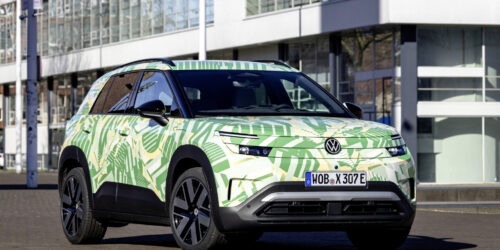
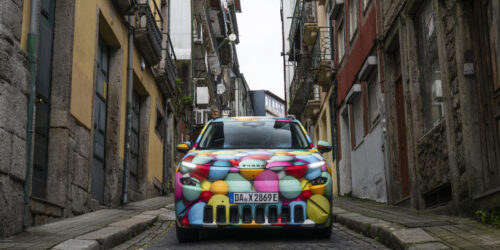
The German automaker’s new “pure positive” design language – consisting of stability, likeability, and a “secret sauce” – comes through loud and clear in its newest models: the electric ID. Cross and ID.3 GTI.
Officially announced in July, the new ID. Cross features elements of the German automaker’s new “pure positive” design language. The idea behind this visual identity and many of the aspects seen in Volkswagen’s new electric line-up is to refocus on its roots: to design cars with people in mind, rather than feature lists, and to “democratise mobility,” as Kai Grünitz, Volkswagen brand board member for technical development, put it. To that end, the company has prioritised modular tech that’s scalable and innovation that’s accessible and user-friendly. The new ID. Cross has a range of up to 427 kilometres.
A “commanding” silhouette
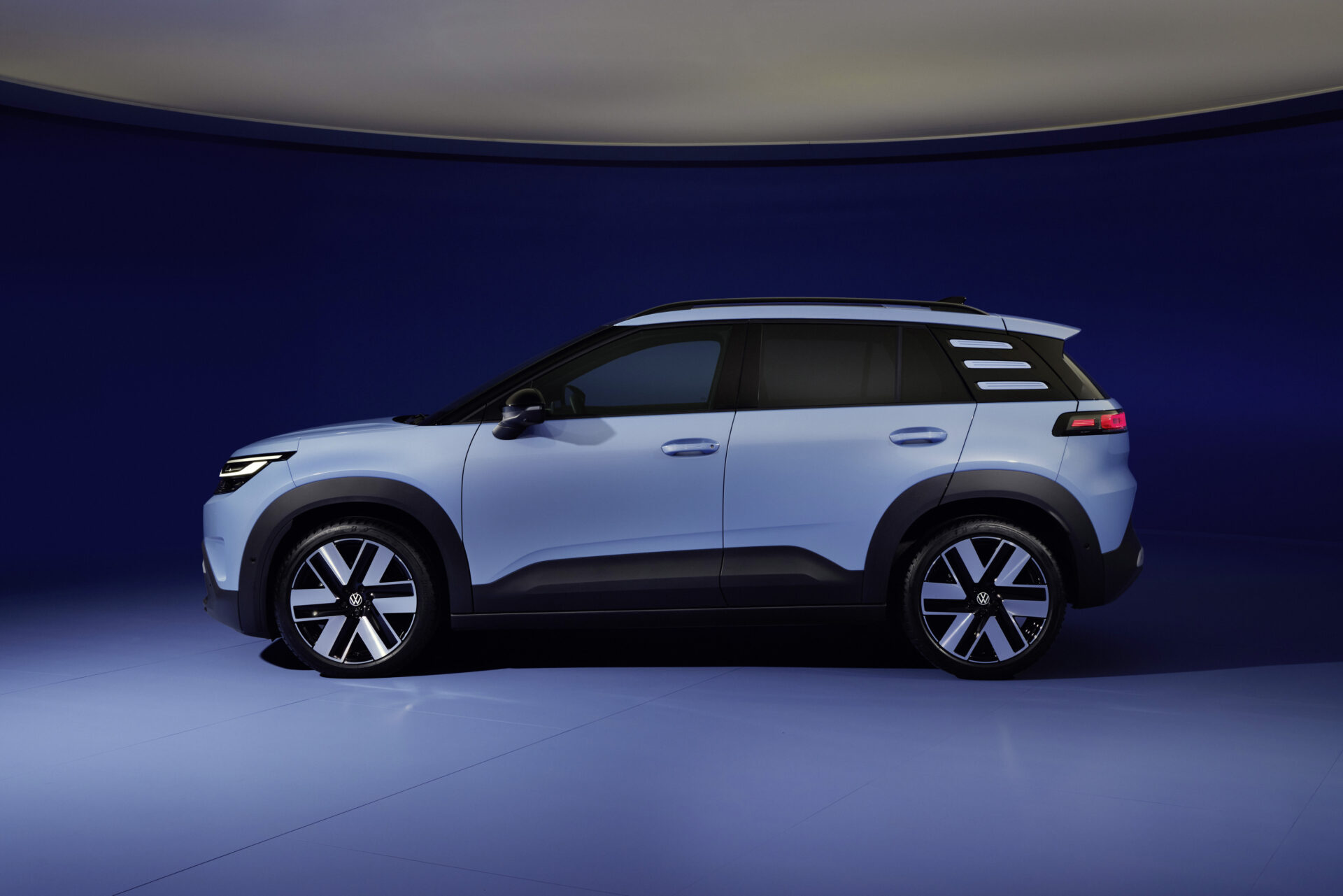
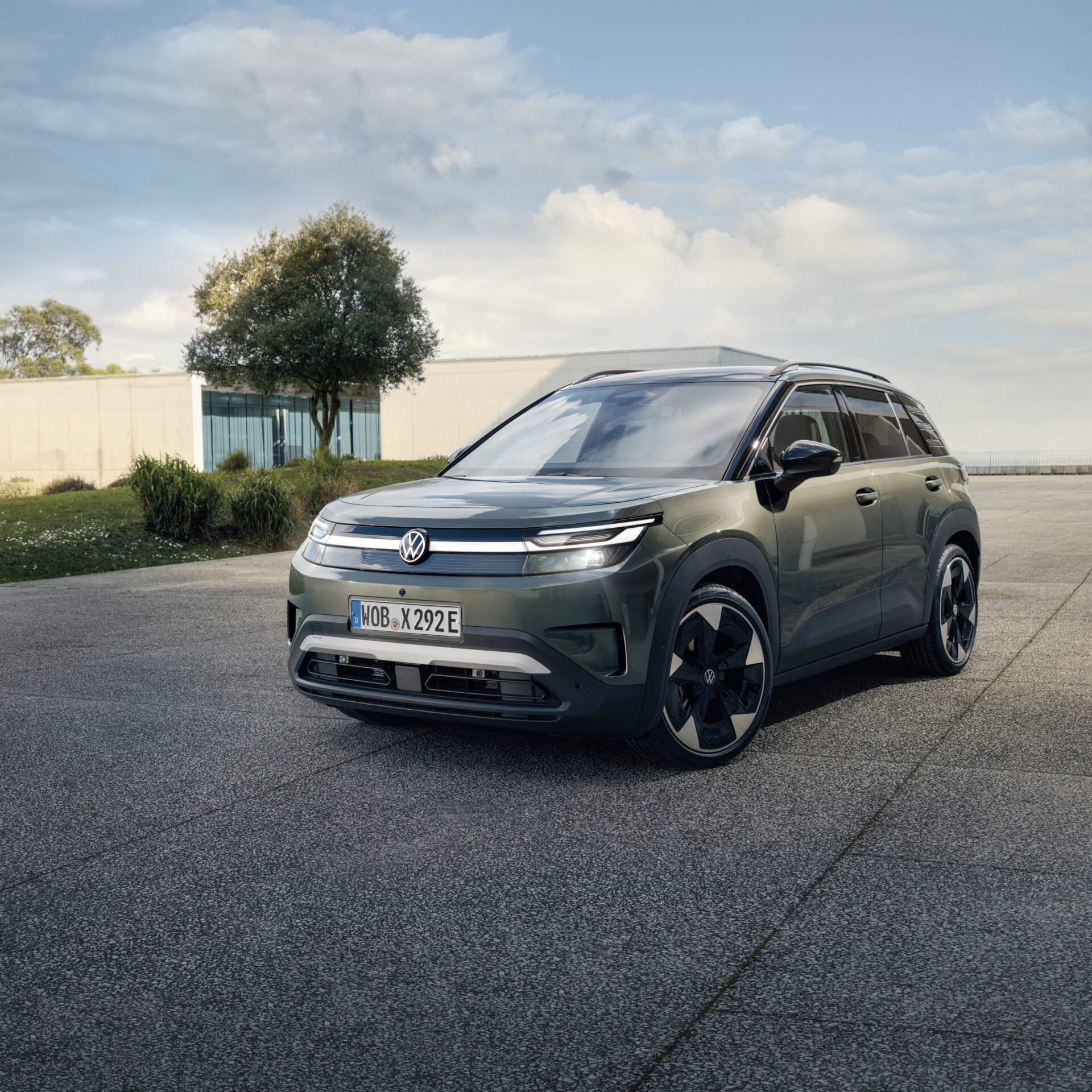
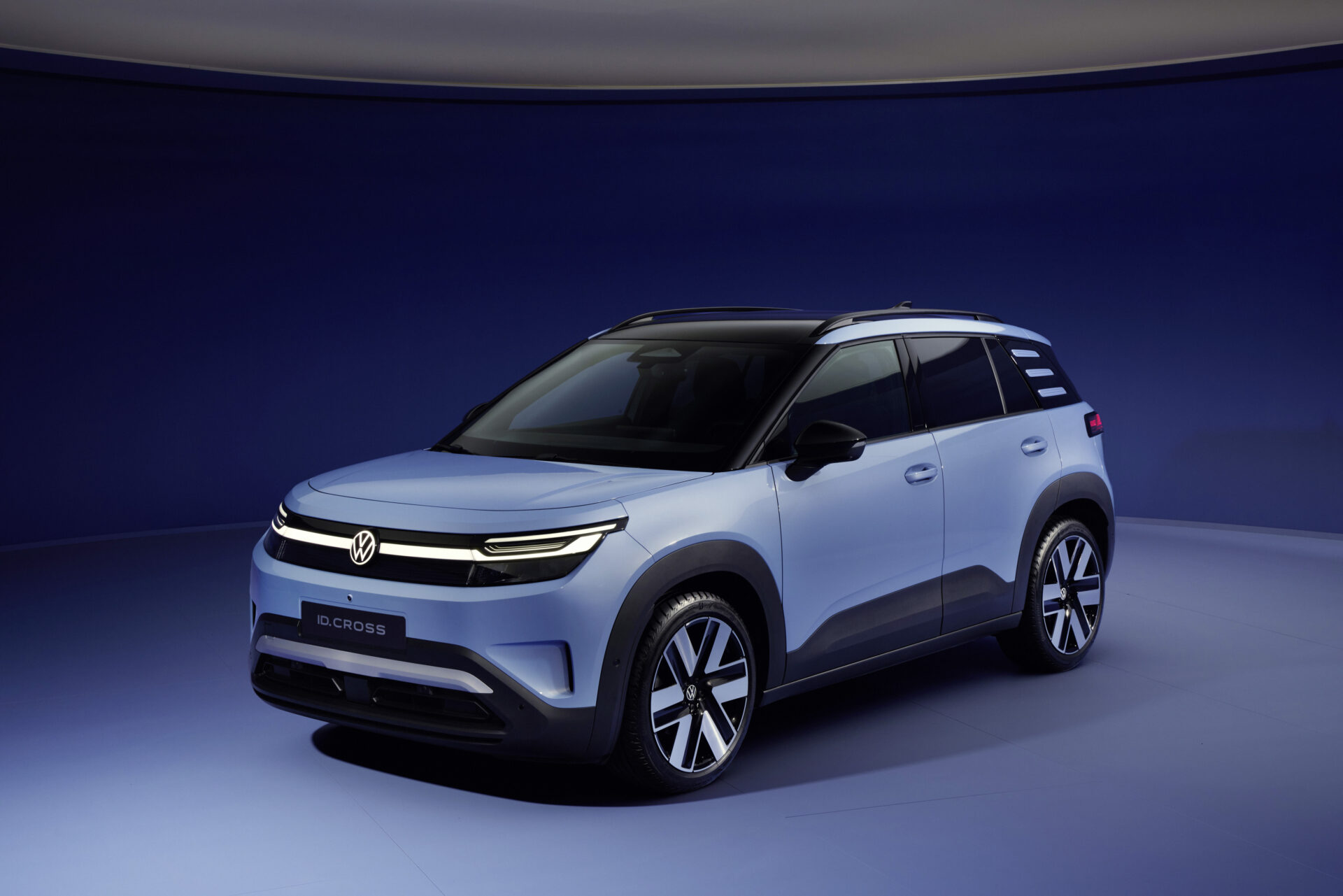
The exterior of the ID. Cross exemplifies this new design language with its stability, simplicity, and likeability.
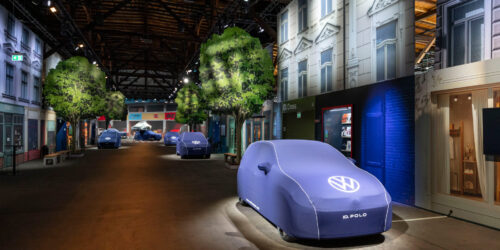
“This is the ID. Cross: the serious car,” said Stefan Wallburg, head of exterior design Europe, presenting the SUV in Hamburg in April. It’s based on the same modular electric drive (MEB) platform as Volkswagen’s ID. Polo, which made its world premiere earlier this year. Although the two models “have a lot of synergies,” said Wallburg, the ID. Cross is a “proper SUV,” compared to the subcompact hatchback.
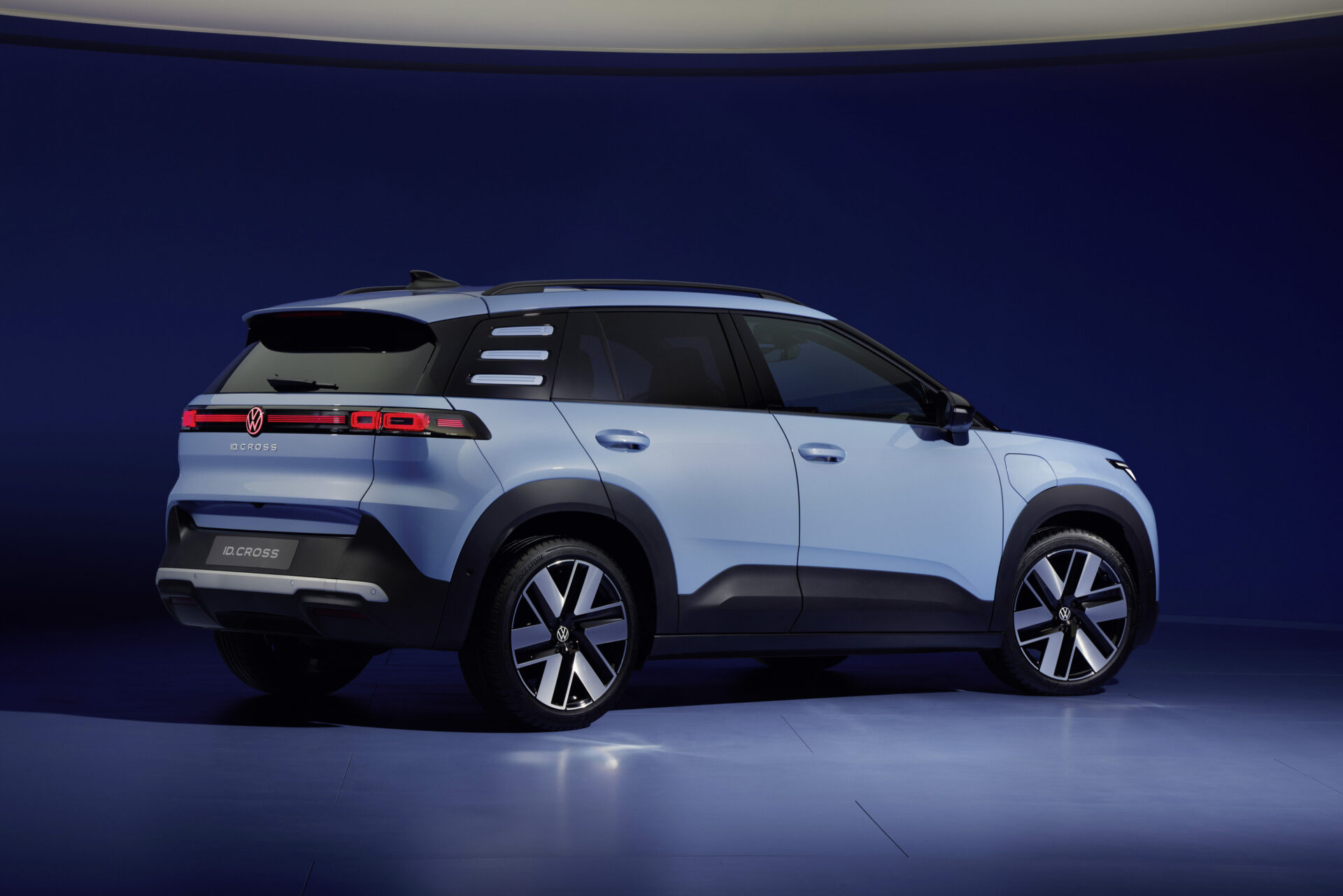
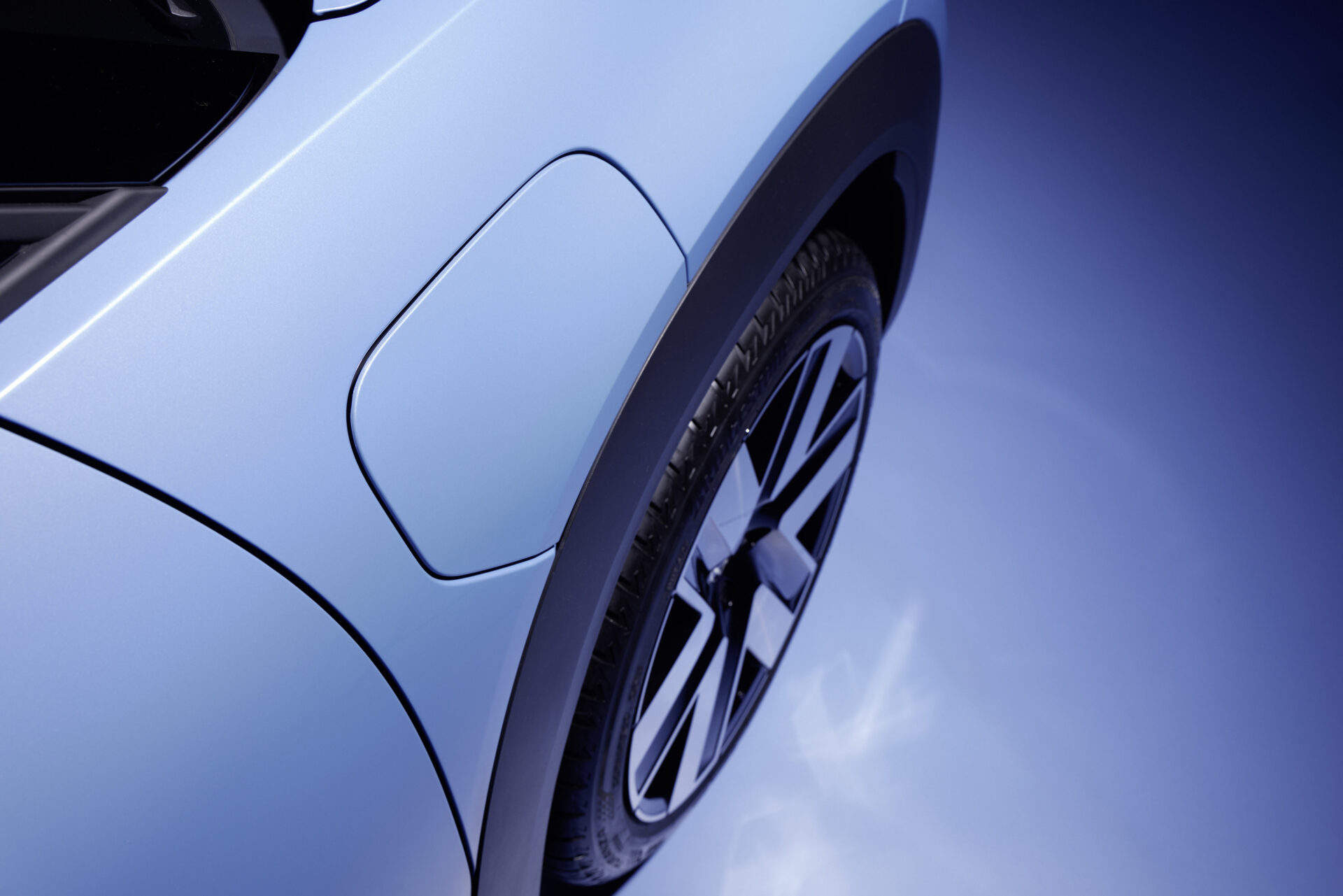
“We lifted up the front and put the lightbar in a really high position,” Wallburg explained, which contributes to the ID. Cross’s “commanding” and imposing personality. “This high front end is connected with the beltline, which goes underneath the glass and into the rear.” It gives the car a calm, clean, smooth look. “But in combination with the powerful wheel houses and surfaces, it looks really timeless and like a pure SUV.” The five-pointed wheel spokes, where the colour black dominates, adds to the feeling of solidity and stability.
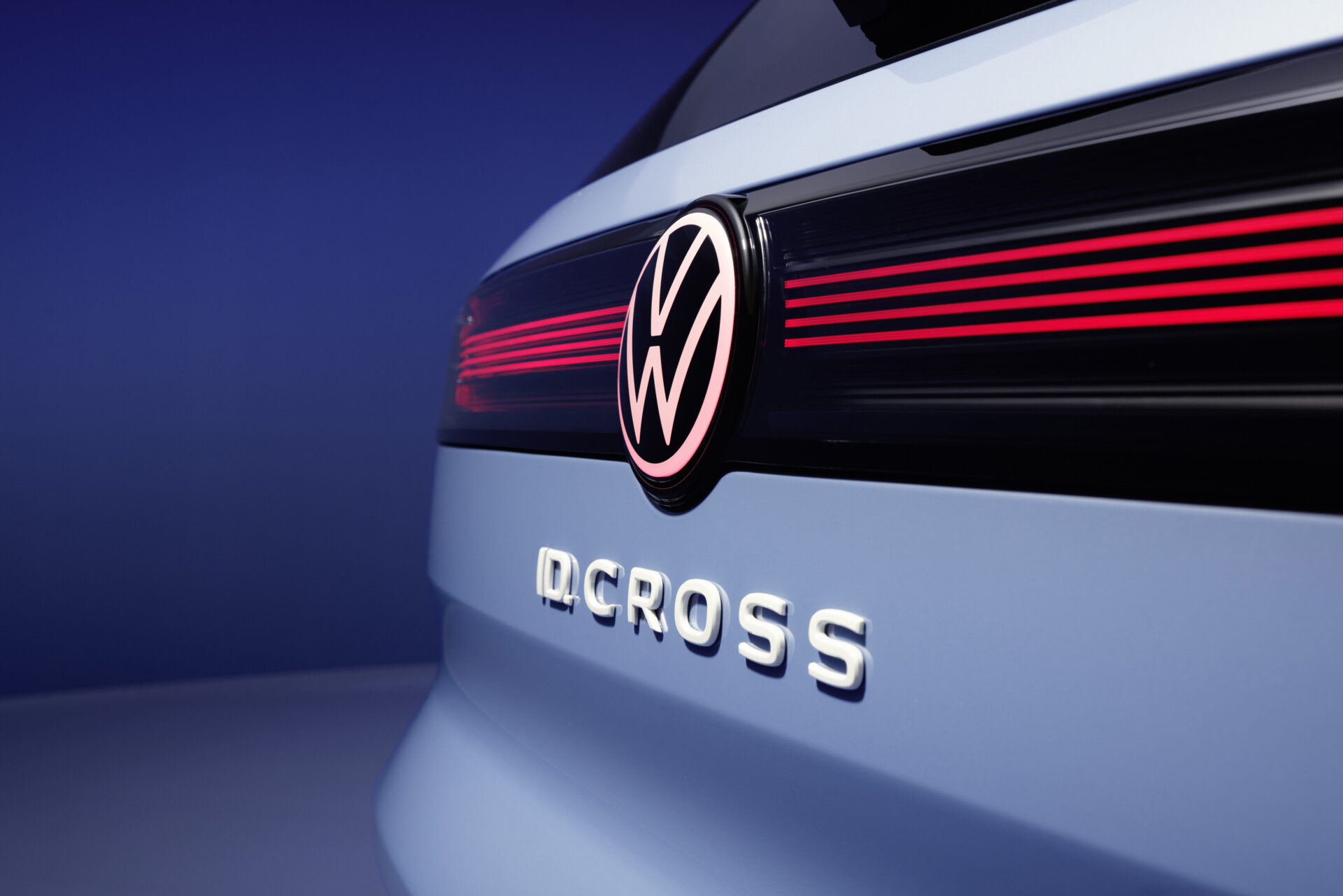
With the horizontal lightbar and the positioning of the front headlights, which swoop upwards to form a “smile,” the front of the car appears to present an expression of happiness towards a viewer – and even encourages a smile in response. The VW logos on the front and back faces draw attention thanks to their illumination, whilst the narrow, “whiskey glass” rear lights and the lightbar accentuate the vehicle’s clean, simple lines.
User-friendliness is another hallmark of the exterior design. Pinprick lights on the inside of the door handles, for instance, illuminate the ground below when the door is opened, a useful feature when opening the car at night.
Spacious and cosy interior
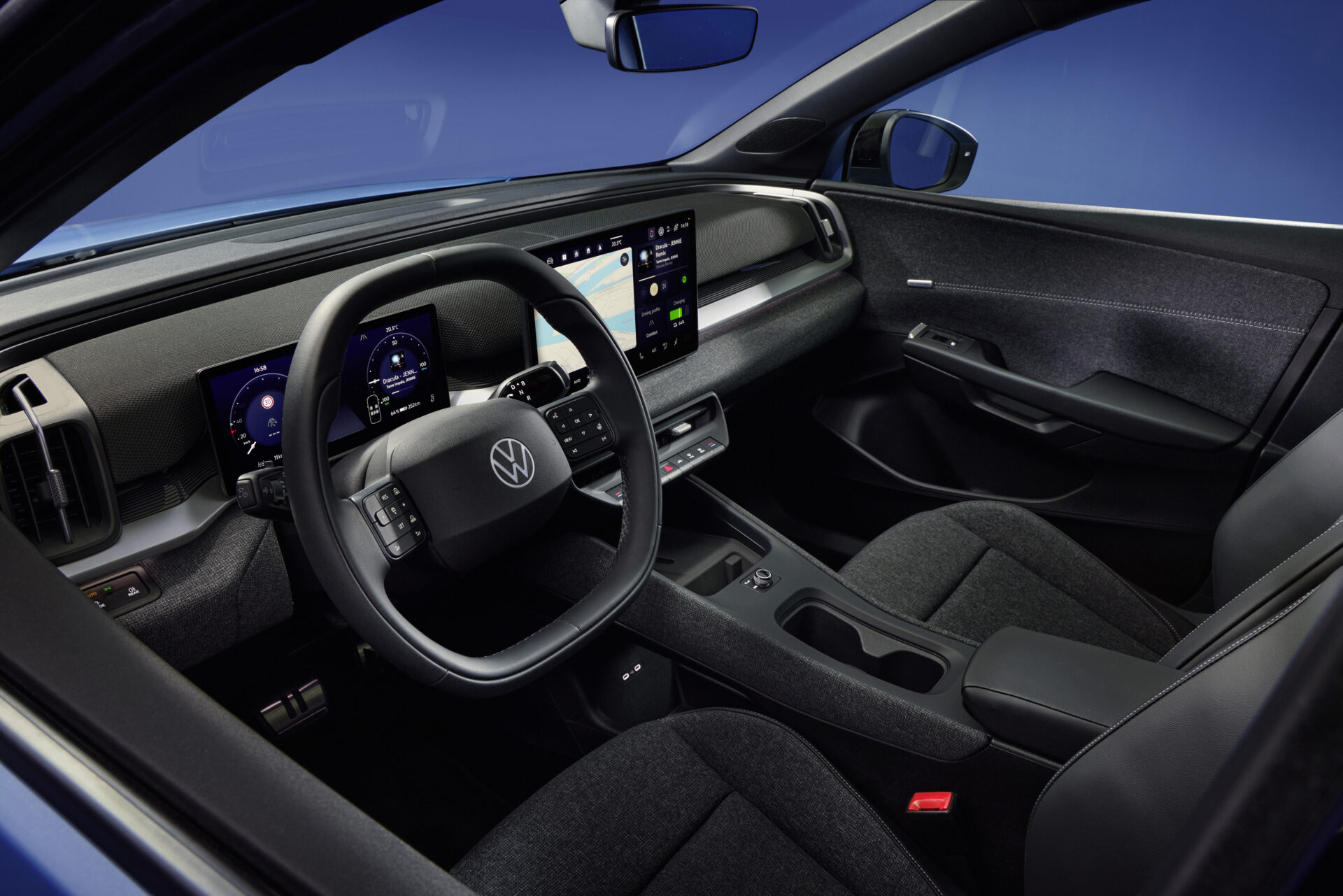
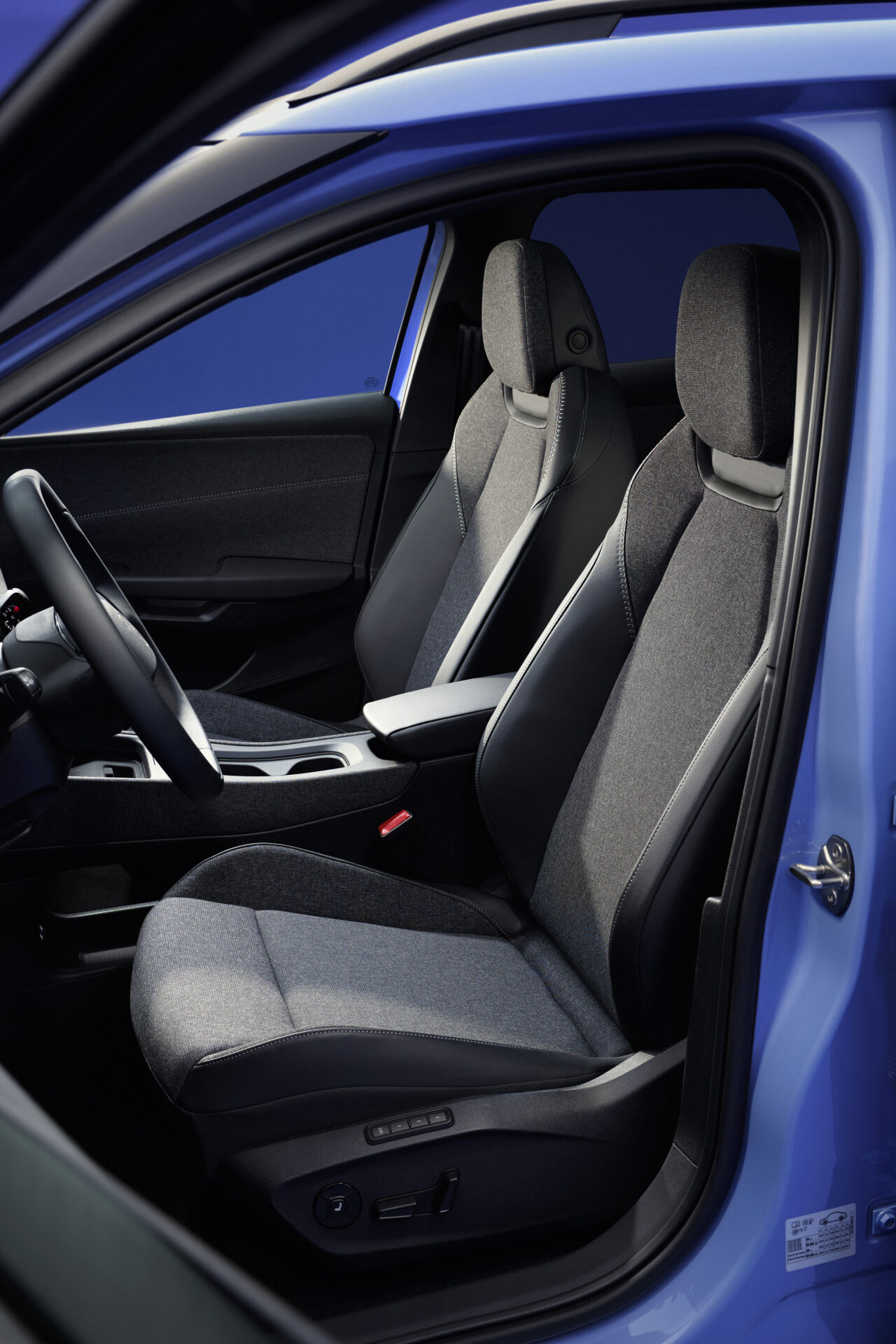
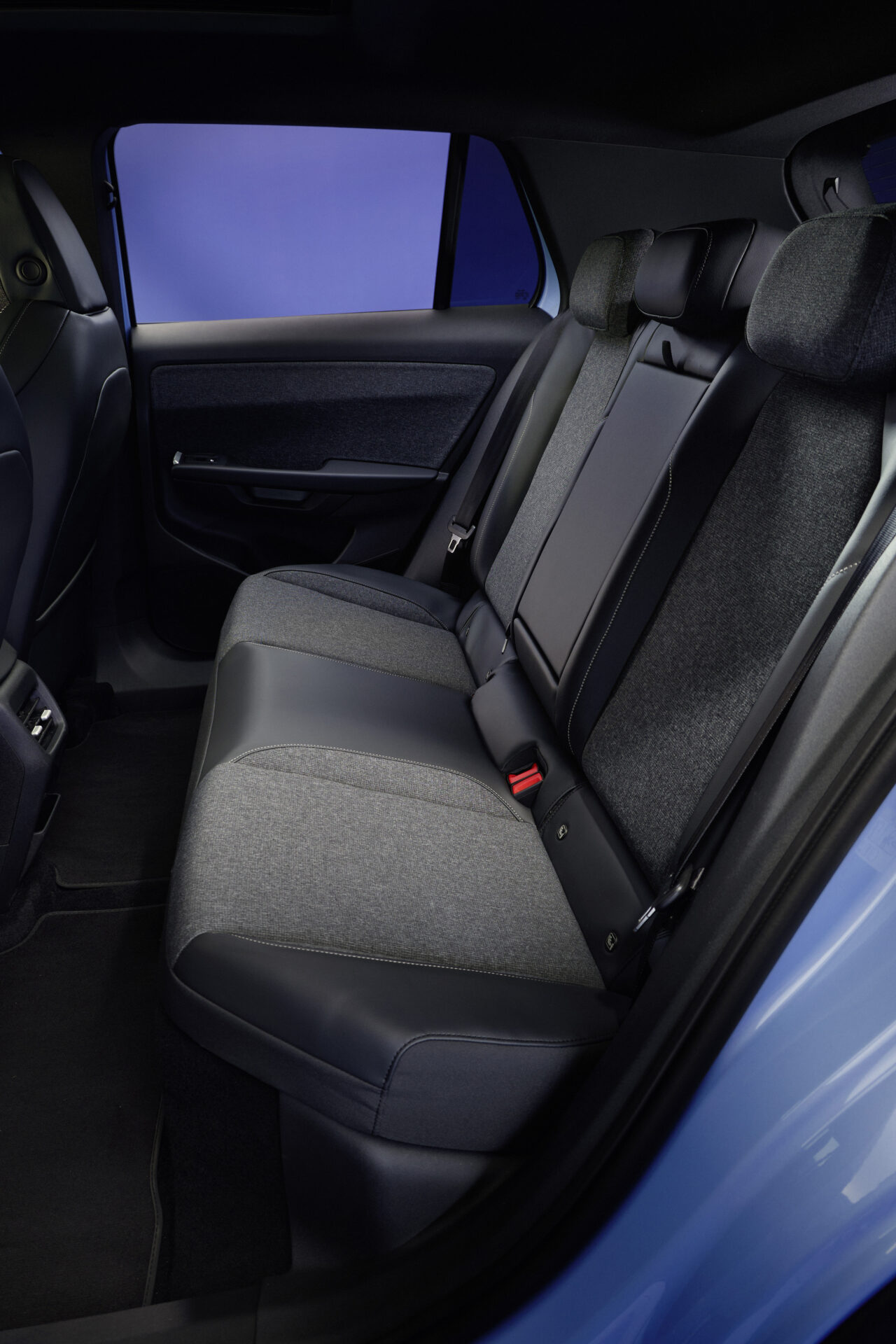
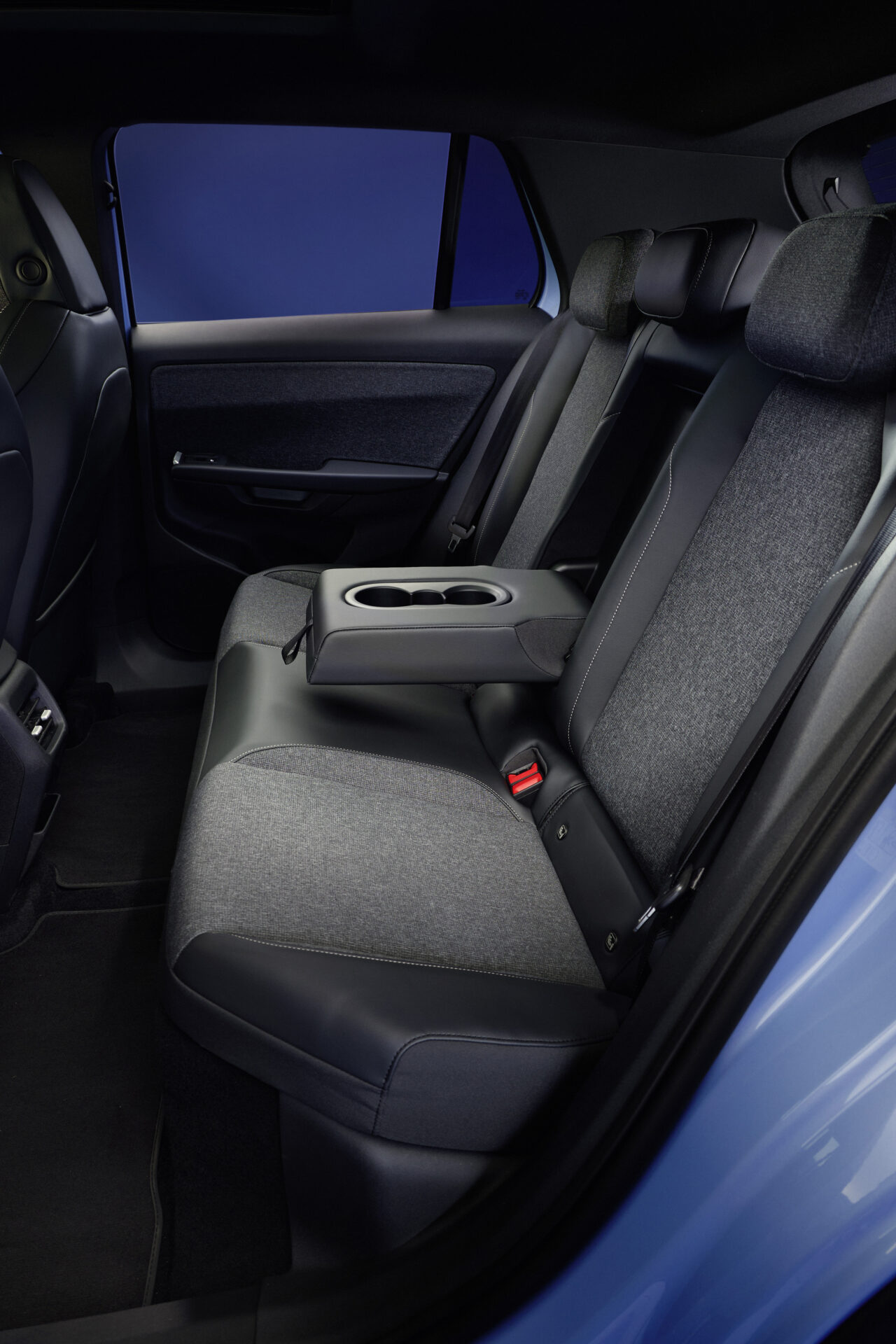
This modern and clean design also extends to the interior. The passenger compartment itself is both spacious and cosy, with light-coloured fabric used for the seats, to line the inside door panels, and to soften the dashboard. It aims to create the sensation of sitting in your “living room,” boosting a sense of well-being, according to Kenji Monma, interior designer at Volkswagen. An optional Harman Kardon sound system is also available for those who wish to add a touch of auditory luxury.
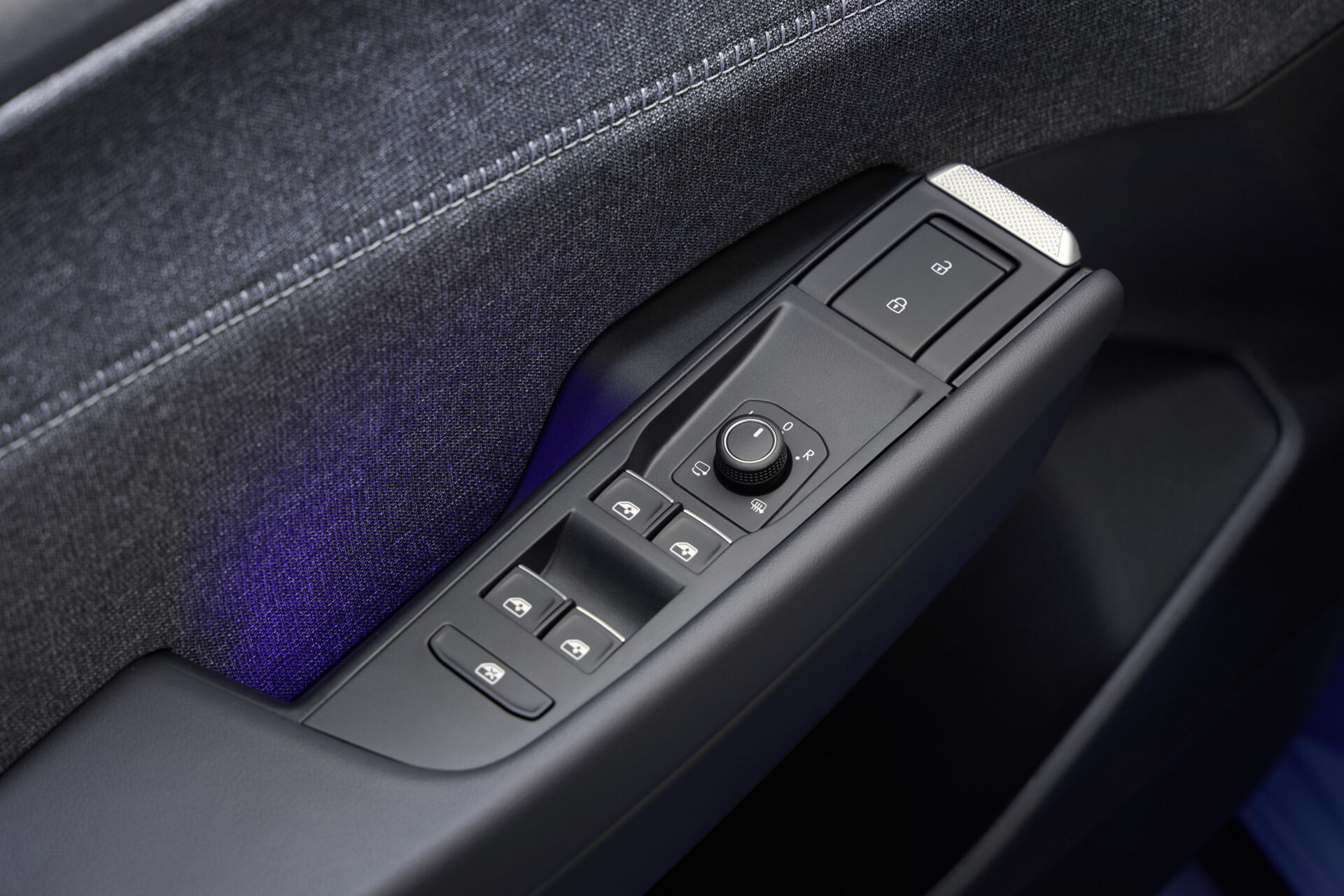
Though the floor of the SUV is elevated, meaning that passengers’ knees are pulled up when seated, the roof of the car is also quite high, resulting in plenty of headspace. The intuitive nature of the ID. Cross is seen in the touch-activated dome lamp, whilst the simplicity is apparent in the design of the “islands” where the door handles are located. The rectangular, ring-shaped door handles are operated by lifting upwards, thus preserving the sleek lines of the interior, albeit in a subtle manner.
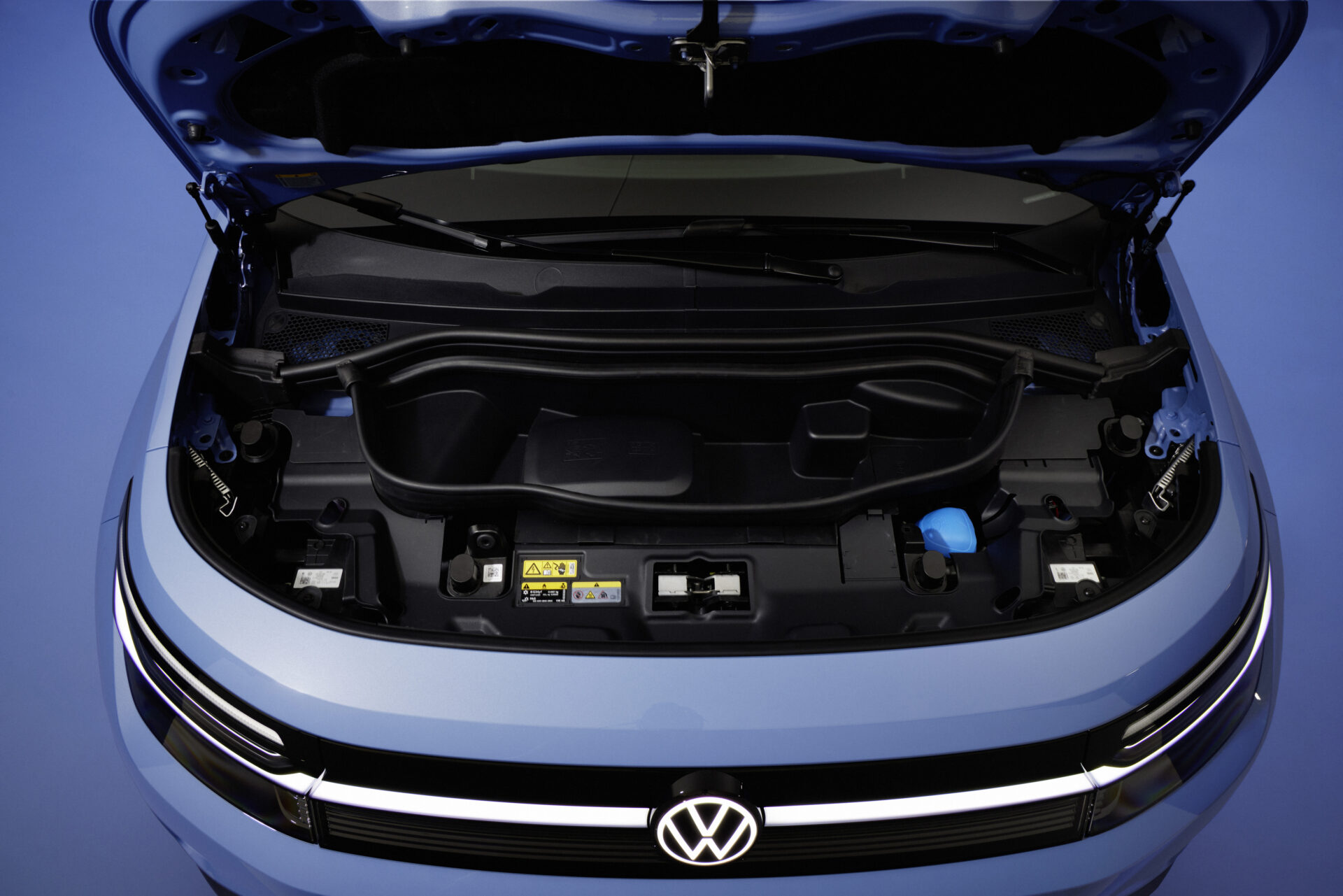
And with 475 litres of stowage space, 20 litres more than its combustion-engine cousin, the ID. Cross has plenty of room for baggage in the back, along with a 25-litre frunk under the hood.
Get back to basics: accessibility and intuitiveness
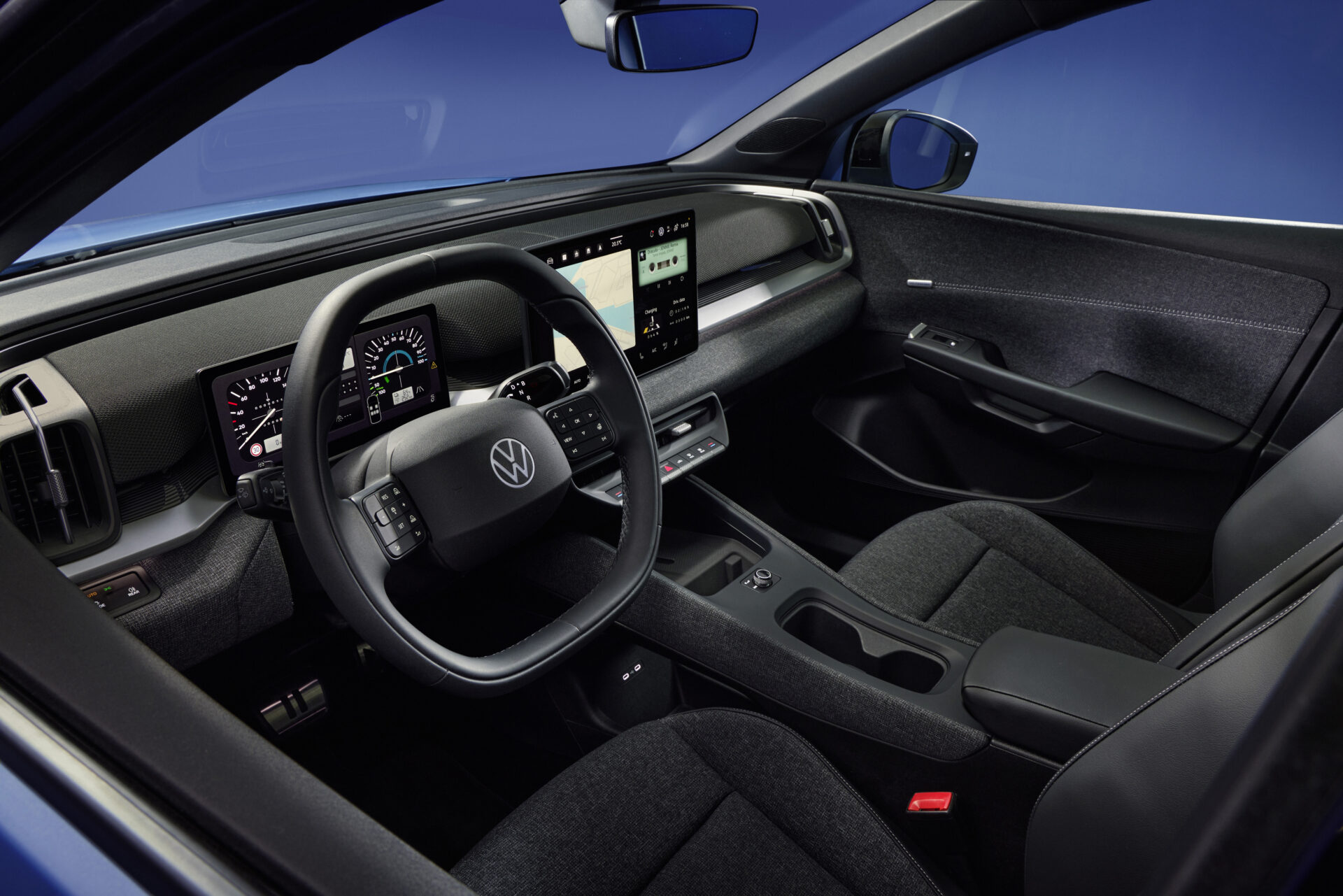
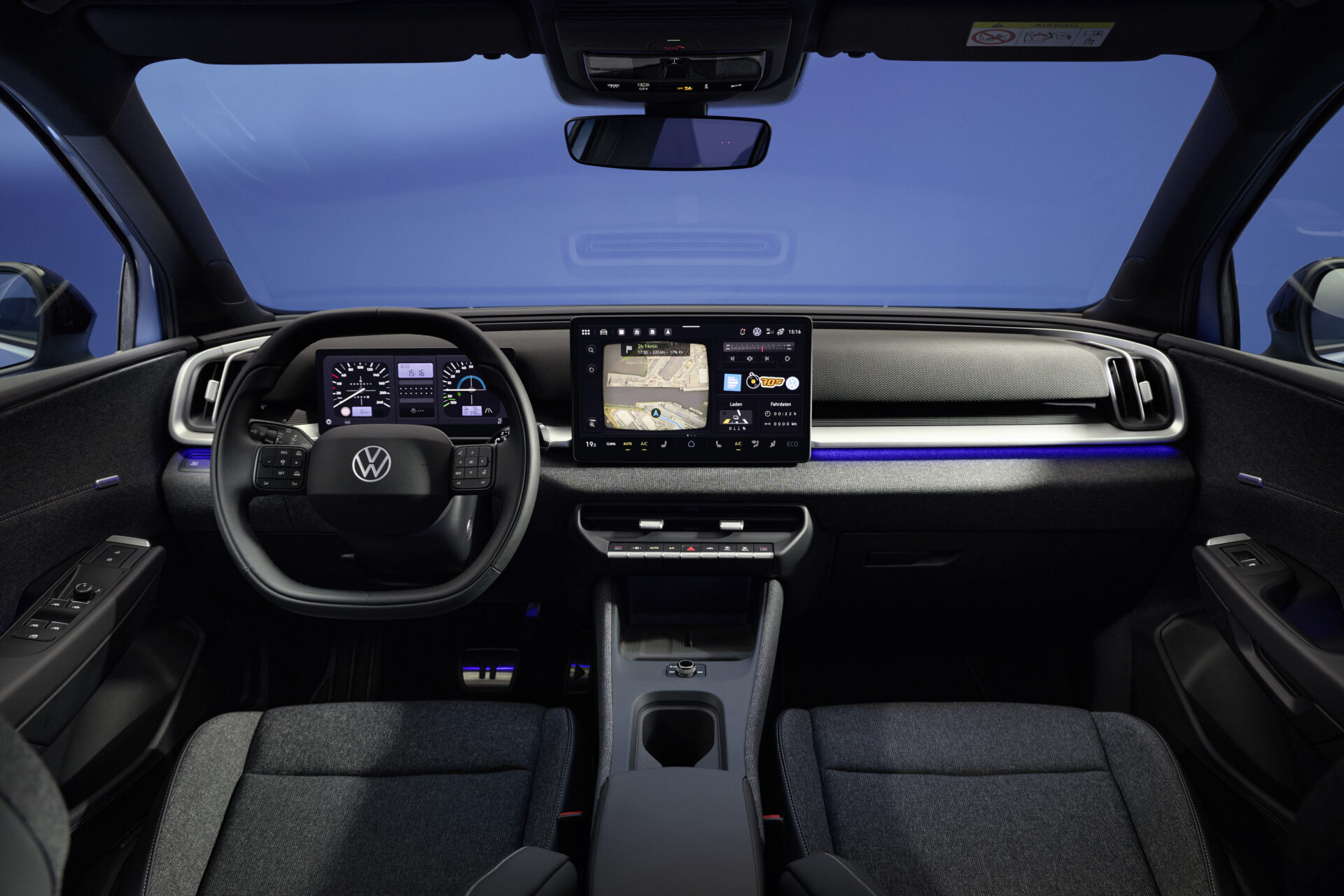
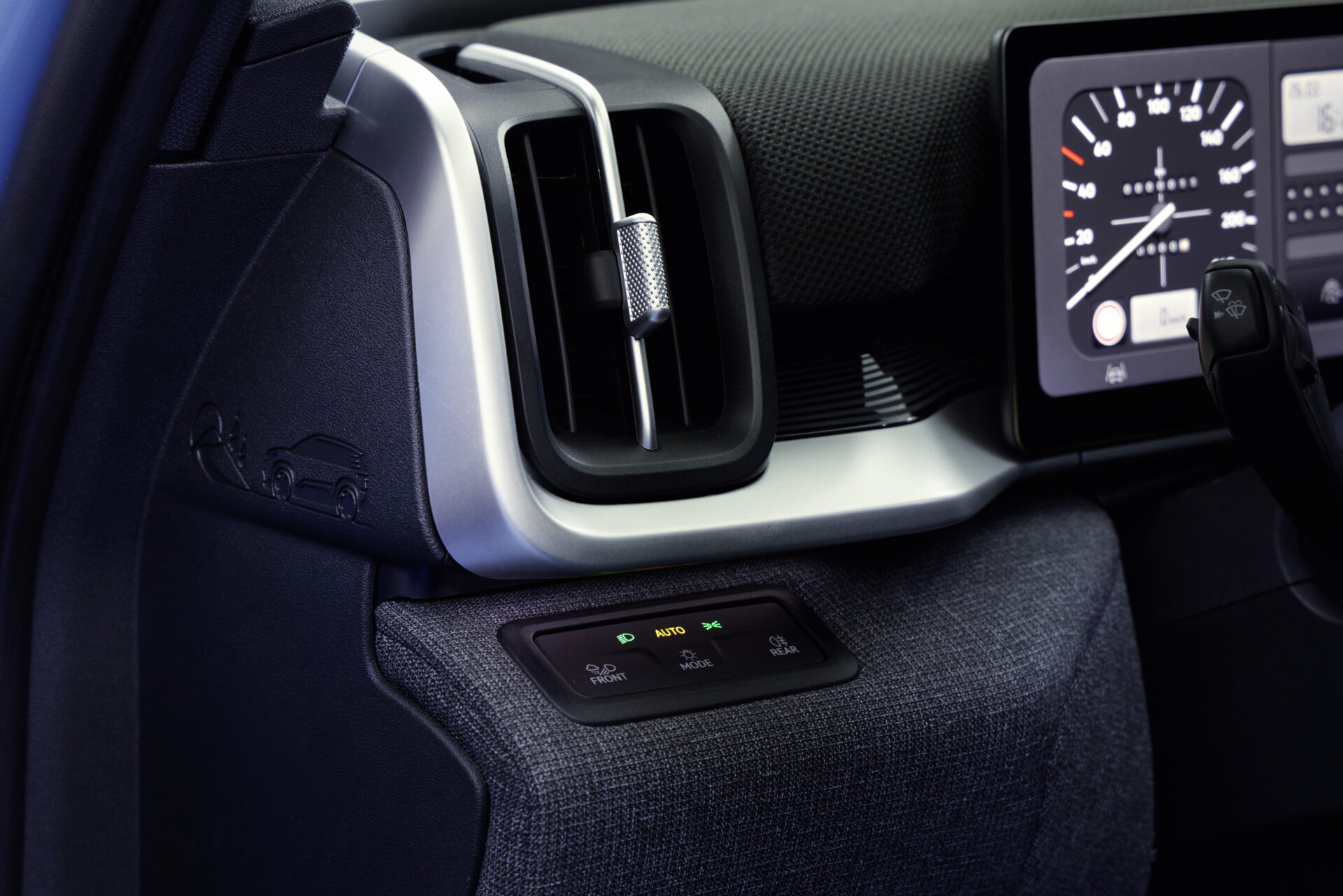
Like the exterior and interior design, the cockpit and infotainment system focus on simplicity and intuitiveness. The idea is to go back to basics — and back to buttons.
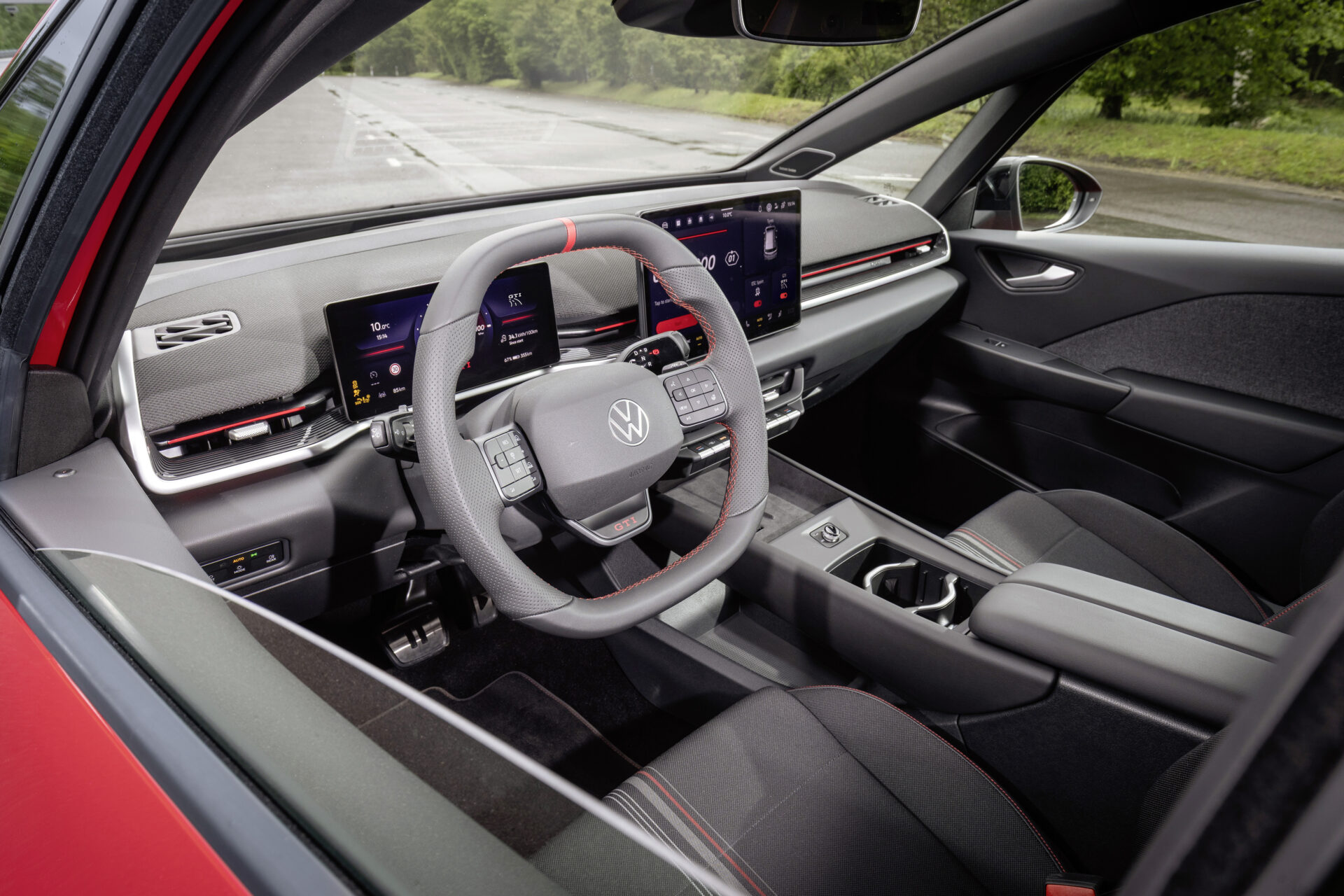
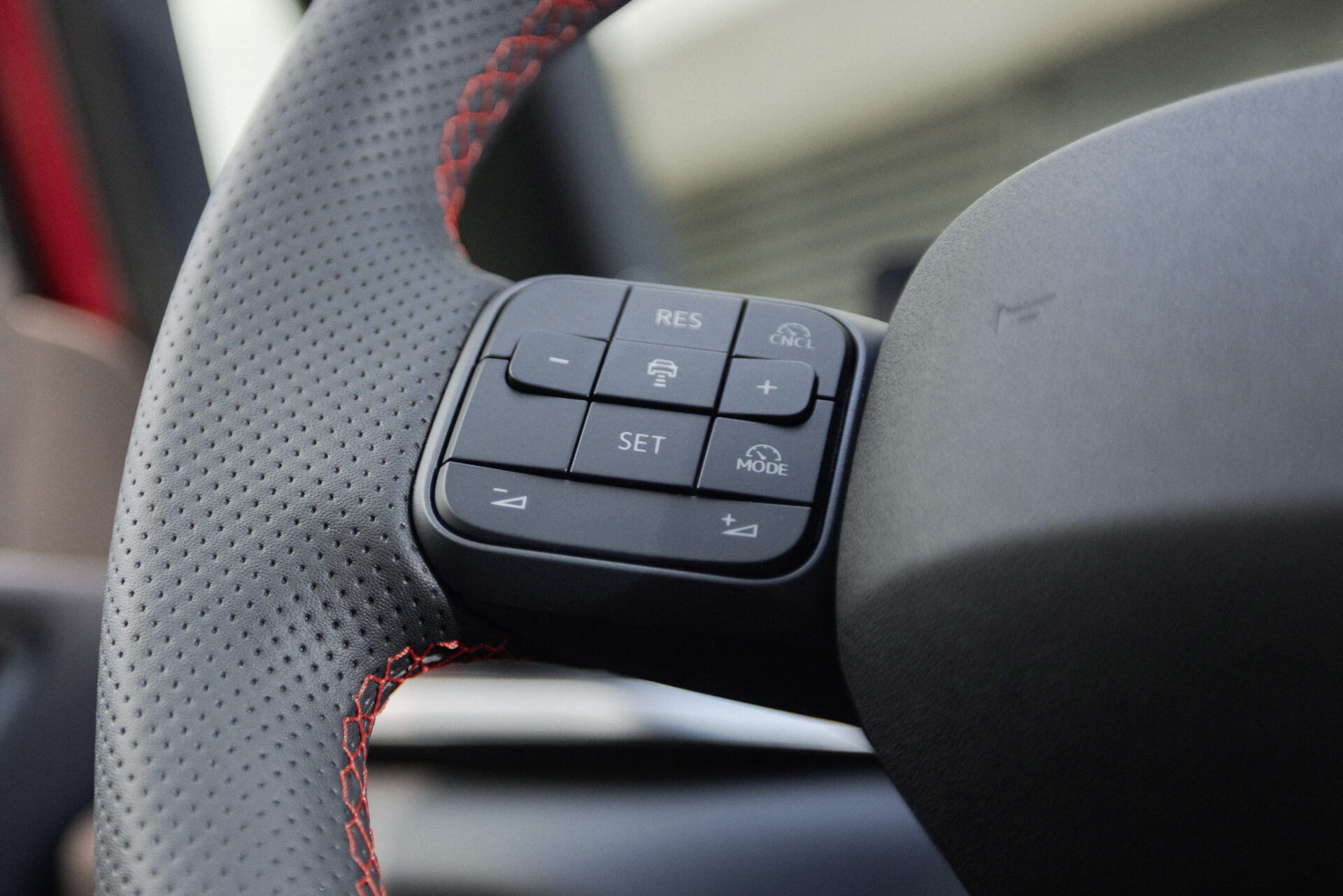
The synergies with the Polo extend to the ID. Cross’s cockpit design and steering wheel, which is flattened on the top and bottom and has buttons that the driver controls with their thumbs. The touchscreen sits above narrow, horizontal air vents and a row of easy-to-use physical buttons for the temperature, whilst a small round dial in the centre console controls the volume.
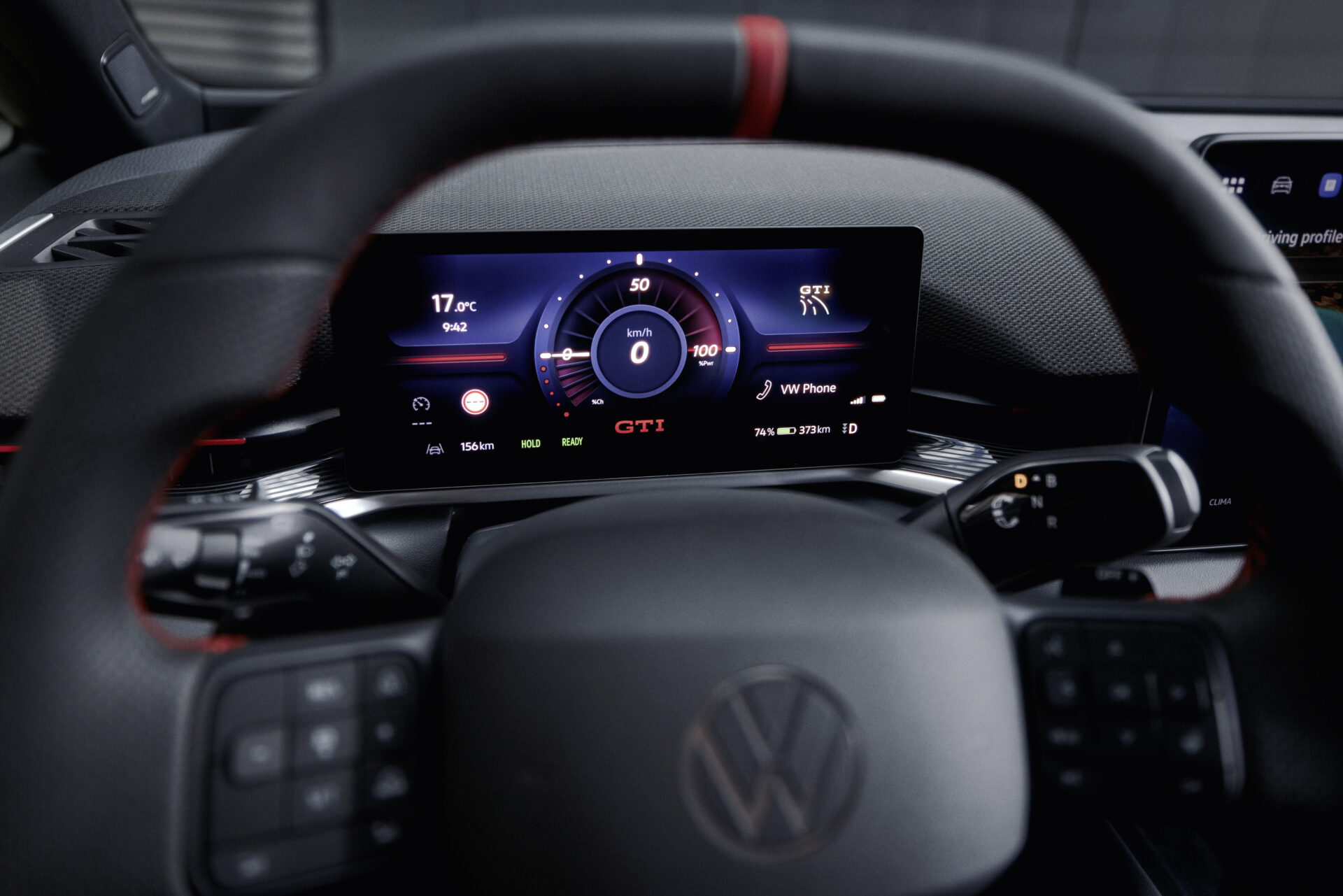
One example of where the “secret sauce” of Volkswagen’s design language can be seen is in the “retro” theme that (nostalgic) drivers can select for the display screen, providing visuals of a classic speedometer and a tachometer that shows the energy output or consumption.
Technical data
ID. Cross
ID.3 GTI: sporty and dynamic
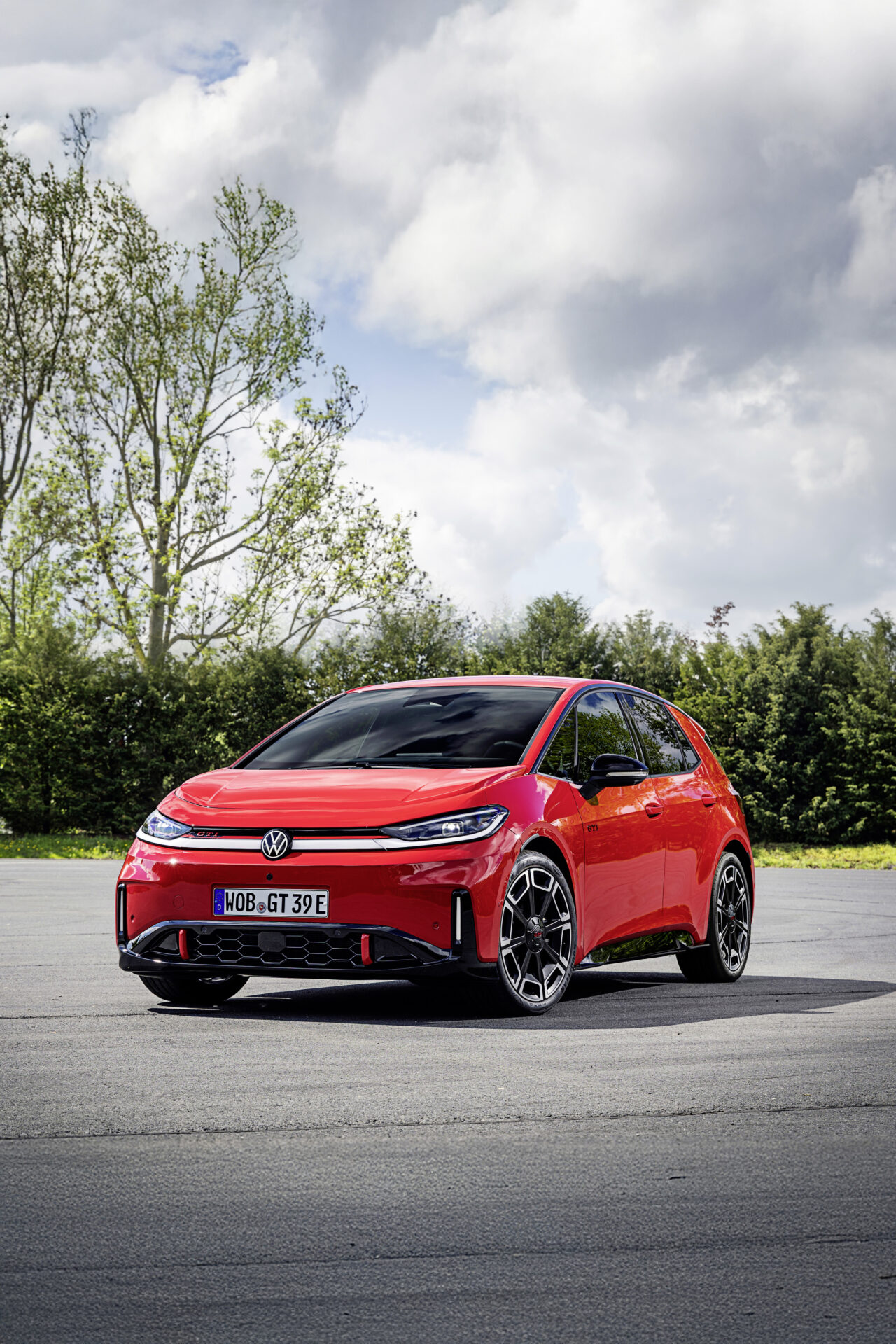
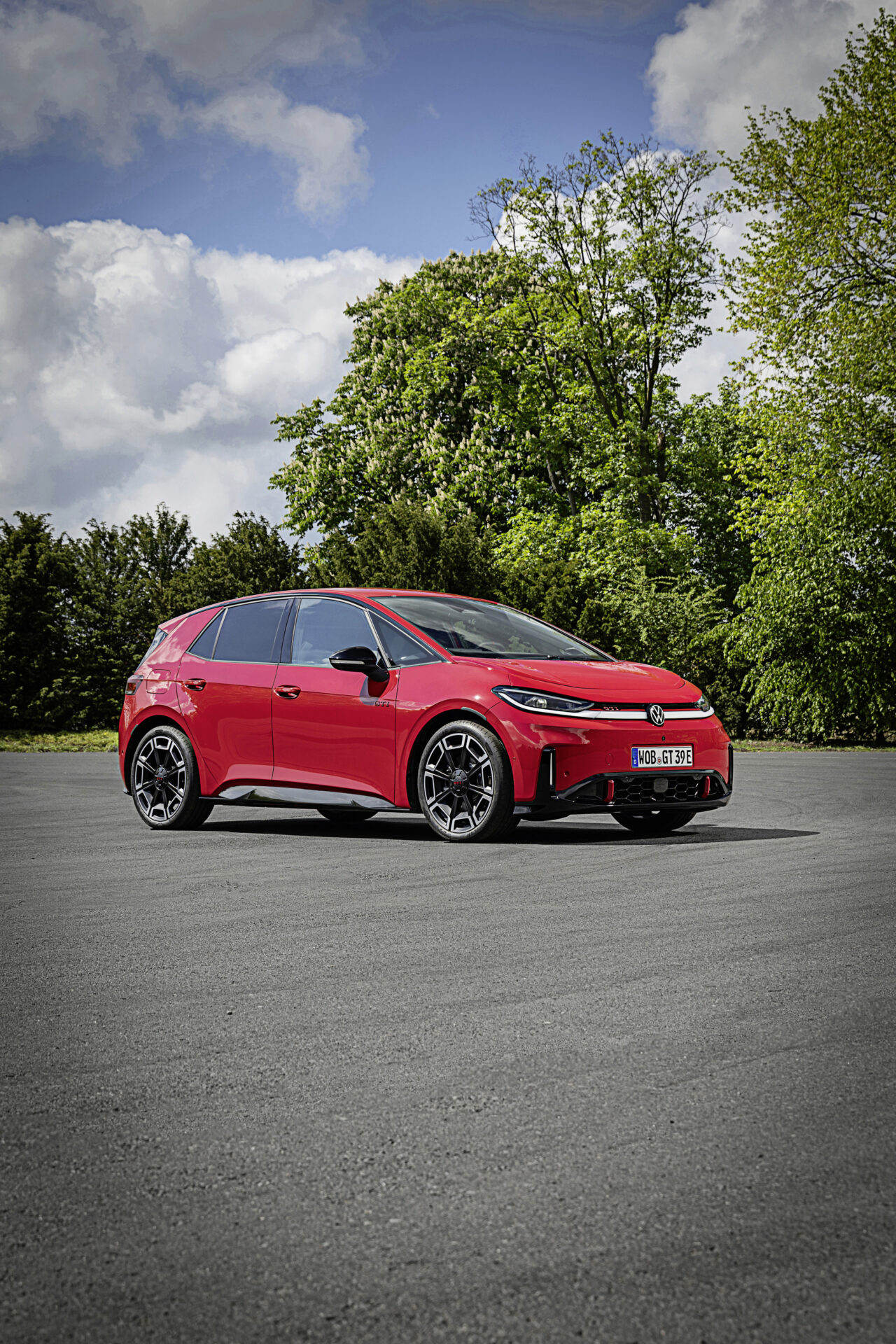
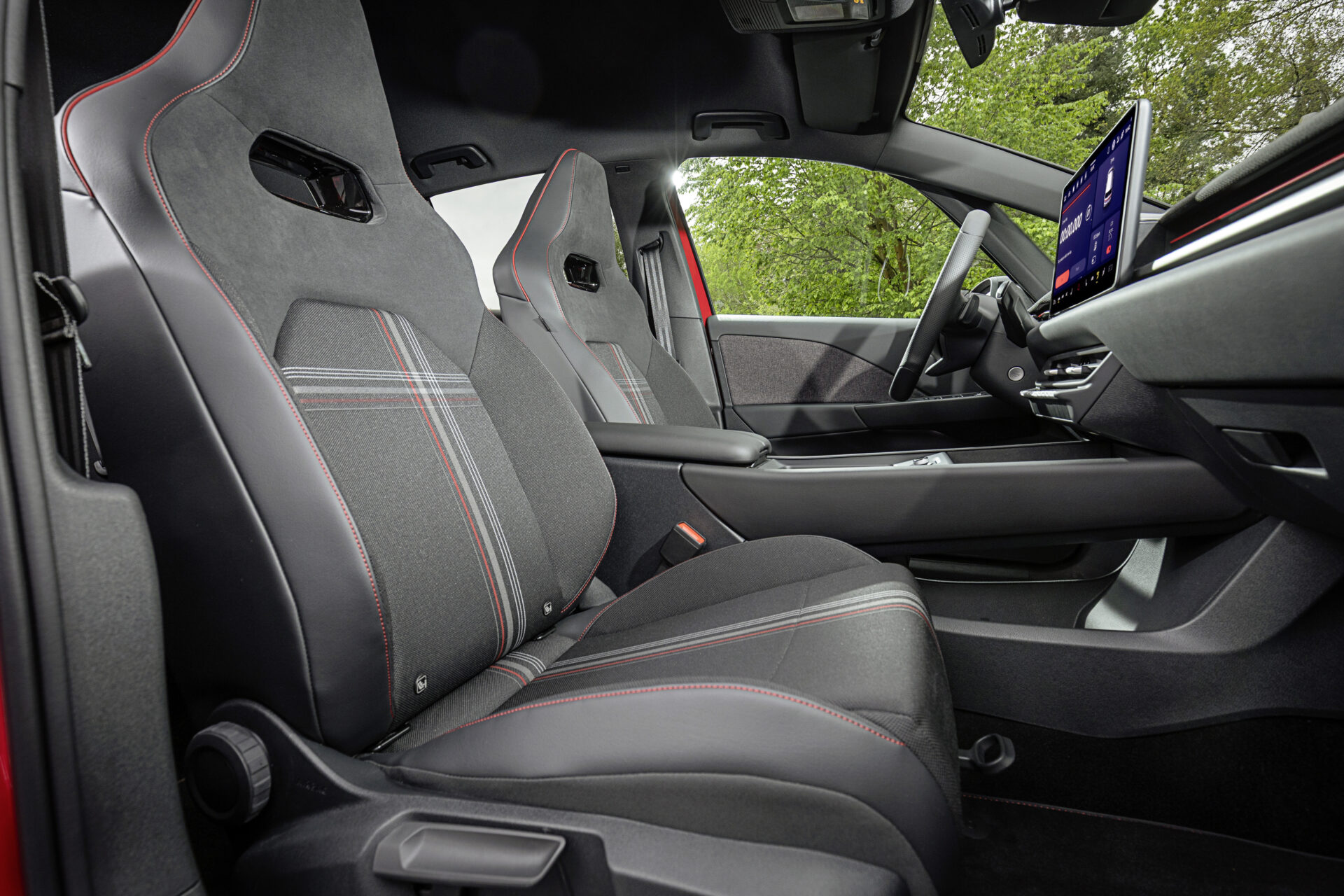
Volkswagen’s electric ID.3 GTI is another new addition to the family. Unveiled in mid-September, the dynamic hatchback has the same elements of the pure positive design language seen in the ID. Cross – the “smiling” expression created by the headlights, the simplicity in its cockpit, the physical buttons – but it is undeniably a far sportier model.
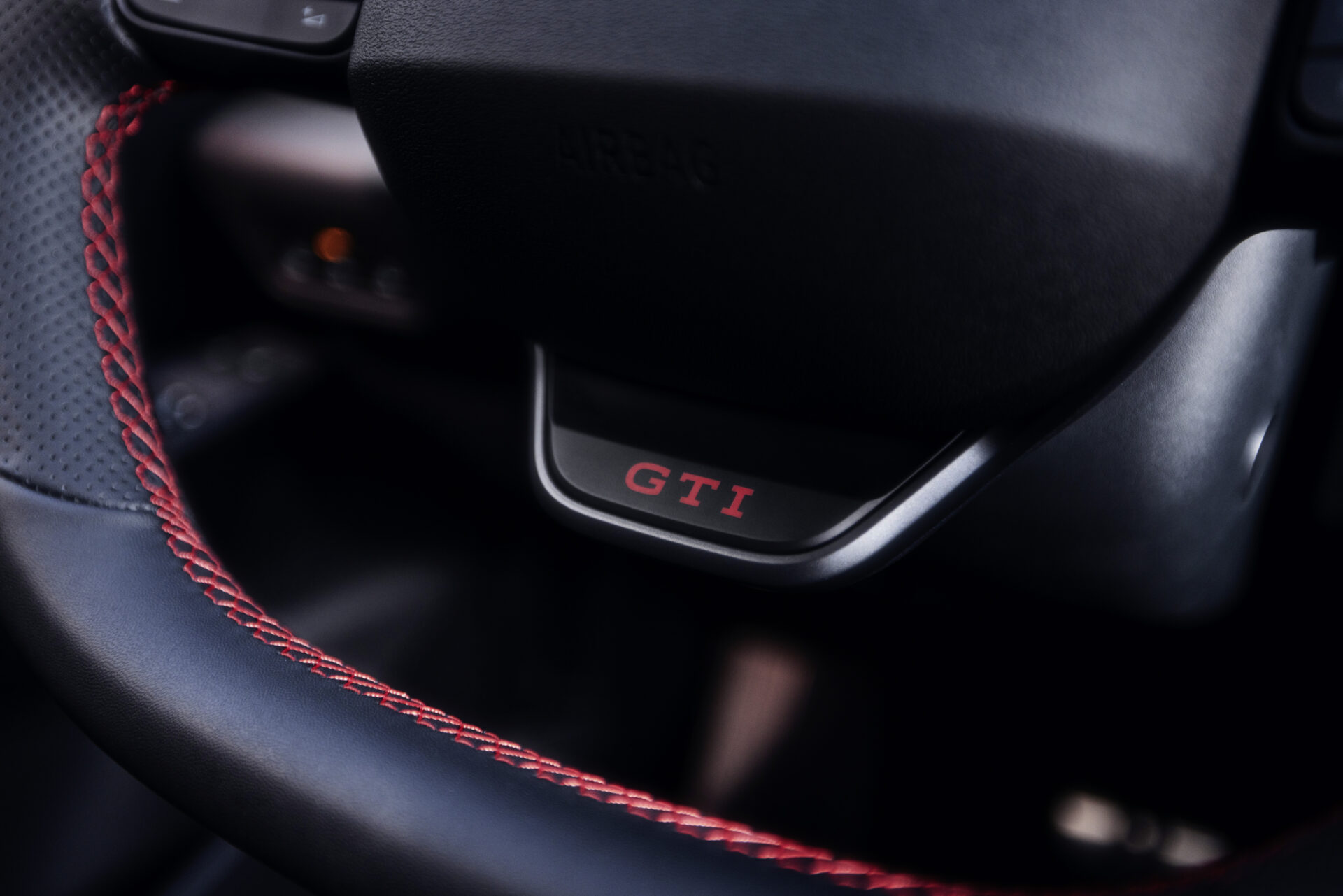
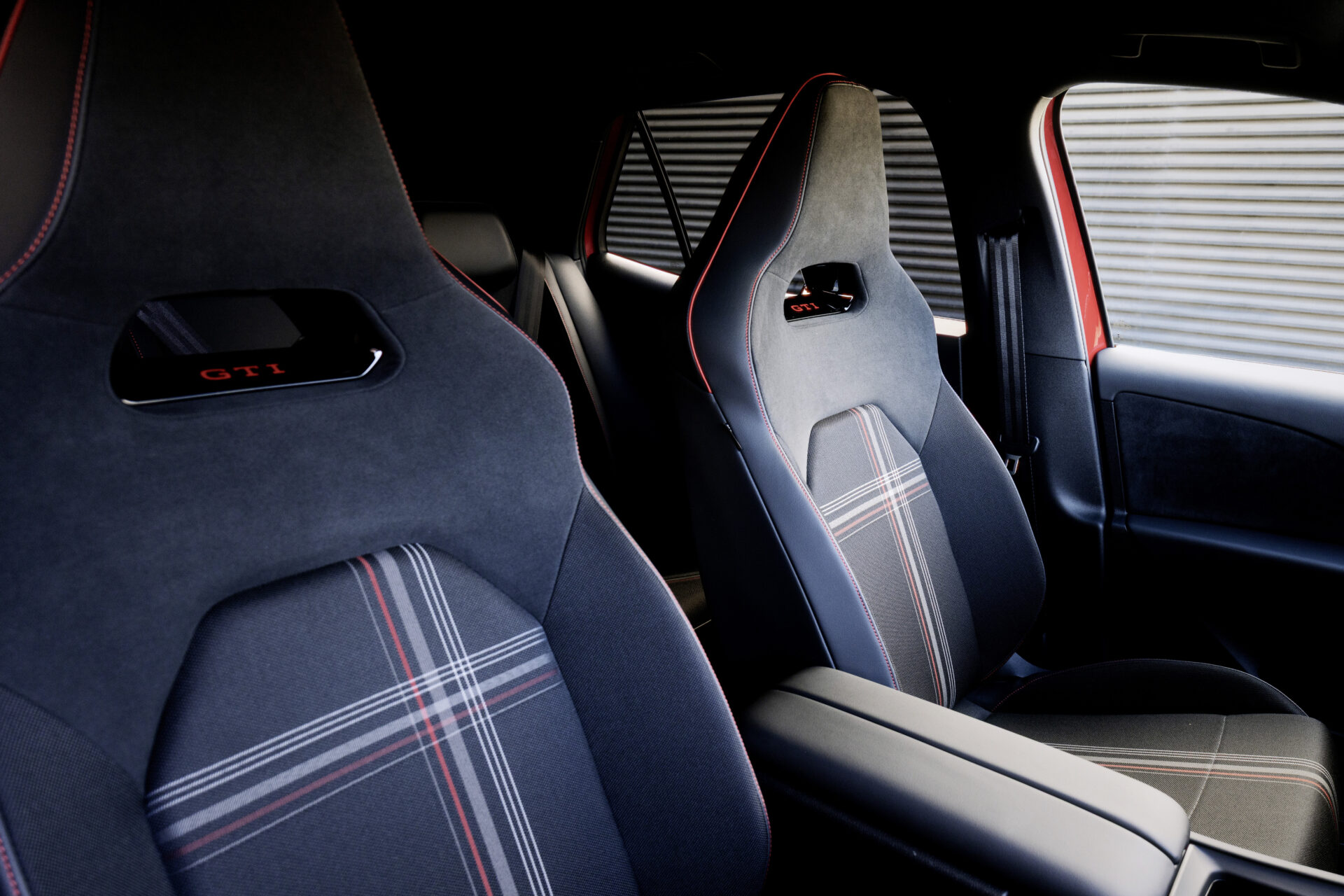
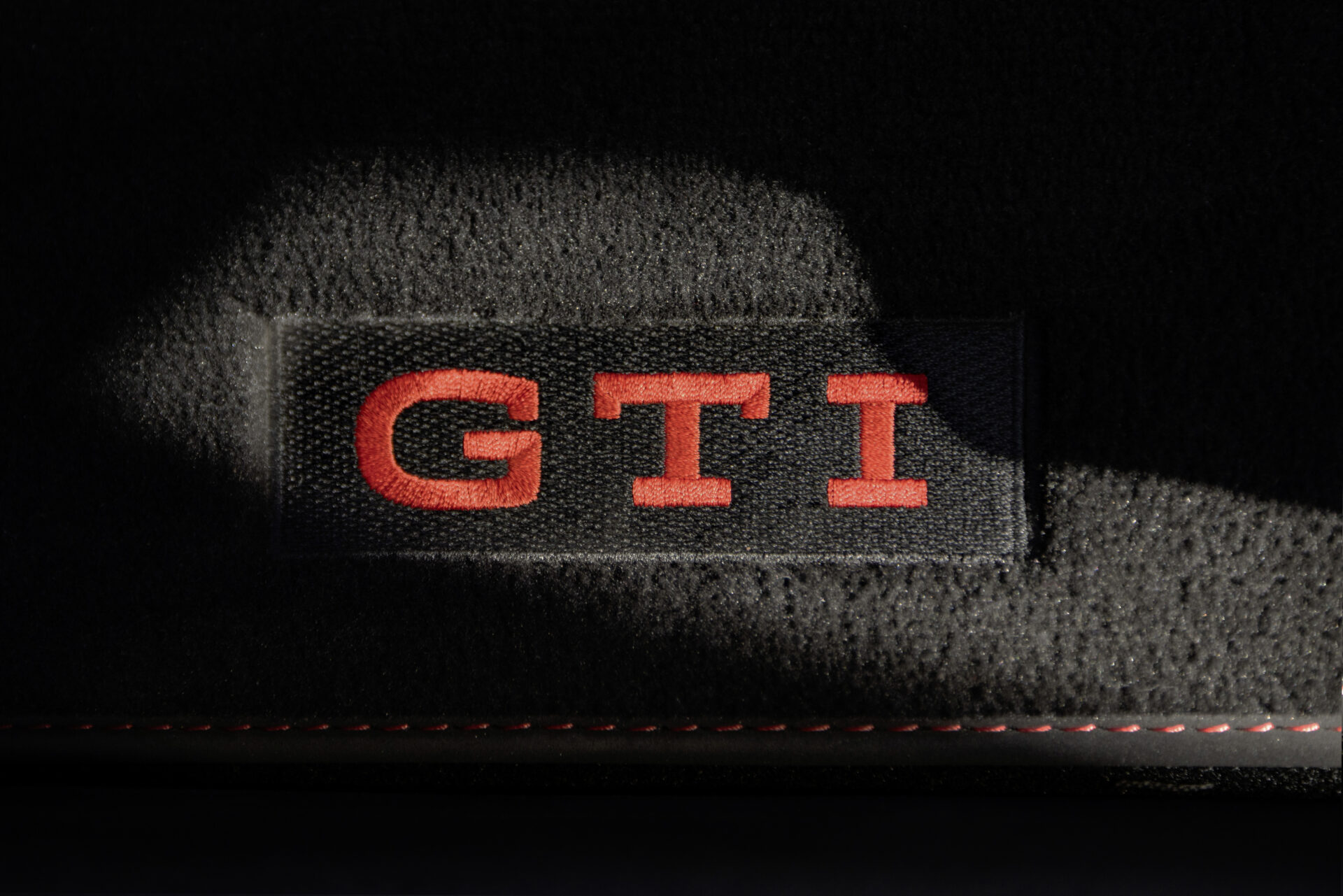
Sleek, compact, and low to the ground, the ID.3 GTI also features the flashy Tornado Red as its body colour, eye-catching red letters spelling out “GTI” in the centre of the wheels, red and white crosshatching in the seats, and backwards-leaning diagonal red stitches on the inside of the doors, with this last element lending the impression of speed and forward motion. Little embossed details that add to the likeability have been scattered throughout its interior, waiting to be discovered, all whilst maintaining the car’s sporty character.
ID.3 GTI
Battery size: 79 kWh
Output: 240 kW
DC charging capacity max: 183 kW
Range: up to 601 km
Top speed: 200 km/hr
0-100 km/hr: 5.6 seconds
Length / width / height / wheelbase: 4,290 mm / 1,809 mm / 1,560 mm / 2,764 mm