Volkswagen returns to its roots
Volkswagen’s new range is going back to basics, and going electric. A look at the brand’s pure positive design language and three of its recently revealed models.
The people’s car is returning to its roots. A true Volkswagen is not just about cars, said Stefan Voswinkel, of product communications, in April as the German manufacturer presented its upcoming highlights in Hamburg. It is also about the people who drive the cars, and those who design them. It is about accessible innovation, intuitive interactions and modular technology that can easily be scaled up.
Volkswagen launched its ID.3 a few years ago, and customer feedback, particularly around the software, could have been more positive, noted Kai Grünitz, Volkswagen brand board member for technical development. When he was offered the position in 2022, he asked himself what he would do differently. Reflecting on his childhood (Grünitz’s father worked for Volkswagen), he recalled the pride his family took in the new cars. The brand does not just sell steel wrapped around an engine, Grünitz argued, it sells emotions and memories, and that is what he wanted to bring back. “I wanted to show that we can learn from the past, that we can listen to our customers, and that we can turn their criticism into something really positive.”
Over the past three and a half years, Grünitz’s team has completely rethought how it develops cars. Instead of starting with lists of features and requirements, it focused on the people who will actually drive the cars and what they will need, creating comics that portray people’s daily lives. The goal, he said, was to build cars for real people.
A new design language: pure positive
For Grünitz, a Volkswagen should be “clear, timeless and confident, and still look good in 10 years”. The brand’s new design language, called pure positive, aims to deliver on this ambition.
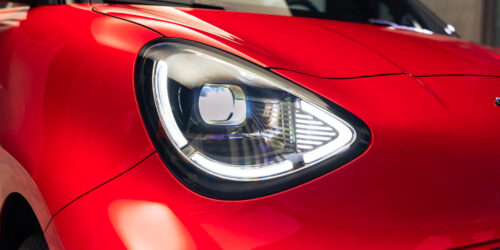
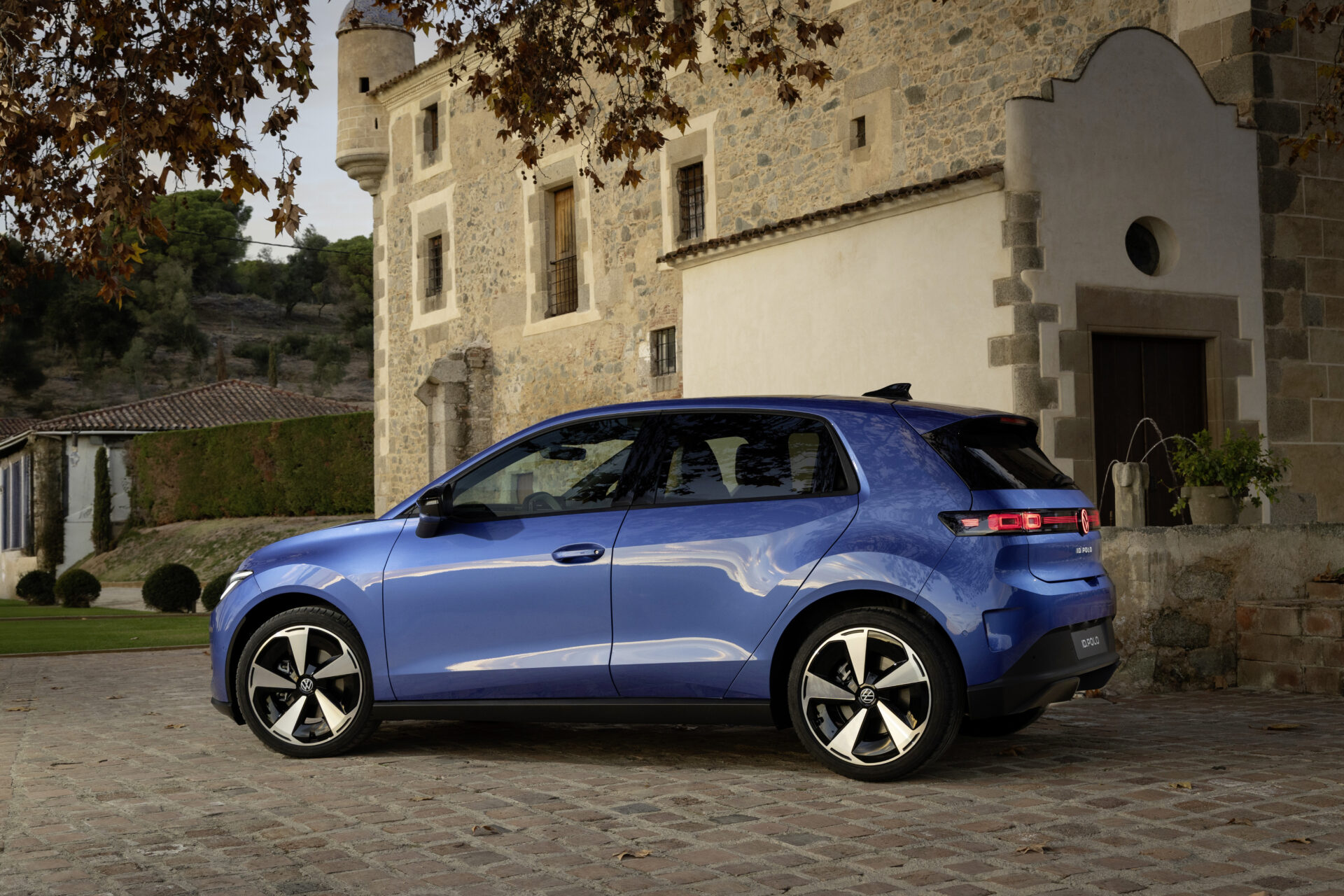
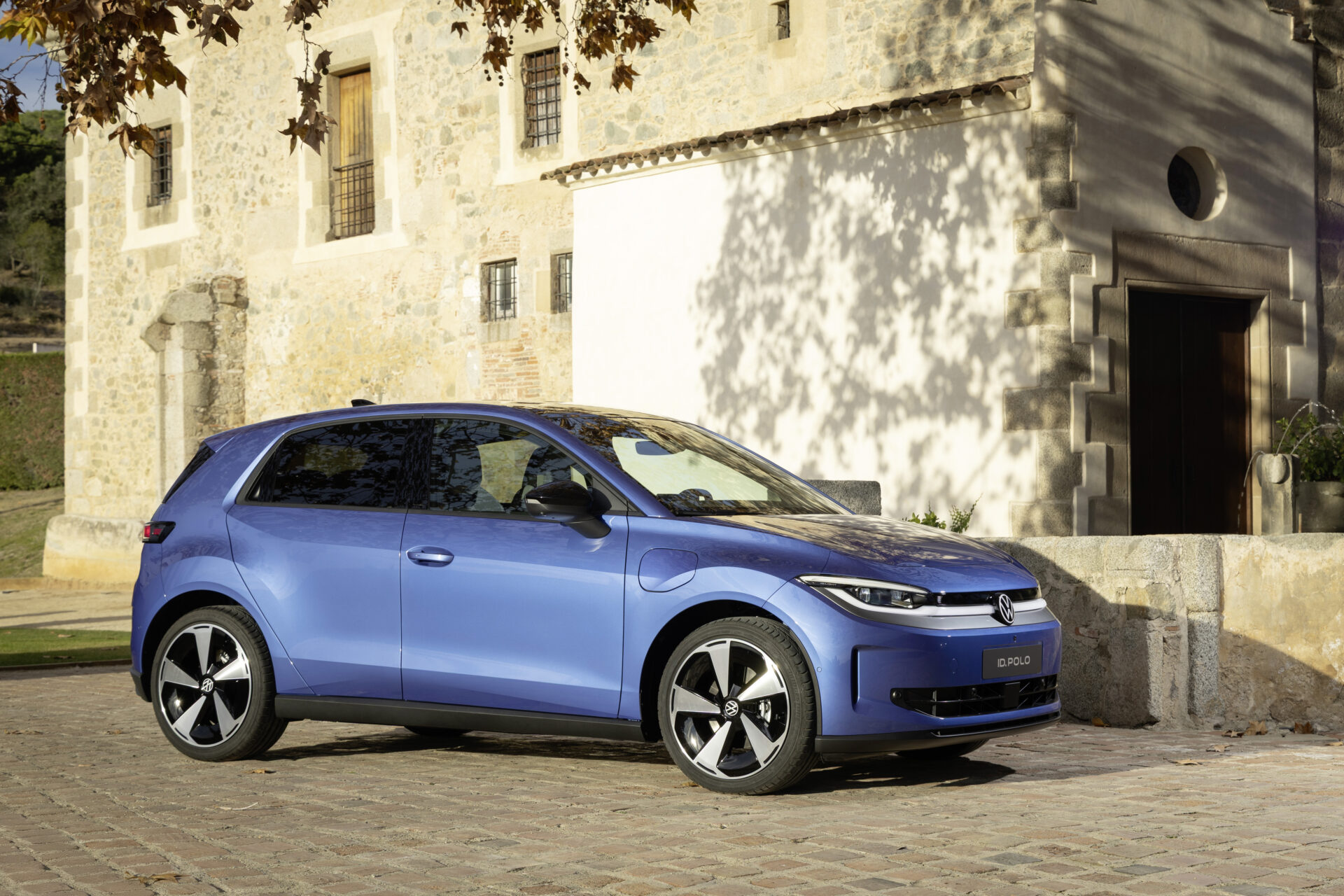
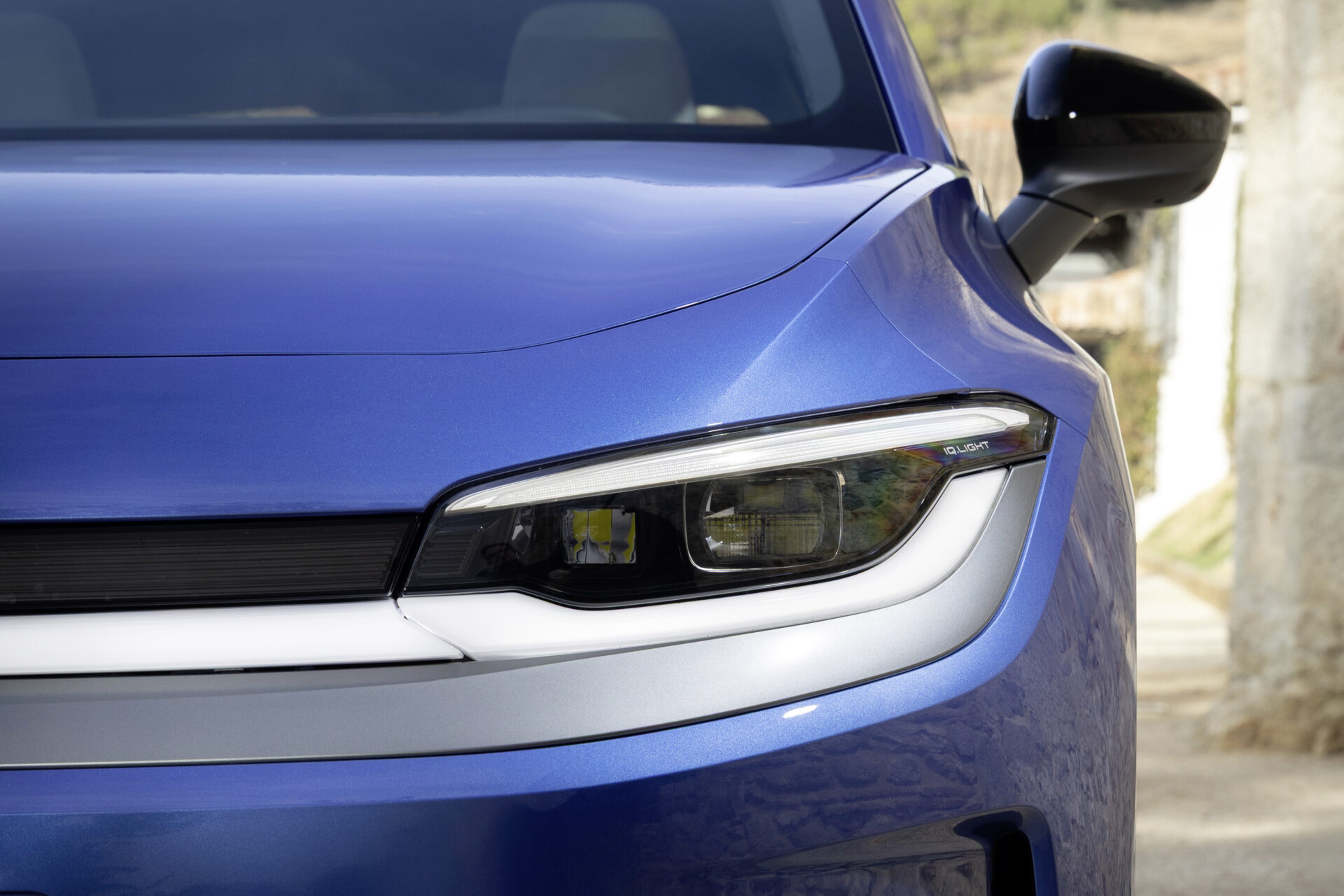
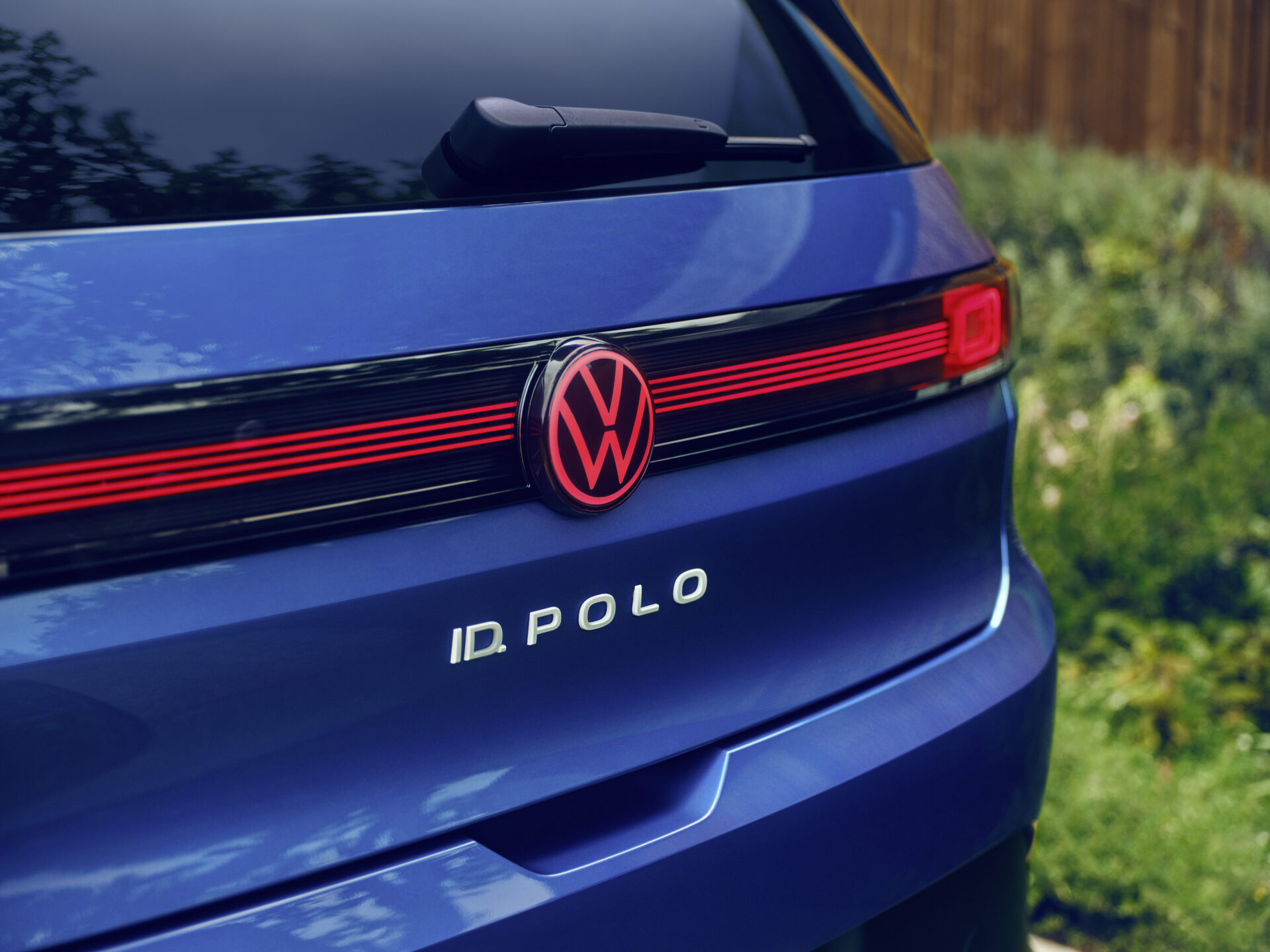
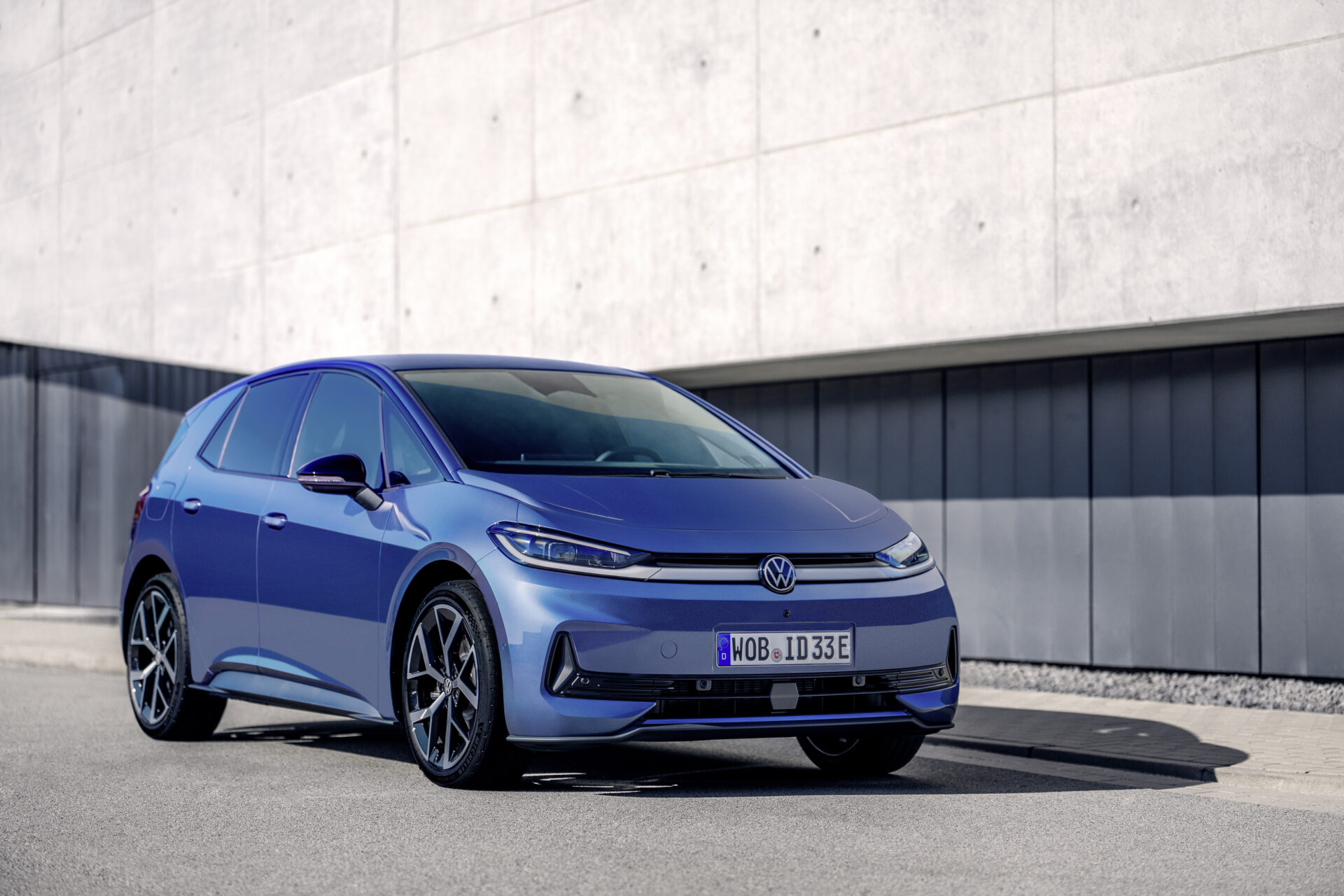
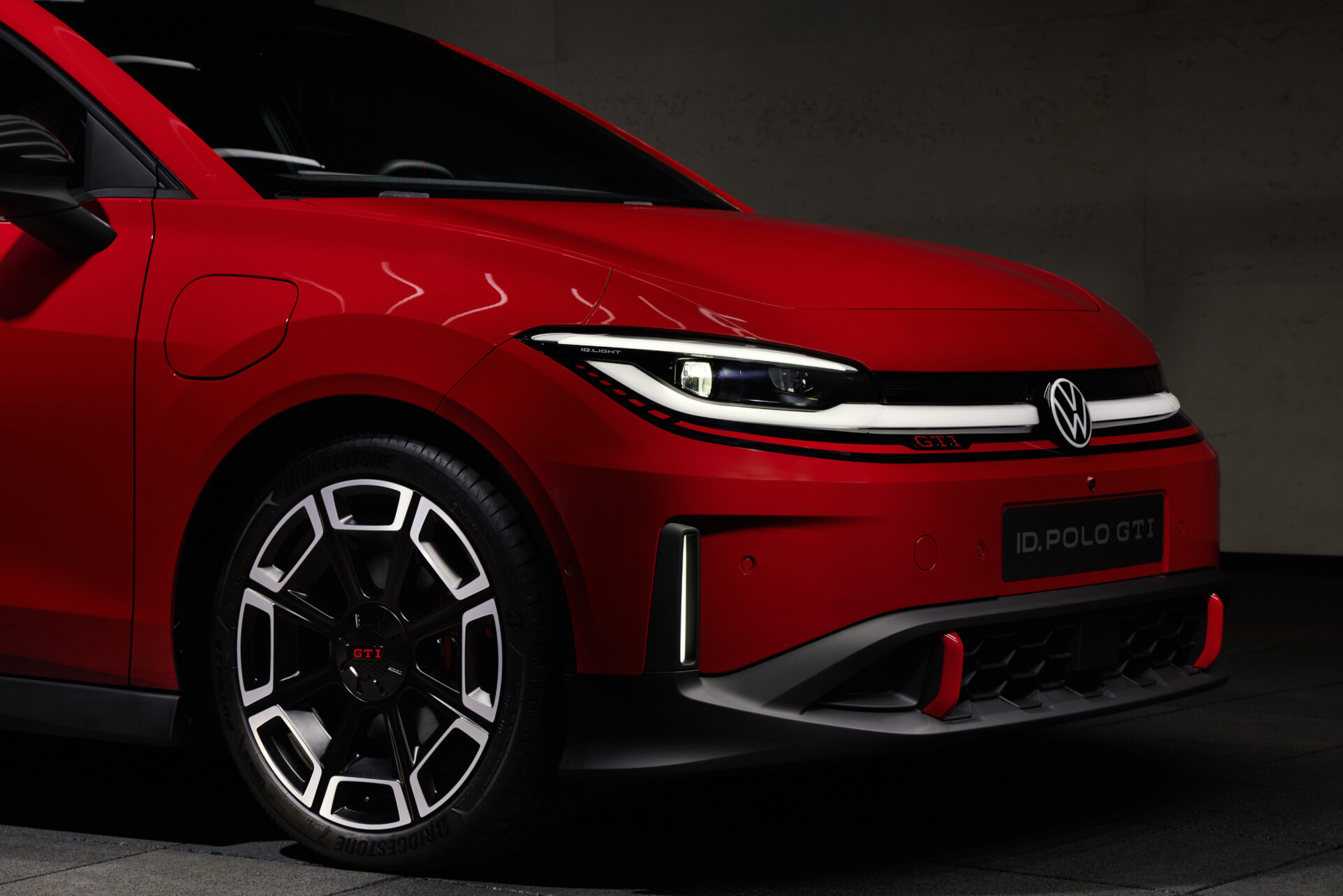
Presenting the all-electric ID. Polo, Stefan Wallburg, head of exterior design Europe, pointed to the horizontal light bar centred on the logo as a feature that gives the car a timeless quality. The raised lines create a smile effect, while the headlights, acting as eyes, make it seem as though the car has a human expression. “When the car smiles at you, we want to put a smile on your face,” he said, highlighting the positive energy this element brings.
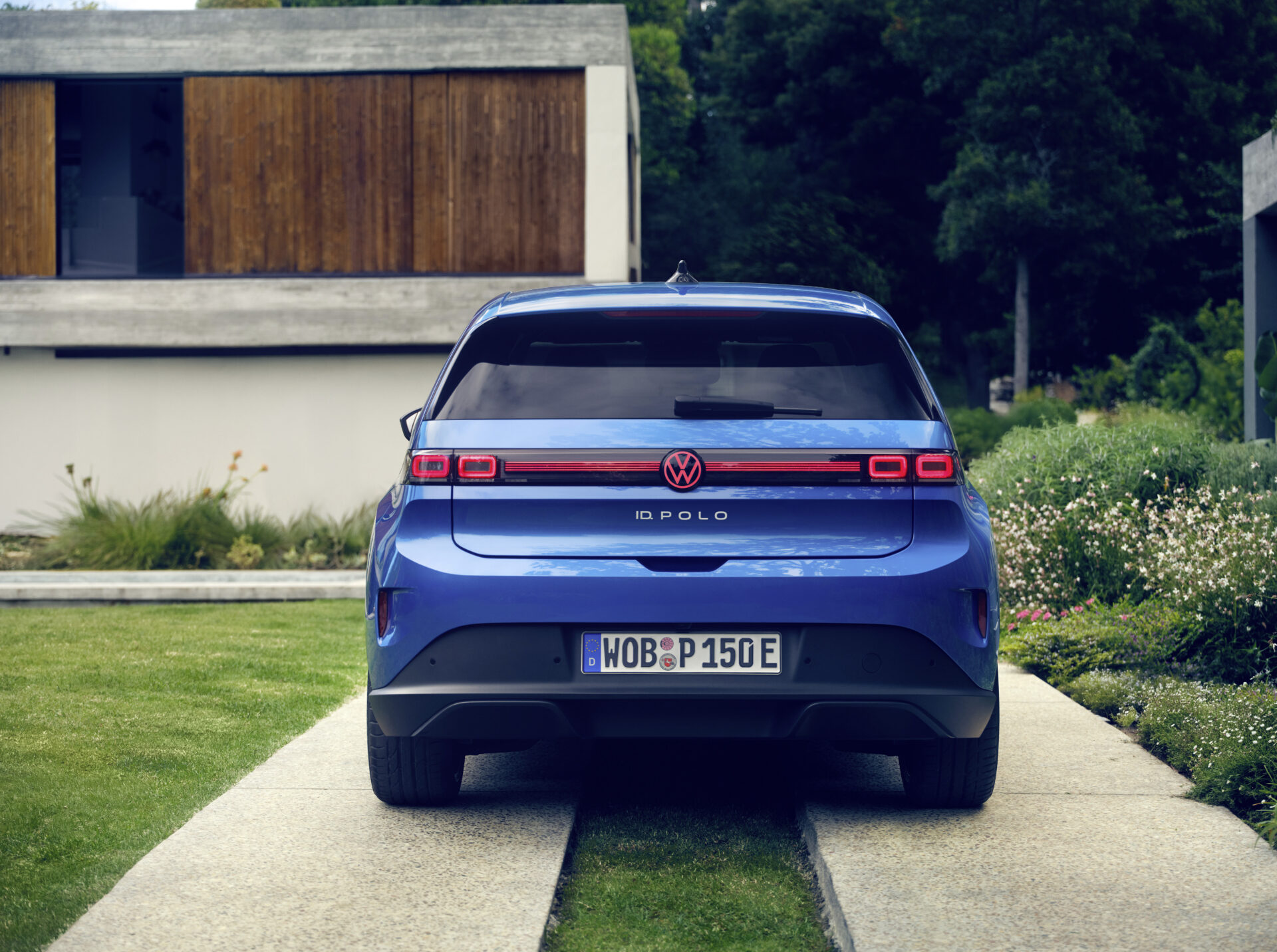
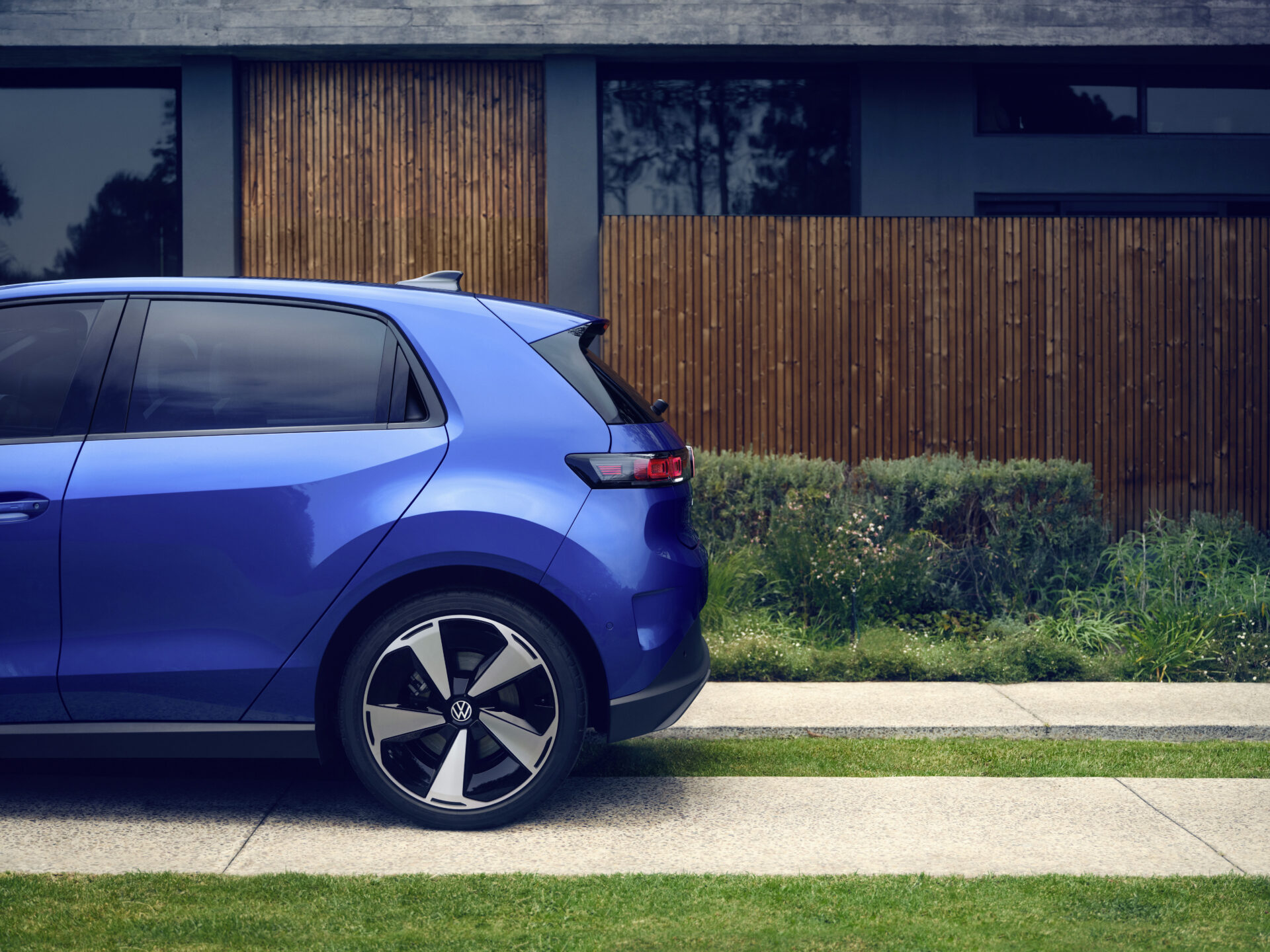
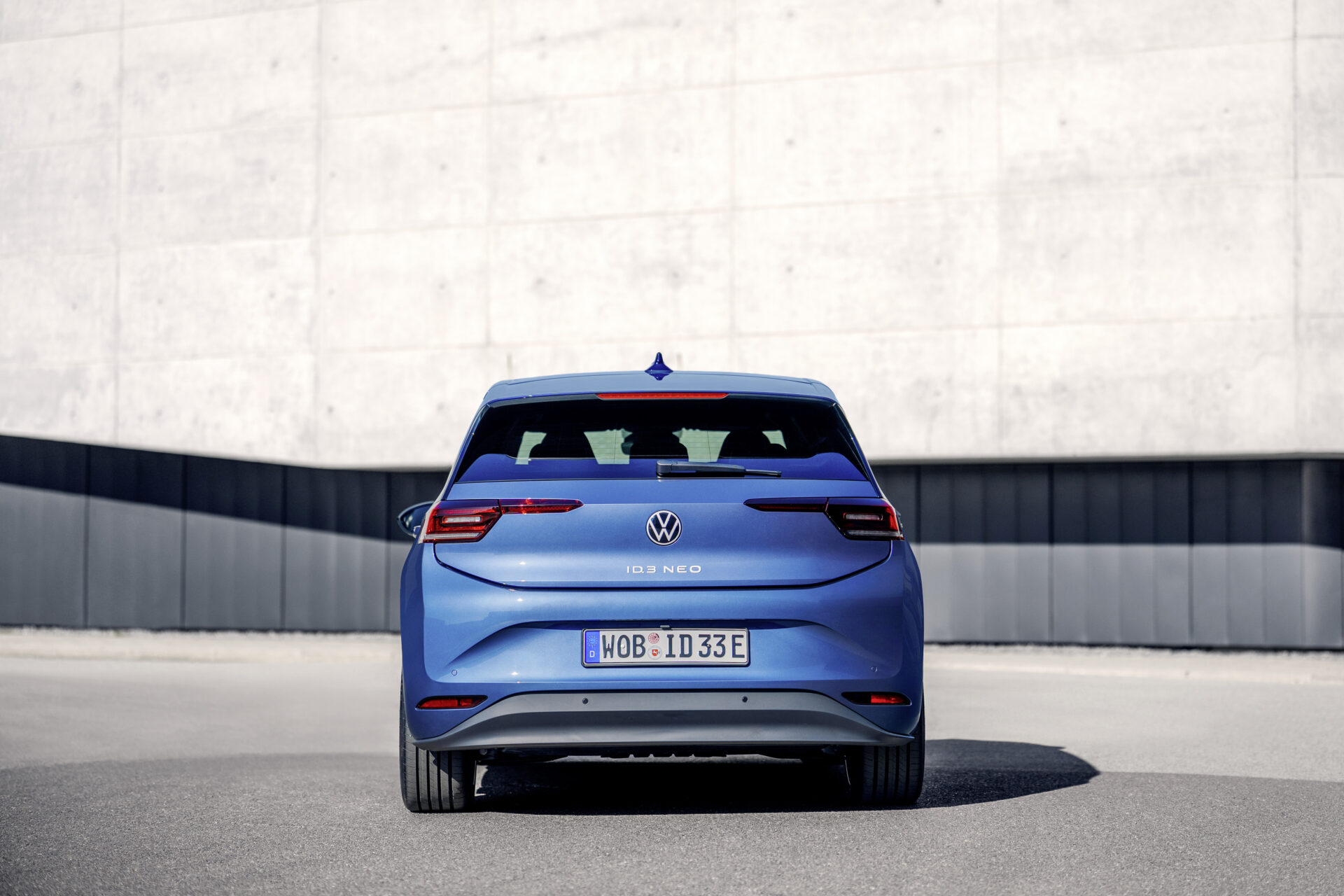
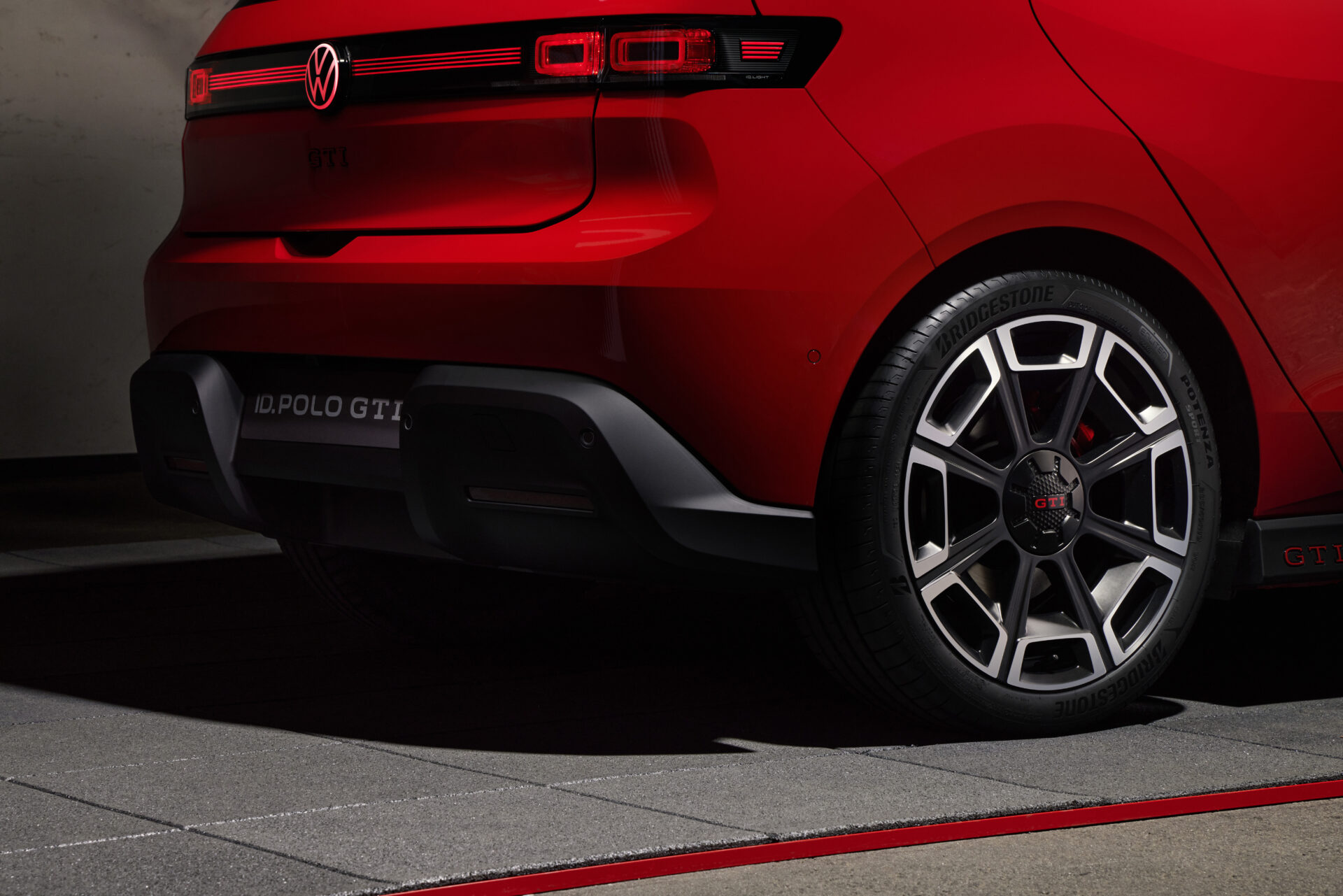
Substantial wheel arches give the car stability, while positive tension lines and horizontal elements continue around the car to the rear. The rear lights, with their flattened, rectangular whisky glass design, are recognisable from afar, and another horizontal light bar connects the elements and draws the eye to the illuminated VW logo in the centre.
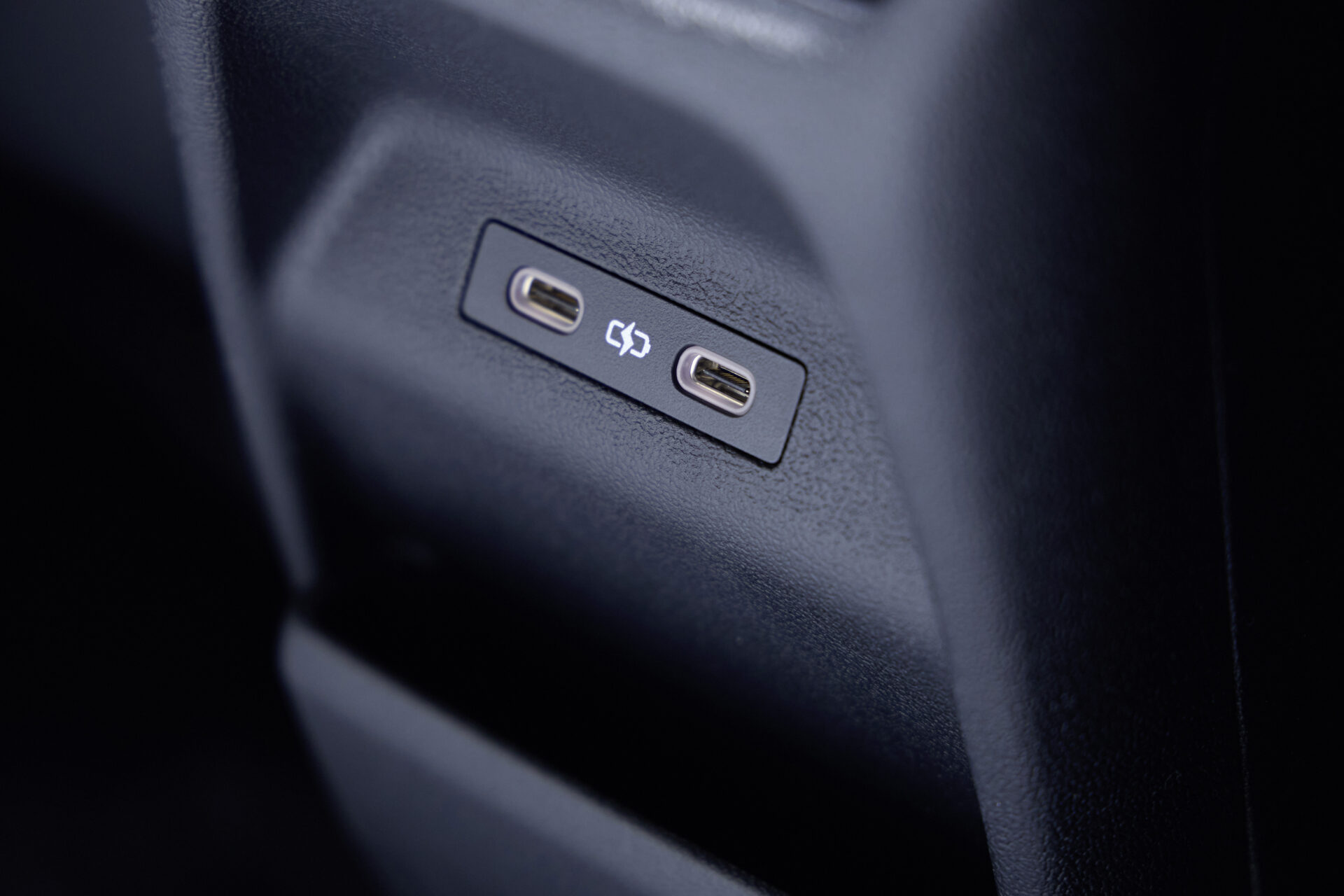
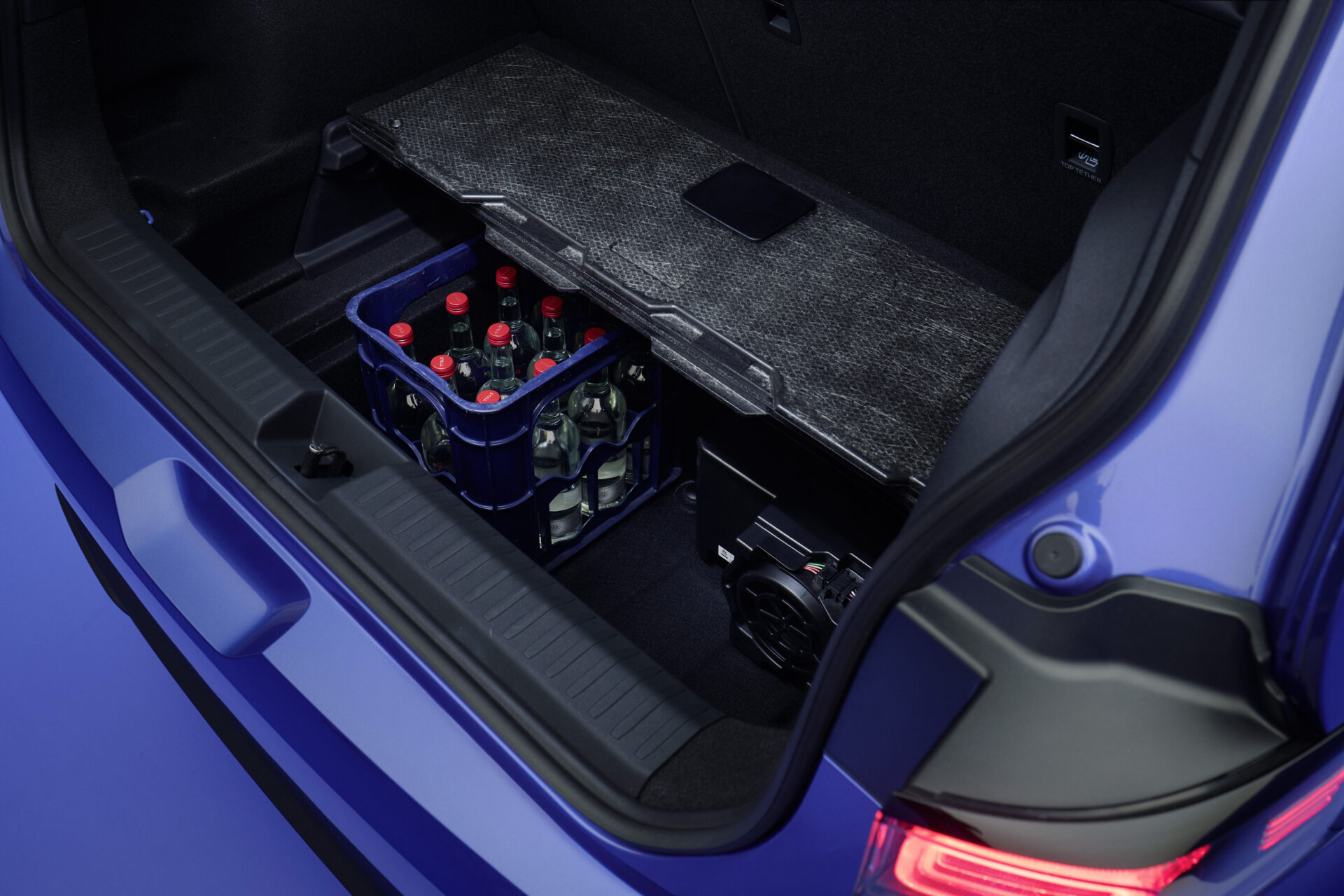
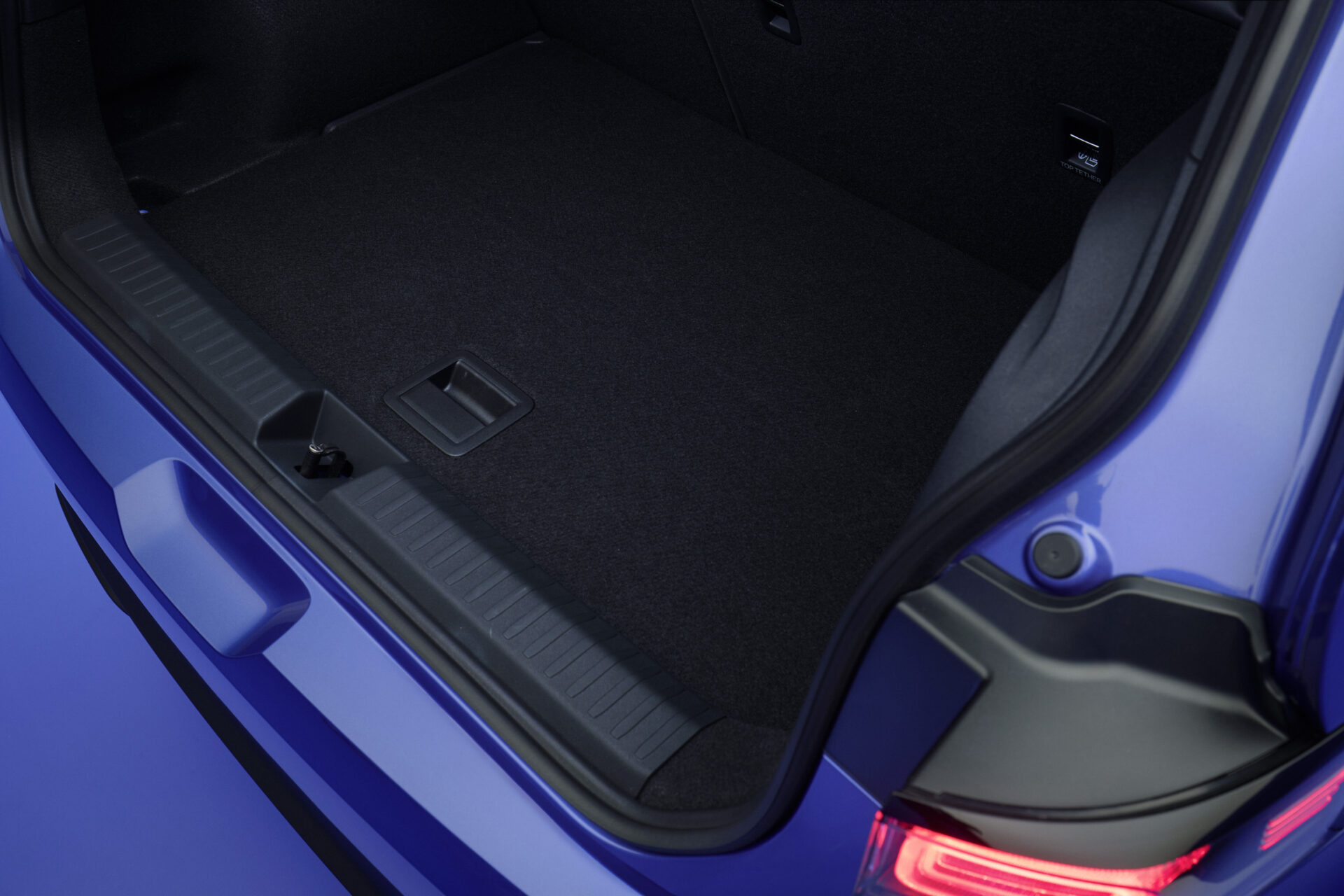
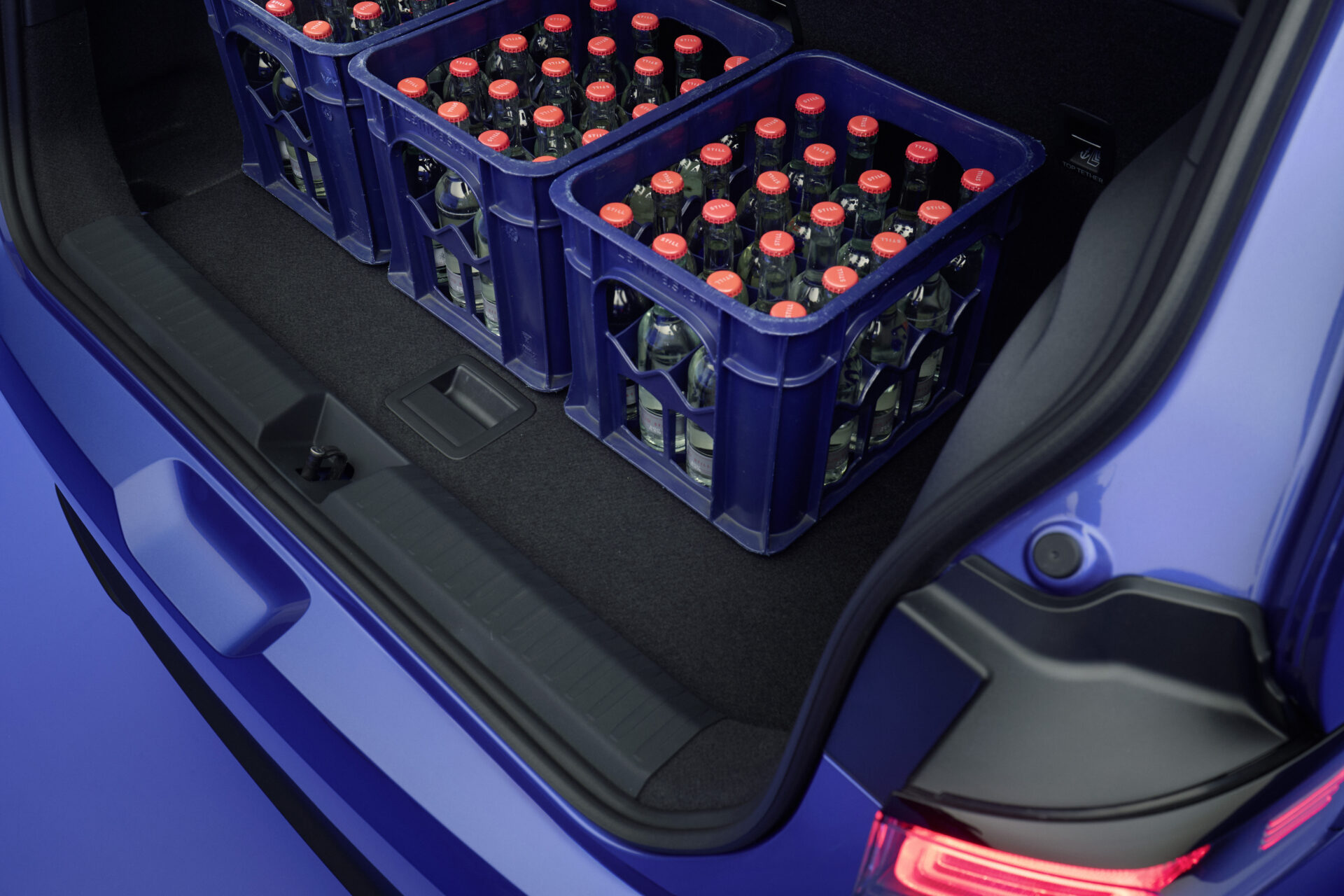
The ID. Polo remains a compact vehicle (4,053 mm long, 1,816 mm wide and 1,530 mm high, with a wheelbase of 2,600 mm); the wheels are placed in the far corners of the car and the boot offers nearly 450 l of space.
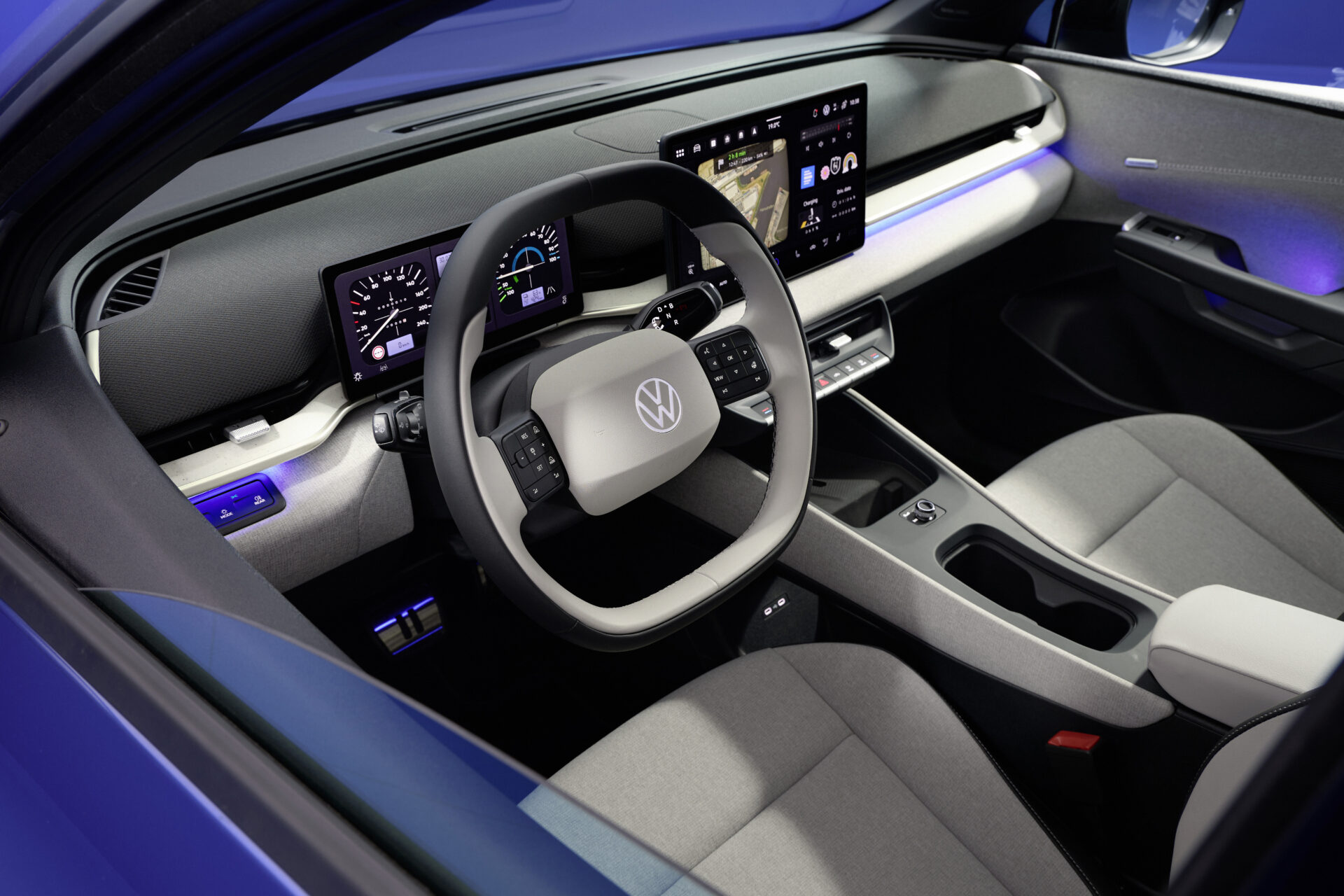
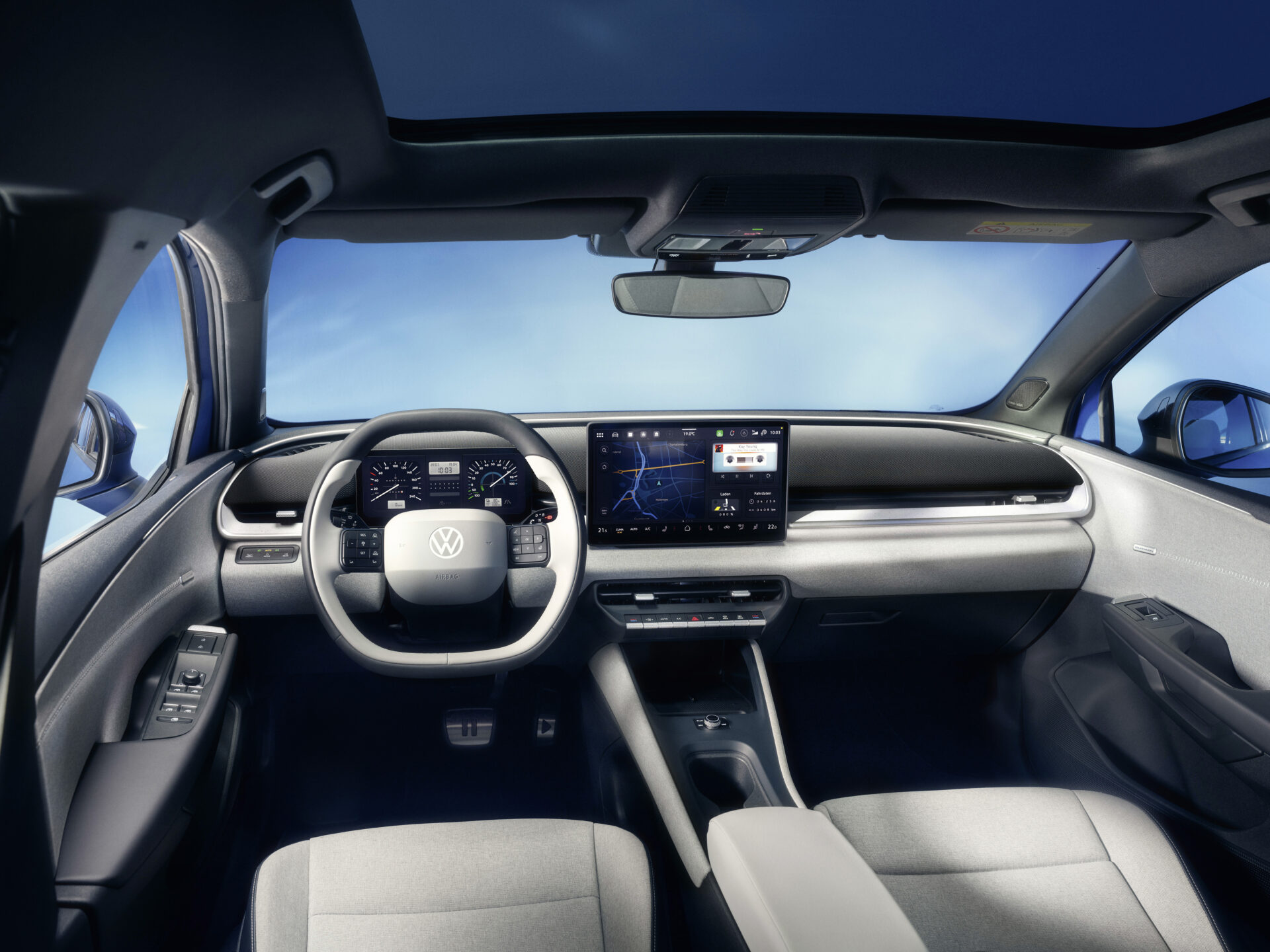
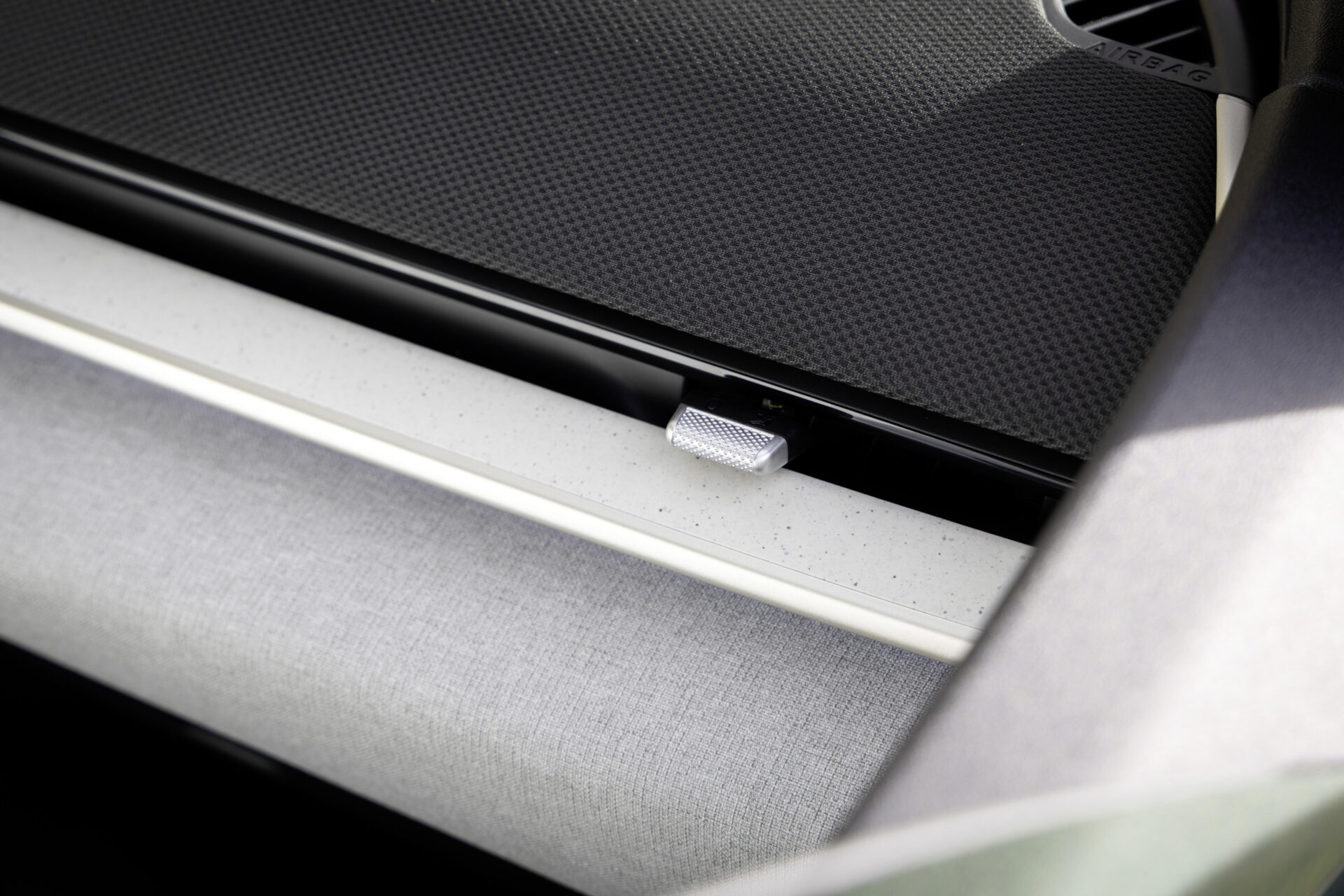
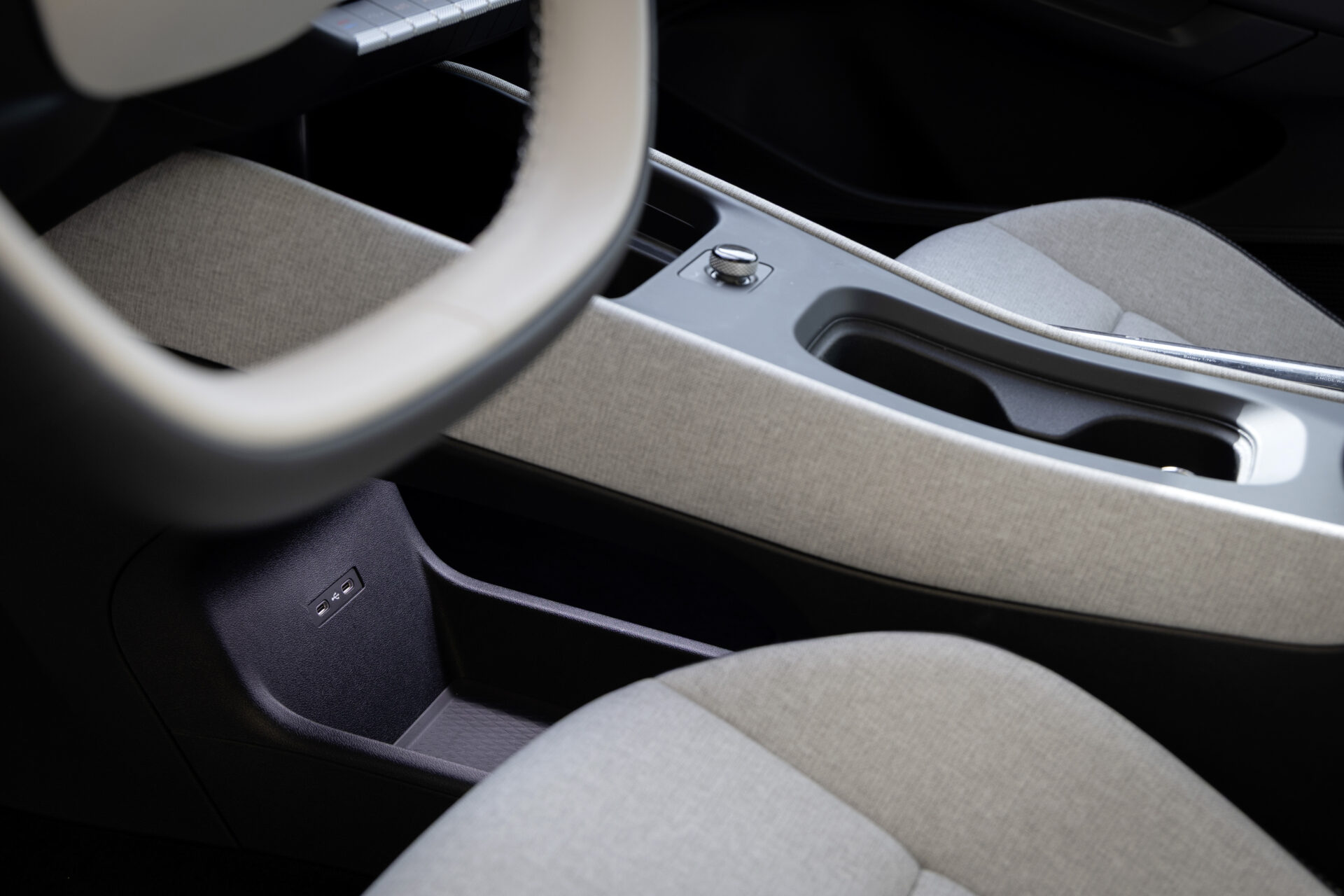
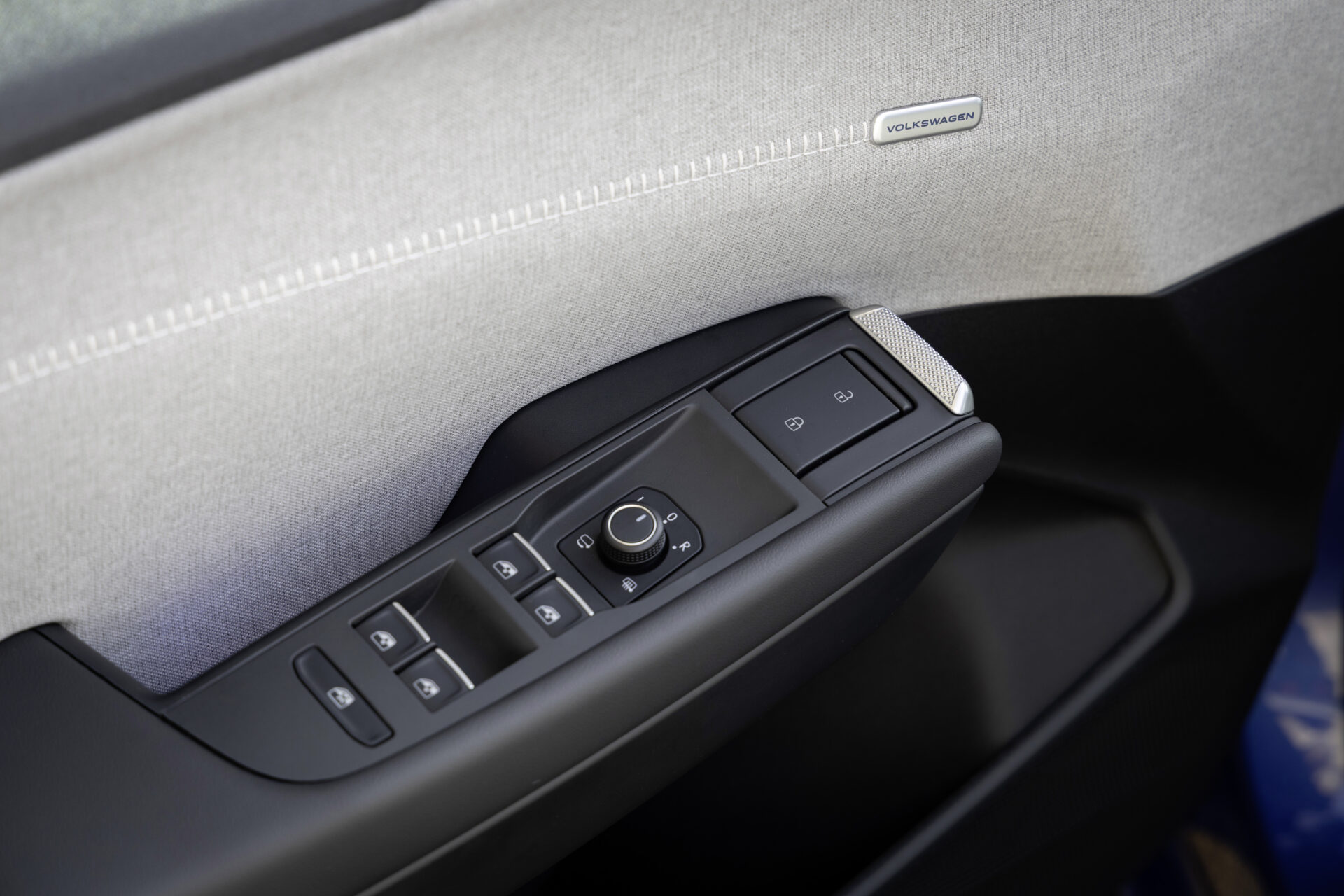
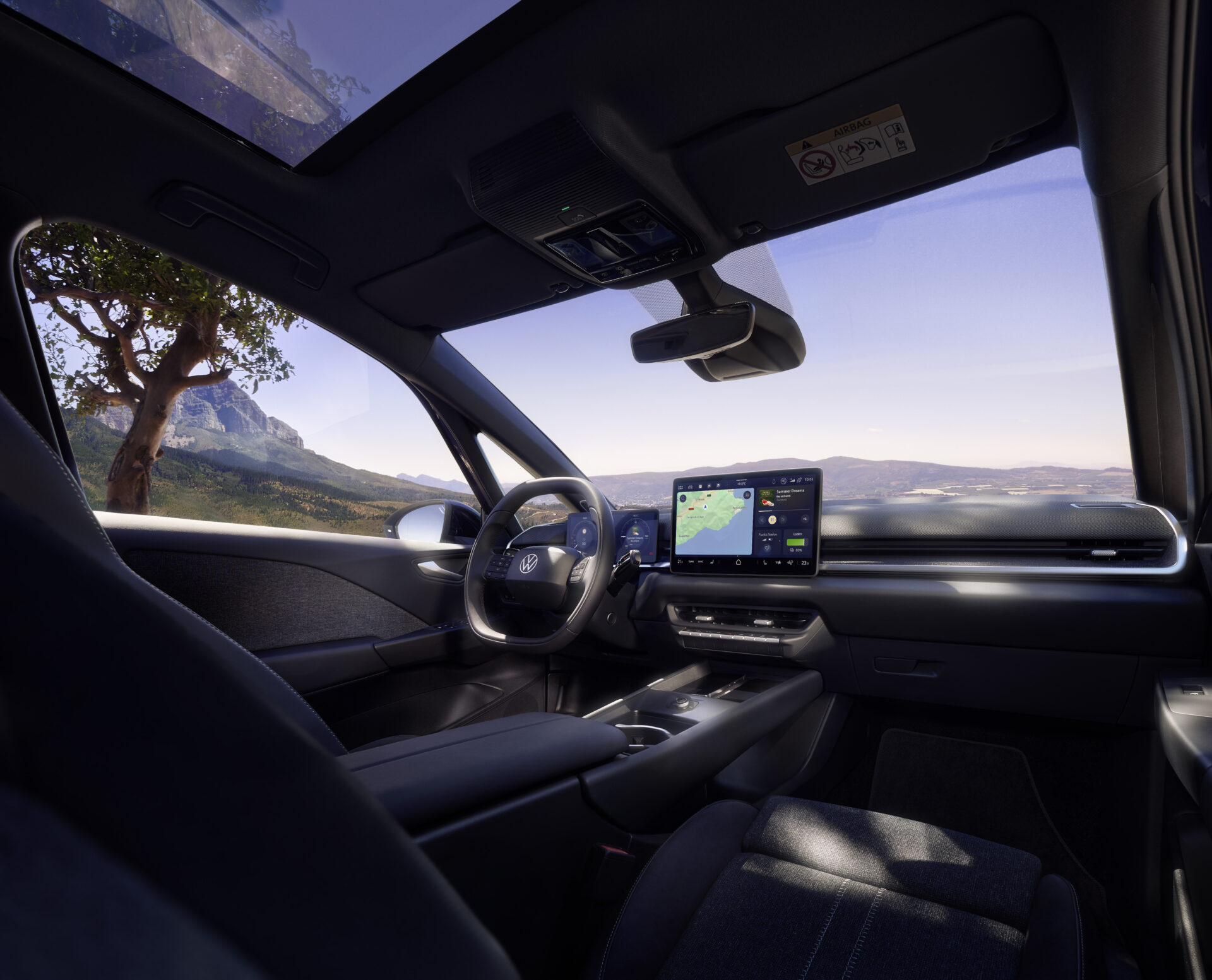
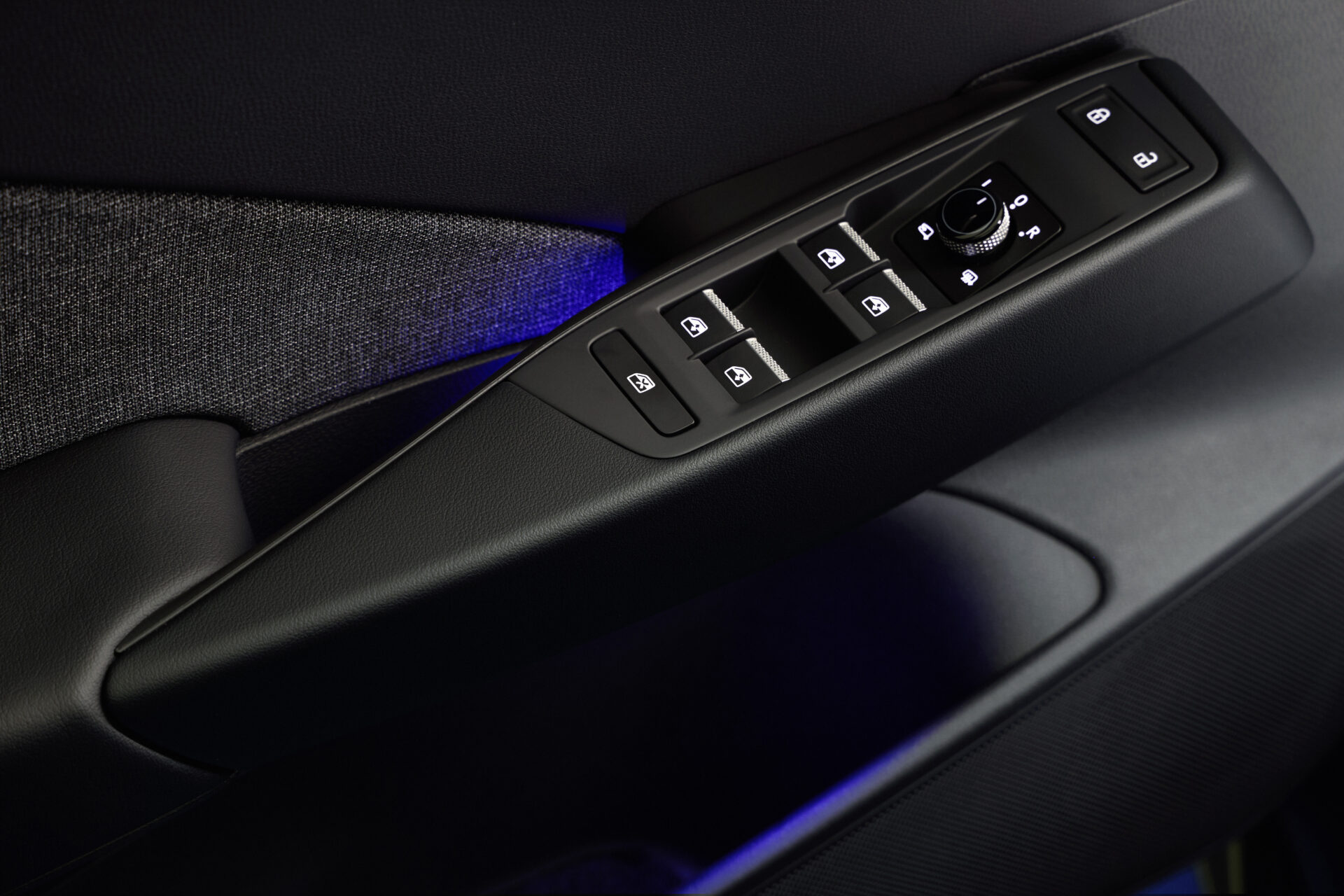
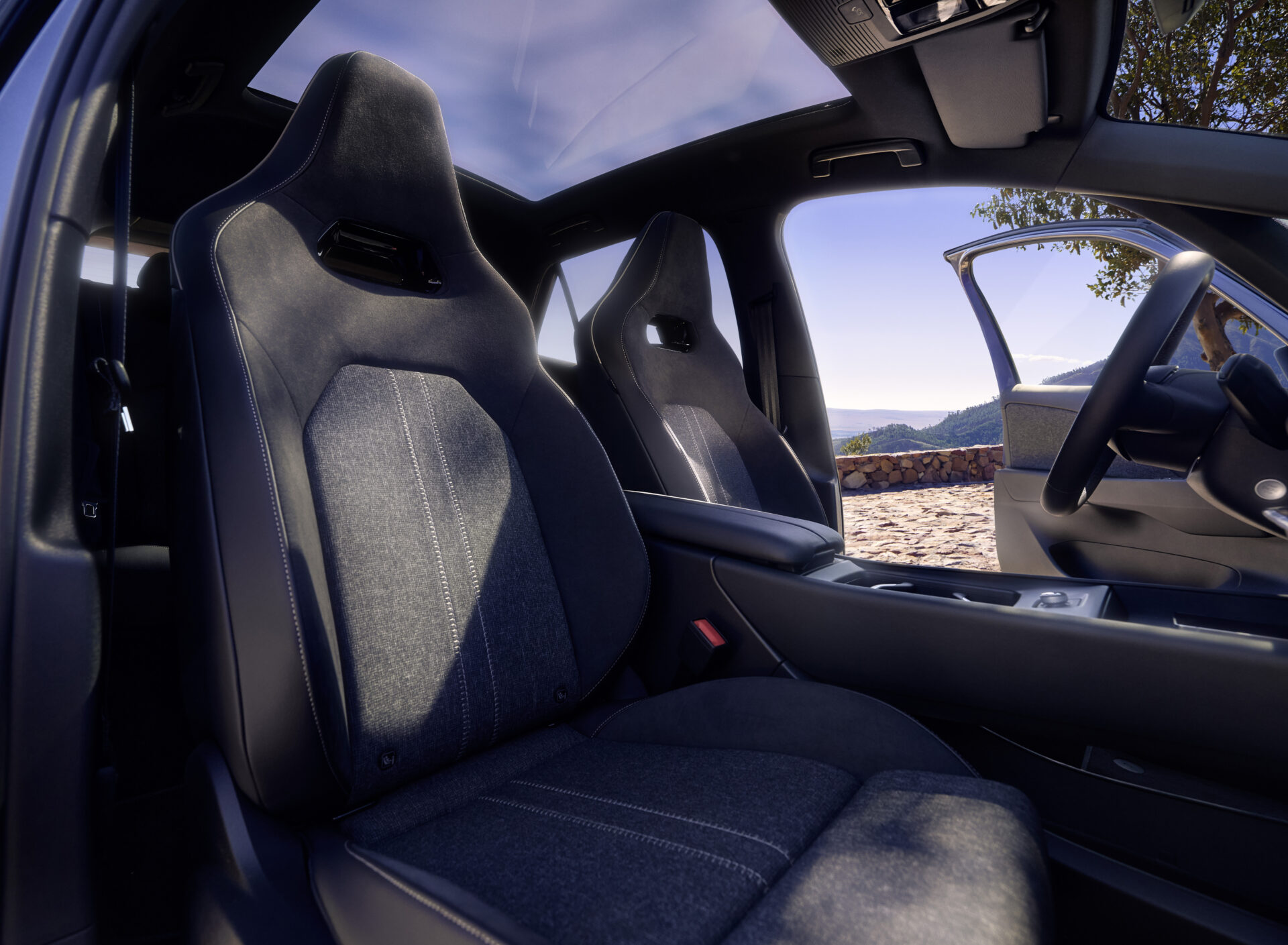
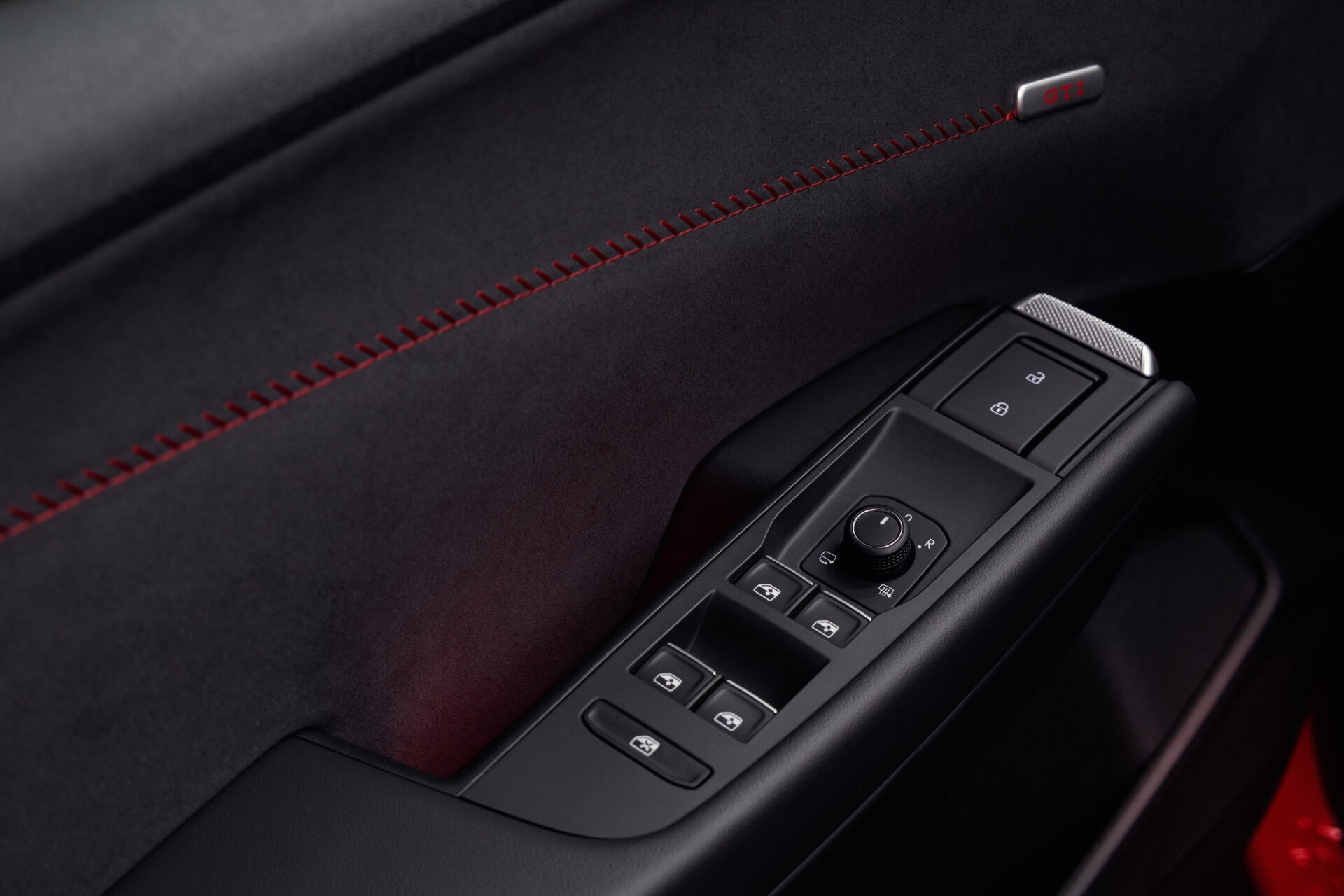
The interior is spacious for its size category, with the feeling of roominess accentuated by the light-coloured textile used for the dashboard, seats and door interiors. Together, these elements are meant to give the cabin a comfortable living-room atmosphere, explained interior designer Kenji Monma. The door handles are integrated into a single island with the window controls, reinforcing the impression of a harmonious whole.
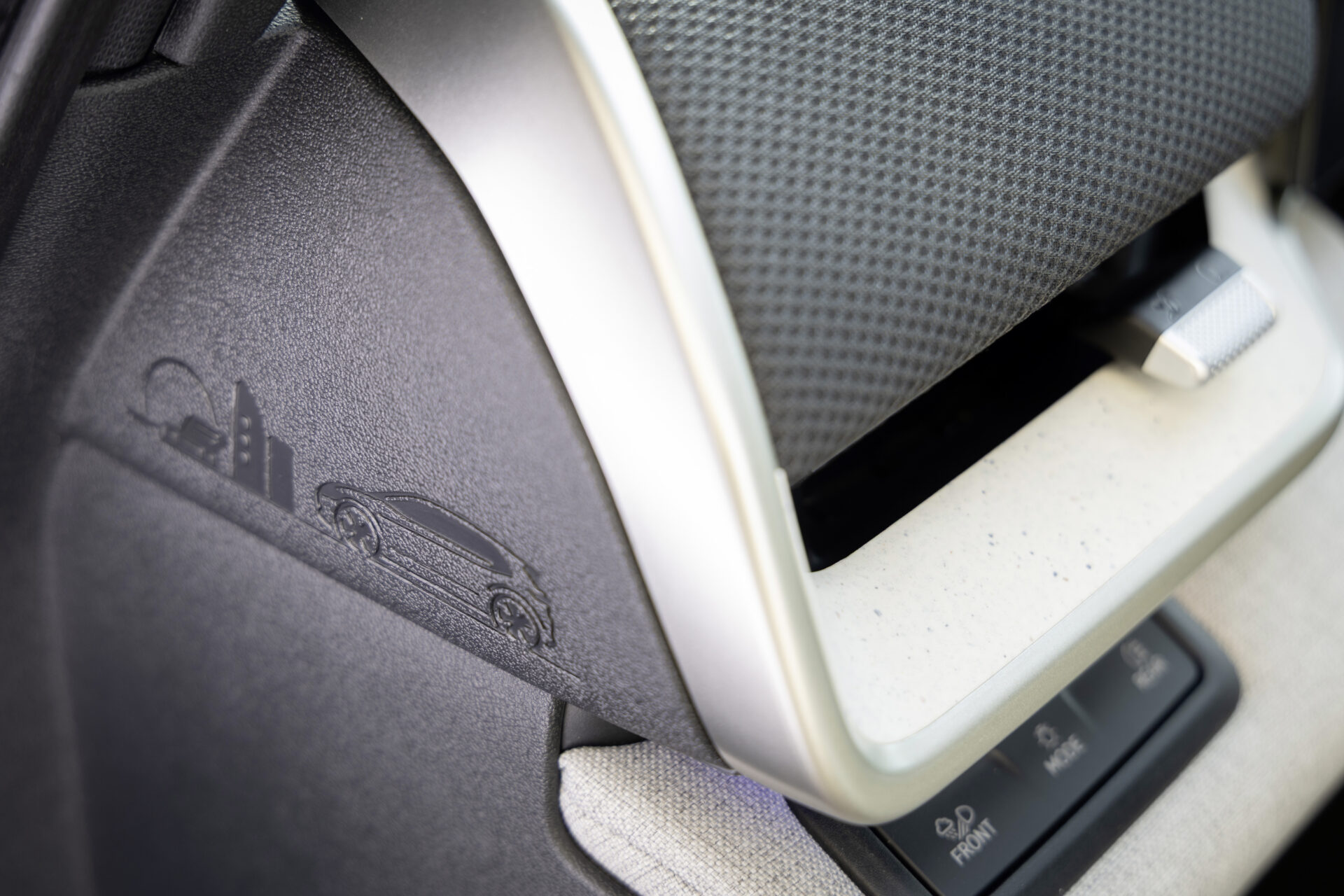
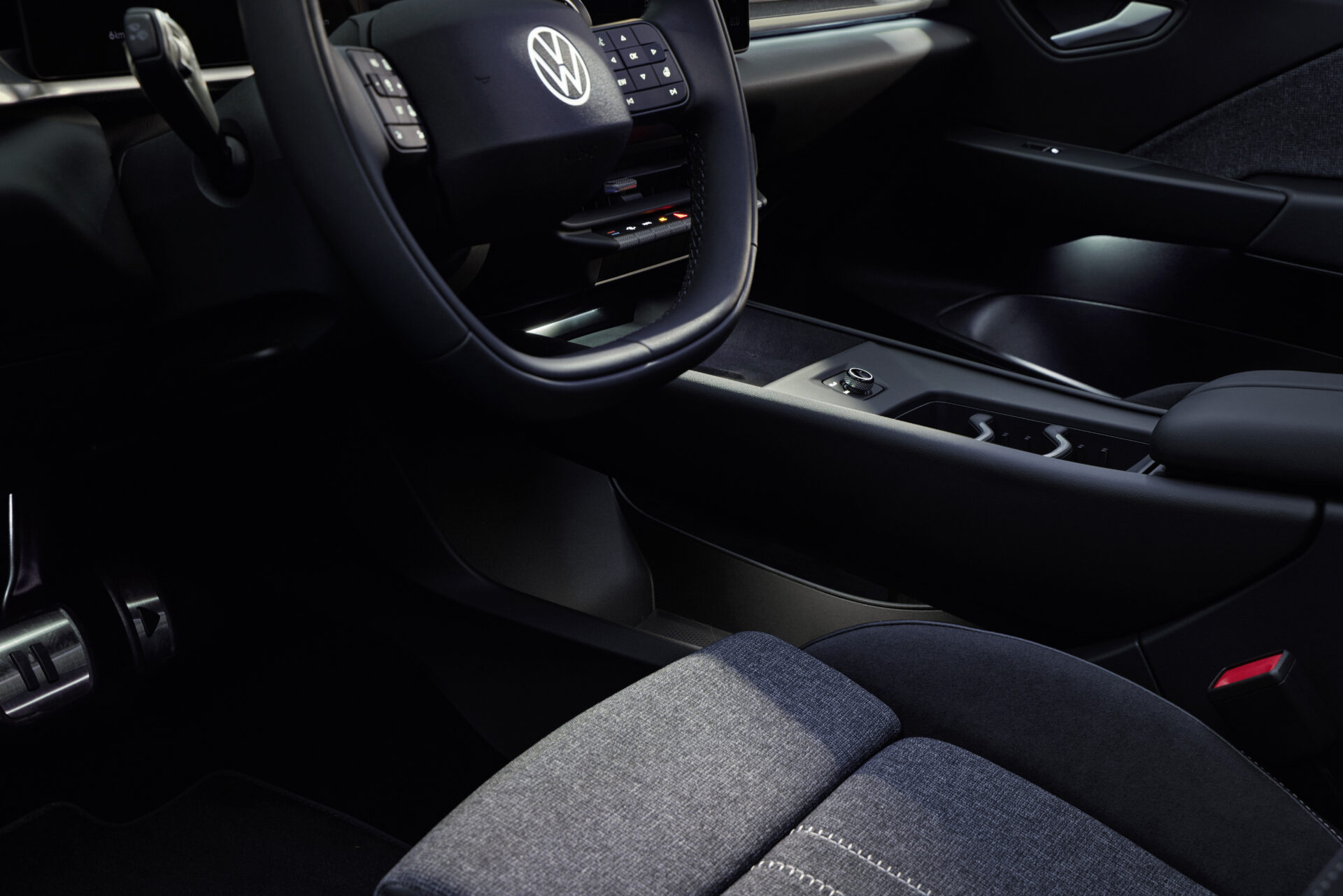
The designers have also included a few small, fun details meant to make people smile, said Monma, in keeping with the pure positive theme. Keep an eye out for Easter eggs such as a hidden silhouette of the Polo, accompanied by a lighthouse or a cityscape, miniature embossed objects (can you find the ice cream cone in the cup holder?) and play/pause symbols on the accelerator and brake pedals.
Buttons are back
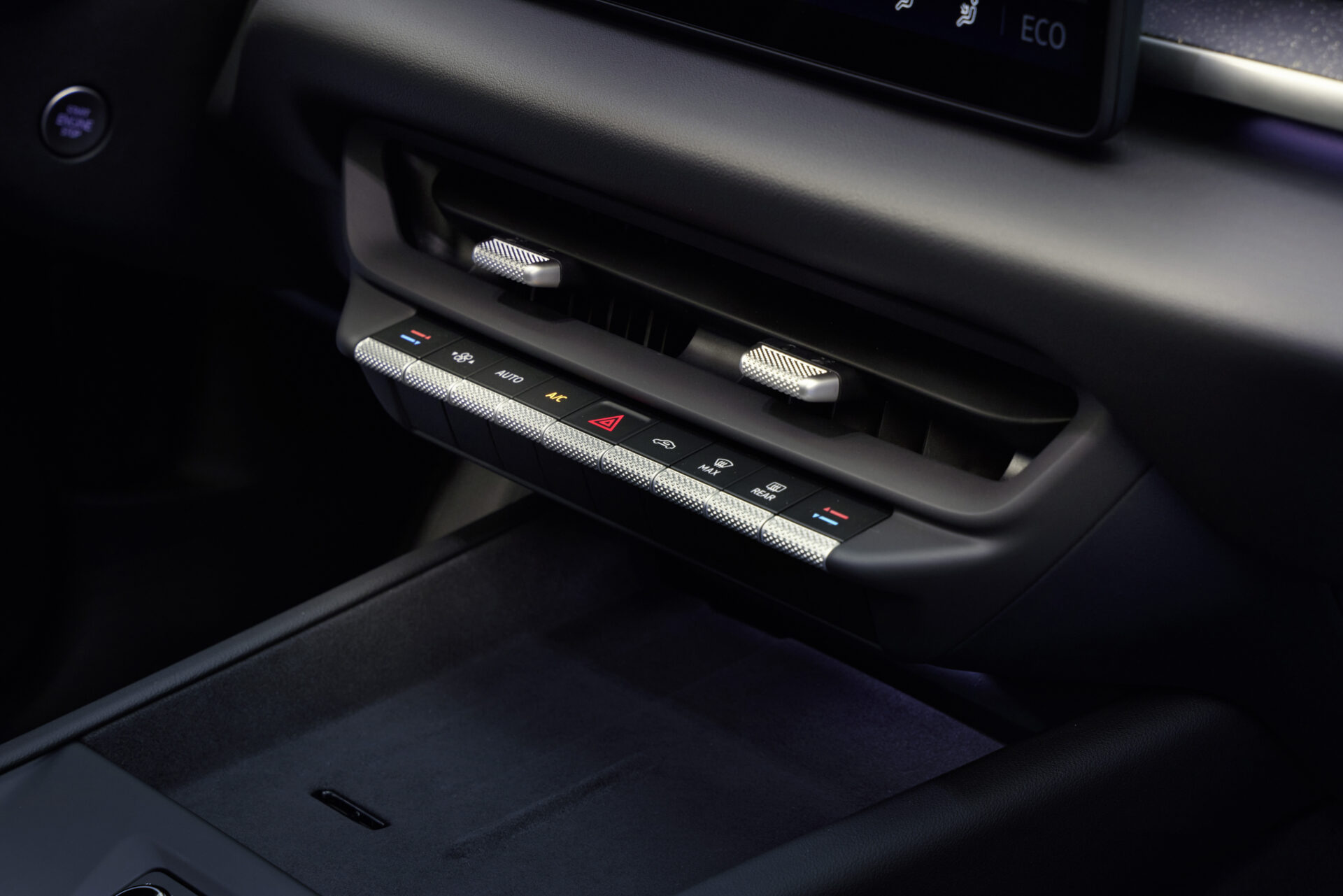
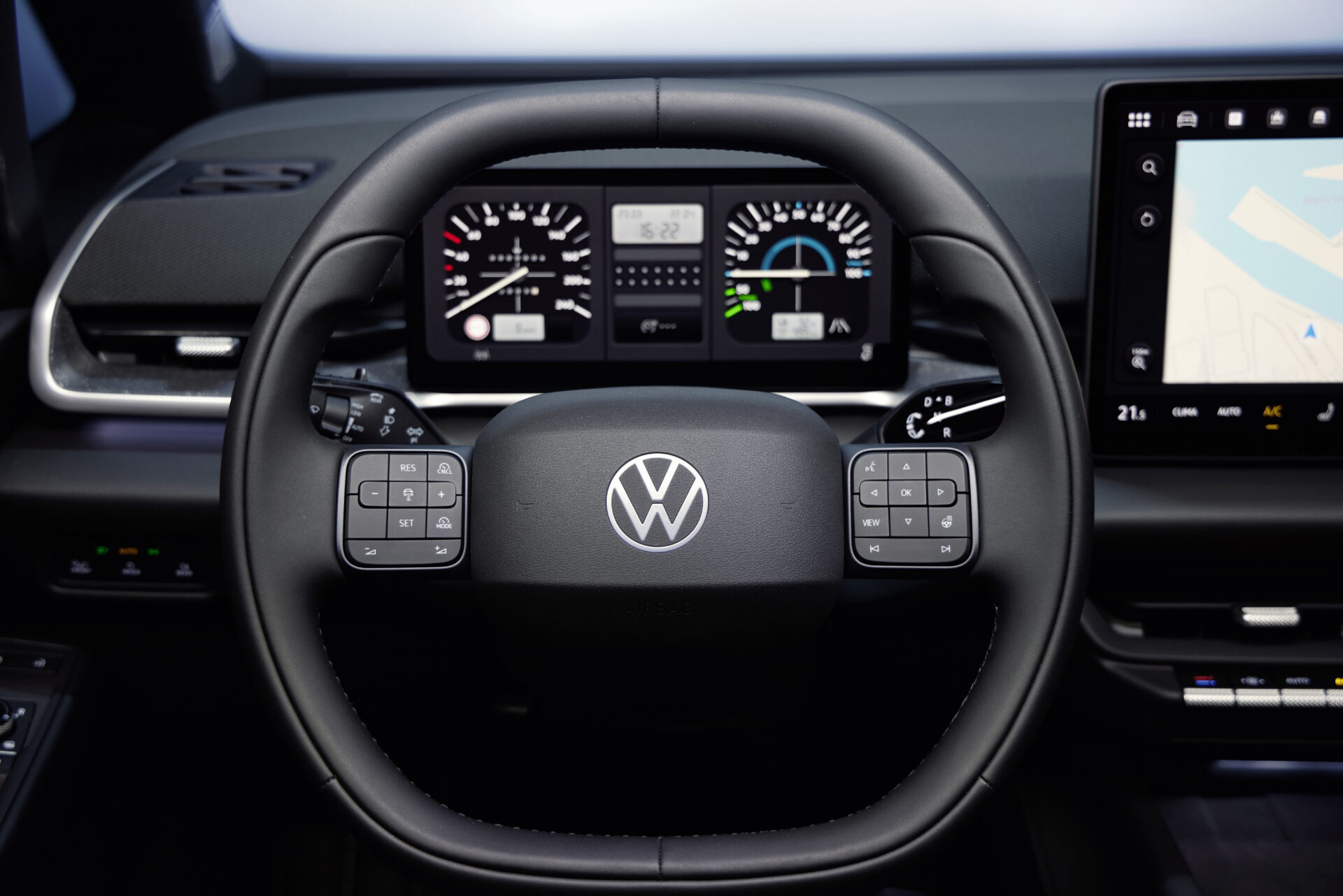
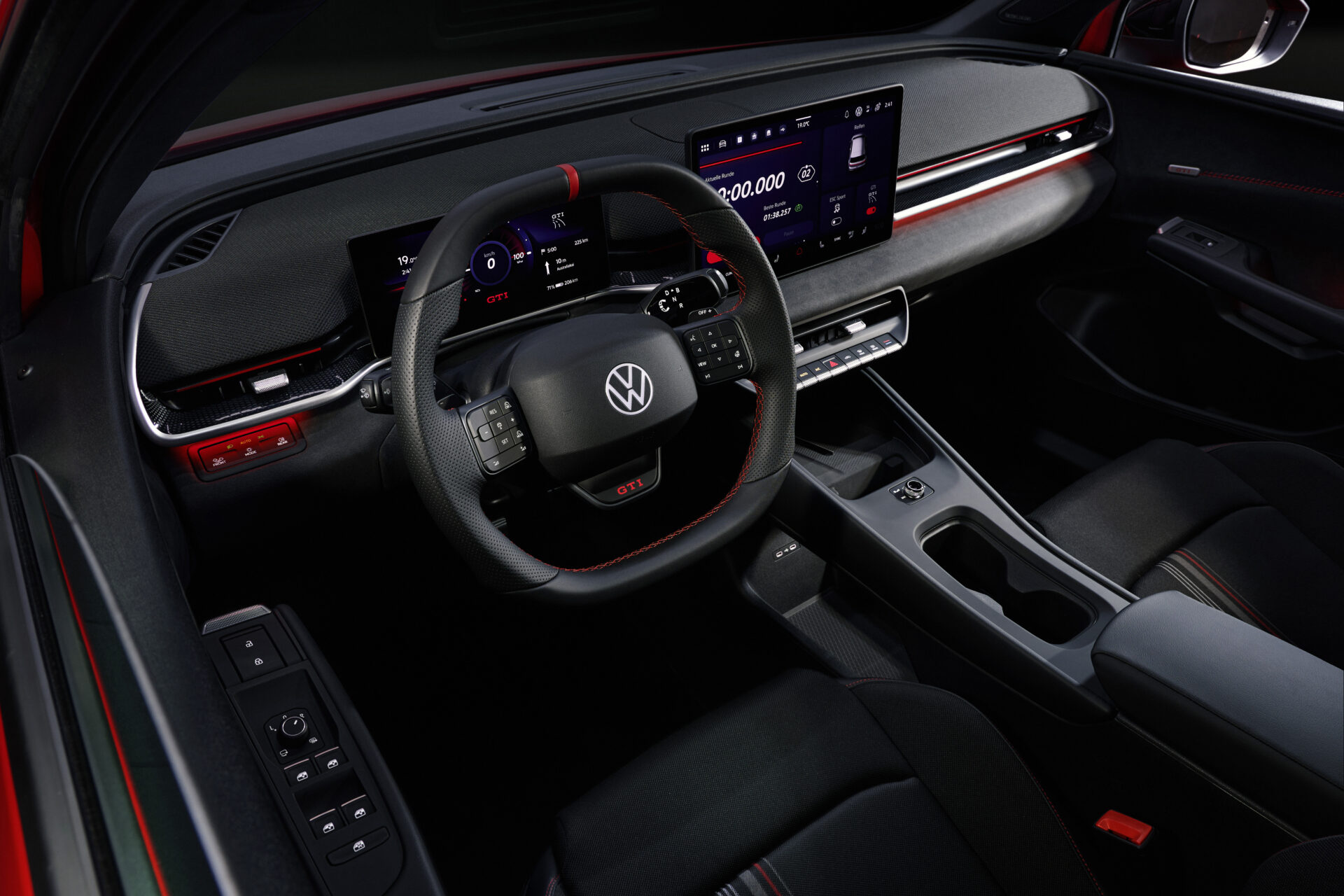
At a time when many manufacturers favour large touchscreens that dominate the dashboard and control everything, Volkswagen has brought buttons back. The cockpit still features two screens: one sits just behind the steering wheel, showing speed and navigation, for instance; the other is in the centre of the dashboard, controlling the radio or seat heating and providing an overview of battery level. The user-friendly interface even lets you customise the display: if you want an old-school speedometer or a retro radio look, go for it.
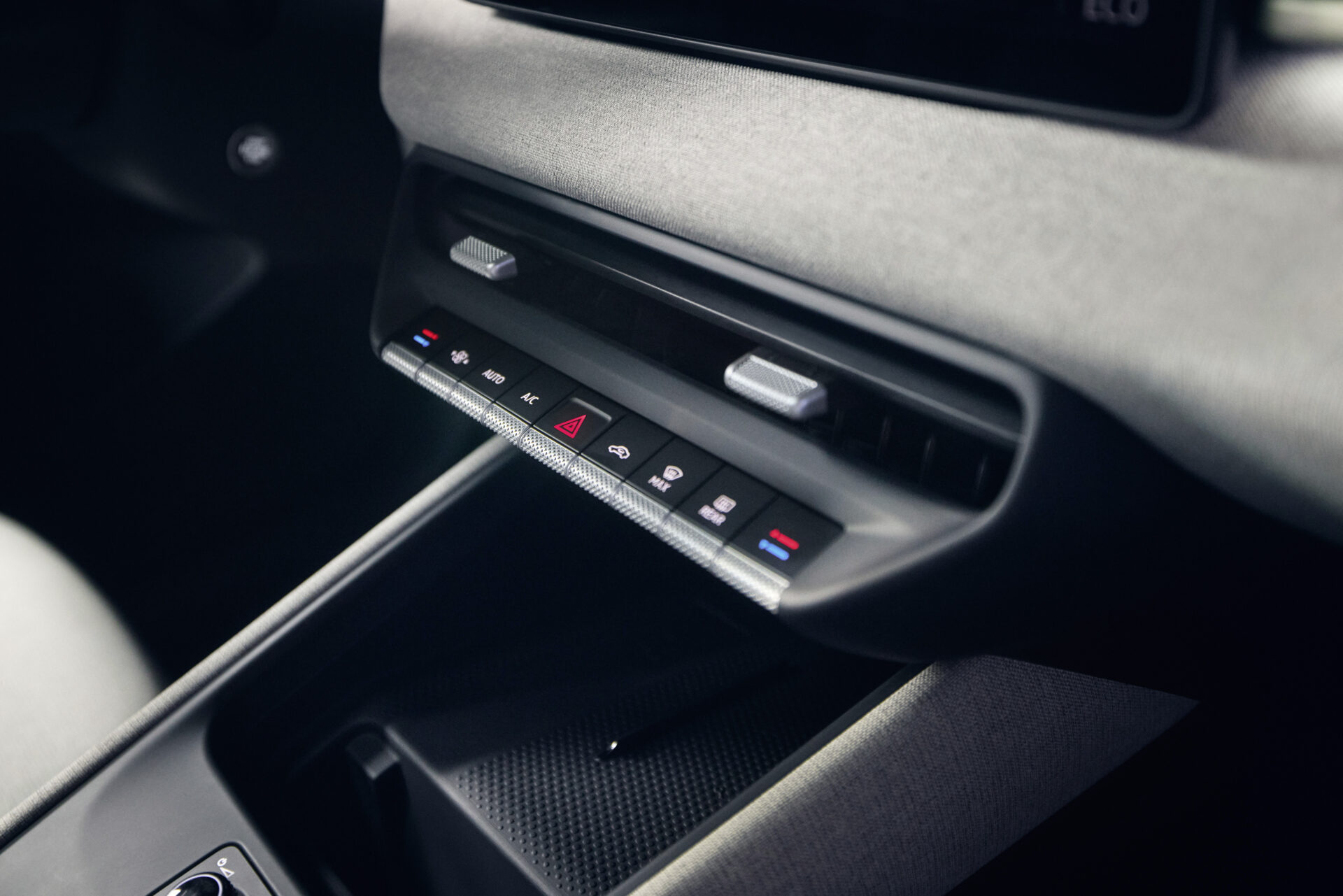
Hardware buttons are nonetheless built in to allow easy, intuitive control of the temperature or radio volume. The steering wheel also has buttons the driver can press with their thumbs; here again, use is meant to be intuitive and simple: things on the left of the screen are controlled with the left hand, things on the right with the right hand.
“The overall idea is that the car is obviously not a smartphone on wheels,” explained Andro Kleen, of Volkswagen’s UX/UI team, setting out the rationale behind these decisions and adding that customer feedback guided many of the changes made. “It is a car, built for driving, not distractions.”
A facelift for the ID.3
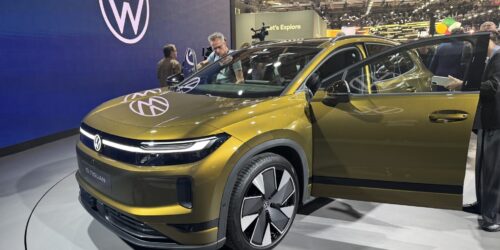
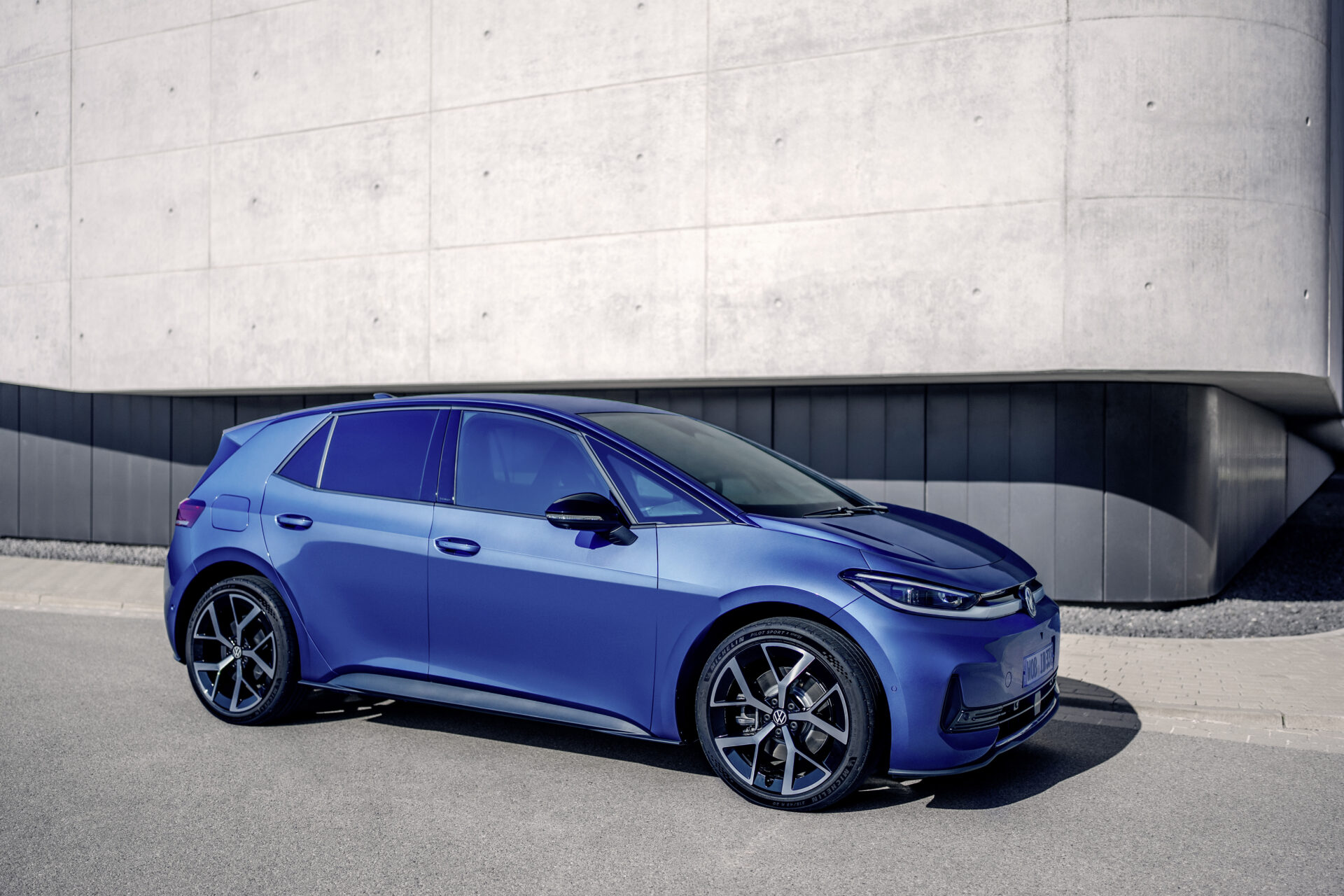
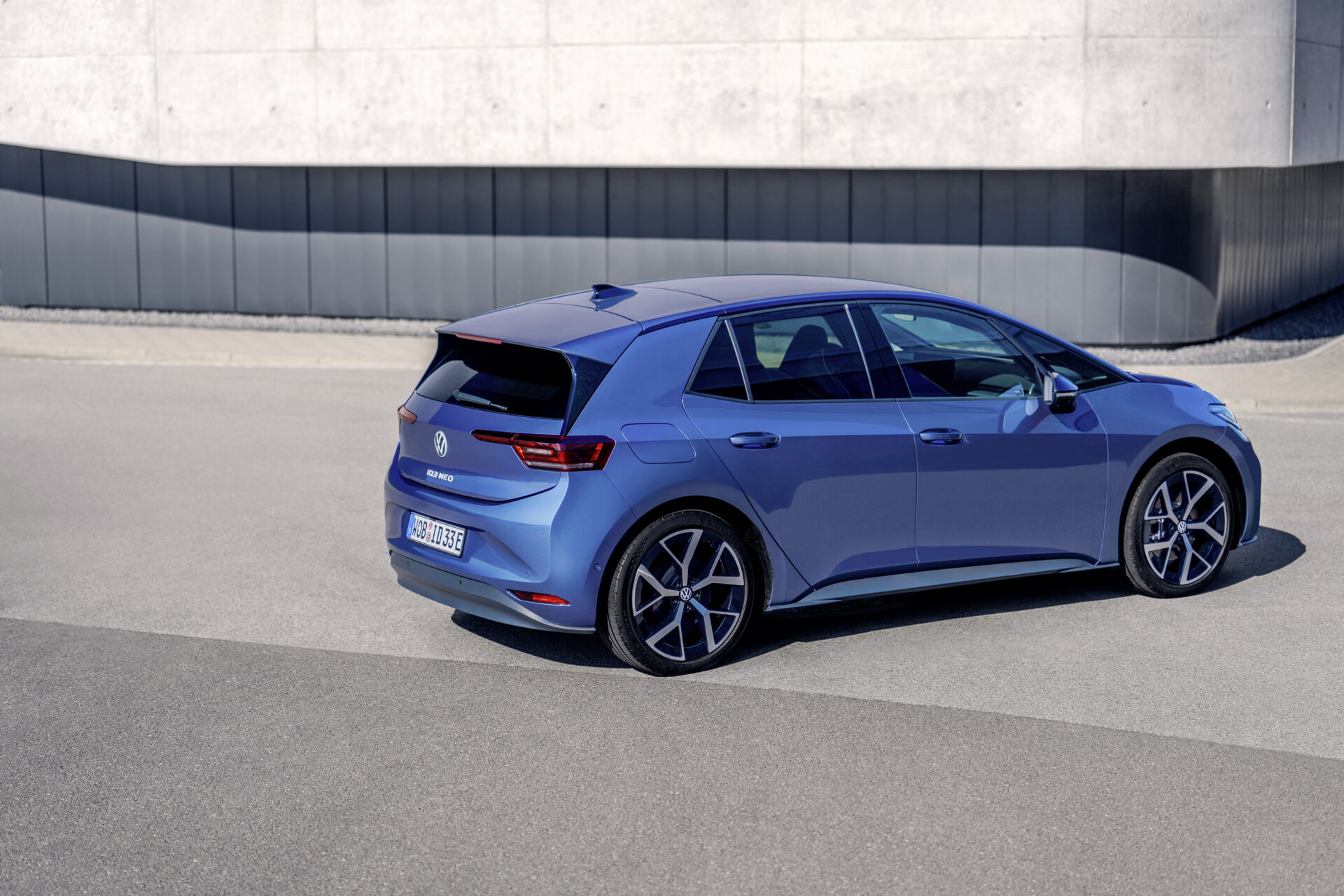
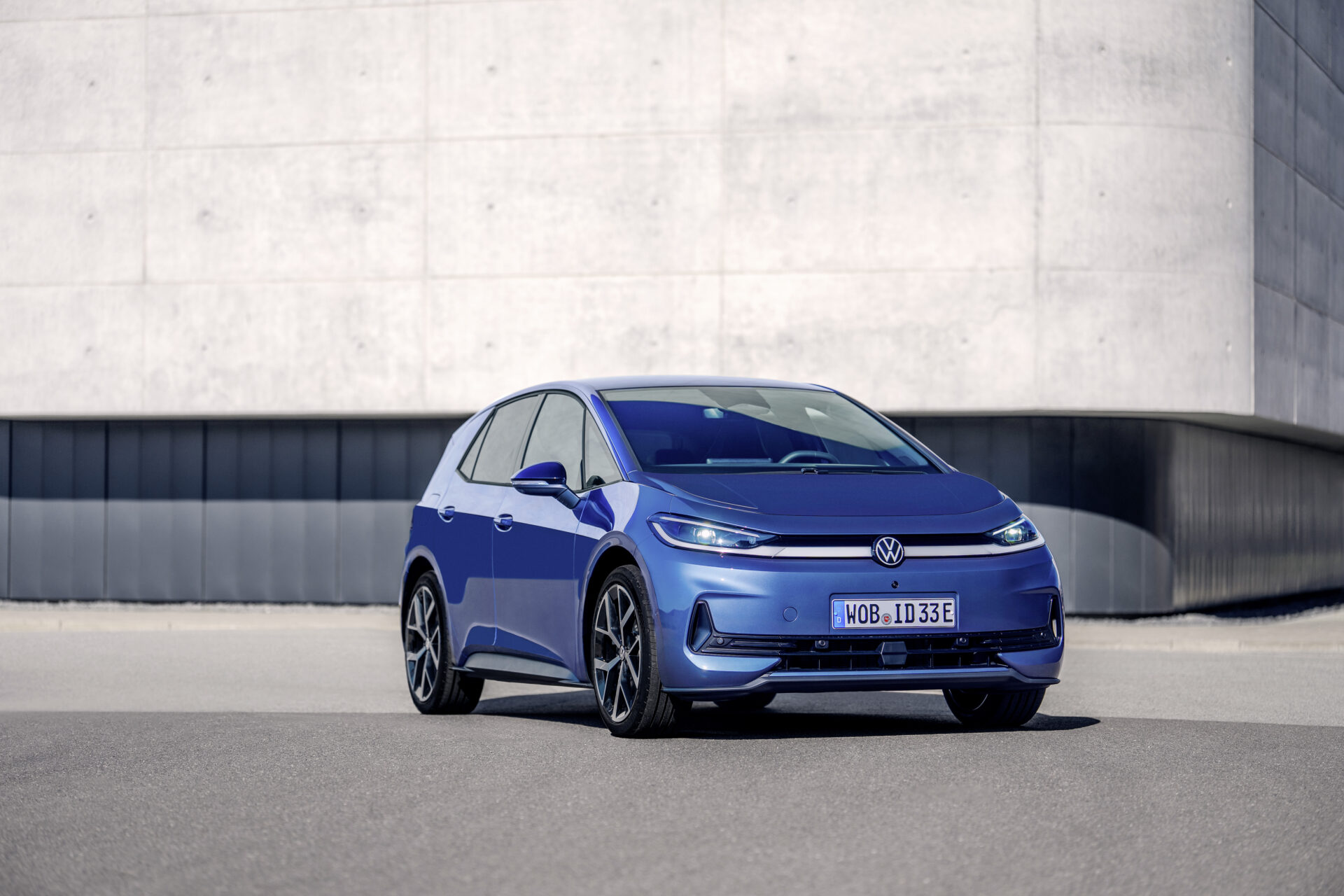
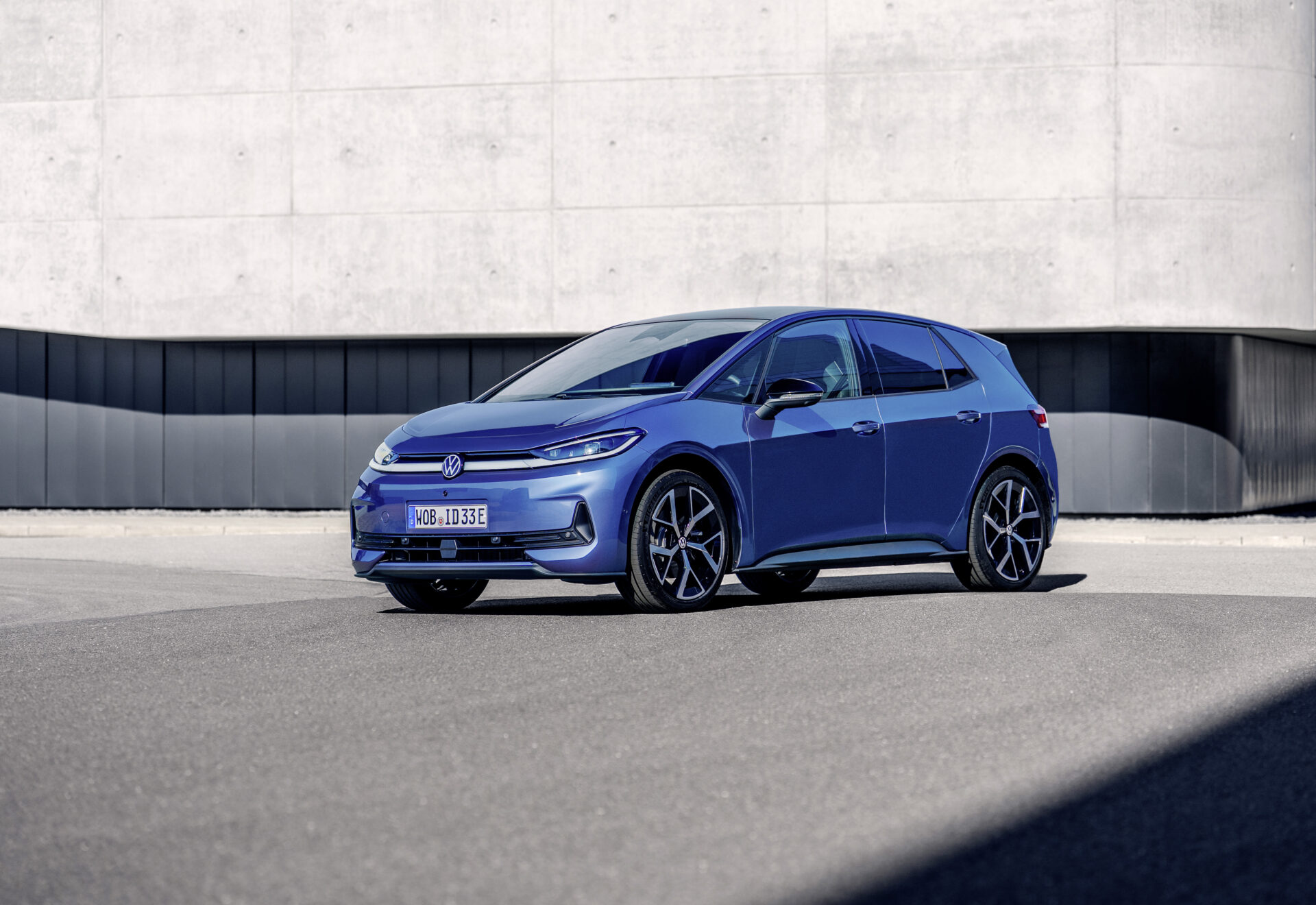
The facelift of the ID.3, now called the ID.3 Neo and also presented in Hamburg, features the same elements of the pure positive design language seen on the ID. Polo, such as the horizontal light bar, the smiling headlights and the simplified, updated cockpit.
The colour of the car has also shifted: instead of black paint for the roof and spoiler, as on the previous version, the body is now a single uniform colour. Visually, it looks more mature, said Michele Tinazzo, CMF design director, “and we emphasise the horizontality more.”
The Polo GTI goes electric
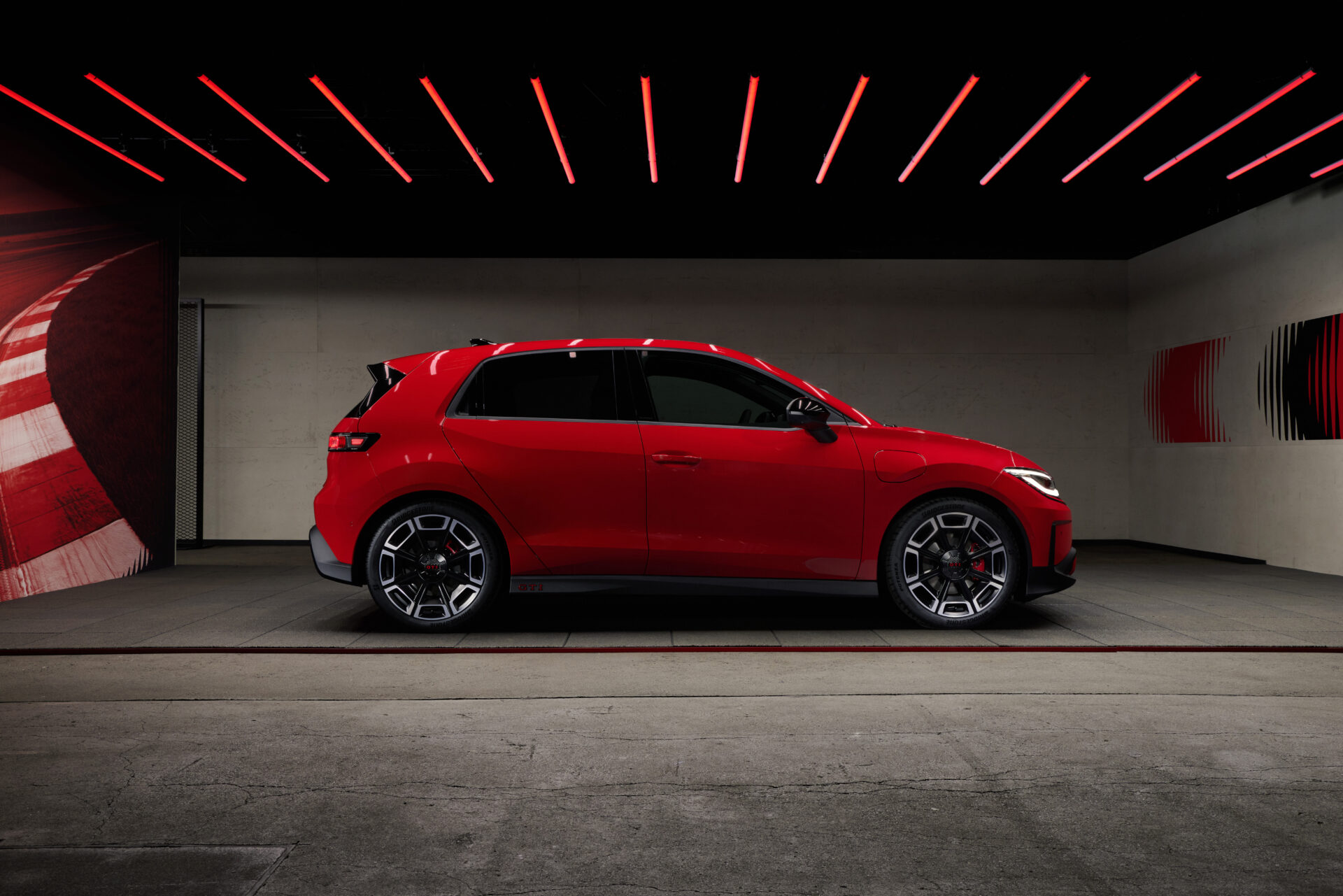
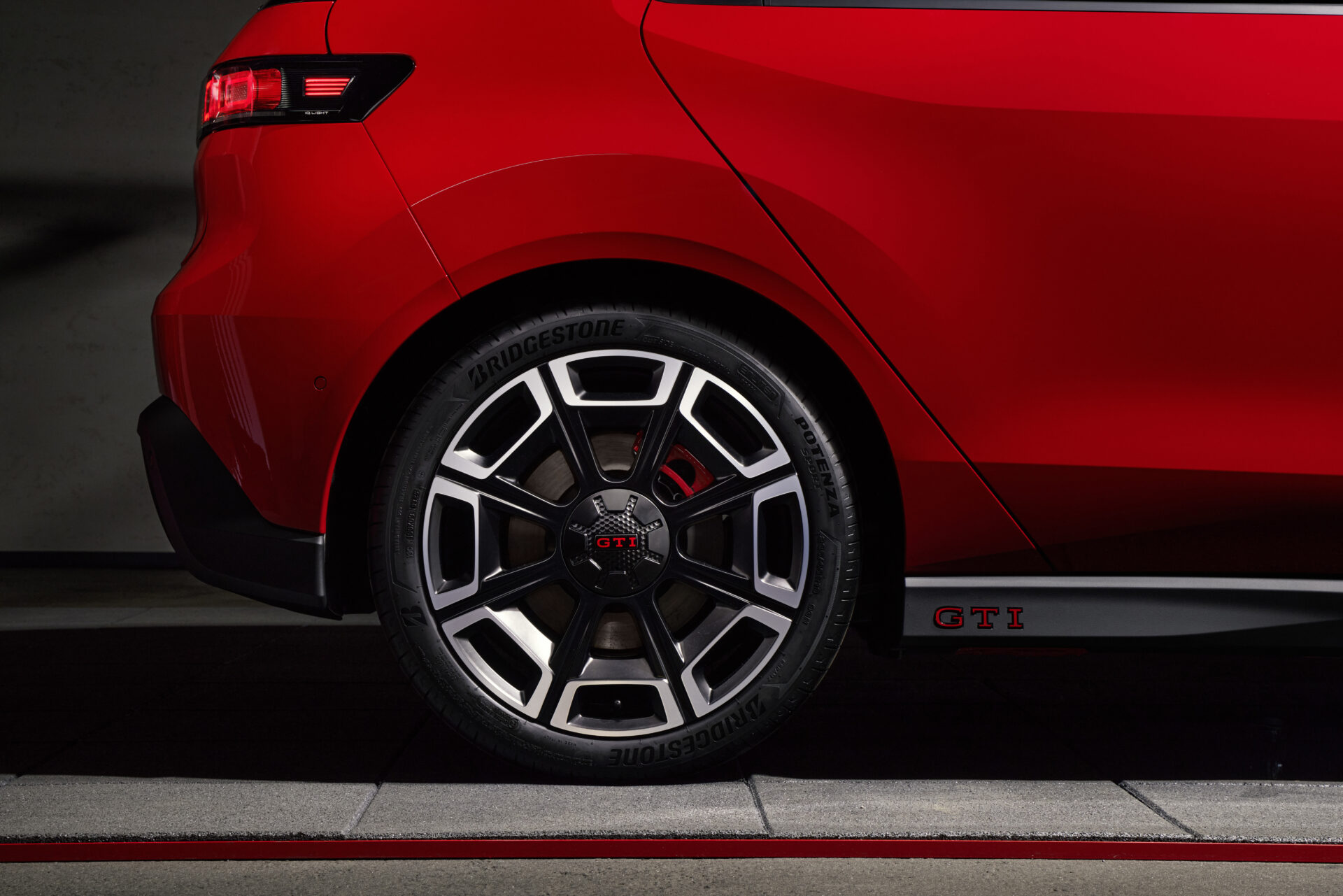
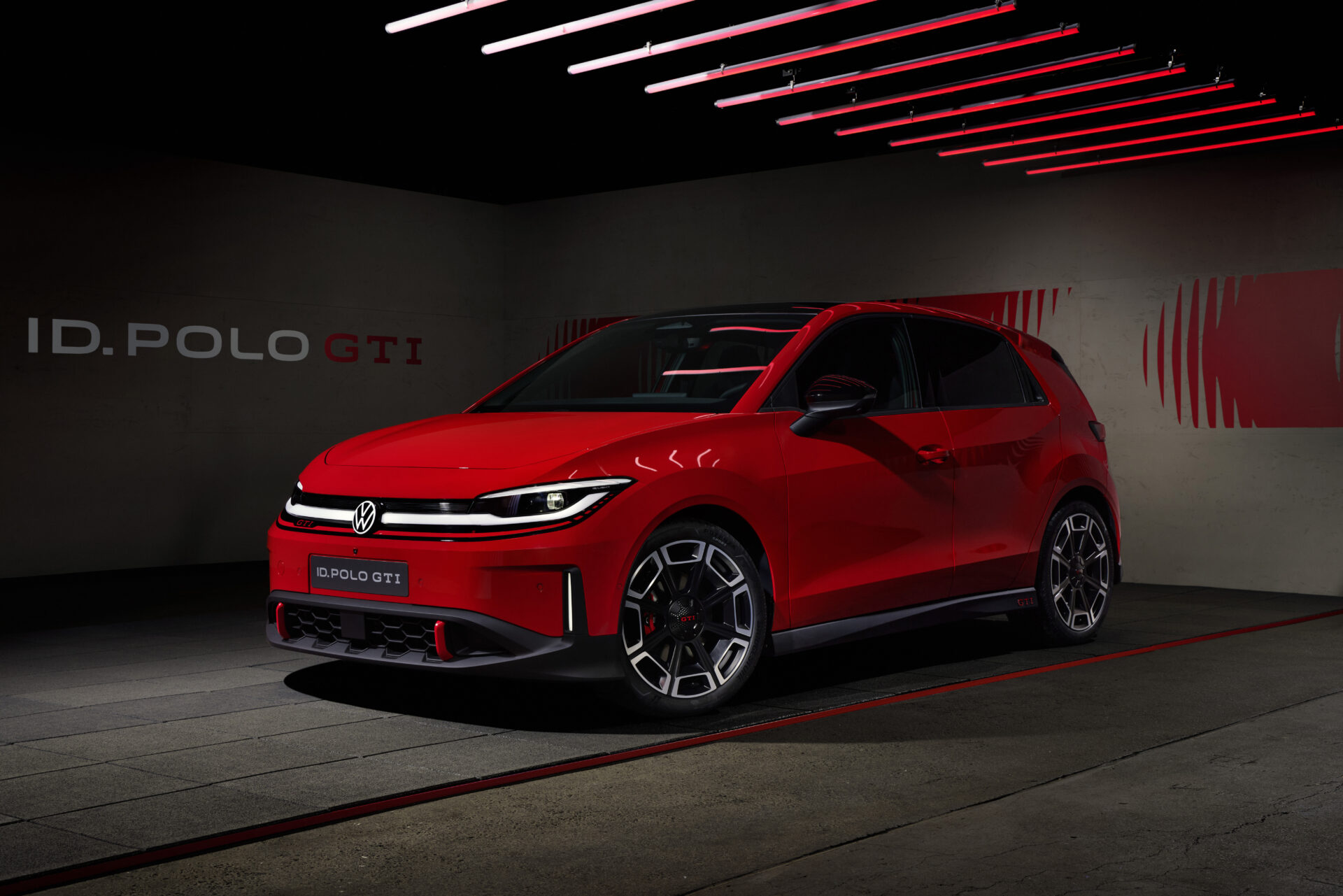
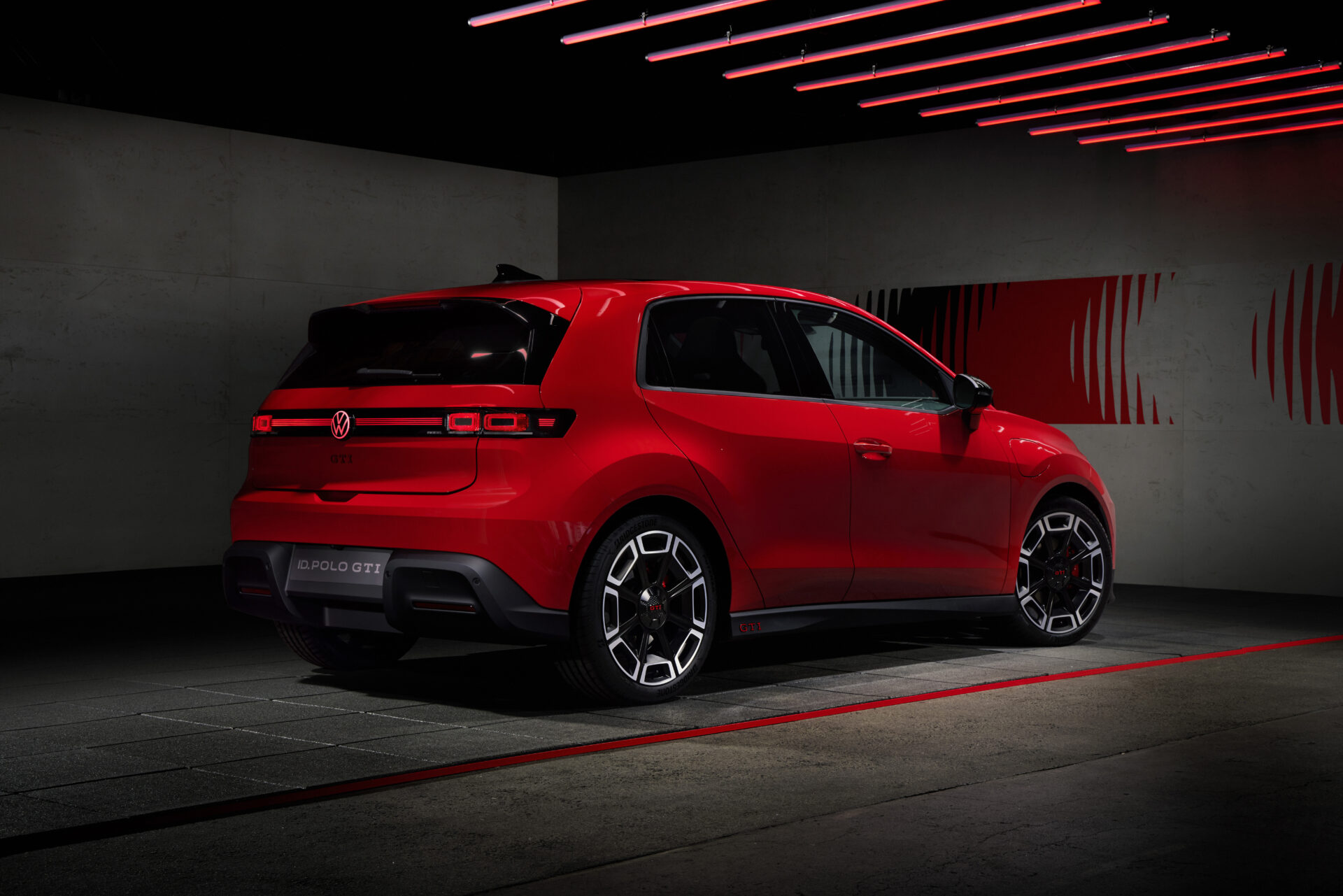
Finally, Volkswagen’s iconic Polo GTI is going electric. To carry the heritage of the GTI’s combustion engine into the electric world, the design process took previous GTI generations into account: the spoiler remains, as do the honeycombs of the air intake in the front grille; the red-and-white stitching on the seat backs is also present, in a slightly more subdued version. The model’s signature colour, a bright red called Tornadorot, is another reference to earlier generations.
The same elements of the pure positive design language seen on the ID. Polo and the ID.3 Neo return on this sportier member of the Volkswagen family, but the combination of passion and performance has been preserved, carrying the Volkswagen Polo GTI into the electric age.
Données techniques
ID Polo
Battery capacities (net): 37 kWh and 52 kWh
Power with 37 kWh battery: 85 kW and 99 kW
Power with 52 kWh battery: 155 kW
DC charging capacity (max.): 90 kW (with 37 kWh) and 105 kW (with 52 kWh)
Range: up to 300 km (37 kWh battery), up to 450 km (52 kWh battery)
Top speed: 160 km/h
Length / width / height / wheelbase: 4,053 mm / 1,816 mm / 1,530 mm / 2,600 mm
ID.3 Neo
Battery capacities (net): 50 kWh, 58 kWh, 79 kWh
Power: 125 kW, 140 kW, 170 kW
DC charging: up to 105 kW, 105 kW, 183 kW
WLTP range (up to): 417 km, 494 km, 630 km
Length / width / height / wheelbase: 4,265 mm / 1,809 mm / 1,554 mm / 2,766 mm
Polo GTI
Power: 166 kW
Top speed: 175 km/h
0-100 km/h: 6.8 seconds
Battery capacity (net): 52 kWh
DC charging capacity (max.): 105 kW
WLTP consumption (provisional): 16.4-14.4 kWh/100 km
WLTP range (provisional): up to 424 km
Length / width / height / wheelbase: 4,096 mm / 1,816 mm / 1,513 mm / 2,599 mm