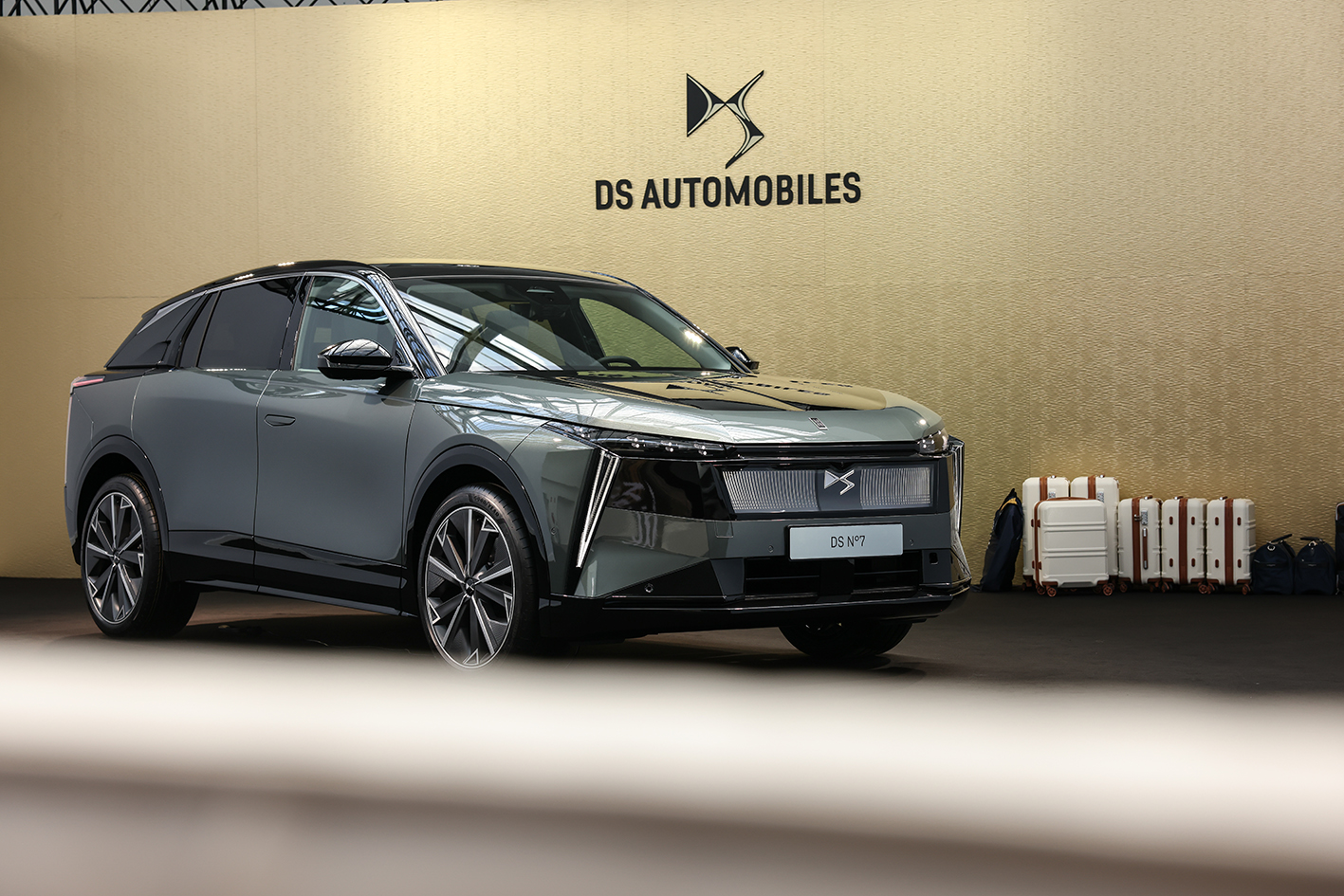
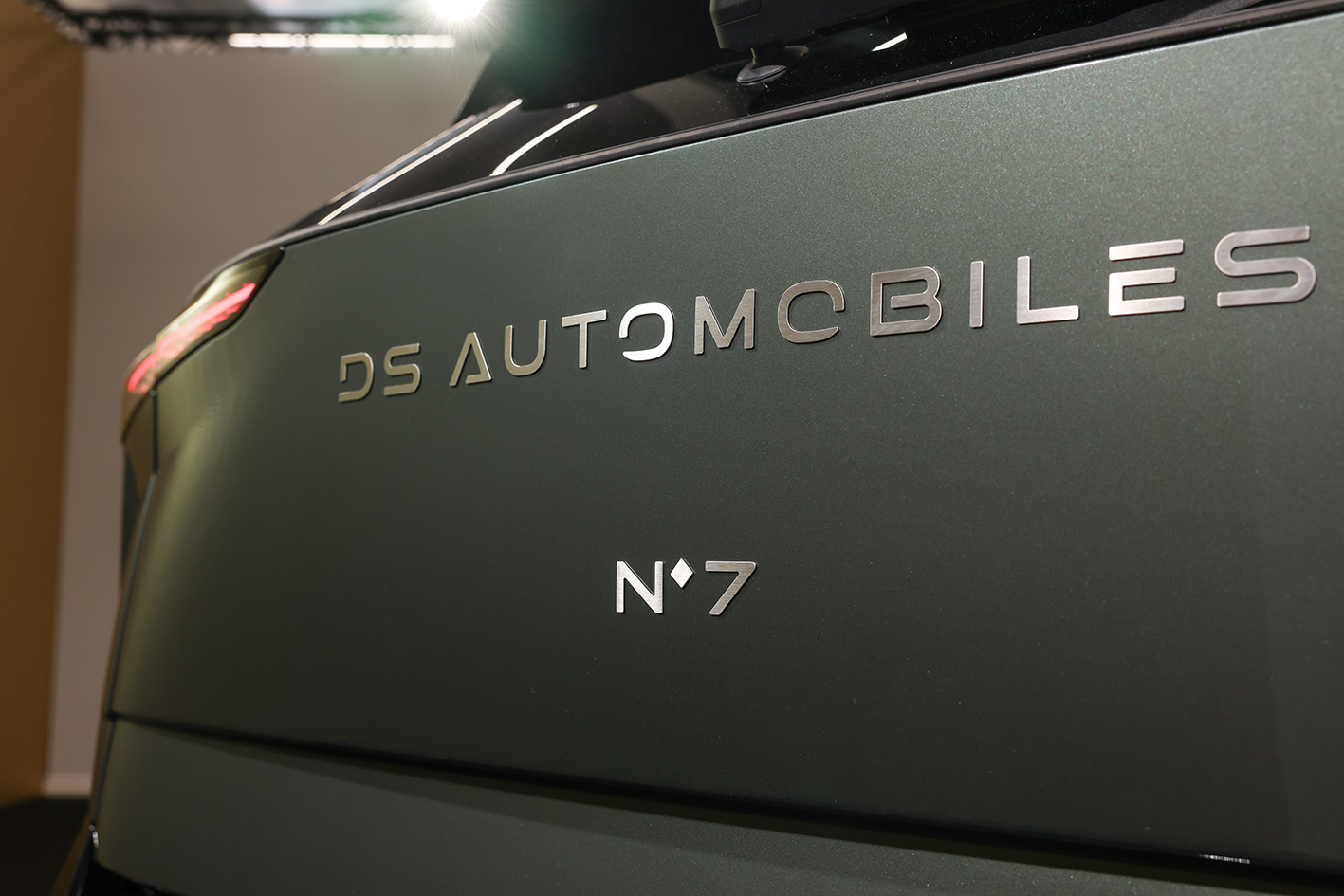
For the first time since its creation, DS Automobiles is replacing one of its models. The N°7 succeeds the DS 7, the brand’s best-seller, and puts comfort, refinement and a claimed range of 739 km to the fore.
Since its launch in 2014, DS had never replaced any of its models. The N°7 changes that, taking over from the DS 7, which accounts for half of the brand’s sales. This premium compact SUV offers several powertrains, with three fully electric versions and a petrol hybrid.
A bigger footprint
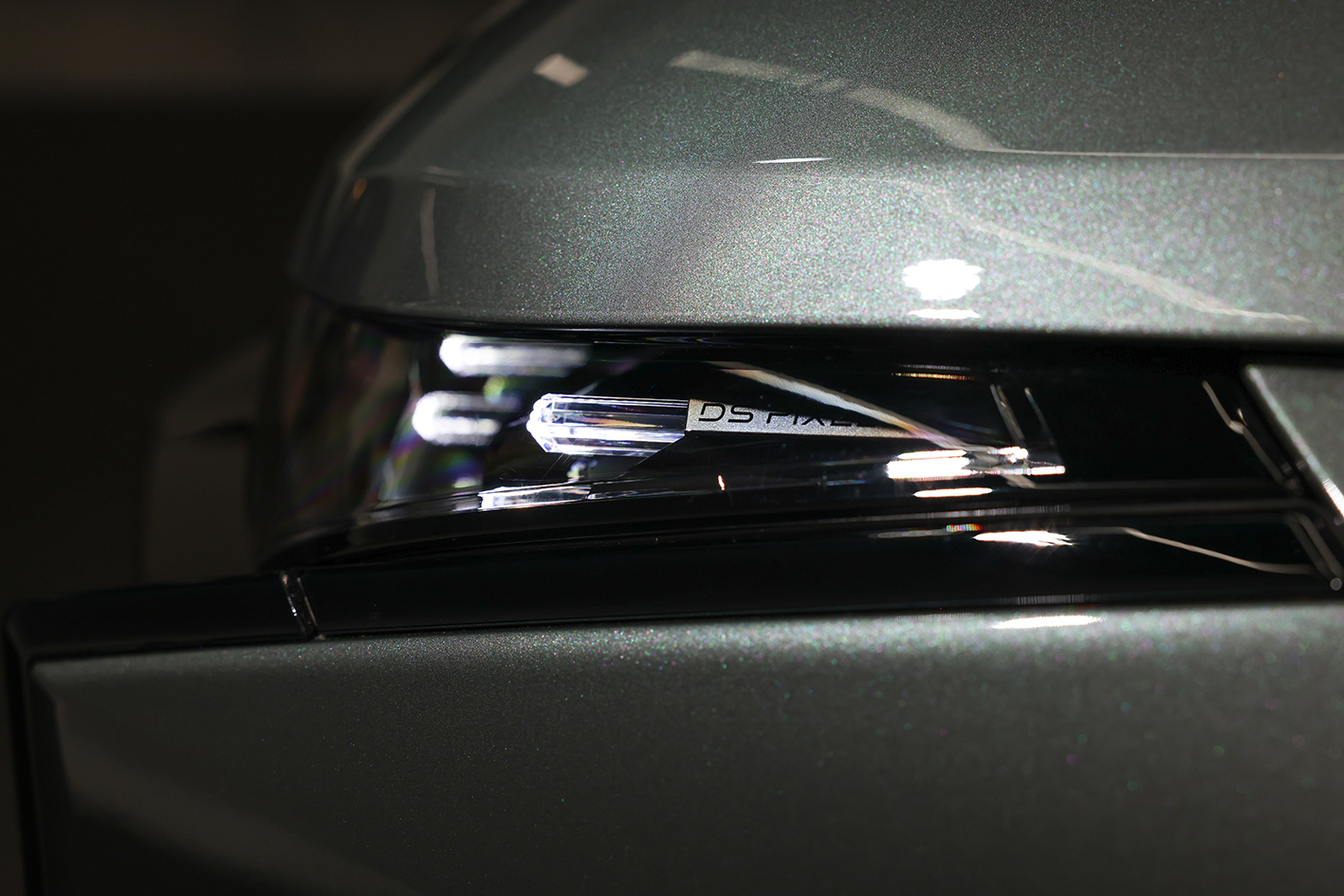
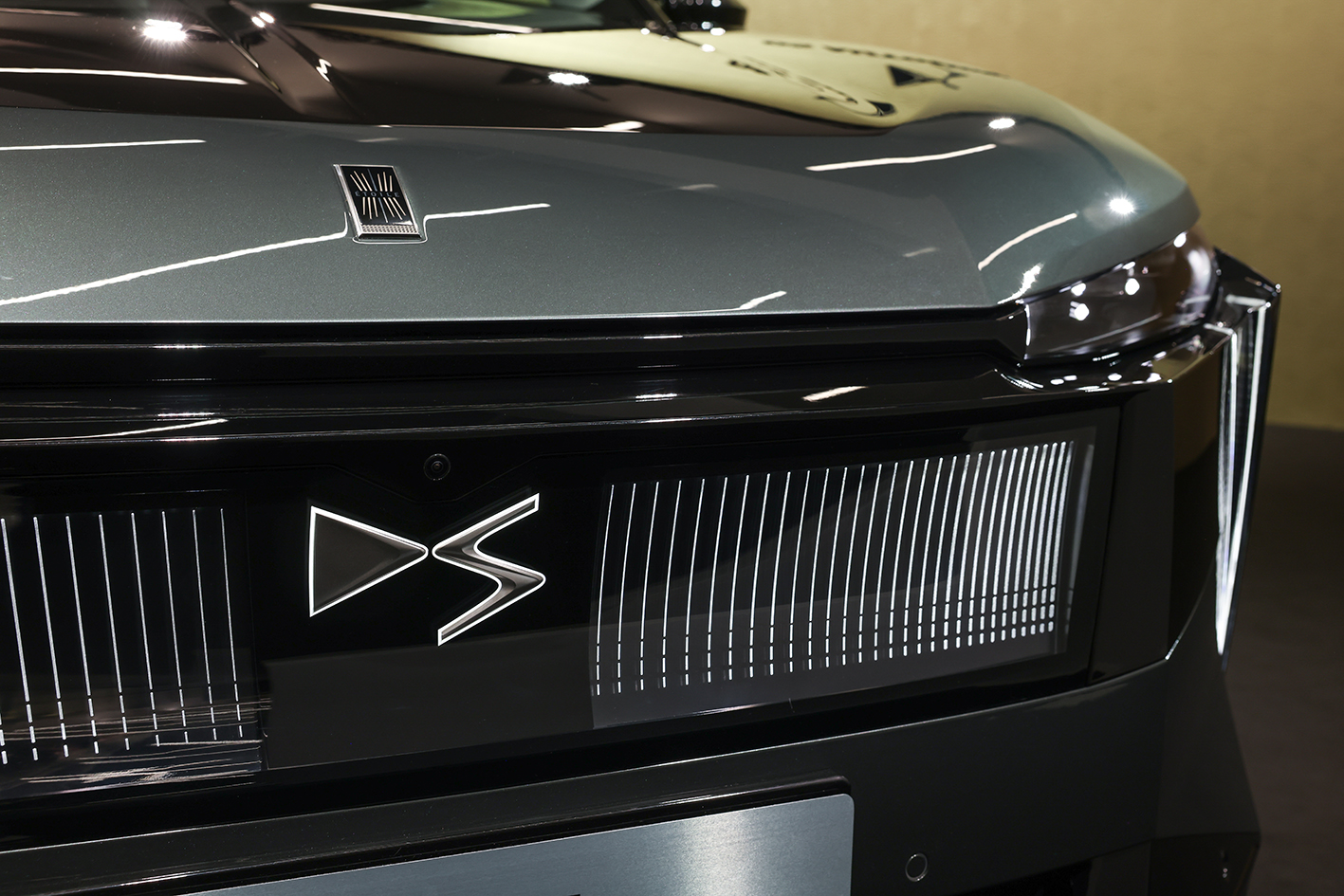
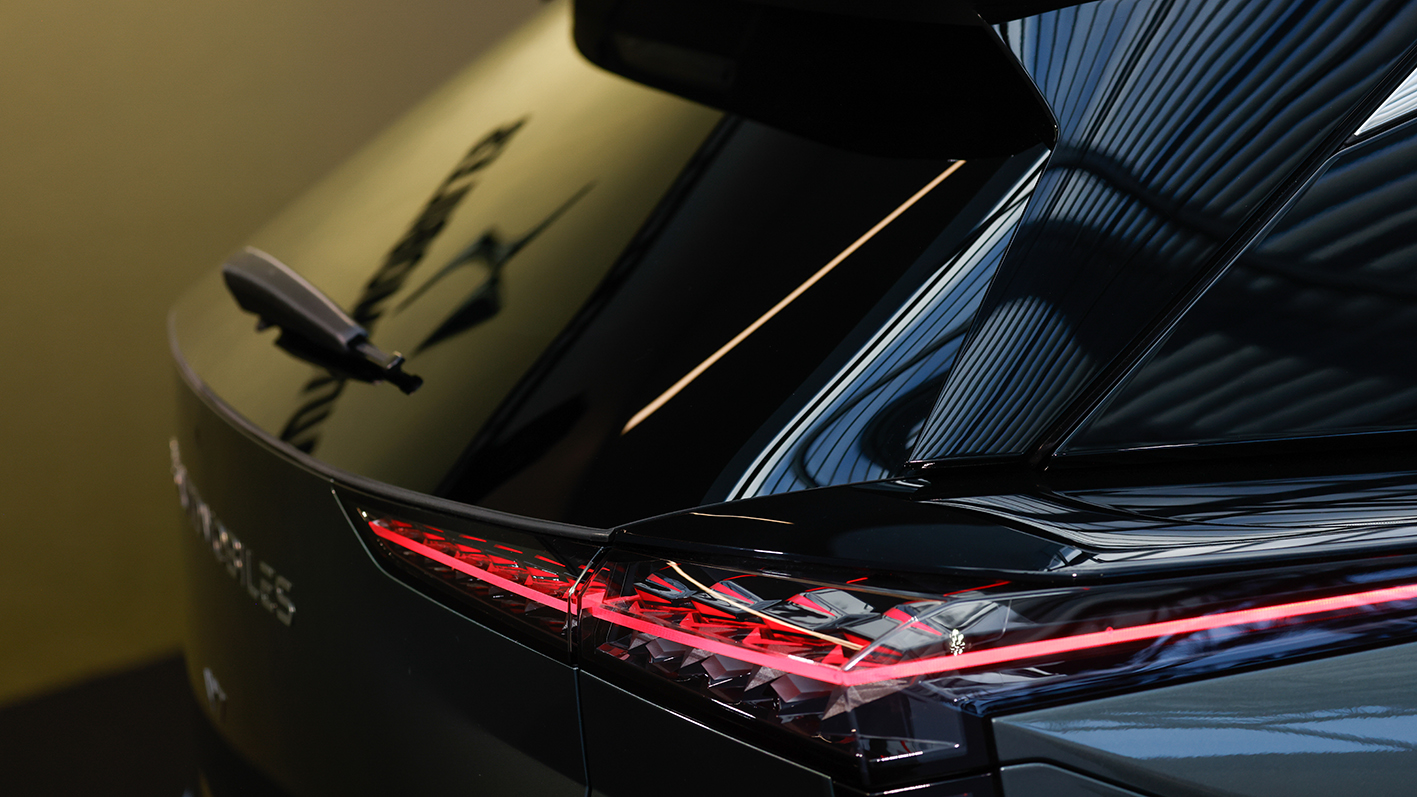
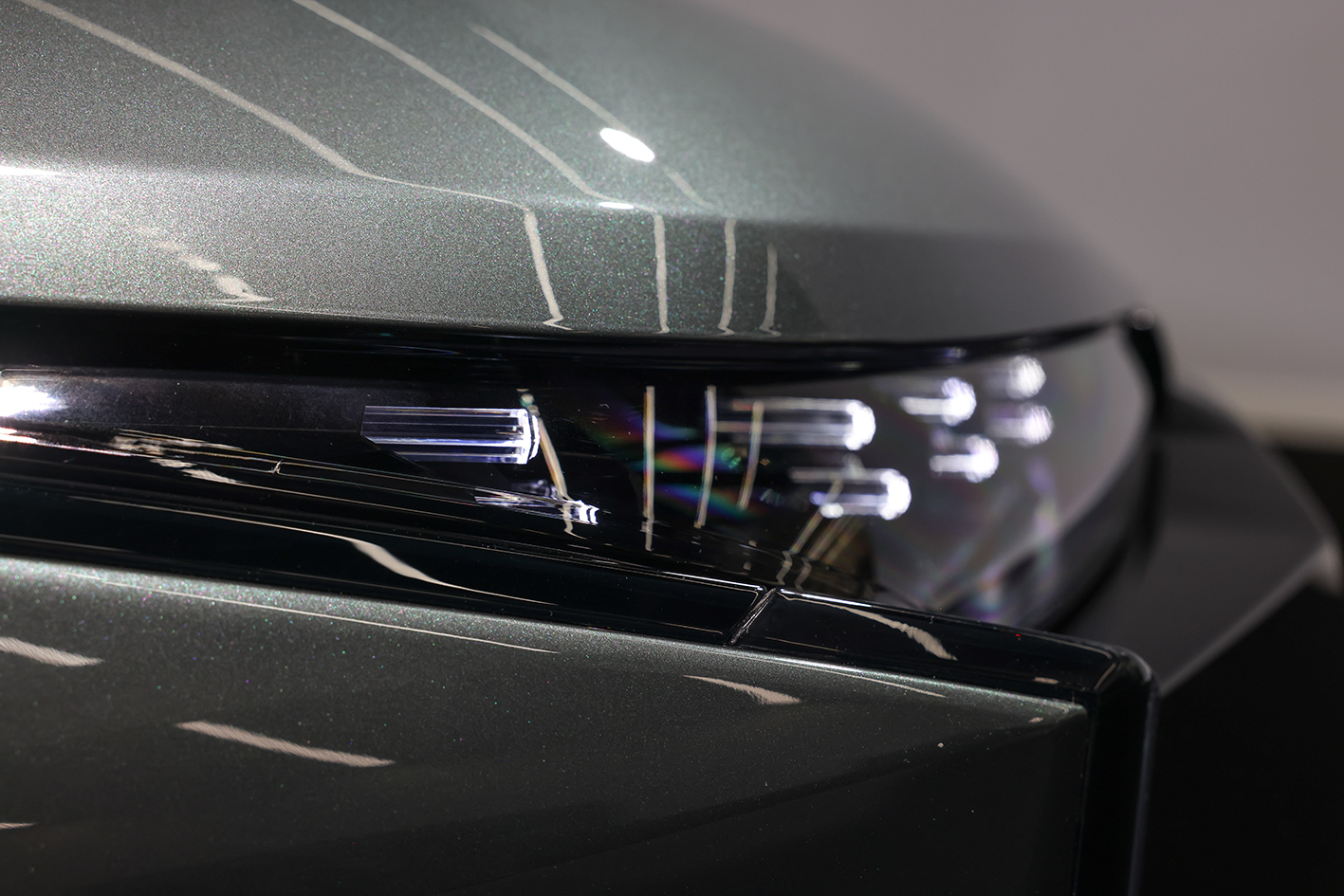
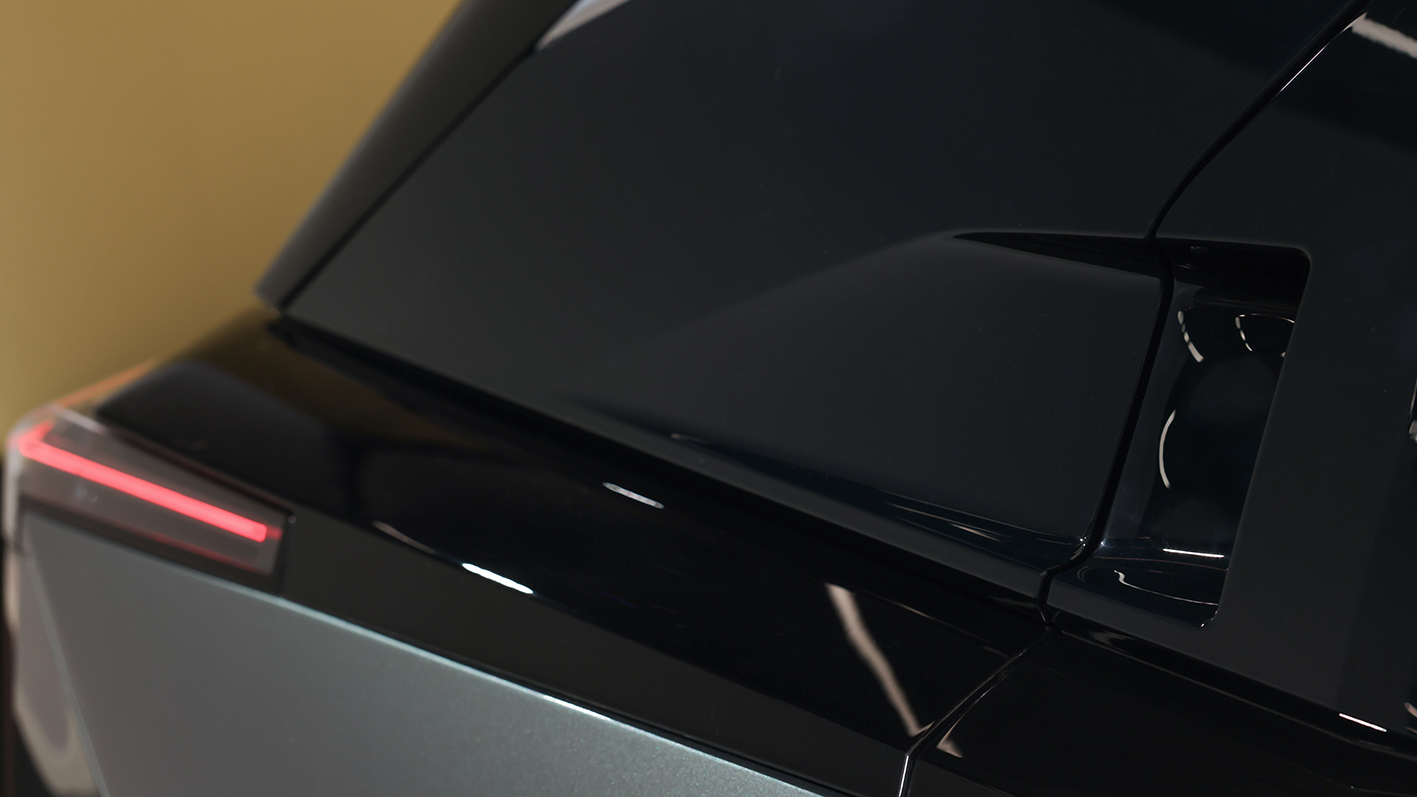
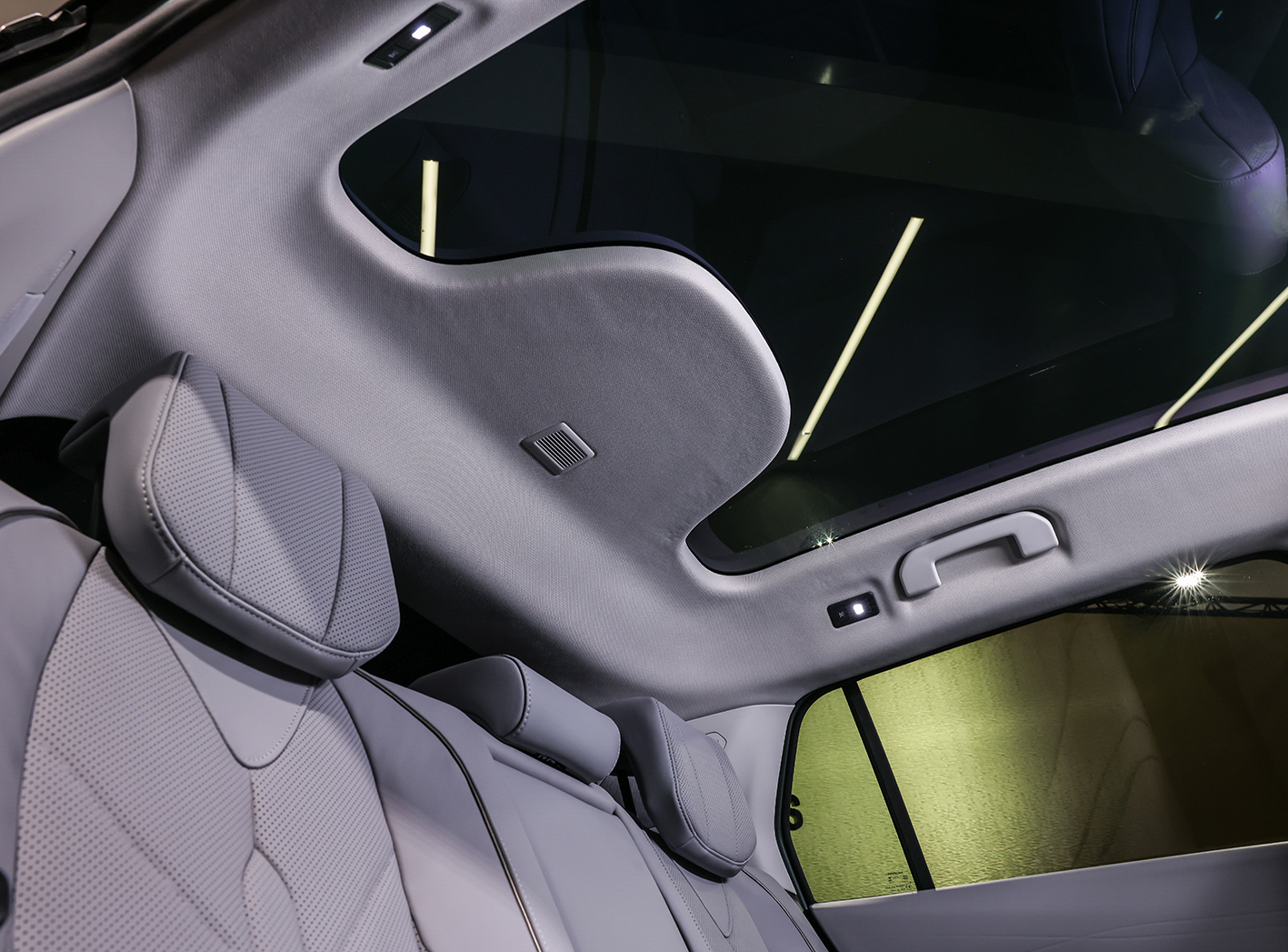
At 4.66 m long, the N°7 is 7 cm longer than its predecessor, 5 cm of which go into the wheelbase to free up cabin space. Front and rear, the V-shaped DS Light Blade light signatures make it recognisable from afar. Longer rear doors increase the glazed area by 30% and make getting in easier. The sloping roof ends in a spoiler, and a drag coefficient (Cd) of 0.26 points to good efficiency. Wheels go up to 21 inches and six colours are offered.
A refined cabin
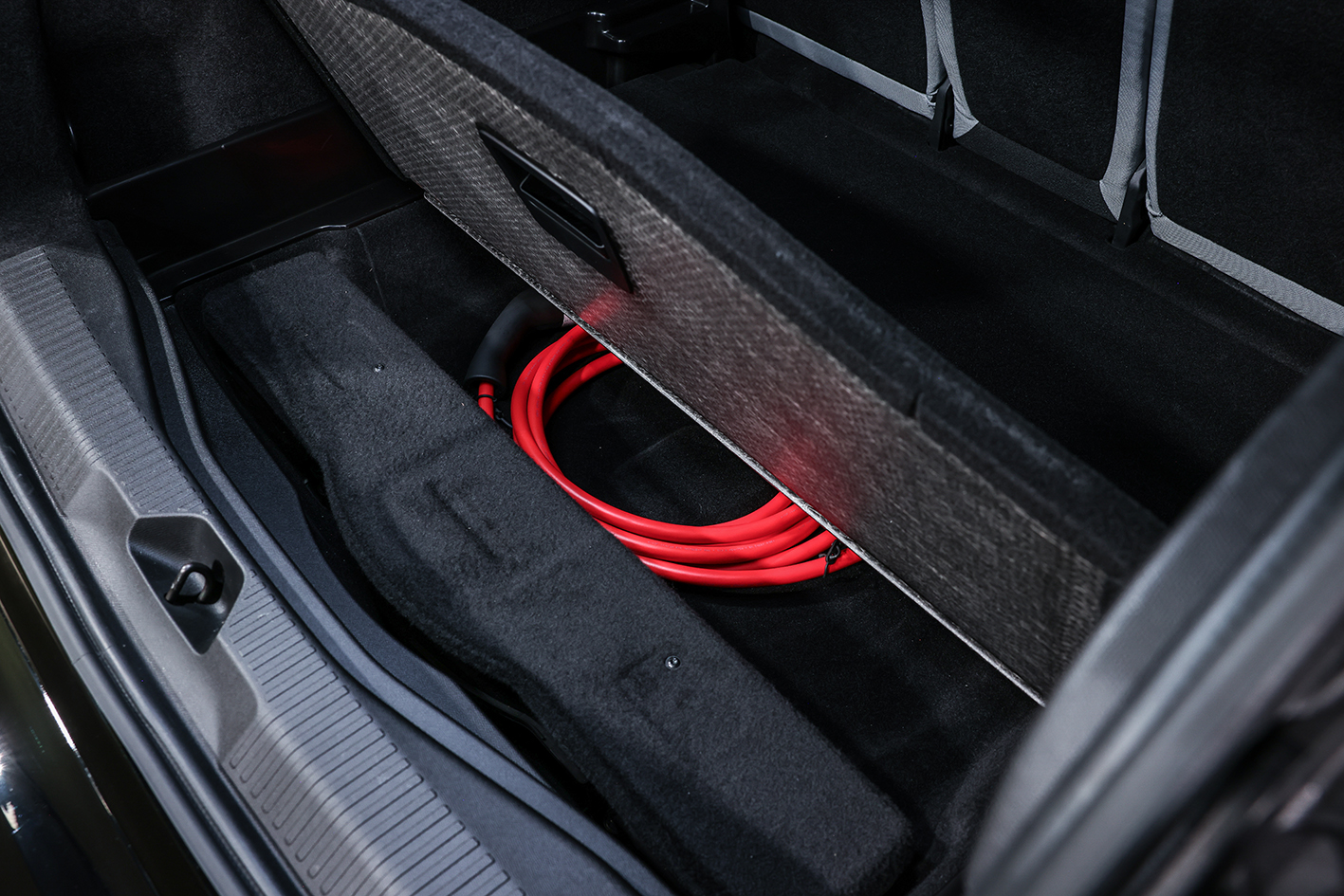
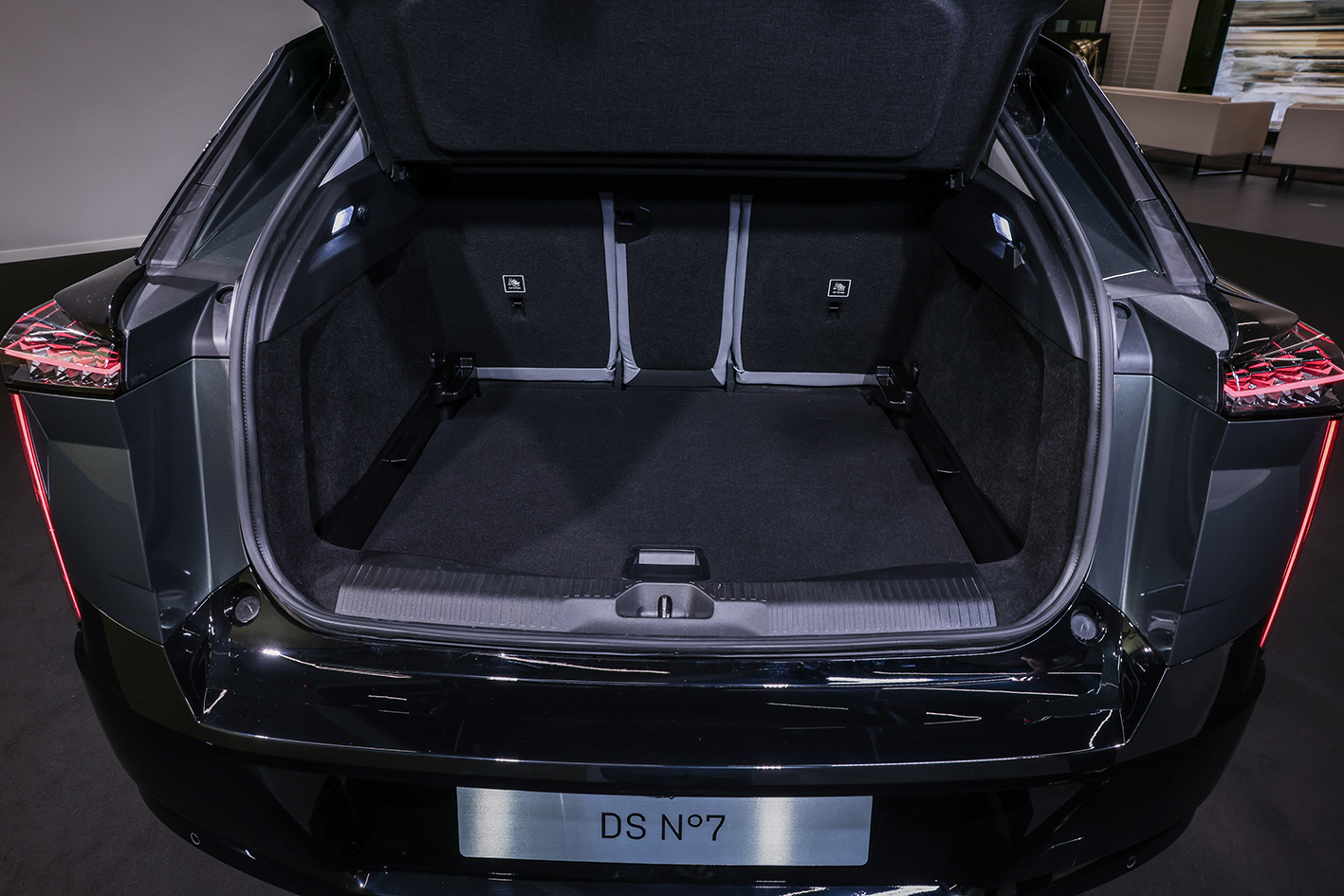
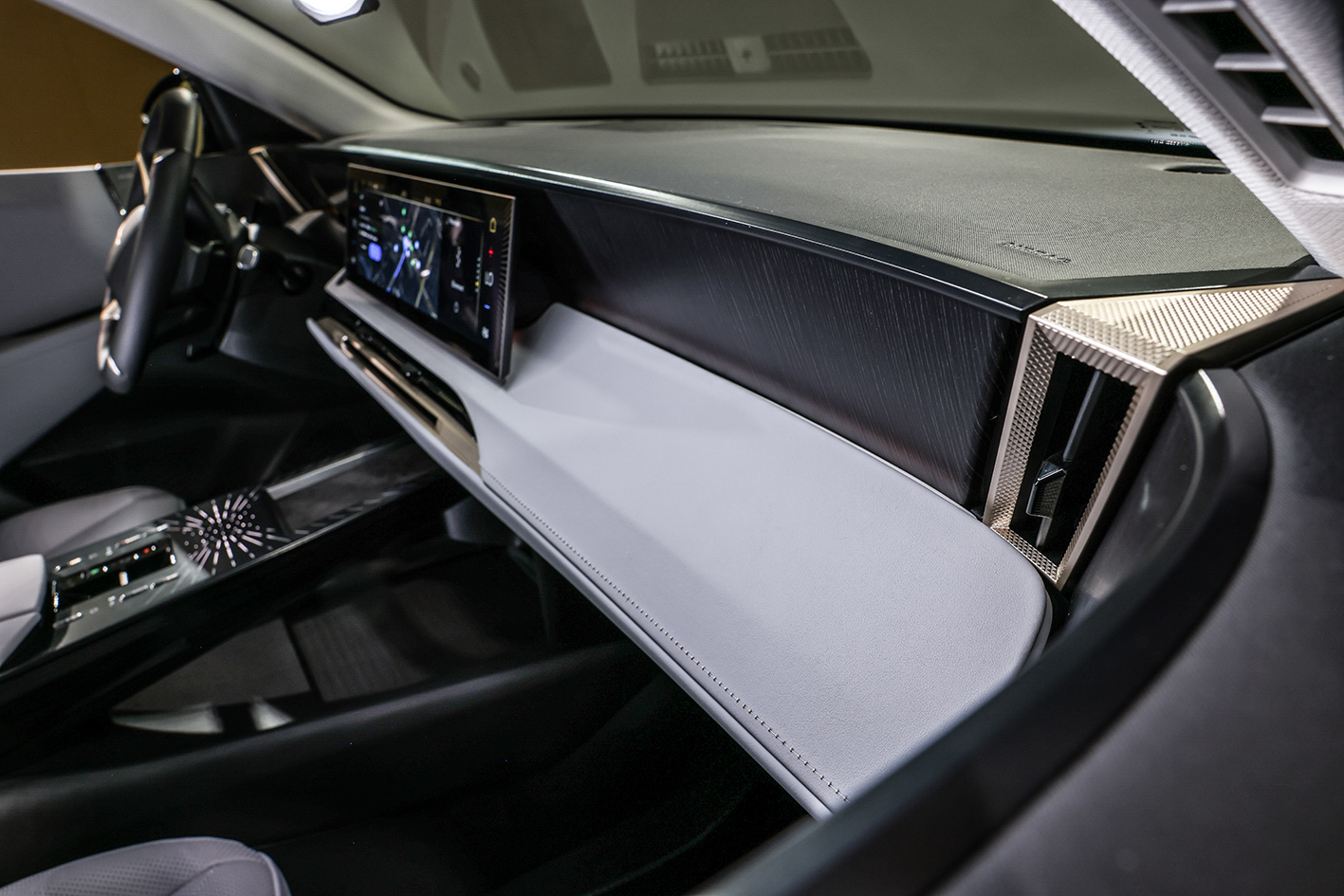
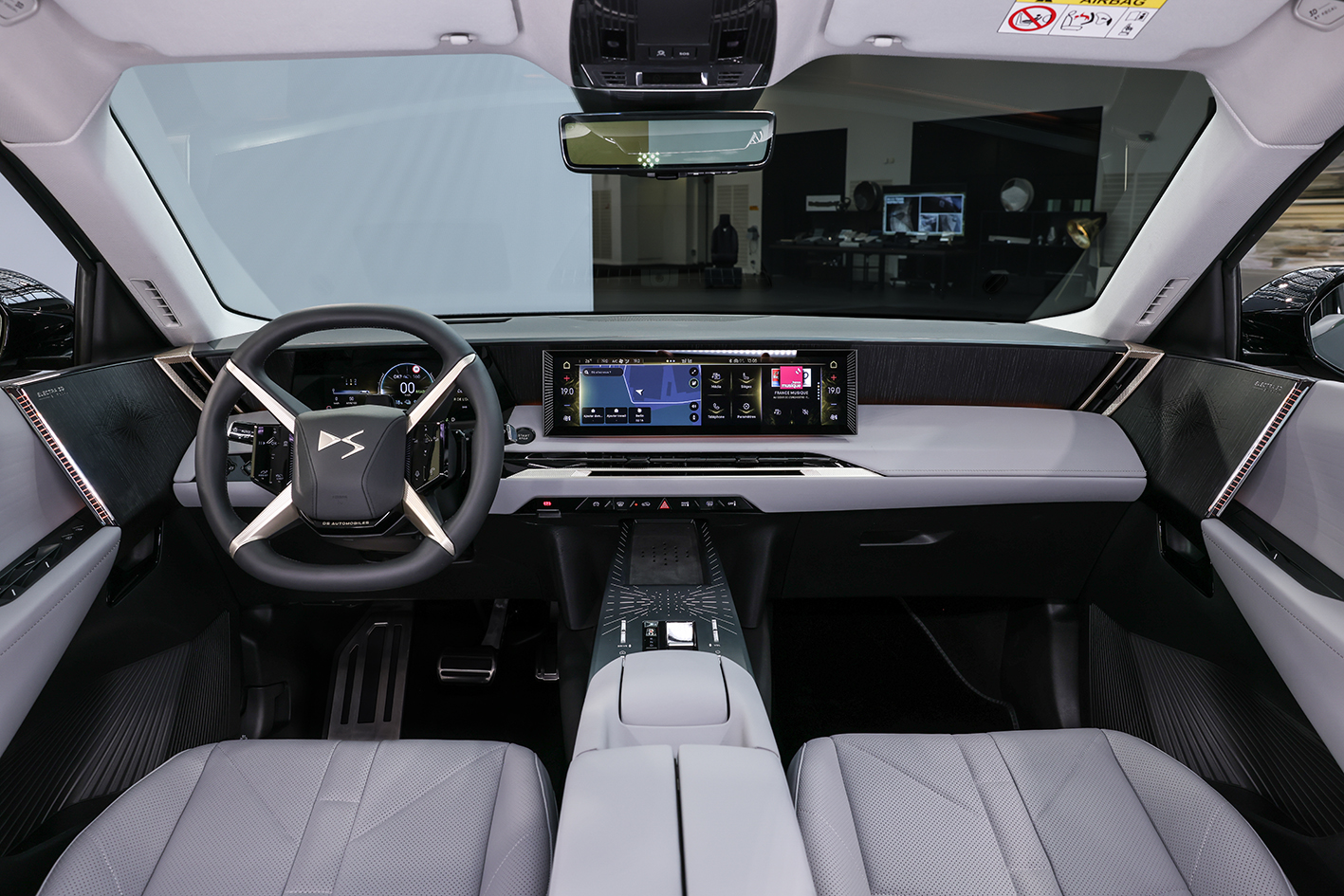
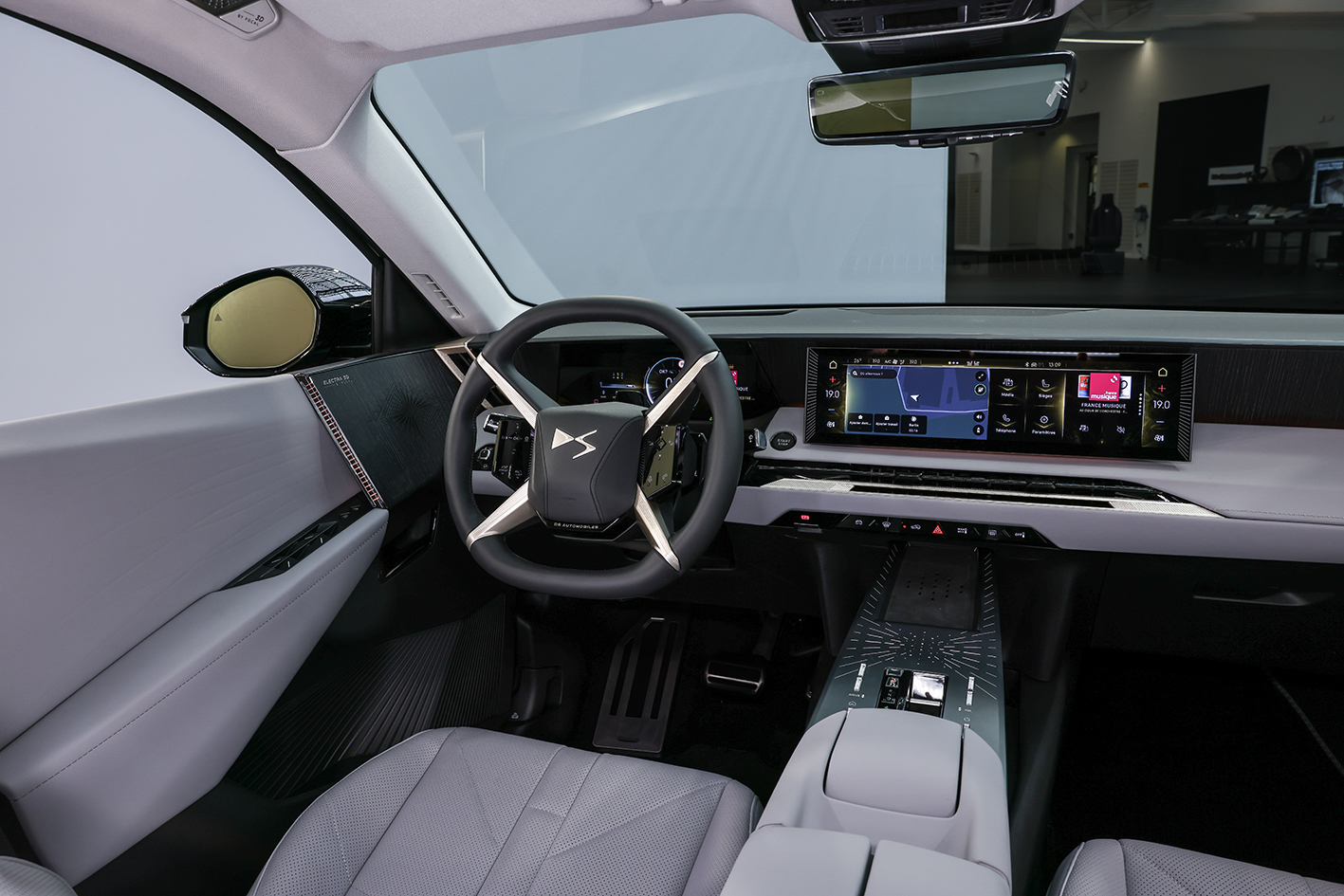
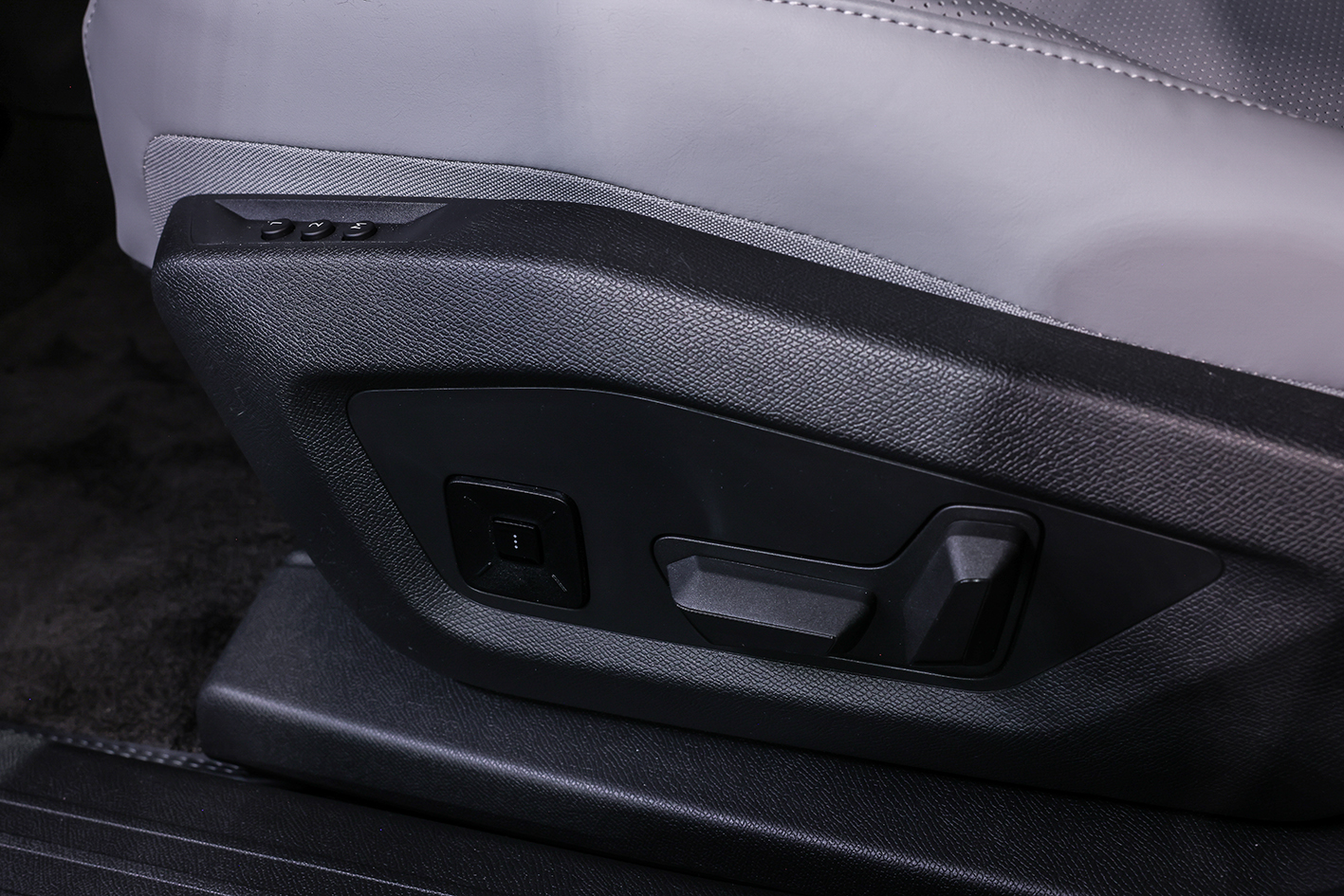
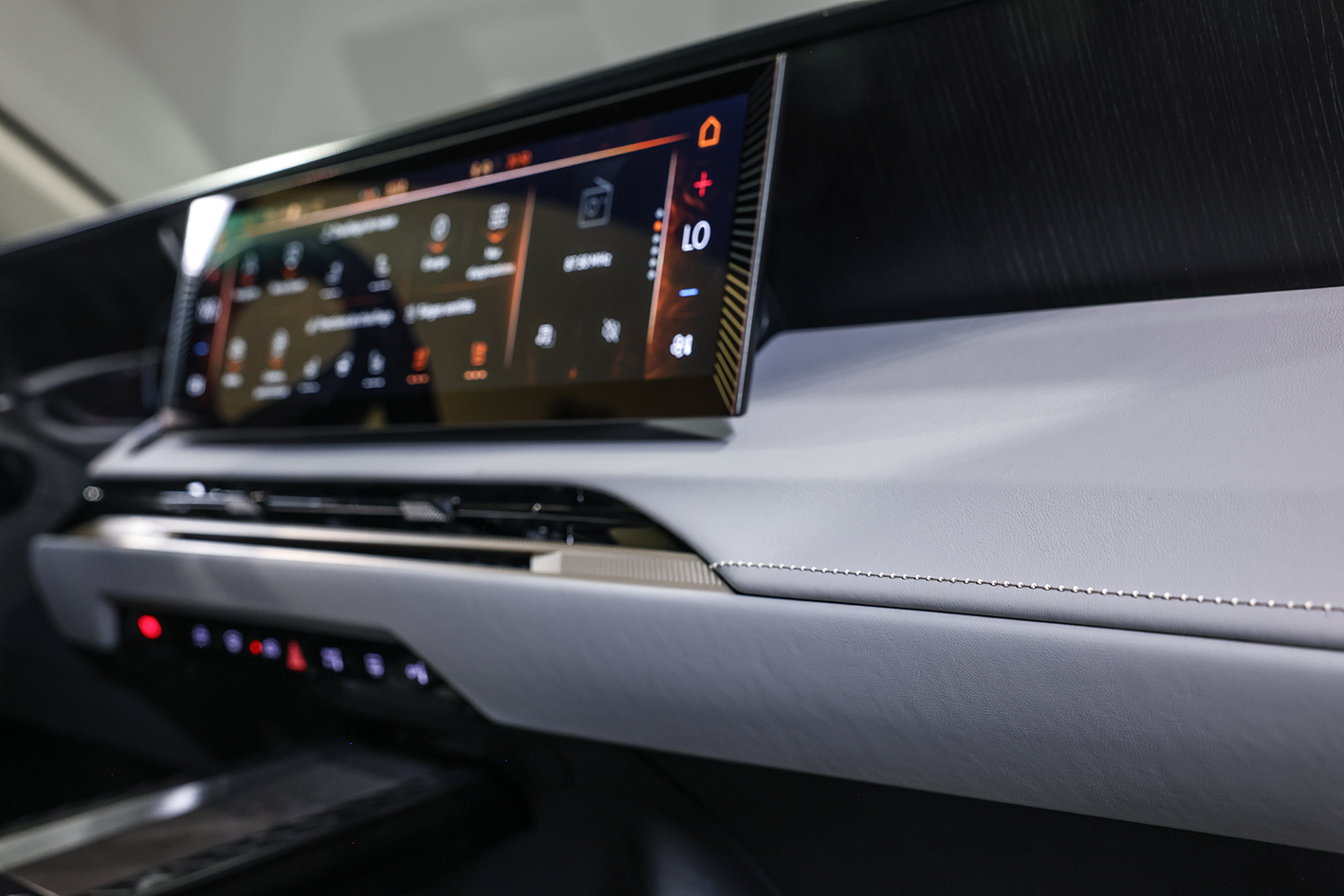
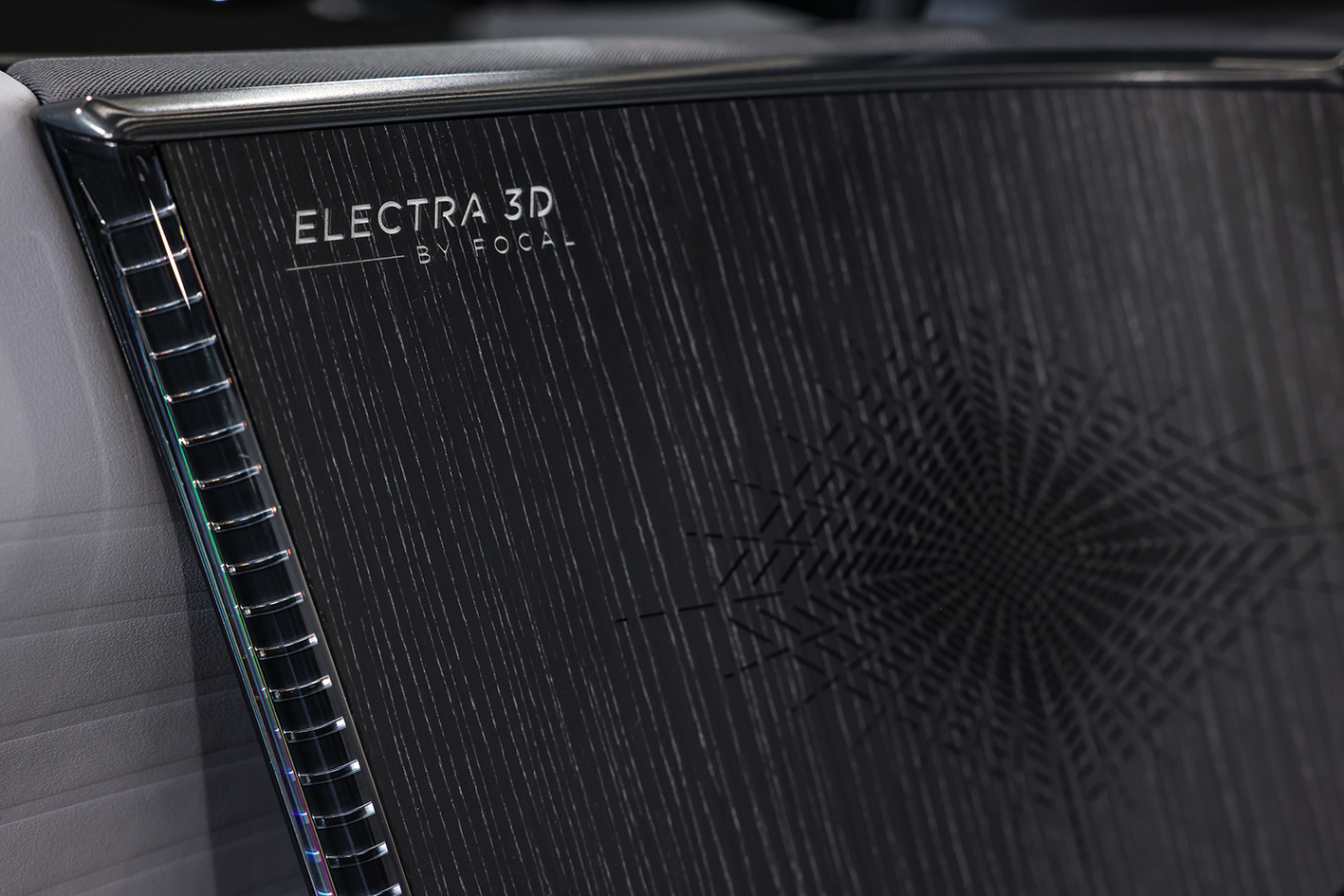
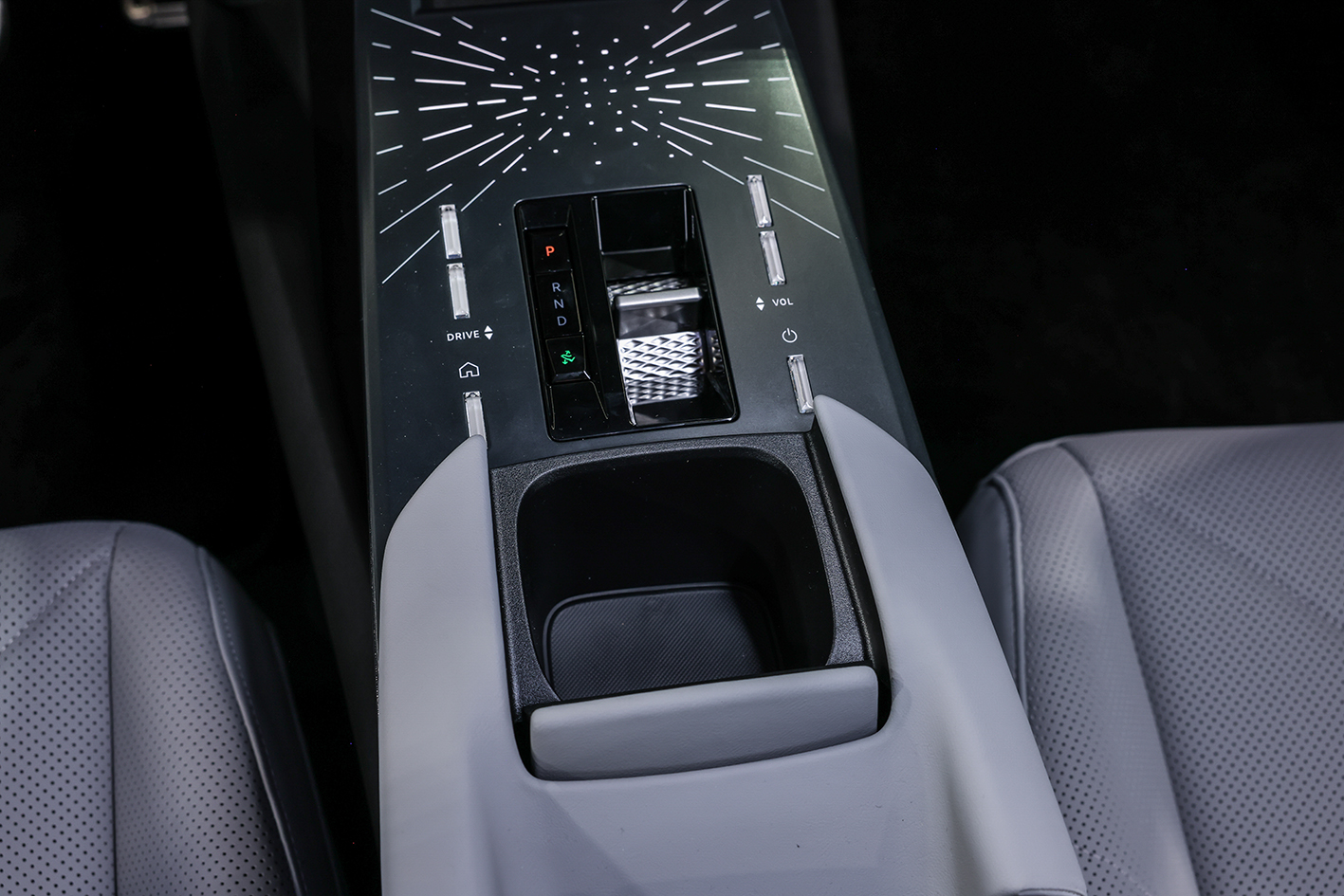
Inside, the focus is on refinement, with Nappa leather, brushed aluminium or real wood depending on the trim. The 16-inch touchscreen stays restrained, far from the oversized tablets seen elsewhere, so the eyes stay on the road. The fairly small steering wheel feels good in the hand, although its many controls take some getting used to. The boot holds up to 560 litres.
Comfortable and precise
Behind the wheel, comfort and low road noise stand out. The steering is precise, and the Eco, Normal, Comfort and Sport drive modes make it easy to modulate the power. While no sports car, the N°7 has enough response for any use. On Long Range versions in Étoile and La Première trims, DS Active Scan Suspension reads the road via a camera to smooth out irregularities. The screen-based rear-view mirror is well thought out, sits at a comfortable distance and is quick to get used to.
Up to 739 km of range
As an EV, the N°7 offers 230 hp, 245 hp in Long Range form and 350 hp with all-wheel drive. Each has a boost function adding 25 to 35 hp for short bursts. The 73.7 kWh battery delivers up to 543 km, while the 97.2 kWh pack gives the Long Range up to 739 km WLTP (679 km for the AWD). The Long Range’s official consumption is 16.2 kWh/100 km, and the test ended at around 18 kWh/100 km. DC charging peaks at 160 kW, for 20 to 80% in 27 minutes. The motors are built in Trémery (Moselle) and the cells of the larger battery in Billy-Berclau Douvrin (Pas-de-Calais), with final assembly in Melfi, Italy. For those who would rather not plug in, the 145 hp hybrid pairs a 1.2-litre three-cylinder with an electric motor, returning 5.3 l/100 km and 120 g/km of CO₂.
Comfort, refinement and range make the difference. Less convincing are the steering-wheel controls, which take time to master, and charging power capped at 160 kW.
Verdict
The N°7 rises to the challenge of replacing the brand’s best-seller. Well finished and coherent, it delivers on its promise of comfort and owns its premium positioning, with a genuine range advantage. In Luxembourg, prices start at €39,548 for the hybrid and €48,250 for the electric version. The all-wheel-drive La Première starts at €73,391 and exceeds €77,000 with every option.
Technische Daten
DS N°7
Points forts
- Comfort and refinement
- Precise steering
- Good range
Points faibles
- Steering-wheel controls take time to learn
- Charging capped at 160 kW