Twenty years after it disappeared, the Honda Prelude makes its comeback as a hybrid coupé, caught between sporting heritage and hybridisation.
After more than twenty years away, the Honda Prelude is making its return. An icon built from 1978 to 2001, the Japanese coupé comes back in hybrid form, built on the Civic’s platform. Rather than chasing raw power, Honda is banking on intelligent sportiness, combining efficiency, driving pleasure and everyday versatility, with a four-seat coupé silhouette and a lowered centre of gravity.
A silhouette inspired by aeronautics
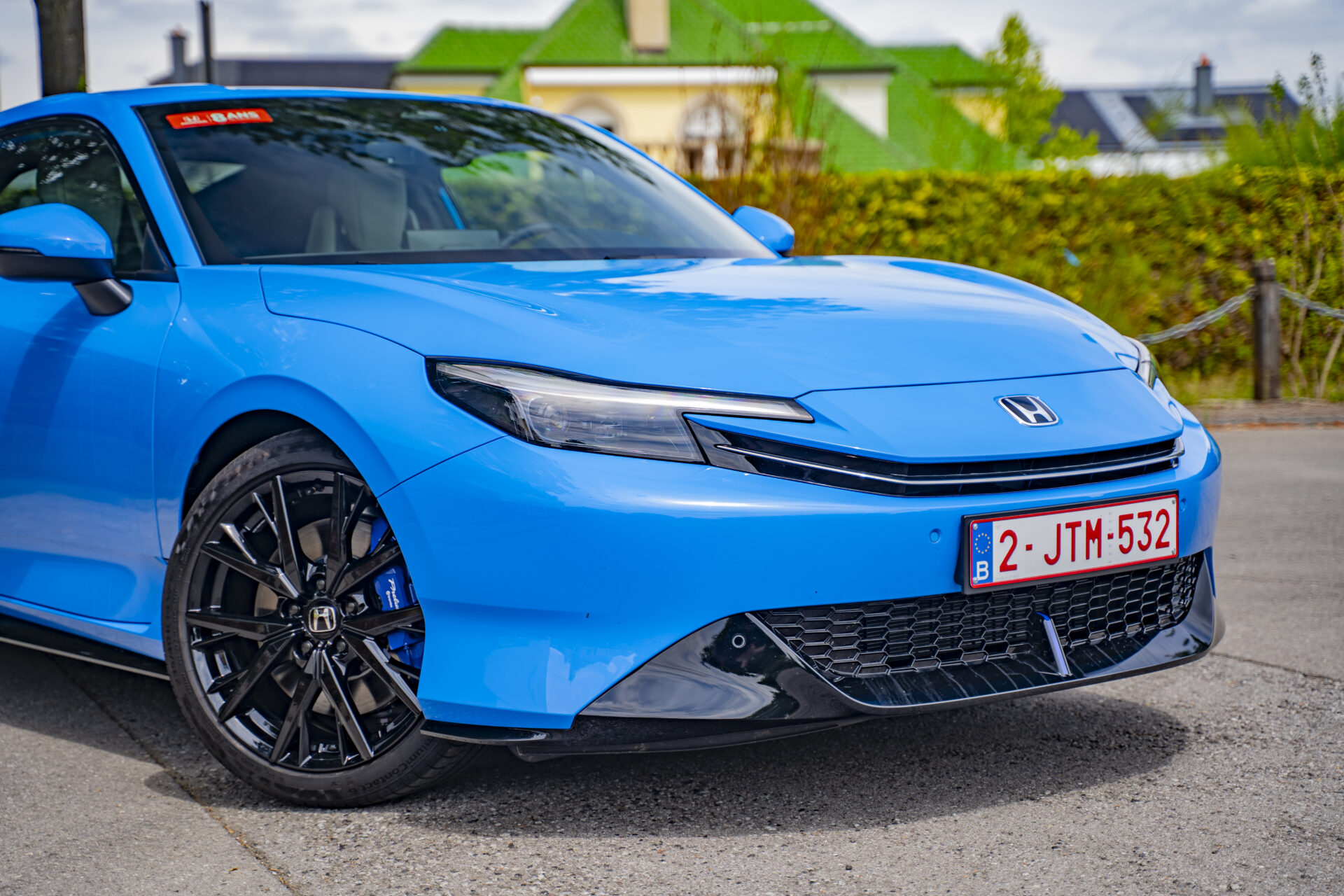
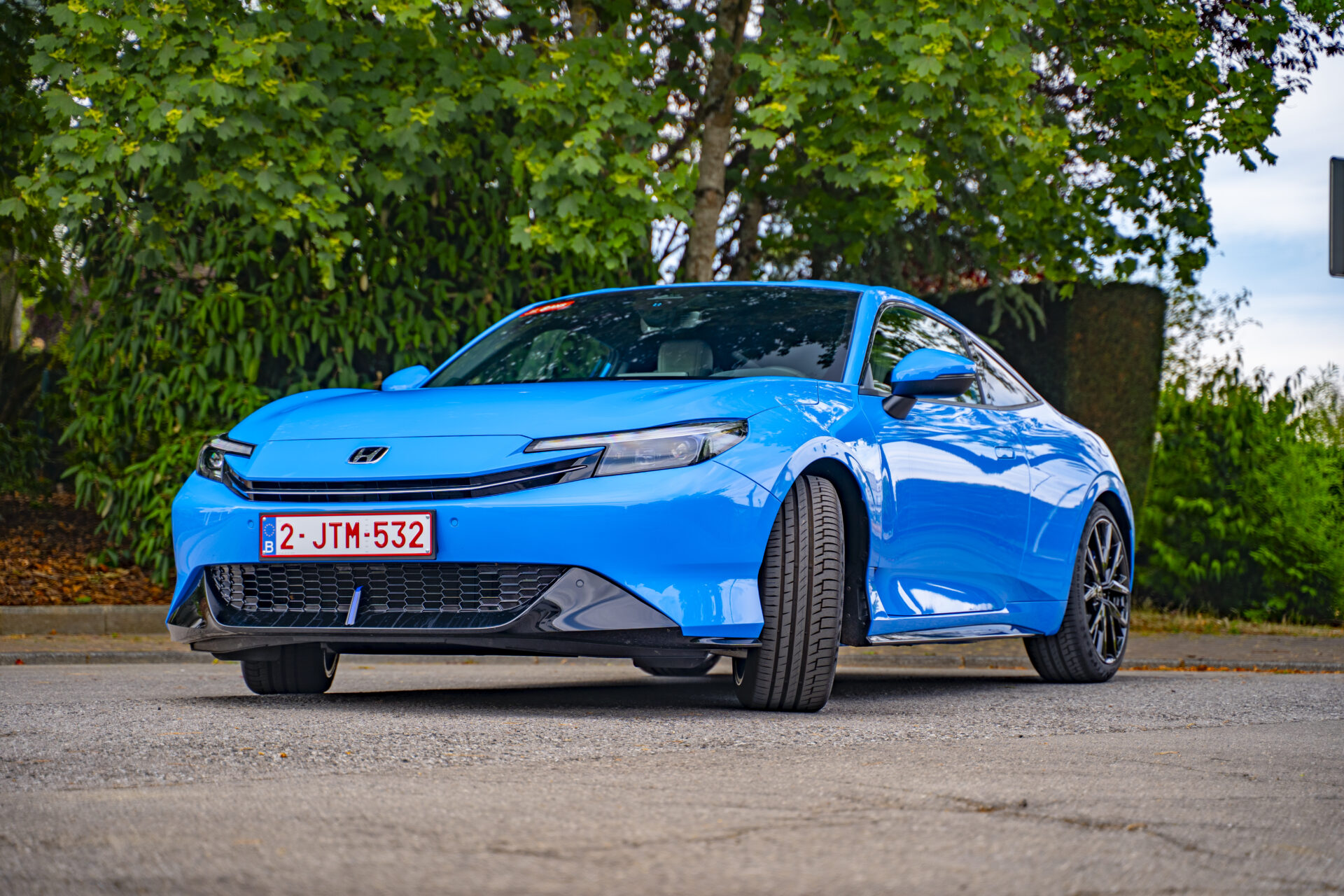
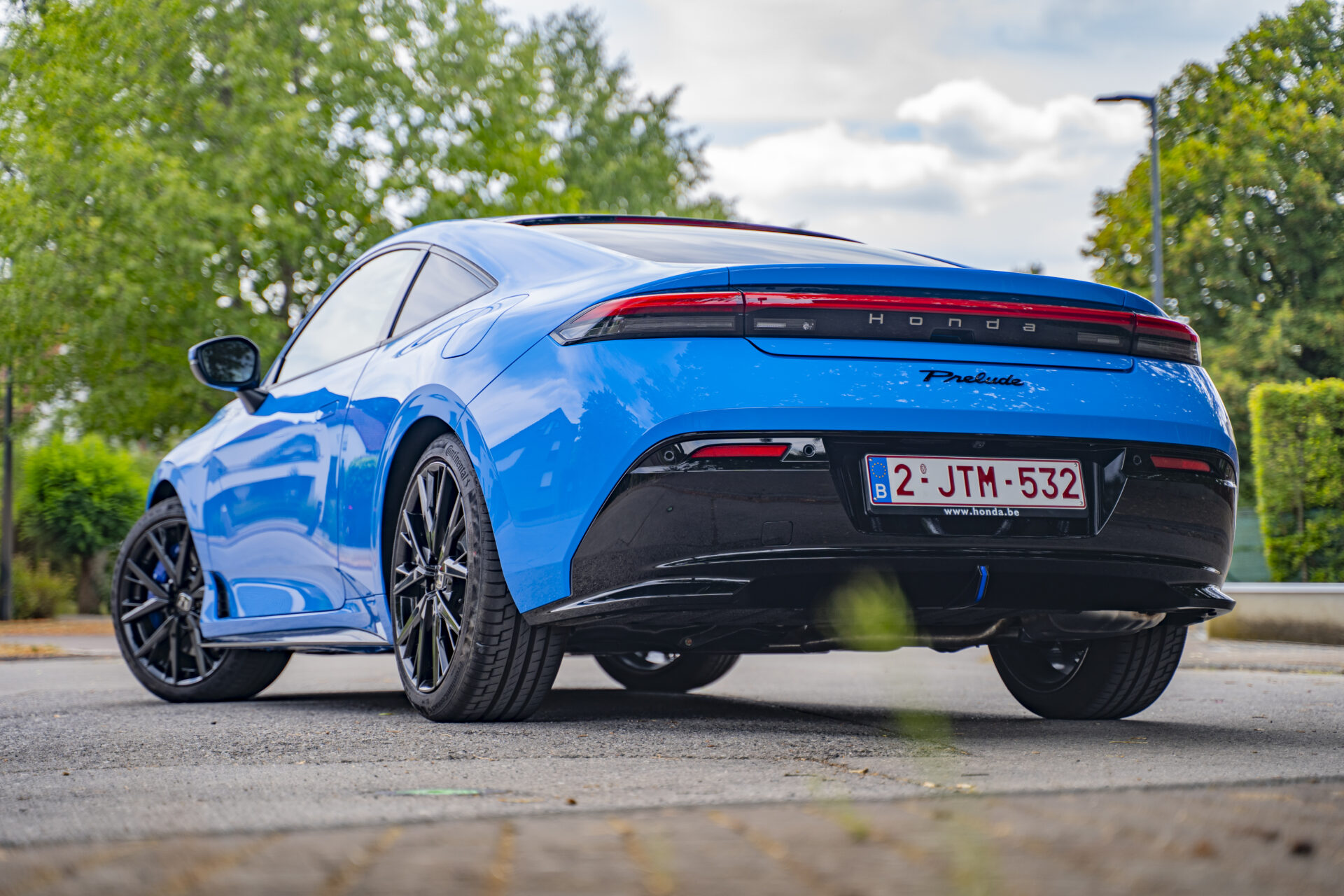
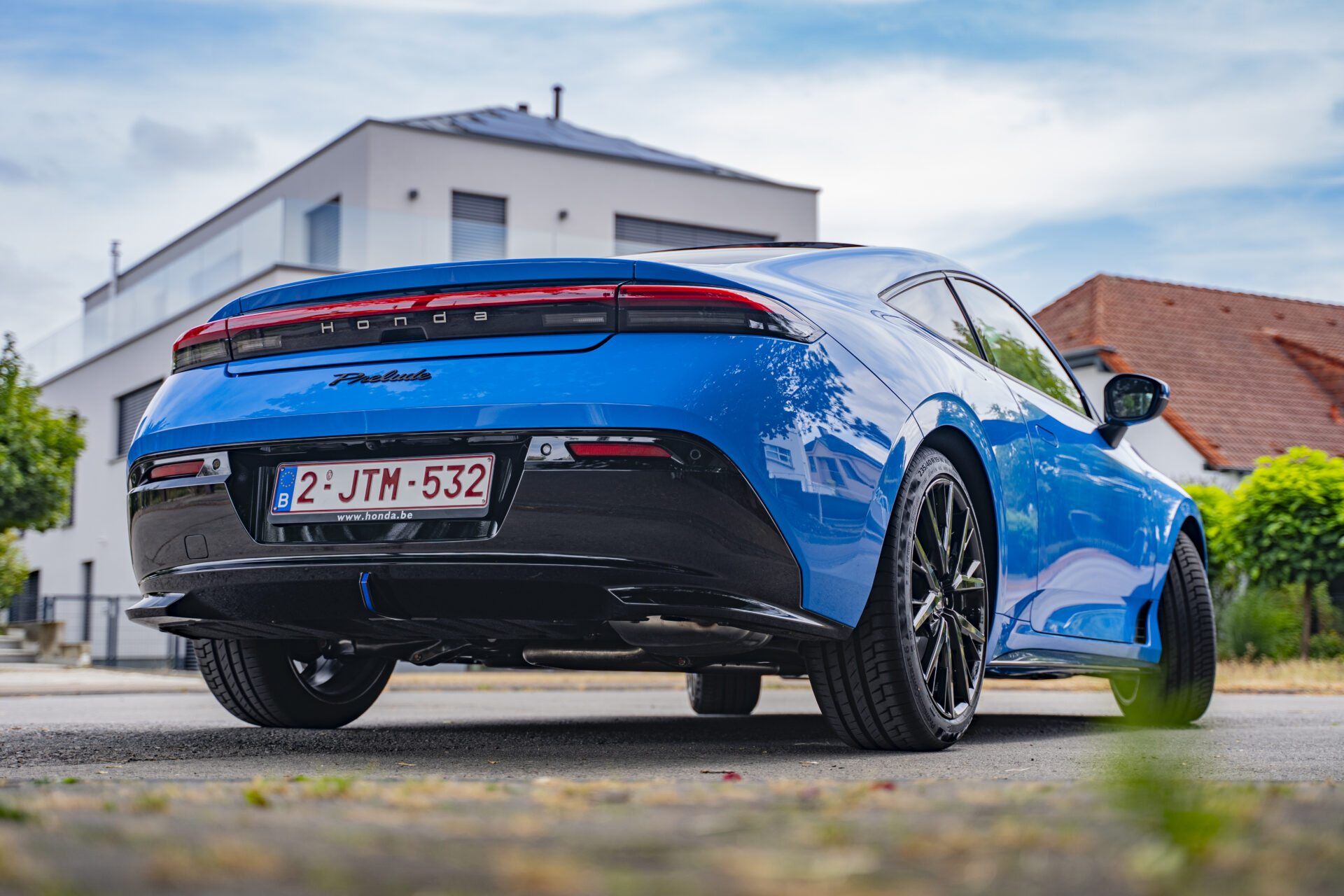
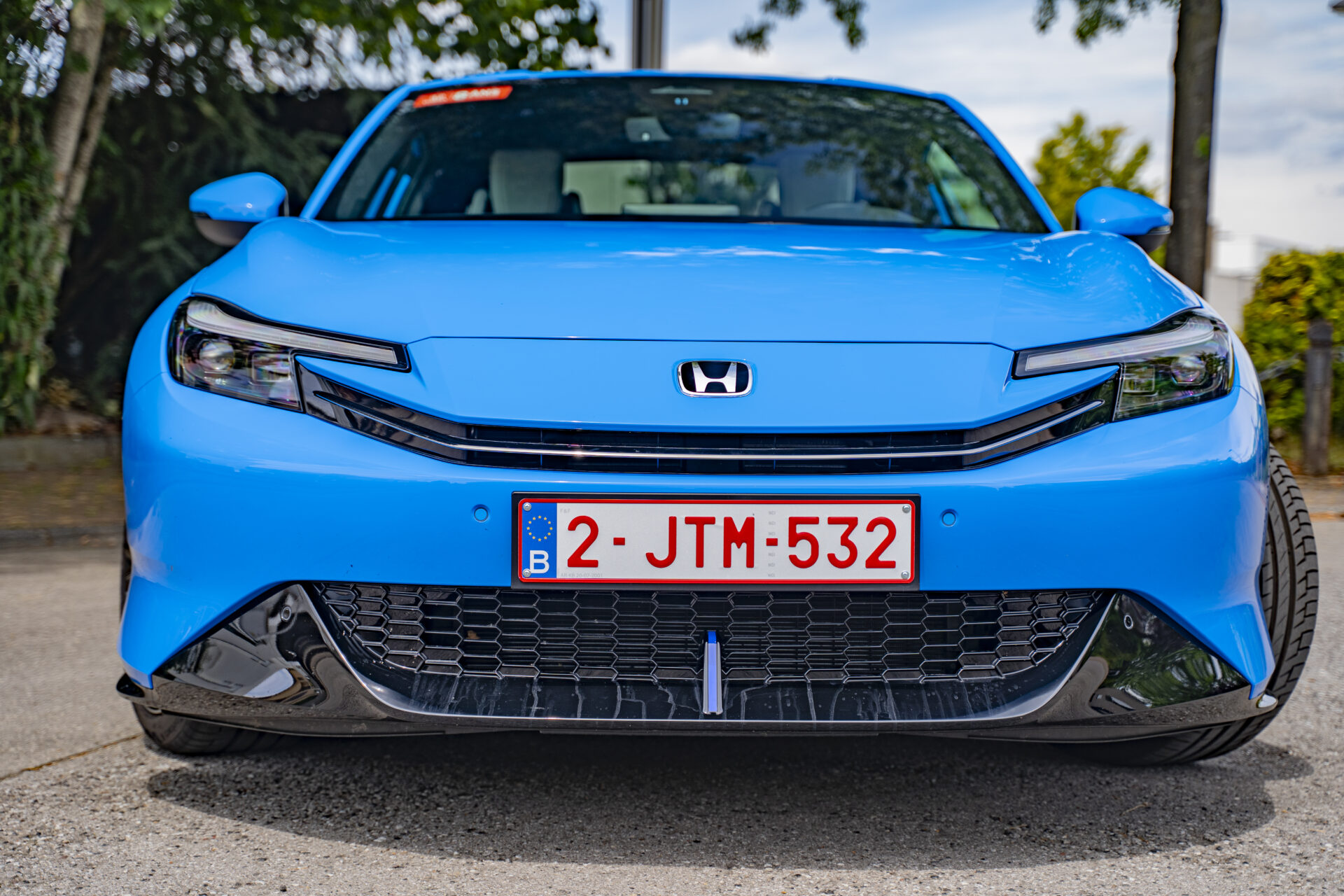
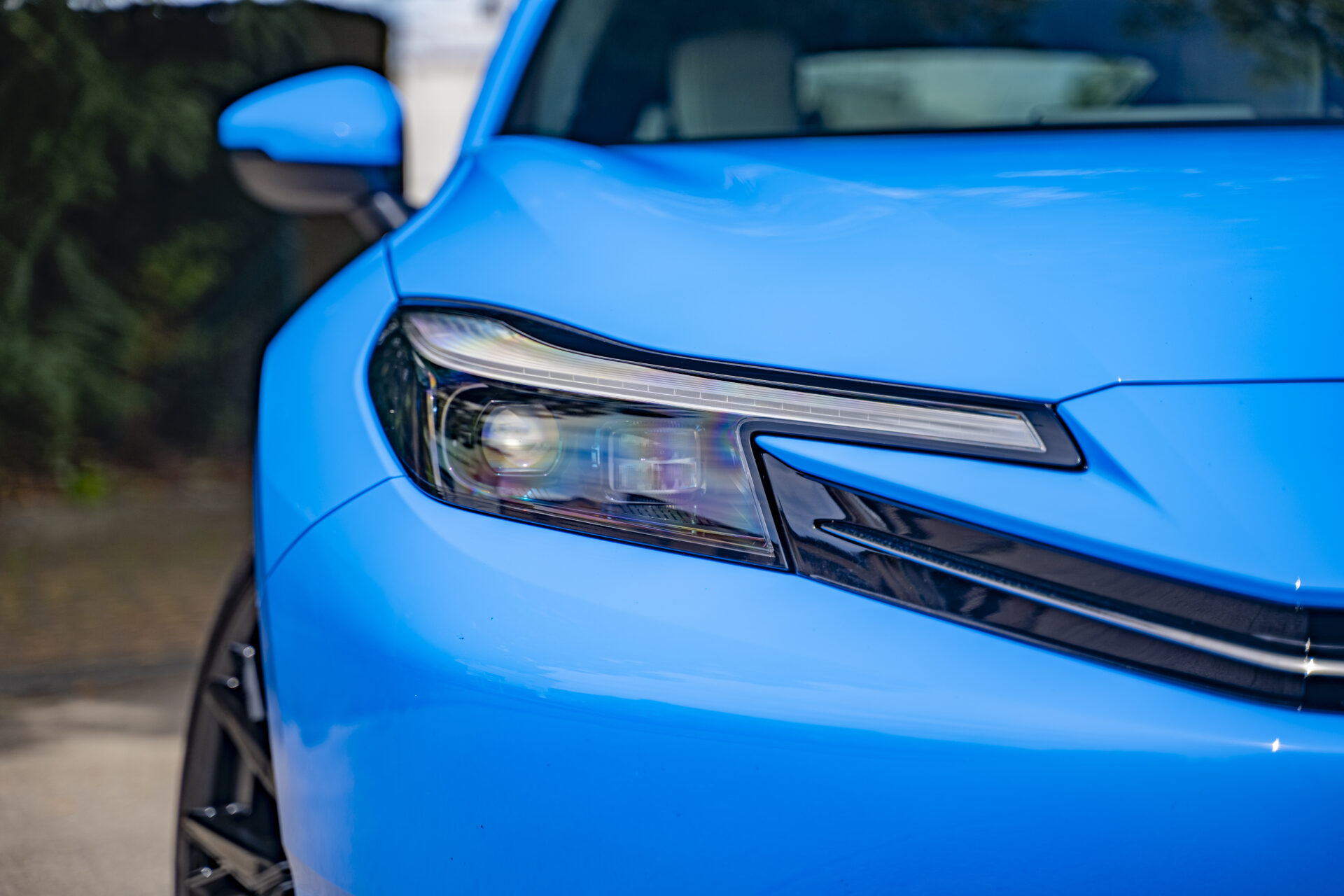
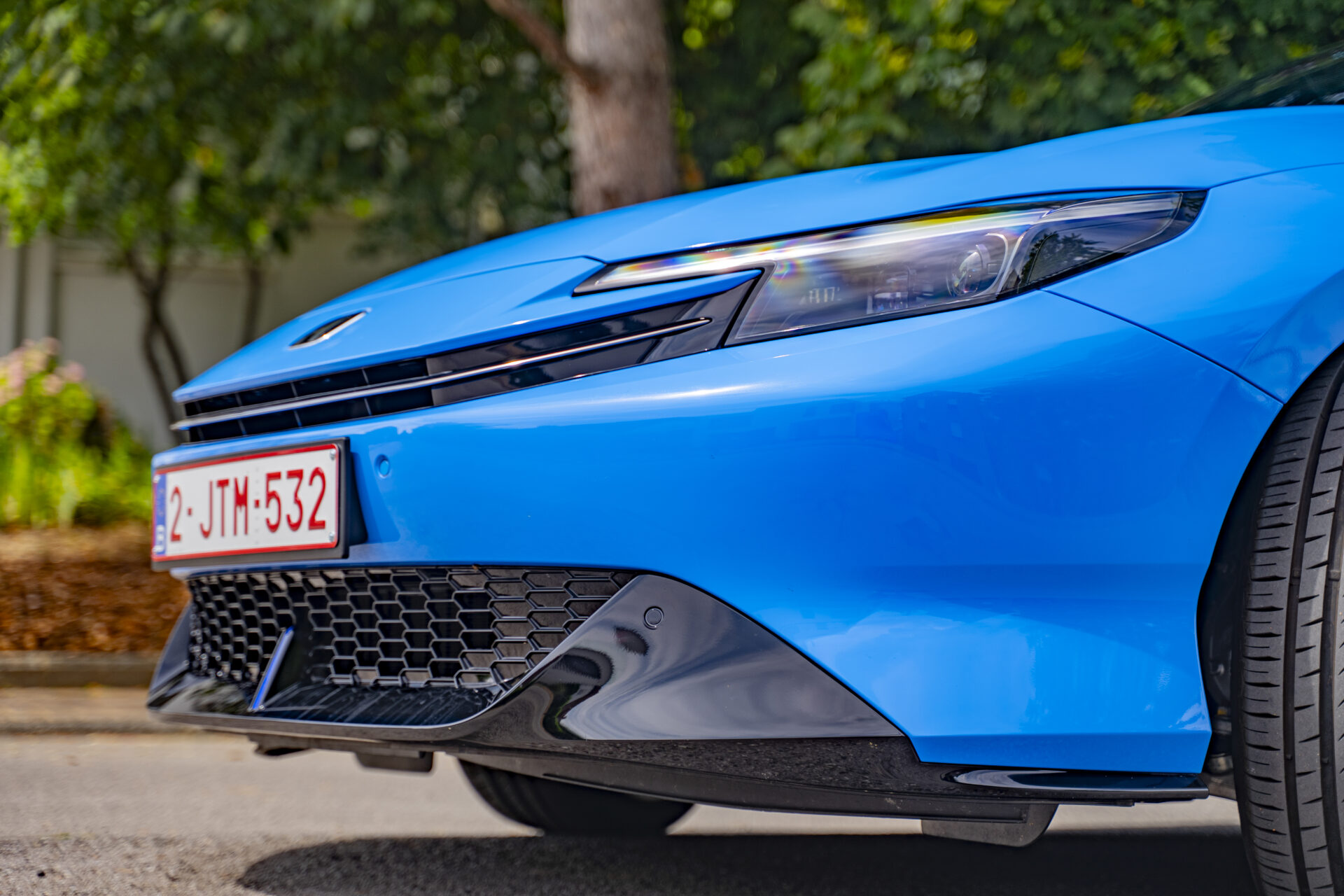
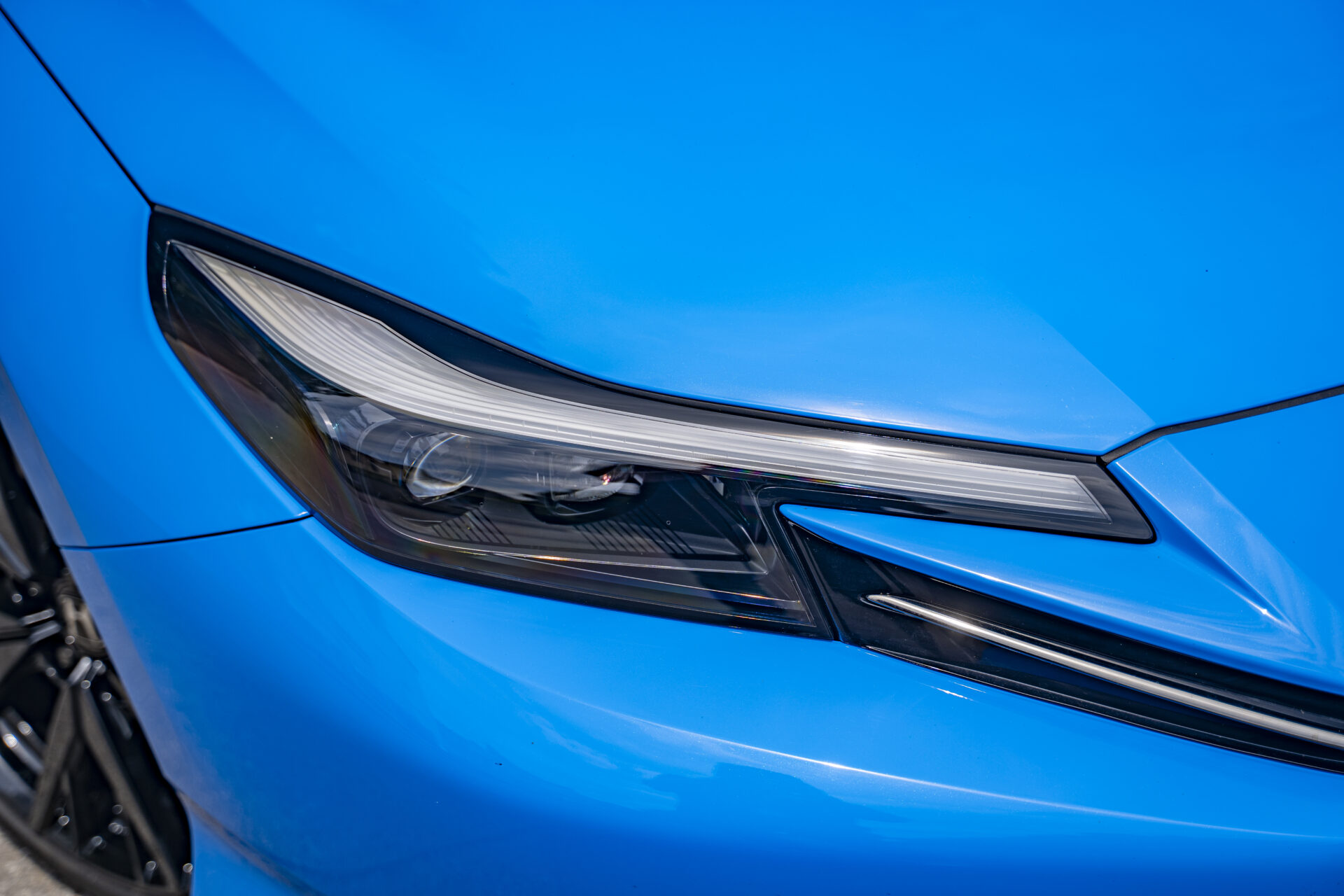
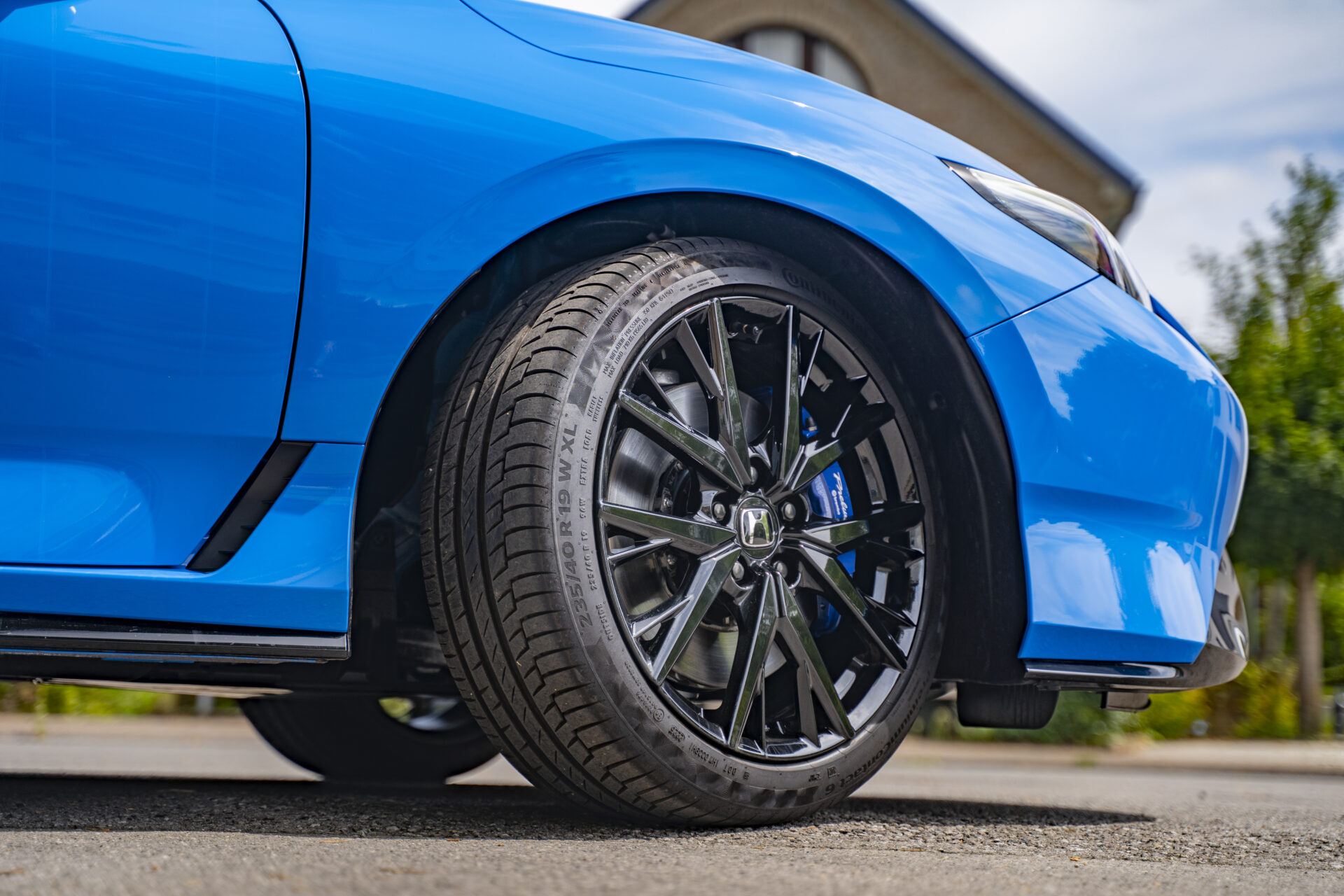
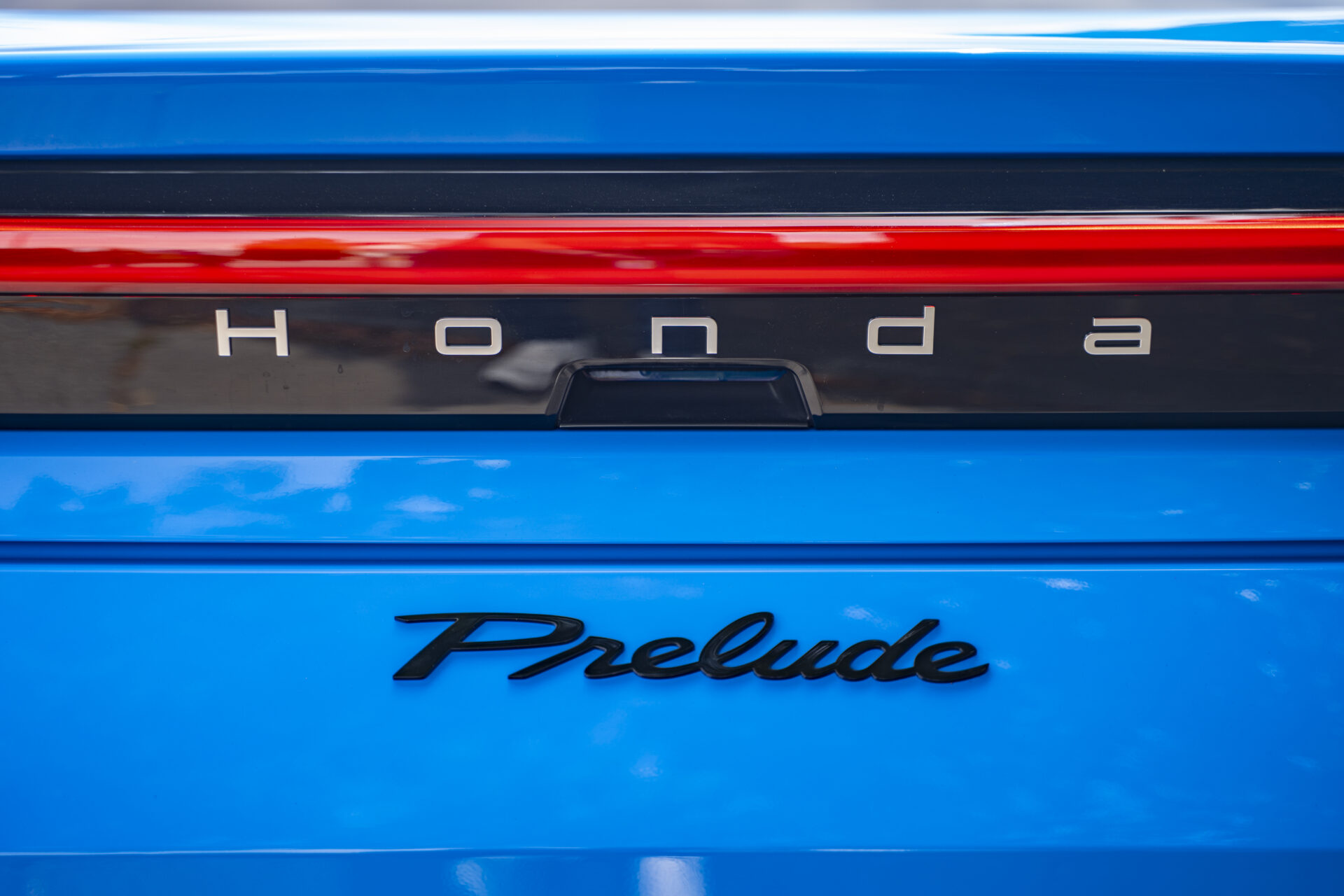
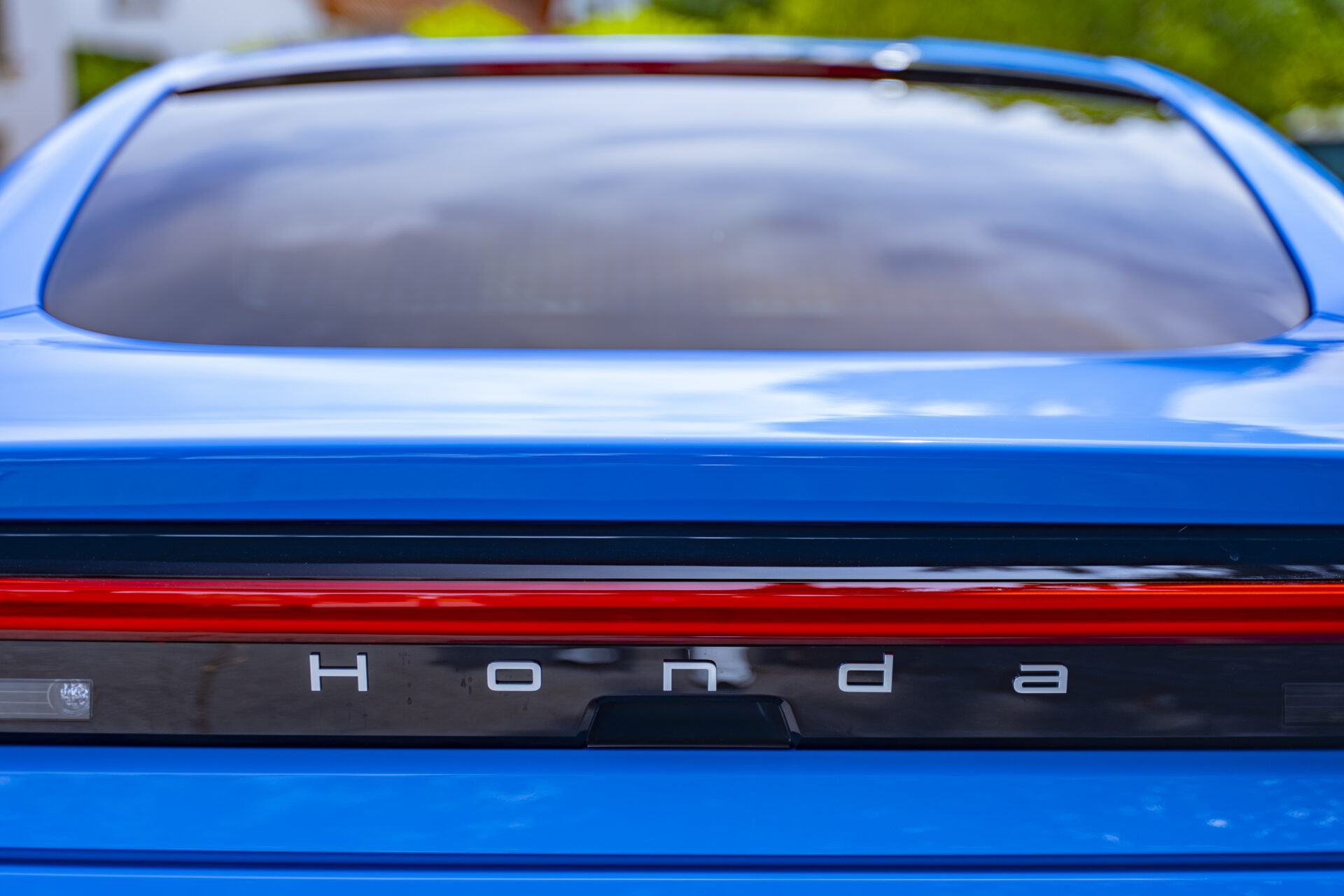
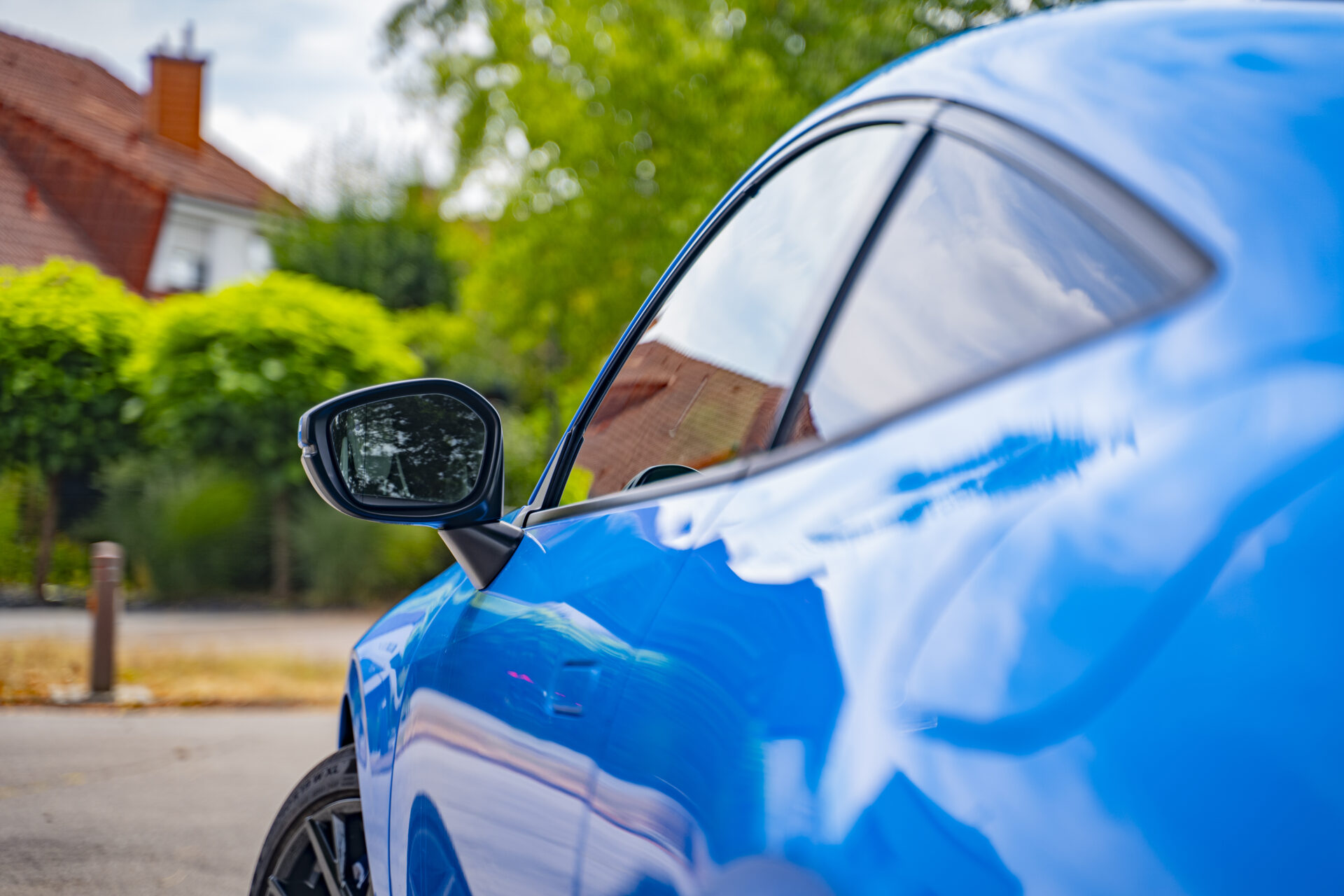
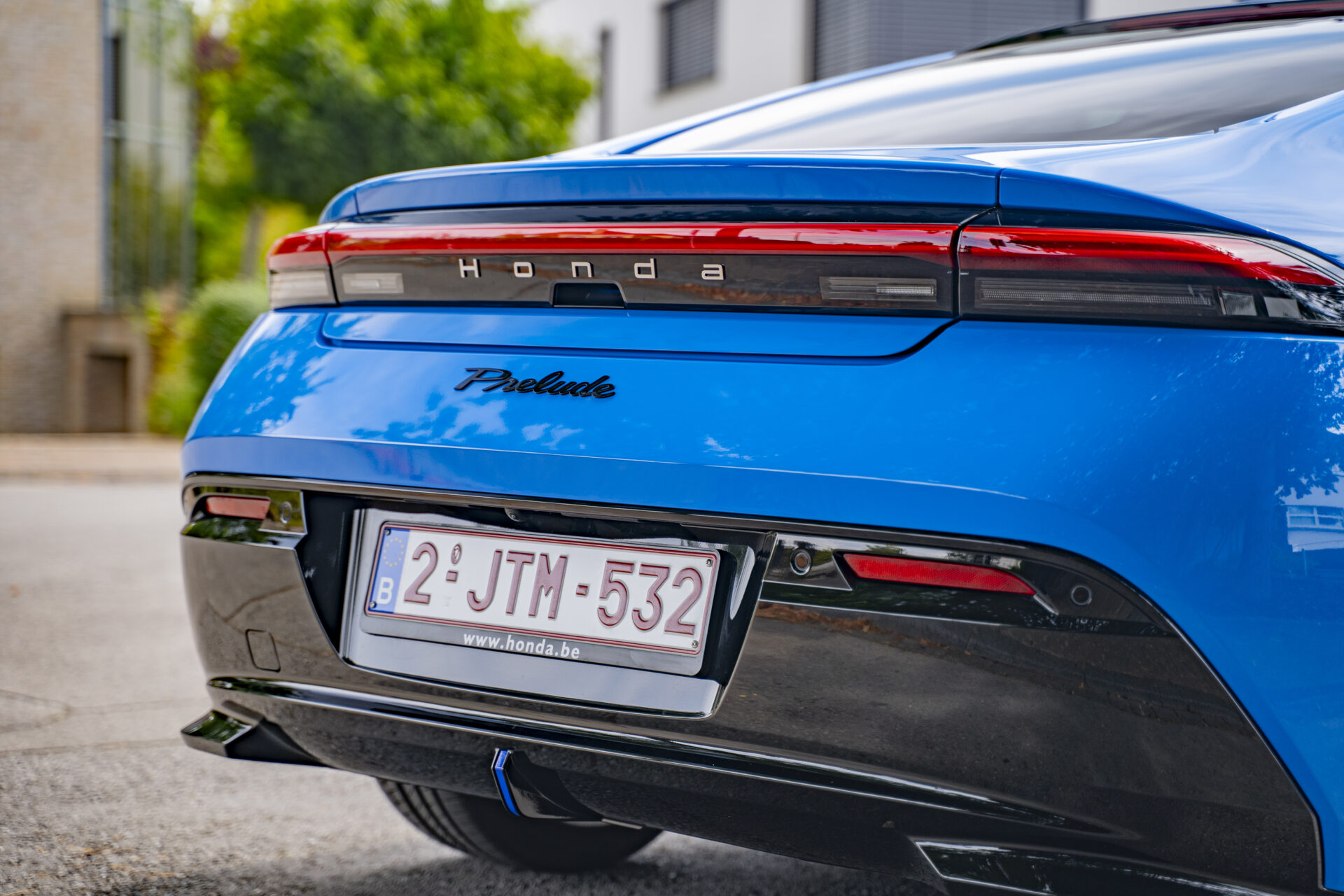
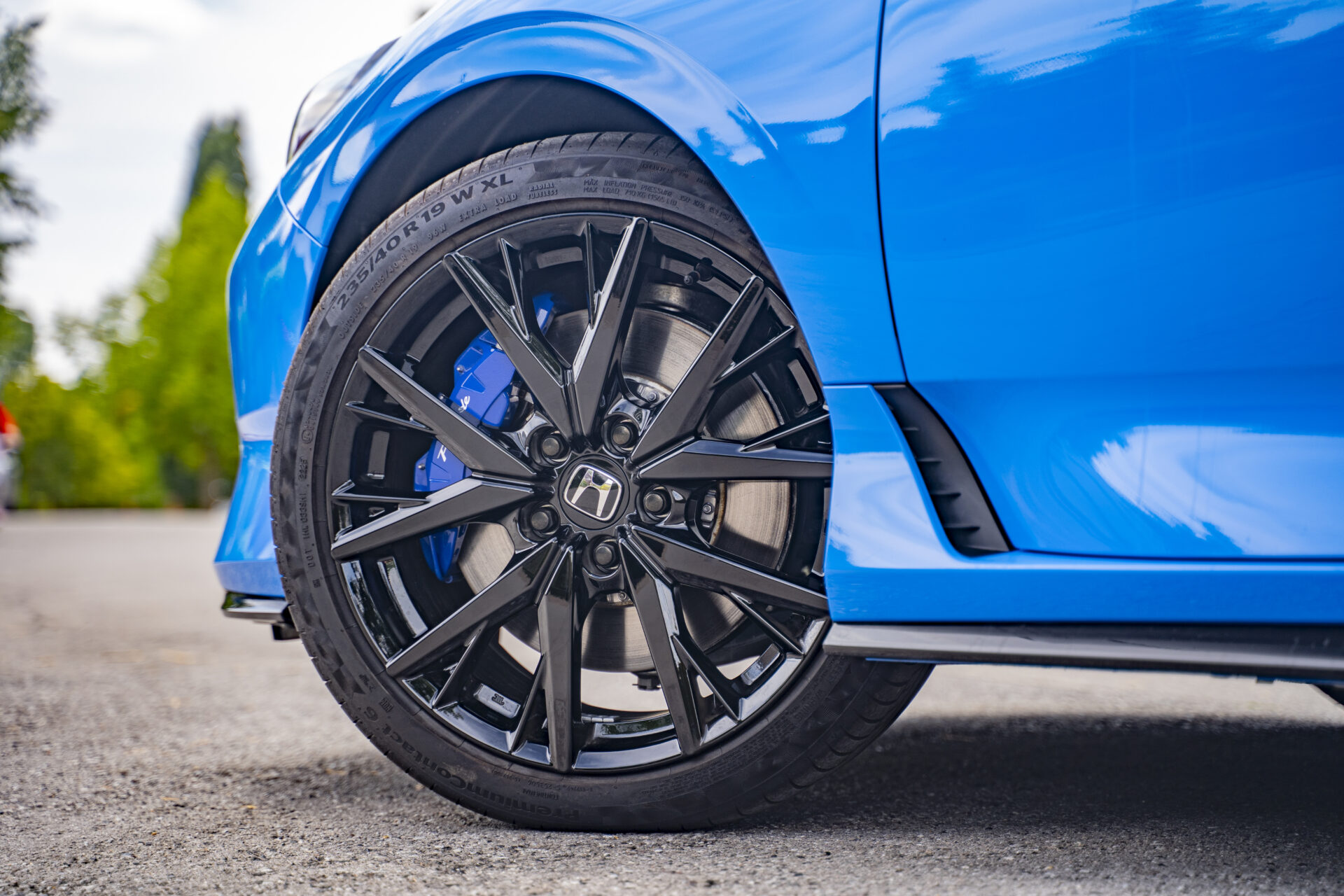
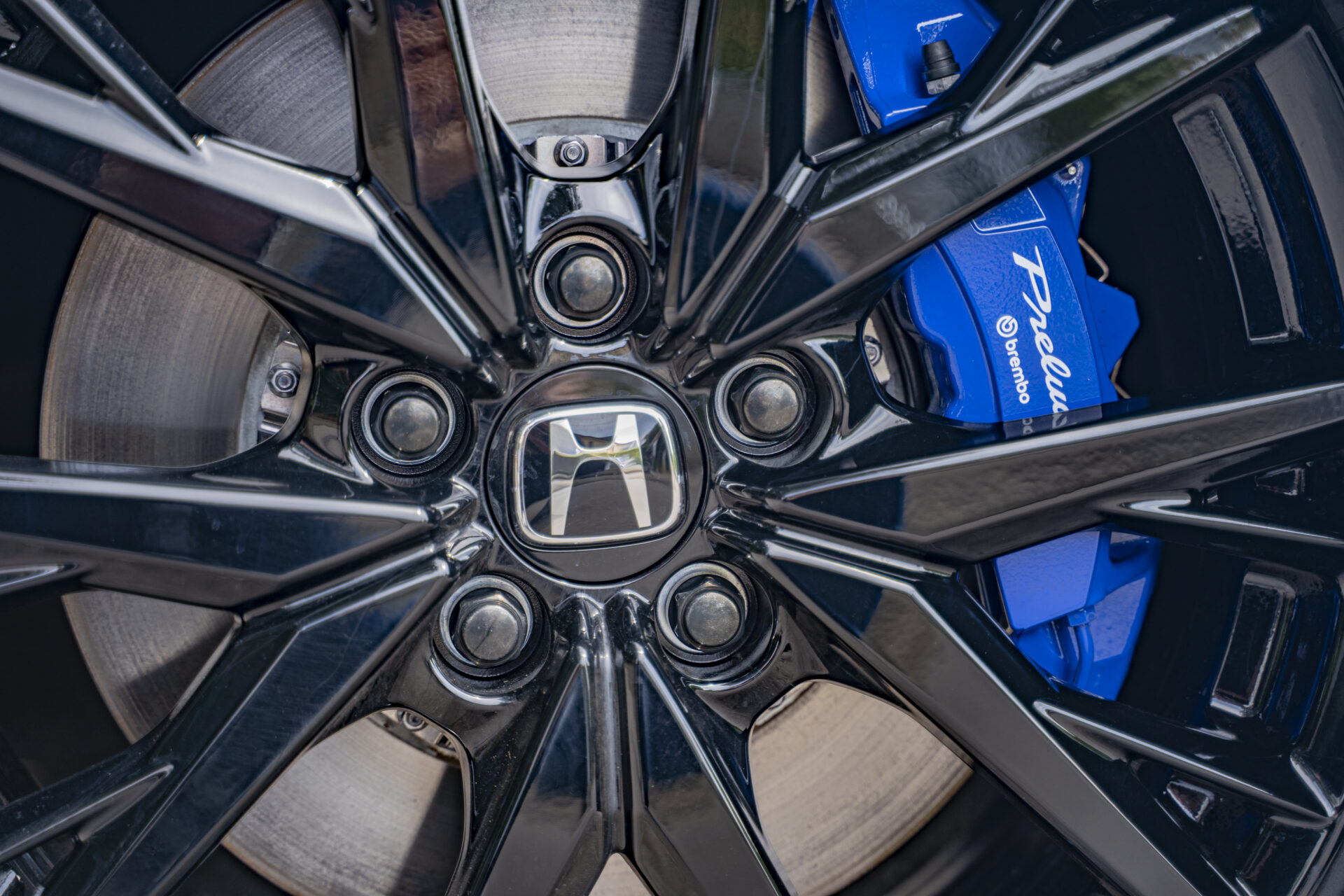
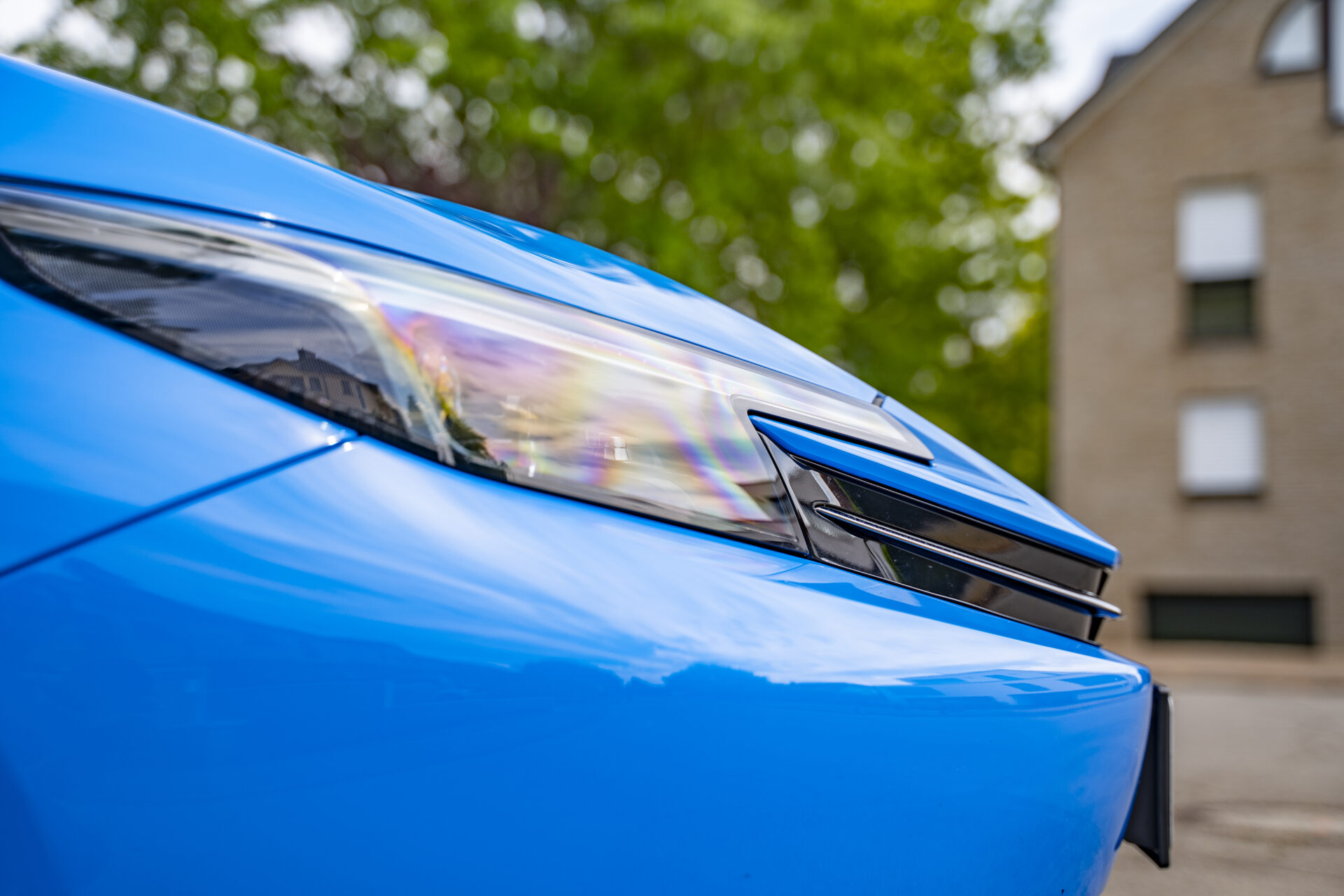
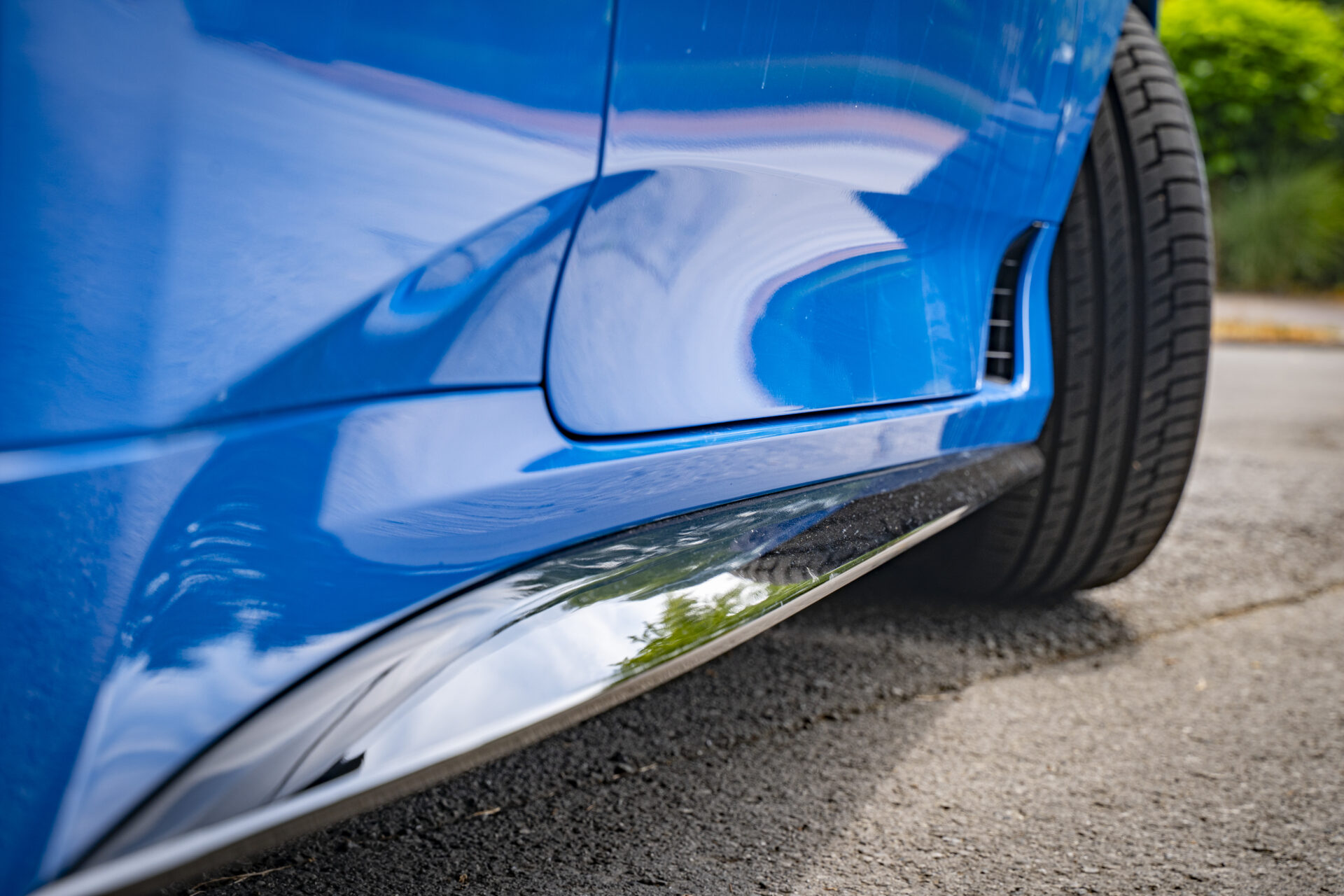
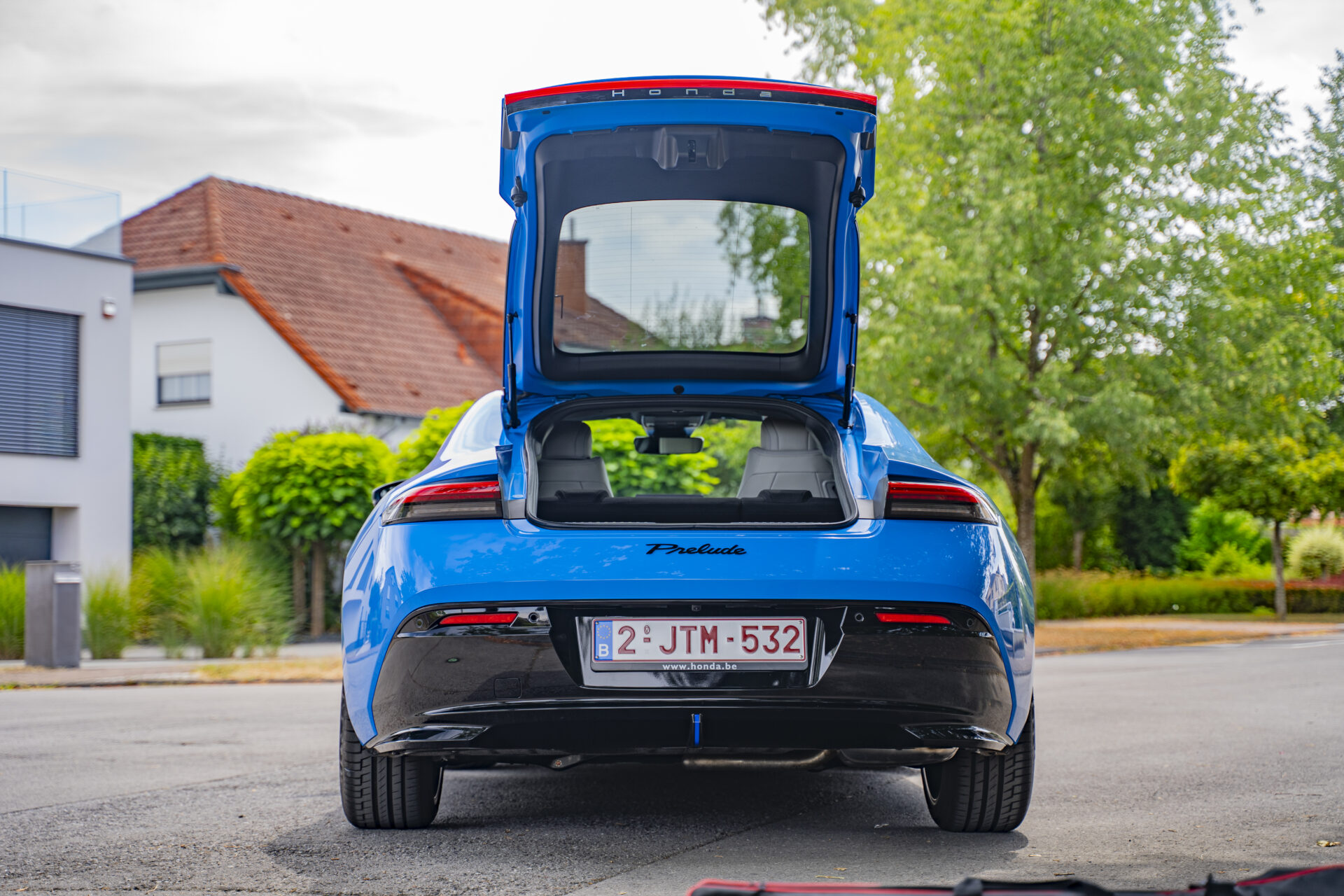
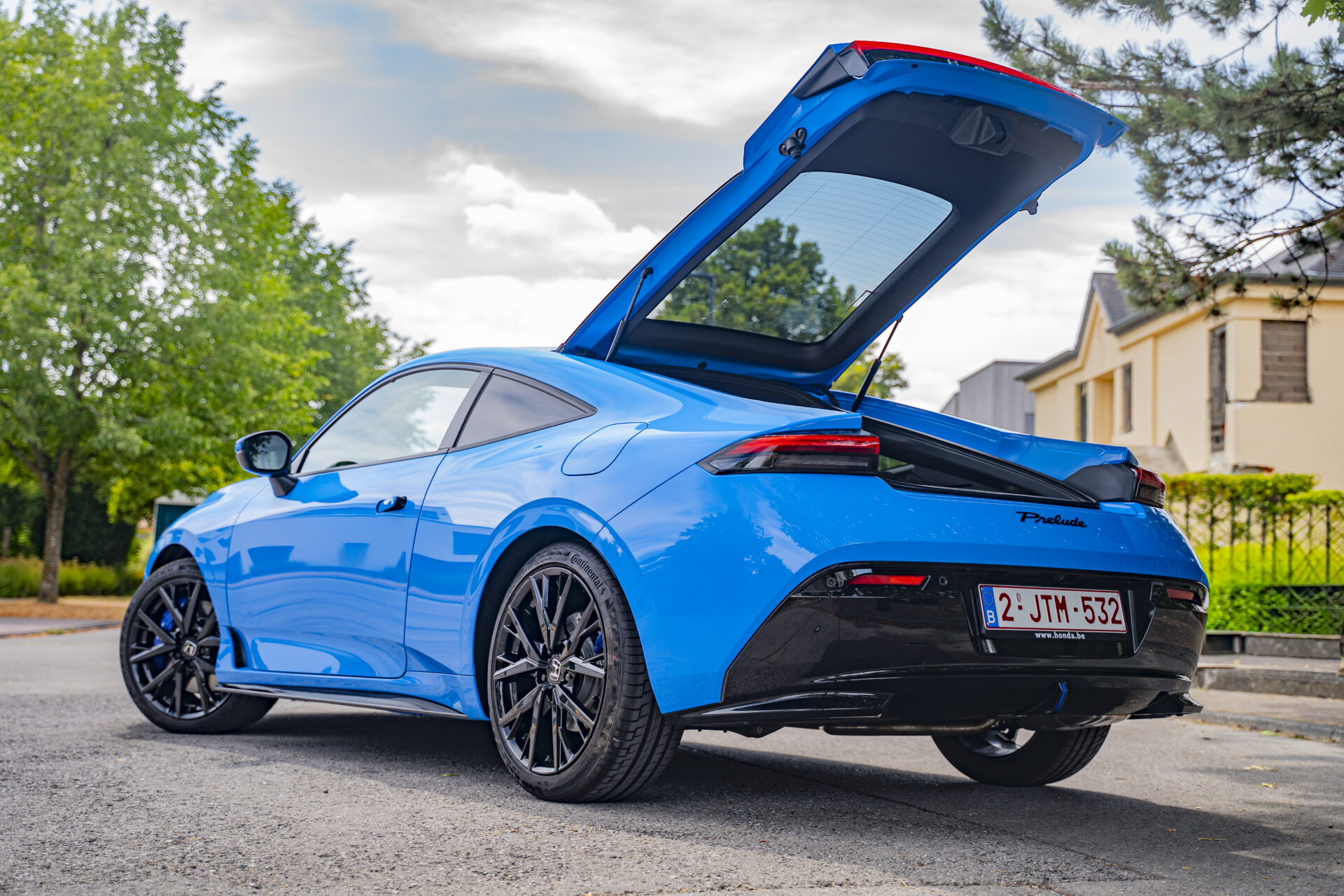
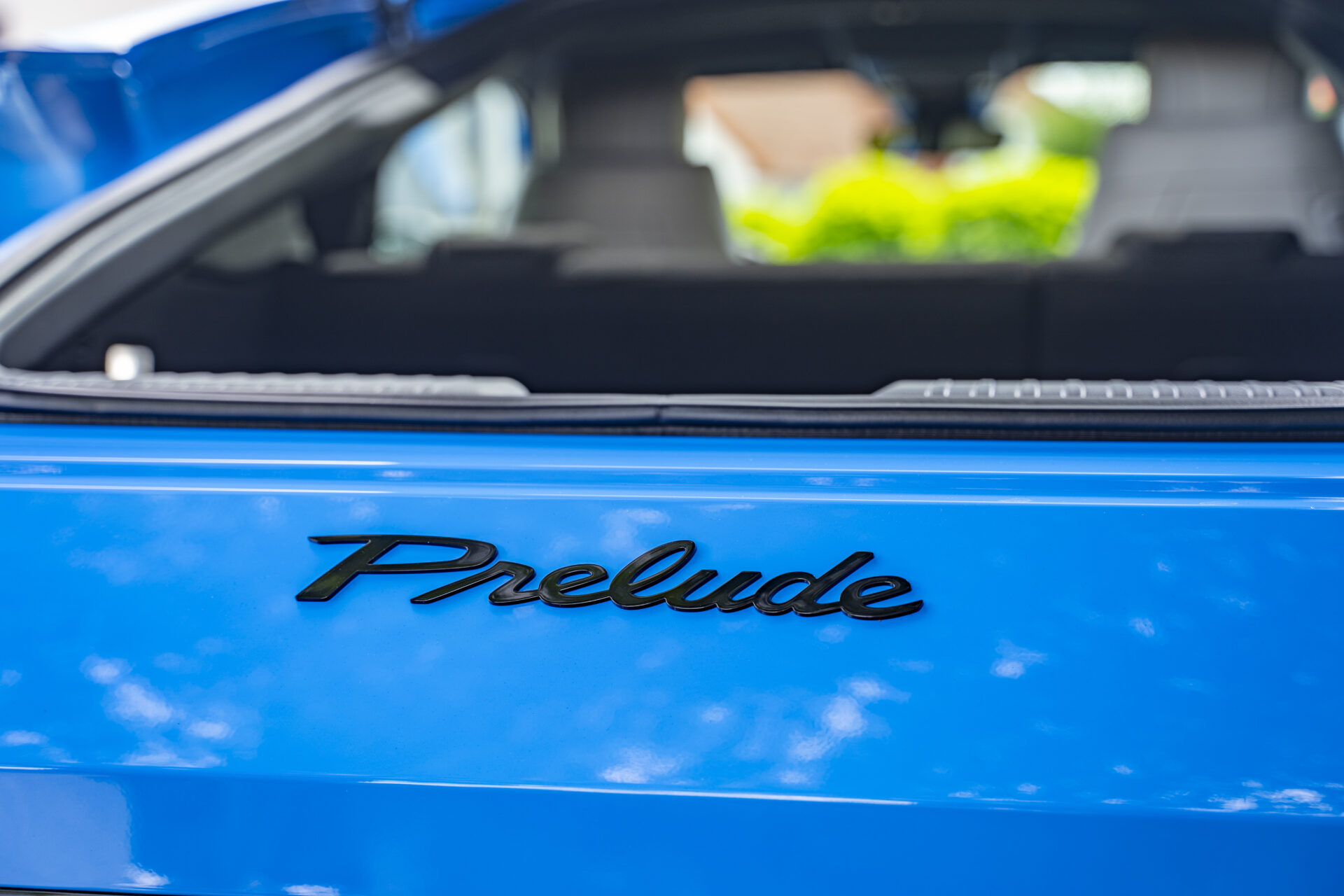
Its fluid lines, inspired by gliders, favour taut surfaces that improve high-speed stability and reduce consumption. At the front, the horizontal light signature and discreet grille emphasise the car’s width. The profile impresses with its sweeping roofline, whose two roof bulges provide enough headroom for a helmet on track. The 19-inch wheels and blue Brembo callipers assert its sporty character, while the tailgate and rear light signature recall previous generations.
A cabin designed around the driver
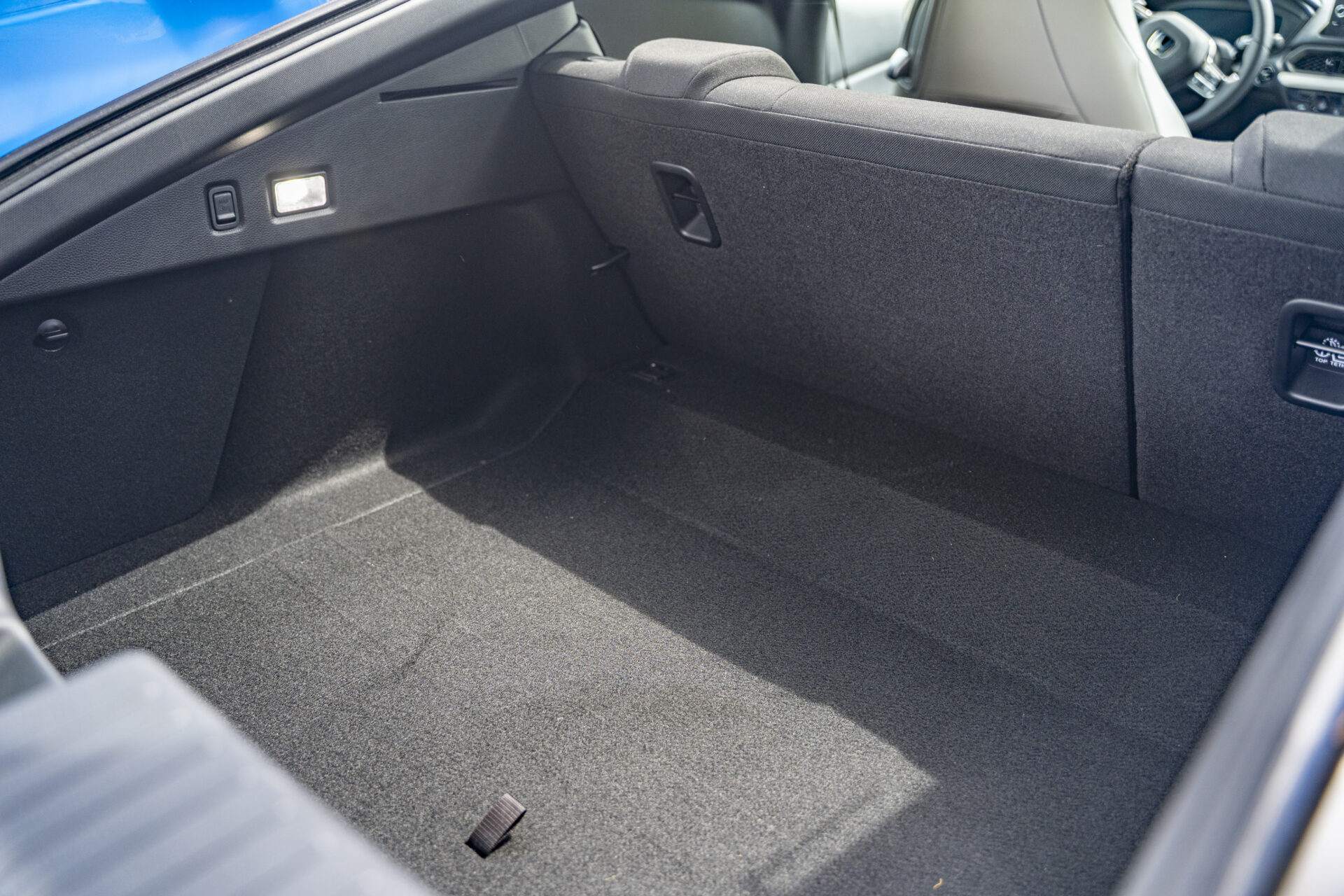
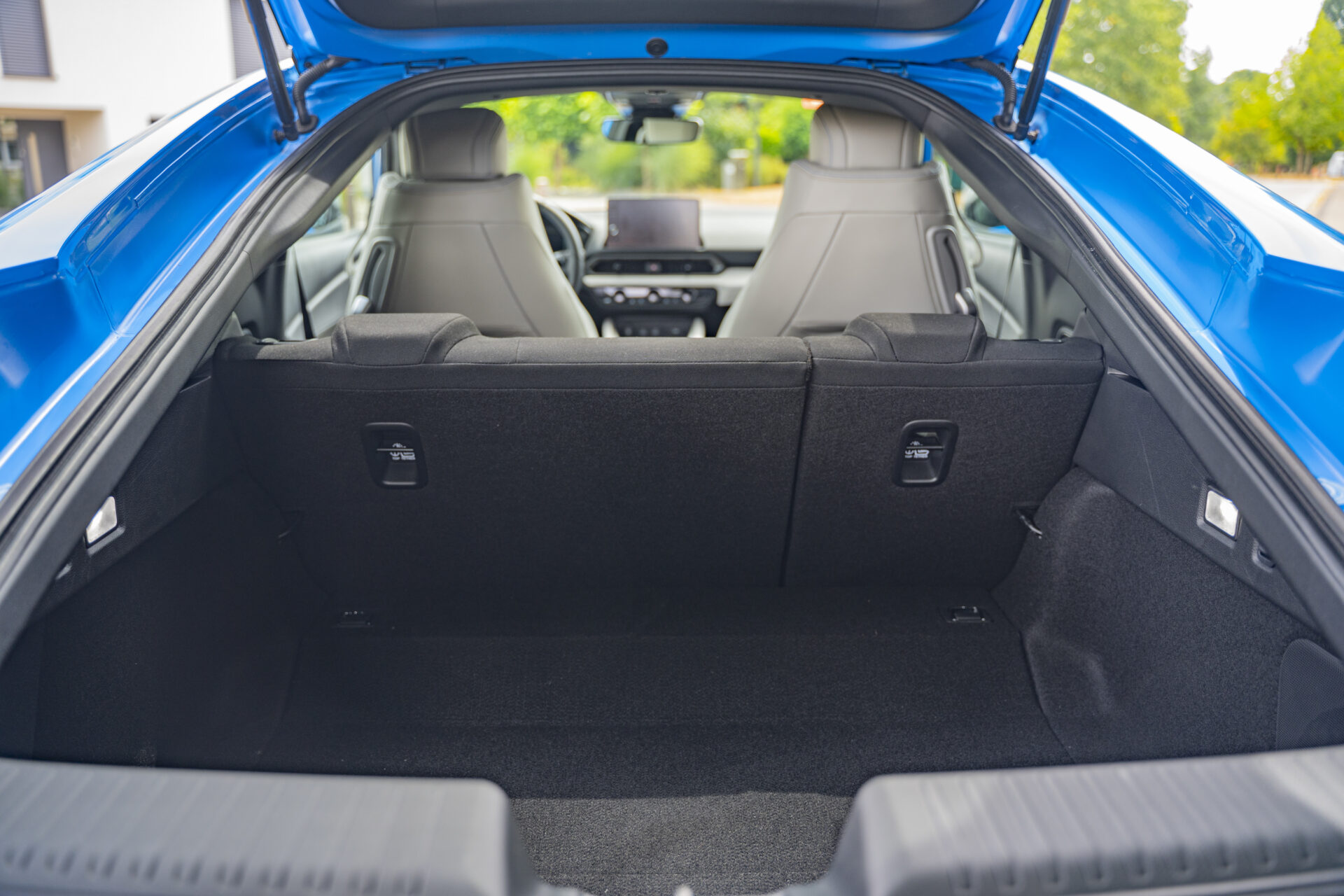
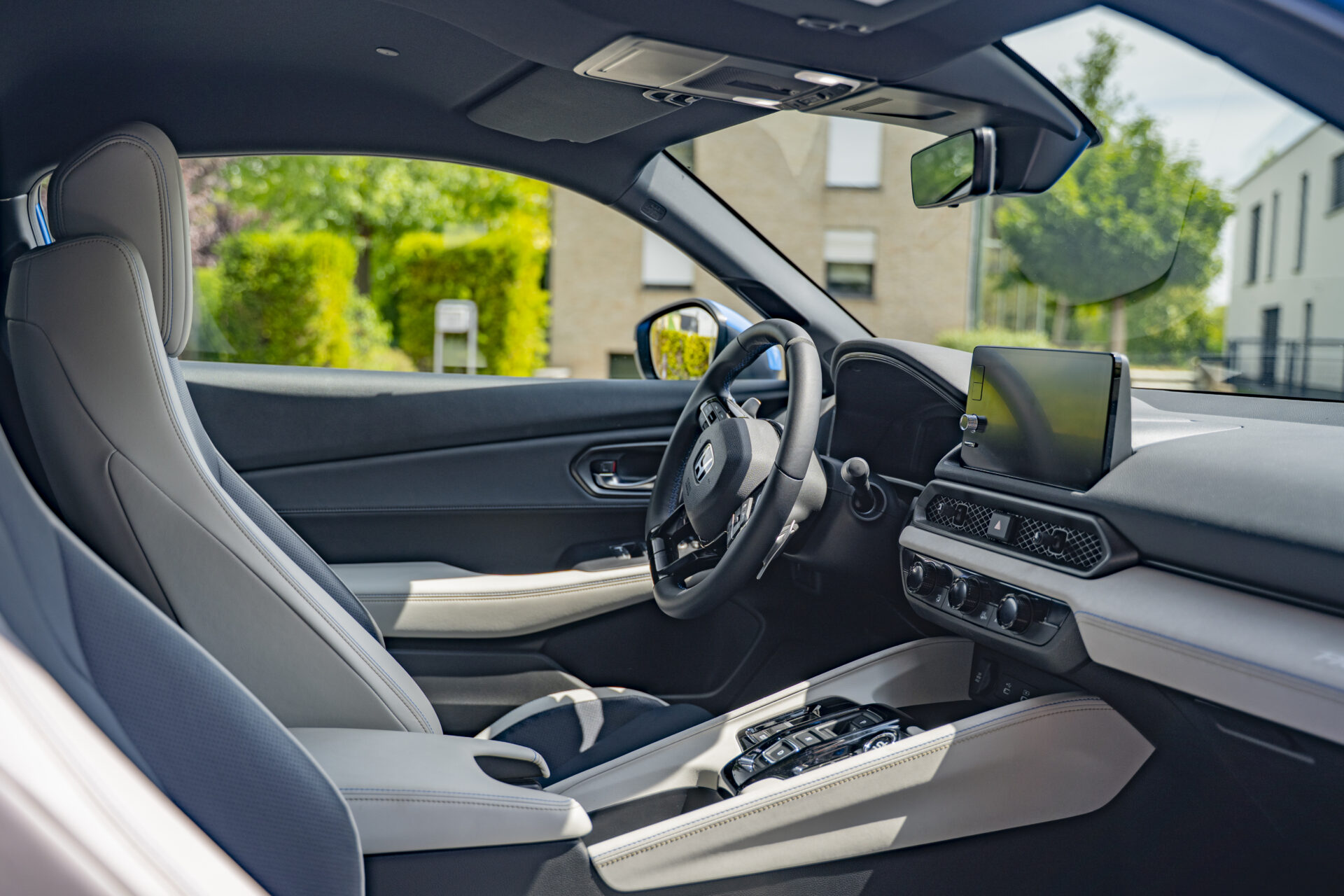
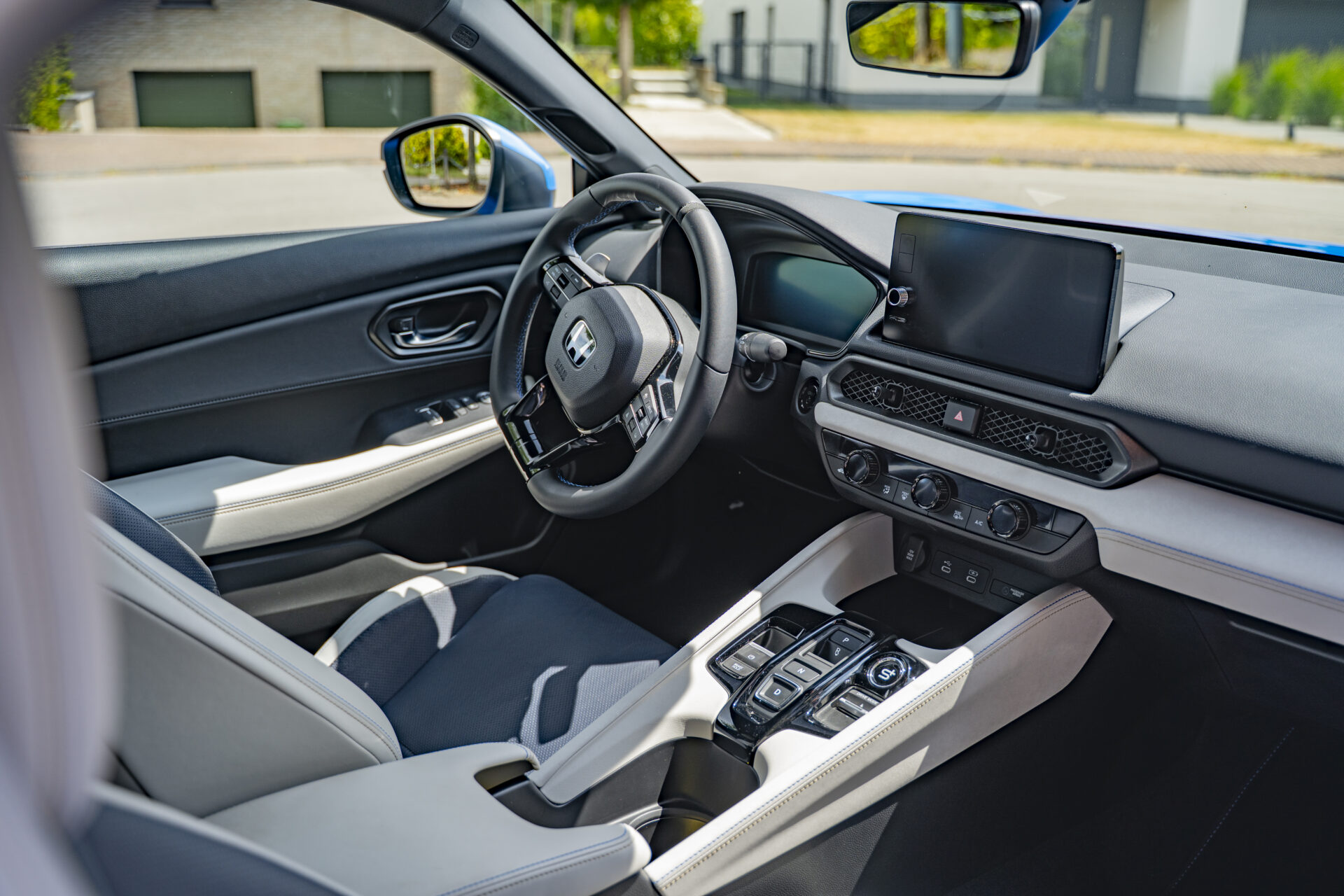
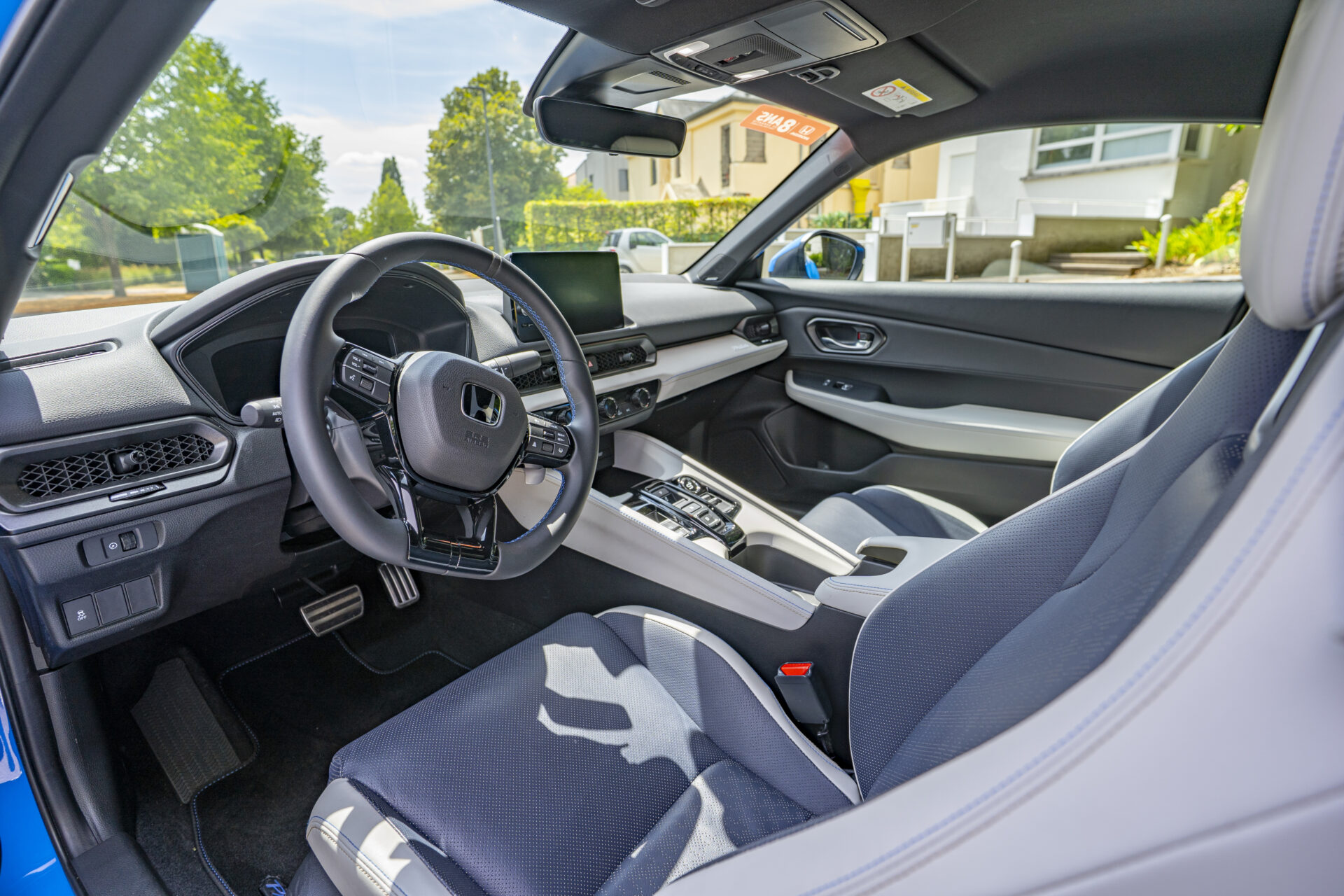
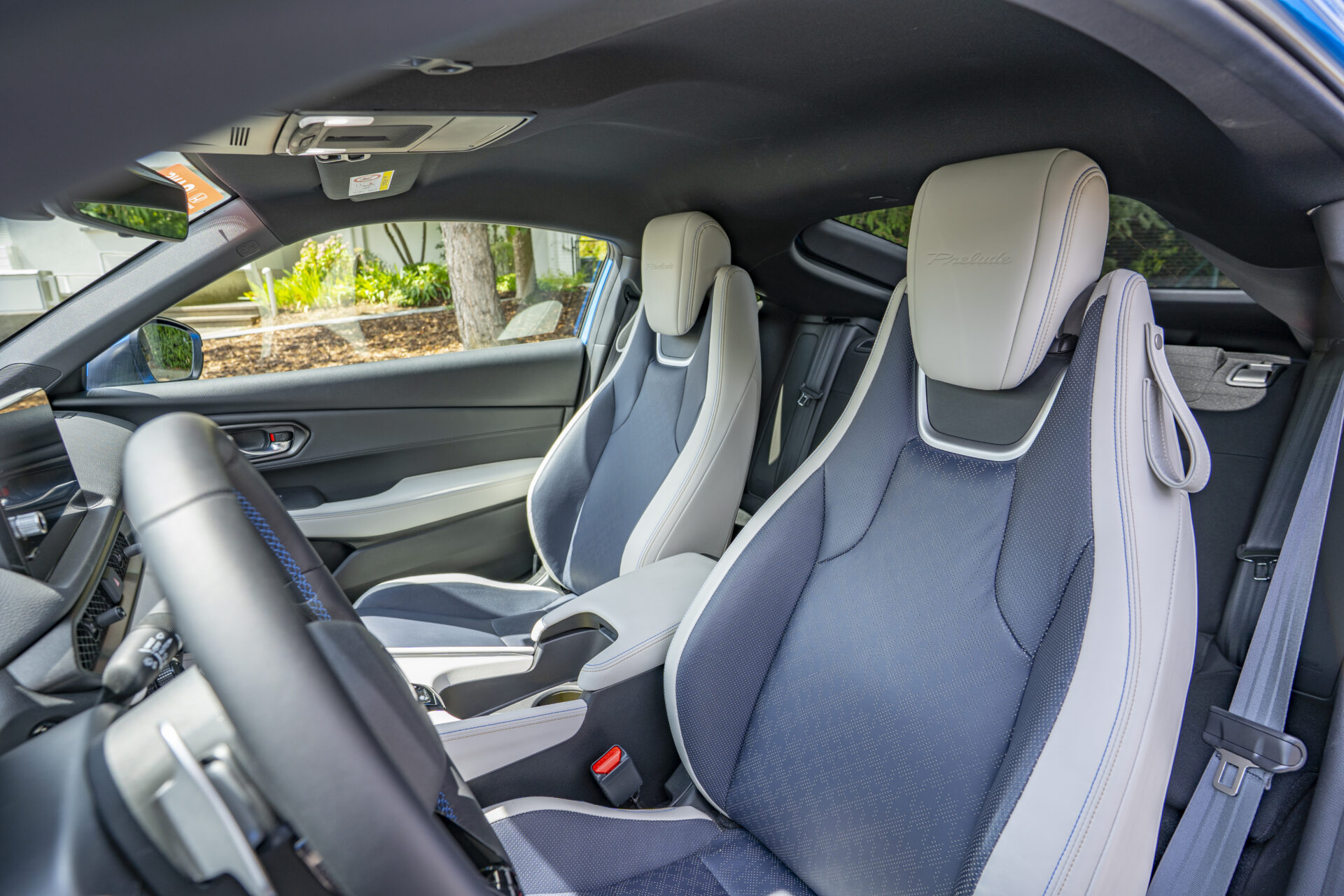
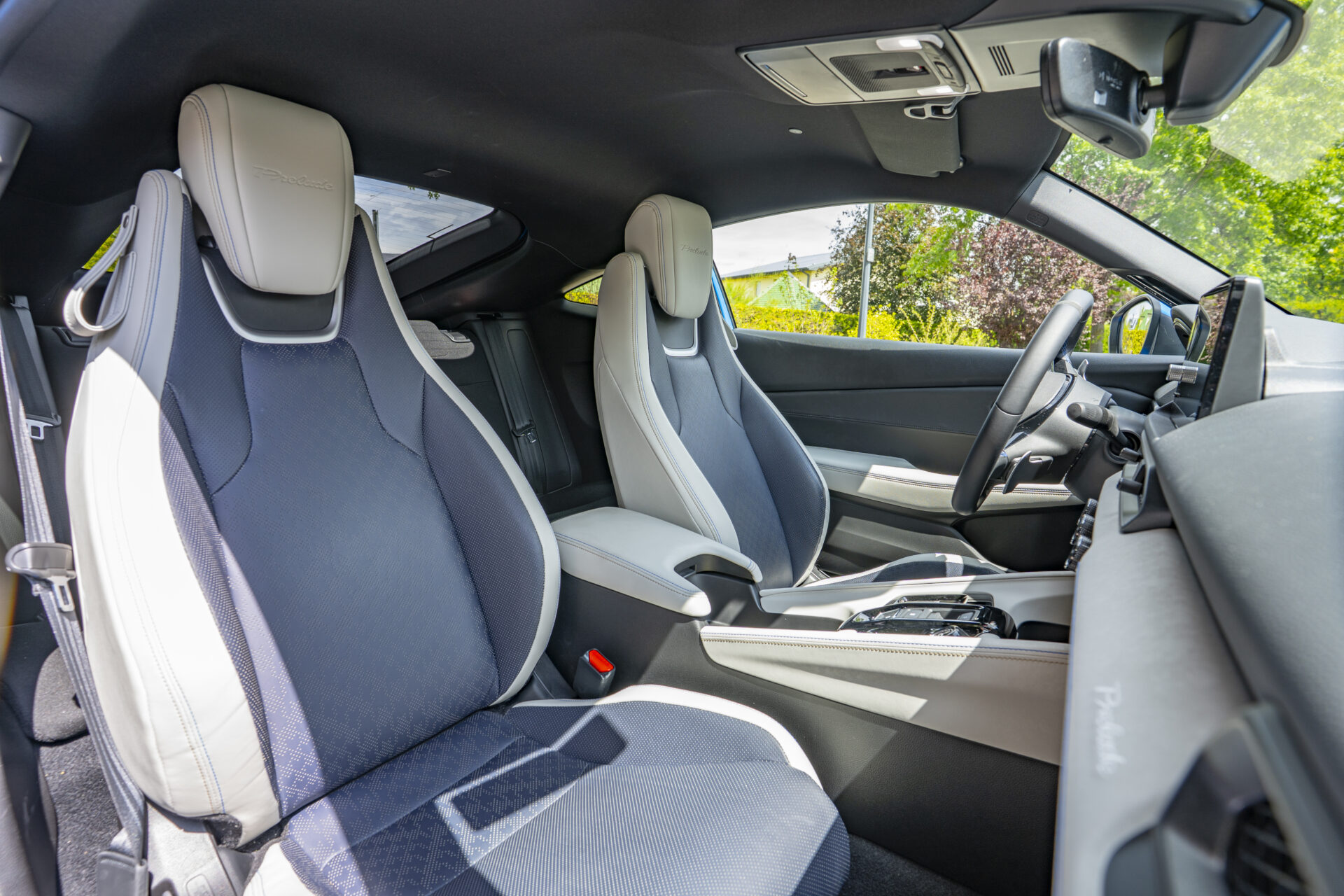
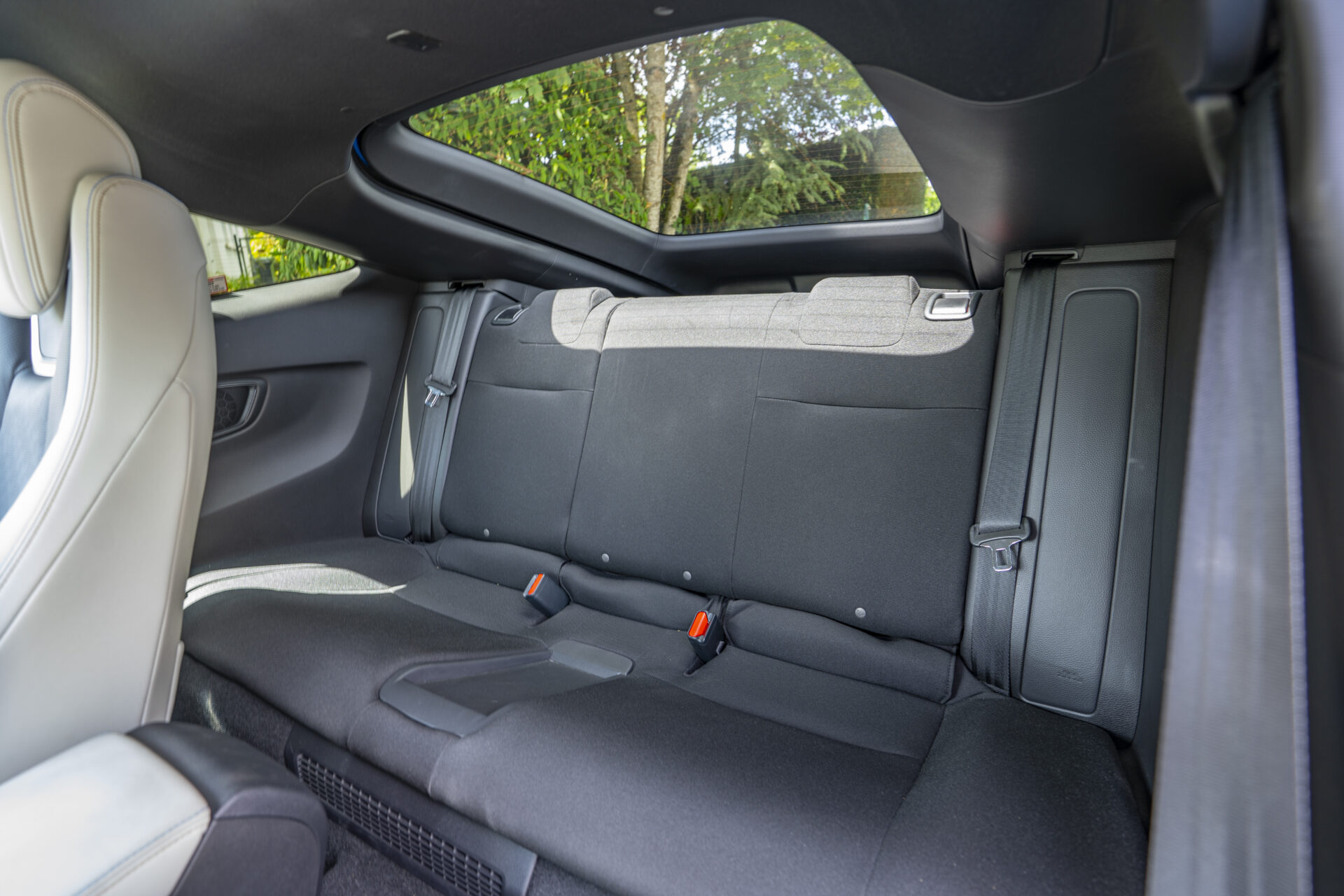
Inside, Honda’s fundamentals are all present: a low seating position, good ergonomics, and instrumentation angled towards the driver. The dashboard, similar to the Civic’s, pairs a 9-inch touchscreen with a customisable 10.2-inch digital instrument display. Despite its coupé profile, the layout remains 2+2, with occasional-use rear seats and a practical tailgate for loading. Four driving modes (Comfort, GT, Sport, Individual) adjust the suspension, steering, throttle response and sound.
A hybrid powertrain designed for driving pleasure
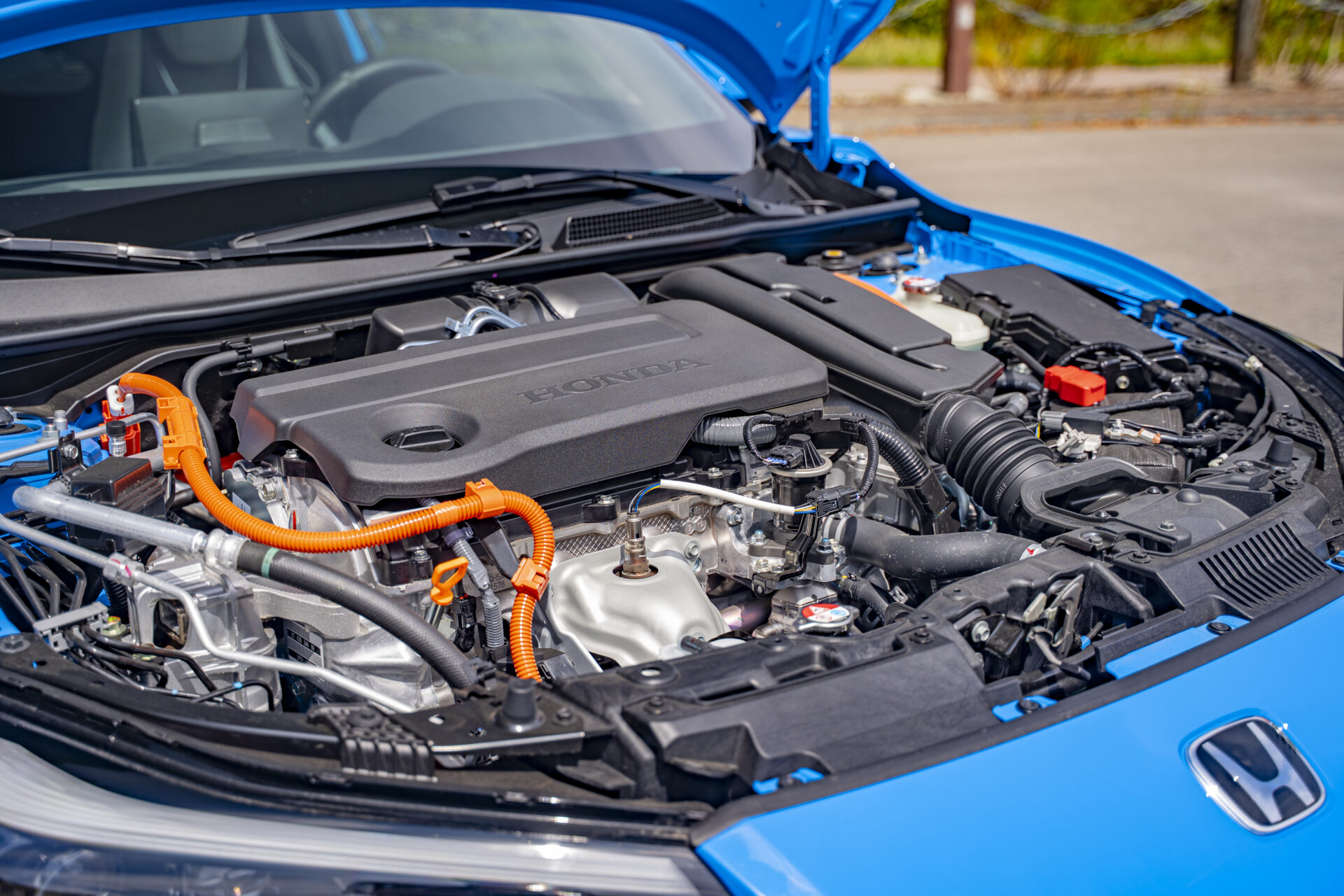
Under the bonnet, the Prelude drops the naturally aspirated VTEC engines in favour of the latest generation of the e:HEV hybrid system: a 2-litre four-cylinder petrol engine with 143 hp, running on the Atkinson cycle, paired with two electric motors. The combustion engine acts mainly as a generator, with surplus energy stored in a 1.05 kWh battery under the rear seat. At steady speeds, a clutch links the engine directly to the wheels to optimise efficiency. With no conventional gearbox, it simulates gear changes to give a feel close to a classic automatic. With a combined 184 hp and 315 Nm available instantly, it favours responsiveness over outright performance: 5.2 l/100 km on the WLTP cycle, dropping below 4 l/100 km during our test in favourable mixed-use conditions, and around 5.5 l/100 km under spirited motorway driving. The S+ Shift system, with paddle shifters, heightens the experience by acting on engine speed, sound and transmission response.
A chassis engineered for driving enjoyment
Honda has drawn on its performance know-how, borrowing several elements from the Civic Type R FL5: a dual-axis front suspension to limit torque steer and improve precision, widened tracks for stability under load, and four-piston Brembo callipers. The specifically tuned adaptive dampers aim for a balance between body control, precision and comfort rather than outright hardness. The lowered centre of gravity limits weight transfer, while the steering, progressive and precise, delivers good feedback without becoming heavy for daily use. Regenerative braking, adjustable across eight levels, blends smoothly with the mechanical brakes for a natural pedal feel. On winding roads, the instant electric torque and the front axle inherited from the Type R allow precise turn-in, with good traction on the way out of corners. The result is progressive, communicative handling that inspires confidence without sacrificing everyday comfort.
Conclusion: a successful rebirth
In a market where coupés are becoming increasingly rare, the new Prelude proves that energy efficiency and driving pleasure can coexist. Without chasing power at any cost, it relies on elegant design, a well-honed chassis and sophisticated hybrid technology, true to Honda’s DNA. Available only in Advance trim from €48,350, it will be sold in limited numbers on the European market.
Technical specifications
Honda Prelude
Points forts
- Styling
- Successful comeback
- Efficient powertrain
- Chassis
Points faibles
- Boot capacity
- Access to the rear seats