Putting your motorcycle away for winter takes more than parking it at the back of the garage. Battery, tyres, fuel, chain, storage spot… A few simple precautions are all it takes to find it ready to ride in spring, without needless costs.
As temperatures drop and the days grow shorter, many riders put their bikes away in the garage until the fine weather returns. Yet simply leaving a motorcycle standing for several months can cause plenty of trouble, from a flat battery and corrosion to deformed tyres and stale fuel. Proper winterising protects your bike, avoids needless expense and, above all, means you can get back on the road safely as soon as the new season begins.
A clean bike before a long lay-up
The first step in proper winterising is to give the motorcycle a thorough clean. After a season on the road, the bodywork, wheels, chain and other mechanical parts can build up dust, insects, tar spatter and salt residue. If these deposits remain in contact with metal surfaces for several weeks, they can encourage corrosion.
A full tank to limit condensation
Before putting the bike away, it is a good idea to fill up the tank. A full tank leaves less air inside and therefore reduces the build-up of condensation, which can cause corrosion inside the tank. For a lay-up lasting several months, adding a fuel stabiliser can also be a good solution. It helps the fuel keep its properties and makes the engine easier to start after a long period of inactivity. Once the stabiliser has been added, run the engine long enough for the product to circulate through the entire fuel system.
Keep a close eye on the battery
The battery is one of the most sensitive components during long-term storage. Even when unused, it naturally keeps losing charge. A weak or completely flat battery can lose some of its performance and make starting difficult in spring. The most effective solution is a battery maintainer suited to the type of battery fitted to the motorcycle. It monitors the charge level automatically and keeps the battery in optimal condition. If there is no power socket in the garage, it is better to remove the battery and store it somewhere dry, at a moderate temperature and protected from frost.
Looking after the tyres
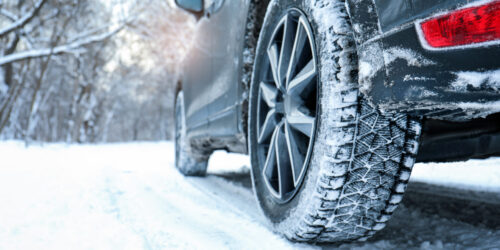
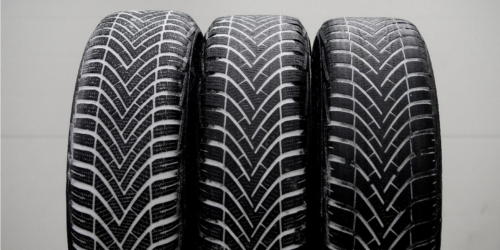
Tyres play an essential role in rider safety and deserve particular attention over the winter too. A motorcycle left standing for several months always rests on the same areas of its tyres, which can cause temporary deformation. Before storage, check the pressures and keep them at the level recommended by the manufacturer. Where possible, moving the bike slightly from time to time changes the contact points. Paddock stands are also an excellent solution for long lay-ups. This is also the ideal time to check the general condition of the tyres, so that heavy wear or ageing rubber can be dealt with in good time and the new season starts in the best possible conditions.
A well-maintained chain to prevent corrosion
On chain-driven motorcycles, maintenance before winter is essential. The chain should first be cleaned to remove the old grease laden with dust and dirt, then properly lubricated. A well-protected chain stands up better to moisture, which limits the formation of rust. It is also worth taking the opportunity to check the chain tension and the general condition of the chain and sprocket kit.
Choosing the right storage spot
Where the motorcycle is stored plays an important part in keeping it in good condition. A closed, dry and well-ventilated garage remains the best option. Avoid places that are too damp or subject to large temperature swings. If you use a protective cover, choose a breathable model designed specifically for motorcycles. A fully waterproof tarpaulin may seem like good protection, but it can trap moisture and encourage corrosion.
Beware of rodents in the garage
In winter, garages can sometimes become an ideal refuge for small animals. Rodents can damage components such as wiring looms, hoses and various other materials on the motorcycle. Regularly inspecting the storage area and using suitable repellents helps to limit the risk.
Winter riding is possible with the right precautions
Laying up is not compulsory for every rider. Some keep using their motorcycle all year round, especially when the weather remains favourable. Regular riding can even help to keep certain mechanical components in good working order. Caution remains essential, however, when temperatures drop or when roads are wet, salted or potentially icy. Winter conditions reduce grip and increase the risks for riders of two-wheelers.
The ACL's advice
The ACL recommends using the winter to prepare for the next riding season, by having your motorcycle checked and, if necessary, renewing your riding gear. A well-prepared bike and a well-equipped rider are the two essentials for making the most of the rides ahead. In the end, good winterising is the guarantee of being glad to get back on your bike when the fine weather returns.