Unveiled at the Beijing Motor Show in April 2026 — the Lafa/B05 at Beijing, the B03X in its European premiere at the 2026 Brussels Motor Show — Leapmotor’s two new models take on the electric compact segment with complementary approaches. The first claims a dynamic, styled positioning; the second is firmly focused on space and urban practicality.
Leapmotor B05: a well-equipped fastback, but modest in sportiness
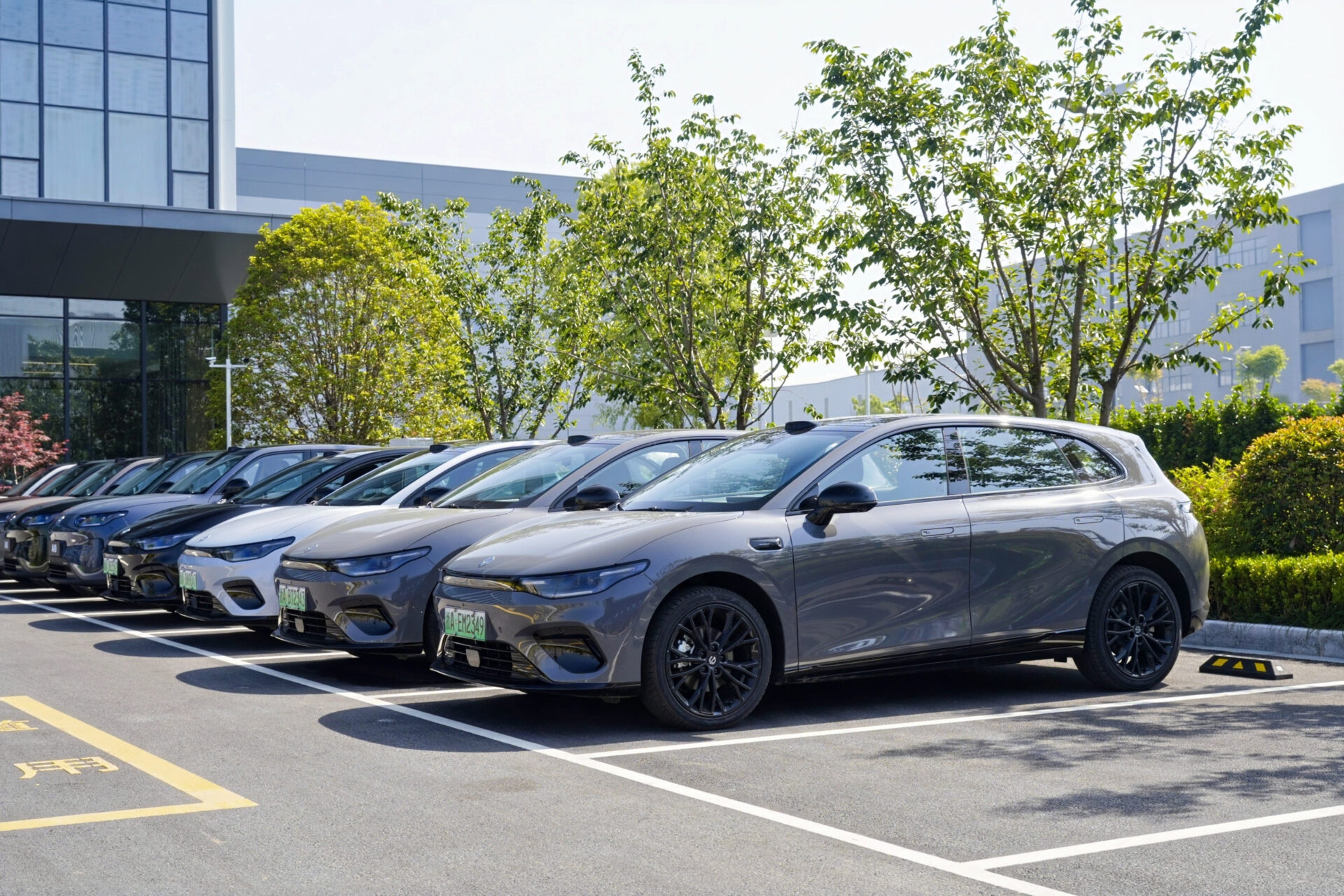
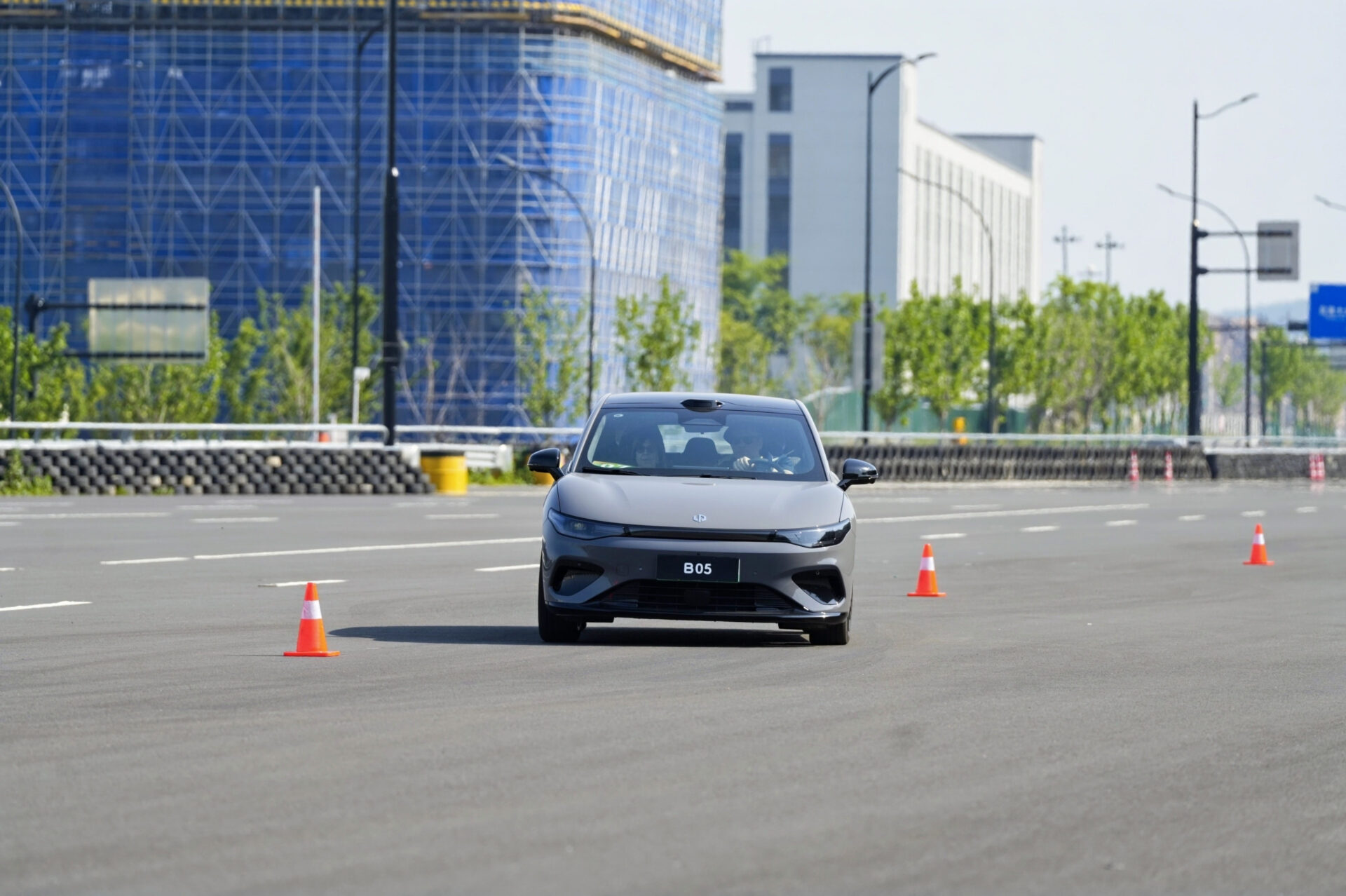
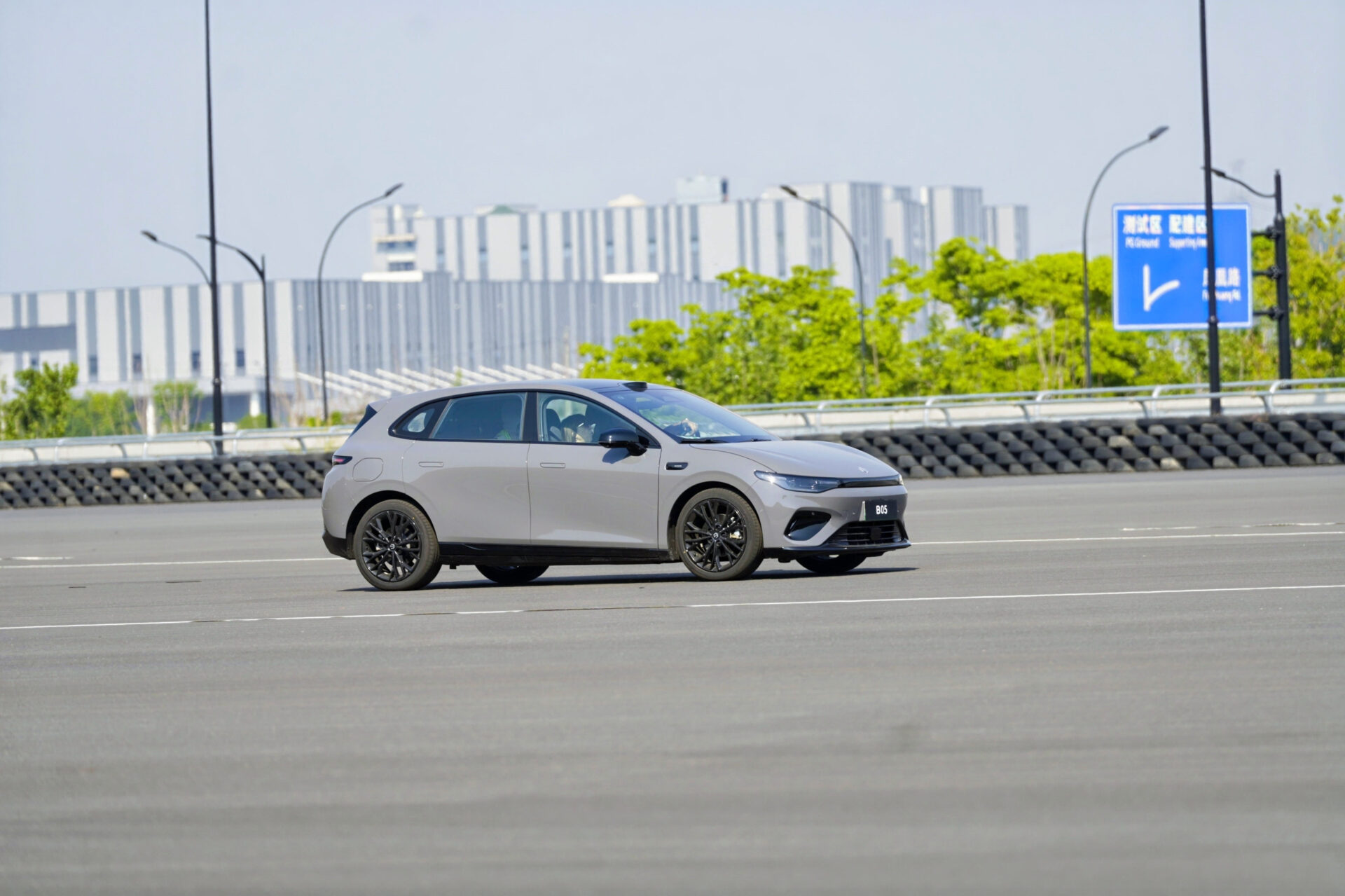
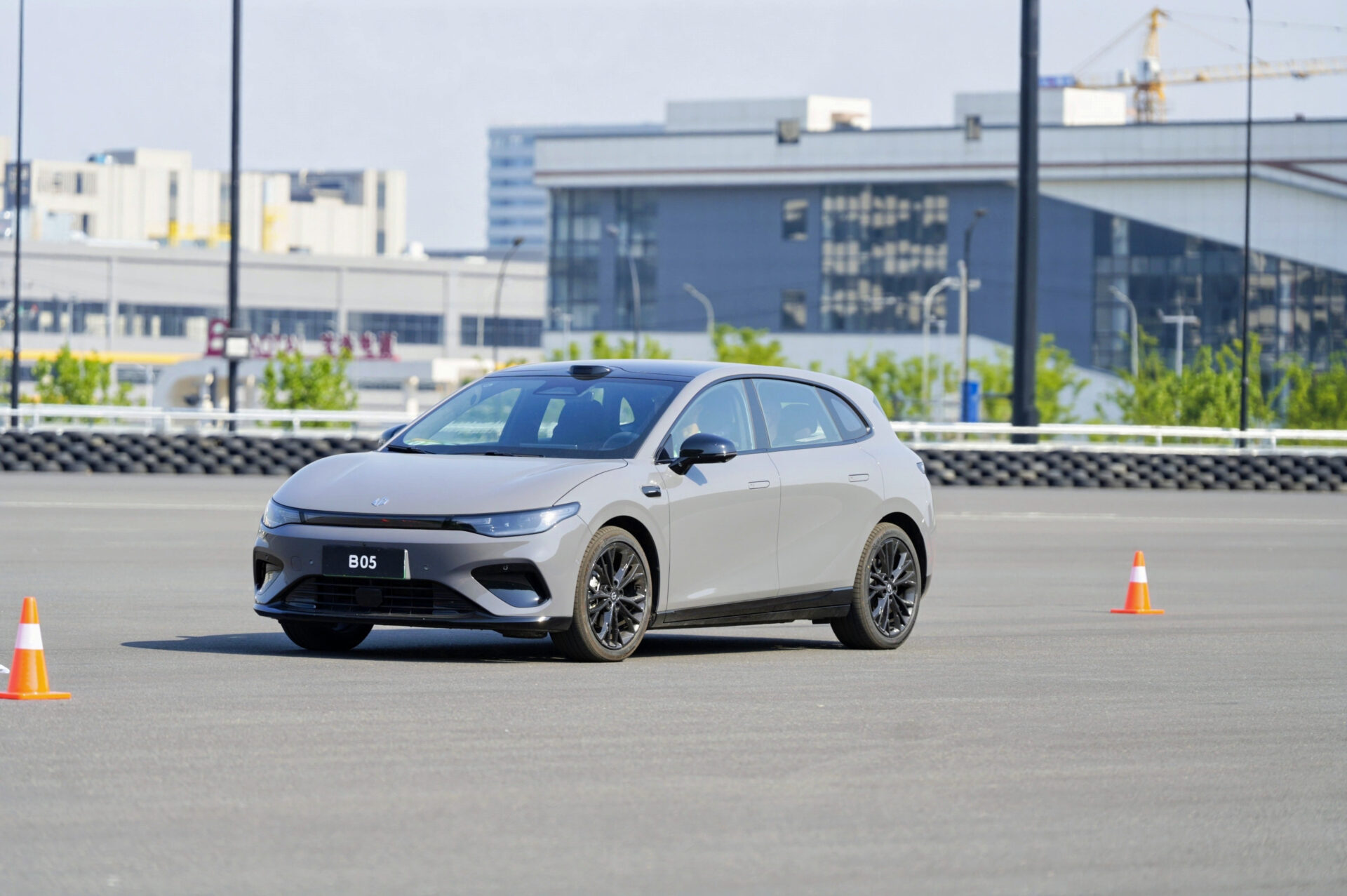
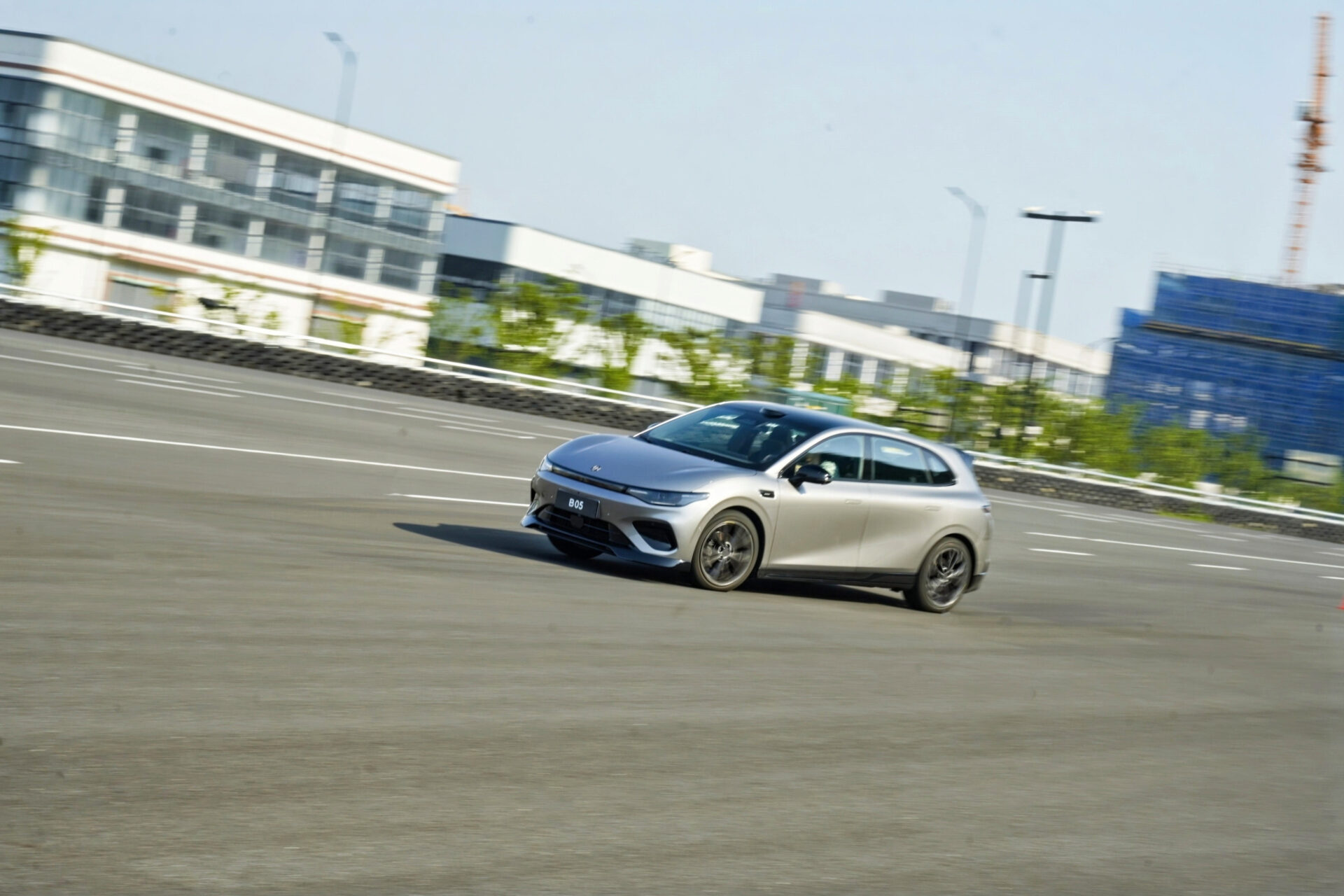
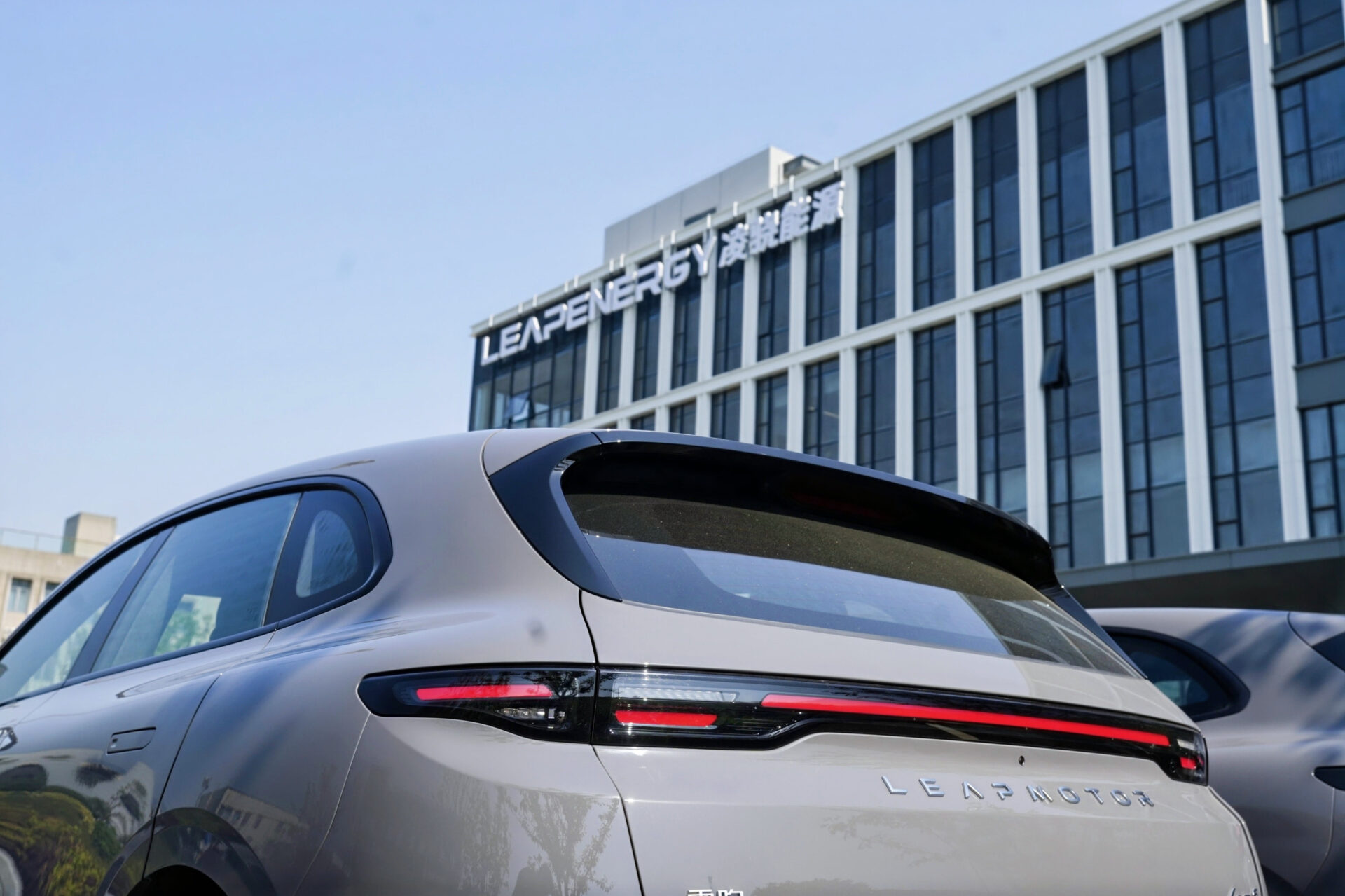
At 4.43 metres in length, the B05 slots into the C-segment alongside the B10 SUV already on sale in Europe. Leapmotor readily presents this model as sporty and bold. In practice, the reality is more nuanced. The silhouette is that of a refined fastback — sloping roofline, frameless doors, flush door handles and 19-inch aerodynamic wheels. The result is a clean, contemporary profile, but without the visual tension of a genuine sports car. The 0.26 Cd drag coefficient is a solid performance for this segment, achieved through conventional aerodynamic measures rather than sharp stylistic choices.
The B05 is offered exclusively as a pure electric, with a 160 kW (218 hp) rear-wheel-drive motor and a claimed 50/50 weight distribution. With 240 Nm of torque and a 0–100 km/h time of 6.7 seconds, however, performance sits in the middle of the segment. That is an honest, sufficient result for everyday use, but hardly enough to justify the sporting ambitions the brand has put forward. For comparison, a Volkswagen ID.3 Pro Performance or a Renault Mégane E-Tech 220 hp match or better this figure on that criterion alone.
Where the B05 stands out more convincingly is charging: with a maximum DC output of 170 kW and a 2.5C rate, it goes from 30 to 80% in 17 minutes, placing it among the best in the segment on this criterion. The 67.1 kWh battery delivers a WLTP range of 300 miles (around 480 km), with a consumption of 15.9 kWh/100 km. AC charging is capped at 11 kW. The battery uses LeapEnergy’s CTC (Cell-to-Chassis) technology, integrated directly into the chassis without an intermediate casing, delivering a 13% gain in volumetric energy density and a lower centre of gravity.
The chassis was co-developed with Stellantis engineering teams to meet European driver expectations. Suspension is MacPherson strut at the front and multi-link at the rear. The 5.17-metre turning circle is compact for a vehicle of this size.
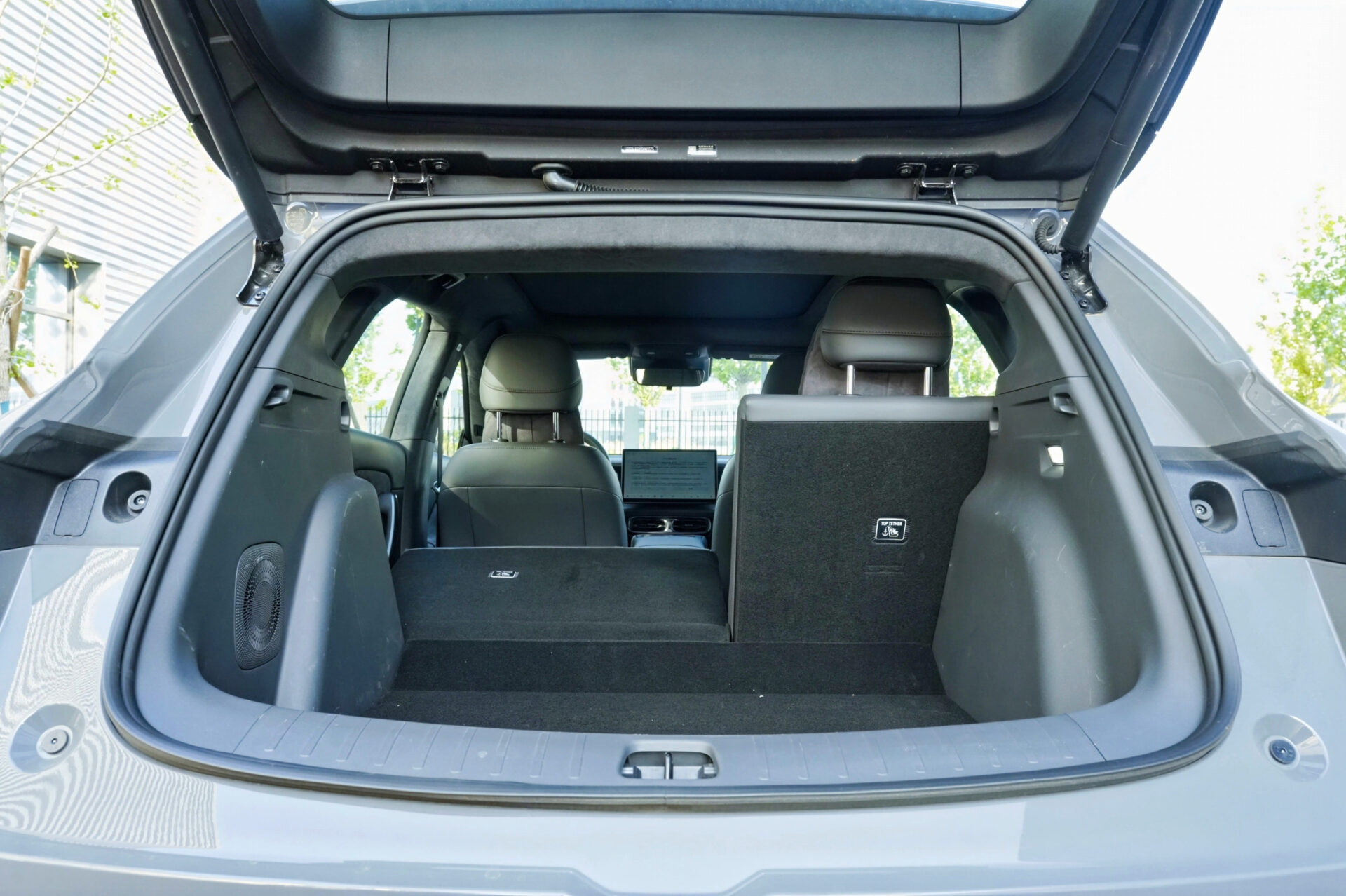
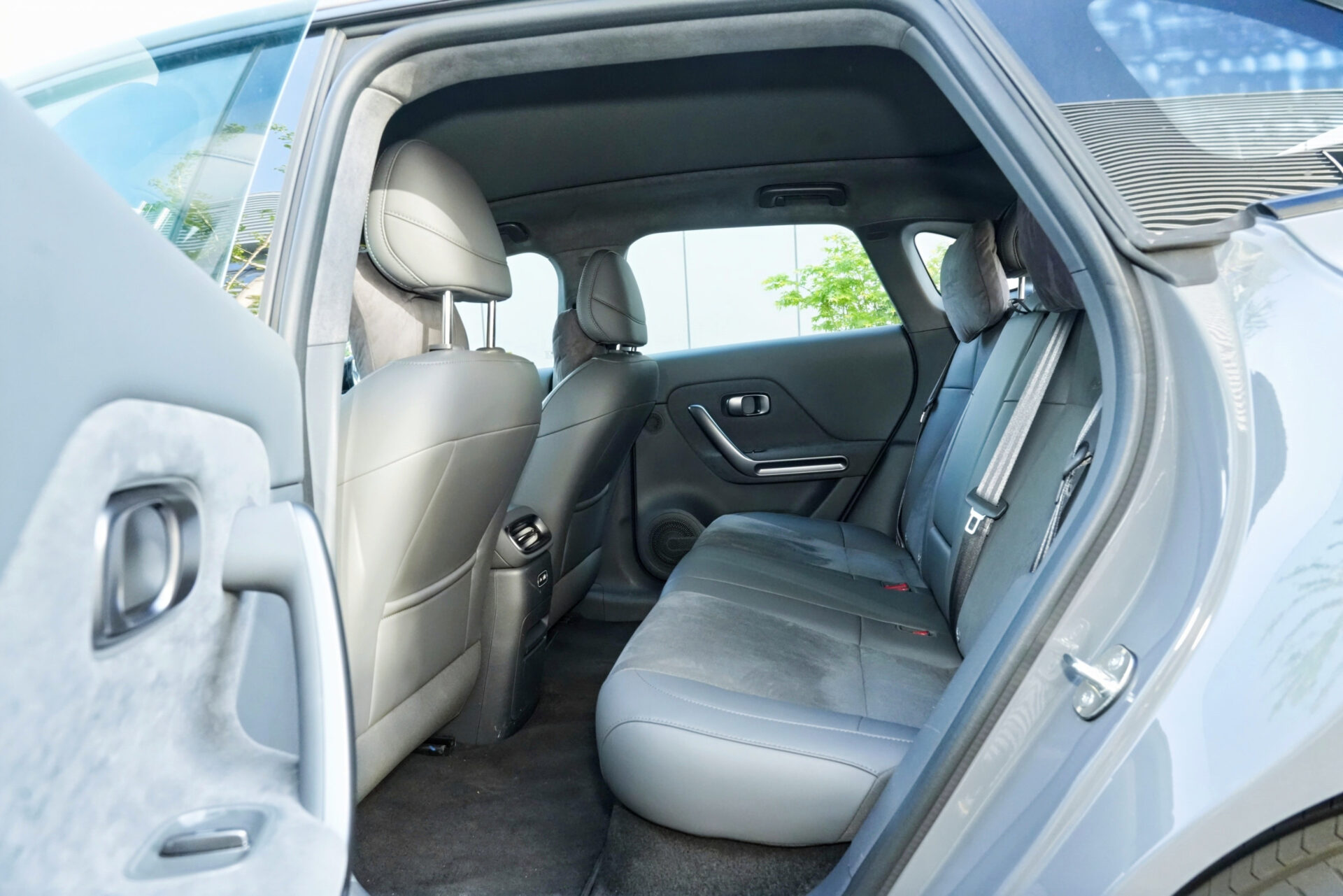
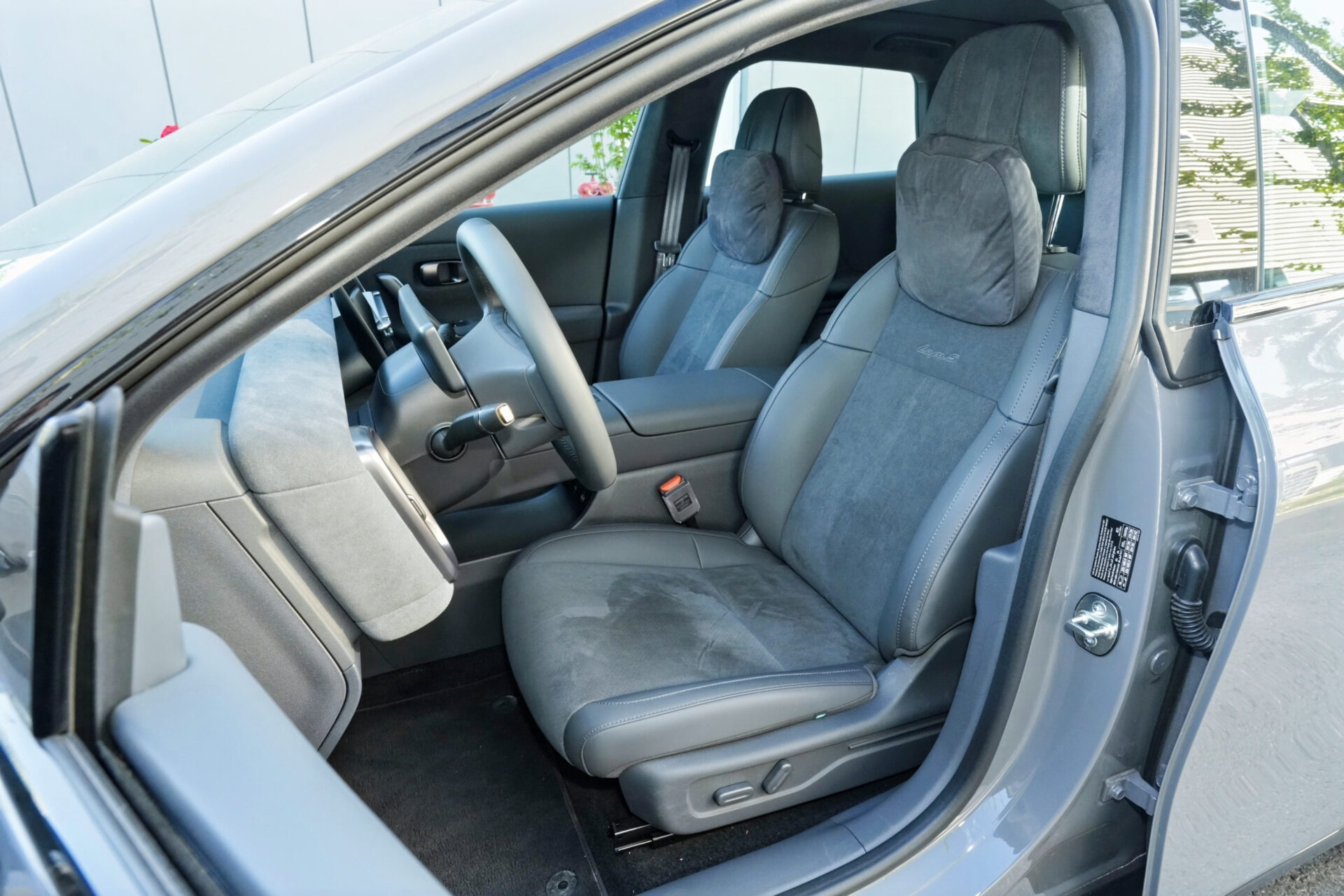
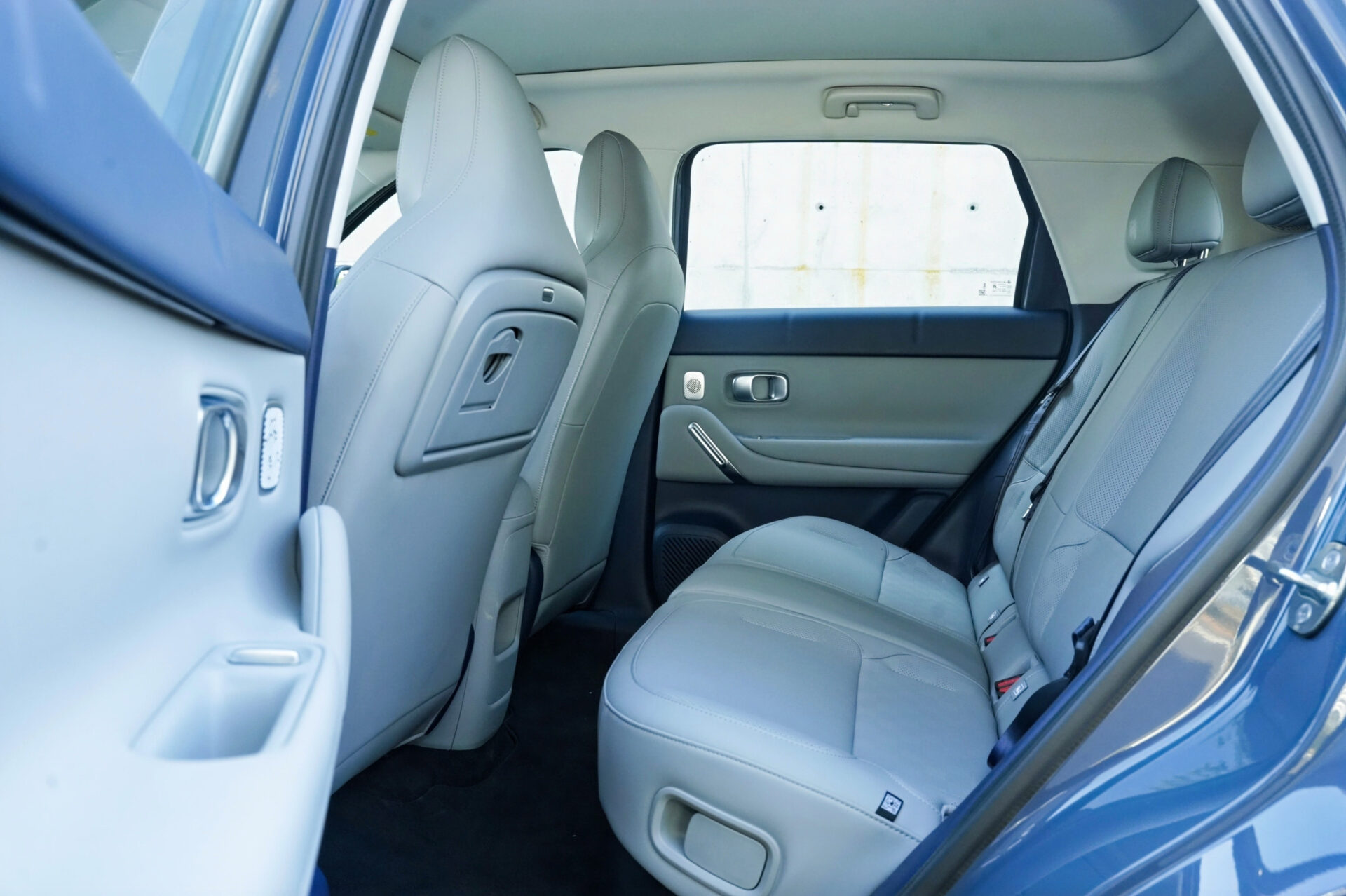
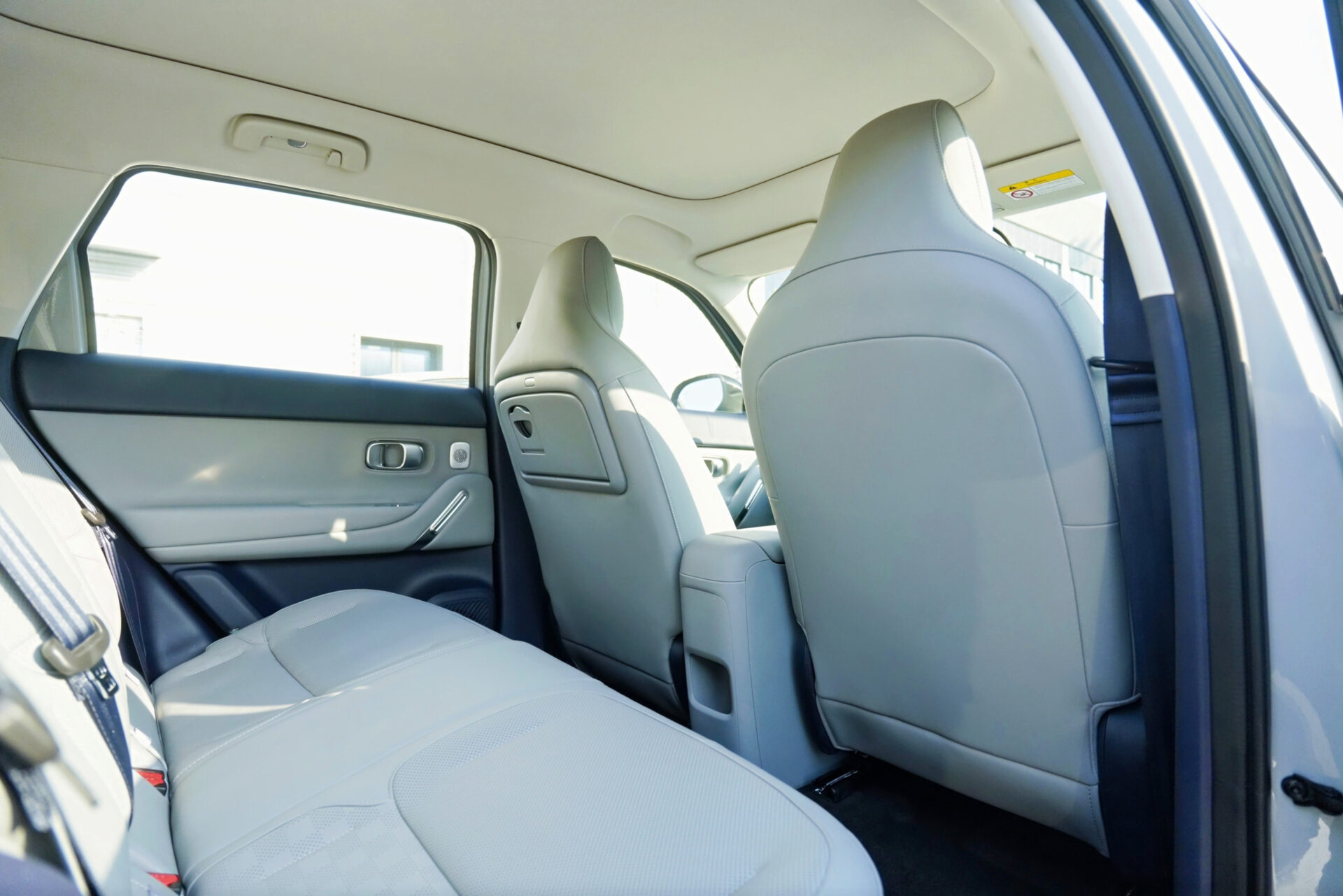
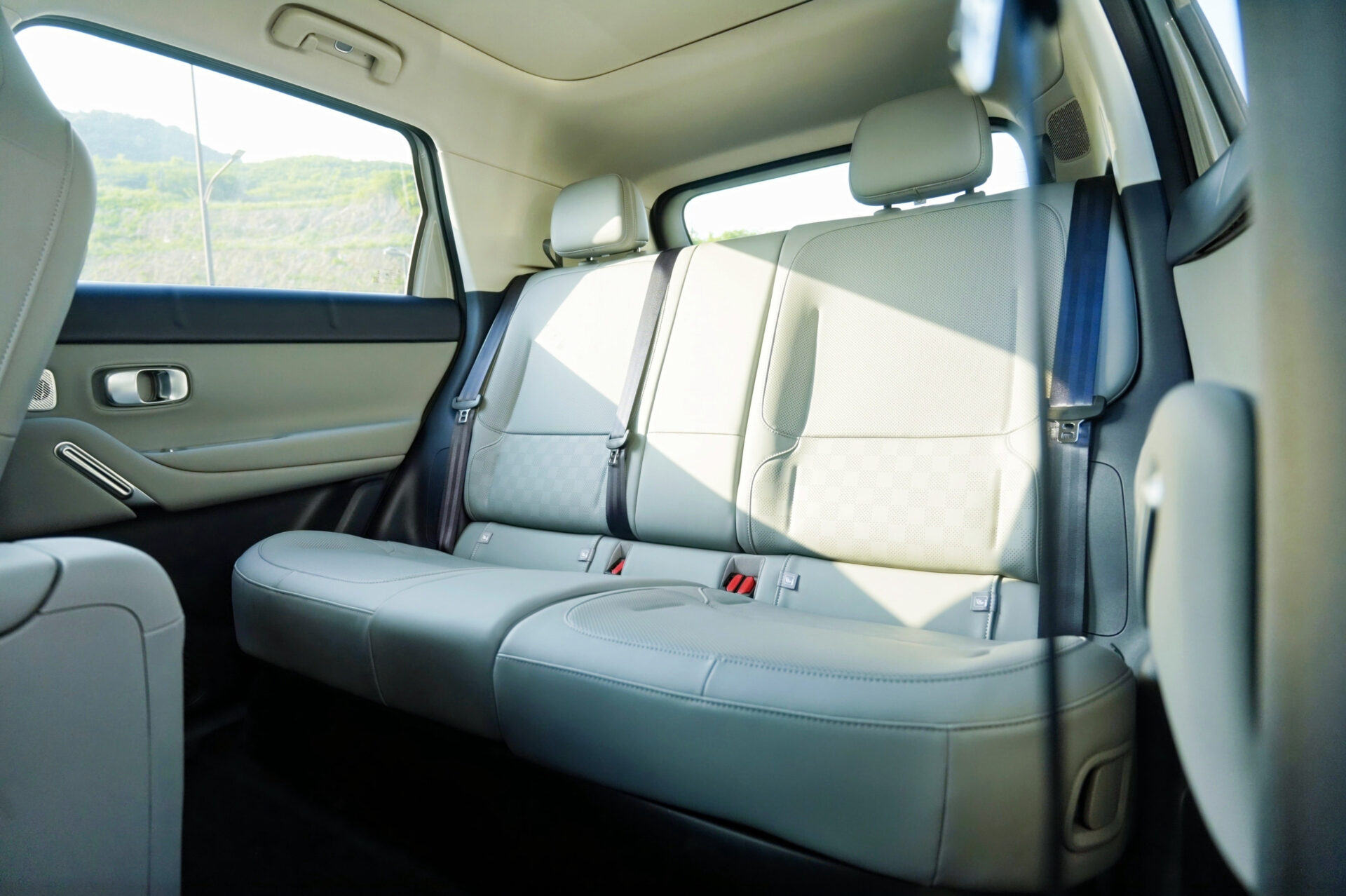
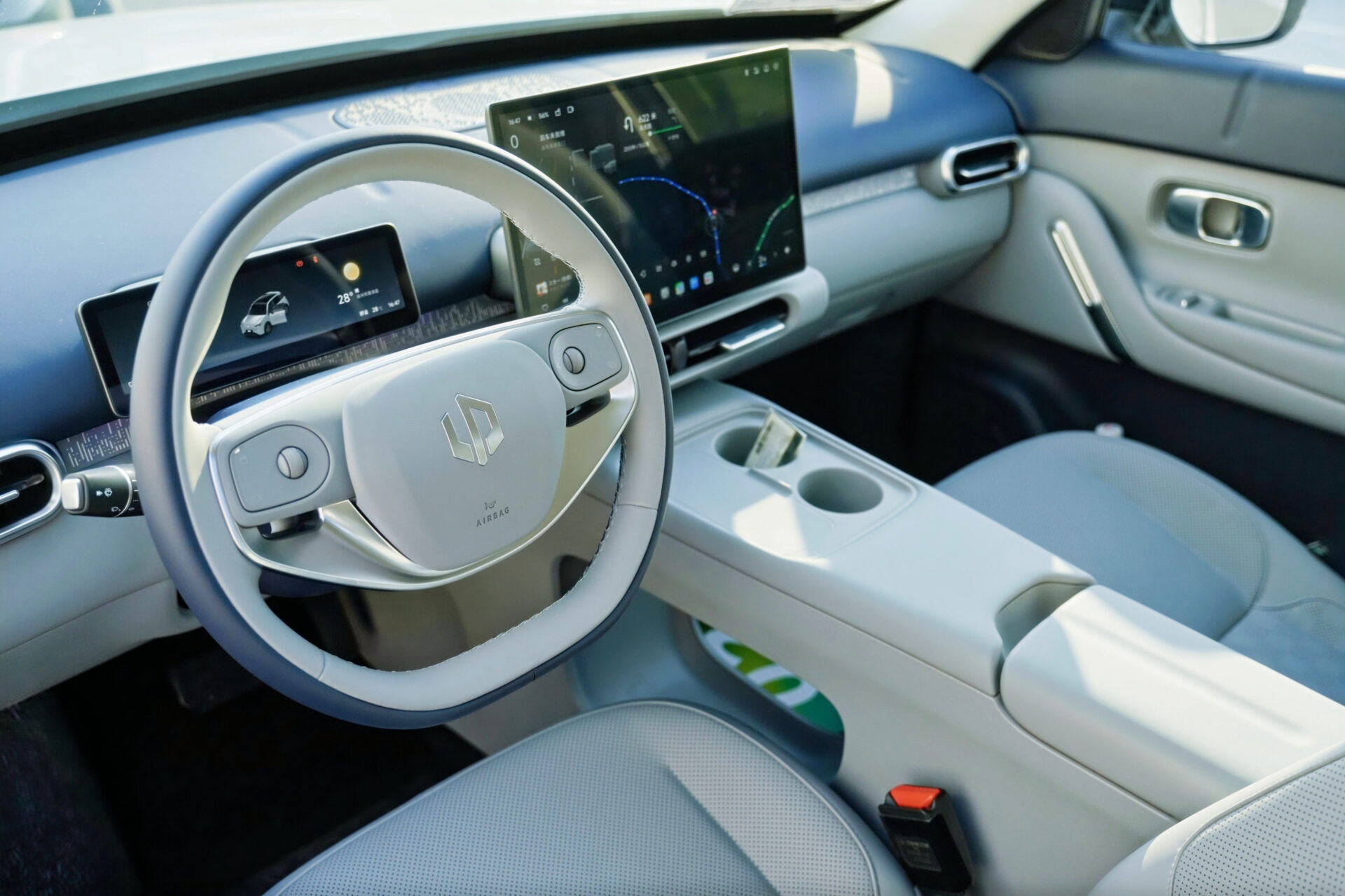
It is arguably inside the cabin that the B05 makes its strongest case. The interior width of 1,448 mm is generous for the segment. Rear seats recline up to 27 degrees. Boot volume is 345 litres, expandable to 1,400 litres with the rear seats folded. The 14.6-inch 2.5K central screen runs Leap OS 4.0 Plus, complemented by an 8.8-inch LCD instrument cluster. Apple CarPlay and Android Auto are standard, as is the 1.02 m² panoramic roof, heated and electrically adjustable front seats, heated steering wheel and 12-speaker sound system. Level 2 driver assistance relies on 14 cameras and sensors for 21 active functions. At this level of equipment, the perceived value-to-price ratio is probably the B05’s strongest argument.
The European price has not yet been confirmed, but it will come in below the B10 SUV, sold at £31,495 in the United Kingdom. First deliveries are expected in July 2026.
B05 Ultra: the version that deserved to come to Europe
At the Beijing Motor Show, Leapmotor also unveiled the B05 Ultra, a sportier version reserved exclusively for the Chinese market. And it is precisely here that the dynamic credentials gain a little more substance.
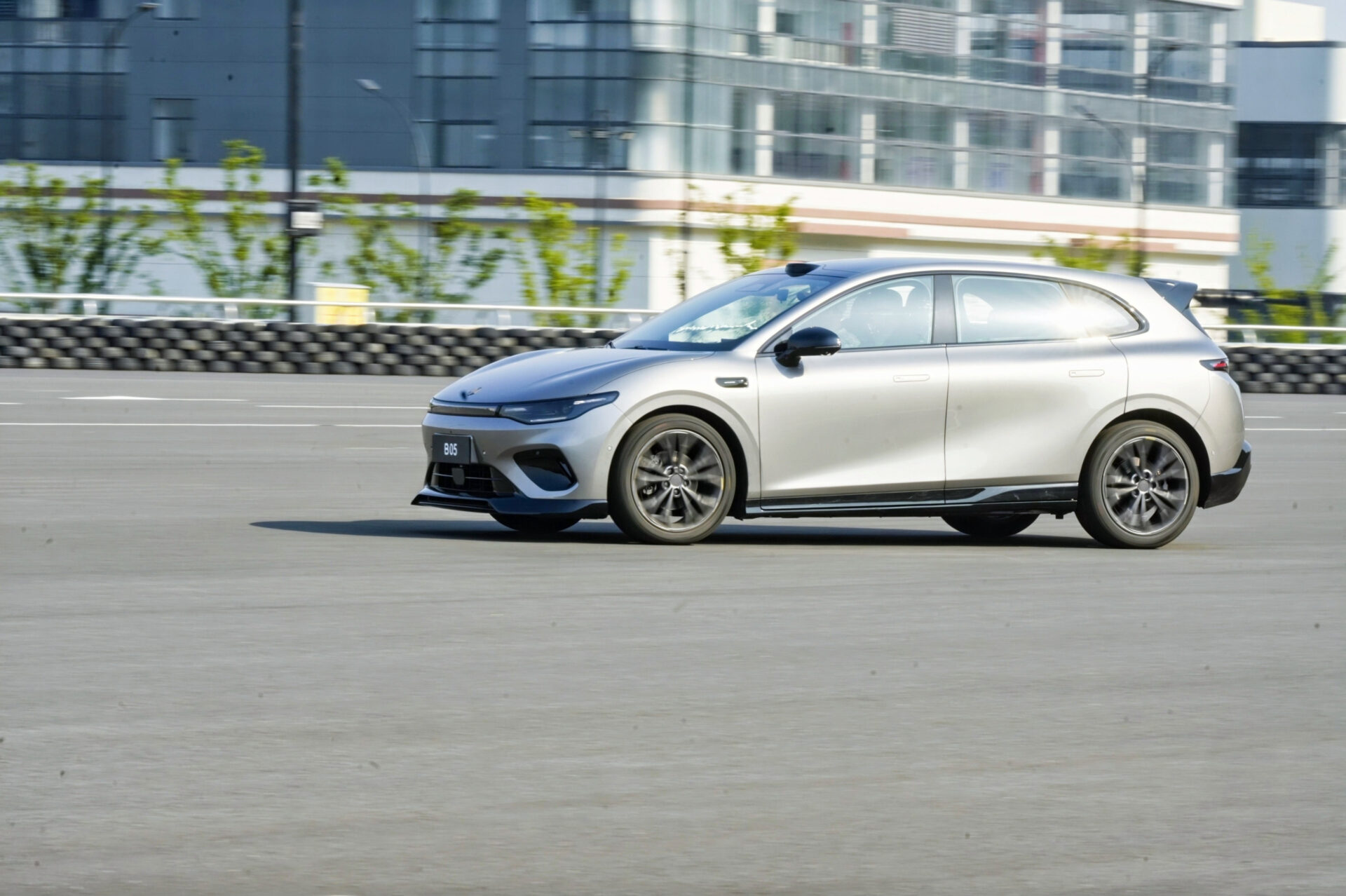
The B05 Ultra is visually distinguished by side skirts, large air intakes in the front bumper and a more pronounced rear spoiler. The body is available in three exclusive colours: yellow, green and grey. The car sits 10 mm lower than the standard version, with stiffened front and rear anti-roll bars and recalibrated dampers for a firmer ride. On the powertrain side, output rises to 180 kW (241 hp) with 255 Nm of torque, bringing the 0–100 km/h time down to 5.9 seconds. The gain over the standard version is measured — around eight tenths of a second — but sufficient to give the model a different character. Top speed is nonetheless capped at 170 km/h, a ceiling that illustrates the limits of the sporting positioning being claimed. Two battery options are available: 56.2 kWh for a CLTC range of 500 km, or 67.1 kWh for 600 km. The interior also evolves, with 4.48 m² of black suede-effect trim and front seats with eight-point massage and ventilation. The dual Qualcomm 8650 and 8295 chipset enables advanced assisted driving in urban environments.
The B05 Ultra is presented as exclusively reserved for the Chinese market, and Leapmotor has made no announcement regarding a possible European launch. That is a missed opportunity. With its revised running gear, more responsive motor and reasonable dimensions, the B05 Ultra would have made a more coherent case for the sporting ambitions the brand displays. It would also have given the European range a model capable of generating genuine desire — something the standard B05, solid but conventional, struggles to achieve in a segment that is far from short of well-established rivals.
Leapmotor B03X: the small SUV that banks on space
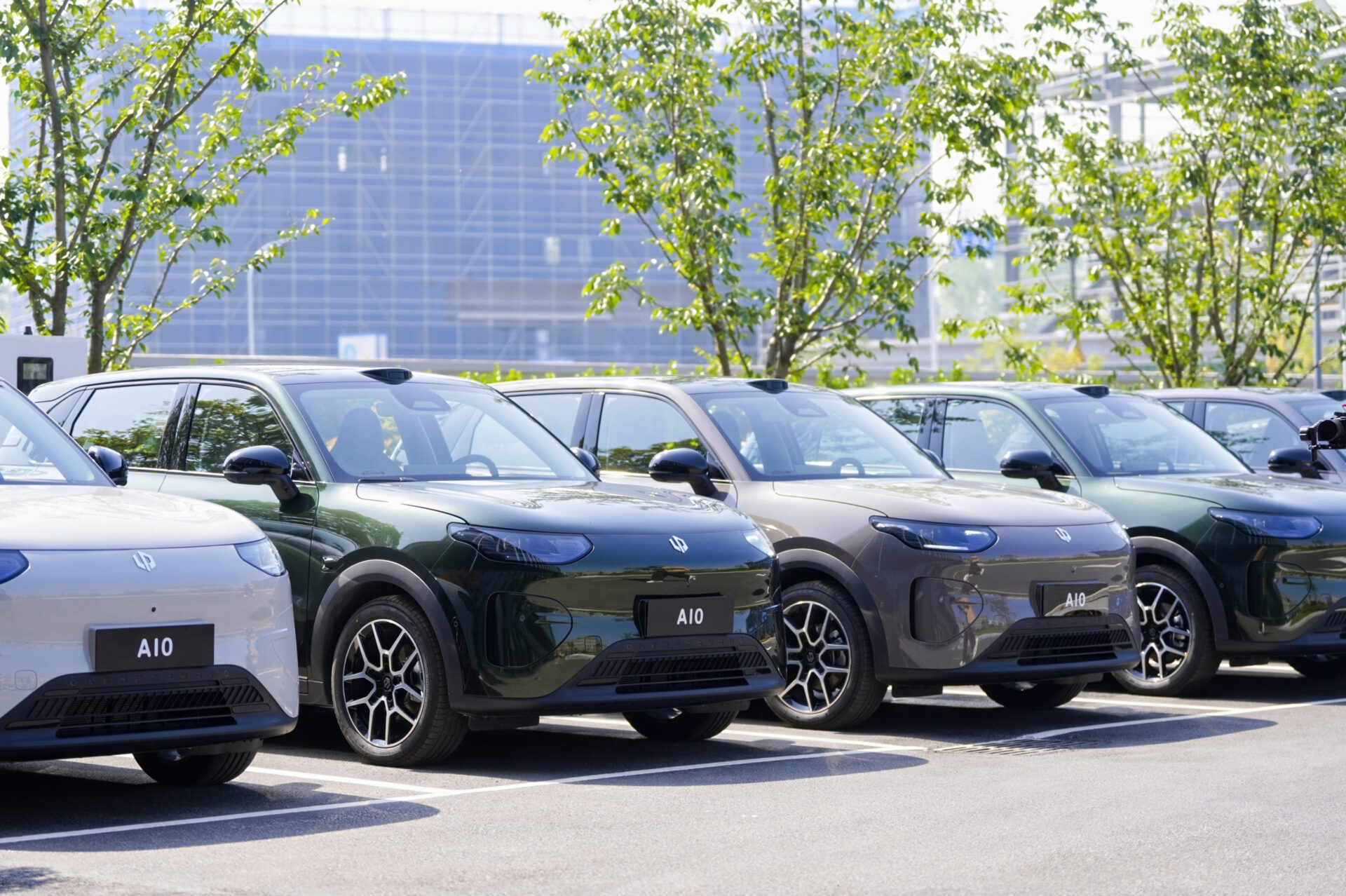
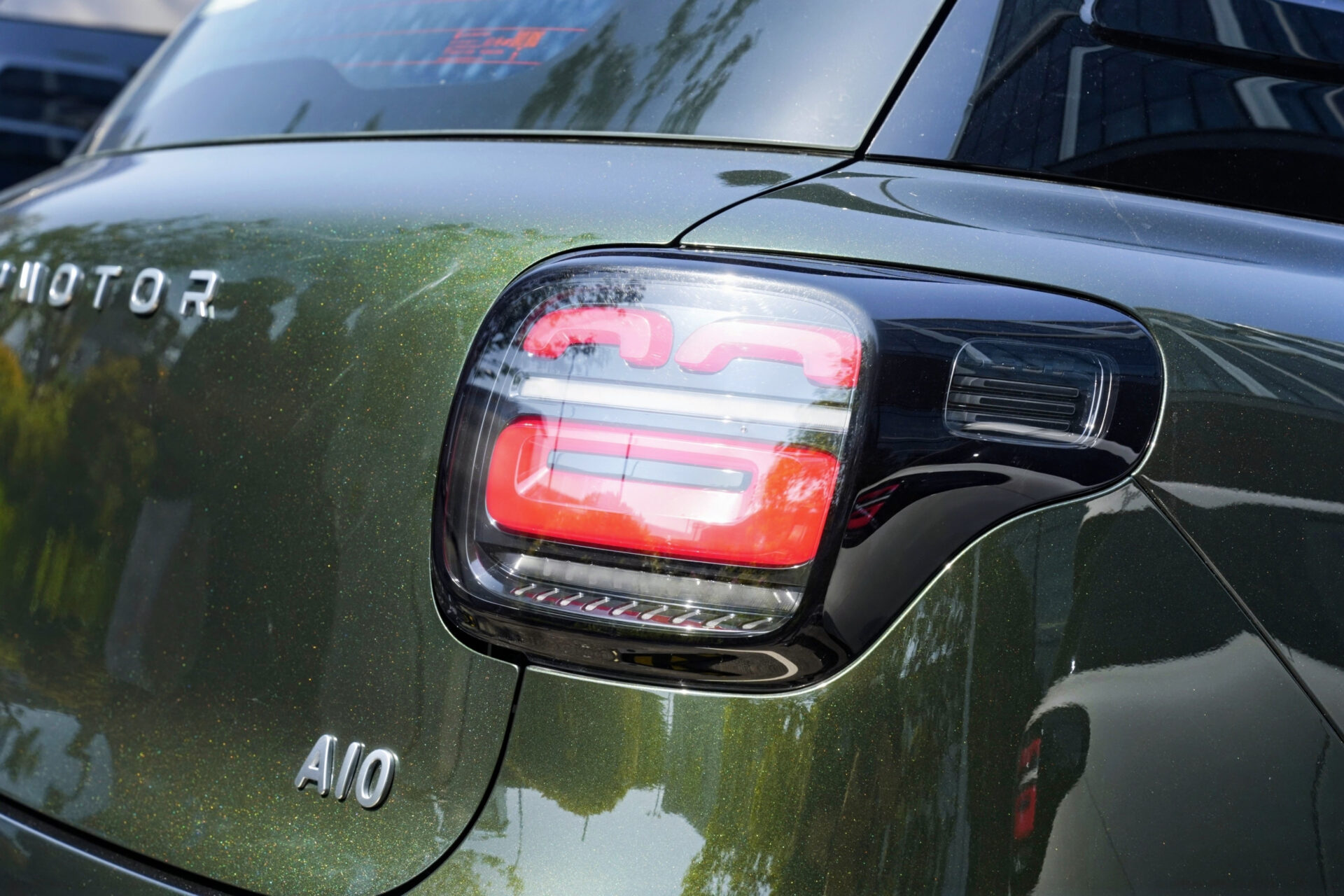
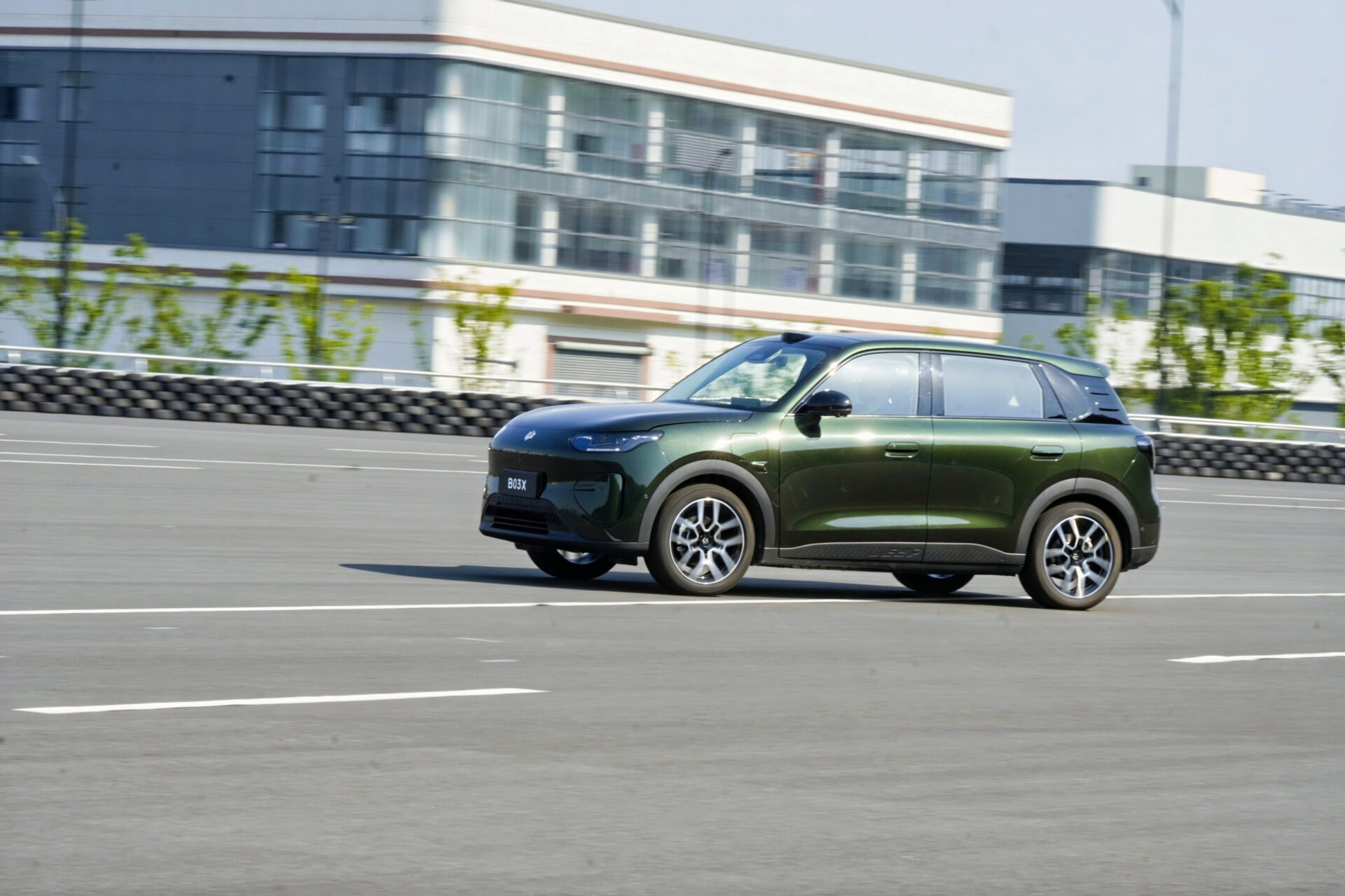
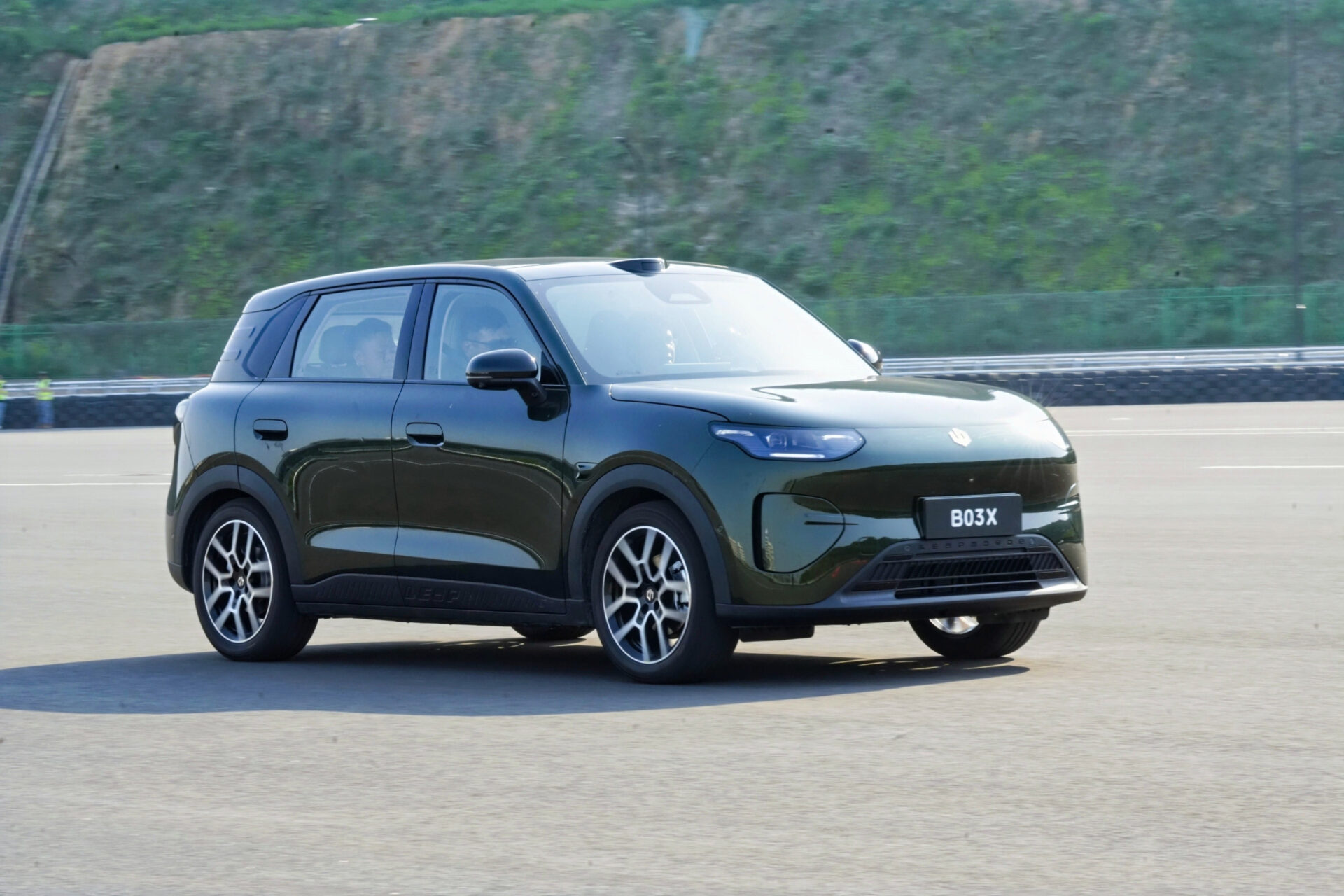
Where the B05 claims dynamism, the B03X takes a very different and arguably more coherent stance for what it actually is: a compact SUV designed to maximise utility within a contained footprint. This model measures 4.27 metres in length, 1.81 metres wide and 1.635 metres tall, with a 2.605-metre wheelbase. It is built on Leapmotor’s new A platform and also posts a 0.26 Cd drag coefficient, achieved through a floating roofline, semi-flush door handles and a carefully considered profile.
On the powertrain side, two variants exist in the Chinese market — 70 kW and 90 kW — with LFP batteries of 39.8 kWh or 53 kWh. For the United Kingdom, only the more powerful version with the larger battery is offered, delivering a CLTC range of 505 km on the Chinese cycle. The 2.5C rapid charging capability takes the battery from 30 to 80% in around 16 minutes. Consumption is quoted between 10.7 and 11.3 kWh/100 km, which is contained for an SUV. Drive is front-wheel only, with MacPherson strut suspension at the front and a torsion beam at the rear — a conventional choice to keep costs in check at this price point. Top speed is limited to 160 km/h.
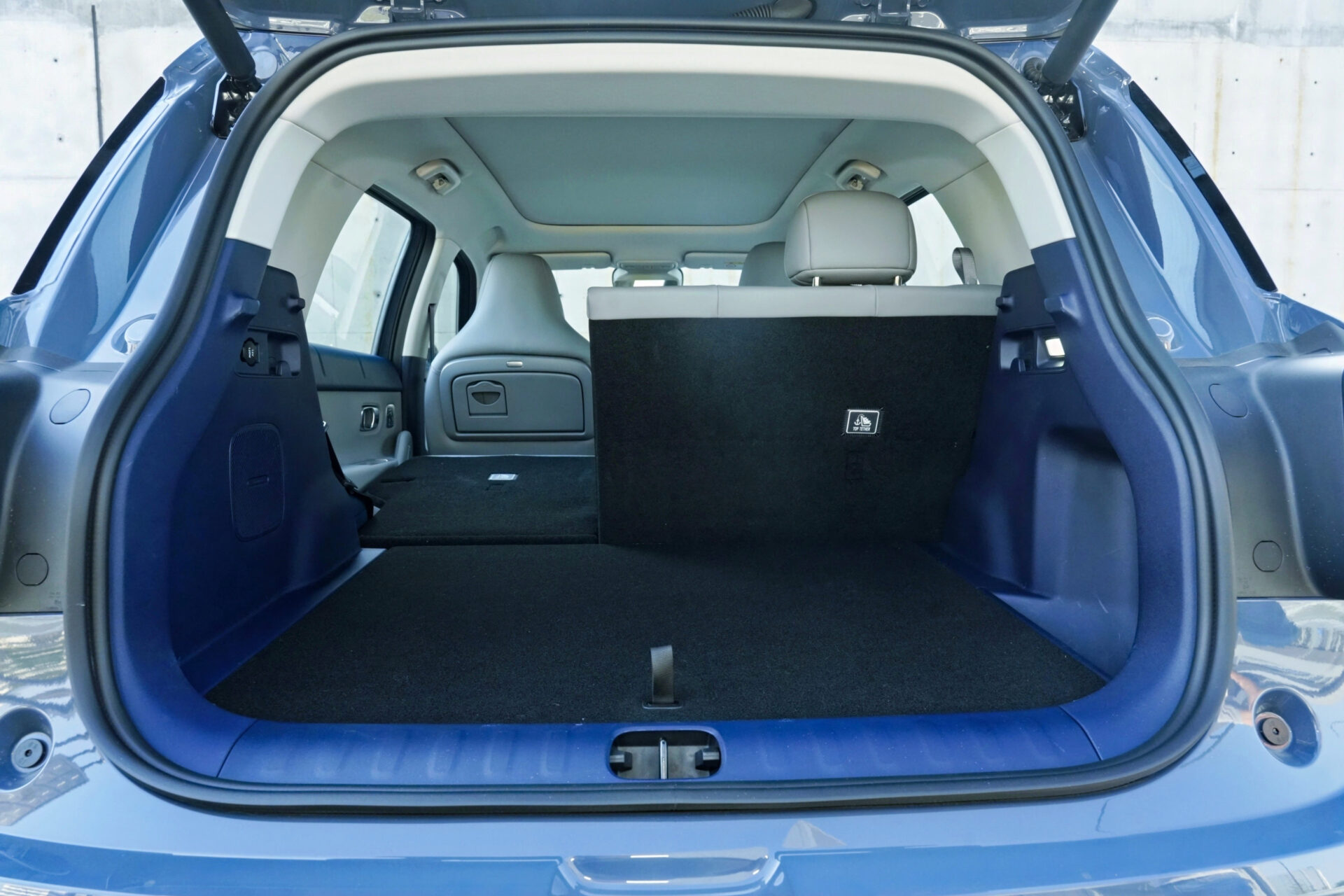
It is on interior space that the B03X builds its principal argument. Standard boot volume reaches 602 litres — a high figure for this footprint — expanding to 1,549 litres with the rear seats folded. Beneath the boot floor is an additional 106-litre washable storage compartment. The rear bench can accommodate objects up to 2.53 metres in length thanks to a front passenger seat that folds flat through 90 degrees. The driver’s seat reclines to 149 degrees. Rear headroom reaches 979 mm, a notable achievement for the segment. The 5.1-metre turning circle aids manoeuvrability in urban environments.
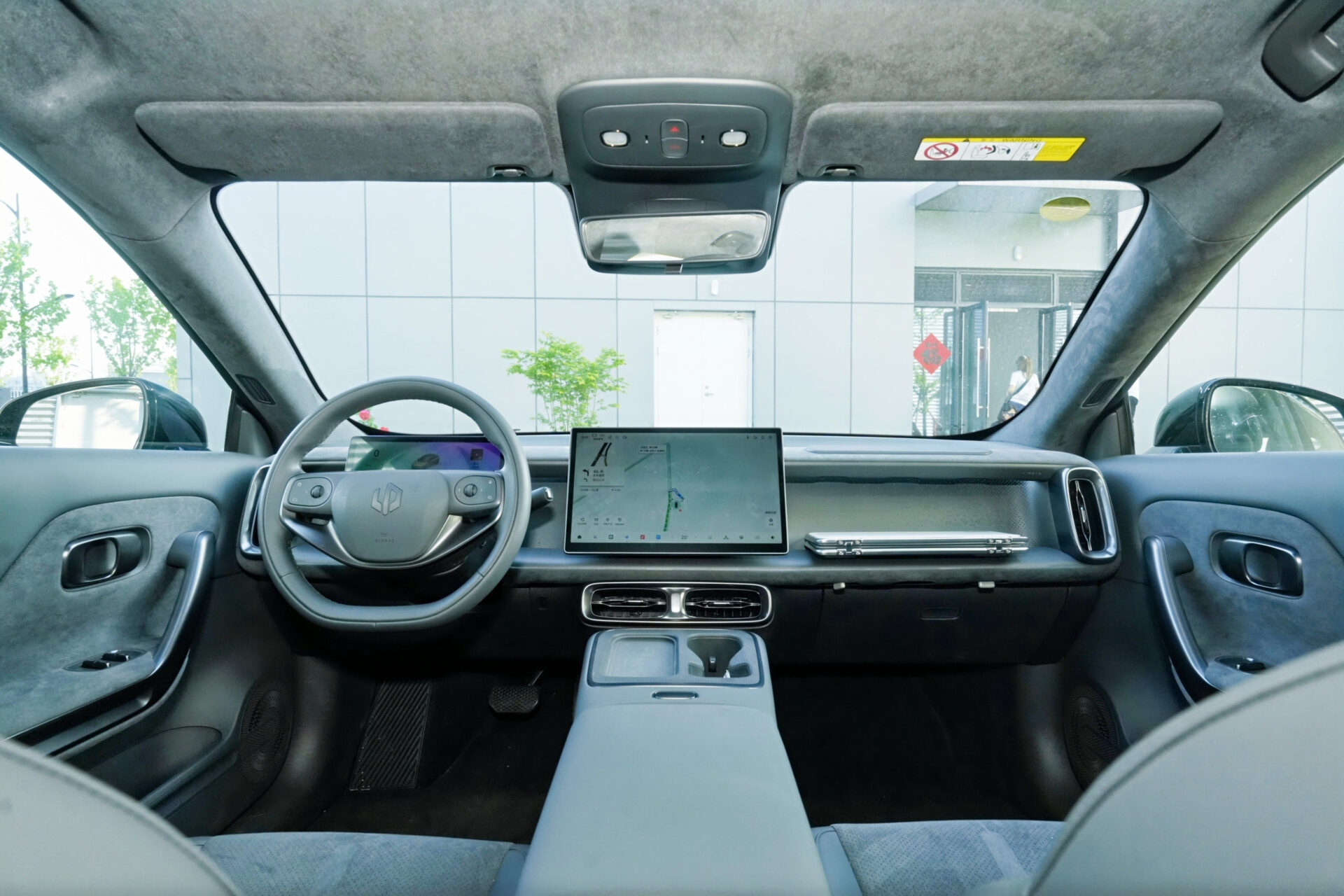
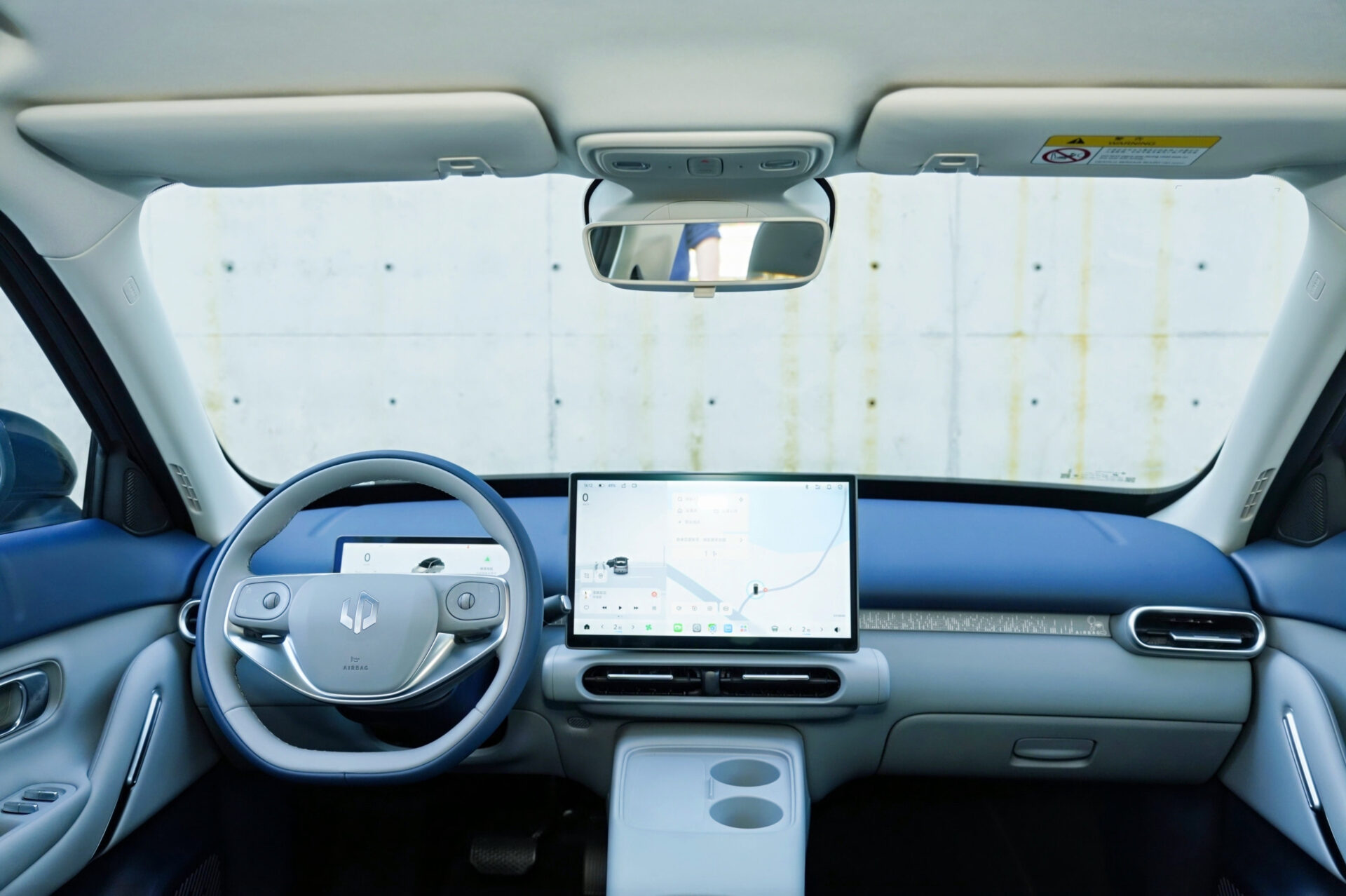
The 14.6-inch 2.5K central display and LCD instrument cluster are identical to those in the B05. The cockpit is powered by a Snapdragon 8295 chip as standard, with a Snapdragon 8650 available as an option. An optional LiDAR system opens the door to L2+ assisted driving. The interior ambience features 256-colour ambient lighting, with 2.63 m² of soft-touch materials across the dashboard, seats and door panels.
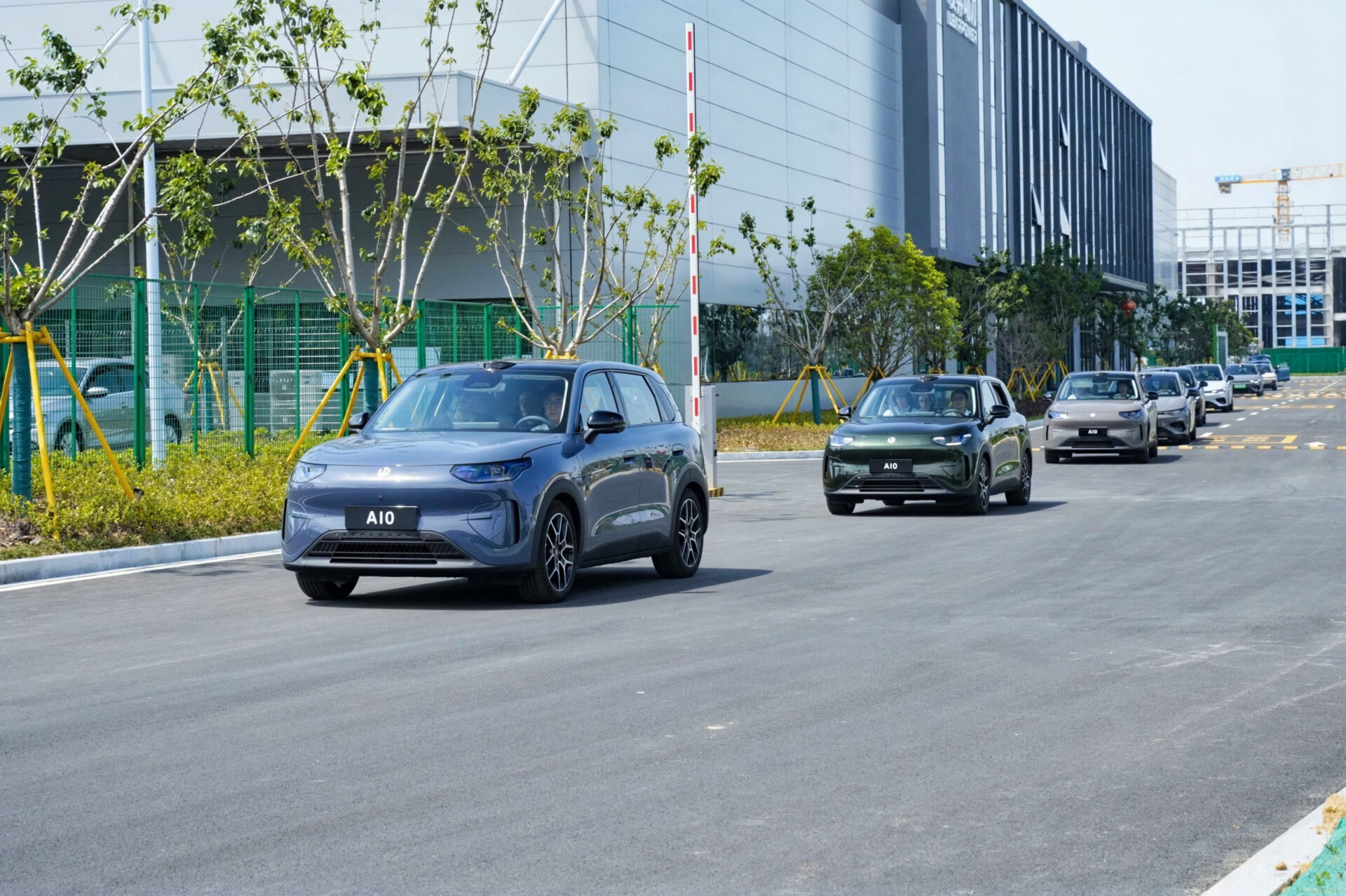
In China, the B03X (sold as the A10) has been available since March 2026 between 65,800 and 86,800 yuan, or approximately €8,000 to €11,000. The European version is expected in the United Kingdom in the fourth quarter of 2026, with specifications still to be confirmed.
Tags