Renault’s best seller for more than thirty years, the Clio continues to evolve without disowning the fundamentals that built its success. This new edition adopts a bolder style, a modernised cabin and, above all, an entirely new 160 hp Full Hybrid E-Tech powertrain.
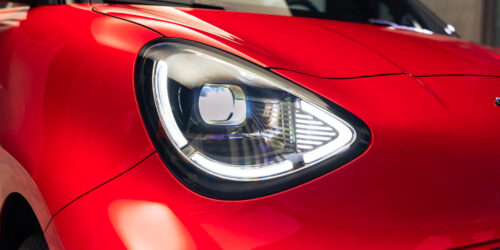
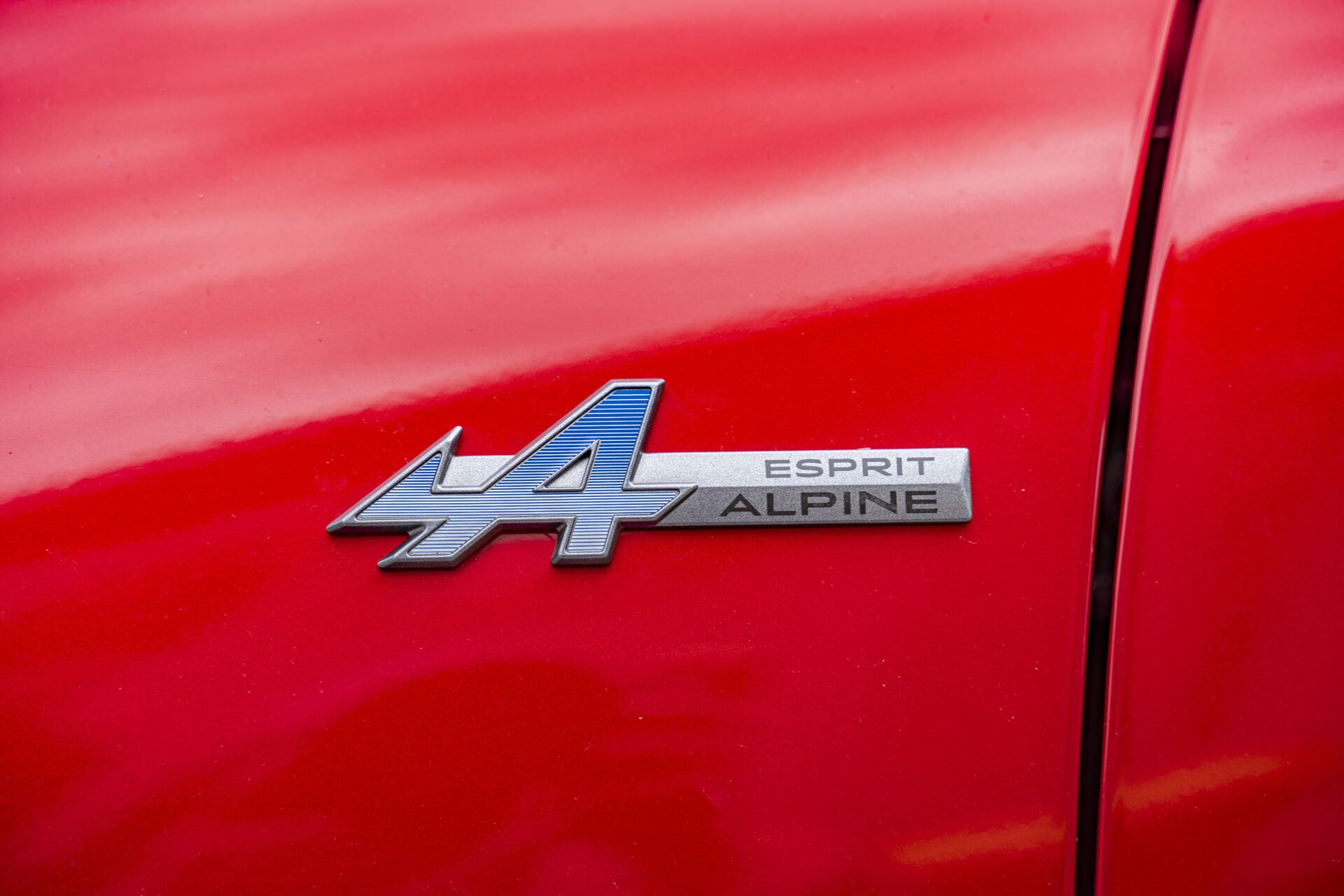
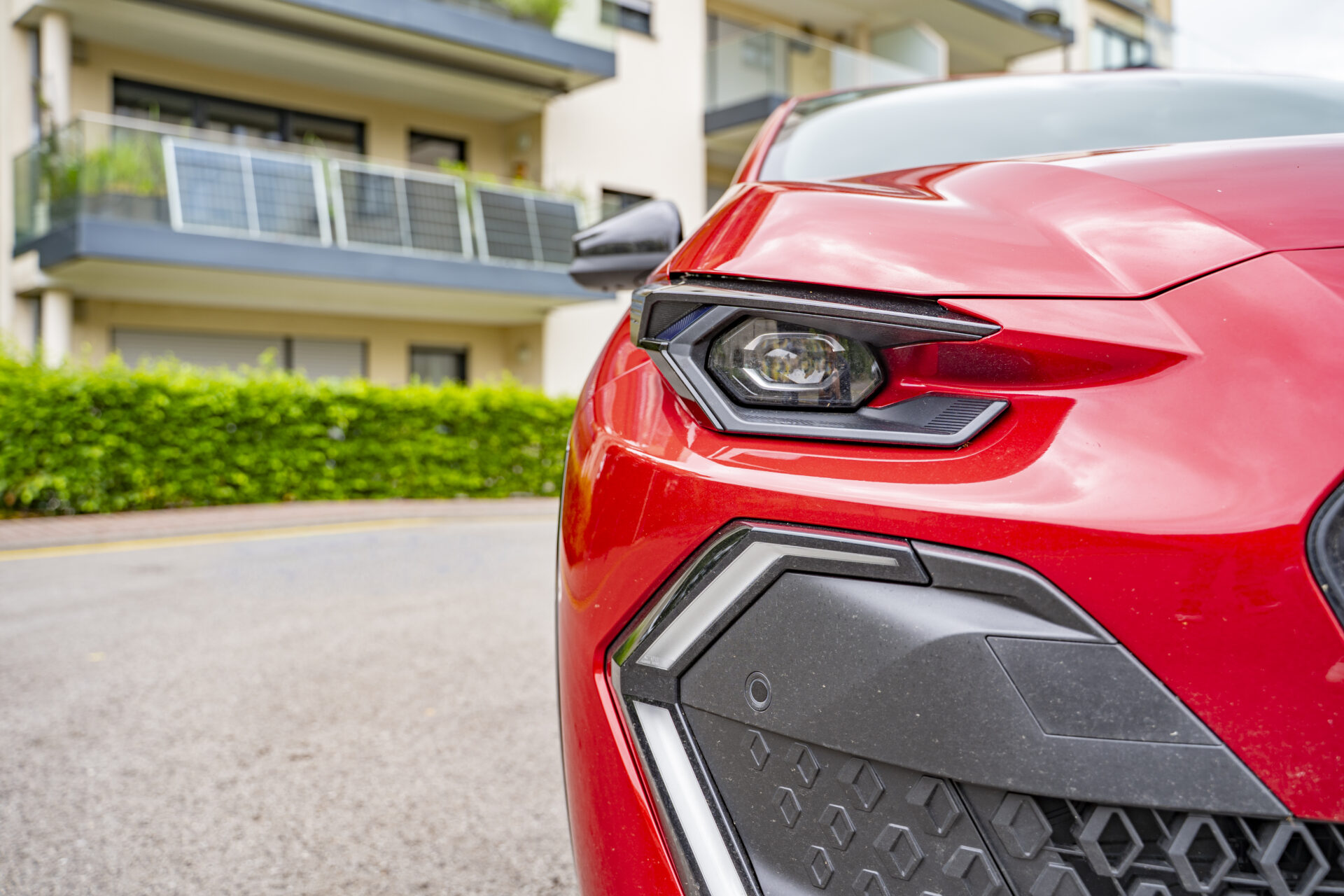
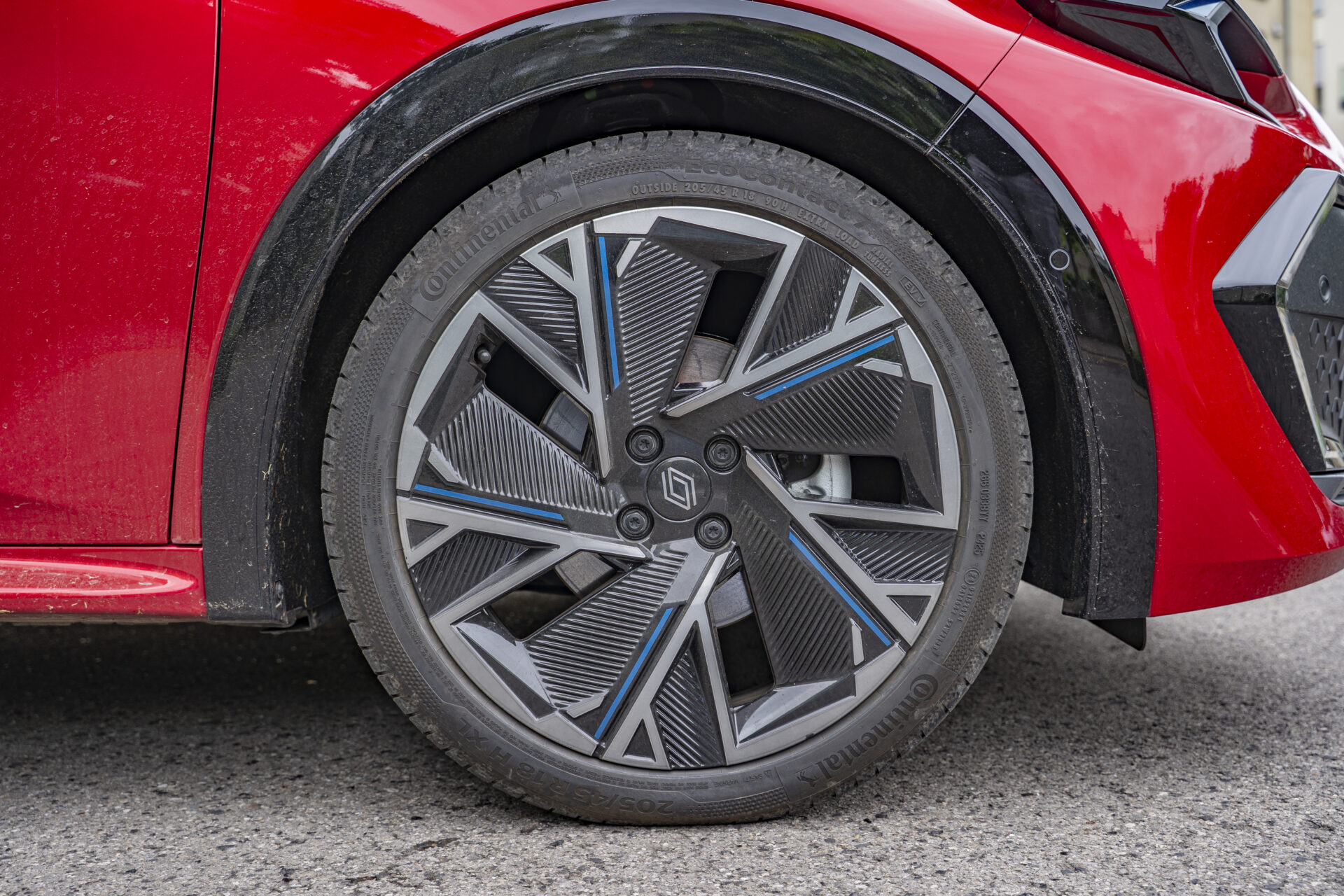
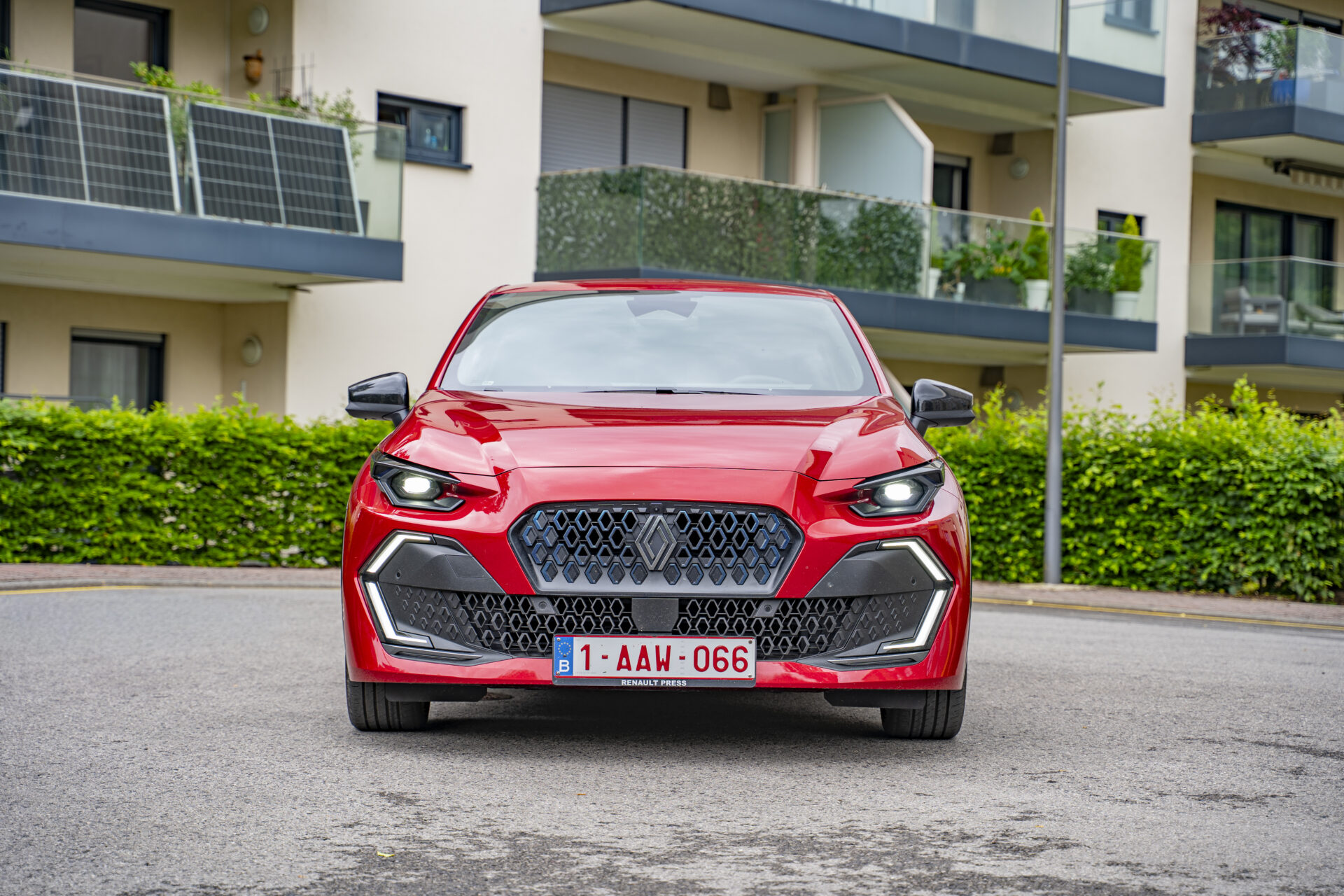
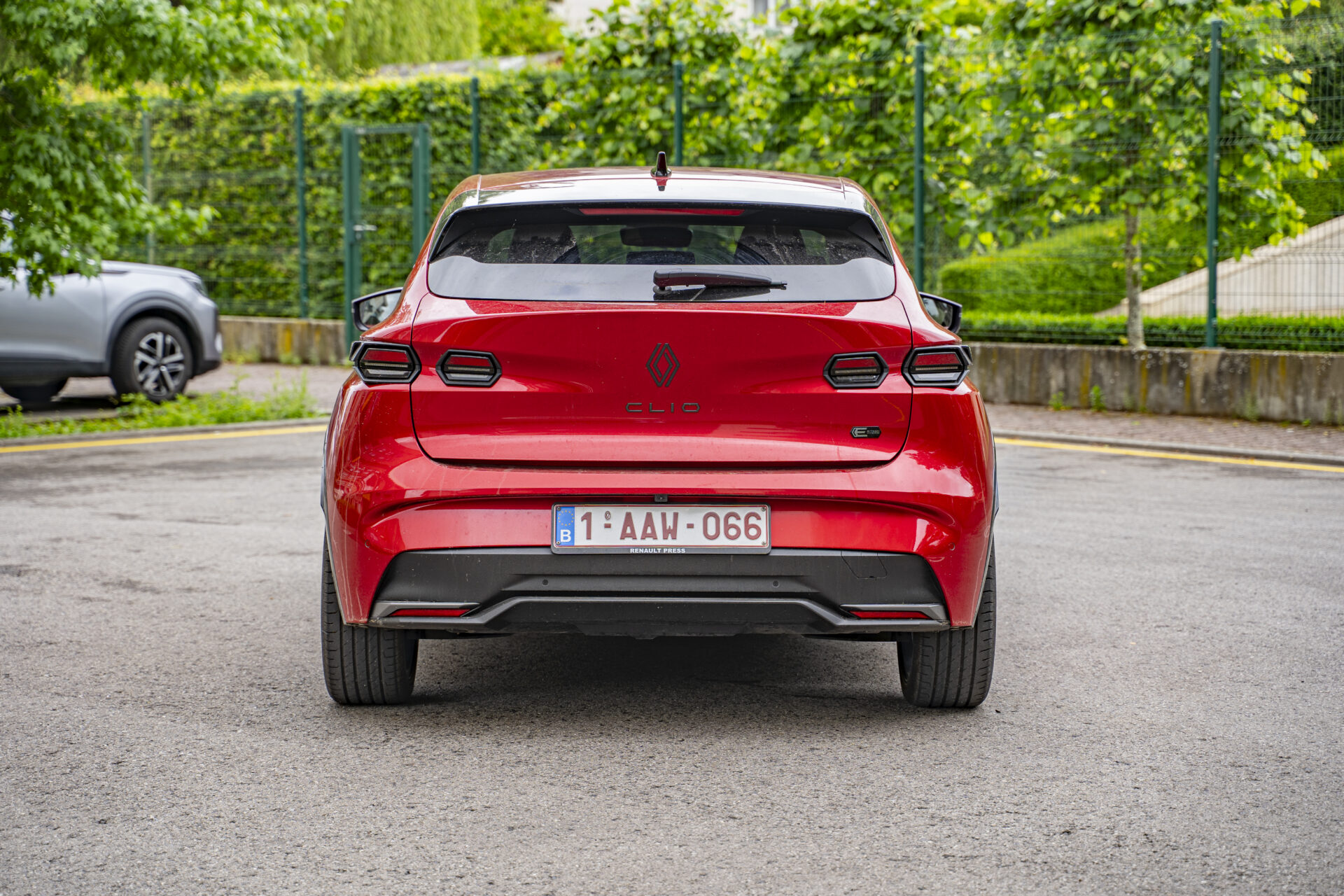
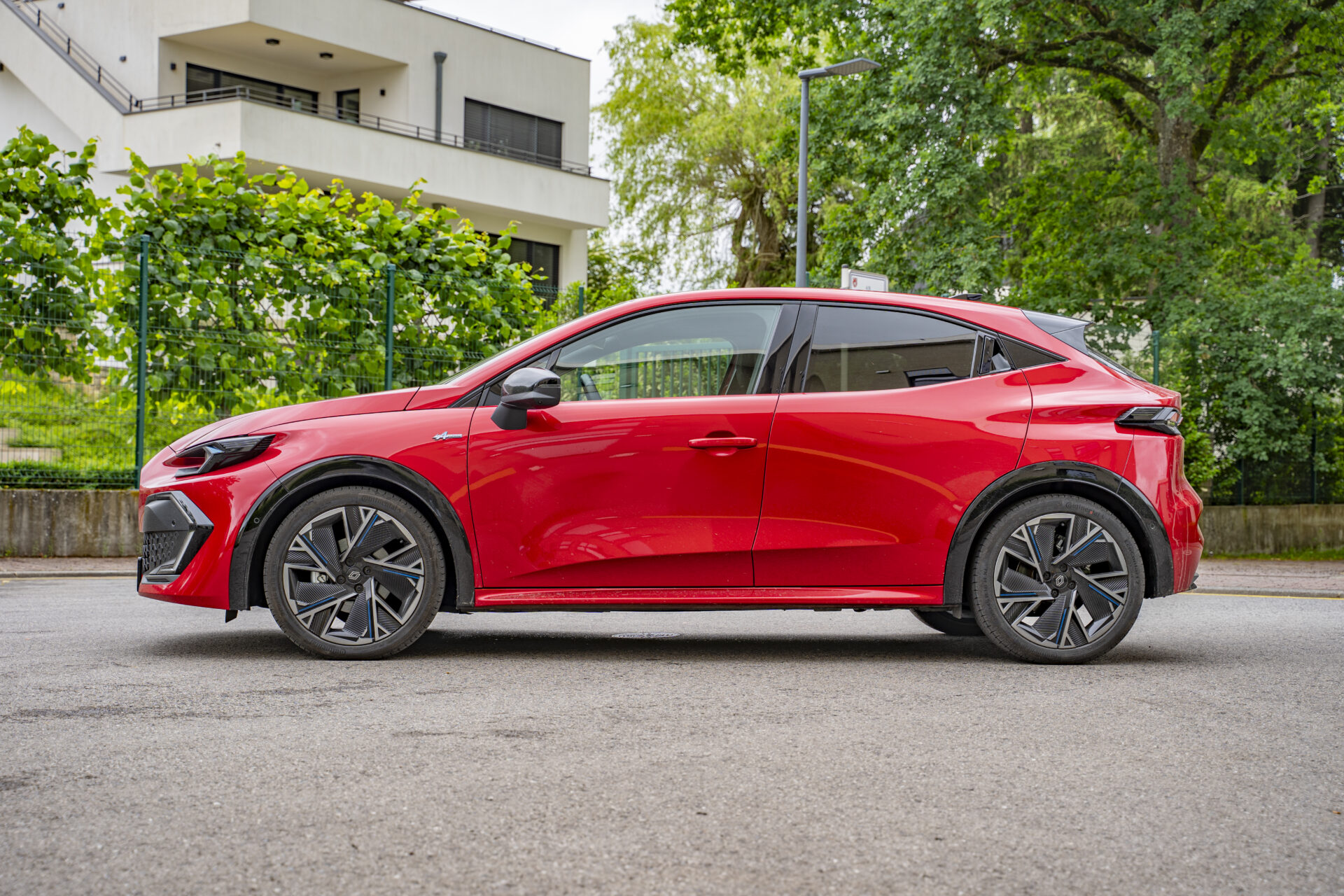
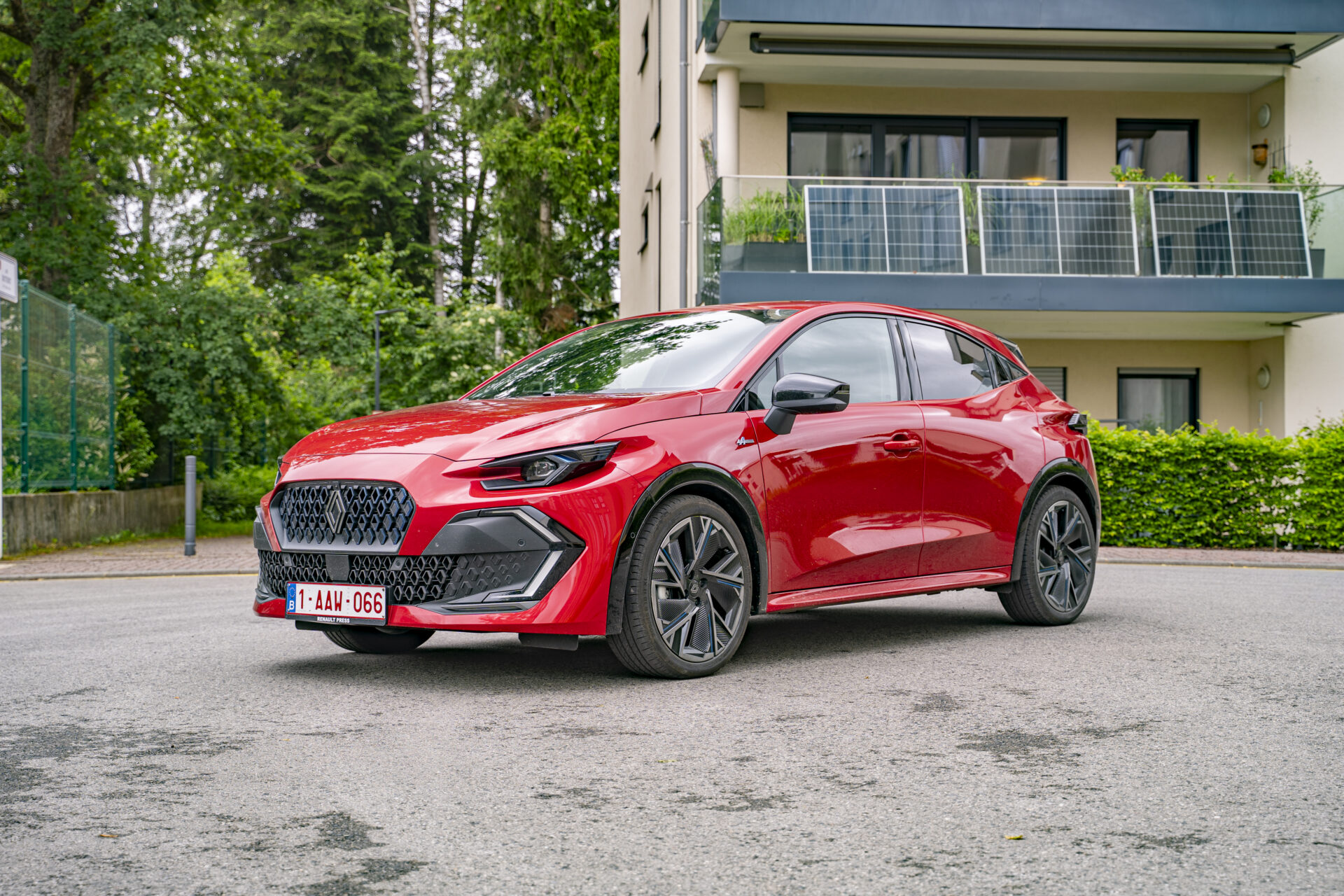
Without overturning its proportions, the Clio takes on Renault’s new styling language and cuts a more modern, more assertive figure. The front end has been completely redrawn around a grille structured by a pattern inspired by the diamond logo, accompanied by an instantly recognisable full-LED light signature. The vertical daytime running lights, shaped as half a diamond, reinforce its visual identity, while the Renault logo in black lends a more premium, contemporary touch. At the rear, the changes are equally noticeable. The bumper has been reworked, the lights gain a new light signature and the whole has a more statuesque look. The treatment of the rear end recalls certain styling cues seen on the Renault Rafale coupé SUV, particularly in the way the volumes are shaped to widen the car visually. In this Esprit Alpine trim, the Clio gains still more personality. The 18-inch “Cosmic” alloy wheels, the specific badges and the many details drawn from the Alpine world underline its dynamic character without overdoing it. Despite its contained length of 4.12 metres, the French supermini has a remarkable road presence and conveys a sense of maturity rarely seen in the category.
A modernised cabin
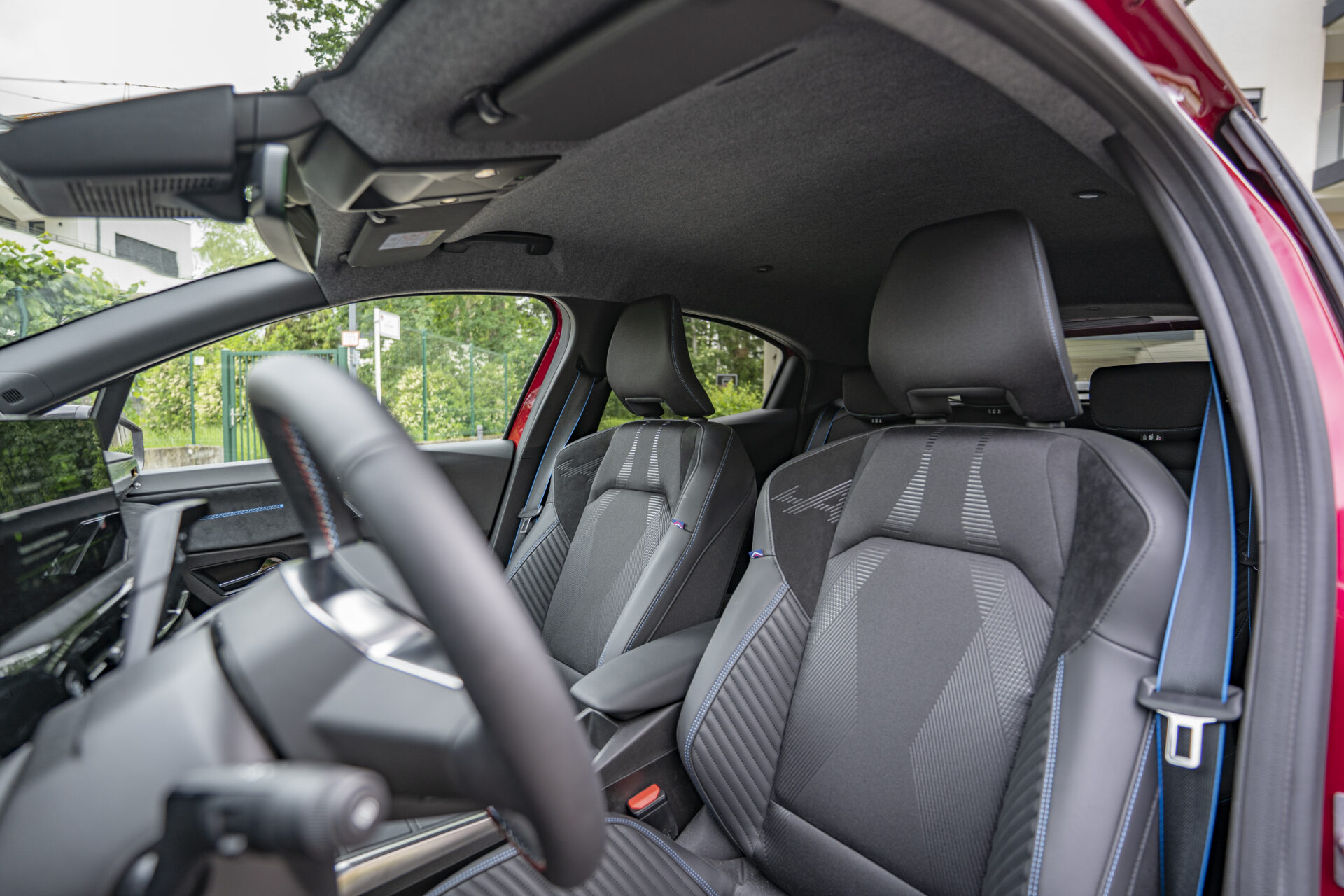
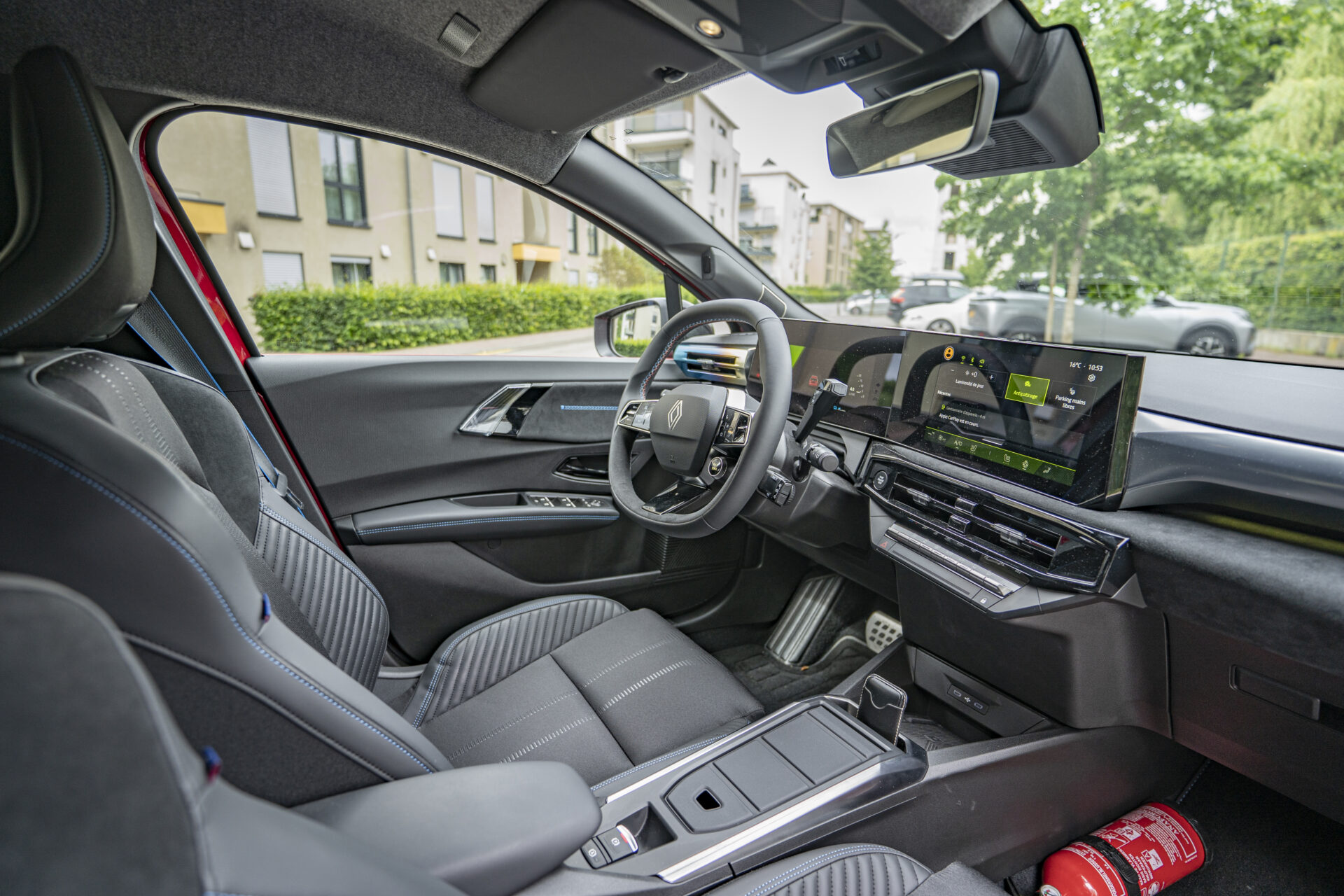
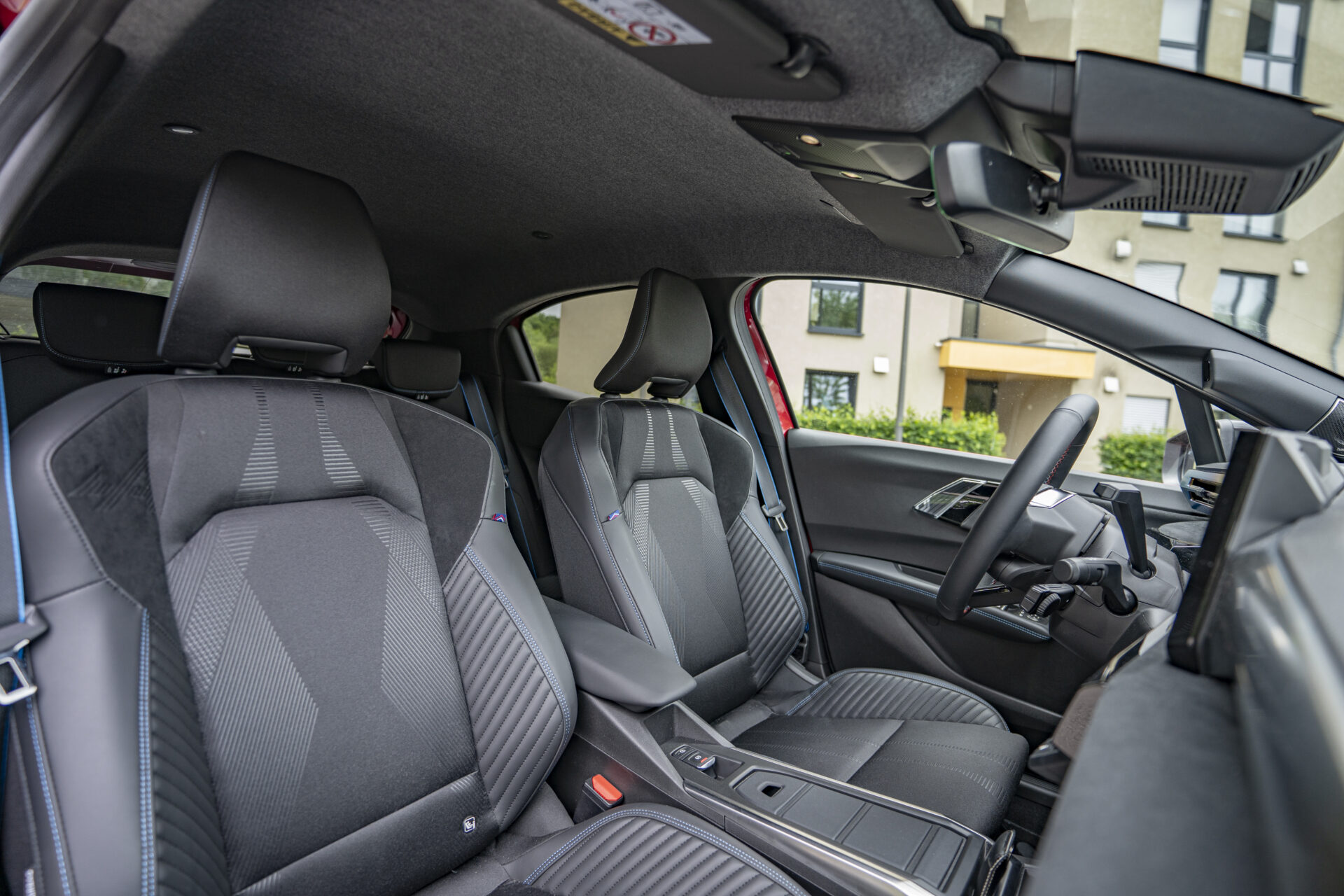
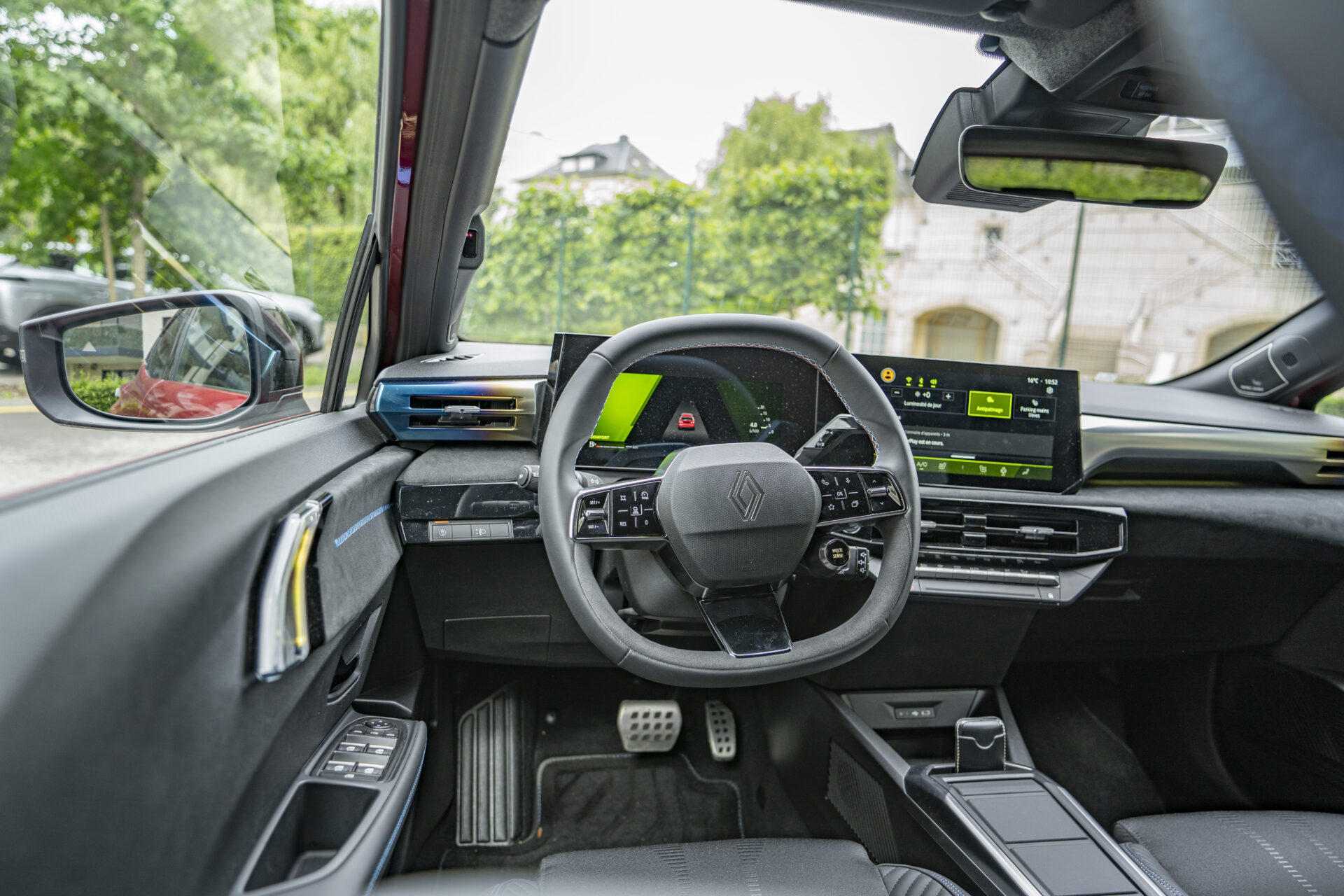
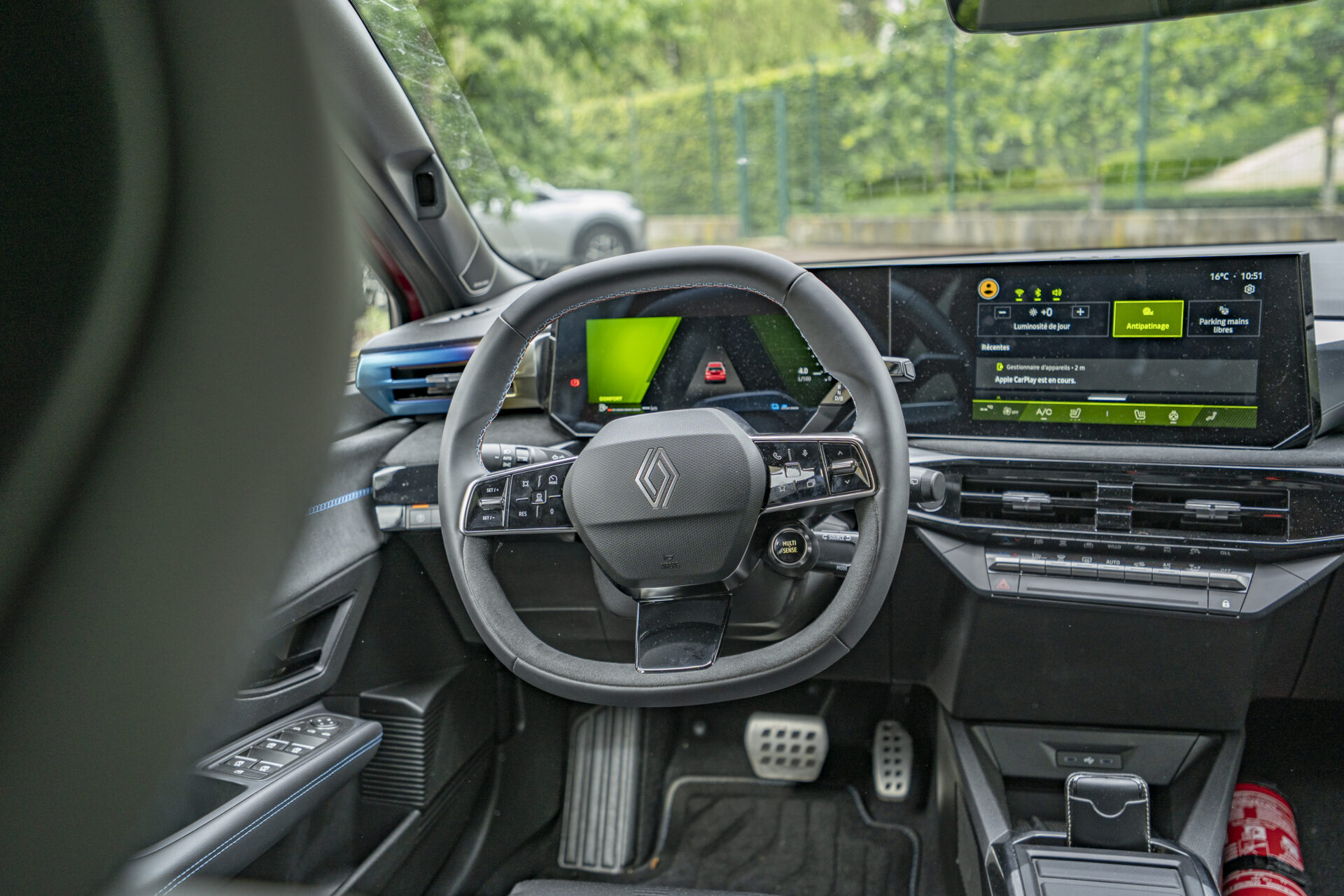
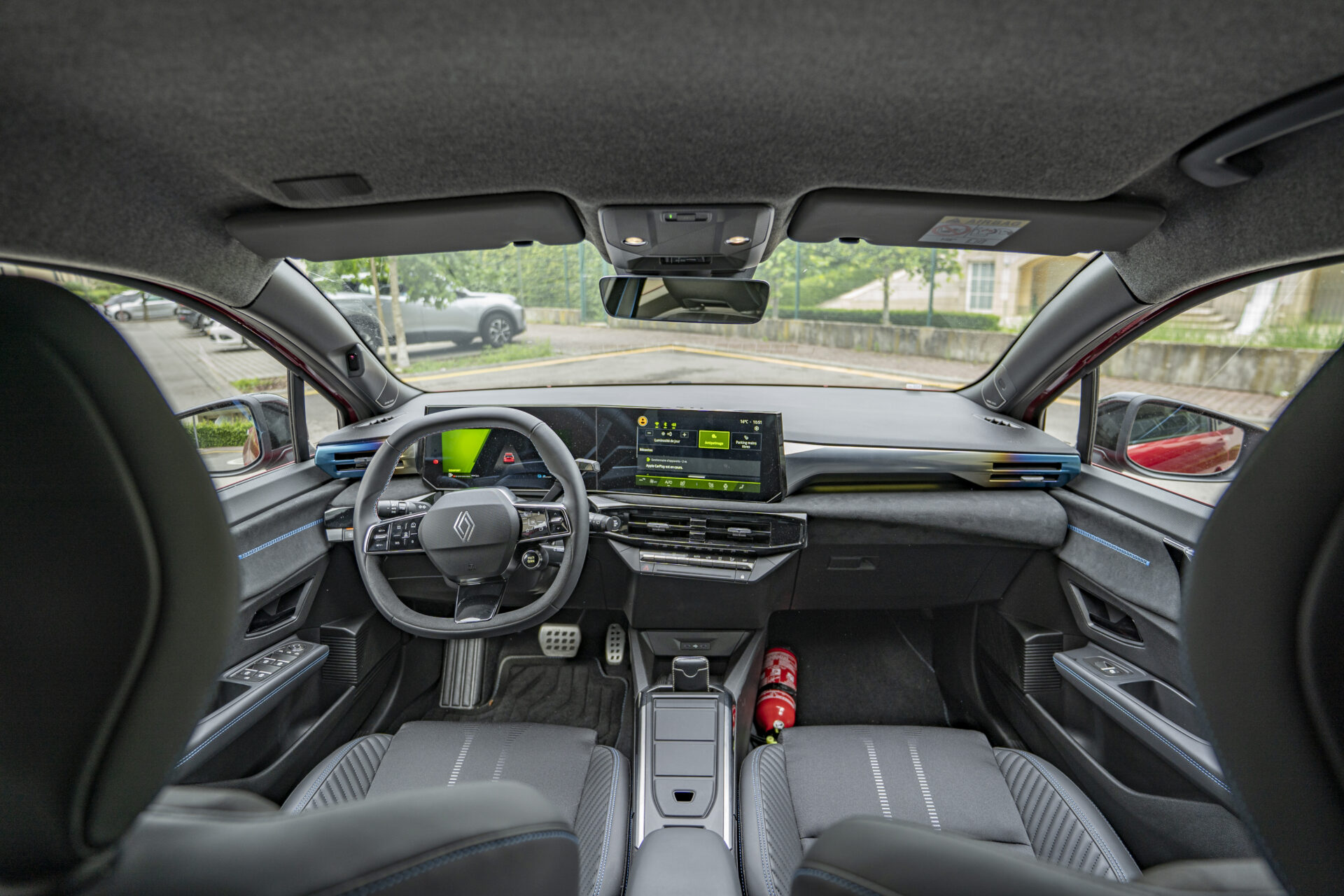
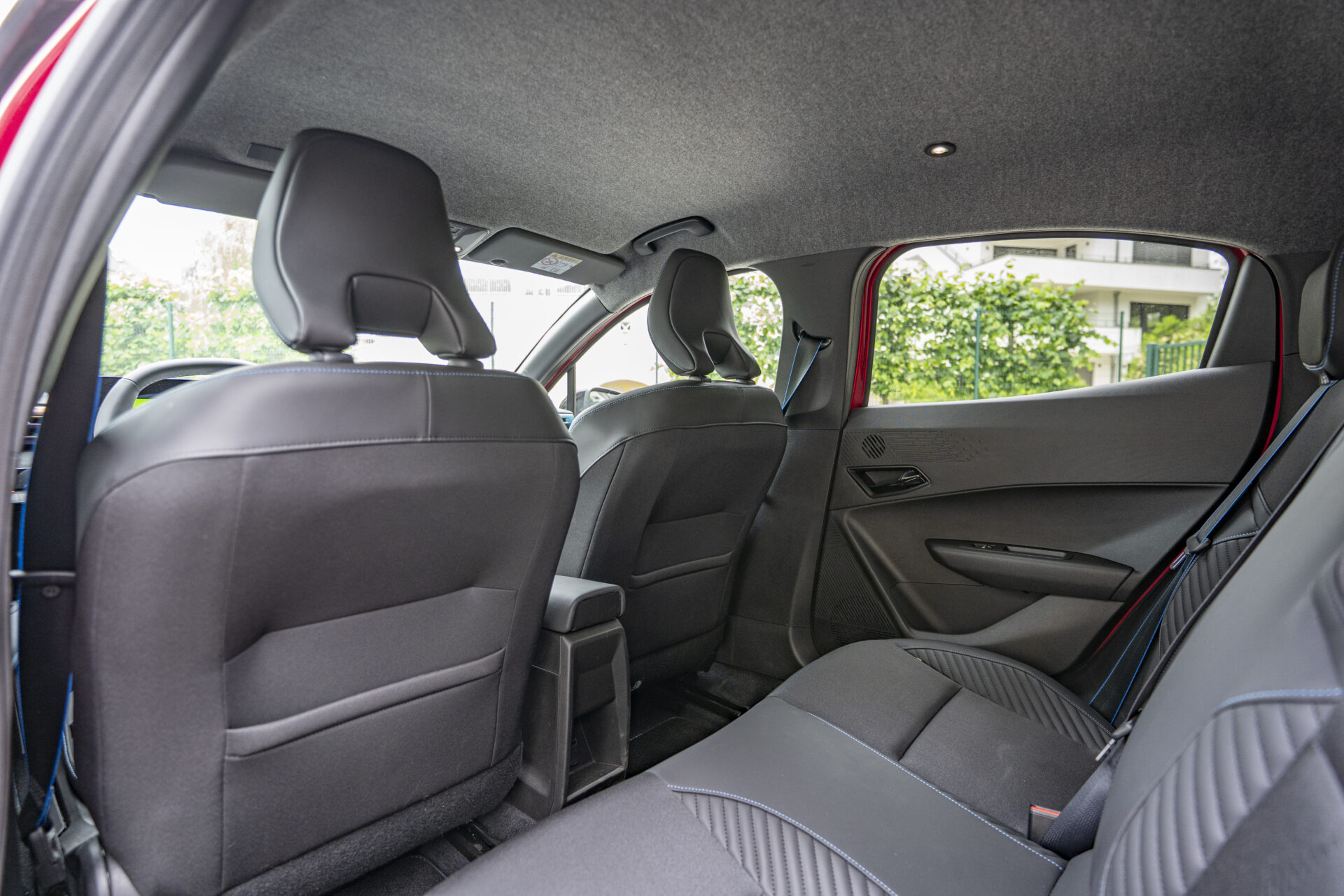
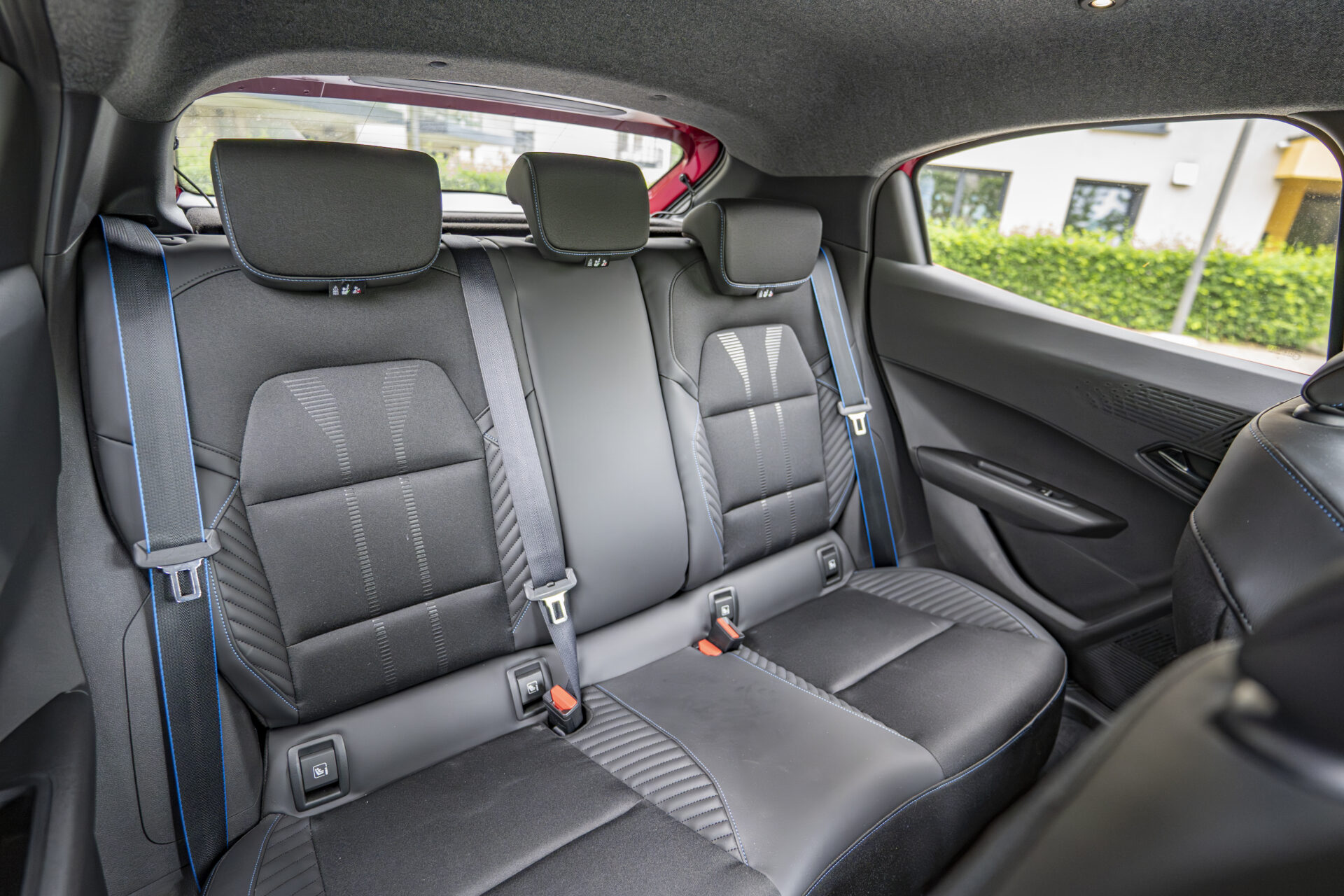
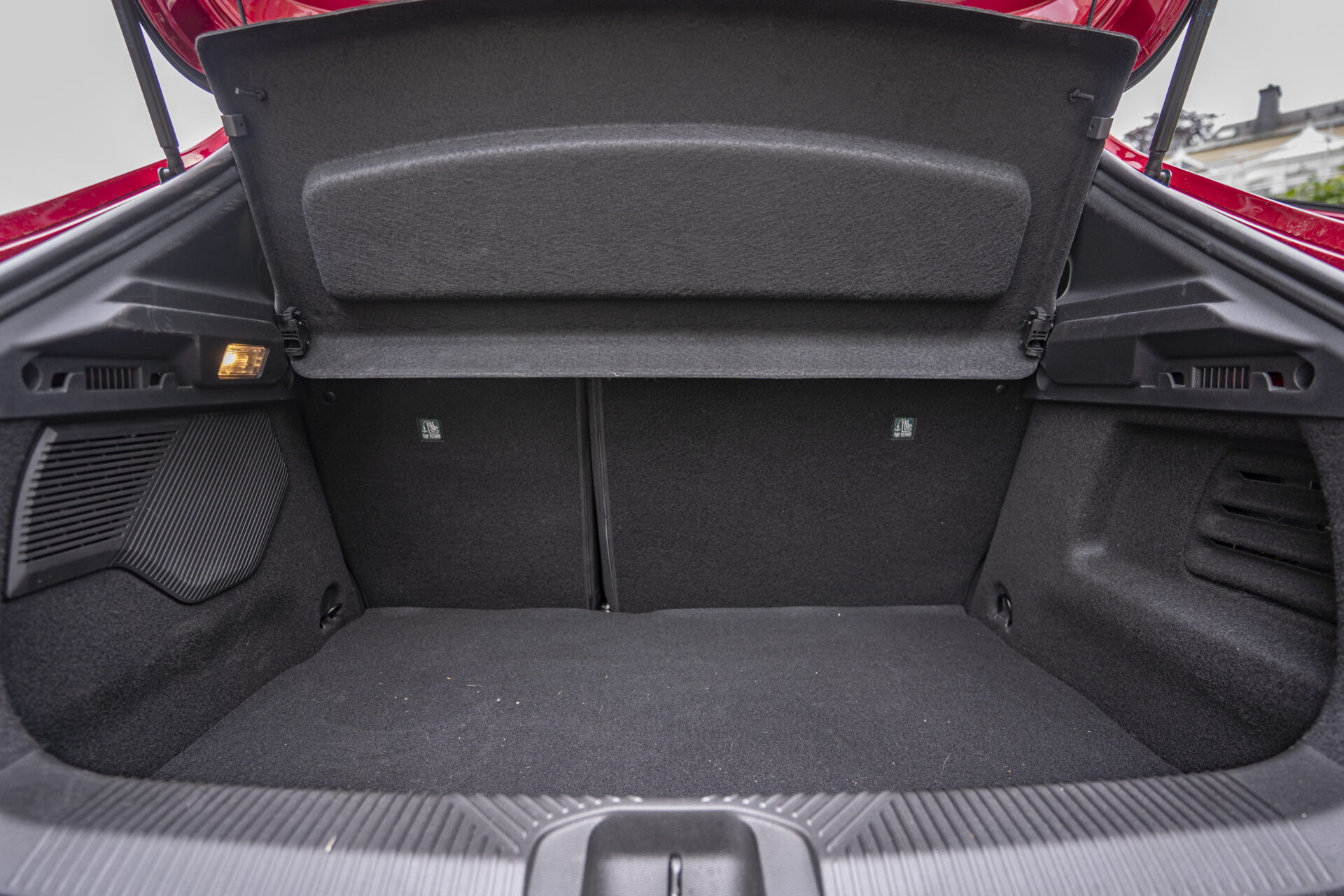
The interior makes clear progress in perceived quality and confirms the Clio’s move upmarket. The Esprit Alpine trim stands out with upholstery combining fabric and Alcantara, blue stitching and seats that hold you well. The result is an atmosphere that is both sporty and premium. The ergonomic, intuitive steering wheel groups together easily reached controls that simplify the use of the car’s various functions. Facing the driver, two 10-inch screens make up a modern, perfectly integrated digital environment. The OpenR Link multimedia system with Google built in ranks among the benchmarks of the segment. It brings Google Maps, the Google voice assistant, a wide range of apps and over-the-air updates, all contributing to a particularly smooth and intuitive user experience. Being able to display the map directly in the digital instrument cluster is a real asset day to day, keeping navigation information in the driver’s line of sight. The customisable ambient lighting, with its various colours, adds a further touch of modernity and makes the cabin warmer and more pleasant on the move. On interior space, the Clio positions itself well among versatile superminis. The rear seats comfortably accommodate two adults, while the boot offers a generous 391 litres. That capacity easily meets the needs of a couple or a small family, provided a bulky pushchair does not have to be carried regularly.
A new generation of hybrid technology
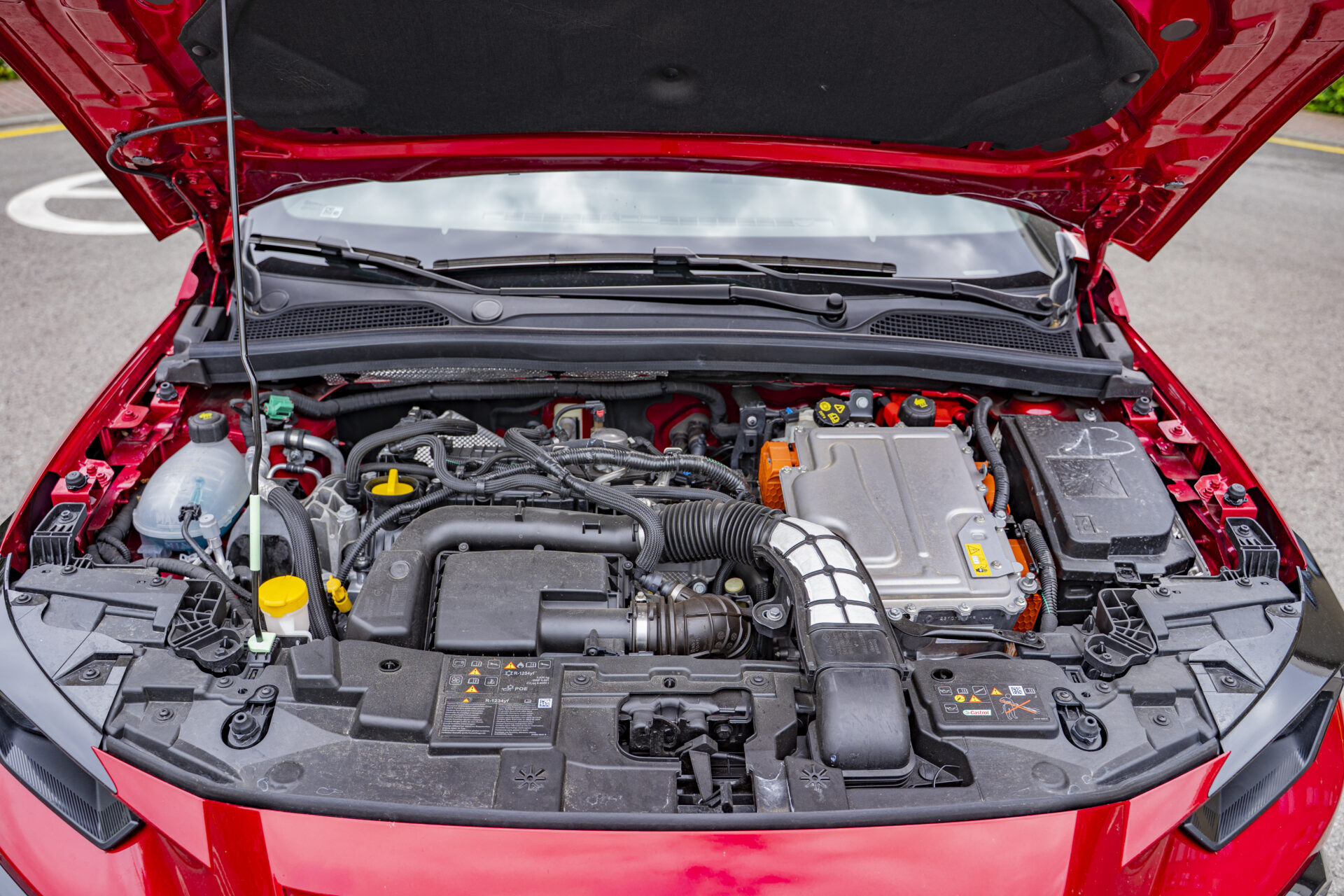
The main change sits under the bonnet. Renault replaces the previous 145 hp hybrid powertrain with an entirely new Full Hybrid E-Tech generation developing 160 hp.
The 1.6-litre four-cylinder is gone, giving way to a brand-new 1.8-litre direct-injection petrol engine. True to the Clio’s E-Tech philosophy, Renault continues to do without a turbocharger. It is a deliberate technical choice that favours mechanical simplicity, reliability and progressive response. The combustion engine develops 109 hp on its own and works with two electric machines. The first, known as the e-motor, handles the main electric drive and provides 36 kW. The second, the high-voltage starter generator (HSG), starts the combustion engine, synchronises the gearbox ratios and generates electricity. Depending on driving conditions, the car can run on electricity alone, on the combustion engine alone, or on both sources of energy combined. The electronic management system continuously selects the configuration offering the best energy efficiency.
The real originality of the system lies in the multi-mode dog-clutch gearbox. Inherited from Renault’s work in Formula 1, this transmission differs from conventional automatics. It has neither a torque converter nor a conventional clutch for the main ratios. The system uses four ratios dedicated to the combustion engine and two ratios for the electric drive. The various possible combinations allow up to fifteen distinct operating modes. The main benefit lies in reduced friction losses and in energy efficiency higher than that of a conventional automatic transmission. The 1.4 kWh lithium-ion battery recharges automatically under deceleration and braking. No plugging in is required. The driver can also select mode B to increase energy recovery and strengthen the engine braking effect.
This technical evolution significantly improves performance while reducing consumption. Renault quotes up to 80% of running time in electric mode in urban conditions, a maximum speed of 105 km/h without starting the combustion engine when conditions allow, and homologated WLTC consumption starting from 3.9 l/100 km. During our test, average consumption settled at 4.1 l/100 km on a route mixing urban and suburban traffic. That figure highlights the efficiency of the new E-Tech hybrid powertrain, which is particularly at ease in environments where electric running is frequent. With a 39-litre tank, this frugality makes a theoretical range of close to 900 km realistic.
On the motorway, on the other hand, consumption rises appreciably: this is clearly not its favoured terrain. At sustained high speeds the hybrid system loses part of the advantage it draws from electric running, and the combustion engine works harder on a continuous basis. As a result, the frugality seen in urban and suburban use is not matched to the same degree on major routes, confirming that this powertrain is optimised above all for everyday journeys rather than long motorway stages.
Behind the wheel
In urban traffic, the Clio makes full use of the strengths of its hybrid technology. It always pulls away in electric mode, and the transitions between energy sources are smooth, with no perceptible jolt when the combustion engine cuts in. In some acceleration phases, however, the petrol engine can rev fairly high and make itself clearly heard. Acceleration is decisive and mid-range response effective, particularly when joining traffic, where the responsiveness of the whole remains convincing for a hybrid supermini.
The chassis retains the Clio’s well-known qualities. The compromise between comfort and dynamism is particularly well judged: the suspension filters road imperfections effectively, while the precise steering contributes to a good level of driving pleasure. The Esprit Alpine trim brings no mechanical changes to the chassis; it is distinguished solely by its cosmetic treatment and its sportier visual identity. On the road, the French supermini proves stable, reassuring and generally quiet. On the motorway, by contrast, the combustion engine becomes more audible, which reduces perceived comfort. One further point: under hard acceleration, a slight delay can be felt in the transitions between operating modes. Finally, the many driver aids, such as intelligent adaptive cruise control, lane keeping assist, the 360-degree camera and the driver attention monitoring system, reinforce the feeling of safety and make everyday driving easier.
Conclusion
With this new Clio Full Hybrid E-Tech 160 Esprit Alpine, Renault takes its supermini in the right direction. More modern, better equipped and, above all, fitted with a thoroughly reworked hybrid driveline, it gains in both pleasure and efficiency. The new 1.8-litre engine combined with E-Tech hybrid technology and the dog-clutch gearbox demonstrates Renault’s technological expertise, and allows the Clio to keep its place among the European benchmarks.
Technical specifications
Performance : 160 hp / 270 Nm
Battery capacity : 1.4 kWh
Fuel tank capacity : 39 l
Consumption WLTP : 4.1 l/100 km
CO₂ WLTP : 92 g/km
Acceleration 0-100 km/h : 8.3 s
Weight : 1,271 kg
Base price (Clio TCe 115 hp) : from €18,324
Price of test car : €29,811
We like / we don't like
Pros :
– Esprit Alpine trim and finish
– OpenR Link with Google
– Manoeuvrability
– Contained consumption in urban use
Cons :
– Boot capacity
– Gearbox hesitation when driving hard
– Engine noise under hard acceleration
– Motorway consumption