Every summer brings the same tragedy: a child left alone in a car in the heat. Manufacturers now offer systems designed to detect a forgotten occupant in the cabin. Several European automobile clubs, including the ACL, took part in a study carried out in the ADAC laboratories to assess four of them. The verdict: the progress is real, but no system is foolproof yet.
The scenario is almost always the same, and it has nothing to do with outright negligence. A change of routine, a short night, one parent assuming the other has taken the child: and the baby stays strapped in at the back, asleep and invisible. A written question tabled in the French National Assembly recalls that more than 1,000 children worldwide have died in these circumstances over thirty-five years. In France, the consumer safety commission recorded 24 children left in a vehicle between June 2007 and August 2009, five of whom died. In the United States, where the phenomenon is known as forgotten baby syndrome, it kills around thirty children a year. In neighbouring Belgium, the Vias institute estimates that one or two children have to be rescued from a vehicle each year.
What makes the situation so dangerous is the speed at which a cabin turns into an oven. The measurements taken during the study leave no room for doubt: with 28°C outside, the interior temperature exceeds 45°C after thirty minutes and comes close to 60°C after an hour and a half. An infant, who regulates temperature poorly and cannot get free unaided, has no chance in these conditions. Leaving a window ajar or parking in the shade is not enough.
Detection or a simple reminder: two different worlds
Not every vehicle that displays a message such as “check the rear seat” actually detects a child. The study distinguishes two families.
The indirect systems do not look inside the cabin. They work by inference: a rear door was opened before setting off, a belt buckle was fastened, an occupancy sensor was triggered, so someone may be sitting in the back. They are inexpensive, but they get it wrong in both directions: a bag on the rear seat triggers a pointless alert, while a child put in place without the system registering a door opening remains completely invisible.
Systems using direct measurement go much further. Radar, cameras or ultrasound actually scan the inside of the vehicle, looking for movement, a breathing rhythm or the faintest sign of life. That is precisely what allows them, in theory, to spot a child who is asleep, motionless or hidden under a blanket, the situations where simple inference fails.
How we went about it
One important caveat: this is not a conventional comparison with scores, nor a test conducted to the Euro NCAP protocol. The aim was to observe how these technologies actually behave in the field, with the vehicles available today. No ranking and no regulatory conclusions follow from it.
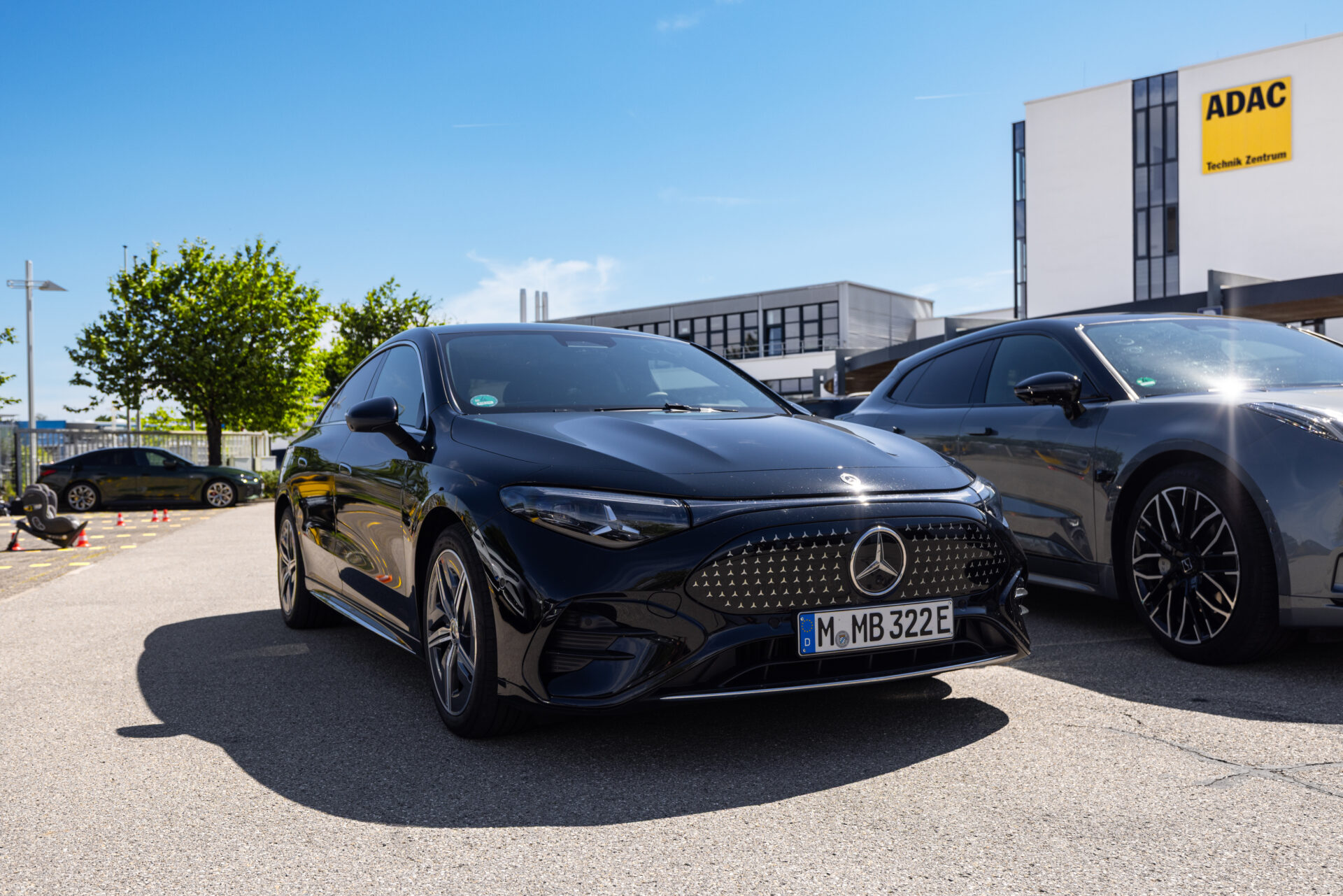
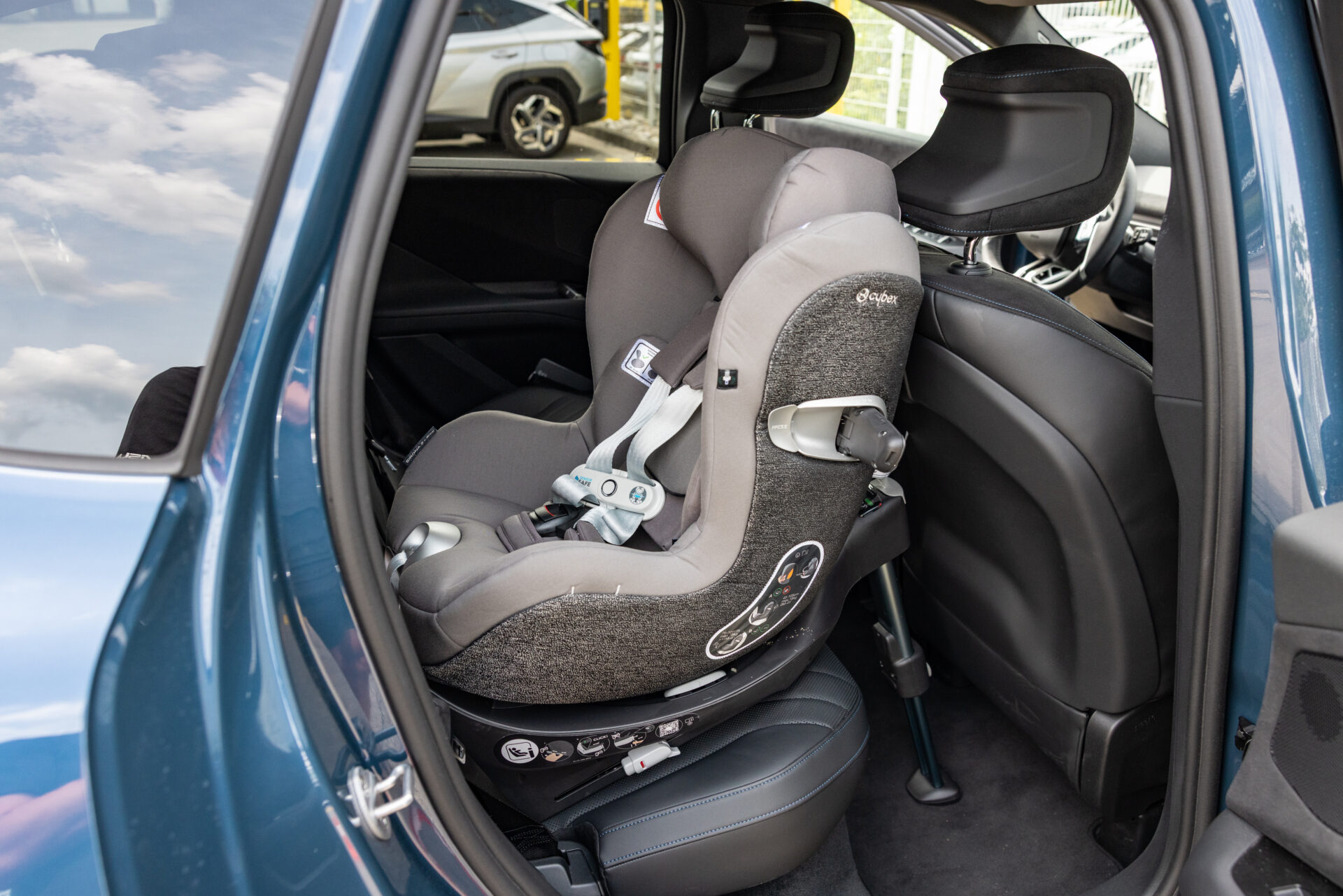
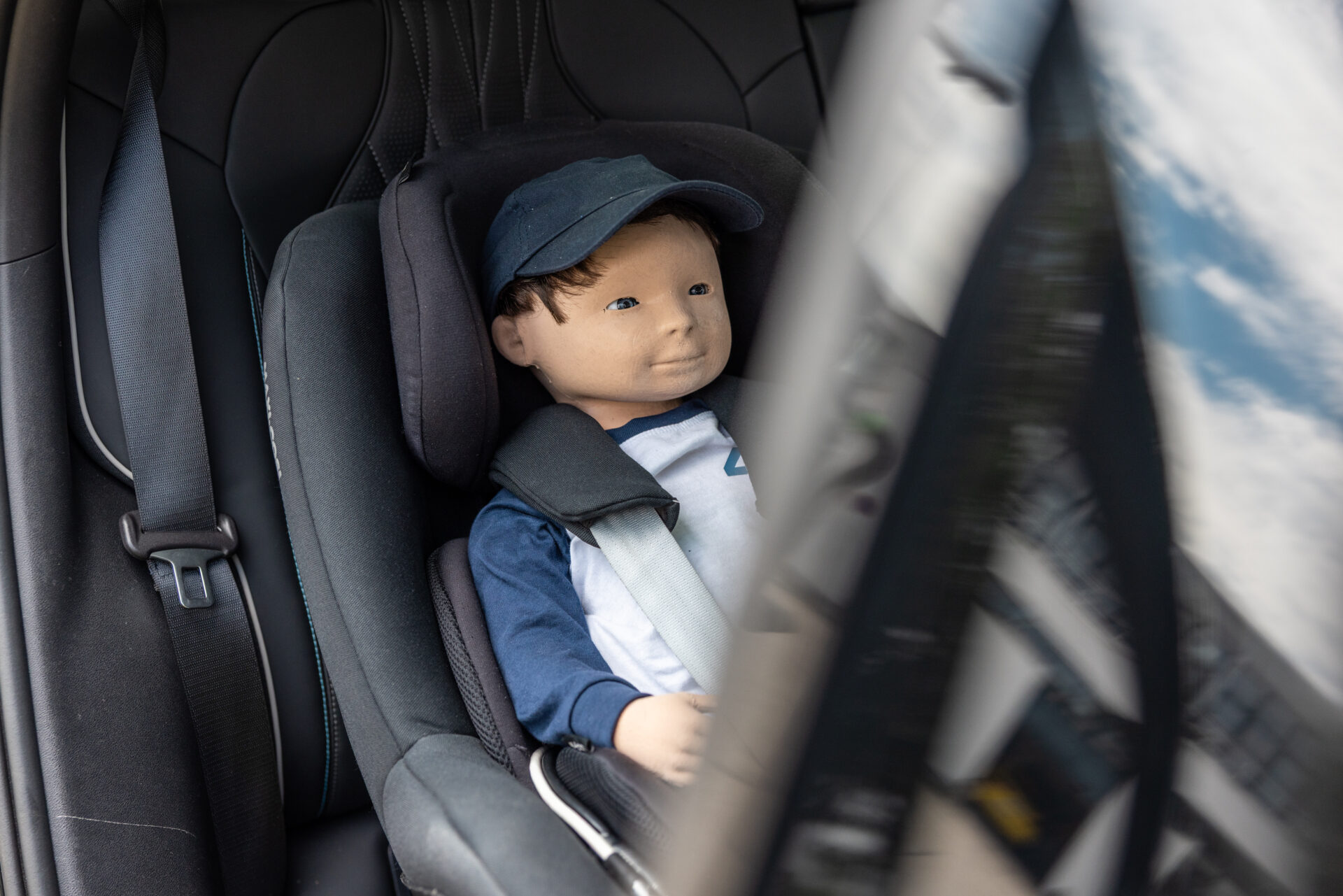
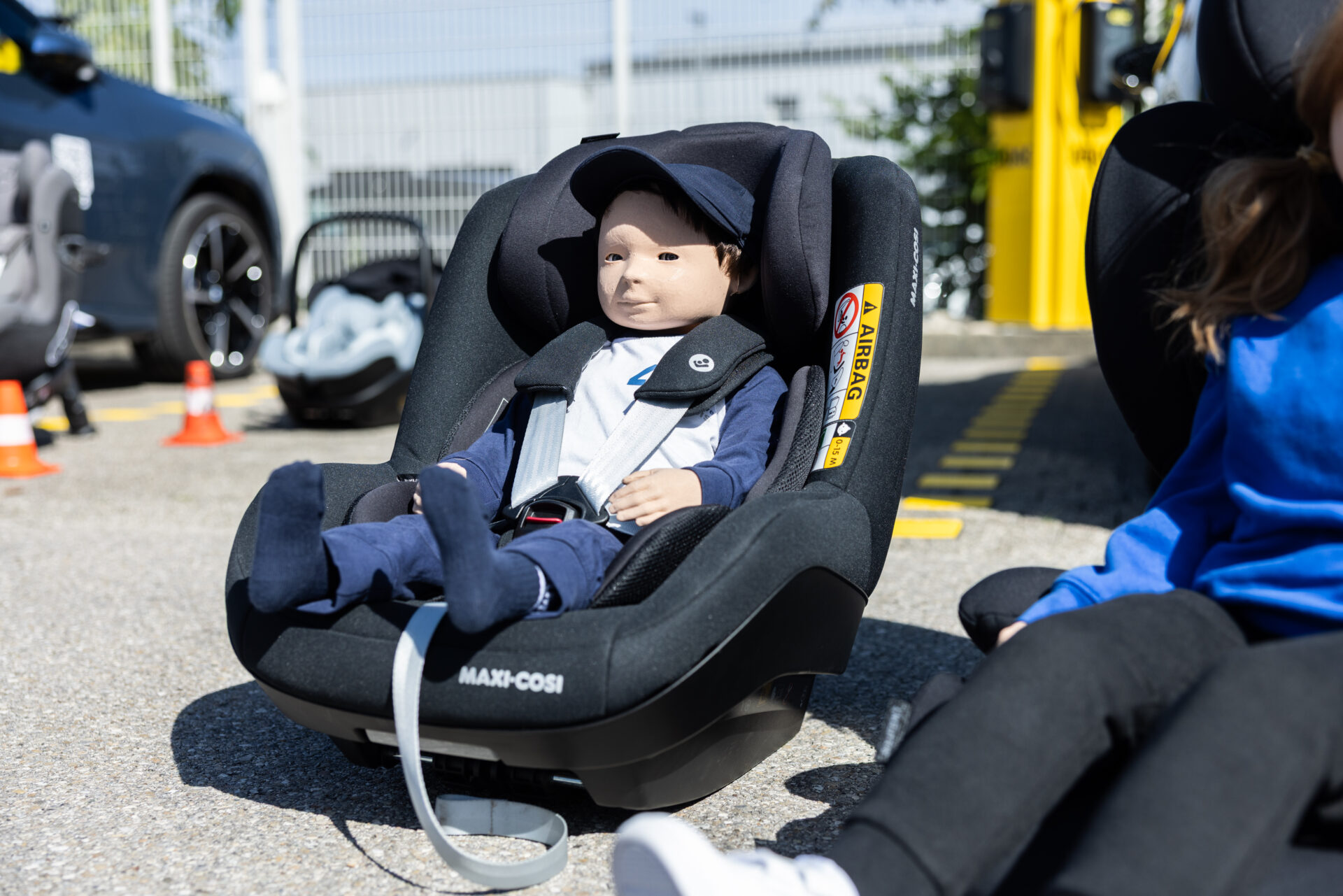
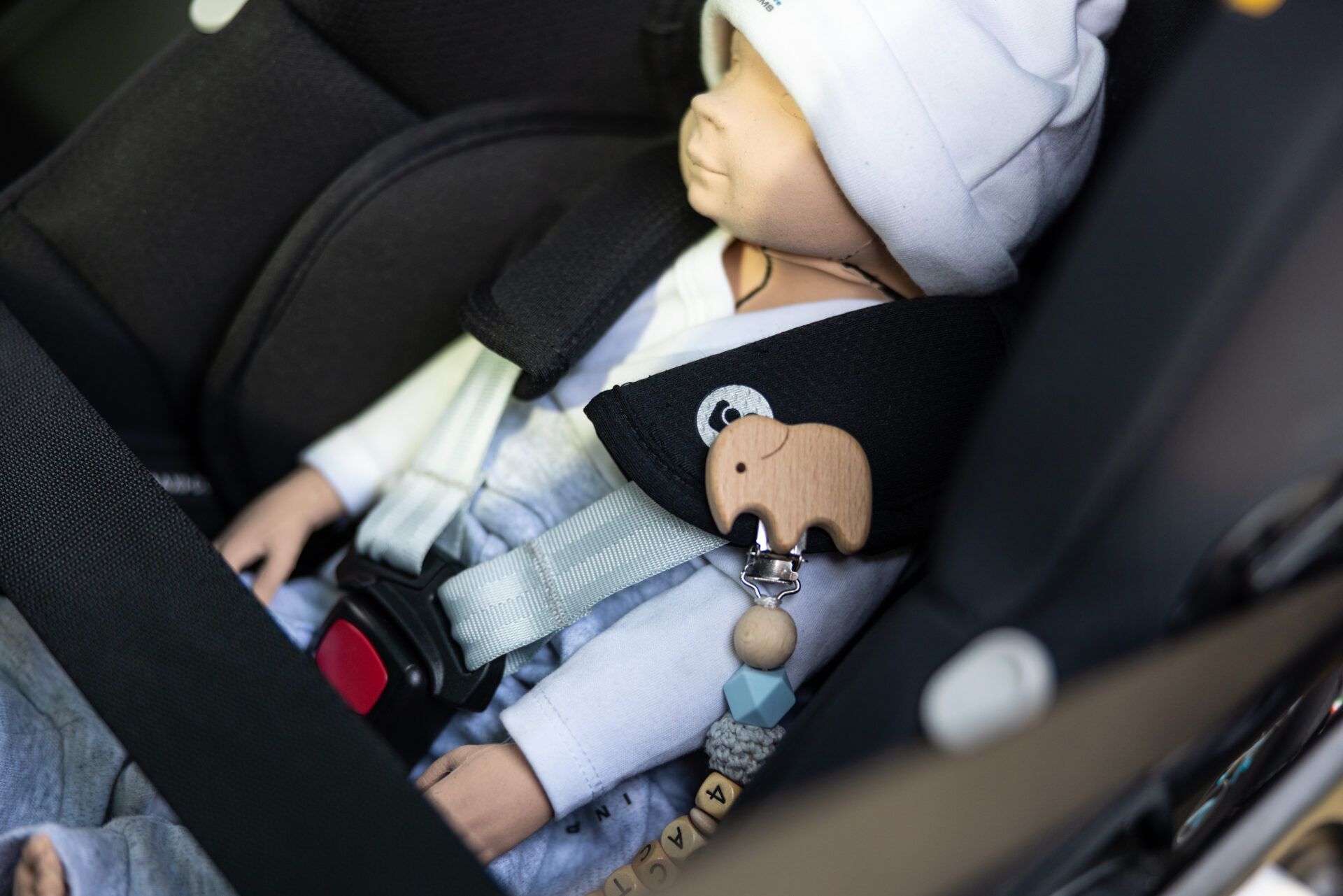
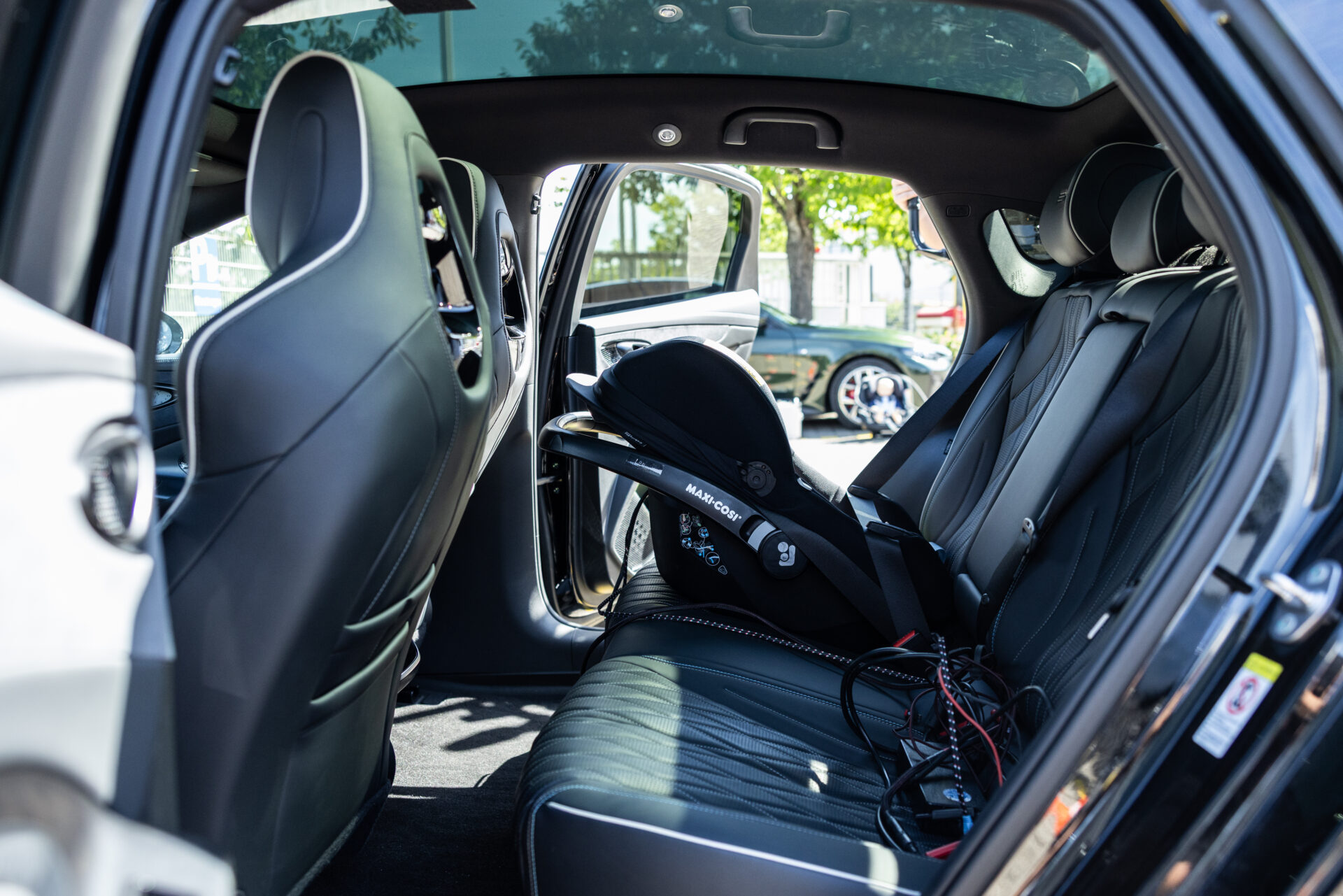
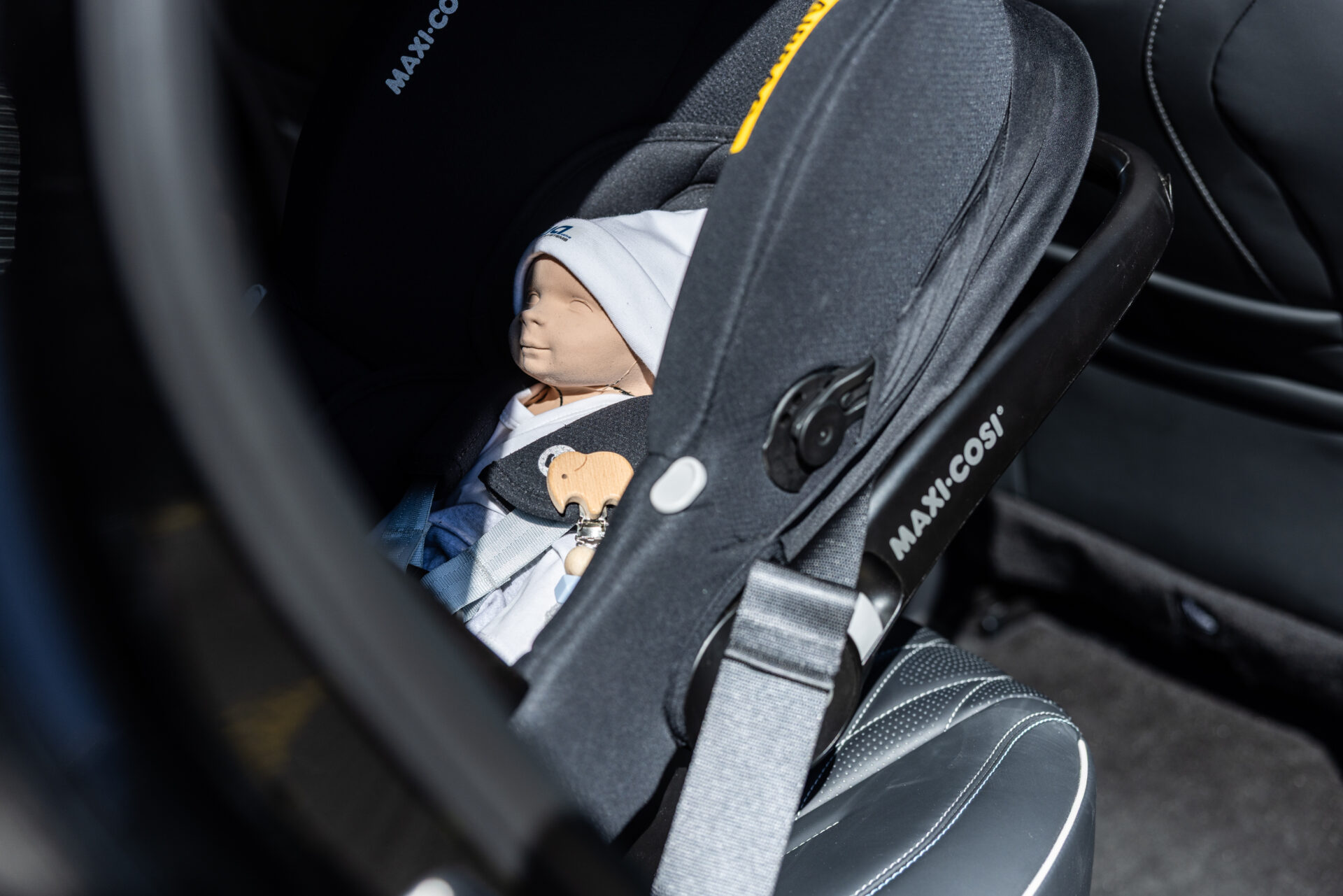
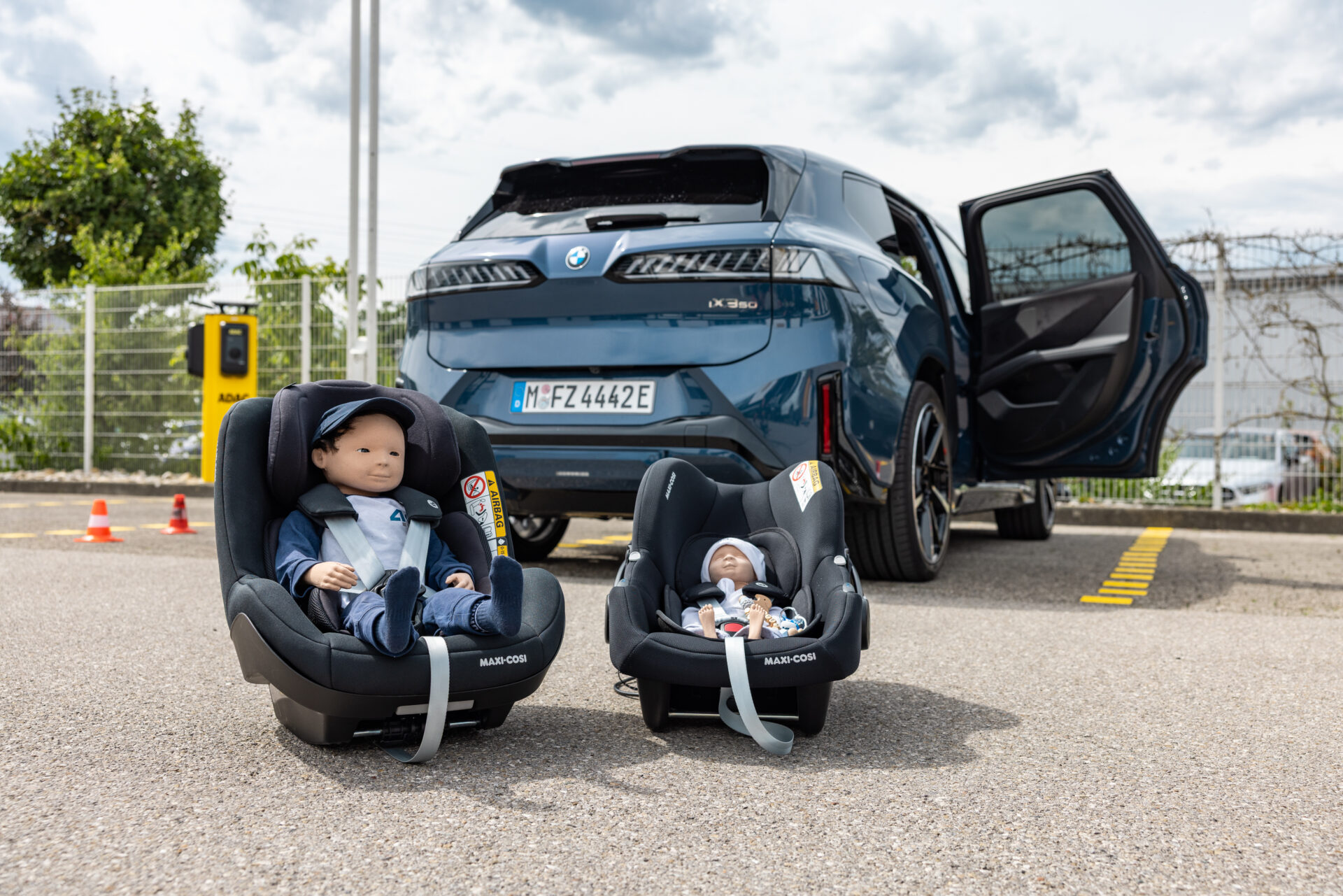
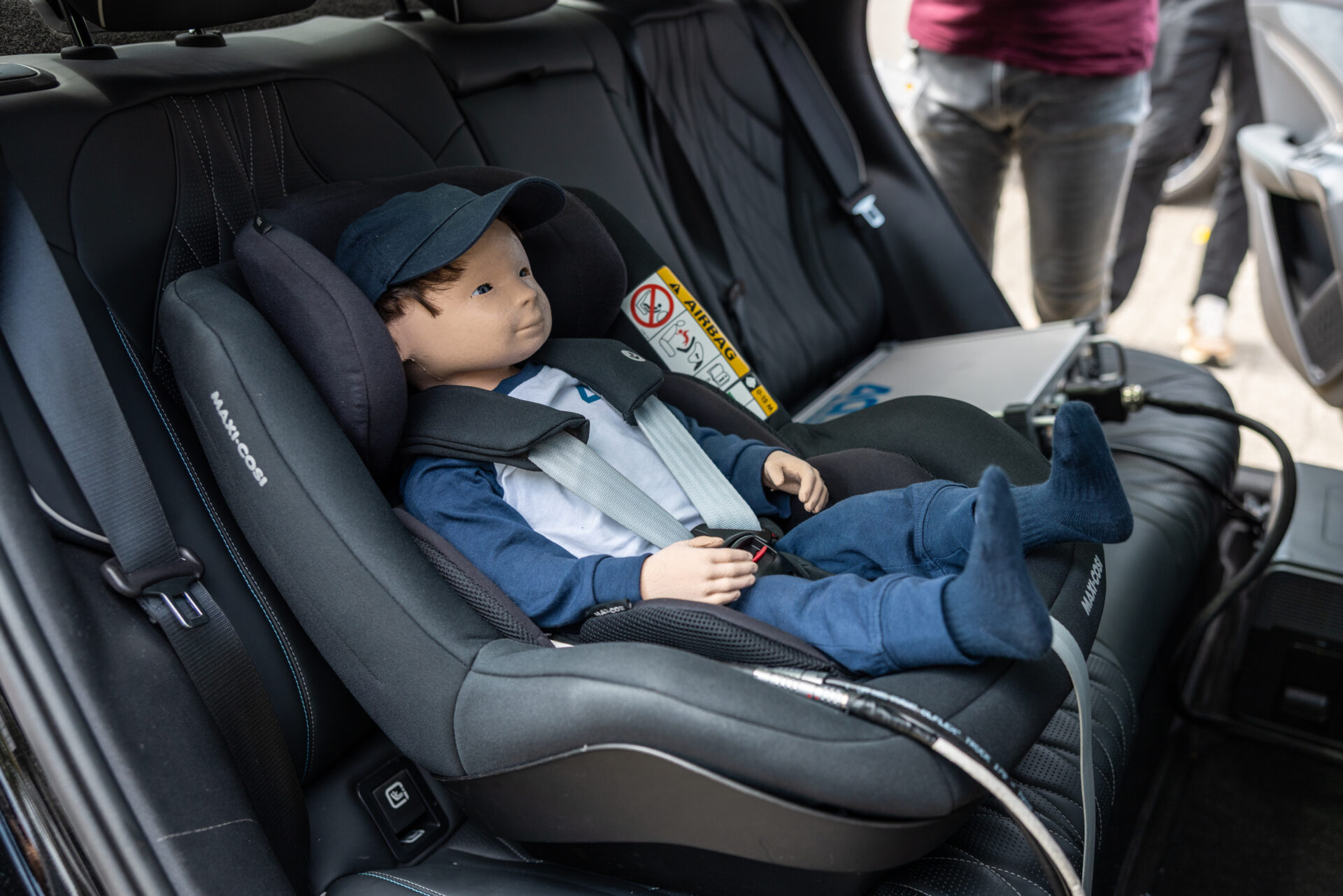
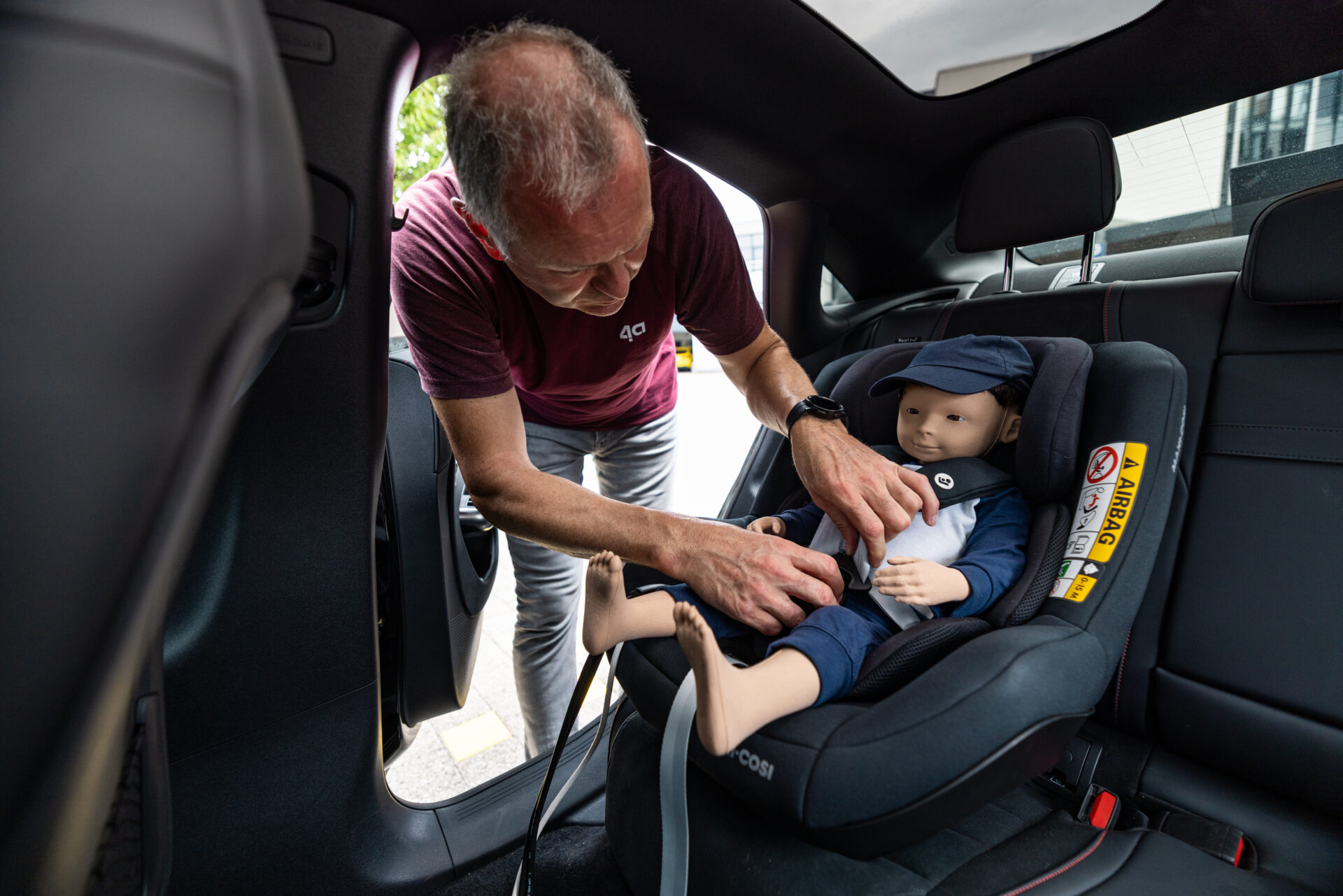
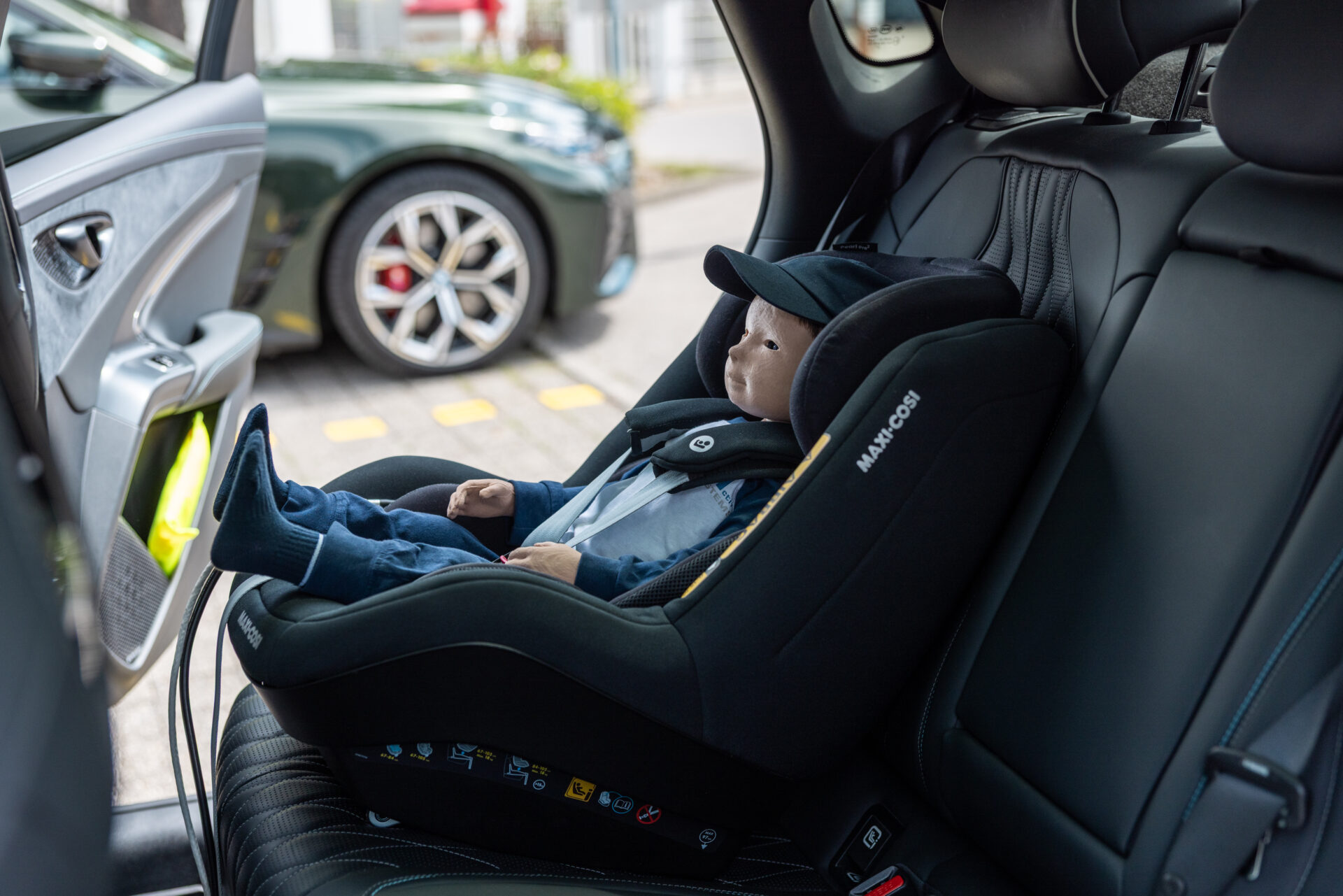
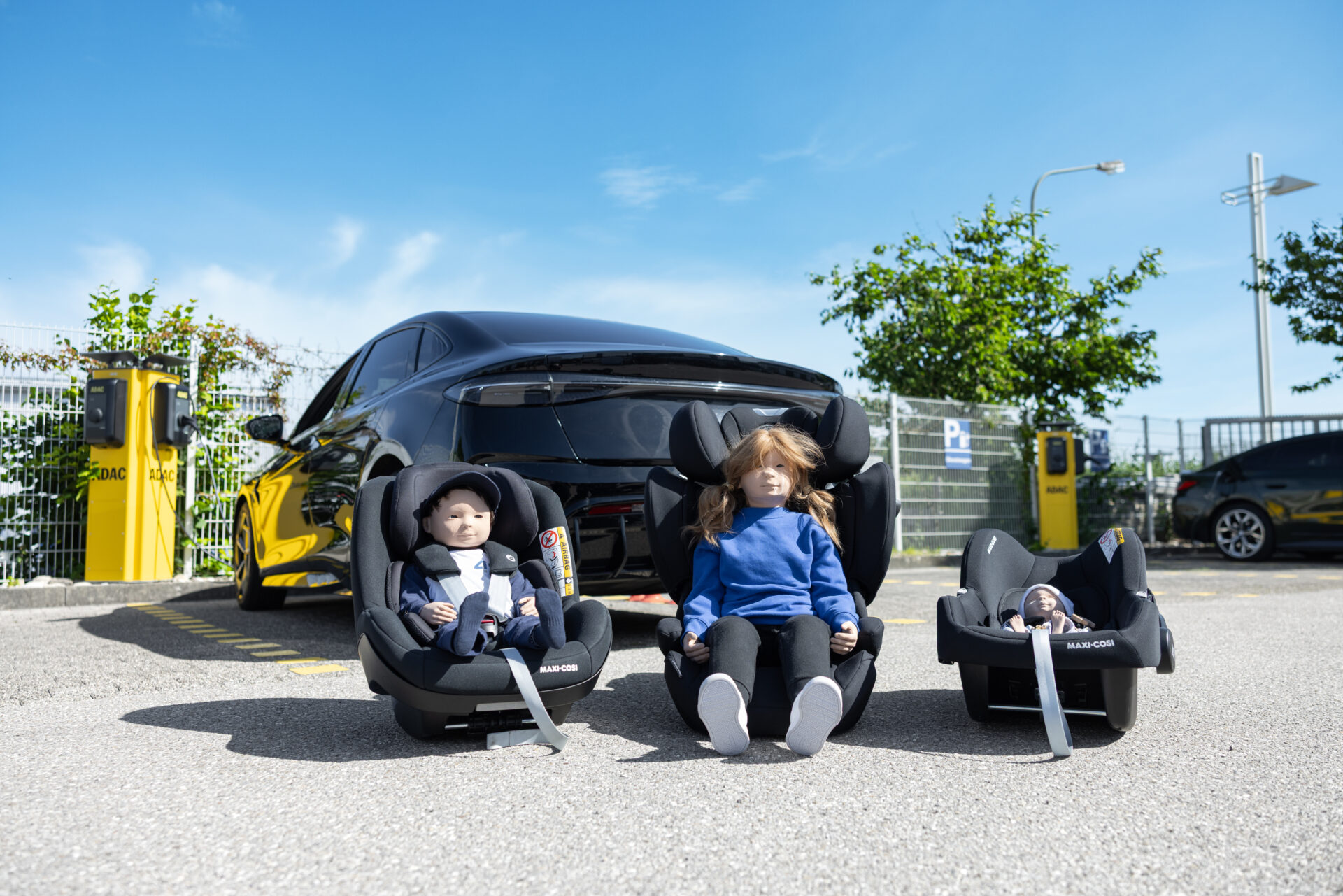
Four cars were selected: the BYD Seal, the Zeekr 001 and the BMW iX3, fitted with direct-measurement systems, and the Mercedes CLA, which relies solely on indirect logic. The testers reproduced four situations: a newborn dummy in a rear-facing infant carrier secured by the vehicle belt; the same carrier, this time secured by ISOFIX; a dummy of around one year in a forward-facing seat on ISOFIX anchorages; and a dog on the rear seat.
Who was detected, and in which situation?
| Vehicle | System | Newborn – carrier secured by belt | Newborn – carrier secured by ISOFIX | One-year-old – forward-facing | Dog |
| BYD Seal | direct | detected | not detected | detected | detected |
| Zeekr 001 | direct | detected | not detected | detected | detected |
| BMW iX3 | direct | detected | not detected | detected | detected |
| Mercedes CLA | Indirect system: no actual detection. A presence is simply inferred from the doors being opened. | ||||
Source: study on child presence detection funded by European automobile clubs, including the ACL.
The findings are striking in their consistency. All three direct-measurement systems have no trouble spotting the forward-facing one-year-old, or the dog. All three, however, come up against the same obstacle: the newborn in an infant carrier secured by ISOFIX. The engineers put this down to breathing that is almost imperceptible, combined with a carrier that partly shields the baby from the sensors. In other words, the most common configuration for a very young child is also the one where the technology proves most fragile.
The BMW iX3 illustrates the limit well. With the vehicle belt fastened, it detects the newborn without difficulty. On ISOFIX alone, without the belt, its performance collapses. The results suggest that the system does not rely on breathing or movement alone, but cross-checks that data against the state of the belt buckle. A useful crutch, but one that reveals the limits of pure detection.
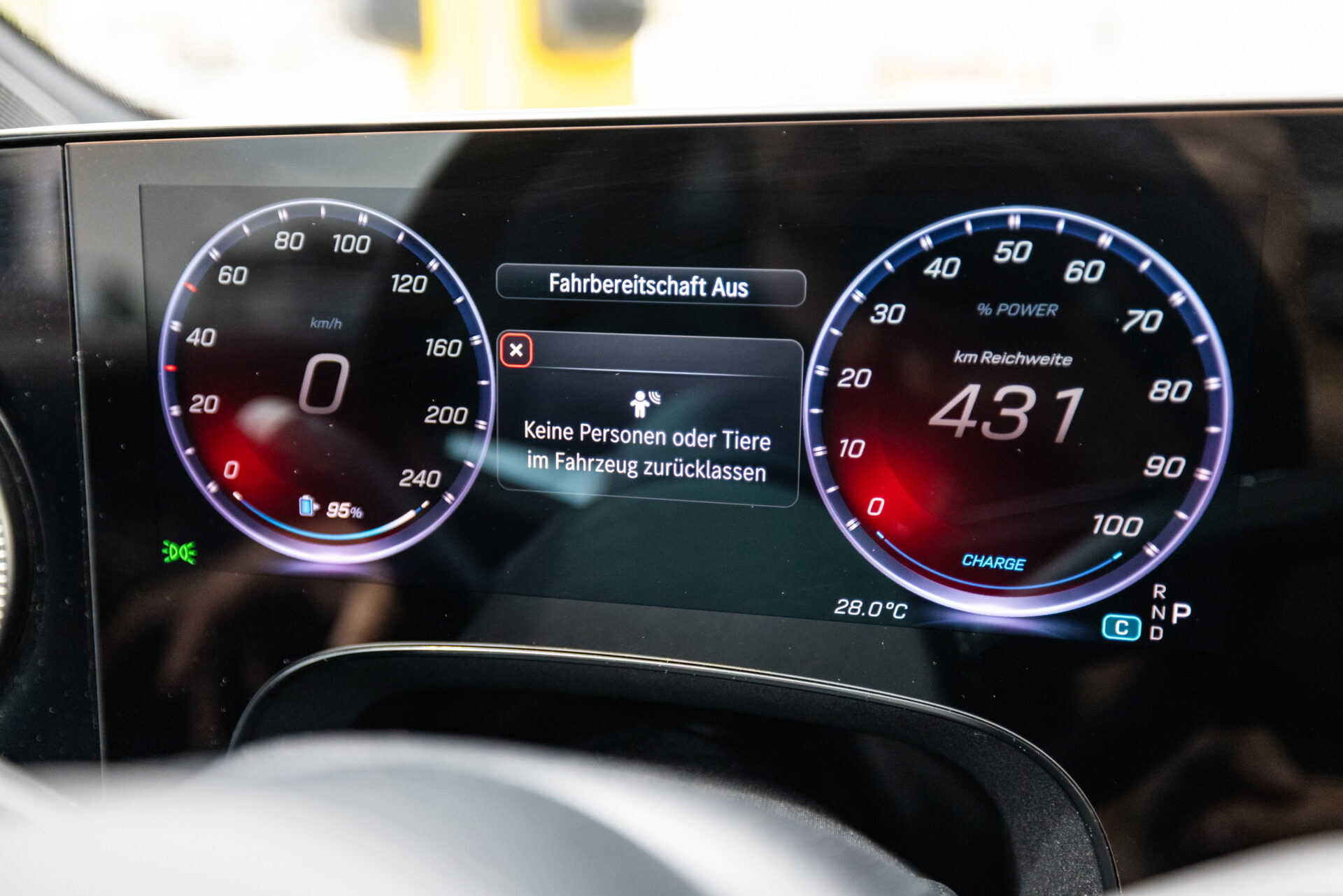
The Mercedes CLA is in a category of its own: its system detects no one, it assumes. That makes it impossible to verify any effective detection of a child, either for the newborn or for the one-year-old dummy.
Detection is one thing. Raising the alarm matters just as much
A capable sensor is useless if no one is warned. On this front, the four vehicles differ radically.
| Vehicle | Message to the driver on exit | Signal visible from outside | Horn or alarm | Smartphone alert | Message for passers-by |
| BYD Seal | no | yes | yes | unreliable | no |
| Zeekr 001 | no | yes | yes | no | no |
| BMW iX3 | no | yes | no | yes | yes |
| Mercedes CLA | yes | no | no | no | no |
Behaviour observed after an occupant was detected on board.
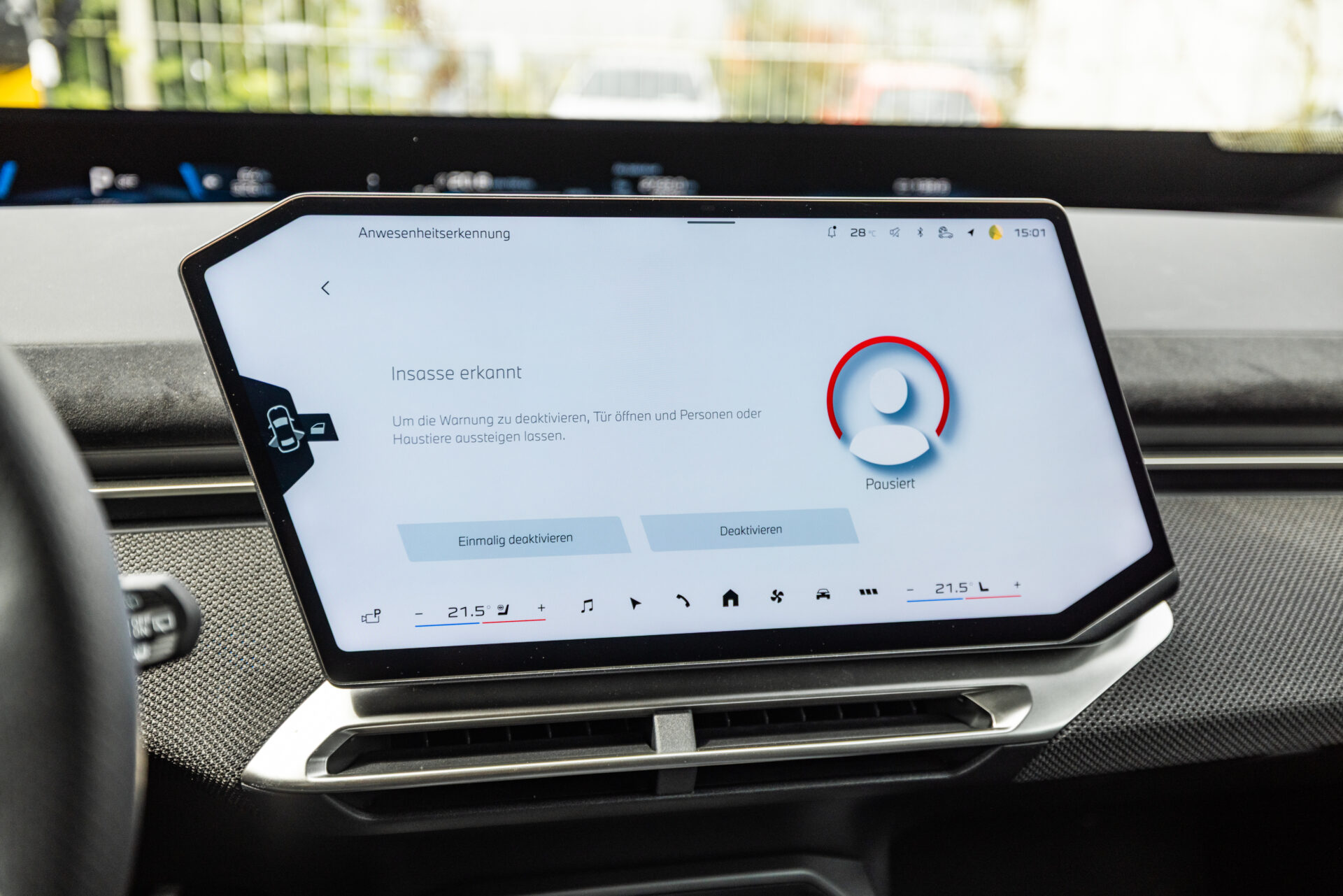
BYD Seal. As the driver leaves the car, nothing happens: neither the instrument cluster nor the central screen displays any message indicating that a child has been spotted. A notification may appear on the phone, but its delivery proved erratic during the trials, and the message disappears after a few moments without being repeated. More awkward still, this alert leaves no trace in the app’s history and cannot be retrieved afterwards. It therefore risks being lost in the daily flood of notifications. Once the occupant has been detected, however, the car does react: hazard lights first, then an escalating audible warning via the alarm or the horn.
Zeekr 001. The same silence when leaving the vehicle. What follows is convincing, though: as soon as detection is confirmed, hazard lights and bursts of the horn are triggered at regular intervals, clearly visible and audible from the pavement. No notification was recorded in the Zeekr app, and the alert sequence stops there.
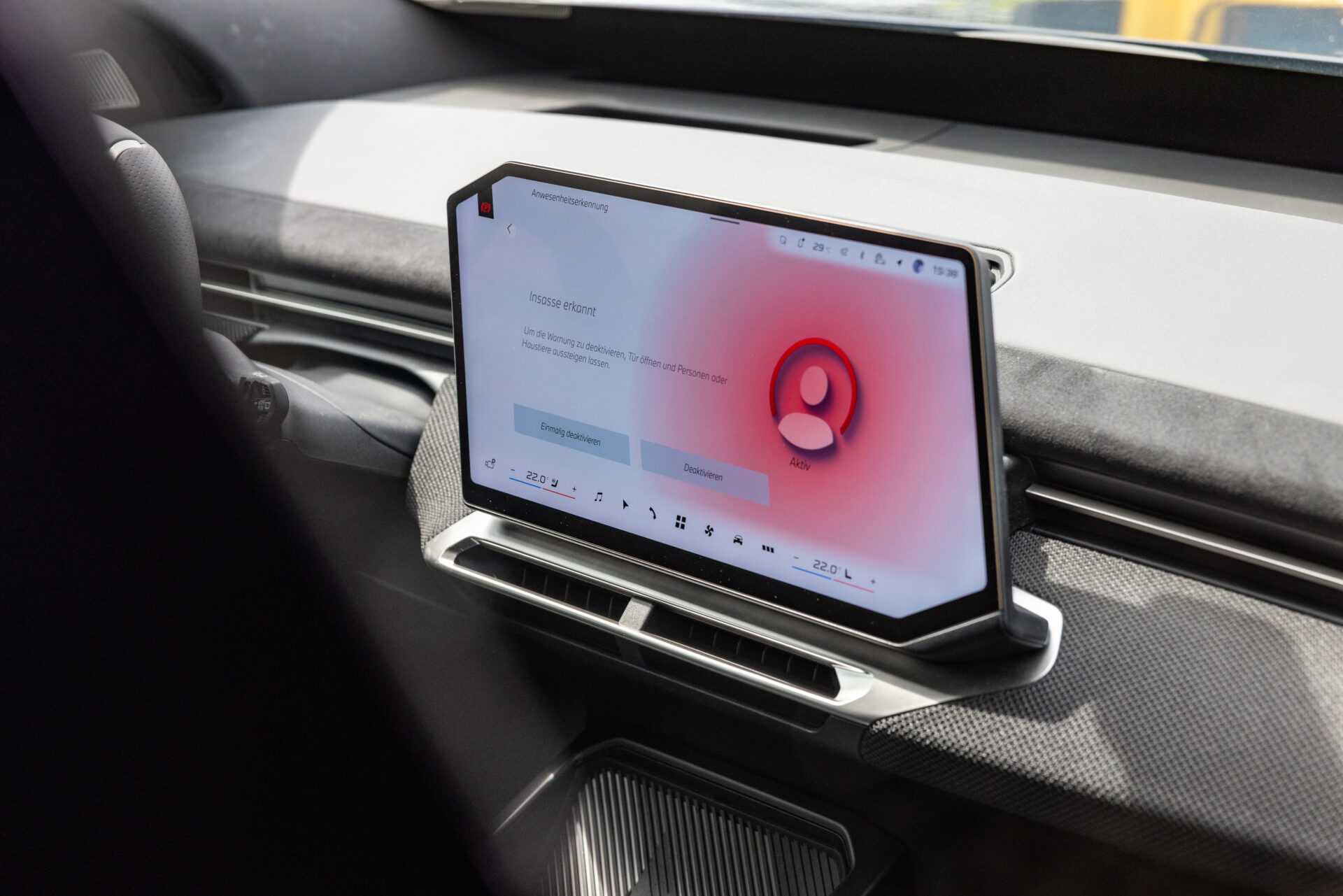
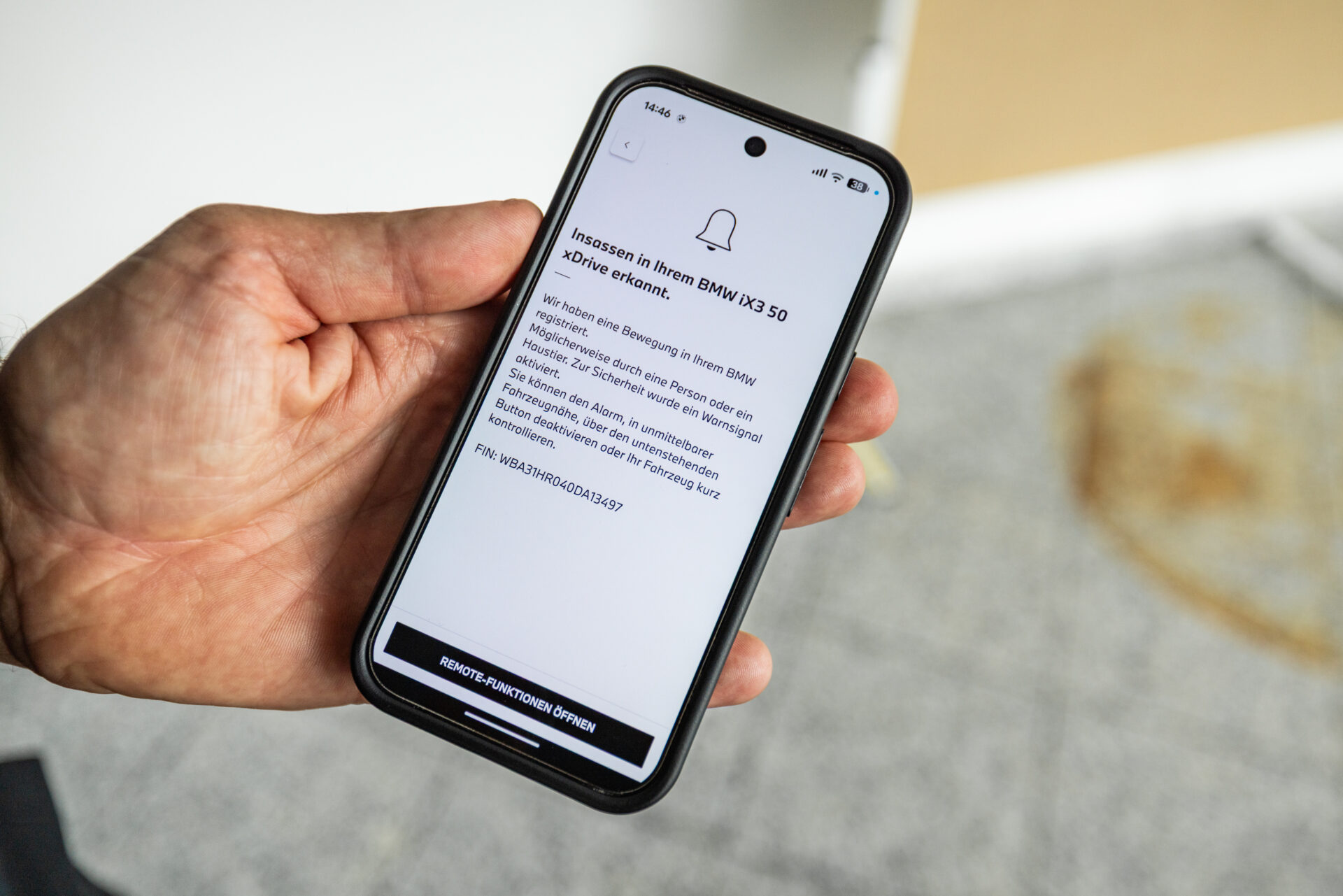
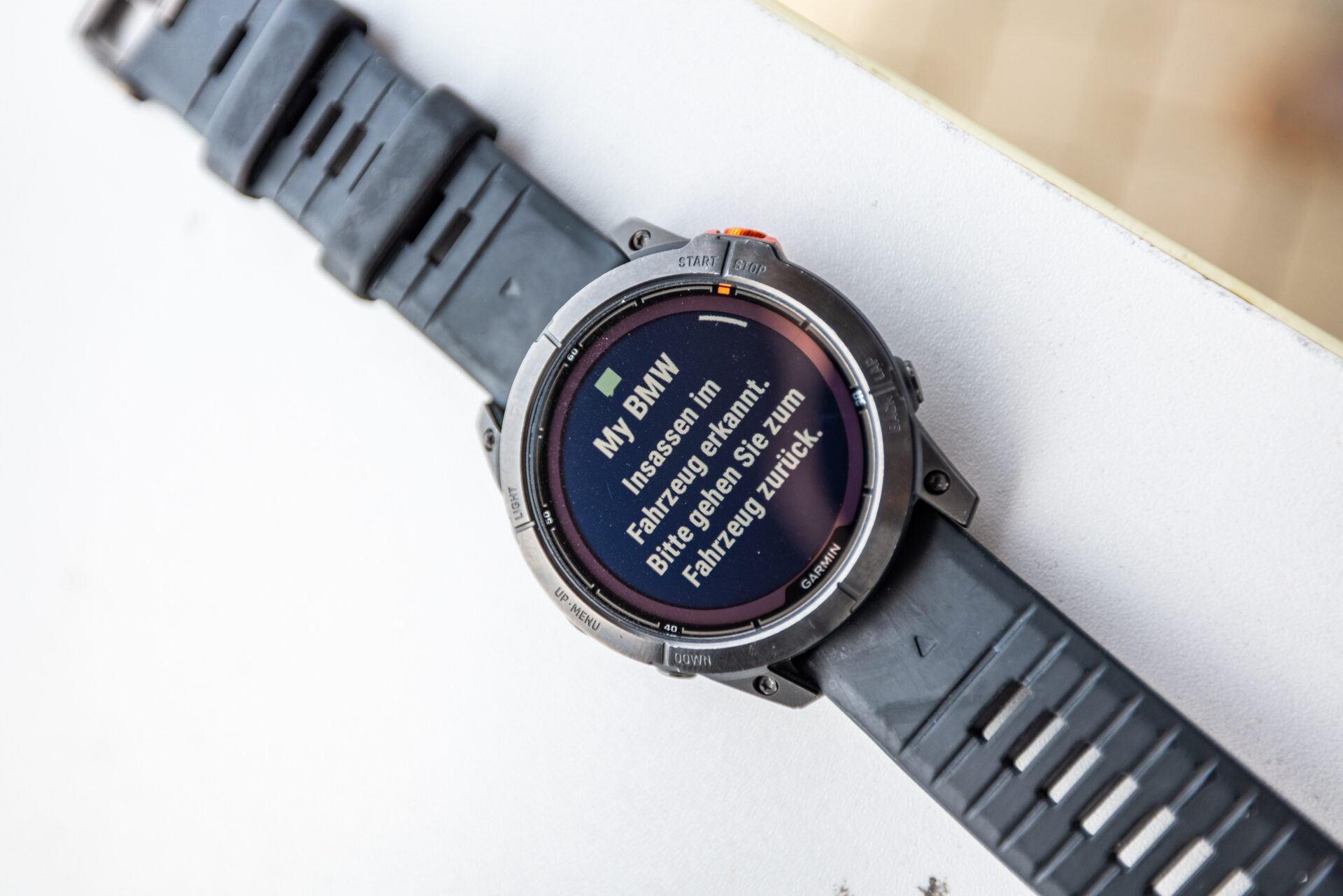
BMW iX3. The driver getting out is not warned here either, but this is the vehicle that goes furthest afterwards. It triggers a specific light signature and its hazard lights to attract attention. Above all, its central screen displays an explicit message stating that an occupant is still on board: a passer-by puzzled by the flashing lights understands immediately what is going on. The testers stress how important this detail is, as the rear windows of the car tested were heavily tinted, leaving a child invisible from outside. The BMW adds two further strengths: parked climate control cuts in to slow the rise in cabin temperature, and notifications are sent at regular intervals to the driver’s smartphone and smartwatch, including long after they have walked away. The only omission noted: no automatic contact with relatives or the emergency services.
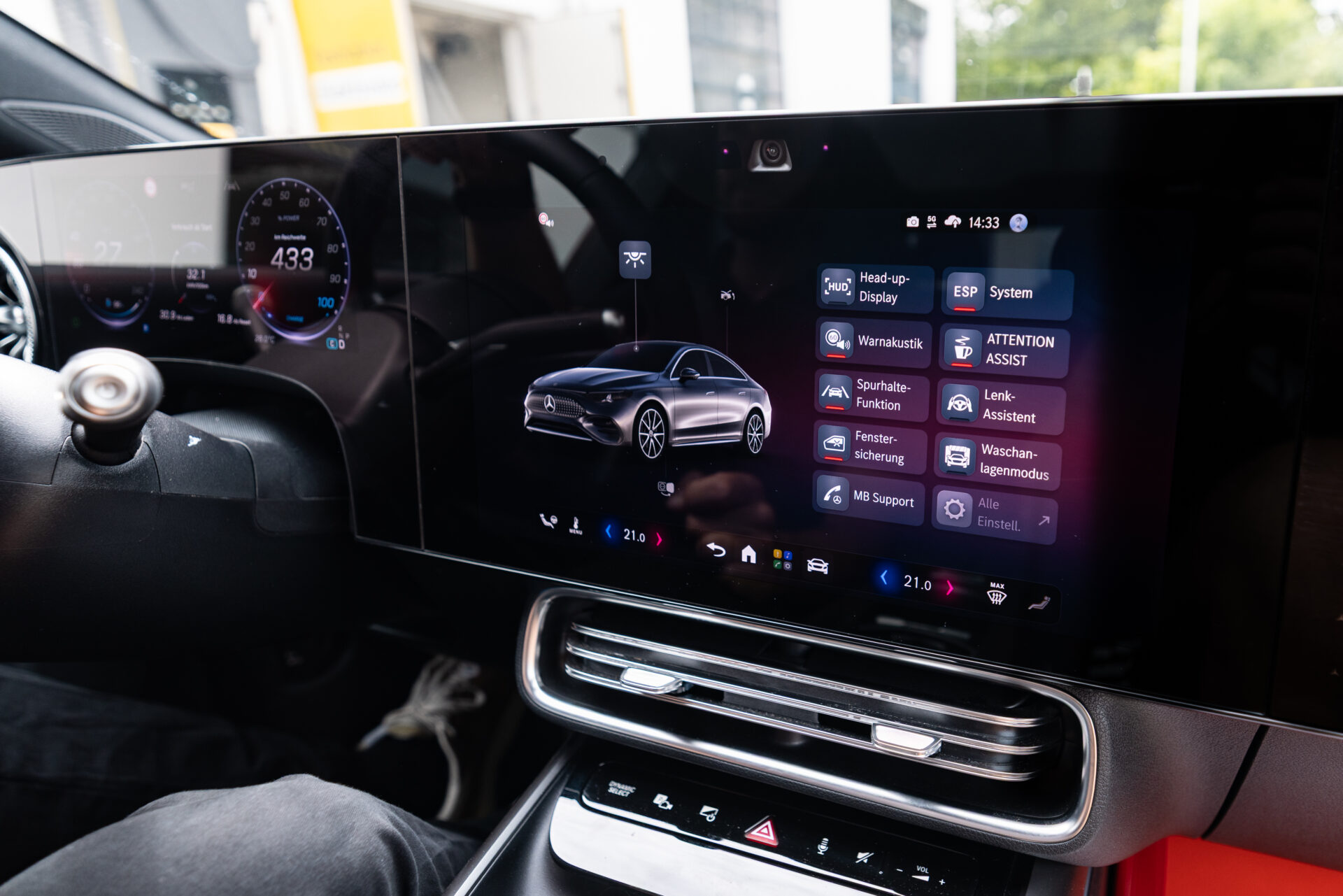
Mercedes CLA. It is the only one of the four to warn the driver as they get out. But the alert goes no further than a message on the screen: no sound, no warning visible from outside, no notification. That choice is all the more surprising given that the car is packed with connectivity and alarm functions, from theft and impact detection to communication with the app, all perfectly usable in this context. The potential is there, it is simply not put to work.
What the study tells us
The dividing line is clear: a reminder inferred from the doors being opened has nothing in common with actual detection. Direct-measurement systems bring a substantial safety benefit, but they do not remove the need for vigilance, and the test shows they still have room for improvement in the most critical configuration, that of the newborn.
Several expectations are set out for manufacturers. First, combine direct detection with indirect clues, using the belt buckle or seat occupancy as useful confirmation. Second, make a clear warning on leaving the vehicle standard practice: the car already warns the driver when a window is left open or the gearbox is not in P, so it would be logical to do the same for a child on board. Finally, provide a genuine escalation of the alert: signals visible and audible from outside, a message passers-by can understand, repeated notifications and even an automatic call to emergency contacts if no one responds.
A system that cries wolf too often, however, ends up switched off by its users. Cutting false alerts is therefore a condition of its effectiveness, as is making it impossible to disable permanently and in secret.
Conclusion
Child presence detection systems are good news. They provide a safety net against a human failing that can affect any parent on a day of tiredness or broken routine. But the net still has holes: the newborn in an ISOFIX infant carrier, an entirely ordinary situation, escapes the three most sophisticated systems in the test. And without an alert the neighbourhood can read, the best detection in the world is useless if no one walks past the car.
For buyers, one reflex is essential: ask at the dealership whether the vehicle genuinely detects occupants or simply issues a reminder. The distinction does not always appear in the brochures, but it changes everything. And for everyone else: never leave a child alone in a car, not even for “just two minutes”. No technology will replace that reflex.