Since its launch, the KIA Stonic has positioned itself as a rational, accessible and balanced proposition.
With this latest evolution, often presented as a third phase, the South Korean manufacturer’s model does not seek to overhaul its fundamentals but rather to refine an already proven recipe. The Stonic faces particularly intense competition, where buying decisions rest as much on style as on onboard technology and running costs. In this context, the GT Line 1.0 T-GDi 100 hp version with manual gearbox represents an interesting configuration: it combines a dynamic appearance with a straightforward combustion powertrain, without any hybridisation in this specific trim.
Subtle but targeted modernisation
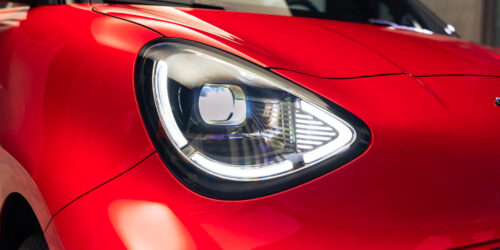
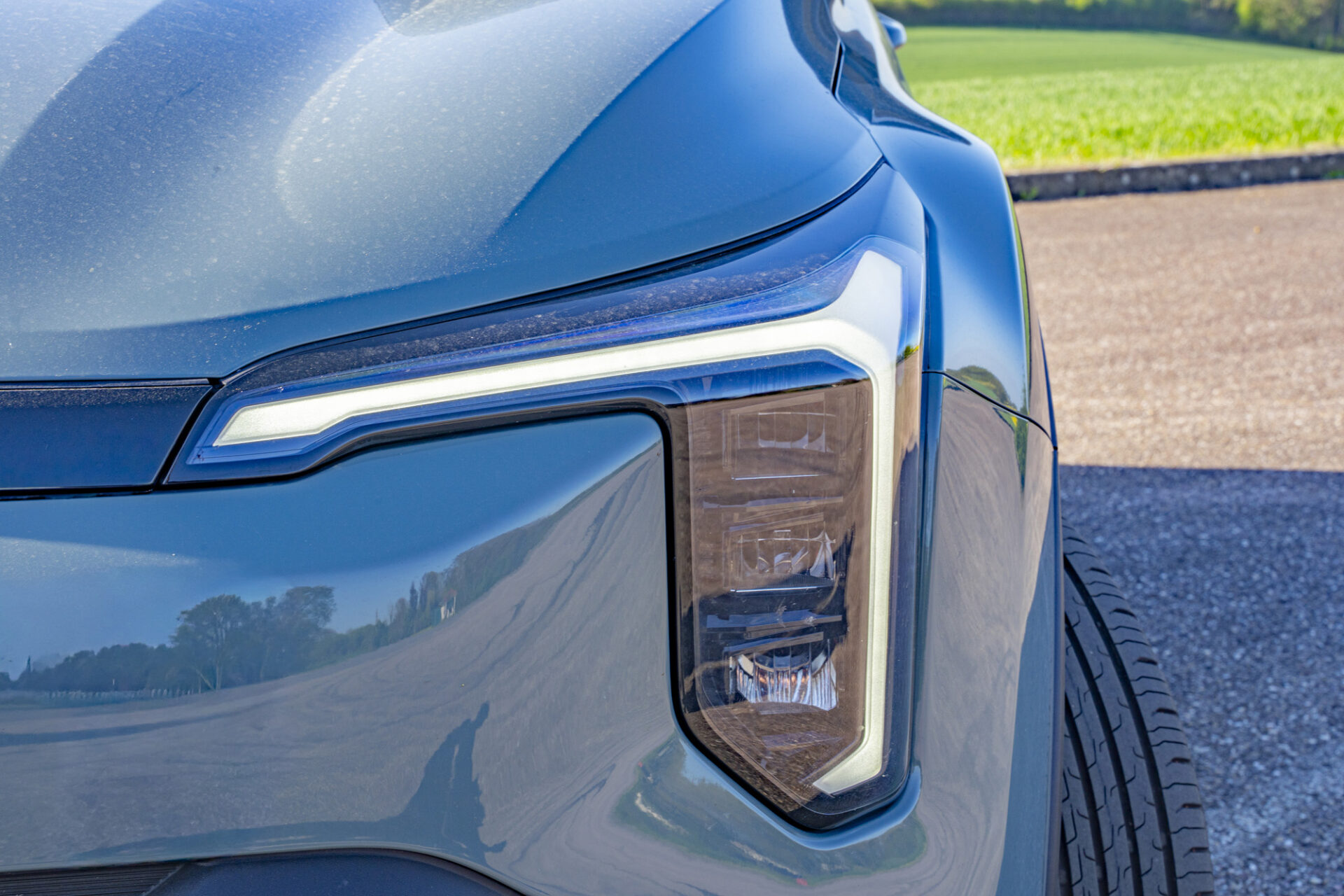
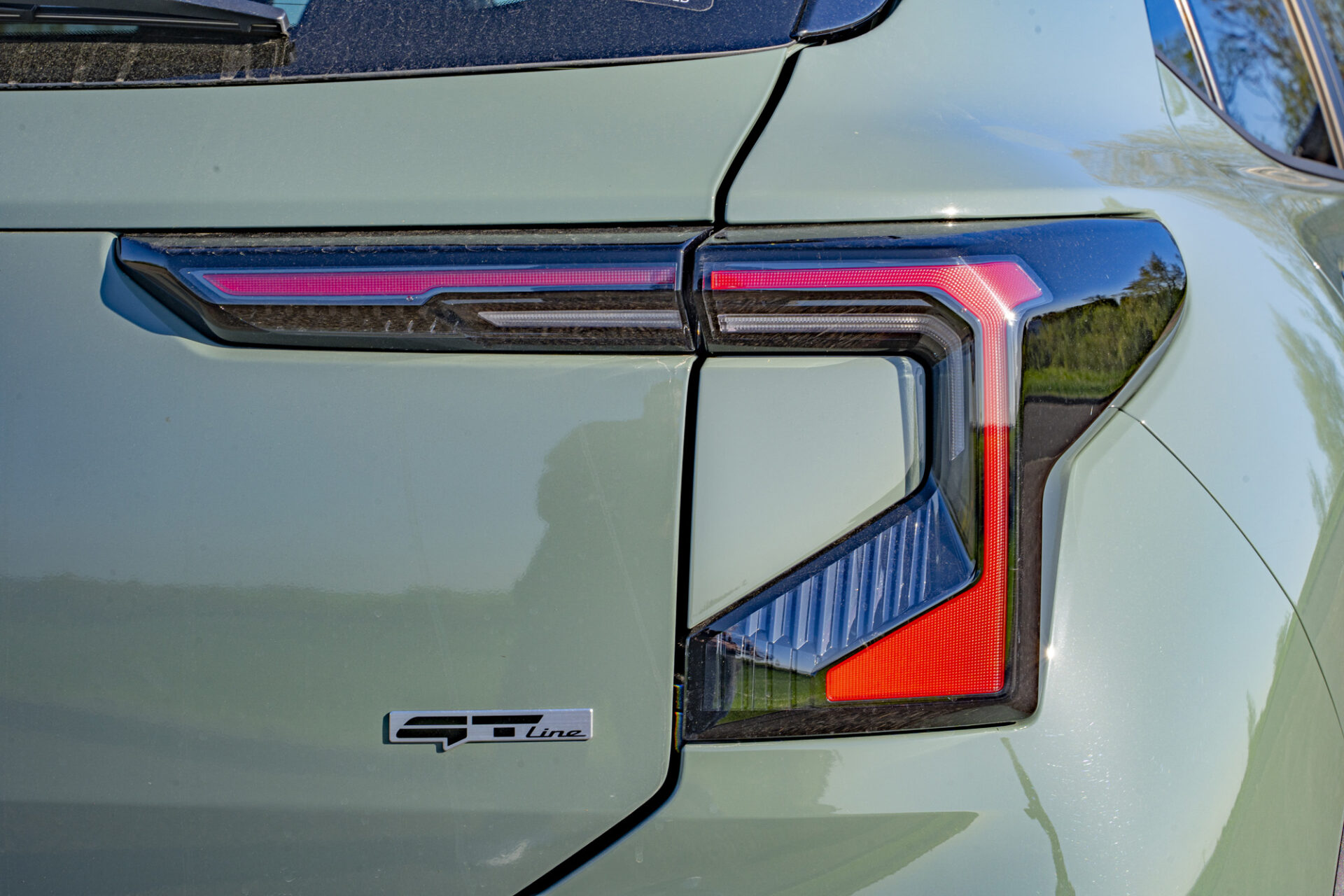
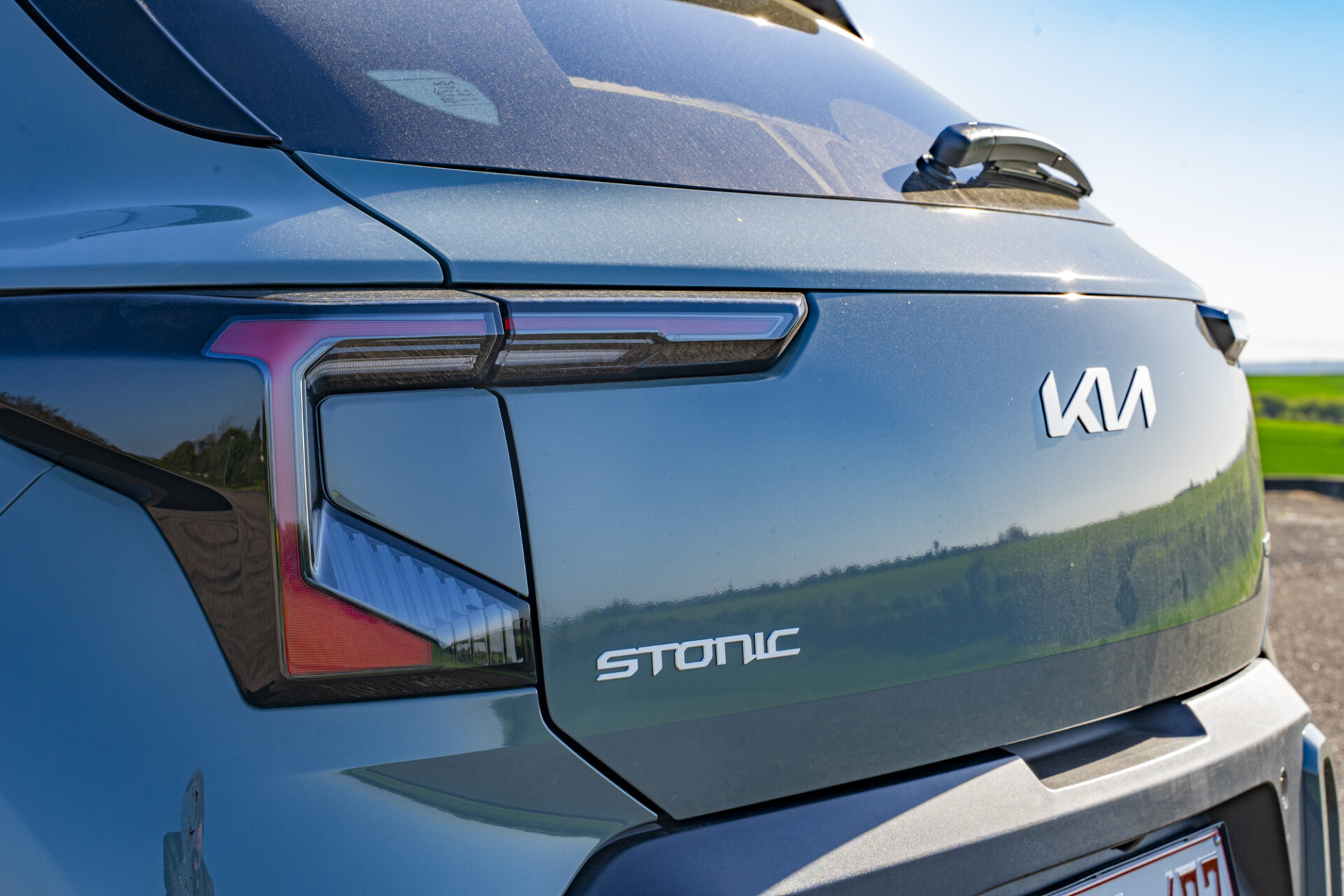
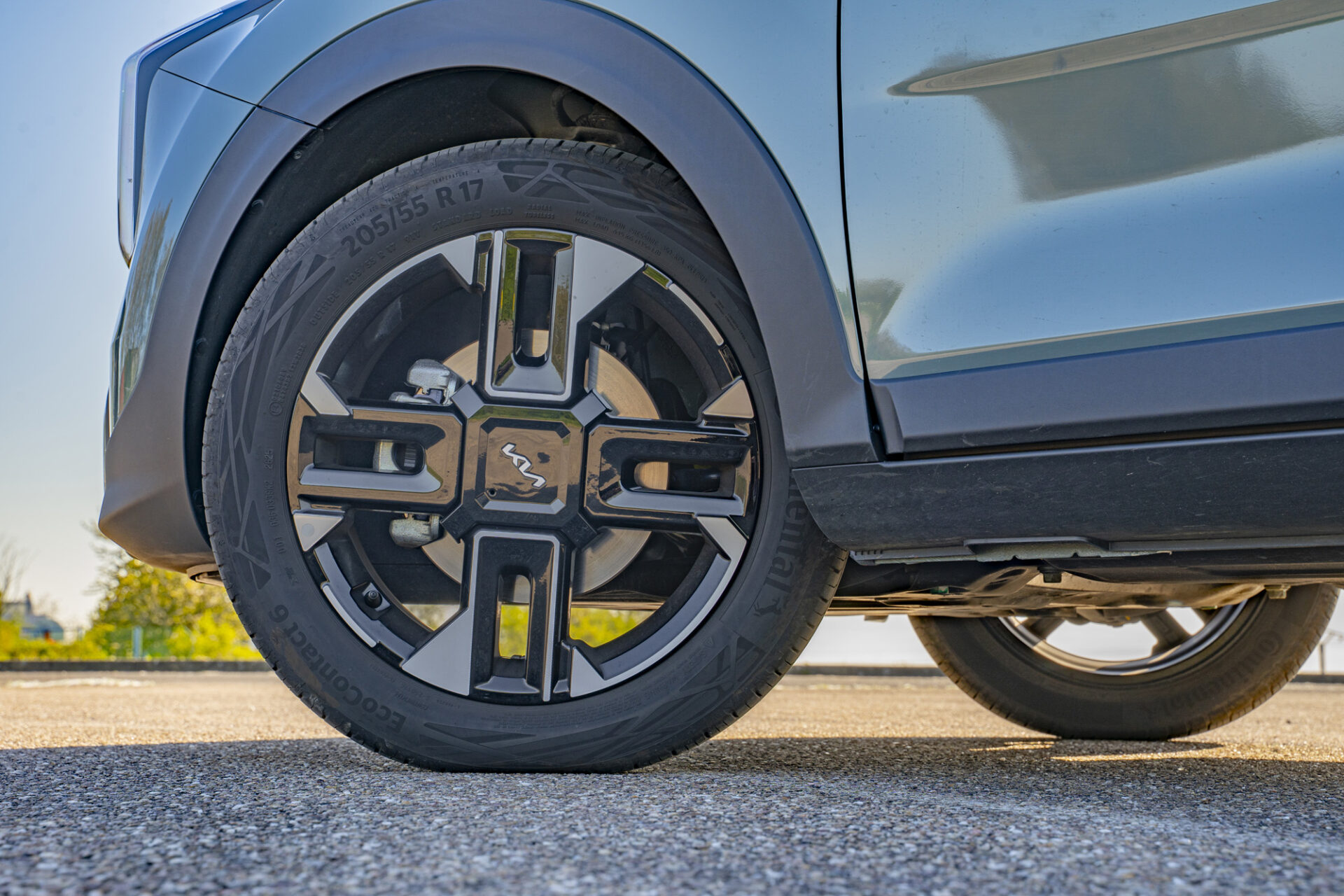
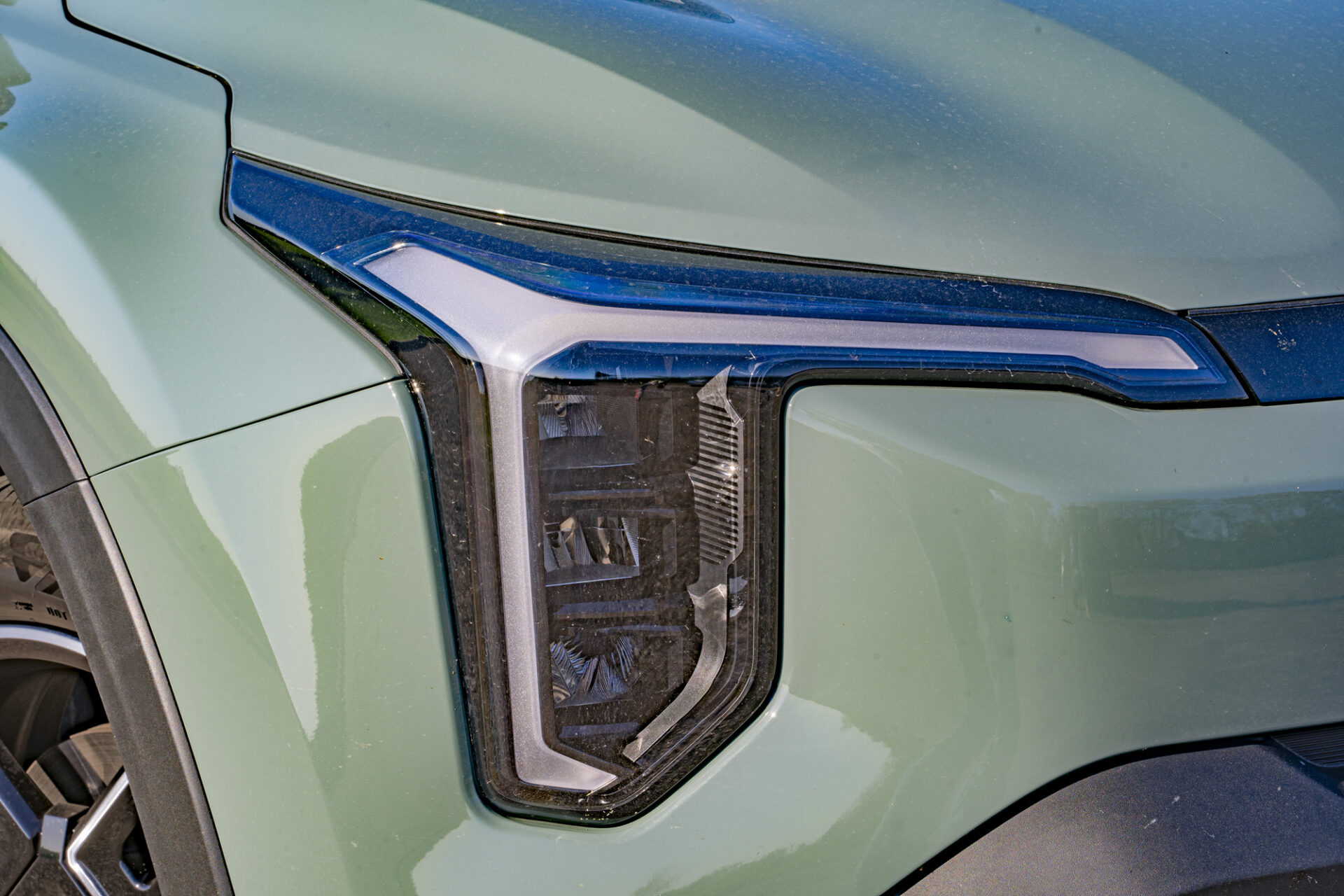
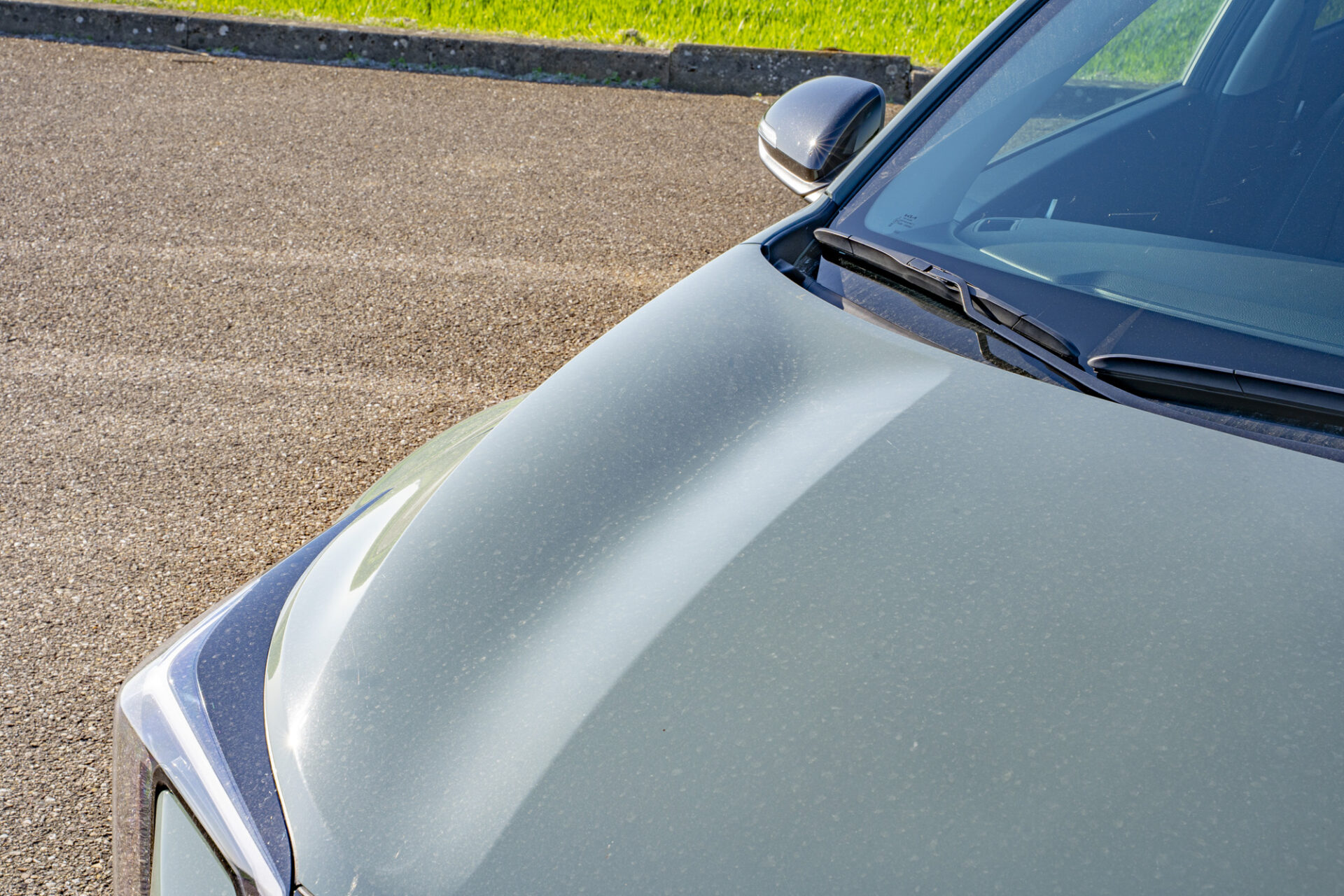
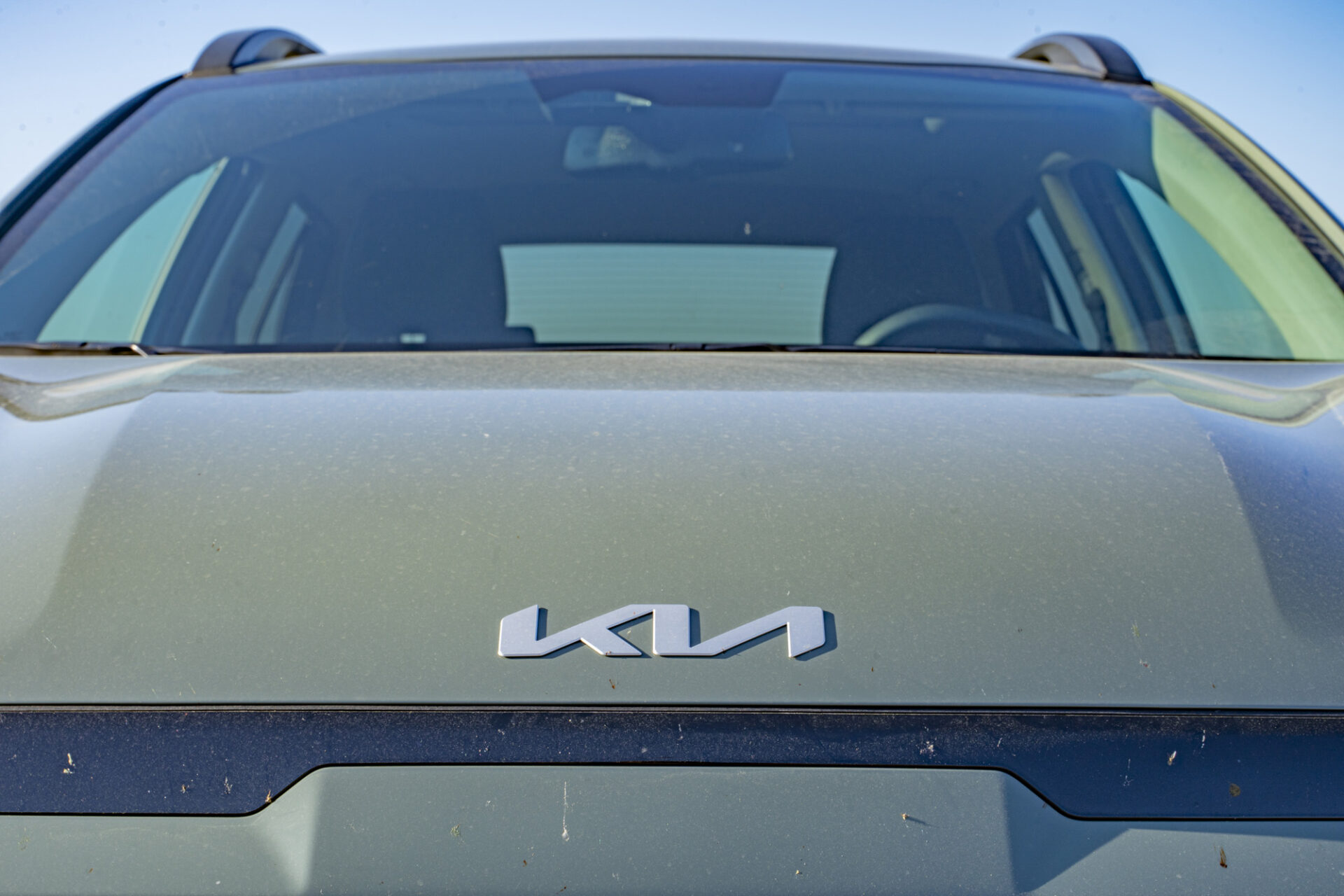
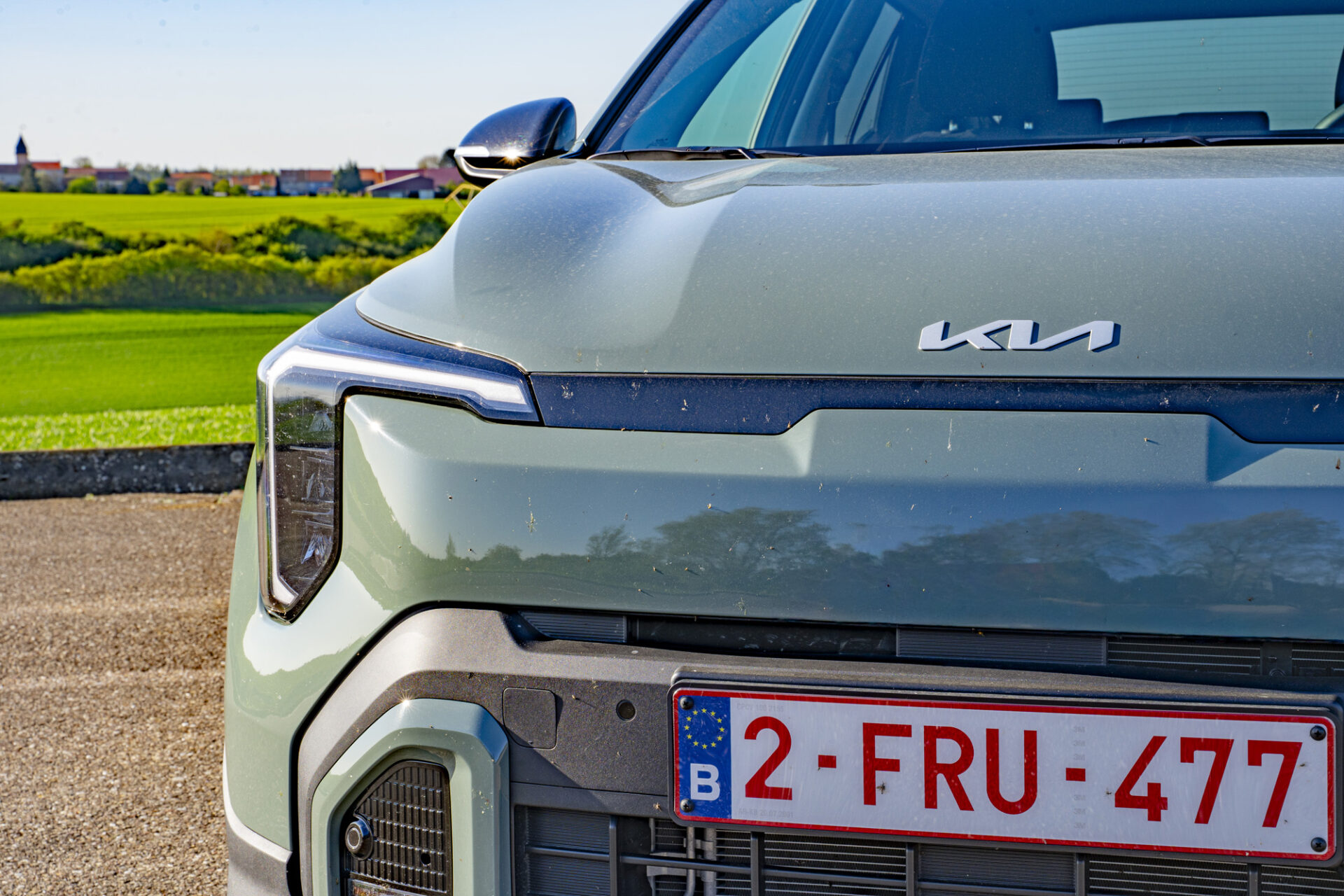
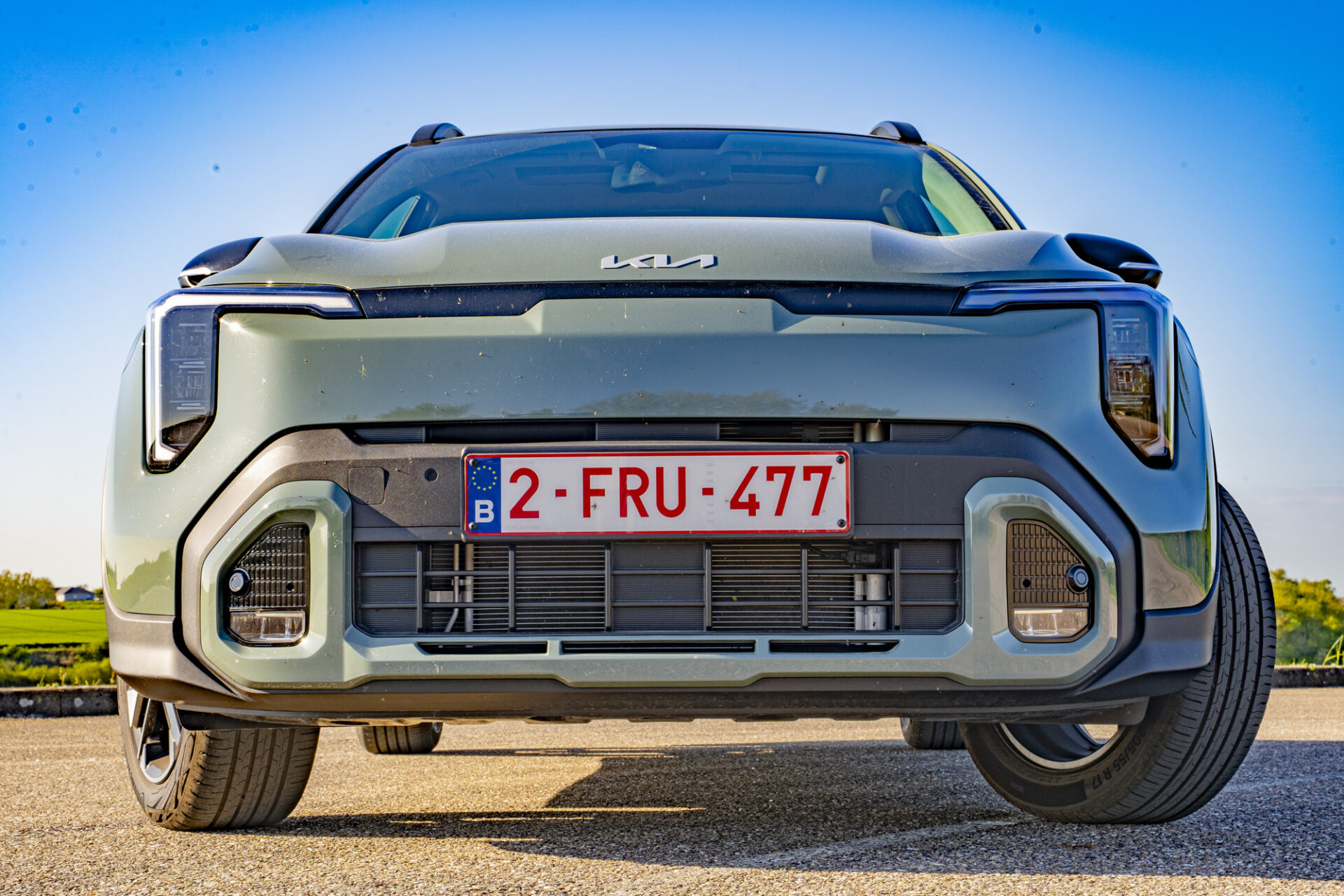
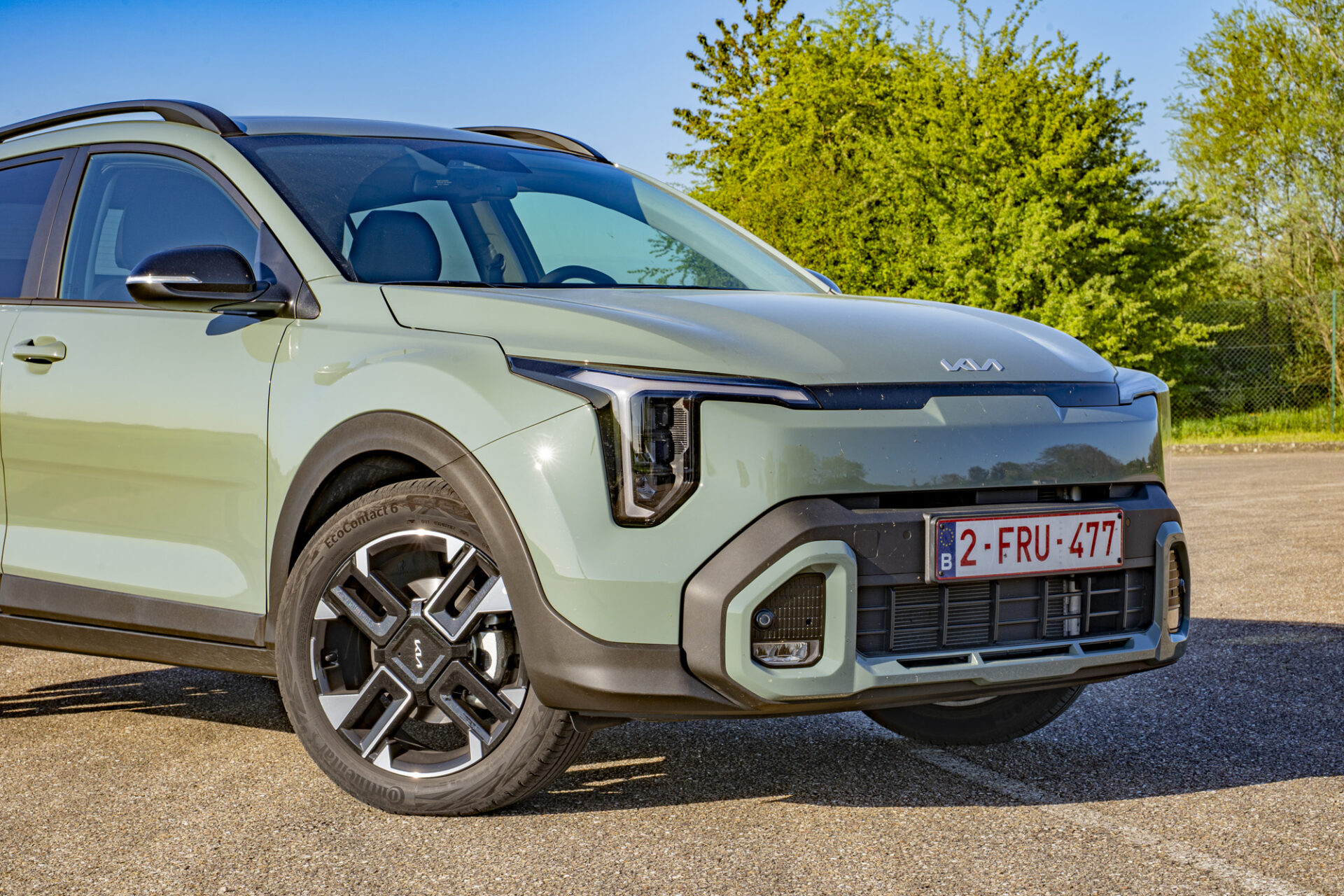
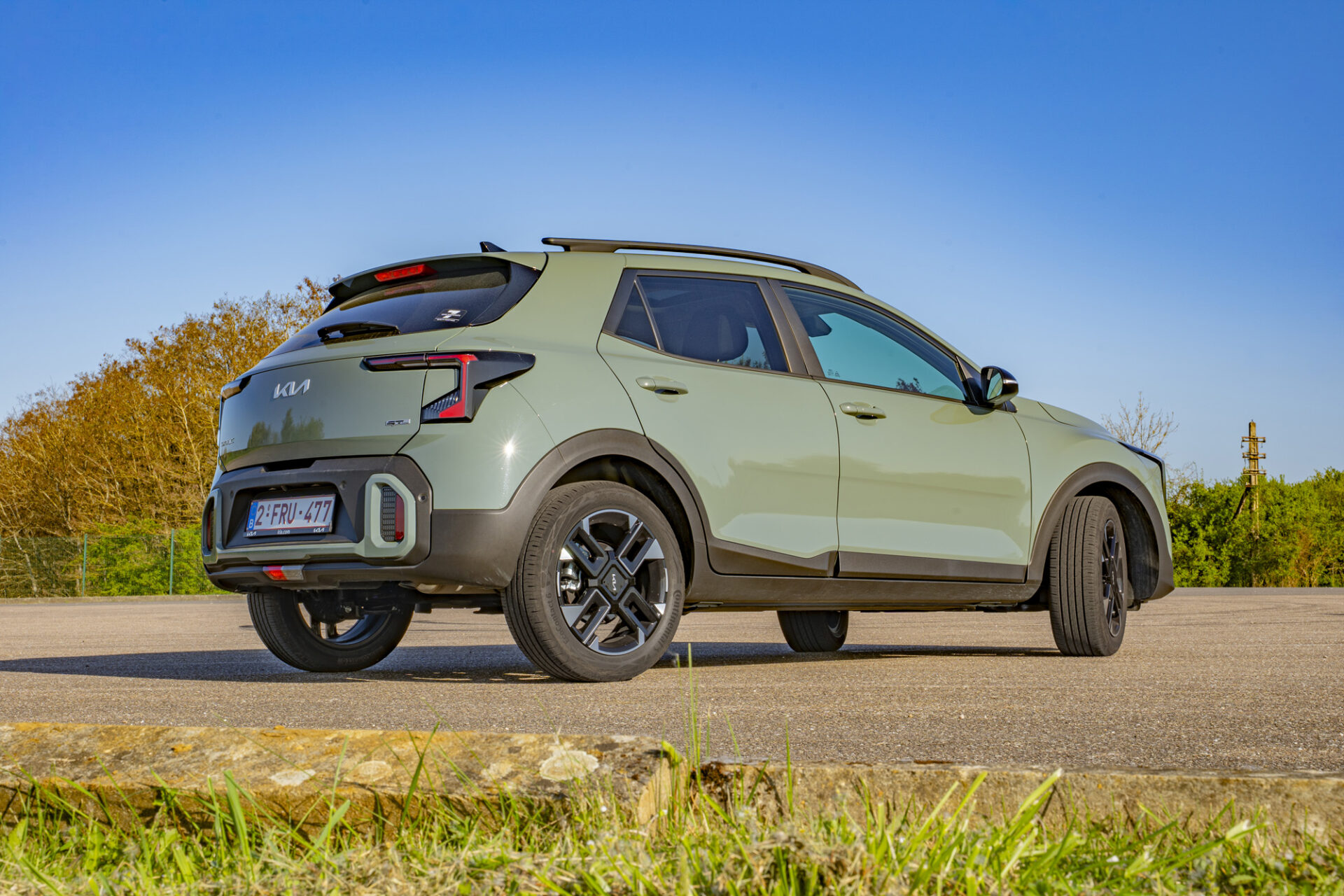
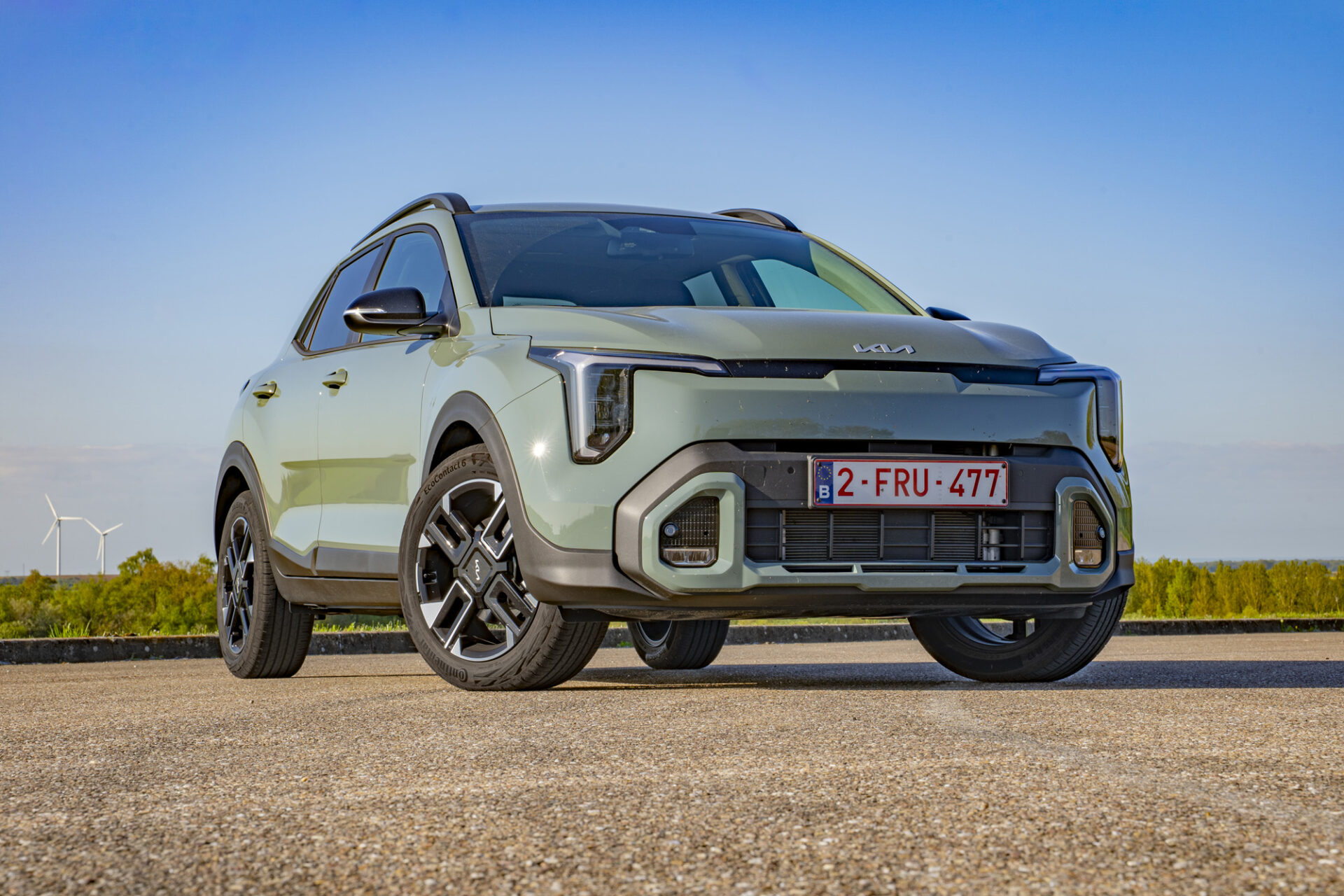
The KIA Stonic’s restyling rests on a controlled stylistic evolution. Dimensions are unchanged (4.165 m long, 1.760 m wide, 1.520 m tall), as is the contained kerb weight of around 1,205 kg, preserving its efficiency. The main change concerns the front end, which adopts a light signature inspired by the “Star Map” concept. The headlights, slimmer and more drawn-out, modernise the overall look. The “tiger nose” grille has been subtly reworked and better integrated into a more structured bumper, while horizontal lines reinforce visual width. In profile, the changes remain discreet to preserve a balanced silhouette. The GT Line trim stands out with 17-inch wheels and contrasting inserts that emphasise its dynamic feel. Body protection trim and ground clearance reflect its urban crossover vocation. At the rear, the redesigned lights bring a more contemporary touch, complemented by a slightly reworked bumper for a more robust appearance.
A noteworthy technological step up
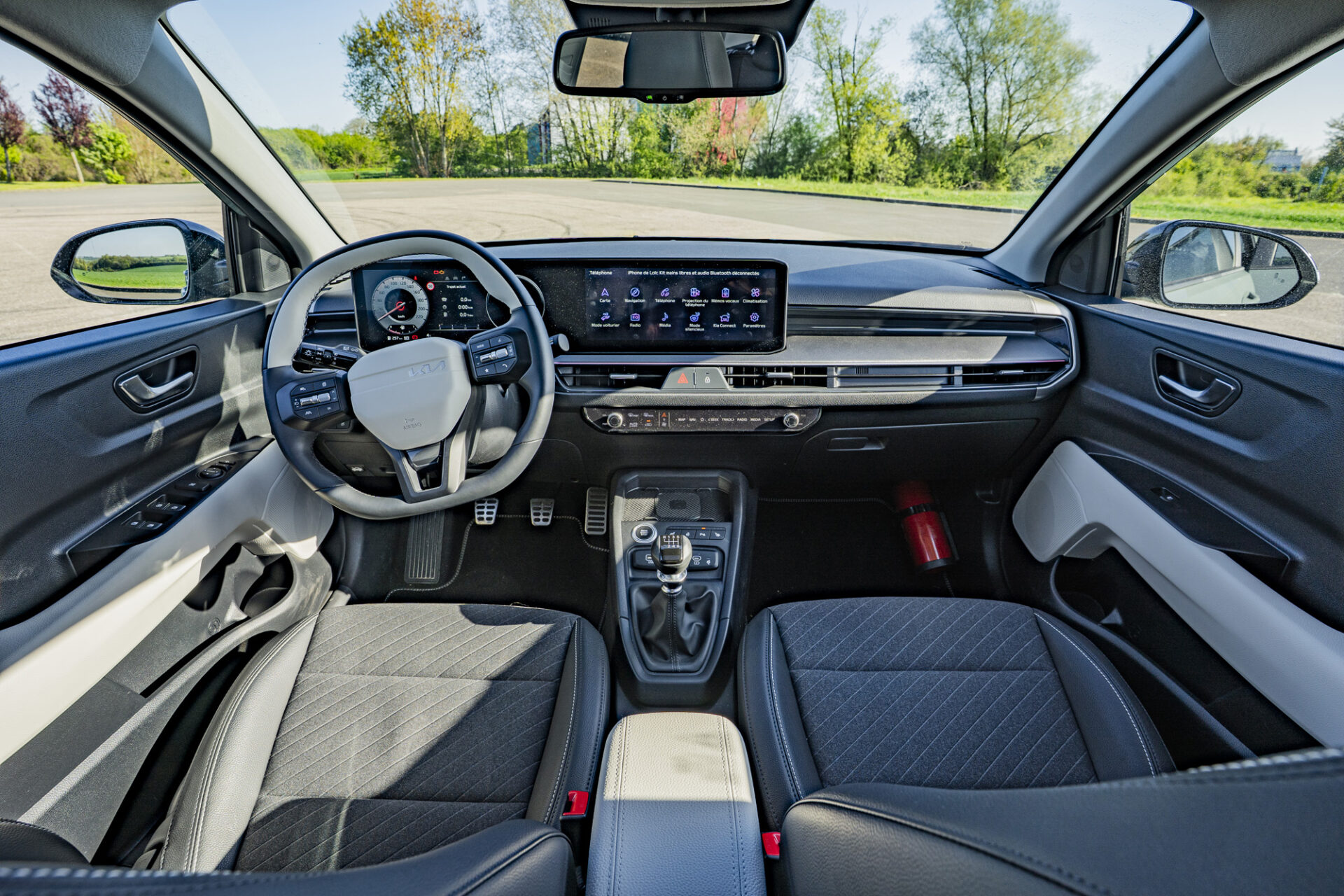
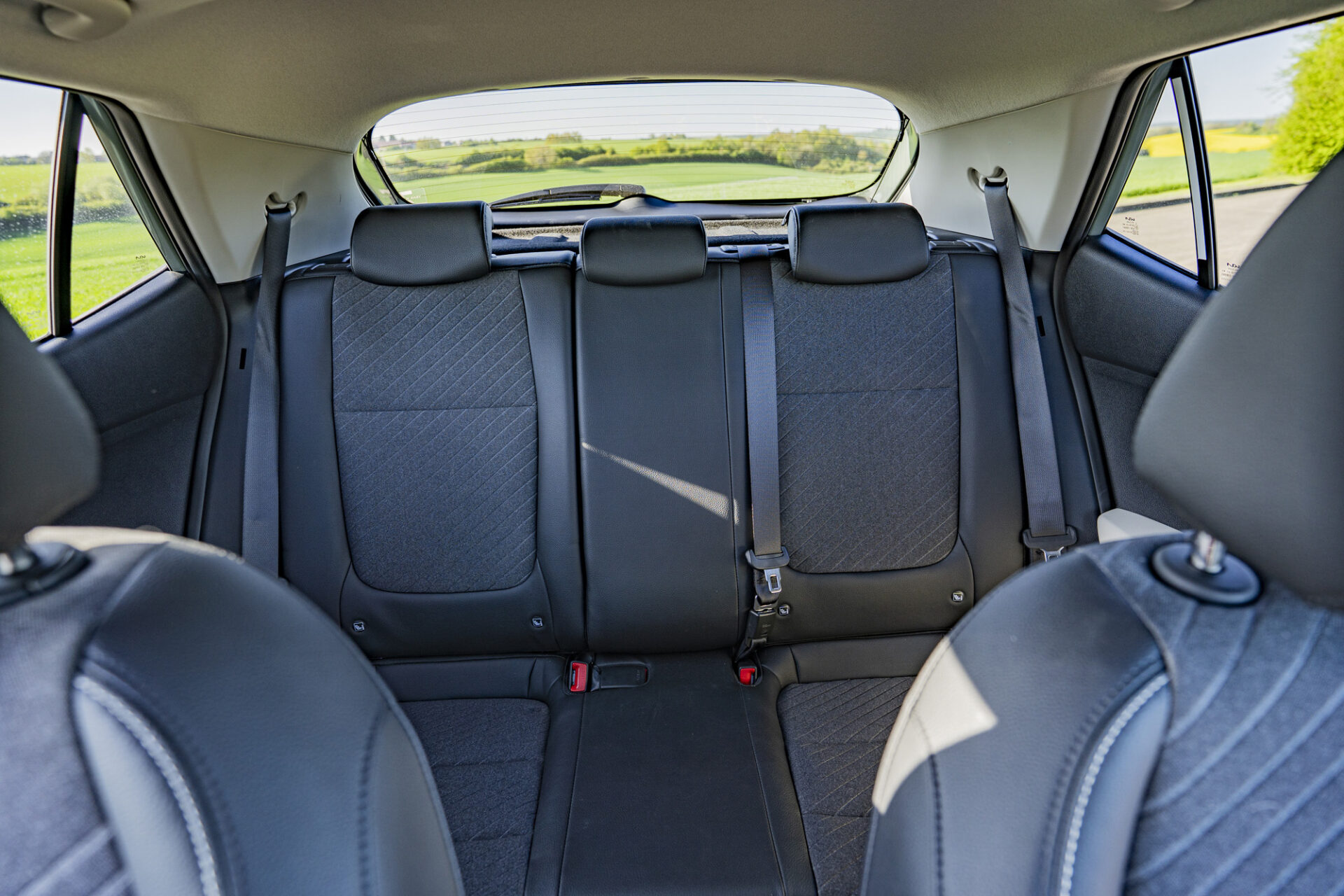
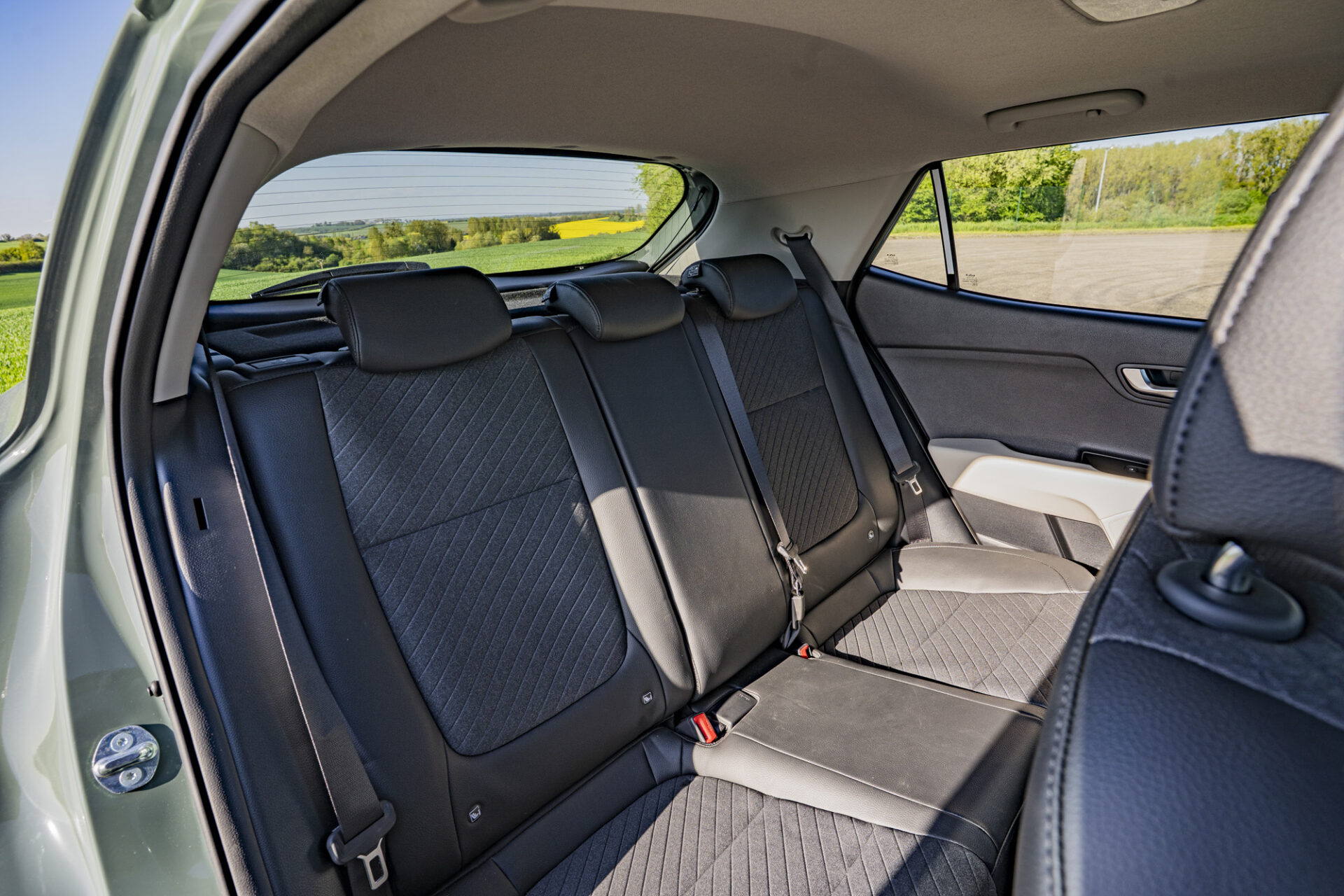
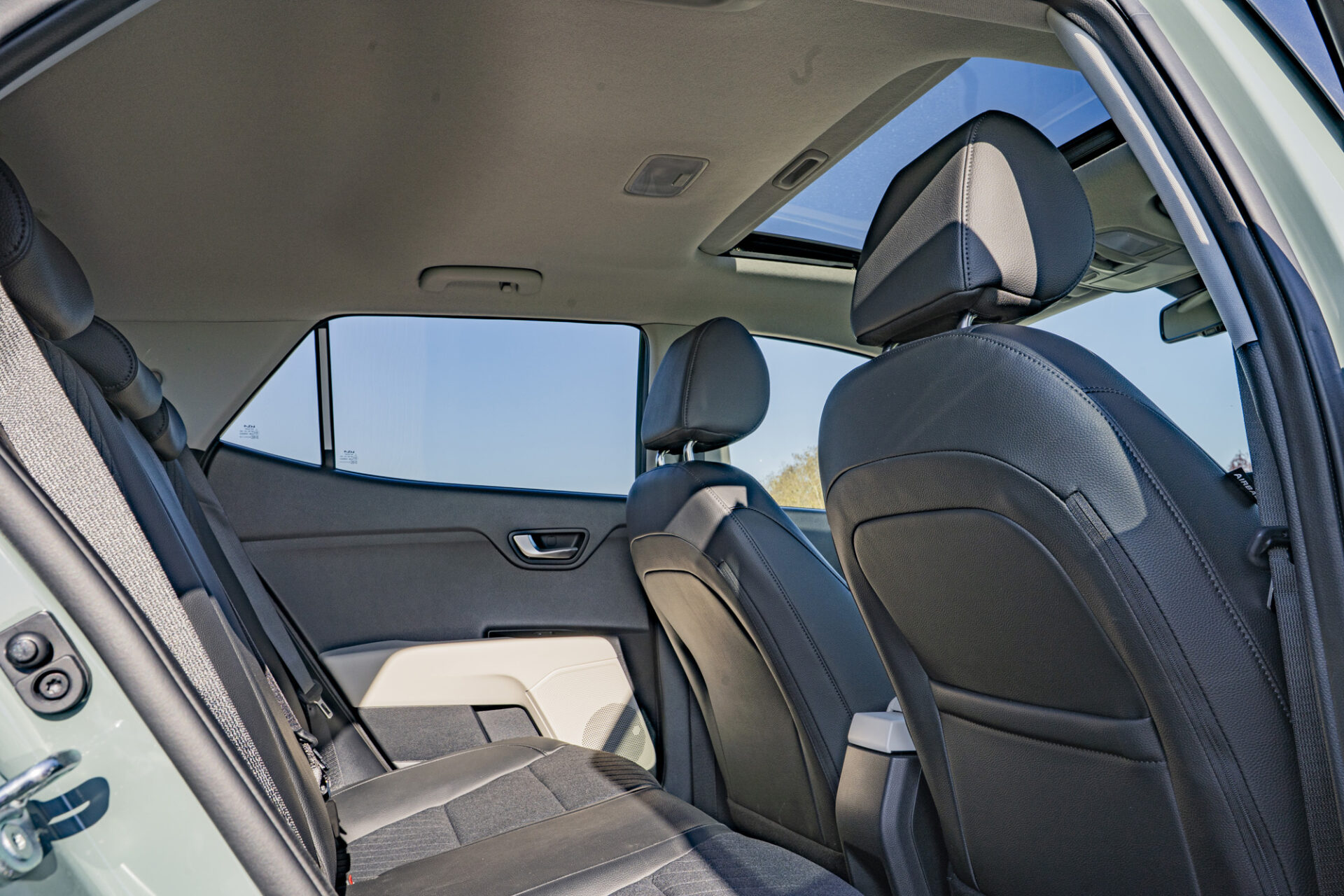
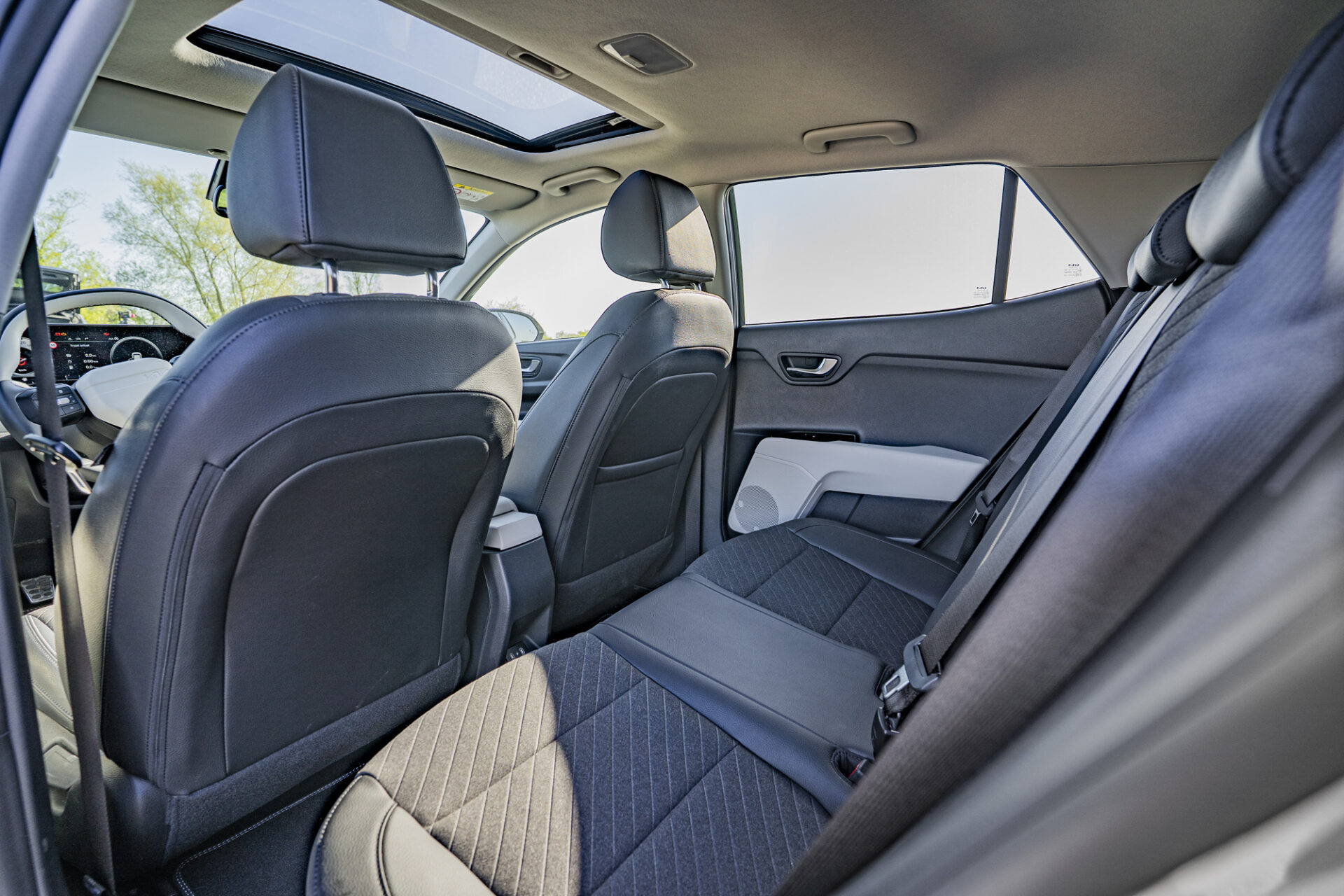
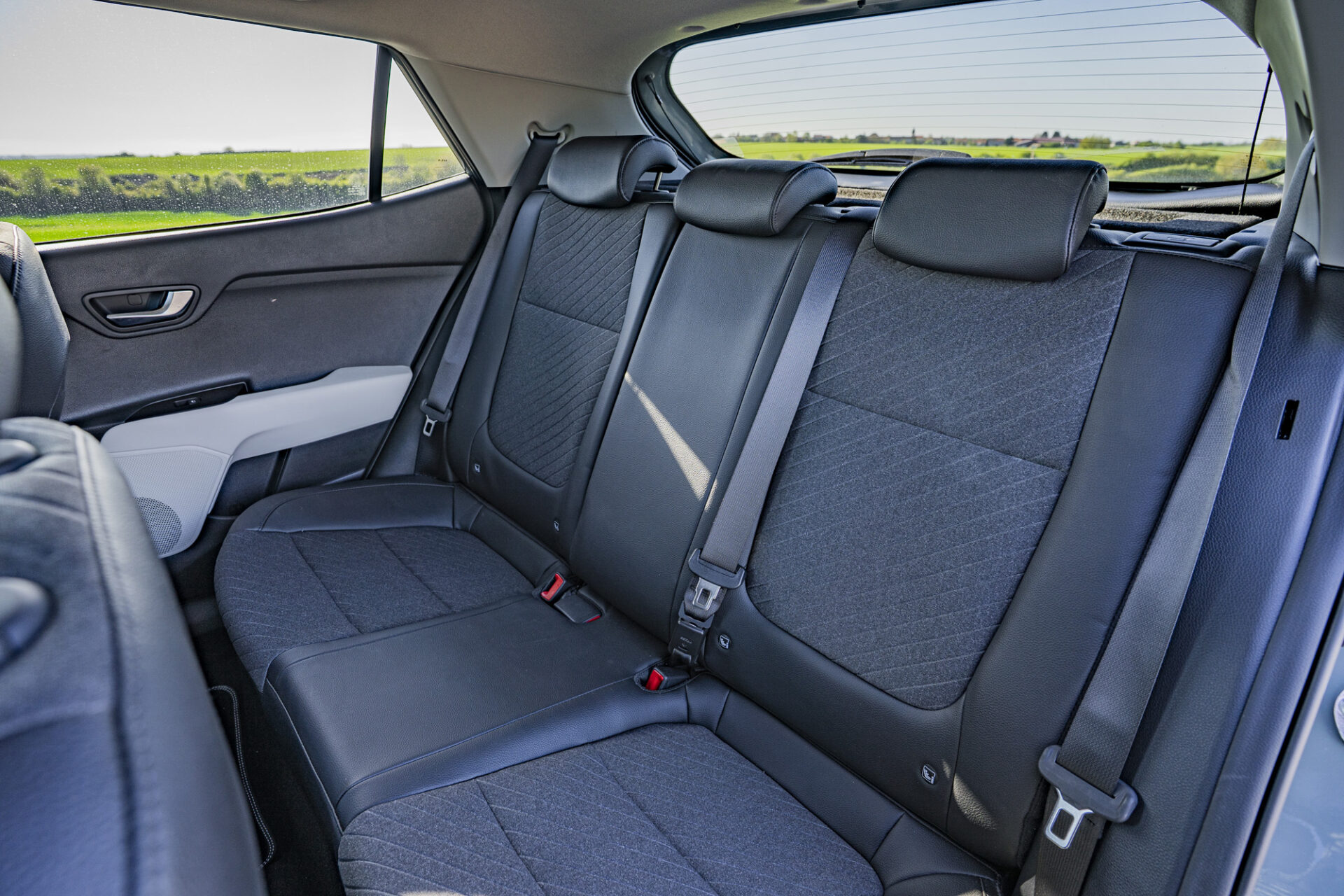
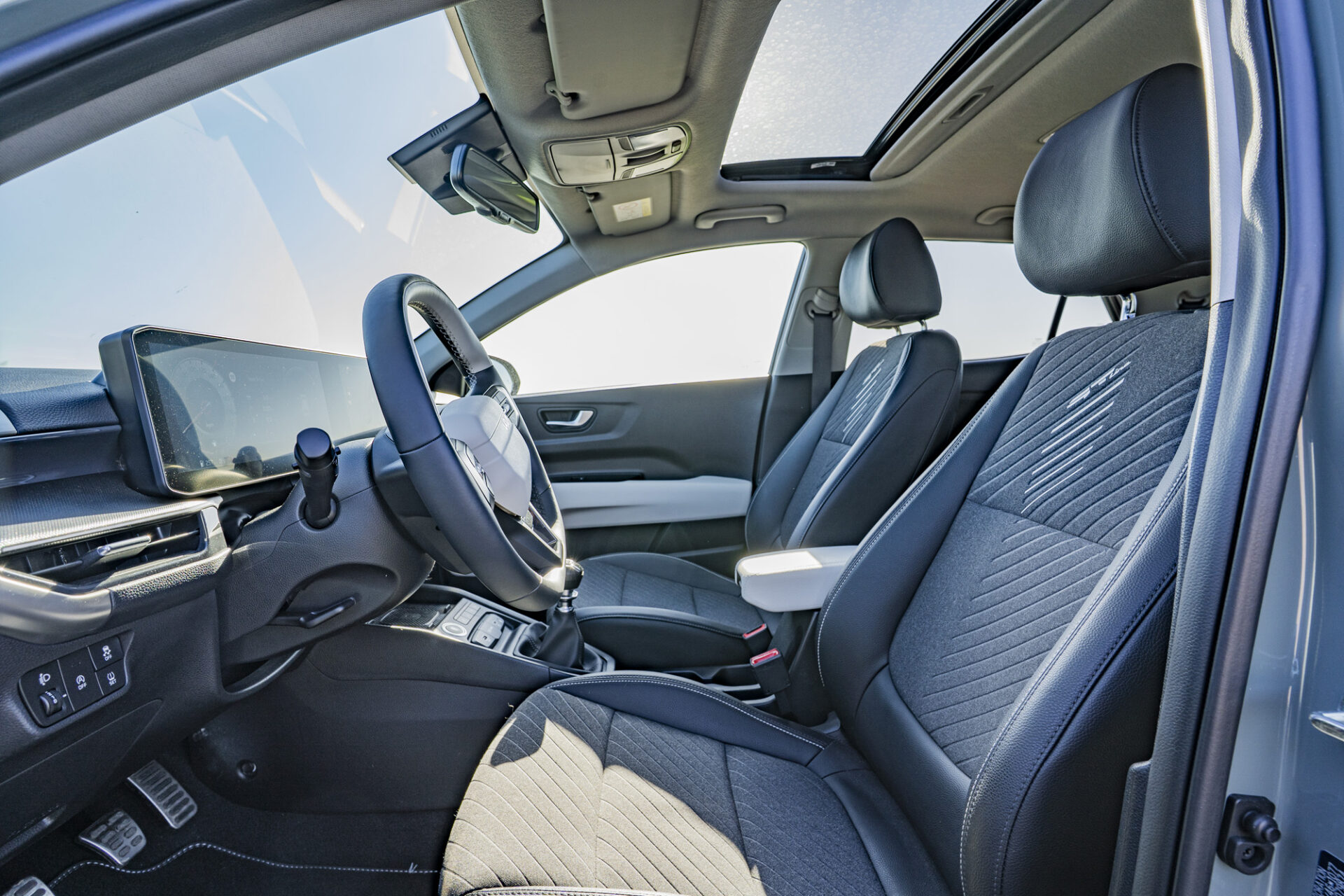
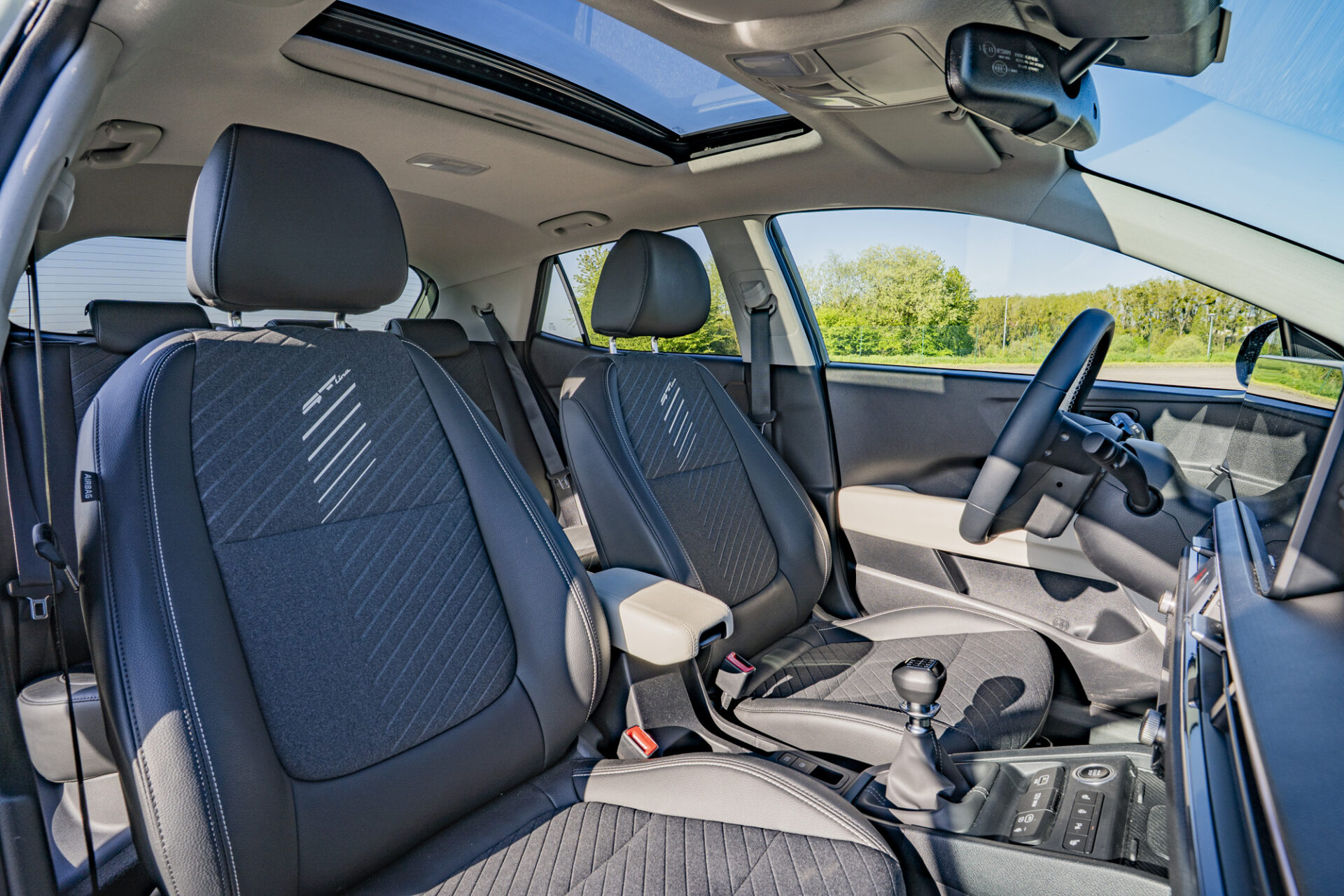
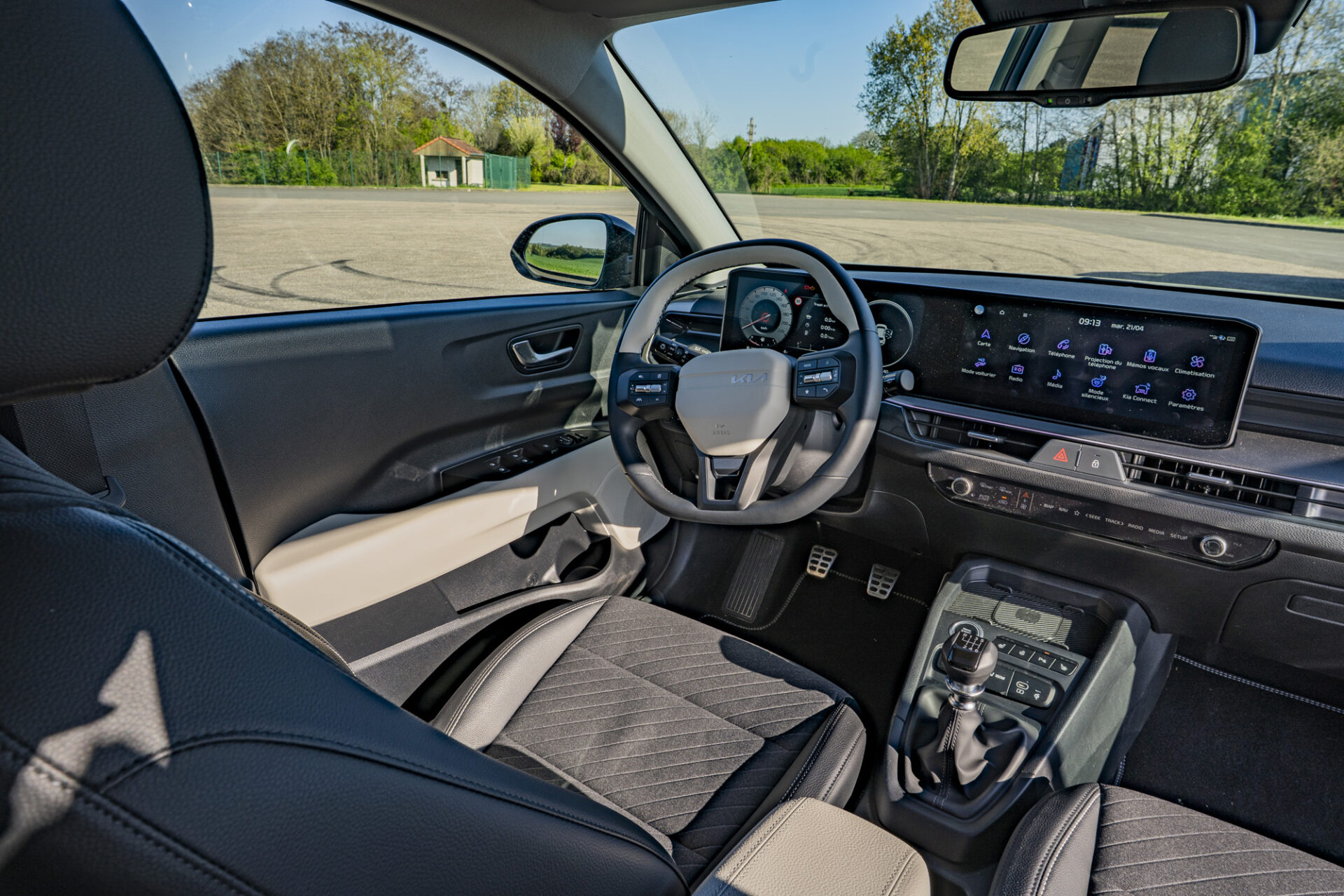
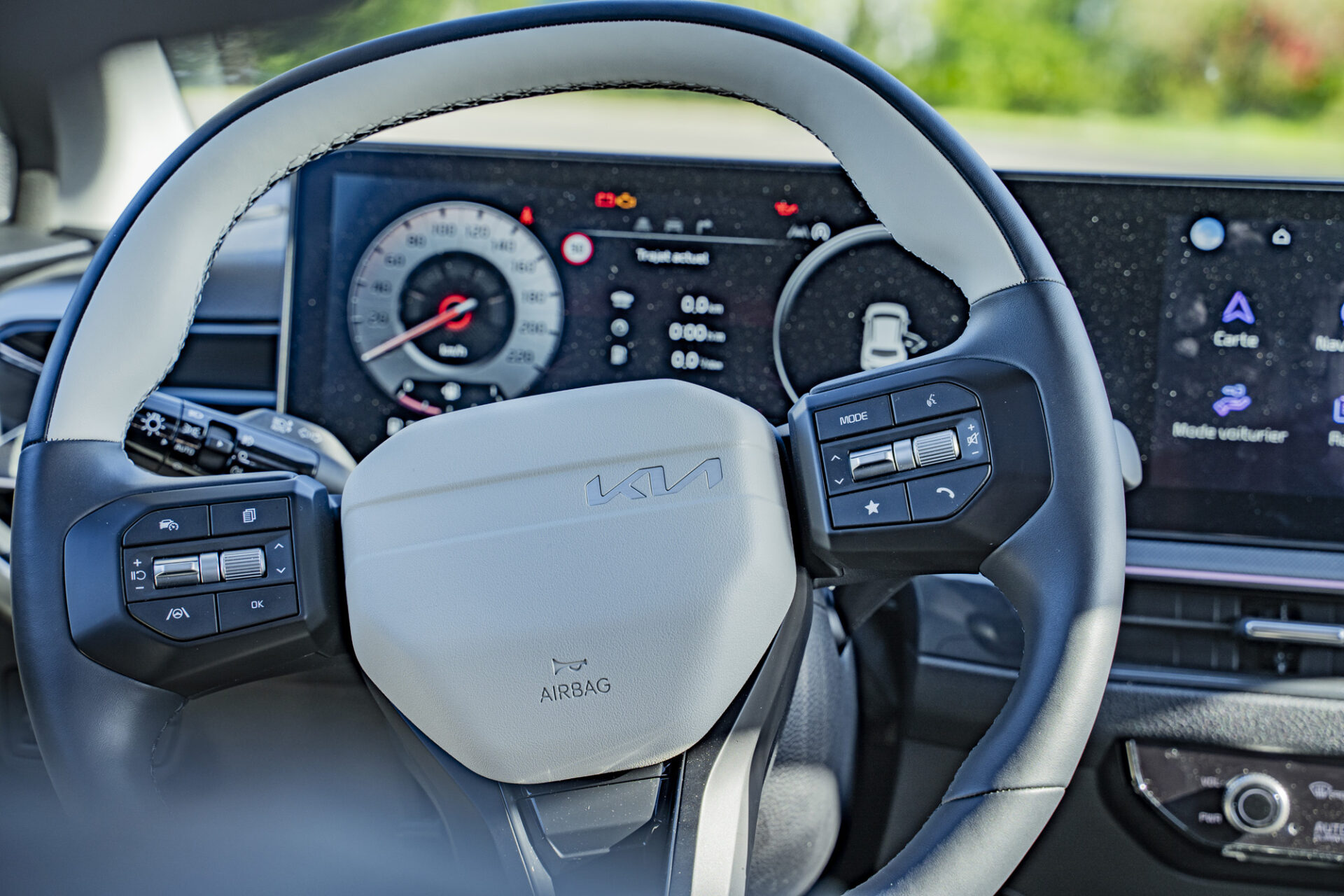
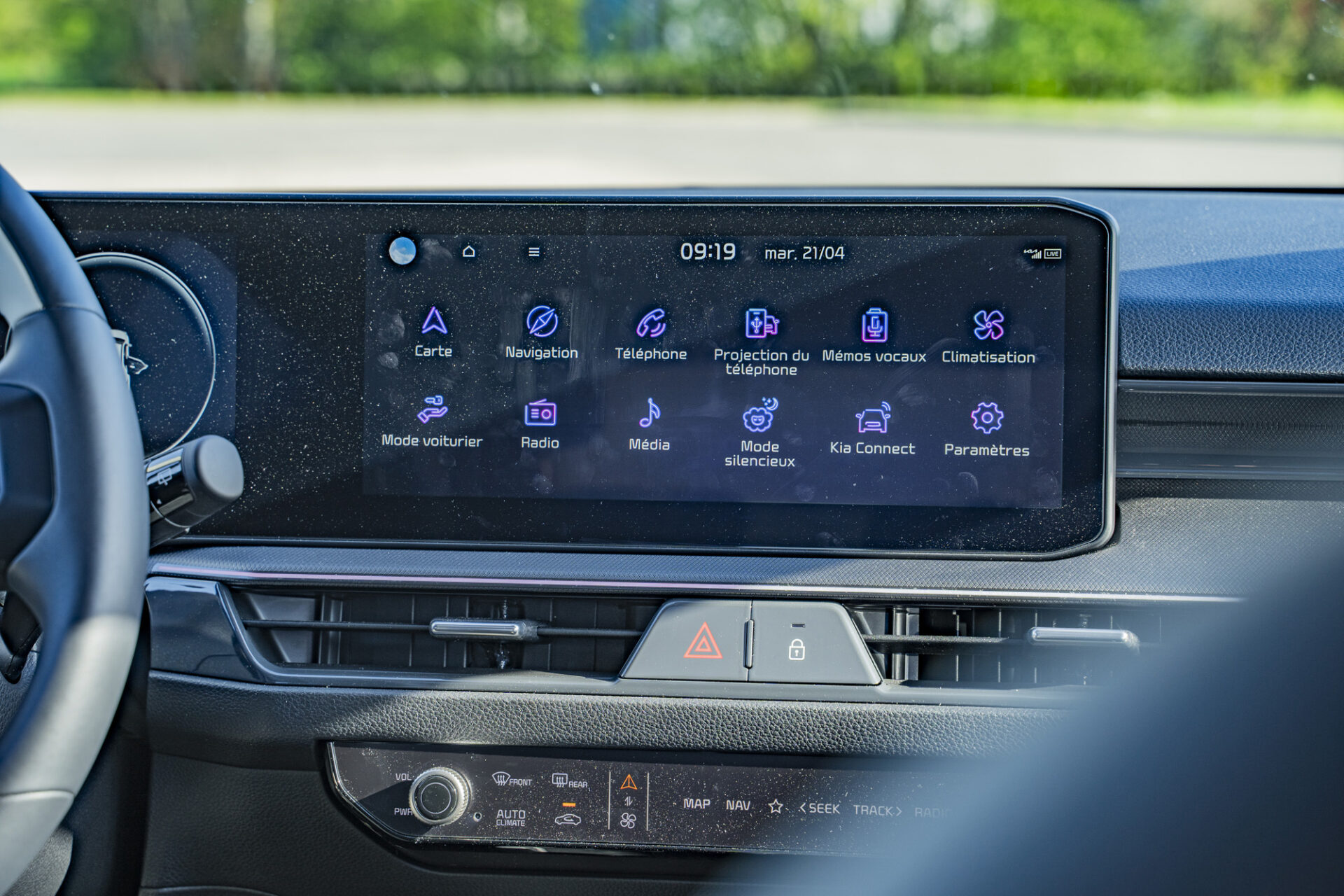
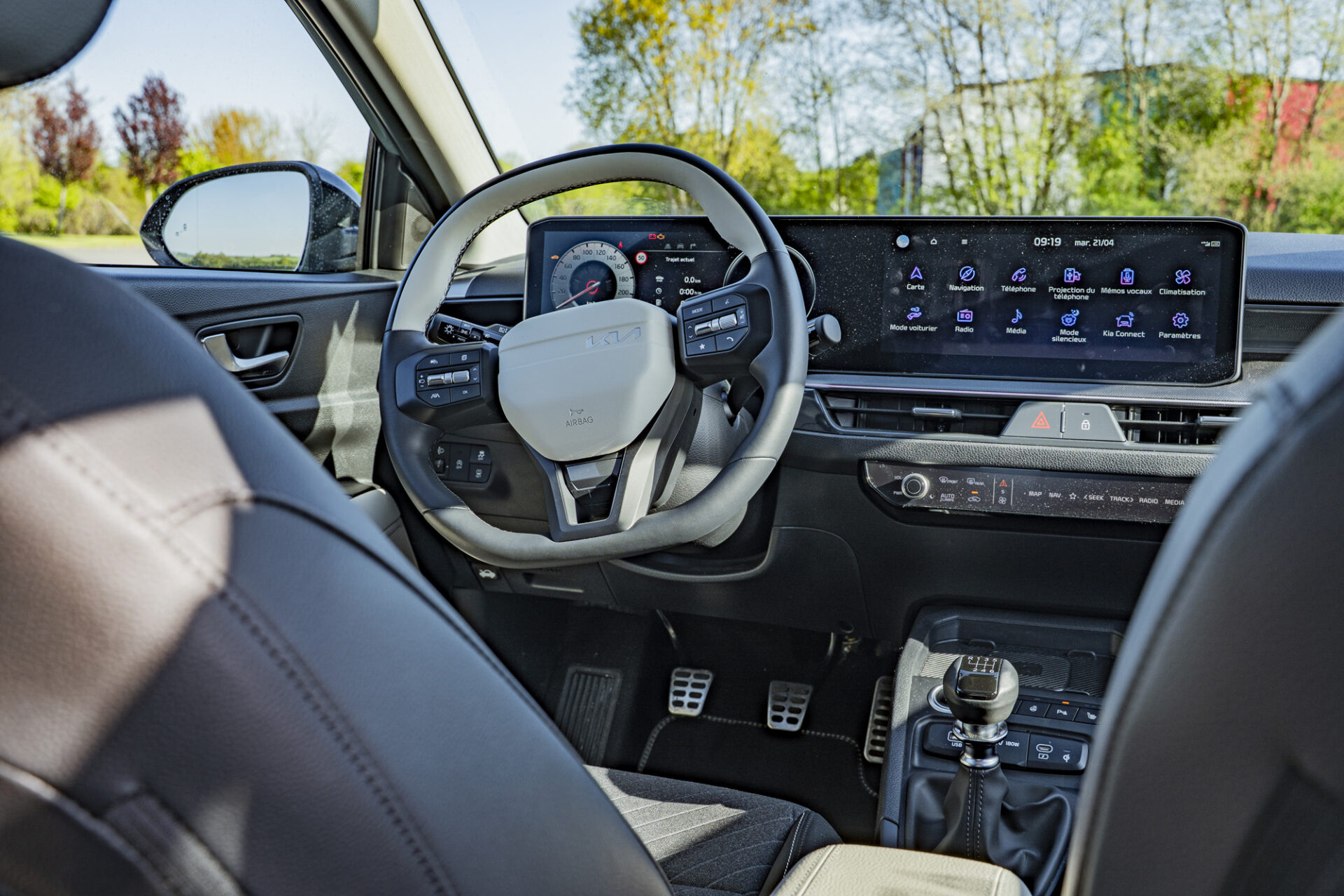
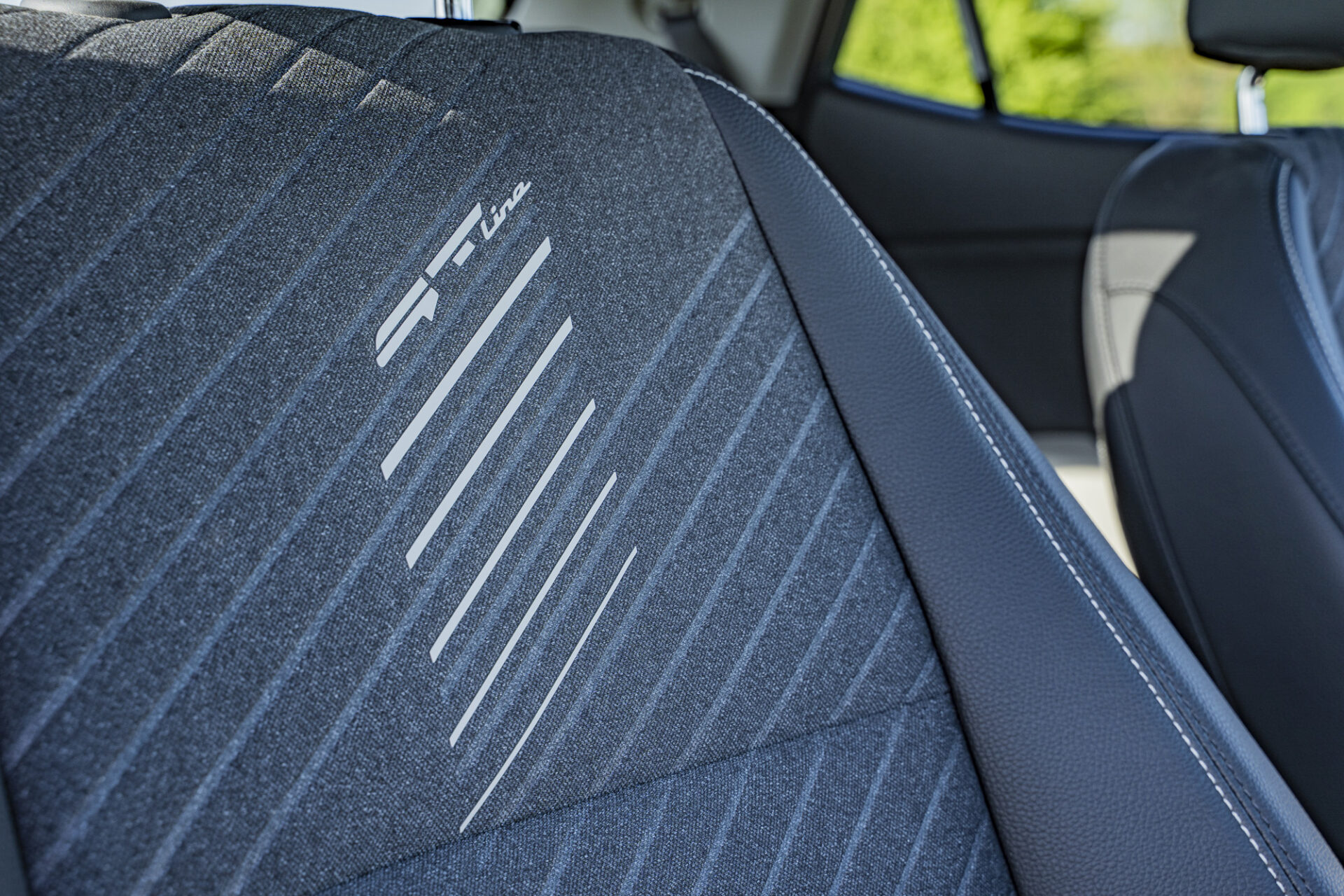
The most striking evolution of the KIA Stonic is found inside, with a clearly modernised presentation. The centrepiece is the dual 12.3-inch digital display: one for instrumentation, the other for infotainment, offering clear readability and an immersive interface. The instrumentation is customisable and highlights essential information. The multimedia system, compatible with Apple CarPlay and Android Auto (wired), is fluid and intuitive. KIA retains physical climate controls, a sensible choice that limits distraction and eases familiarisation. The GT Line trim enhances the package with two-tone fabric/leather heated seats, as well as a heated steering wheel. The atmosphere is well-finished without being luxurious. Cabin space is adequate: sufficient up front, suitable for two adults at the rear. The 332-litre boot remains average and meets daily needs.
The 1.0 T-GDi: a controlled compromise
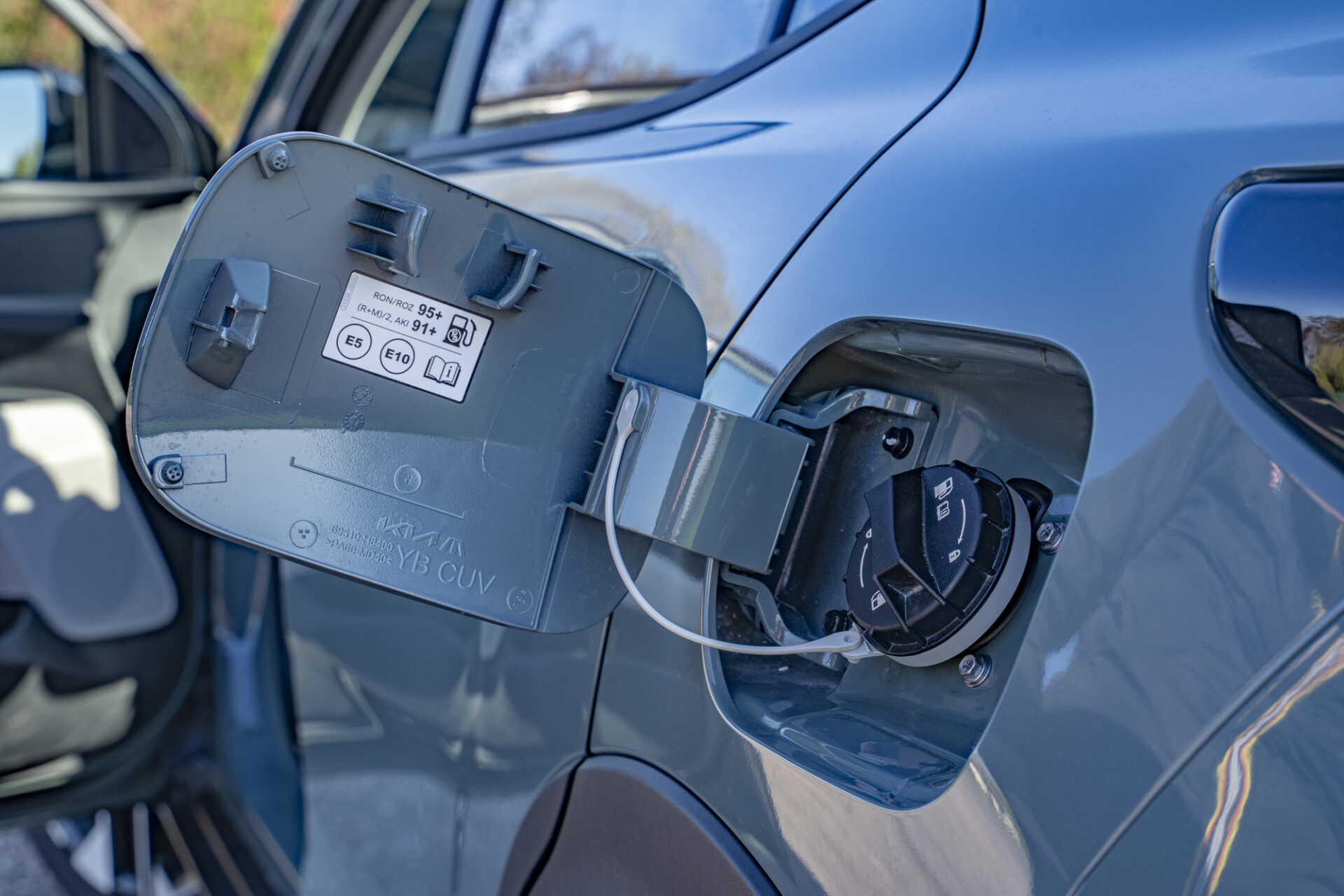
Under the bonnet, the KIA Stonic GT Line carries the 1.0 T-GDi engine, a turbocharged three-cylinder petrol unit of 998 cm³ delivering 100 hp. This block, well known within the group, is a reliable and proven base. It rests on a compact architecture, with a turbocharger that optimises efficiency despite the reduced displacement. Direct injection helps improve combustion efficiency. The turbocharger plays a central role in this engine’s operation. It increases the volume of air drawn into the cylinders, thereby improving specific output. Maximum torque is available between 1,500 and 3,500 rpm, giving the engine good low-end flexibility. This characteristic is particularly suited to urban use, where frequent acceleration calls for responsiveness. The engine is optimised to offer a balance between performance and fuel consumption. Turbo and injection calibration aim to limit energy losses while ensuring a quick response. With 100 hp, the Stonic does not aim to deliver sports-car performance. It favours daily use, with sufficient acceleration for joining traffic or overtaking safely. Combined fuel consumption announced under the WLTP cycle stands between 5.8 and 5.9 L/100 km. CO₂ emissions vary between 130 and 133 g/km. Although that may appear high for a small engine, these figures place it in a reasonable average for a non-electrified petrol unit. The manual gearbox paired with this engine allows precise control over engine speed. It targets a clientele looking for a simple, reliable and economical solution. Ratios are well spaced, encouraging smooth driving and controlled fuel consumption. This technical choice remains relevant in a context where automatic gearboxes are gaining ground but where the manual transmission retains advantages in terms of cost and simplicity.
A comfort-oriented and easy approach
Behind the wheel, the KIA Stonic prioritises ease of driving above all. The steering is light, which makes urban manoeuvres easier. The contained turning radius also contributes to good agility. The vehicle’s compact footprint is a major asset for city traffic and parking. The driver enjoys good overall visibility, reinforced by the elevated driving position. Acceleration is correct, particularly thanks to the torque available at low revs. However, sporty sensations should not be expected. The Stonic favours smoothness and progressiveness. At high revs, the three-cylinder can become noisier, but this remains within acceptable limits. Suspension tuning leans towards comfort. The vehicle correctly absorbs road irregularities, particularly in urban use. On the open road, behaviour is sound and predictable. The Stonic does not aim to deliver dynamic driving but remains stable and reassuring. The vehicle is equipped with the main driving aids, such as adaptive cruise control with lane keeping and traffic sign recognition. These systems contribute to comfort and safety. Their operation is generally satisfactory, without being intrusive. They fit into a logic of assistance rather than full automation.
A coherent and pragmatic evolution
With this new version, KIA does not seek to revolutionise the segment but to offer a balanced proposition tailored to everyday needs. Its modernised design, more technologically equipped interior and proven powertrain make it a rational choice for buyers seeking a versatile and accessible vehicle. The GT Line trim adds a touch of dynamism without compromising the model’s qualities. The 100 hp 1.0 T-GDi engine, paired with a manual gearbox, is a simple and effective solution. Starting at €24,164, the Stonic remains competitive. It is also available with mild-hybrid powertrains and automatic transmissions, offering a range broad enough to address various user profiles.
We like :
- Simple
- Not a fully touchscreen interface
- Manual gearbox
We don’t like:
- No automatic window-up function at the rear
- Hard plastics
- No wireless Apple CarPlay
Technical specifications
- Power: 100 hp (74 kW)
Torque: 172 Nm
Fuel tank capacity: 45 litres
WLTP fuel consumption: 5.6 – 6.1 L/100 km
WLTP CO₂ emissions: 126 – 137 g CO₂/km
Acceleration: 0-100 km/h in 12.1 s
Top speed: 179 km/h
Weight: 1,205 kg
Starting price: from €24,164