Their names are Nio, Xpeng, Zeekr, Xiaomi or Leapmotor. In less than ten years, these electric-born pure-players have shaken the balance of the automotive industry.
In three years, China has become the world’s largest market for electric cars, with 16.4 million units sold in 2025, more than half of global EV sales. Behind BYD, which still dominates volumes, a second wave has taken hold: that of the electric-born manufacturers, which appeared in the 2010s with no combustion-engine legacy. They do not just build cars; they integrate software, services and connectivity into a single product. An overview of the ten brands redrawing the global automotive map.
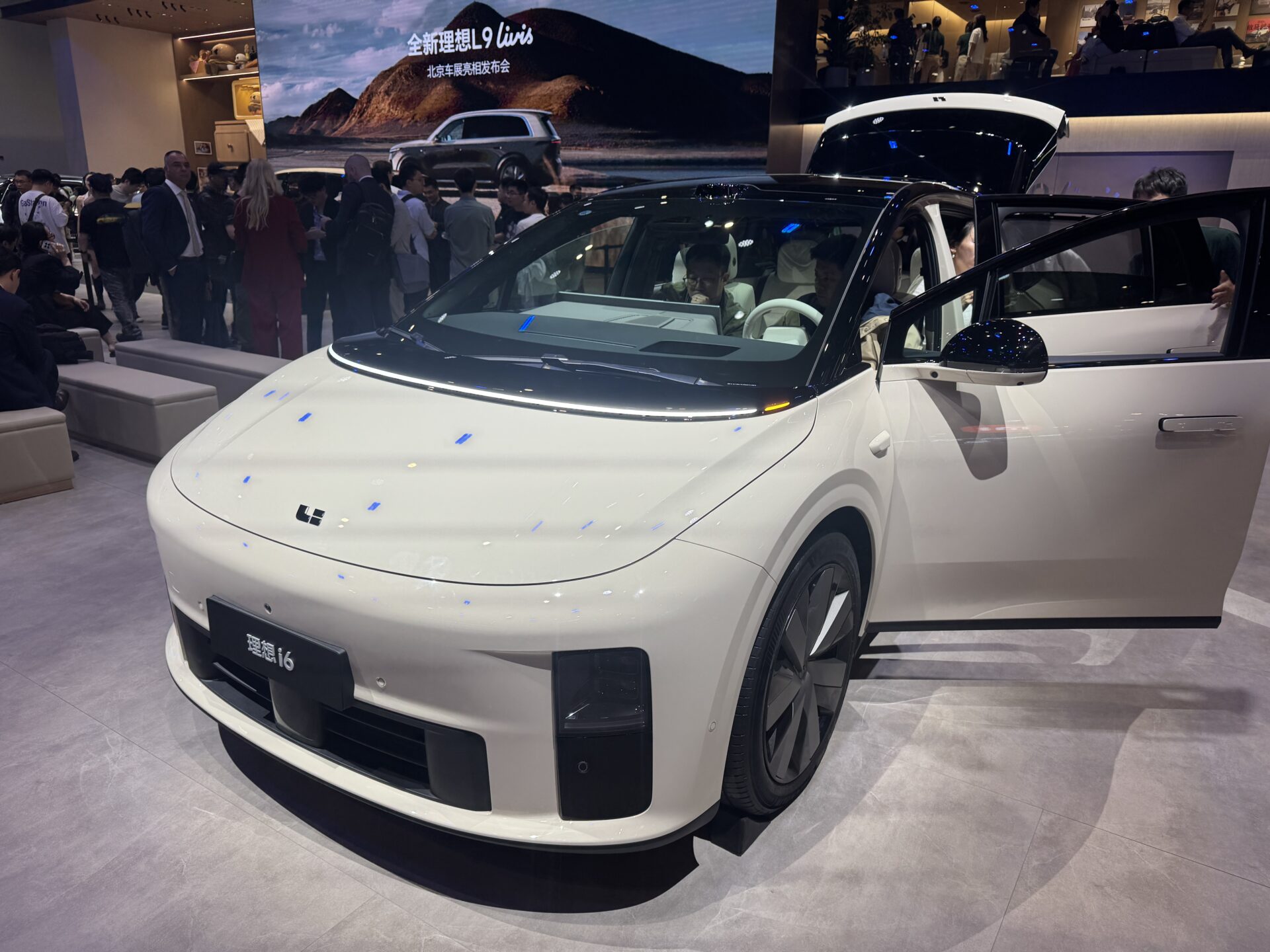
Five years ago, they were perceived as technology start-ups with outsized ambitions. From Europe, they were viewed with scepticism. Today, some of them outsell Porsche by volume, post performance figures comparable to the best German sports cars and are settling into the major cities of Berlin, Oslo or Amsterdam. Their names: Nio, Xpeng, Zeekr, Li Auto, Xiaomi, Leapmotor, Aito, Denza, Avatr, Onvo. These ten brands embody the rapid transformation of the Chinese automotive industry.
Nio: the bet on battery swapping
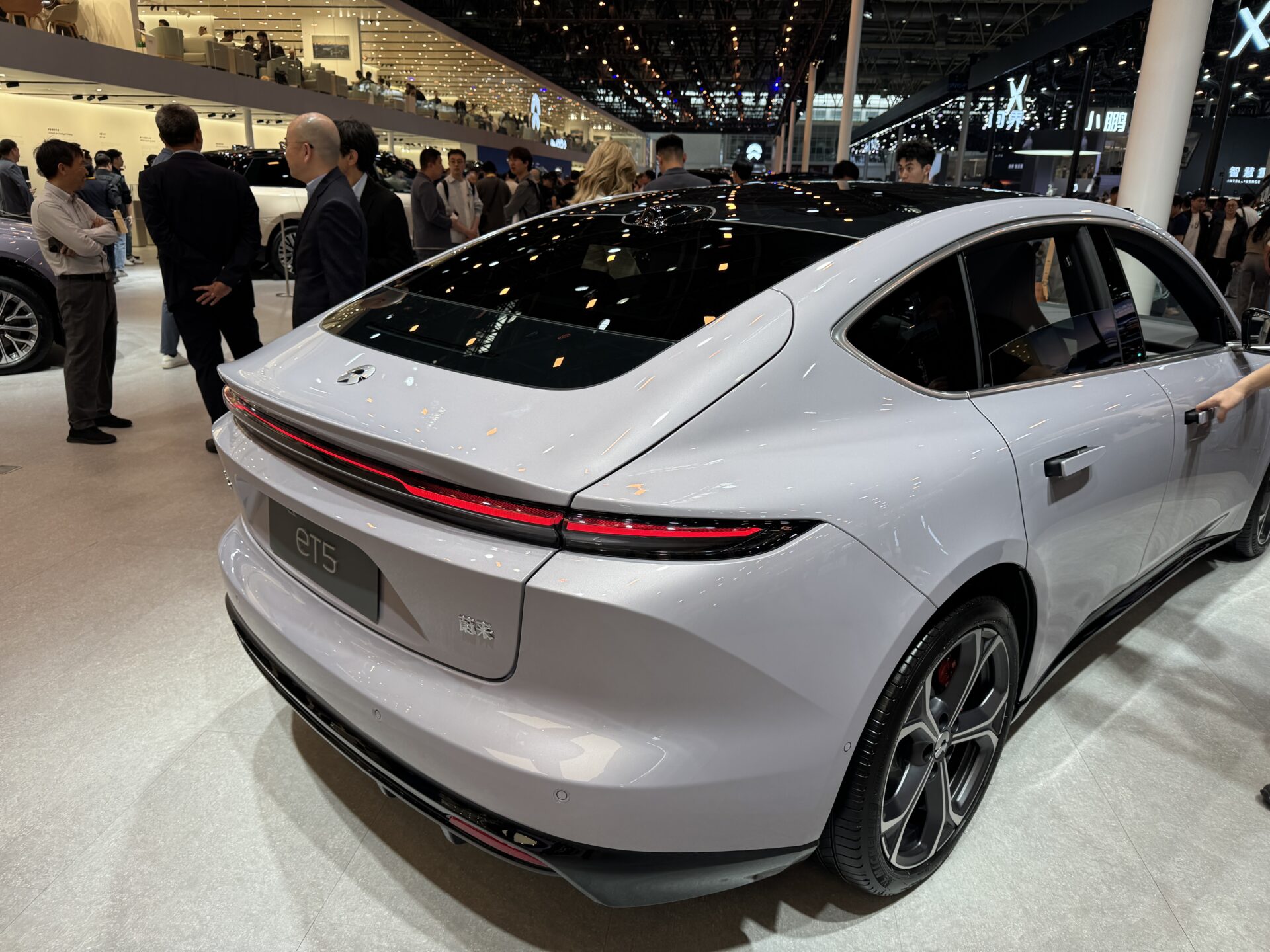
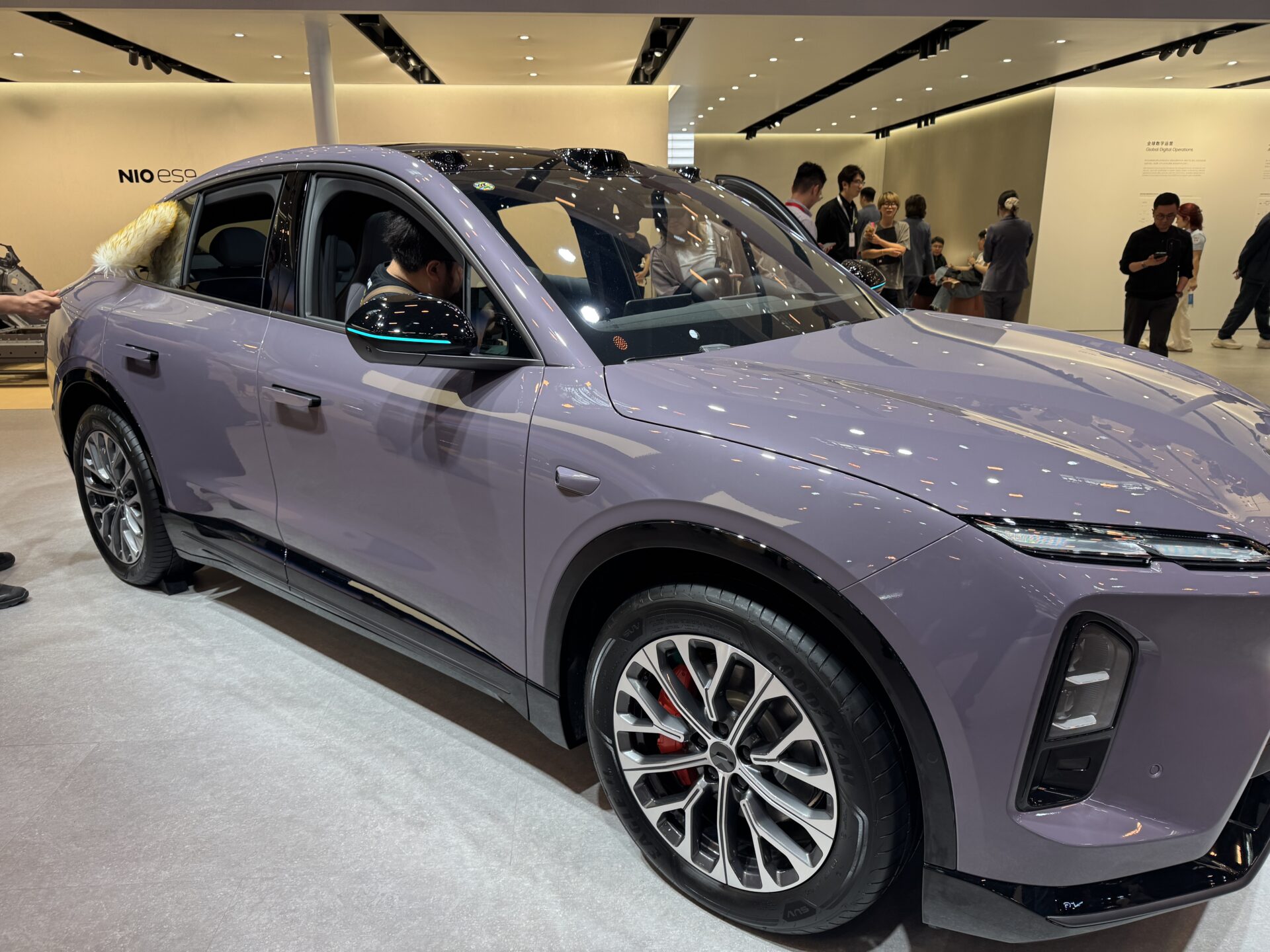
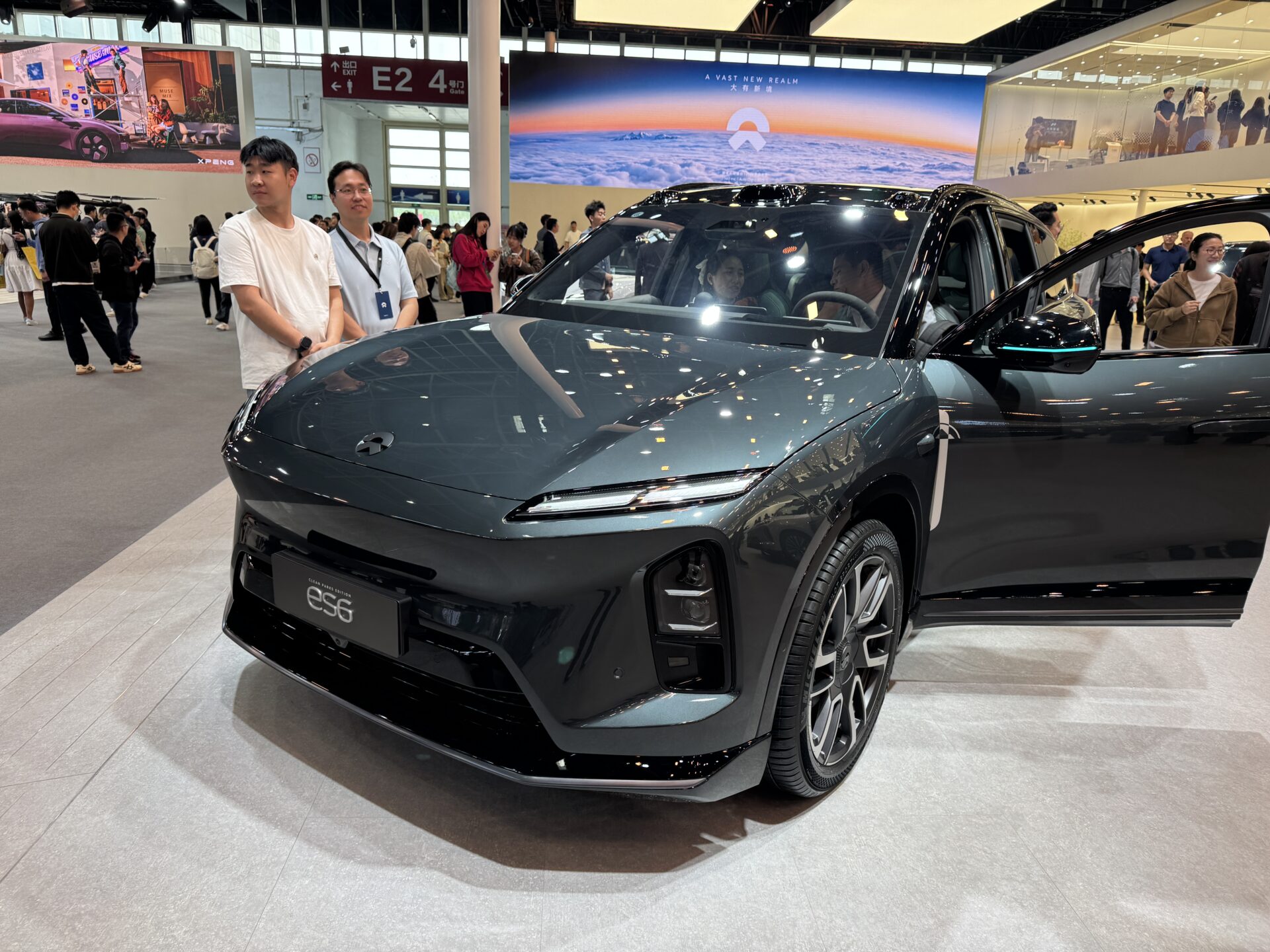
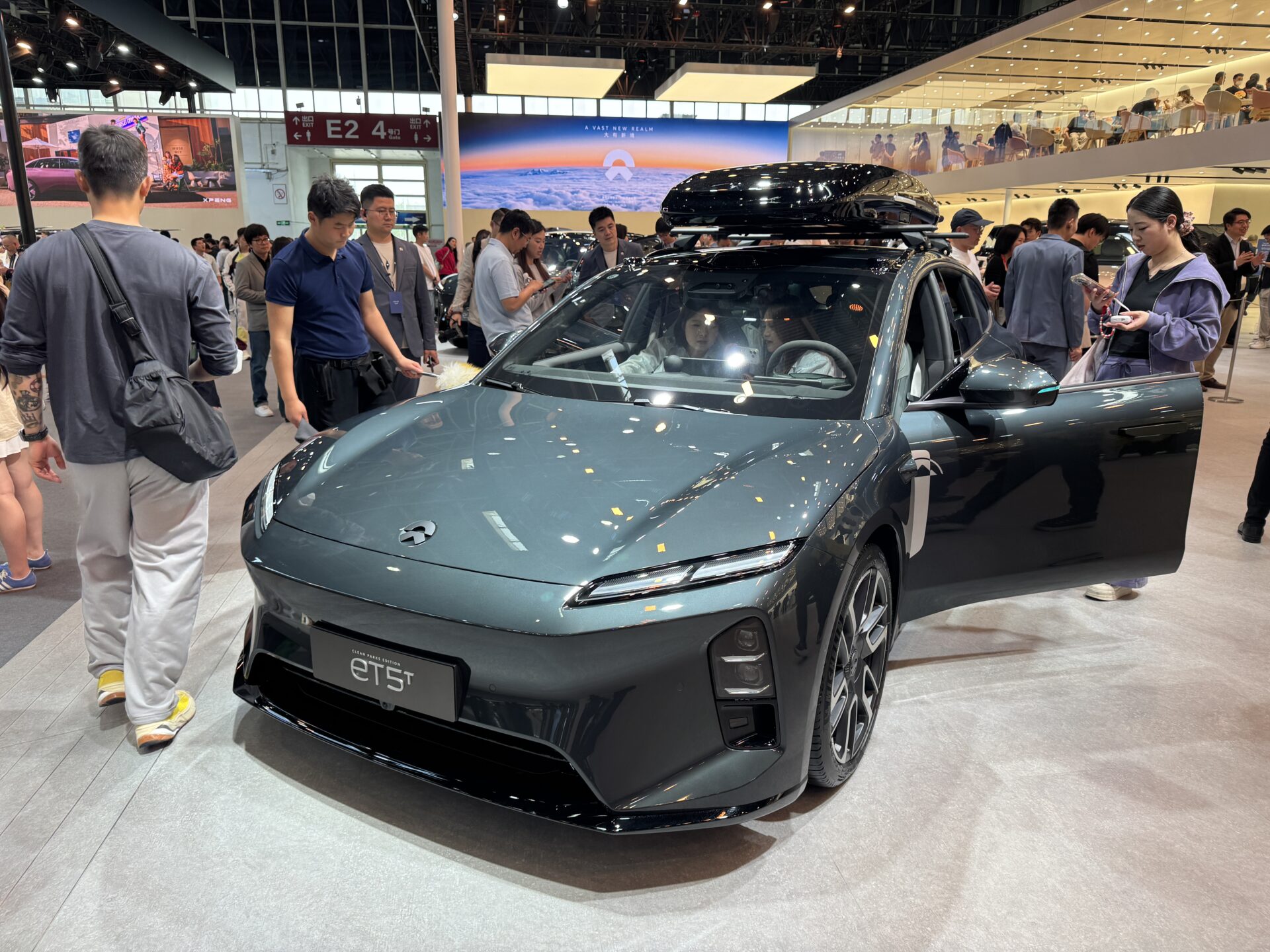
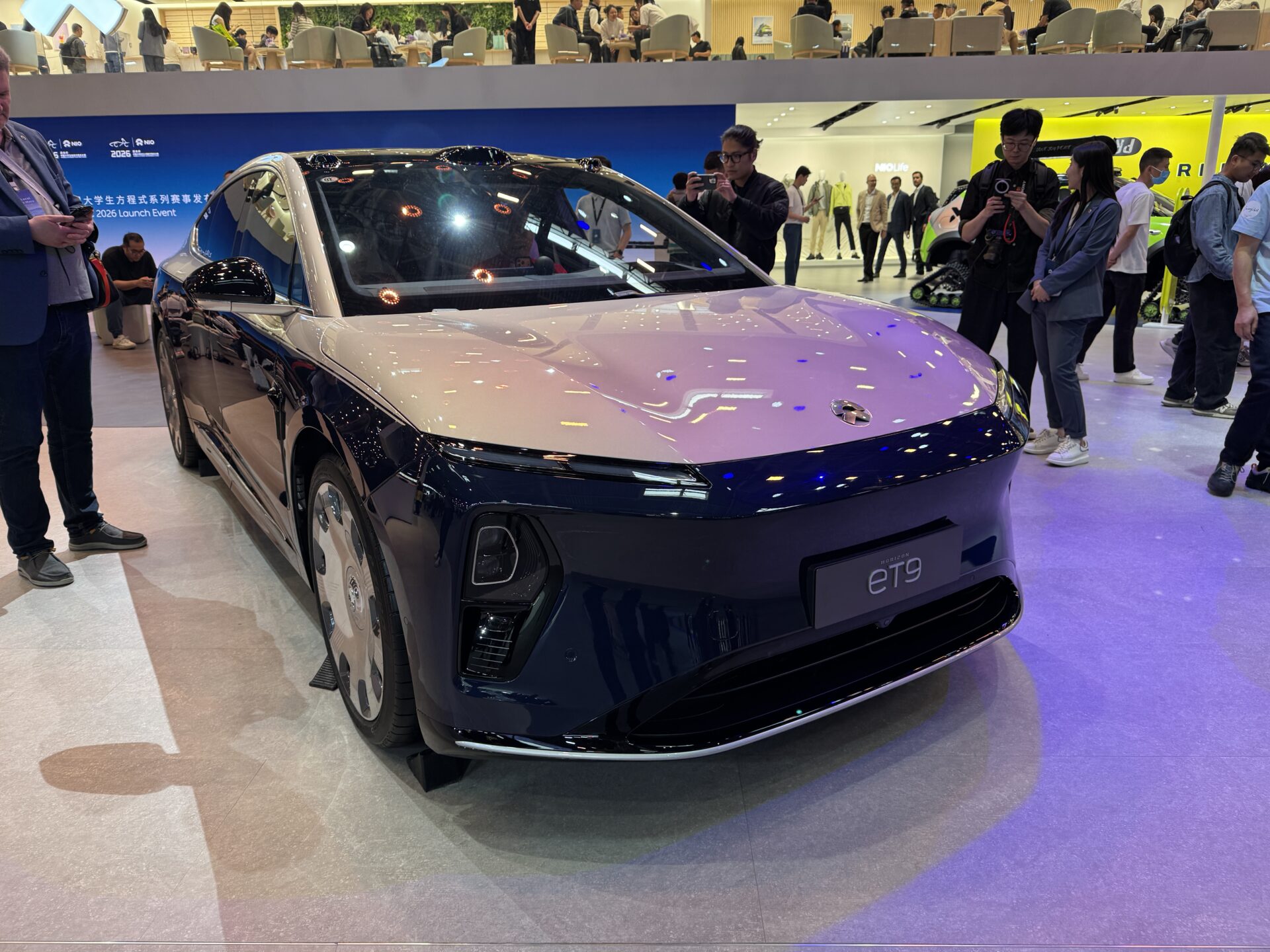
Founded in November 2014 in Shanghai by William Li, an entrepreneur who had succeeded with the automotive website Bitauto, Nio bet on a distinctive technology: automated battery swapping in three minutes. More than 3,680 stations now cover China, a network unmatched anywhere in the world. In January 2026, Nio passed the milestone of one million vehicles produced.
The catalogue lists nine models, all electric, all positioned in the premium segment. The ET9 saloon and the large ES8 SUV exceed €100,000 in Europe. Nio sells directly in Norway, Germany, the Netherlands and Sweden, with an ET7 listed at €69,900 in Germany. Volumes on the Old Continent, however, remain modest. The Nio group, which also operates the Onvo and Firefly brands, delivered 326,028 vehicles in 2025, up 46.9%.
Xpeng: the Volkswagen investment
Founded in Guangzhou by He Xiaopeng, a former co-founder of the UC Browser later sold to Alibaba, Xpeng has focused on advanced driver assistance. Its XNGP system is regarded in China as a direct competitor to Tesla’s Full Self-Driving. In July 2023, Volkswagen invested USD 700 million to take a 4.99% stake and co-develop two electric models for the Chinese market during 2026.
In 2025, deliveries rose by 126% to 429,445 units. The Mona M03, a compact saloon launched in late 2024 at around €15,400, accounts on its own for 40% of volumes. In Europe, the G6 and G9 have been available since July 2025 in eight countries, including Luxembourg, starting at €47,600 for the G6 Long Range. Xpeng is also considering assembly at Magna Steyr in Austria, in order to limit the impact of European customs duties.
Li Auto: the range-extender hybrid
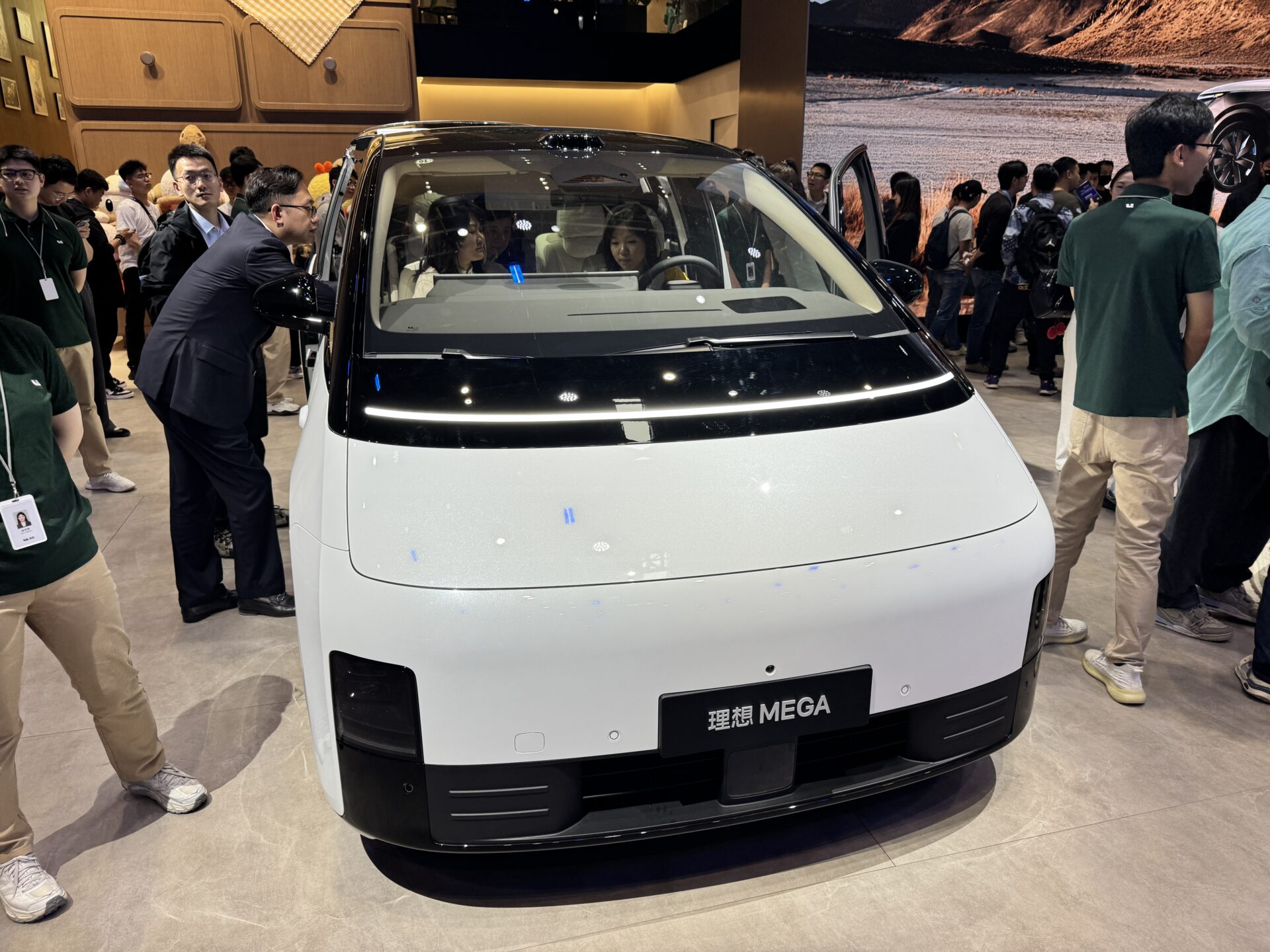
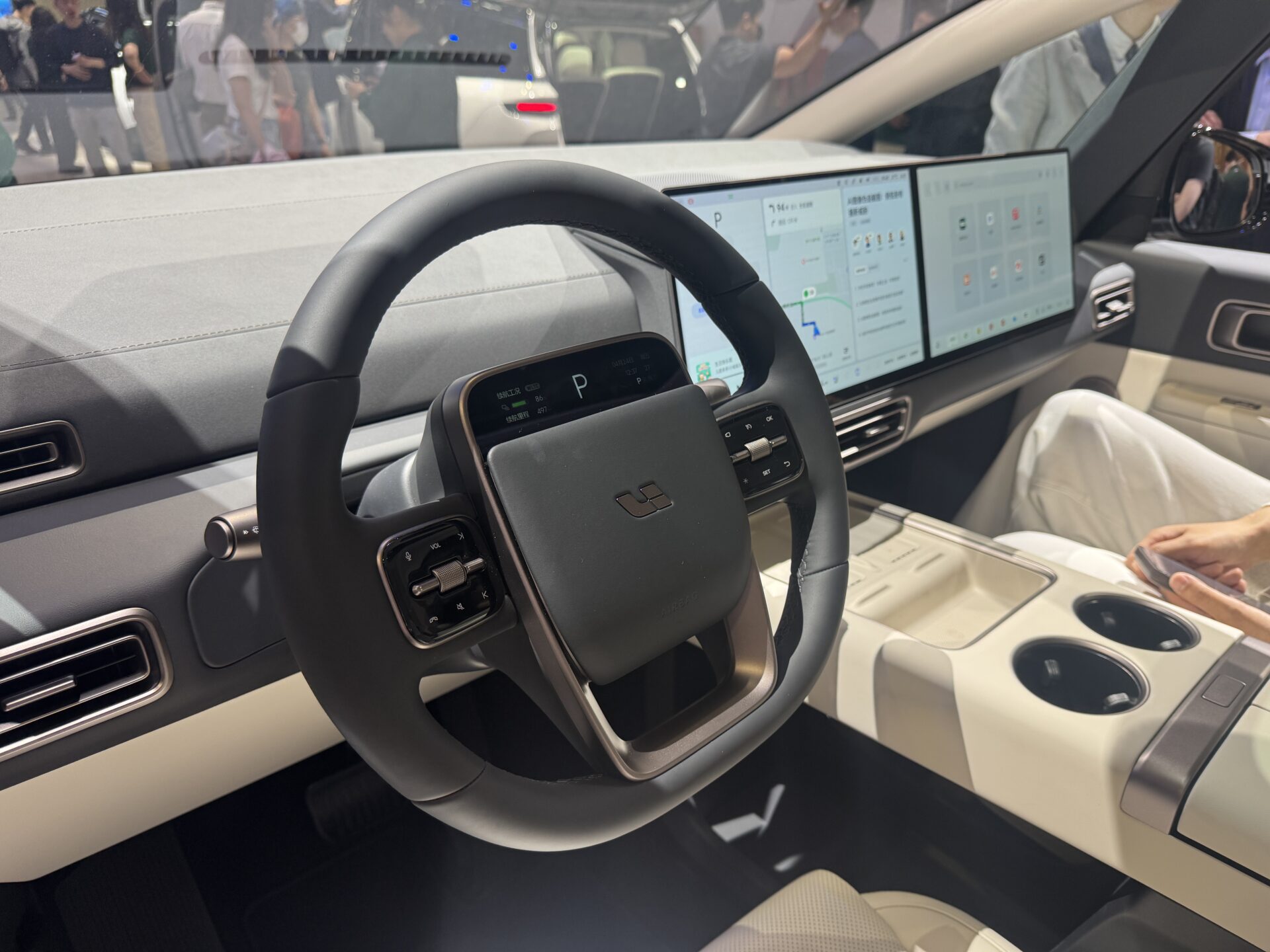
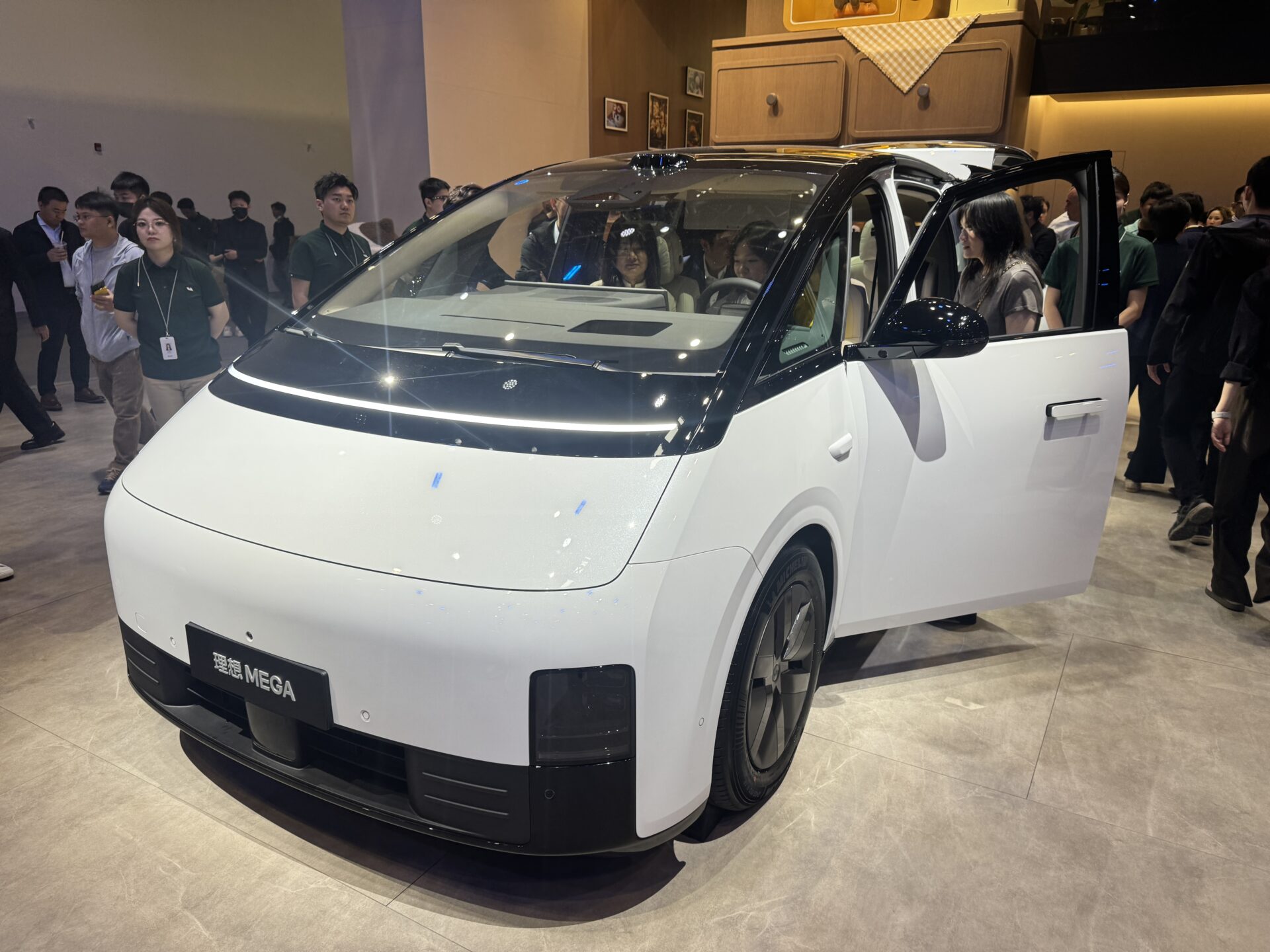
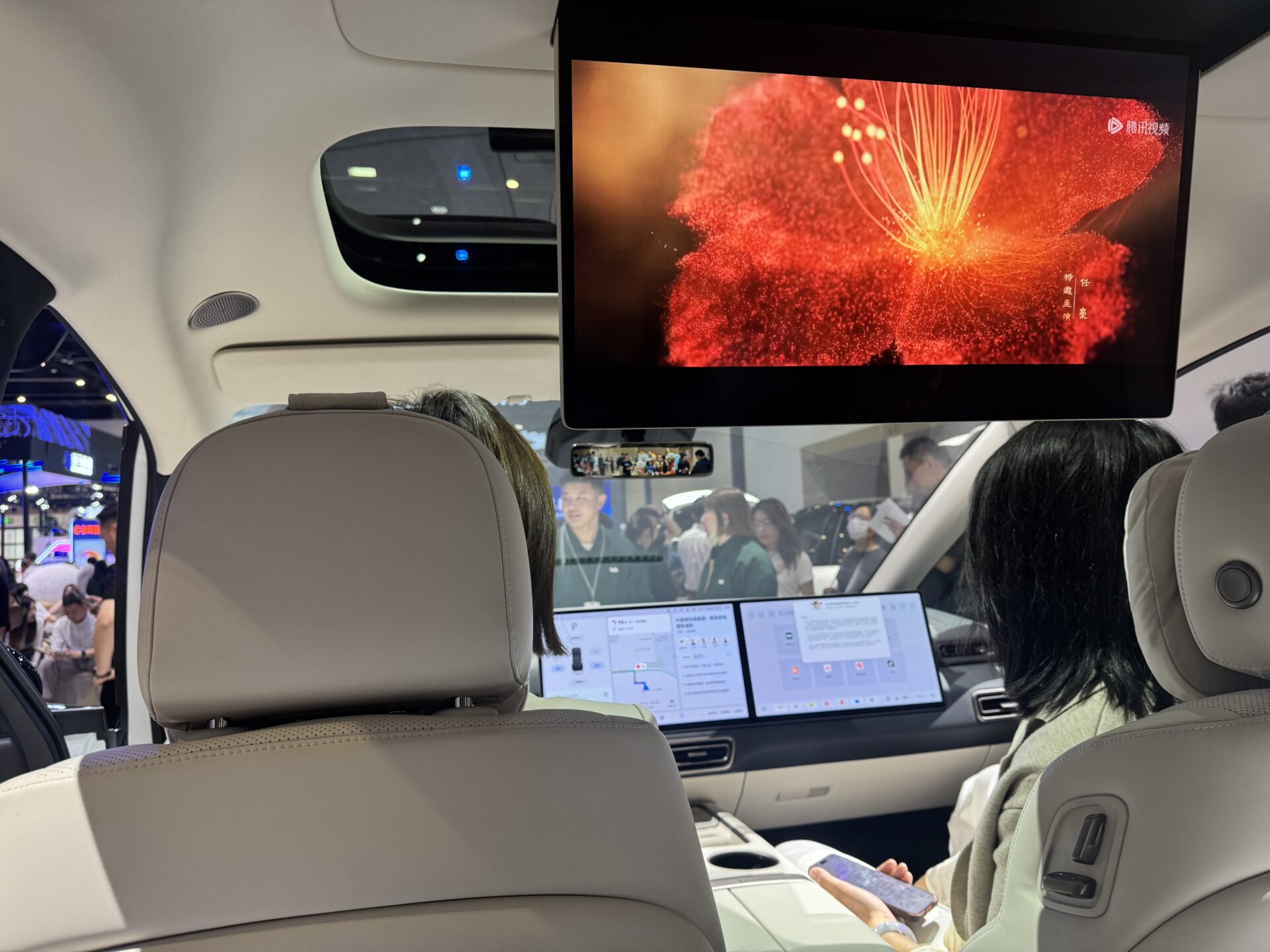
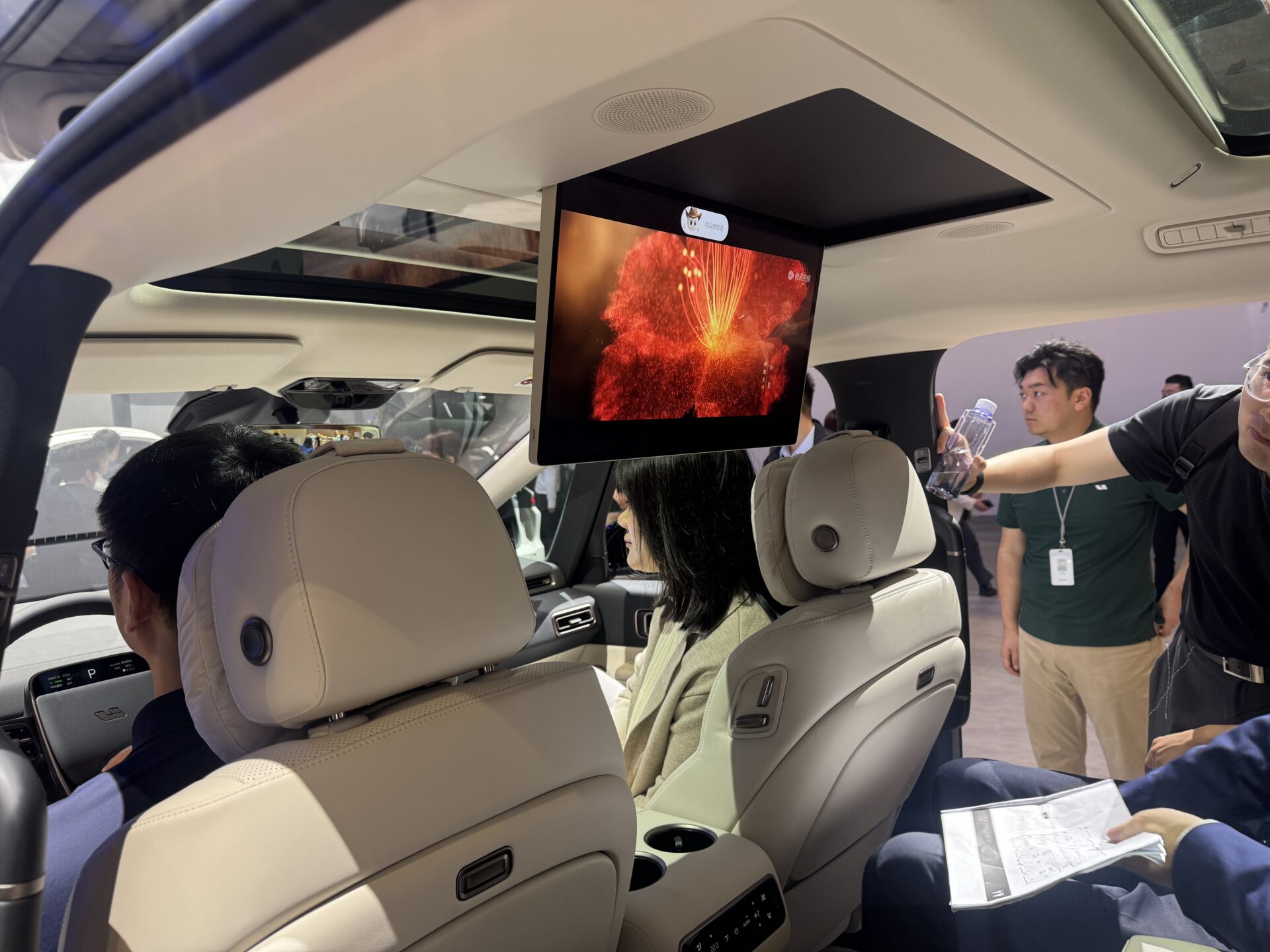
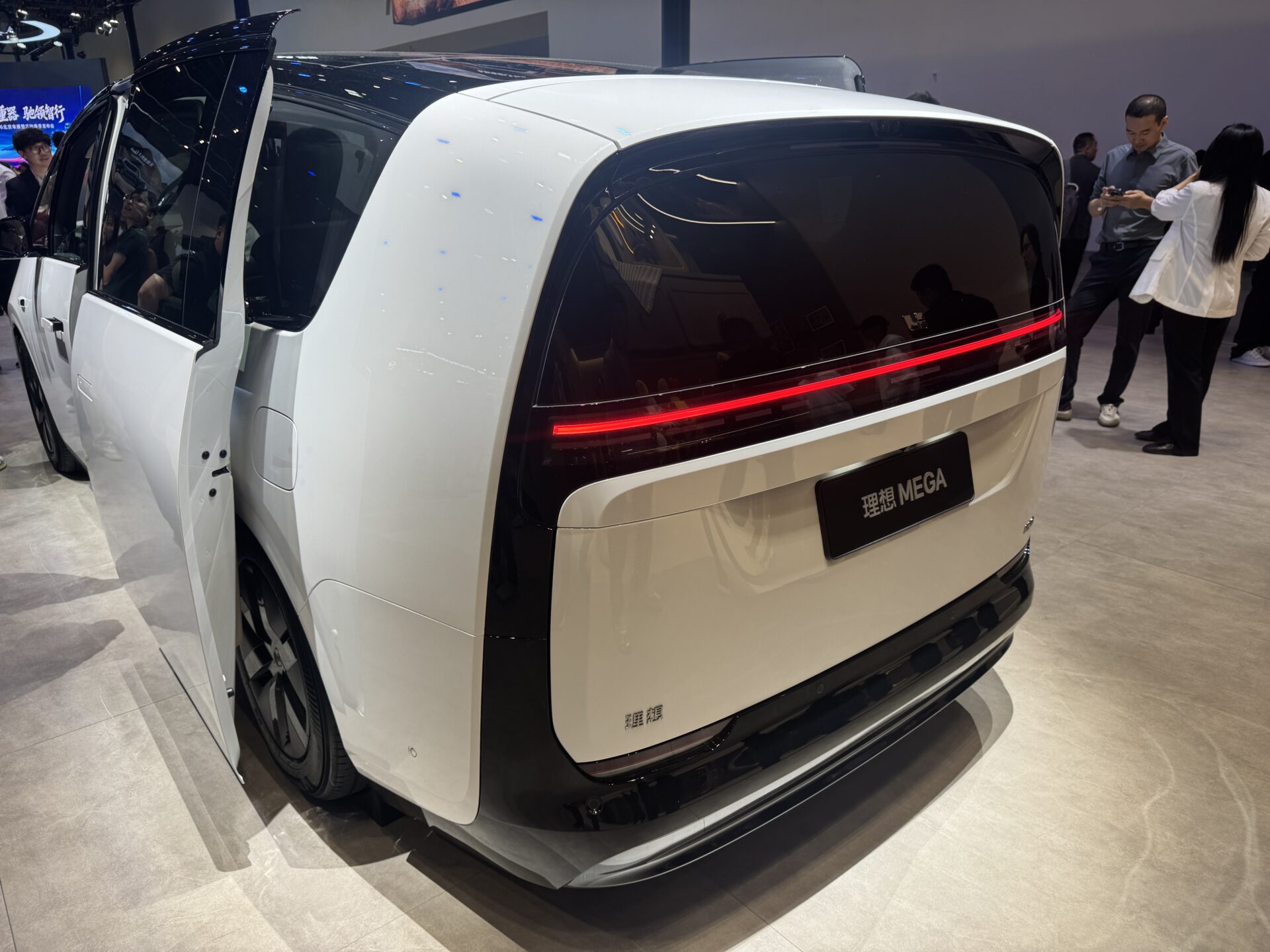
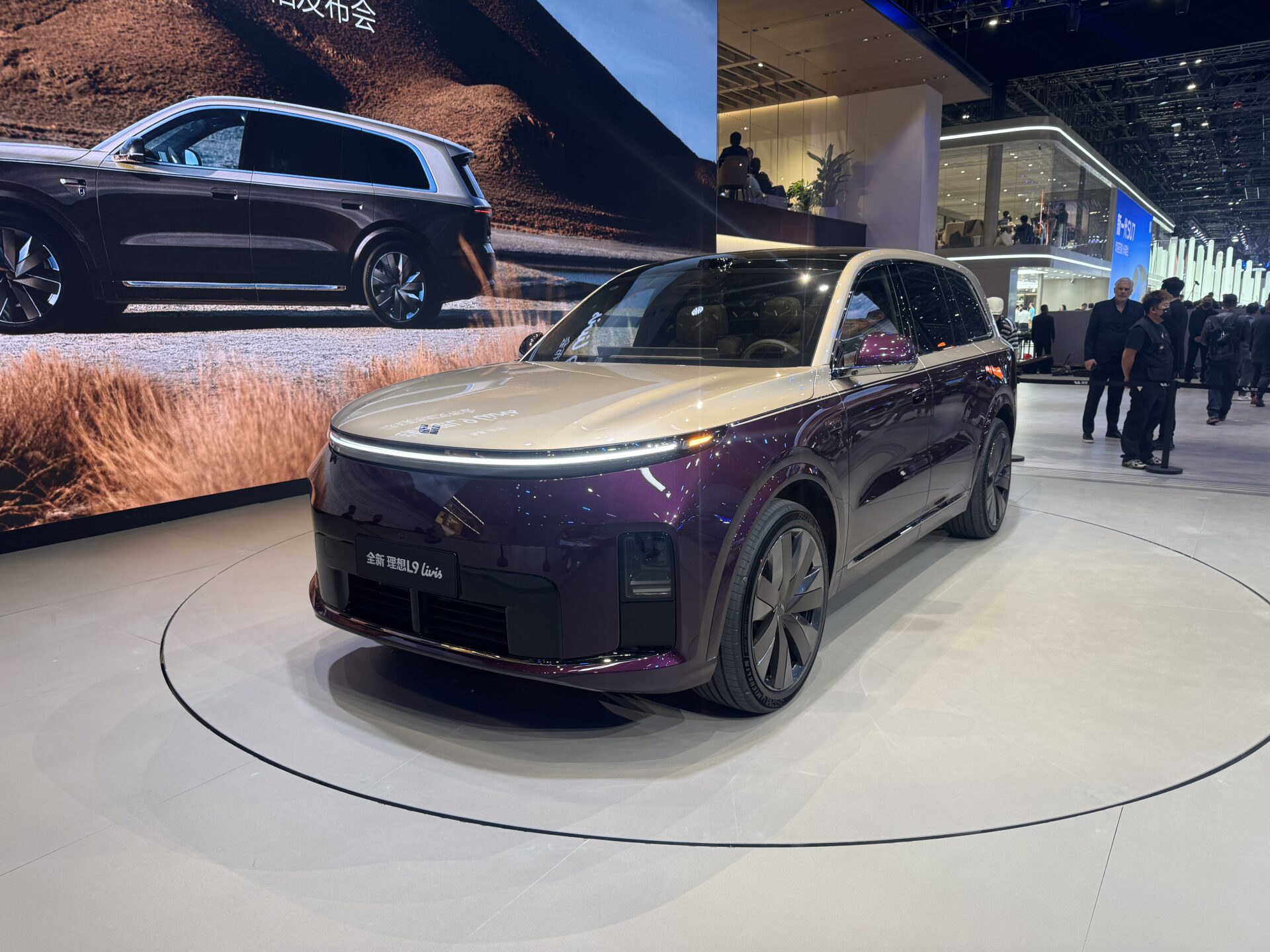
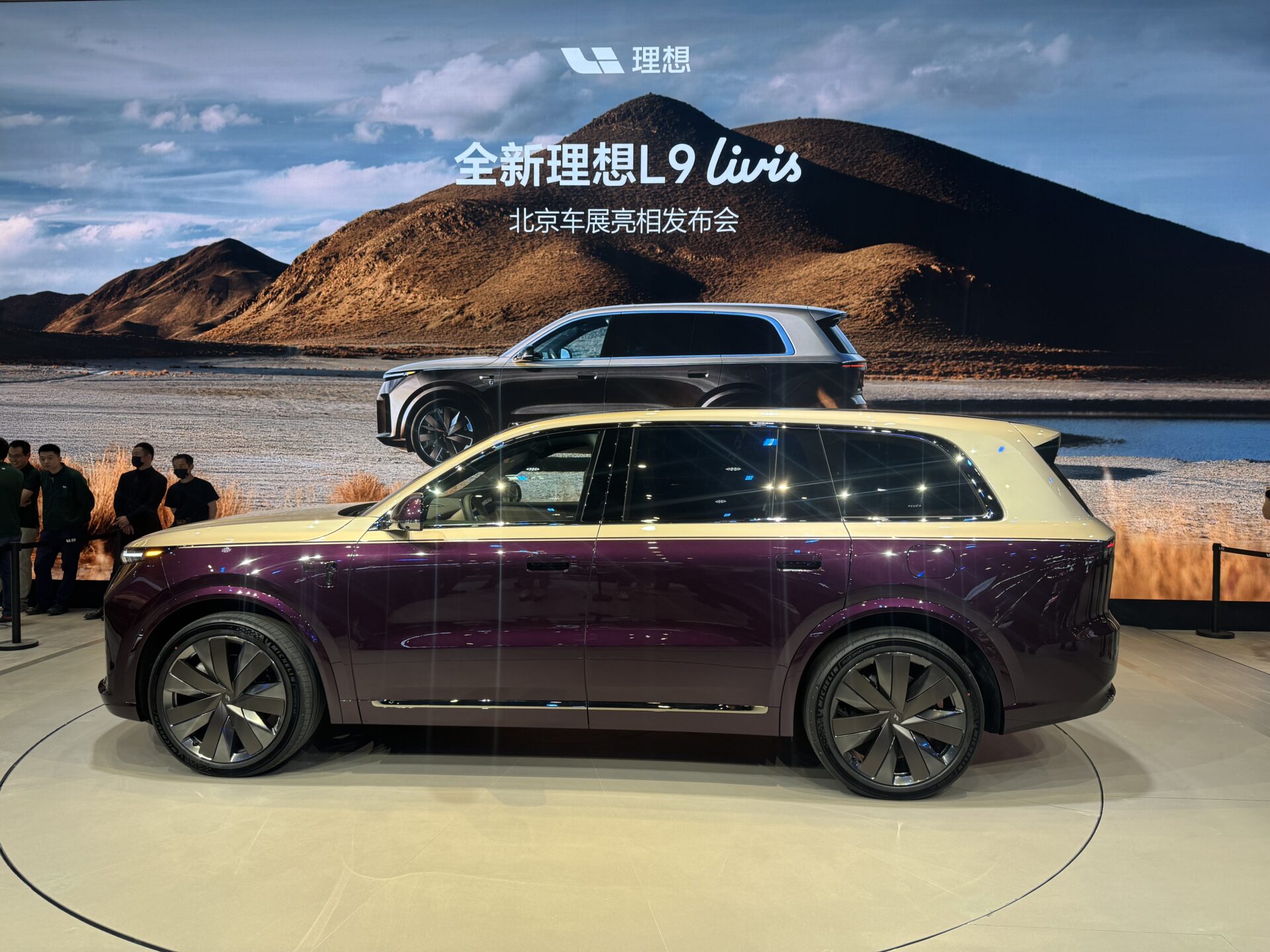
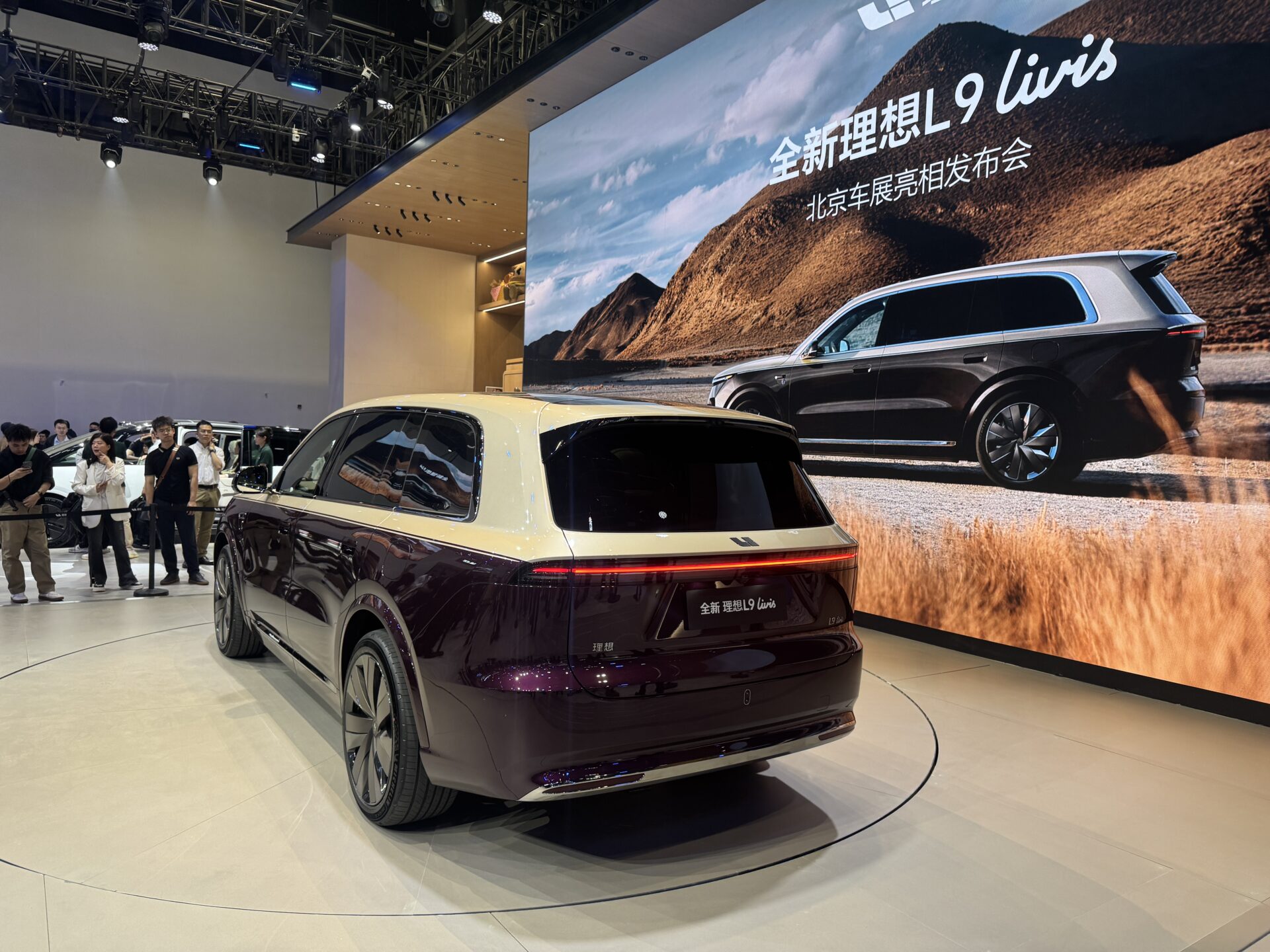
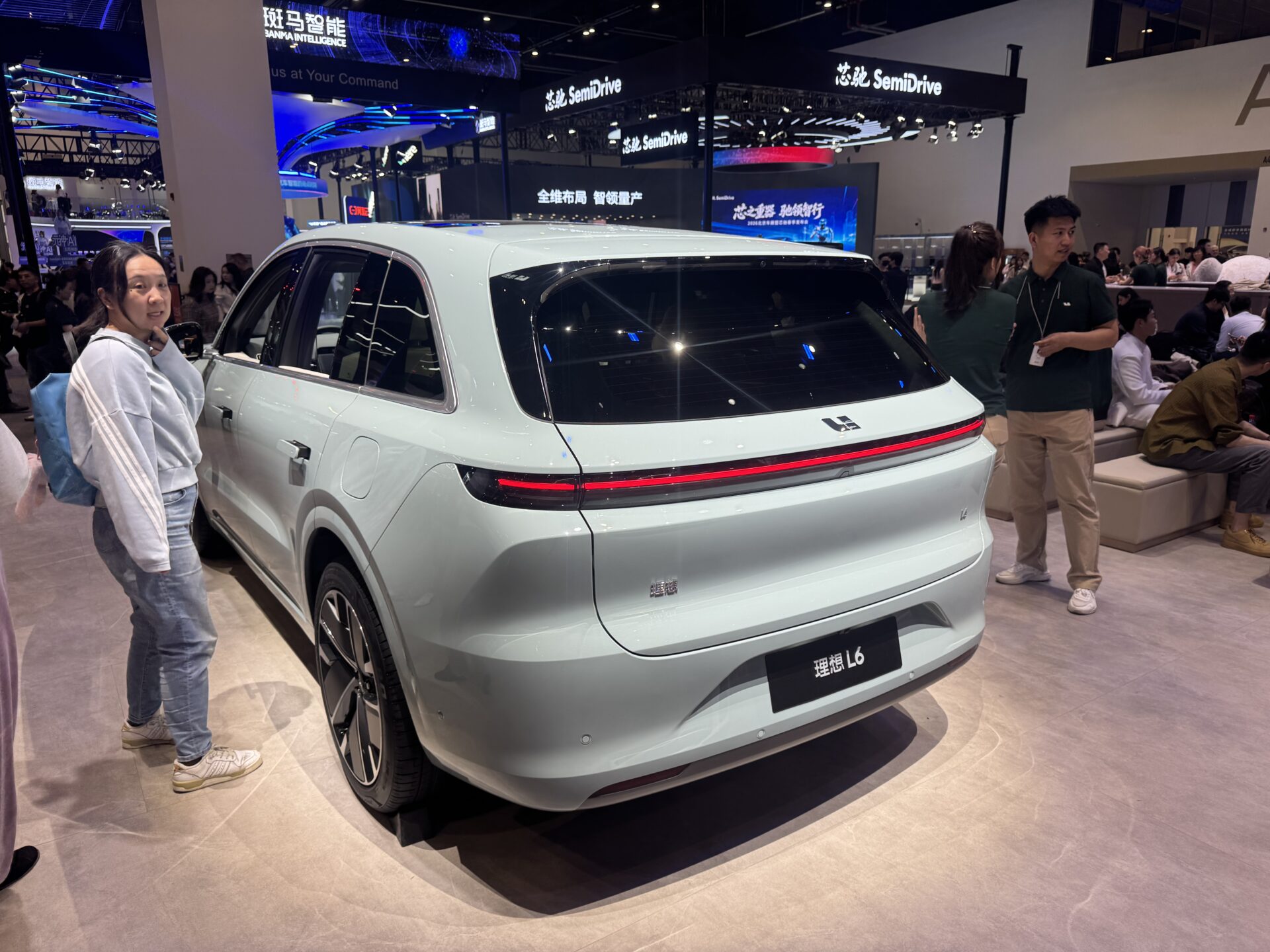
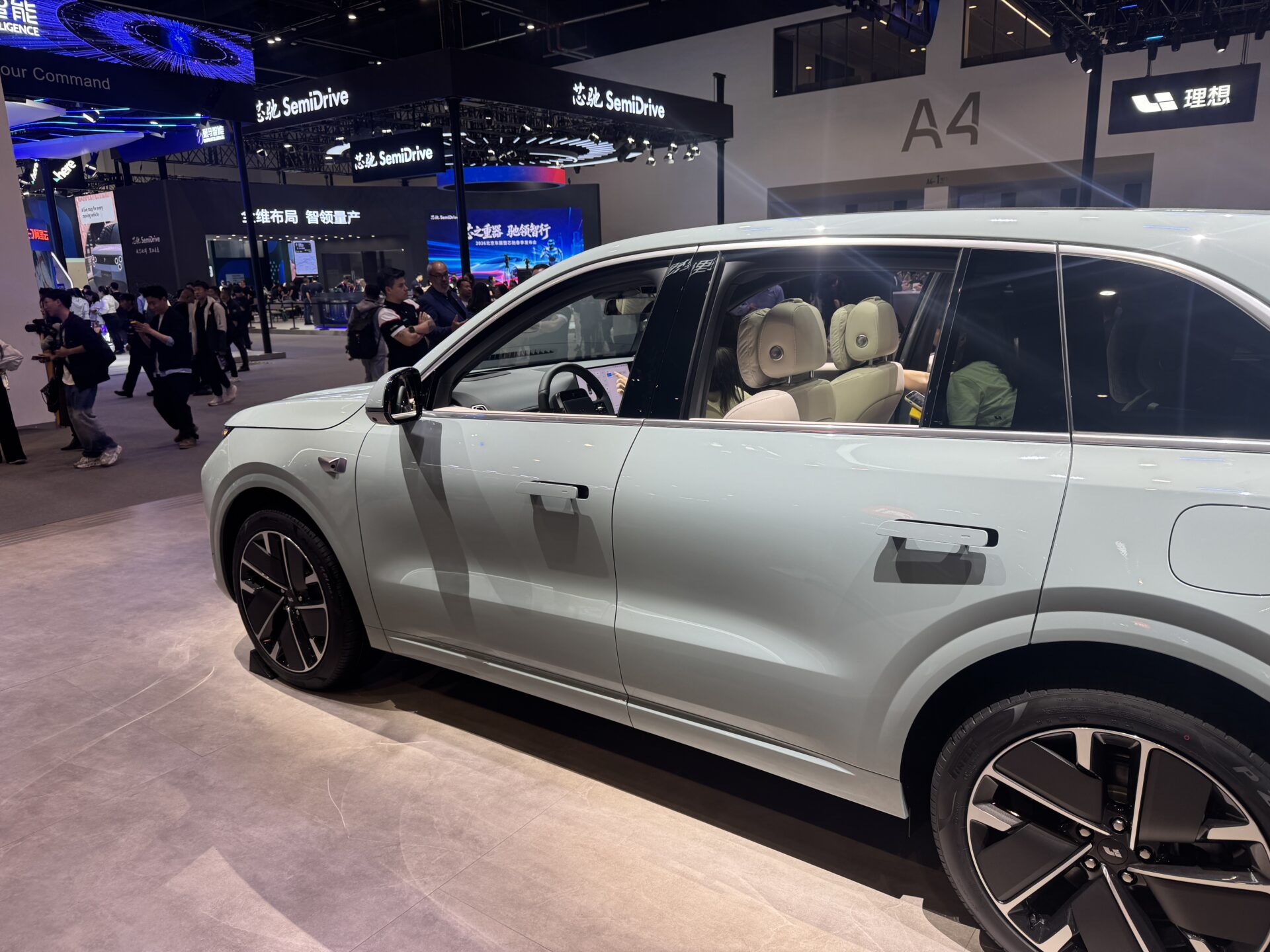
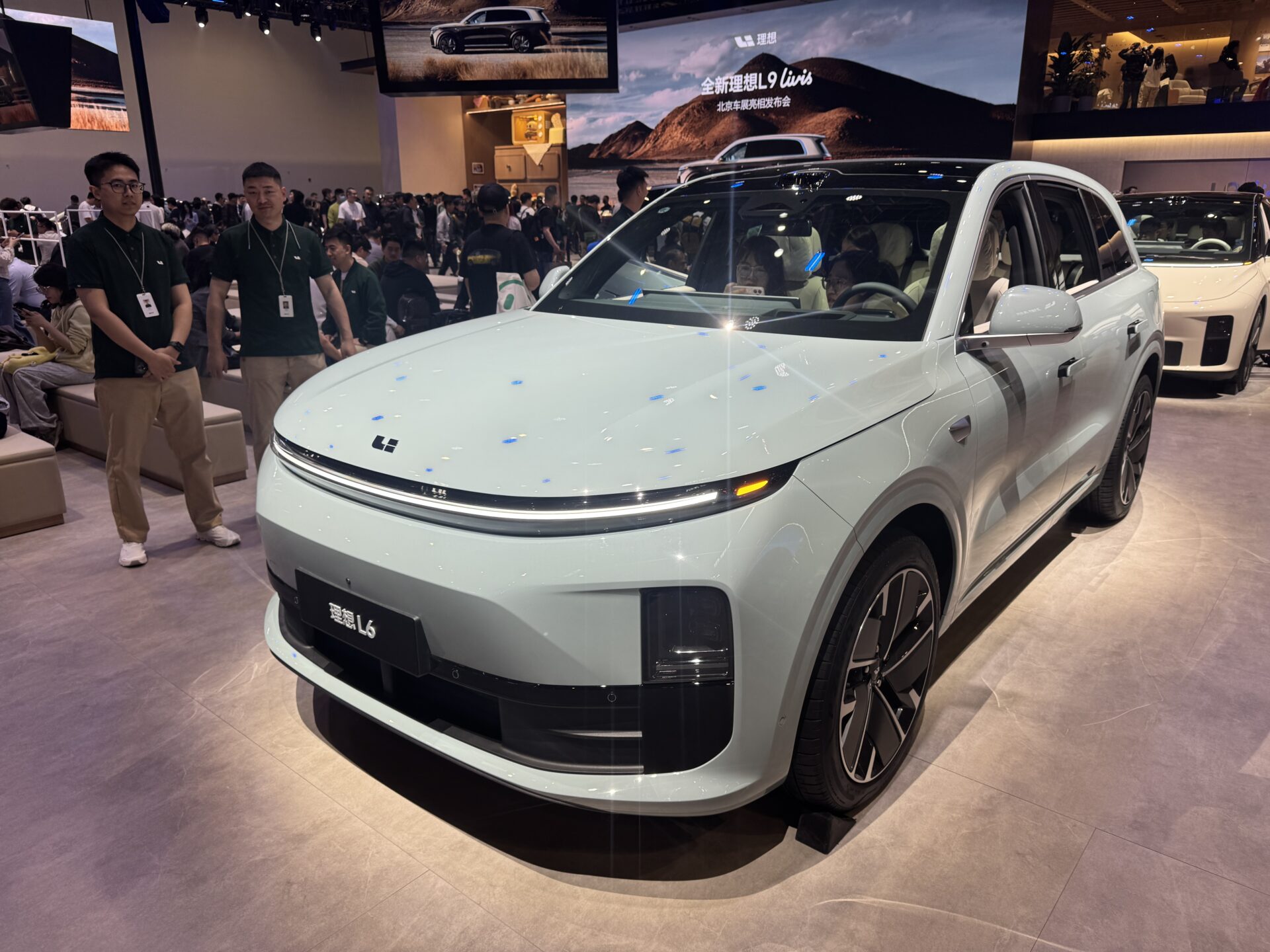
Founded in July 2015 by Li Xiang, Li Auto chose to set aside the all-electric debate and invest in the EREV, the extended-range electric vehicle. In a Li L6 or L9, a 1.5-litre combustion engine never drives the wheels: it serves only to recharge the battery while driving. Combined ranges reach up to 1,390 km, which meets a strong expectation across China’s vast territory.
The formula has found its audience. Li Auto has surpassed 1.5 million cumulative sales. In 2025, deliveries stand at 406,000 vehicles, down 18.8% in the face of Aito’s rise in the large family SUV segment. A first overseas service centre opened in Kazakhstan in June 2025. Europe is mentioned for 2026-2027, with no concrete announcement at this stage.
Xiaomi: the smartphone maker turned car manufacturer
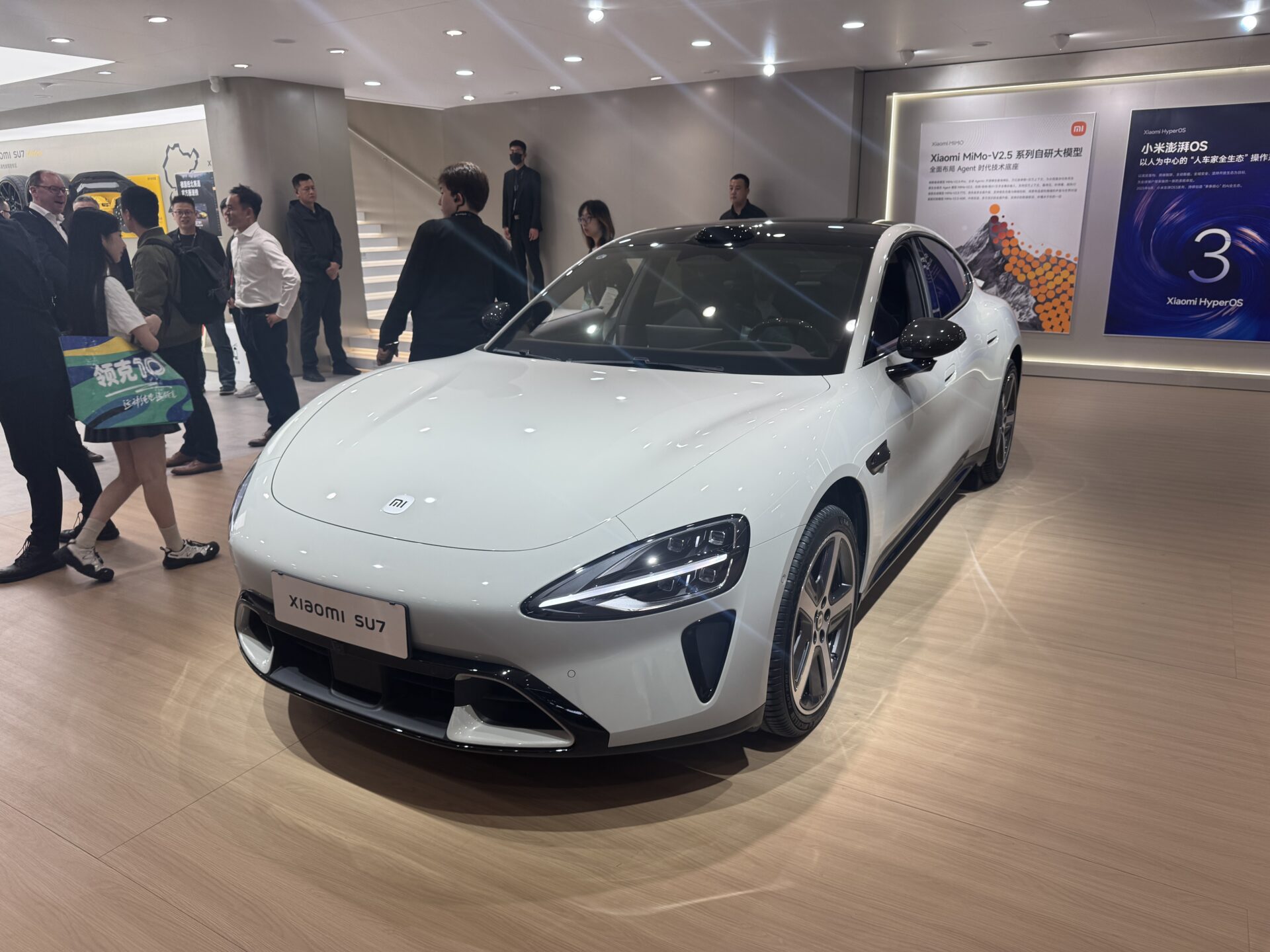
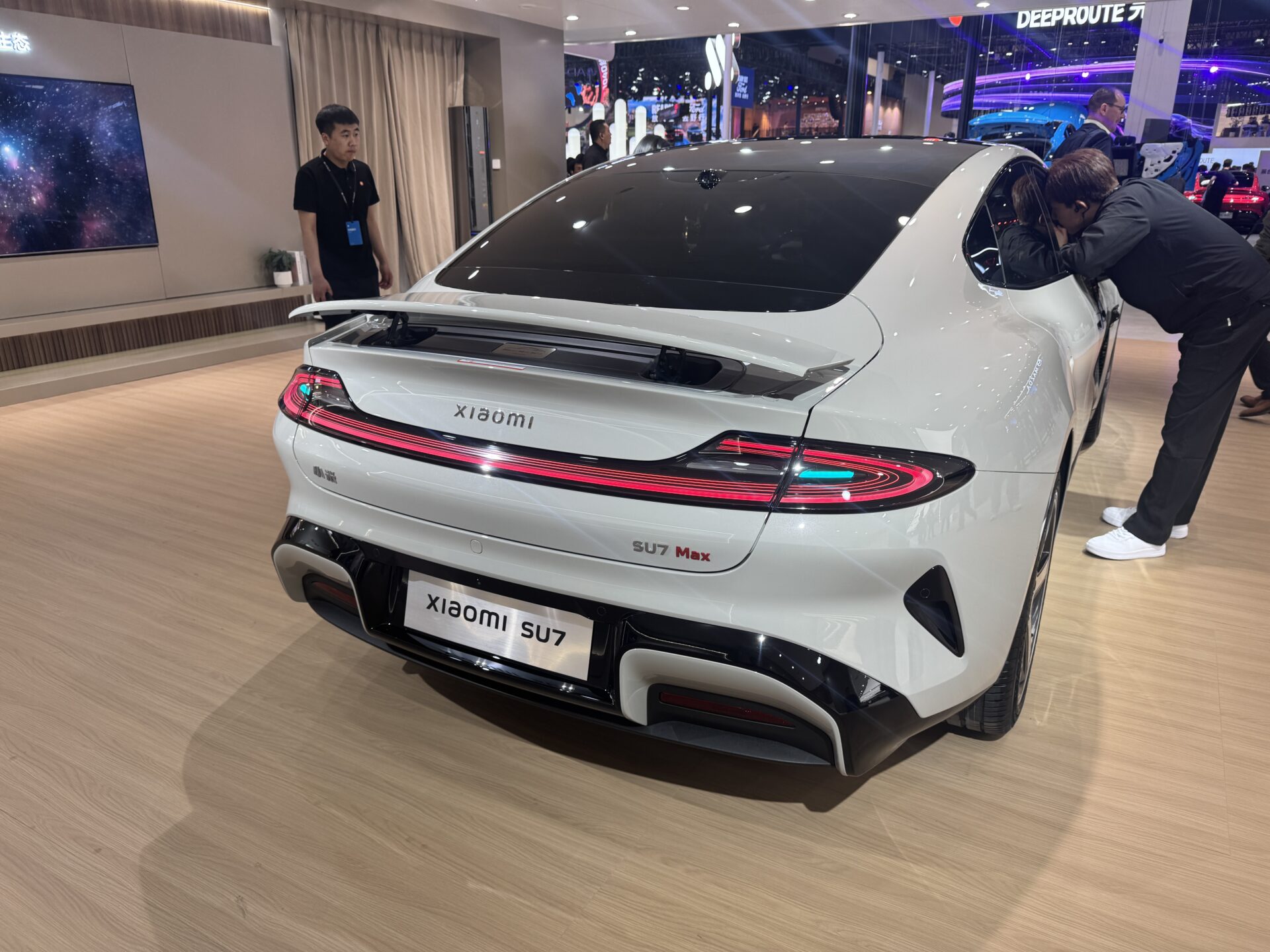
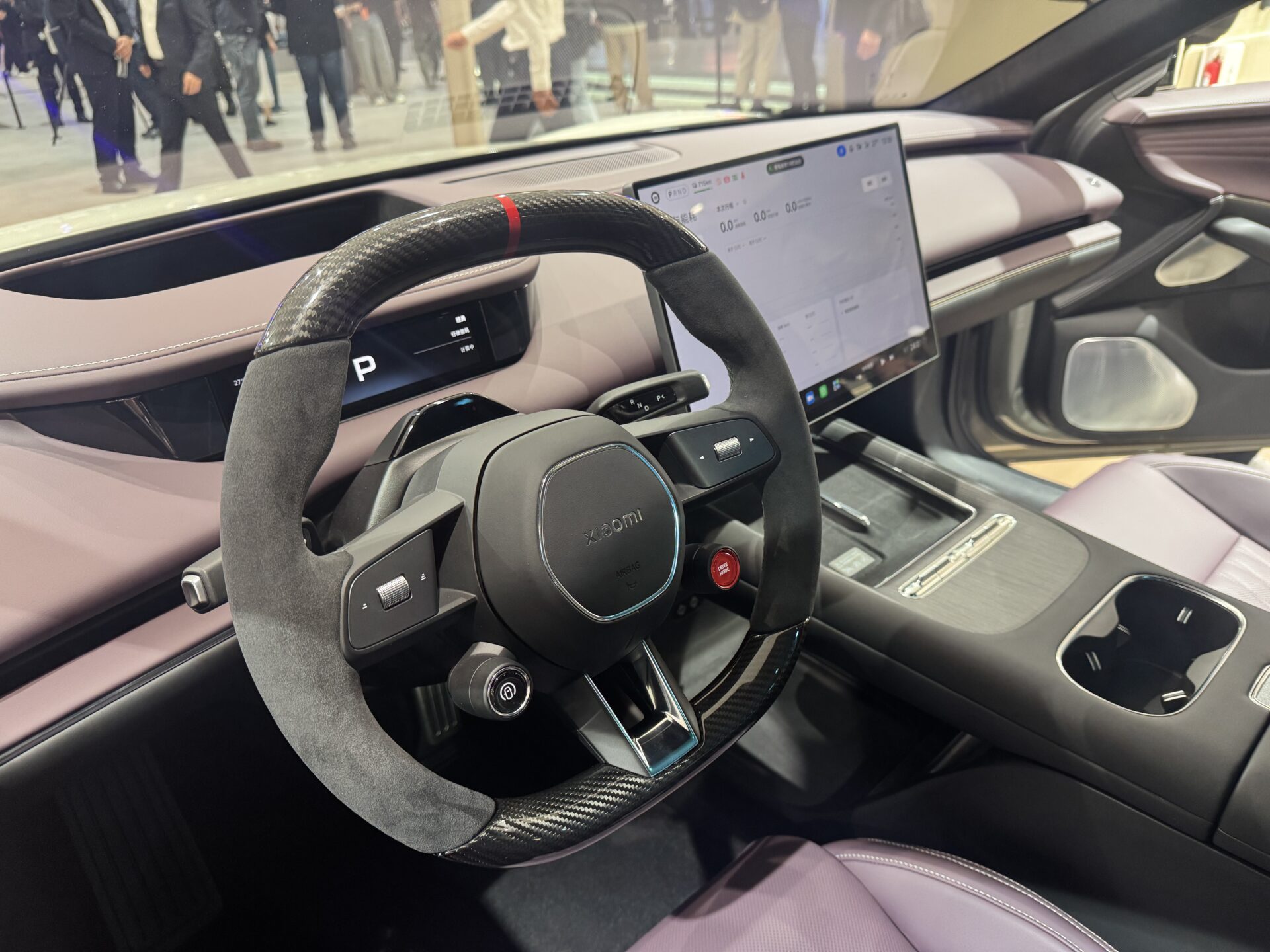
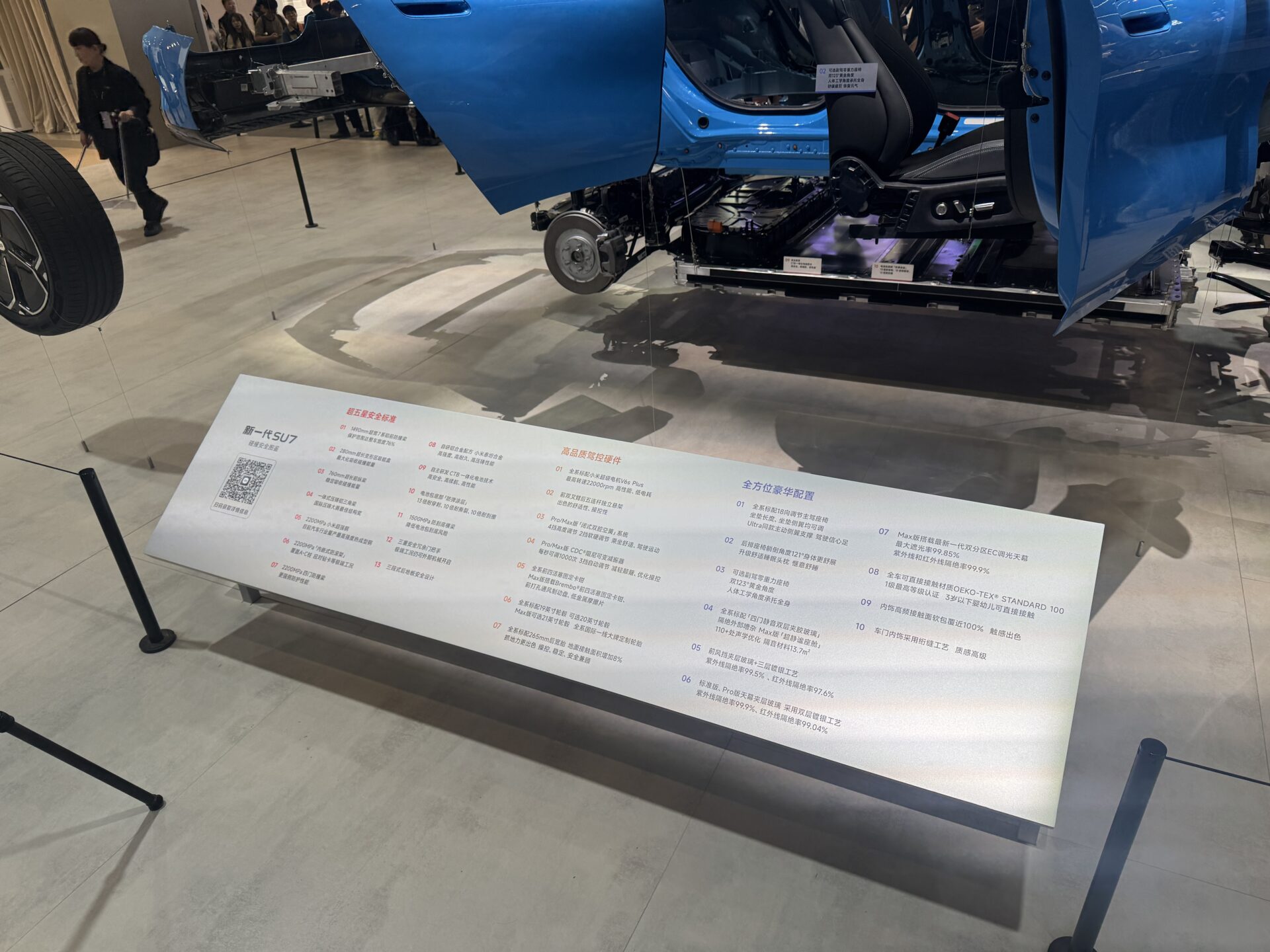
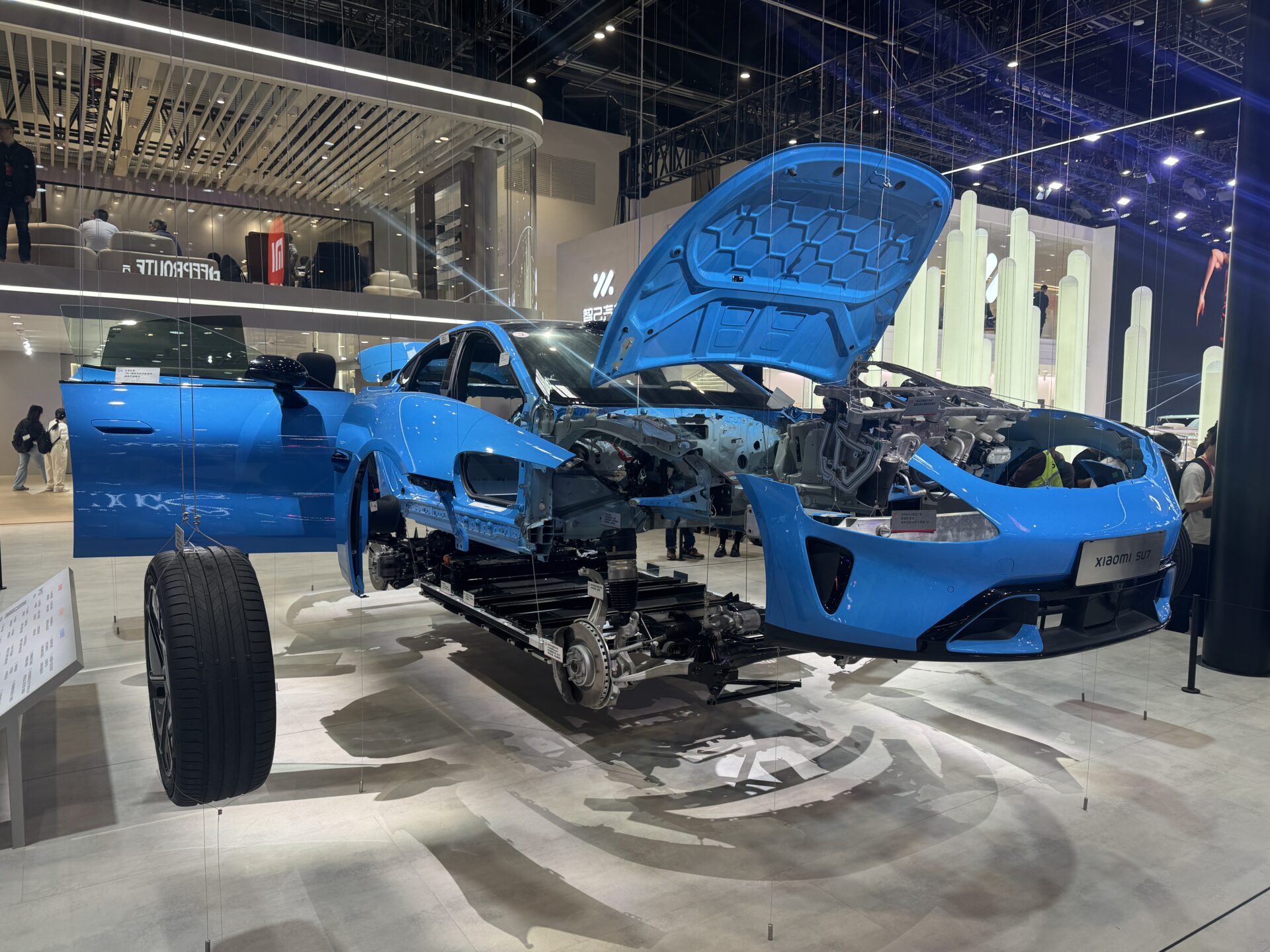
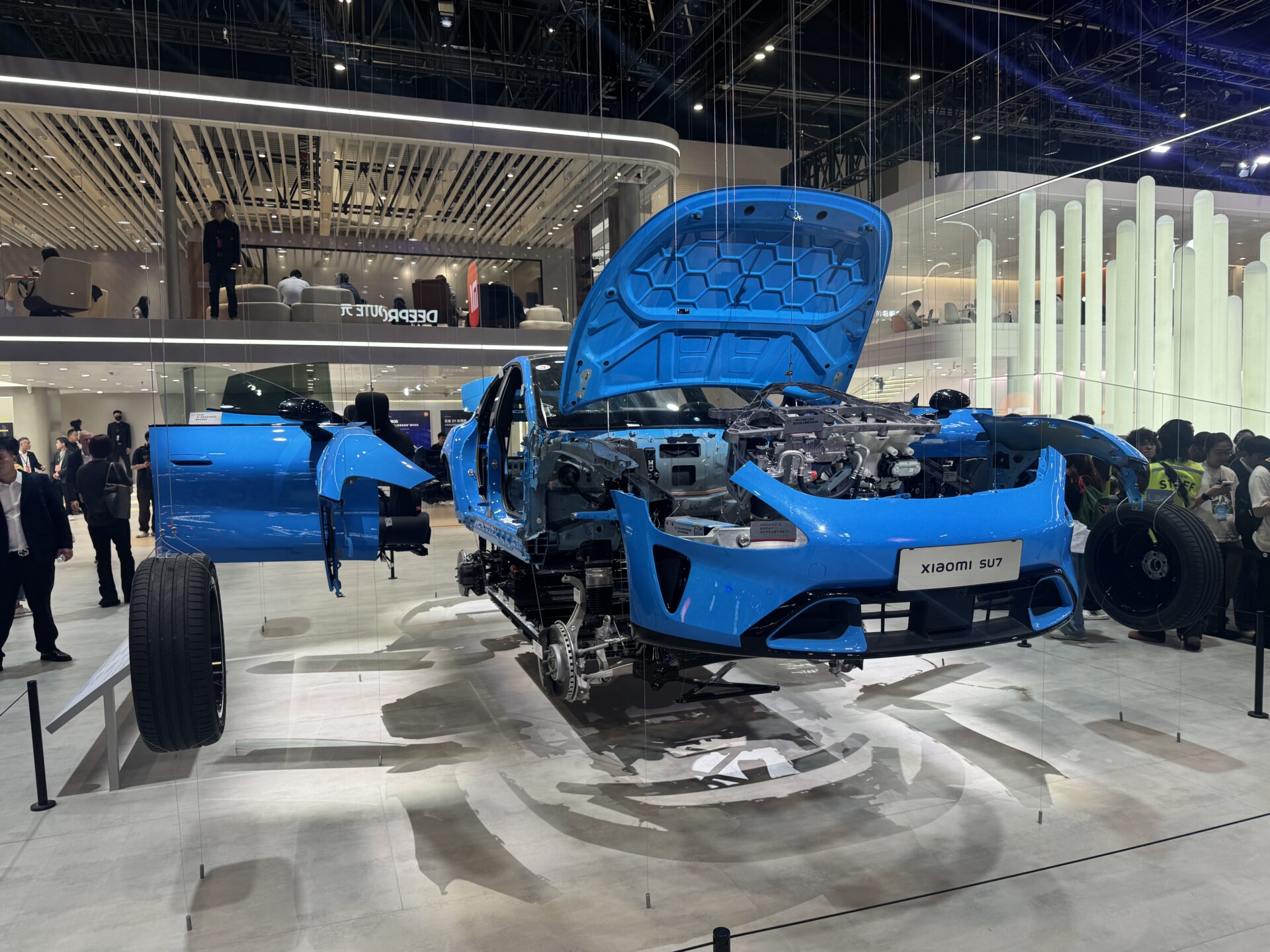
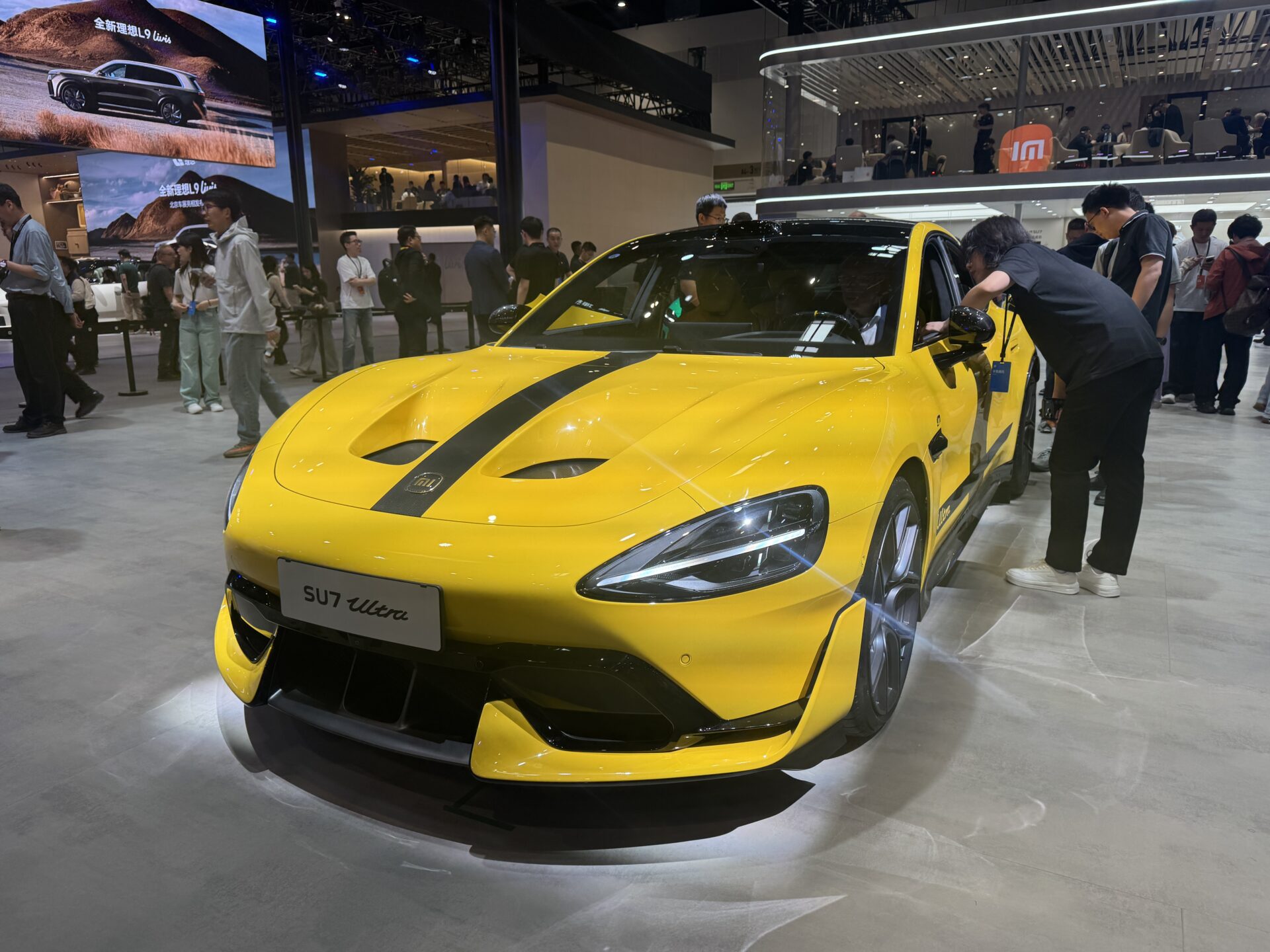
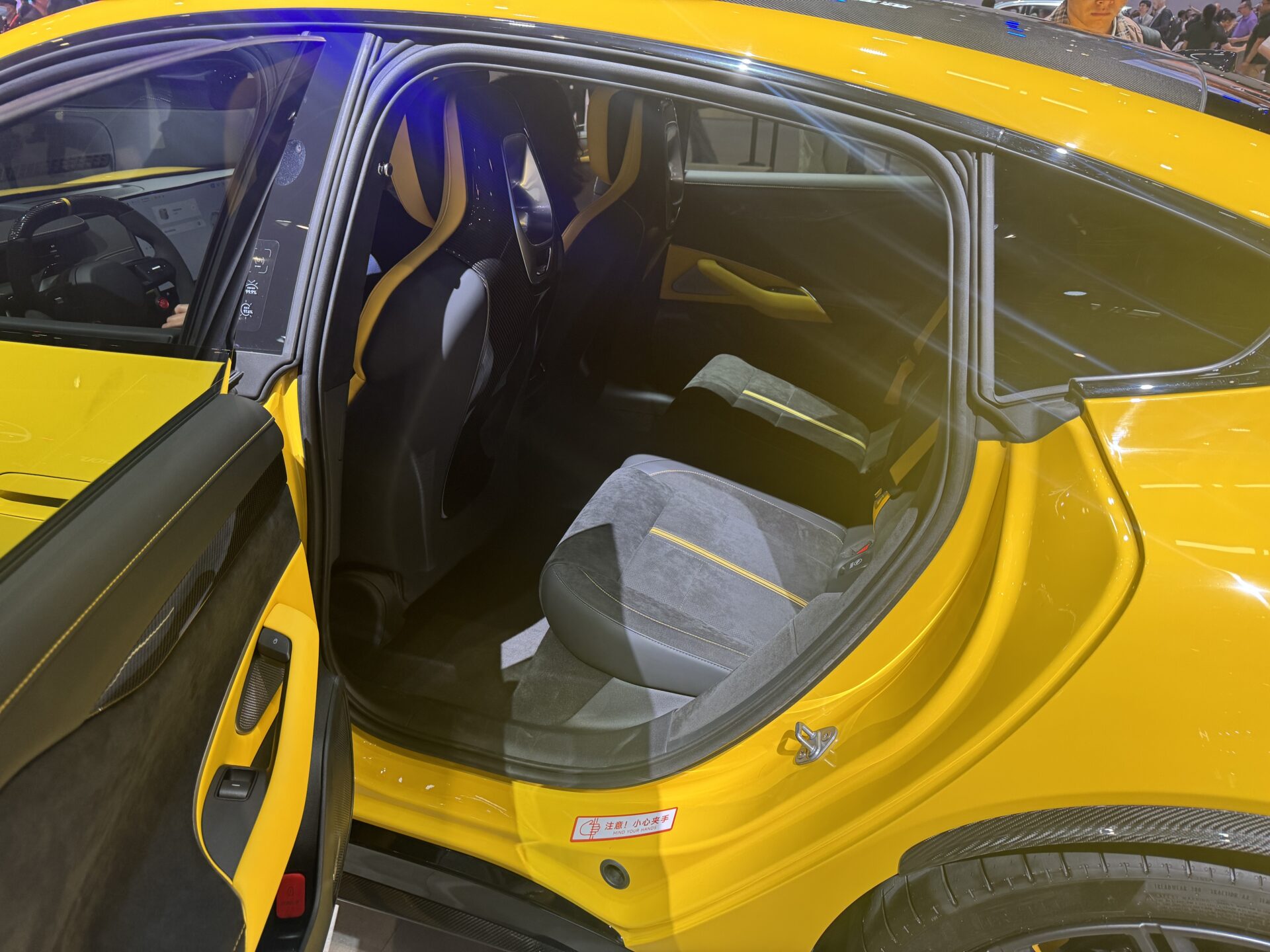
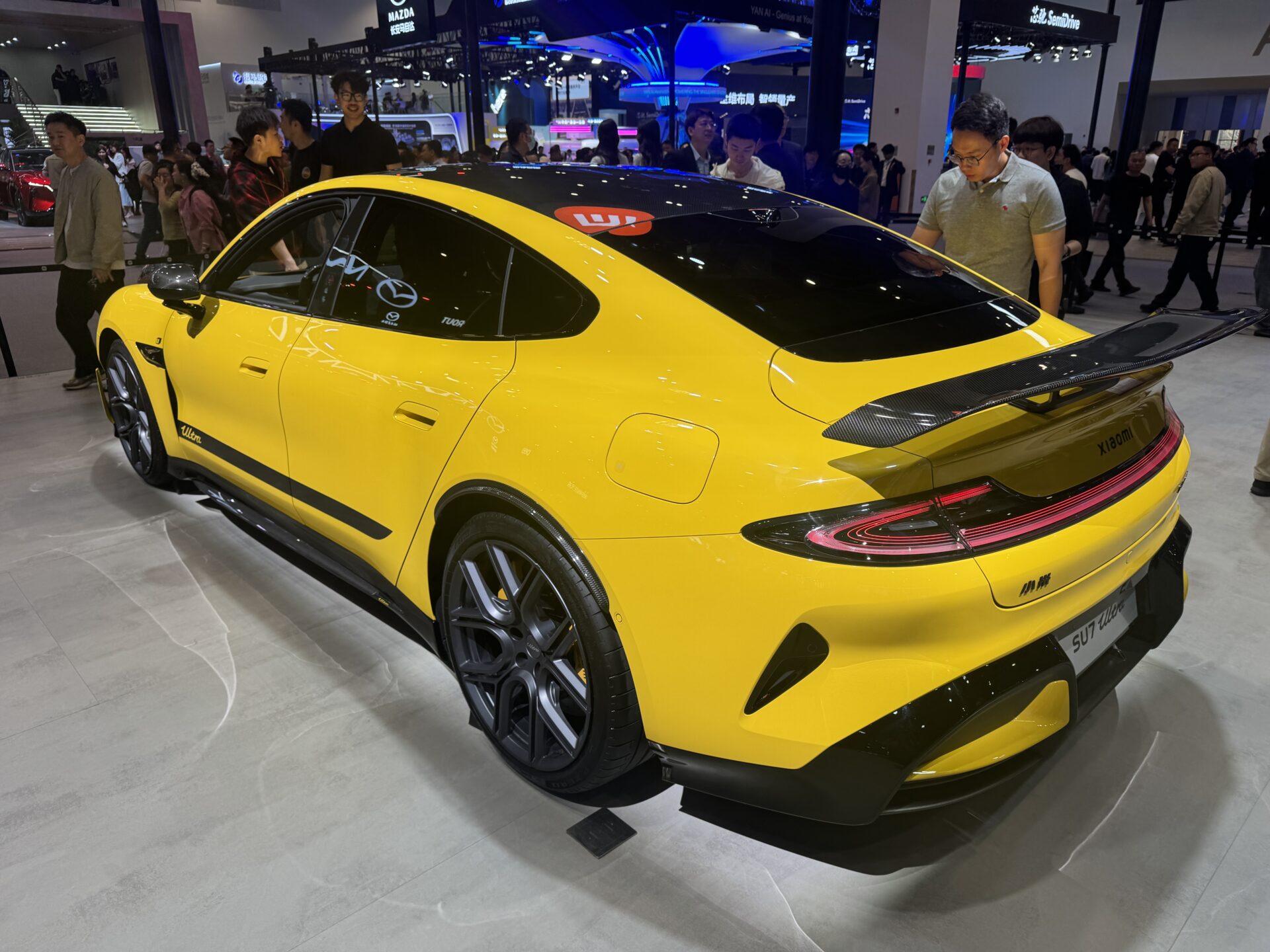
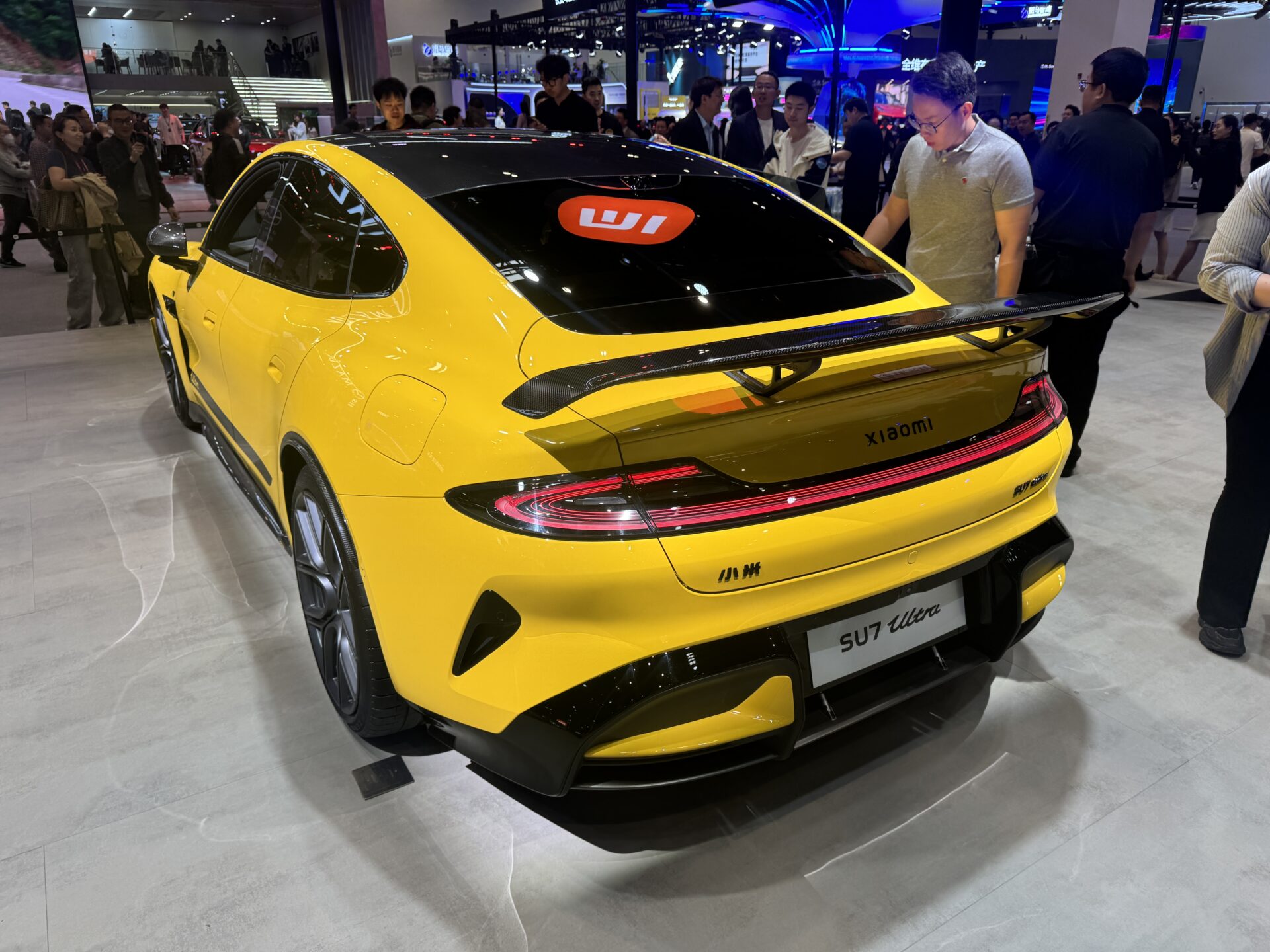
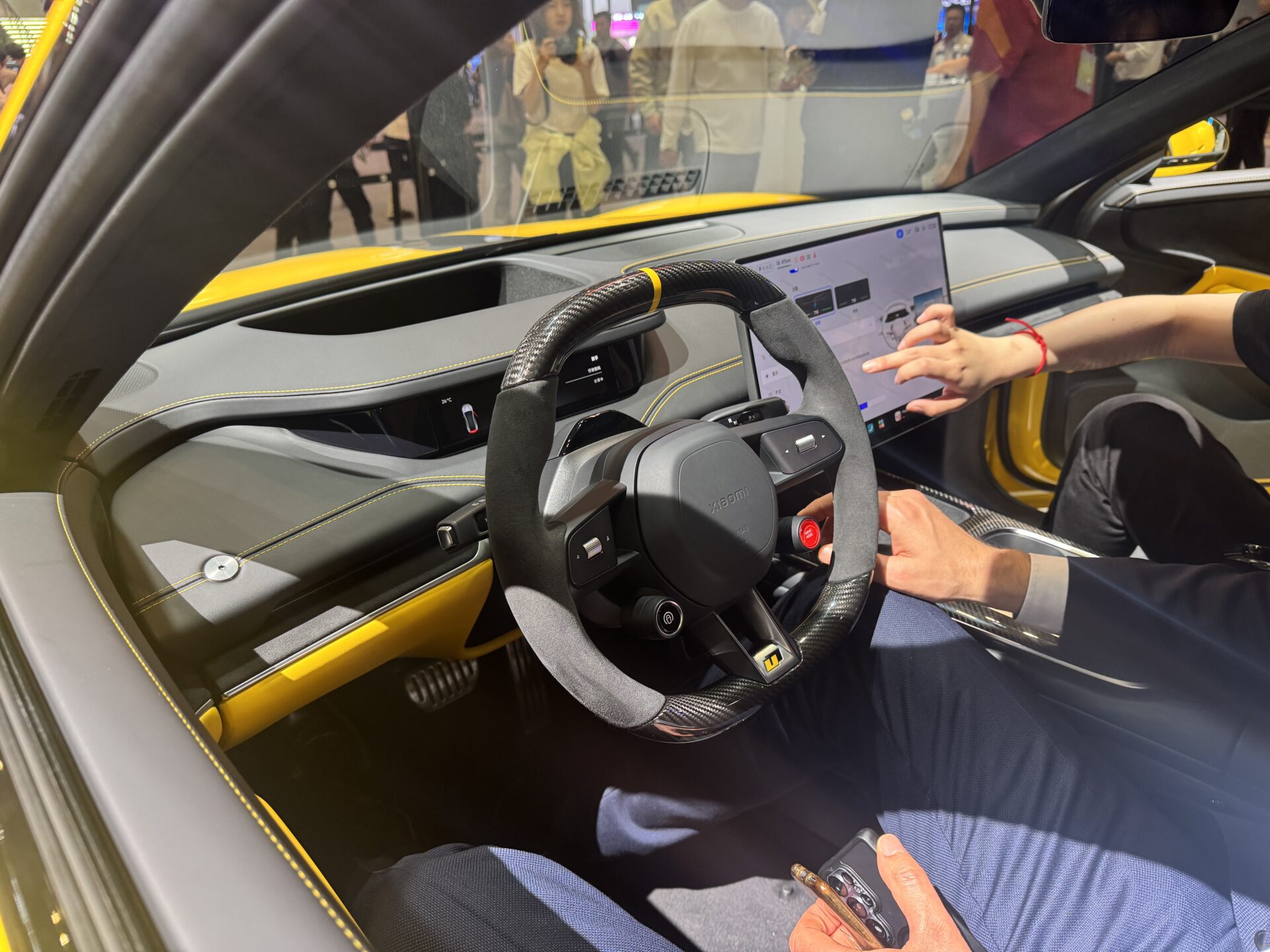
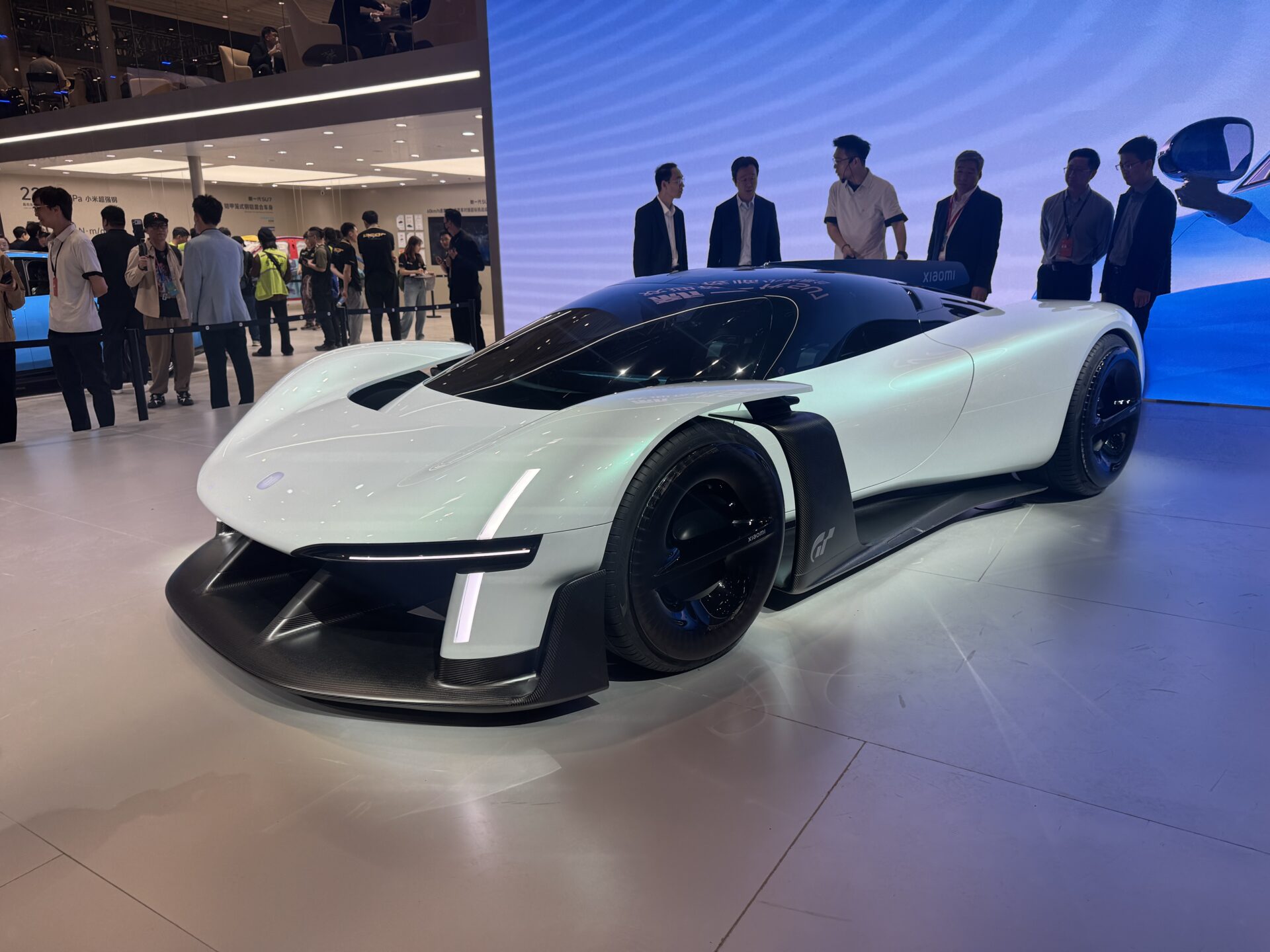
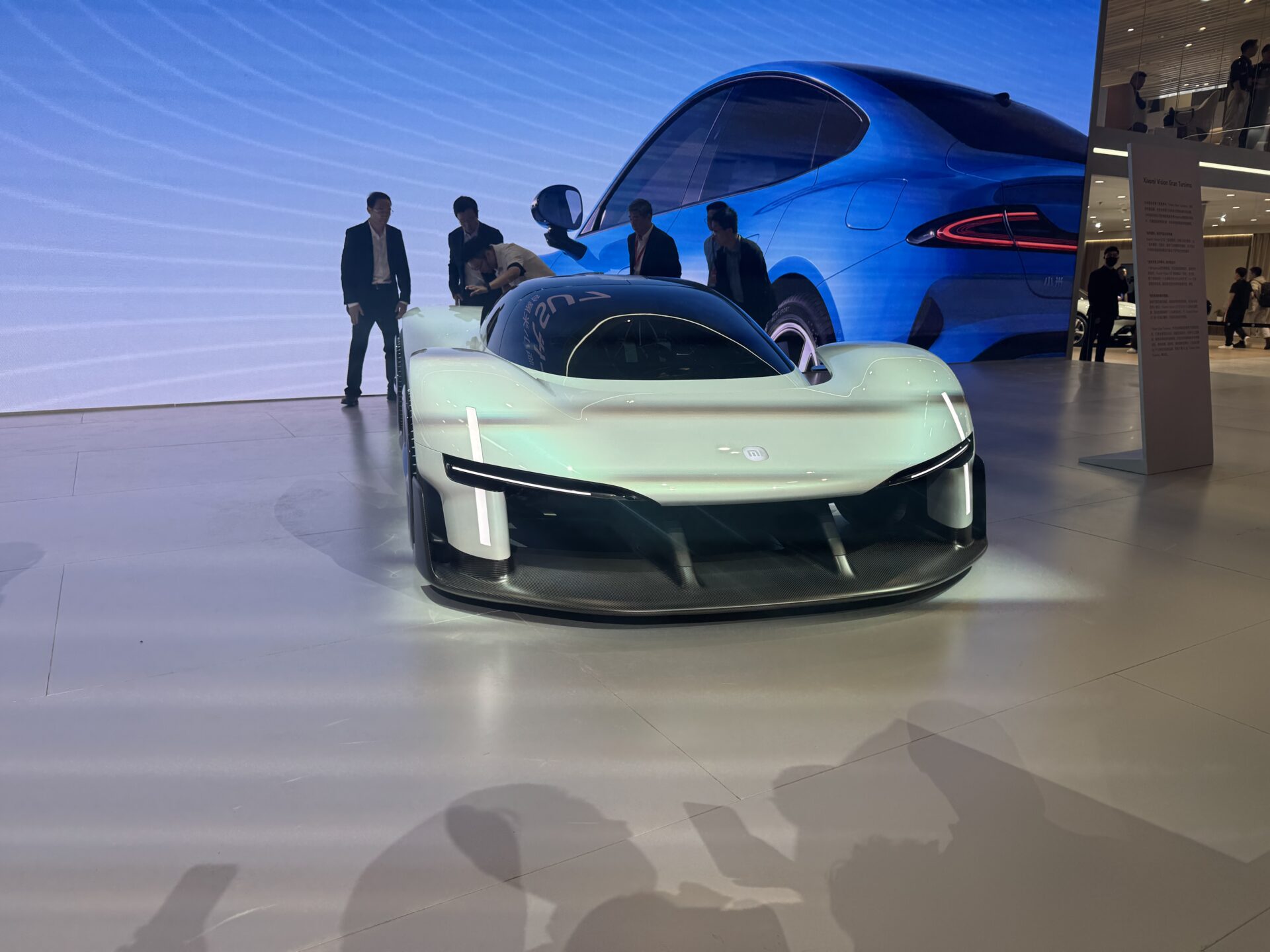
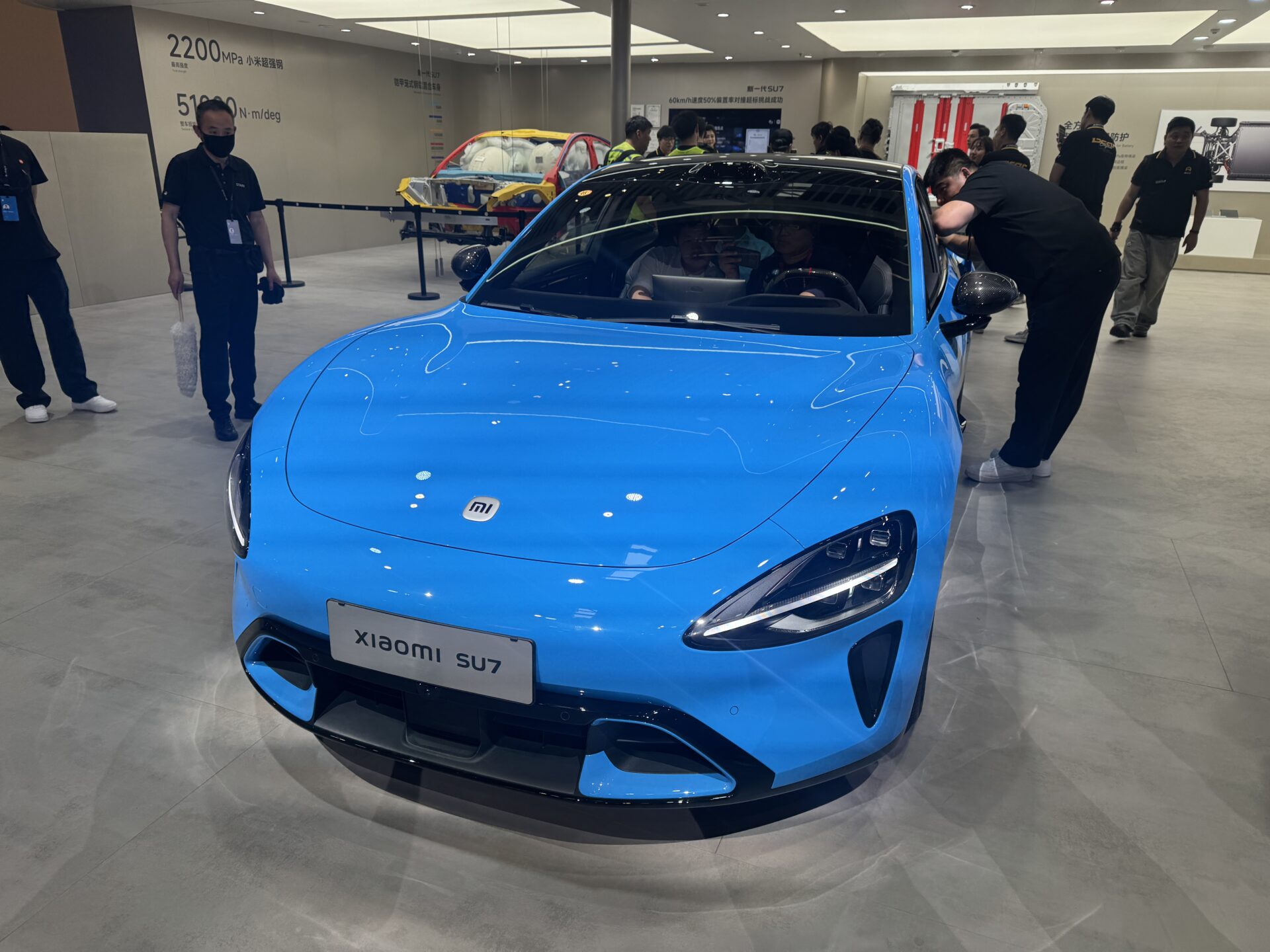
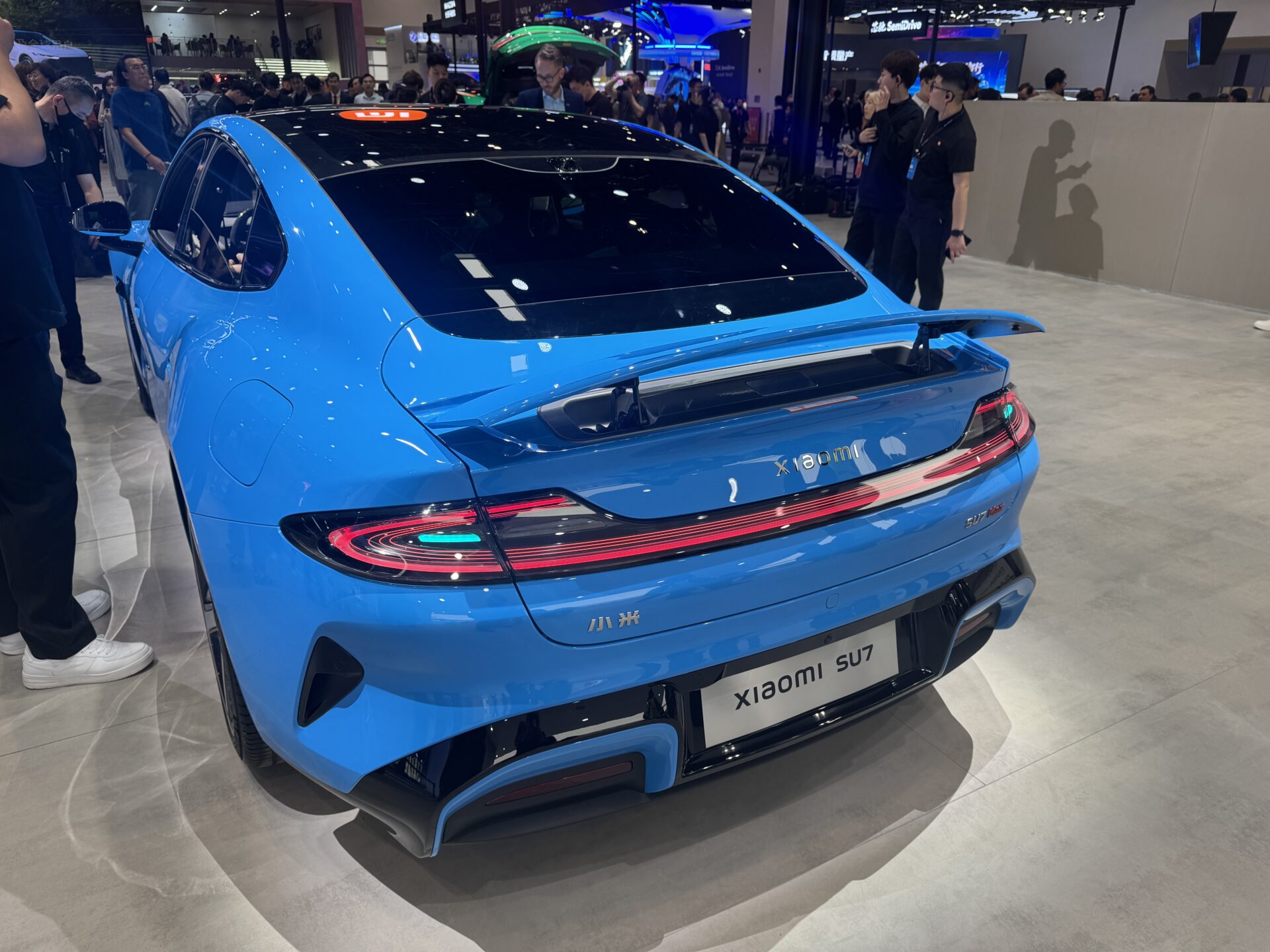
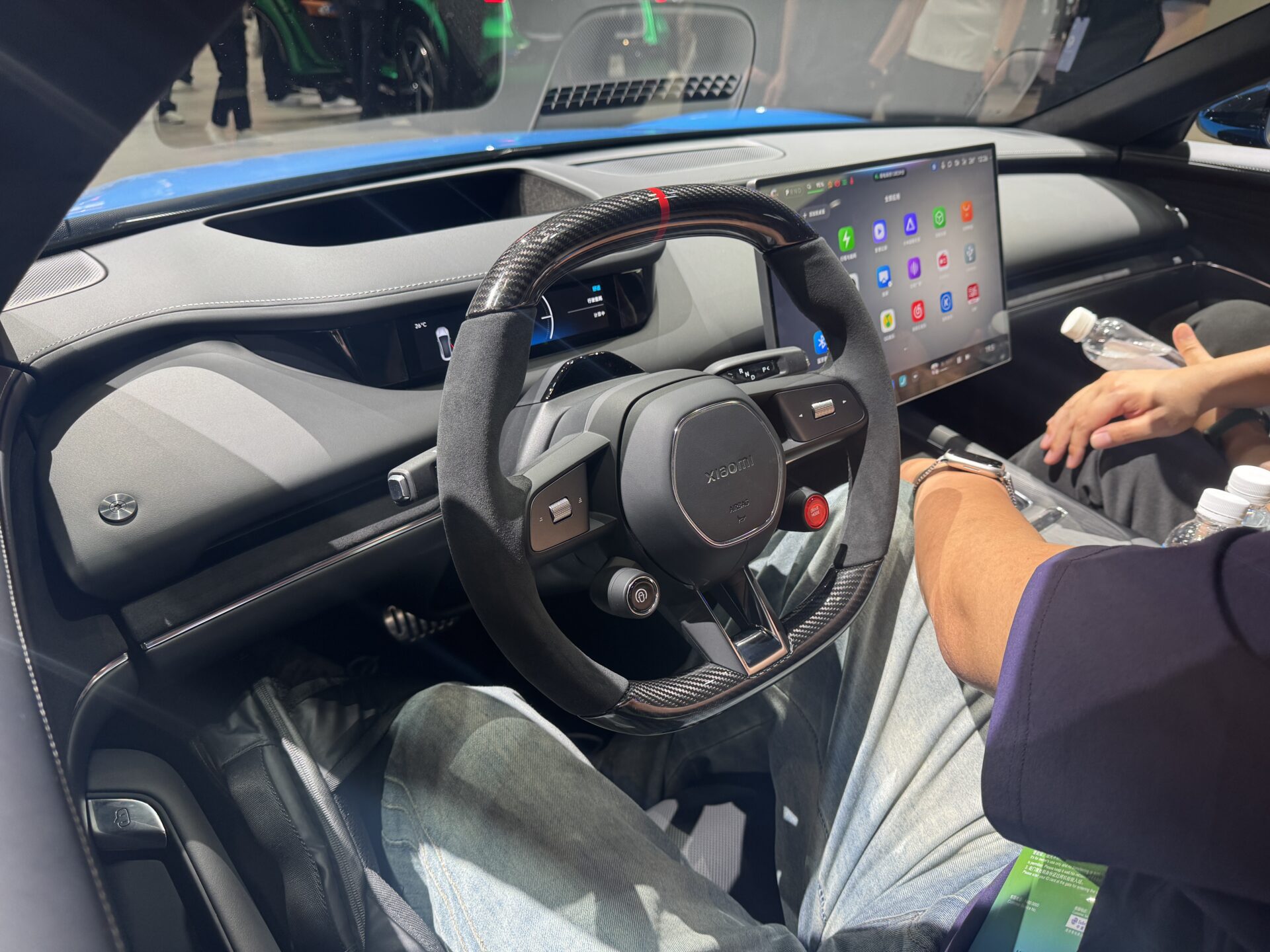
Xiaomi, founded in 2010 by Lei Jun, is best known for its smartphones and connected devices. Its entry into the automotive sector in March 2024 with the SU7 saloon attracted considerable attention: more than 135,000 units sold in less than a year, and a return to profitability for the auto business in twenty months. In June 2025, the SU7 Ultra, a high-performance version with 1,548 hp, set a benchmark time on the Nordschleife for a production saloon.
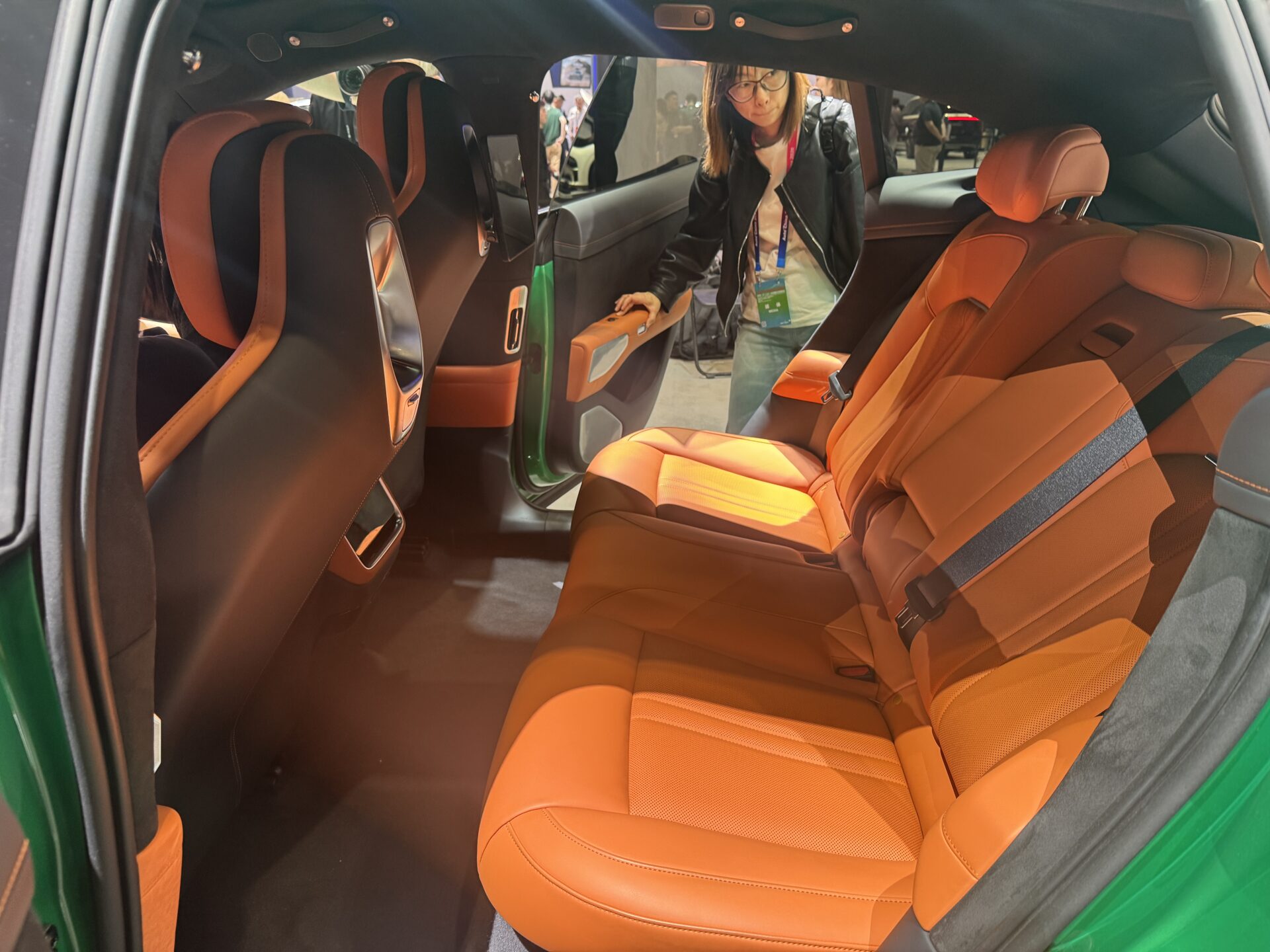
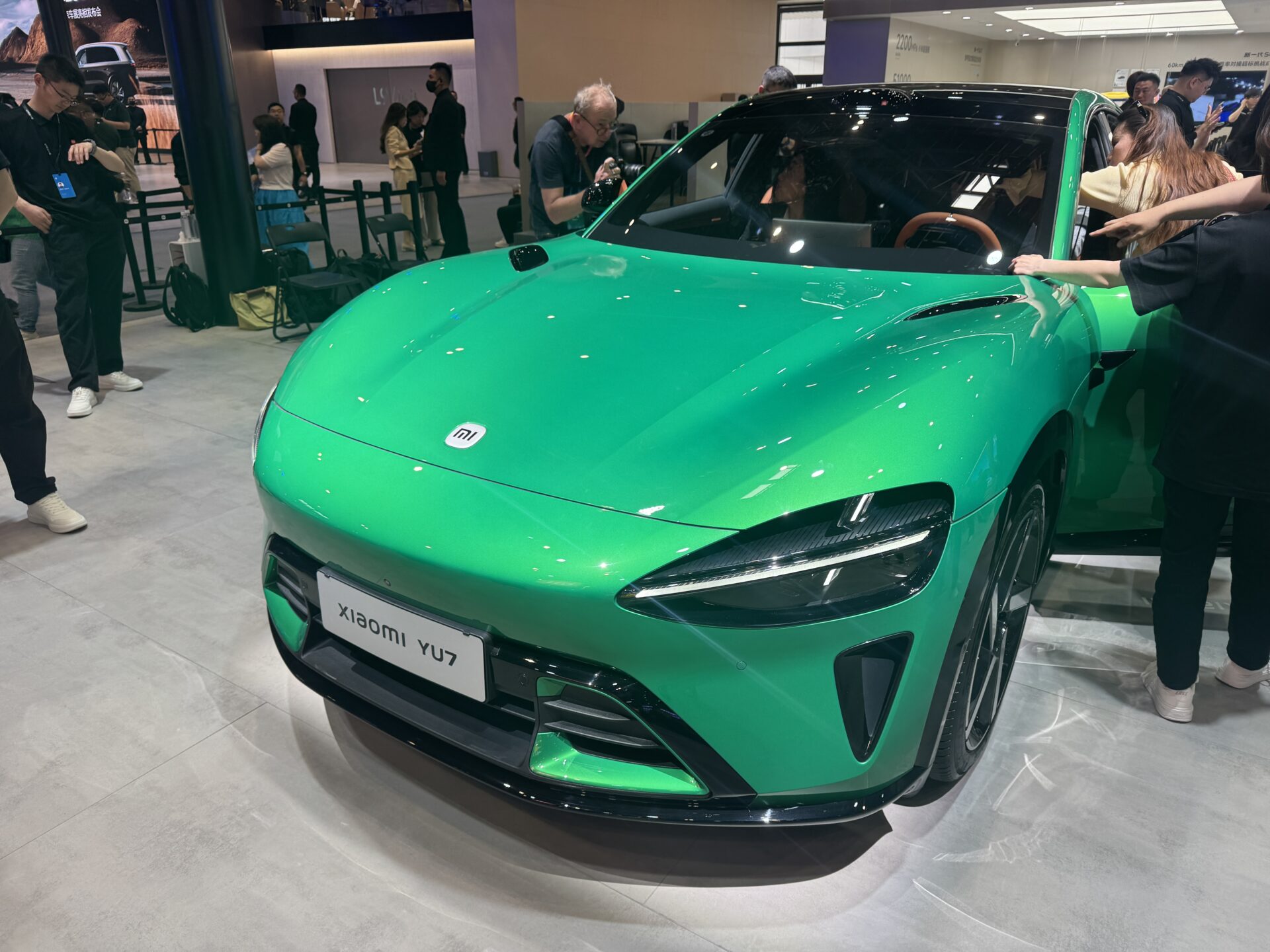
The YU7 SUV, launched in June 2025 at the equivalent of €32,500, generated 200,000 pre-orders in three minutes. Xiaomi delivered 411,800 vehicles over the course of 2025, up 195%. Europe is not planned before 2027, even though a first SU7 Ultra was registered in Munich in July 2025 for homologation testing.
What is a "pure player"?
Unlike historical groups such as BYD, Geely, SAIC or Changan, the manufacturers gathered in this dossier were born electric. Their development has never integrated the conventional combustion engine. Their strengths are 800- or 900-volt platforms, native software integration and the ability to refresh products rapidly. Their common weakness: profitability often reached late, after several years of losses and successive funding rounds.
Leapmotor: the Stellantis partner
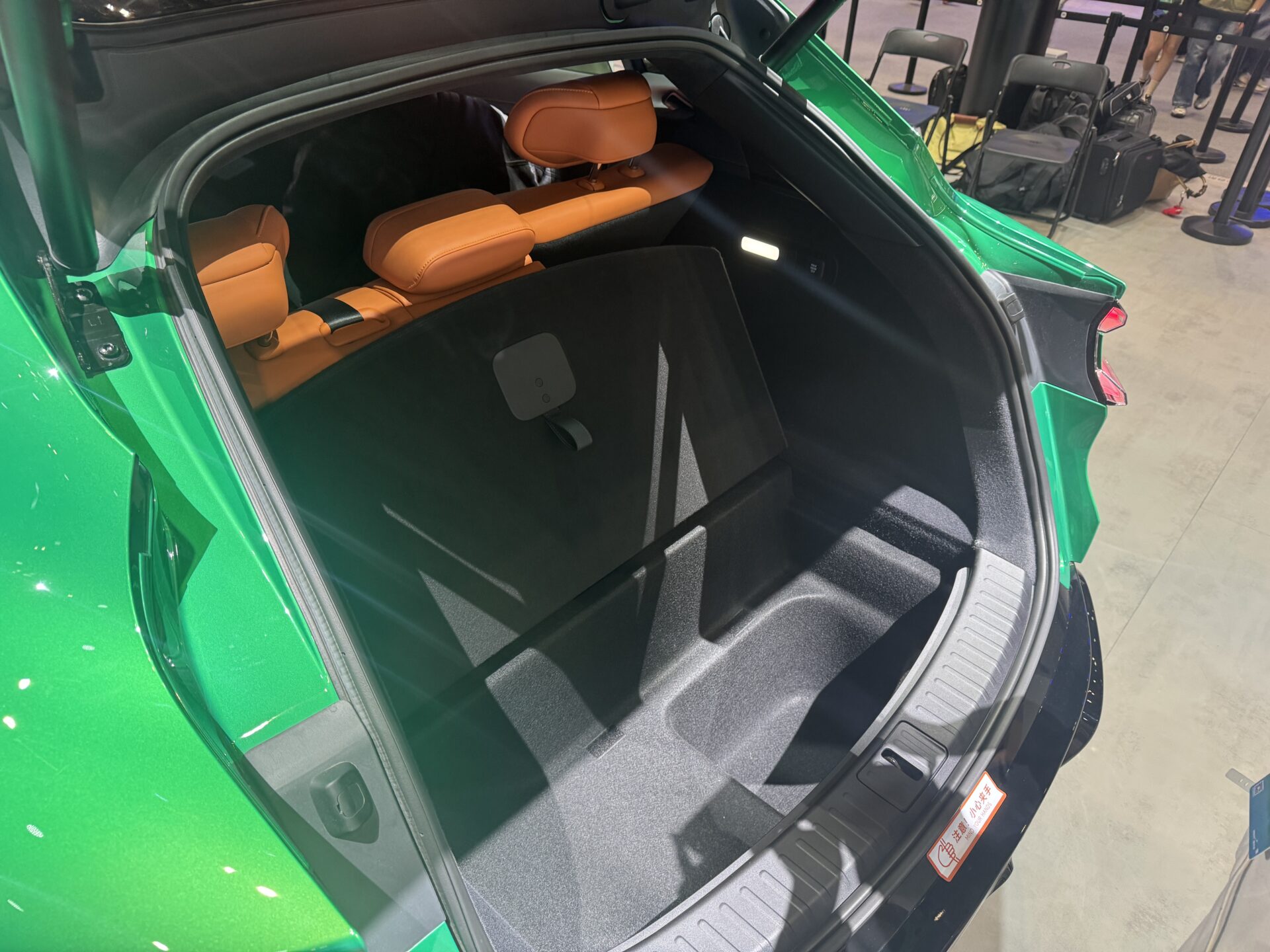
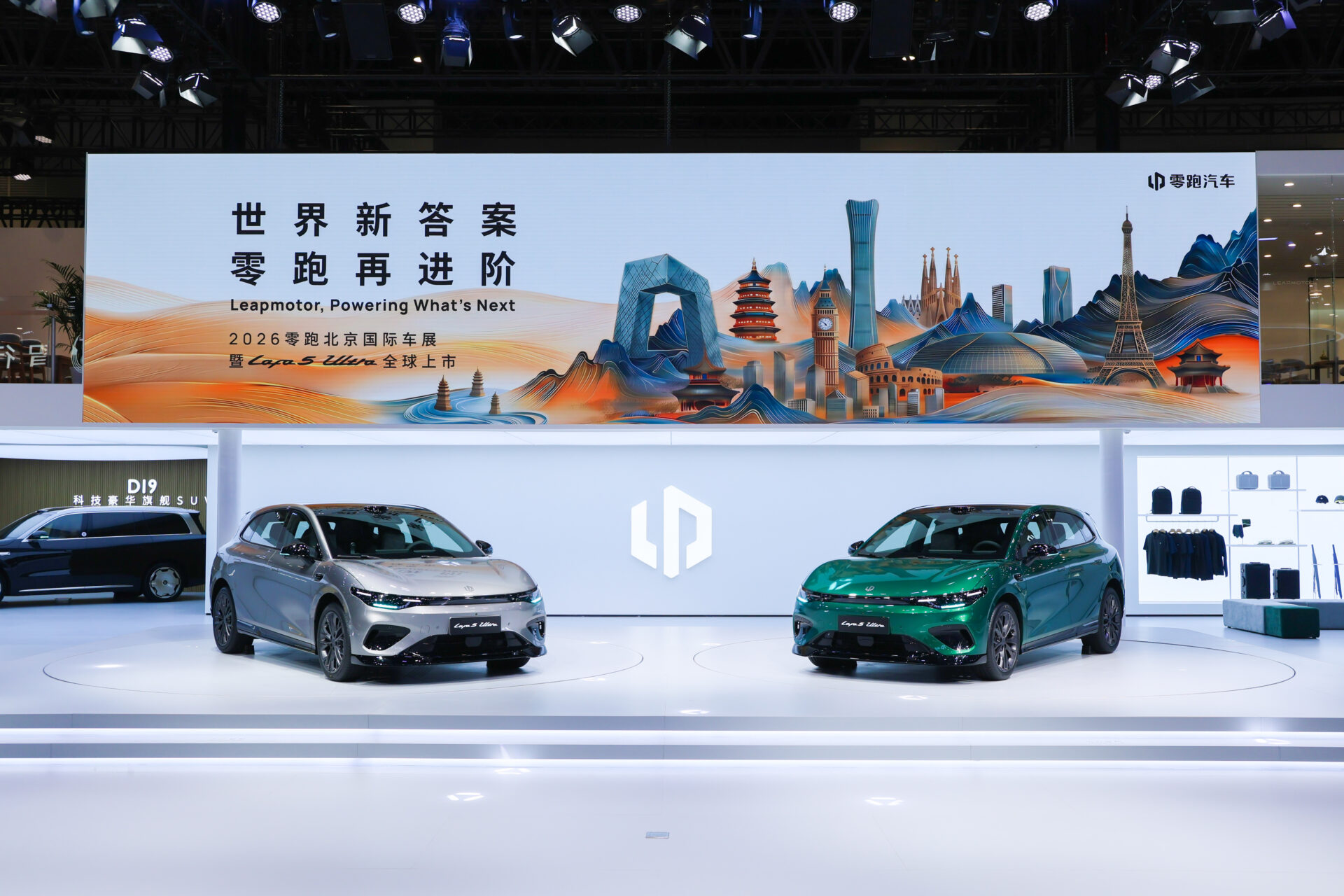
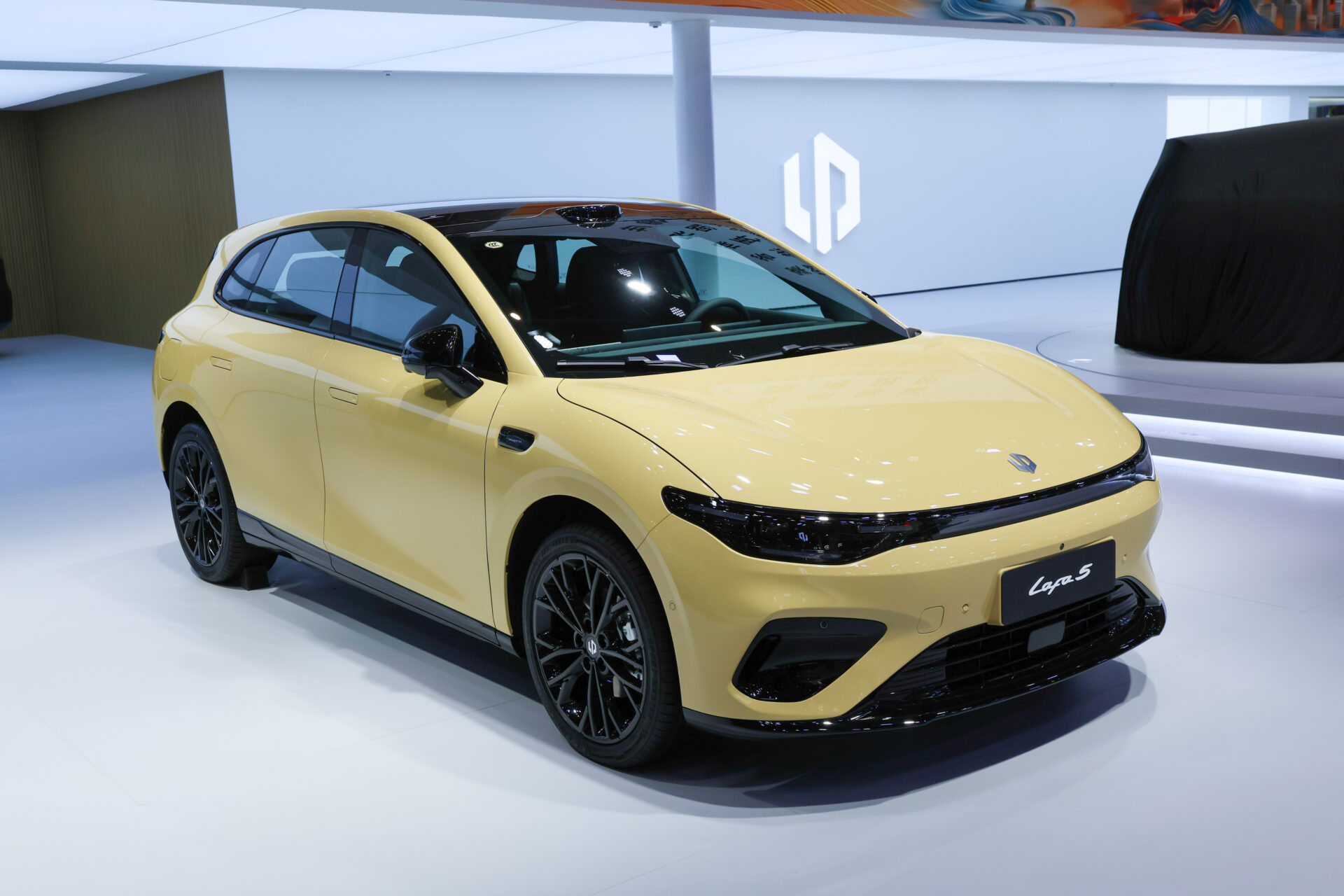
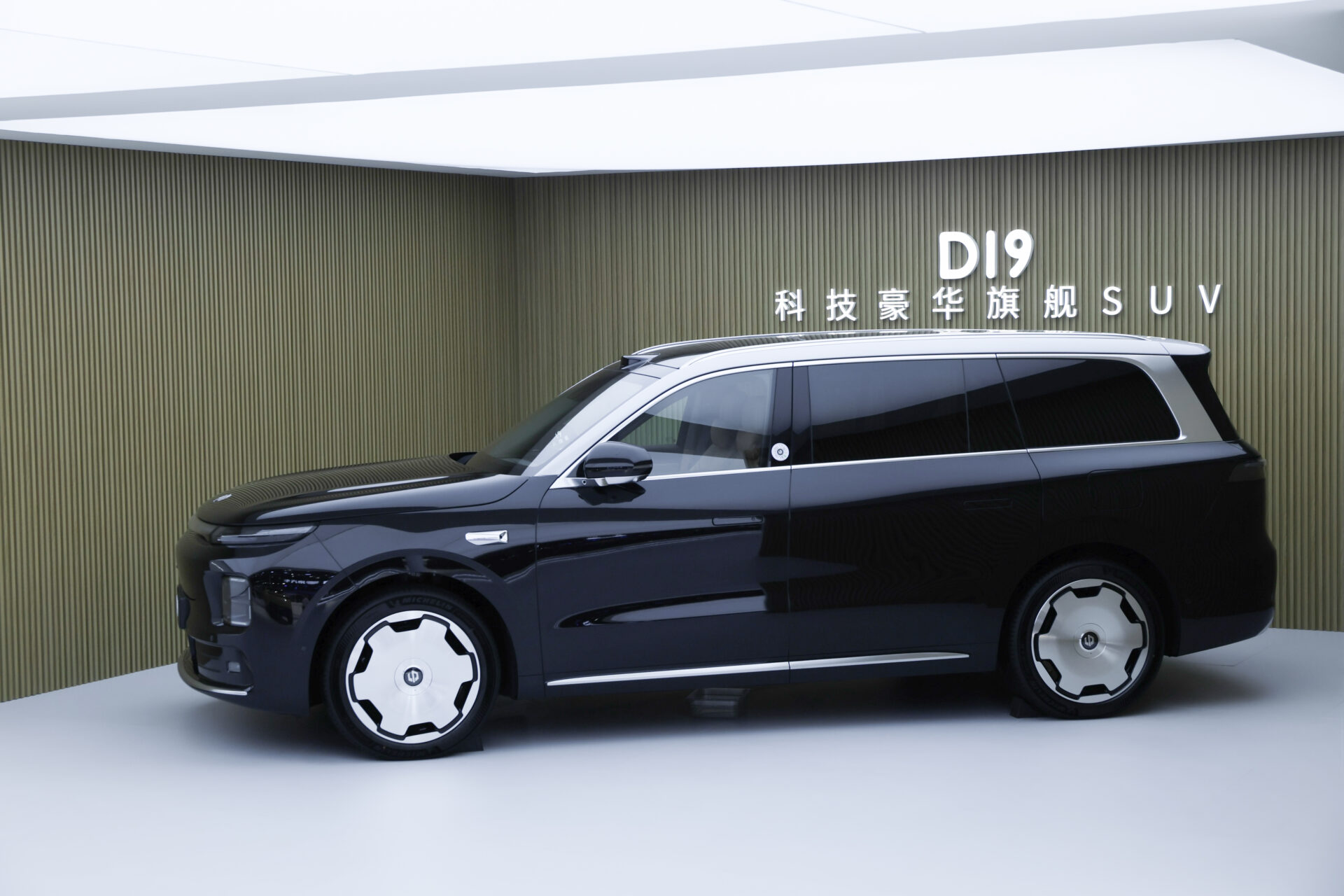
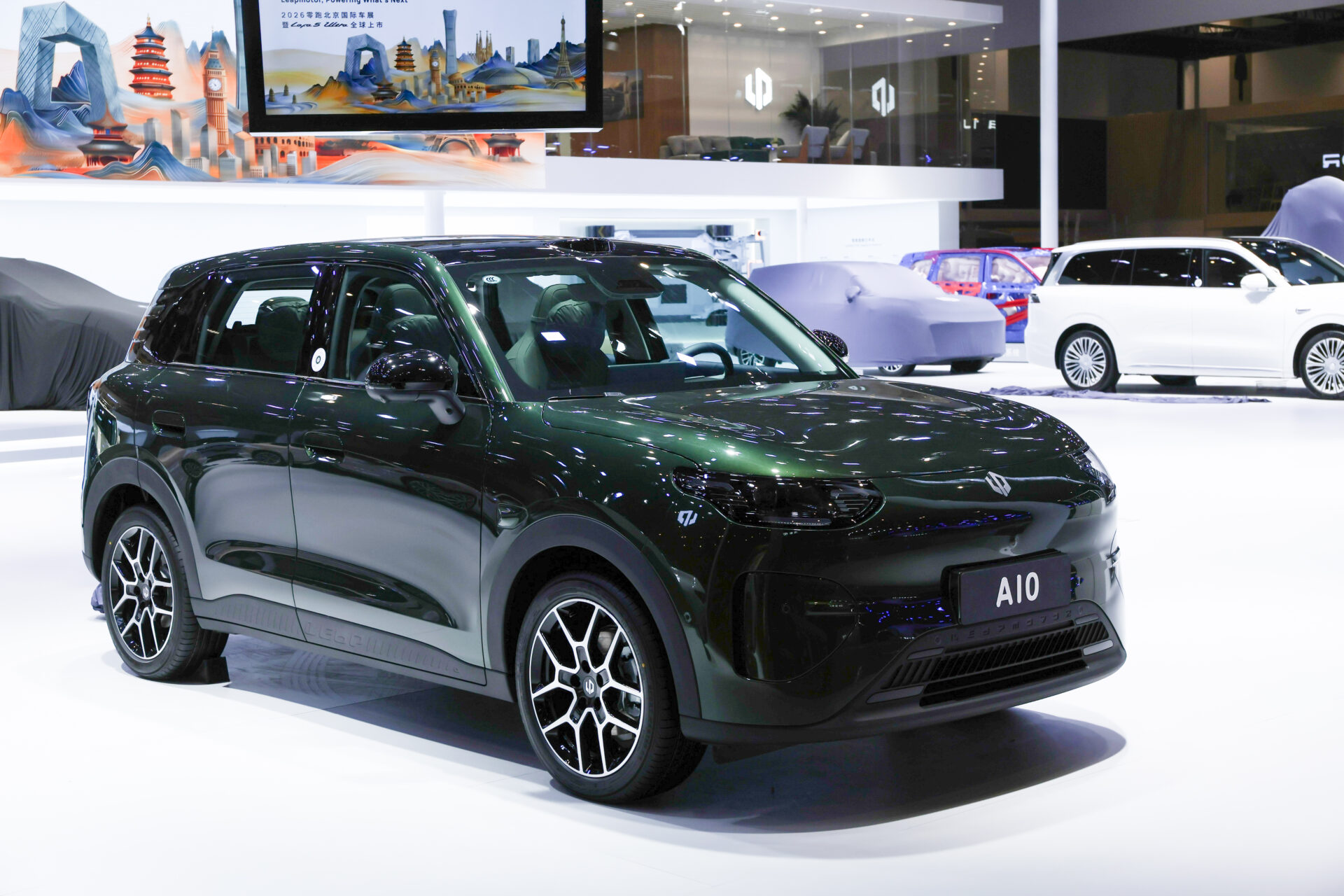
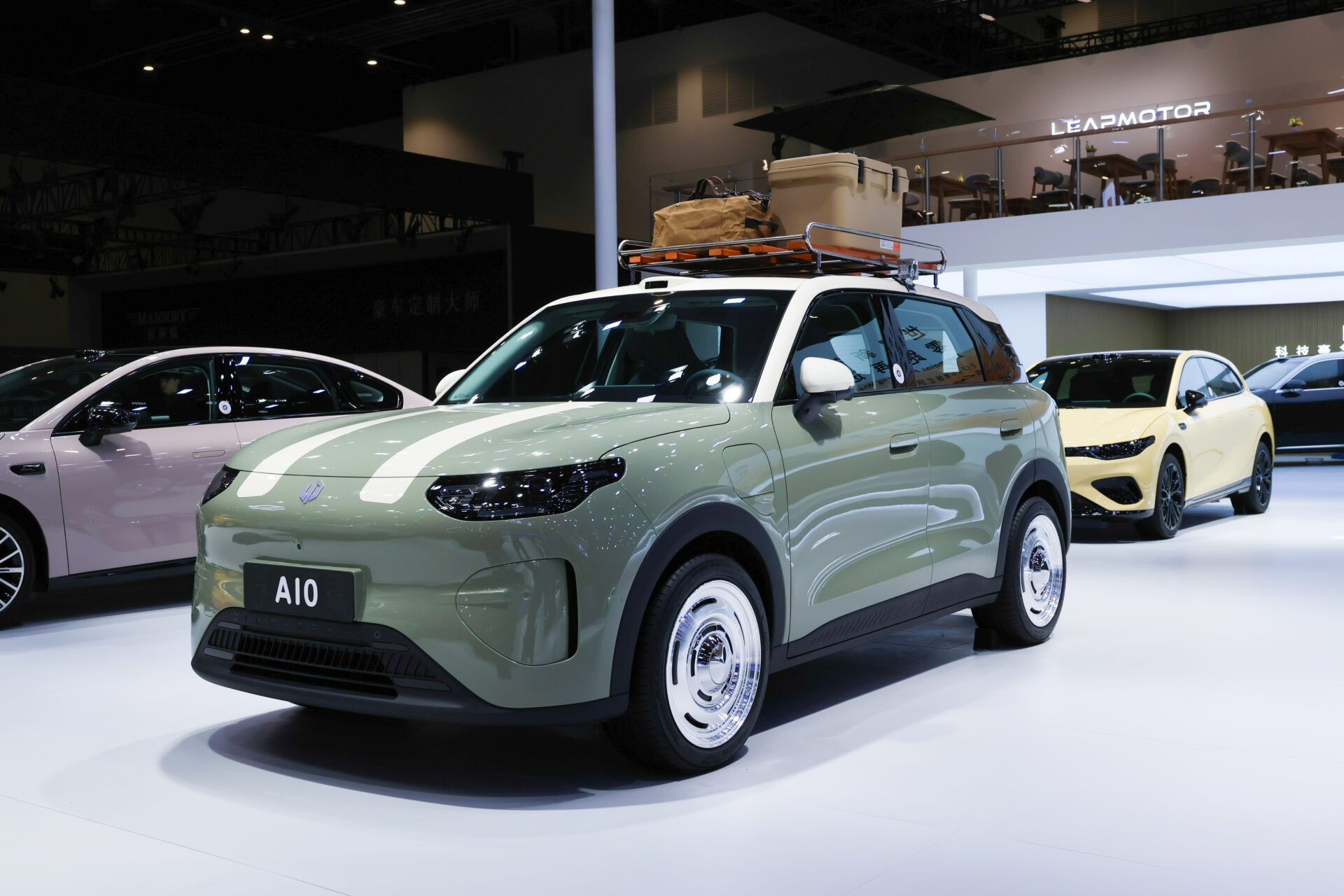
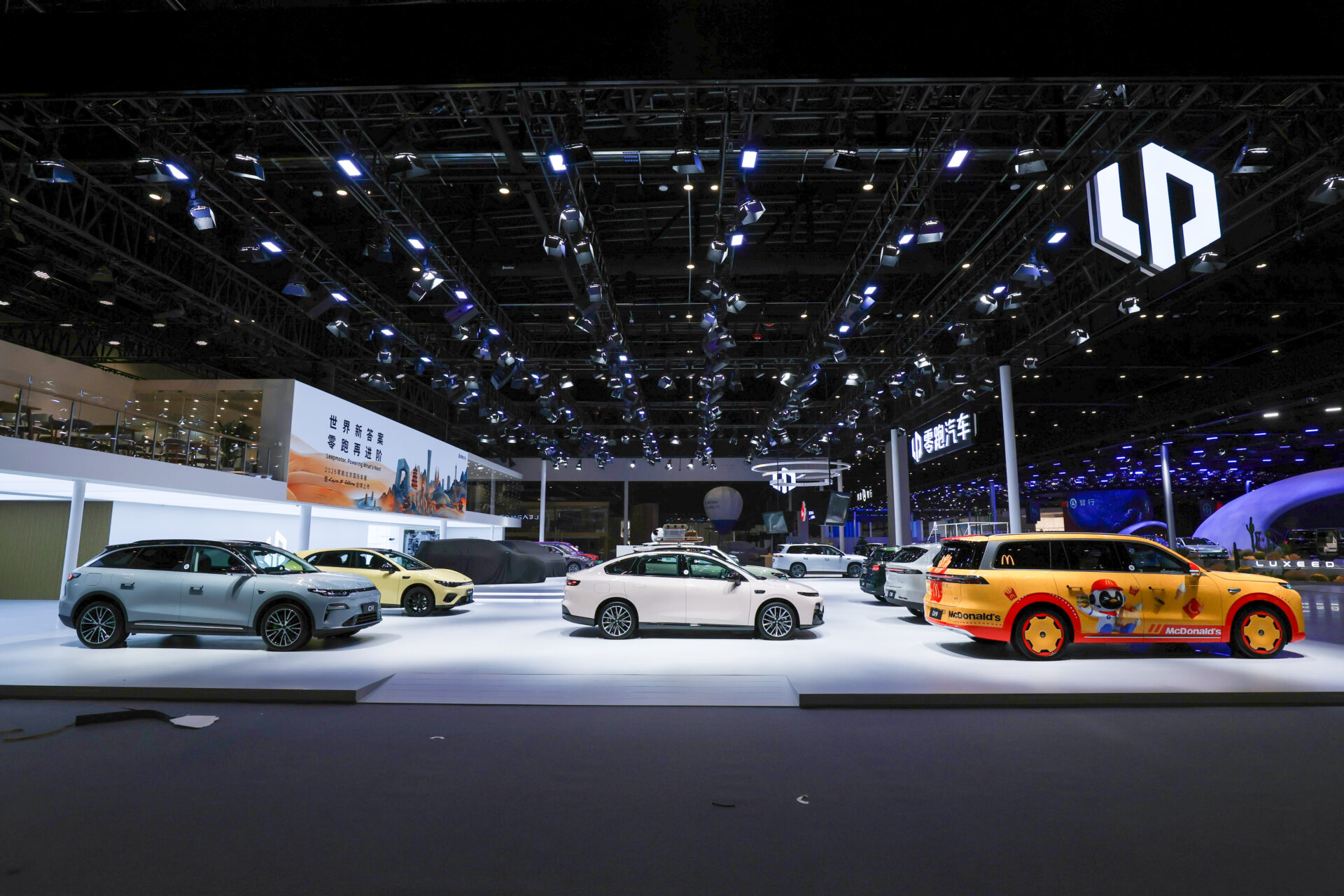
Founded in December 2015 in Hangzhou by Zhu Jiangming, a former co-founder of the video surveillance manufacturer Dahua Technology, Leapmotor long operated below European radars. That changed in October 2023: Stellantis invested €1.5 billion to acquire 20% of the capital and create the Leapmotor International joint venture, 51% owned by the European group, which manages all sales outside China.
In 2025, Leapmotor delivered 596,600 vehicles worldwide, up 103%. The T03 city car, assembled at the Stellantis plant in Tychy, Poland, starts at €18,900 in Europe. The C10 SUV is offered at €36,400. On sale in Luxembourg since September 2024 through the Stellantis network, the brand is targeting 500 European points of sale by the end of 2026. An assembly plant will open in Zaragoza, Spain, in autumn 2026.
Zeekr: Geely’s premium electric branch
Within the Geely empire, which owns Volvo, Polestar, Lotus and Lynk & Co, Zeekr is the upmarket electric arm. Launched in March 2021, the brand was reintegrated into Geely Auto in July 2025, after briefly absorbing Lynk & Co. Its European headquarters are in Amsterdam and design work is carried out in Gothenburg.
Seven models make up the line-up, all fully electric on the SEA 800-volt platform shared with Volvo. The most powerful version of the Zeekr 001 develops 1,265 hp with four motors. In Europe, the 7X is offered at €52,990 in the Netherlands. Zeekr crossed the threshold of 500,000 cumulative sales in June 2025.
Aito: the brand backed by Huawei
Aito is a joint brand born in December 2021 between Huawei, officially not a shareholder, and the manufacturer Seres, based in Chongqing. Huawei supplies the on-board technology: the HarmonyOS system, four-LiDAR driver assistance, electric motors. Seres handles manufacturing and distribution runs through Huawei stores in China. The telecommunications giant, restricted in its presence in the high-end smartphone market by US sanctions, has redirected part of its resources towards connected vehicles.
The catalogue includes four SUV models. The M9, starting at the equivalent of €60,200, sold more than 280,000 units in China between 2024 and early 2026. In Europe, the brand markets its vehicles under the Seres name to avoid complications linked to Huawei’s image, with one point of sale in Belgium.
Denza: the BYD project after Mercedes’ departure
Denza was created in May 2010 as a joint venture between BYD and Mercedes-Benz. The alliance never really hit its stride. In September 2024, Mercedes sold its last shares. BYD then took the project back in hand and recruited Wolfgang Egger, former design director at Audi and Alfa Romeo, to redesign the brand’s image.
The line-up consists of five models in the premium segment, including the Z9 GT, an electric shooting brake of 962 hp with three motors. Denza made its first European appearance at Milan Design Week in April 2025, with actor Daniel Craig as ambassador. The launch in European dealerships, initially planned for late 2025, has been pushed back to spring 2026.
Avatr: the Changan, CATL and Huawei alliance
Founded in 2018, Avatr is the result of a cooperation between Changan, a state-owned manufacturer with 40.99% of the capital, CATL, the world’s largest battery manufacturer with 14.1%, and Huawei, technology supplier with no equity stake. Design is led by Nader Faghihzadeh, former head of styling at BMW, from a studio opened in Munich in 2021.
The line-up has four models in the luxury segment: the Avatr 11 and 07 SUVs, and the 12 and 06 saloons, all electric or EREV on a 750-volt architecture with Huawei systems. Avatr recorded 24,483 deliveries in the first quarter of 2025, up 68%. Sales in the United Kingdom are planned for late 2025, followed by continental Europe in 2026-2027.
Onvo: Nio’s entry-level brand
Launched in May 2024, Onvo is Nio’s family sub-brand. The aim is to offer the technologies developed by Nio, in particular the 900-volt platform and battery swapping, at prices 20 to 30% lower. The L60 SUV, the brand’s first model, directly competes with the Tesla Model Y with a drag coefficient of 0.229. It starts at the equivalent of €26,500 with battery included, or at €19,200 via the battery subscription scheme.
The L90 was launched in July 2025. A third model, the L80, is expected for 2026. Onvo delivered 128,569 units in 2025 and is considering entry into the European market in 2027, in a price range between USD 21,000 and 29,000.
What this changes for Europe
The arrival of Chinese manufacturers in Europe cannot be reduced to a question of price. Three trends are emerging. Battery swapping will most likely remain marginal on the continent: only Nio and Onvo have industrialised it, and the few European stations in operation carry little weight against the existing fast-charging network. The others are betting on ultra-fast 5C charging, capable of taking a battery from 10 to 80% in around twelve minutes.
Premium-model prices in Europe sit between €45,000 and €90,000, that is 50 to 80% above Chinese prices, once customs duties and regulatory adjustments are factored in. Only Leapmotor and Xpeng manage to keep competitive prices below €40,000, thanks to production partly localised in Europe.
Lastly, 2026-2027 is shaping up as a pivotal period: Xpeng and Zeekr are consolidating their networks, Denza and Avatr are opening their first dealerships, Xiaomi and Onvo are preparing their arrival. For the Luxembourg motorist, who already comes across Leapmotor at Stellantis dealers and Xpeng since July 2025, the panorama will continue to broaden quickly.
In figures
34.53 million: vehicles sold in China in 2025, up 9.4% (source: CAAM). 16.4 million: new-energy vehicles sold, that is for the first time more than combustion vehicles on the Chinese market. 65%: market share of Chinese brands on their home market in 2025. 45,008: Xpeng vehicles exported outside China in 2025, up 96%. 280,000: Aito M9 delivered between 2024 and early 2026, equivalent to the cumulative sales of BMW X5/X7 and Mercedes GLE/GLS in China over the same period.