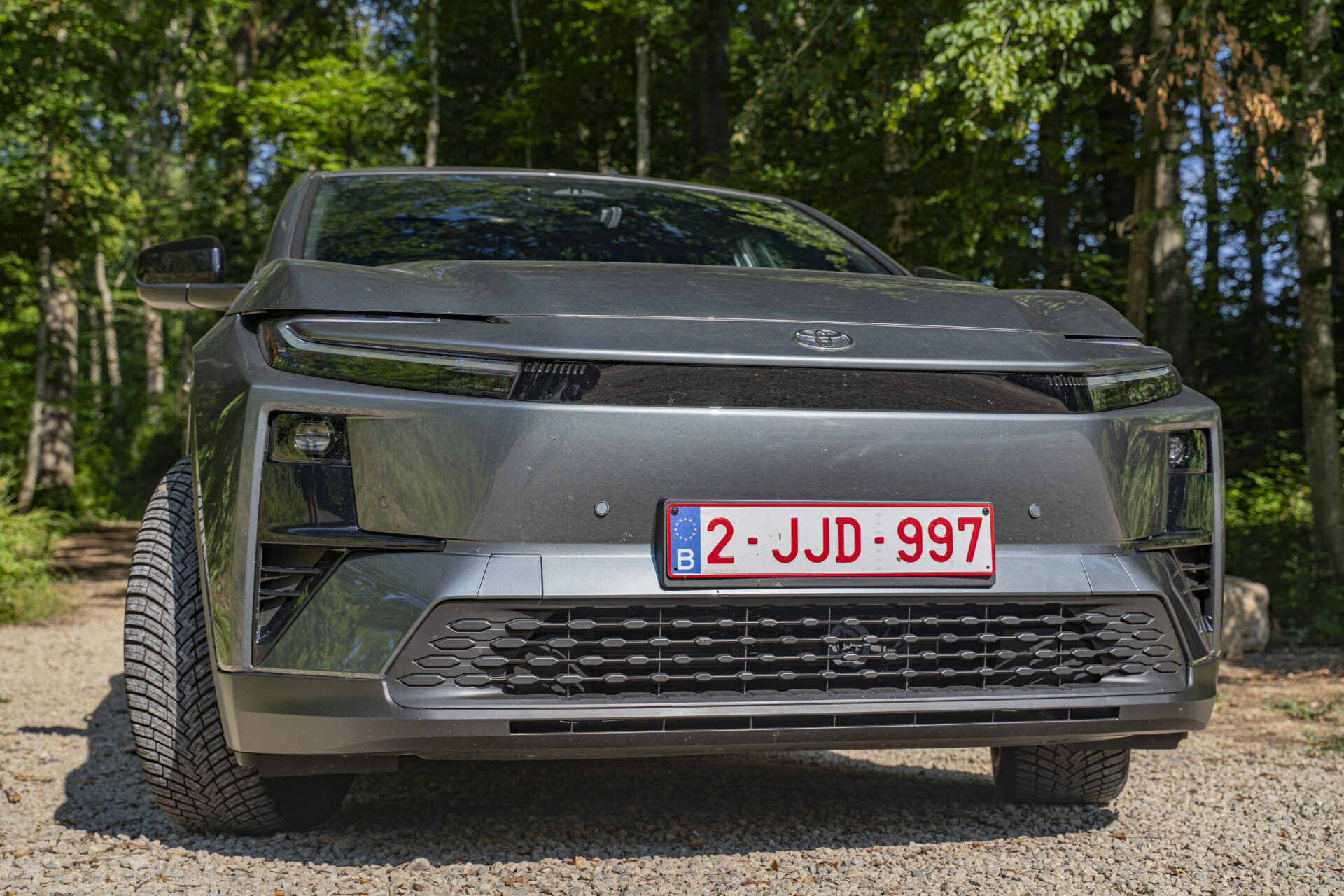
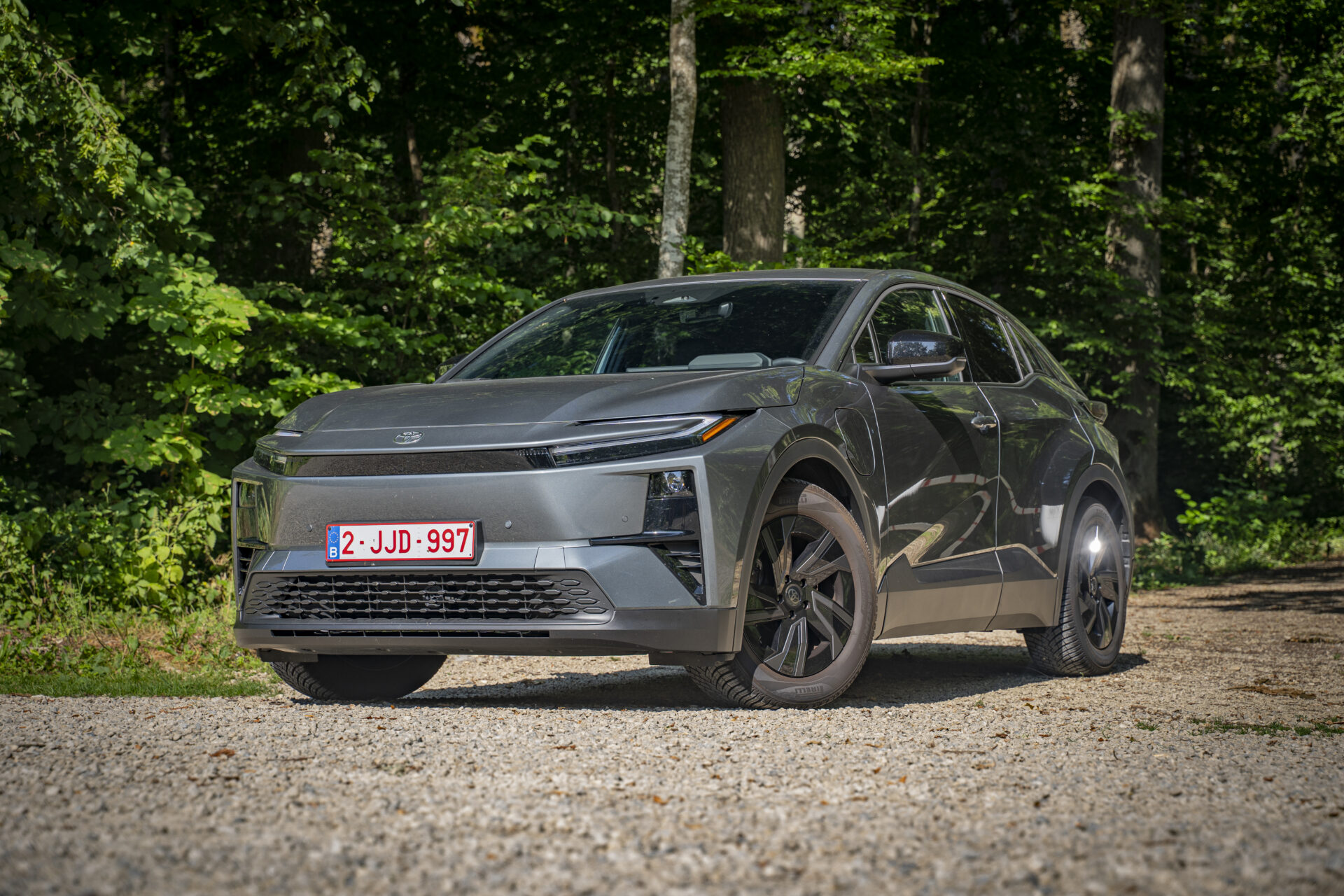
With the C-HR+, Toyota has not simply electrified its well-known coupé SUV. The Japanese manufacturer is launching an entirely new model, developed from the outset as an electric vehicle. Despite a name that points directly to the hybrid C-HR, the C-HR+ rests on a completely different technical philosophy. Built on the group’s dedicated electric platform, e-TNGA, it aims to become one of the pillars of Toyota’s zero-emission offensive in Europe.
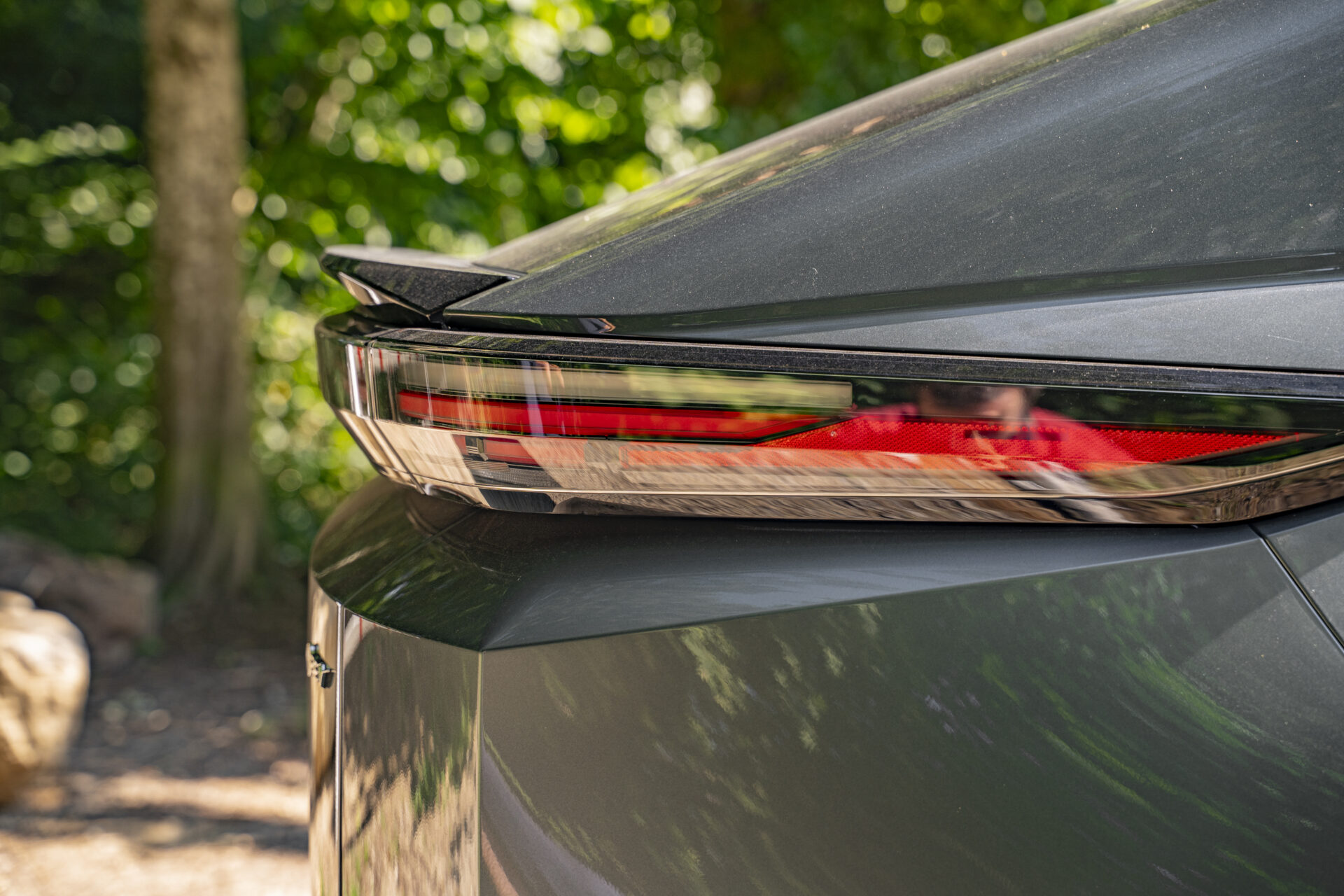
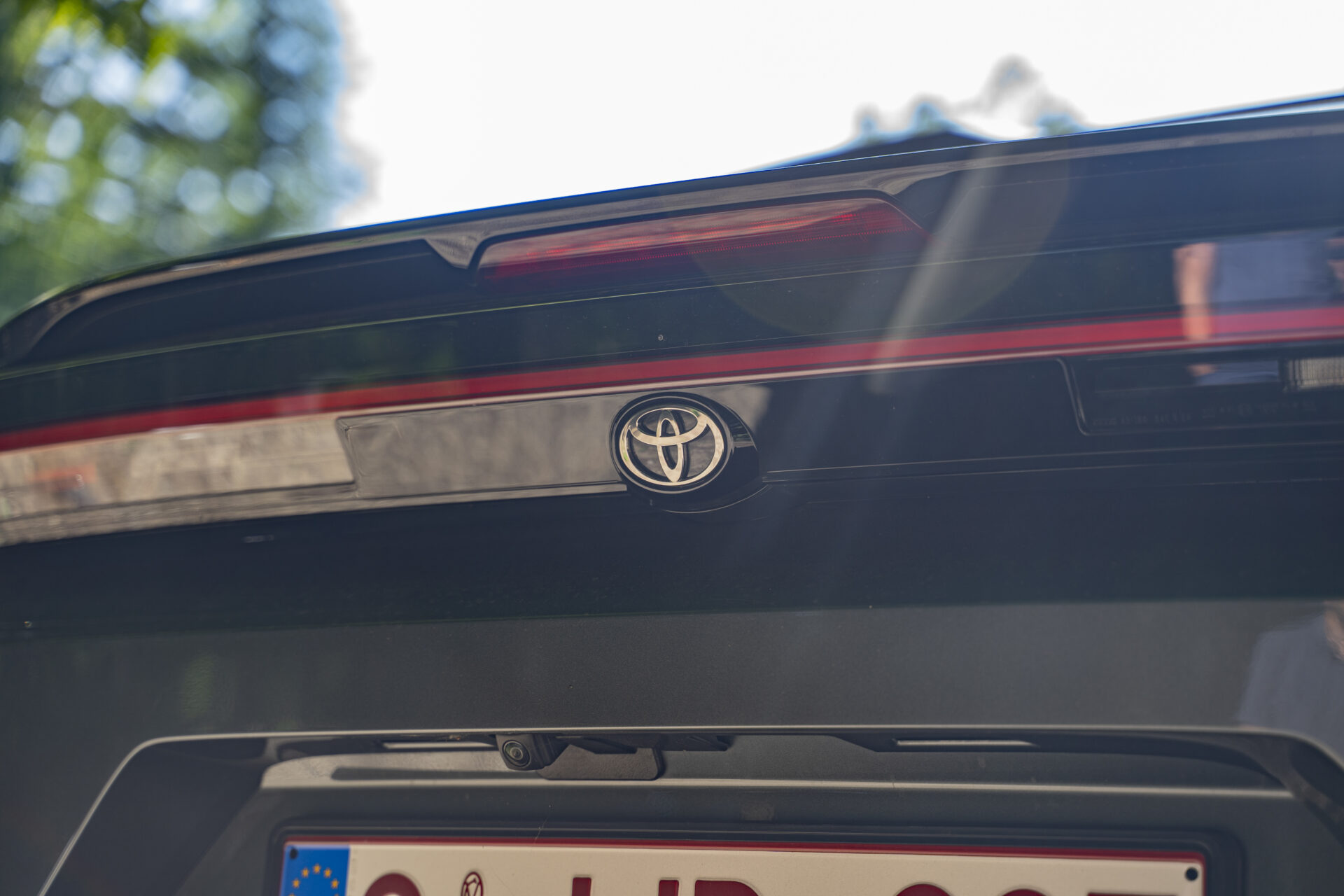
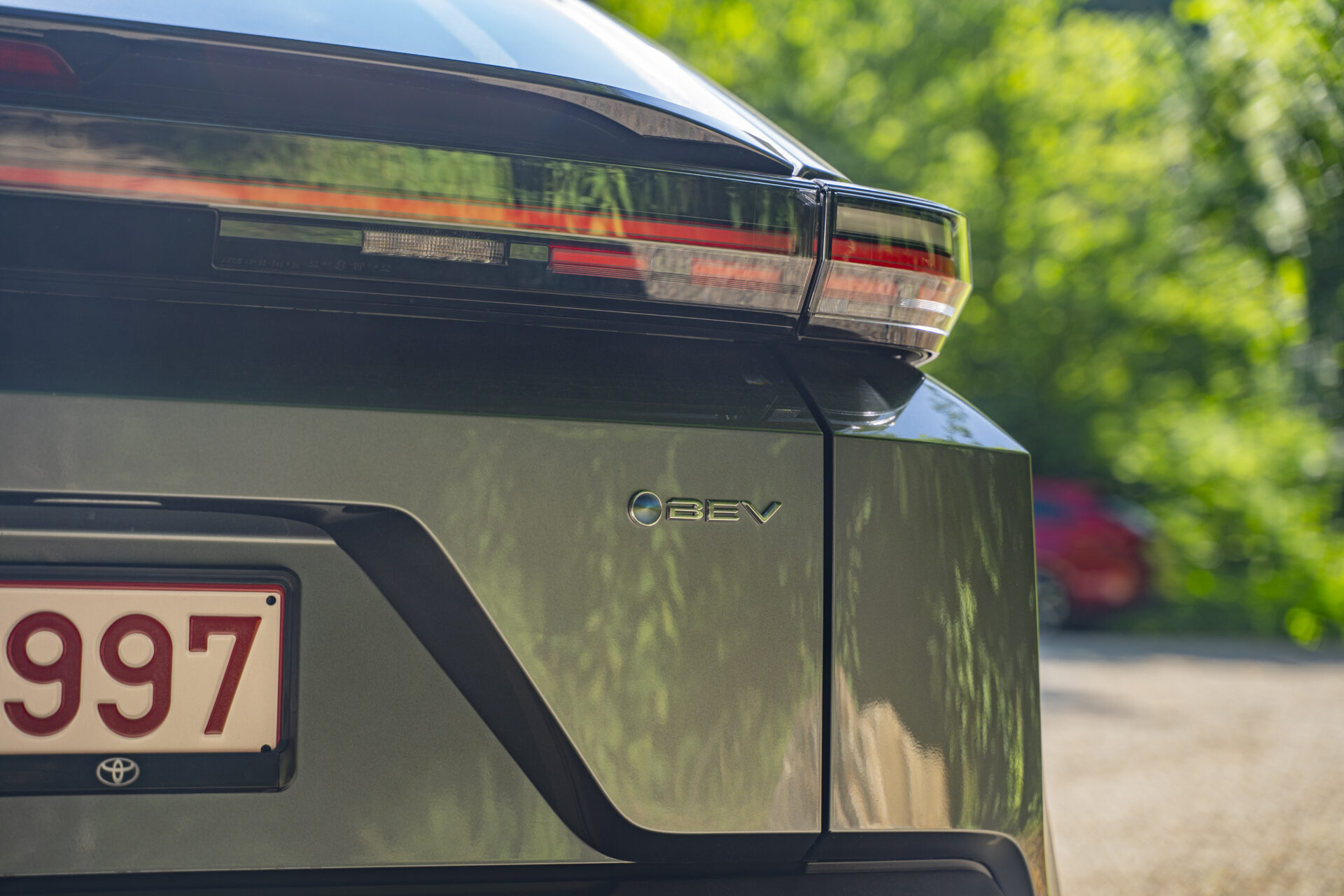
Visually, the C-HR+ retains the styling DNA of the hybrid model, with a strongly marked coupé SUV silhouette, sculpted flanks and a light signature linking the two rear lights. Yet it shares virtually no body panel with its hybrid namesake. The C-HR+ is significantly larger: 4.52 m long, 1.87 m wide and 1.60 m tall, for a weight of 1,940 kg.
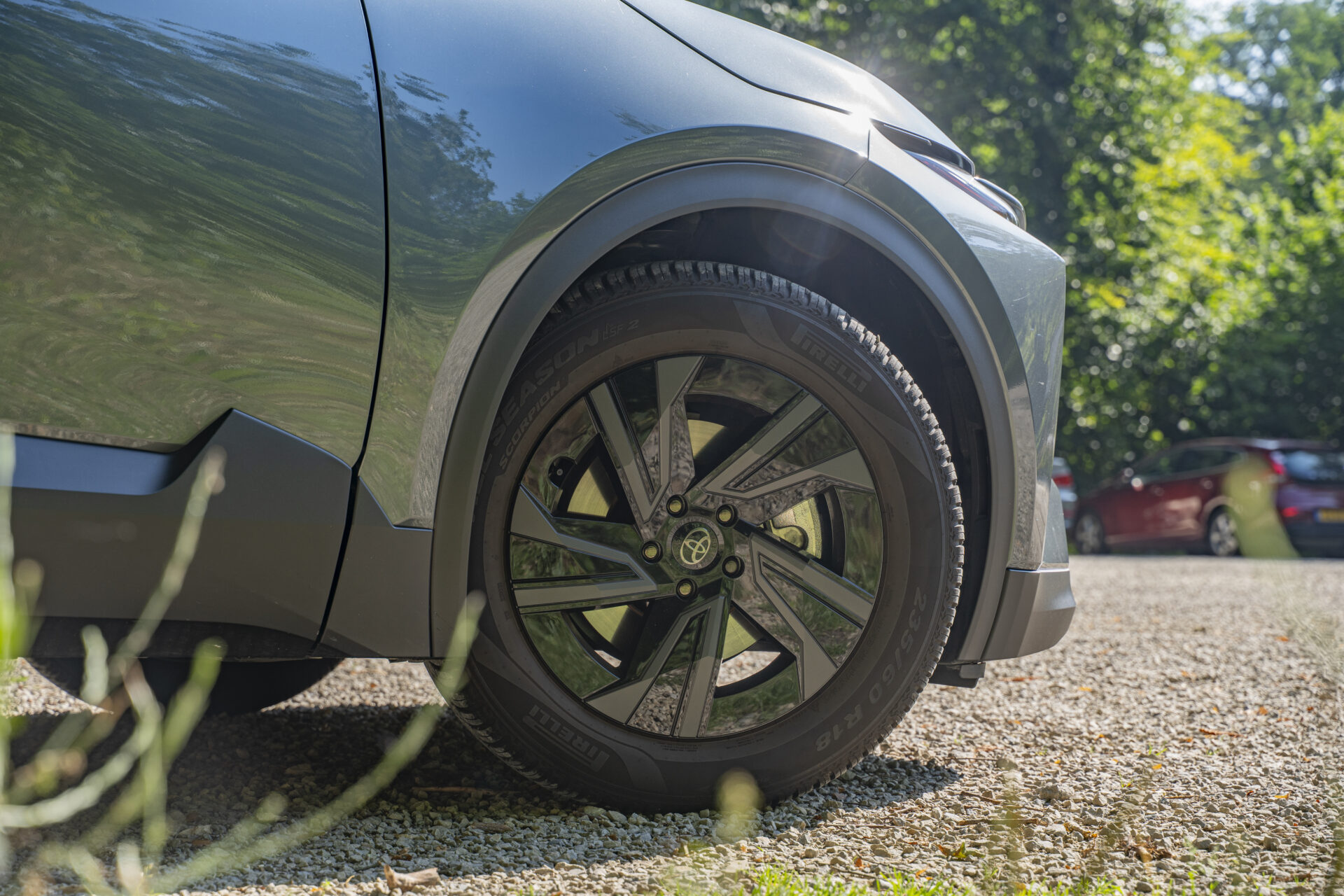
The aerodynamics engineers paid particular attention to the vehicle’s efficiency. Every body element contributes to reducing turbulence: flush door handles, an extensively panelled underbody, an extended rear spoiler, an integrated diffuser and detailed work on airflow around the wheels. The drag coefficient (Cd) comes in at 0.262, a particularly competitive figure in the compact electric SUV segment. That number is not aimed solely at performance: it directly reduces energy consumption on the motorway, where aerodynamic losses are the main source of resistance. This optimisation partly explains the homologated WLTP consumption of 13.4 kWh/100 km for this Business trim.
A cabin designed around the electric drivetrain
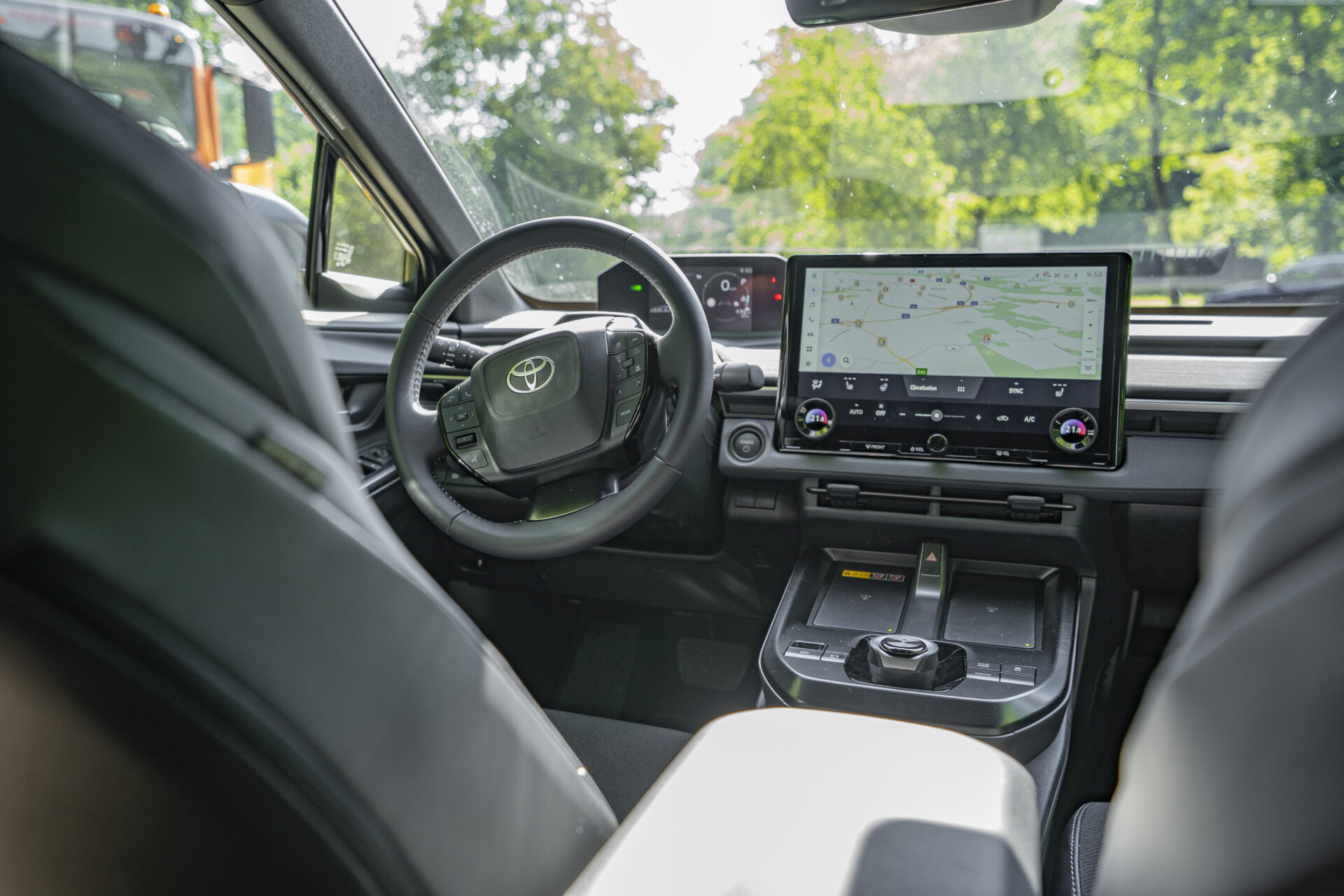
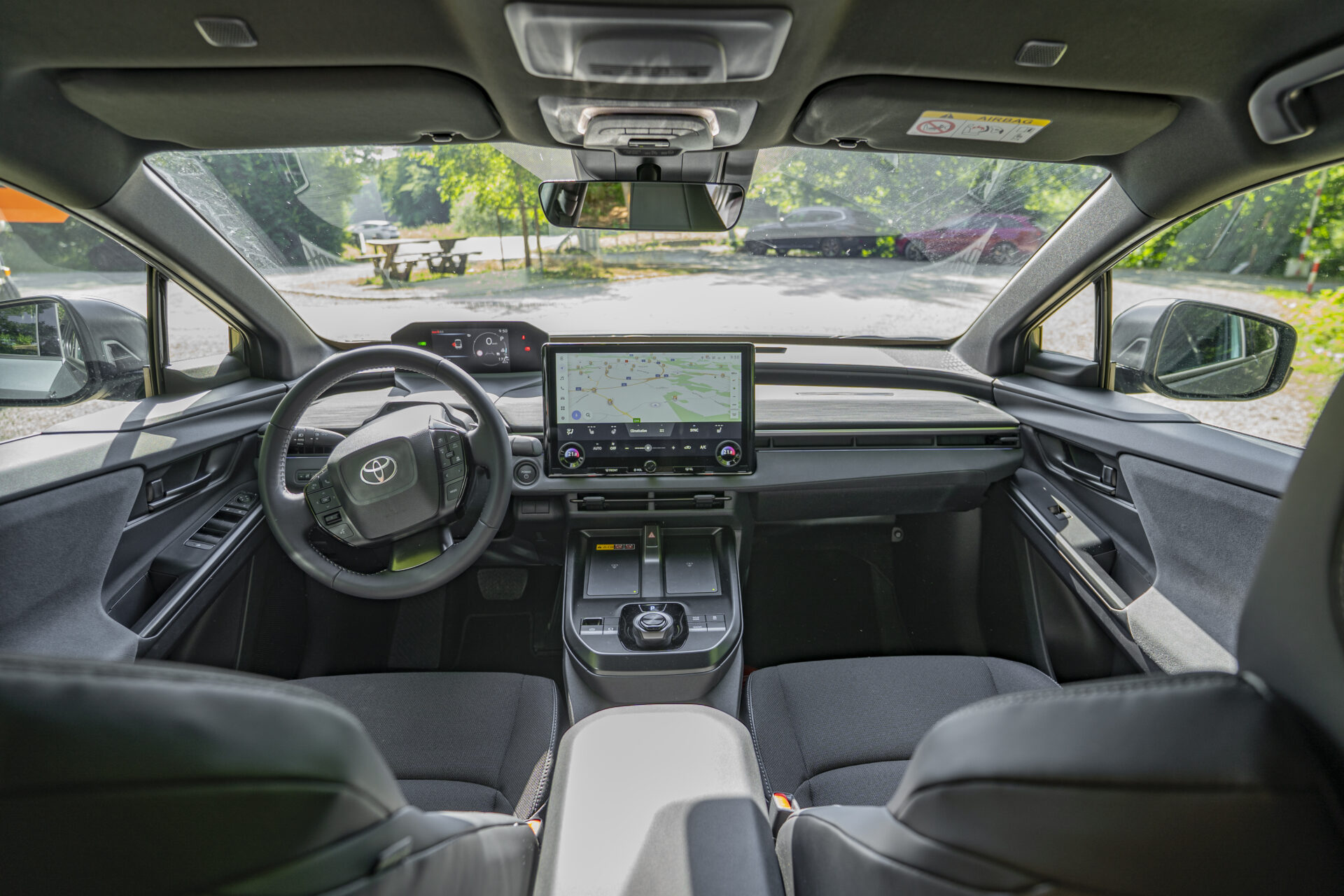
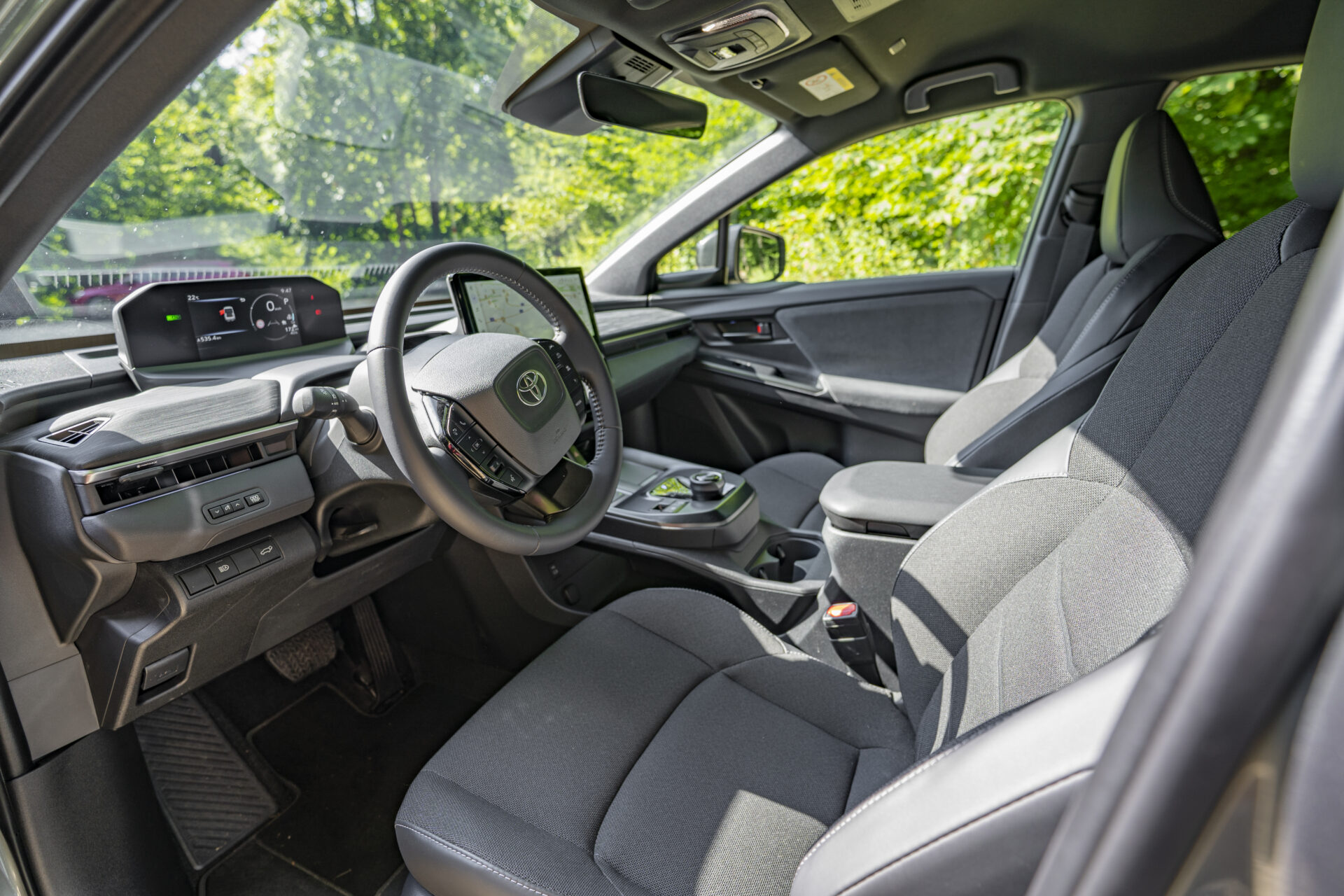
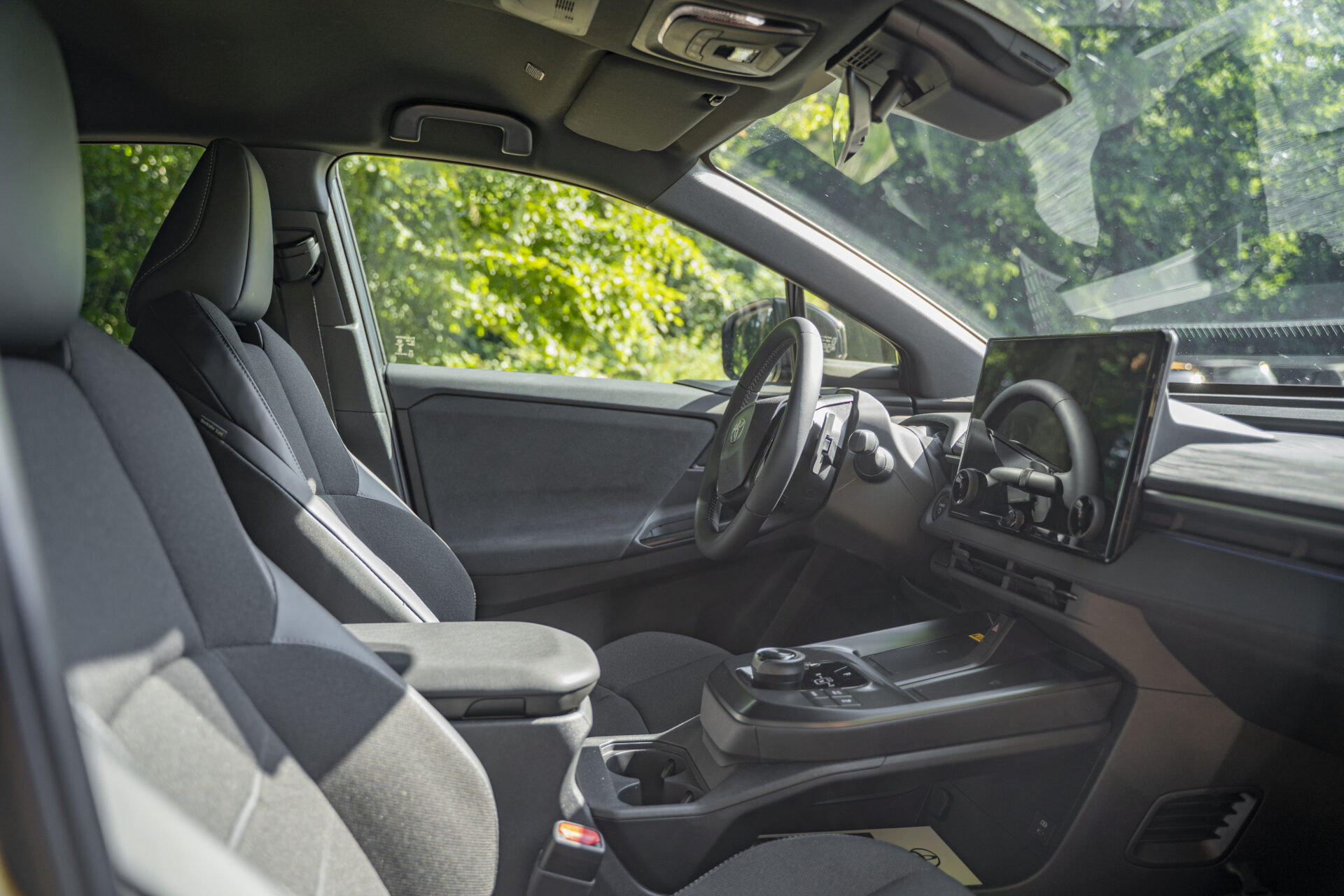
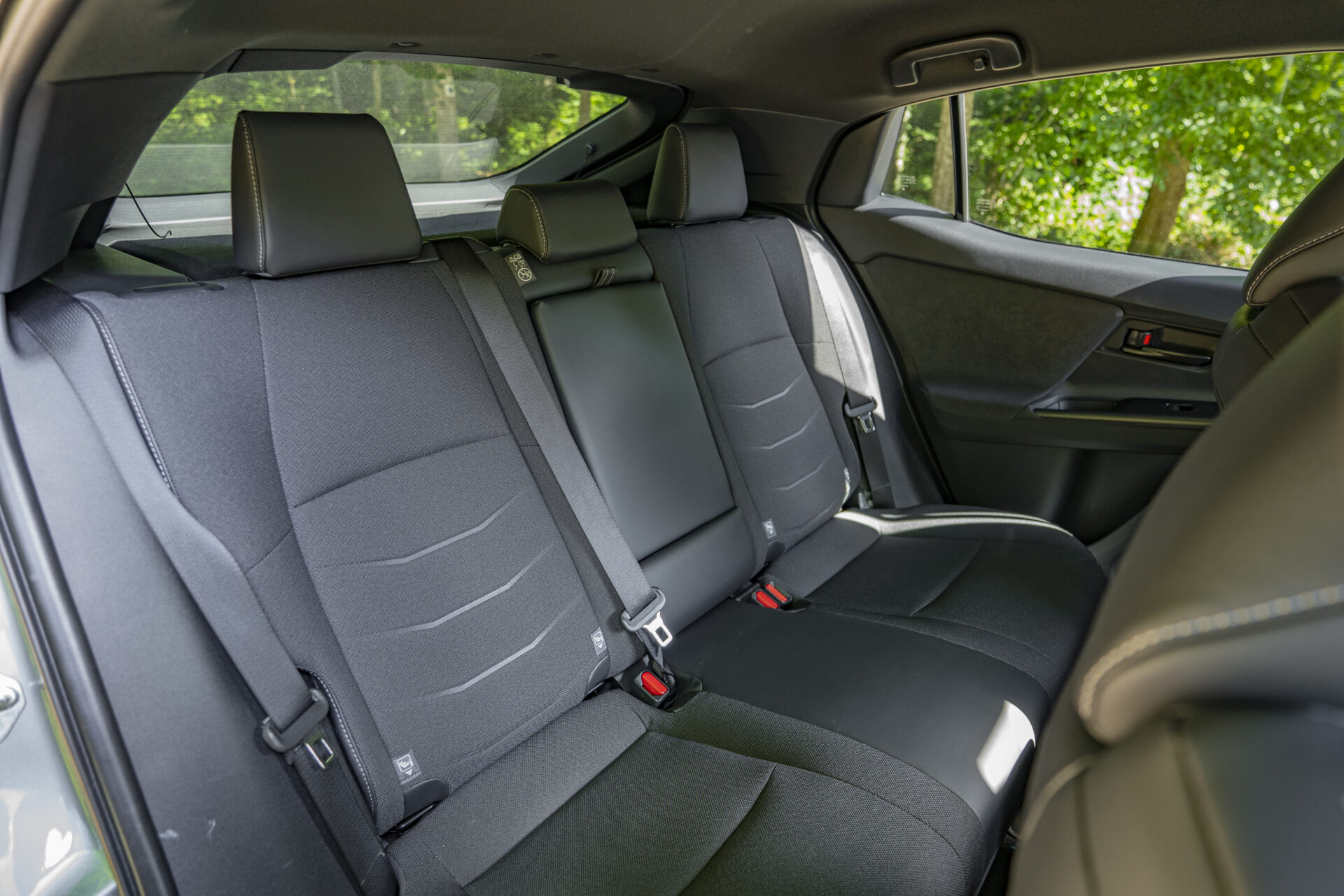
The interior marks a break with traditional Toyotas. The architecture is more horizontal and emphasises the space available on board. The generous wheelbase allowed by the e-TNGA platform directly benefits rear passengers, while the absence of a central tunnel improves comfort.
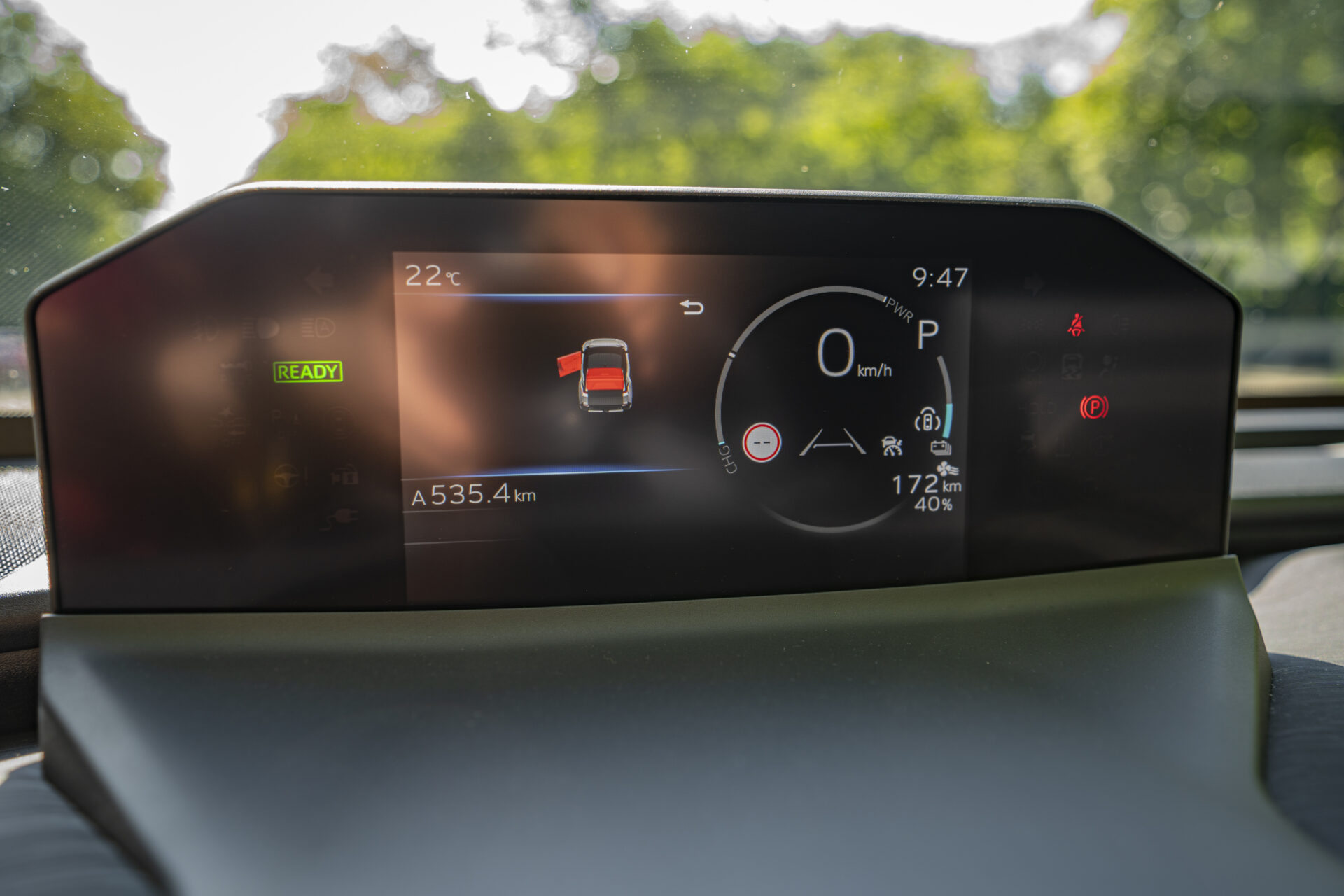
Facing the driver is a 7-inch digital instrument display set into the top of the dashboard, complemented by a very responsive 14-inch central multimedia screen. It offers connected navigation with route planning and battery preconditioning ahead of arrival at a charging point, wireless Apple CarPlay and Android Auto, a heated steering wheel and heated seats, several USB-C ports and a dual wireless charging pad. The seats in this trim are manually adjustable and the cushion is comfortable. The controls for the radio and cruise control, along with those used to navigate the menus of the 7-inch display, are built directly into the steering wheel.
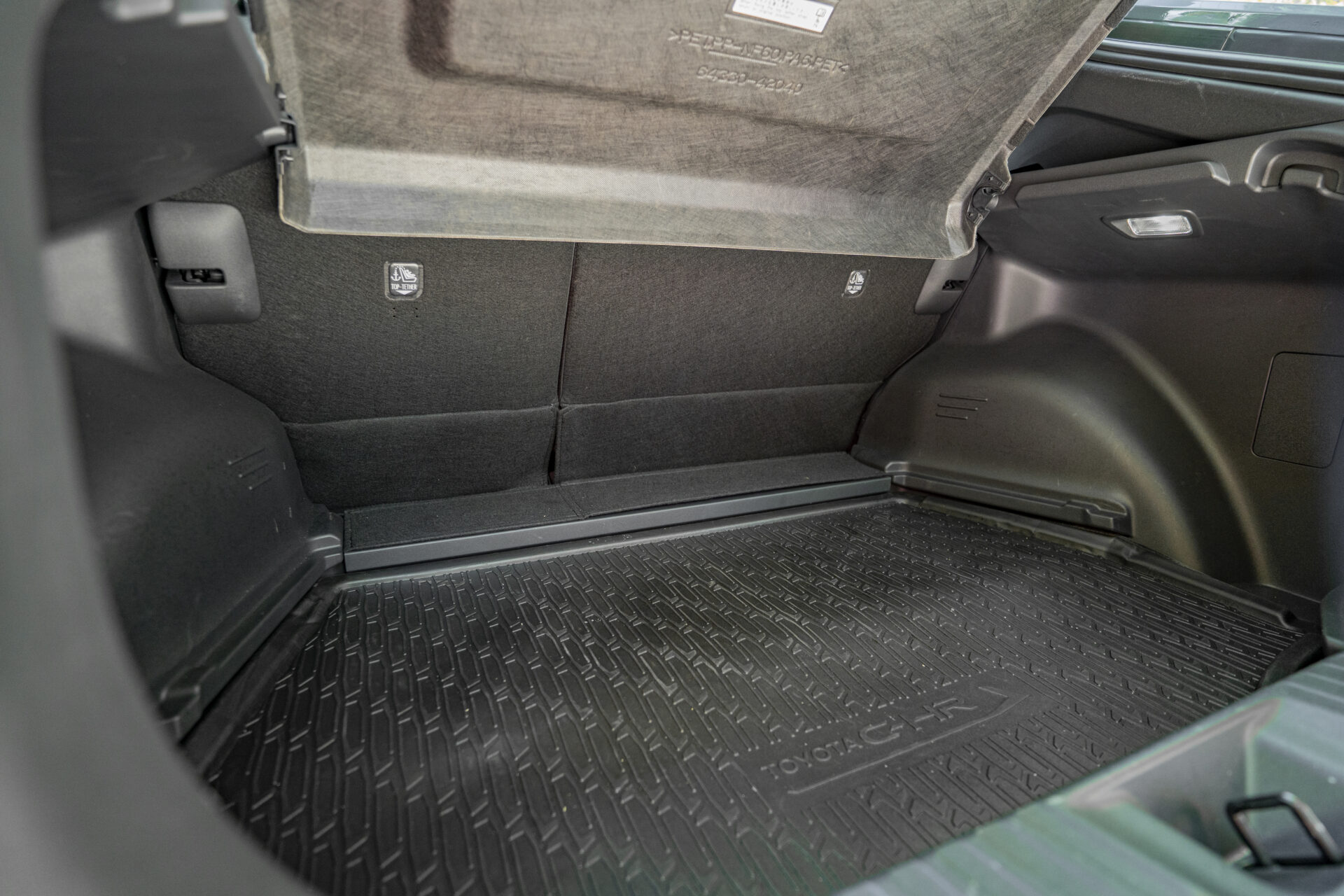
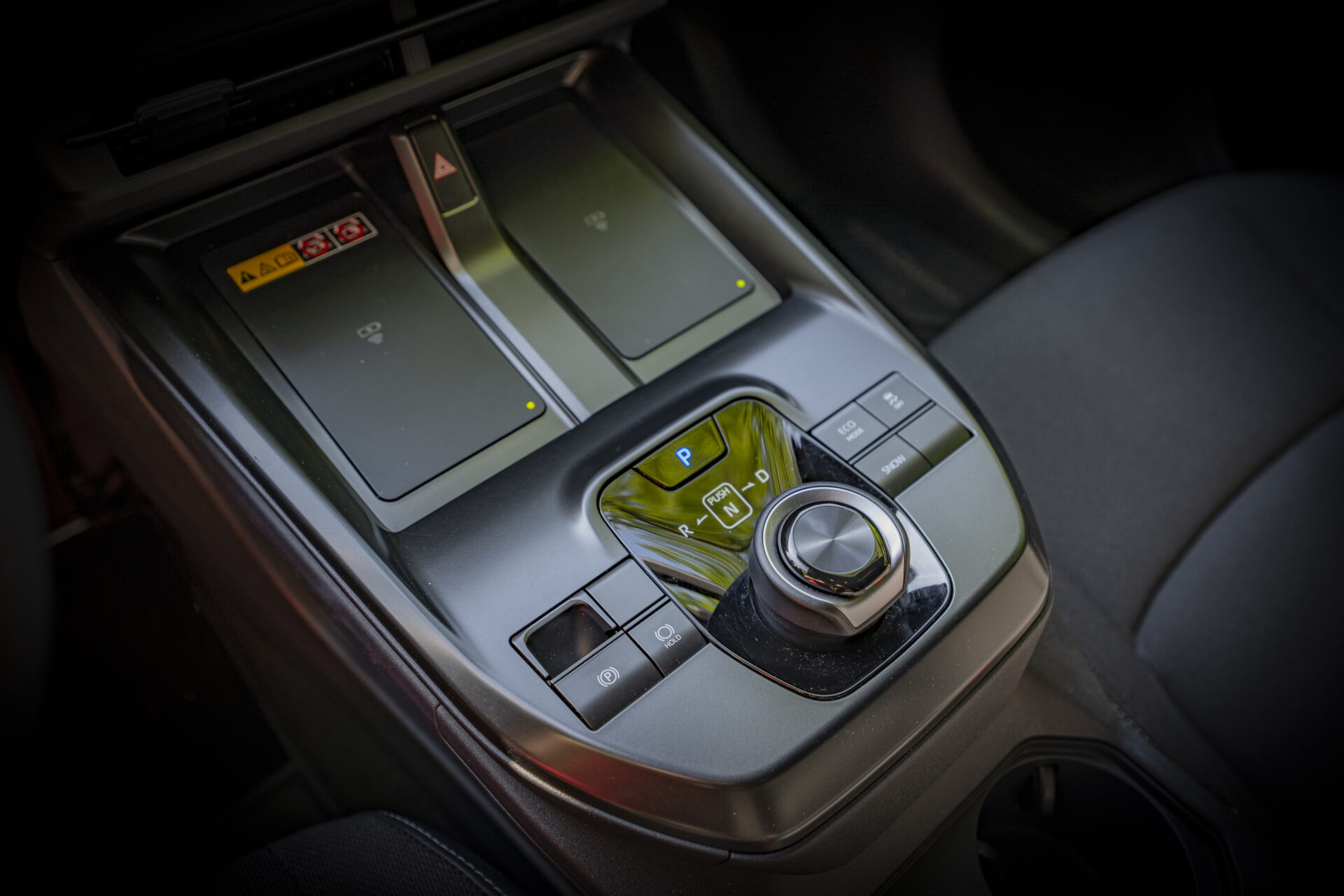
Sound insulation benefits from the work carried out on the electric platform. With no combustion engine, road noise becomes more noticeable, so Toyota has reinforced the insulating materials and fitted double glazing to preserve excellent acoustic comfort. For heating, the C-HR+ has a heat pump designed to limit energy consumption. All driving-related controls are grouped on a centre console that looks very bulky. Three driving modes are available: Normal, selected by default on start-up, plus Eco and Snow, accessible directly from the centre console. The plastics remain fairly hard, but the assembly is very good and free of rattles. The boot has a capacity of 416 litres, which is amply sufficient for a small family.
A modern and efficient driveline
Beneath the bodywork lies a particularly well-resolved technical package. The Business version receives the lithium-ion battery with a gross capacity of 77 kWh, paired with a front-axle motor developing 224 hp (165 kW). The electric motor is supplied by Aisin, a long-standing Toyota partner and recognised specialist in transmissions and electrified powertrains. This permanent-magnet synchronous motor stands out for its high power density, its excellent energy efficiency and its ability to deliver maximum torque instantly.
The battery, supplied by Prime Planet Energy & Solutions (PPES), a joint venture between Toyota Motor Corporation and Panasonic Corporation, is integrated between the two axles. It contributes directly to the structural rigidity of the vehicle. Its liquid cooling system maintains an optimal temperature in order to preserve charging performance and cell life.
Toyota quotes a range of up to 607 km on the WLTP cycle, placing the C-HR+ among the benchmarks in the long-range compact electric SUV segment. In practice, during our week-long test, in mixed driving and in a heatwave, we managed close to 500 km of range while using the air conditioning every day.
Charging is another strong point. The vehicle accepts up to 150 kW on direct current (DC), allowing it to go from 10 to 80% capacity in around 28 minutes under optimal conditions. On alternating current, the on-board charger delivers 11 kW as standard, enough for an overnight charge.
A chassis designed to bring back driving pleasure
The C-HR+ does not settle for good range alone; Toyota has also worked on its road behaviour. The e-TNGA platform offers appreciably greater torsional rigidity than combustion platforms. Combined with the very low positioning of the battery, it brings the centre of gravity down sharply. MacPherson front suspension is paired with a multi-link rear axle, a more expensive architecture but also a more effective one for preserving both driving precision and comfort.
The electric power steering has been recalibrated for this model to provide more feel, which makes the car very precise. Body movements remain contained despite the high ground clearance typical of an SUV, while the near-balanced weight distribution delivers excellent stability through bends. Energy recovery on lifting off is progressive, without causing unpleasant jolts. Several levels of regeneration allow the behaviour to be adapted to traffic conditions, particularly in town. The C-HR+ does not, however, offer one-pedal driving, so the car has to be brought to a standstill using the mechanical brakes. Despite a mass of almost two tonnes, a direct consequence of its battery, the C-HR+ retains a degree of agility thanks to its rigorous chassis and the immediate response of its electric motor.
Conclusion
With the C-HR+, Toyota shows that its transition to the electric vehicle is no longer limited to adapting existing models. Developed around a dedicated platform, with particularly carefully honed aerodynamics, an efficient motor from Aisin and WLTP range beyond 600 km in this 77 kWh version, the new Japanese SUV displays real technical maturity. The Business trim clearly targets fleet users and high-mileage drivers, but its all-round consistency will also appeal to private buyers looking to make the switch to electric without major compromise. More than simply a new model, the C-HR+ probably marks the start of a new generation of electric Toyotas capable of taking on the European and Korean benchmarks on efficiency as well as on driving pleasure.
The C-HR+ is available from €41,100 including VAT in Dynamic trim with the small battery, and from €42,305 including VAT in long-range Business trim.
Technical specifications
Power : 224 hp (165 kW)
Torque : 268.6 Nm
Battery capacity : 77 kWh
Consumption WLTP : 13.4 kWh/100 km
Electric range WLTP : 607 km
Acceleration 0-100 km/h : 7.3 s
On-board AC charger : 11 kW
DC charging capacity : 150 kW
10 to 80% charge : 28 minutes
Weight : 1,940 kg
Base price : from €41,100
We like / we don't like
Pros :
– Range
– Interior space
– Manoeuvrability
– Sound insulation
Cons :
– Hard plastics
– No glovebox
– Bulky centre console