The name Supra, derived from the Latin for “beyond”, first appeared in 1978 as a higher-performance version of the Celica. From the early A40/A50 generations to the legendary A80 of the 1990s, the recipe remained constant: an inline-six engine, a rear-wheel-drive layout and a strong sporting focus. After a break in 2002, the fifth generation A90 marked the Supra’s return in 2019, driven by Akio Toyoda, also known as “Master Driver Morizo”. Developed in particular on the Nürburgring Nordschleife, this new iteration follows a logic of continuous improvement. The Lightweight EVO version extends that approach: refining, optimising and bringing the driver still closer to the road.
Design: a functional evolution
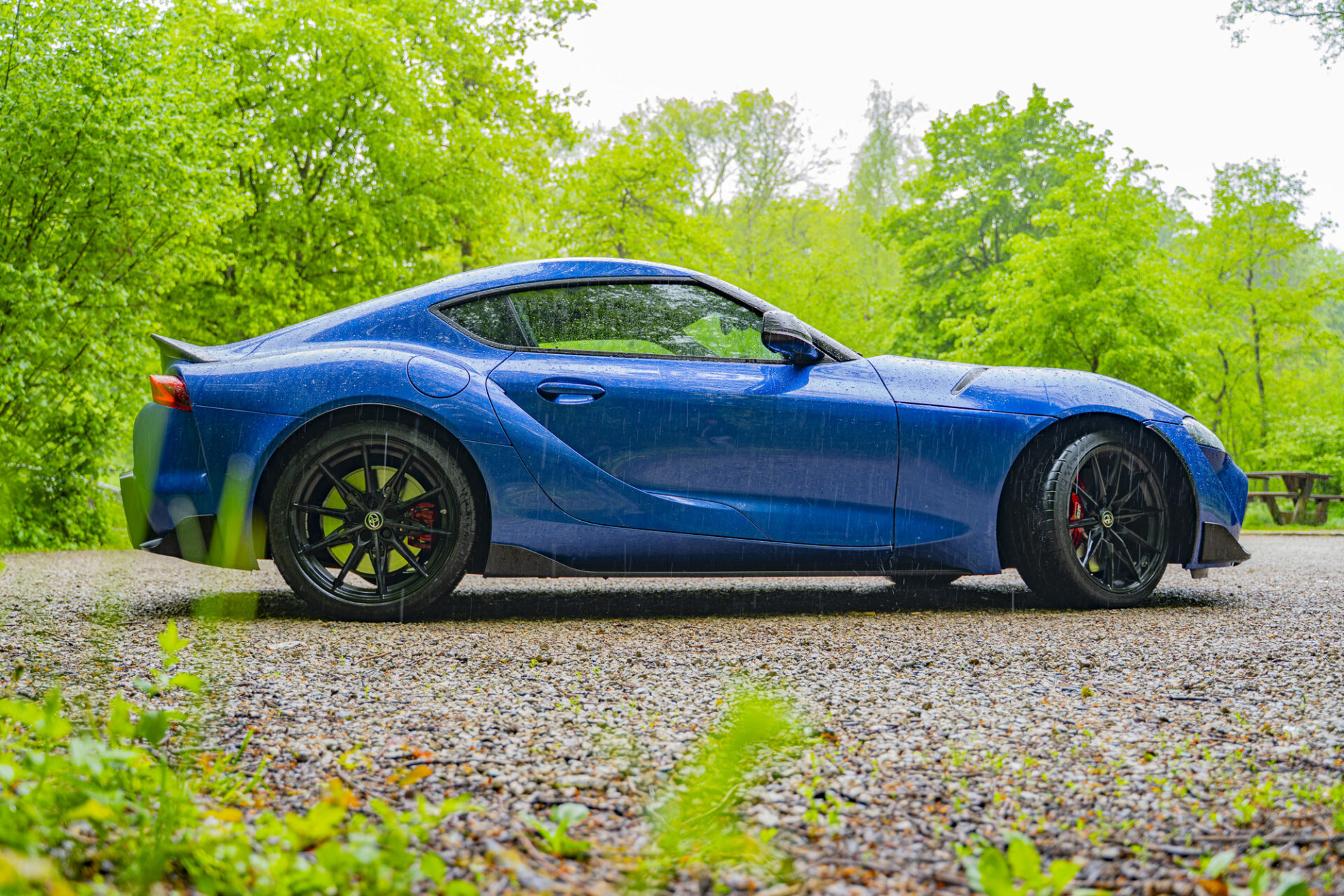
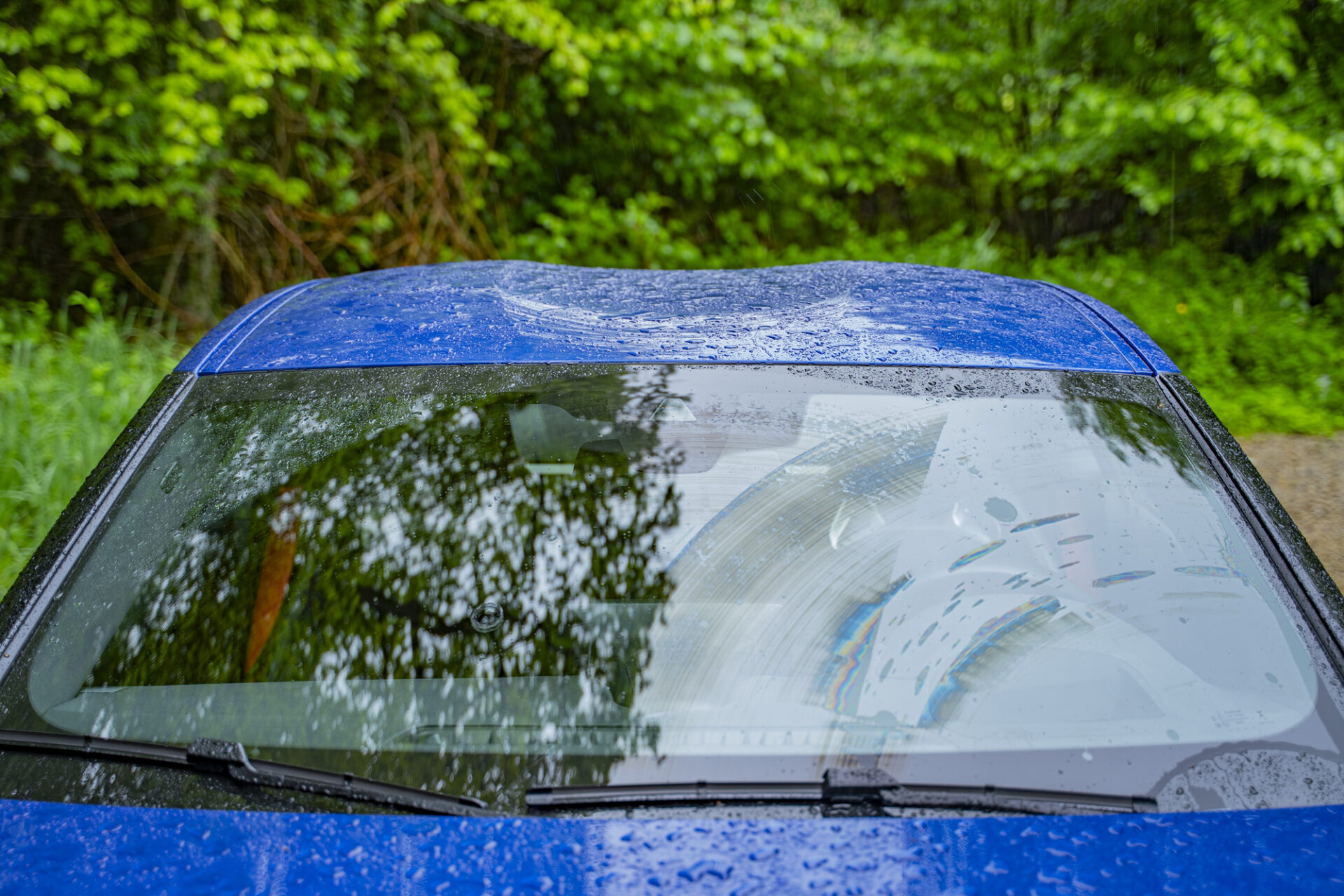
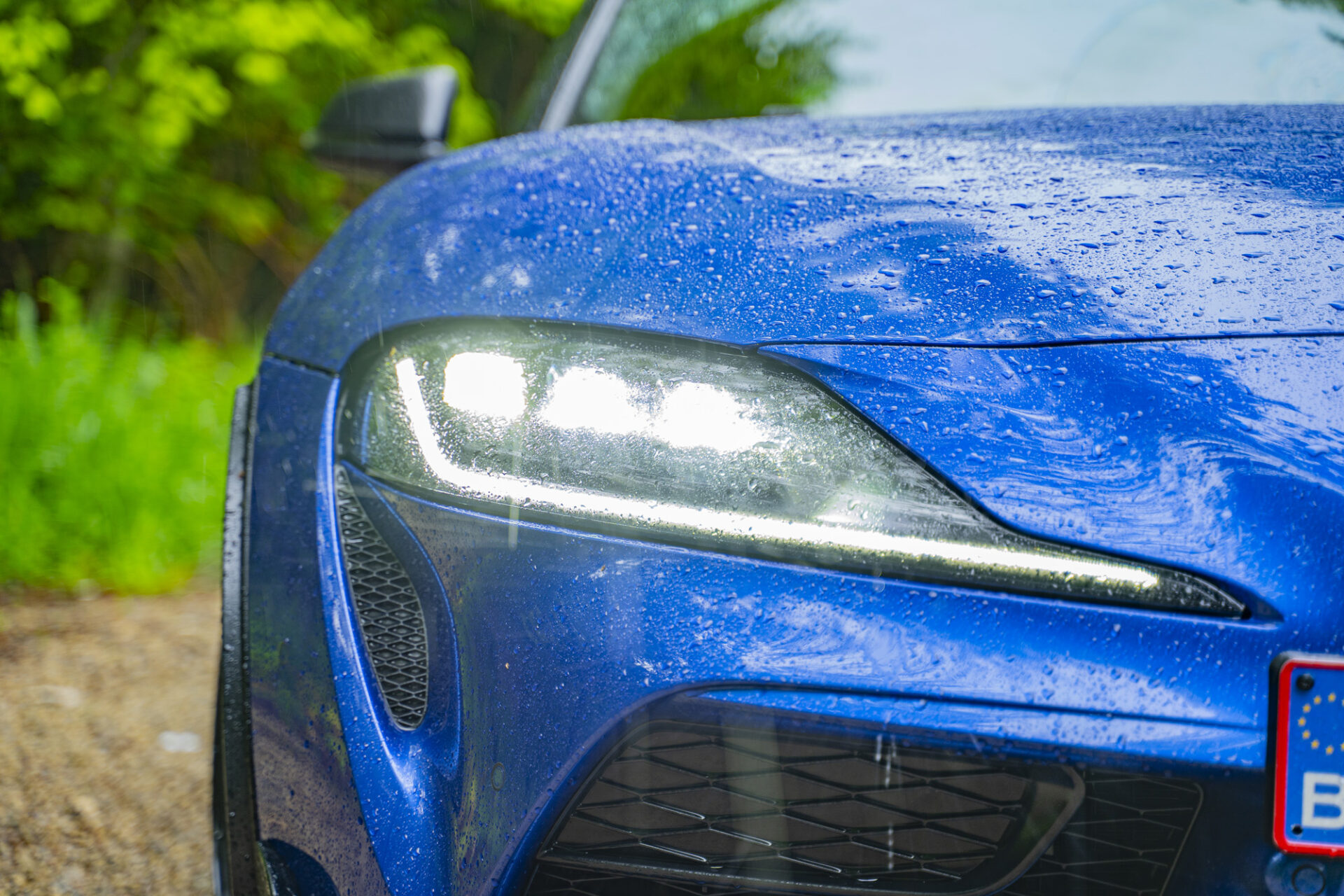
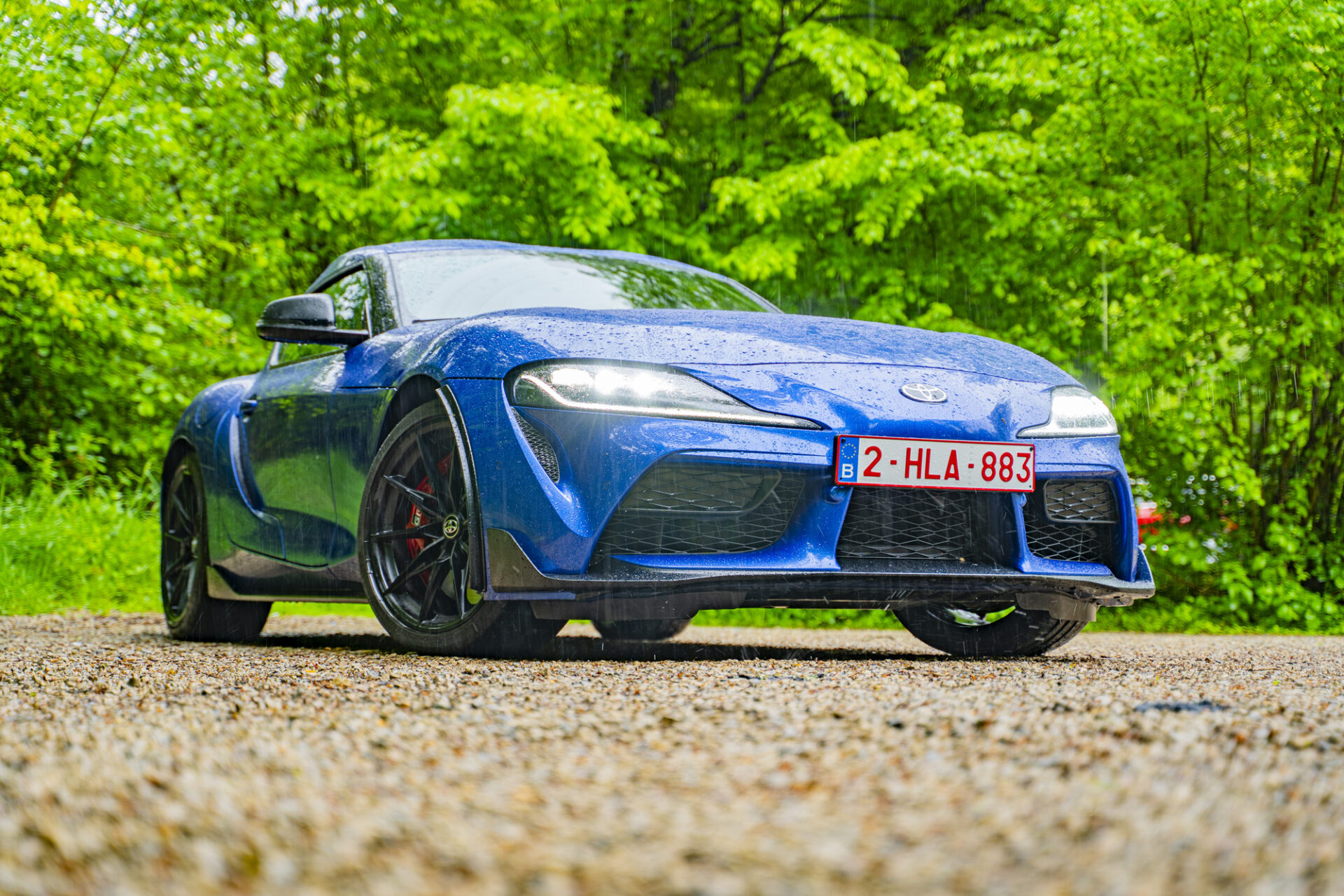
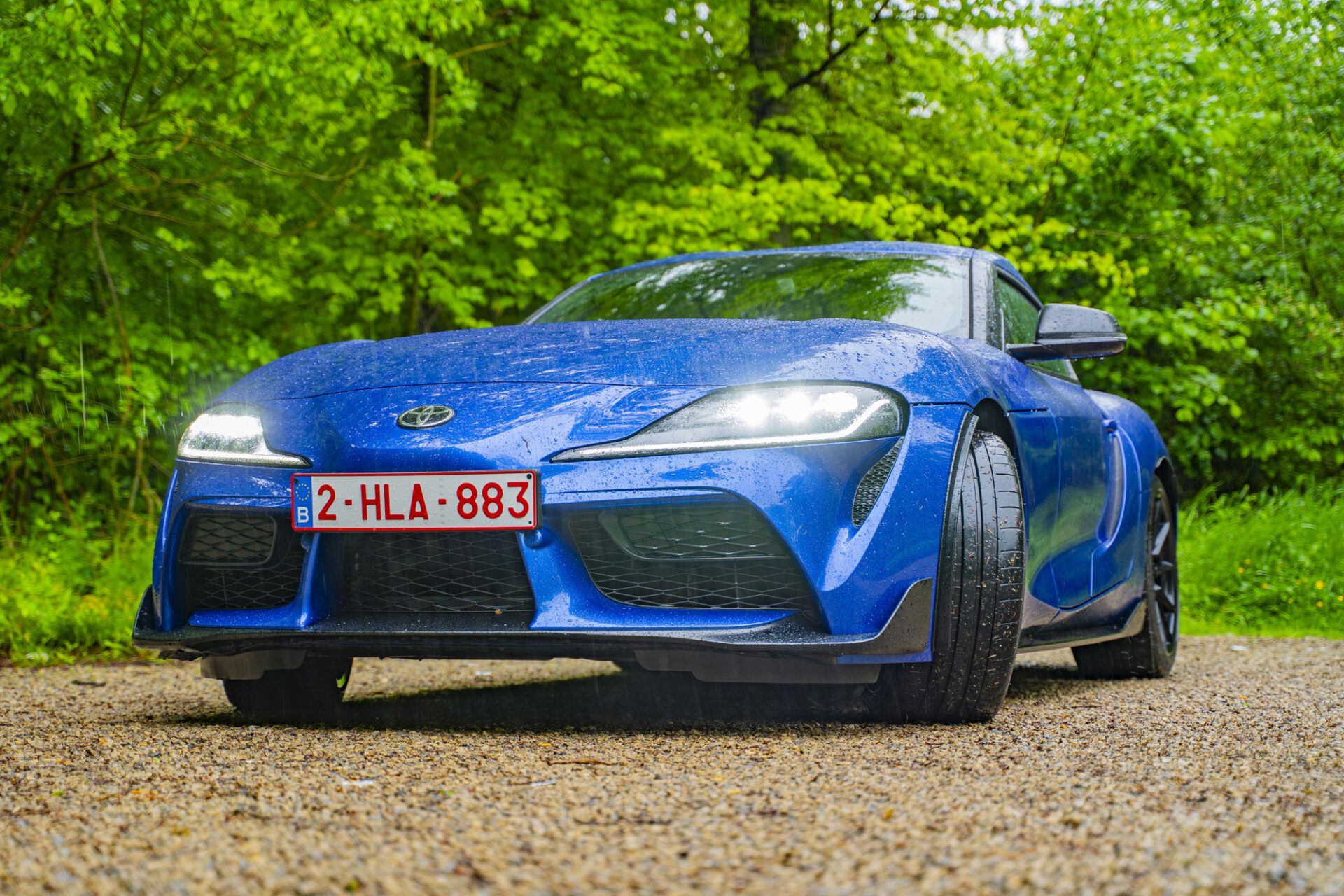
The GR Supra retains its distinctive proportions: a long bonnet, a cabin set well back and a short wheelbase. This configuration, combined with a wide track, helps achieve the “golden ratio” (the relationship between wheelbase and track) sought to optimise handling. The double-bubble roof, a historic signature, is not purely a styling cue: it helps reduce drag and improve airflow. The work continues beneath the bodywork, with an optimised underbody that stabilises the car at high speed, while the design of the boot limits lift.
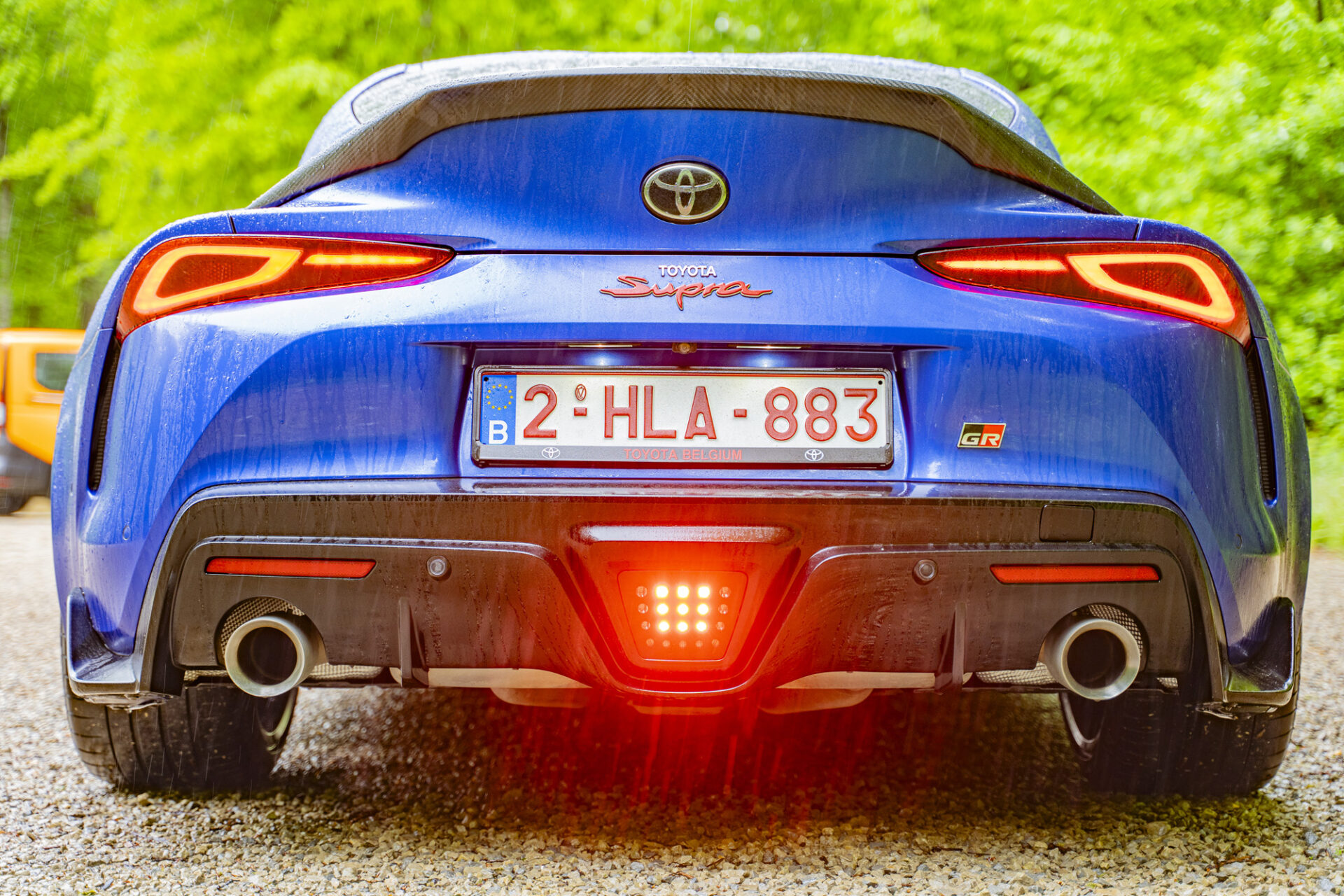
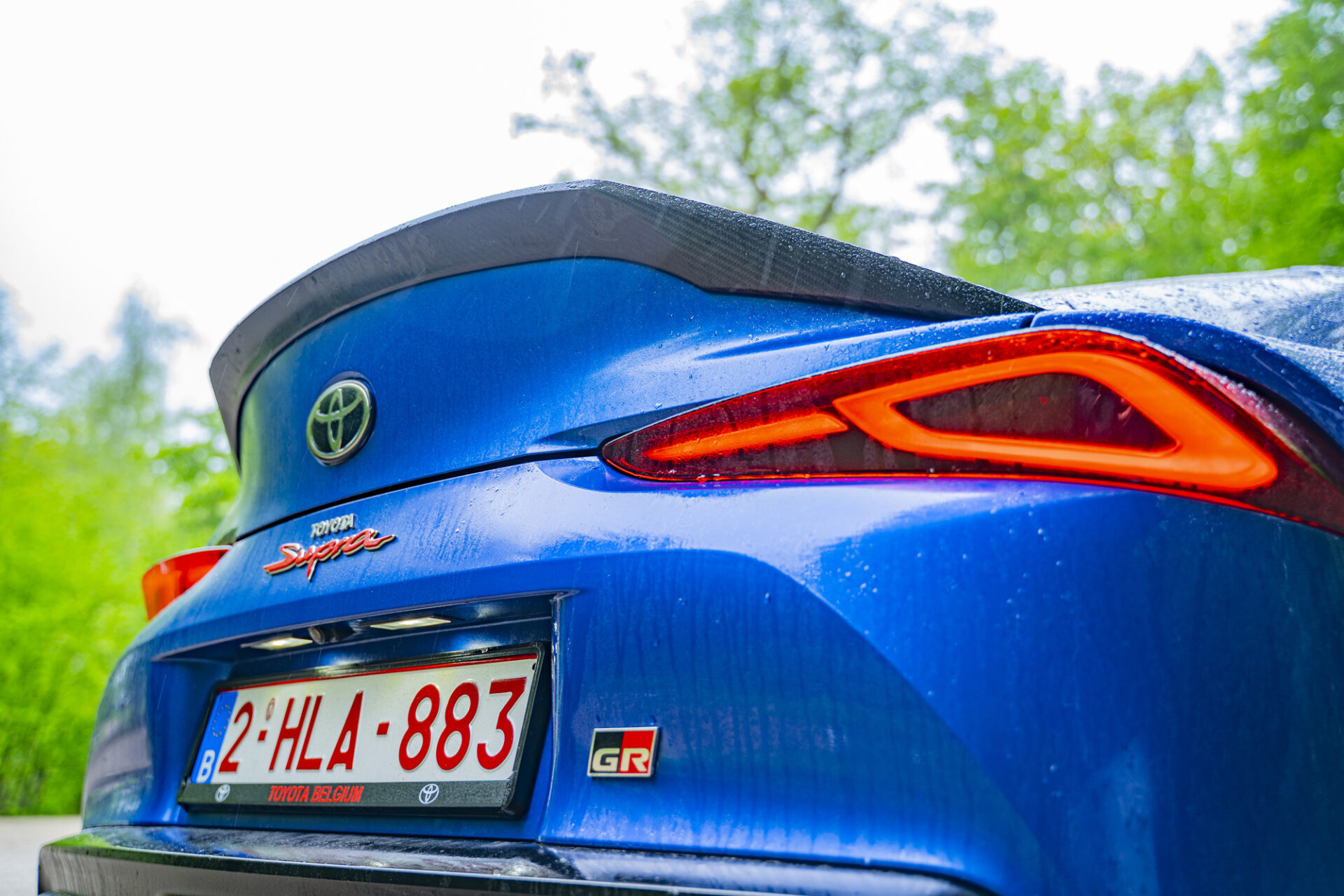
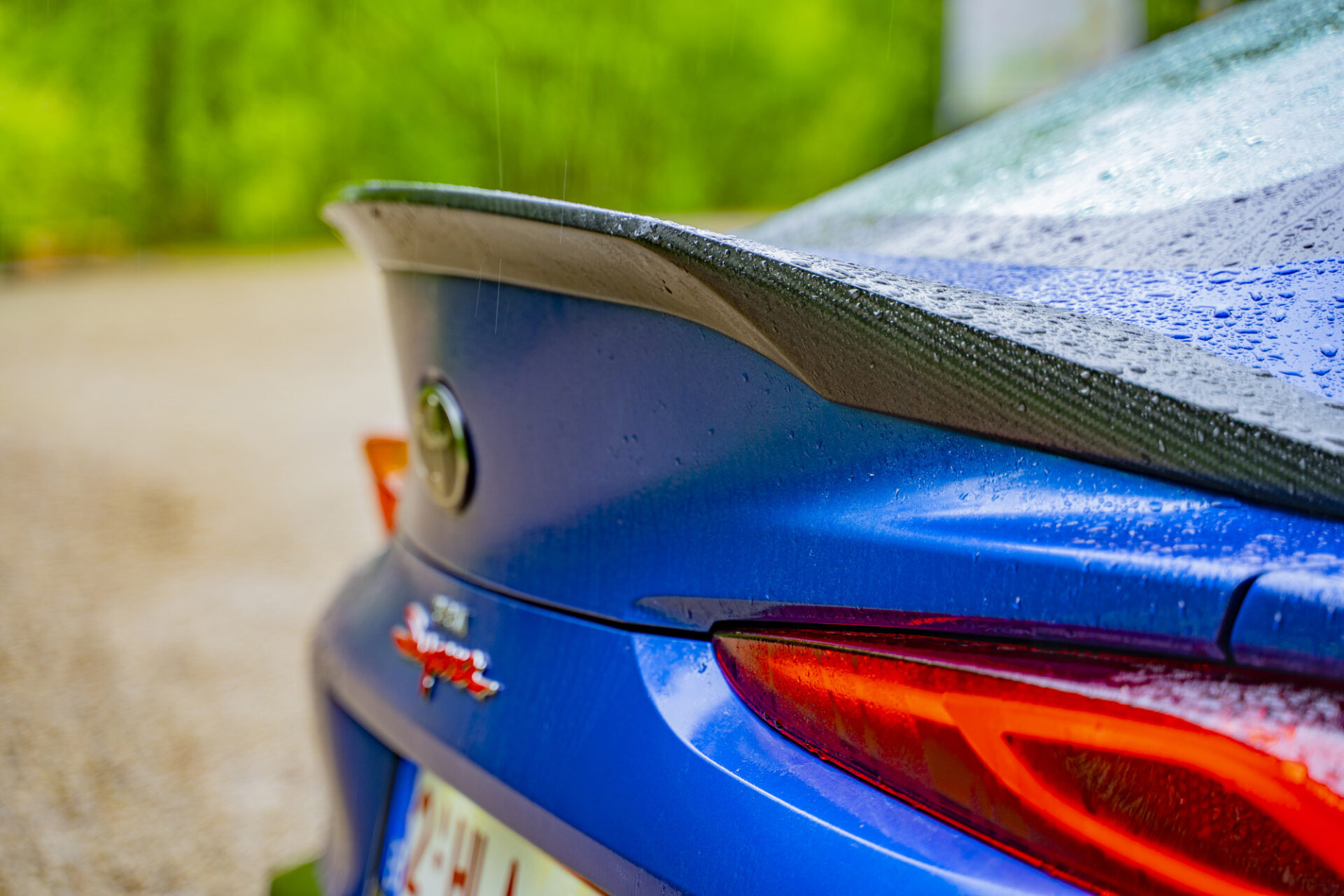
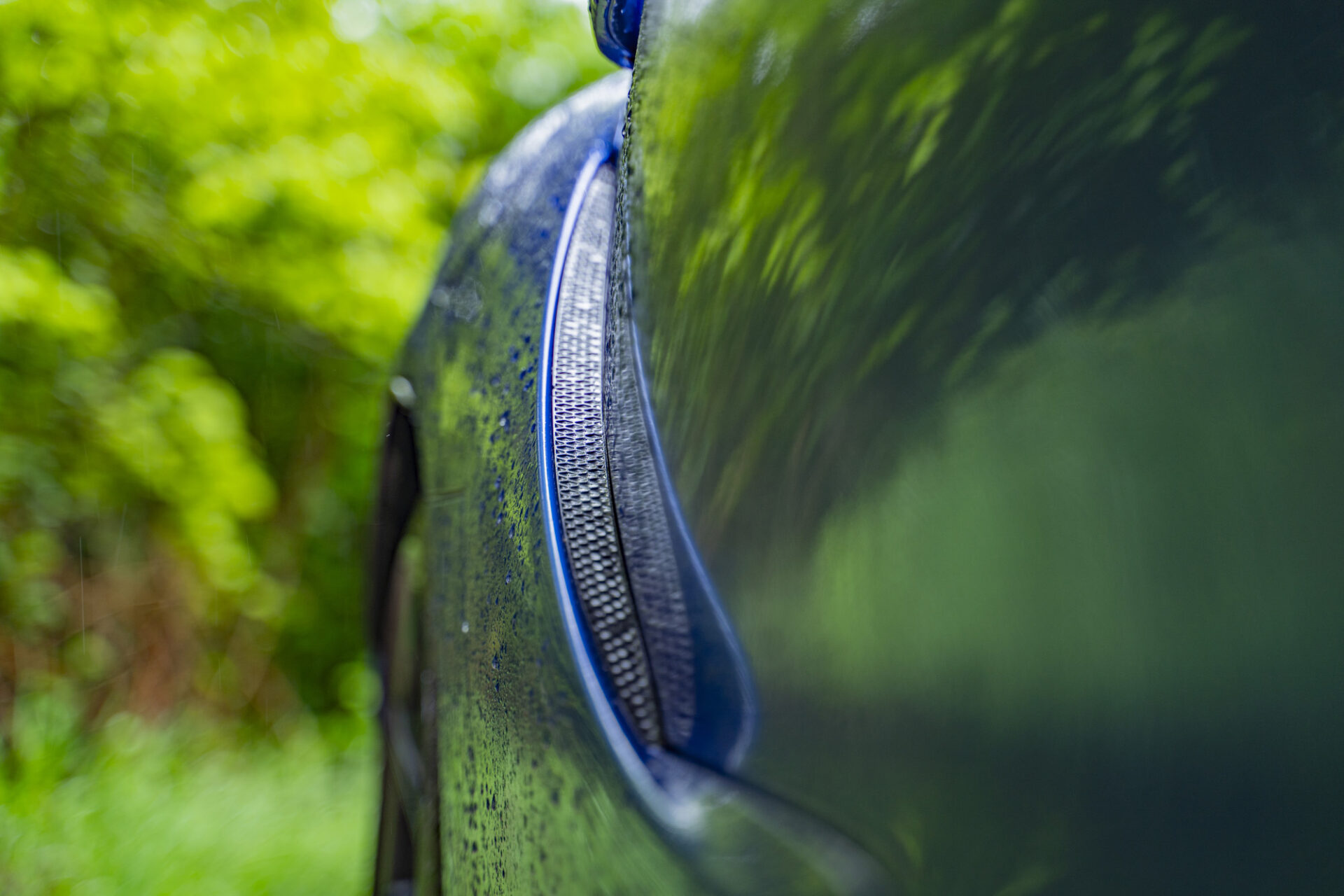
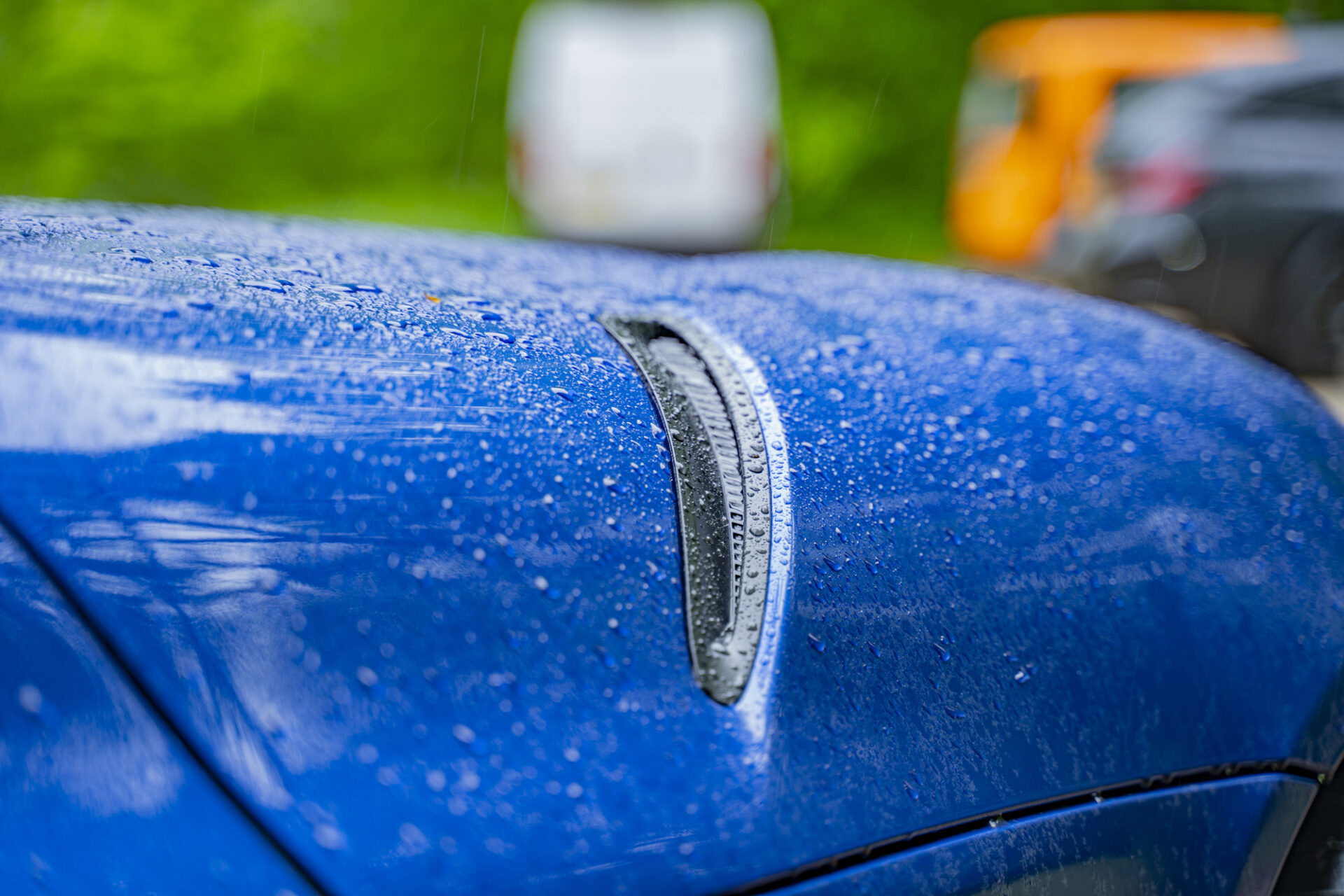
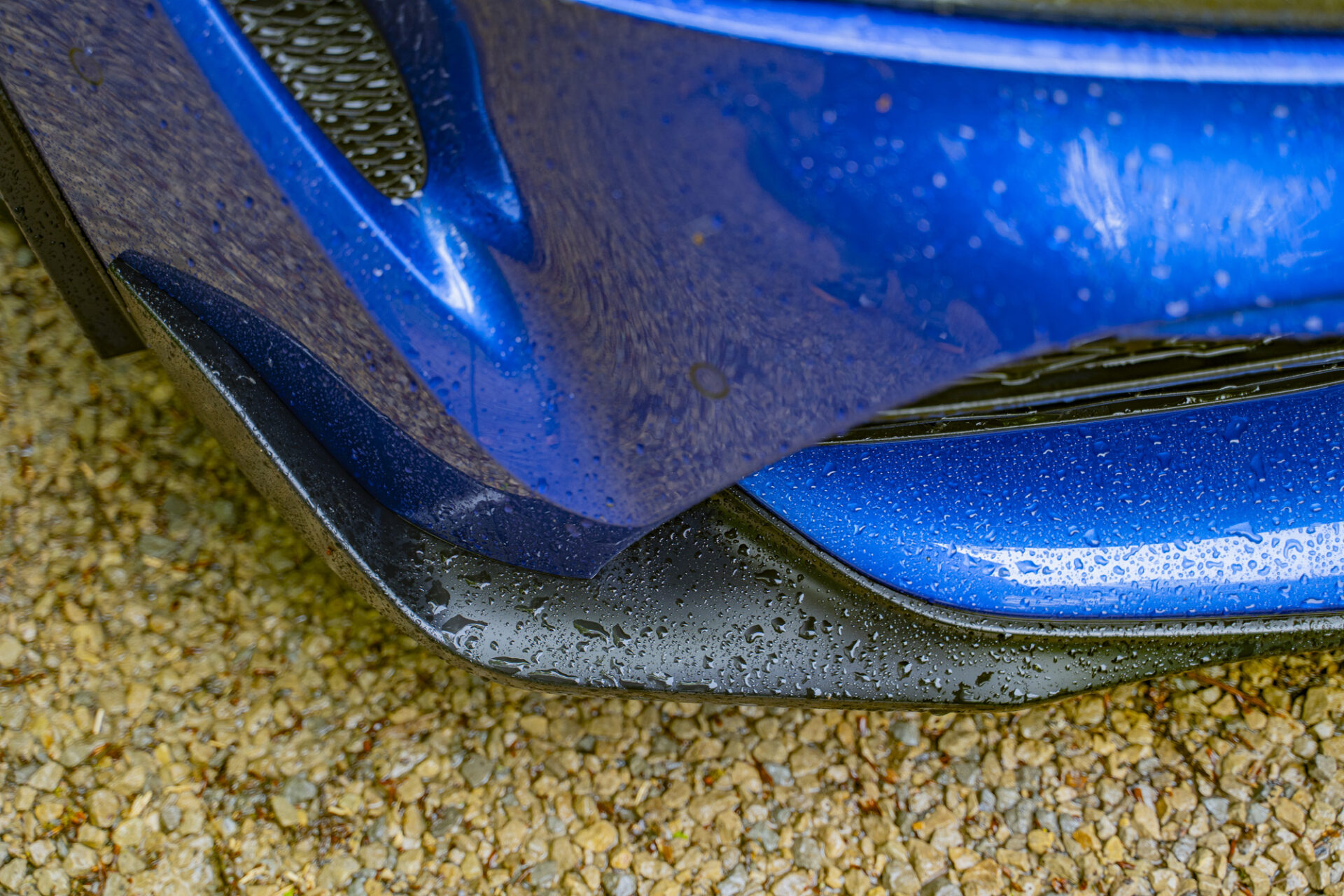
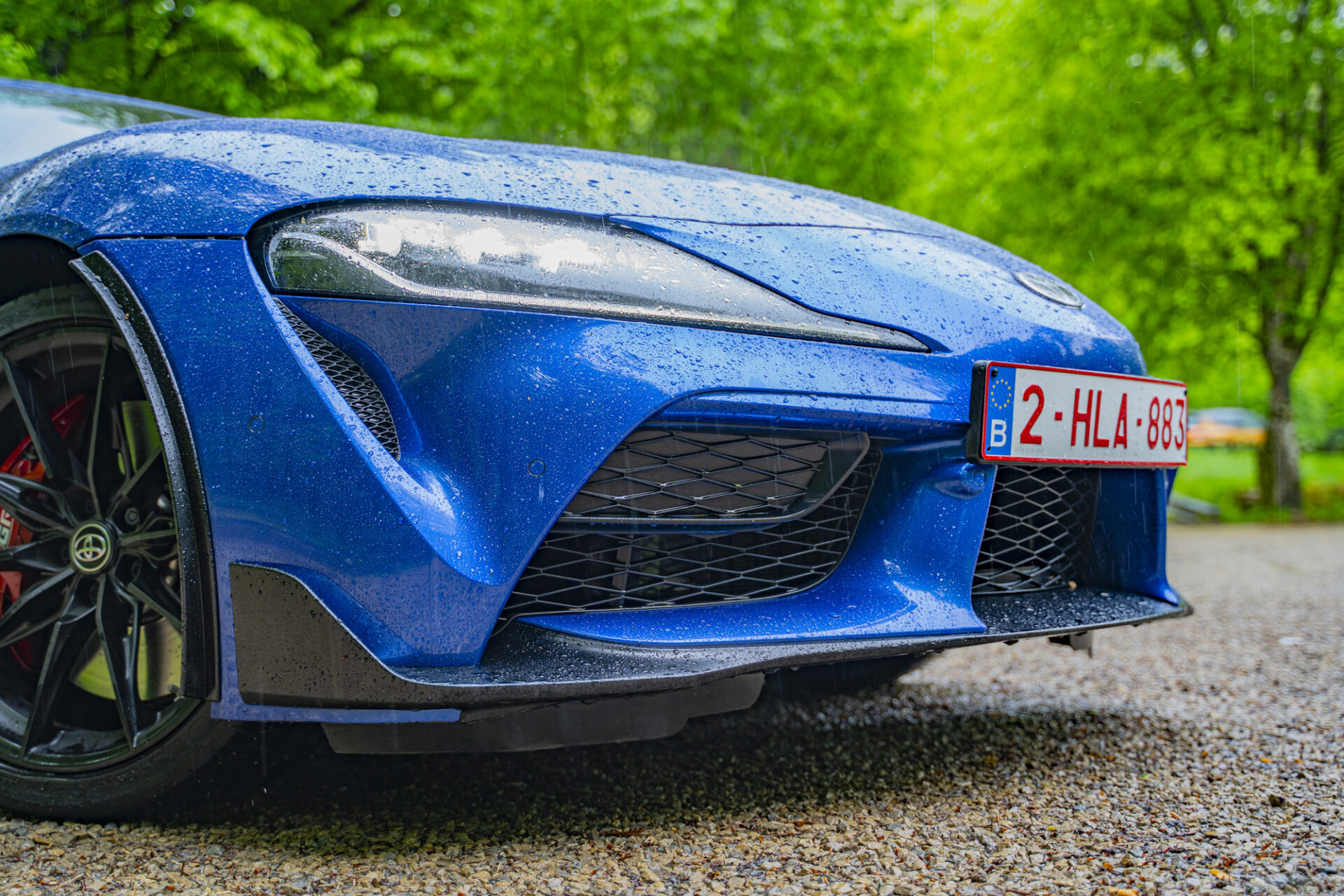
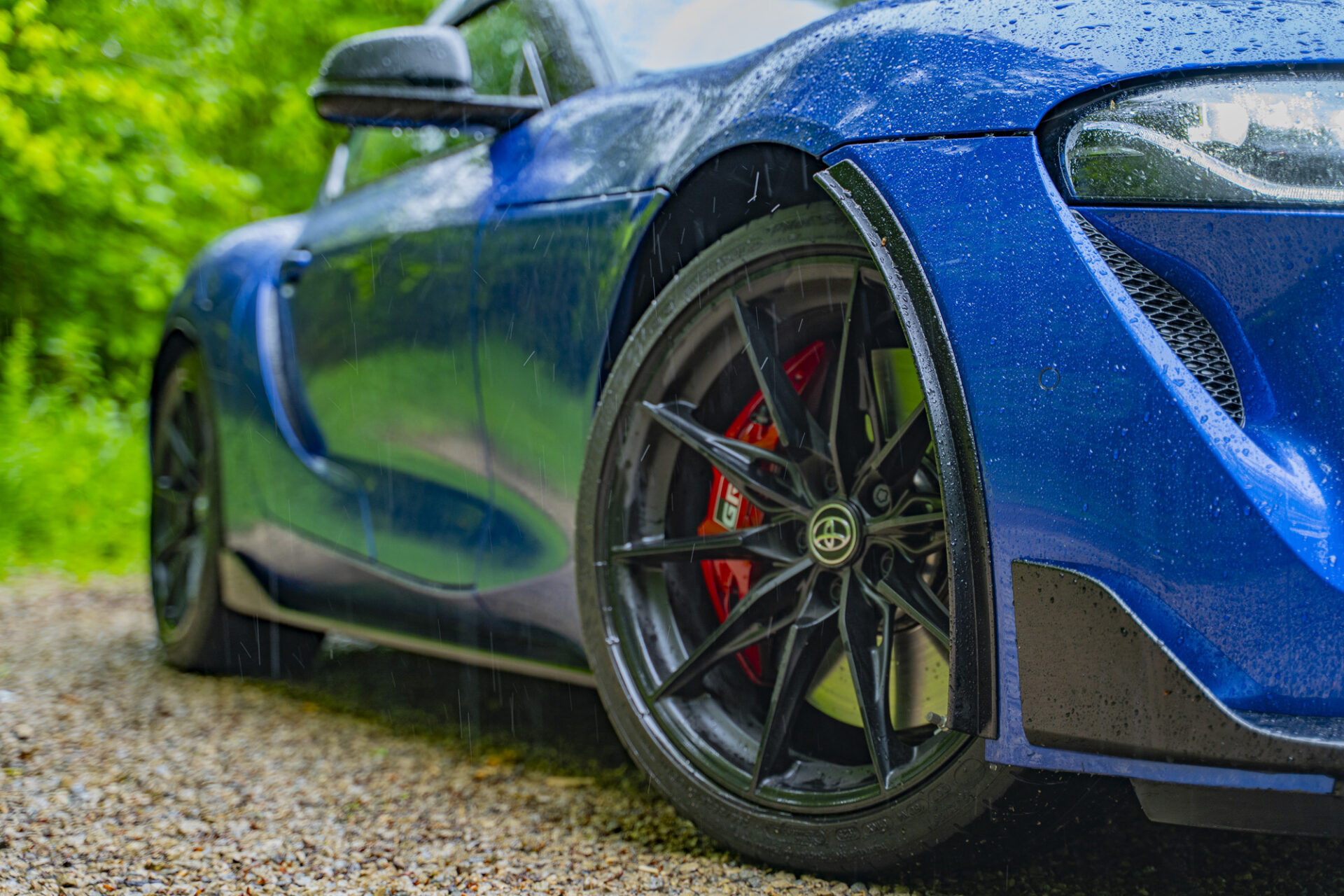
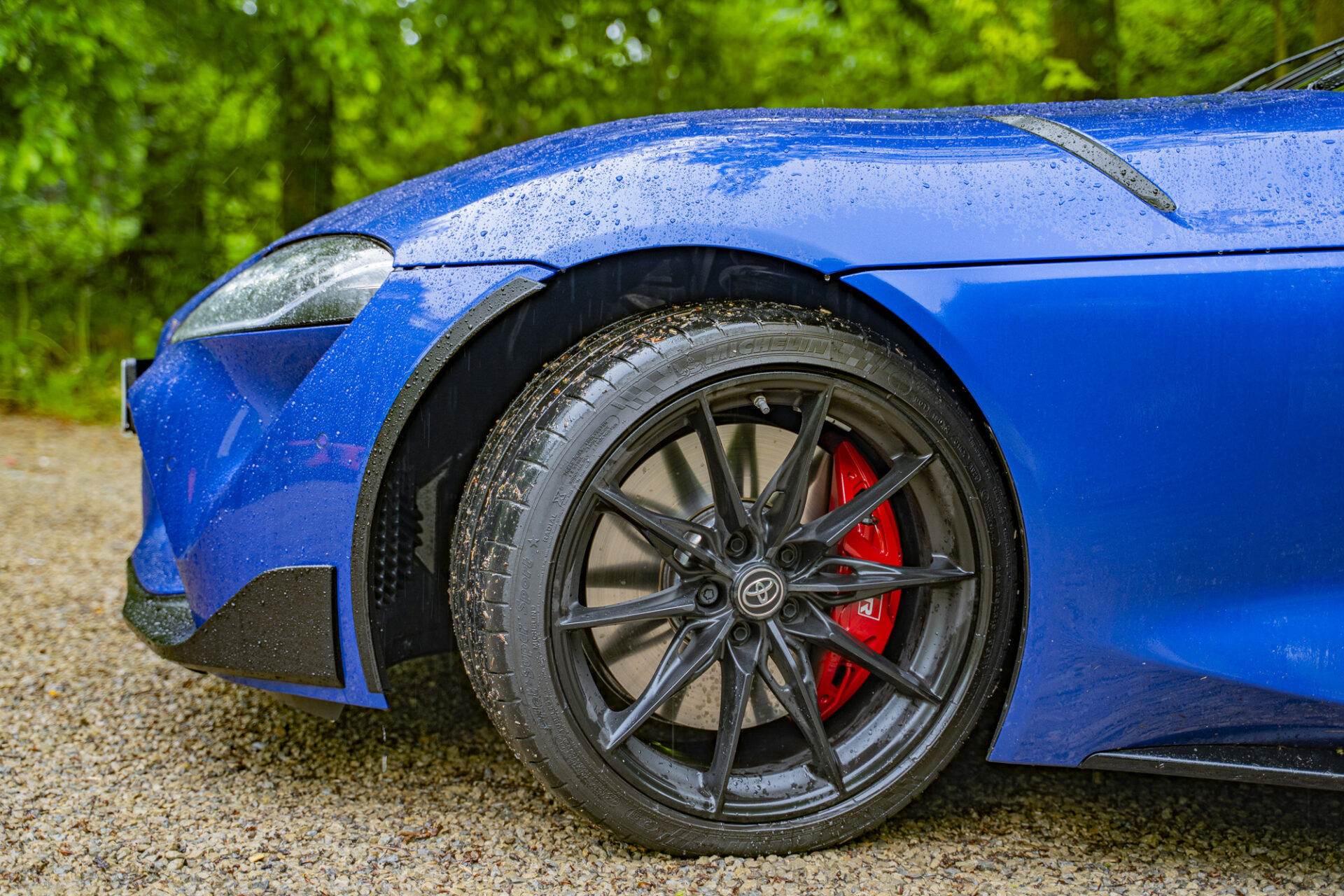
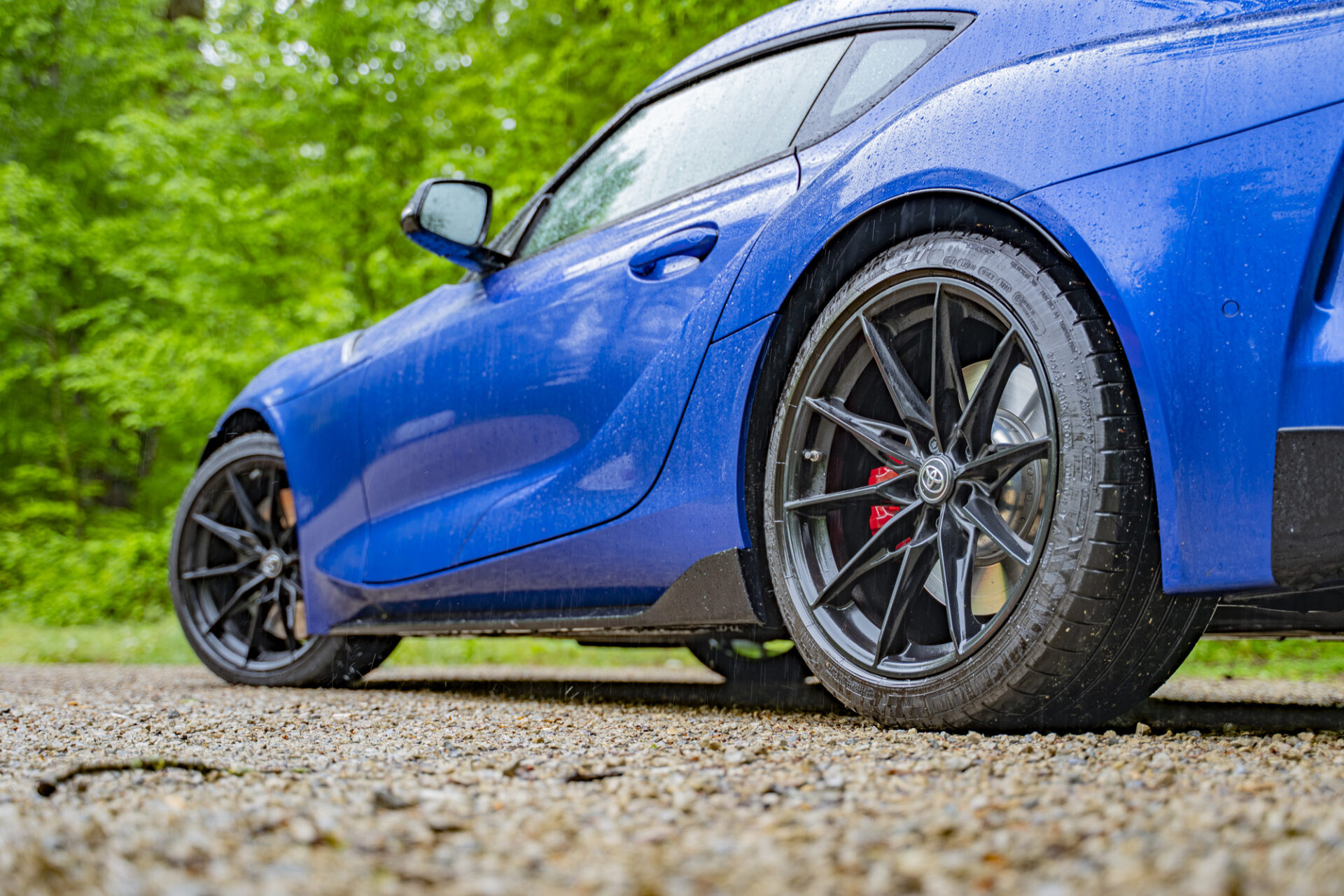
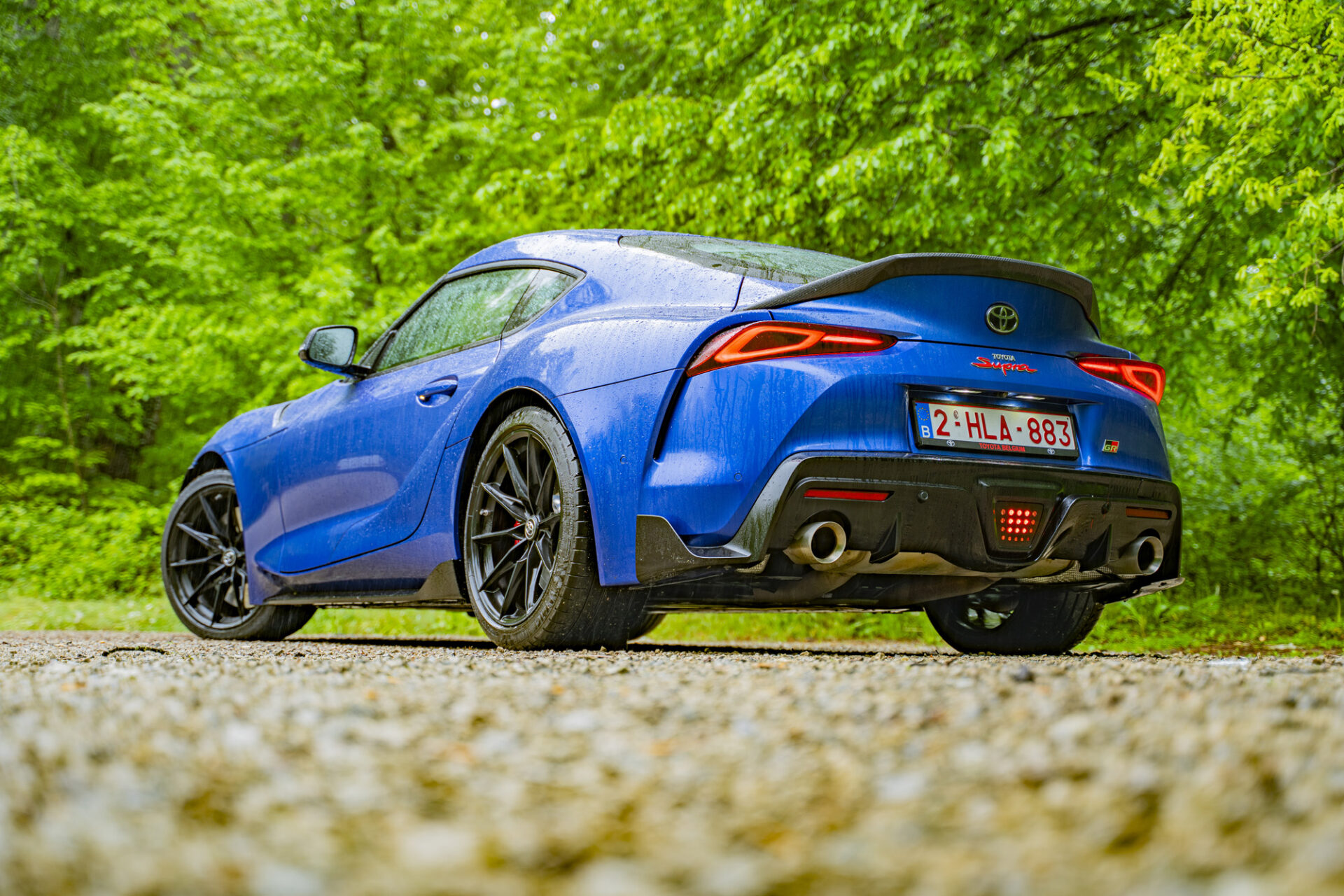
The Lightweight EVO version introduces targeted changes: a carbon-fibre ducktail rear spoiler, new front wheel arch deflectors and 19-inch matt black wheels. Together these aim to reduce weight, improve front/rear aerodynamic balance and increase downforce, in an approach taken directly from motorsport. As for dimensions, nothing changes: 4.379 m long, 1.854 m wide and 1.294 m high, all for 1,575 kg.
Interior: precision and commitment
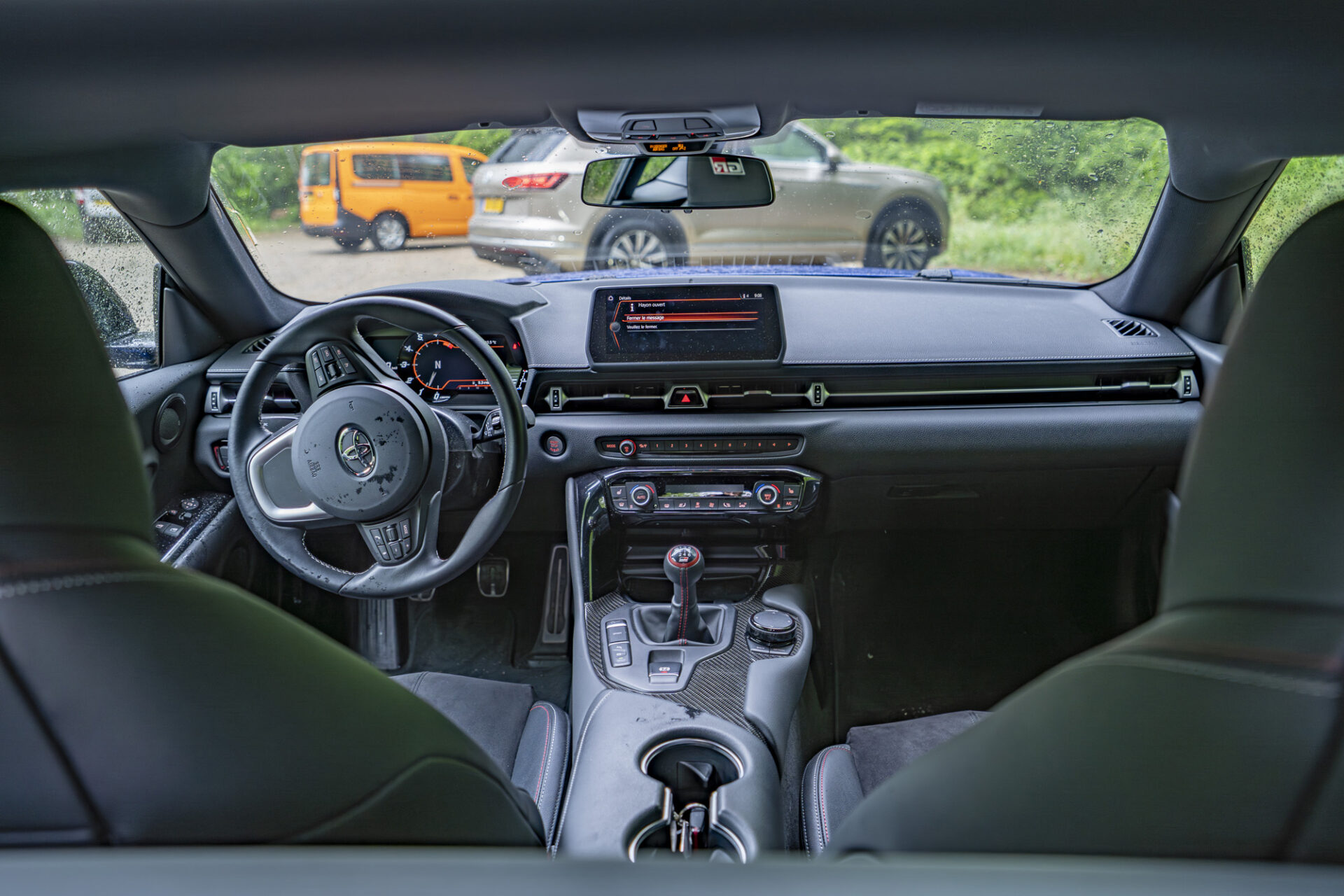
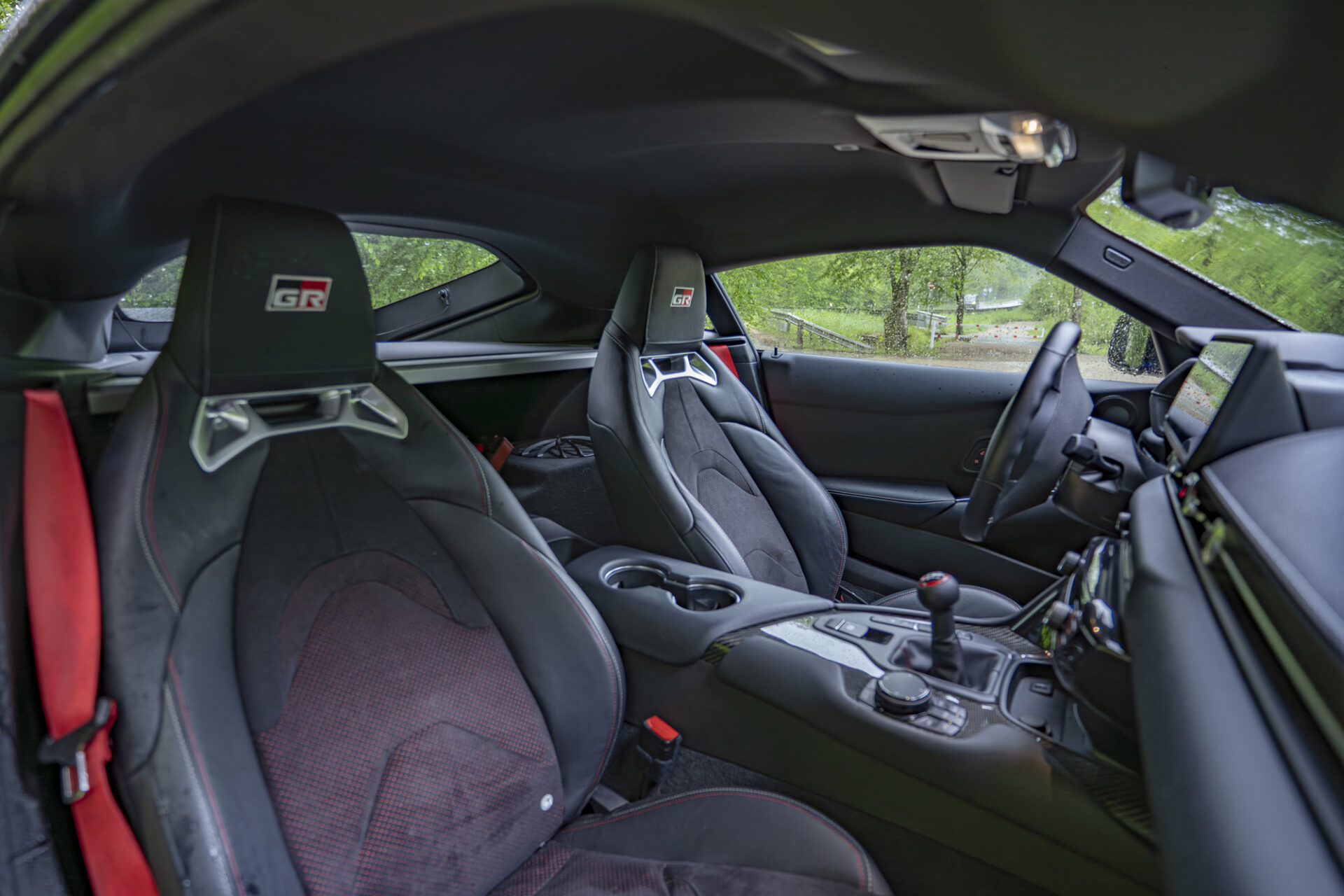
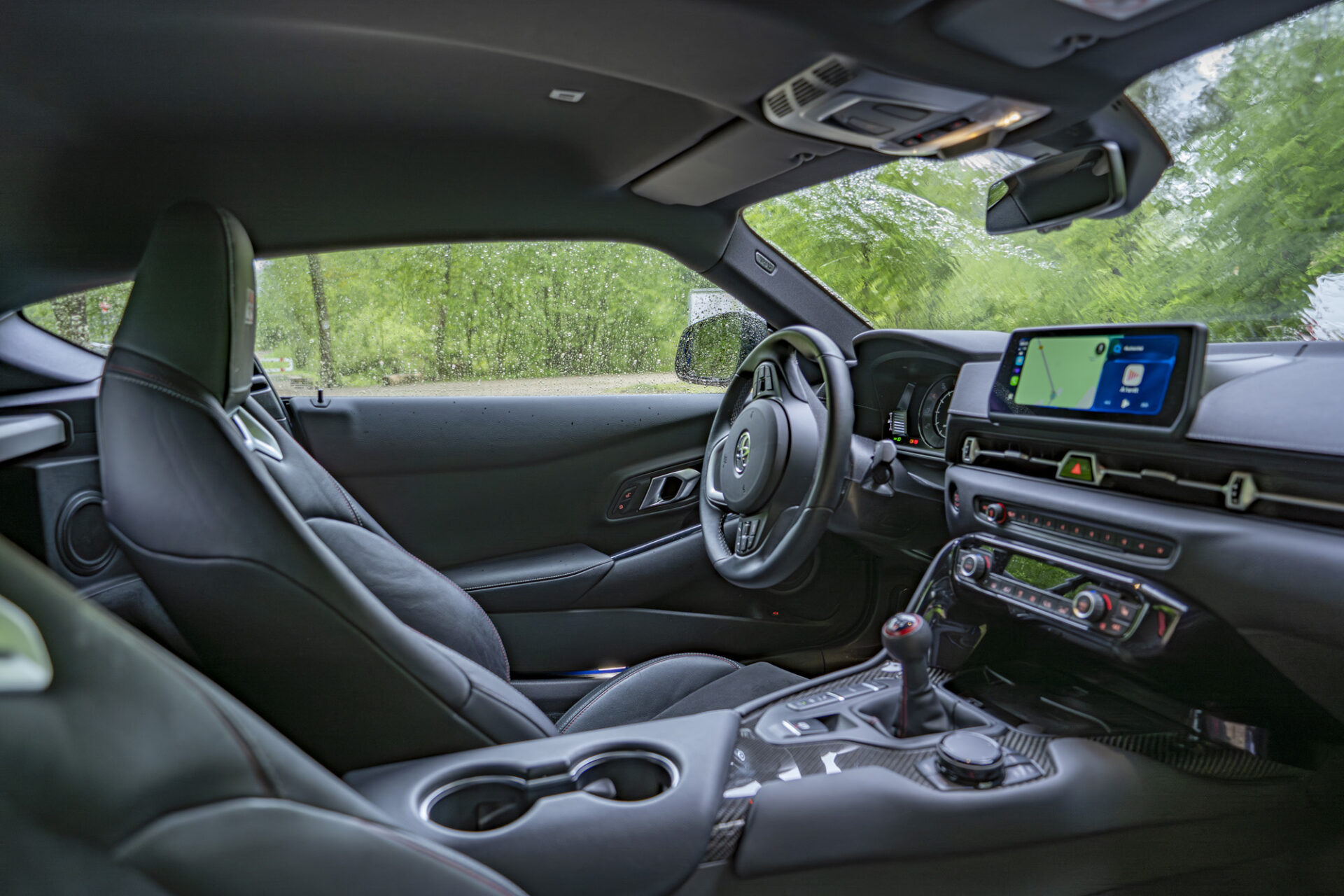
As soon as the doors open, the sporting atmosphere is immediately apparent. The seats are positioned very low, as close to the road as possible, offering a driving position with the legs outstretched, ideal for performance driving. With its small windscreen and its sense of proximity to the tarmac, the car almost gives the impression of climbing aboard a genuine racing machine.
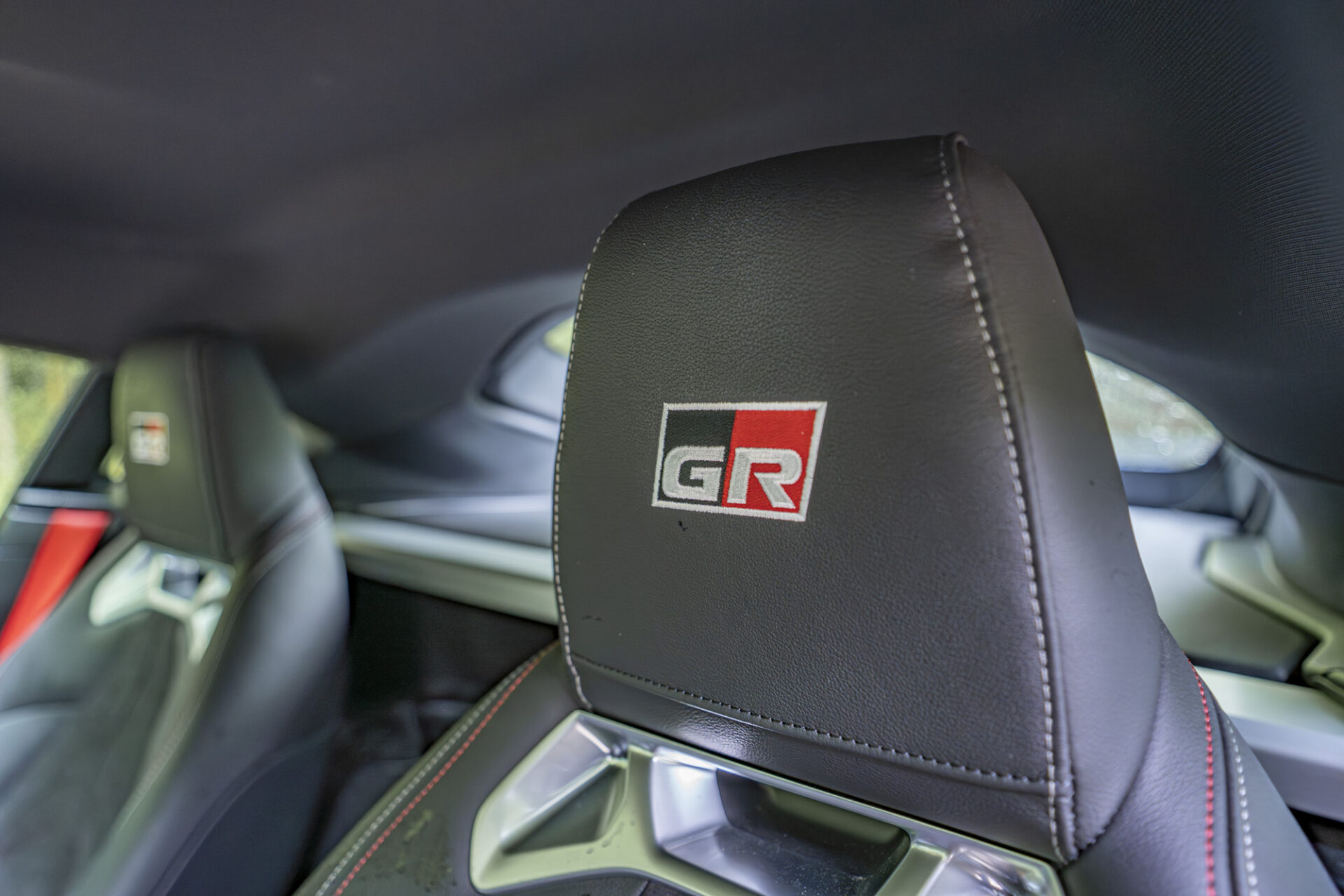
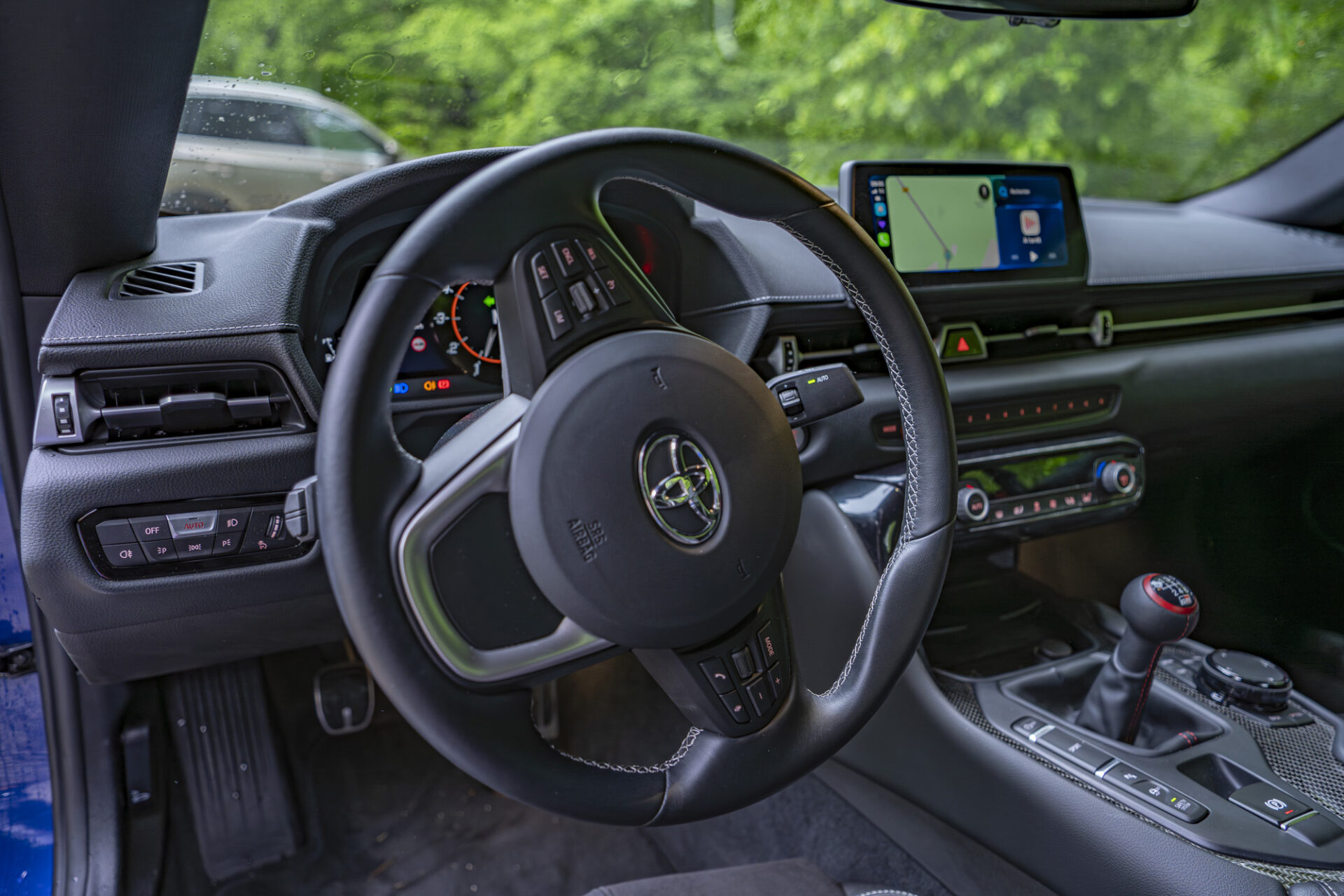
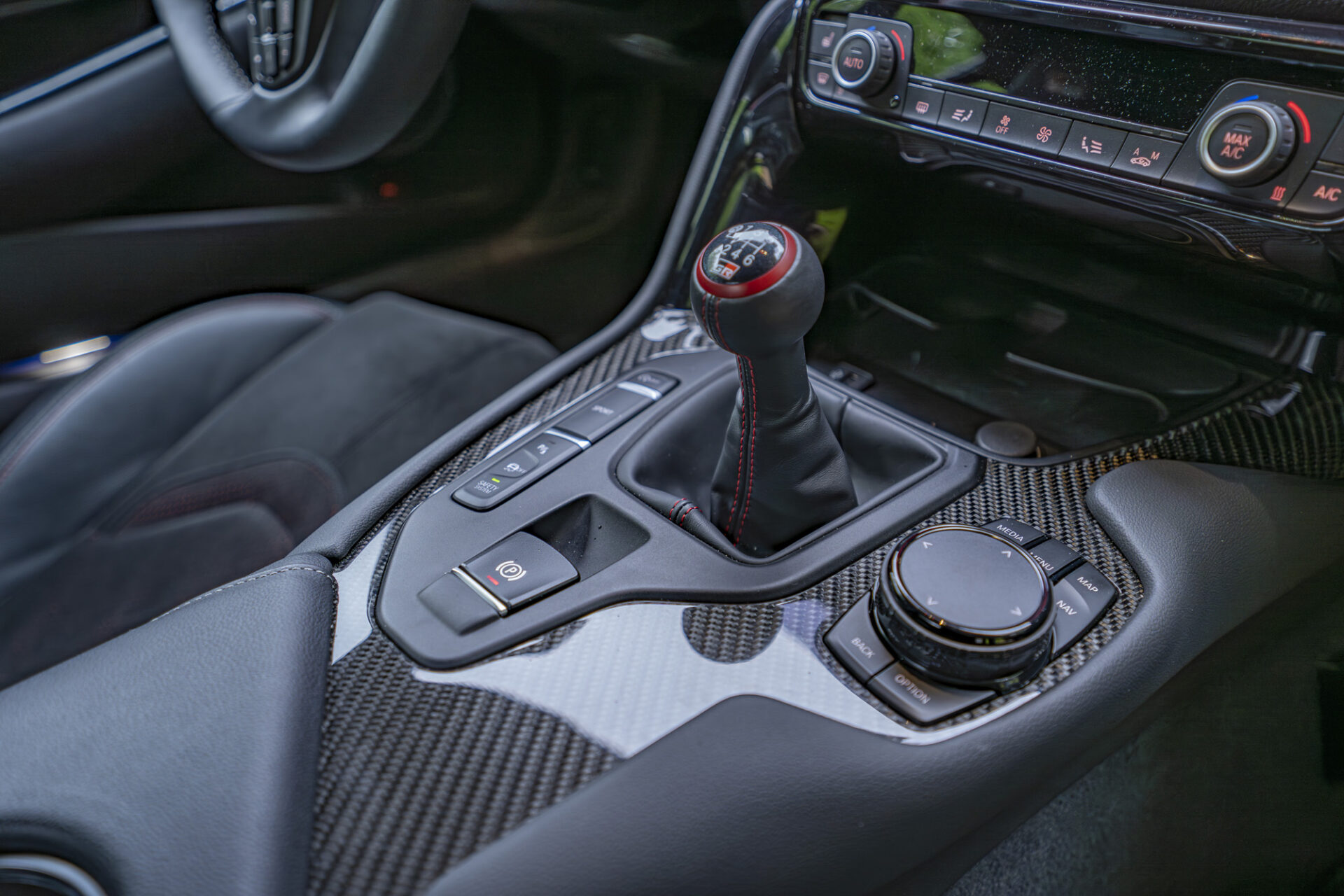
The cabin adopts a strict two-seat configuration entirely focused on the driver. Inspired by competition, the seats offer excellent lateral support, reinforcing the sense of connection with the car through quick sequences of corners. The Lightweight EVO trim stands out with a specific ambience combining leather and Alcantara, finished with GR logos embroidered on the headrests. The manual seats also save around 20 kg compared with the other versions. The package is completed by red seatbelts and a red insert on the gear lever knob, further underlining the model’s exclusive character. The dashboard is notable for its excellent legibility, with the essentials placed directly in the driver’s line of sight: rev counter, speedometer and gear indicator.
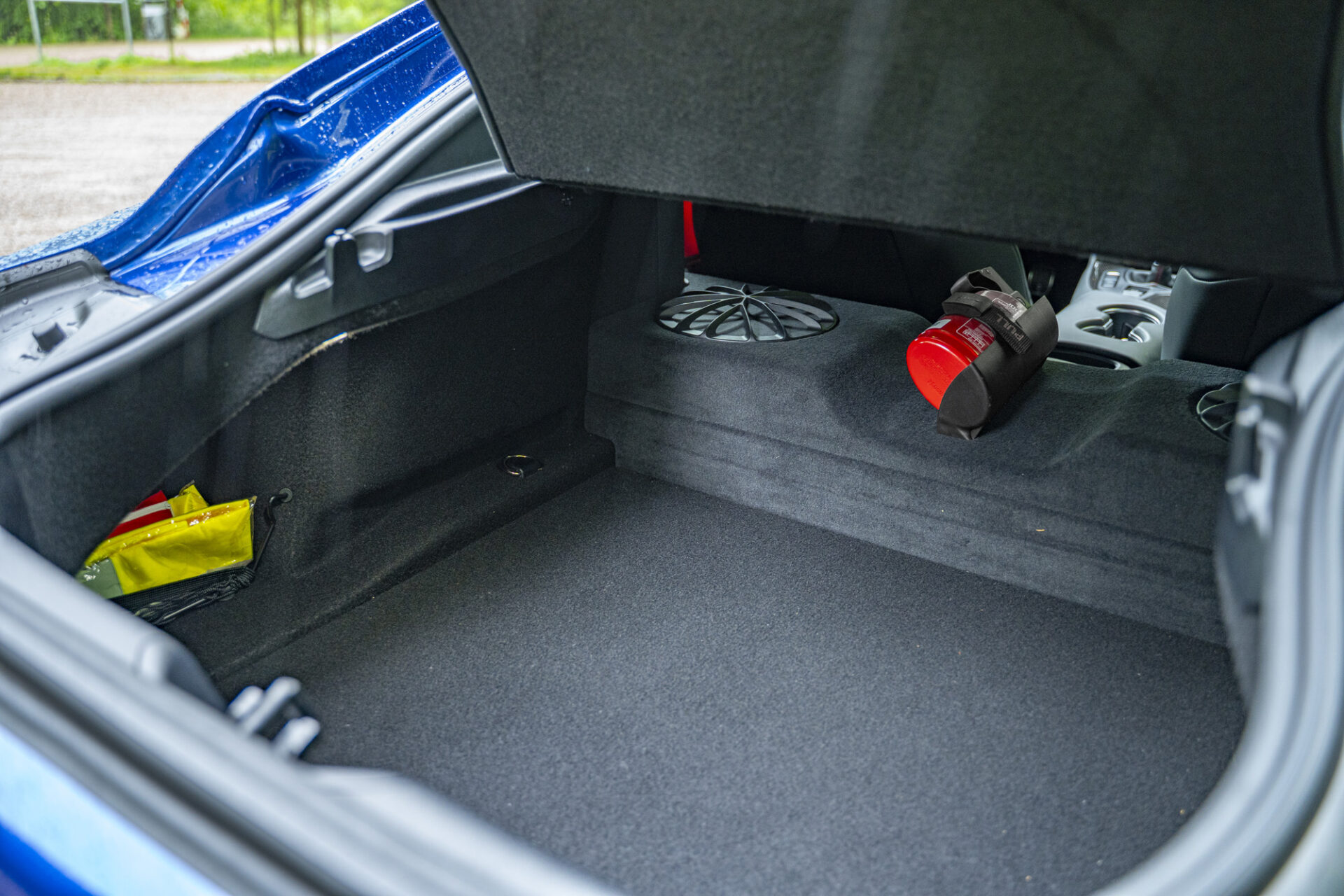
In terms of multimedia, the GR Supra features an 8.8-inch touchscreen compatible with Apple CarPlay and Android Auto. The interface can be operated either directly via the screen or through the central rotary controller, for more intuitive use while driving. With a capacity of 250 litres, the boot can take a large suitcase along with several small bags, a volume that is more than enough to travel comfortably as a pair.
Powertrain: BMW base, Toyota signature
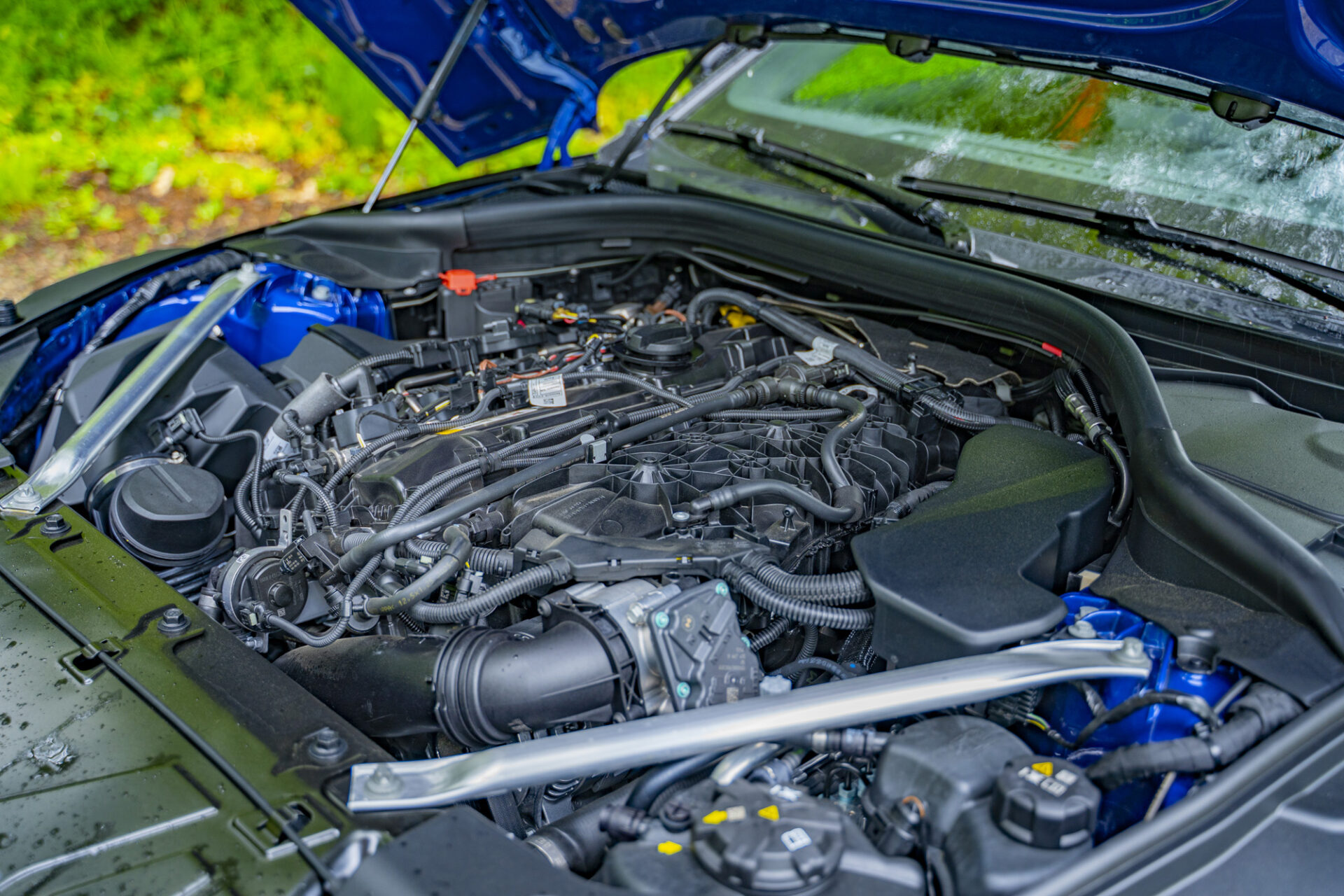
The Toyota GR Supra is built around the legendary BMW B58 turbocharged inline-six, here in a 340 hp configuration with 500 Nm of torque. The architecture remains unchanged, with a twin-scroll turbocharger, high-pressure direct injection and variable valve timing. Toyota has not altered the main mechanical components, namely the turbocharger, the injectors or the internal structure, but it has thoroughly reworked the engine calibration to align it with the Gazoo Racing philosophy. The electronic management therefore favours a more immediate throttle response and a more energetic build-up of torque. Maximum torque is available across a very wide rev range, between 1,600 and 4,500 rpm, providing particularly muscular acceleration at the slightest press of the right pedal. Compared with the unit fitted to the BMW Z4, this engine feels distinctly more expressive and fuller in the mid-range. Where the German roadster favours a softer, more progressive GT approach, the Supra displays a sharper and resolutely sporting temperament. The rev climbs are particularly vigorous, supported by torque available very early and maximum power delivered at 6,500 rpm. This wide operating range contributes strongly to the engine’s character, capable of being as flexible in relaxed driving as it is explosive when the pace quickens. The sound of the inline-six accompanies this rise in intensity perfectly, with a particularly expressive metallic and raspy tone. Added to this is the characteristic whoosh of the turbocharger at the intake during the rev climbs, a very present air-induction sound that further heightens the immersion and plays a full part in the driving experience. The choice of this engine is part of the industrial partnership formed with BMW. Toyota validated this mechanical base after a major joint development effort, while applying its own standards of reliability and dynamic validation, in particular during testing carried out on track and at the Nürburgring. The aim was not to redevelop an engine entirely in-house, but to use a base recognised for its qualities and adapt it to a more radical philosophy more clearly geared towards driving pleasure.
But the real evolution of this version lies in the arrival of the six-speed manual gearbox, developed specifically by Toyota for the 3.0L engine. To integrate this transmission, Toyota’s engineers revised several technical elements, in particular the clutch, the electronic management, the gear ratios, the gate guidance and the feel, with the aim of offering more natural operation and an engine response perfectly suited to sporting driving. This gearbox is immediately appealing thanks to the precision of its gate and its short throws. The optimised ratios make it possible to fully exploit the resources of the inline-six, while every gearchange increases the driver’s involvement. More demanding but also far more engaging than the automatic transmission, it literally transforms the driving experience and gives the GR Supra a more authentic and emotional dimension.
On the road: greater rigour and precision
The GR Supra owes its behaviour to several structuring elements: a lowered centre of gravity, a rigid body and adaptive suspension. Developed on the Nürburgring, it was validated by Akio Toyoda (president of Toyota Motor Corporation) himself, confirming its dynamic potential.
The Lightweight EVO version goes further than the other versions, with a set of significant chassis changes: recalibrated electronically controlled dampers, an optimised active differential control, a stiffer front anti-roll bar and reinforced stabiliser, revised front camber angles, aluminium anti-roll bar mounts, reinforced rear subframe mounts and a stiffer underbody brace. Braking improves with 374 mm front discs paired with Brembo callipers, enhancing endurance and stopping power. On the road, these modifications translate into more precise steering, better stability under load and reduced understeer. Grip through corners is faultless, while traction benefits from the optimised differential. The overall feel is more direct, with a better sense of the connection to the road. The manual gearbox reinforces this approach by offering greater control over how the engine is used, the engine retaining its flexibility at low revs and enough reach for dynamic driving.
Conclusion
The Toyota GR Supra Lightweight EVO illustrates a methodical evolution rather than a radical transformation. By refining the chassis, the aerodynamics and the driver-machine interaction, this version reinforces the model’s sporting character without calling its fundamentals into question.
The combination of a proven inline-six, a specific manual gearbox and extensive fine-tuning results in a coherent, precise and engaging package. In a segment where traditional architectures are becoming rarer, the Supra continues its development while remaining faithful to its heritage: a technical sports car centred on driving pleasure.
The pros:
- Highly responsive engine
- Precise chassis
- Precise manual gearbox
- A true sports car
The cons:
- Interior too BMW
- Limited for everyday use
- No 360° camera
Technical data:
Performance: 340 hp / 500 Nm
Tank capacity: 52 L
WLTP fuel consumption: 8.8 L/100 km
CO2: 198 g/km
0-100 km/h: 4.6 s
Top speed: 250 km/h (limited)
Weight: 1,575 kg
Base price: from €78,424
Tags