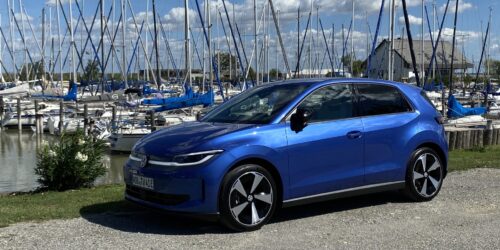
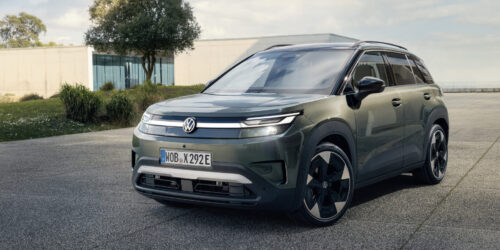
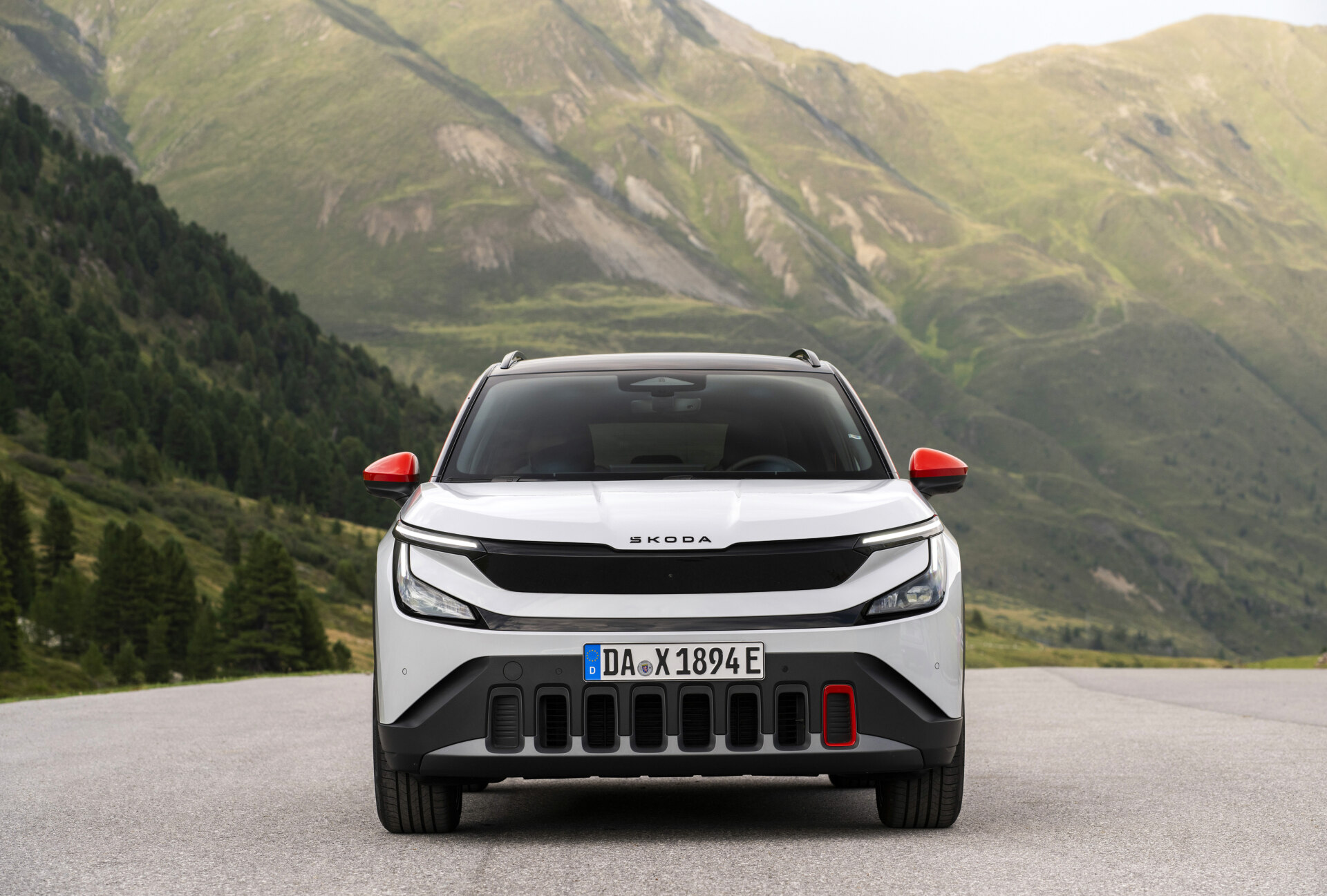
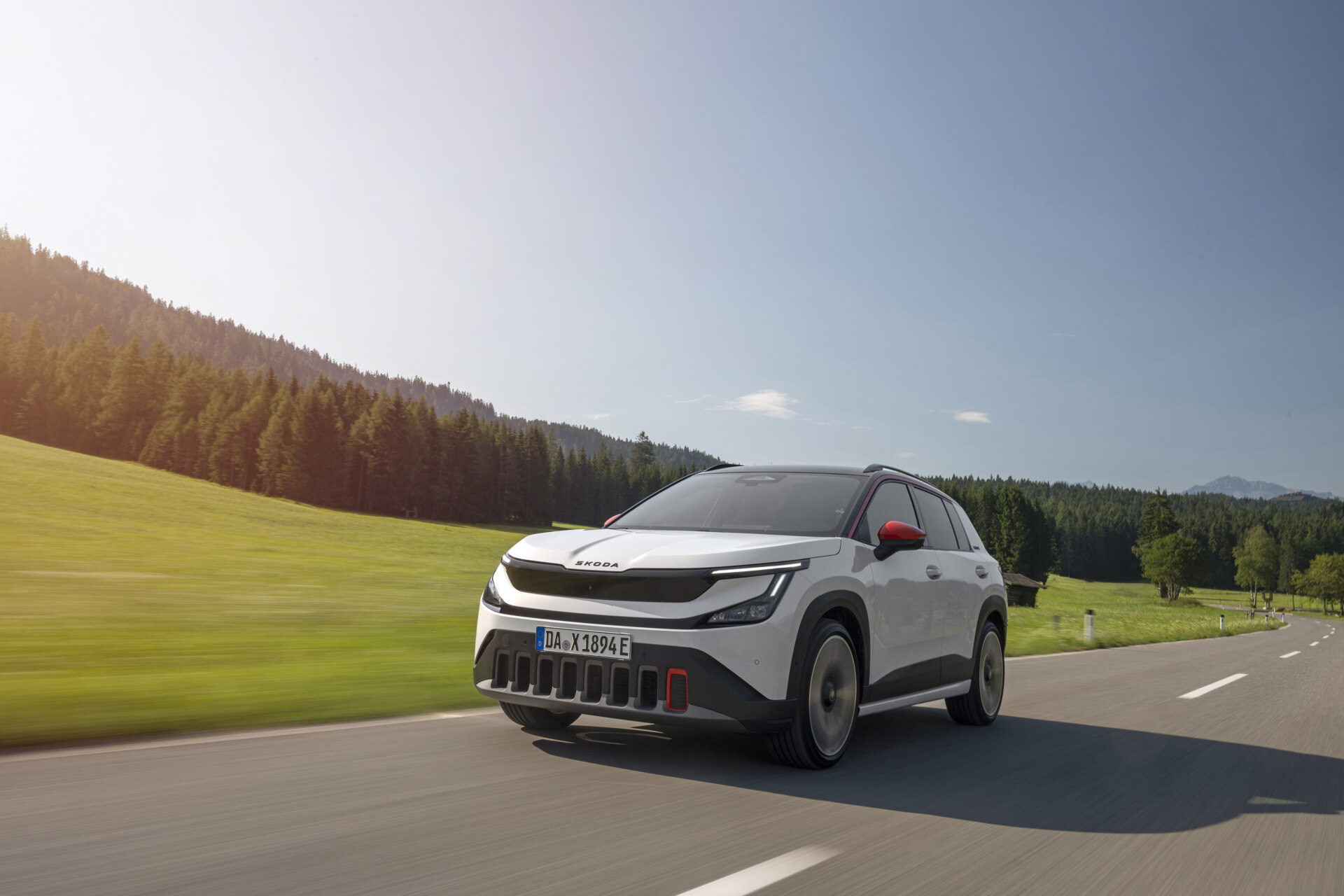
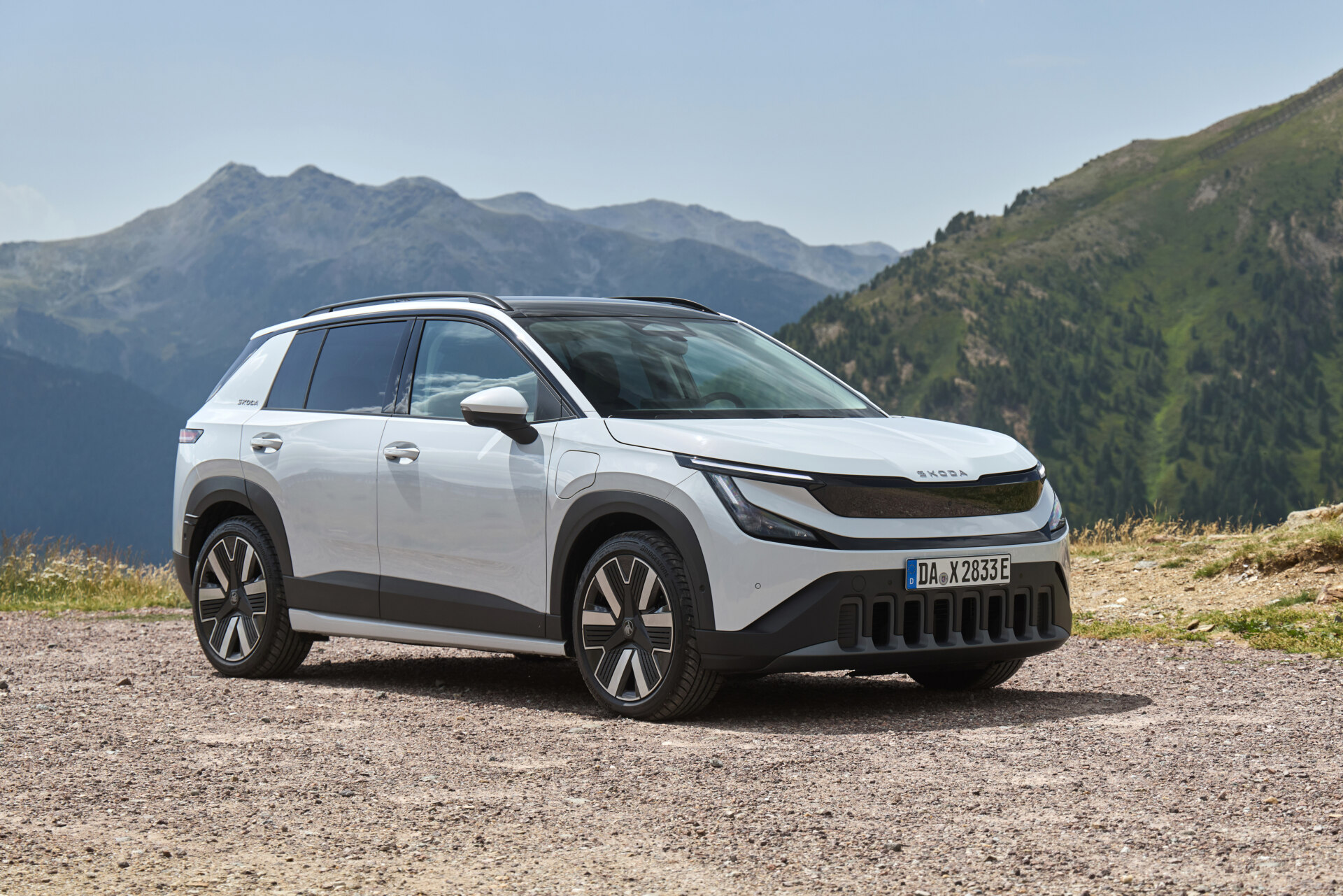
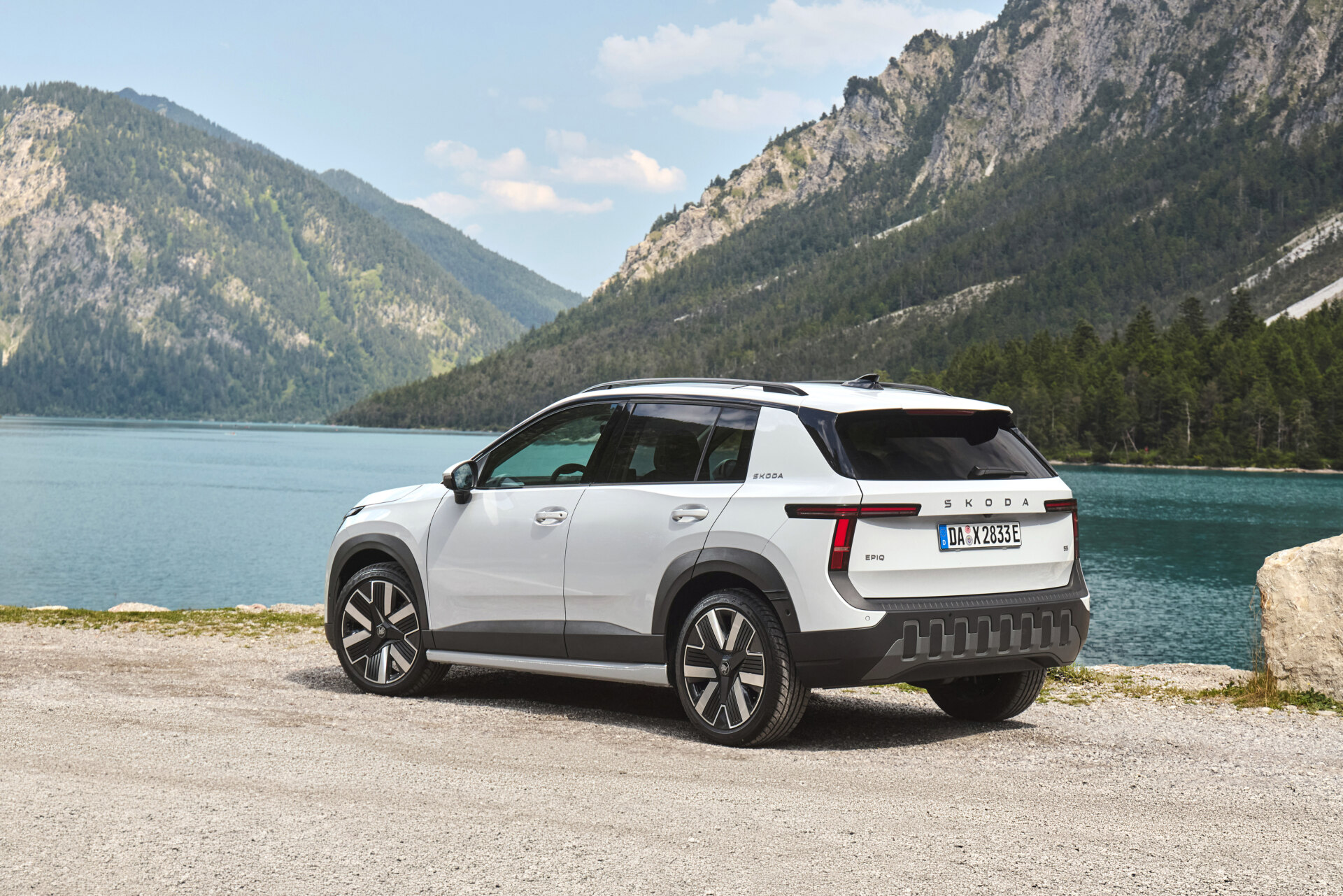
To show how it measures up against the brand’s other electric models, Skoda lined it up alongside the Elroq, Enyaq and Peaq. Now the smallest member of the electric family, the Epiq is 4.17 m long, slightly shorter than the Elroq, yet its engineers and designers have achieved big things with it. As for the Peaq, the largest car Skoda has built so far and one with a puzzling name, we will be covering it in these pages too.
A new face for Skoda’s electric line-up
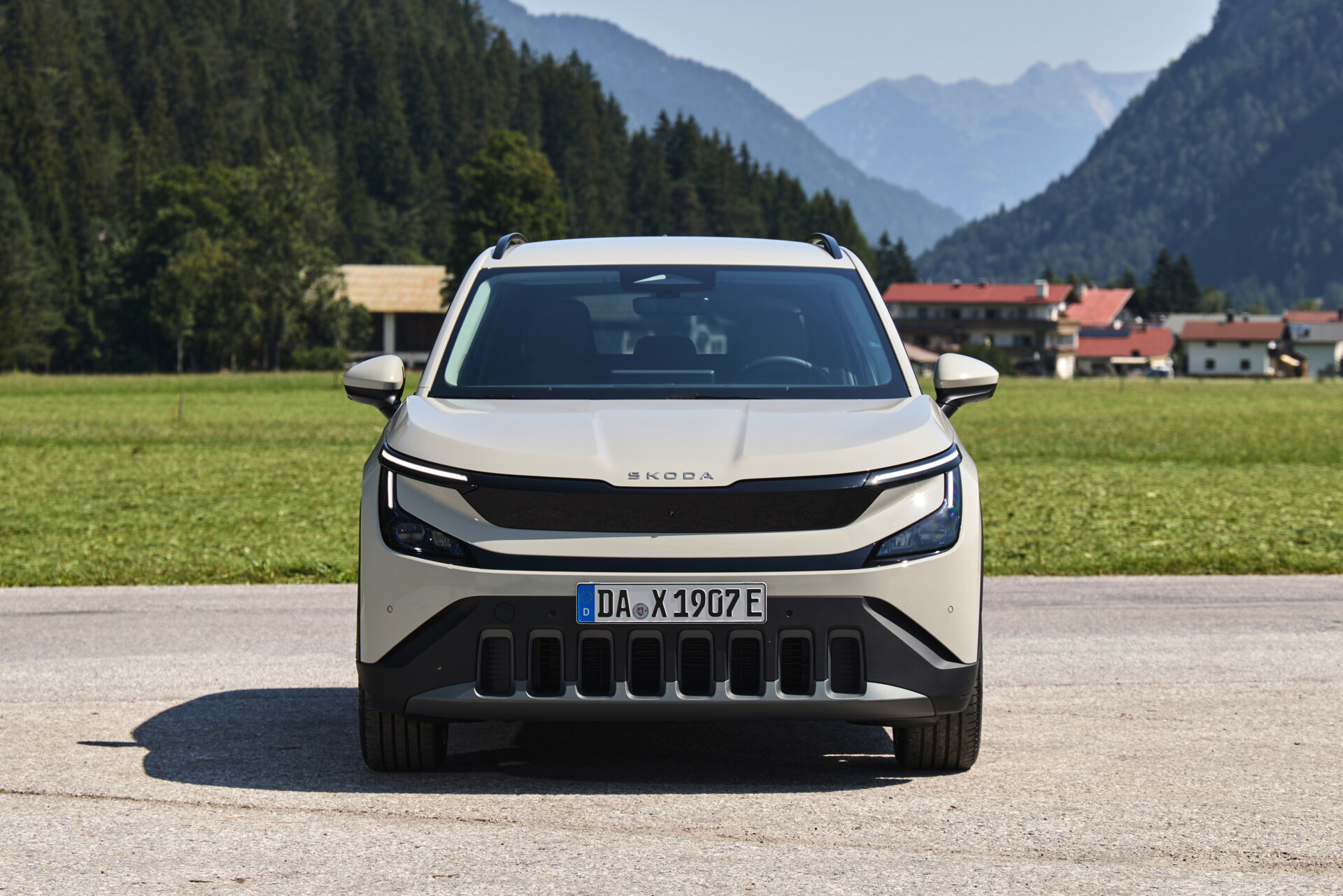
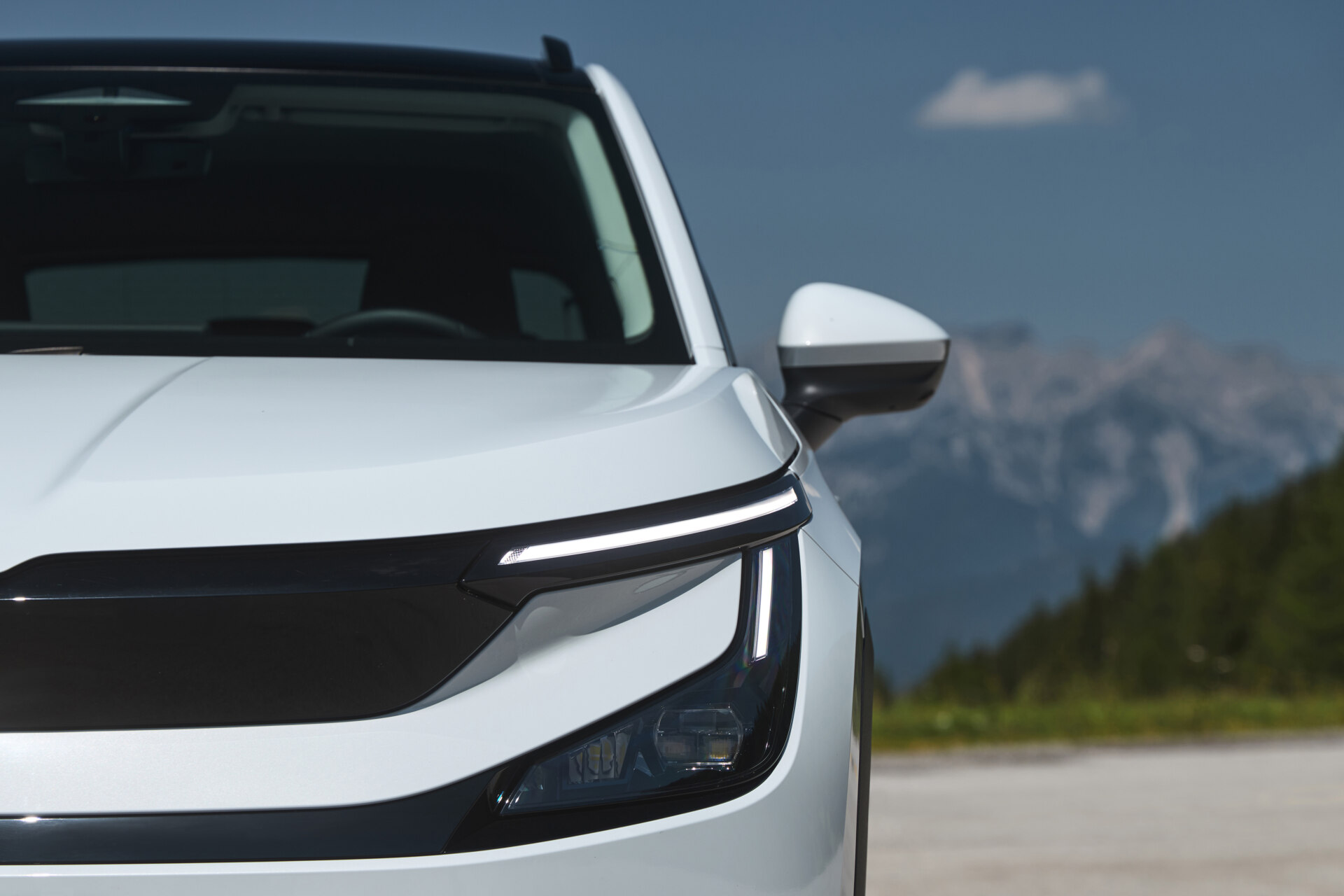
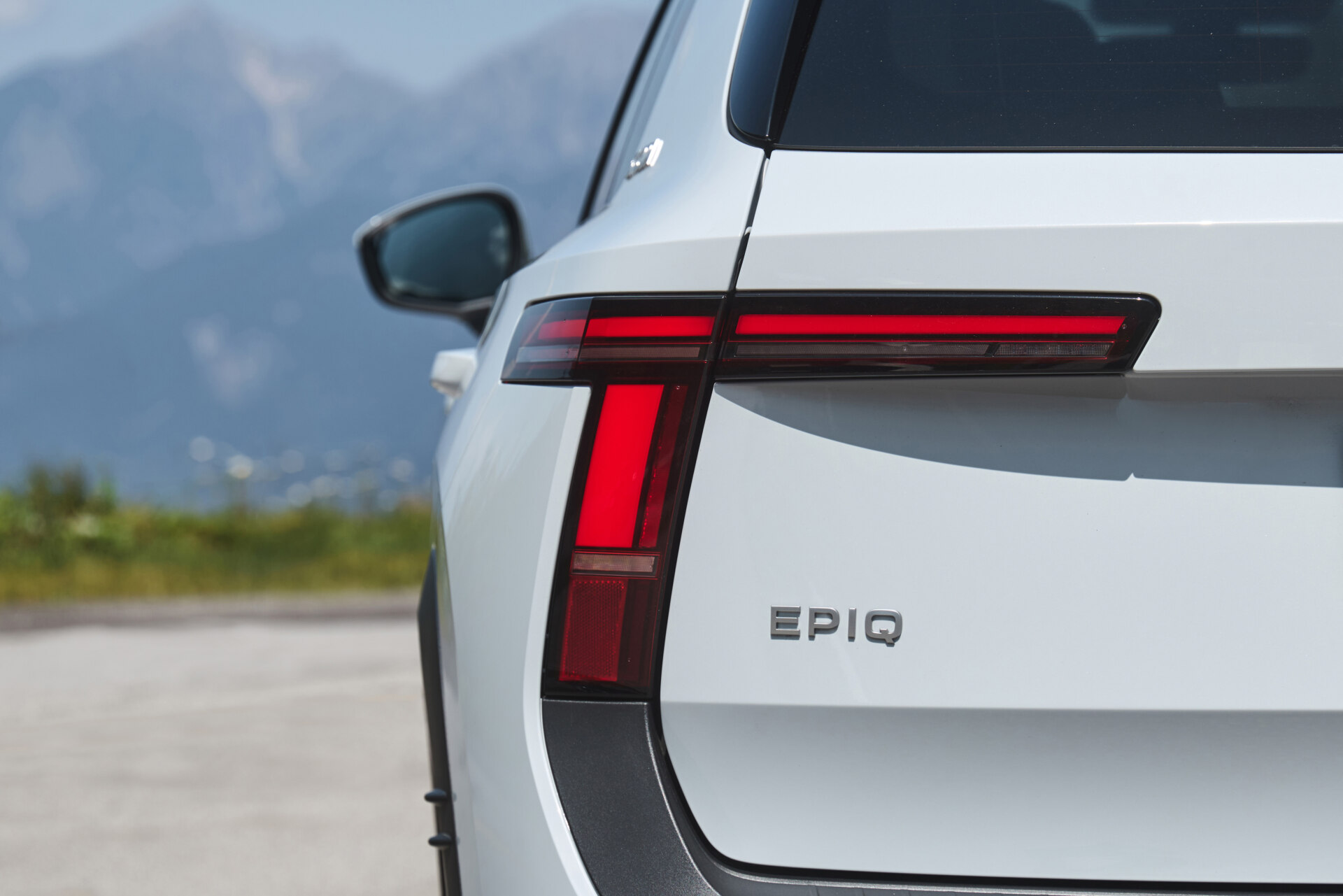
‘Modern Solid’ is the name of the new design language for the electric models, and its first visual hallmark is the T-shaped lighting front and rear. Underneath, the Epiq uses the Group’s MEB+ electric platform and is the first electric Skoda to be front-wheel drive. It offers ample room for four adults, good equipment, excellent build quality and lively performance with low consumption. The umbrella in the door is, of course, present and correct, and Skoda remains as inventive as its tradition demands.
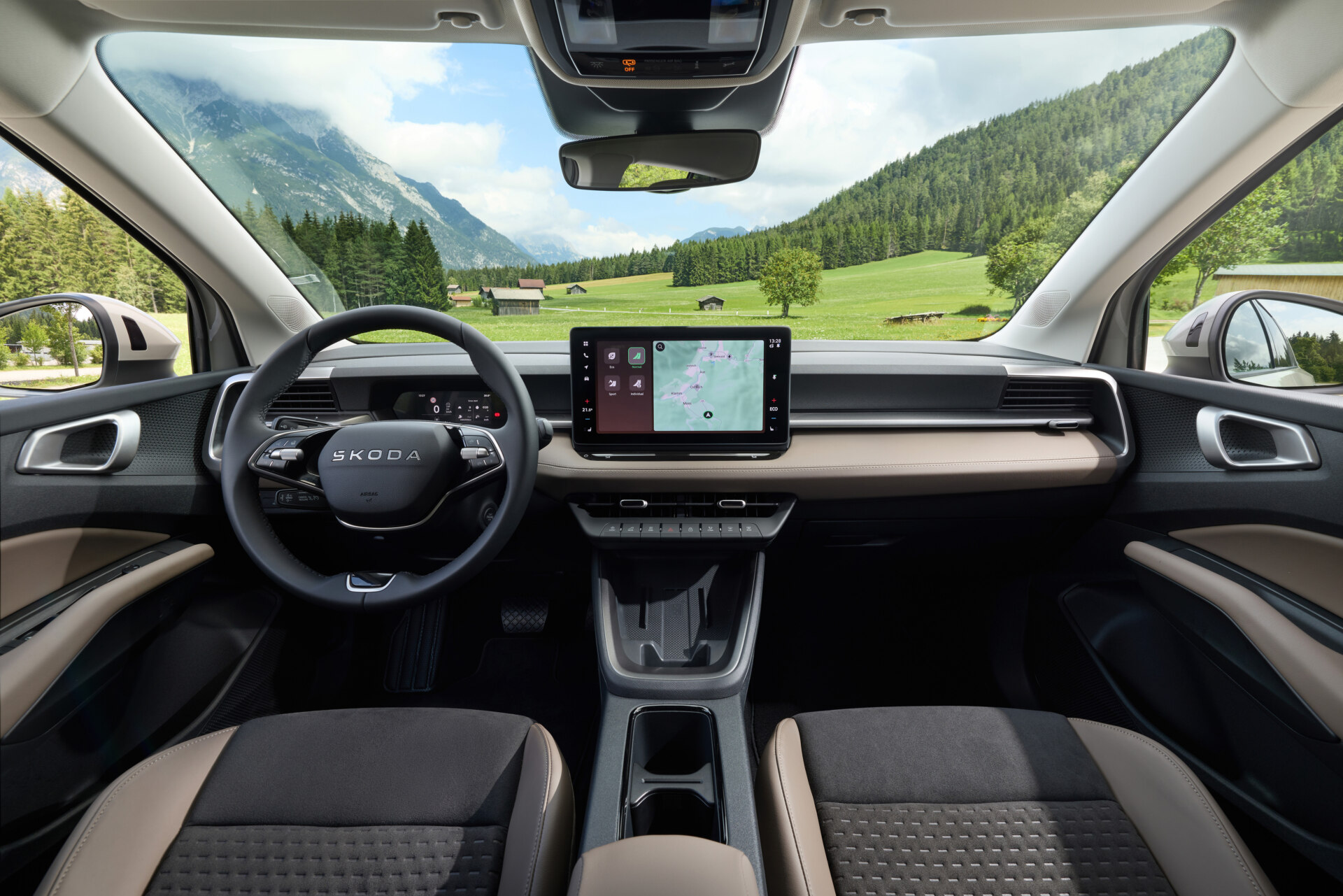
Inside, Techtona, a leather substitute, covers the dashboard and door panels. The LED Matrix headlights adapt to four driving situations (town, country roads, motorway and poor visibility). The Android-based infotainment system, with its 13-inch screen, has gained even more functions. Listing every feature relating to safety, comfort and the capacity to wind up easily irritated drivers would give any tech enthusiast enough holiday reading. Still, key functions such as heating, fan and air conditioning are operated with physical switches, saving time and nerves.
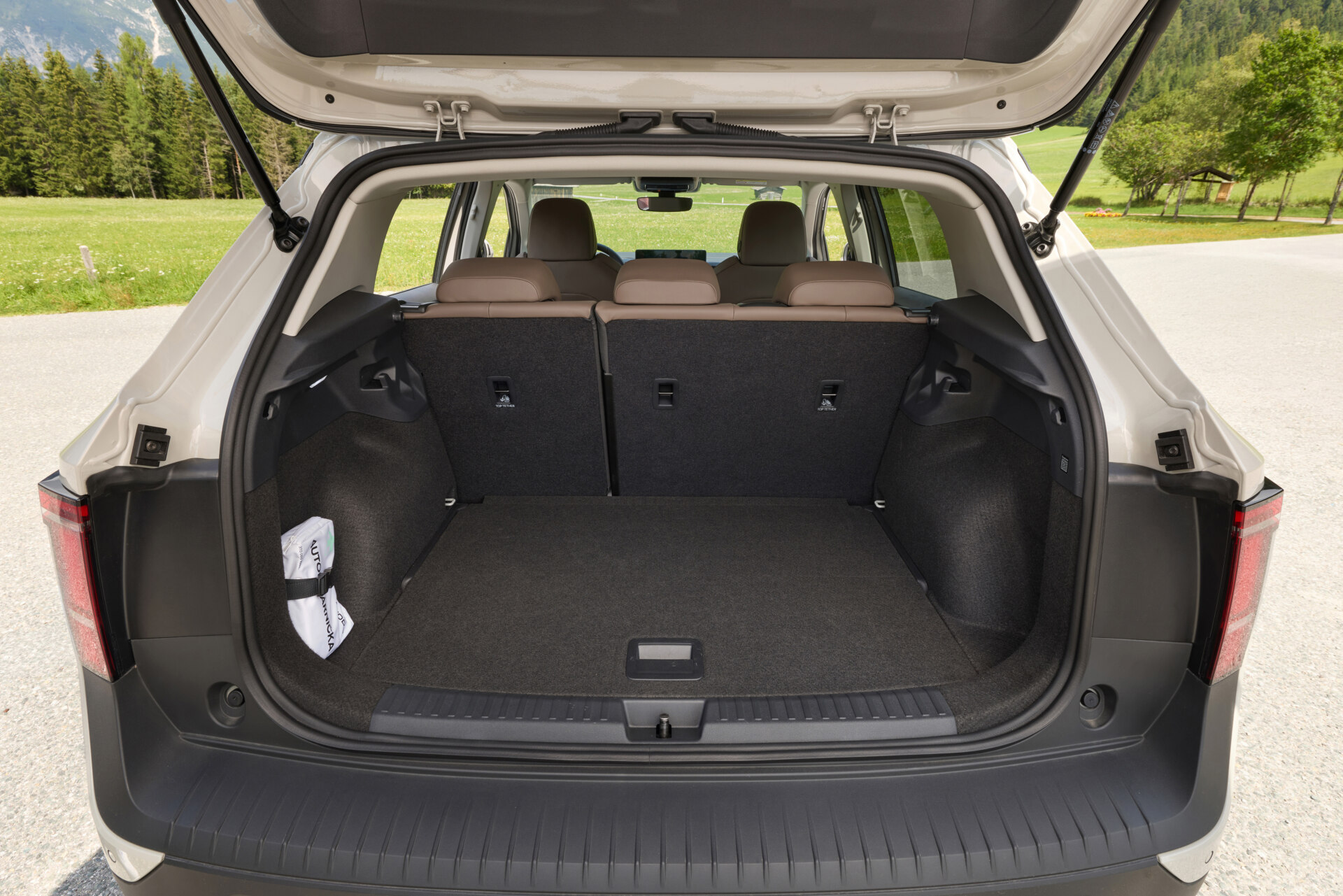
Standard driver assistance systems include Front Assist and Side Assist. Traffic sign recognition is naturally on board. Combined with adaptive cruise control, it may trigger braking that gently brings less attentive drivers back into line while also recovering energy. As well as D, drivers can select B mode and use one-pedal driving, which again saves braking in town traffic and boosts regeneration. The seven airbags need no comment. Ideally, you will never find out they are there. The seat covers are made from recycled polyester. Overall, Skoda gives driver and passengers a clear, high-quality interior that exceeds the standards of the segment. The boot holds 475 litres, expanding to 1,344 litres with the rear seatbacks folded.
Two batteries, three power outputs
The Epiq comes with three power outputs, 85 kW (115 PS) in the Epiq 35, 99 kW (135 PS) in the Epiq 40 and 155 kW (211 PS) in the range-topping Epiq 55. The 35 and 40 share a 37 kWh (net) battery and a factory-quoted range of 310 km, which makes them everyday cars rather than long-distance tourers. The Epiq 55, with a 52 kWh (net) battery, is claimed to cover 440 km. It charges at up to 105 kW on a DC rapid charger, going from 10 to 80% in 24 minutes. The 85 kW and 99 kW versions have a top speed of 150 km/h, while the Epiq 55 reaches 160 km/h.
Sensible on energy
We drove the Epiq 55 on the twisting mountain roads of the Tyrolean Alps. It is the ideal playground for cars of this kind, which leave any petrol model surprised by their pulling power uphill and recover some energy on the way down, if only a small share. Brisk acceleration and strong mid-range pull are well-known strengths of electric cars, but the Epiq also proved very agile and easy to handle, nicely planted and slightly firmer in Sport mode, with steering that is light yet precise. In Sport mode, however, the Epiq 55 can catch you out if you are heavy-footed with the accelerator. Still, a little fun is allowed.
The return to Munich airport was by motorway. At up to 140 km/h, even wind noise stays at a tolerable level. The same goes for consumption, which settled at just under 14 kWh/100 km after spirited driving. With 52 kWh of net capacity, more than 400 km is entirely achievable at normal speeds.
Specifications:
Skoda Epiq 55
Points forts
- Spacious cabin
- High build quality
- Distinctive new light signature
- Comfort and agility
- Moderate consumption
Points faibles
- Limited DC rapid-charging power
- Digital features bordering on overload