Volkswagen ID. Polo
The German automaker has introduced an electric version of its compact hatchback: the ID. Polo. Its size and agility make it ideal for city driving, whilst its comfort and premium features allow drivers to enjoy it on longer trips. We gave it a try on the roads of Austria.
“Building small, good cars is difficult,” said Volkswagen spokesperson Martin Huber, presenting the all-new electric ID. Polo. With bigger cars, there’s plenty of space, weight is less of a concern, it’s easy to add in luxury features, and the customer is willing to pay a higher price. But creating a compact car that ticks all the boxes, one that incorporates space needs, precision, and efficiency? That’s a real challenge. And it’s one that Volkswagen has tackled with its newest electric model.
A “true” Volkswagen
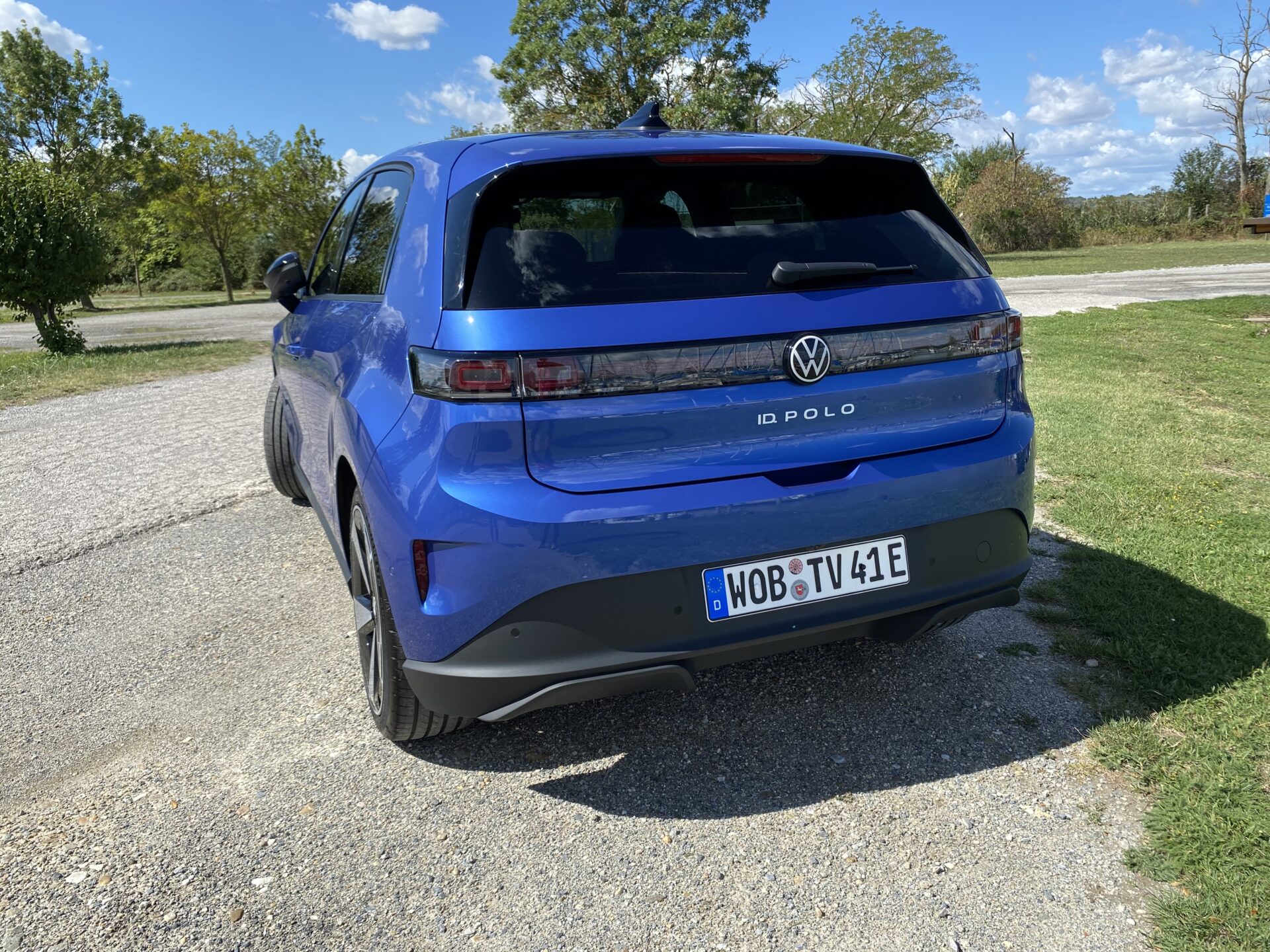
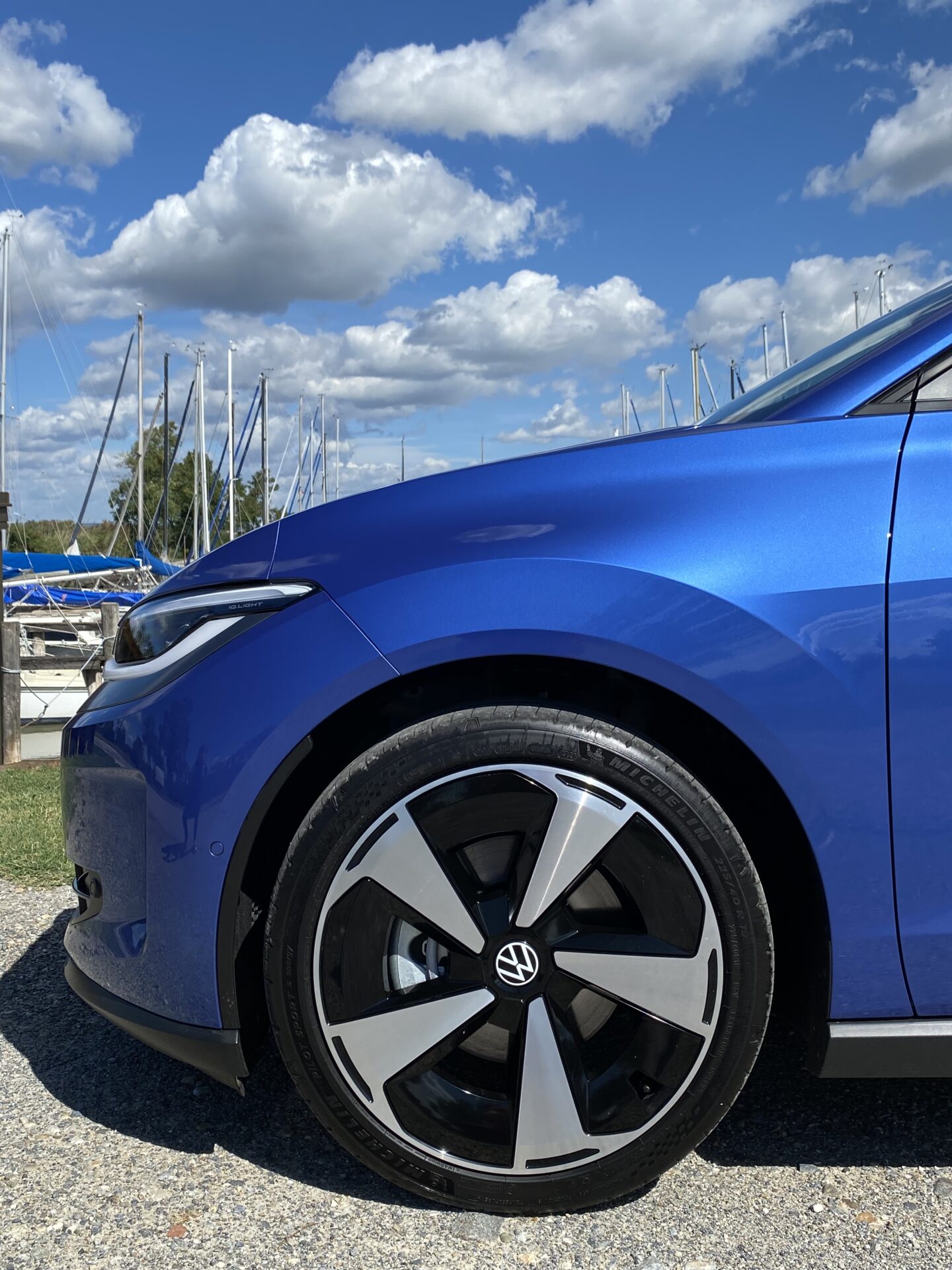
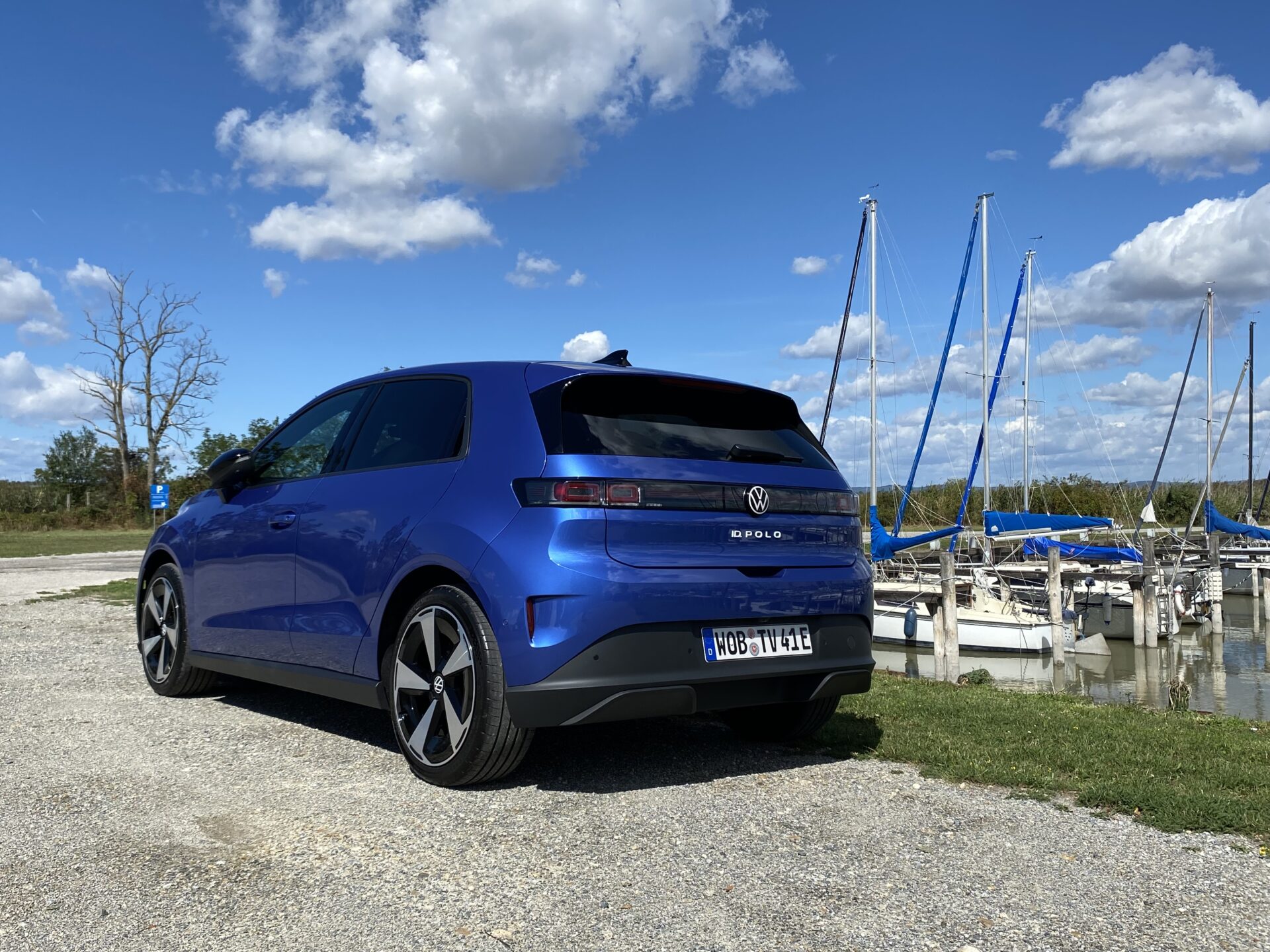
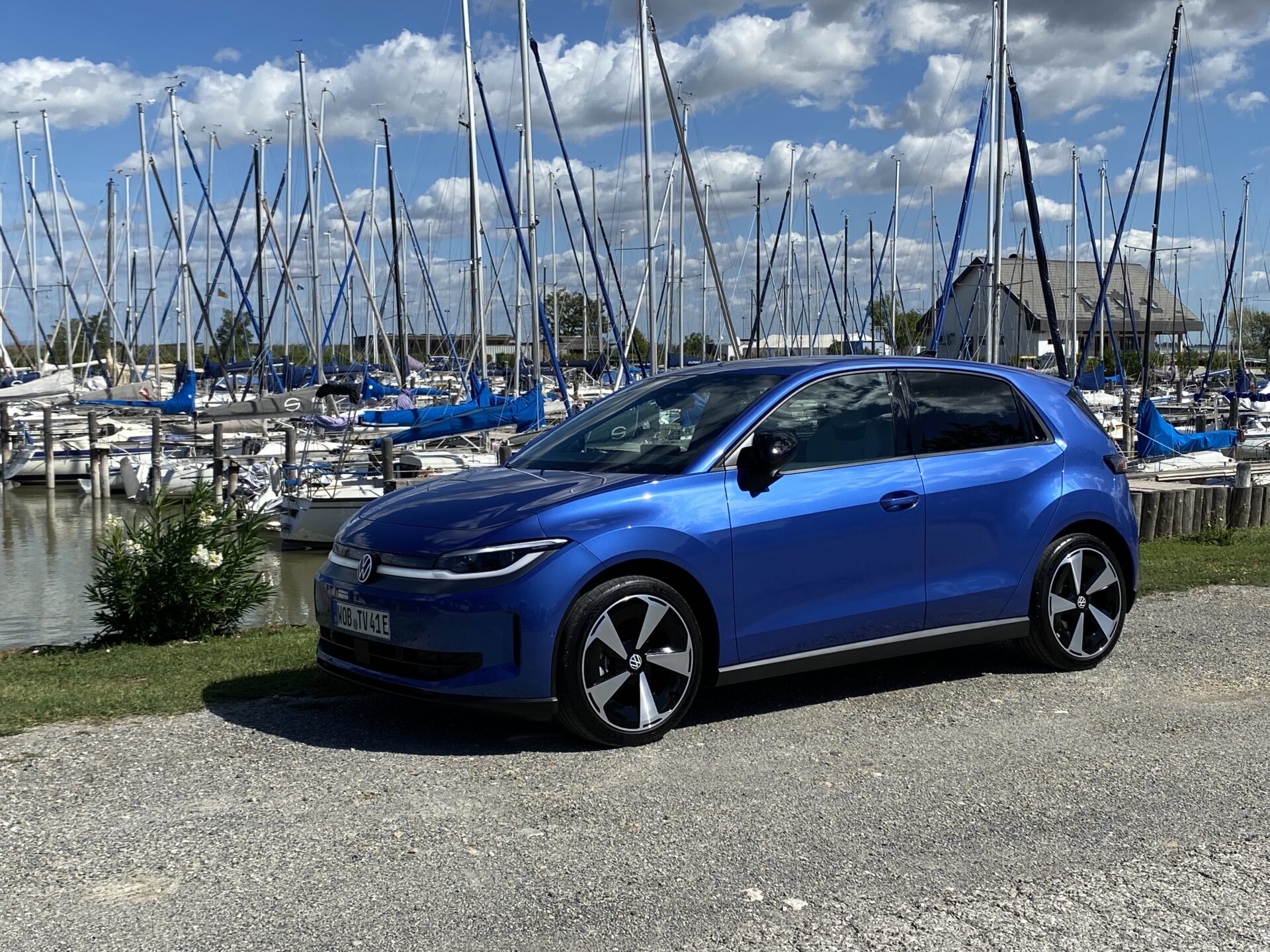
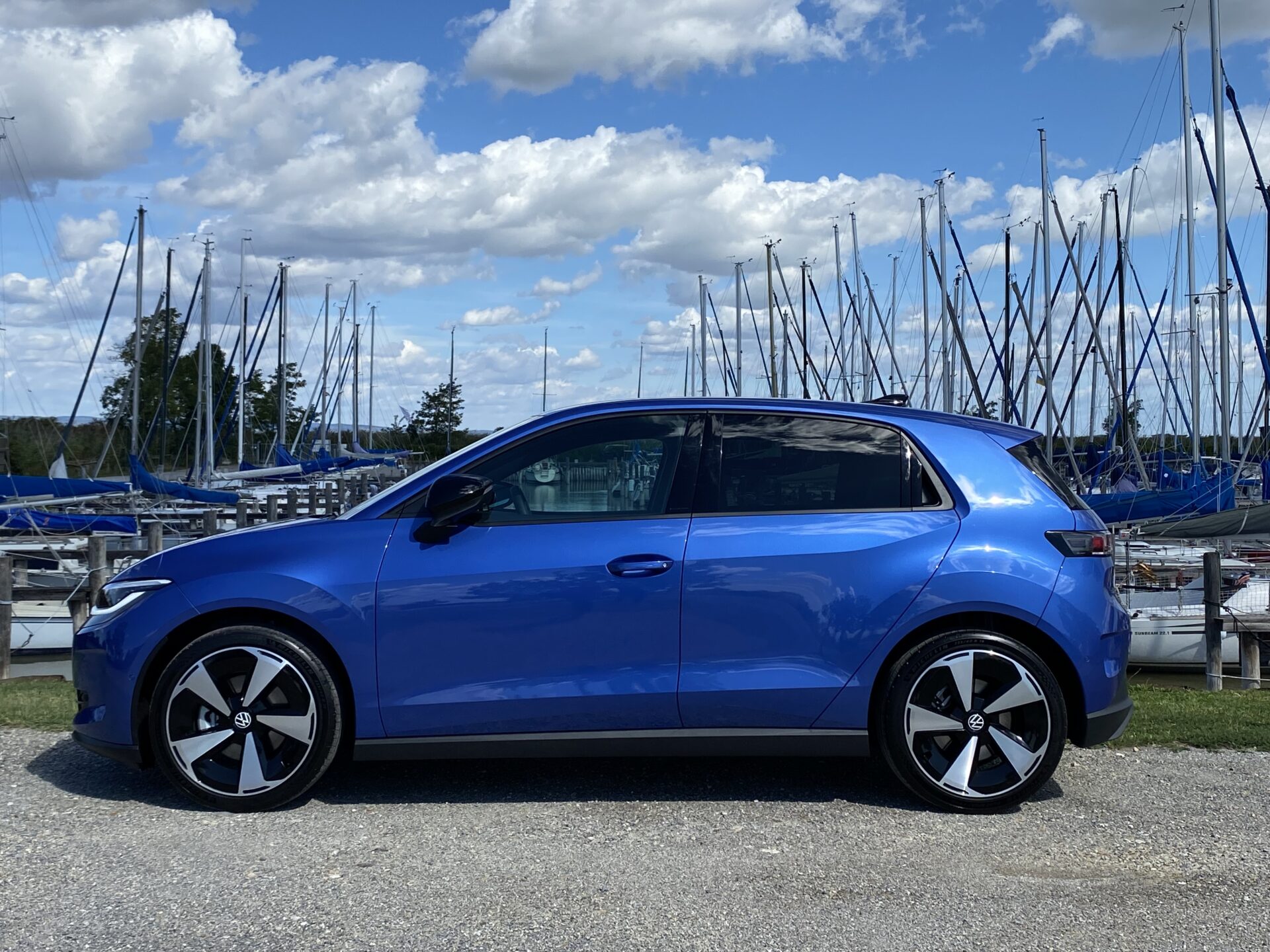
The new ID. Polo has all the elements of a “true” Volkswagen and aspects of the brand’s “pure positive” design language. Looking at the outside, the car’s silhouette is timeless, classic, and easily recognisable as a Volkswagen; it hasn’t changed a lot over the years. It has a horizontal lightbar in the front with the illuminated logo in the centre, headlights that swoop slightly upwards to give the car a smiling expression, and “whiskey glass” rear lights. Its front doors have traditional grip handles, whilst the rear doors feature hidden door handles. The wheels are situated in the far corners of the body, giving the car a sense of stability. Even though it’s a compact hatchback, the height of the car is impressive: it gives the impression of being a larger, more assured car, even though it is only 1530 millimetres tall.
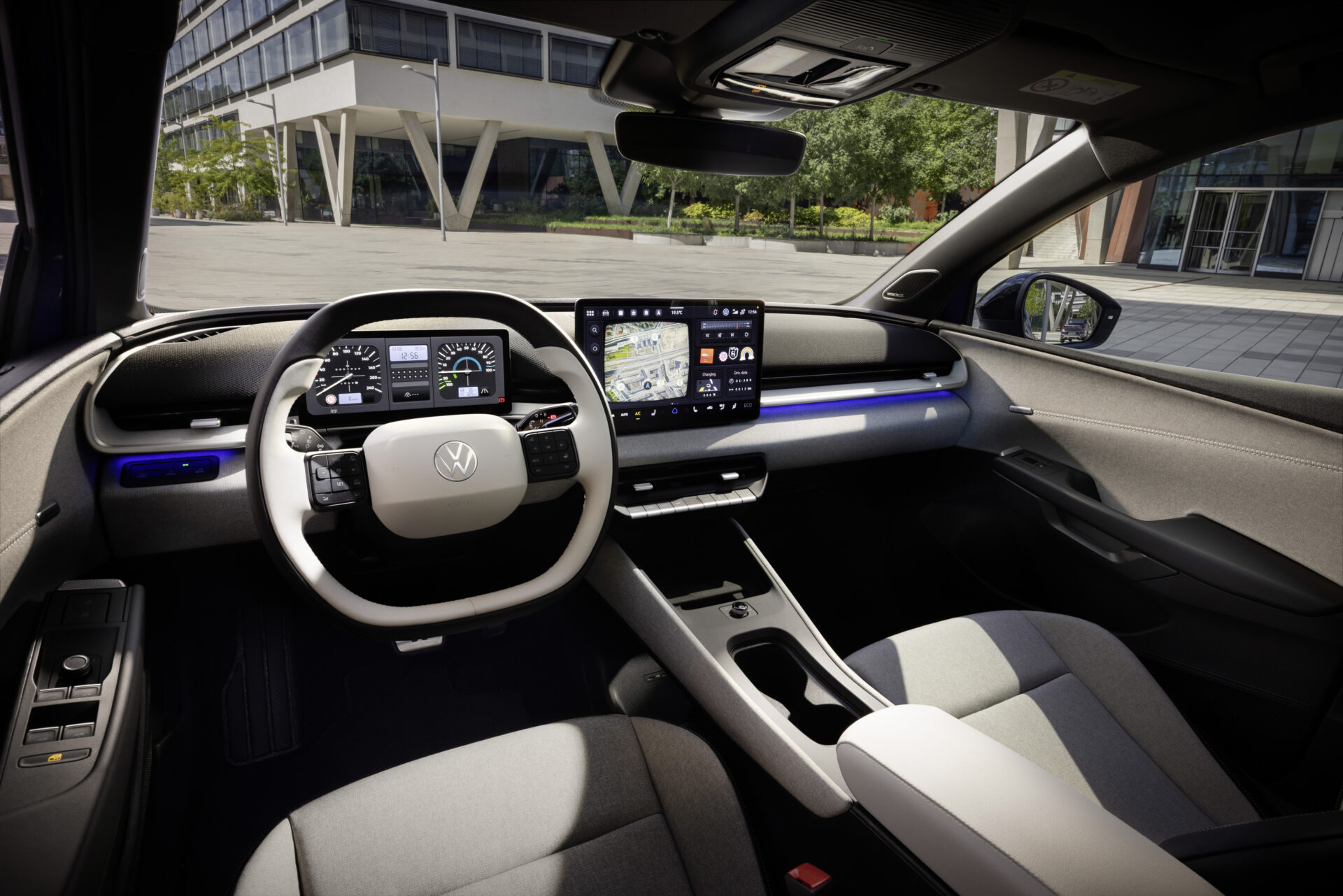
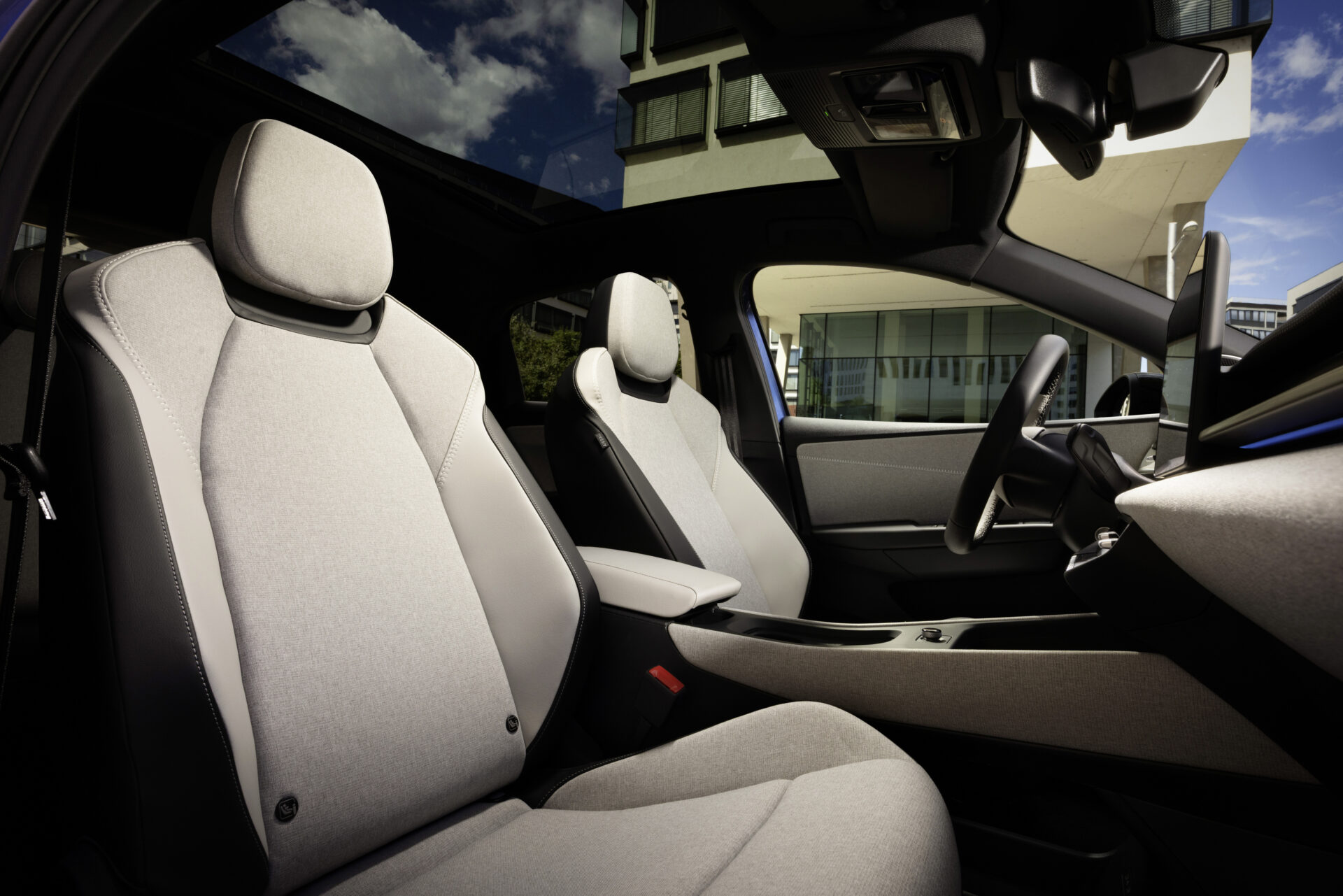
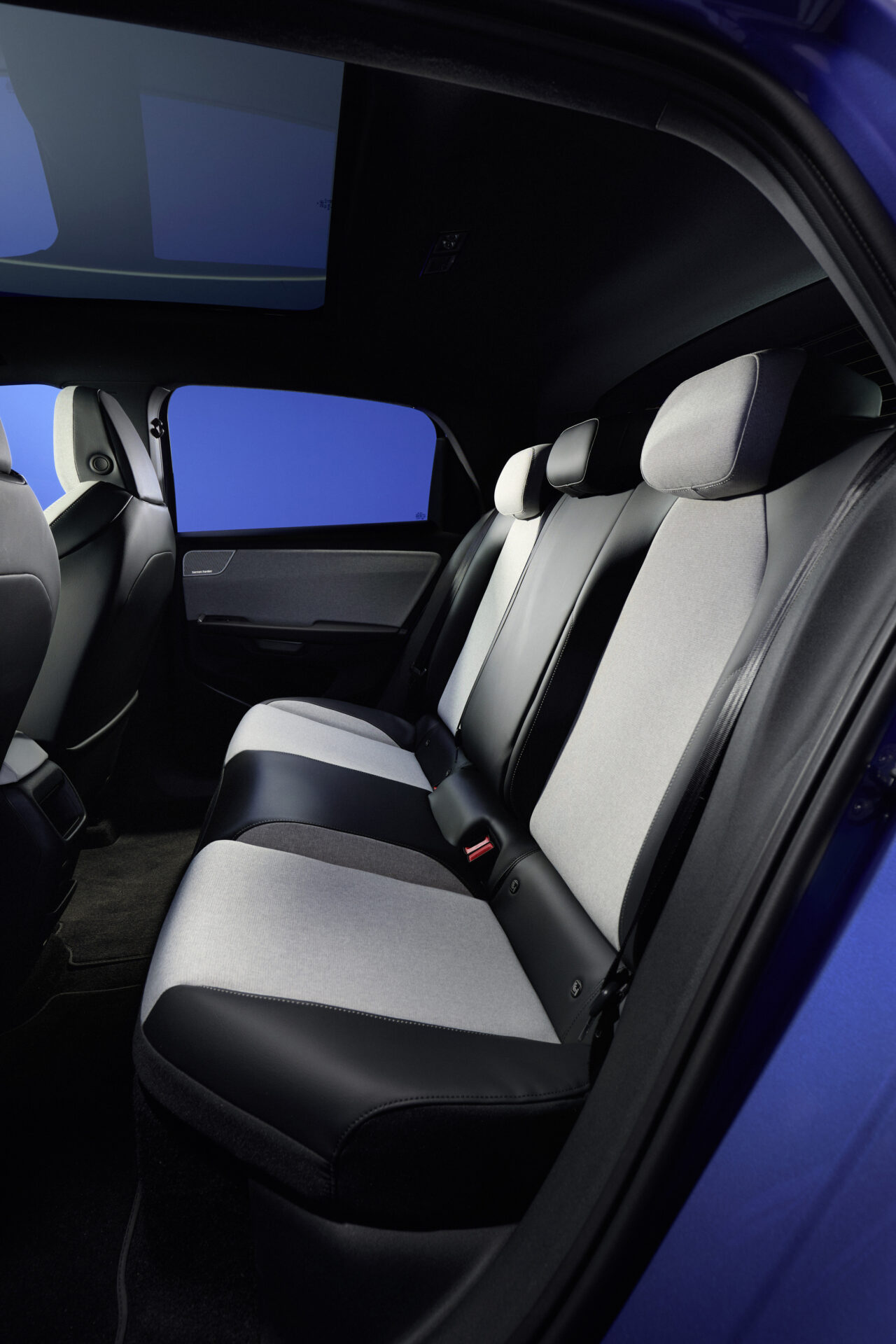
That height translates to the interior. Like Mary Poppins’ magical carpet bag, the inside of the car is bigger than the outside might suggest. Even though it falls into the B-segment, the ID. Polo offers plenty of space. The seats in the back are comfortable and leave plenty of headroom, whilst the driver and front passenger seats feature the same soft, cozy material and even have a massage function – a major benefit for those longer journeys and a detail that has been borrowed from higher vehicle segments; the driver and passenger can even choose from several different massage programmes.
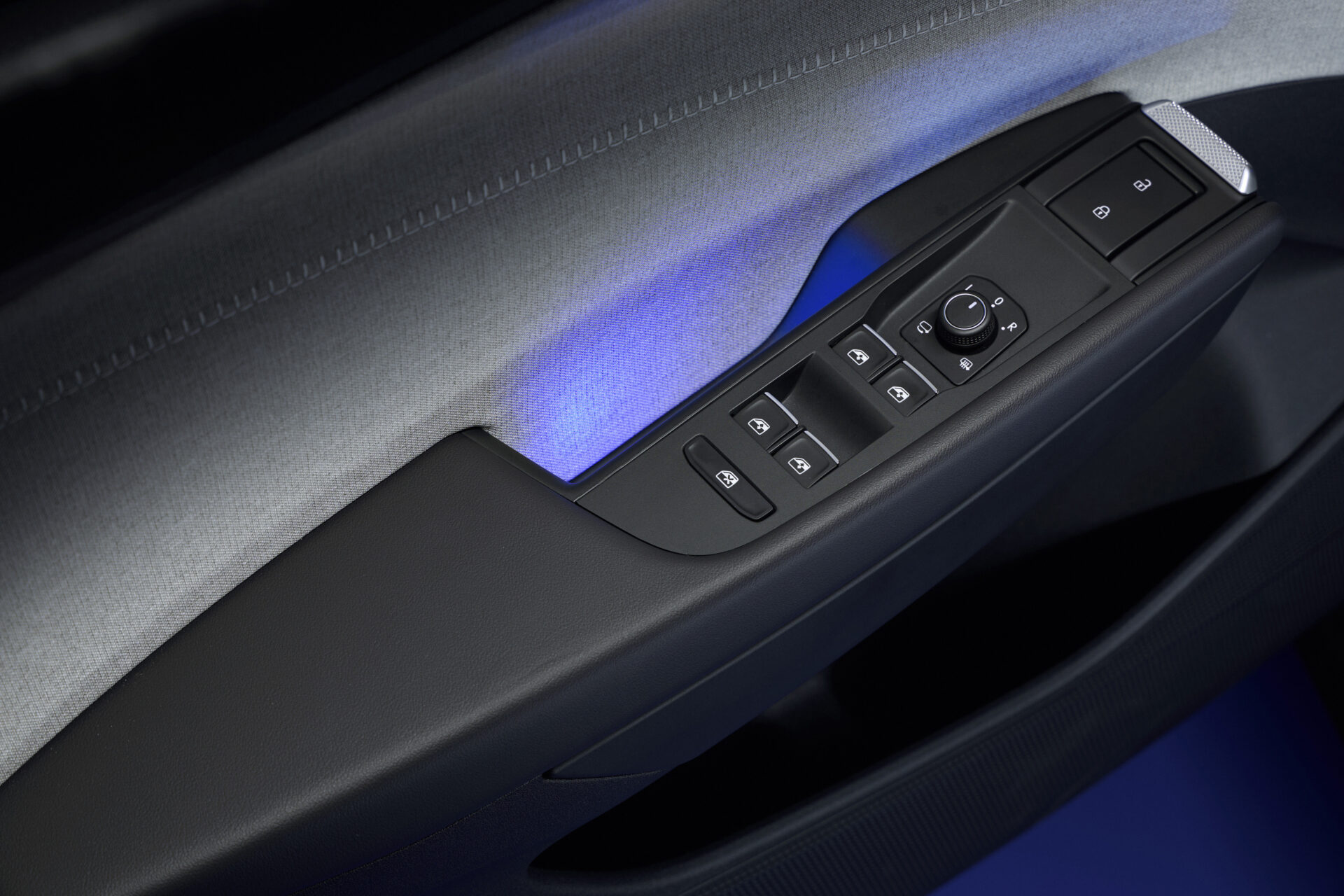
This soft fabric is also present along the centre console, where a passenger’s knee might rest, along the dashboard, and on the inside of the doors. In fact, the door panels are quite high, raising the windowsills and creating an enclosed feeling for the passenger compartment.
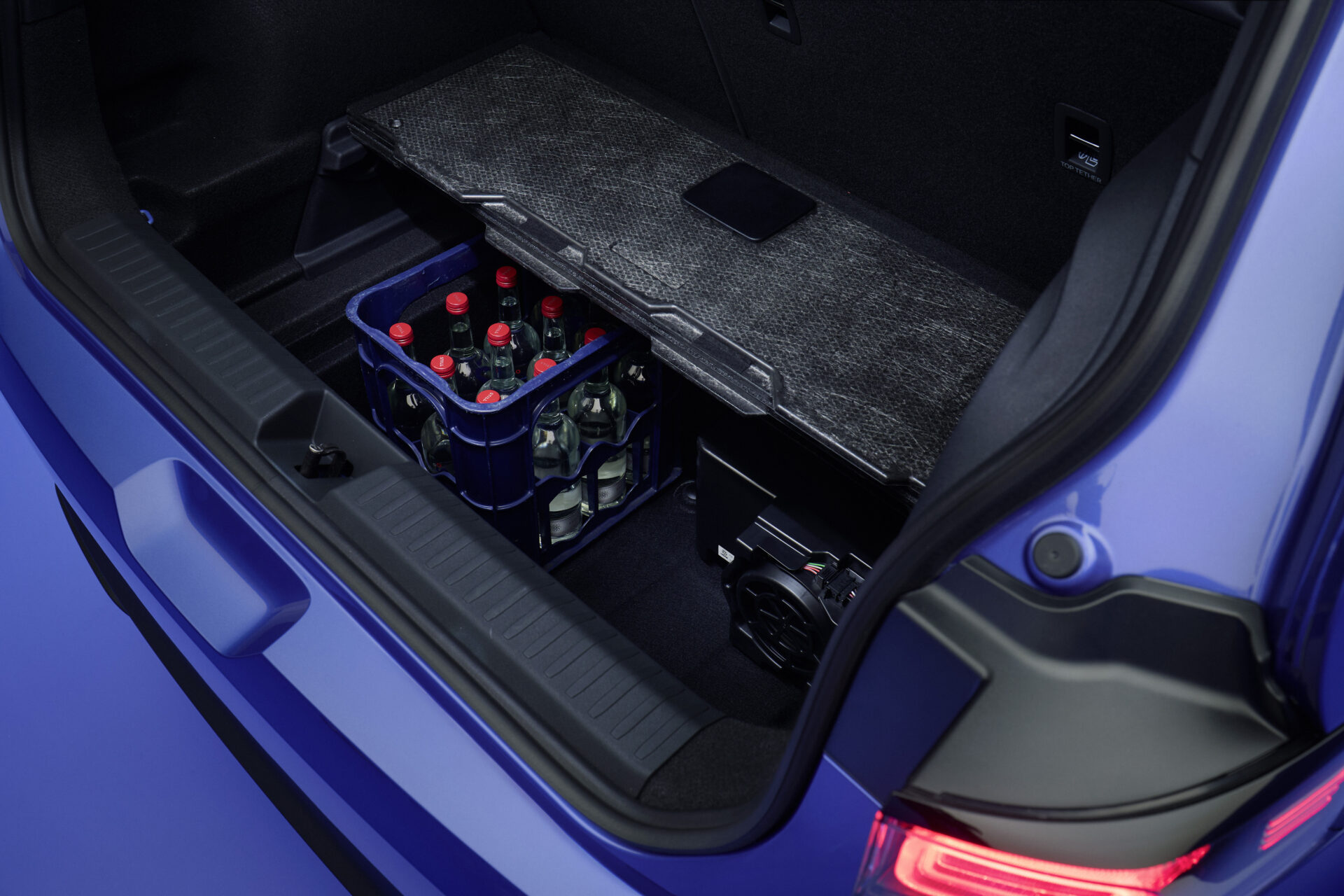
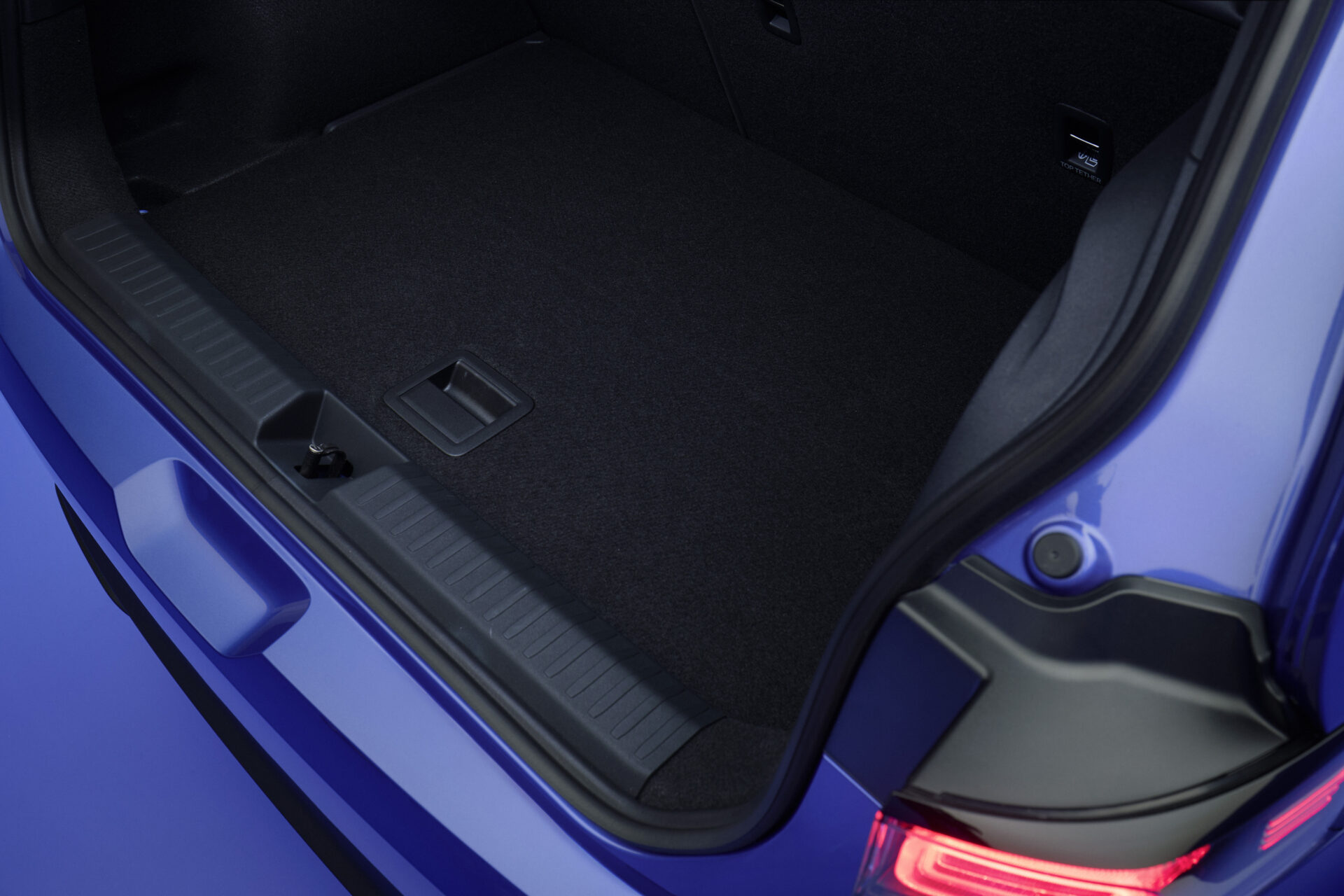
Because there is no fuel tank and no exhaust system in the electric vehicle, the 441-litre trunk is exceptionally spacious: it’s easy to fit in a few suitcases, and if you need additional space, there’s a “cellar” that you can access by pulling up the “floor” of the boot. That makes it convenient for everyday errands, like shopping at the grocery store or picking up a few kids with soccer bags, or for longer trips like family holidays. A WLTP range of up to 454 kilometres makes these kinds of journeys feasible.
Driving experience: maneuverable and responsive
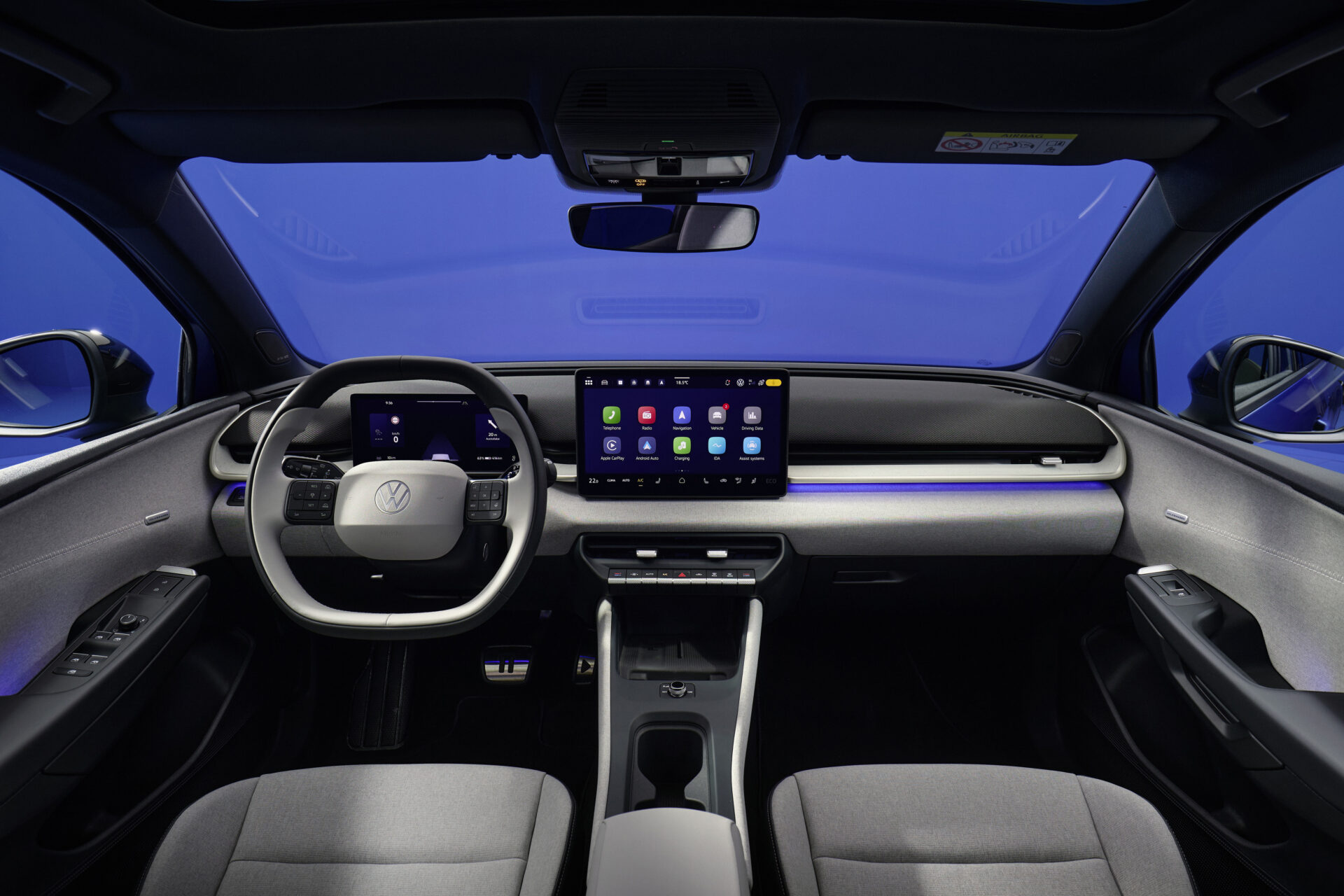
For a driver, things are designed to be intuitive and easy to operate. The seat automatically slides backwards and forwards a few centimetres when entering and leaving the car, easing entry and exit. We found the squared-off steering wheel to be slightly too large, but the unusually wide gap between the steering wheel’s branches does facilitate the driver’s view of the 10” screen. The display itself is also easy to read: you can choose to have a round speedometer and power-dial as your main display, or have the navigation instead. A “retro” display is also an option. To accompany the directions provided by the navigation system, a narrow band of blue light appears between the dashboard and the windshield, indicating the direction a driver should turn – a neat little feature.
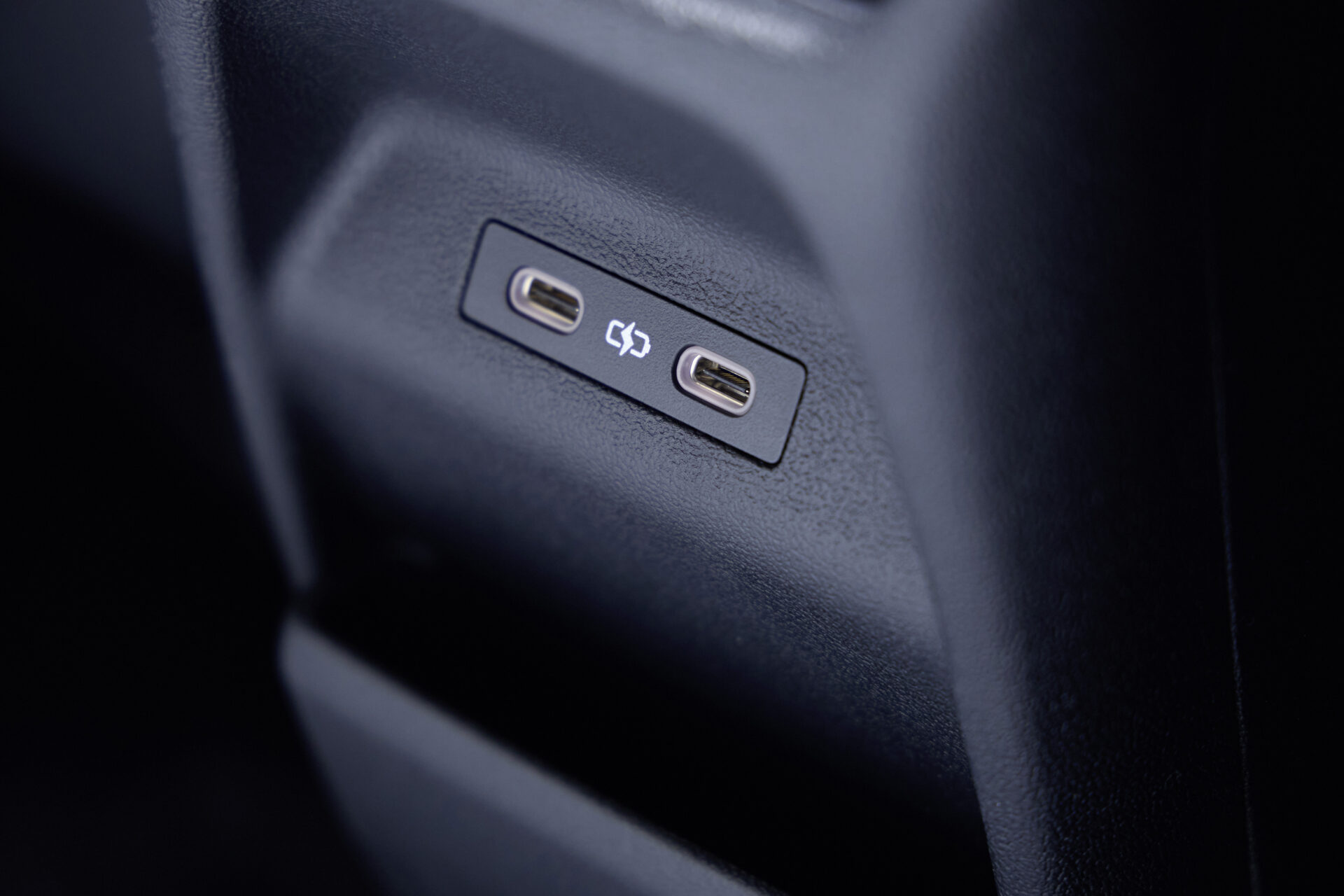
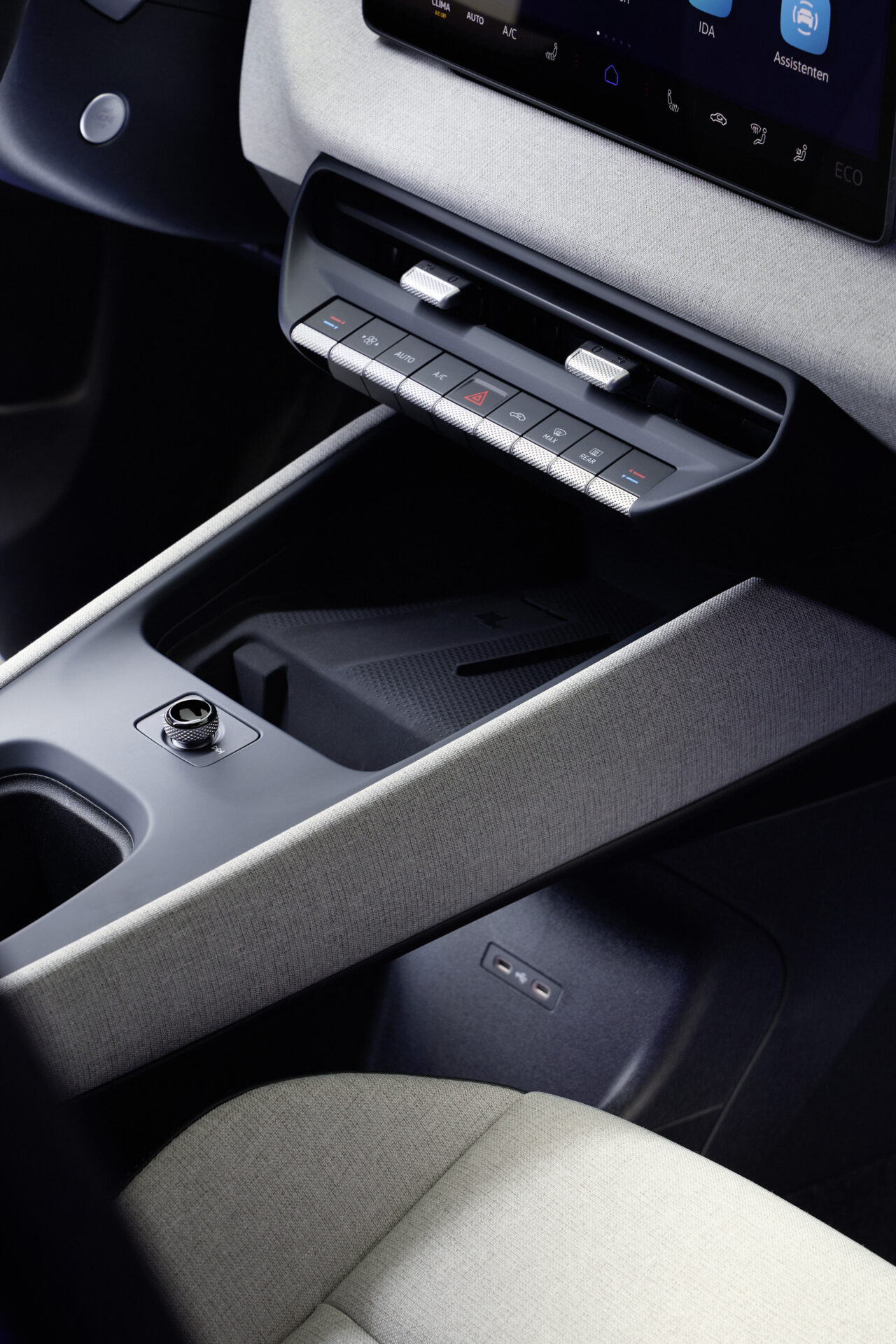
The lever to the right of the steering wheel serves as the gearshift (shifting between R/N/D and the B mode), which does take some time to get used to. But that also means that the centre console is very simple and straightforward: a cupholder, a volume dial, and space for mobile phones or keys.
The chassis and steering precision have been imported from higher vehicle classes, whilst the one-box braking system makes the car especially responsive. Acceleration is swift and smooth, and the car is easy to maneuver. Multiple modes (including eco and sport) are also available and provide a noticeably different experience. However, the switch to B mode, which increases regenerative braking when the driver does not have their foot on the accelerator, was rather abrupt and required our increased attention.
During our test on the highways, we were pleasantly surprised by the ID. Polo’s sound insulation: our drive was quiet and smooth, and we hardly heard the sound of passing cars and trucks. The ADAS notifications were fairly subtle; we particularly liked the blind spot warning light located on the inner face of the exterior side mirrors (rather than a warning light on the mirror itself). The car’s adaptive cruise control was also satisfactory.
Buttons make a comeback
Volkswagen has brought buttons back into its design: the climate controls just below the fan vents have bands of tiny, silver raised nubs that increase the tactile sensation – this shift from touchscreen controls to physical buttons was much appreciated, though the fan was a bit noisy. Buttons on the steering wheel itself also make it easy to control various functions, like the radio volume.
The 13” infotainment screen is easy to access and navigate through, though we did experience a couple of small hiccups with error messages appearing on the driver display and the map disappearing from the main screen from time to time. We particularly liked the feature that indicated how much battery was estimated to remain by the time we arrived at our destination – useful for planning purposes.
Excellent energy efficiency that fulfills everyday needs
After driving for five hours through the city, on highways, and on winding rural roads, we covered a distance of 220 kilometres with an average speed of 43 km/hr and still had 40% of the battery left over; the display informed us that we still had 158 kilometres of range remaining. (Our test car was the Life and style model, which had a 52 kWh battery in combination with the 155-kW powered engine; we had two adults in the car and used the air-conditioner for most of the drive).
That put our energy consumption rate at 12.8 kWh per 100km, illustrating the efficiency of the ID. Polo’s APP290 electric motor. In fact, using the ID. Polo and its MEB+ platform with front-wheel drive as a base, Volkswagen has built the world’s most efficient near-production electric car. Called “Mission Efficiency,” the aerodynamic concept car had a real consumption of 7.51 kWh per 100km during a 1278-km drive from Wolfsburg, Germany to Vienna, Austria.
“The new Mission Efficiency impressively demonstrates the incredible potential of the drive system in our new ID. Polo. Developed for all models based on MEB+ with front-wheel drive, the system is extremely light, very efficient and thus the ideal drive system for our record-breaking vehicle,” according to Kai Grünitz, board member technical development, Volkswagen brand and brand group core. The Volkswagen team, he added, is “showing that you can build the most efficient car in the world using affordable, large-scale production technology.”
Conclusion
Volkswagen’s new electric ID. Polo fulfills all the criteria you’d need for an everyday car, whilst also offering the possibility of taking it on longer trips. Its high efficiency, premium comfort options (like the massage seats or Harman Kardon sound system), intuitiveness, and spacious interior make it a true Volkswagen, accessible to all.
TECHNISCHE DATEN
ID Polo
Points forts
- Agility
- Buttons
- Comfort
Points faibles
- Lever to shift from R/N/D and to B mode
- Squared-off steering wheel
Tags