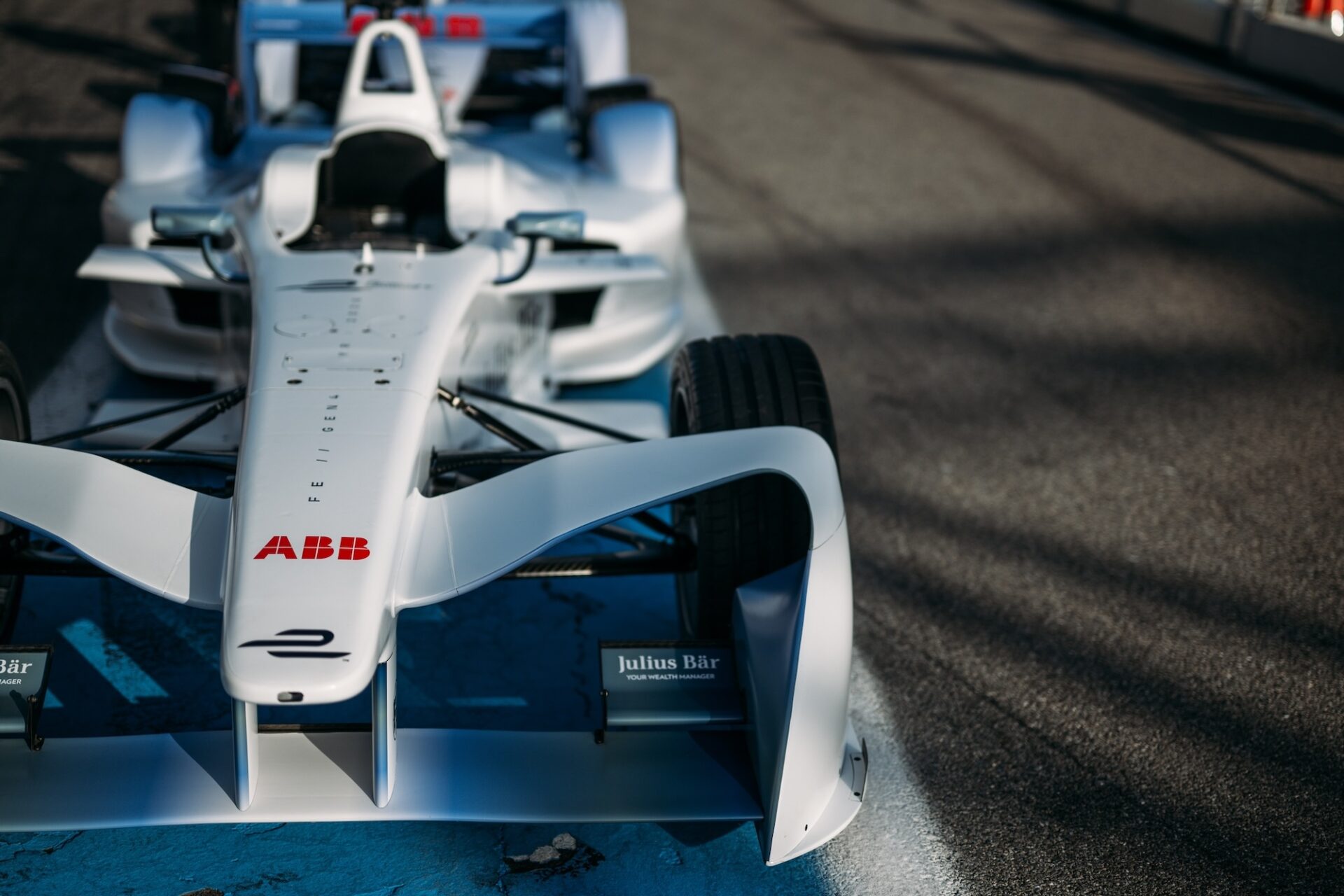
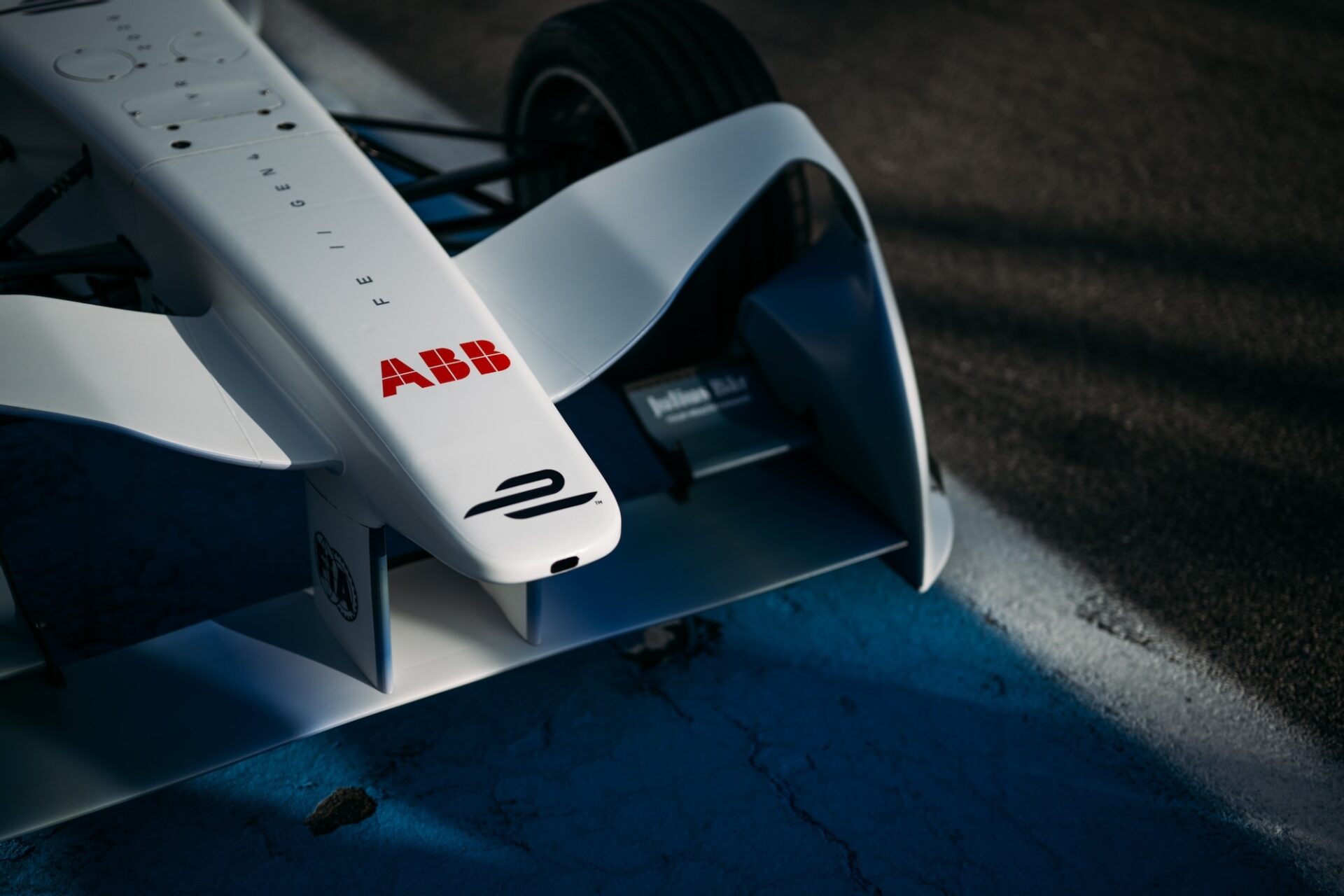
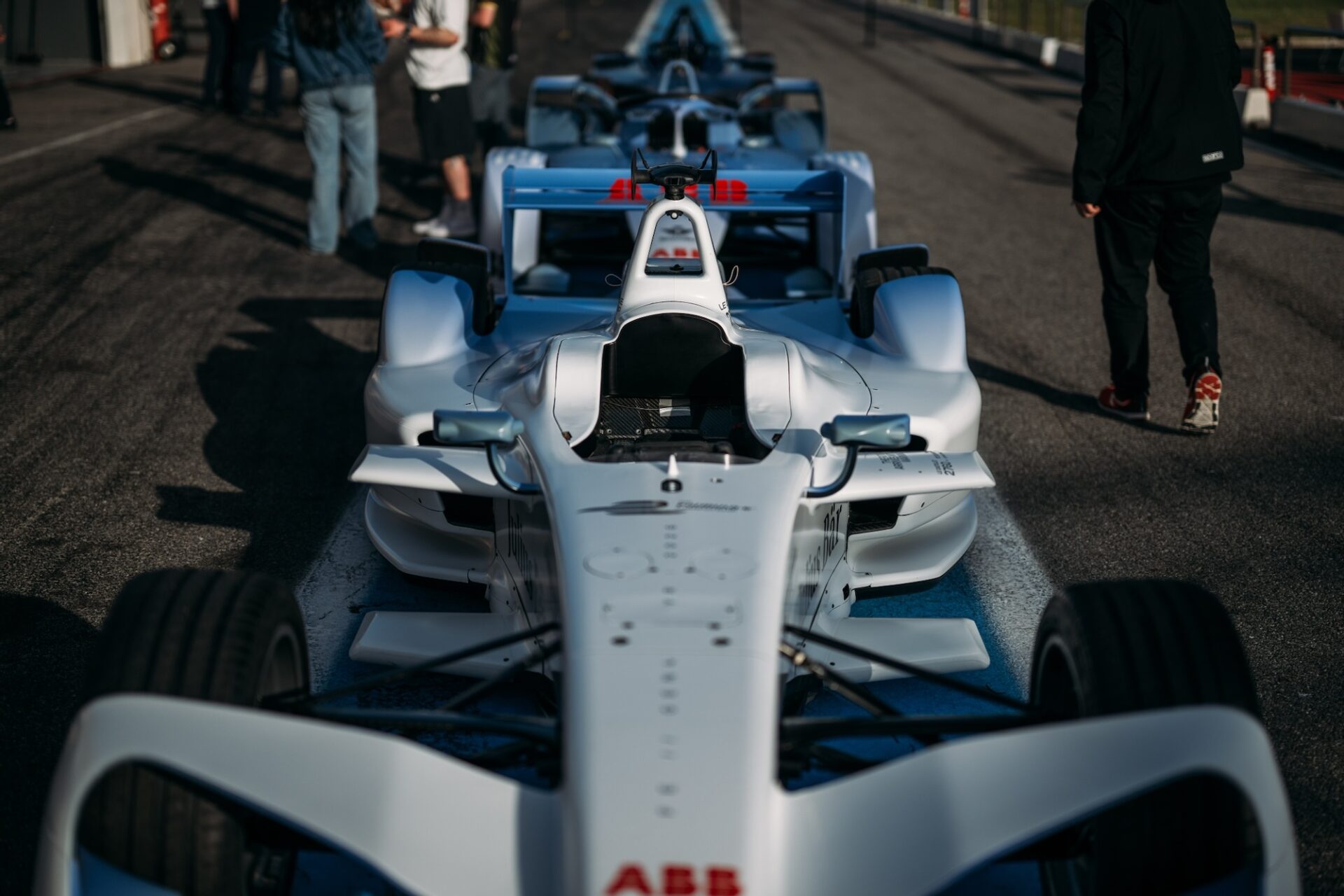
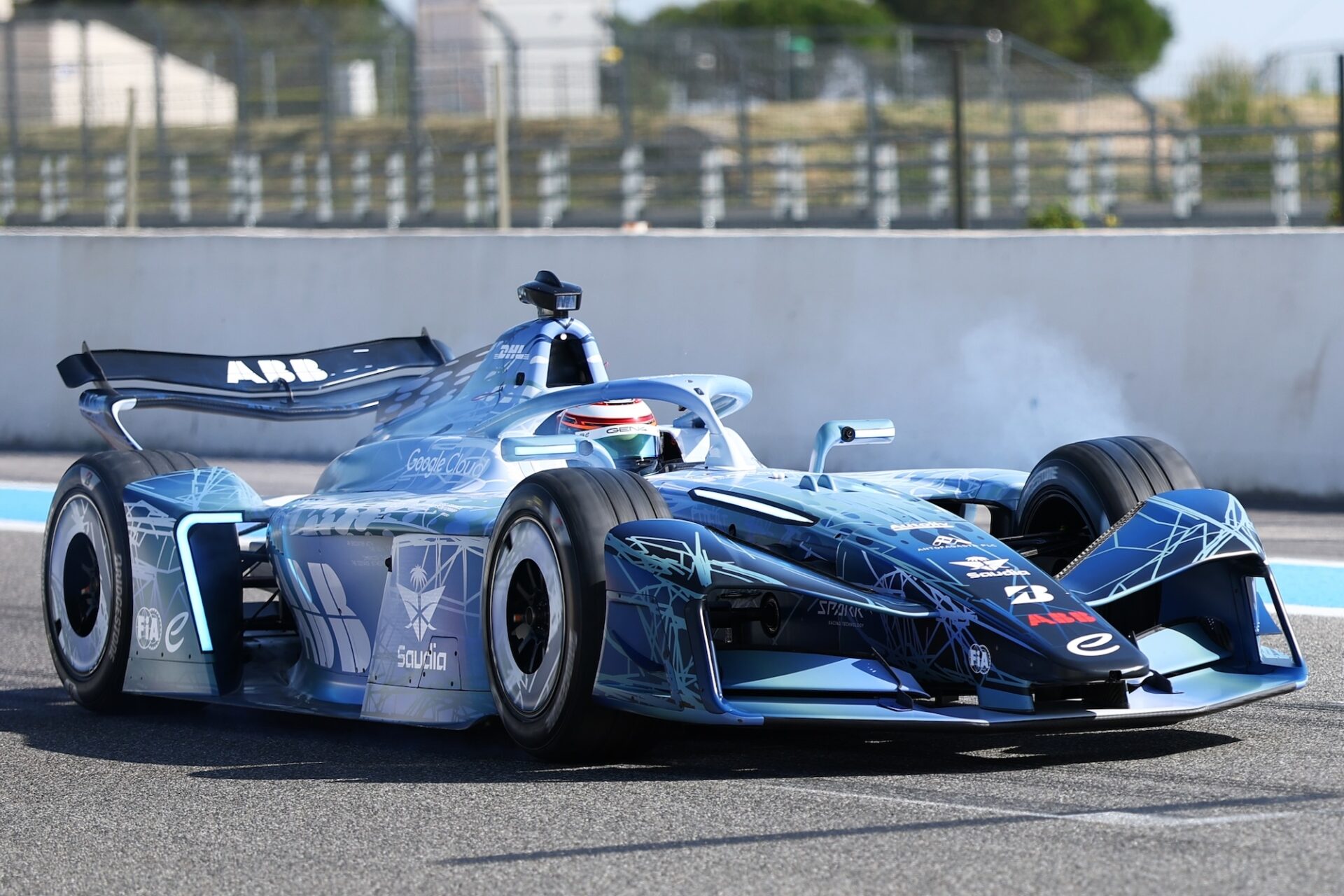
Both are FIA world championships, with single-seaters and top-level drivers. But Formula E, which starts its first season with the new Gen4 in December, does not play by the same rules as Formula 1.
Launched in 2014, Formula E is a series for fully electric single-seaters. It races mainly in cities, on street circuits such as Jeddah, Berlin and Tokyo, although a few permanent tracks also feature on the calendar. The 2026-27 season has 21 races in 13 cities, against 24 Grands Prix in F1. In F1, each team designs its own car. In Formula E, the chassis, battery, front motor and tyres are the same for everyone. Manufacturers develop the rear powertrain and the software, which keeps costs down.
Short, tactical races
An F1 Grand Prix covers around 305 kilometres, or roughly an hour and a half, with at least one pit stop to change tyres. An E-Prix lasts about 45 minutes with no tyre change, and the race weekend Two cars, two philosophies
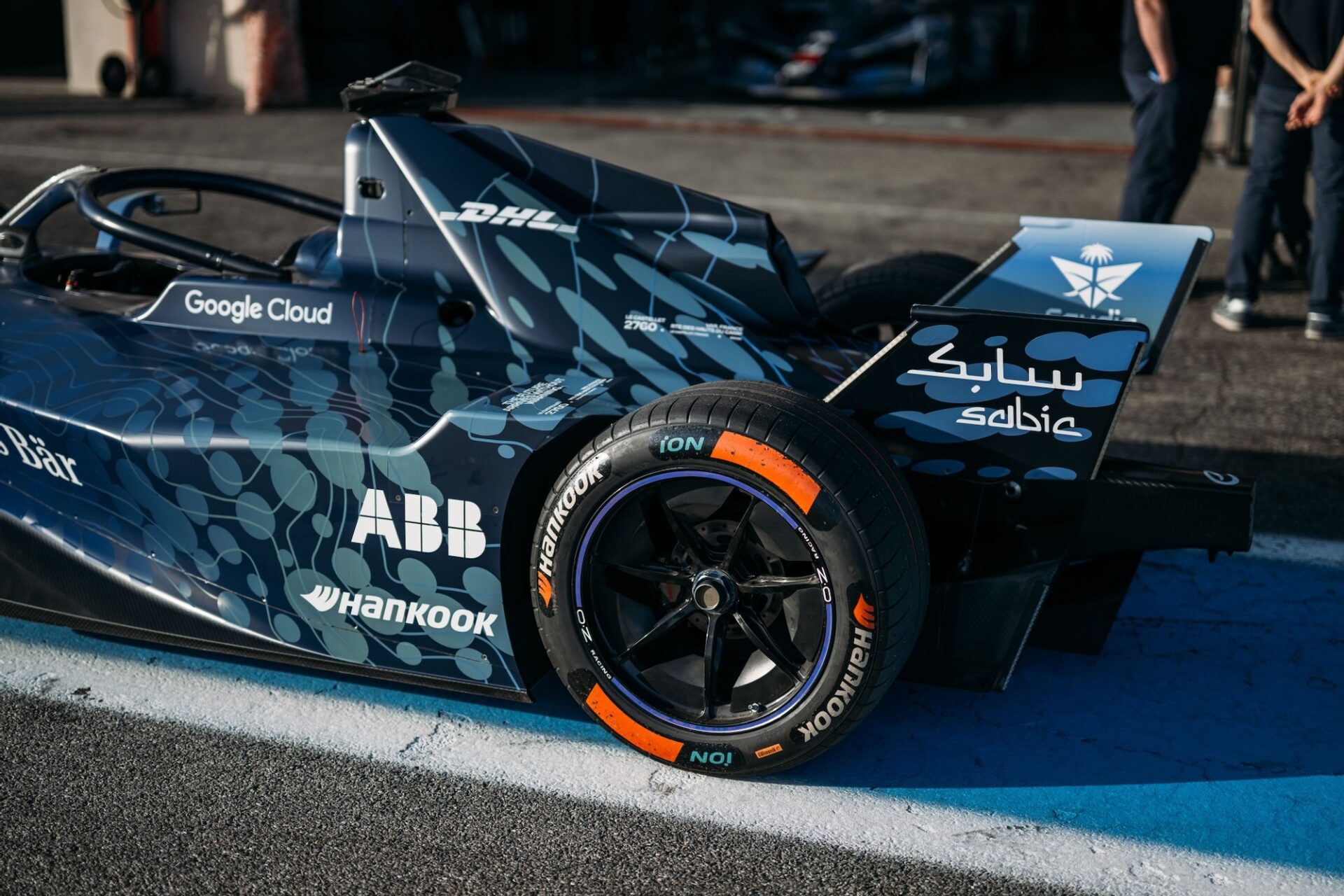
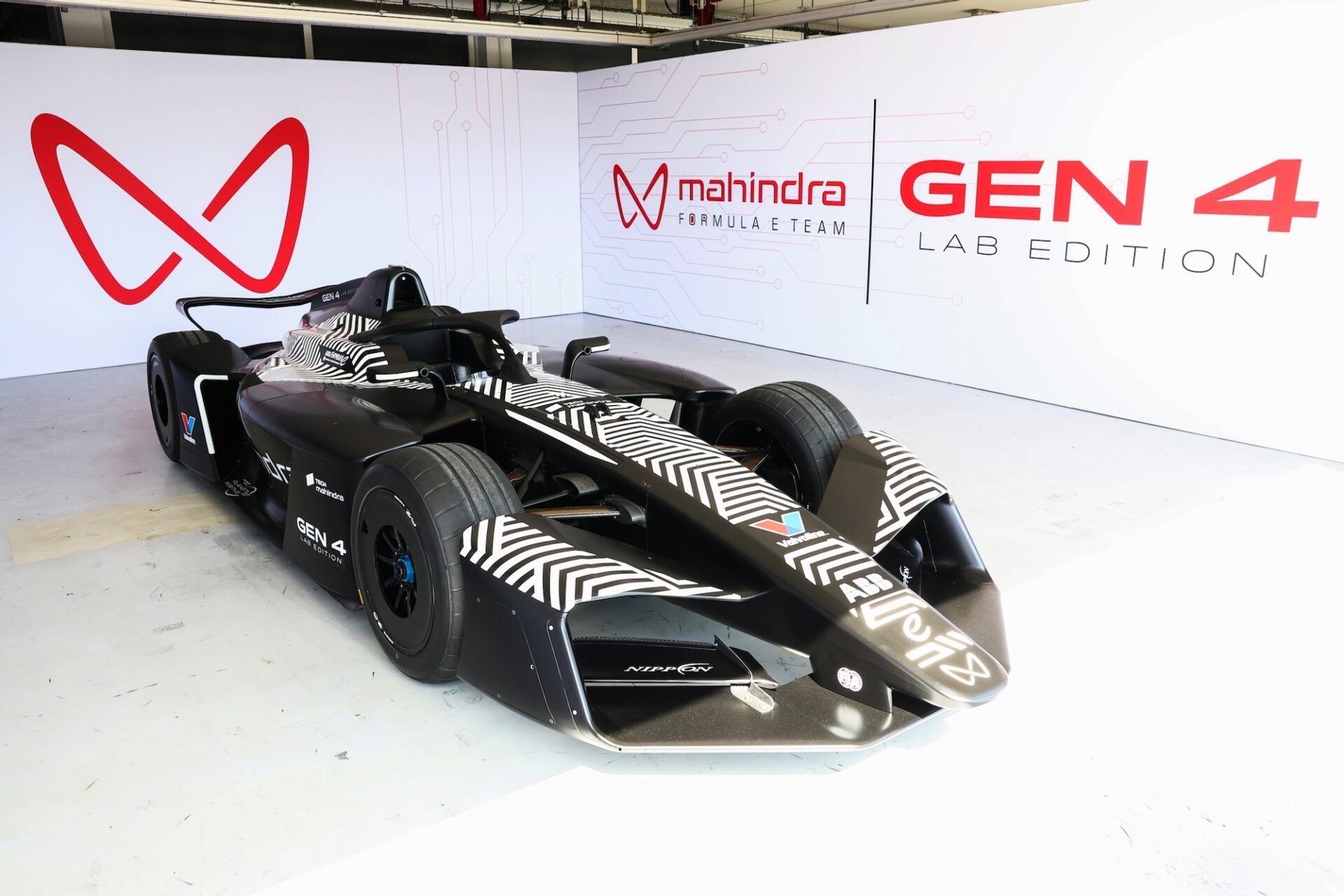
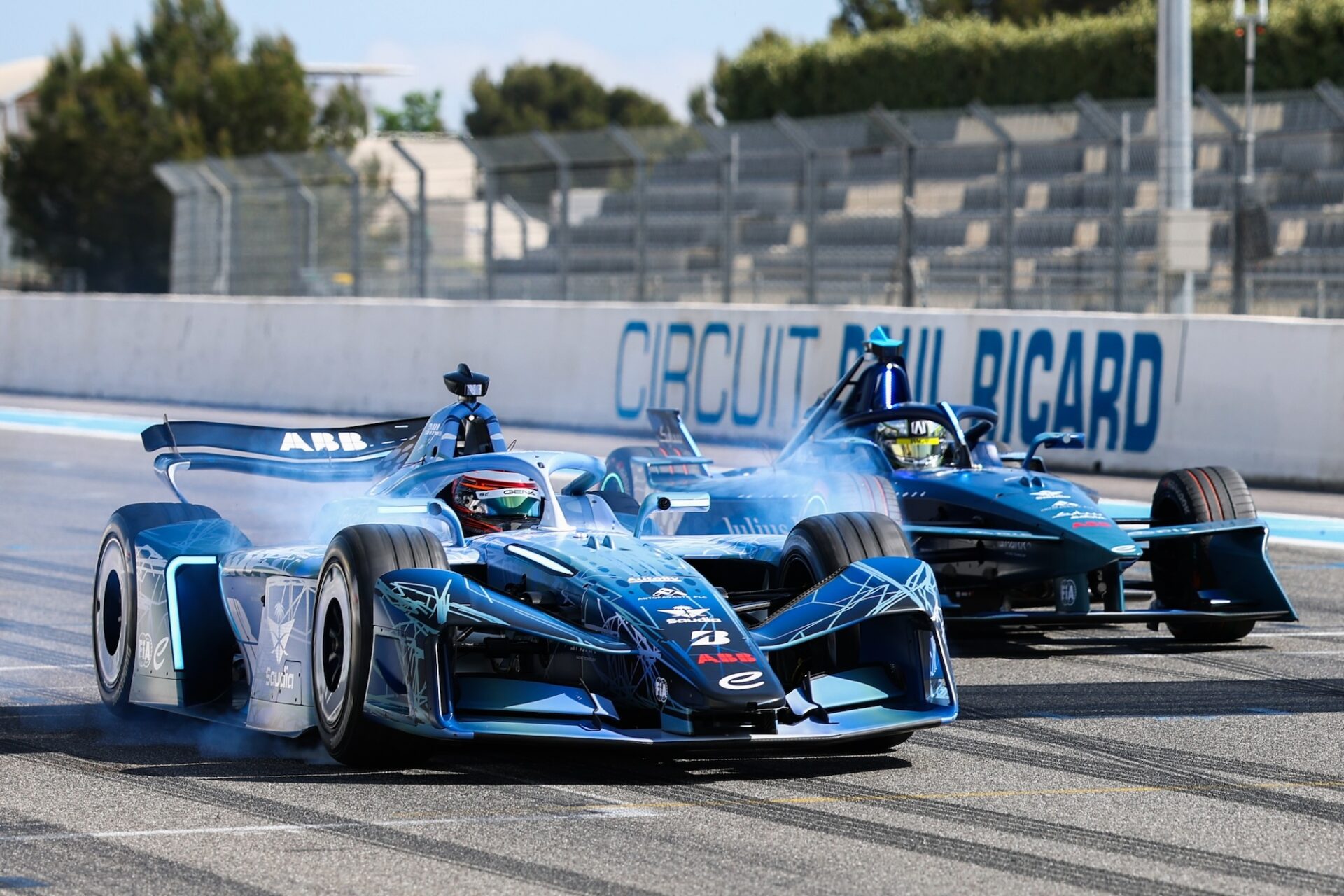
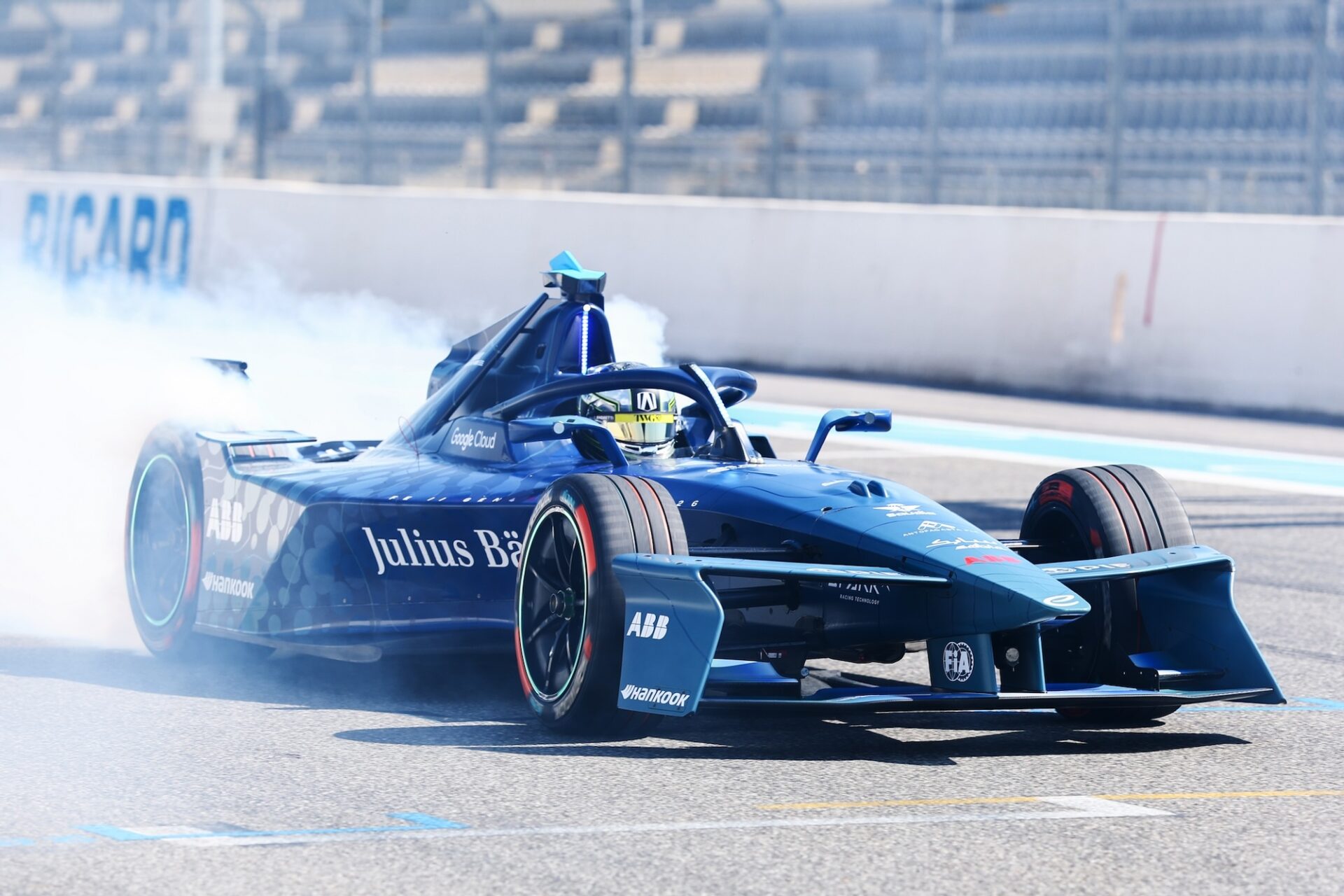
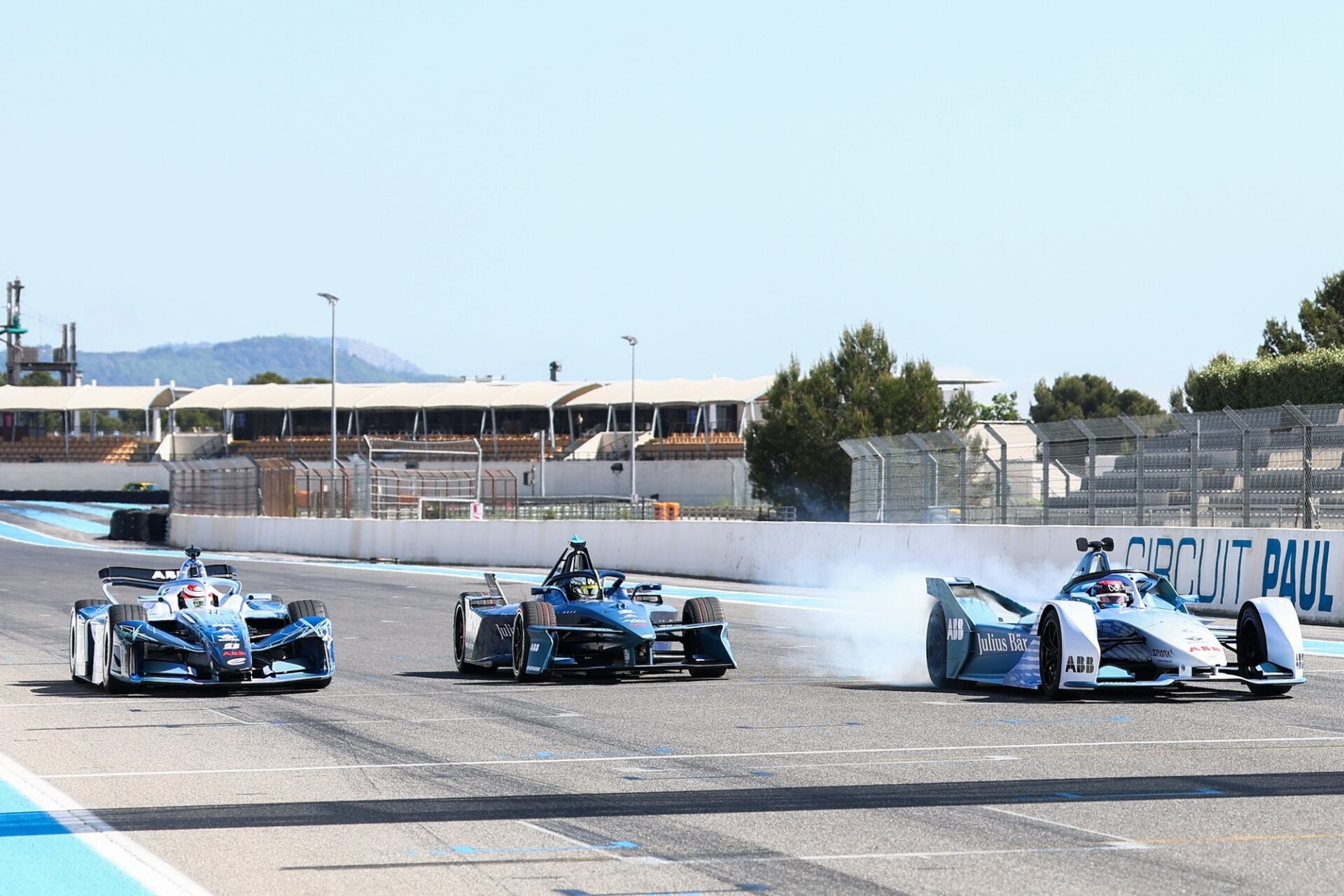
An F1 car combines a 1.6-litre turbocharged V6 with a 350 kW electric motor and runs on 100% sustainable fuel. It produces more than 1,000 PS. The Gen4 delivers 450 kW (612 PS) in race trim and 600 kW (816 PS) in qualifying and Attack Mode. It weighs just over a tonne with the driver, compared with a minimum of 768 kg for an F1 car.
The Gen4, on the other hand, is the first single-seater with permanent all-wheel drive, whereas F1 cars remain rear-wheel drive. This traction takes it from 0 to 100 km/h in 1.8 seconds. Its claimed top speed is 335 km/h. In 2026, F1 cars reached 360 km/h during the race in Barcelona, and the official Grand Prix record stands at 372.5 km/h, set in Mexico in 2016. The Gen4 also recovers up to 700 kW under braking and runs on grooved Bridgestone tyres, while F1 uses Pirelli slicks. On a permanent circuit, F1 remains quicker thanks to its downforce and lower weight, but the gap is narrowing significantly.
Two cars, two philosophies
An F1 car combines a 1.6-litre turbocharged V6 with a 350 kW electric motor and runs on 100% sustainable fuel. It produces more than 1,000 PS. The Gen4 delivers 450 kW (612 PS) in race trim and 600 kW (816 PS) in qualifying and Attack Mode. It weighs just over a tonne with the driver, compared with a minimum of 768 kg for an F1 car.
The Gen4, on the other hand, is the first single-seater with permanent all-wheel drive, whereas F1 cars remain rear-wheel drive. This traction takes it from 0 to 100 km/h in 1.8 seconds. Its claimed top speed is 335 km/h. In 2026, F1 cars reached 360 km/h during the race in Barcelona, and the official Grand Prix record stands at 372.5 km/h, set in Mexico in 2016. The Gen4 also recovers up to 700 kW under braking and runs on grooved Bridgestone tyres, while F1 uses Pirelli slicks. On a permanent circuit, F1 remains quicker thanks to its downforce and lower weight, but the gap is narrowing significantly.
A grid expanded to 12 teams
The grid grows from 10 to 12 teams. Opel enters with its own outfit, the Opel GSE Formula E Team, pairing Mitch Evans, the most successful driver in the series’ history, with Théo Pourchaire, the 2023 Formula 2 champion. Fortescue Zero Racing, the first Australian team, and a second Porsche team also join the championship. DS Automobiles, by contrast, withdrew at the end of the 2025-26 season after eleven years, 18 wins, two drivers’ titles and two teams’ titles. Within Stellantis, Opel now lines up alongside Citroën, which replaced Maserati in 2025-26.
Champions since 2014
No manufacturer has dominated Formula E for long. In twelve seasons, ten different drivers have been crowned, and only Jean-Éric Vergne and Pascal Wehrlein have won two titles. Renault e.dams took the first three teams’ titles. Since the Gen3 arrived in 2022, Porsche and Jaguar have shared most of the silverware. Porsche power has delivered three of the last four drivers’ titles, and Jaguar power three of the last four teams’ titles.
| Season | Drivers’ champion (team) | Teams’ champion |
| 2025-26 | Pascal Wehrlein (Porsche) | Jaguar TCS Racing |
| 2024-25 | Oliver Rowland (Nissan) | Porsche |
| 2023-24 | Pascal Wehrlein (Porsche) | Jaguar TCS Racing |
| 2022-23 | Jake Dennis (Andretti, Porsche power) | Envision Racing (Jaguar power) |
| 2021-22 | Stoffel Vandoorne (Mercedes) | Mercedes |
| 2020-21 | Nyck de Vries (Mercedes) | Mercedes |
| 2019-20 | António Félix da Costa (DS Techeetah) | DS Techeetah |
| 2018-19 | Jean-Éric Vergne (DS Techeetah) | DS Techeetah |
| 2017-18 | Jean-Éric Vergne (Techeetah) | Audi Sport Abt Schaeffler |
| 2016-17 | Lucas di Grassi (Abt Schaeffler Audi) | Renault e.dams |
| 2015-16 | Sébastien Buemi (Renault e.dams) | Renault e.dams |
| 2014-15 | Nelson Piquet Jr. (NEXTEV TCR) | Renault e.dams |
Since 2023-24, a manufacturers’ trophy has also rewarded the brands. It became a world championship in 2024-25 and has been won once by Jaguar and twice by Porsche.
The 2026-27 calendar
The season opens in Jeddah on 18 December, after pre-season testing at Jarama from 16 to 20 November. Eight weekends feature two races.
| Rounds | Date | Location | Circuit |
| 1 and 2 | 18 and 19 December 2026 | Jeddah (Saudi Arabia) | Jeddah Corniche Circuit |
| 3 | 16 January 2027 | Mexico City (Mexico) | Autódromo Hermanos Rodríguez |
| 4 | 6 February 2027 | Austin (USA) | Circuit of The Americas |
| 5 | 20 February 2027 | Miami (USA) | Miami International Autodrome |
| 6 | 13 March 2027 | São Paulo (Brazil) | Anhembi Sambadrome |
| 7 | 17 April 2027 | Sanya (China) | Haitang Bay Circuit |
| 8 and 9 | 1 and 2 May 2027 | Monaco | Circuit de Monaco |
| 10 and 11 | 8 and 9 May 2027 | Berlin (Germany) | Tempelhof |
| 12 and 13 | 29 and 30 May 2027 | London (UK) | Brands Hatch |
| 14 and 15 | 18 and 19 June 2027 | Zandvoort (Netherlands) | Circuit Zandvoort |
| 16 and 17 | 26 and 27 June 2027 | Madrid (Spain) | Jarama |
| 18 and 19 | 10 and 11 July 2027 | Shanghai (China) | Shanghai International Circuit |
| 20 and 21 | 24 and 25 July 2027 | Tokyo (Japan) | Tokyo Street Circuit |