For the first time in the award’s 63-year history, all seven finalists for the European Car of the Year are electric. The successor to the Mercedes-Benz CLA will be revealed on 8 January at the Brussels Motor Show.
On 30 October, the Car of the Year jury unveiled its shortlist for the 2027 edition. Seven models remain in the running to succeed the Mercedes-Benz CLA, last year’s winner. In an unprecedented twist, none of them has a combustion engine.
This is a first since the award was created in 1964. The organisers see it as a sign that the European market is electrifying rapidly, a trend they believe has been accentuated by the fuel crisis linked to the war in Iran.
Seven finalists, mostly compacts
The shortlist favours compact, affordable models. Five superminis and compact cars face two mid-size SUVs from BMW and Volvo. Here are the finalists, in alphabetical order:
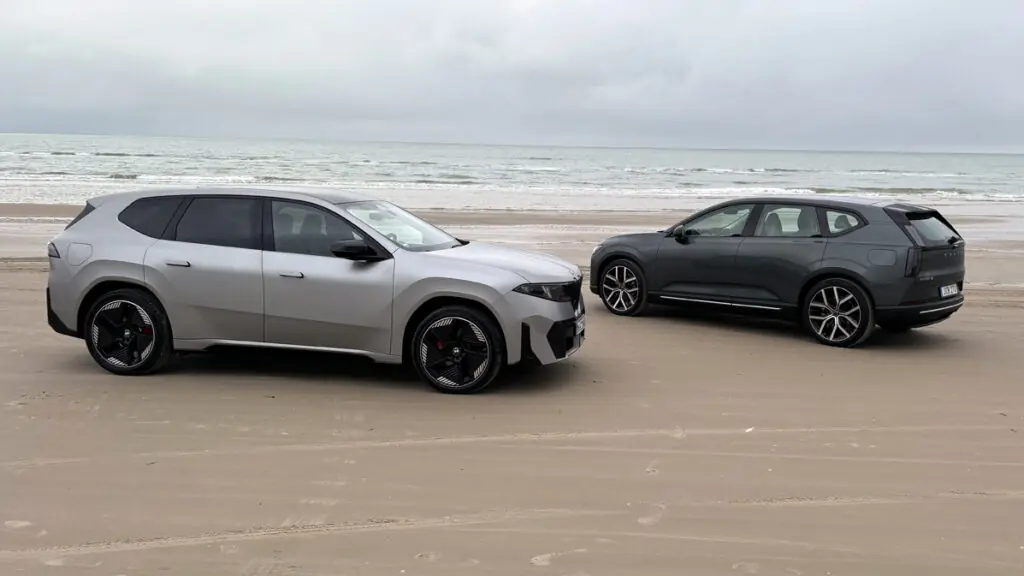
BMW iX3
The first model of the ‘Neue Klasse’, BMW’s new generation of electric vehicles, this mid-size SUV introduces an 800-volt electrical architecture. It is built at the group’s new Hungarian plant in Debrecen.
Read our review.
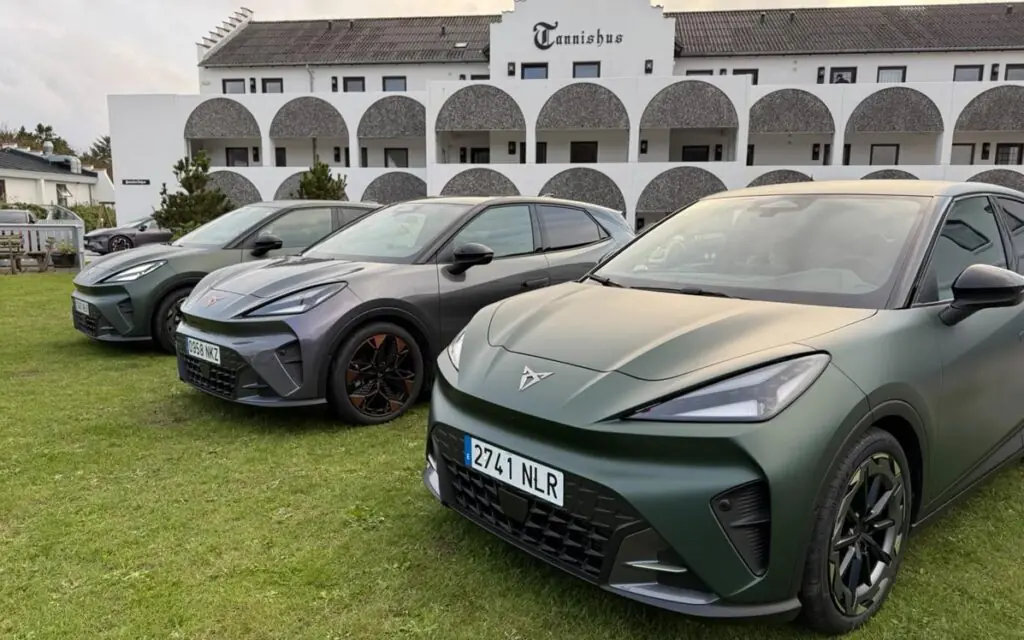
Cupra Raval
The electric supermini from the Volkswagen Group’s sporty brand shares its technical underpinnings with the Volkswagen ID.Polo. It is assembled in Martorell, Spain, and features bold styling.
Read our review.
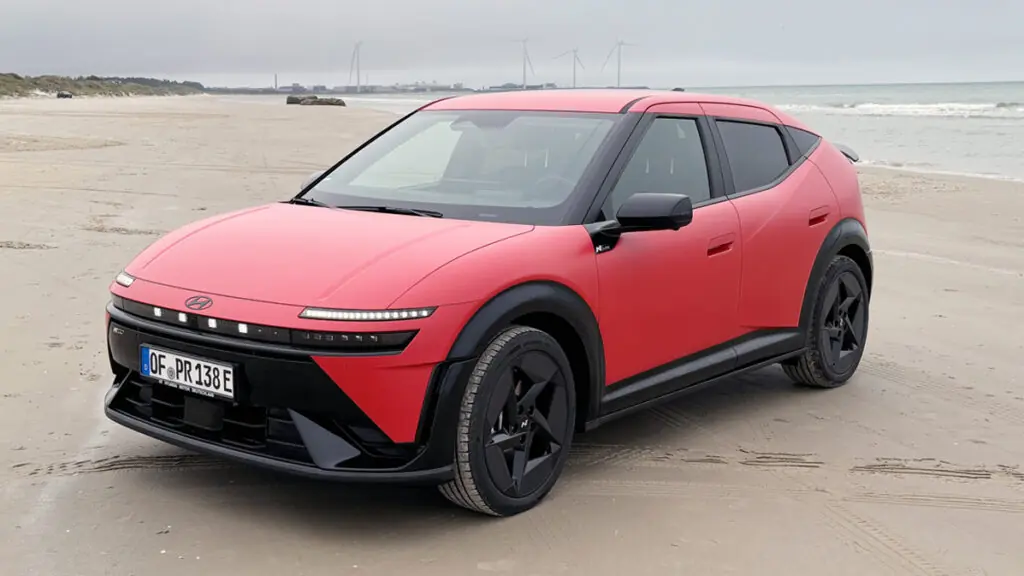
Hyundai Ioniq 3
Derived from the concept shown at the Munich motor show in 2025, this compact electric car extends the Ioniq range downwards.
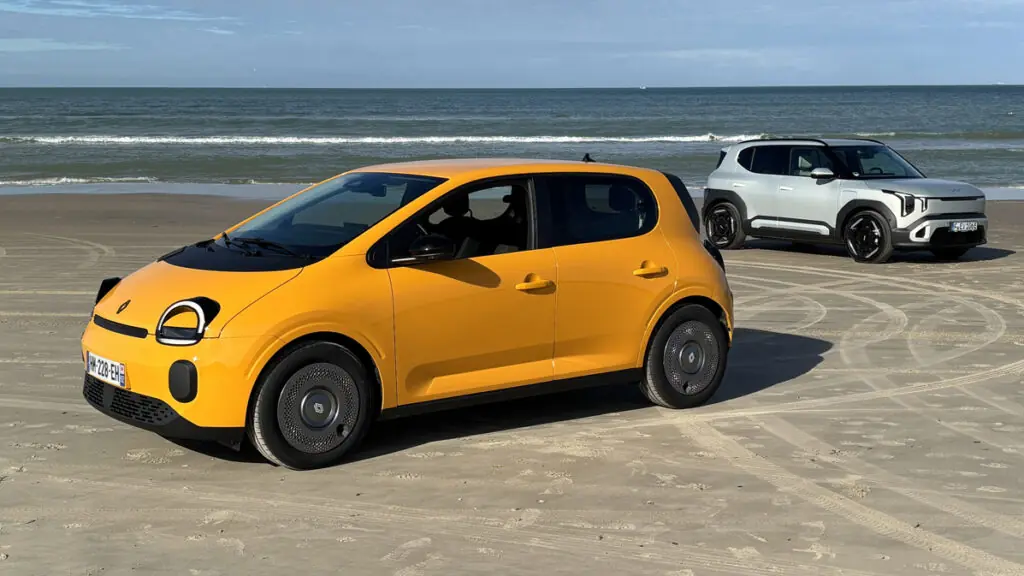
Kia EV2
A small urban SUV, the EV2 becomes Kia’s entry-level electric model in Europe. It is built in Slovakia.
Read our review.
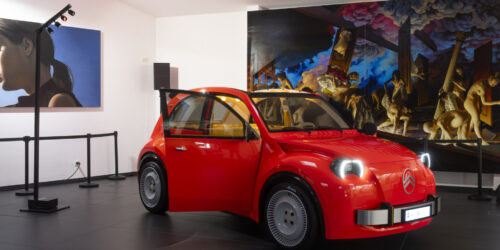
Renault Twingo
The Twingo name returns on an all-electric supermini, with a target price below 20,000 euros. Renault developed it in just over two years, a short lead time for the industry.
Read our review.
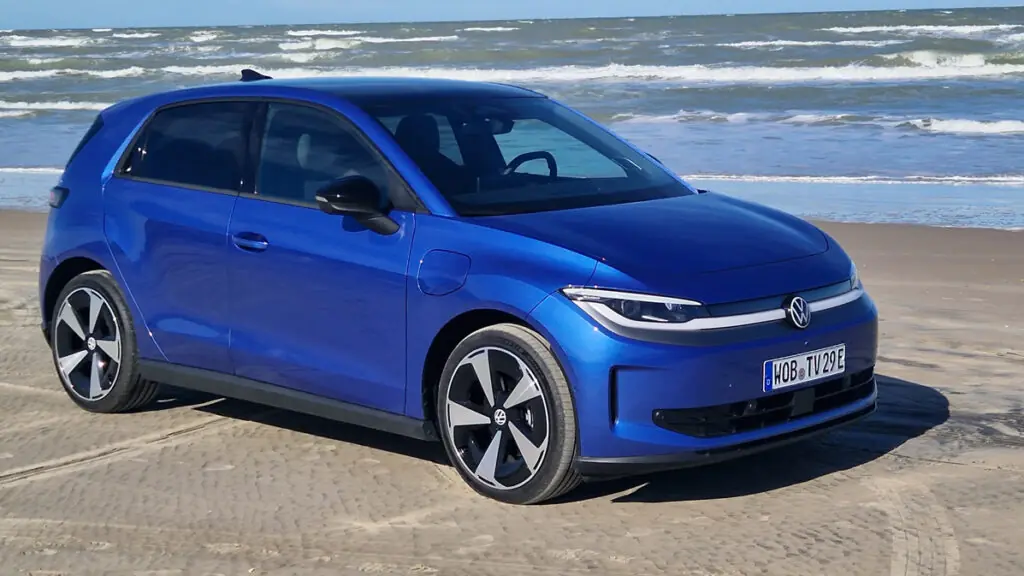
Volkswagen ID.Polo
The Polo goes electric. This front-wheel-drive supermini is based on a version of the MEB platform adapted for small models and is expected to cost around 25,000 euros.
Read our review.
Volvo EX60
A mid-size electric SUV, the EX60 is positioned as the electric equivalent of the XC60, the Swedish brand’s best-selling model. It debuts a new technical platform for Volvo.
Renault aims for a third title in four years
Recent winners show what is at stake. Renault won two years in a row, with the Scénic E-Tech in 2024, then the Renault 5 E-Tech and Alpine A290 in 2025. Last year, the Mercedes-Benz CLA, available with both electric and combustion powertrains, brought a premium brand back to the top step of the podium. This year, the Twingo gives Renault the chance of another title. The Volkswagen Group has two models in the final, and the Polo name has already been crowned, in 2010. By contrast, neither BMW, Hyundai nor Cupra has yet won the trophy. Volvo has won it only once, with the XC40 in 2018, and Kia once, in 2022 with the EV6.
Verdict on 8 January in Brussels
On 25 and 26 November, the jury members will meet at the Balocco proving ground in Italy to drive the seven finalists. They will then have until 31 December to vote. Each juror distributes 25 points among the models, with no more than 10 points for any one car, and must name a favourite. The winner will be announced on 8 January at the Brussels Motor Show, which is hosting the ceremony for the fourth year running.