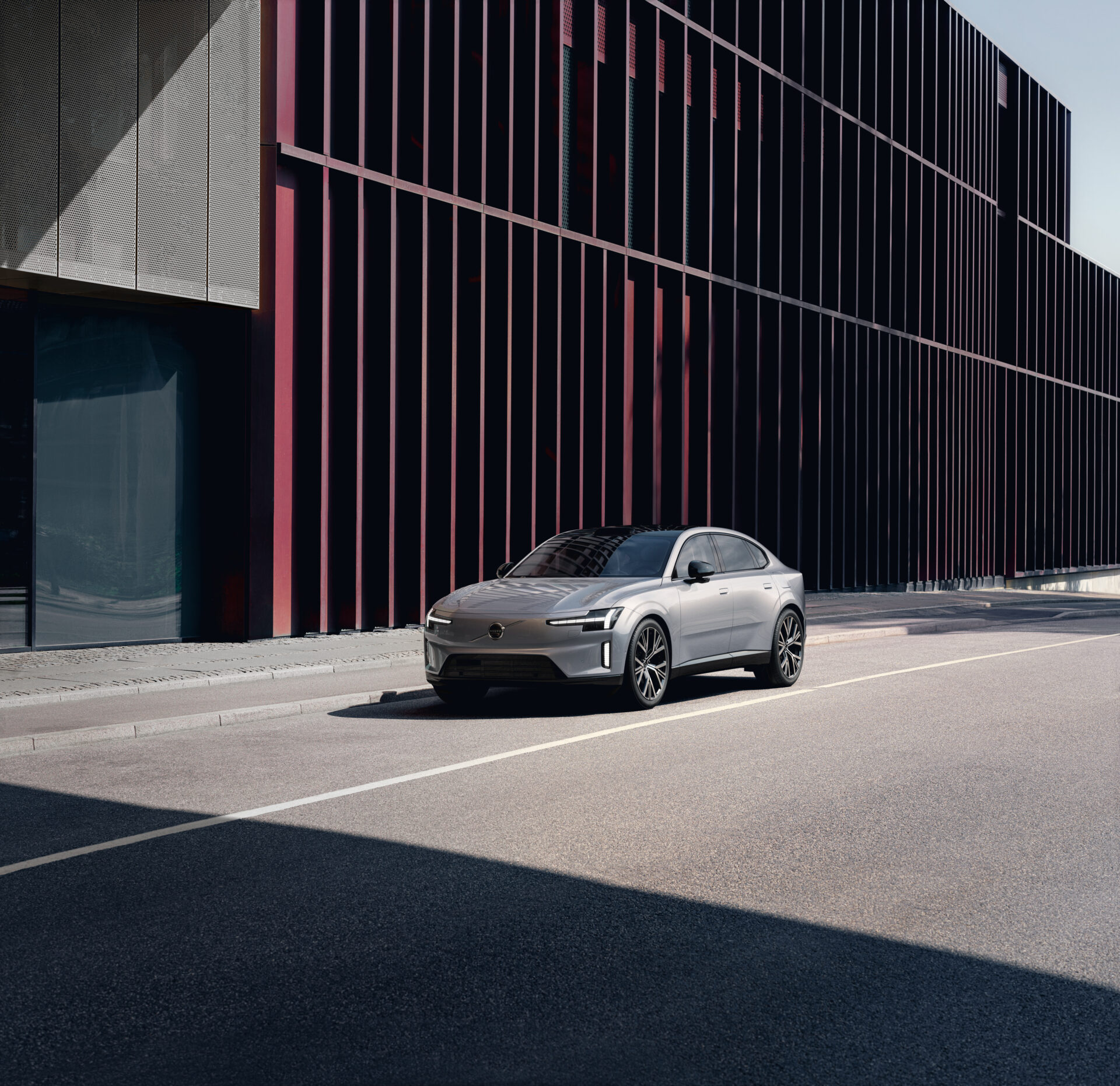
With the ES90, Volvo delivers its first full-size 100% electric saloon and definitively closes the chapter on the combustion-engined S90. Built on the new SPA2 platform, the model introduces an 800-volt architecture, an unprecedented technology package, and a fastback body that breaks with the traditional codes of the segment.
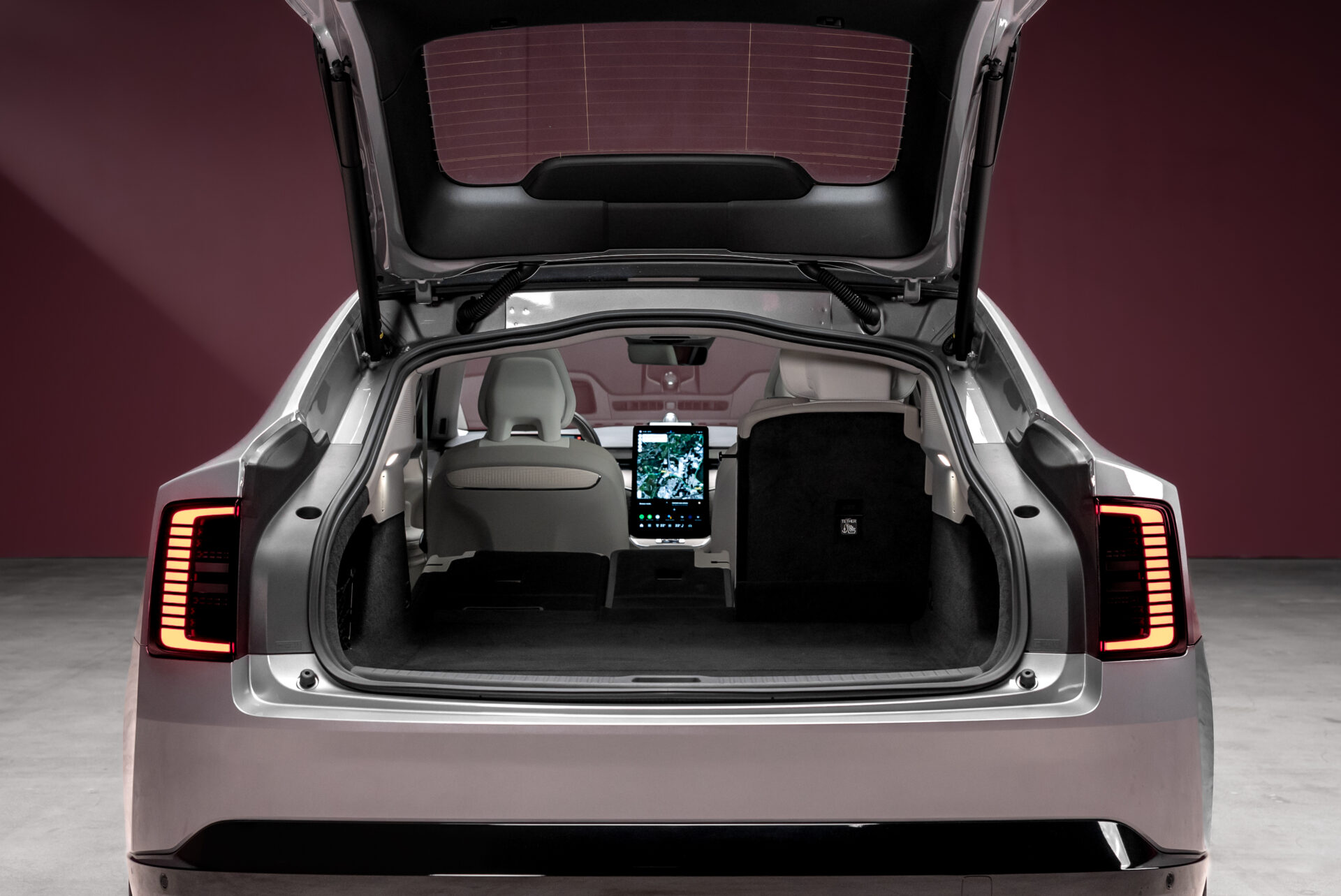
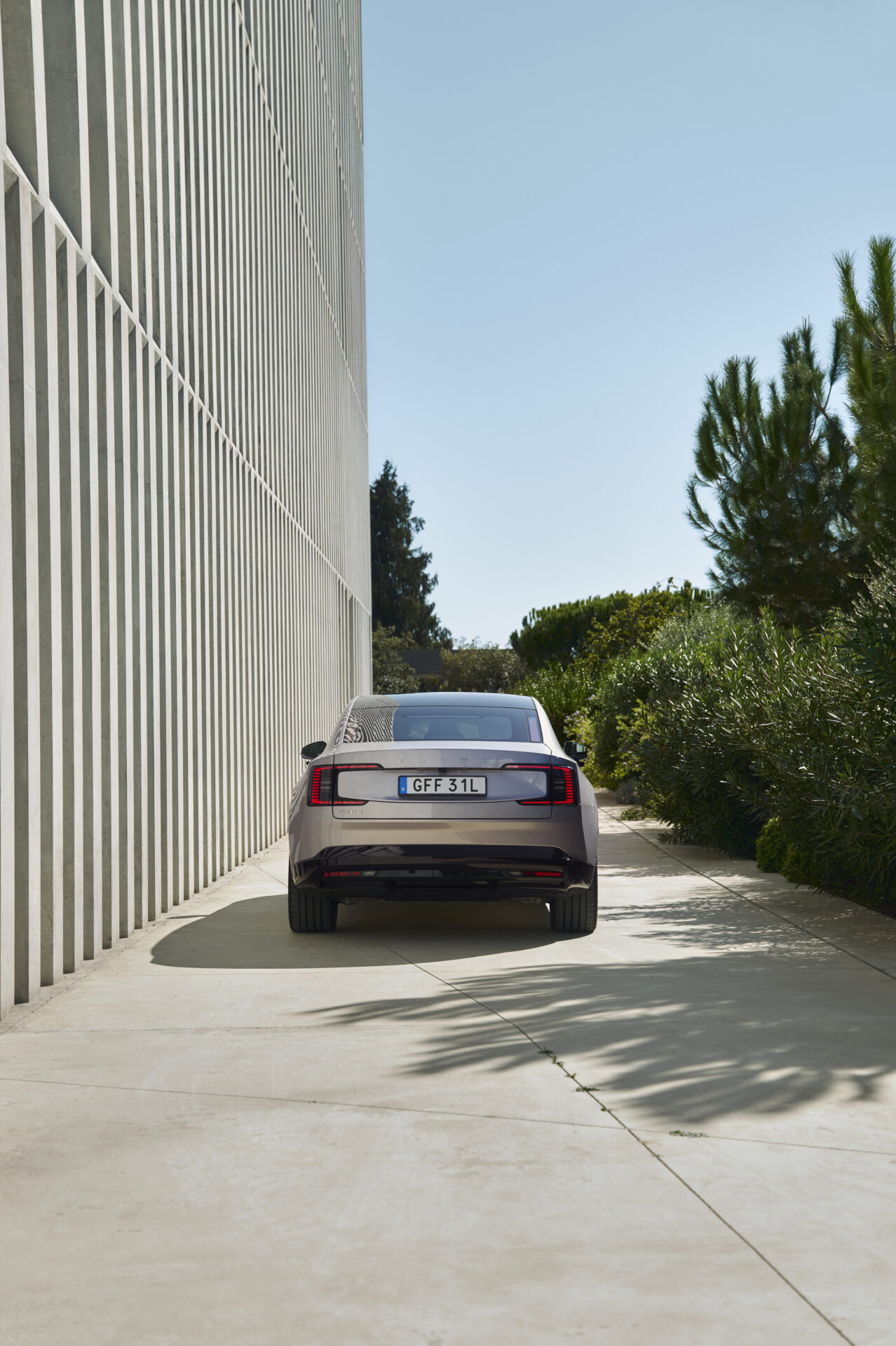
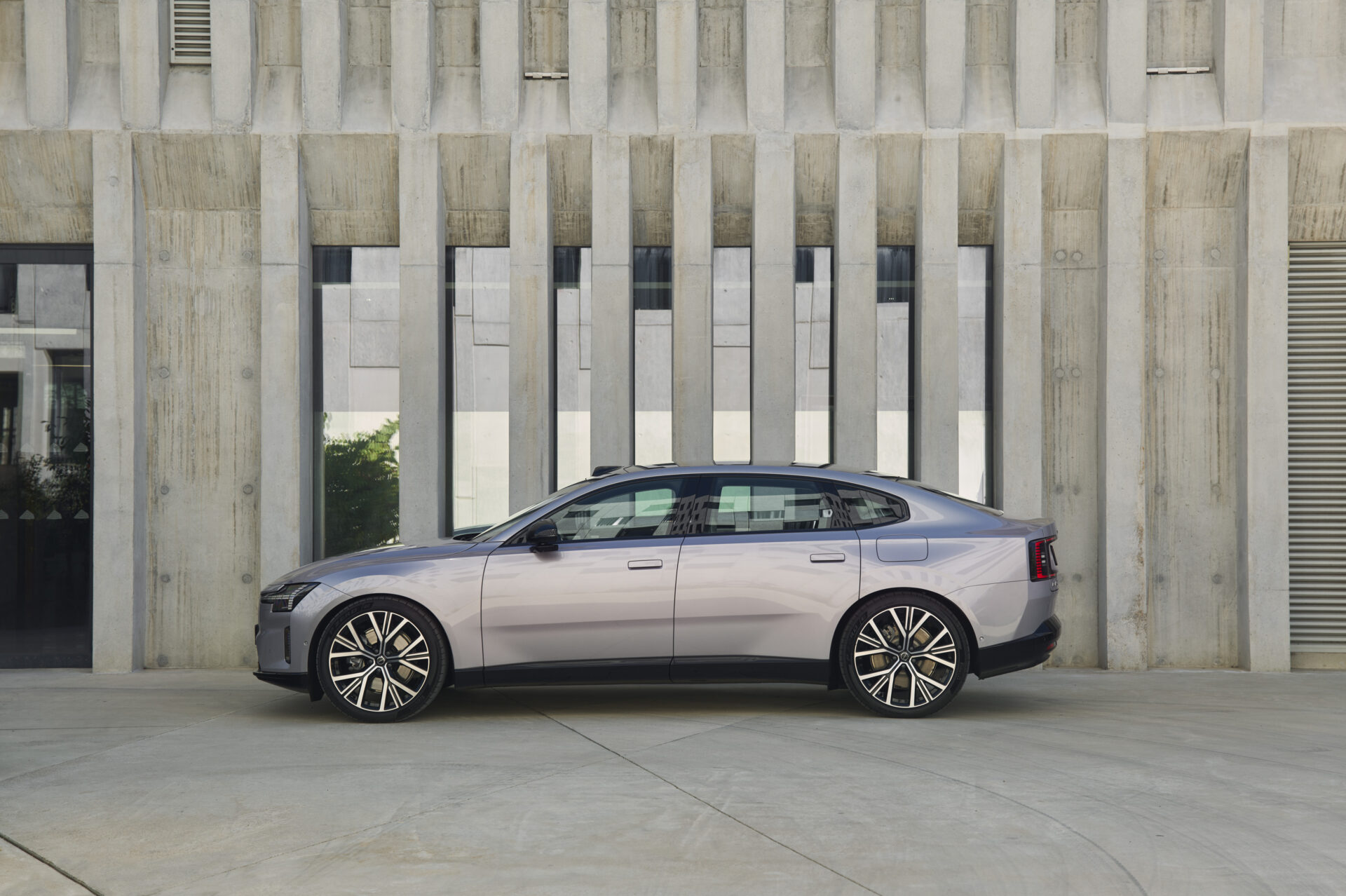
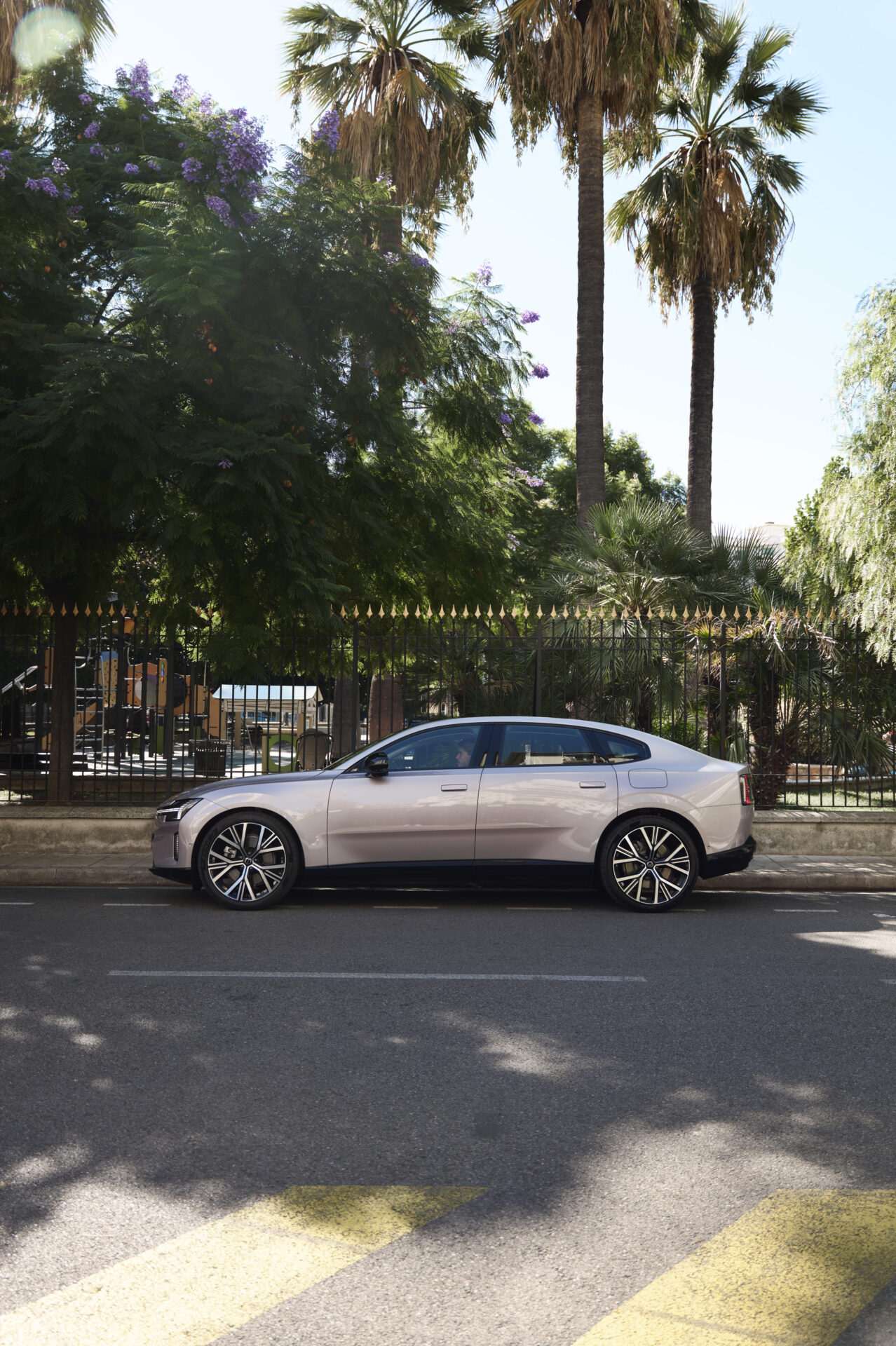
At 5.00 m long, 1.94 m wide and 1.55 m tall, the ES90 presents an imposing footprint while remaining attentive to its lines. Volvo claims a drag coefficient (Cd) of 0.25, a figure never before achieved by the brand. This aerodynamic efficiency is a direct asset for range. The most significant stylistic departure lies in the choice of a liftback tailgate, where the outgoing S90 featured a conventional boot lid. Boot access benefits in practicality, with 424 litres behind the second row and 1,427 litres with the rear seats folded, complemented by a 27-litre front compartment.
A cabin designed as a lounge
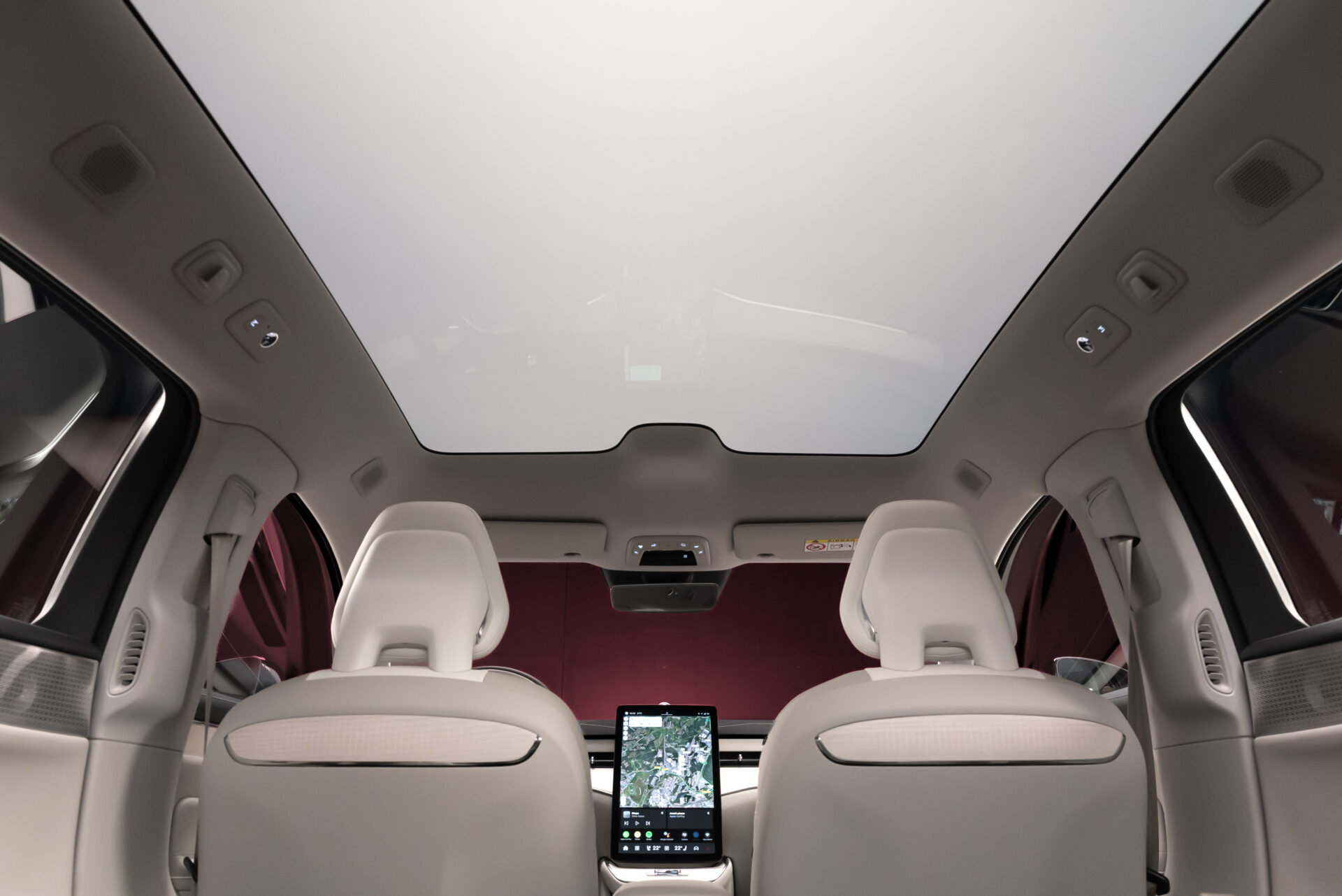
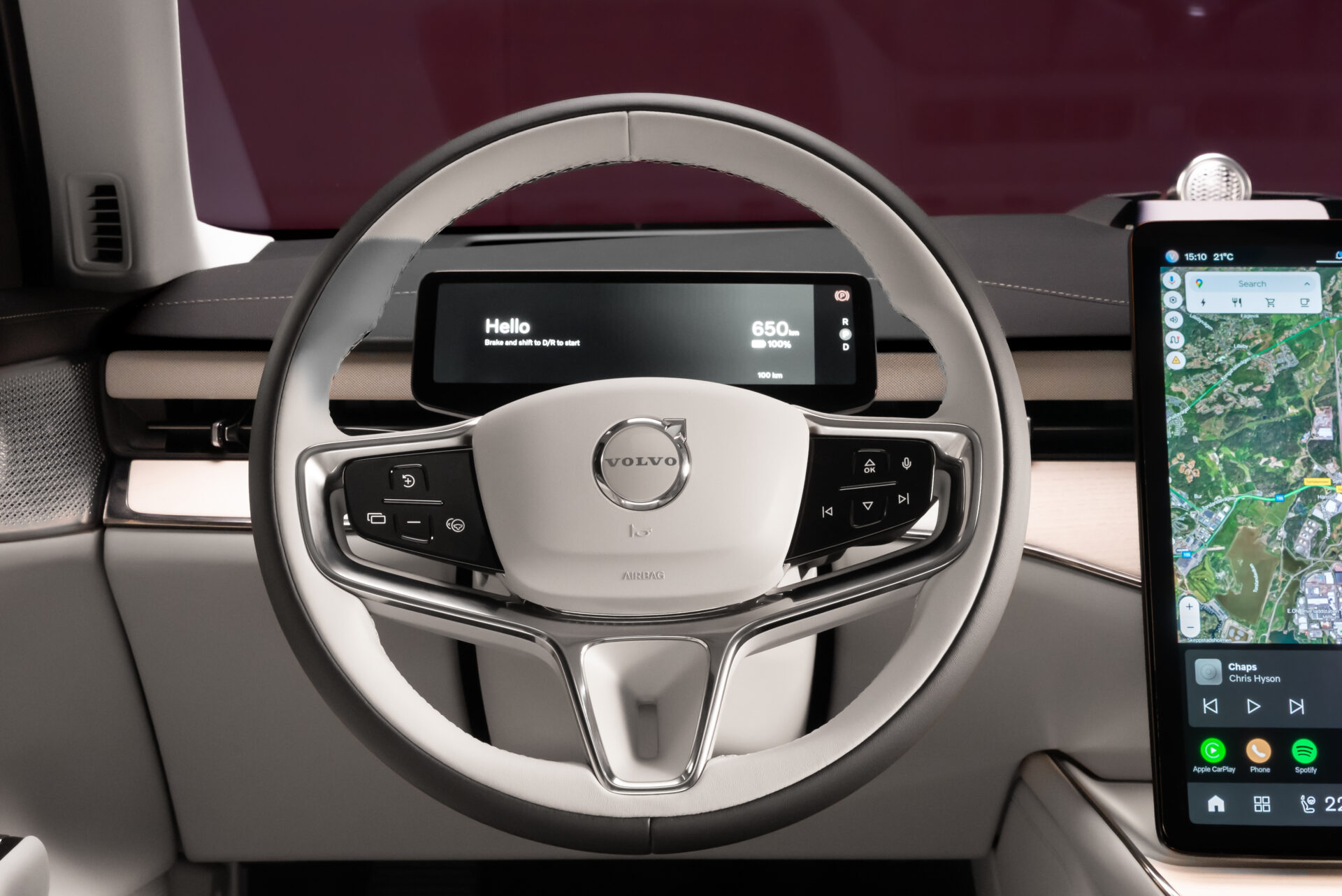
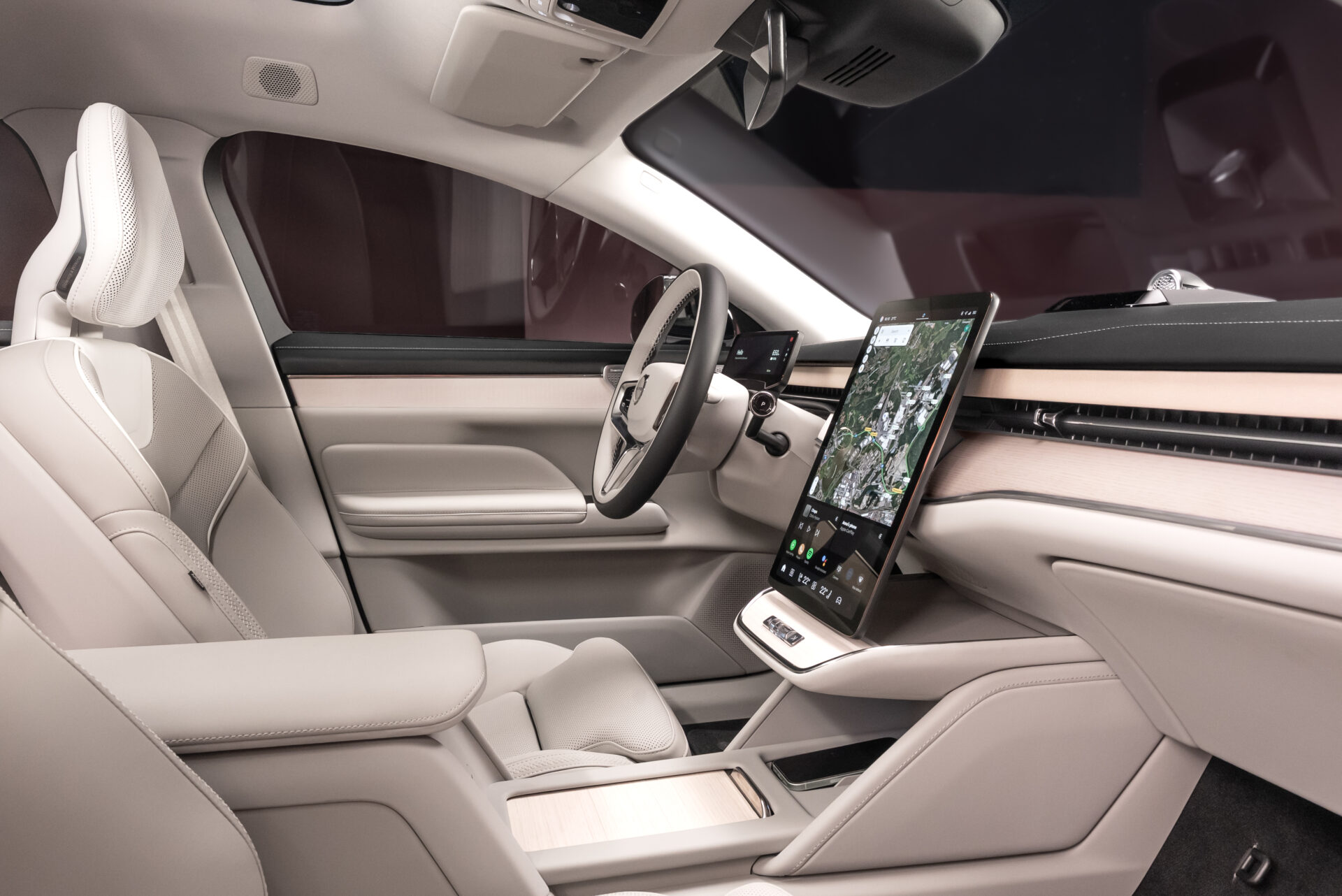
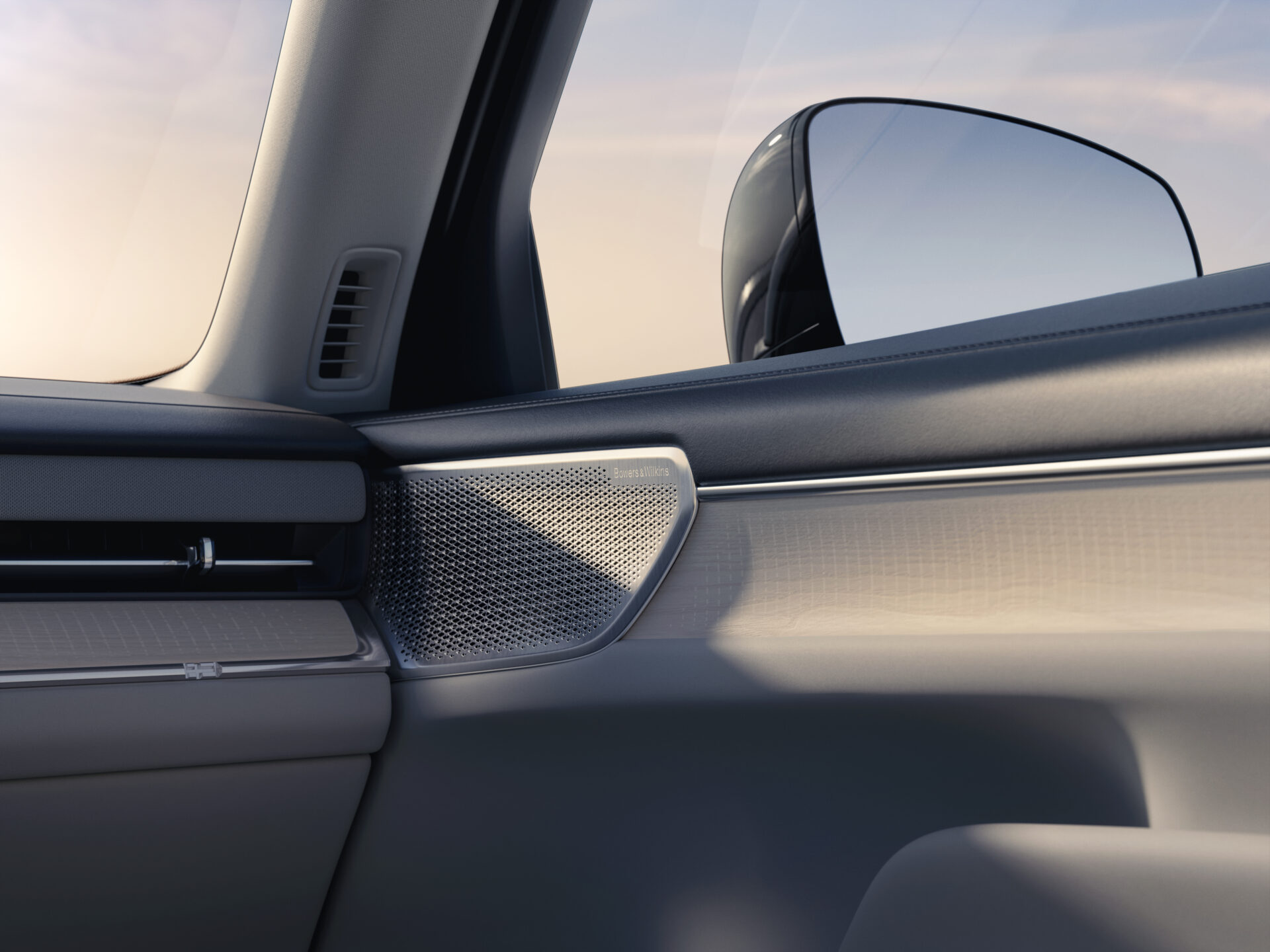
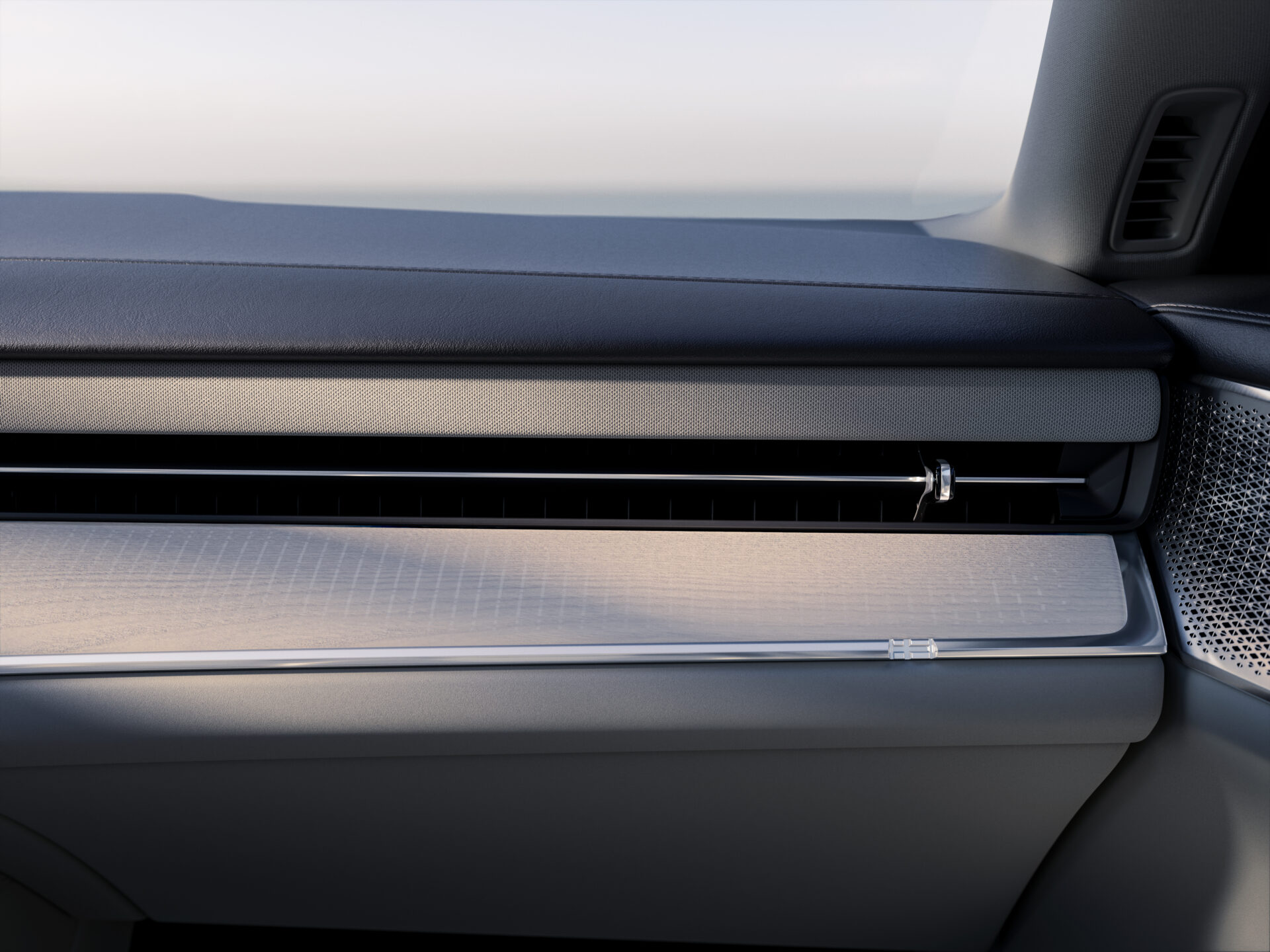
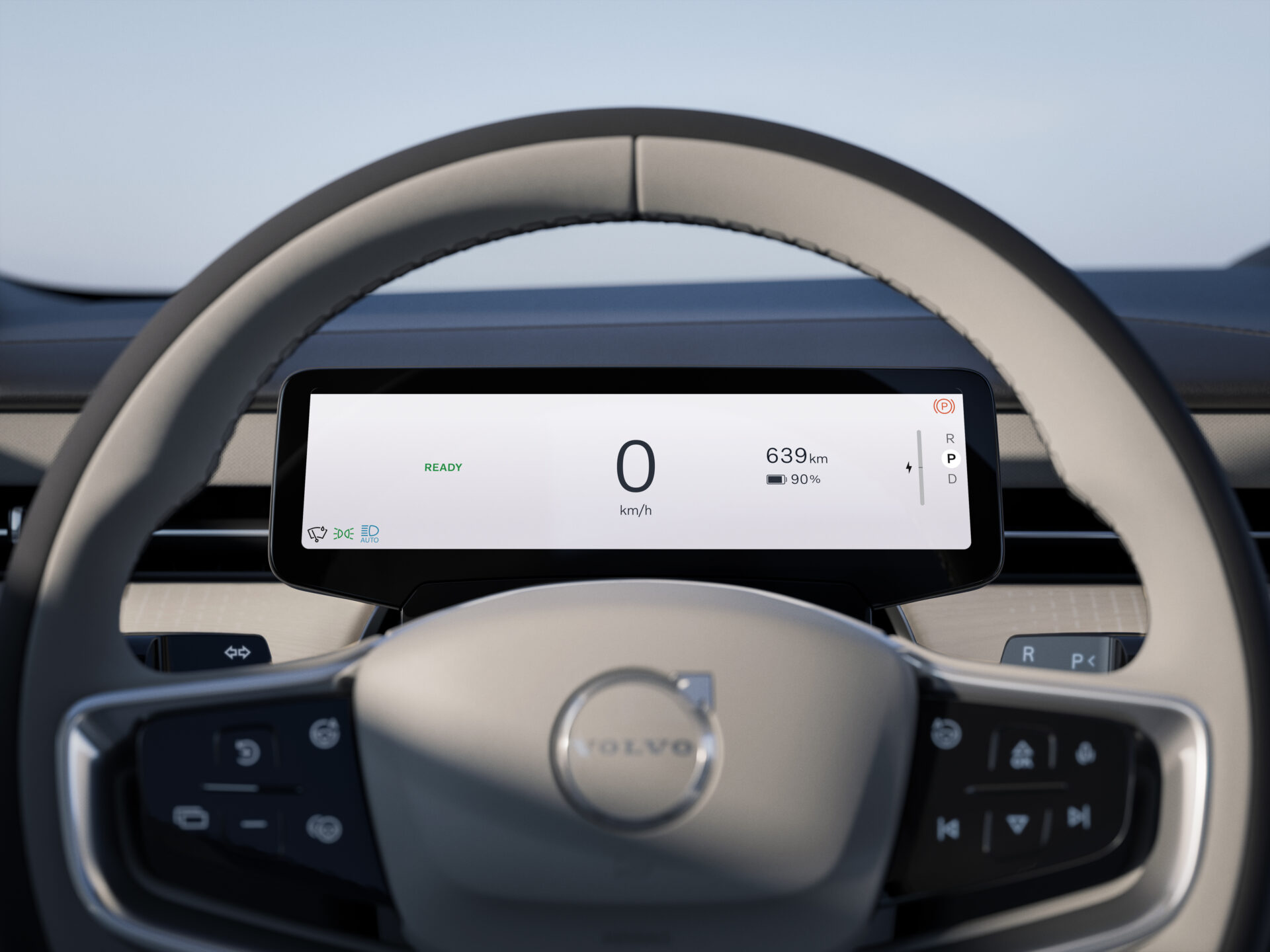
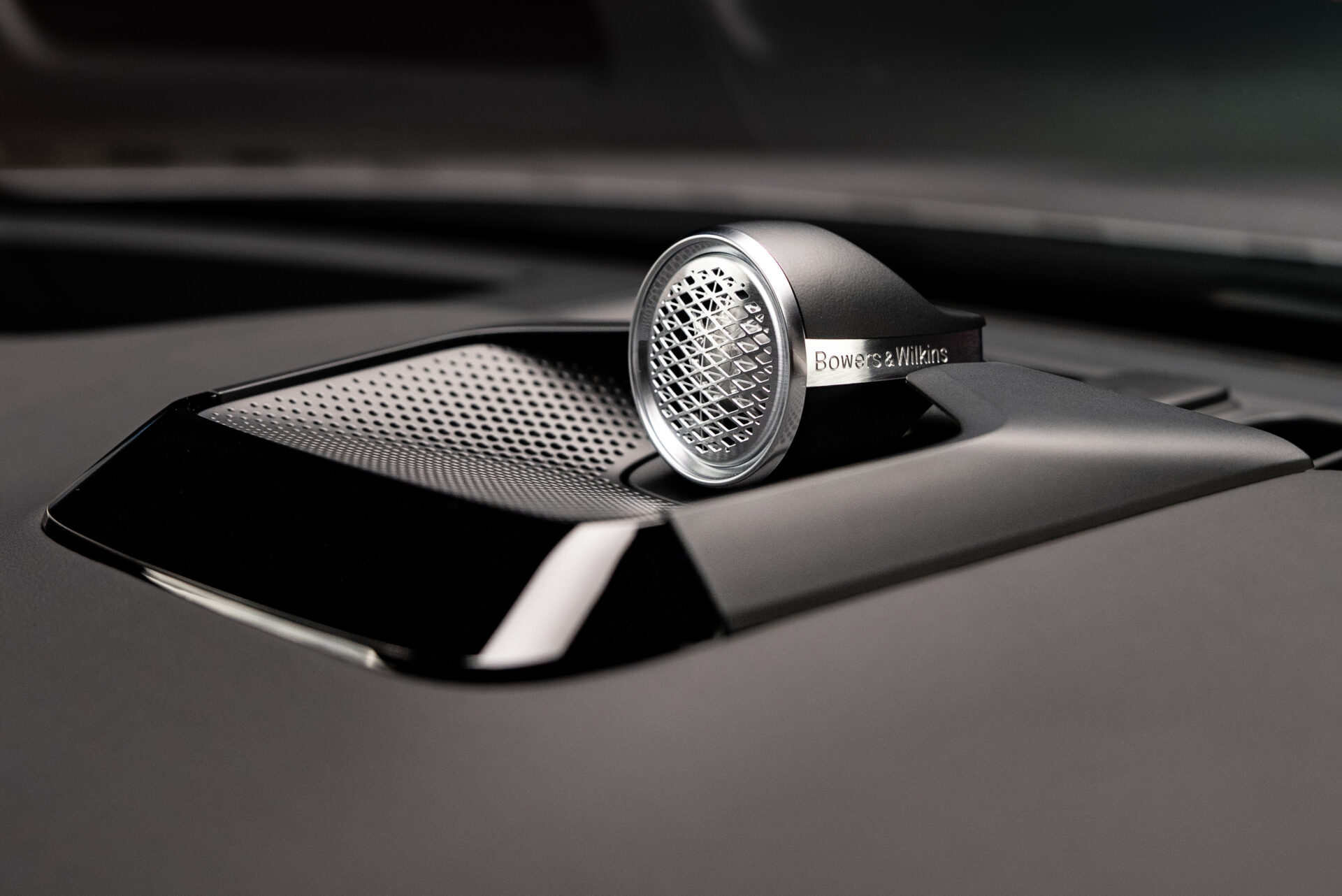
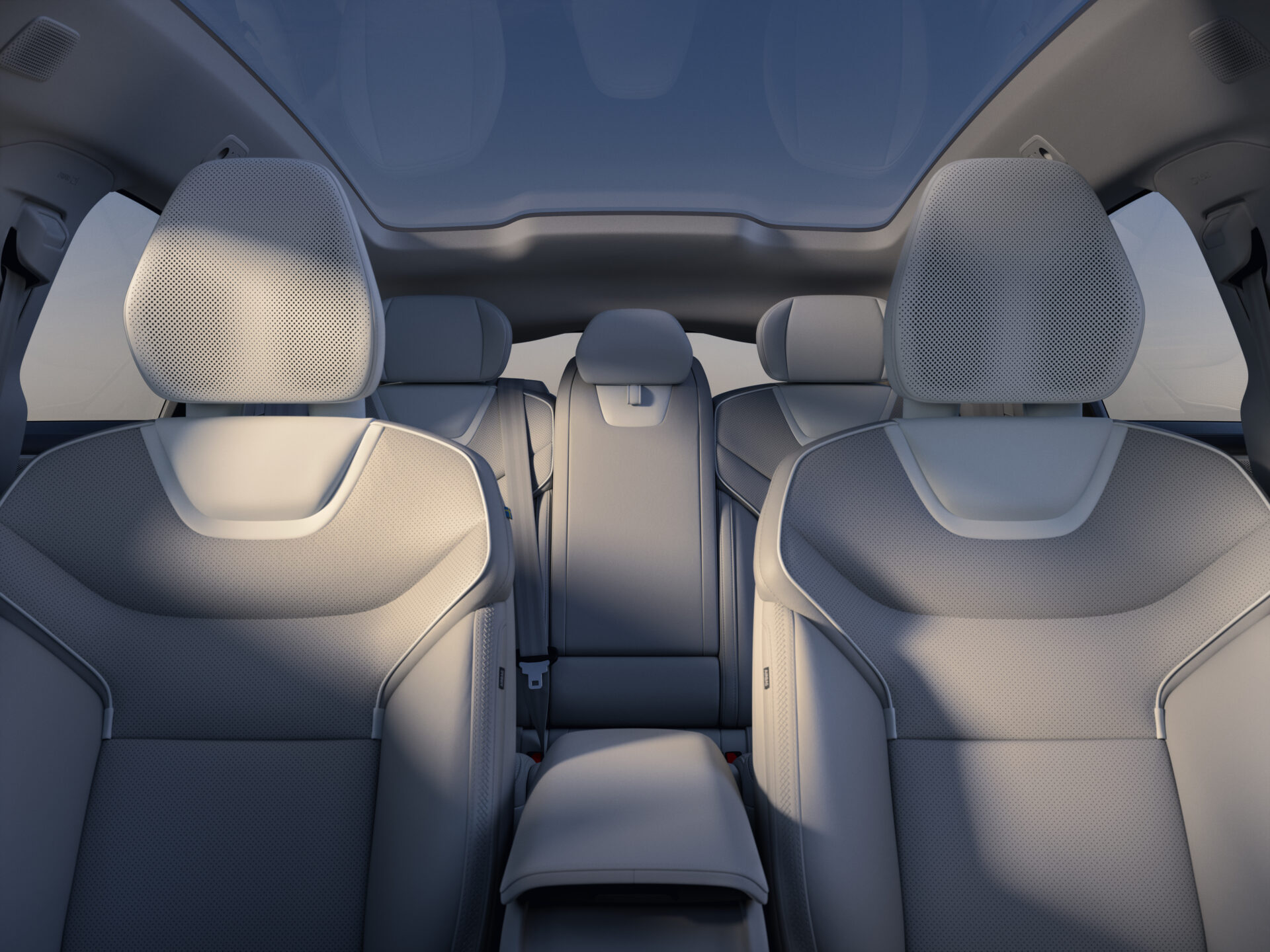
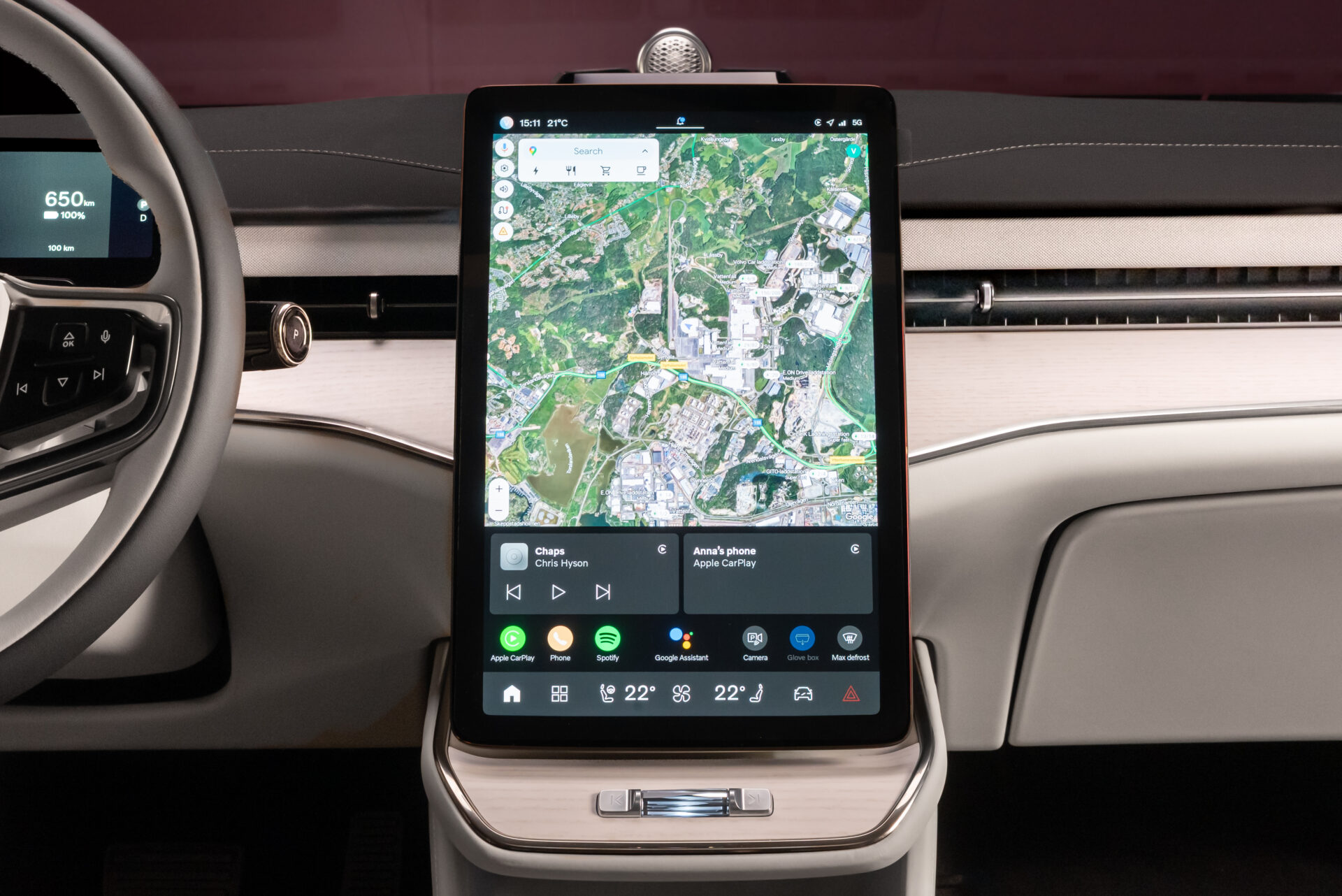
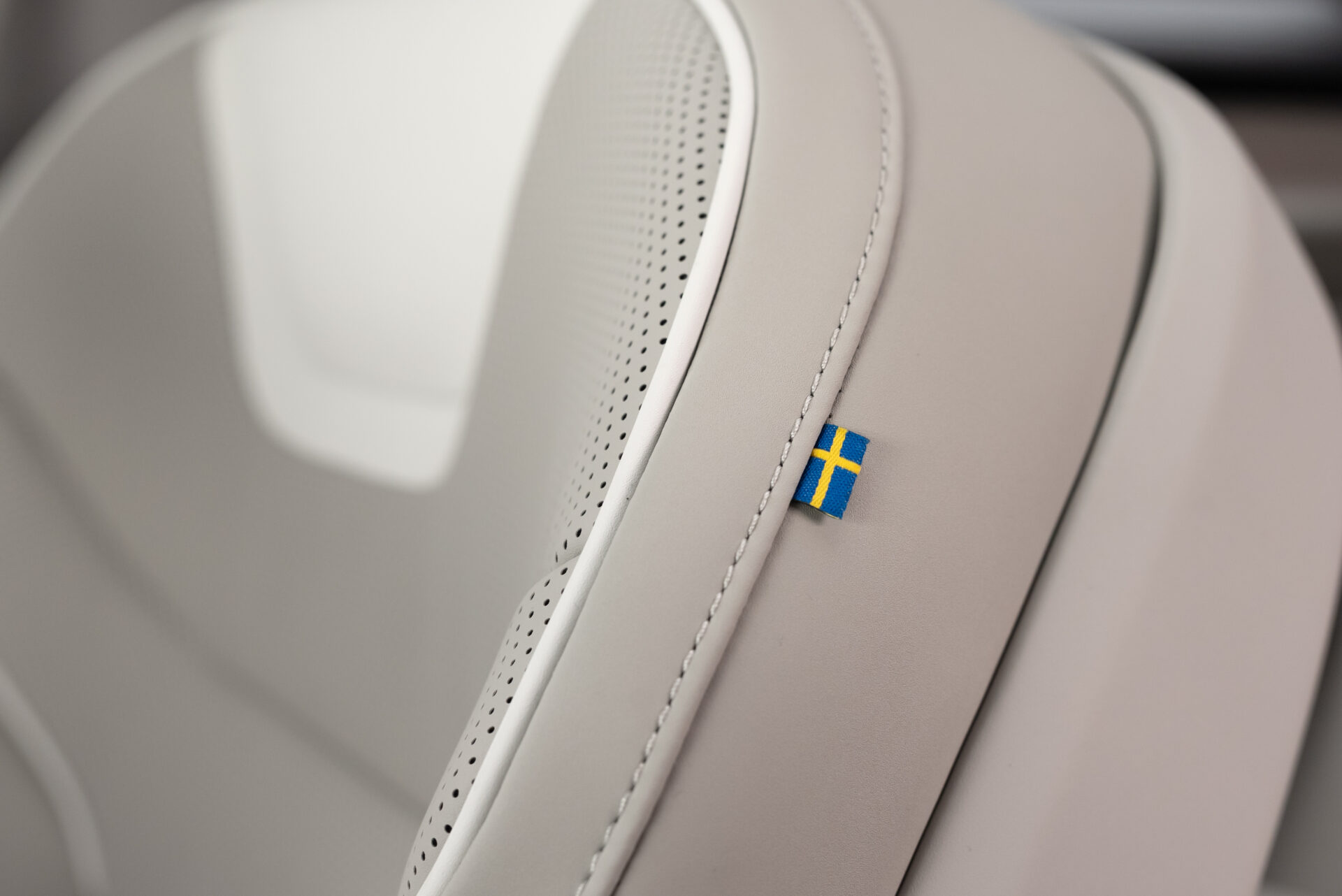
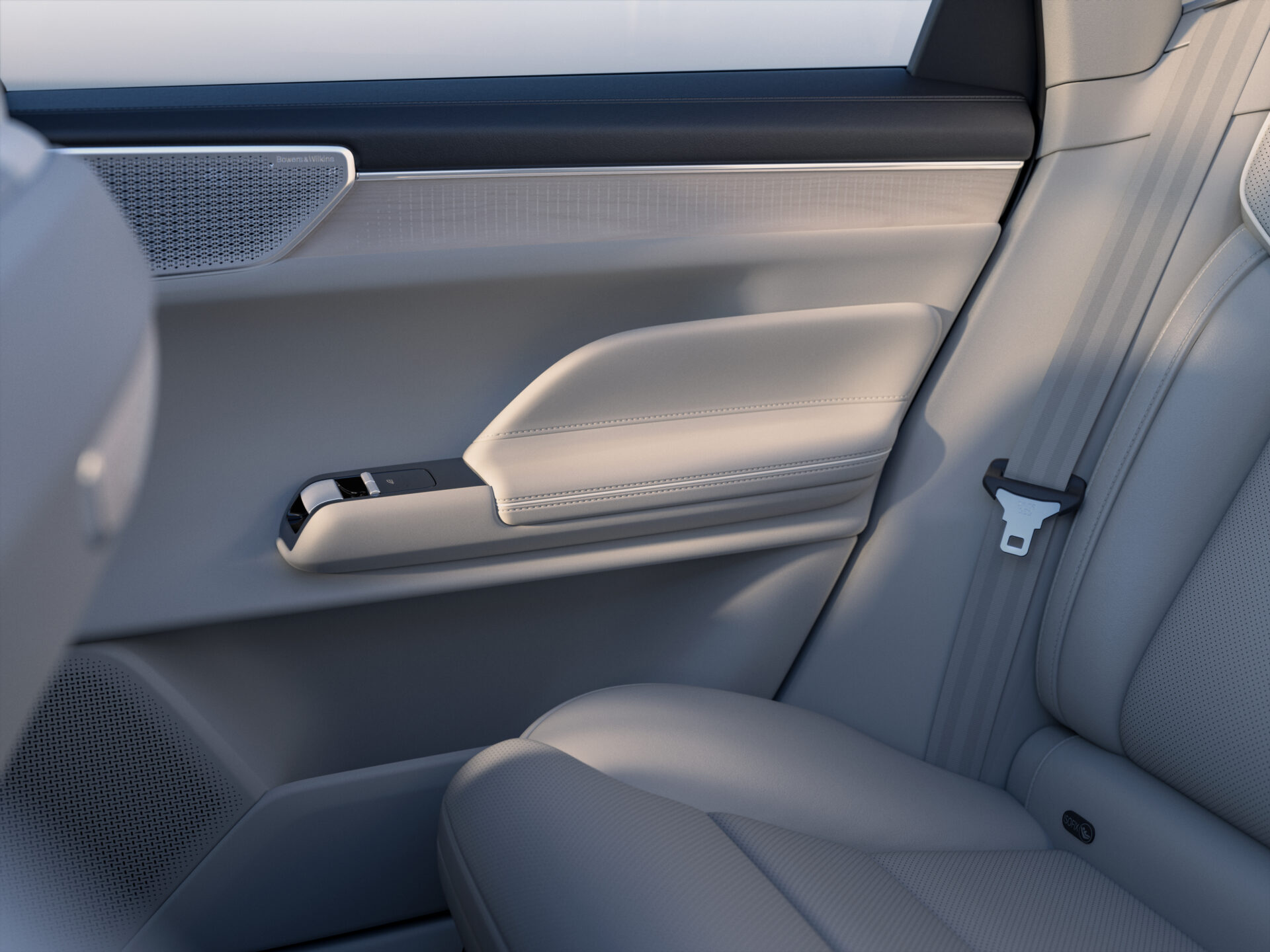
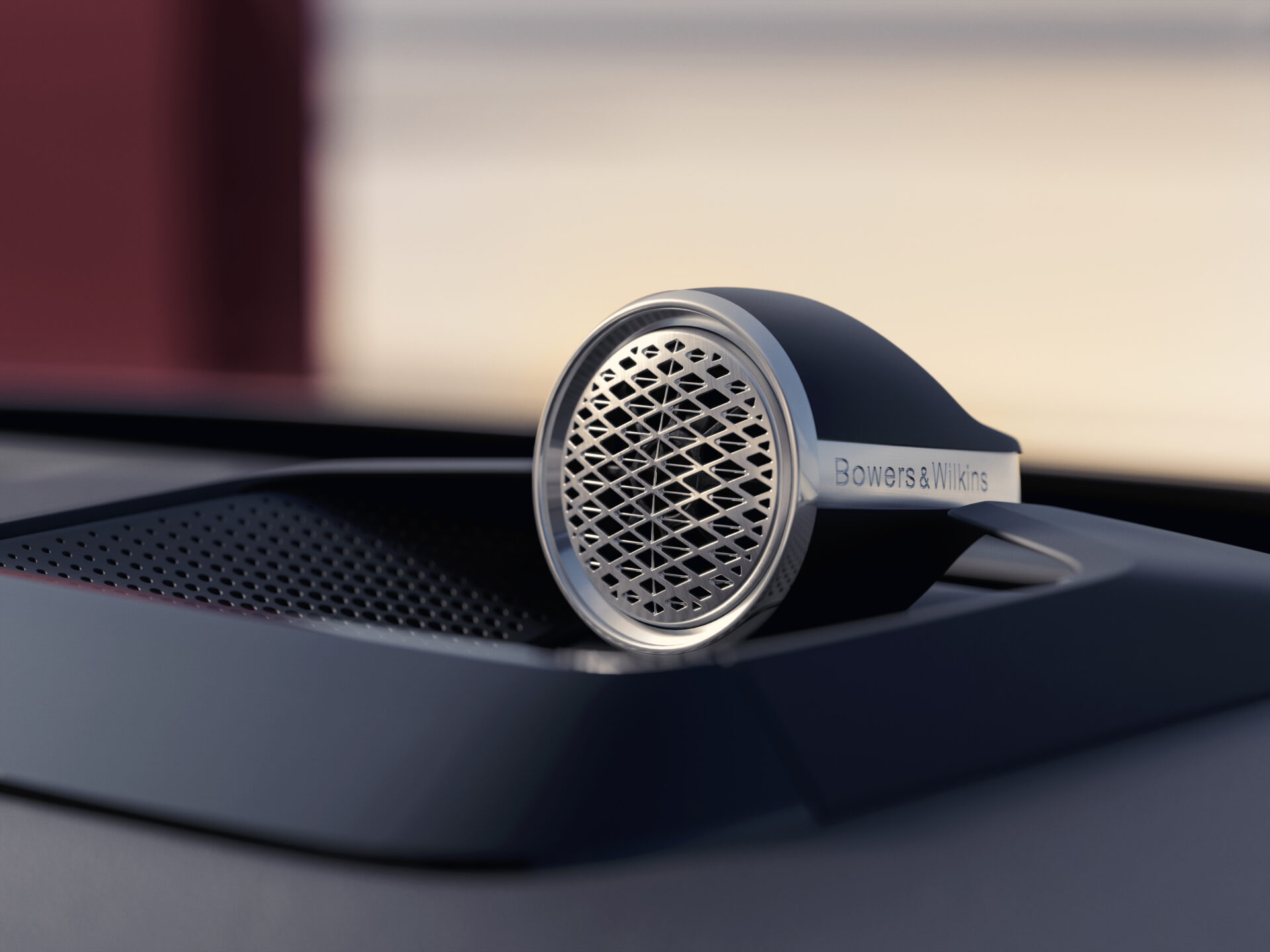
Inside, the level of finish meets expectations for a premium saloon. Materials, assembly quality and perceived refinement reflect the brand’s upmarket ambitions. The dashboard is centred around a 9-inch digital instrument cluster, a 14.5-inch central touchscreen and a head-up display. The whole system runs on Google built-in (Maps, Assistant, Play) with wireless Apple CarPlay and Android Auto, plus integrated 5G. The 25-speaker, 1,610-watt Bowers & Wilkins audio system with Dolby Atmos compatibility accompanies long journeys.
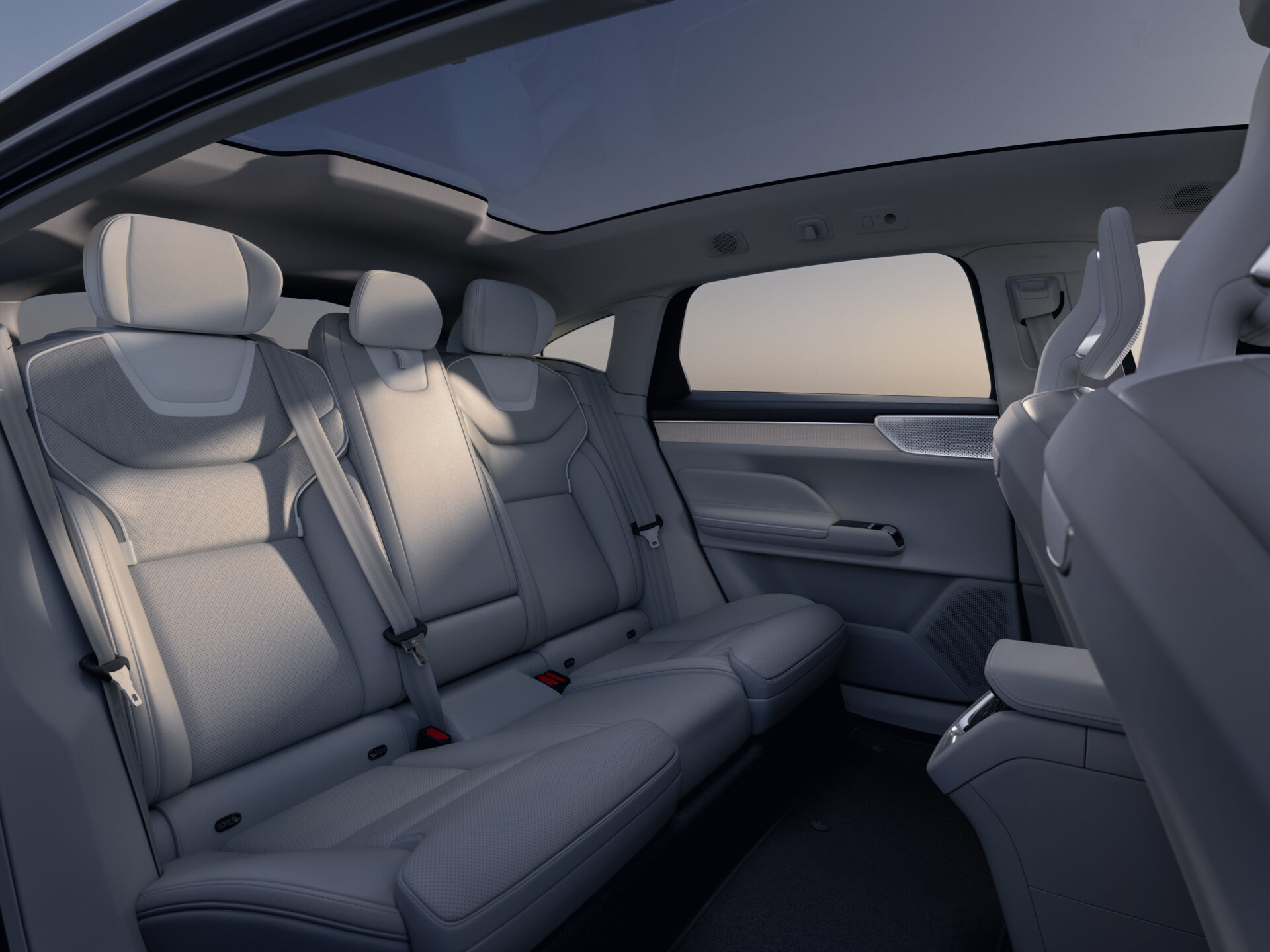
The 3.10 m wheelbase delivers generous rear-seat space. Passengers enjoy comfortable seating with lounge armrests and ventilation, along with electrically reclining backrests adjustable between 28 and 33 degrees. The ambience readily shifts into limousine mode, with notable legroom.
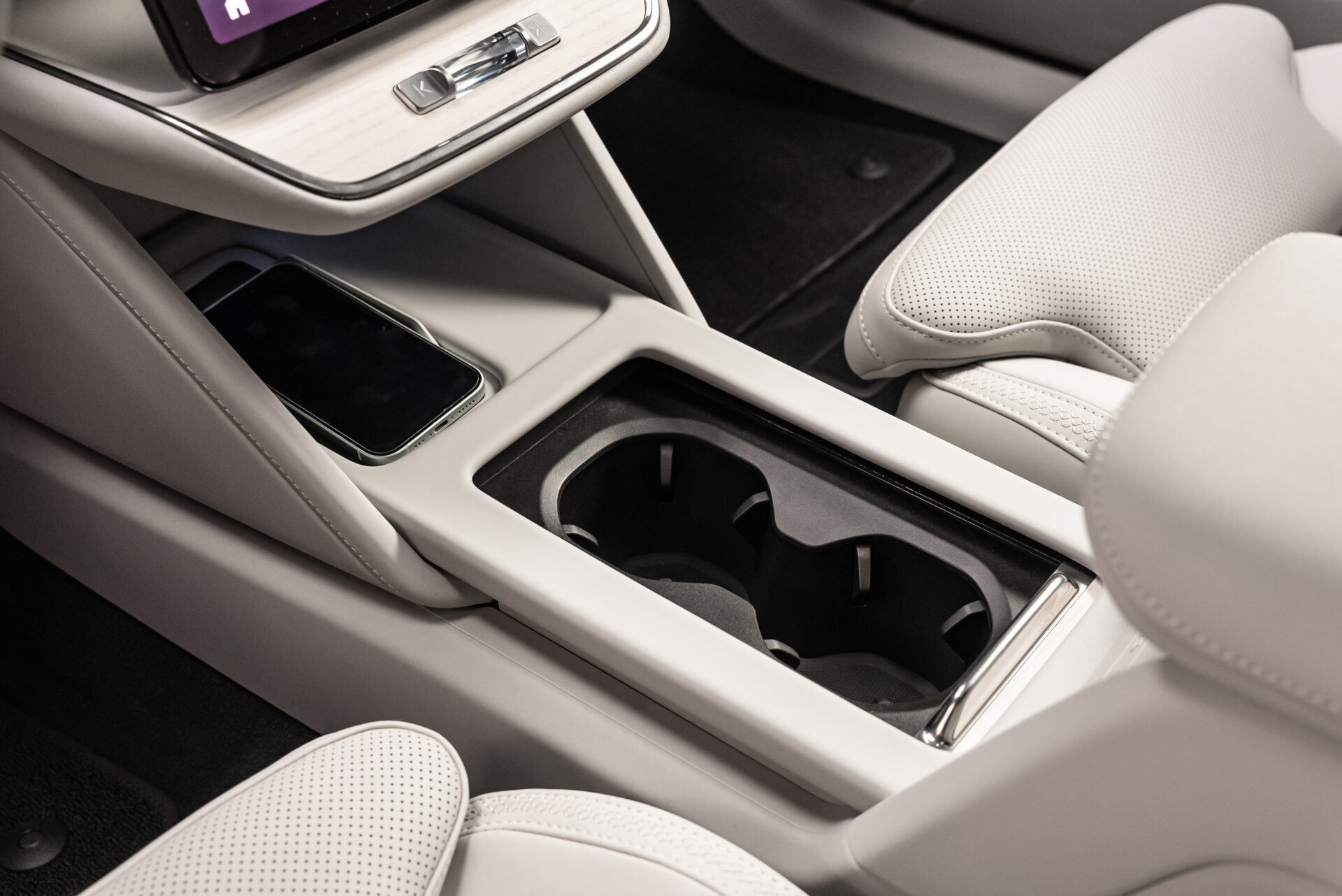
Some ergonomic choices do require an adjustment period. All secondary controls pass through the central screen, including the glovebox release, which becomes tedious with regular use. The digital interior mirror also calls for a degree of visual recalibration.
Three powertrains, 800 V platform
The ES90 is offered in three configurations. The entry-level rear-wheel-drive Single Motor produces 245 kW (333 hp) and 480 Nm, fed by a 92 kWh battery (88 kWh usable). WLTP range stands between 554 and 651 km depending on wheel choice, with a combined consumption of 15.9 to 18.5 kWh/100 km.
Above these sit two all-wheel-drive variants with a 106 kWh battery (102 kWh usable). The Twin Motor delivers 330 kW (449 hp) and 670 Nm, sprinting from 0 to 100 km/h in 5.4 seconds with a claimed WLTP range of 700 km. The Twin Motor Performance pushes this to 500 kW (680 hp) and 870 Nm for a 0 to 100 km/h time of 4.0 seconds, without penalising the homologated range. Top speed is limited to 180 km/h across all three variants.
The 800-volt architecture supports DC charging at up to 350 kW, enabling a 10–80% charge in around 22 minutes on the larger-battery versions, and a claimed recovery of 300 km of range in ten minutes. The onboard charger peaks at 11 kW on AC. The ES90 is also prepared for bidirectional charging, which will allow it to power the home or feed energy back into the grid.
On the road: comfort as priority
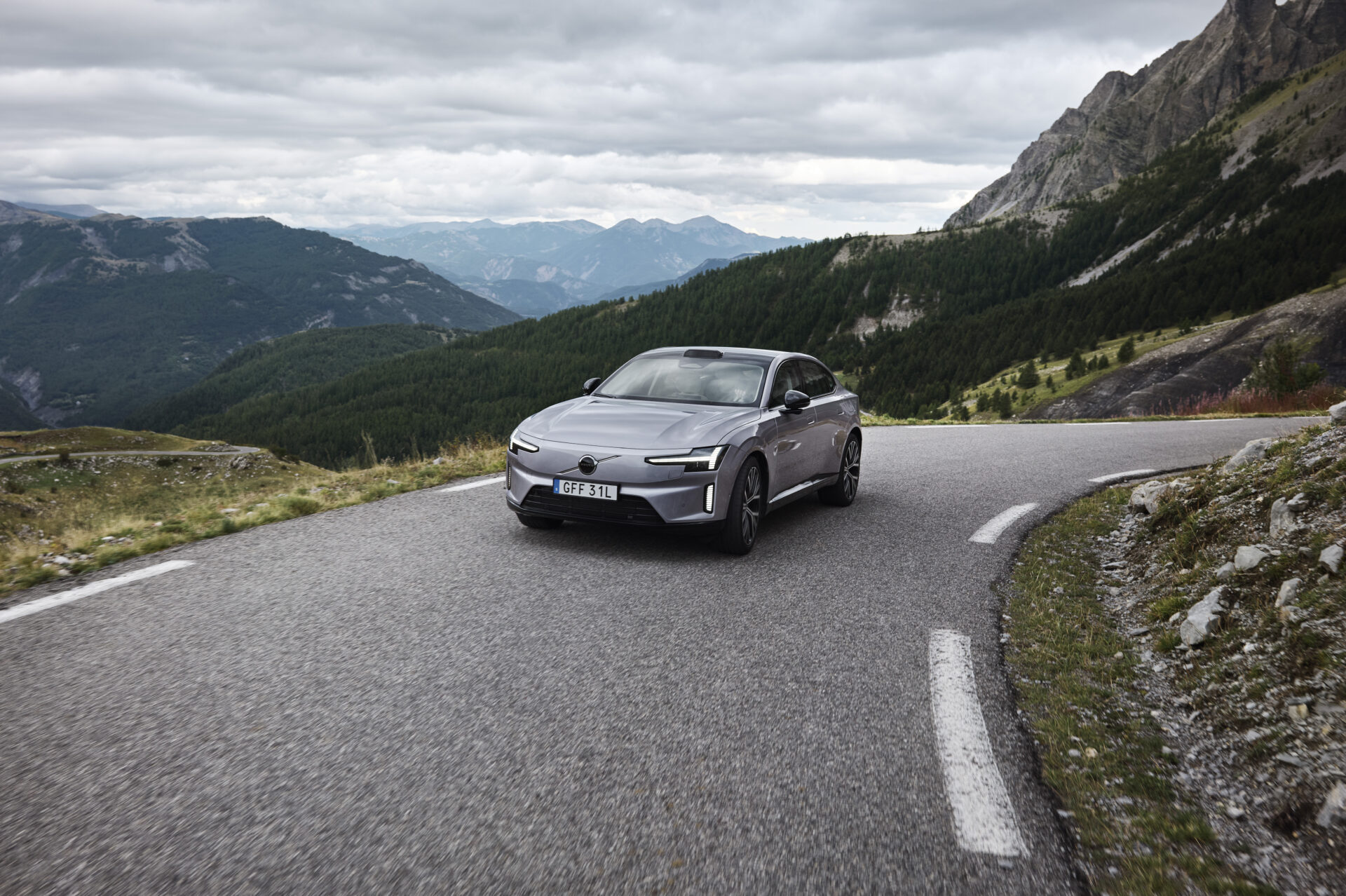
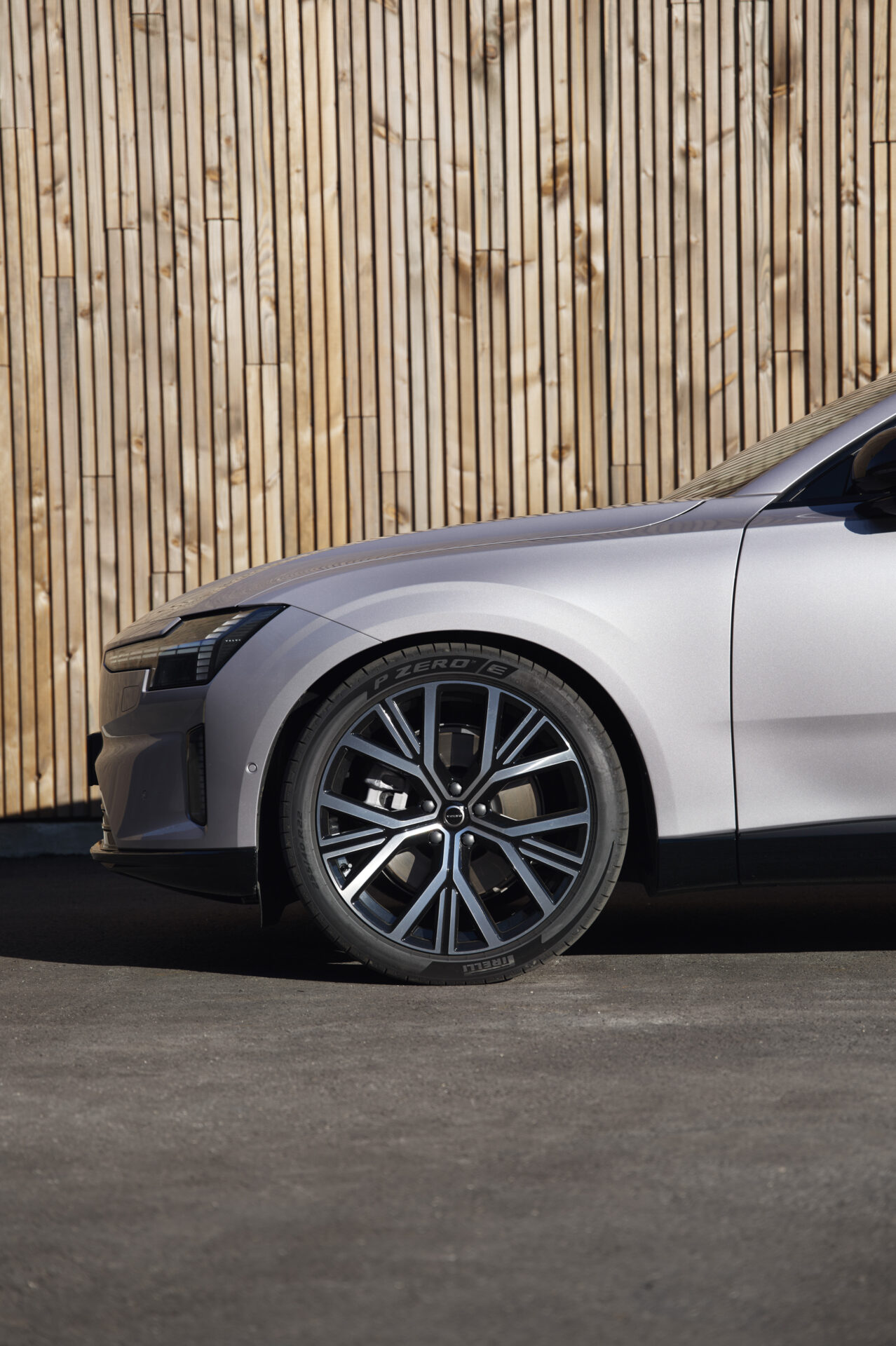
Volvo has never claimed sporting ambitions, and the ES90 stays true to this philosophy. The ethos remains comfort, with dual-chamber air suspension combined with an active chassis as its principal ally. On the roads tested, the damping filters out surface irregularities effectively and avoids sharp reactions, even with the optional 22-inch wheels (255/40 R22 front, 285/35 R22 rear) fitted to our test car. Road holding is assured without seeking aggressiveness, in keeping with the grand tourer approach. The cabin is further distinguished by a remarkable level of acoustic insulation, as confirmed during the test at cruising speed.
Safety and carbon footprint
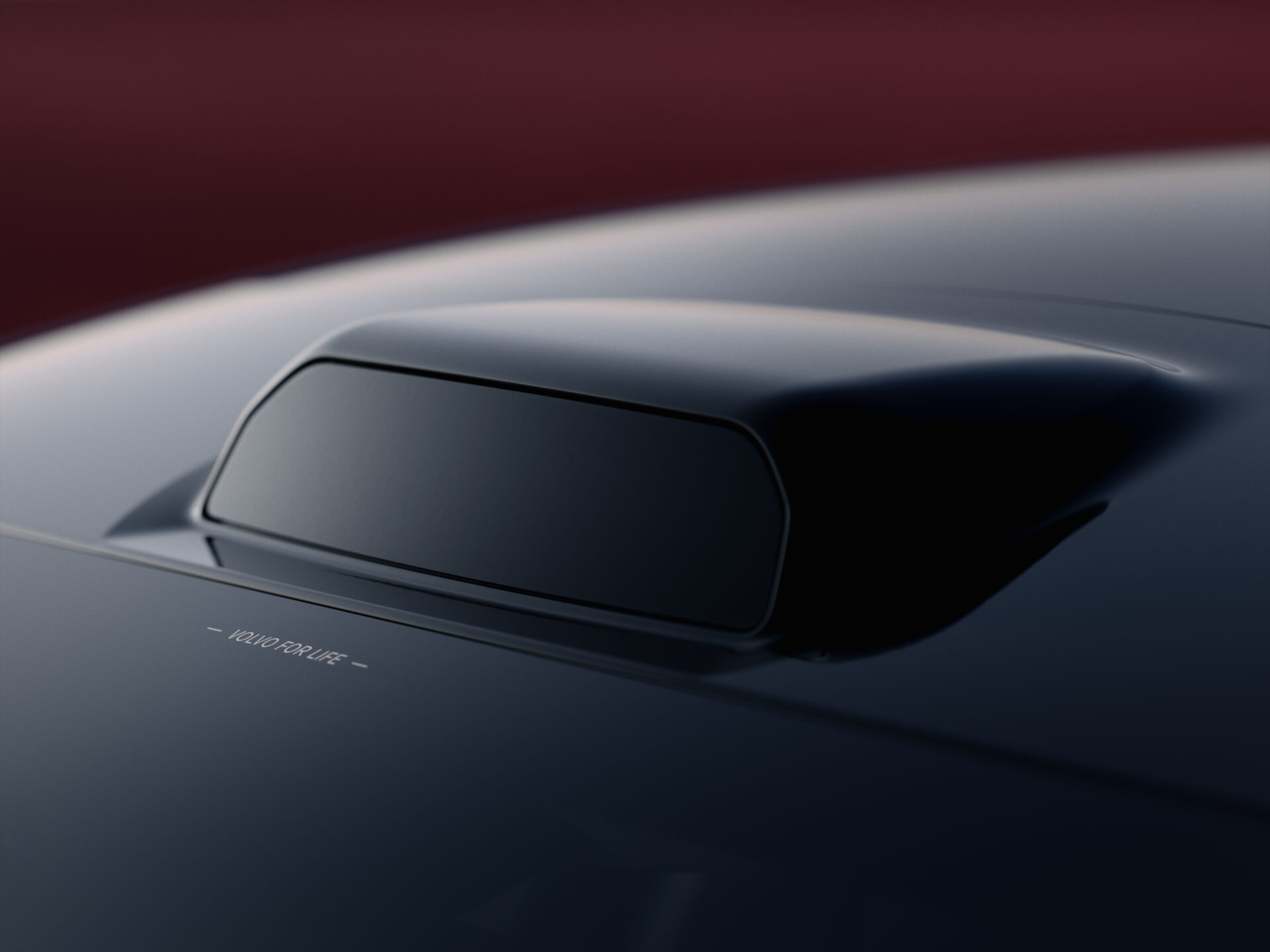
The ES90 carries the most comprehensive safety package Volvo has ever deployed: one lidar, five radars, seven cameras and twelve ultrasonic sensors. The car is the first model from the brand to feature a centralised computing system based on a dual NVIDIA DRIVE AGX Orin configuration. Functions will evolve through over-the-air updates.
On the environmental front, the life cycle analysis published by Volvo puts the total carbon footprint at 31 tonnes of CO₂ with the European electricity mix, and 26 tonnes with wind-powered charging. Production incorporates 29% recycled aluminium, 18% recycled steel and 16% recycled or bio-based polymers. A blockchain-based battery passport ensures the traceability of critical materials.
Verdict
The ES90 offers a measured take on the full-size electric saloon segment. Ride comfort, rear-seat space and build quality are its principal strengths, backed by an 800 V platform in line with current market standards. The total reliance on the central touchscreen and the adjustment required by the digital mirror remain the main points of friction in daily use.
Likes
- The limousine-like rear-seat ambience
- The generous interior space
- The range and the cabin refinement
Dislikes
- Almost everything routed through the touchscreen
- The screen-based interior mirror
Technical Specifications – Volvo ES90 - Single Motor (rear-wheel drive)
- Power output: 333 hp (245 kW)
- Torque: 480 Nm
- Battery capacity: 92 kWh (88 kWh usable)
- WLTP consumption: 15.9 to 18.5 kWh/100 km
- WLTP electric range: 554 to 651 km
- 0–100 km/h: 6.6 s
- Top speed: 180 km/h
- Weight: 2,410 kg
- Starting price: from €81,989