Built on the same production line in Douai and sharing the same platform, the Renault 5 E-Tech electric and the new Nissan Micra have gone head-to-head in Luxembourg’s dealerships since November 2025. Two revived icons, shared engineering, prices that converge at the top of the range and, already, a first verdict from the market. A comparison based on manufacturer data and Luxembourg registration figures.
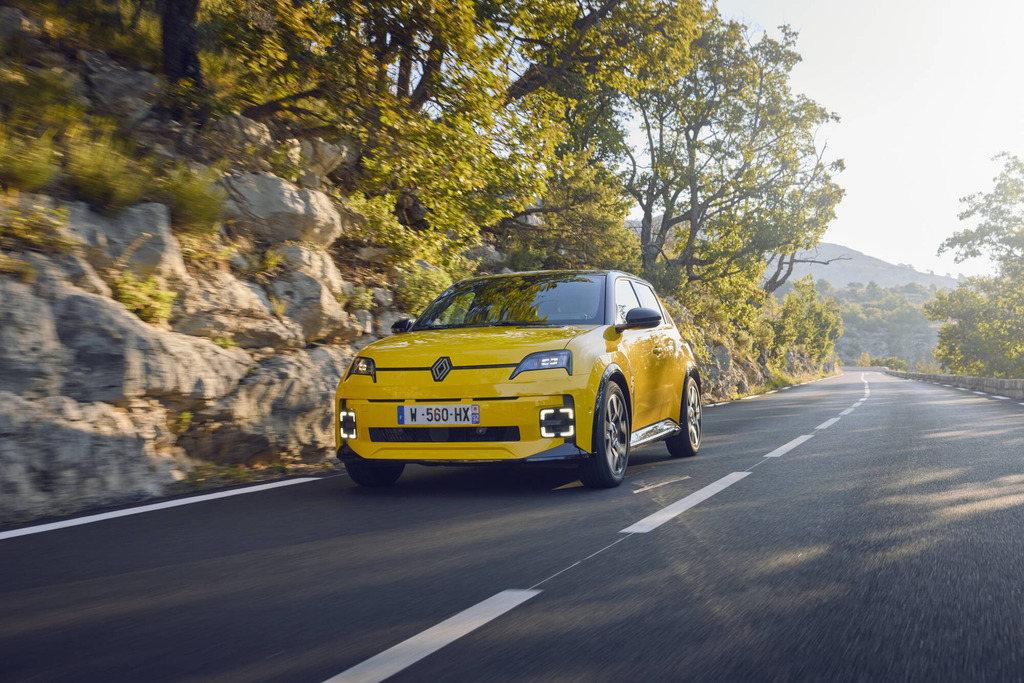
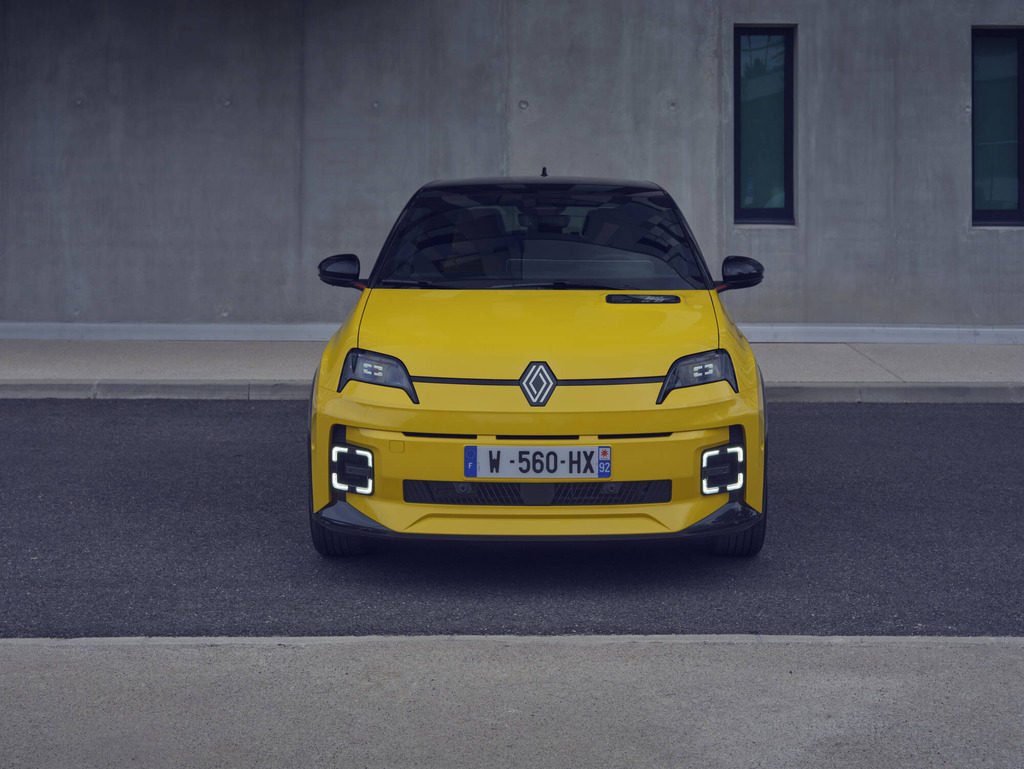
L’histoire commence en 1972, lorsque Renault lance une petite traction bicorps à hayon qui va devenir la voiture la plus vendue de France pendant près d’une décennie : la Renault 5. Écoulée à plus de cinq millions d’exemplaires, prolongée par la Supercinq de 1984 à 1996, elle incarne la citadine populaire à la française. Sa renaissance suit un scénario méthodique : concept Renault 5 Prototype en janvier 2021, présentation de la version de série en février 2024, lancement commercial en octobre 2024. Le pari est gagné d’emblée : la R5 E-Tech electric est élue Voiture de l’année 2025 et, selon Renault, dépasse les 40 000 exemplaires vendus dès le printemps 2025, prenant la tête des ventes électriques aux particuliers en Europe.
Nouvelle Twingo : une voiture taillée pour la ville
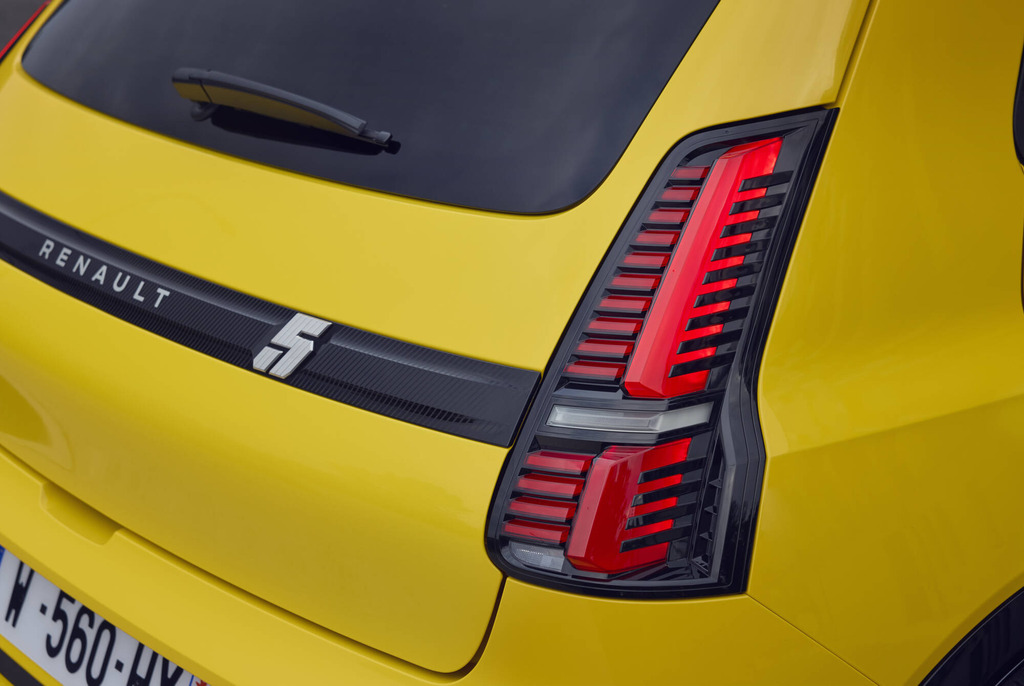
The story begins in 1972, when Renault launched a small front-wheel-drive hatchback that would become France’s best-selling car for almost a decade: the Renault 5. With more than five million units sold, and continued by the Supercinq from 1984 to 1996, it embodies the quintessentially French supermini. Its rebirth follows a methodical script: the Renault 5 Prototype concept in January 2021, the production version unveiled in February 2024, market launch in October 2024. The gamble paid off immediately: the R5 E-Tech electric was named Car of the Year 2025 and, according to Renault, passed 40,000 units sold as early as spring 2025, taking the lead in electric sales to private buyers in Europe.
Across the aisle, the Nissan Micra is no stranger either. Launched in Japan in 1982 under the name March, it arrived in Europe the following year and claimed the Car of the Year title in 1993 – a first for a Japanese model. A tasty detail: the fifth generation was already being built by Renault, at the Flins plant, between 2016 and 2023. The sixth generation, unveiled in May 2025 and styled by the Nissan Design Europe studio in London, goes a step further: it is now 100 per cent electric and 100 per cent Renault underneath. Orders opened in Luxembourg in September 2025, with first deliveries in November.
One factory, two bodies
The two superminis roll off the line at the Manufacture Ampere in Douai, part of the ElectriCity hub in northern France. They’re built on the AmpR Small platform (formerly CMF-B EV), designed for segment B electric vehicles, with the battery housed in the floor, a multi-link rear axle and a lowered centre of gravity. The wheelbase (2.54 m), the boot (326 litres), the turning circle (10.3 m) and even the tyre size (195/55 R18) are identical down to the millimetre.
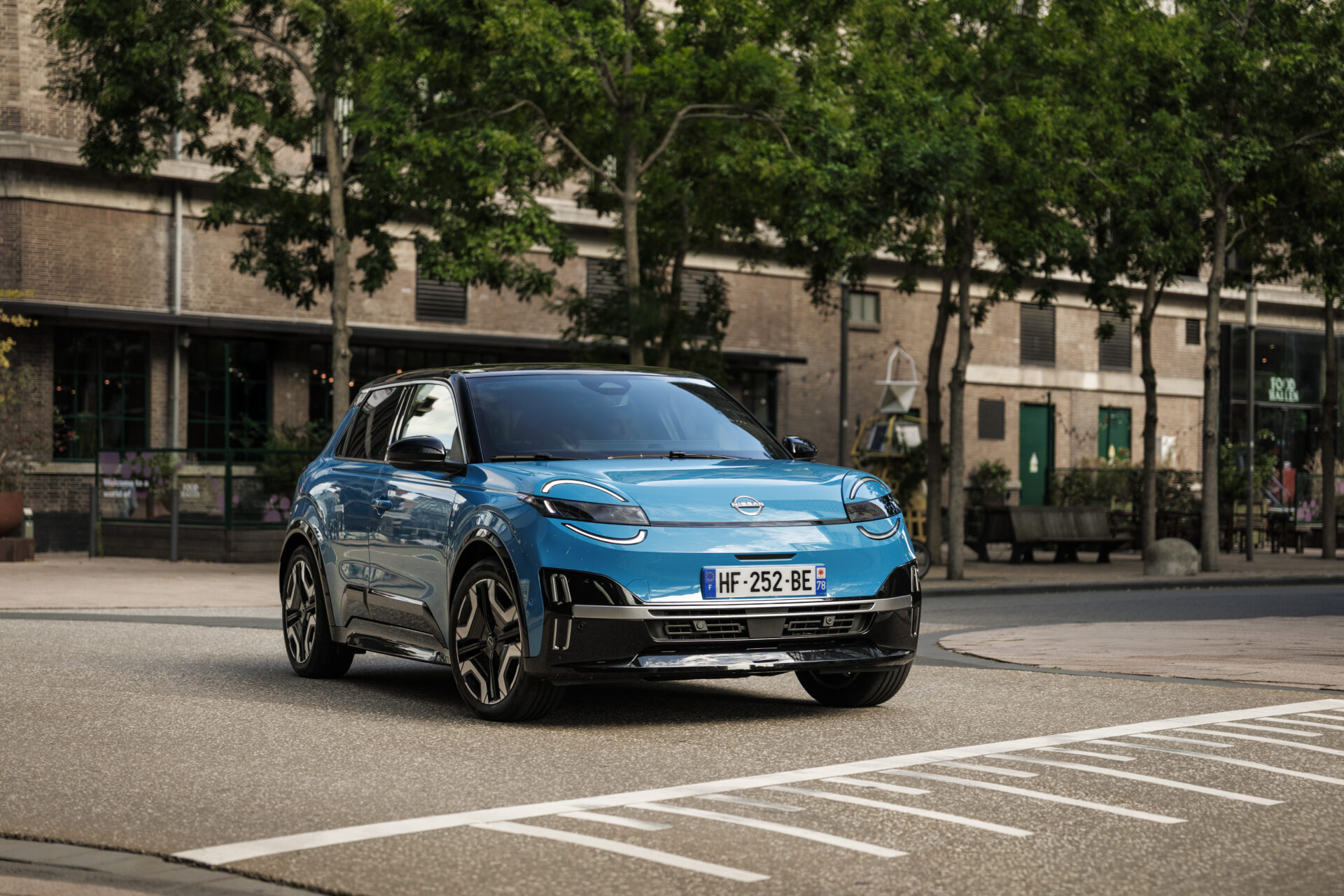
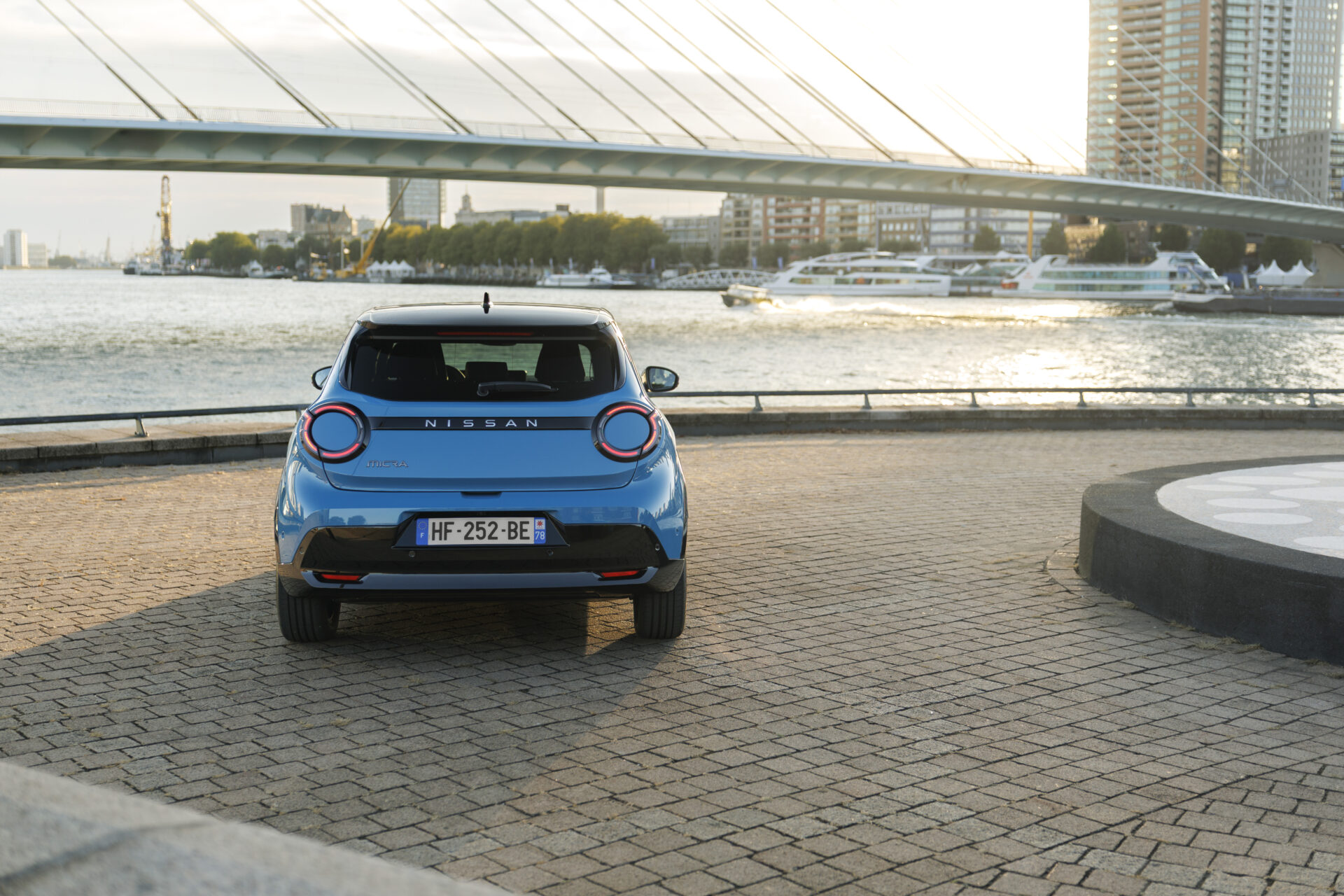
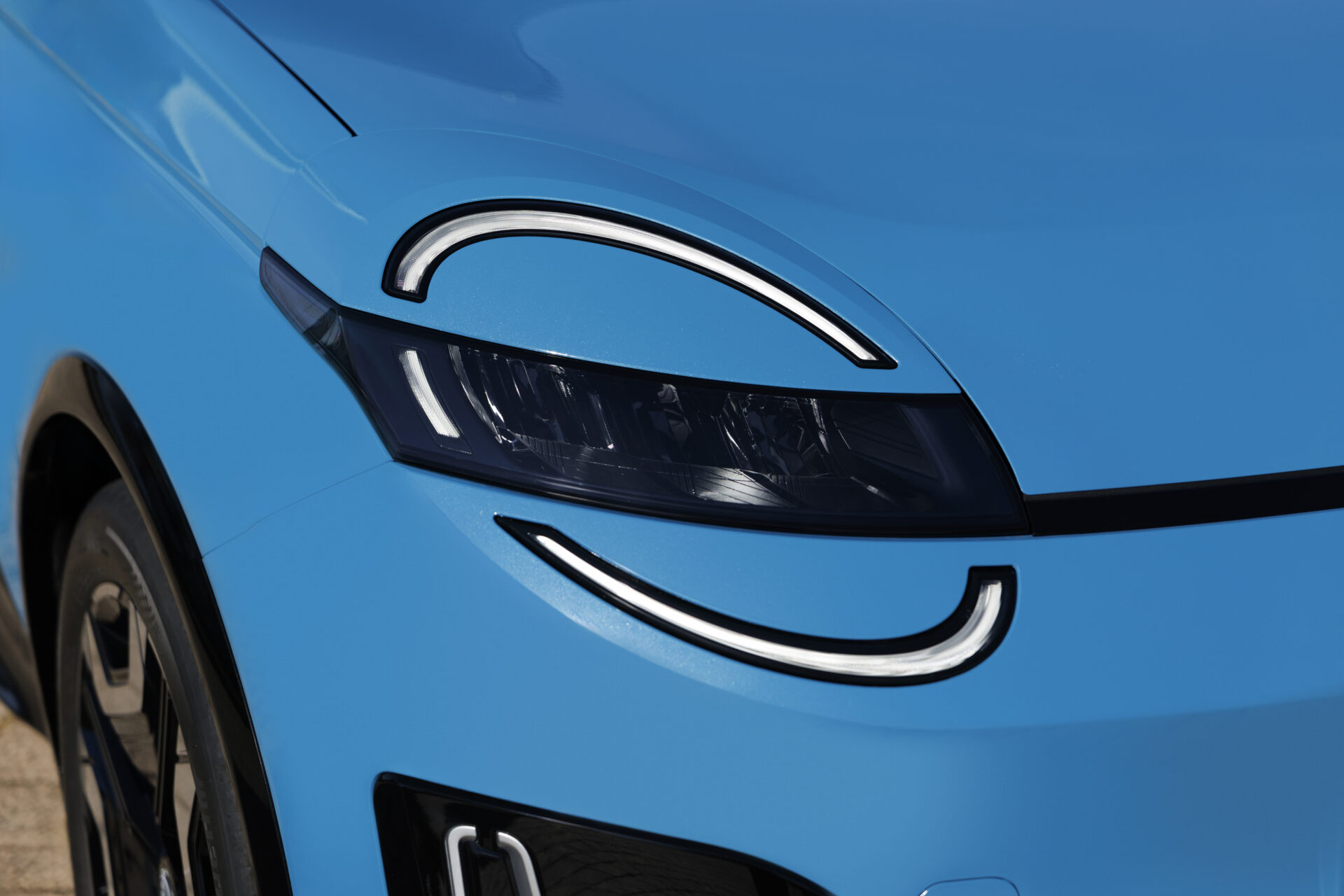
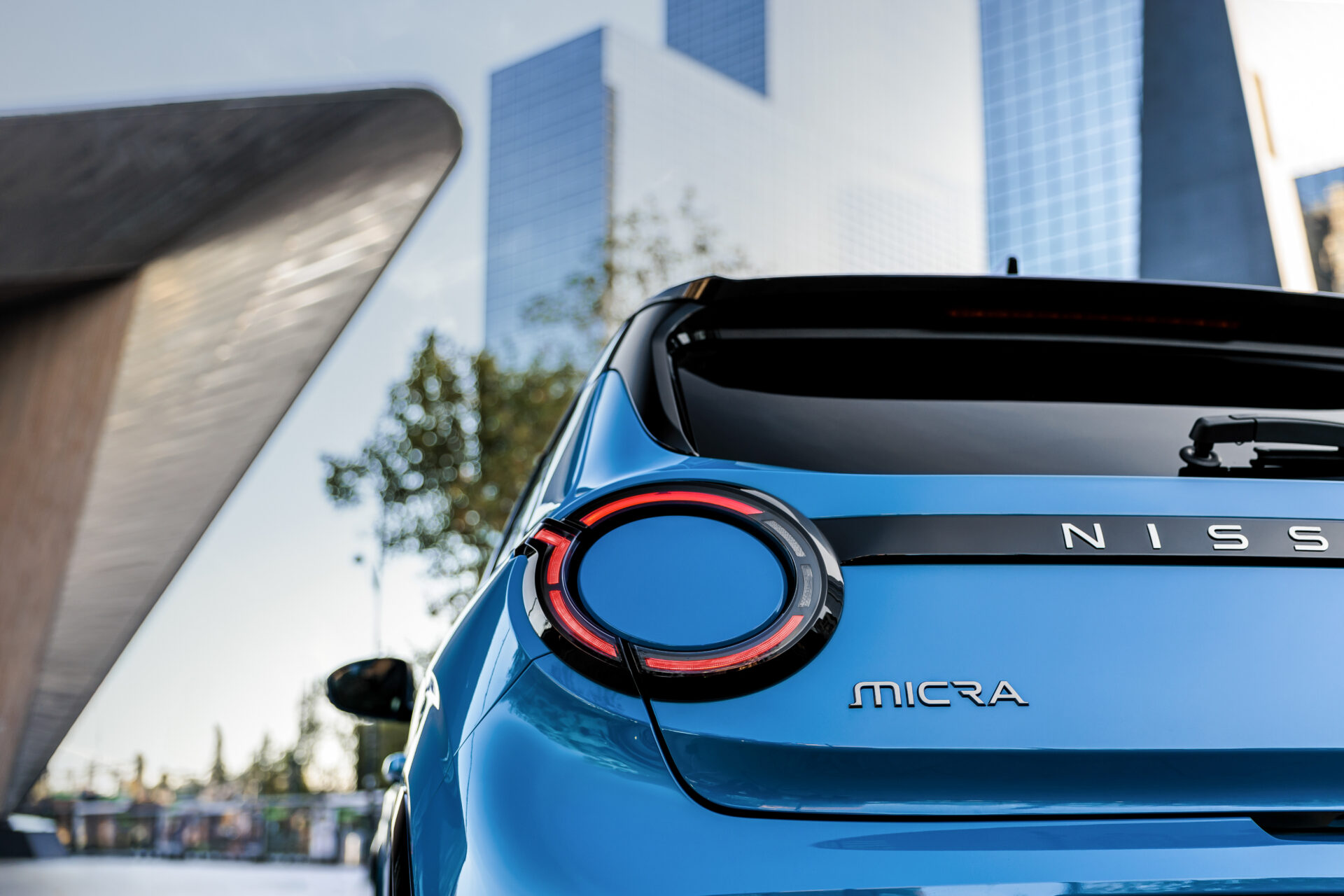
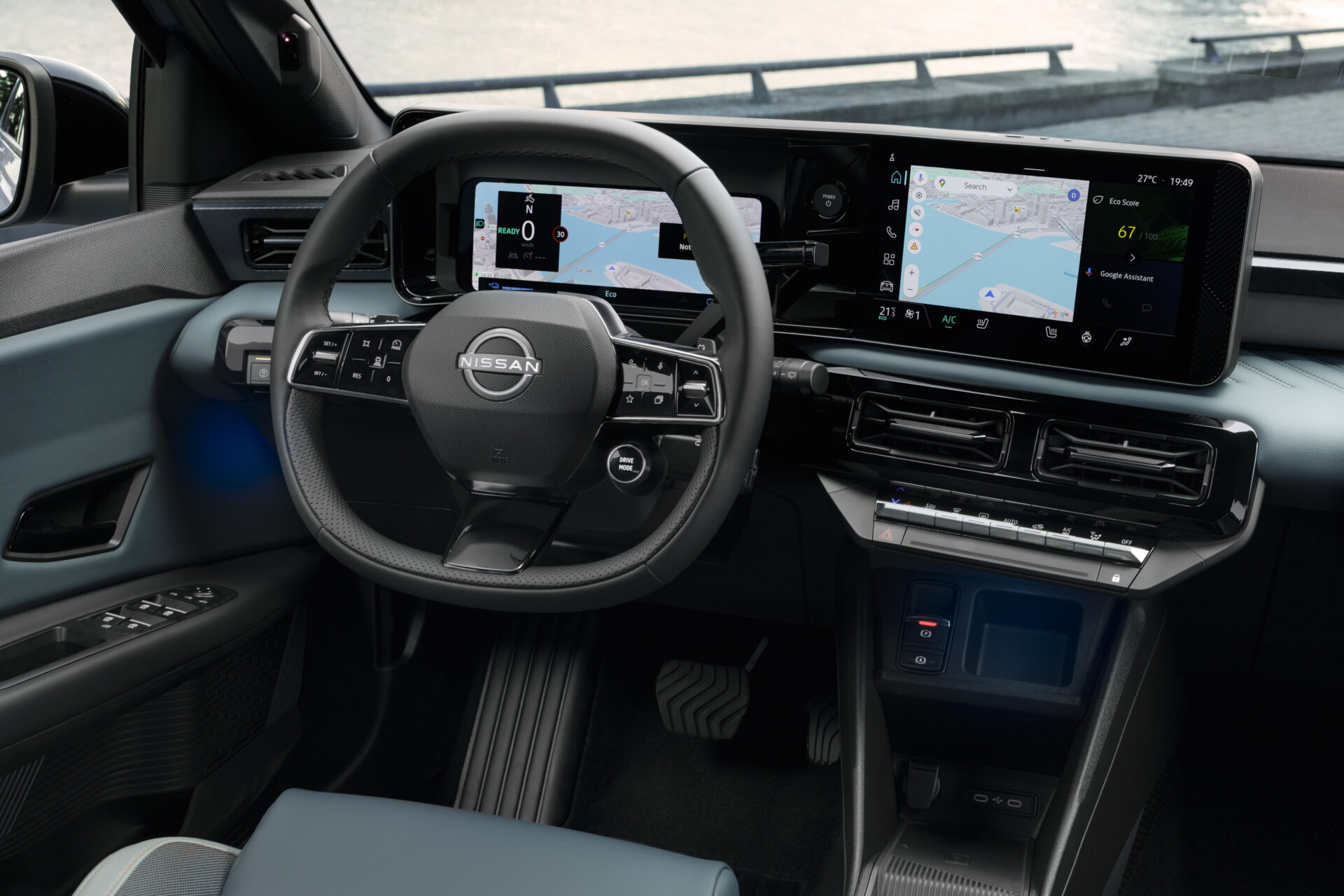
Nissan focused its efforts on what’s visible. The design, inspired by the world of SUVs according to the brand, stands out with a circular light signature that nods to historic Micras, along with pronounced wheel arches and bespoke bumpers. As a result, the Micra is 5 cm longer and 2 cm wider than the R5, purely down to its overhangs, without a single extra centimetre gained inside. Inside, a partially redesigned dashboard, distinct upholstery and customisable ambient lighting complete the differentiation.
Cabin and equipment: the real differences
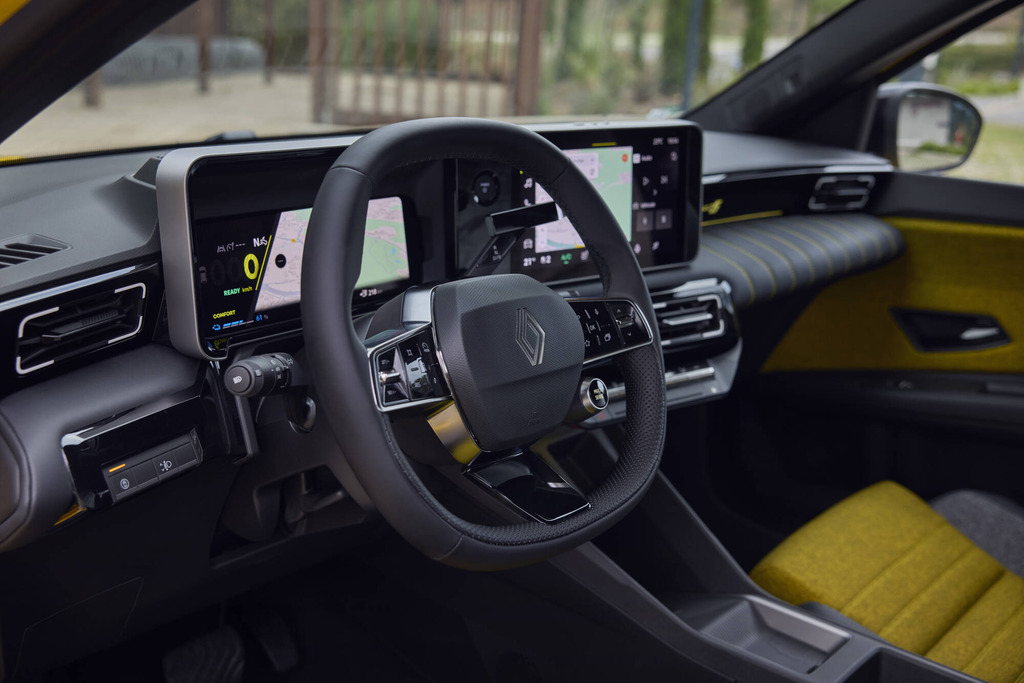
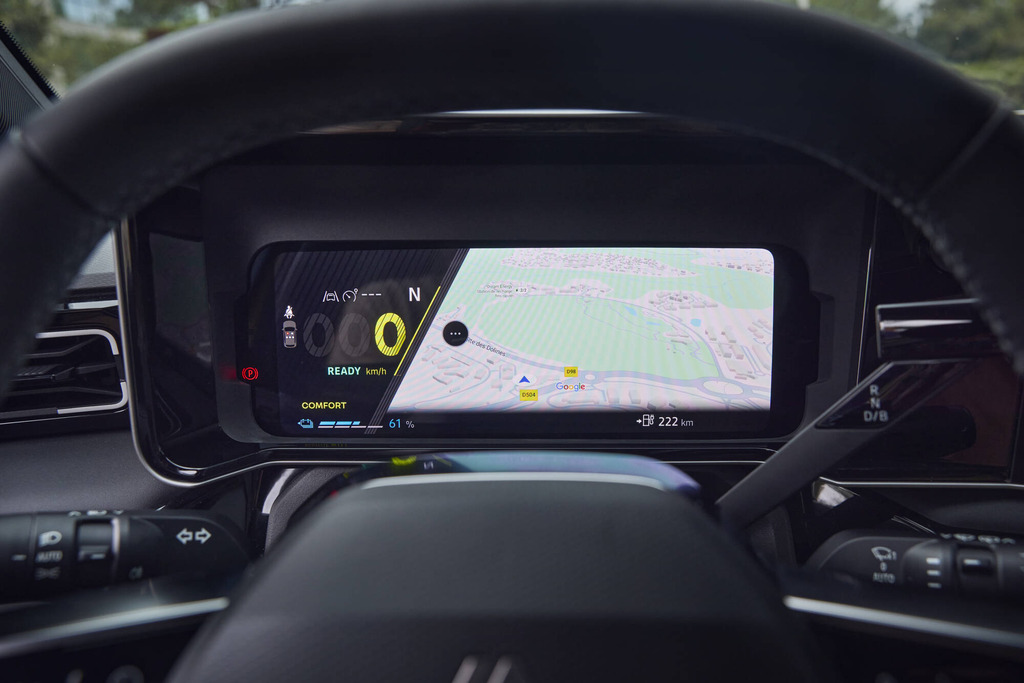
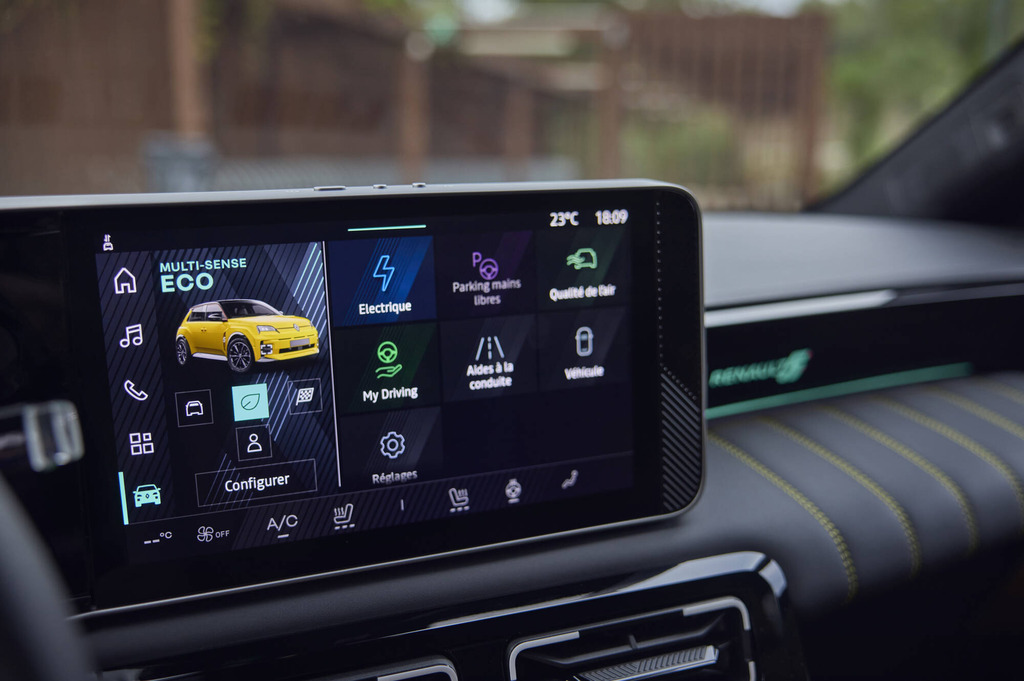
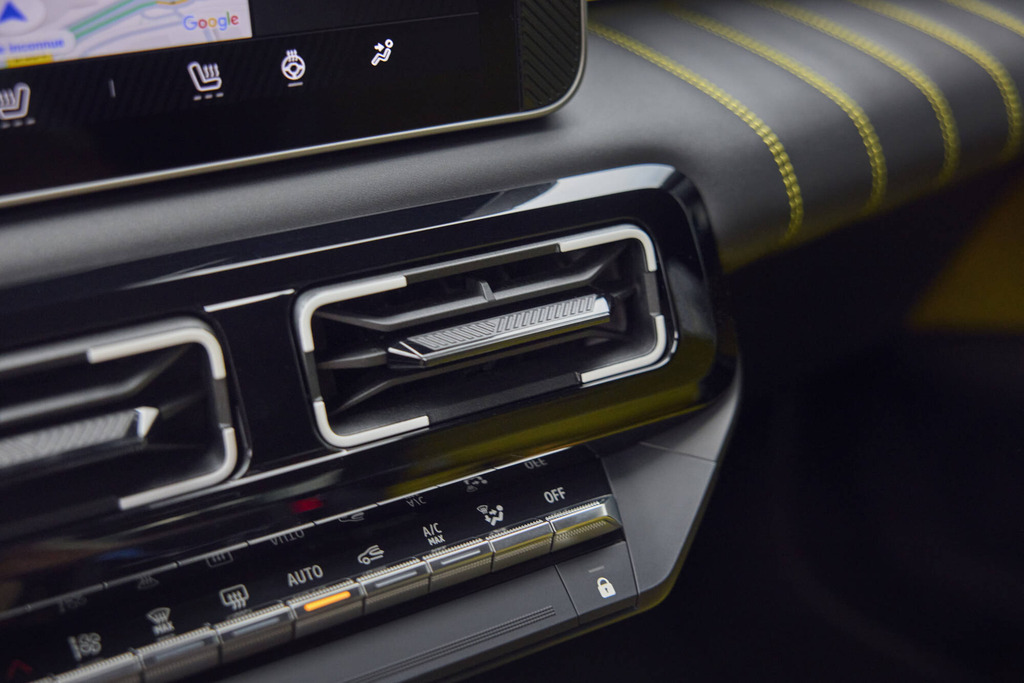
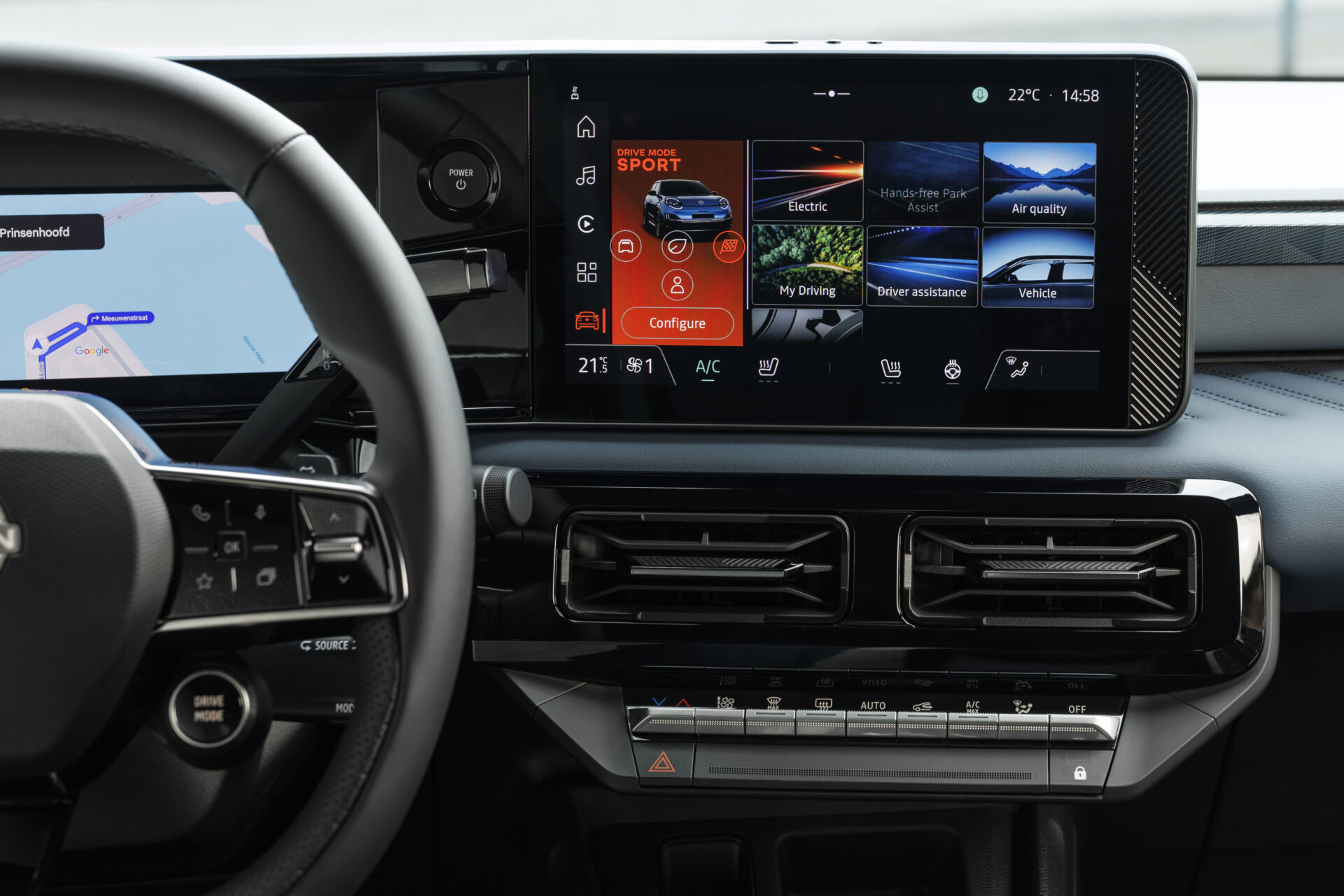
Inside, the architecture is shared: twin screens ahead of the driver and at the centre, Google built in on higher trims, and wireless Apple CarPlay and Android Auto compatibility. The Micra pairs two 10.1-inch panels (plus a 10.3-inch instrument cluster from Advance trim), whereas the R5 offers a 7- or 10-inch instrument display depending on version, alongside a 10-inch central screen.
Three concrete differences deserve the buyer’s attention. The first concerns one-pedal driving: from its “Advance” trim, the Micra offers e-Pedal with four regeneration levels selectable via the paddles, down to a complete stop. A function that Renault reserves specifically for the Renault 4 within its own range. The second difference lies in smart charging: the R5 fits an 11 kW bidirectional AC charger on the 52 kWh version, preparing it for V2G, while the Micra is for now only advertised as “V2G-ready”. Third nuance, V2L: standard from the entry version at Nissan (adaptor included), it remains optional at Renault (up to 3,700 W).
On warranty, Nissan has the edge in Luxembourg: on top of the 3-year manufacturer warranty and the 8 years or 160,000 km on the battery, common to both models, comes the Nissan More programme, which extends drivetrain cover to up to 10 years or 200,000 km through network servicing.
Technique: nearly identical under the skin
Manufacturer figures show an almost perfect twinning. Power outputs of 90 kW (120 hp) and 110 kW (150 hp), torque of 225 and 245 Nm, batteries of 40 and 52 kWh, 0-100 km/h in 9 and 8 seconds, a top speed of 150 km/h: everything matches. Only range separates the two cars, and even then barely: 317 and 416 km WLTP for the Micra against 312 and 410 km for the R5, a gap of 4 to 6 km consistent with the Nissan’s slightly lower homologated consumption (14.2 and 14.7 kWh/100 km). Kerb weights are within a handful of kilos of each other.
€48 apart
At launch, the two strategies seemed to pull in opposite directions. Renault played the affordability card with the 95 hp Five at €24,077 including VAT, under the symbolic €25,000 mark, while Nissan positioned its Micra from €28,283, with a more generous standard specification (DC fast charging, heat pump, 10.1-inch central screen).
A year on, pricing reality has converged. The Five has disappeared from the Luxembourg catalogue and the R5 range now starts with the 120 hp Evolution at €27,171 including VAT (renault.lu configurator, July 2026), against the Micra Engage 40 kWh listed at €28,283 on Nissan’s January 2026 price list.
In the best-equipped versions, the alignment is striking: €35,390 for the 150 hp R5 Roland-Garros and €35,438 for the Micra Evolve 52 kWh. Forty-eight euros apart between two technically identical cars: hard to be more symbolic. Then there are the current offers, which can shift the picture: in July 2026 Nissan was advertising the Micra Engage at €24,077, exactly the launch price of the R5 Five.
One Micra for every six Renault 5s
How has the public received the two models in Luxembourg? Looking at the detail of SNCA’s open data (vehicle fleet published on 7 July 2026, first registrations from January to June 2026, fully electric powertrain only), a clear balance of power emerges: 484 new Renault 5 E-Tech against 78 Nissan Micra over the first half, a ratio of six to one. An honest reading does call for one timing caveat, though: the R5 has been on sale since October 2024 and benefits from a full range and established brand recognition, while the Micra has only been delivered since November 2025.
| January to June 2026 | Renault 5 E-Tech electric | Nissan Micra |
| New registrations | 484 | 78 |
| Monthly detail (Jan. to June) | 48 / 70 / 84 / 115 / 87 / 80 | 1 / 10 / 12 / 20 / 18 / 17 |
| Share with 52 kWh battery | 435 (90%) | 38 (49%) |
| Share with 40 kWh battery | 49 (10%) | 40 (51%) |
| Colour no. 1 | blue (160, 33%) | white (41, 53%) |
Battery choice reveals two different customer bases
On the R5, the large 52 kWh battery dominates with 90 per cent of registrations (435 of 484), the 40 kWh version remaining marginal (49 units, of which 3 are still the 95 hp version). On the Micra, the split is almost perfectly even: 40 units in 40 kWh, 38 in 52 kWh. Part of the explanation likely lies in Nissan’s aggressive commercial terms on the entry-level Engage.
Colours, finally, may tell the most revealing difference between the two cars. A third of Luxembourg’s R5s are blue (160), ahead of white (99), black (95) and, notably, yellow (85) – a remarkable score for such an expressive colour: nearly seven in ten R5s wear a bold colour. The Micra shows exactly the opposite profile: more than one in two is white (41 of 78), while bold colours remain a minority (16 blue, 8 red).
Two twin cars, two audiences: the R5 is bought as a style statement, the Micra as a rational supermini. The colour palette on offer is likely no accident, with Renault’s punchy shades leaning fully into the neo-retro card, where Nissan’s colour chart stays more conventional.
Verdict
Power, batteries, performance, boot, wheelbase, turning circle and tyres identical: the Micra really is a rebadged R5, openly acknowledged as such by the Alliance, and that’s no flaw. The Renault keeps for itself the aura of the French icon, the Car of the Year title, the bidirectional charger and, in Luxembourg, a commercial popularity that the first-half 2026 figures confirm beyond doubt. The Nissan answers back with e-Pedal, standard V2L, an extended warranty and aggressive commercial terms. At near-identical list prices, the choice will come down to styling, cabin ambience and the discount secured at the dealership. The badge, for its part, changes nothing about the car.
Comparative technical specifications
| Renault 5 E-Tech electric | Nissan Micra | |
| Power (kW / hp) | 90/120 and 110/150 | 90/120 and 110/150 |
| Torque (Nm) | 225 / 245 | 225 / 245 |
| Battery (kWh) | 40 / 52 | 40 / 52 |
| Range (km, WLTP) | 312 / 410 | 317 / 416 |
| Consumption (kWh/100 km, WLTP) | 14.5 to 15.5 | 14.2 / 14.7 |
| 0-100 km/h (sec) | approx. 9 / 8.0 | 9 / 8 |
| Top speed (km/h) | 150 | 150 |
| AC / DC charging (kW) | 11 / 80 (40 kWh), 11 bidirectional / 100 (52 kWh) | 11 / 80 (40 kWh), 11 / 100 (52 kWh) |
| Length (mm) | 3,922 | 3,974 |
| Width excl. mirrors (mm) | 1,808 | 1,830 |
| Height (mm) | 1,498 | 1,499 |
| Wheelbase (mm) | 2,540 | 2,541 |
| Boot (l, VDA) | 326 / 1,106 | 326 / 1,106 |
| Kerb weight (kg) | approx. 1,353 / 1,449 | 1,377 / 1,452 |
| Braked towing (kg) | 500 | 500 |
| Turning circle (m) | 10.3 | 10.3 |
| Tyres | 195/55 R18 | 195/55 R18 |
| Rear suspension | multi-link | multi-link |
| Battery warranty | 8 years / 160,000 km | 8 years / 160,000 km |
| Base price (€, incl. VAT) | 27,171 (Evolution, 120 hp) | 28,283 (Engage, 40 kWh) |
| Range-topping price (€, incl. VAT) | 35,390 (Roland-Garros) | 35,438 (Evolve, 52 kWh) |
| LU registrations (H1 2026) | 484 | 78 |