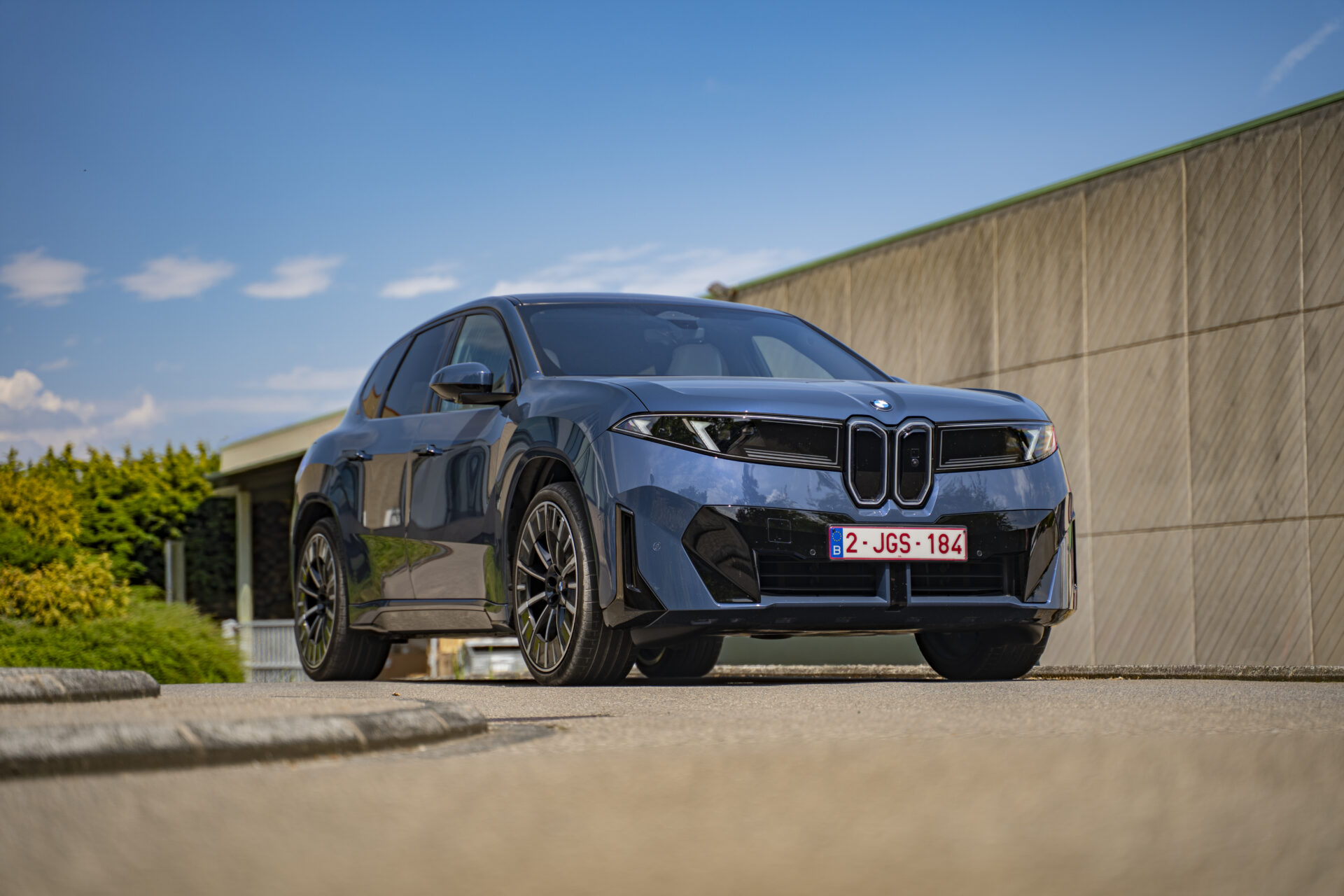
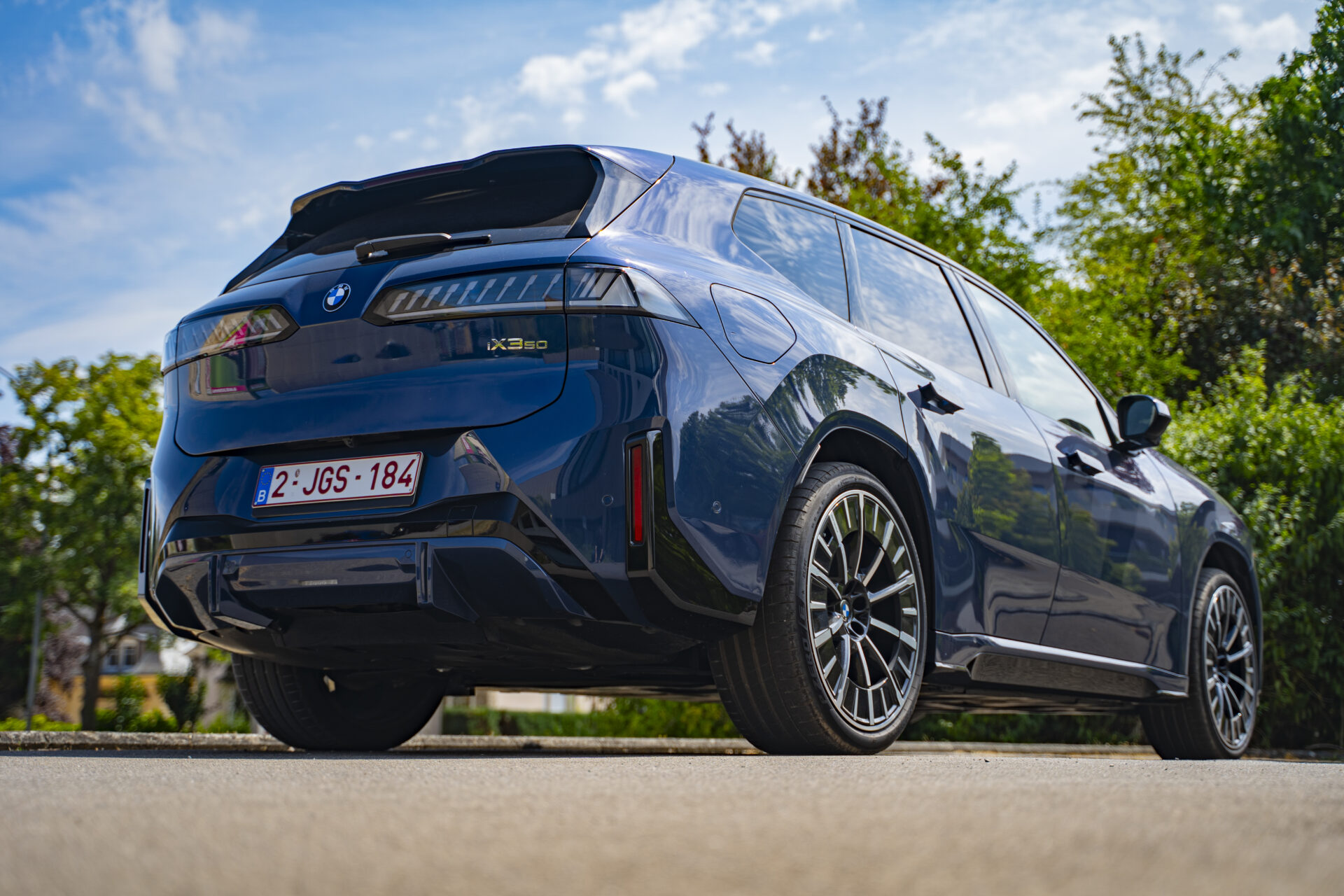
The iX3, the first model based on the “Neue Klasse”, the new platform on which BMW intends to build its entire electric range for the coming years, offers a first glimpse of the direction taken by the German manufacturer.
It’s a bold bet: resting BMW’s entire electric future on a single model. This new platform is set to extend to more than 40 models, new or updated, by the end of 2027, with the X5 and the future i3 already in the pipeline. A single model that therefore has to set the tone for an entire generation of cars.
Built in Hungary at the brand-new Debrecen plant, the iX3 has been on sale in Europe since the spring. Shortly after launch, it ranked among the top 5 best-selling models in Luxembourg, even climbing to 2nd place last July, which already confirms a degree of success. Aimed at a family clientele, from BMW enthusiasts switching to electric to buyers won over by its range and fast charging, it is also proving popular as a company car.
A new face for BMW
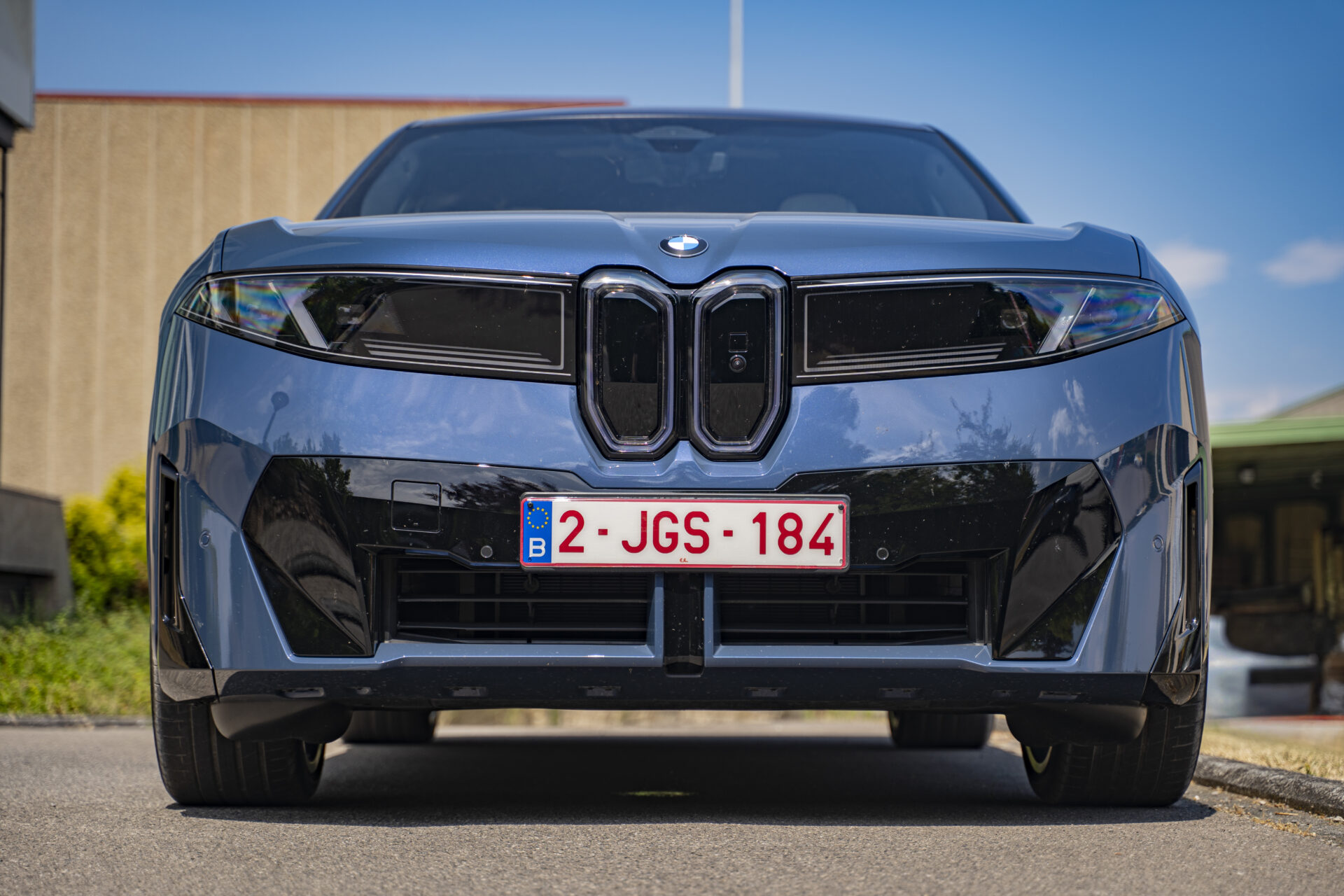
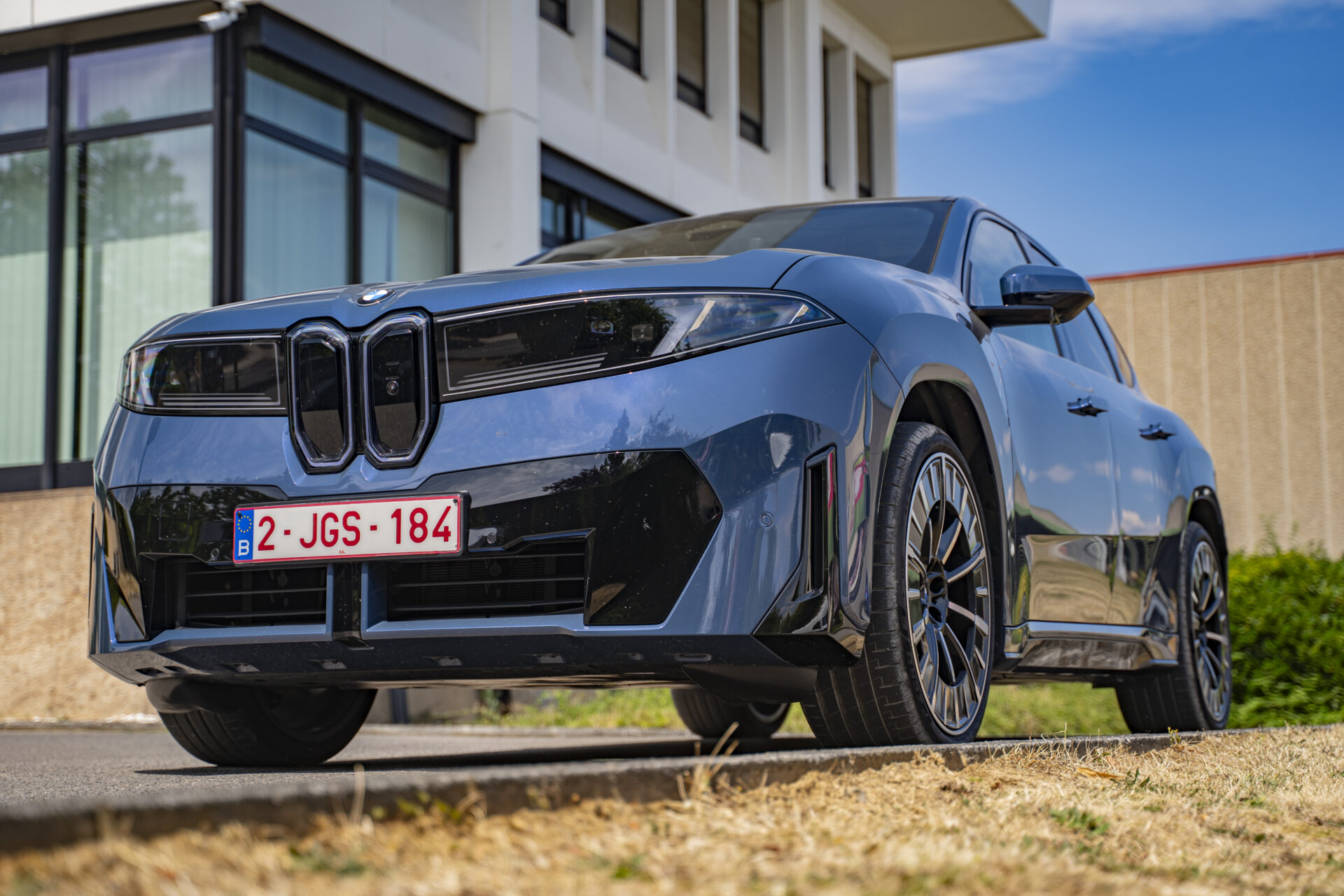
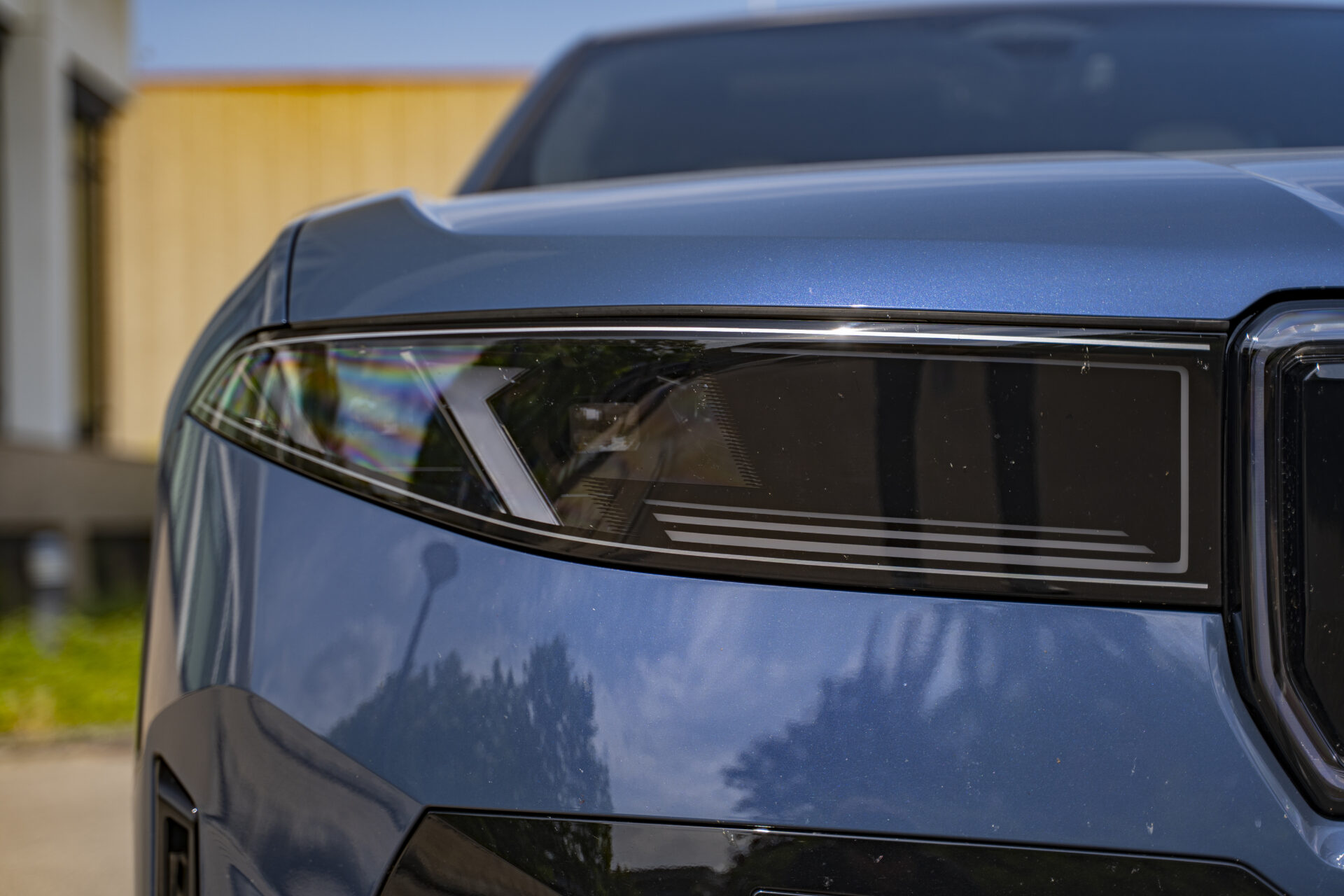
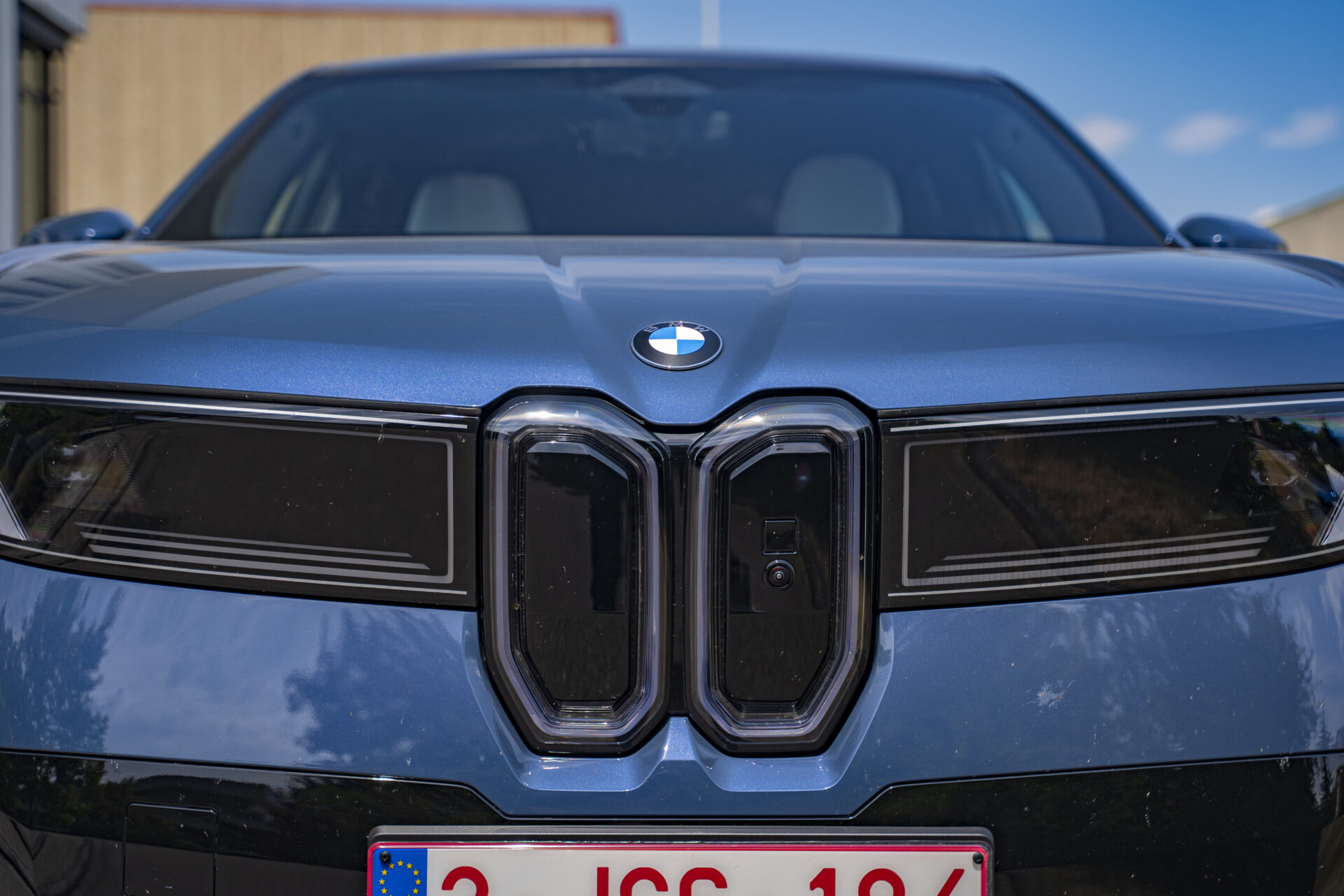
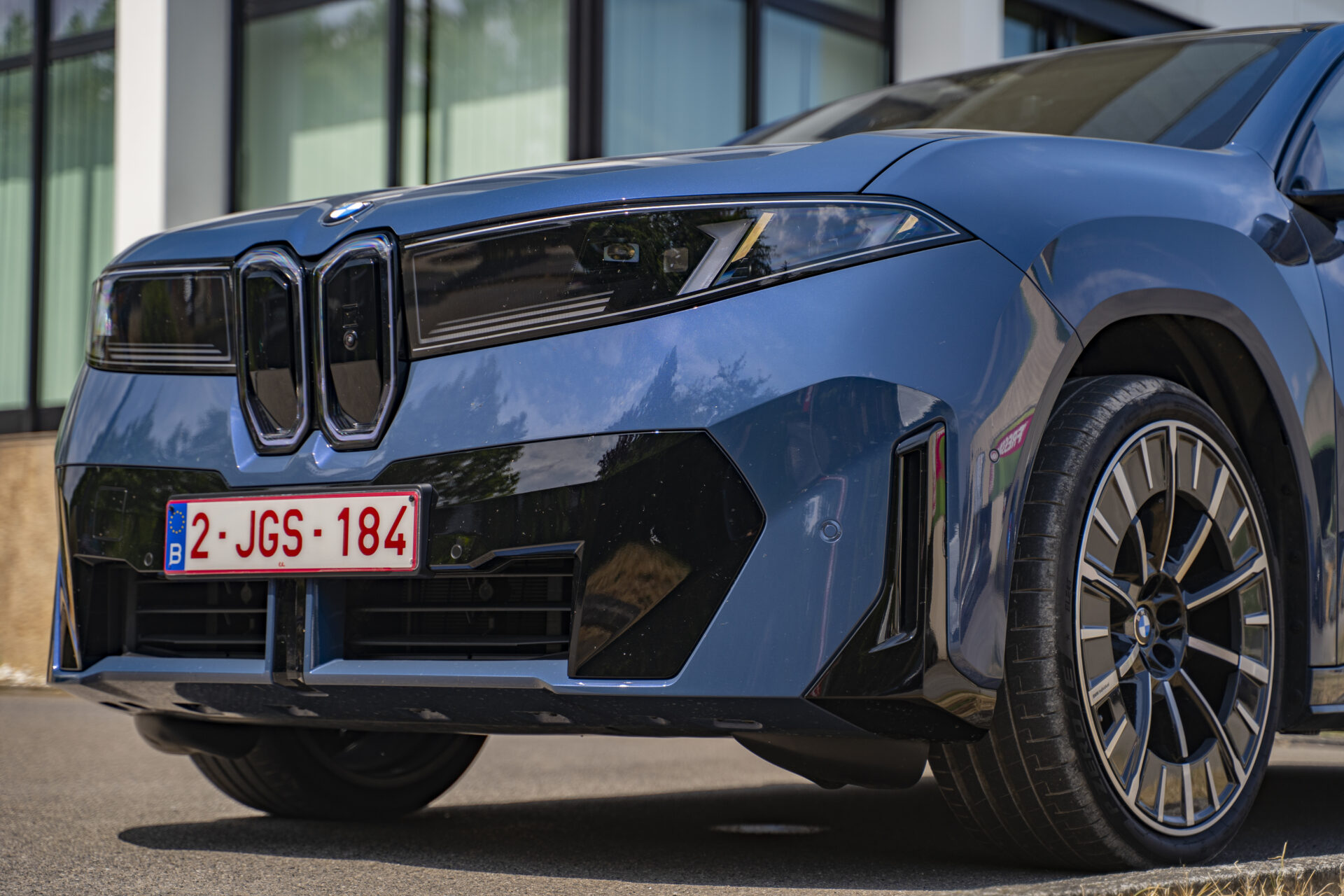
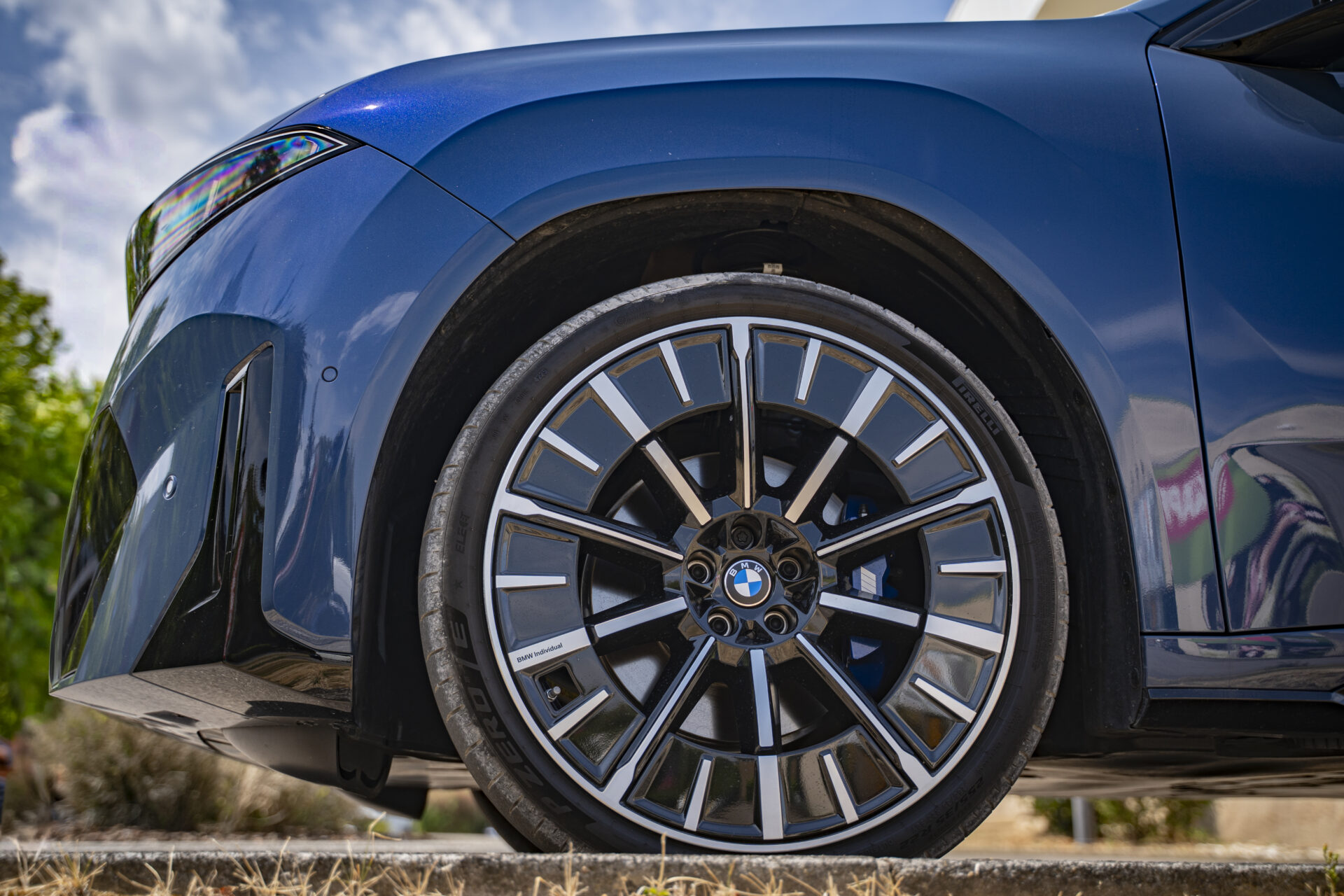
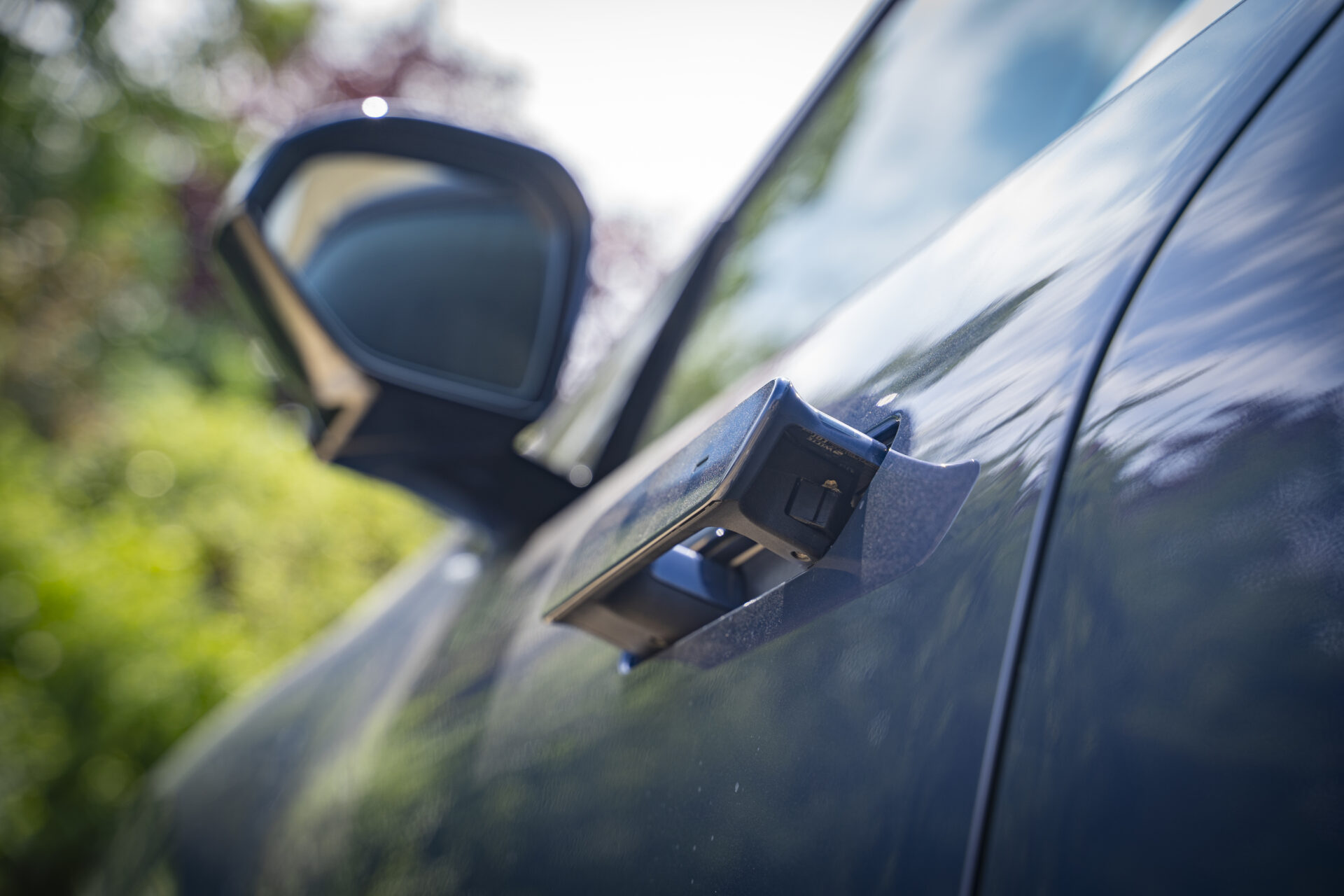
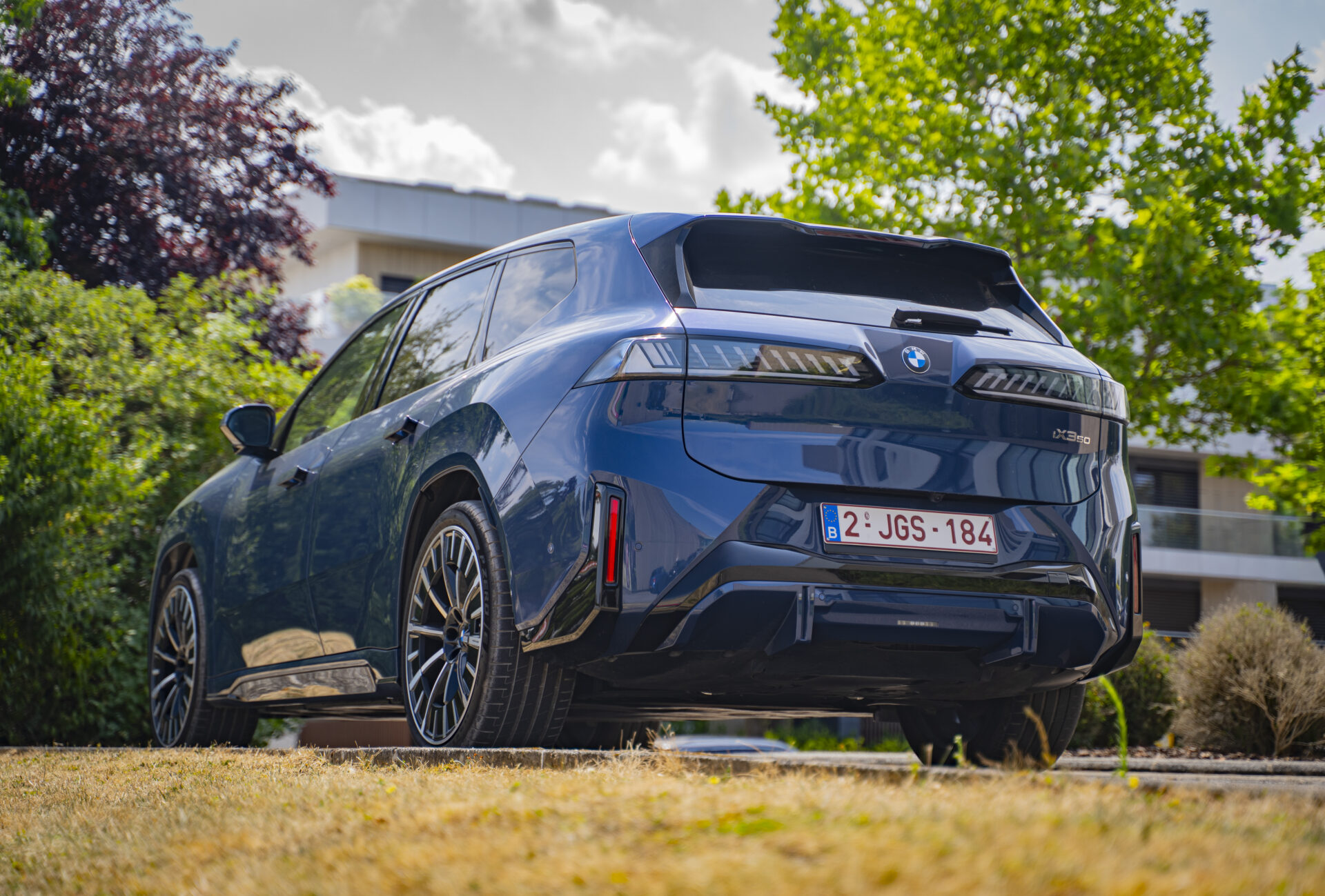
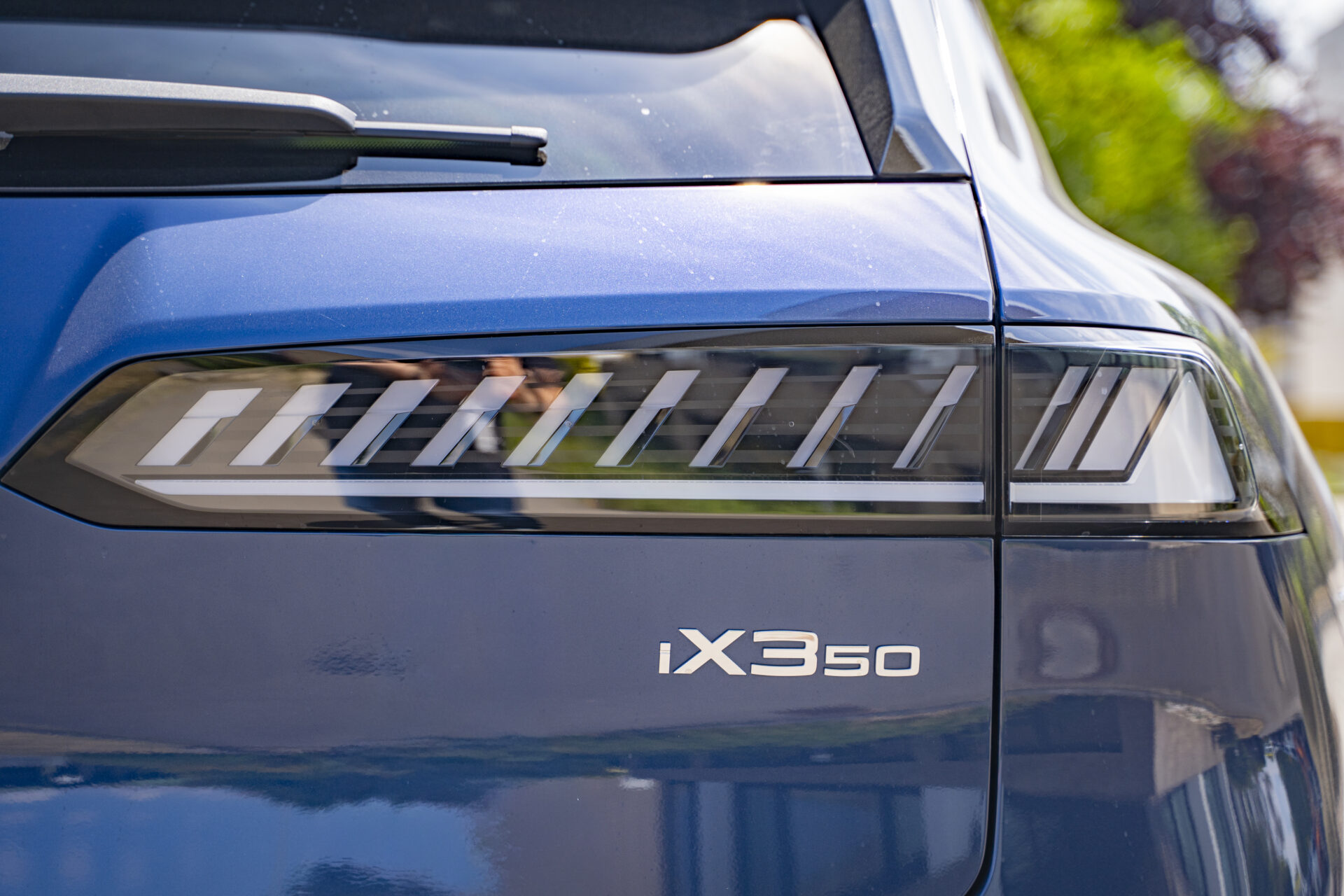
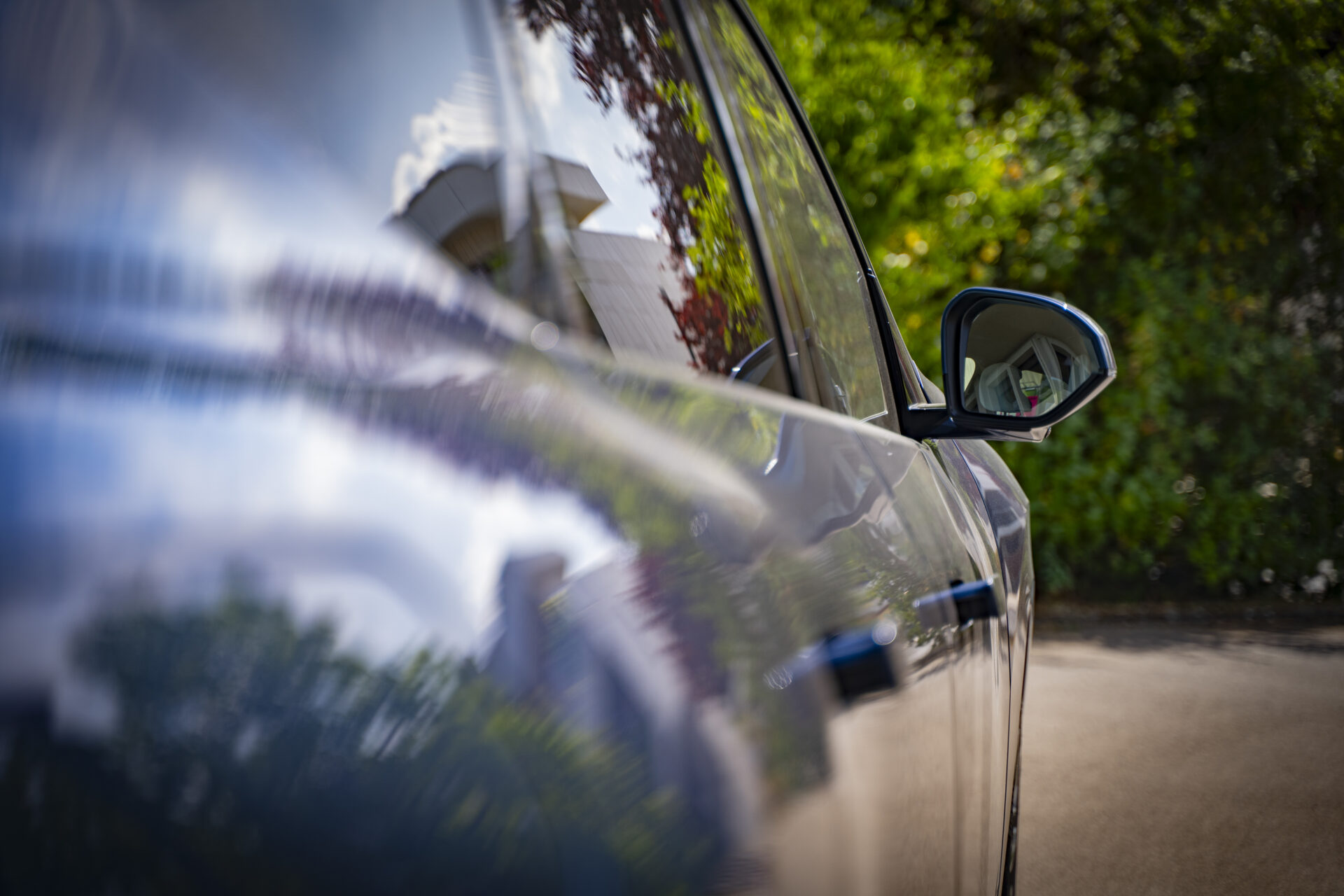
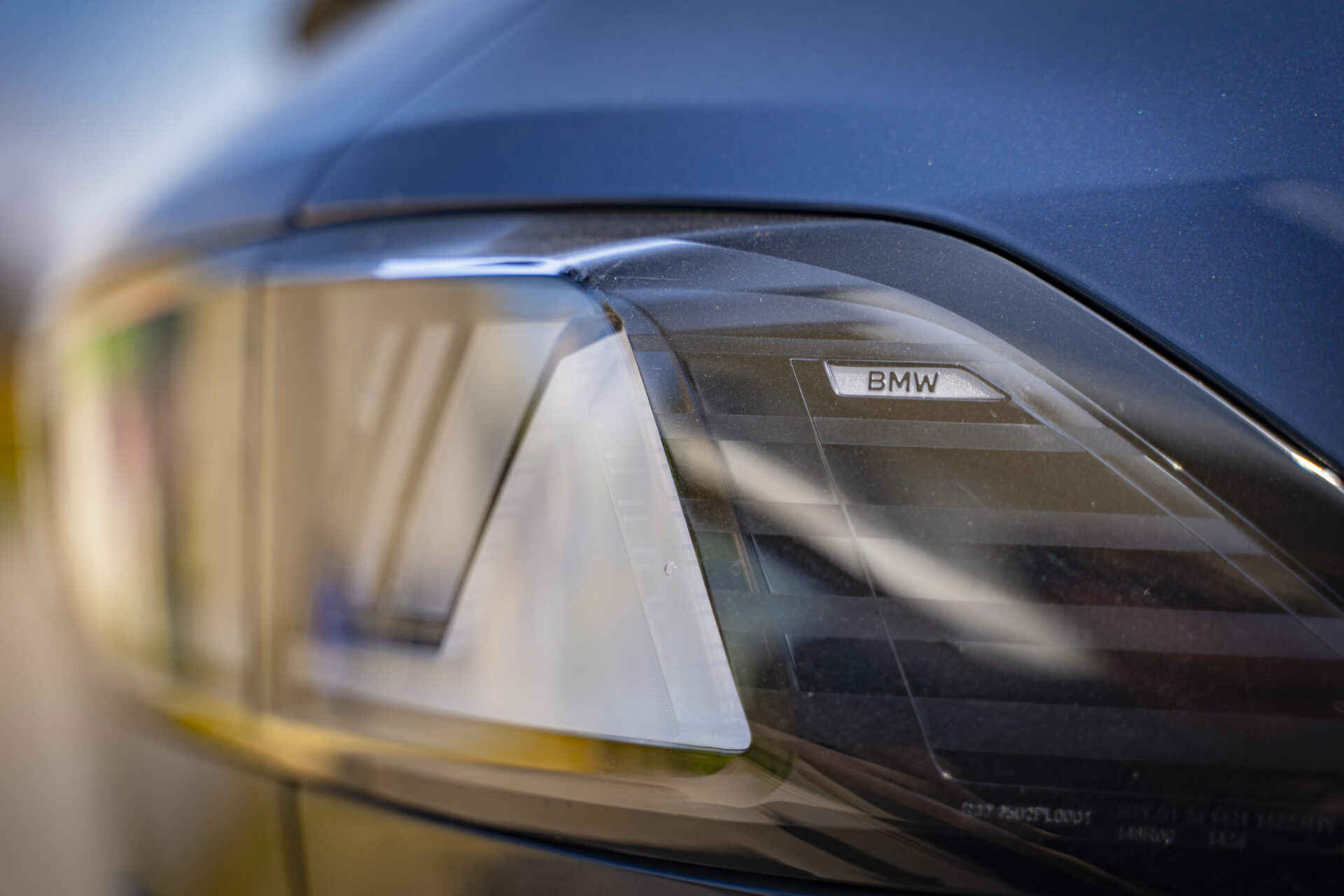
In terms of looks, BMW is clearly turning the page. The lines are sleeker, almost pared back. The kidney grille becomes vertical again, a deliberate nod to 1960s BMWs, and light replaces chrome almost everywhere on the bodywork. The drag coefficient drops to 0.24, which has a direct effect on range. A fun detail: the door handles, hidden in the bodywork, pop out on their own as you approach the car.
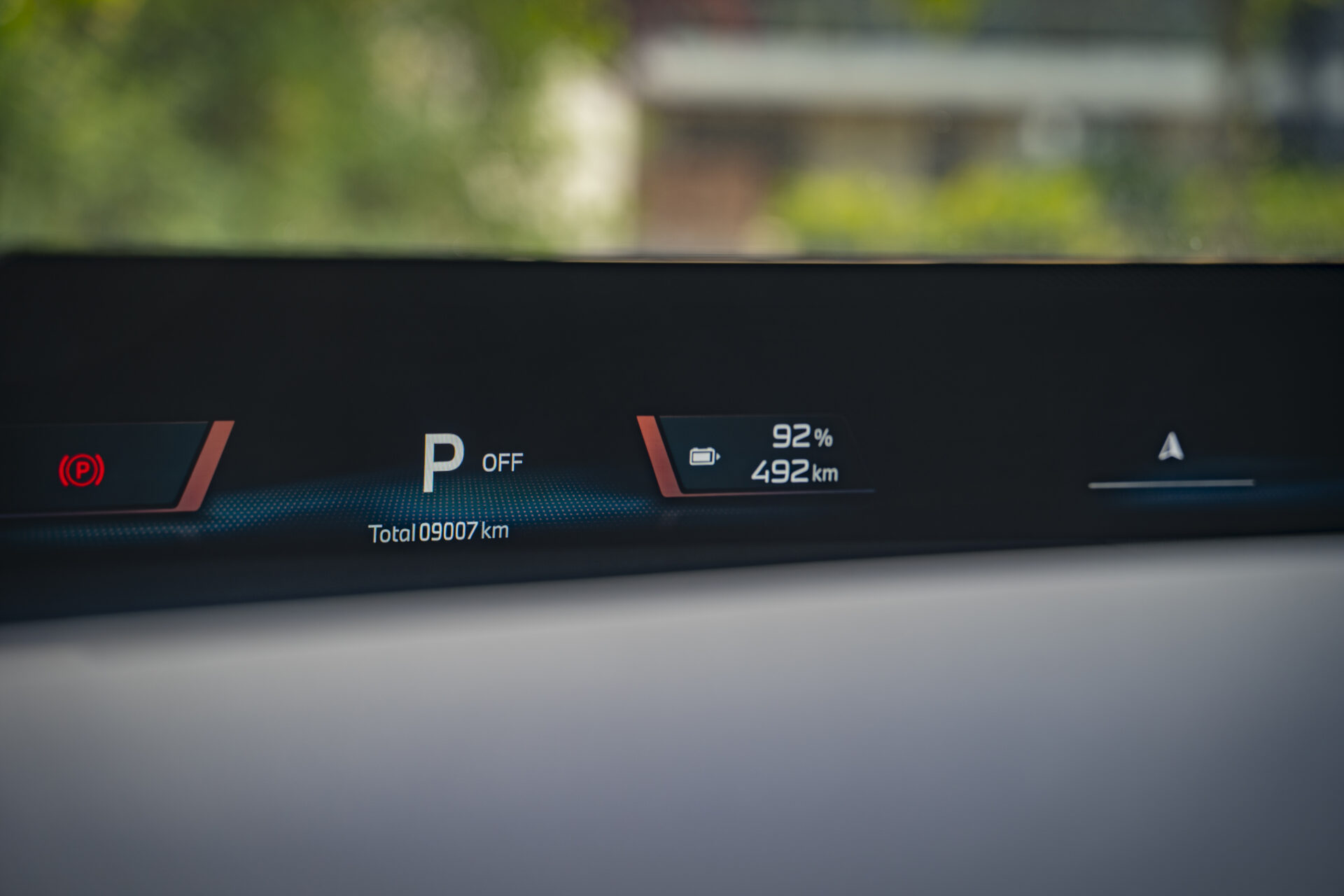
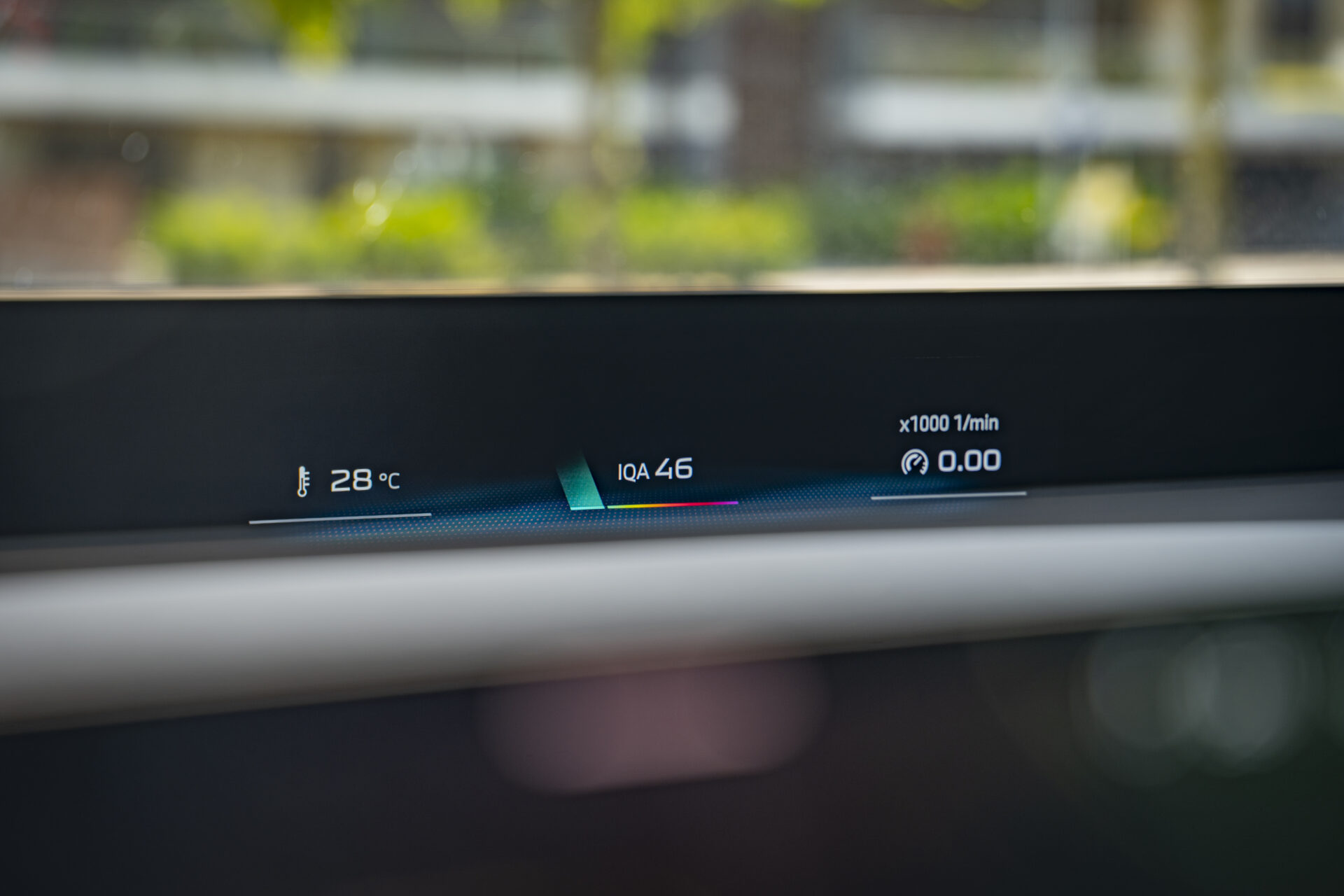
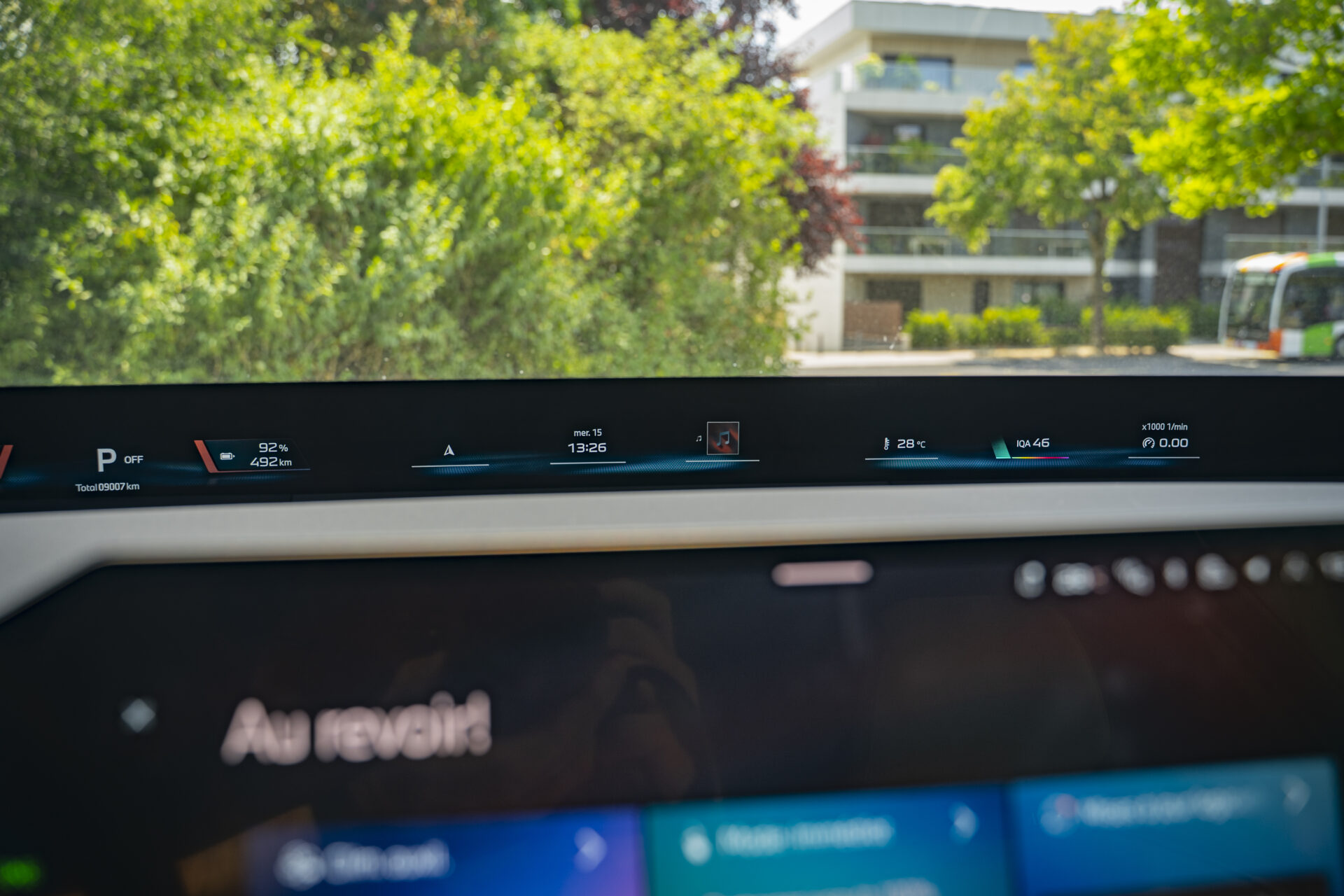
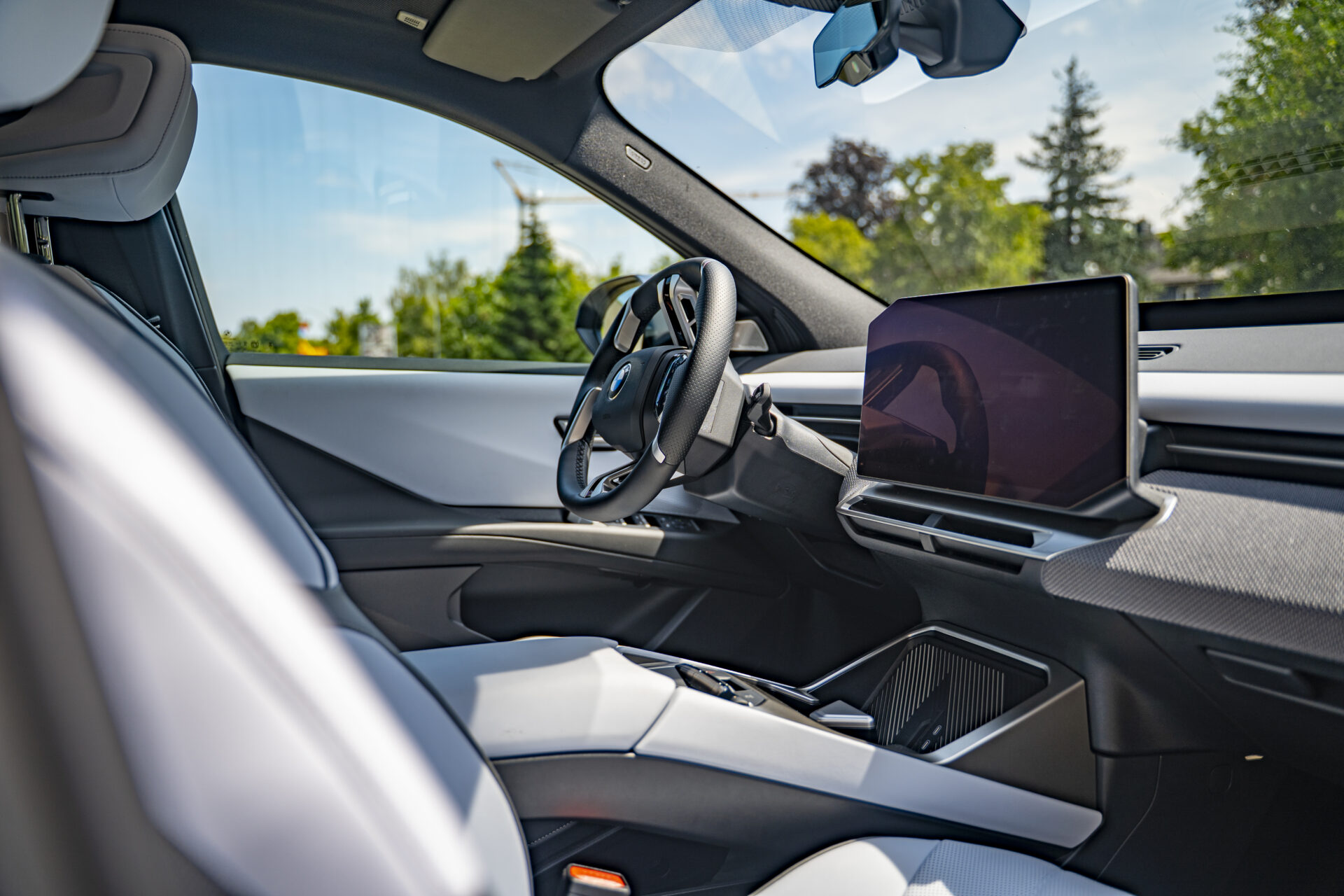
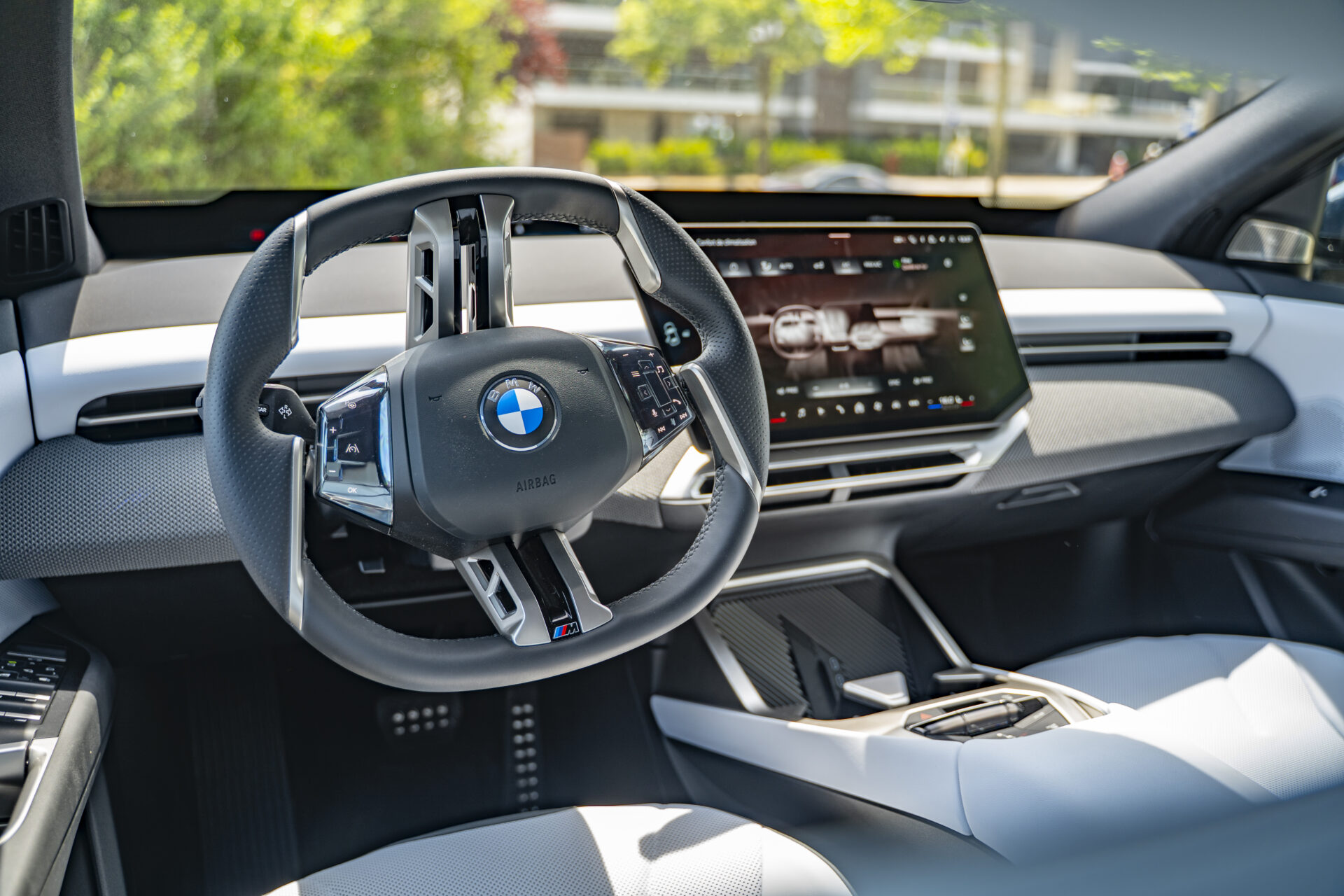
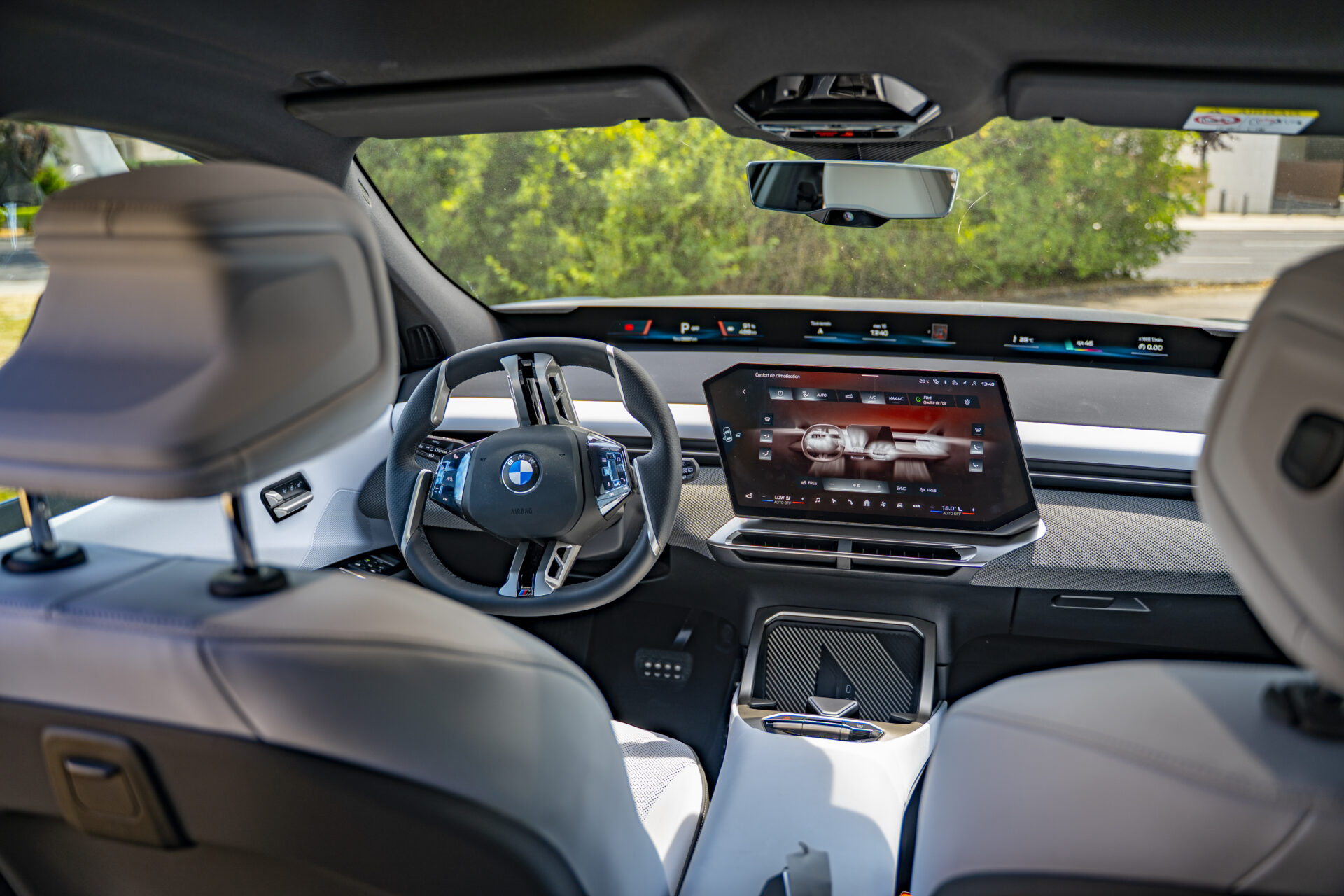
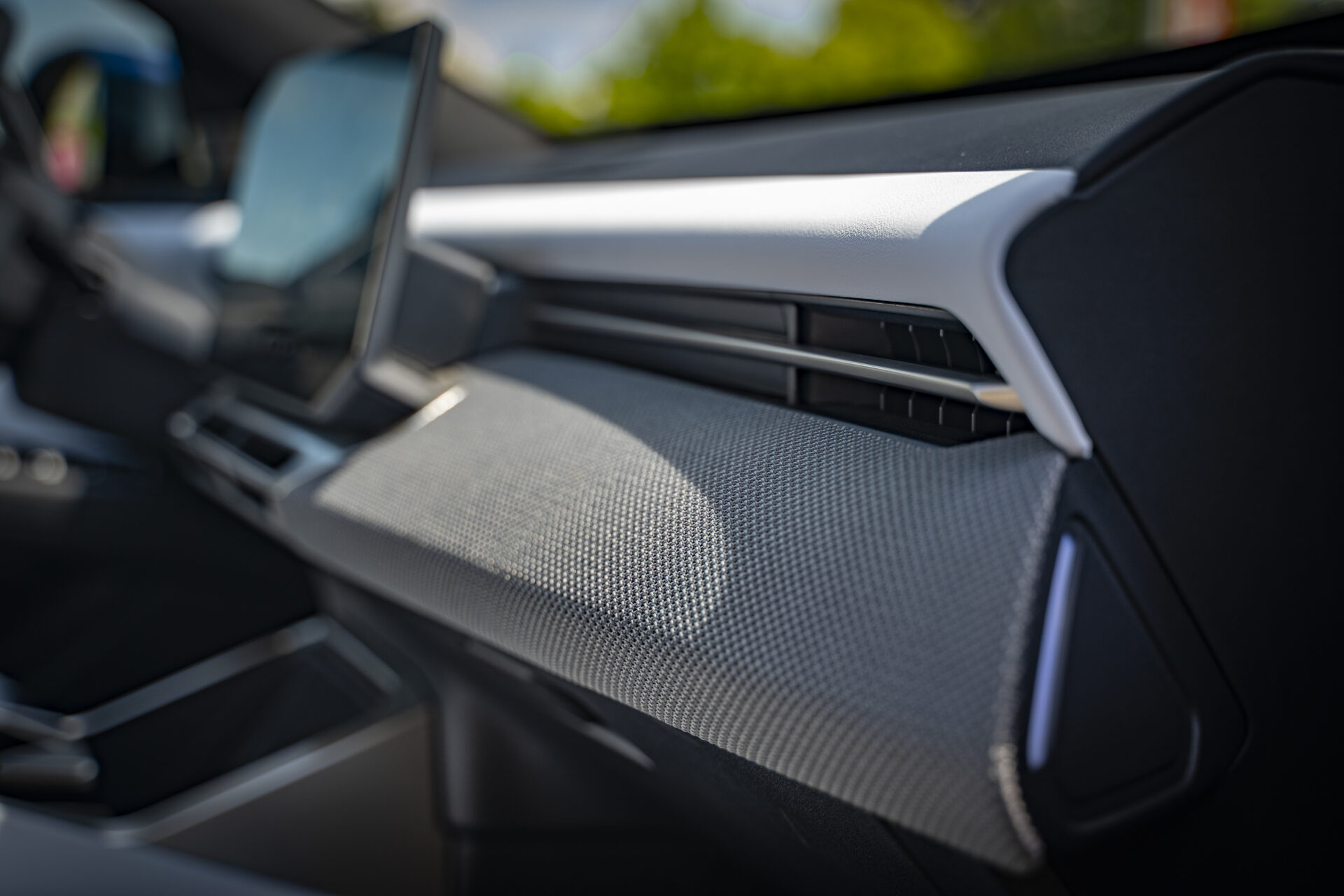
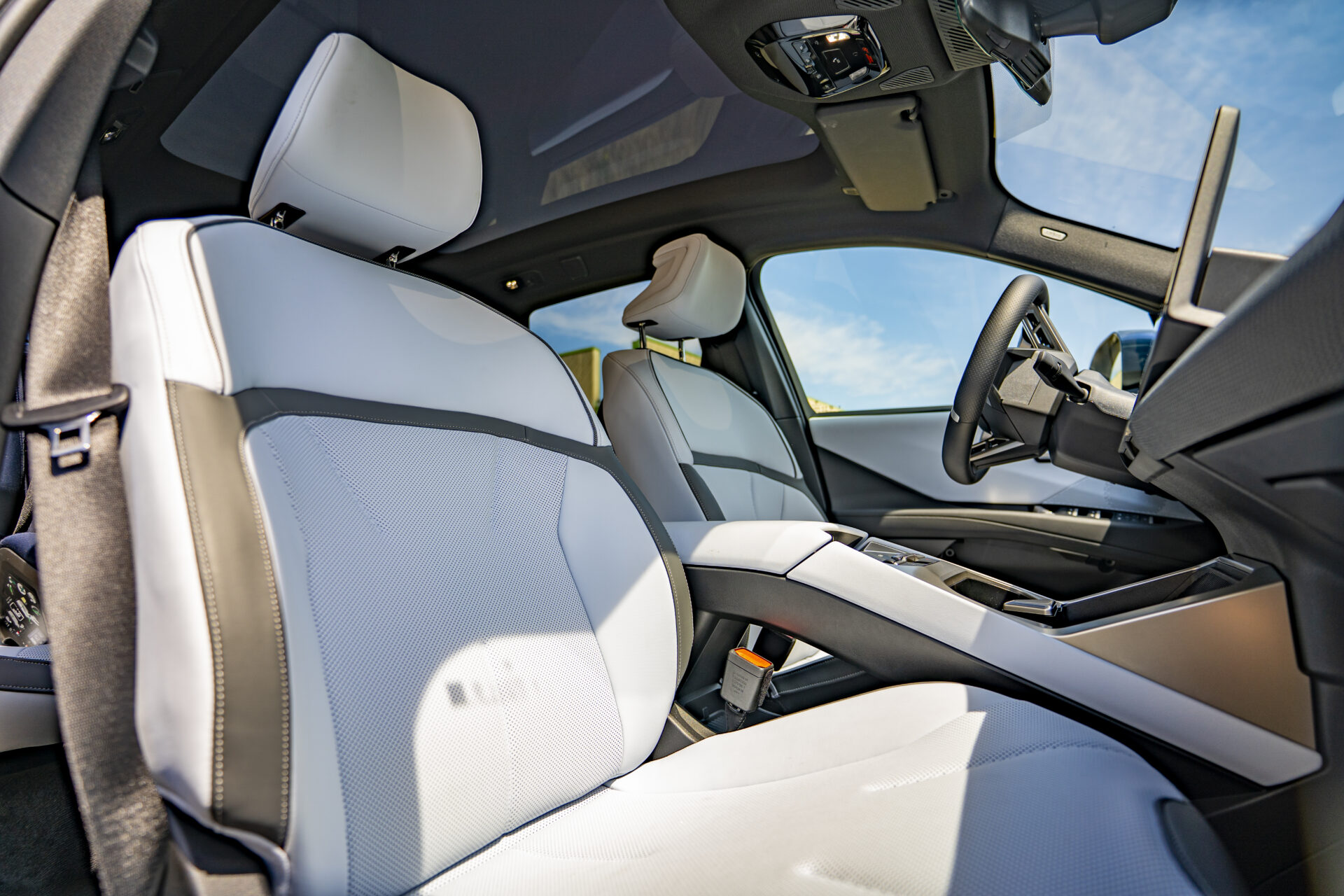
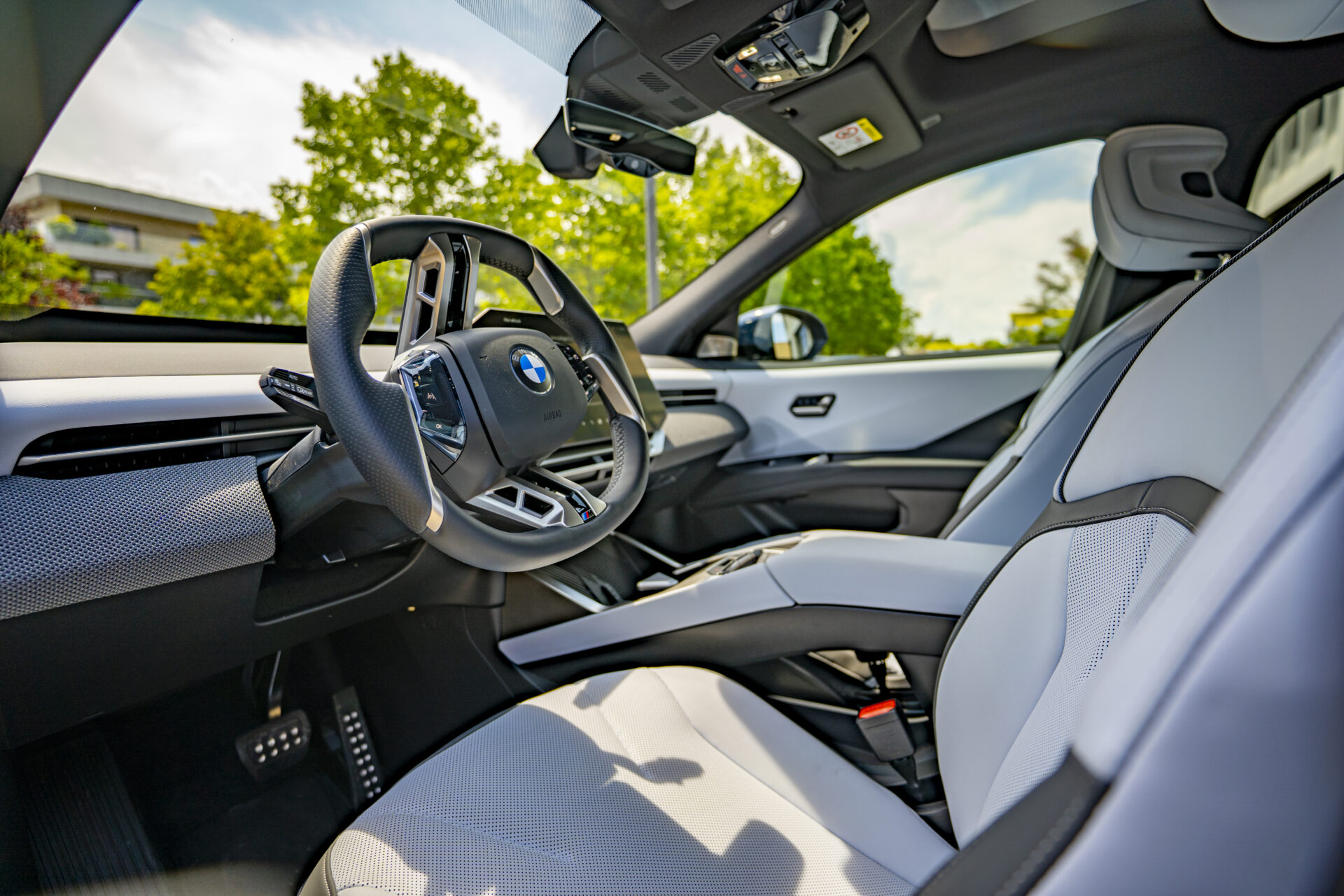
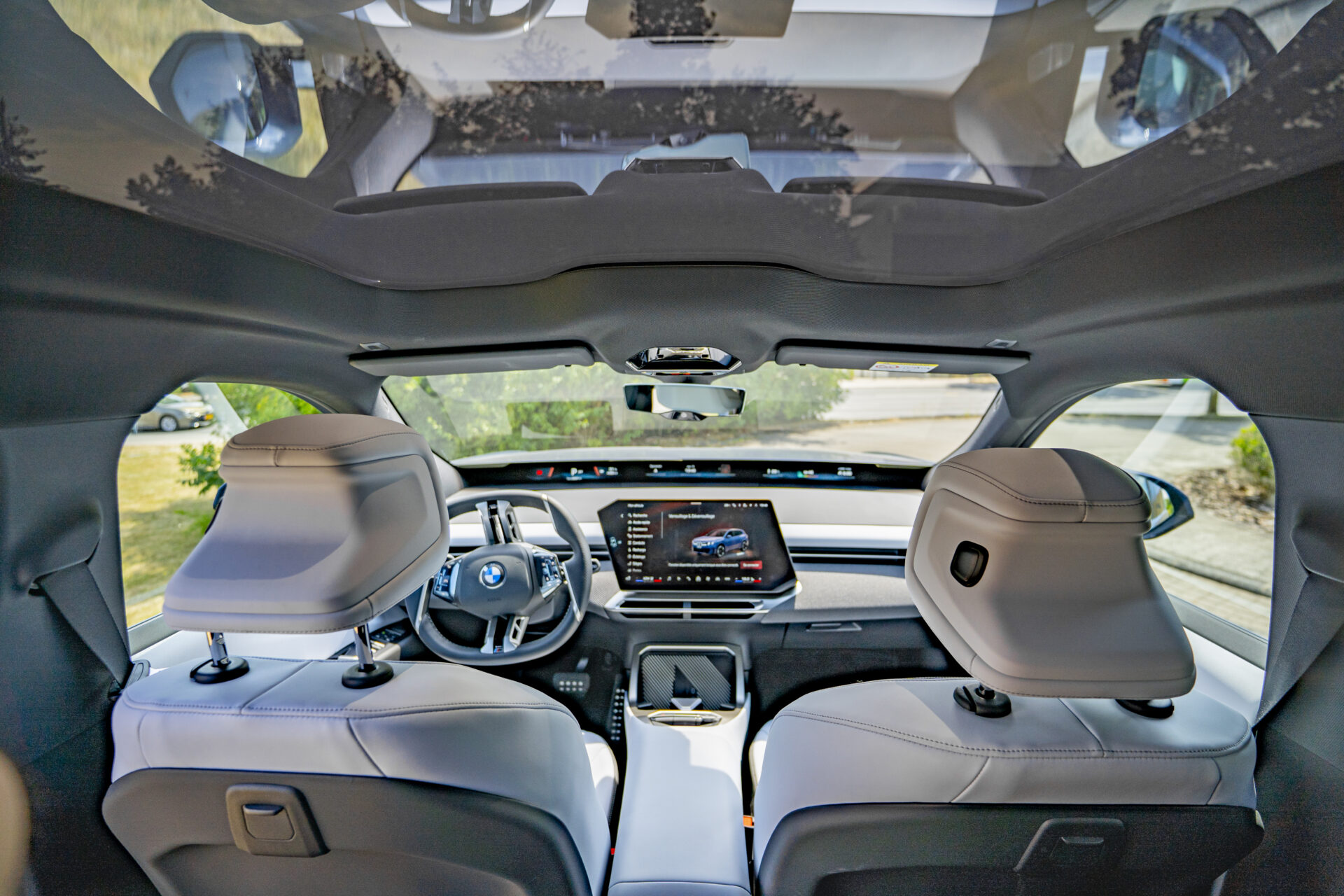
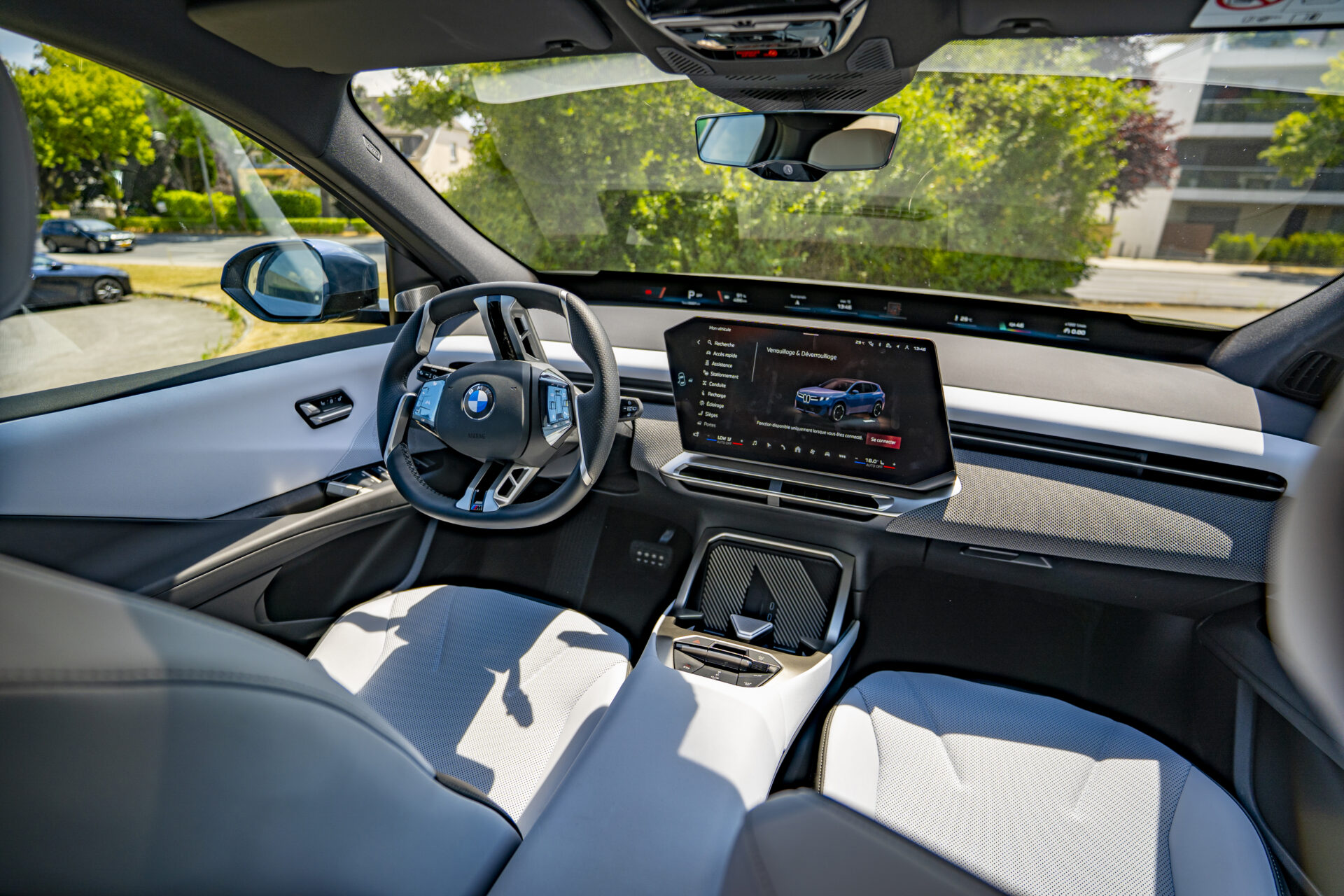
Inside, the dashboard is uncluttered and the atmosphere aims to feel warm. The biggest break, however, takes place right in front of the driver. BMW has completely redesigned the display behind the steering wheel, which is now much more minimalist, in favour of a long digital strip called “Panoramic Vision”. It runs across the full width of the windscreen, from one pillar to the other, and is fully customisable. It can display various pieces of information, from the time to the temperature, outdoor air quality, or even what you’re currently listening to. The result: the space in front of the driver looks much cleaner, almost bare, and your gaze naturally stays on the road.
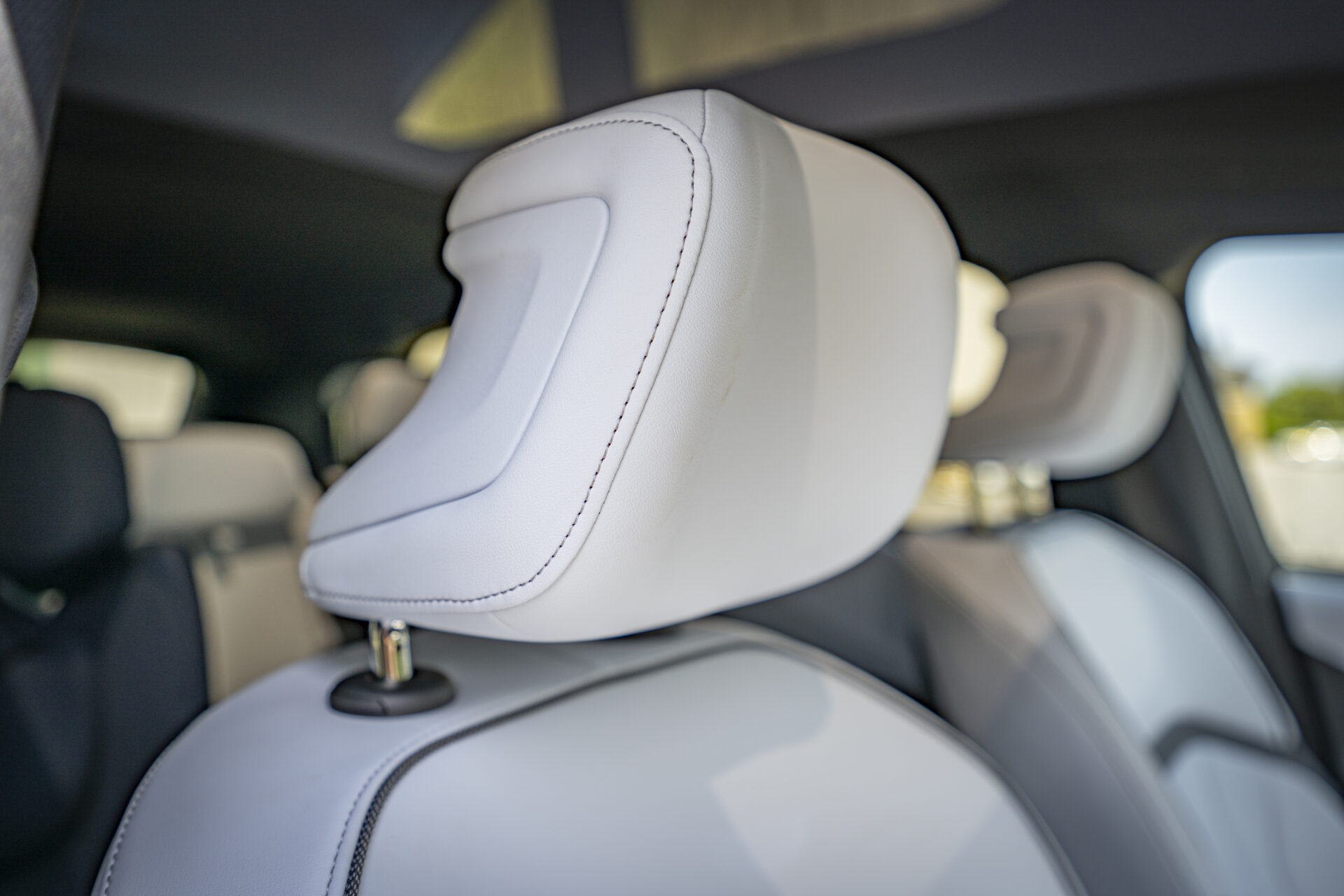
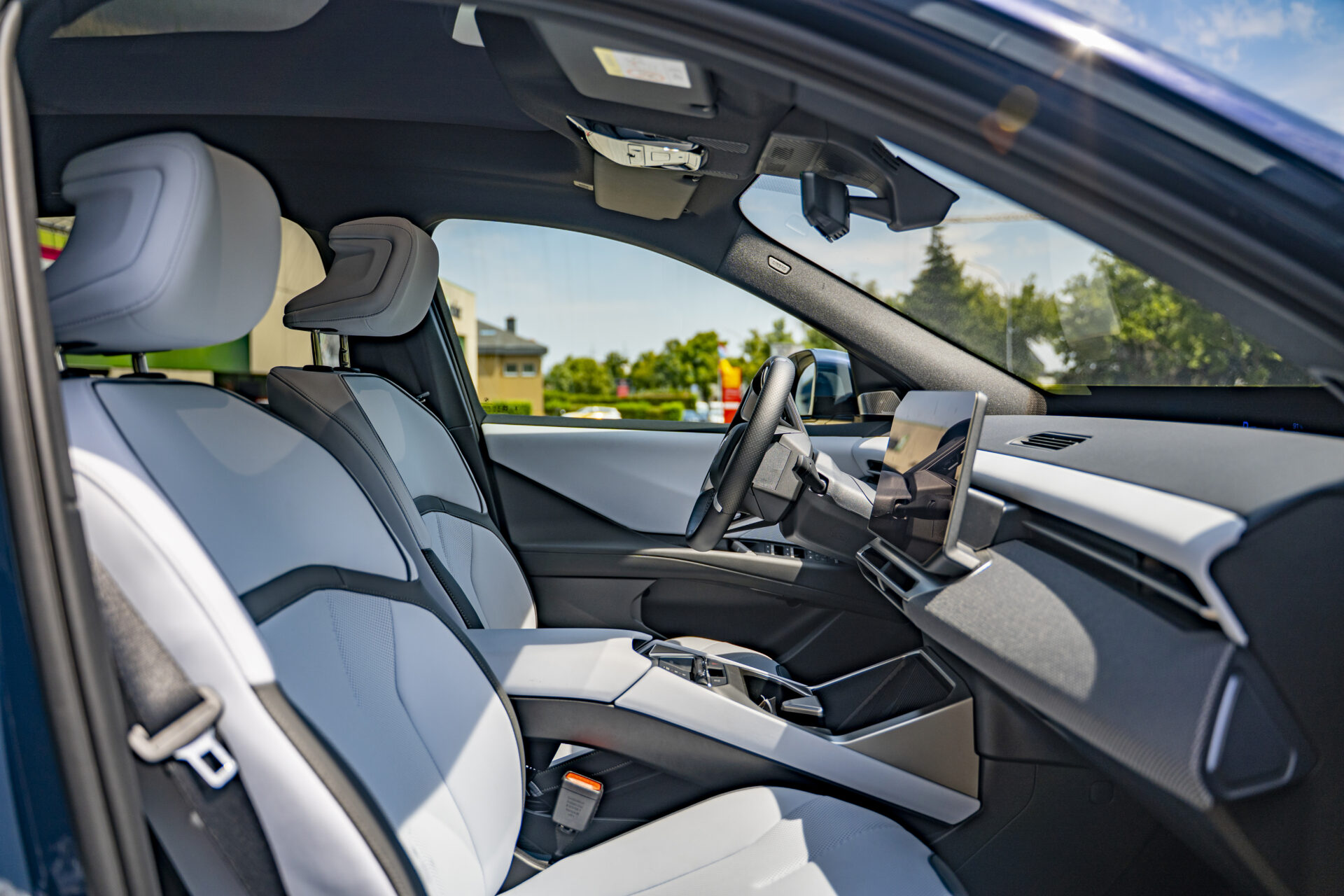
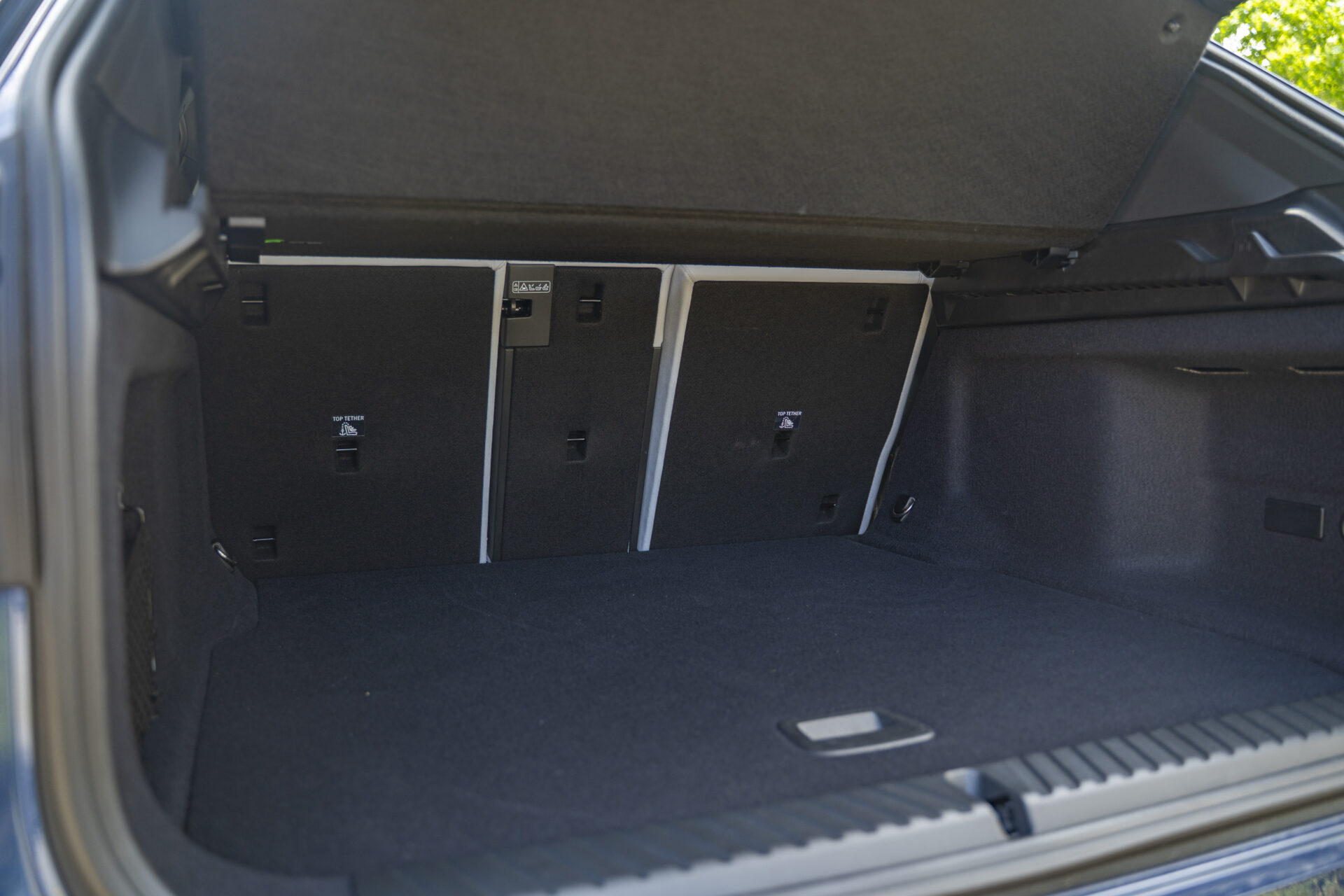
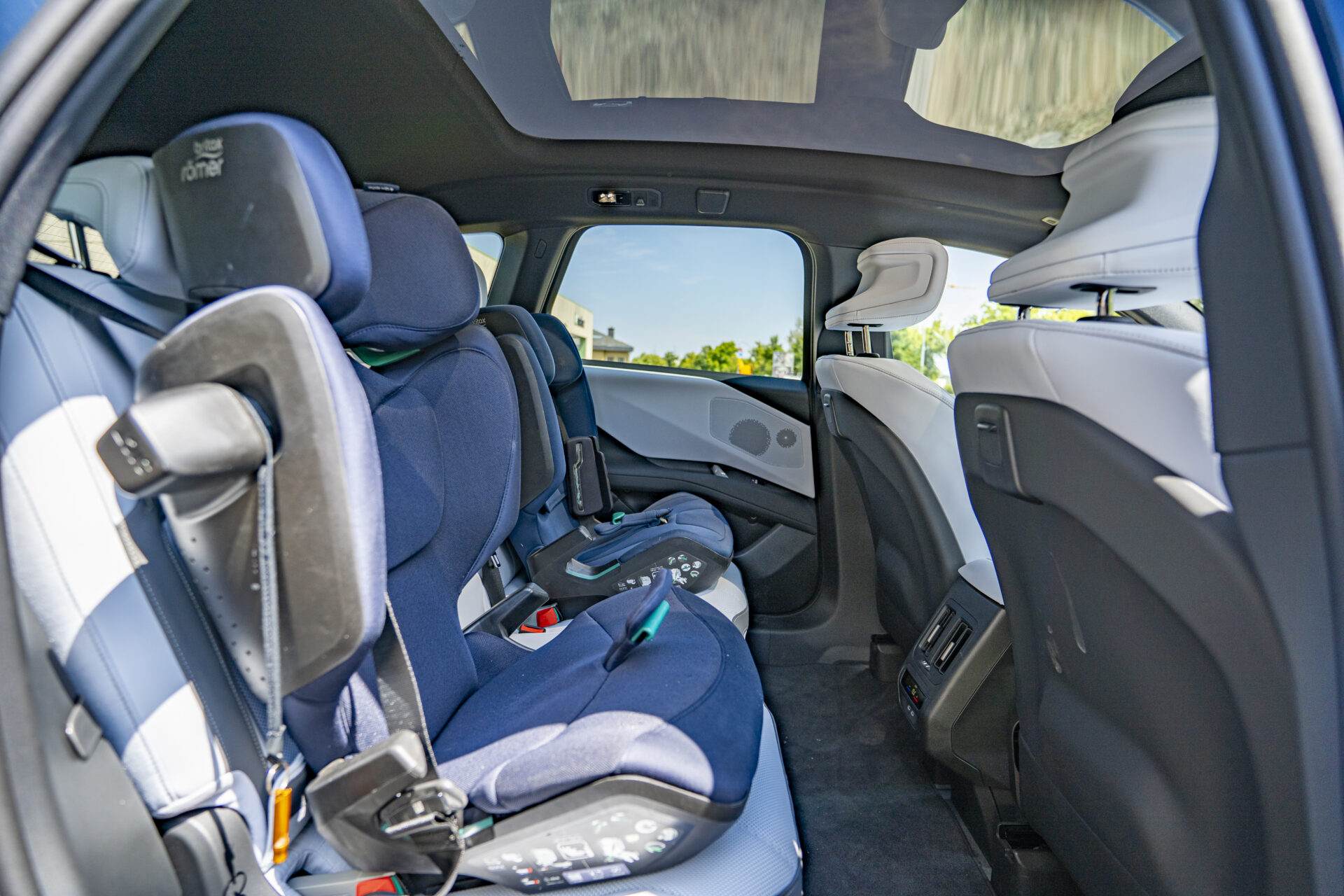
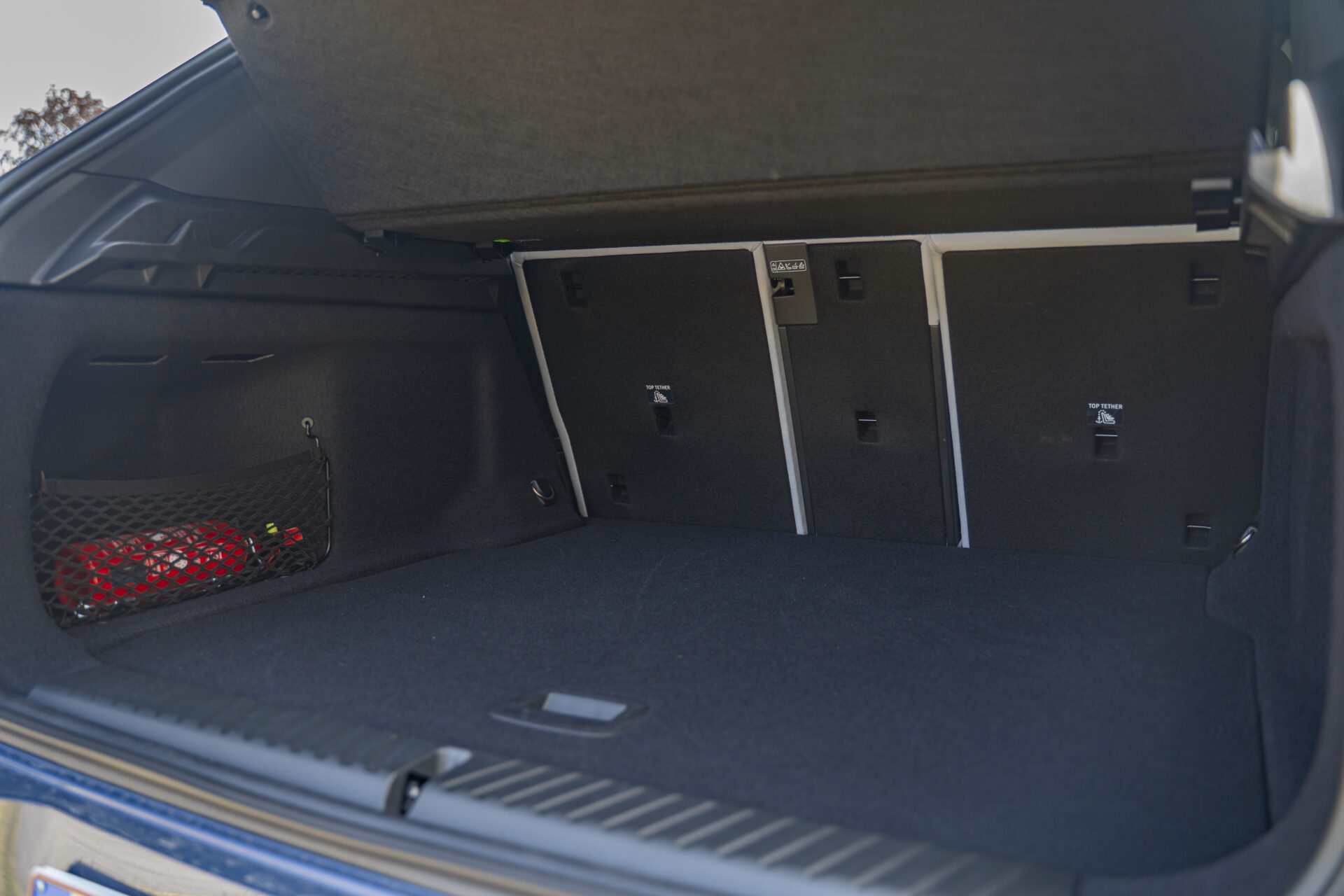
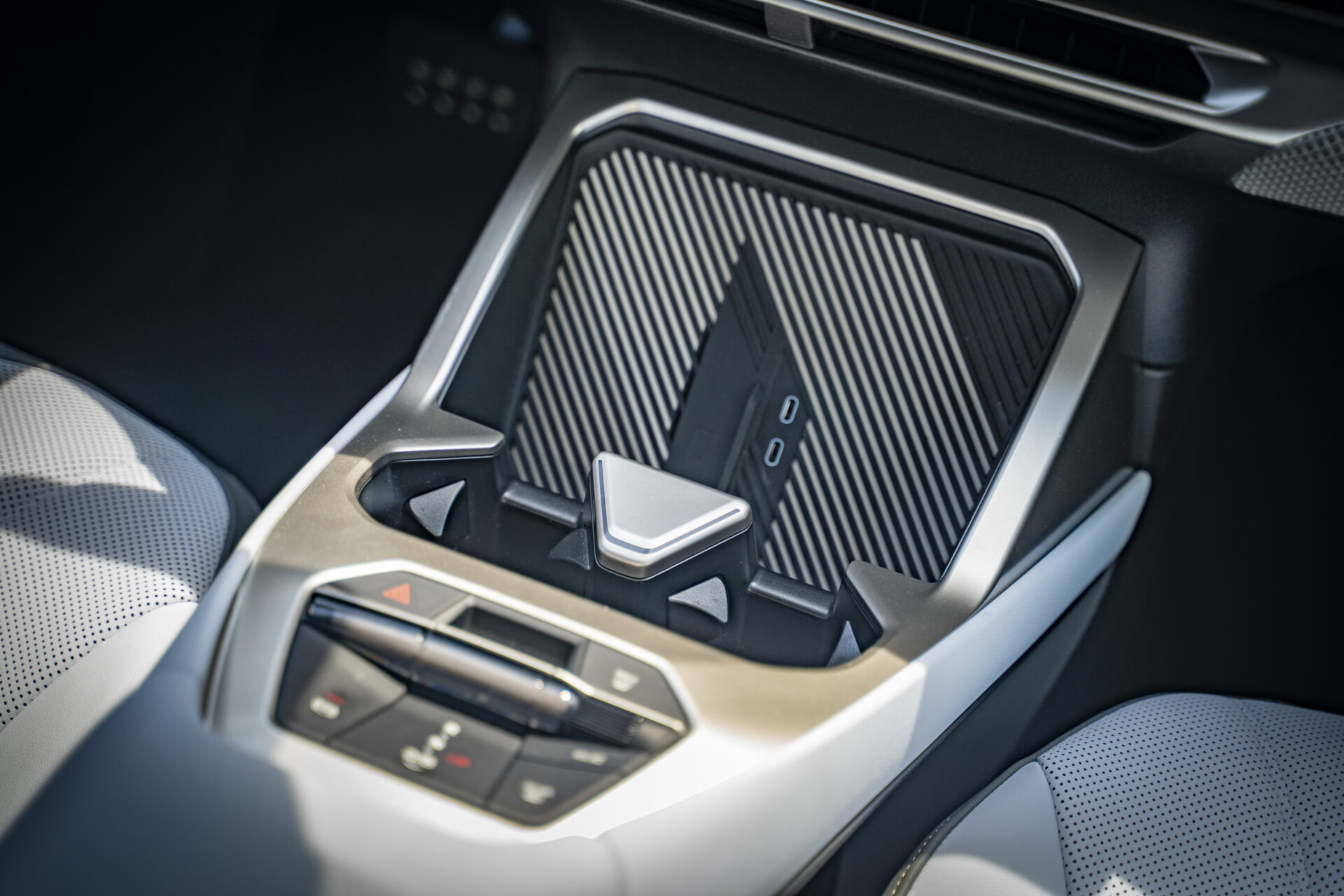
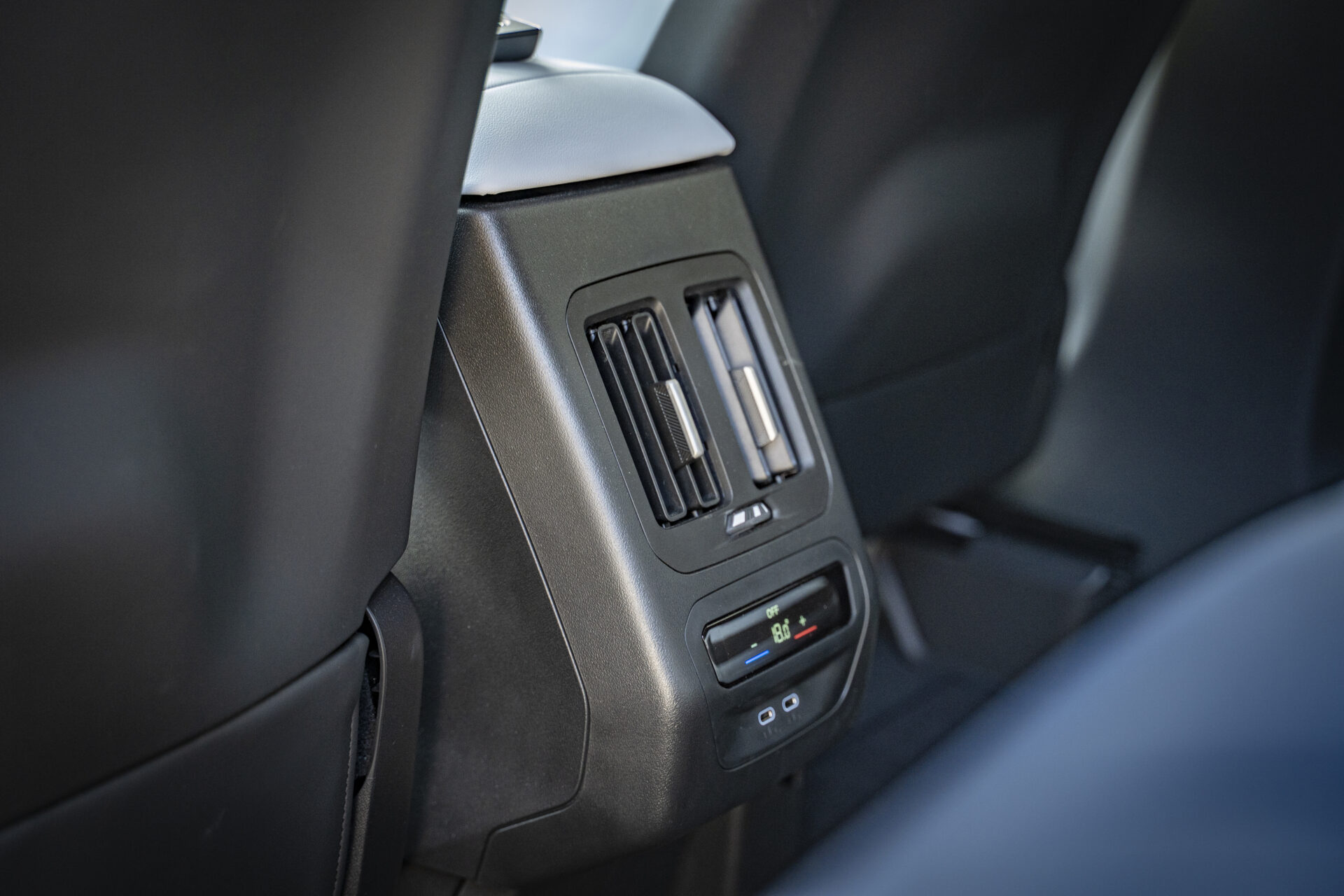
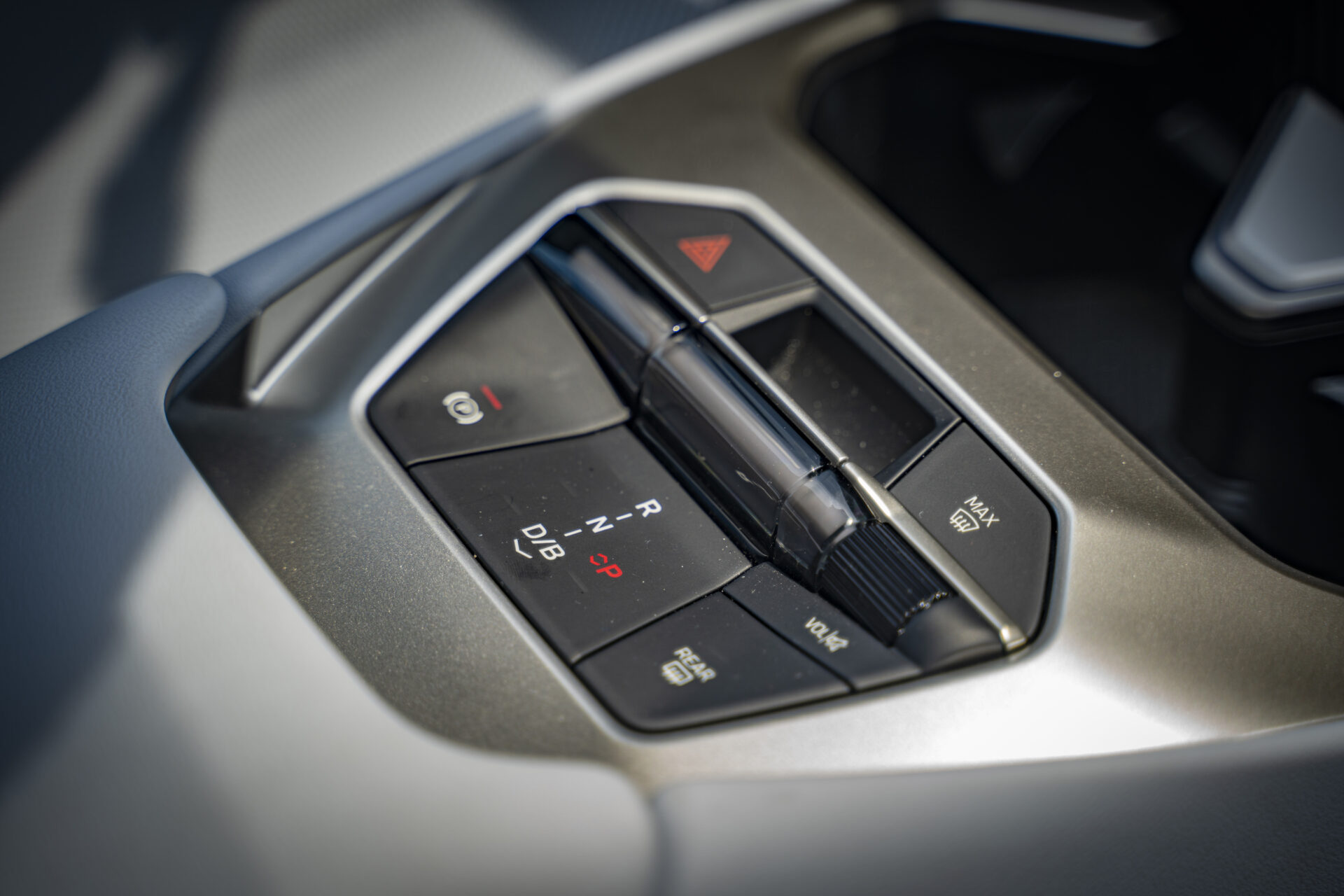
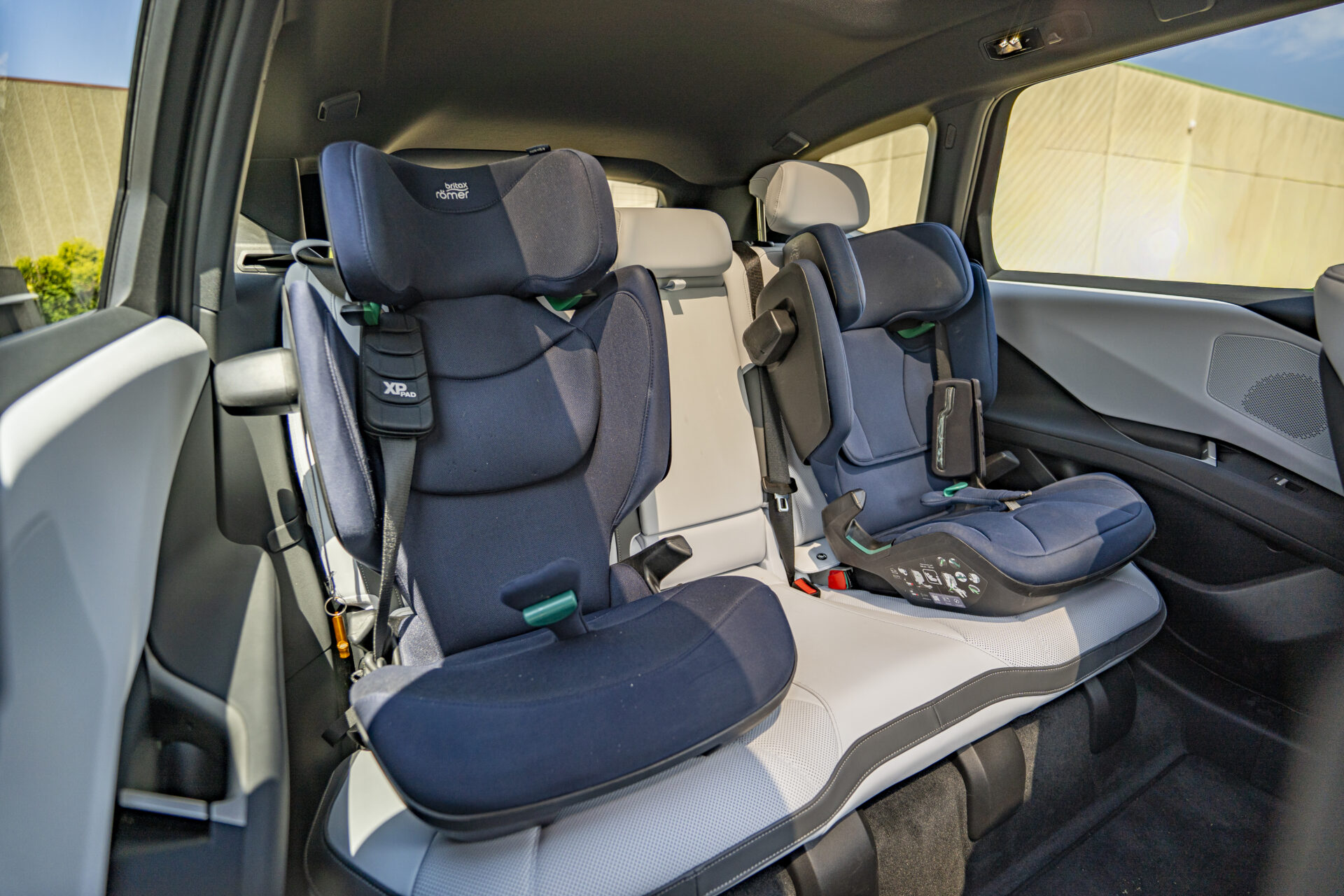
In terms of interior space, it’s comfortable. In the rear, there’s considerably more room than in the previous iX3, making it a real asset for families. The boot offers 520 litres, which is more than enough, rising to 1,750 litres with the seats folded down. There’s also a further 58 litres under the bonnet. Lastly, the materials used are of good quality, even if a few small elements feel quite plasticky, particularly the gear selector, where a more “steel-like” feel would have been preferable.
Behind the wheel: driving impressions
On paper, the mechanical package impresses: with its two motors and a combined 469 hp, the iX3 50 xDrive sprints from 0 to 100 km/h in 4.9 seconds, a figure closer to a sporty saloon than a family SUV. In town, driving in “one-pedal” mode proves very smooth, with no jerkiness when coming to a stop, and the high driving position offers good visibility.
On the road, the steering is precise and reassuring, even though it filters out a lot of feedback: you feel safe. Despite its considerable weight, quick direction changes are handled with ease. The front axle remains surprisingly sharp for the category, and braking distances are very well controlled, notably thanks to the “Heart of Joy” electronic system, which manages both regeneration and torque distribution. If we’re nitpicking, the car’s weight is occasionally noticeable during transitions. It’s on the motorway that the iX3 is most convincing: comfortable ride, generous range for covering long distances… this is clearly where the electric SUV feels most at home.
Charging, the star pupil
On charging, the iX3 scores by far the most points. It carries a 108.7 kWh battery, fed by two electric motors, one on each axle, which distribute torque on demand to provide all-wheel drive, together producing 345 kW. On range, the base version claims 679 km on the WLTP cycle, a figure that rises to 805 km in the most optimised configuration, for a combined consumption of between 15.1 and 17.9 kWh/100 km, which we were able to confirm during our test. Thanks to an all-new 800-volt architecture, it charges at up to 400 kW on DC, enough to recover 372 km of range in barely ten minutes, or go from 10 to 80% charge in just 21 minutes. Another first for BMW: bidirectional charging. The car can power electrical devices directly, or even act as a backup battery for the home if it’s fitted with solar panels.
A highly accomplished car
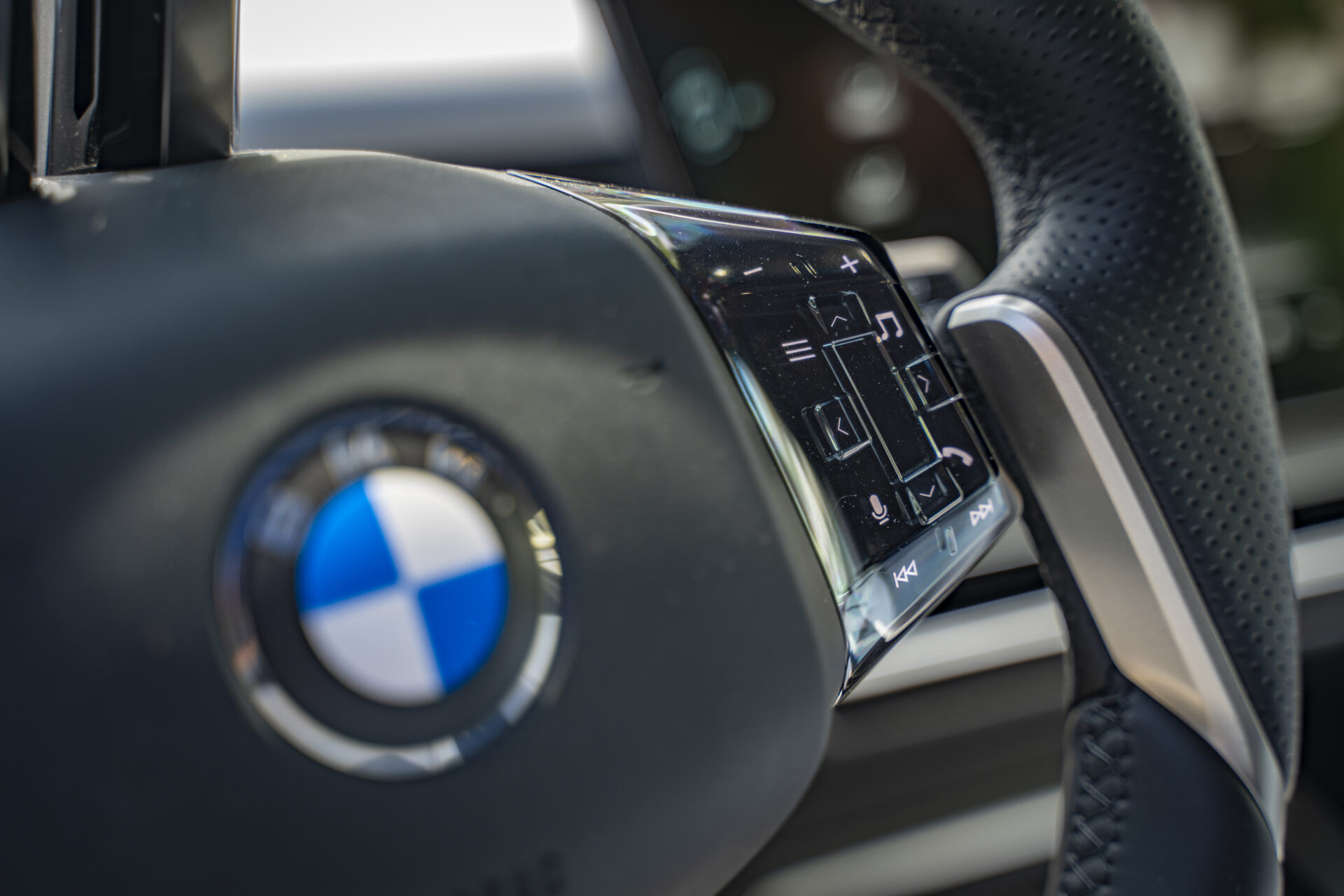
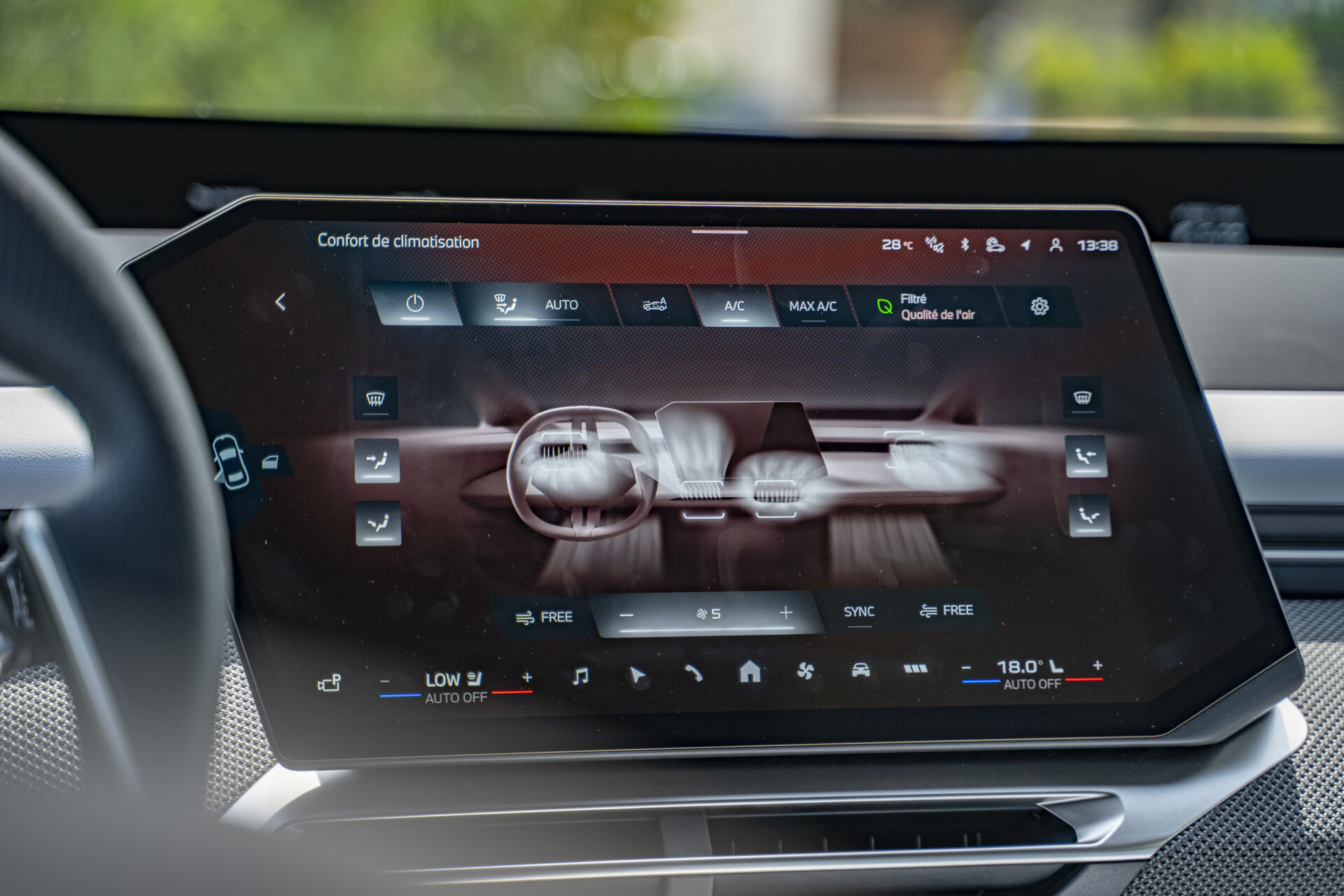
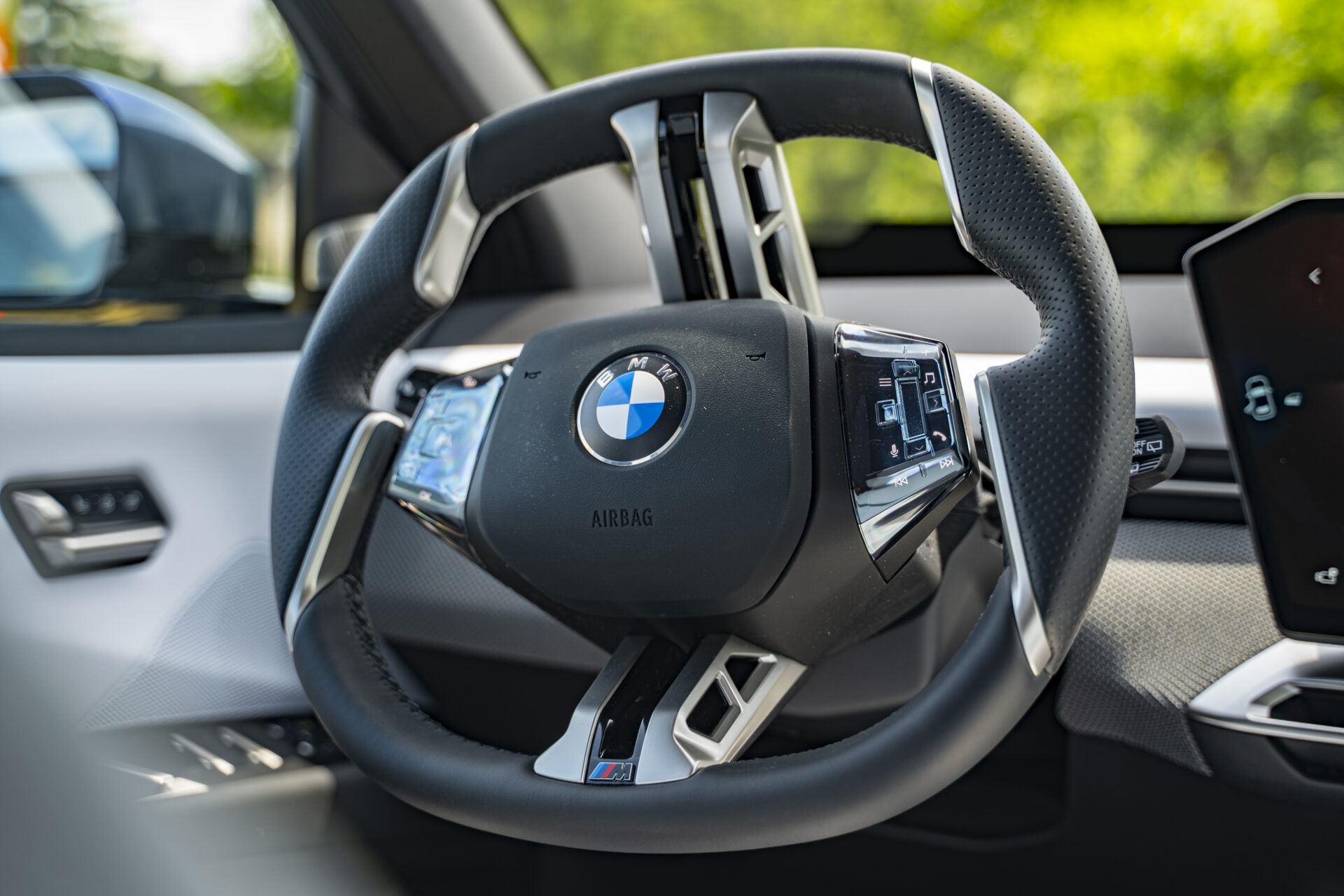
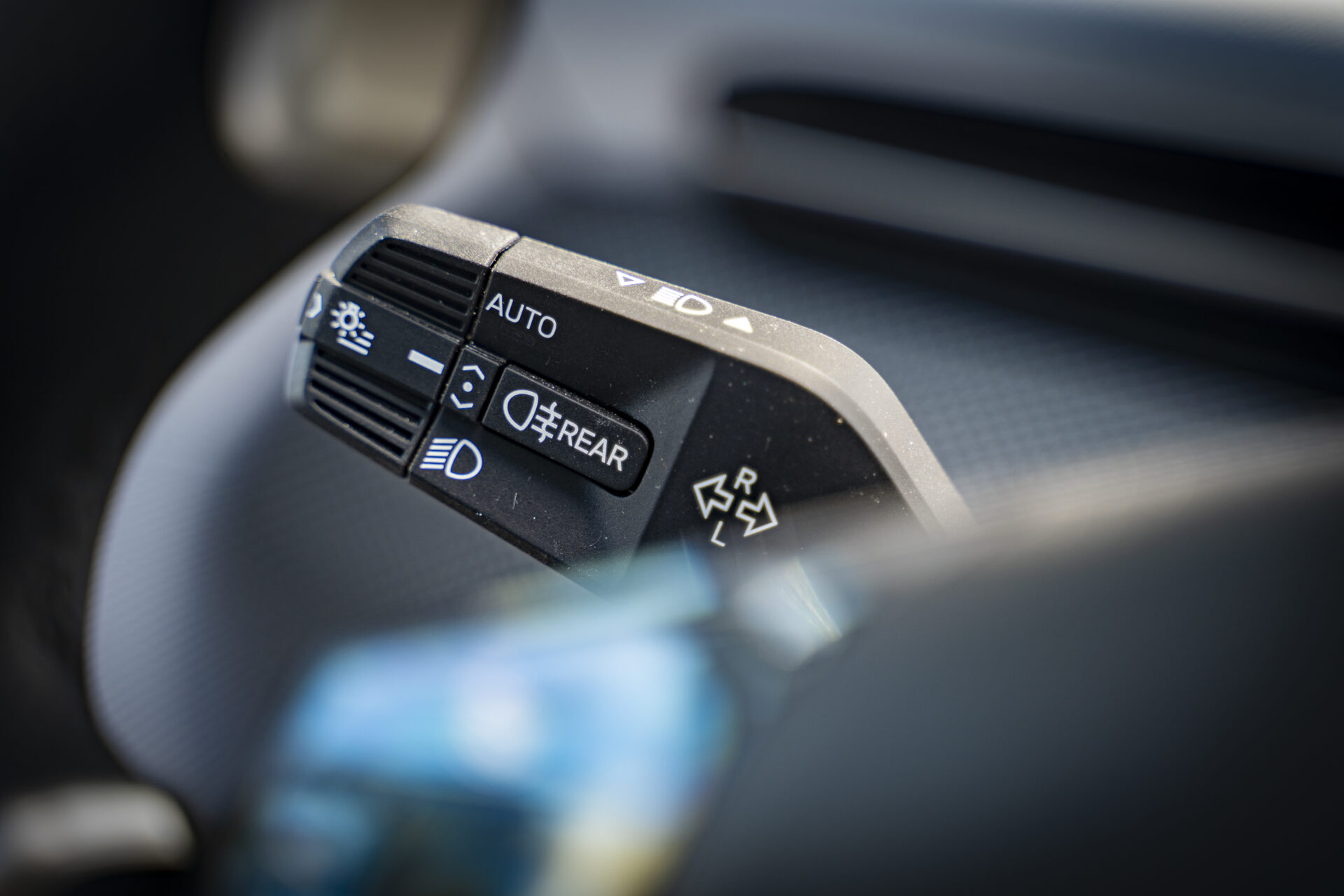
The overall verdict from this test drive: a car that is highly accomplished in terms of efficiency, charging and onboard electronics. The dynamism is also surprising, without ever tipping into the harshness that some BMW models sometimes display, no doubt because its nature as a large, heavy SUV smooths out reactions rather than restraining them. The cabin, now almost entirely touch- and voice-controlled, will also take some getting used to for those attached to good old physical buttons.
On the other hand, the range, charging speed and stated environmental footprint are clearly among the best in class: BMW promises 34% fewer emissions over the entire life cycle compared with the previous model. The voice assistant, developed with Amazon, also promises more natural interaction with the car, almost like having a conversation with it.
Ultimately, the BMW iX3 ticks a lot of boxes: efficient, technologically well put together, and built for long journeys. In terms of price, the model starts at €67,589.30. As BMW enthusiasts know, that price can climb quickly once you start ticking option boxes.
Technical specifications
BMW iX3 50 xDrive
Points forts
- Range, consumption and charging speed
- One-pedal driving
- The clean styling and interior space
- Sound management inside the car (during calls)
Points faibles
- A few plasticky interior elements
- The touchscreen for the climate control