Alpine: the factory whose assembly line has just a single robot
Already fully electric since production of the petrol-engined A110 ended in June, the Dieppe factory is preparing to welcome the new, electrified A110. Beyond simply adding a new model to the assembly line, this shift brings a great many challenges.
About four hours’ drive from Brussels, Dieppe, on the Normandy coast, has a strong sense of history. It was here that Jean Rédélé, a racing driver who decided to give himself the means to compete on his own terms, founded the Alpine marque in June 1955. Today, the factory he opened in 1969, which rightly bears his name, still builds sports cars.
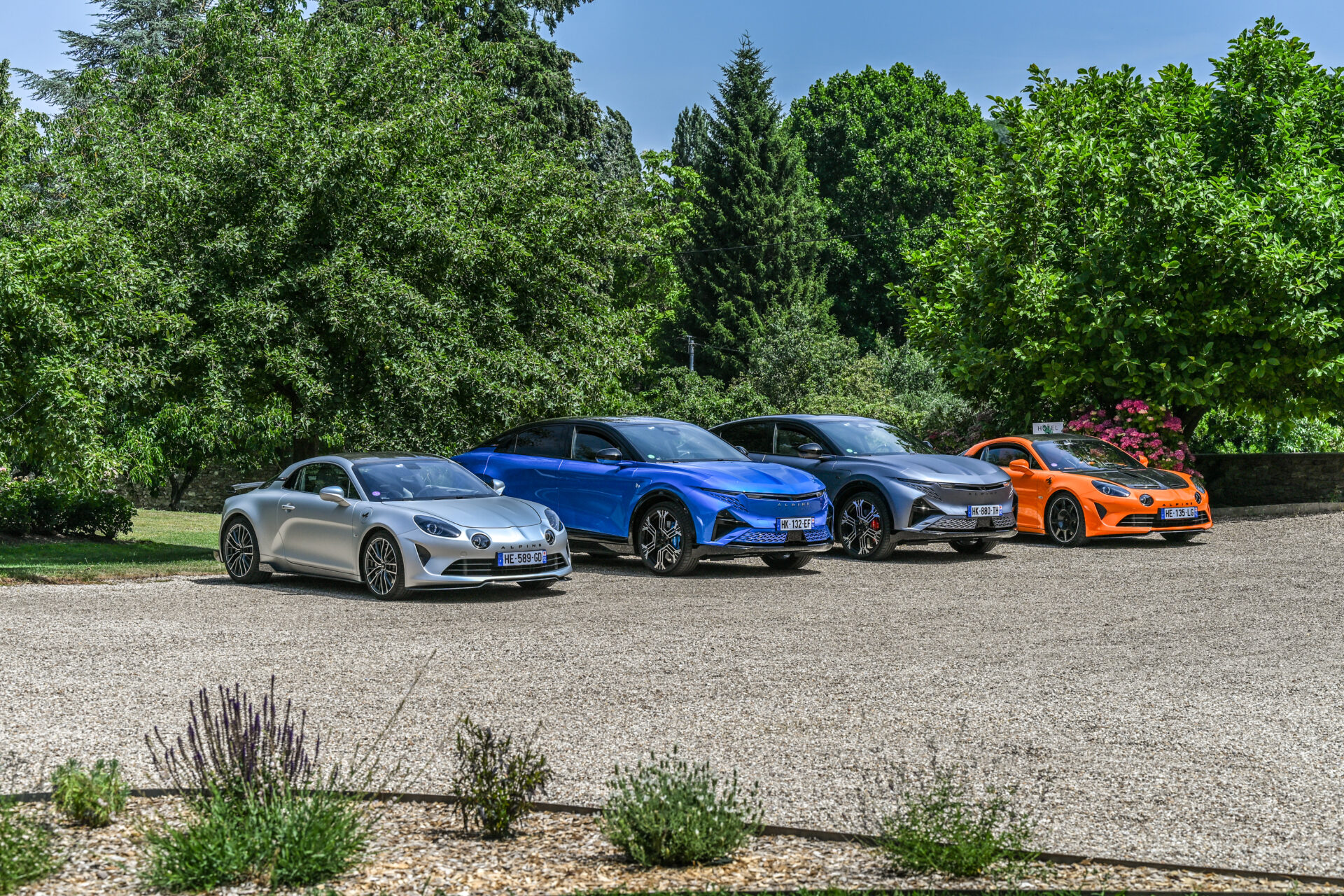
But Dieppe also has a sense of the future. Turning its back on the combustion engine – for now, at least – Alpine is becoming an all-electric marque. Preceded by the A290, the sporty version of the electric R5 built in Douai, and by the A390, a five-door sports fastback assembled in Dieppe itself, the future Alpine A110 will also be electric and built here too.
Factory director Nicolas Renaud is not particularly fazed by the shift from a factory building petrol-engined cars to one building electric ones. “Since we stopped producing the second-generation A110, we’ve already been fully electric!” he says. For him, the arrival of the third-generation A110 is, first and foremost, simply a new car entering the fray.
All aluminium
Both generations of the A110 share an aluminium body shell, which ensures light weight and build quality. “The first major change is in the body shop,” notes communications director Dany Defontaine. “We’re sweeping away the old assembly process for the A110’s body shell entirely, to install the new one.”
Meanwhile, the paint shop has already been modernised for the A390, which factors in that this model is built from corrosion-treated steel and includes plastic components. Rather than being cured at 140 degrees, the various layers of water-based paint are applied at 80 degrees, to protect the surface of composite materials, plastics and the aluminium or steel body shell.
A performance platform
Beyond the body shell, the new A110’s platform is also very different. Called the Alpine Performance Platform (APP), it houses two battery packs, one at the front and one at the rear, where the two electric motors are also located. “Here too, we’ve dismantled the old combustion-engine line process, and we’re going to expand the A390’s platform preparation area to bring in the A110 platform as well,” explains Dany Defontaine.
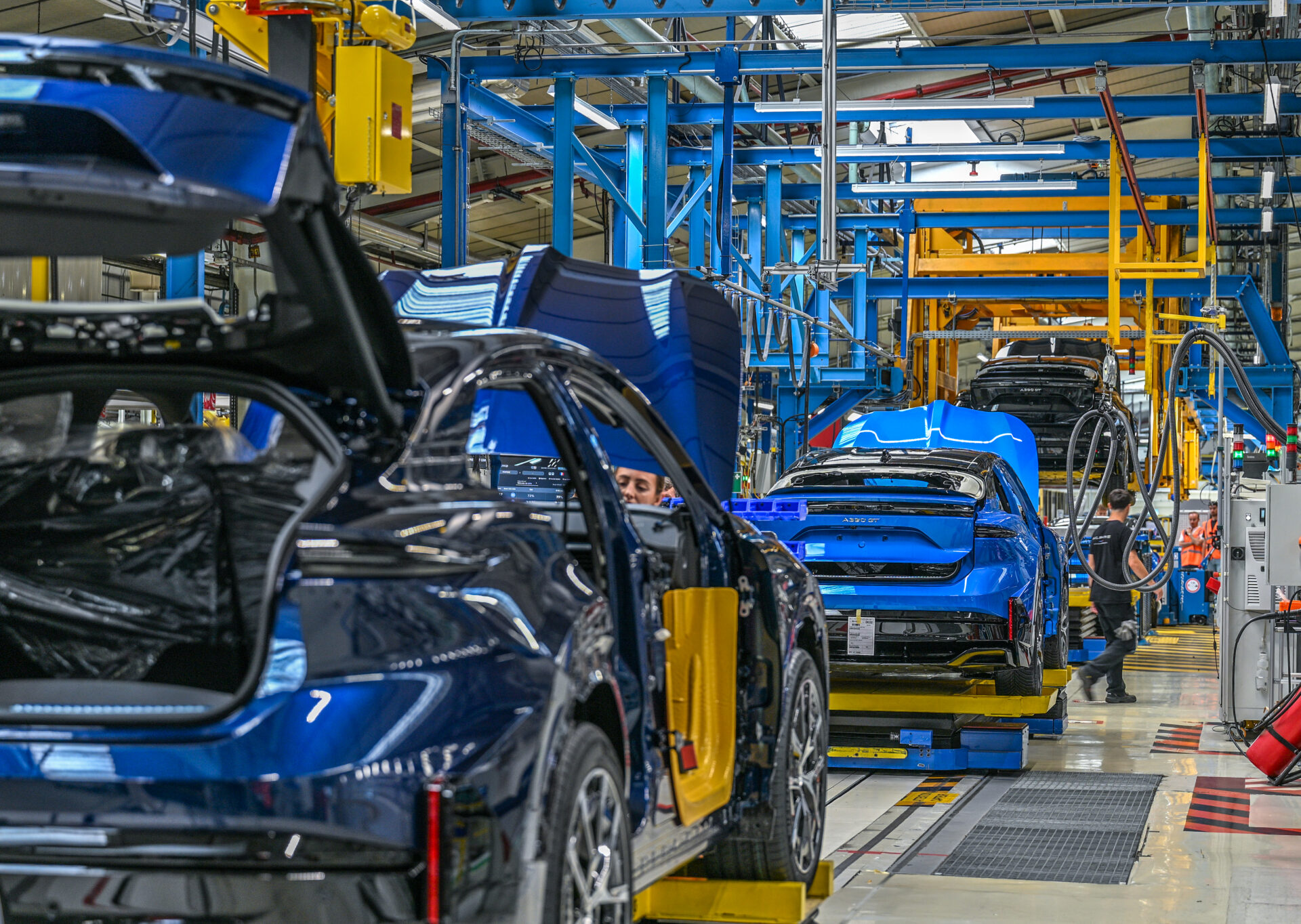
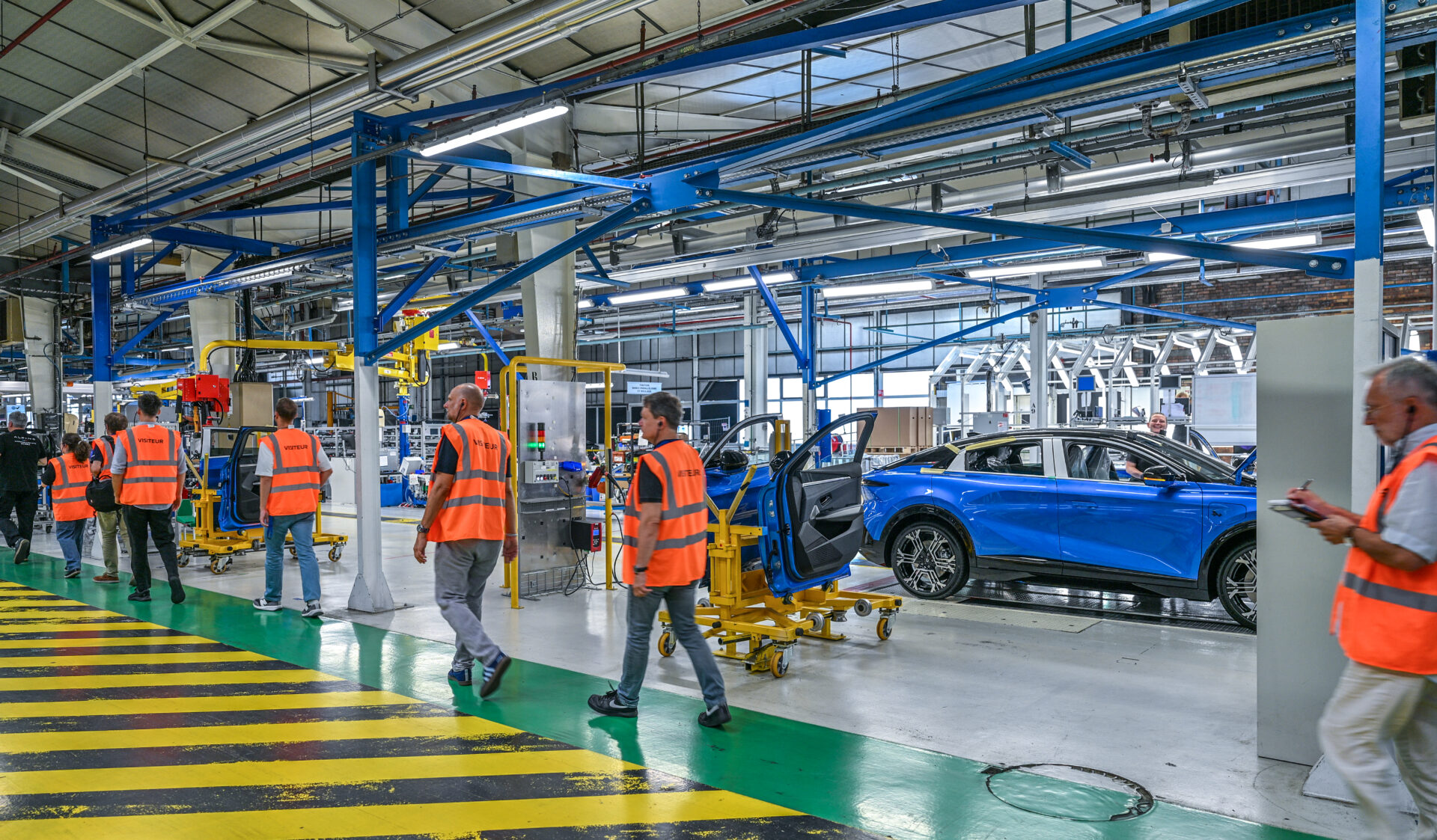
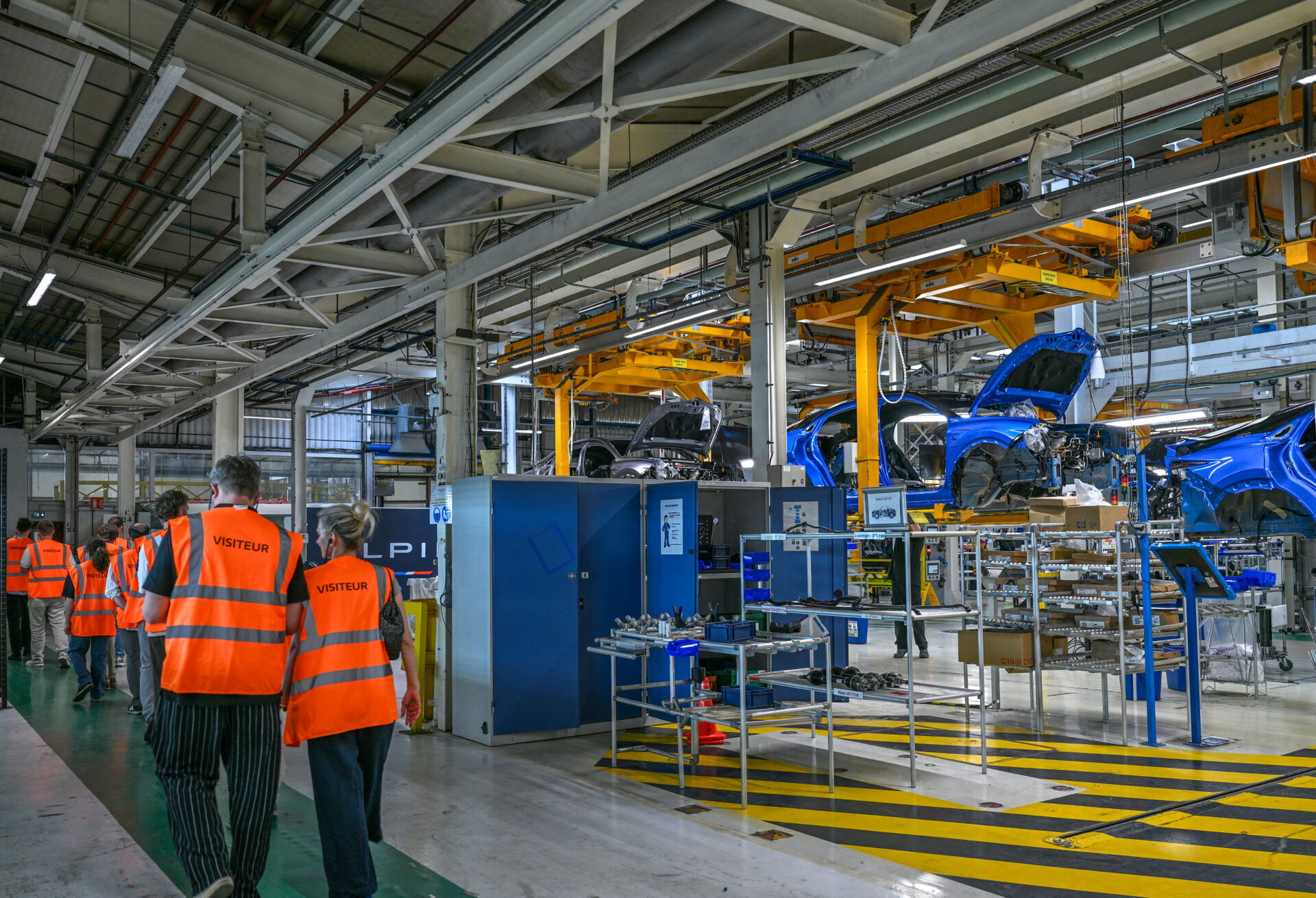
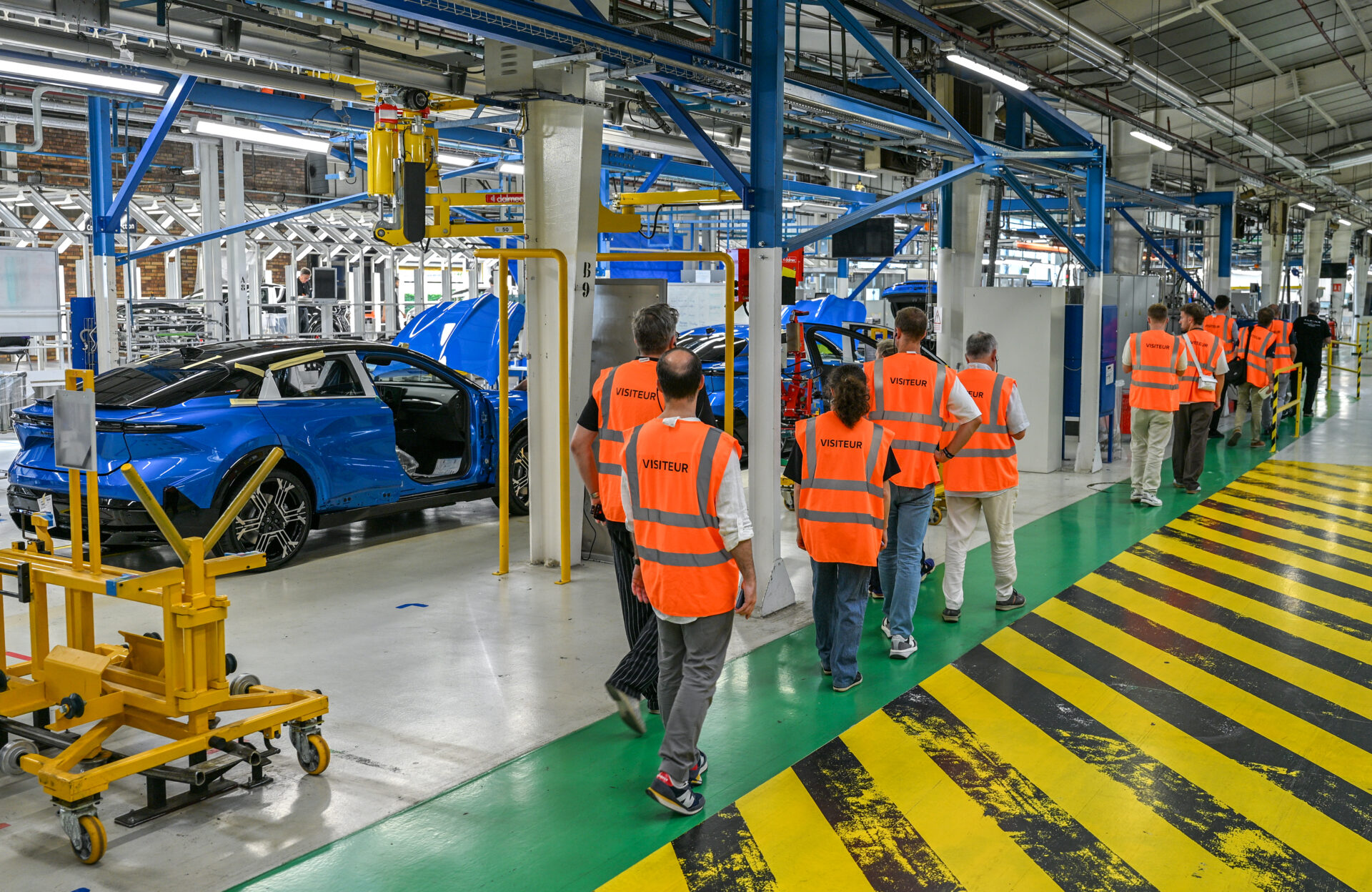
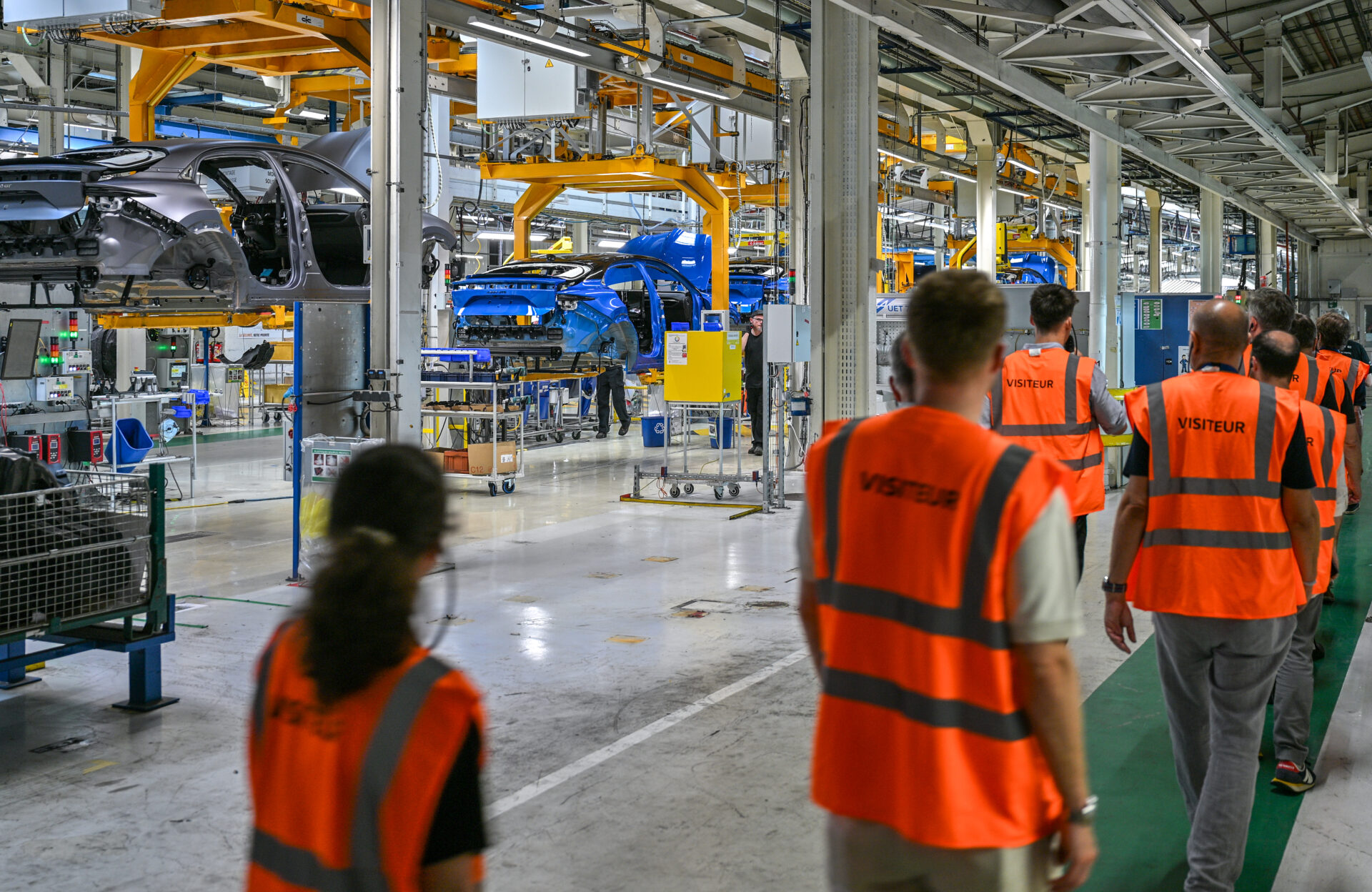
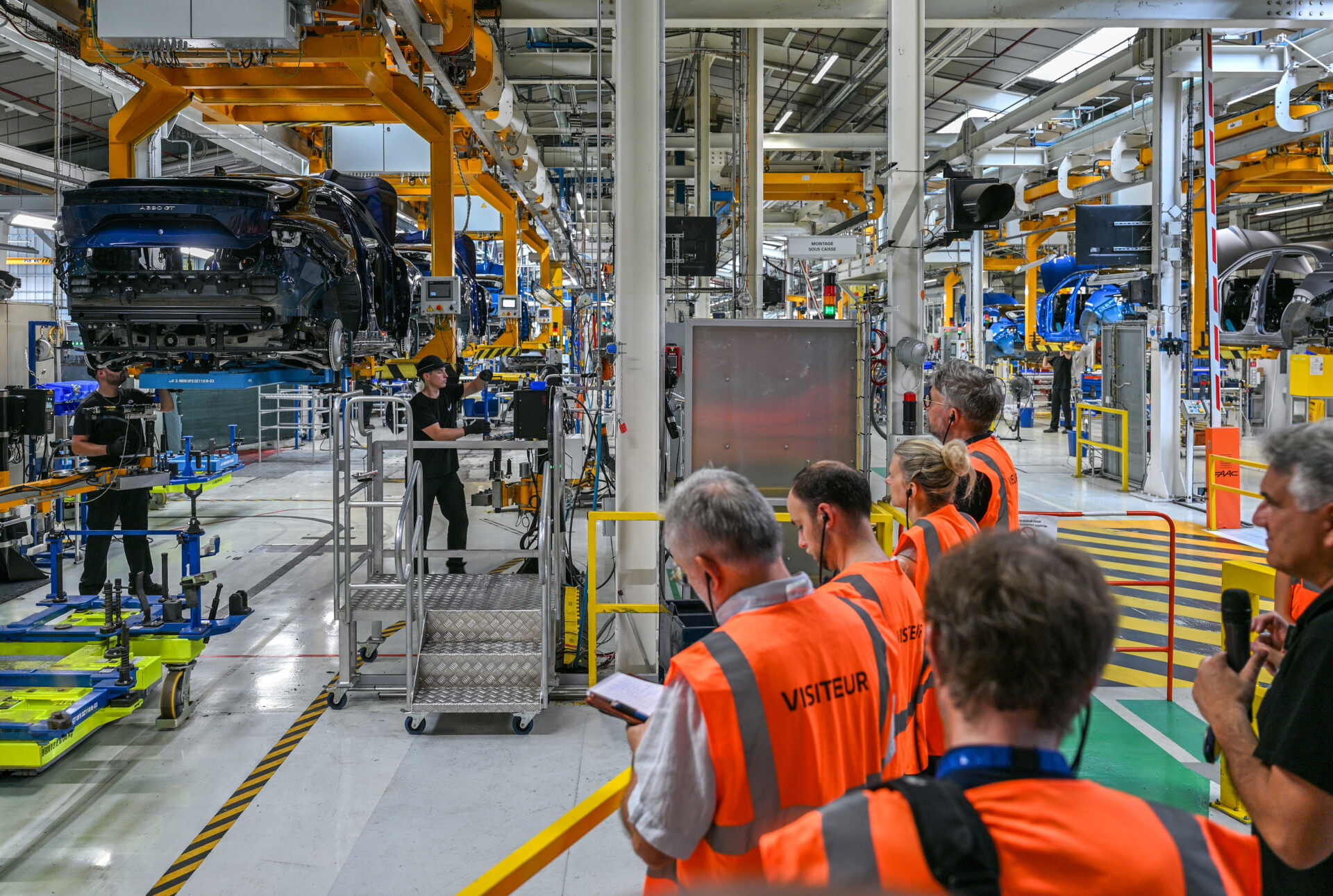
All of this will need to be built into the final assembly line, where both the A390 and A110 run side by side. One of the most crucial and symbolic stages on this line is what’s known as the docking, or the “marriage”, of the body shell and the platform. Since the two platforms on the line are completely different, geo-located screwing on the orange robotic arms adjusts its tightening torque accordingly, in sync on both sides of the car. “And the car can’t move on unless everything has been screwed correctly,” explains the line manager.
A single robot on the line
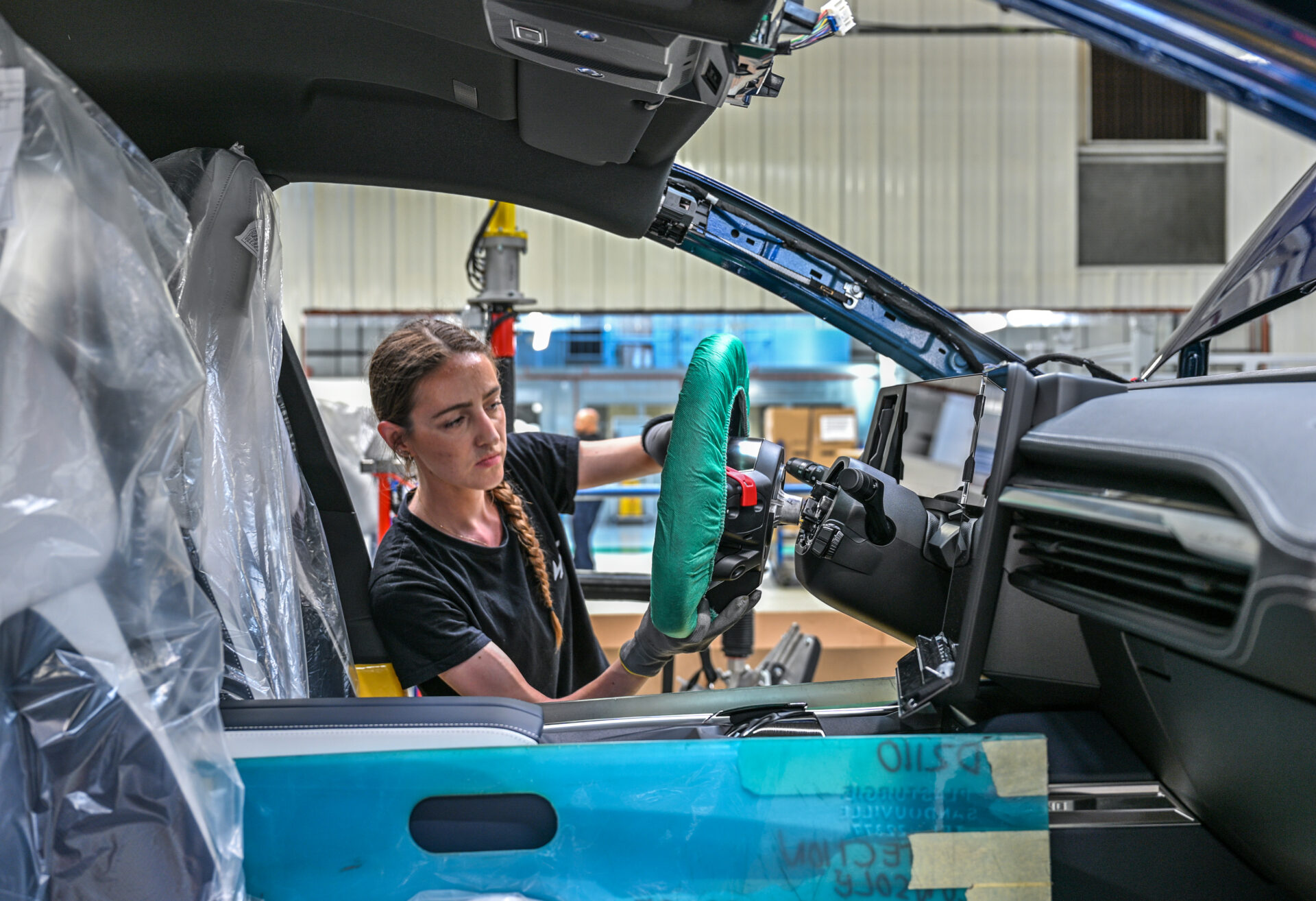
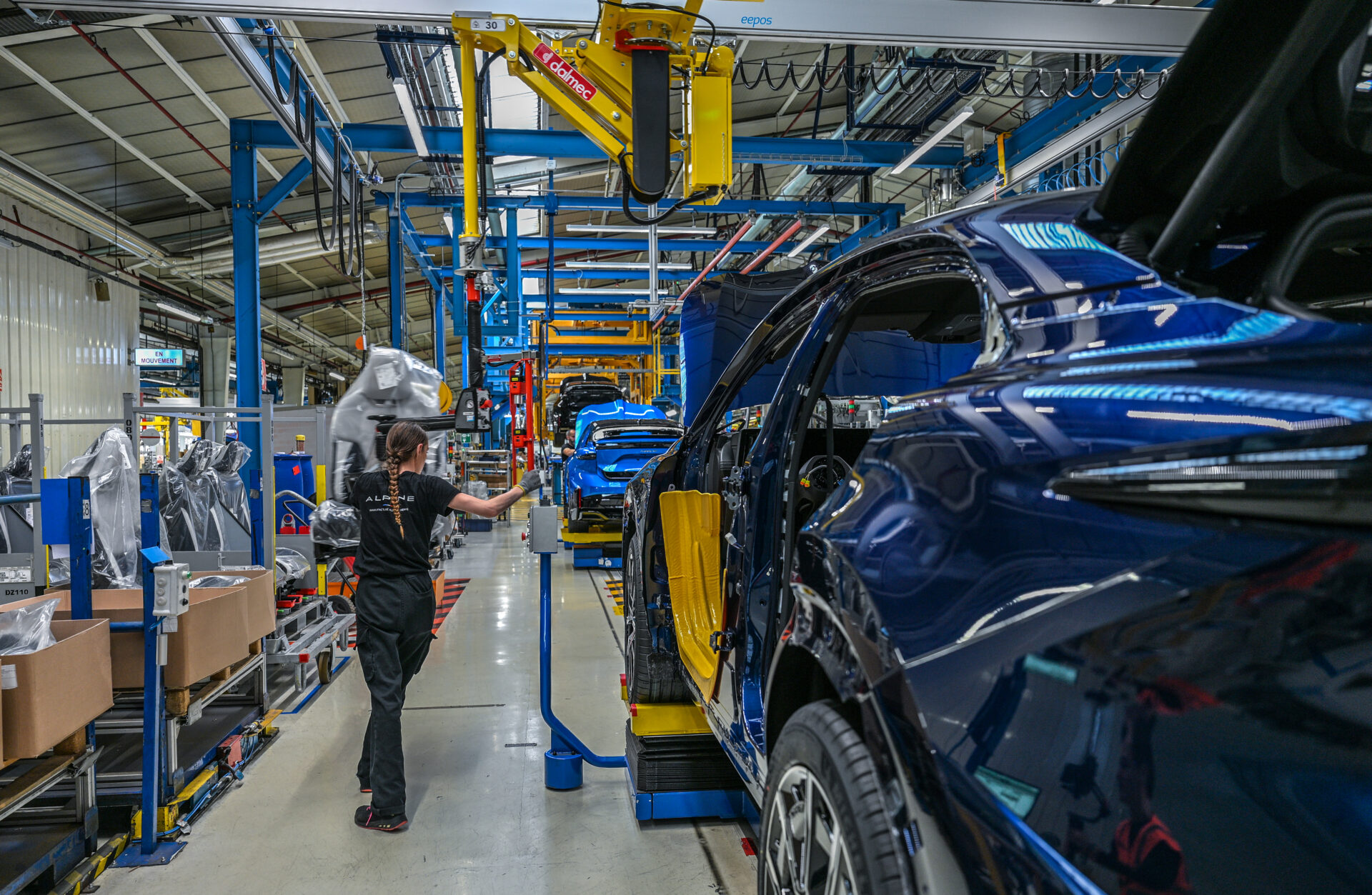
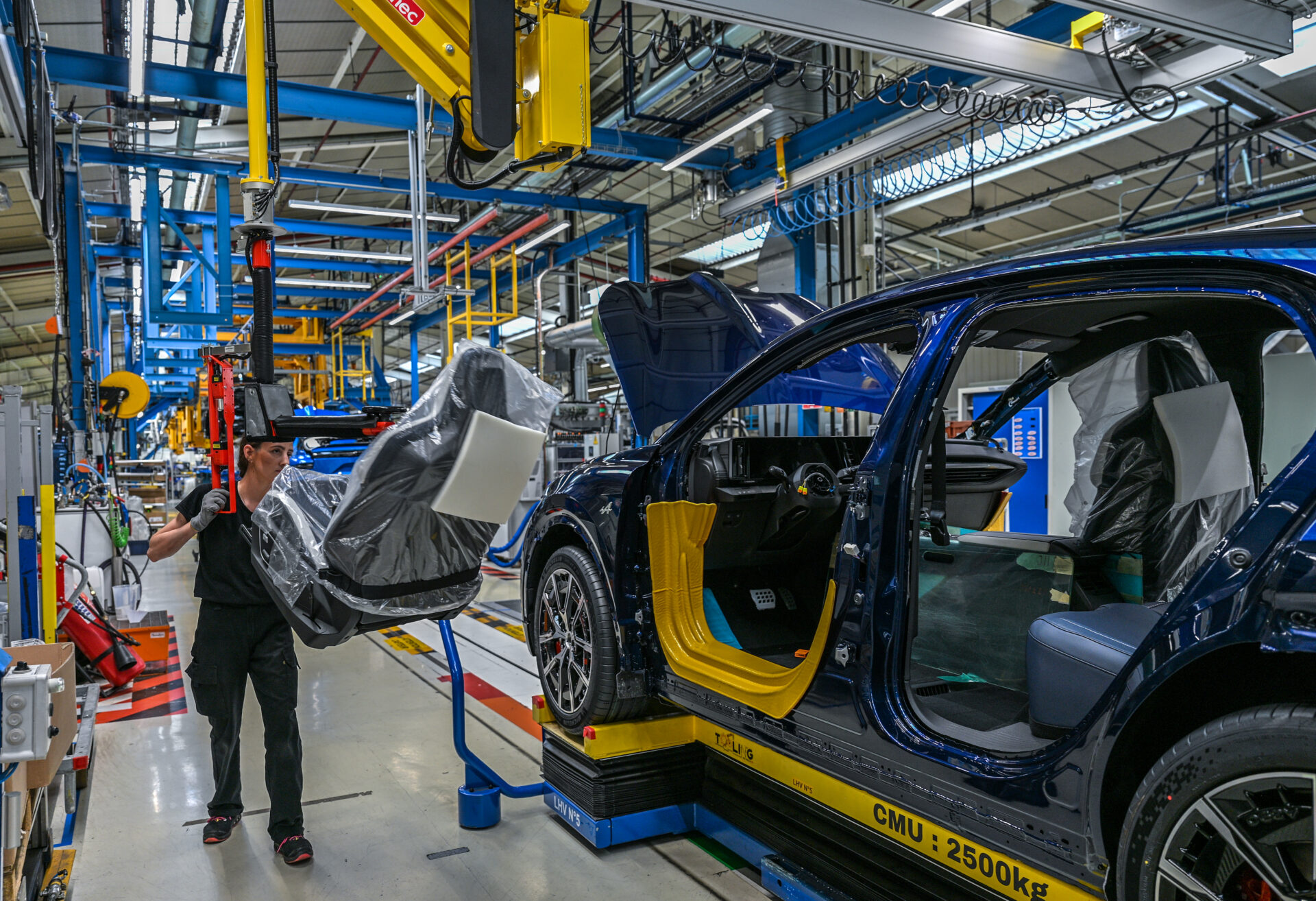
This is one of the few automated steps at the Dieppe site, where, aside from the paint shop, there is just a single robot on the assembly line: the one that applies adhesive to the windscreen! “It’s a philosophy we’re committed to for the sake of product quality,” stresses director Nicolas Renaud. “Compared with a robot, a person is admittedly less agile and less quick, but they can adapt to any situation and build highly personalised cars. Automation isn’t an end in itself.”
Compared with combustion-engined cars, the electric side, with its battery pack operating at 400 volts for the A390 and 800 volts for the new A110, requires very specific staff training for working on live systems, along with special certifications.
“And it’s something people don’t often think about, but there’s a risk of these batteries catching fire,” Nicolas Renaud is keen to point out. Battery storage conditions, building protection, insurance and fire brigade access are among the big questions, as are fireproof covers and pools of water, the only way to stop a battery fire.
Driver assistance systems
Otherwise, “the big change with the new A110 is that we have a car with technology well beyond that of the A390 in terms of driver assistance systems,” explains the factory director. The cameras, in particular, are far more sensitive, with a wider field of view. “At the end of the assembly line, to check the driver assistance systems, we therefore need to rebuild an entire test rig.”
Even the prospect of the new A110 coming in various guises, coupé, roadster convertible, perhaps even a 2+2 coupé and possibly a four-door GT, doesn’t seem to faze those in charge at the Jean Rédélé factory: “There will indeed be several variants of the APP platform,” confirms Nicolas Renaud. “For Dieppe, what’s been announced is the A110 coupé and roadster versions, production of which we’re now starting.”
As for the dream, held by some, of a return to combustion engines, “the platform has been designed to accommodate hybridisation,” Nicolas Renaud confirms once again. “If market and profitability conditions allow it one day, we can do it.” “At the moment, market conditions don’t allow for that.”
Alpine in figures:
- Second-generation Alpine A110 production, from 7 December 2017 to 17 June 2026: 28,701 units.
- In 2025, Alpine sold 10,970 vehicles, up 139 per cent, the majority of them A290s.
- The Dieppe factory employs 345 people, 22 per cent of them women.
- Maximum output is 50 vehicles per shift per day, or 150 units across three shifts.
- Since it opened in 1969, the Jean Rédélé factory has produced more than 500,000 cars.