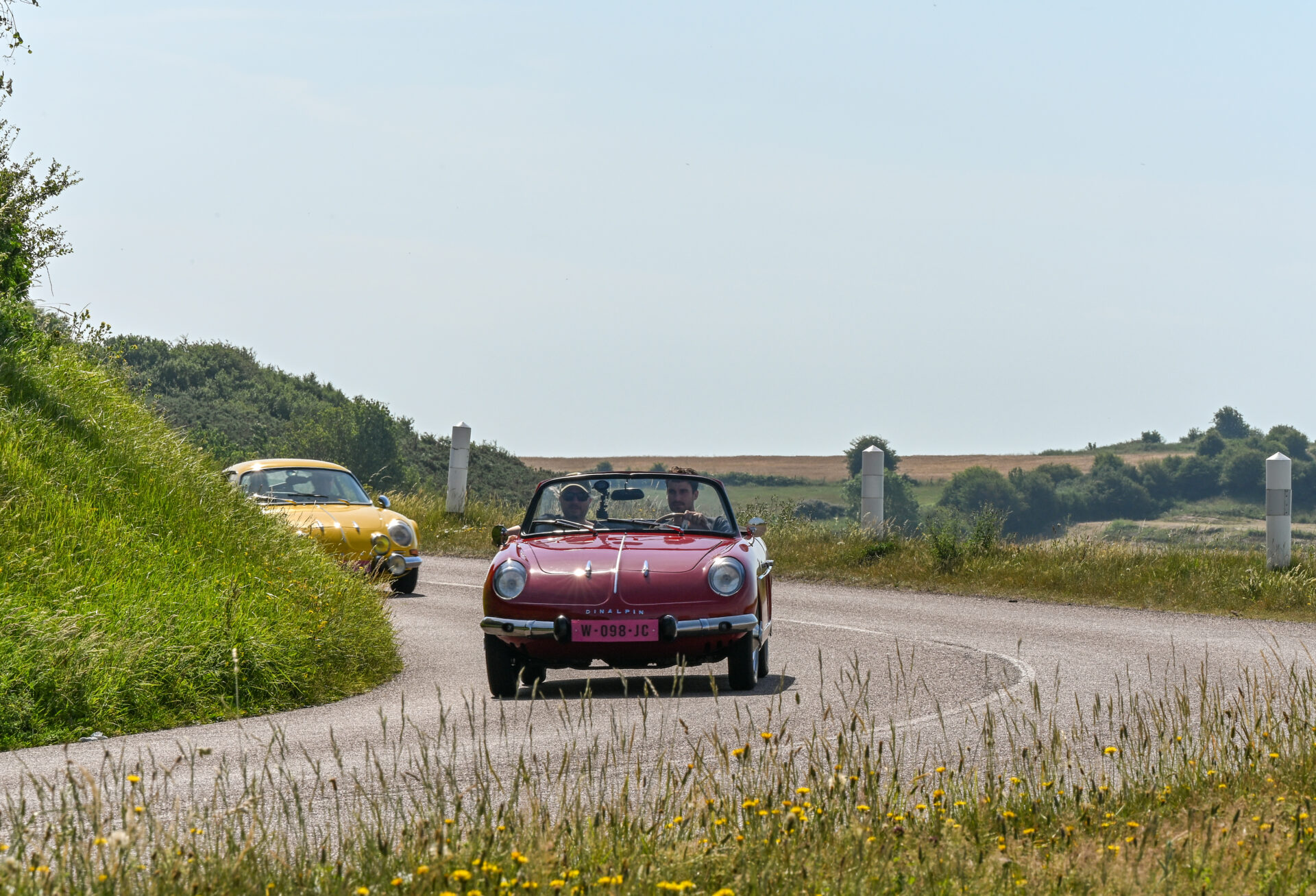
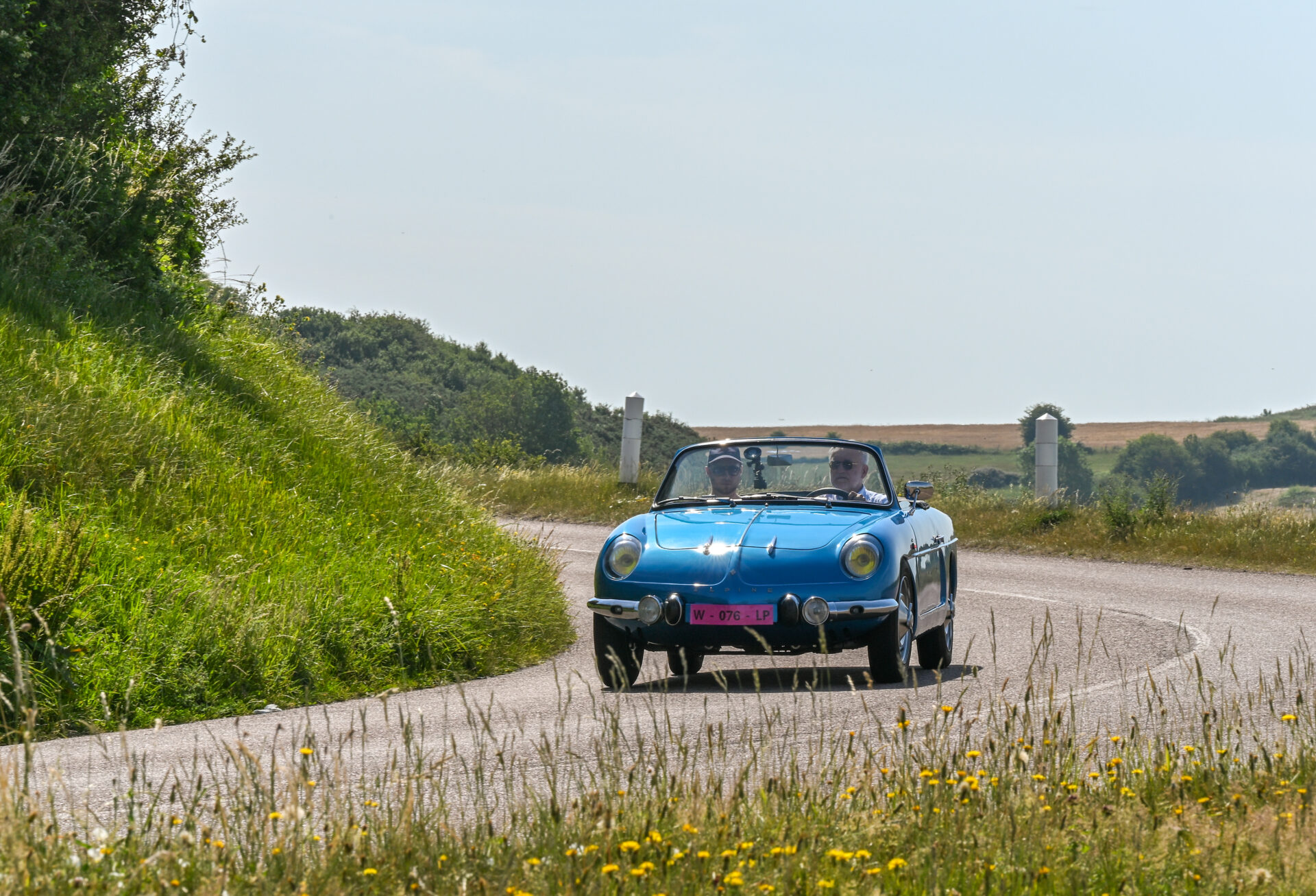
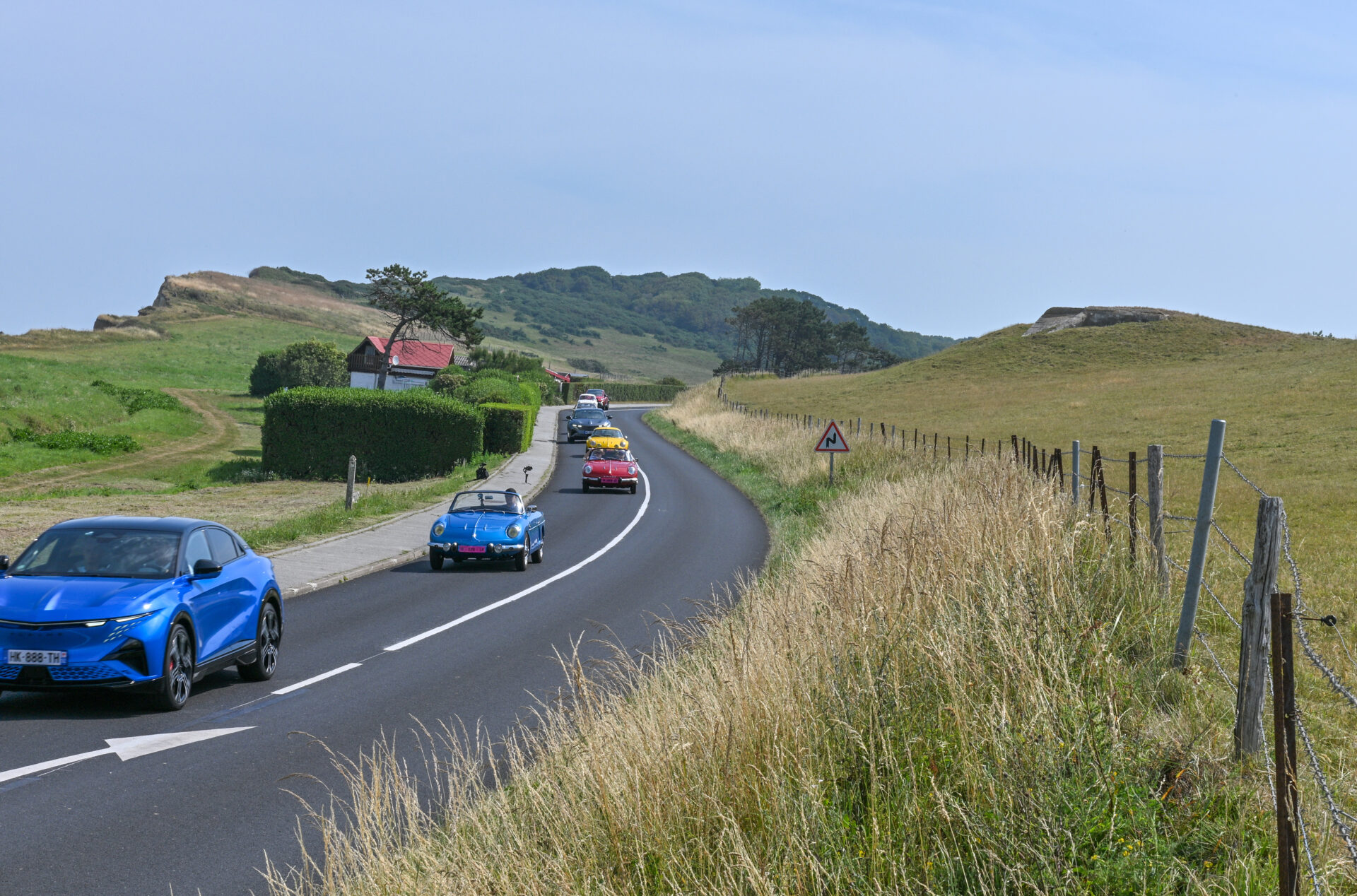
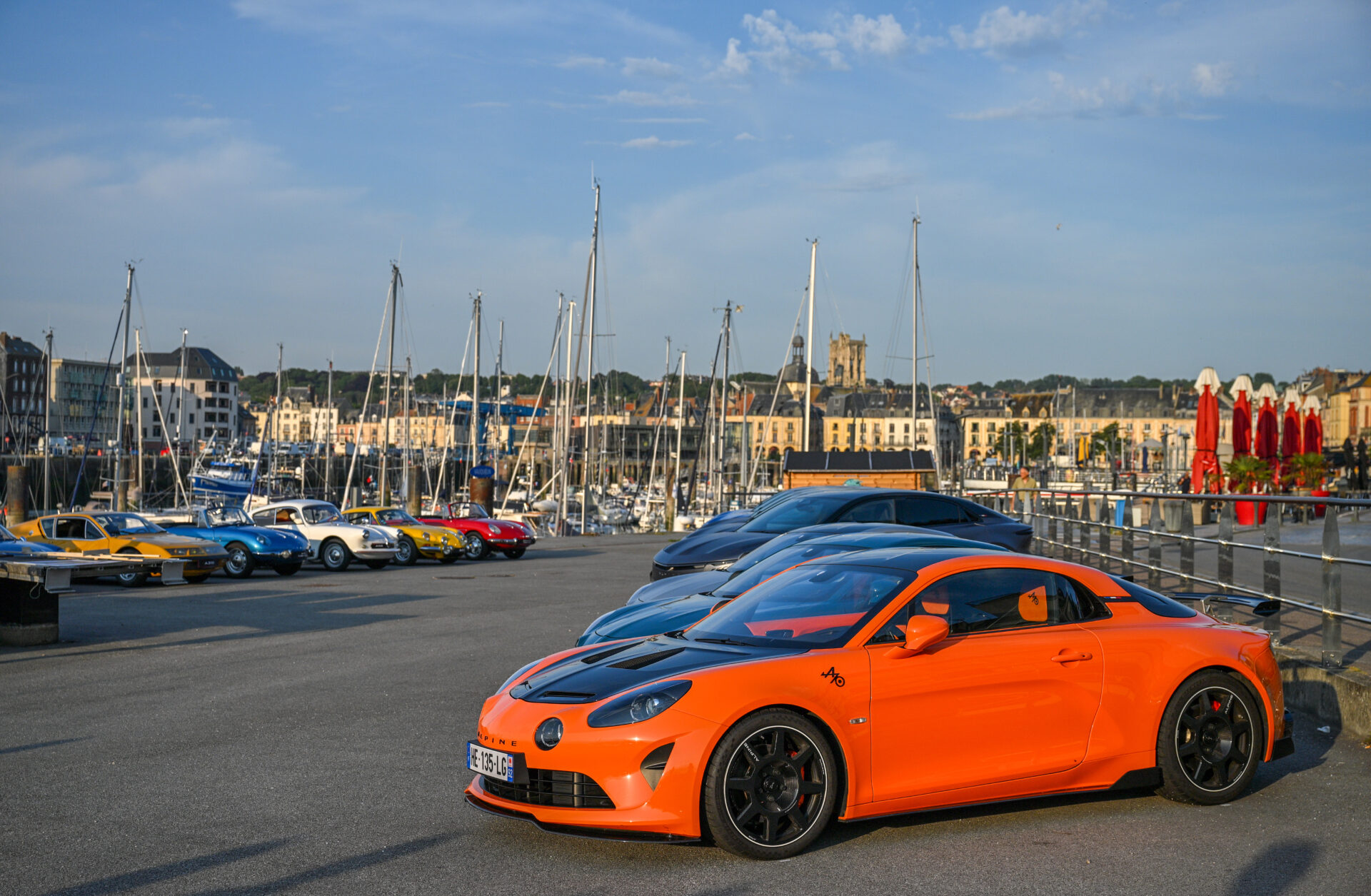
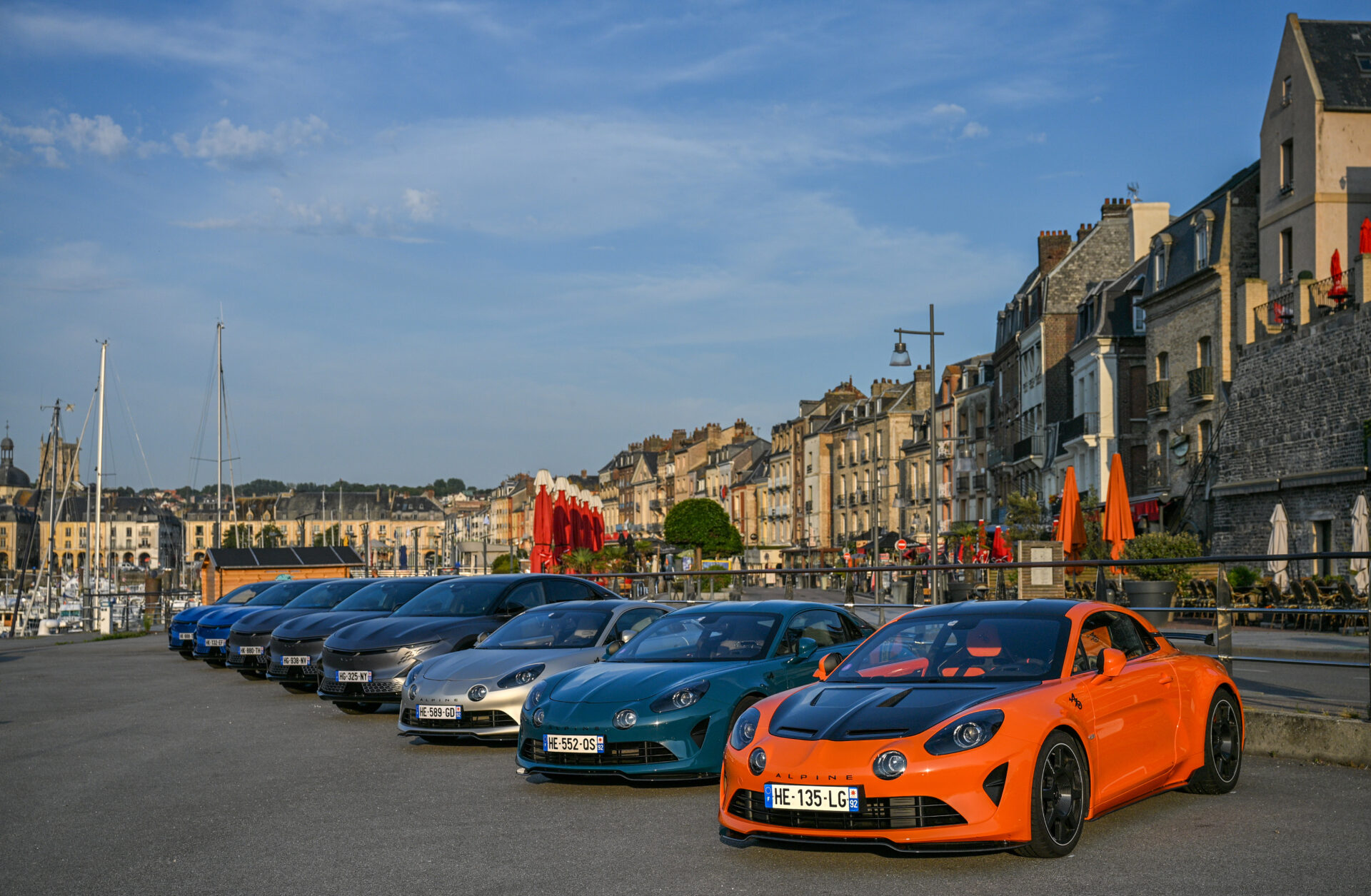
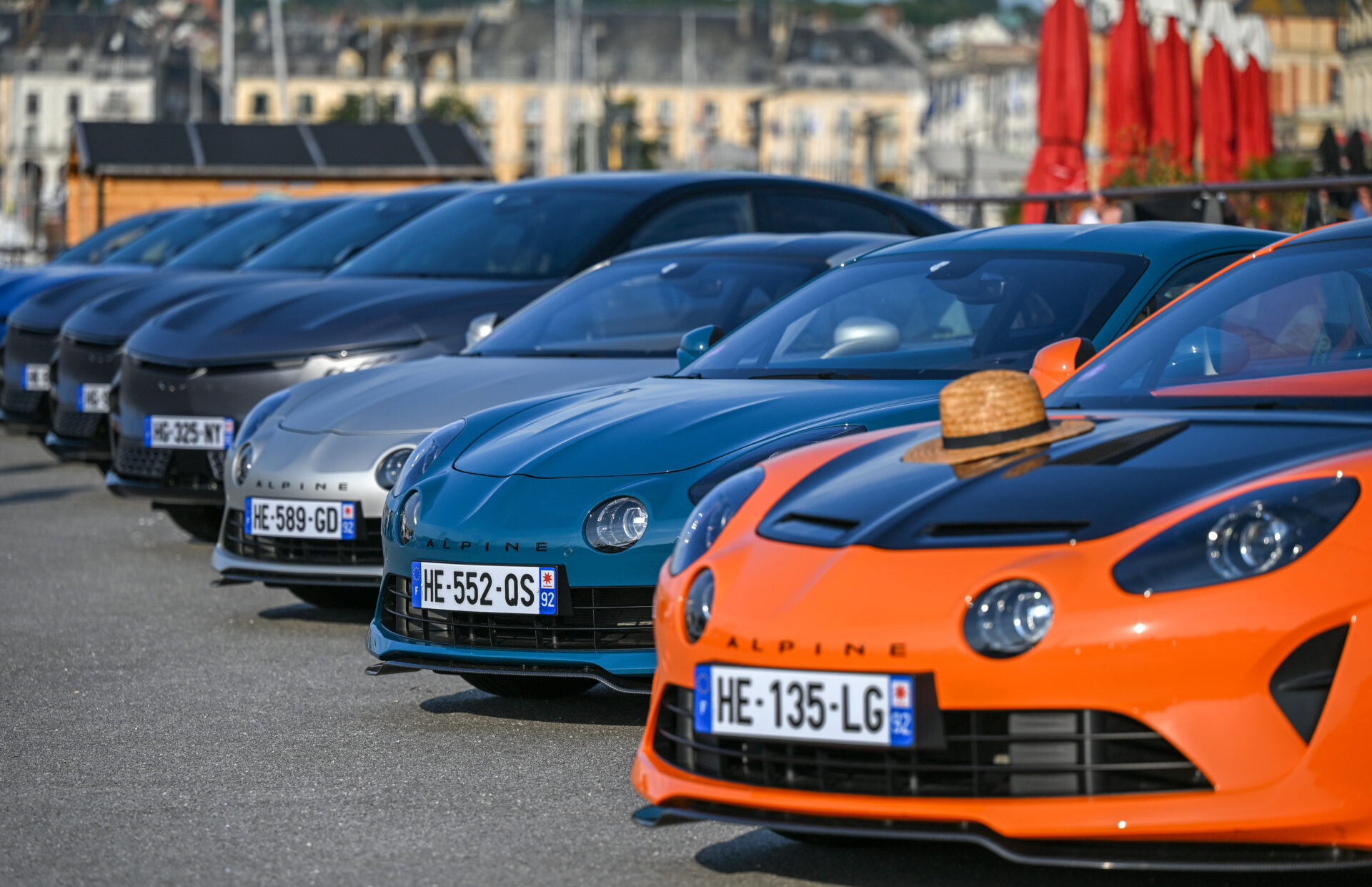
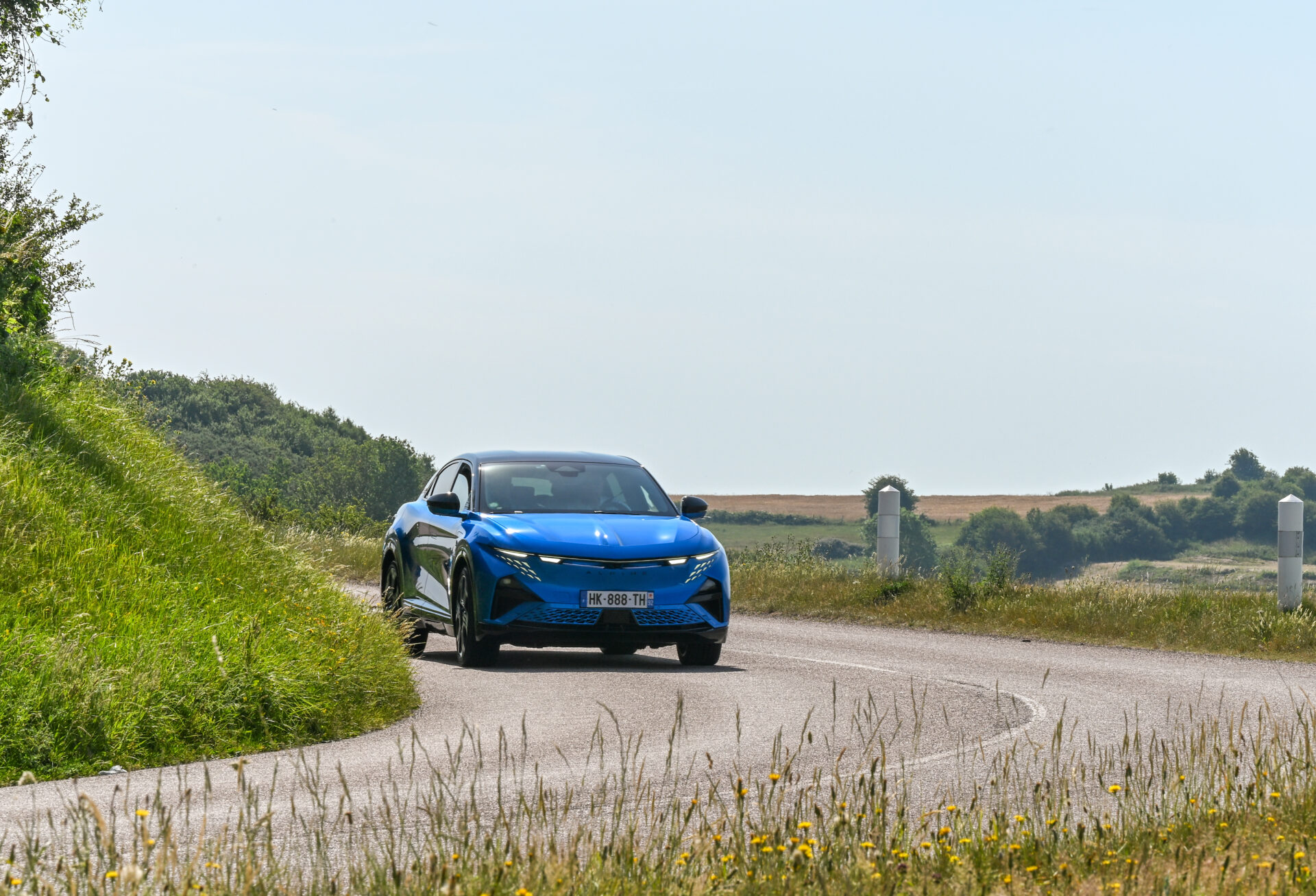
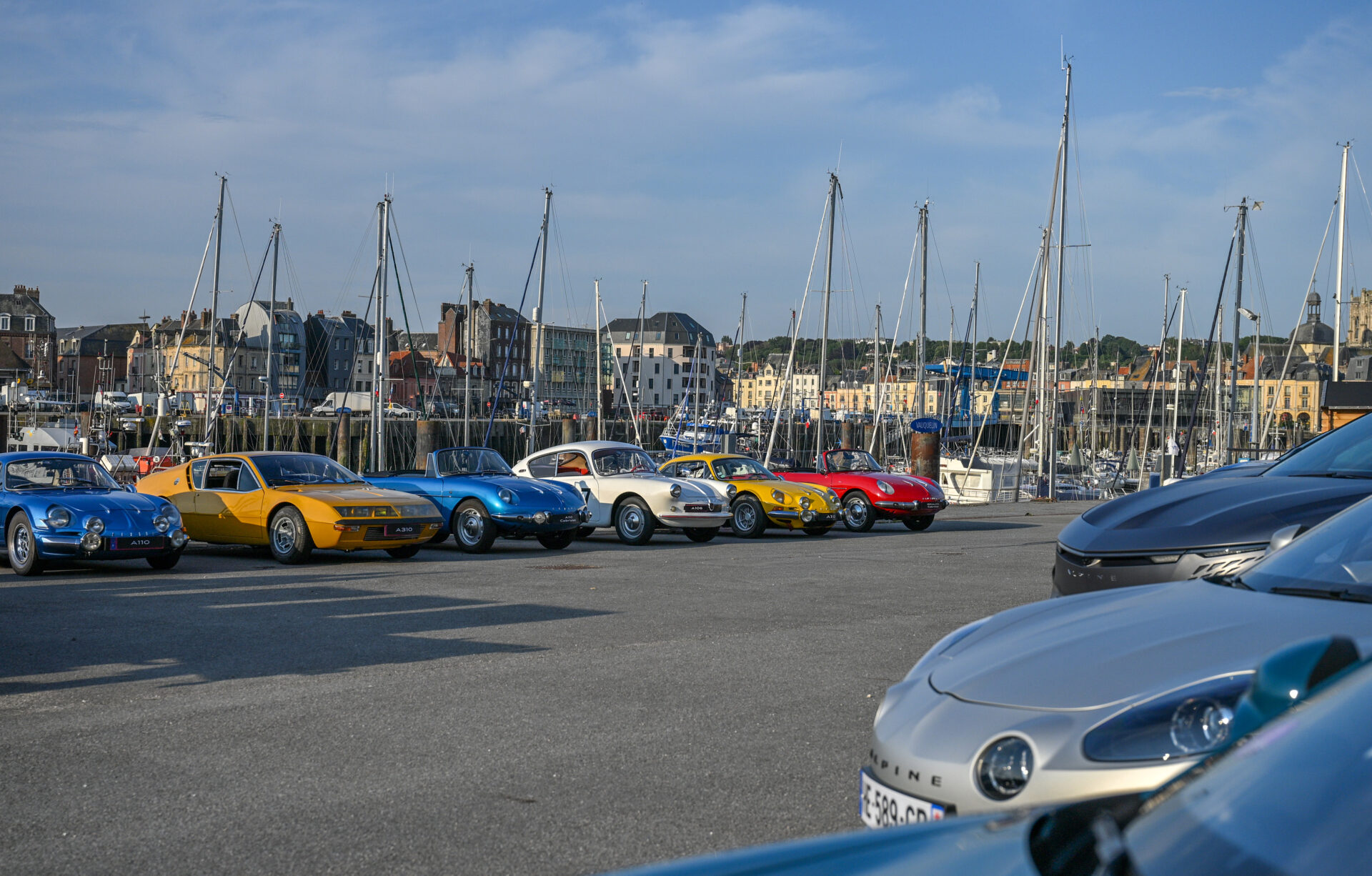
By reviving the original’s design cues, the second-generation Alpine A110 secured the brand’s rebirth in 2017. So why shouldn’t it succeed in its transformation into an agile, likeable little electric coupé?
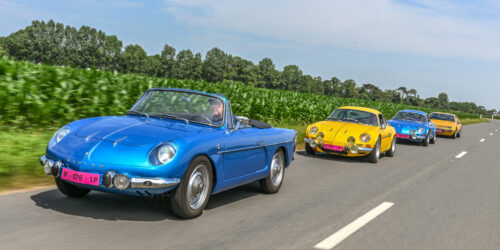
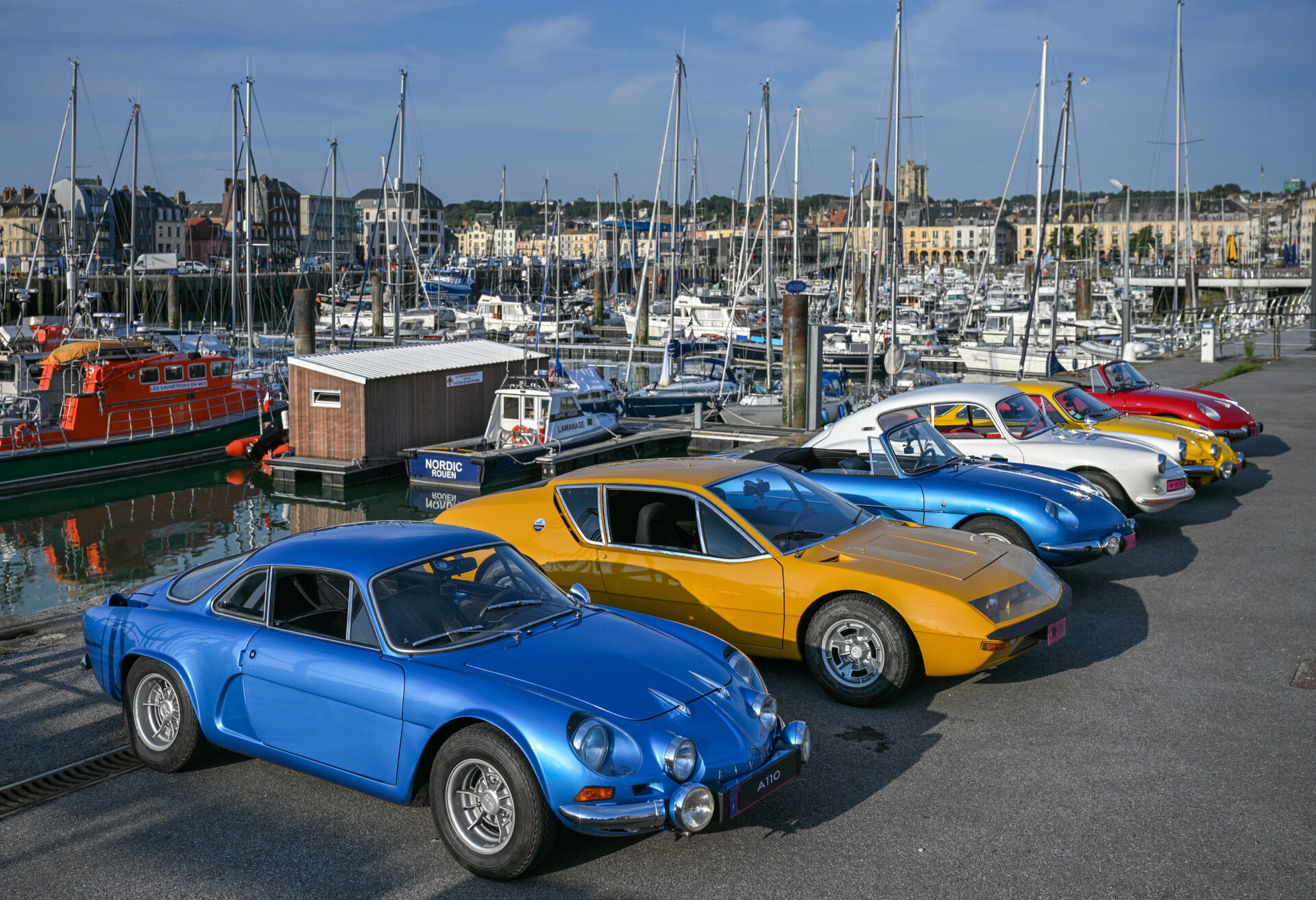
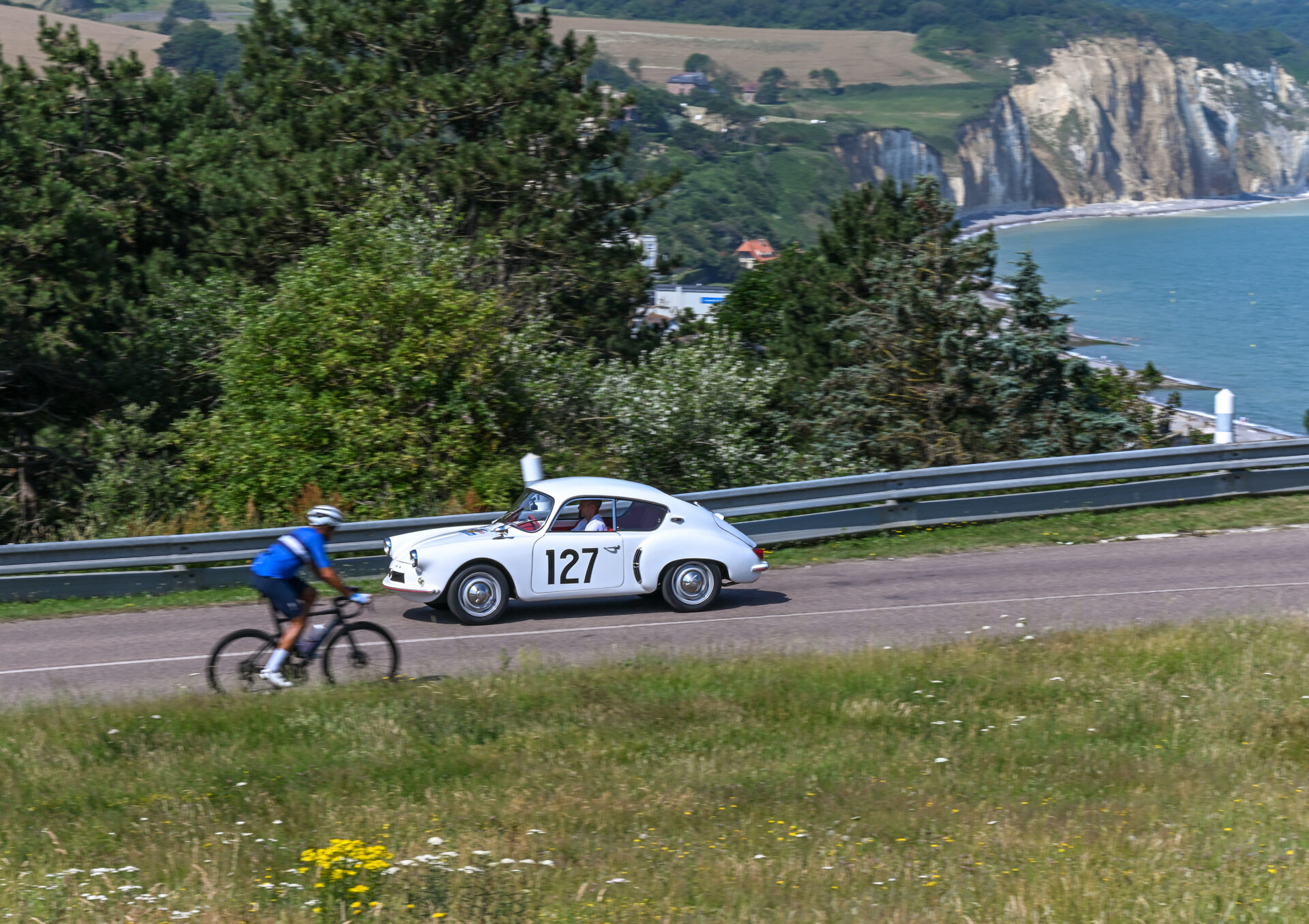
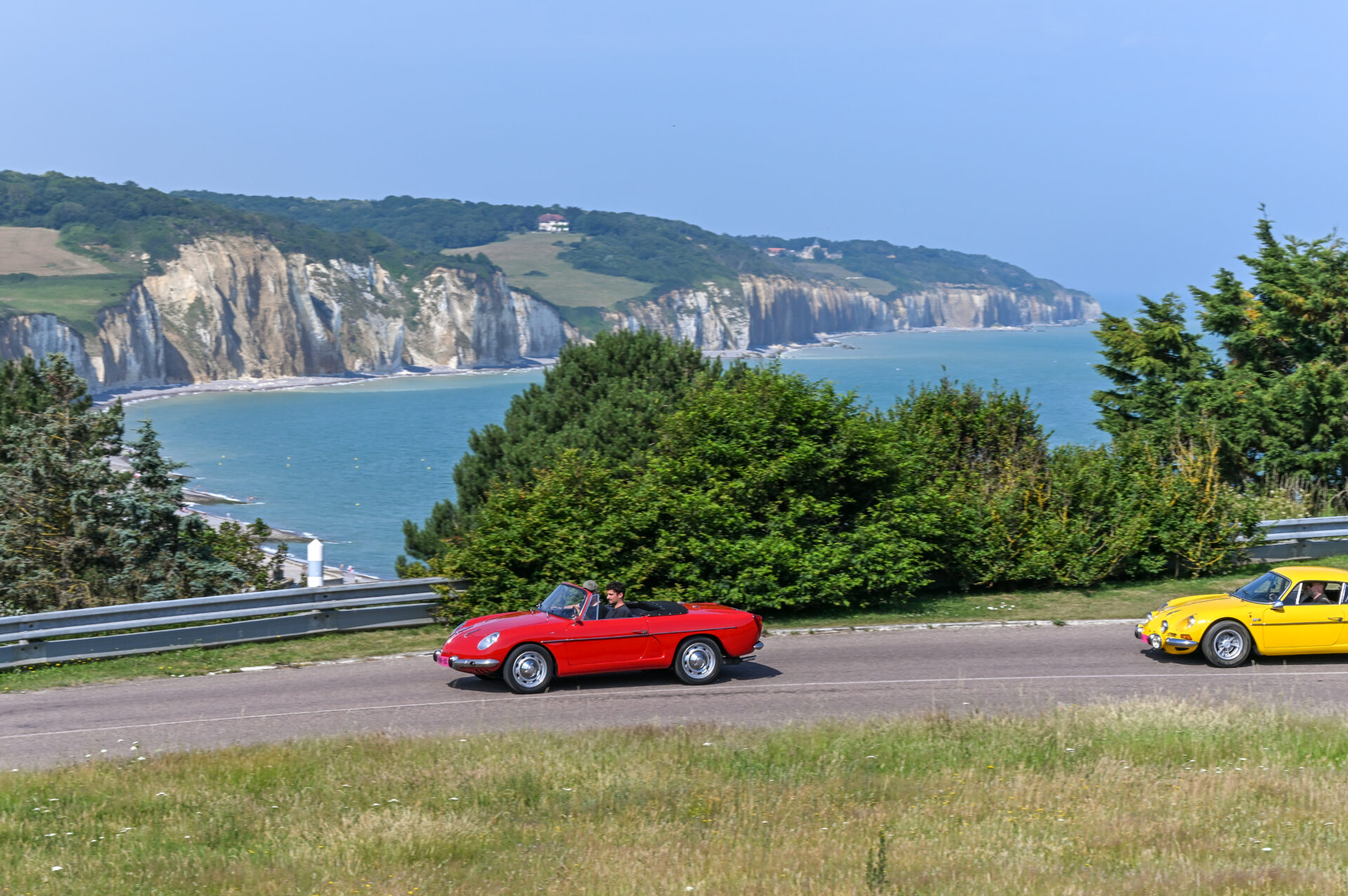
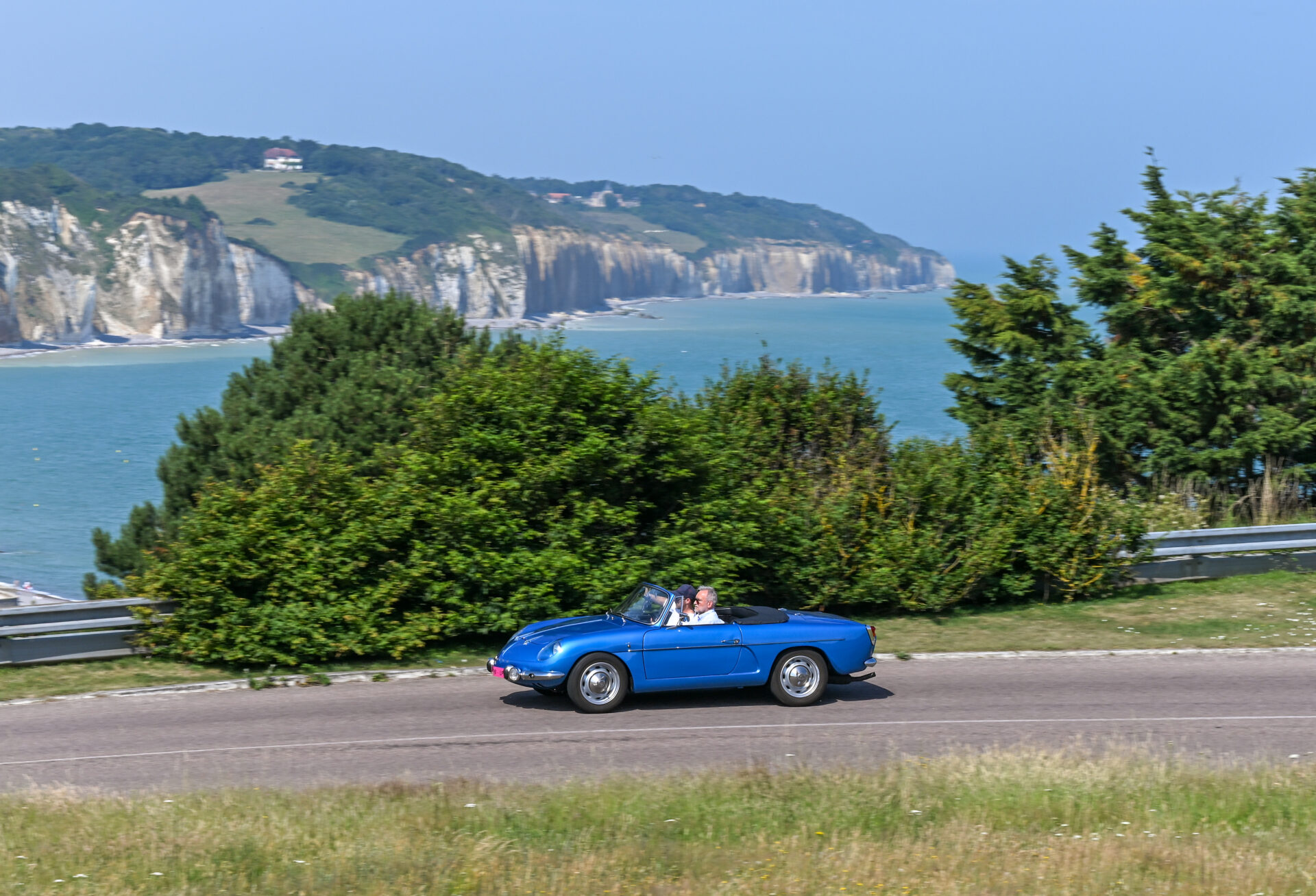
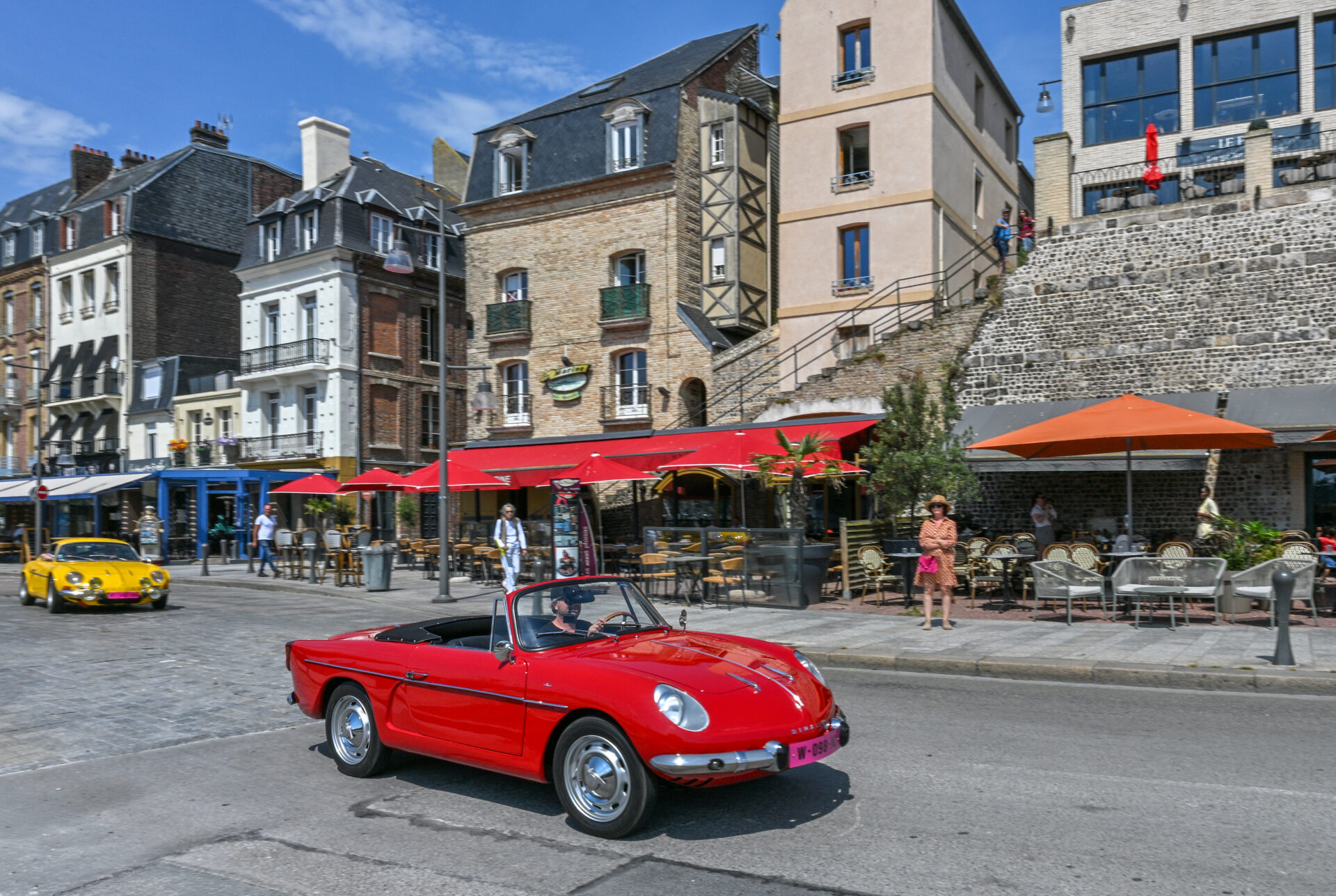
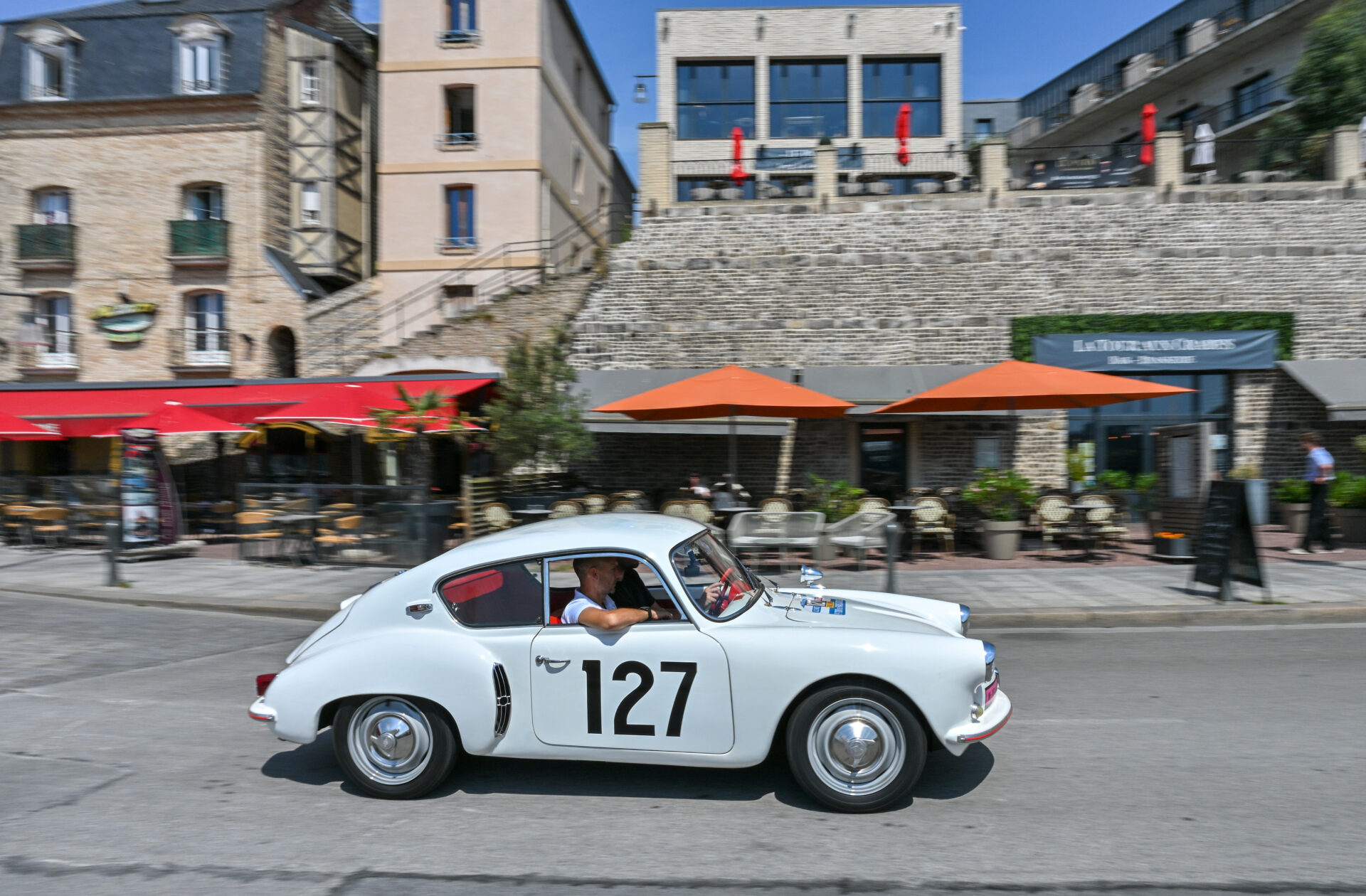
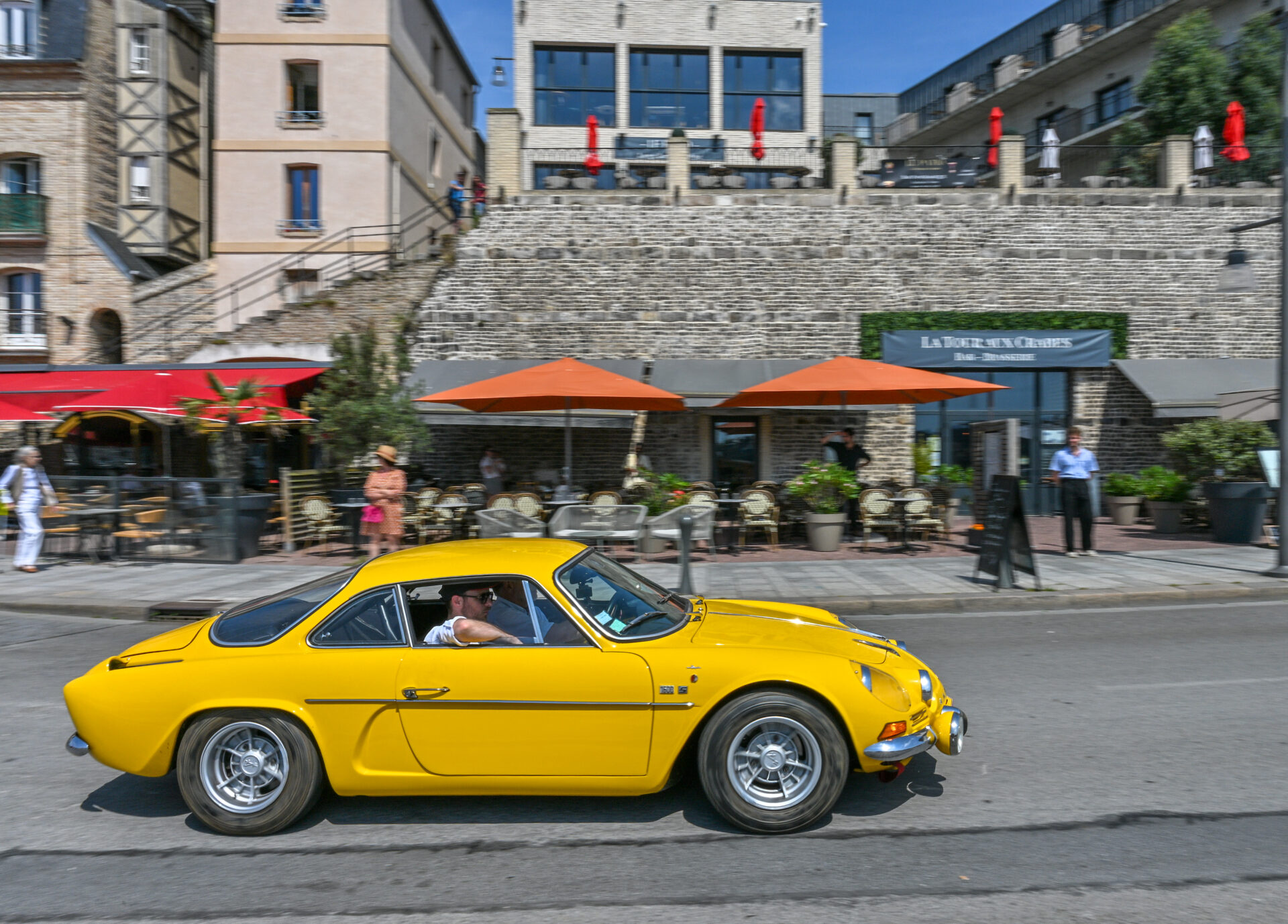
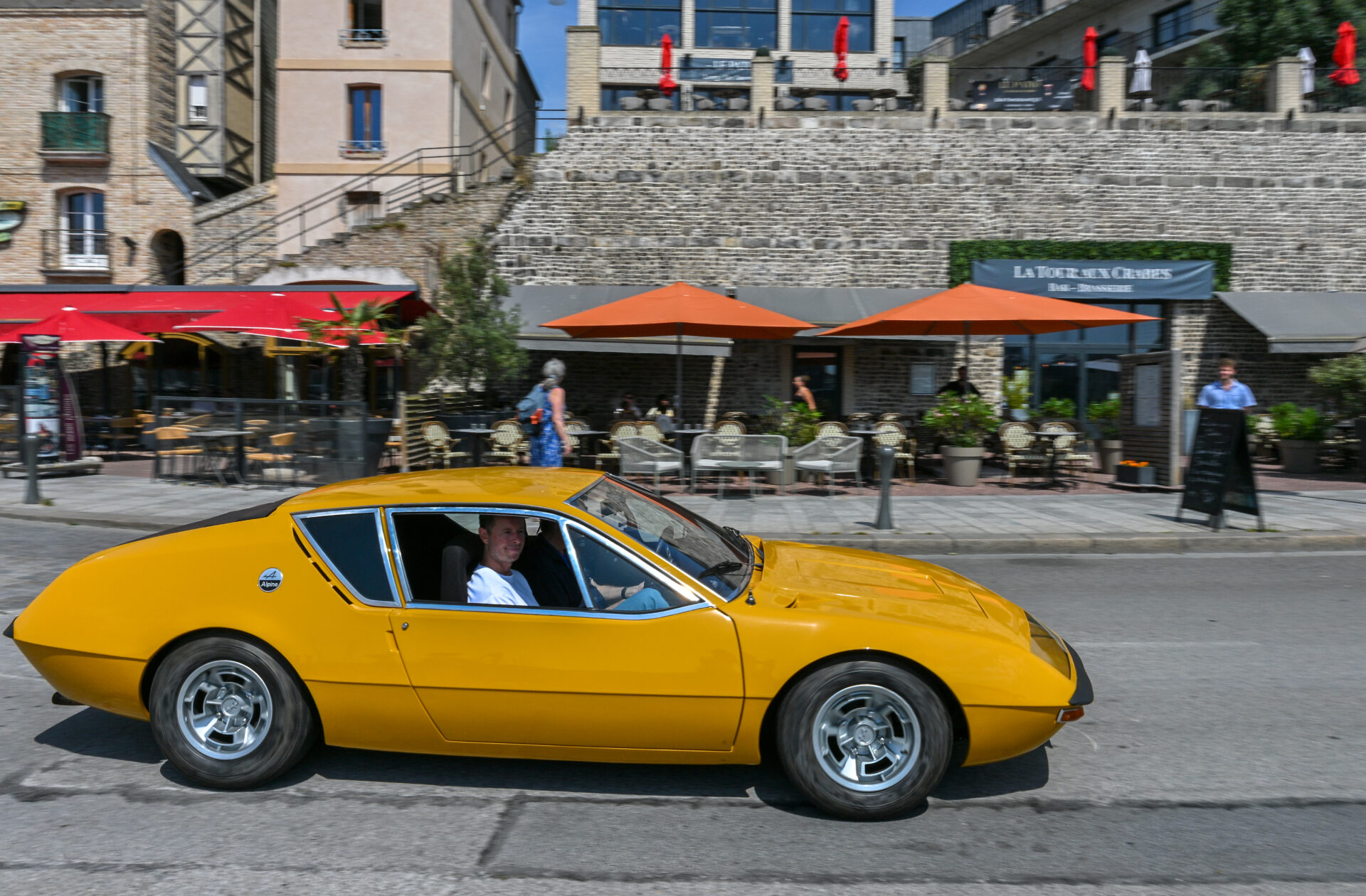
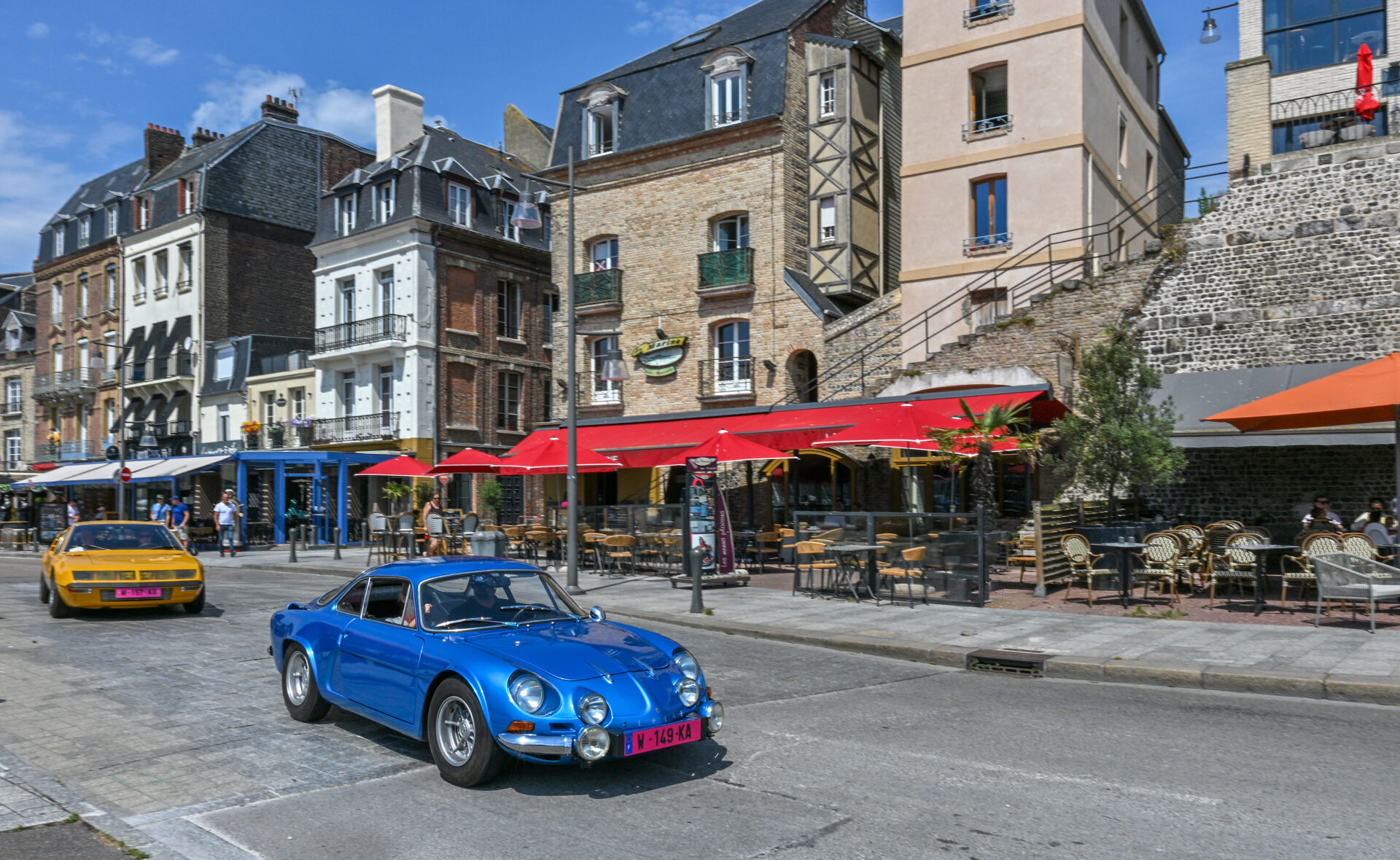
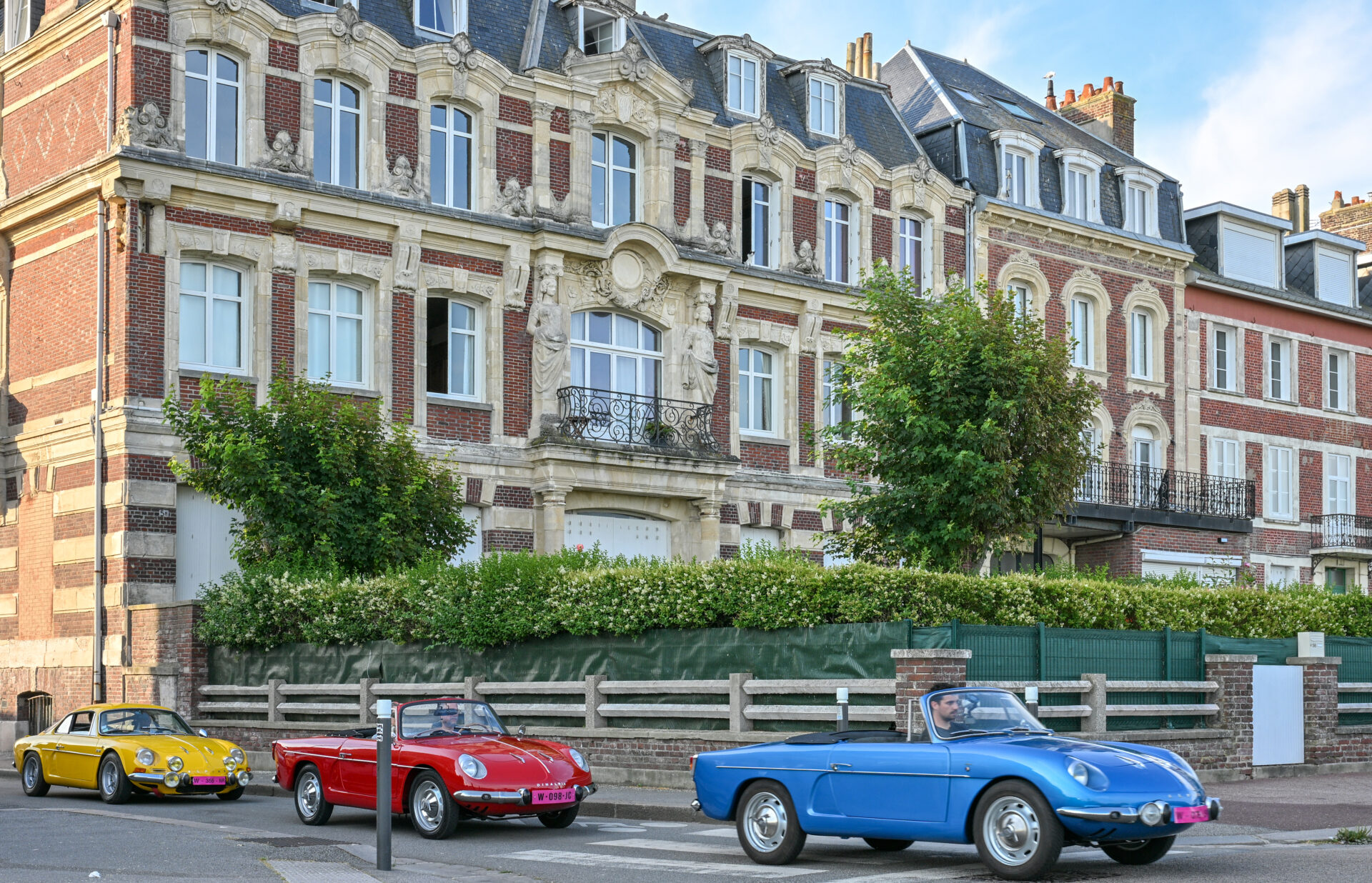
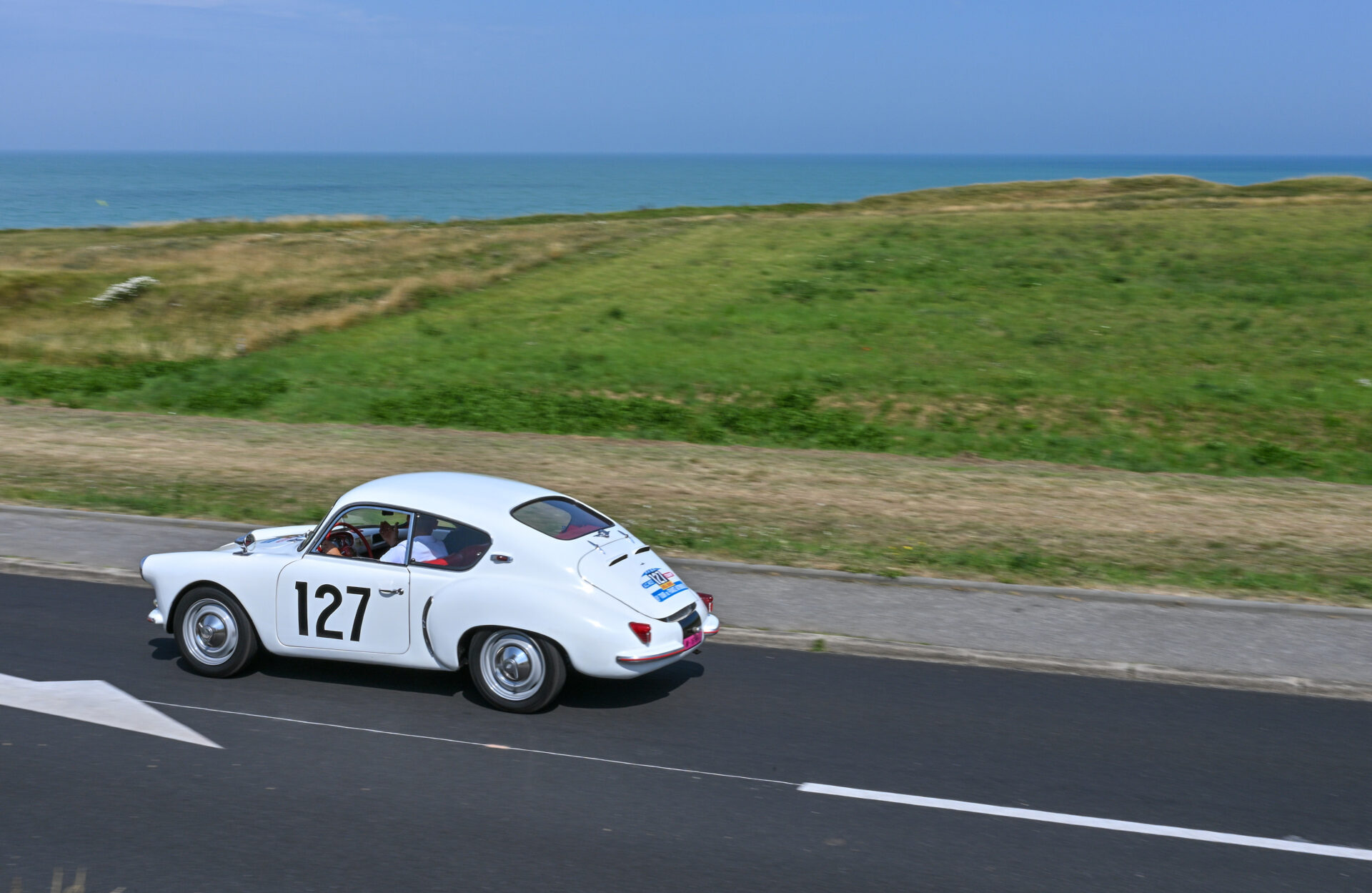
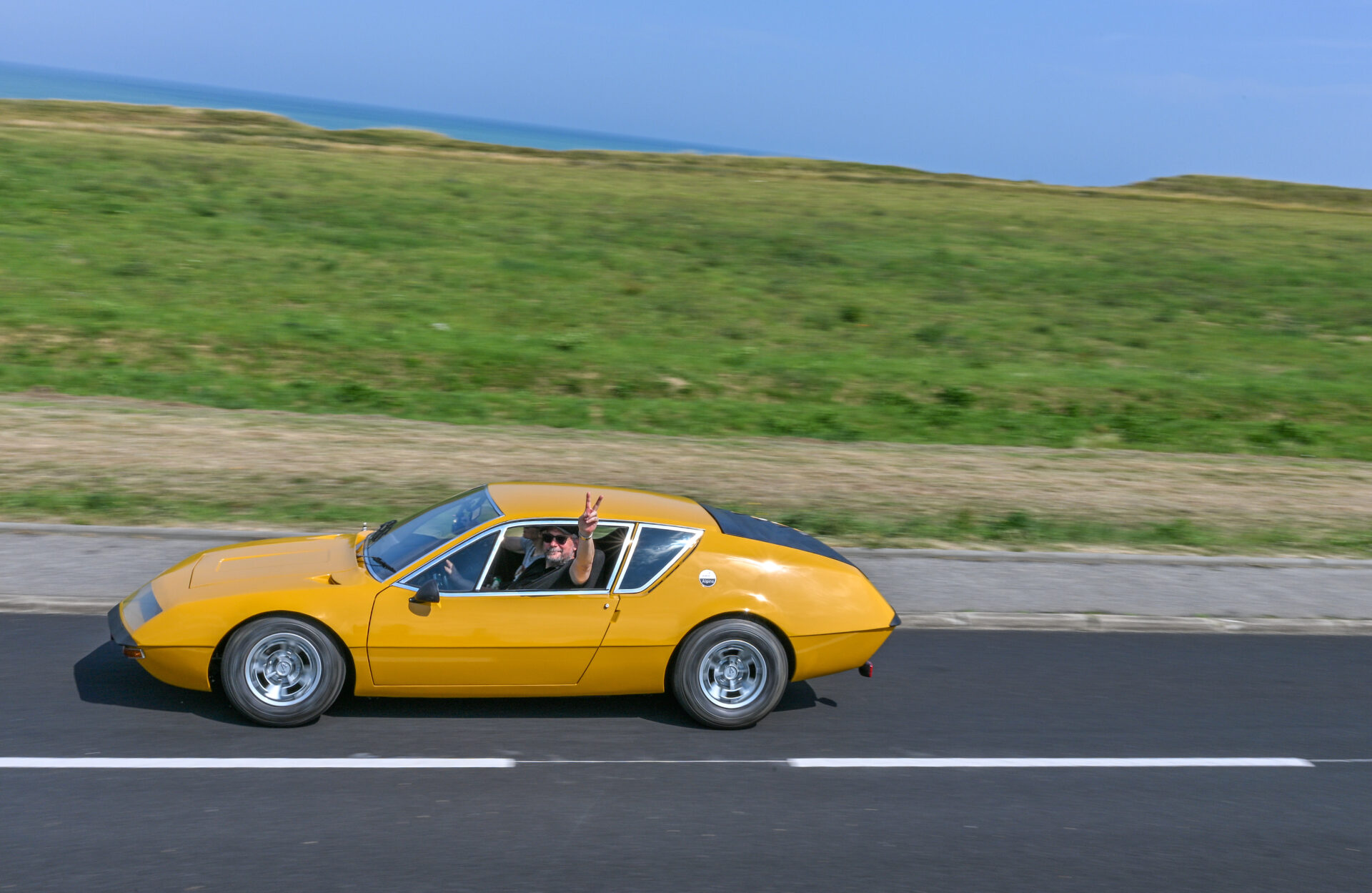
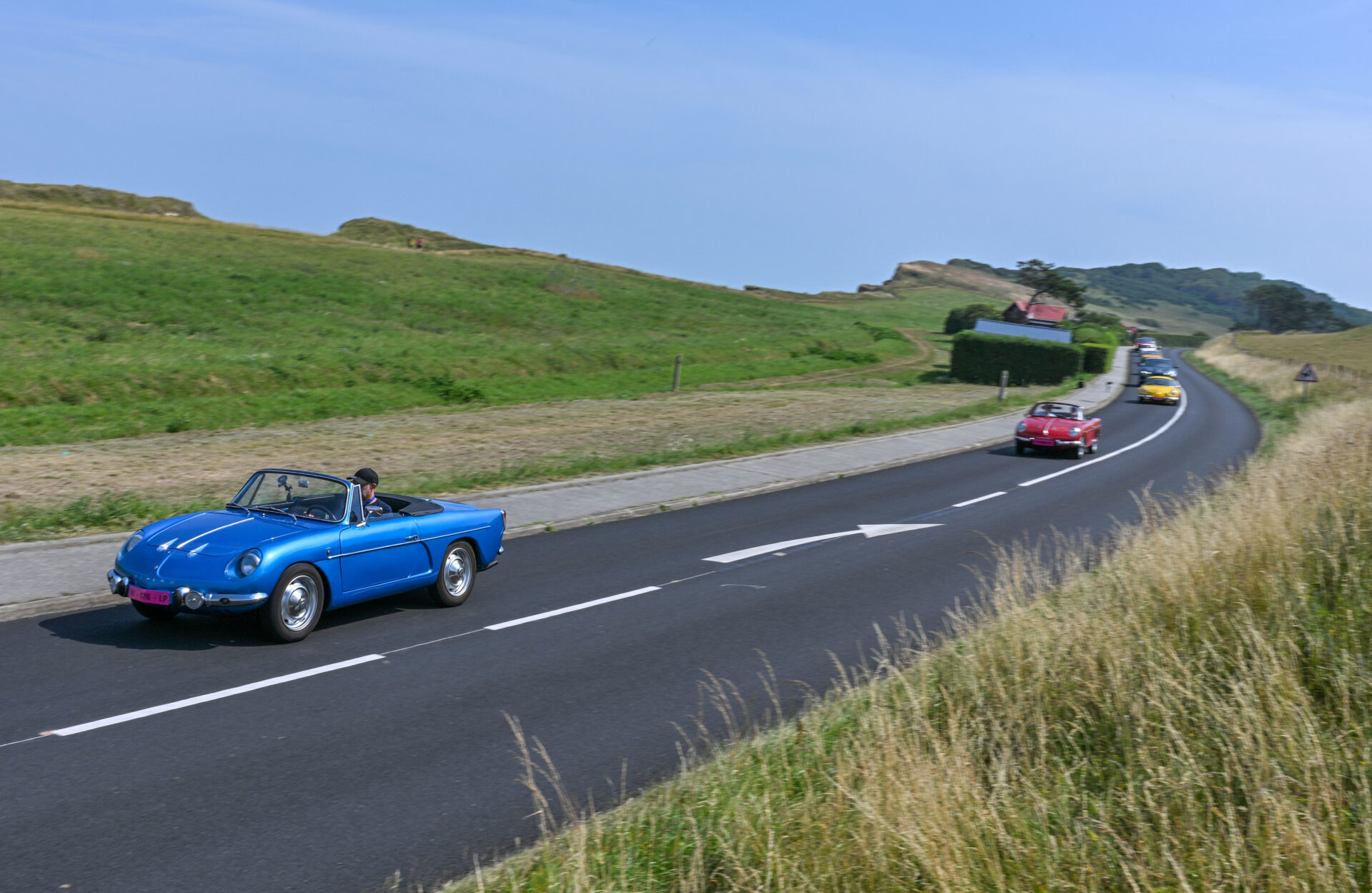
The electric Alpine A110 is just around the corner, with a launch due in the course of 2027. Already, the subtle link between a glorious past and a still uncertain future is plain to see: the pleasure of driving a pretty, likeable, light and agile car. From 1962 to 1977, the original A110 defined design cues that found an echo in the second generation, built from 2017 to 2026.
Anthony Villain, head of design at the brand with the arrowed A, puts it with great clarity: “Without the revival of the A110, there would have been no revival of Alpine.” The A110, initially known by the pretty name of “berlinette” for its coupé body, is therefore the guardian of the Alpine spirit. Jean Rédélé founded the brand in June 1955.
A unique design
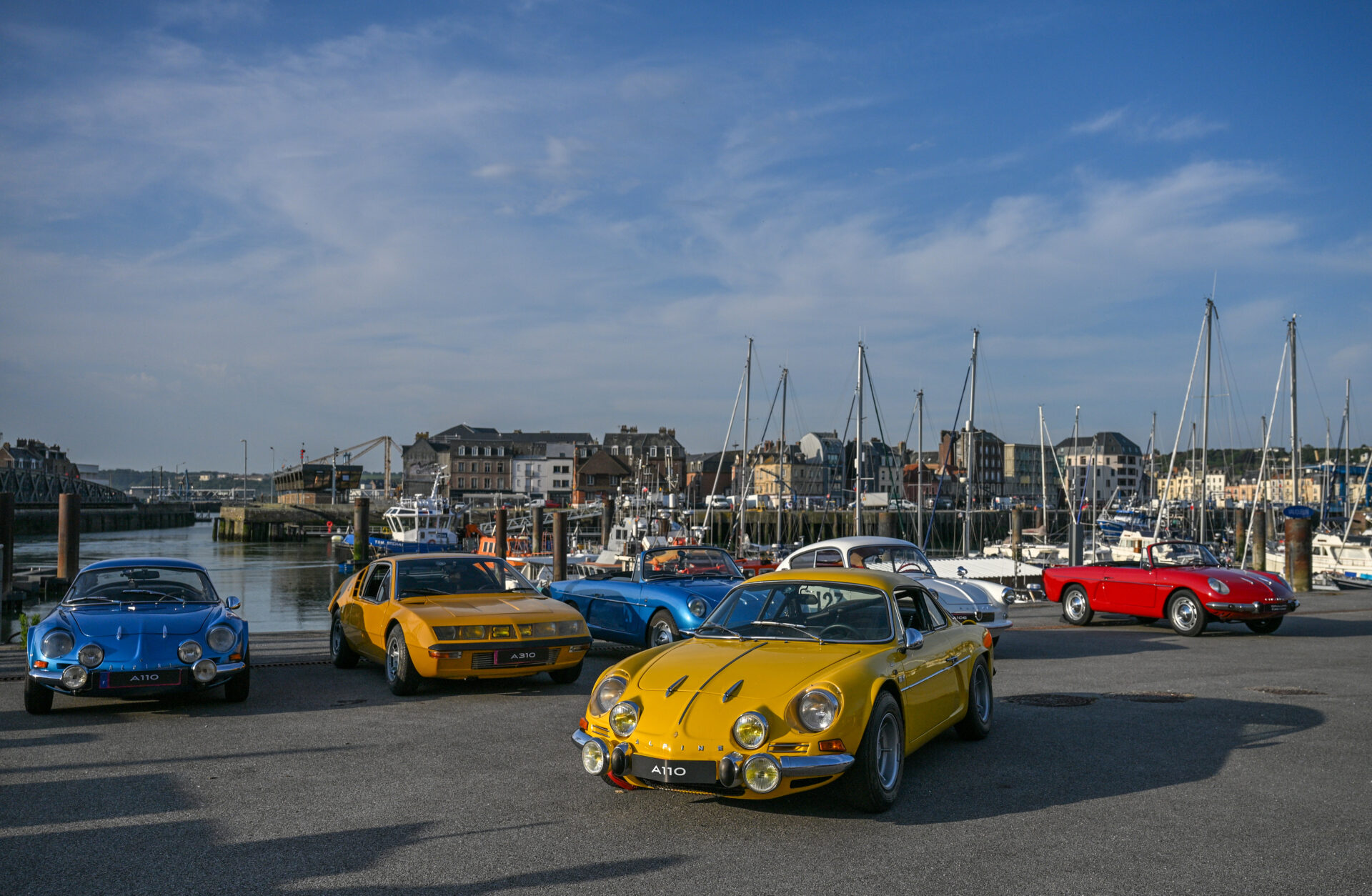
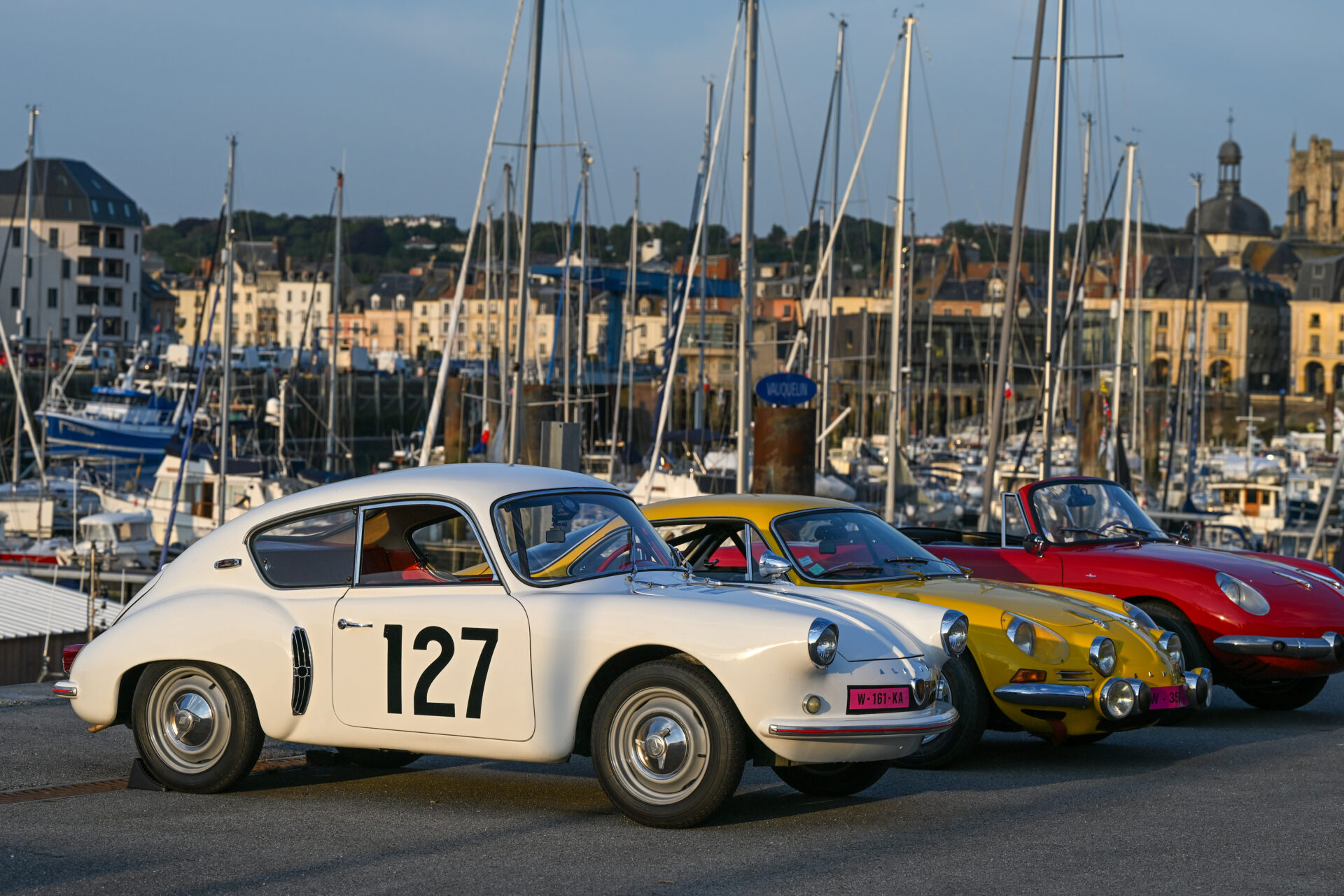
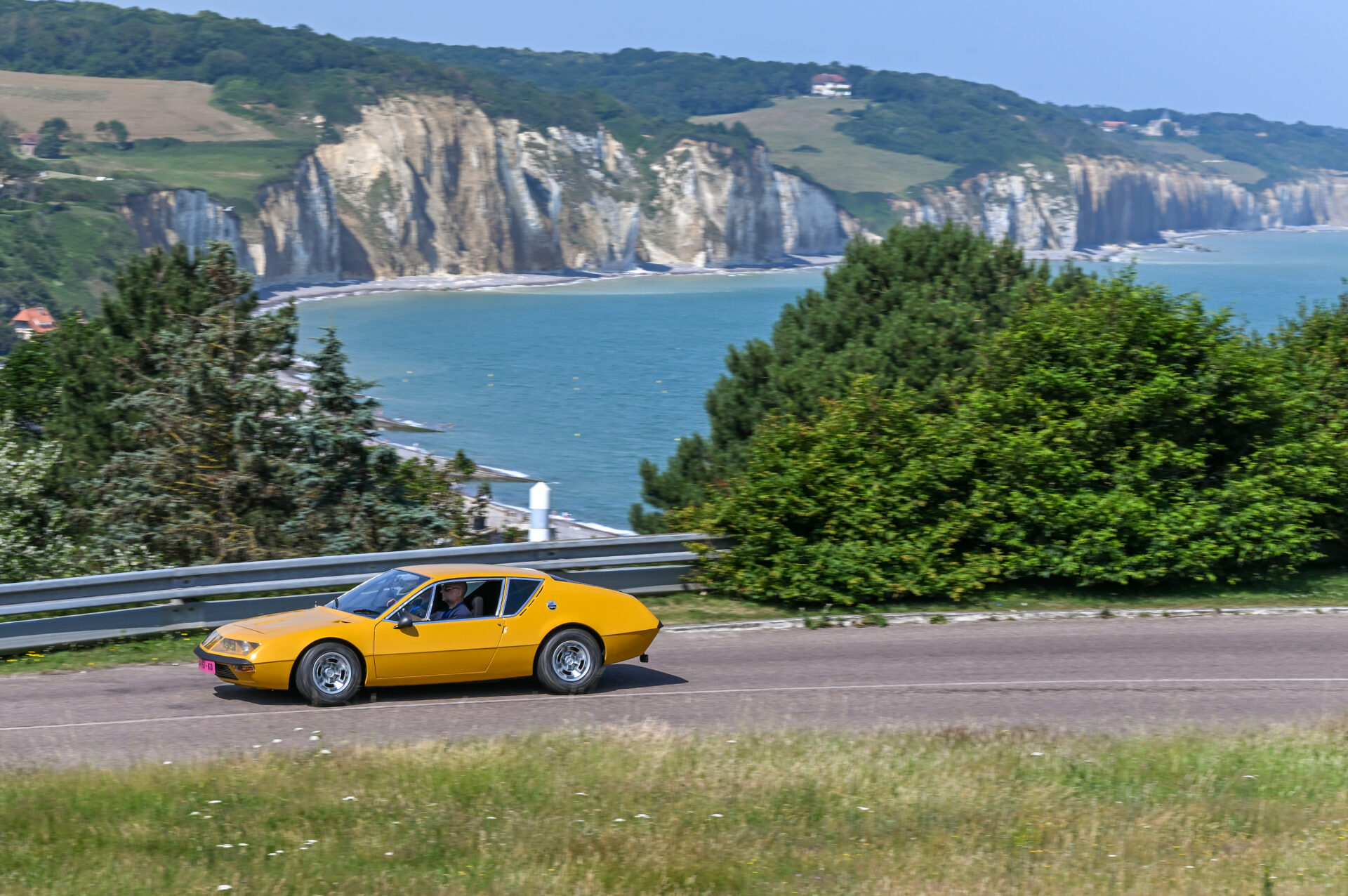
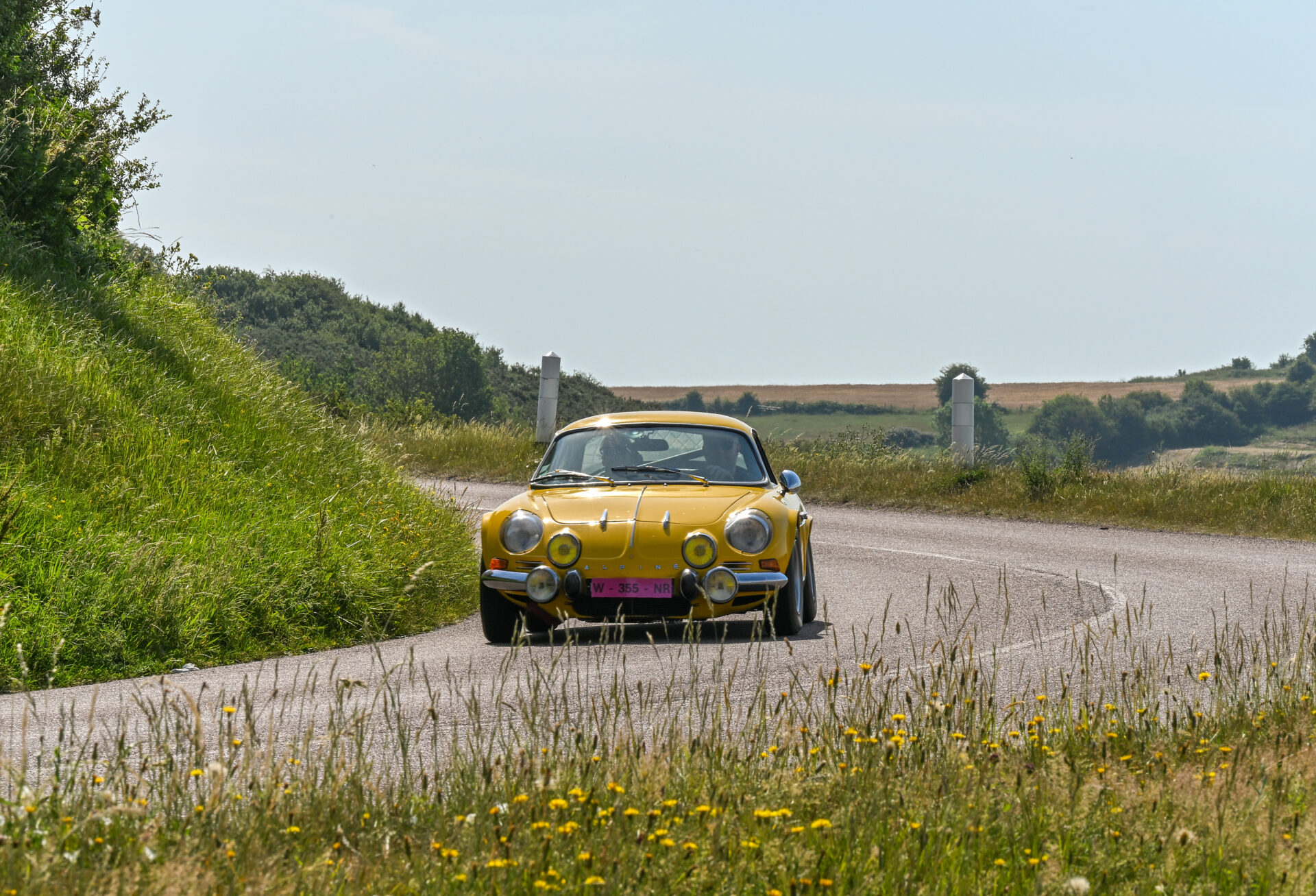
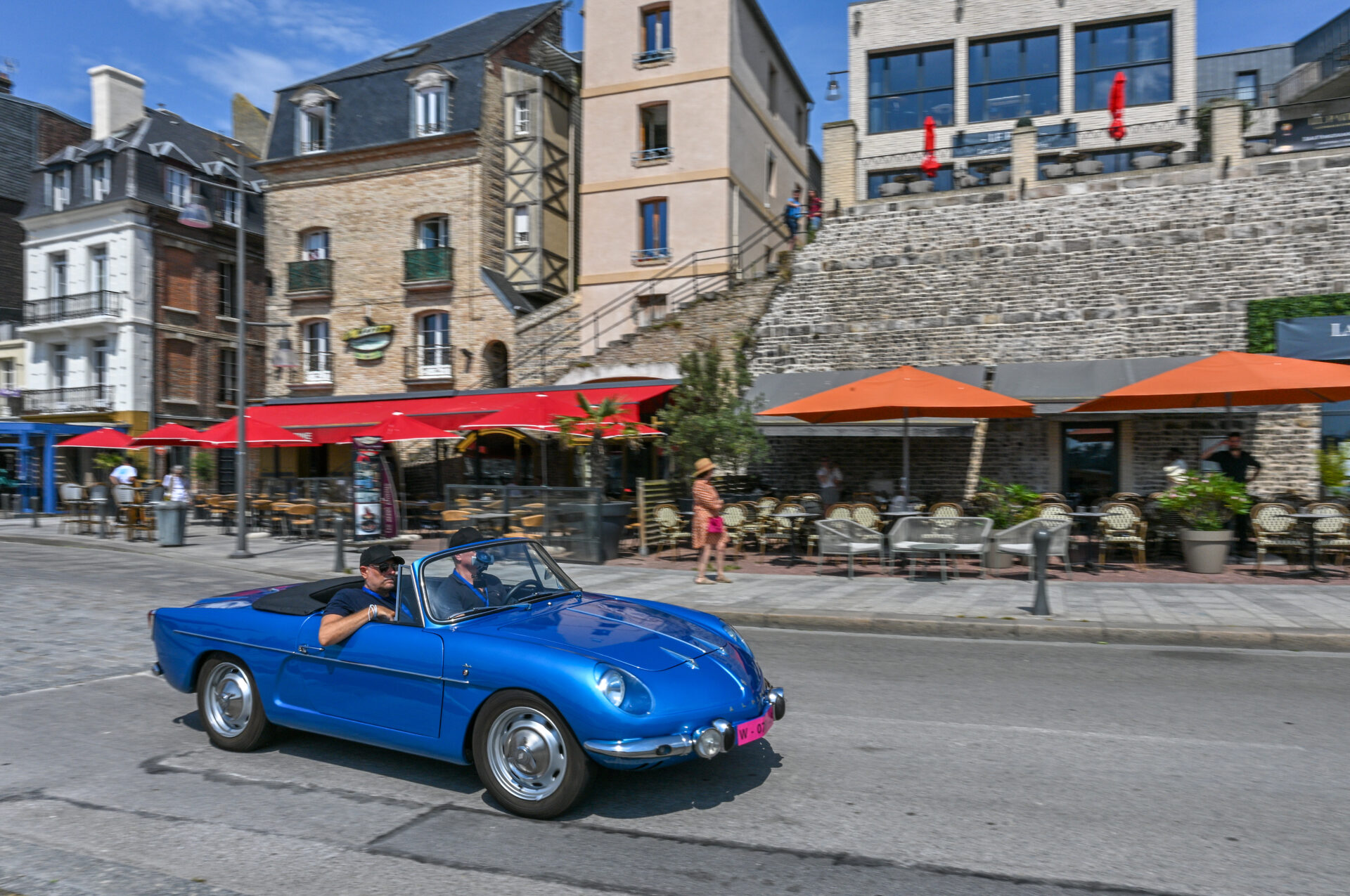
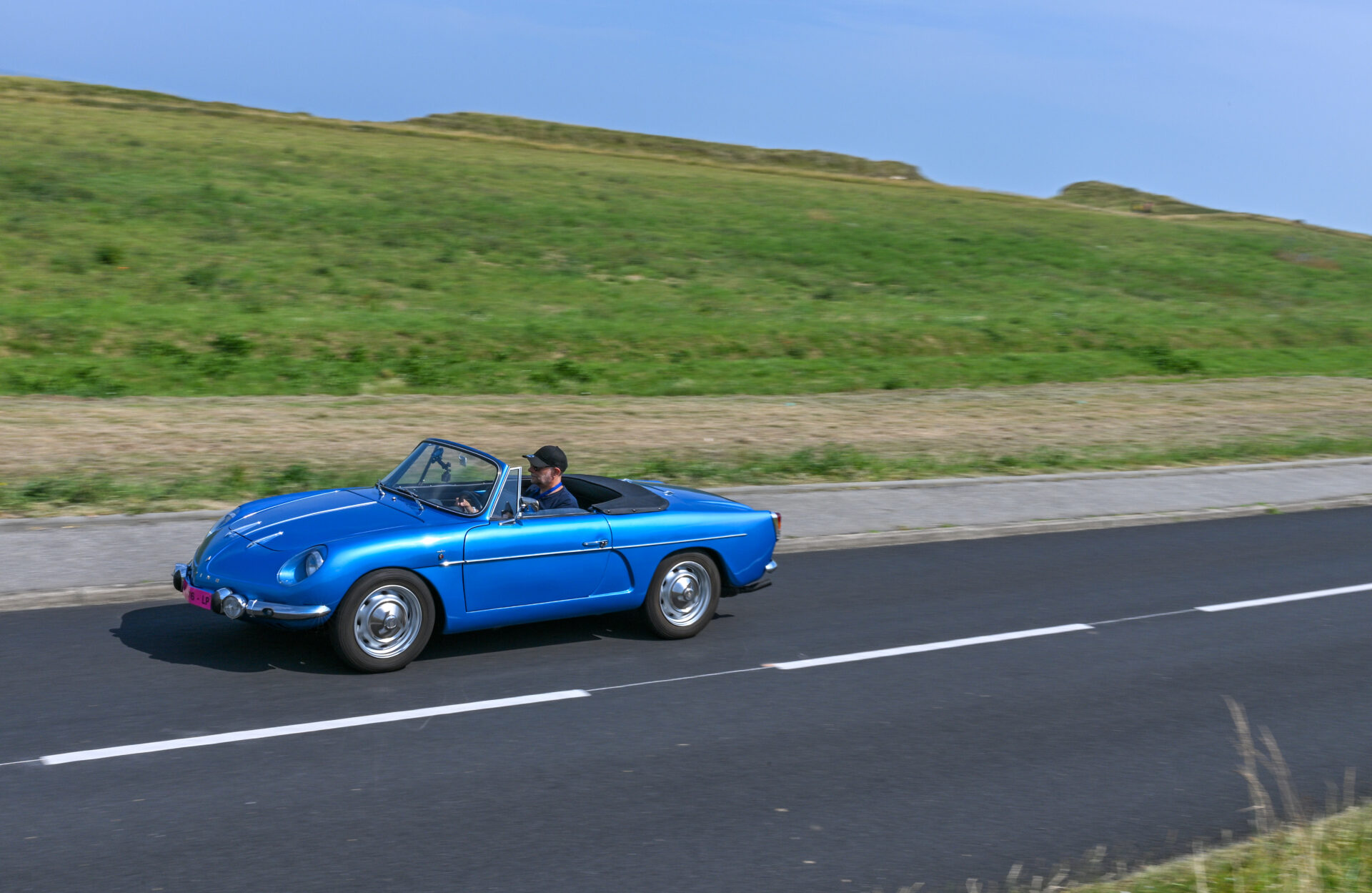
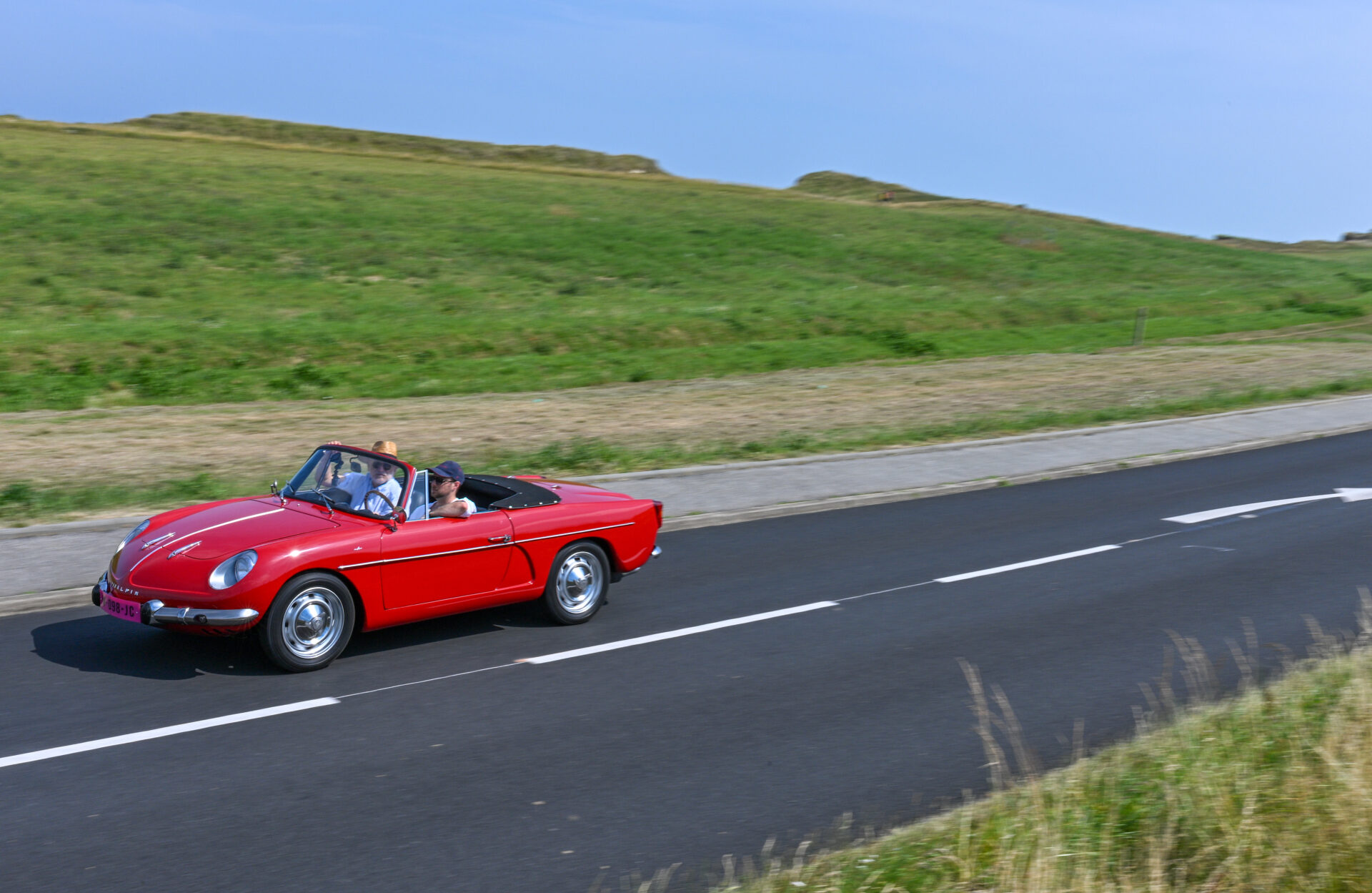
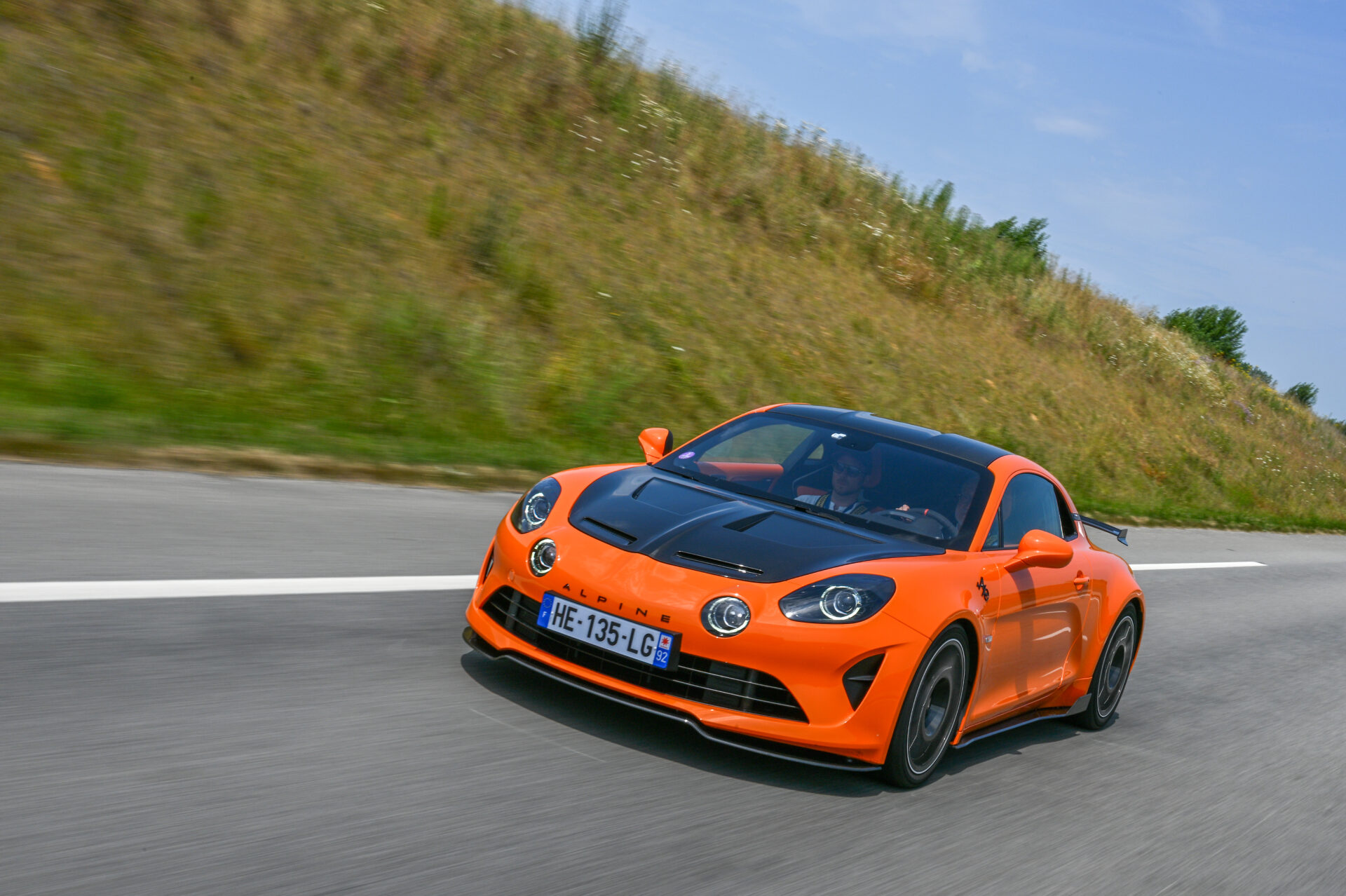
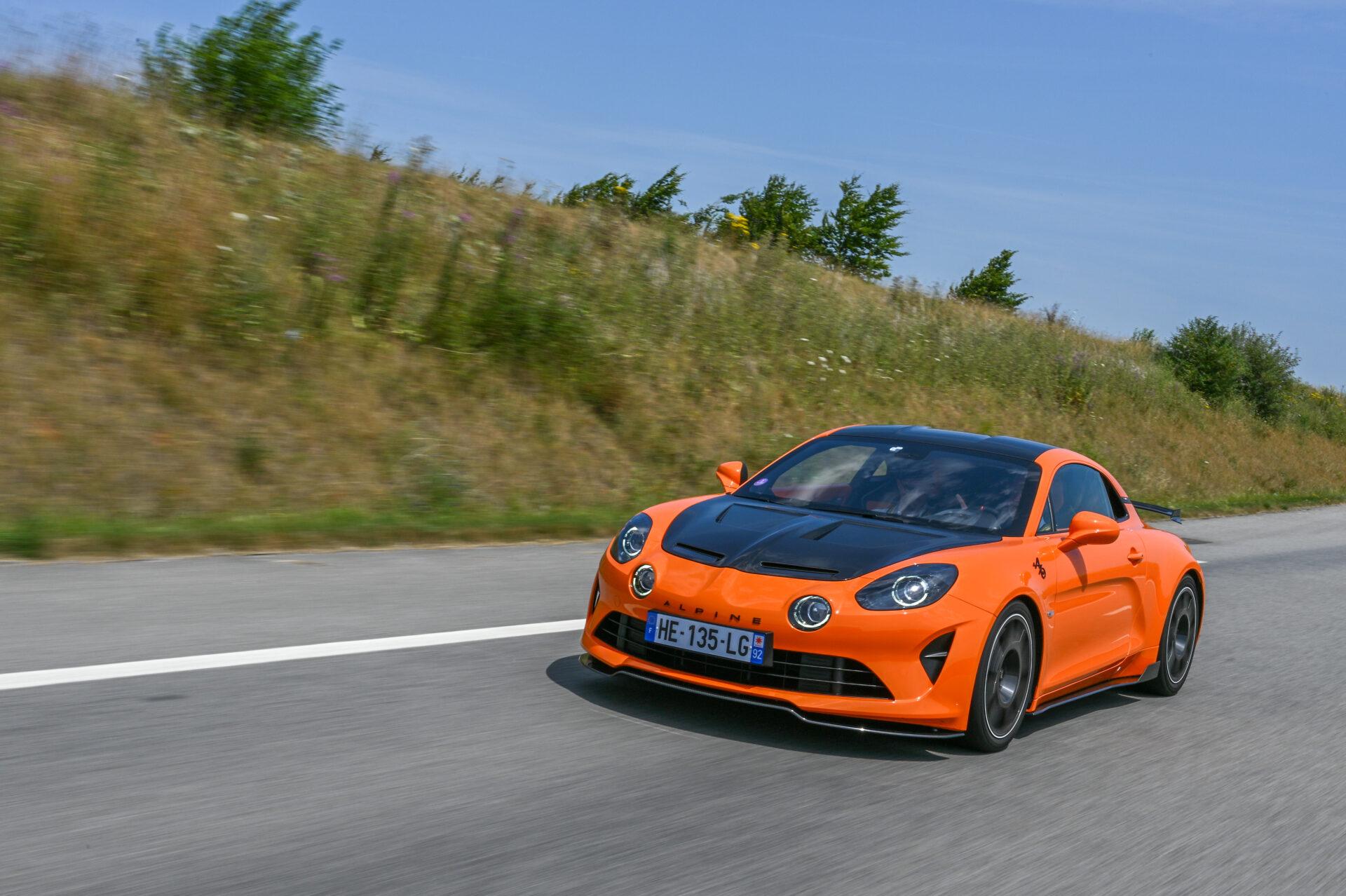
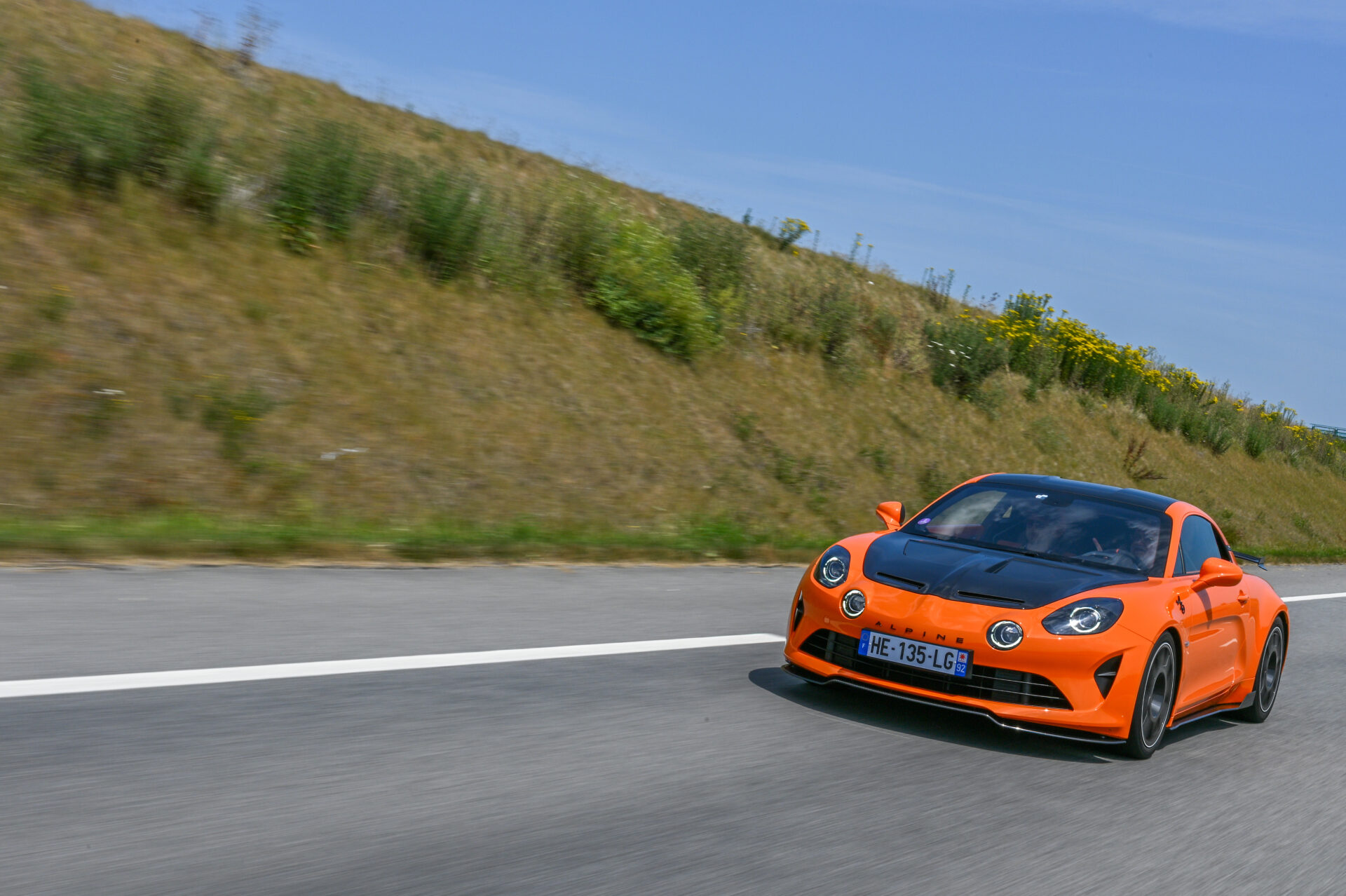
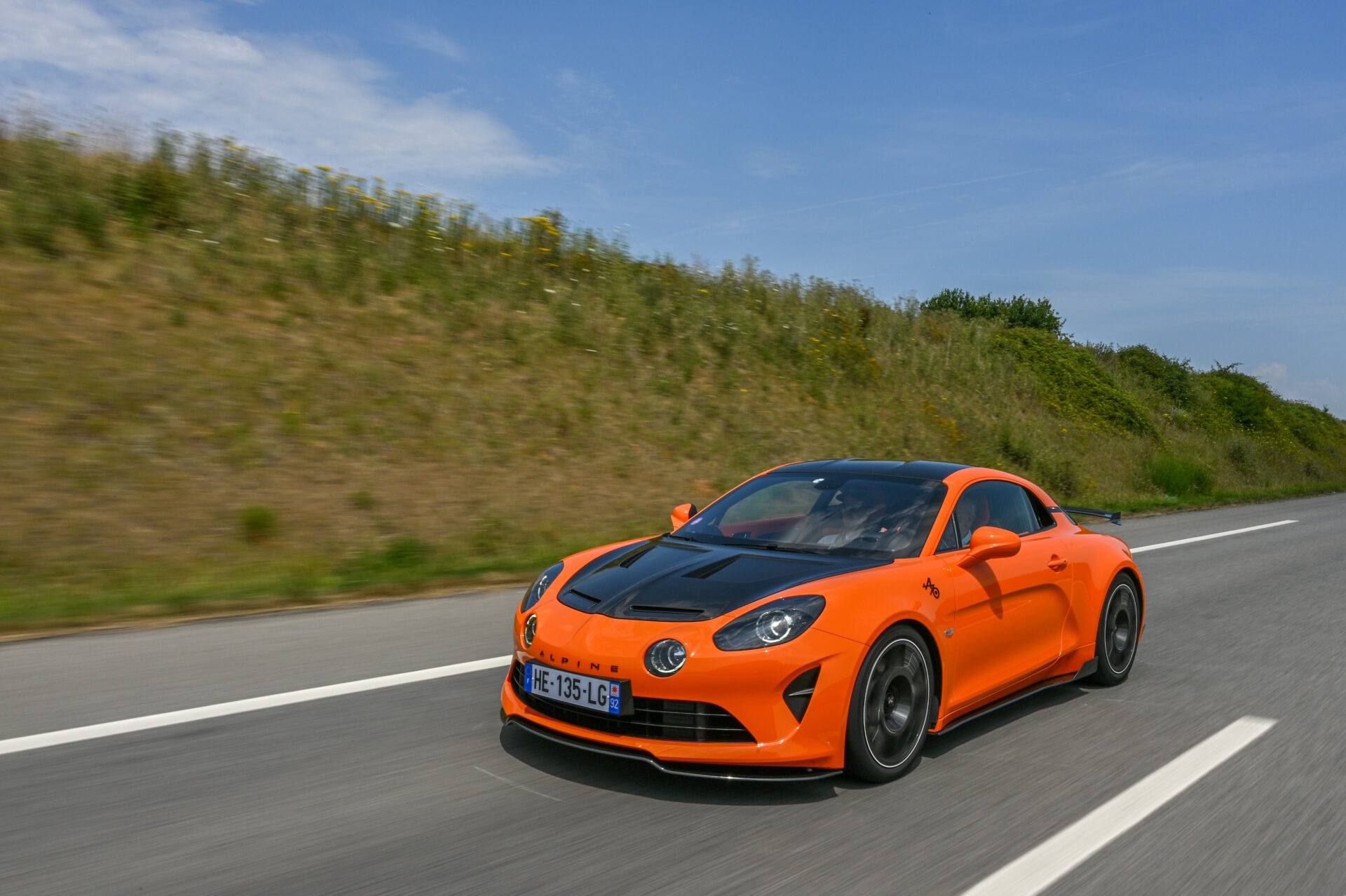
The little sports car’s styling is unique. Head-on, the bonnet features a central line with two curves, plus the four characteristic headlights. On the doors sits a C-shaped element, a vestige of the air intakes of the A106 and A108, the models that preceded the A110. “On the A110, the engine was cooled right at the back, so those intakes were no longer needed,” explains Jean-Pascal Dauce. “But Jean Rédélé and his team thought the shape was pretty and kept the C on the car’s flanks.”
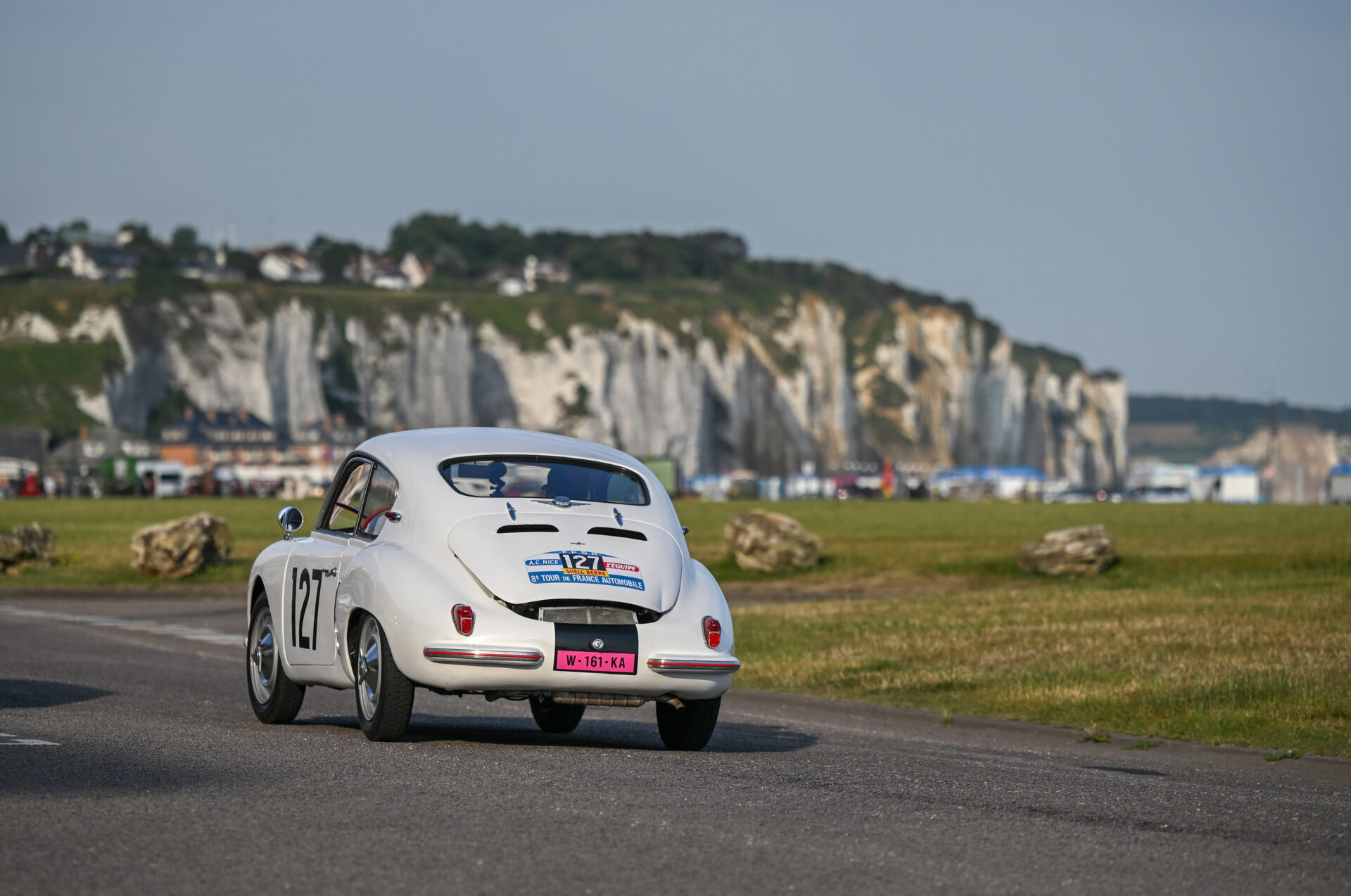
One final hallmark of the ancestor of all Alpines is the gently rounded rear window, resting elegantly on the wings. All of these features were carried over to the second-generation A110 by Anthony Villain and his design team.
Nods to the past at every turn
An engineer who ran development until a few months ago, Jean-Pascal Dauce remembers: “We had to identify the key lines and defining features that make up the car’s identity, and build on them to create a thoroughly modern car, with a series of nods to the past so that the lineage would be beyond dispute. It worked rather well.”
All the styling cues mentioned were subtly reinterpreted on the current A110, reinforcing its modernity. Will the same be true of the third generation? Impossible to say for now. The electric A110 shown at the Goodwood Festival of Speed in England from 9 to 12 July 2026 is merely a development vehicle, and no guide to the final bodywork. Jean-Pascal Dauce is confident nonetheless: “Anthony Villain has been here since 2012 and is one of the pillars of Alpine’s revival, with a design language he personally stands behind.”
From backbone chassis to aluminium
Technically, of course, cars were not built the same way in the early 1960s as in the late 2010s. Introduced on the A108 and carried over to the A110 in 1962, the berlinette’s backbone chassis consists of “a tube of circular cross-section running through the car from front to rear, with two subframes fitted or welded at either end”. In 2017, the choice fell on a self-supporting monocoque made entirely of aluminium, preserving the car’s rigidity, stability and light weight.
“These modern solutions clearly allowed us to move up a gear,” says Jean-Pascal Dauce. The same applied to the body. Originally it was made of the lightest, most malleable and most durable material of its day: a composite of glass fibre and polyester resin. In the mid-2010s, the story goes, debate raged at Alpine between the advocates of composite and those pushing for all-aluminium construction.
Modularity
Jean-Pascal Dauce was among those defending the principle of lightness, while arguing that “aluminium allows pressings with small radii, which for us is a guarantee of perceived quality”. The all-aluminium solution won the day and will feature on the future electric A110. “Here we have genuine continuity in the intensive use of aluminium, while improving certain elements to make the platform easier to adapt.” The new A110’s brief calls for a coupé, a convertible and a 2+2 coupé on the same platform.
Known as APP, for Alpine Performance Platform, the new multi-energy base (you can never be too careful) will house one 800-volt battery pack at the front and another at the rear, preserving the weight distribution of the current petrol car: 60 per cent of the mass over the rear axle. The two electric motors will also sit on the rear axle, a guarantee of agility.
A car people love
That is what is at stake: to succeed in its electric transformation, the A110 must stay true to its current aesthetic and technical principles, optimised for a battery-powered system. Its estimated weight is between 1,300 and 1,500 kg, against around 1,100 today, which would in itself be a technological feat. That would allow the third-generation A110, compact, agile, relatively light and visually distinctive, to preserve the tremendous affection the line inspires, along with a driving experience like little else.